Just in:
Sber announces results of GigaArt AI-art festival: Nearly half a million images // Trump directs Justice Department scrutiny of Democratic threats // Abu Dhabi court holds NMC executives liable for fraud // Lee Kum Kee Sauce-Sponsored 2026/27 Hong Kong Windsurfing Circuit – iQFOiL Championships Conclude Successfully // Setback for Usha in Olympic body // Abu Dhabi unveils restored Porsche from royal motorcade // Trump’s Defeat In Midterm May Lead To Both Challenges And Opportunities For Indian Economy // AutoSwift secures close to A$10 million from Singapore’s X Star Technology to scale AI WINGMAN // Google patches actively exploited Chrome XML security flaw // Republicans Struggling To Come Out Of Nov 3 Debacle To Prepare For 2028 Prez Polls // Smart home choices widen as compatibility standards advance // From Seoul to Wuzhen: Korean Celebrities and Creators Spark a Water Town Slow-Living Trend // PhotonPay Strengthens North American Regulatory Footprint with Canada’s RPAA Registration // AI stock rout erodes sovereign and pension holdings // Public Protests Challenge Elected Power In Europe And India // FAB takes full ownership of Bahrain fund administrator Yasira // Recognition under the U.S. Green Building Council’s rating system confirms the 22-residence tower is on track for full certification on completion // North Korean hackers channel Binance funds through fake tokens // Vasavan alleges one-man show by CM Satheesan // European refrigeration hacks expose Gulf retail security risks //

News related to
Dubai’s

China Development Bank has successfully listed two bonds on Nasdaq Dubai, raising a total of more than US $1 billion in a strategic bid to broaden its foreign‑currency funding channels and attract global investors. The issuance includes a US $500 million three‑year floating‑rate tranche tied to SOFR + 30 bps, and a €500 million three‑year fixed‑rate tranche offering a 2.25 percent coupon. Both tranches carry an A1 rating from Moody’s. Investor appetite proved robust across both offerings. […]

Greenlogue/AP UAE health and finance leaders have been urged to expedite air quality improvements, with a new report estimating annual savings of $596 million if pollution levels align with World Health Organization guidelines. The projected gains stem from fewer hospital admissions, drops in respiratory illnesses such as asthma, and reduced premature mortality. The study, led by Economist Impact, highlighted over 94 per cent of the global population lives in areas […]

Dubai Electricity and Water Authority has accelerated its implementation of artificial intelligence across its energy distribution network, marking a pivotal moment in its broader digital transformation agenda. This strategic push harnesses AI to elevate operational efficiency, boost service reliability, and enhance customer experience in alignment with Dubai’s ambitious smart city vision. At the heart of this effort is DEWA’s Distribution Network Smart Centre, which processes over 15 […]

China Development Bank has launched a groundbreaking dual‑currency bond on Nasdaq Dubai, bearing an A1 rating from Moody’s, with a pair of three‑year notes: a $500 million floating‑rate tranche at SOFR +30 basis points and a €500 million fixed‑rate tranche bearing a 2.25 percent coupon. Investor demand flooded in, especially from Europe, the Middle East and Asia, marking a significant milestone in cross‑border financing. The euro tranche, with its enticing […]

Stringent new visa rules now govern travel from Nigeria to the United Arab Emirates, marking a sharp increase in restrictions. Transit visas have been fully suspended, while tourist visas for solo applicants aged 18 to 45 are no longer allowed. Those aged 45 and above must now demonstrate a six-month bank balance of at least USD 10,000 to qualify. A directive communicated to travel agents in Dubai on Tuesday […]

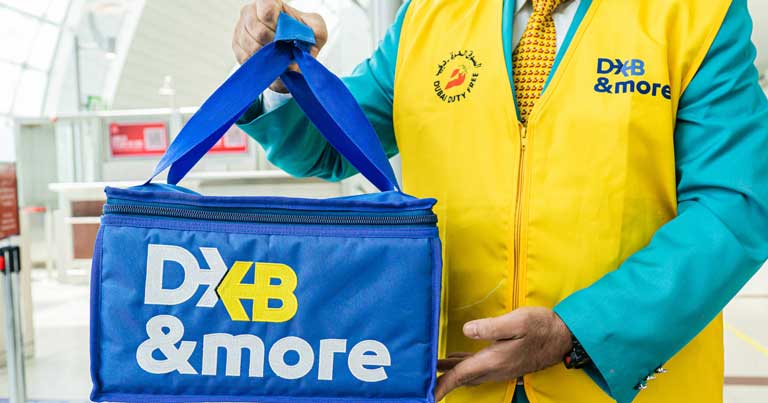
Dubai International Airport has introduced DXB Greet & Go in Terminal 3, revolutionising the way arrivals are greeted. Licensed hotels, tour operators and transport providers can now tap QR codes—replacing traditional placards—to meet guests efficiently in a dedicated arrivals area.

The initiative, officially live since early July, provides an authorised meeting zone designed to improve passenger flow and elevate hospitality standards. Dubai Airports has established this as part of its strategy to ease congestion and reduce stress at peak arrival times.

This digital-first service streamlines the reception experience: instead of waiting among crowds, drivers and host staff now scan pre-shared QR codes, guiding travellers directly to designated areas where they are met by clear signage. The system aligns with security protocols while offering better clarity and comfort.

Industry observers describe DXB Greet & Go as another milestone in Dubai’s automation and smart-performance ambitions. It complements prior enhancements—like biometric Smart Tunnels and QR-code navigation tools—designed to process high passenger volumes more swiftly while preserving a premium touchpoint.

Key regional operators have already registered. A senior operations manager at one of Dubai’s leading hospitality chains noted guest satisfaction has improved, citing fewer missed connections and faster handovers. Dubai Airports spokesperson emphasised that launch partners are primarily “licensed entities” committed to seamless, branded guest engagement.

Compliance and coordination with security teams were paramount in crafting the scheme. The dedicated meeting point follows stringent screening criteria and maintains oversight from airport operations, ensuring guest meets do not impinge on wider terminal safety. It also alleviates footfall in busy corridors, especially during peak periods.

Analysts see branding and service quality benefits. Sharply reducing wait times at arrivals enhances early impressions for high‑value guests, business travellers and VIPs—key revenues for both hotels and airport retail operators. And as QR-based systems gain traction worldwide, DXB’s approach may offer a replicable benchmark for other global gateways.

Passengers have already reported smoother arrivals. A recent poll by a GCC‑based travel blog found that 87 percent of users appreciated the clarity of designated zones and reduced crowding. Several said using the service felt more “personalised and modern”, aligning with expectations for a luxury travel experience.

Onboarding requires minimal effort: partners register via Dubai Airports’ platform, receive official QR codes linked to flight details, and station meeting personnel accordingly. QR scanning synchronises with flight schedules, activating the service only once the flight has landed and passengers have disembarked.

Dubai Airports reports the system has quickly gained traction among boutique hotels and VIP ground handlers, with expansion plans underway. Terminal 3—the main hub for Emirates—is expected to expand the service across other terminals if demand continues.

The move also integrates with existing smart journeys like DXB Express Maps, enabling visitors to navigate lounges, shops and gates by QR scanning digital kiosks. The combined effect is a frictionless experience from landing to departure, supporting ambitions to top 100 million annual passengers.

In recent years, Dubai’s real estate market has become one of the most attractive investment destinations globally. With its strategic location, tax-free benefits, and luxury developments, investing in real estate through platforms like Megapolis.ae offers both stability and high potential returns. Why Dubai? Dubai is more than a city — it’s a symbol of modern prosperity, innovation, and luxury living. Thanks to the UAE’s investor-friendly policies, world-class […]

Advertisements

With Bitcoin prices soaring past $100,000 again and investor optimism at a high, the UAE’s strategic push into crypto is paying off. But what does this bull market really mean for the country’s economy, its investors, and its long-term financial future? The UAE has spent the last few years laying the groundwork to become a global crypto capital. While some countries have struggled to regulate or simply […]

Emirates Airline has formalised a strategic alliance with Crypto. com aimed at integrating Crypto. com Pay into its digital payment systems, underscoring a strong commitment to security and regulatory compliance. The partnership, set to activate next year, was marked by a Memorandum of Understanding signed by Adnan Kazim, Emirates’ Deputy President and Chief Commercial Officer, alongside Mohammed Al Hakim, President of Crypto. com’s UAE operations. The signing took place under the witness of Sheikh Ahmed bin Saeed Al Maktoum, Chairman and Chief Executive of Emirates Airline & Group, and Michael Doersam, Emirates’ Chief Financial & Group Services Officer.

Emirates’ leadership highlighted the rationale behind the move: embracing the growing demand among tech-savvy travellers and aligning with Dubai’s broader ambition to lead in financial innovation. Adnan Kazim emphasised the airline’s dedication to “meeting evolving customer preferences” and offering travelers more flexibility in payments. The integration also positions Emirates to engage with a younger demographic increasingly comfortable with digital currencies.

Crypto. com echoed this forward-looking sentiment. Eric Anziani, President and COO, described the agreement as a catalyst for wider cryptocurrency adoption in consumer finance. He welcomed Emirates as “an exceptional partner,” stressing that the integration will push momentum across the digital asset sector in the Gulf region.

The MoU outlines not only the technical integration of Crypto. com Pay but also joint marketing initiatives to increase awareness and encourage uptake. Emirates and Crypto. com intend to launch promotional campaigns aimed at customers, educating them on the convenience and security of paying with digital assets.

This collaboration reflects a broader trend within the UAE, where regulators have implemented a notable framework to encourage blockchain innovation while maintaining robust investor protection and financial system integrity. Dubai, in particular, has seen a surge in cryptocurrency utility across multiple sectors, including property, retail, and telecommunications. The MoU aligns with this ecosystem, reinforcing Dubai’s vision to be a global hub for crypto innovation.

Financial experts observing the region note that infrastructure investments, regulatory clarity, and consumer interest have driven a significant crypto inflow—valued at approximately US$34 billion between July 2023 and June 2024—suggesting strong institutional confidence. Adoption of digital payments by major consumer-facing corporations such as Emirates is seen as a transformative step in normalising cryptocurrencies as mainstream payment options.

Emirates’ approach to this partnership has been cautious yet calculated. Emphasis on security, compliance, and regulatory alignment indicates a measured strategy that places integrity at the forefront. The airline assures customers that the integration will meet “the highest security and compliance standards,” a crucial reassurance in light of global scrutiny surrounding crypto-related risks.

This is not Emirates’ first foray into strategic payment alliances. Earlier this year, the airline partnered with American Express Middle East to enhance offerings for small and medium‑sized enterprises across the Middle East and North Africa regions. The Crypto. com collaboration signals a parallel move into the emerging digital asset sphere, indicating Emirates’ growing appetite for financial innovation beyond traditional banking channels.

Industry analysts observe that including crypto payments could broaden Emirates’ appeal among adventurous travellers and those engaged in the digital economy. For Crypto. com, the partnership adds to a burgeoning presence in the GCC, enabling the company to showcase real-use cases with a prestigious flag-carrier.

The path ahead involves critical integration steps, including system upgrades, staff training, customer education, and regulatory coordination. Both parties have set a goal for full deployment by next year, providing a practical timeline for technology deployment and market engagement strategies.

Parsons Corporation has been appointed by Dubai’s Roads and Transport Authority as the Project Management Consultant for the forthcoming Metro Blue Line, under a five-year agreement. The firm will lead design evaluation, procurement facilitation, construction oversight, testing and commissioning, ending with the handover of the system. The line is projected to enter service by September 2029, covering 30 km with 14 stations, and is a core part of Dubai’s D33 Economic Agenda geared towards completing the city’s next-generation transport network by 2033.

The Metro Blue Line, spanning from Centrepoint on the Red Line through Creek station on the Green Line and reaching Academic City, is expected to serve up to 320 000 passengers daily. It will connect key zones such as Mirdif, Dubai Silicon Oasis, Creek Harbour and Festival City, reinforcing the mobility framework outlined in the 2040 Urban Master Plan.

Pioneering the metro’s expansion, the Blue Line received approval on 24 November 2023 from Dubai’s Vice President and Ruler, reflecting a total investment of AED 18 billion. This strategic vision anticipated a launch coinciding with the metro’s 20th anniversary.

Parsons brings to this contract more than 80 years of global infrastructure and transport systems expertise, and over six decades of regional presence. In Dubai, the firm has supported RTA projects since 2005—from the Metro Red and Green lines and Route 2020 to the Intelligent Traffic Systems Centre and Infinity Bridge—delivering over 100 roads, bridges and tunnels.

Chief among Parsons’ tasks is aligning technical design with RTA standards, streamlining tender processes, supervising contractor performance, and ensuring operational readiness through rigorous testing. Their involvement utilises advanced project controls to ensure on-time, safe delivery—a critical measure as Dubai moves toward its D33 viability targets.

In his capacity as President, Infrastructure EMEA, Pierre Santoni emphasised the importance of Parsons’ long-standing local partnership and its commitment to delivering “innovative technology” and “world‑class transportation systems” in collaboration with the RTA team.

Malek Ramadan Mishmish, Director of Rail Planning and Project Development at the RTA, welcomed Parsons aboard, citing their established delivery record in the emirate and reaffirming Dubai’s aspiration to embrace “smart and sustainable transportation” in line with its ambitions to become the world’s “smartest and happiest city”.

The Blue Line is positioned to deepen the integration of Dubai’s transport ecosystem, with interchange stations at Centrepoint and Creek enabling connectivity across the Red, Green and Blue lines, and future linkages into the Etihad Rail network. As an element of the broader D33 Economic Agenda and the 2040 Urban Master Plan, it is expected to redefine sustainable urban mobility and support anticipated demographic expansion.

Risks inherent to large-scale infrastructure development include potential for budget escalation, complex oversight and synchronization with civil contractors. However, Parsons’ selection underscores the RTA’s continued confidence in its capacity to deliver against these challenges, building on its proven project delivery lineage in Dubai.

With completion forecast by 2029, the Blue Line aims to expand the daily ridership beyond current figures—around 755,000 across the Red and Green lines in 2024—with 320,000 passengers expected to onboard the new route alone.

Dubai’s ultra‑luxury real estate market surged in April to June 2025, with transactions for homes priced above $10 million reaching US $2.6 billion, a 37 % rise from the previous quarter and a 63 % increase year‑on‑year, according to London‑based researcher Knight Frank. The emirate recorded 143 such deals in Q2, up from fewer in Q2 2024, underscoring its dominance in the global super‑prime segment. Palm Jumeirah held its status as the top destination […]

Dubai‑based hospitality firm Tashas Group is entering a rapid new phase of expansion across the Middle East and South Africa, with founder Natasha Sideris spearheading a strategy that balances boutique charm with accelerated growth. Operating 40 venues in five countries—including 18 in South Africa, 17 across the UAE, three in Saudi Arabia, and single locations in Bahrain and the UK—the group plans to open a further 15 […]

Drake & Scull International PJSC has secured two infrastructure contracts worth more than AED 1 billion in Dubai’s sprawling Arabian Hills development, marking its first foray as a real estate developer. The contracts cover infrastructure works in Area 10 and Area 05, including power installations, street lighting and a sewage treatment plant. The project is scheduled for delivery by the end of 2027, with expected profit margins of 8–10 per cent.

This shift reflects a strategic diversification. While DSI has traditionally focused on mechanical, electrical and plumbing contracting, the Arabian Hills initiative positions the company as a developer in its own right. The contracts will be funded through existing cash reserves and bank facilities, as confirmed in a filing to the Dubai Financial Market.

The Arabian Hills project spans an immense 224 million sq ft, featuring both residential and commercial zones. DSI’s roles entail foundational infrastructure—roads, utilities and public amenities—across two major precincts. Sun Valley will receive infrastructural services and power systems, while Park Vista will also benefit from a sewage treatment facility. Landowner Arabian Hills Investment and Real Estate Development describes the venture as a “transformative development” with a focus on innovation and sustainability.

DSI’s entry as a developer aligns with the broader regional real estate trend. Dubai’s market is experiencing a notable uptick, with developers diversifying amid stronger investor sentiment and rising demand. Industry sources suggest that entrants with established construction capabilities, like DSI, can leverage vertical integration to enhance margins and control over delivery schedules.

The timing of this move follows DSI’s high-profile financial turnaround. The company emerged from a court-approved restructuring process involving a 90 per­cent debt write-off and issuance of mandatory convertible sukuk for the remaining 10 percent. A capital increase exceeding AED 450 million underpinned the reforms, enabling DSI to resume trading on the Dubai Financial Market in late May 2024.

Restructuring milestones include:
Approval of a court-ordered plan involving debt write-off and sukuk conversion.
A AED 600 million capital hike and listing reinstatement, facilitating access to new contracts.
Clearance of AED 4.18 billion in historical debts, with share capital raised by AED 450 million.

Following restructuring, DSI rapidly bid and won significant contracts, including MEP projects and large-scale infrastructure builds. A notable contract includes the AED 180 million agreement to construct a 38‑storey residential tower in Jumeirah Village Circle for Reef Real Estate.

Industry analysts note that DSI’s revival is a landmark in UAE’s corporate restructuring landscape. Its process, executed under the onshore UAE bankruptcy law, sets a precedent for other distressed firms. The successful debt-to-equity and sukuk conversion arrangements are expected to influence future corporate reorganisations.

Financially, the Arabian Hills contracts are projected to be revenue-recognised on a percentage-of-completion basis. DSI forecasts 8–10% margins, signalling confidence in its integrated delivery model.

DSI’s CEO Muin El Saleh emphasised the contracts as a major milestone in the company’s growth and sustainability roadmap. He described the development as a reaffirmation of their “unique capabilities” and their standing as a strategic partner for sustainable urban developments. Arabian Hills MD Salem Al Muheiri welcomed DSI’s involvement, citing trust in its track record to meet high standards on time and within budget.

With DSI now embracing a developer’s role, the move brings vertical integration into sharper focus. Analysts warn that successful execution will be critical; infrastructure delivery and utilities construction carry significant logistical and regulatory complexity. However, DSI’s strengthened financials and reclaimed market position give it a sturdy platform from which to venture.

UAE authorities have categorically dismissed claims that cryptocurrency investors can secure a 10‑year golden residency visa, stating that such privileges are reserved for specific sectors such as real-estate investors, entrepreneurs, top-tier talents, scientists, specialists, leading students and graduates, humanitarian pioneers and frontline workers.

In a joint statement, the Federal Authority for Identity, Citizenship, Customs and Port Security, the Securities and Commodities Authority and the Virtual Assets Regulatory Authority made clear that no visa pathway exists based solely on digital asset investment. The clarification, issued in response to social media promotions tied to TON coin staking, noted that licensed companies dealing in virtual assets must follow standard visa procedures set by Dubai authorities—contradicting any assertion of automatic long-term residency for such investors.

The declaration emphasised that golden residencies, formally known as “golden visas,” are awarded selectively. Eligible recipients include individuals contributing significantly through real-estate acquisition, entrepreneurship, exceptional professional or academic achievements, humanitarian efforts, scientific innovation and frontline services. Digital asset holders, including those with TON coin, are not part of this framework.

VARA underscored that any licensed firm engaged in virtual assets must adhere strictly to visa regulations approved by Dubai’s government. The authority explicitly stated that TON is not among the licensed virtual asset service providers regulated by VARA—which serves as a reminder that third-party programme claims cannot confer regulatory endorsement or visa rights.

Market reactions were swift. TON’s market value dropped roughly 6% after the regulators’ denial, reversing an earlier 10% rally sparked by reports suggesting that staking over $100,000 of the cryptocurrency for three years would qualify investors for golden residency. The dip reflects investor recalibration, as participants digest the official position.

Crypto-focused platforms including Cointelegraph and CryptoBriefing reported that the golden visa narrative around TON did not originate from UAE government entities, but from promotional efforts tied to TON itself or affiliates. Such promotions framed virtual-asset investments as viable residency routes, a stance regulators assert is misleading.

Historically, the UAE has granted golden visas to boost innovation and long-term commitment within its economic ecosystem. Introduced in 2019, the visa allows extended residency ranging from five to ten years for designated groups, including investors, researchers, medical professionals, outstanding students, frontline responders and humanitarian workers. The UAE’s focus has been on attracting tangible economic and social capital—not speculative virtual-asset portfolios.

The political economy of the golden visa scheme underscores the government’s desire to diversify its talent pool while retaining high-calibre individuals. Notably, real-estate investors must typically commit AED 2 million or more, and entrepreneurs require projects valued at least AED 500,000, alongside approved incubator backing. There is no parallel threshold for cryptocurrency holdings.

VARA’s clarification additionally served as a broader caution to the public, urging consumers to engage only with fully licensed and regulated entities in the virtual-asset space. This aligns with the authority’s ongoing efforts to mitigate risk, prevent fraud, and ensure compliance within the rapidly evolving crypto sector.

Legal analysts note that agencies like ICP, SCA and VARA carry statutory authority over immigration, securities and virtual asset regulation, respectively—a strong indicator that their joint statement holds legal weight. Any company or platform claiming otherwise could face regulatory investigation for misleading representations.

Industry experts praised the clarity of the communication, saying it helps dispel misconceptions among investors attracted by sensational claims. “Regulation must keep pace with innovation,” commented one Dubai-based compliance specialist. “But investors also bear responsibility to verify claims, particularly when residency and investment are involved.”

Within the wider crypto ecosystem, this development is neither isolated nor unexpected. Regulators across jurisdictions have increasingly emphasised that digital-asset holdings alone rarely guarantee immigration benefits. The UAE’s decisive response may serve as a model for governments balancing openness to innovation with prudence in immigration policy.

Moving forward, observers will watch closely whether the UAE institutes any formal framework for crypto-linked residency benefits. VARA and SCA have previously launched licensing regimes for exchanges and service providers, hinting at a broader regulatory ecosystem under development. However, until there is explicit policy inclusion, golden visa eligibility remains restricted to well-defined categories.

Legal scholars suggest that should UAE authorities wish to incorporate virtual-asset investment into residency policy, formal amendments would need to be tabled via corporate regulations and immigration law. Meanwhile, the current guidelines offer clear instruction: digital asset investment, regardless of size, is not sufficient to obtain a golden residency in the UAE.


Dubai Land Department has formalised an agreement with global cryptocurrency firm Crypto. com to establish a blockchain‑driven ecosystem enabling property purchases and sales using digital currencies. The memorandum of cooperation, signed on 6 July, aims to streamline investor verification, custody and settlement processes while advancing real estate tokenisation—supporting the emirate’s Real Estate Strategy 2033 and its AED 1 trillion transaction goal. At the heart of the partnership is the […]

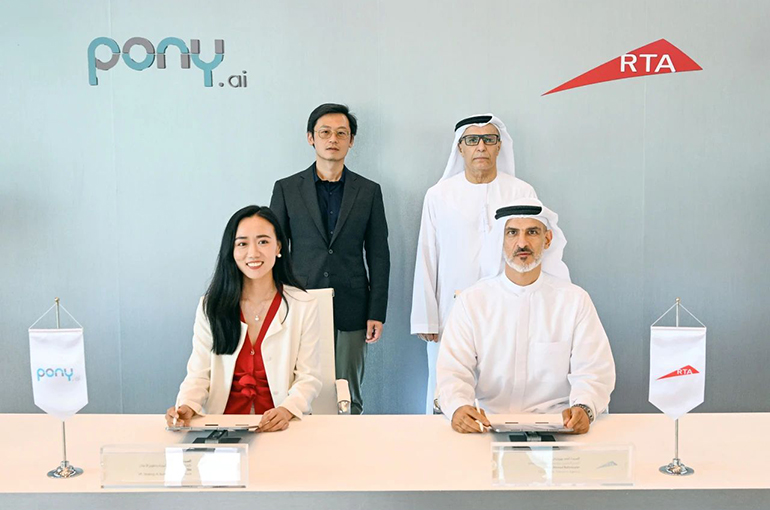
Dubai’s Roads and Transport Authority has formalised a Memorandum of Understanding with Pony. ai to commence pilot trials of self‑driving vehicles across the emirate later this year, laying the foundation for a fully driverless commercial service by 2026. The agreement marks a pivotal milestone in Dubai’s Smart Self‑Driving Transport Strategy, which aims to convert a quarter of the city’s journey volume into autonomous mobility by 2030. Senior […]

Dubai and Abu Dhabi have emerged as epicentres of a pioneering surge in electric air taxi trials, with two leading US firms—Joby Aviation and Archer Aviation—making significant strides toward establishing urban air mobility networks in the Emirates. Both pilots mark landmark achievements in eVTOL technology, underscoring the UAE’s ambition to lead the field by the mid-2020s.

Joby Aviation achieved a milestone in Dubai by completing its first manned transition flights. The aircraft executed full vertical take‑off, horizontal cruising and vertical landing sequences, signalling readiness for commercial operations as early as 2026. With a range reaching 160 km and cruise speeds up to 320 km/h, these flights demonstrate capability to transform journeys such as those between Dubai International Airport and Palm Jumeirah—cutting travel time from 45 minutes by road to around 12 minutes by air. Joby’s entry follows a six-year exclusivity agreement with Dubai’s Roads and Transport Authority, aligned with infrastructure build-out including a vertiport at DXB.

Almost simultaneously in Abu Dhabi, Archer Aviation conducted its inaugural test flight of the Midnight eVTOL at Al Bateen Executive Airport. The design, a carbon‑fibre‑skinned craft powered by multiple independent motors and battery packs, was evaluated under extreme climate conditions—high temperatures, humidity and dust—to validate UAE‑specific operational readiness. Emirati authorities, including personnel from the General Civil Aviation Authority, Abu Dhabi Investment Office and Abu Dhabi Airports, observed the flight, reinforcing the regulatory support behind the project.

Archer is impressively backed by institutional investors and strategic partnerships, having raised nearly US$2 billion, including funding from Stellantis, United Airlines and Abu Dhabi’s 2 Point Zero, positioning it well to deploy a “Launch Edition” fleet of air taxis in Abu Dhabi in early 2026. Its Midnight aircraft can accommodate one pilot and four passengers, reach speeds of up to 240 km/h, and recharge rapidly between Flights.

Dubai and Abu Dhabi’s dual-hosting of these test flights underscores a competitive yet complementary approach to cultivating the UAE as a global urban air mobility hub. Joby holds exclusive Dubai rights, while Archer has pledged infrastructure investment in Abu Dhabi, including converting facilities like the Cruise Terminal helipad into dual-use vertiports. Both firms enjoy the government‑backed Smart and Autonomous Systems Council and its SAVI cluster as key enablers.

Challenges persist: both operations require final regulatory approvals, sustainable vertiport rollout, and demonstration of consistent performance under harsh environmental conditions. Financial markets have already factored in execution risks; for example, Morgan Stanley moderated its price target for Joby amid aerospace supply-chain pressures. Yet ambitions remain bold. Joby is advancing FAA certification and aims to launch in other global markets, such as New York and Los Angeles, once Dubai begins operations. Meanwhile, Archer is linking global playbooks, forming networks with United Airlines and gearing for Olympic deployment in Los Angeles.

As both eVTOL manufacturers drive testing deeper into summer, UAE regulators are working in parallel to issue flight clearances. Joby’s vertiport in Dubai is set for Q1 2026 completion, while Aviation Authorities in both emirates coordinate type certifications.

The nation’s progressive embrace of air taxis represents a strategic leap in sustainable urban transit. Quiet, electric, zero-emission profiles align with broader UAE clean‑tech objectives. With ambitions to integrate these vehicles into daily commutes, airport shuttles and even rescue missions, policymakers are betting on airborne mobility becoming a normalised, accessible element of future transport regimes.

A landmark regulation issued by the UAE General Civil Aviation Authority introduces the world’s first official framework enabling electric Vertical Take-Off and Landing aircraft and conventional helicopters to operate interchangeably using the same infrastructure. This innovation positions the nation at the forefront of the global Advanced Air Mobility revolution, merging cutting-edge technology with established aviation systems. At the heart of this framework lies the decision to permit […]

Dubai’s Knowledge and Human Development Authority has confirmed that three esteemed international institutions—the Indian Institute of Management Ahmedabad, the American University of Beirut, and Saudi Arabia’s Fakeeh College for Medical Sciences—will launch branch campuses in the emirate for the 2025–26 academic year. This move aligns with Dubai’s strategic Education 33 and broader Dubai Economic Agenda D33, designed to enhance its status as a global education hub.

The Indian Institute of Management Ahmedabad is renowned for its Business and Management programme, currently ranked 27th globally by the QS World University Rankings by subject. The American University of Beirut holds a position of 237th in the overall QS World University Rankings. Fakeeh College for Medical Sciences brings specialised strength in health and medical education to Dubai’s portfolio.

Dr Wafi Dawood, CEO of KHDA’s Strategic Development Sector, emphasised that the initiative “reflects the emirate’s international stature” and aligns with goals to enhance graduate competitiveness, boost educational tourism ten-fold by 2033, broaden Emirati workforce integration, and bolster economic diversification. The strategy also aims to see international students making up 50 per cent of Dubai’s higher education population by 2033, contributing an estimated AED 5.6 billion to the sector’s GDP.

Dubai’s higher education ecosystem already includes 41 private international providers—37 of which are branch campuses—including the University of Manchester Dubai and University of Birmingham Dubai, whose home institutions rank 35th and 76th respectively in QS 2026. Curtin University Dubai and University of Wollongong in Dubai also feature within the top 200 global rankings.

The emirate recorded a 20 per cent rise in total private university enrolment for 2024–25, with international students growing by 29 per cent to reach over 42,000 across more than 700 programmes. This marks the highest student population to date in Dubai’s sector.

A broader pipeline is in place, with several other globally ranked institutions currently in advanced discussions with KHDA to establish Dubai campuses. The initiative supports Dubai’s ambition to position itself among the world’s top ten cities for university education by 2033.

Dubai International Academic City, the emirate’s dedicated higher education zone, accommodates around 27,500 students across 27 colleges and three innovation centres, offering over 500 programmes. Many of the new branch campuses are expected to be located within DIAC or Dubai Knowledge Park, reinforcing the emirate’s capacity for transnational education.

Amid growing demand, student housing projects have expanded to meet the needs of a diverse population representing more than 150 nationalities. Dubai’s education authorities have also prioritised research collaboration and academic innovation through cross-border partnerships, consistent with KHDA’s quality framework.

Primrose Capital Management has obtained in‑principle approval from the Financial Services Regulatory Authority of Abu Dhabi Global Market, positioning itself for full licencing and regional expansion. The firm plans to recruit portfolio‑engineering and client‑coverage specialists in Abu Dhabi and aims to launch MENA‑domiciled feeder funds in the latter part of 2025. With the Gulf family office sector estimated at approximately $500 billion, Primrose’s data‑driven, machine‑learning strategies in global […]

Dubai’s real estate market achieved its most robust performance on record during the second quarter of 2025, with property transactions climbing to unprecedented levels in both volume and value. A total of 53,252 property deals were registered during the three-month period, amounting to a combined value of AED184.3 billion, underscoring the emirate’s sustained appeal as a global investment magnet amid broader geopolitical and economic volatility.

The volume of transactions surged 22 per cent compared to the same quarter last year, while the overall value leapt by 49 per cent, further consolidating Dubai’s position as one of the world’s fastest-growing and most resilient real estate hubs. The latest performance builds on the momentum seen in the first quarter and is reflective of continued interest from both regional and international buyers, particularly in high-end and luxury segments.

Analysts attribute the strong results to a convergence of factors including the emirate’s investor-friendly policies, rapid population growth, strong infrastructure pipeline, and the appeal of Dubai’s tax-free environment. Real estate consultancies tracking market data also note a significant uptick in off-plan sales, accounting for nearly 44 per cent of all transactions in Q2 2025, driven largely by launches from developers targeting the mid-to-premium housing segments.

Demand for ready properties remained equally robust, particularly in waterfront and master-planned communities, as buyers sought out completed units for either immediate occupancy or long-term leasing opportunities. Popular districts such as Dubai Marina, Business Bay, Jumeirah Village Circle, and Downtown Dubai saw double-digit transaction growth, with villa communities in areas like Dubai Hills Estate and Palm Jumeirah also attracting high-net-worth investors.

Developers responded to surging demand by accelerating project launches, with a slew of new developments unveiled during the quarter, many of which sold out within days of announcement. The off-plan boom has been accompanied by heightened investor interest in fractional ownership models and branded residences, trends that have increasingly defined Dubai’s luxury property narrative over the past year.

The secondary market saw sustained activity as well, with resale prices across several prime areas recording upward adjustments due to tight supply and ongoing demand. Apartments recorded a strong increase in both number of units sold and price per square foot, while the villa segment continued to outperform due to limited new supply and a growing preference for larger living spaces, especially among end-users from Europe and Asia.

Several macroeconomic tailwinds continue to support the market’s resilience, including Dubai’s population growth — which is projected to exceed 3.8 million by the end of 2025 — as well as low interest rates, rising foreign direct investment, and policy reforms that promote long-term residency for investors and skilled professionals. The emirate’s status as a financial and logistical hub has also been instrumental in driving sustained inflows of capital into the property market.

Institutional investors and real estate investment trusts have increased their presence across the commercial and mixed-use segments, acquiring assets across hospitality, logistics, and retail sectors. Office leasing volumes also posted notable gains, with Grade A space witnessing reduced vacancy rates in business districts such as DIFC, Dubai Design District, and Sheikh Zayed Road.

Developers are simultaneously placing a stronger focus on sustainability and smart technology integration, with many new launches boasting green building certifications and digital infrastructure enhancements. These features have grown in appeal among environmentally conscious buyers and tech-savvy investors who see long-term value in smart homes and ESG-compliant assets.

The government’s proactive regulatory framework, aimed at improving transparency, investor protection, and market efficiency, has further bolstered sentiment. Initiatives such as unified transaction platforms and digital documentation processes have reduced red tape and enhanced buyer confidence, particularly among first-time investors and international participants unfamiliar with the region’s legal landscape.

Tourism-driven demand has also played a critical role in buoying the short-term rental market, with areas close to entertainment, beach, and retail zones witnessing increased activity. The integration of lifestyle amenities within mixed-use developments has enhanced their attractiveness for both short-stay visitors and long-term residents, contributing to the rising absorption rates across the emirate.

Gulf Cooperation Council stock markets rallied in June, with the S&P GCC Composite Index climbing 3 % on easing Middle Eastern tensions and growing expectations of US interest rate cuts. Investor sentiment strengthened across the region, led by notable gains in Kuwait and Dubai. Kuwait’s All Share Index recorded a 4.2 % rise in June, lifting its year‑to‑date performance to 14.8 %. The consumer‑staples and real‑estate sectors led the charge, […]

Economic indicators confirm that the UAE’s non‑oil private sector maintained growth in June, as the S&P Global Purchasing Managers’ Index rose to 53.5 from 53.3 in May. A reading above 50 denotes expansion, illustrating continued momentum despite mounting headwinds from regional instability. Amid rising output, firms are focused on easing backlogs even as new orders decelerate to their slowest pace in nearly four years. The PMI sub‑index […]

Business Bay achieved over AED 4.5 billion in off‑plan real estate sales during the second quarter of 2025, completing more than 1,900 transactions and cementing its reputation as a premier residential and investment epicentre in Dubai. Contributing 5 per cent of the emirate’s total real estate sales value, while representing only 3 per cent of transaction volume, the district demonstrated its enduring appeal and pricing power amid a booming market. Dubai’s overall property […]

VISHNU RAJA
RYO YAMADA
HITORI GOTOH
IKUYO KITA