Just in:
North Korean hackers channel Binance funds through fake tokens // Recognition under the U.S. Green Building Council’s rating system confirms the 22-residence tower is on track for full certification on completion // Japan’s Nikkei advances as buyers return after sell-off // Google patches actively exploited Chrome XML security flaw // AutoSwift secures close to A$10 million from Singapore’s X Star Technology to scale AI WINGMAN // Lee Kum Kee Sauce-Sponsored 2026/27 Hong Kong Windsurfing Circuit – iQFOiL Championships Conclude Successfully // Deemed status for high-performing aided colleges // Public Protests Challenge Elected Power In Europe And India // PhotonPay Strengthens North American Regulatory Footprint with Canada’s RPAA Registration // Abu Dhabi court holds NMC executives liable for fraud // AI stock rout erodes sovereign and pension holdings // Jailbroken AI agent targets European telecom infrastructure // Republicans Struggling To Come Out Of Nov 3 Debacle To Prepare For 2028 Prez Polls // NIA Highlights Three Exemplary Breakthroughs from National Innovation Awards, Driving Thailand Toward a Global ‘Innovation Nation’ // From Seoul to Wuzhen: Korean Celebrities and Creators Spark a Water Town Slow-Living Trend // Smart home choices widen as compatibility standards advance // FAB takes full ownership of Bahrain fund administrator Yasira // BJP leader condemns cyber attacks over Mammootty wedding visit // LNG tanker exits through Hormuz reach wartime peak // Abu Dhabi unveils restored Porsche from royal motorcade //

News related to
Dubai’s

Dubai is preparing to expand its seasonal cultural calendar with a large-scale Ramadan Souq planned for 2026, an initiative expected to transform Souq Al Ras in Deira into a focal point for heritage retail, family entertainment and night-time tourism during the holy month. City officials and organisers say the project is designed to blend commerce, culture and community, reinforcing Deira’s position as a historic trading hub while […]

Dubai’s Global Village is preparing a New Year’s Eve programme that will allow visitors to welcome 2026 seven times in a single night, aligning celebrations with multiple international time zones and reinforcing the city’s reputation for large-scale public festivities. The seasonal cultural park has announced that on December 31 it will stage a sequence of countdowns, each marked by fireworks and coordinated drone displays, beginning in the […]

Nikken Sekkei has unveiled an architectural vision for Trump Tower Dubai that signals a renewed push to blend global branding with locally grounded urban design, positioning the project as a high-profile addition to the city’s luxury real-estate landscape. The proposal introduces a vertically articulated tower intended to integrate hospitality, branded residences and curated public spaces, reflecting Dubai’s continued appeal to international developers and design houses. The Japanese […]

Plans for Trump Tower Dubai place one of Japan’s most influential architectural practices at the centre of a high-profile addition to the city’s skyline, signalling how branded luxury developments continue to evolve in the Gulf’s most competitive real estate market. Nikken Sekkei, an architectural, engineering and urban design firm with a portfolio spanning major civic, commercial and transport projects worldwide, has been appointed to design the 350-metre […]

Quality of life has emerged as the defining differentiator in Dubai’s luxury real estate market, overtaking the earlier emphasis on global brand names as affluent buyers continue to flow into the emirate, according to senior industry voices tracking buying behaviour at the top end of the sector.

Developers and brokers say high-net-worth individuals are no longer drawn solely by branded residences, waterfront addresses or headline prices. Instead, purchasing decisions are increasingly shaped by liveability factors such as community design, access to green space, wellness infrastructure, privacy, security, and the integration of daily services within residential districts. This shift reflects the changing profile of buyers, many of whom are relocating families or establishing long-term bases rather than acquiring purely investment assets.

Dubai’s luxury segment has expanded sharply over the past few years, with prime residential areas such as Palm Jumeirah, Emirates Hills, Jumeirah Bay Island and Dubai Hills Estate recording strong demand across villas and high-end apartments. Transaction values at the upper end of the market have risen, supported by sustained interest from buyers based in Europe, the Middle East, East Asia and parts of Africa. Market participants note that this demand has remained resilient despite global economic uncertainty, underpinned by Dubai’s status as a low-tax jurisdiction, political stability and international connectivity.

Industry executives argue that the maturation of buyer expectations is a sign of a more sophisticated market. Luxury purchasers are placing greater weight on neighbourhood planning, walkability, schools, healthcare access and leisure amenities, alongside the quality of construction and long-term maintenance standards. Smart home technology, energy efficiency, noise management and private outdoor space have become standard expectations rather than premium add-ons.

Wellness has become a particularly influential theme. Developers are incorporating features such as landscaped parks, jogging tracks, cycling paths, spa facilities and air-quality controls into master-planned communities. Water access, whether through beachfront living, marinas or canal-side developments, remains a powerful draw, but buyers are increasingly scrutinising how these elements support daily living rather than visual appeal alone.

The rise of liveability as a core selling point has altered developer strategies. Several major players are prioritising mixed-use developments that blend residential, retail, hospitality and office components into self-contained ecosystems. This approach is designed to reduce commuting times and create neighbourhoods where residents can live, work and socialise within a short radius, aligning with broader urban planning goals set out by Dubai authorities.

Pricing dynamics also reflect the shift. Properties that combine prime locations with strong community features have outperformed standalone luxury units that rely mainly on branding or architectural statement. Analysts observe that buyers are willing to pay premiums for homes that offer privacy, low density and access to well-managed communal spaces, while overly dense developments face greater scrutiny.

Rental demand in the luxury segment has mirrored these trends. Executive tenants and relocating families are seeking properties that provide stability and lifestyle benefits, driving demand for villas and larger apartments in established communities. This has supported yields in select areas, reinforcing the appeal of liveability-focused developments to both end users and long-term investors.

Dubai’s regulatory environment has also played a role in shaping buyer confidence. Clear property ownership rules, long-term residency options linked to investment, and transparent transaction processes have helped position the city as a secure destination for capital. Market participants say this framework encourages buyers to consider lifestyle factors, confident that their legal and financial interests are protected.

Competition among developers has intensified as a result. Rather than competing solely on scale or brand partnerships, firms are differentiating through design quality, community management and post-handover services. Some developers have expanded in-house property management and concierge offerings to ensure consistent standards after completion, addressing a long-standing concern among luxury buyers.


Chinese autonomous driving companies are accelerating plans to deploy self-driving taxi fleets across the Middle East, betting on strong government backing, advanced urban infrastructure and public openness to new mobility technologies to turn pilot projects into commercial services. Dubai has emerged as a key entry point. The Roads and Transport Authority issued its first autonomous driving trial permits in September, allowing Pony. ai, WeRide and Baidu’s Apollo […]

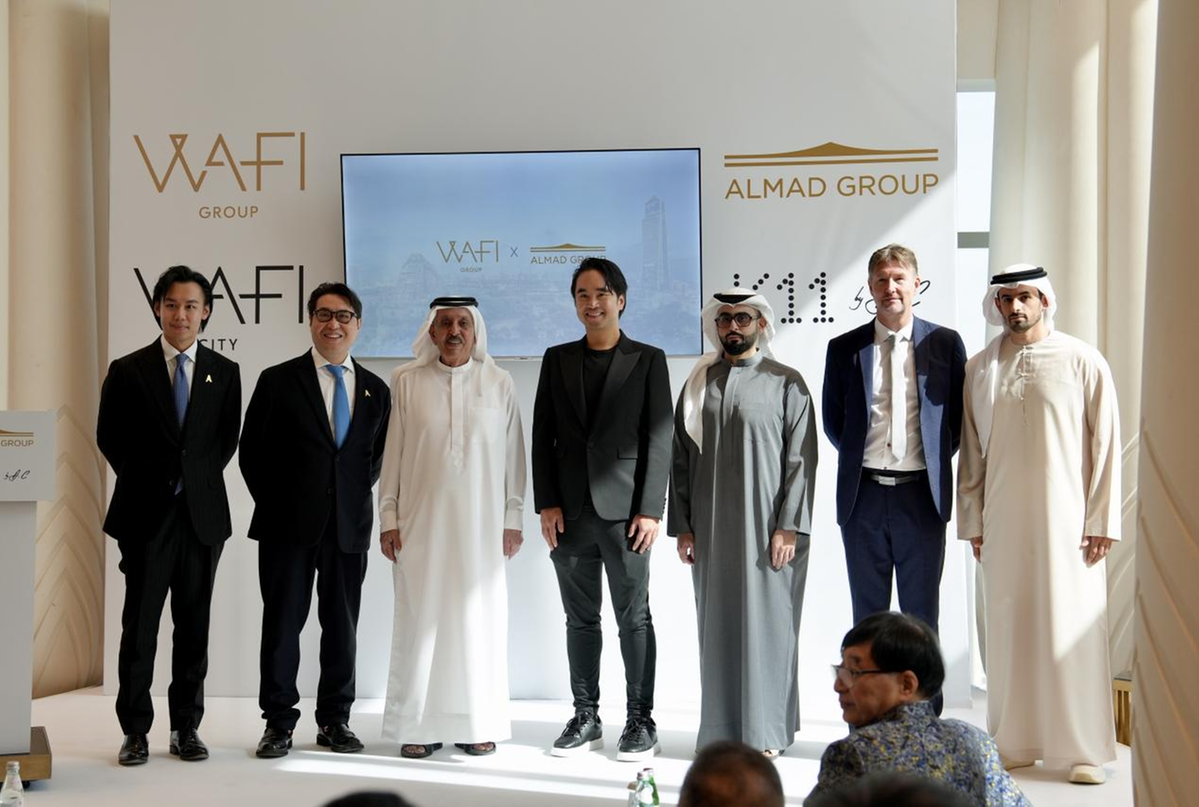
Hong Kong-based Almad Group and Dubai-based Wafi Group have formalised a strategic partnership aimed at tapping the fast-expanding animation, retail and cultural entertainment market in the Gulf, marking a notable deepening of commercial and cultural ties between East Asia and the Middle East.

The agreement, signed on December 11 in Dubai, brings together Almad Group’s lifestyle and cultural development arm, K11 by AC, and Wafi Group, one of the city’s established real estate and hospitality players. At the centre of the cooperation is the creation of a new joint venture entity, Wafi Anime 11, designed to anchor animation-led retail, immersive entertainment and intellectual-property-driven experiences in the UAE, with an eye on regional expansion.

Senior executives and representatives from both sides attended the signing, including Richard Cheung, group chief executive of K11 by AC; Dr Adrian Cheng, founder and executive chairman of K11 by AC of Almad Group; Sheikh Mana bin Khalifa Al Maktoum, founder and chairman of Wafi Group; and Sheikh Rashid bin Mana Al Maktoum, director of Wafi Group. The presence of Dubai Chambers’ executive vice-president for international relations, Salem Al Shamsi, underscored the broader trade and investment significance of the deal.

The partnership goes beyond a single retail concept. According to the framework outlined at the ceremony, Wafi Anime 11 will serve as a platform for developing themed cultural and entertainment projects, hosting IP-exclusive activities, and curating experiences aimed at both residents and international visitors. These initiatives are intended to align with Dubai’s wider strategy of positioning itself as a global hub for creative industries and experiential tourism.

A key commercial pillar of the agreement involves leasing and brand-entry cooperation for Hong Kong and the Chinese mainland labels seeking a foothold in the Middle East. The partners plan to introduce a portfolio of lifestyle, fashion and cultural brands that reflect contemporary Chinese creativity while adapting to local consumer tastes and regulatory environments. This approach reflects a growing trend among Asian brand owners to use Dubai as a gateway to the Gulf and wider Middle East and North Africa markets.

Tourism collaboration also features prominently. Almad Group and Wafi Group will roll out targeted incentive strategies aimed at visitors from Hong Kong and the Chinese mainland, encouraging longer stays and deeper engagement with Dubai’s retail and cultural offerings. Under the plan, travellers will be guided towards premium hospitality assets such as Sofitel Dubai The Obelisk and Raffles Dubai, both located within or adjacent to Wafi City, while being introduced to curated shopping, dining and entertainment itineraries.

Wafi City itself is expected to play a central role in the initiative. Long known as a mixed-use destination combining retail, hospitality and leisure, the complex will host several of the new animation-themed and IP-driven concepts. The partners believe this integrated environment provides a ready-made ecosystem for blending retail with storytelling, live events and digital engagement, a model increasingly favoured by younger consumers and families.

Another element of the cooperation involves the expansion of Gentry Club, a private members’ lifestyle concept, into the Middle East and North Africa. While details remain under development, the inclusion of Gentry Club signals an ambition to build community-based, experience-led offerings alongside mainstream retail, catering to affluent and culturally engaged audiences.

Richard Cheung said the agreement followed extensive groundwork and market analysis. “Our team has been studying the Middle East market since 2024 and is well aware of its immense development potential,” he noted. Cheung added that the first phase of cooperation would focus on brand introduction and ecosystem building, with several flagship labels representing Chinese cultural aesthetics expected to open by 2026.

Industry observers see the partnership as part of a broader shift in how cultural IP and retail are being deployed globally. Animation, gaming and character-driven franchises are no longer confined to screens or merchandise, but are increasingly used to anchor physical destinations, from themed malls to pop-up exhibitions and interactive spaces. The UAE, with its diversified economy, strong tourism flows and appetite for experiential formats, has emerged as a testing ground for such concepts.

Advertisements

Dubai Chamber of Commerce has launched the Bulgarian Business Council, marking a new institutional step aimed at expanding bilateral trade, strengthening commercial partnerships and encouraging mutual investment between Dubai and Bulgaria.

The council has been established under the umbrella of Dubai Chambers and is intended to serve as a structured platform for companies from both markets to collaborate, exchange market intelligence and identify joint opportunities. Officials involved in the initiative said the move reflects growing interest among Bulgarian firms in using Dubai as a regional base, while Dubai-based businesses increasingly view Bulgaria as a gateway to the European Union and South-Eastern Europe.

The new body brings together representatives from key sectors including manufacturing, logistics, food and agriculture, information technology, tourism, construction and renewable energy. Its mandate includes organising business delegations, facilitating B2B meetings, supporting regulatory understanding and helping members navigate investment frameworks in both jurisdictions. Dubai Chamber of Commerce indicated that the council will also work closely with public institutions and trade promotion agencies in Bulgaria to ensure alignment with national economic priorities.

Speaking at the launch, Dubai Chambers officials said the council was designed to “build stronger partnerships between business communities and unlock new opportunities for joint investment”, highlighting a shared interest in diversifying trade flows and deepening private-sector engagement. Bulgarian representatives echoed that view, noting that Dubai’s position as a global trade and logistics hub offers Bulgarian exporters and investors access to markets across the Middle East, Africa and Asia.

Trade ties between Dubai and Bulgaria have been expanding steadily, supported by improved logistics links and a broader push by Dubai to strengthen economic relations with European economies. Non-oil trade between the UAE and Bulgaria has grown over the past decade, driven by machinery, metals, chemicals, food products and pharmaceuticals, according to publicly available trade data. Dubai’s role as a re-export centre has also helped Bulgarian firms reach third markets more efficiently.

The launch of the Bulgarian Business Council fits into Dubai Chamber of Commerce’s wider strategy of establishing country-specific business councils to institutionalise trade relations and provide structured support to foreign investors. Dubai Chambers now hosts dozens of such councils, covering markets across Europe, Asia, Africa and the Americas. These councils have become a central tool in Dubai’s efforts to attract foreign direct investment, promote cross-border partnerships and reinforce the emirate’s status as a preferred base for international companies.

Analysts note that Bulgaria’s competitive advantages include its EU membership, relatively low operating costs, skilled workforce and strategic location linking Europe, the Balkans and the Black Sea region. For Dubai-based companies, these factors make Bulgaria an attractive destination for manufacturing, near-shoring, logistics and technology development. At the same time, Bulgarian companies see Dubai as a stable business environment with advanced infrastructure, business-friendly regulations and strong connectivity.

Investment interest between the two sides has been widening beyond traditional trade. Sectors such as renewable energy, agri-tech, fintech, health care and tourism development have emerged as areas of mutual focus. Bulgarian technology firms have shown growing interest in Dubai’s innovation ecosystem, while companies from Dubai are exploring opportunities in Bulgaria’s industrial zones, real estate and tourism assets.

The Bulgarian Business Council is expected to play a coordinating role in these areas by aligning private-sector initiatives with broader economic strategies. Its agenda includes promoting joint ventures, supporting start-ups seeking cross-border expansion and encouraging knowledge exchange in areas such as digitalisation and sustainability. Council members will also work to address practical barriers faced by businesses, including regulatory clarity, market entry requirements and partner identification.

Diplomatic and business officials involved in the initiative stressed that the council is intended to complement, rather than replace, existing government-to-government frameworks. By focusing on commercial engagement, it aims to translate high-level economic cooperation into tangible outcomes for companies operating on the ground. Similar councils under Dubai Chambers have previously been credited with accelerating deal-making and improving investor confidence by providing direct access to market insights and decision-makers.

Dubai has taken a decisive step toward autonomous urban transport with the launch of a pilot public robotaxi service on the Uber app, allowing selected users to book self-driving rides within designated zones of the emirate. The initiative, rolled out by the Roads and Transport Authority in partnership with autonomous technology firm WeRide and Uber Technologies, marks the first time such a service has been made available […]

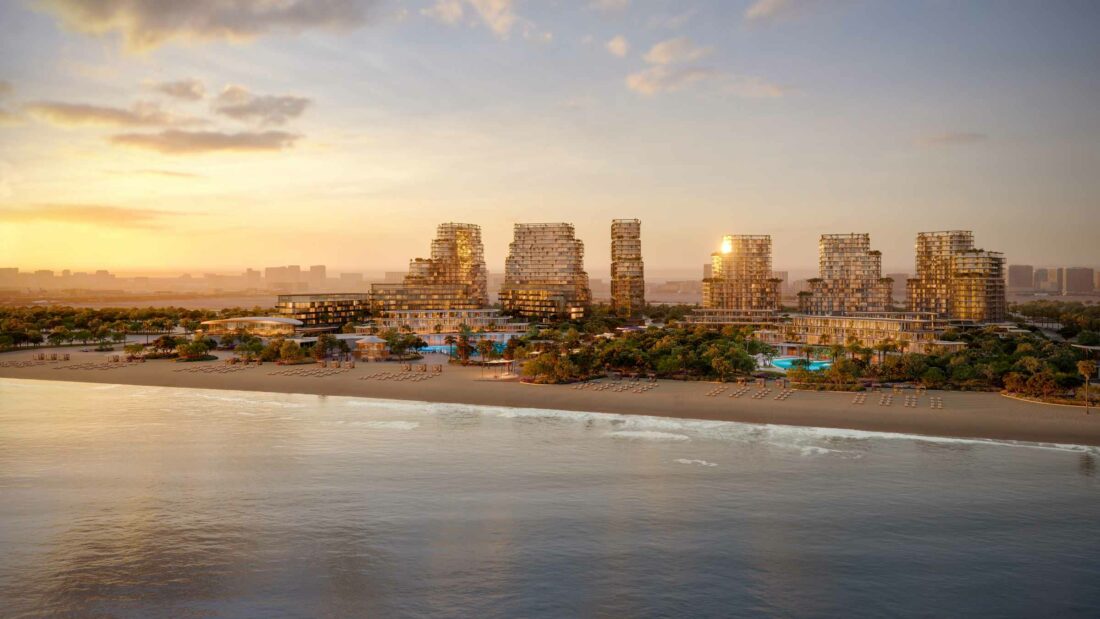
Beyond Developments has launched SIORA, its first beachfront masterplan on Dubai Islands, marking a significant step in the design-led developer’s expansion and reinforcing its alignment with Dubai’s long-term urban development strategy. The project becomes Beyond’s second large-scale community introduced within a year, underscoring the pace at which the company is scaling operations in a competitive real estate market shaped by strong demand for lifestyle-driven coastal living.

Planned across more than two million square feet, SIORA is positioned as a low-density waterfront enclave that blends residential, leisure and public-realm spaces. The development is conceived as a coastal sanctuary, with design cues drawn from Japanese garden philosophies and the concept of Ikigai, which centres on balance, purpose and fulfilment in everyday life. Beyond has said the masterplan aims to integrate natural elements, walkable environments and tranquil waterfront vistas to support wellness-focused living rather than high-intensity urban density.

Dubai Islands, formerly known as Deira Islands, has been earmarked by city planners as a key growth corridor for tourism, hospitality and mixed-use communities. The location offers direct coastal access while remaining closely connected to established commercial districts, ports and transport infrastructure. Authorities have promoted the area as part of a broader effort to diversify beachfront destinations beyond traditional luxury zones, combining residential neighbourhoods with cultural, retail and recreational assets. SIORA is expected to contribute to this repositioning by introducing a master-planned community rather than a standalone residential cluster.

Beyond Developments has framed the launch as part of a wider strategy to deliver future-ready communities that respond to evolving buyer preferences. Demand across Dubai’s residential market has increasingly tilted towards integrated developments that prioritise open space, sustainability and lifestyle amenities, particularly among long-term residents and international buyers seeking primary homes rather than short-stay investments. Waterfront projects, in particular, have continued to command price premiums, driven by limited supply and consistent global interest.

The company’s emphasis on Japanese-inspired design sets SIORA apart from conventional beachfront schemes dominated by high-rise towers and resort-style branding. Landscape-led planning, curated sightlines and quiet communal areas are intended to foster a sense of retreat within an urban context. Developers and architects working on similar concepts have pointed to growing interest in biophilic design and wellness-oriented planning, trends that gained traction as residents placed greater value on liveability, privacy and access to nature.

Beyond’s accelerated project pipeline also reflects confidence in Dubai’s regulatory environment and long-term population growth projections. Government initiatives supporting foreign ownership, long-term residency visas and infrastructure investment have underpinned sustained real estate activity across multiple price segments. Analysts tracking the market note that while transaction volumes have moderated from peak surges, end-user demand for well-located, thoughtfully designed communities remains resilient, particularly in waterfront and master-planned districts.

The launch of SIORA follows Beyond’s earlier community introduction within the same year, signalling a deliberate move to establish brand presence through scale rather than isolated developments. Industry observers note that new entrants adopting a design-led positioning often seek differentiation through master planning, architectural identity and curated amenities to compete with established developers. Delivering multiple large communities in quick succession also places emphasis on execution, construction timelines and long-term community management, factors that influence buyer confidence.

Dubai once again became a hub for celebrating business excellence as industry leaders gathered at W Dubai – The Palm for the Entrepreneur Middle East Leadership Awards 2025. Among the standout honorees was Faruh Kurbanov, Co-Founder of DIA Holding, who received the Real Estate Leader of the Year award — a recognition of his growing influence on the region’s development landscape.  The annual awards highlight executives who […]

Dubai’s skyline is poised for a new addition as Dar Global, a London-listed luxury real estate developer, has appointed Edrafor Emirates LLC to carry out enabling and foundational works for the Trump International Hotel & Tower project along Sheikh Zayed Road, marking a significant early stage in the development of what is set to be one of the city’s most ambitious luxury properties. The contract covers the […]

Families are being invited to a vibrant seasonal celebration as Town Centre Jumeirah prepares to unveil “Magical Moments”, a three-day programme designed to turn the community mall into a festive showcase from 5 to 7 December. The event is positioned as an immersive experience aimed at drawing families, children, and neighbourhood visitors into an atmosphere of creative play, entertainment, and traditional holiday indulgence. Organisers have outlined a […]

Dubai International welcomed more than 1,500 athletes and support staff arriving for the Asian Youth Para Games 2025, marking one of the airport’s largest coordinated movements of para-sport delegations. The arrivals signal the start of a multi-day operation that showcases both the scale of the tournament and the city’s preparations to accommodate teams from across Asia. Organisers confirmed participation from 35 countries, reflecting the growing prominence of the event on the continental sporting calendar.

Authorities overseeing the operation said the airport’s teams had been preparing for months to ensure a smooth entry process for the delegations. The DXB sets stage for major para youth gathering theme was reflected across arrival halls, where dedicated lanes, mobility-assistance teams, and multilingual volunteers were deployed to manage the projected influx. Dubai Airports’ management described the coordination as a test of large-scale passenger handling capabilities with a specific focus on accessibility, citing the need to streamline baggage movements, athlete transfers, and support logistics linked to specialised sports equipment.

The Games, scheduled to run in early 2025, are organised under the Asian Paralympic Committee and hosted by Dubai in collaboration with national and local sports bodies. City officials stated that the strong turnout demonstrates confidence in Dubai’s sports infrastructure and its ability to deliver major para-sport events. The tournament is expected to feature competitions across athletics, swimming, badminton, boccia, table tennis, powerlifting, taekwondo, wheelchair basketball, and goalball, with final lists being updated as federations complete registrations. Organisers have said they anticipate higher spectator interest than in previous editions, partly driven by greater visibility for youth para-athletes across Asia.

Airport teams responsible for passenger flow said the first wave of athletes began arriving over the past few days, with additional groups scheduled throughout the week. According to operational staff, the airport’s preparedness involved aligning immigration, security, customs and airline partners to match arrival surges, particularly during early-morning and late-night peak periods. Mobility assistance units were expanded to manage higher wheelchair demand, and ground-handling teams were briefed to prioritise specialised sporting equipment to prevent delays at carousels.

Dubai’s Roads and Transport Authority coordinated with Games organisers to arrange designated transport for delegations from the airport to their accommodation and training venues. Officials working on the transport plan said buses and adapted vans were deployed according to pre-submitted team schedules, allowing for immediate transit upon arrival. Several delegations acknowledged the streamlined process, noting shorter wait times and the presence of staff familiar with para-sport requirements.

Local organisers have positioned the tournament as an important platform for promoting youth participation in para-sport and encouraging broader social inclusion. Senior officials involved in the Games said the event is intended not only to showcase competition but to reinforce the long-term strategy of integrating para-sport into national development programmes across the region. They pointed to athletes who progressed from previous youth editions to continental and global championships as evidence of the tournament’s role in shaping early-career pathways.

Dubai has hosted multiple para-sport events over the past decade, including world championships and regional qualifiers, helping the emirate build expertise in accessibility standards, venue readiness, and athlete services. Sports authorities emphasised that lessons from previous events have informed enhancements for the 2025 Games, particularly in areas such as training-venue accessibility, on-site medical care and event-day crowd management. Officials said the scale of youth participation this year underscores the need for robust operational planning across every point of the athlete journey.

Accommodation providers partnering with the Games reported strong coordination with organising committees to meet accessibility requirements. Hotel managers confirmed that rooms had been adapted to accommodate mobility needs and that staff had undergone training to support para-athletes and caregivers. Catering teams across venues also prepared to meet varied dietary requirements submitted by delegations in advance.

Economic analysts have noted that major youth sporting events contribute to Dubai’s hospitality and transport sectors, generating visitor spending and wider brand exposure. Tourism authorities expect the Games to support hotel occupancy during the tournament period and attract families travelling with the athletes, many of whom plan to extend their stays. Local retailers and entertainment venues are preparing for increased footfall, reflecting the broader economic footprint of large-scale sports events.

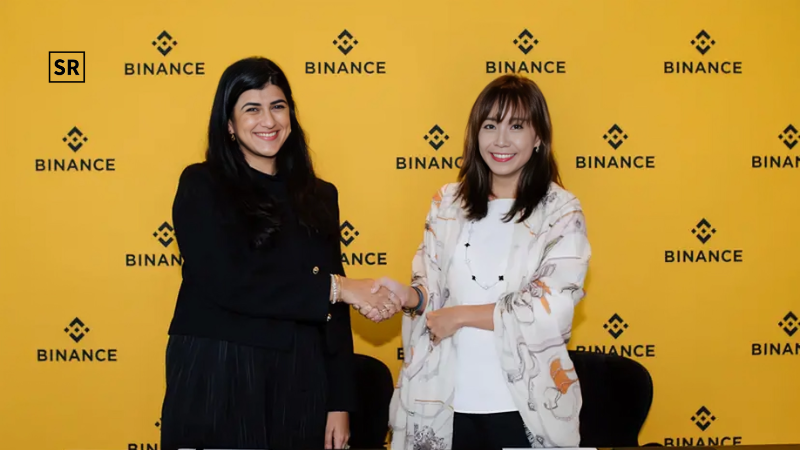
Botim Money and Binance have moved to broaden digital asset access for users across the UAE after signing a memorandum of understanding during Binance Blockchain Week in Dubai, signalling a push to integrate regulated crypto services into one of the region’s most widely used digital platforms. The agreement reflects a growing alignment between established fintech operators and global exchanges seeking to deepen their presence in a market that has positioned itself as a leader in digital-asset regulation and innovation.

Botim Money, the financial services arm of the UAE-based communications platform Botim, aims to use the partnership to explore compliant pathways for users to buy, sell and manage crypto assets from within its ecosystem. The platform, owned by Astra Tech, has expanded from a calling and messaging service into a broader super-app model, adding payments, remittance and e-commerce tools. Executives have argued that embedding secure crypto access is a natural progression as users increasingly seek unified financial services in trusted digital environments. The collaboration with Binance, one of the world’s largest crypto exchanges by trading volume, is expected to focus first on regulatory frameworks, technical integration and user-protection standards.

The signing of the agreement at Binance Blockchain Week placed the partnership in the spotlight as global industry participants gathered in Dubai. Officials from Binance highlighted that the UAE’s licensing landscape and digital economy strategy have created conditions where exchanges can build long-term infrastructure. Richard Teng, who heads Binance globally, has repeatedly emphasised that the Gulf region’s regulatory clarity has allowed the company to stabilise operations after addressing compliance concerns elsewhere. The MoU with Botim Money follows earlier moves by Binance to secure approvals through Dubai’s Virtual Assets Regulatory Authority, enabling it to develop a locally compliant exchange environment.

Senior figures at Botim Money pointed to the super-app’s large user base as a strategic advantage. With millions of active customers across the Middle East and South Asia, Botim has become a central payments and communications tool for expatriate workers. Astra Tech’s leadership said the partnership could help bridge the gap between conventional financial users and digital-asset platforms, allowing remittance senders, online shoppers and small businesses to access crypto payments or investment tools without transitioning to unfamiliar applications. Industry analysts noted that such integrations could accelerate mainstream adoption, provided that strong risk controls are embedded from the outset.

Dubai’s position as a global blockchain hub formed a central backdrop to the announcement. The emirate has attracted exchanges, tokenisation projects and Web3 developers with its tiered licensing system and emphasis on consumer safeguards. Officials have pitched Dubai as a base for companies seeking regulatory stability after volatility in global crypto markets. Binance Blockchain Week itself drew developers, institutional investors, compliance specialists and start-ups exploring tokenised assets, AI-driven trading tools and cross-border payment systems. The Botim Money–Binance collaboration stood out among the event’s business announcements for its potential to link a mass-market communications app with a globally recognised exchange.

The partnership arrives at a time when the UAE continues to refine rules governing custodial services, stablecoins and digital-asset marketing. Market participants say these developments have strengthened confidence among fintech companies looking to integrate virtual assets without jeopardising compliance obligations. Botim Money’s leadership has indicated that any crypto services made available through the platform would adhere to regulatory requirements on customer verification, anti-money laundering controls and risk disclosures. Binance has similarly stressed that its growth strategy in the UAE is tied to full regulatory alignment, following heightened scrutiny by authorities in Europe and North America earlier this year.

Observers viewed the agreement as part of a broader trend in which everyday digital platforms embed financial products to enhance user engagement. For Binance, the arrangement offers an opportunity to reach a large demographic that predominately uses mobile channels for financial activities. For Botim Money, it presents a pathway to diversify revenue streams and retain users within a single app environment, especially as competition intensifies among regional fintech operators seeking to offer remittances, payment processing, microfinance and merchant tools.

Crowds are heading to Fort Island at Madinat Jumeirah as one of Dubai’s most anticipated seasonal attractions opens its doors for the Christmas Market 2025, offering a mix of entertainment, dining and festive installations through December. The annual celebration has grown into a prominent feature of the city’s winter calendar, drawing families, tourists and residents to its waterfront setting with activities designed to appeal to a wide […]

Strong momentum around sustainability and policy alignment set the tone as Automechanika Dubai opened its three-day run at the Dubai World Trade Centre, drawing widespread attention to how manufacturers, regulators, and technology providers are coordinating strategies to future-proof the region’s automotive aftermarket. Organisers underscored that the exhibition, recognised as the Middle East’s largest platform for aftermarket products and services, has become a focal point for dialogue on efficiency standards, emissions reduction, and supply-chain innovation across Gulf markets.

Delegates arriving for the opening day reported a clear emphasis on accelerating collaboration between public agencies and private-sector operators, an approach that exhibitors said is critical as the sector adapts to shifts in fuel technologies, mobility patterns, and environmental expectations. The message was reinforced by senior officials highlighting ongoing government programmes supporting advanced manufacturing, electric-vehicle servicing capabilities, and circular-economy models designed to reduce waste in parts and materials. Industry leaders noted that the presence of policy representatives at the show indicated growing institutional commitment to standardising quality benchmarks for components traded across regional markets.

The exhibition floor featured a broad cross-section of global and regional suppliers, including established parts manufacturers, diagnostics specialists, and emerging technology firms developing AI-enabled maintenance platforms. Several company executives pointed to the UAE’s long-term industrial strategy and its targets for cleaner transport as a source of demand for new product lines, especially in electric-vehicle battery servicing, thermal-management systems, and lightweight components. Some suppliers said the regulatory clarity provided by ongoing transport-sector initiatives has encouraged them to scale up investment in test facilities and distribution hubs across the Gulf.

A surge in visitor numbers compared with earlier editions reflected strong commercial interest from trading companies, fleet operators, and workshop networks seeking to position themselves for the next phase of regional mobility growth. Market analysts attending the exhibition commented that the Gulf’s rising vehicle parc, coupled with rapid urbanisation, continues to underpin demand for quality replacement parts and advanced repair technologies. They added that Dubai’s role as a re-export centre gives Automechanika Dubai outsized influence in shaping product pipelines bound for Africa, South Asia, and parts of Europe.

Exhibitors specialising in sustainability solutions drew particular attention on the opening day. Firms showcasing refurbished components, remanufactured engines, and eco-friendly consumables signalled that demand for lower-impact products is gaining traction across workshop networks. Several companies highlighted investments in closed-loop systems that reduce the environmental footprint of tyres, lubricants, and metal parts. Executives from diagnostics and telematics providers described how predictive-maintenance tools are helping fleet operators extend vehicle life cycles, improving both cost efficiency and emissions outcomes.

Government participation reinforced the event’s focus on regulatory evolution. Transport and industrial-development officials presented updates on national frameworks aimed at improving automotive-aftermarket oversight, including certification programmes, workshop accreditation standards, and traceability requirements to curb counterfeit parts. Trade-facilitation agencies outlined digital-customs initiatives designed to streamline the movement of genuine components through regional ports, an issue flagged repeatedly by manufacturers seeking more secure and transparent supply chains.

Technology demonstrations formed another prominent attraction. Autonomous-inspection systems, connected workshop tools, and advanced calibration equipment drew steady crowds as exhibitors explained how digital solutions can address labour shortages and support skills development. Training centres affiliated with several global brands used the event to highlight upskilling programmes for technicians preparing to service electric and hybrid vehicles. Senior trainers said the shift towards high-voltage systems requires updated curricula and investments in safety infrastructure, emphasising that workforce readiness remains a central pillar of regional mobility planning.

Executives from multinational suppliers said the show’s first day underscored the strategic importance of Dubai as a testing ground for new automotive-aftermarket models. They noted that regulatory predictability, strong logistics infrastructure, and sustained government interest in industrial diversification have combined to create favourable conditions for technology adoption. Some pointed to collaborations with Gulf-based research institutions developing materials science, battery-repair techniques, and advanced fluid technologies, suggesting that locally rooted innovation has begun to influence global supply chains.

Fleet-management firms attending the event highlighted the operational impact of sustainability mandates, stressing that cleaner fleets are no longer viewed solely through an environmental lens but as a commercial imperative shaped by fuel-efficiency metrics and customer expectations. Executives said digital-fleet platforms now integrate emissions tracking, automated maintenance scheduling, and component-health monitoring, trends that align with broader mobility transformations occurring across the Gulf.

Arabian Post Staff -Dubai A USD 500 million floating-rate bond issued by Bank of China Dubai Branch has been listed on Nasdaq Dubai under its USD 40 billion Medium Term Note Programme, maturing on 24 November 2028. The three-year conventional bond achieved the narrowest issuance spread for a US-dollar bond of comparable tenor among Chinese banks, signaling robust investor confidence in the issuer’s credit standing. The listing […]

Web3 momentum across the Gulf is increasingly visible in grassroots spaces where developers, founders, and early-stage investors gather to exchange ideas far from official boardrooms. The growth of these informal networks in Dubai, Abu Dhabi, Riyadh, and Bahrain has become a notable driver of activity in blockchain, tokenisation, digital assets, and decentralised applications, complementing government-led strategies that have positioned the region as a key hub for emerging […]

Arabian Post Staff -Dubai Dubai’s residential real estate market is being largely sustained by liquidity-driven purchases, with more than half of sales in the latter half of 2025 settled in cash, according to a report by a leading market tracker. Analysis from Elite Merit Real Estate indicates that approximately 54 per cent of all residential transactions during H2 2025 were cash-based, a pattern that market observers say […]

Arabian Post Staff -Dubai A US$500 million Sukuk issued by Sharjah Islamic Bank has begun trading on Nasdaq Dubai, strengthening the exchange’s position as a leading hub for Sharia-compliant debt instruments and marking another step in Sharjah’s broader capital-raising strategy. The exchange confirmed that the five-year issuance, structured under the lender’s US$3 billion Trust Certificate Issuance Programme, enhances the visibility of Gulf-based issuers seeking to tap international […]

Colife, a property management firm operating in Dubai, is advertising that apartments under its portfolio are leased out in an average span of 12 days, claiming landlords using its services earn 20–25 per cent more income compared to traditional rental routes. The company markets this as a “no downtime, no extra fees” model, promising direct bookings, continuous tenant flow, and full-service property management — from marketing and […]

Sunteck Realty Ltd of Mumbai has formally entered the United Arab Emirates market under a new international arm, Sunteck International, by unveiling a prime land parcel in Downtown Dubai for an ultra-luxury residential development valued at AED 5 billion. The 2.5-acre plot is located in the Burj Khalifa district, just steps away from The Dubai Mall, suggesting the project will cater to high-net-worth buyers seeking exclusivity and proximity to Dubai’s iconic landmarks.

The debut project will comprise two residential towers that combine standard luxury apartments with branded residences developed in collaboration with global hospitality names. The initial launch marks the first overseas venture for Sunteck, long known for high-end real estate in Mumbai, and lays the foundation for a larger pipeline targeting AED 15 billion over the next three years.

Sunteck’s chairman highlighted the strategic appeal of Dubai: a city combining strong infrastructure, international connectivity, favourable tax structures and a growing concentration of affluent residents—conditions that the company believes are ideal for luxury real estate. This view aligns with projections of continued inflows of global wealth into Dubai’s property market.

Dubai’s leadership has approved a landmark three-year fiscal plan totalling AED 302.7 billion in expenditure and AED 329.2 billion in projected revenues for the 2026-2028 period, marking the largest budget cycle in the emirate’s history. The approval came under Law No. 15 of 2025, signed off by His Highness Sheikh Mohammed bin Rashid Al Maktoum in his capacity as Vice-President and Prime Minister of the UAE and […]

VISHNU RAJA
RYO YAMADA
HITORI GOTOH
IKUYO KITA
Just in:
European refrigeration hacks expose Gulf retail security risks // Trump’s Defeat In Midterm May Lead To Both Challenges And Opportunities For Indian Economy // AI stock rout erodes sovereign and pension holdings // Public Protests Challenge Elected Power In Europe And India // FATF unveils measures to dismantle global scam networks // Lee Kum Kee Sauce-Sponsored 2026/27 Hong Kong Windsurfing Circuit – iQFOiL Championships Conclude Successfully // Setback for Usha in Olympic body // Republicans Struggling To Come Out Of Nov 3 Debacle To Prepare For 2028 Prez Polls // Abu Dhabi unveils restored Porsche from royal motorcade // NIA Highlights Three Exemplary Breakthroughs from National Innovation Awards, Driving Thailand Toward a Global ‘Innovation Nation’ // North Korean hackers channel Binance funds through fake tokens // BJP leader condemns cyber attacks over Mammootty wedding visit // LNG tanker exits through Hormuz reach wartime peak // Recognition under the U.S. Green Building Council’s rating system confirms the 22-residence tower is on track for full certification on completion // Google patches actively exploited Chrome XML security flaw // Sber announces results of GigaArt AI-art festival: Nearly half a million images // California electorate defeats proposed levy on billionaire wealth // Vasavan alleges one-man show by CM Satheesan // Japan’s Nikkei advances as buyers return after sell-off // PhotonPay Strengthens North American Regulatory Footprint with Canada’s RPAA Registration //