Just in:
Ousted top Kochi cop gets IG post // Oil advances towards $100 as tanker attacks persist // TVM –Mangaluru Vande Bharat claims top spot // OpenAI identifies 948 Linux privilege escalation flaws using AI // Geely’s i-HEV Intelligent Hybrid Technology Offers a New Direction Vision for Gasoline-Powered Vehicles // OpenAI introduces GPT-6 Cyber with restricted security access // The “1st Greater Bay Area Health and Longevity Summit & Awards Ceremony” concludes successfully in Macao // Trump’s Iran War Has A Share Of Contribution To His Midterm Debacle // Emirates Group records AED 4.1 billion half-year profit // Dubai details five-year visa benefits for returning visitors // CR Longdation Aethereal Cybersecurity × Global Cybersecurity Alliance (GCSA) Join Hands to Establish the “AI and Cybersecurity Research Centre” // Private varsities bill all set to face the axe // Miss Universe Hong Kong Jen Zhou Departs for Puerto Rico to Compete in the 75th Miss Universe World Final // Asia Left Behind: Ten international companies have yet to report delivering on their cage-free egg pledges across the region // Geely’s i-HEV Intelligent Hybrid Technology Offers a New Direction for Gasoline-Powered Vehicles // Cloudflare unveils Zero Wire vulnerability intelligence service // Kochi police detain two actors over bid to honey trap doctor // Hong Kong mandates crypto transaction disclosures to tax authorities // UK air traffic outage inflicted £33m financial losses // APT29-linked campaign exploits outdated Apple and Android software //

News related to
Mid Term

Emergency crews are fighting a serious fire that has engulfed the upper floors of a nine-storey mixed-use building at the former BBC Television Centre on Wood Lane, White City. Around 100 firefighters attended the site by mid-morning on Saturday, joined by 15 fire engines and two 32-metre turntable ladders used as water towers. A drone team is aiding the operation by providing aerial oversight, while a rest […]

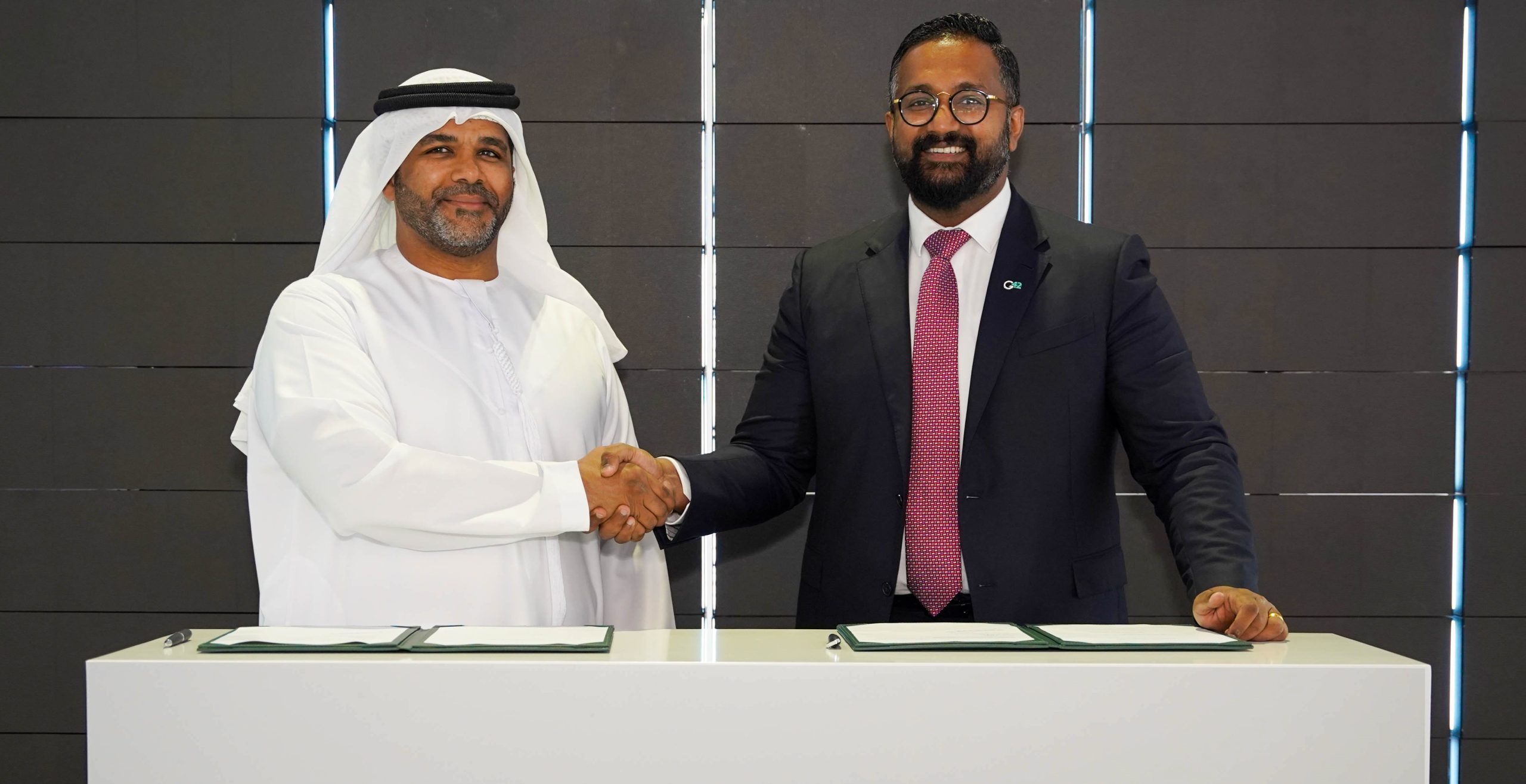
Abu Dhabi’s G42 is offering 2 % of its shareholding in its subsidiary, Presight AI, to institutional investors through an accelerated book-build, aiming to raise slightly more than $100 million. The transaction will reduce G42’s holding in the analytics group from 70.5 % to 68.5 %, while retaining majority control. First Abu Dhabi Bank and Jefferies are acting as joint global coordinators and joint bookrunners, with International Securities serving as joint bookrunner.

Demand for the placement has been strong, with books reportedly fully covered ahead of finalisation. Settlement is expected around 10 September 2025, following final terms being set by 4 September. G42 has also committed to a 180-day lock-up period before any further sale of its Presight shares.

The strategic purpose behind G42 lowers Presight AI stake via ABB is to broaden and institutionalise Presight’s investor base, enhance liquidity, and strengthen its case for inclusion in the FTSE Emerging Market Index. Greater free float and international institutional ownership would increase trading activity and appeal to passive investment funds.

Presight AI, which listed on the Abu Dhabi Securities Exchange in 2023, has posted strong financials through 2025. Its share price has risen by approximately 67 % year-to-date, closing recently at AED 3.47. In the first half of 2025, organic revenue grew by 33.5 %, supported by new domestic contracts. In the second quarter, group net profit rose by nearly 8 % to Dh77 million, with revenue up by over 53 % to Dh523.9 million. International markets now contribute 26.8 % of revenue, up from just 4.9 % a year earlier.

G42 group CFO Ricky Thirion described Presight as “a critical pillar of the G42 ecosystem and a cornerstone of our Intelligence Grid offering,” noting that its performance reflects consistent growth and strong leadership.

Regionally, secondary offerings like this one are gaining traction. In 2025, follow-on sales across the Middle East have raised roughly $3.7 billion, surpassing IPO proceeds—a sign of deepening market maturity.

The placement’s proceeds will go entirely to G42, with no dilution or impact on other shareholders or Presight’s operations.

Abu Dhabi’s G42 has therefore engineered a measured recalibration of its ownership in Presight AI—G42 lowers Presight AI stake via ABB—while securing capital, expanding its shareholder base, and positioning the company for broader market inclusion and visibility.

A protocol on phytosanitary standards agreed upon during President Emmerson Mnangagwa’s visit to Beijing has unlocked the possibility of Zimbabwe exporting blueberries to China, the Horticultural Development Council has announced. This agreement offers local growers access to one of the world’s fastest-growing blueberry markets, although actual export volumes will depend on their ability to meet stringent sanitary conditions and manage compliance-related costs. Zimbabwe’s blueberry production is set […]

Arabian Post Staff Dubai has again claimed first place in the Savills Executive Nomad Index 2025 as the most sought-after destination for executive nomads worldwide, while Abu Dhabi holds second place for the second year running. Dubai’s dominance stems from its unmatched airline connectivity and comprehensive amenities, with Dubai Maintains No-1 Spot as Executive Nomads’ Top Choice capturing the essence of its appeal. The index, evaluating 30 […]

Apple shares rallied following a pivotal ruling from U. S. District Judge Amit Mehta, who allowed the technology giant to continue receiving payments—estimated at around $20 billion annually—for default search placement in Safari, while imposing targeted restrictions on exclusivity and data practices. The verdict, delivered on 2 September 2025, represents a significant reprieve for Apple amid ongoing antitrust scrutiny. The ruling bars Google from enforcing exclusive distribution […]

A bitcoin wallet, untouched since 2012, has activated and realised a windfall worth $53 million from an initial investment of just $4,400 after nearly 13 years of dormancy. The wallet remained idle through multiple eras of bitcoin’s volatility before movement on 4 September 2025 triggered fresh attention.

The activation points to the investor’s decision to hold steadfast—“…patently holding their BTC holdings for over 12 years,”—a remarkable example of long-term strategic patience in the notoriously volatile cryptocurrency space.

Blockchain tracking services and on-chain analysts, while not identifying the holder, confirm that the bitcoin moved from a cold storage wallet first funded around 2012 has now matured into a substantial fortune thanks to the soaring bitcoin price. Historical price data indicates that the $4,400 stake likely purchased the bitcoin when its value was in the low-hundreds of dollars or even under $100 per coin.

This event occurs amid renewed upward momentum in bitcoin markets, where price action above the $111,000 level hints at a potential breakout to surpass $112,500. Analysts caution that maintaining momentum will be key, noting that the current ascent could falter under resistance.

While stories of dormant wallets awakening to deliver vast profits are not unprecedented, this case underscores the dramatic impact of time in cryptocurrency investing. Earlier this year, another long-term bitcoin holder netted nearly $30 million in profit after liquidating 300 BTC originally acquired in 2013 for around $60,000—a 496-fold return after more than a decade. In August 2025, yet another investor moved 300 BTC mined in 2013, transforming a $50 valuation per coin into a $30 million gain.

These developments highlight three evolving trends:

Firstly, long-term holding remains a potent strategy. The volatility of crypto is tempered by the compounding power of holding through cycles when the asset appreciates significantly over time.

Secondly, dormant wallets serve as markers of early adoption, especially during bitcoin’s infancy around 2010–2013. Their reactivation often signals profound gains to long-forgotten investors.

Thirdly, current market dynamics favour such histories. With bitcoin approaching and testing six-figure levels, such reawakenings may become more visible as early investors reclaim their positions.

The ethics of reporting such cases demand sensitivity. Without identifying individuals, disclosures should remain factual and avoid speculation about motives. What matters most is the concrete data: time-stamped transactions, verified wallet histories, and precise investment-to-return comparisons.

Matein Khalid Gold’s 38% surge in 2025 to as high as 3570 an ounce in the New York spot market is not just about central bank anti-dollar reserve accumulation, expectations of a Fed rate cut at the September FOMC or inflation/deficit angst but also a very rational response to President Trump’s repeated assaults on the political independence of the Federal Reserve, which raises the likelihood of deliberate […]

Advertisements

Private firms are allocating an average of 22 per cent of their profits into Bitcoin, as revealed by a new analysis from River, a specialist in Bitcoin financial services. The move underscores an accelerating wave of adoption from traditional companies across sectors from real estate to hospitality, driven by favourable regulation, strengthened accounting clarity, and a buoyant bull market.

River’s data shows that real estate businesses are leading this charge, with nearly 15 per cent reinvesting profits into Bitcoin, while hospitality, finance, and software firms direct between 8 per cent and 10 per cent. Even smaller, diverse businesses—including fitness studios, painting outfits, roofing contractors, and religious nonprofits—are joining the trend. By 2025, these private firms have quietly amassed 84,000 bitcoins, amounting to roughly a quarter of what institutional fund managers and corporate treasury holders combined have acquired.

The underlying conditions for this surge are clear. River attributes the shift to improved Bitcoin accounting standards, regulatory certainty, growing institutional acceptance, and a strong bull market that has seen Bitcoin’s value surge—creating an “ideal environment for widespread adoption”.

Smaller businesses, typically with fewer than 50 employees, account for 75 per cent of River’s clients, and appear to find Bitcoin adoption simpler than larger corporations. Those with complex, committee-based governance are more cautious, often awaiting peer precedent before committing—even when convinced of Bitcoin’s long-term value.

Adoption patterns also vary in scale. Over 40 per cent of the businesses allocate between 1 per cent and 10 per cent of profits to Bitcoin, while just 10 per cent invest more than half of their net income into the cryptocurrency.

This wave of grassroots participation complements broader institutional demand. River reports that public and private firms—the latter including treasury-managed corporations—are purchasing approximately 1,755 BTC per day on average in 2025. Exchange-traded funds and other investment vehicles are acquiring about 1,430 BTC per day, and governments add another 39 BTC daily. These figures stack up sharply against miner output, which is only around 450 BTC per day—raising the likelihood of a supply squeeze if exchange inventories continue to deplete.

Institution-grade buyers are also piling in. Bitcoin treasury firms accounted for 159,107 BTC acquired in the second quarter of 2025, pushing the total corporate and business-held Bitcoin to around 1.3 million BTC. Michael Saylor’s company Strategy remains the dominant corporate holder, with more than 630,000 BTC under its control.

Parallel developments illustrate the growing strategic shift toward Bitcoin within corporate finance. In the United States, investor Anthony Pompliano orchestrated a $1 billion SPAC merger to launch ProCap Financial, a new Bitcoin treasury firm with an ambition to manage up to $1 billion in cryptocurrency holdings. The firm plans to monetise its holdings through lending, derivatives, and other services, pushing the boundaries of Bitcoin treasury strategies.

Across the Atlantic, UK markets are witnessing their own momentum. At least nine London-listed companies—from technology to mining ventures—have either acquired Bitcoin or announced plans to do so, seeking similar boosts in investor appeal. Despite historical resistance from regulators concerned about money‑laundering risks, the Financial Conduct Authority appears open to easing restrictions, offering a potential regulatory tailwind to adoption in Britain.

This widespread movement mirrors and builds upon earlier corporate Bitcoin trends. As of mid‑2025, nearly 130 publicly traded companies held about $87 billion in Bitcoin, or 3.2 per cent of the total supply, driven by the ‘Bitcoin treasury’ blueprint pioneered by Strategy. Firms including Tesla, Metaplanet, Twenty One Capital, Block, GameStop, and Trump Media & Technology Group have followed suit, deploying equity issuance, bonds, and convertible debt to fund their Bitcoin accumulation.

Analysts also project an enormous potential inflow of corporate capital: Bernstein Research estimates that corporate demand could funnel as much as $330 billion into Bitcoin by 2029, with up to $124 billion attributable to Strategy alone.

ADNOC Logistics and Services plc has secured strong institutional backing through a $317 million placement of approximately 222 million shares—equivalent to about 3 percent of its issued capital—with demand reaching seven times the offering, ranking among the region’s most heavily oversubscribed secondary share sales. The transaction lifts ADNOC L&S’s free float from 19 percent to 22 percent, significantly enhancing trading liquidity and widening its appeal to institutional […]

Paramount Skydance has sealed an agreement with Activision Blizzard to develop, produce and distribute a live‑action film based on the blockbuster Call of Duty video game franchise. That deal places the studio squarely behind one of the most lucrative and enduring gaming series, with both companies underscoring their determination to preserve its signature narrative intensity and visual style. Under the arrangement, Paramount will lead all aspects of filmmaking—from scripting […]

A pivotal online gathering on Sunday will determine whether the Organisation of the Petroleum Exporting Countries and its allies proceed with further oil production increases or hold current levels. The group has already rolled back its earlier cuts by 2.5 million barrels per day, equivalent to around 2.4 per cent of global demand, and is now assessing whether to unwind the next 1.65 million bpd tranche ahead of schedule.

Markets responded to the impending meeting with cautious anticipation. Brent crude fell modestly, trading near $67 a barrel, while U. S. West Texas Intermediate hovered around $63–$64. Analysts, including those at ANZ, flagged that any additional supply could deepen the surplus during a typically weak demand season. The softening outlook has already rippled through equity markets: major oil producers and service firms such as APA, Occidental, Halliburton and Schlumberger saw their shares slip between 3 and 5 per cent.

Since April, OPEC+ has pursued an aggressive unwind of output curbs. Initial increases began with modest tranches but have since accelerated: April saw the first rise, followed by consistent monthly boosts—from 411,000 bpd in May, June and July to 548,000 bpd for August and 547,000 bpd for September. These decisions reflect strategic moves to regain market share amidst growing competition, especially from U. S. shale producers, and external pressures, including public calls from the U. S. administration to increase global supply.

Despite these ramped-up supplies, prices have retained considerable strength—hovering around the $70 mark—bolstered by low inventory levels and geopolitical constraints, particularly sanctions on Russia and Iran. Analysts at the Commonwealth Bank of Australia observe that OPEC+ now appears comfortable with Brent trading in the $60–$65 range, a level that could pressure U. S. shale operations by narrowing profit margins.

Meanwhile, data from the American Petroleum Institute indicated an unexpected rise of 622,000 barrels in U. S. crude stocks, counter to forecasts, adding another layer of downward pressure on prices. The situation reflects a delicate balance: rising supply meets lukewarm demand, particularly as global economic growth shows signs of softening in key regions like China, India and Brazil.

Executive voices within OPEC+ remain tight-lipped. No official statements were forthcoming from Riyadh or other capitals prior to the weekend meeting. Analysts remain split: some believe the group will maintain its current stance through October, exercising caution amid market saturation concerns. Others argue that continued increases are part of a calculated strategy to defend or expand market share well into next year.

Anthropic has secured a monumental US $13 billion Series F funding round, propelling its post-money valuation to approximately US $183 billion and firmly establishing itself as one of the highest valued private startups globally. The round was spearheaded by Iconiq Capital, Fidelity Management & Research, and Lightspeed Venture Partners, with the Qatar Investment Authority joining as a “significant” investor alongside an impressive roster of global financial institutions and sovereign wealth funds.

Anthropic’s valuing nearly tripled since March, climbing from US $61.5 billion, when it completed a US $3.5 billion Series E raise earlier in 2025. This leap reflects the surging investor appetite for generative AI developers, despite growing debates over tech spending sustainability.

Anthropic’s growth trajectory is underpinned by its financial performance. The company’s run-rate revenue soared from roughly US $1 billion at the start of 2025 to over US $5 billion by August. The enterprise customer base now tops 300,000, with so-called “large accounts” expanding nearly seven-fold in just one year.

The rise of Claude Code, Anthropic’s developer-centric AI tool launched fully in May 2025, has been especially impactful. It currently generates over US $500 million in run-rate revenue, and usage has surged more than ten-fold within three months.

Anthropic’s research credentials and product roadmap also underpin its valuation. In August, the company rolled out Opus 4.1, an upgrade tailored to agentic tasks, coding, and reasoning. Its rapid expansion, focus on AI safety, and growing international footprint were cited by investors as further proof of its potential.

The participation of the Qatar Investment Authority marks a notable chapter in Gulf sovereign wealth funds’ deepening role in AI financing. While Anthropic did not disclose the precise QIA investment amount, it was highlighted as a “significant” backer in the funding syndicate. QIA’s April 2025 holdings were estimated at around US $557 billion, underscoring the strategic weight that such sovereign investments carry in global tech markets.

This infusion of capital will enable Anthropic to scale its enterprise operations, intensify its AI safety research, and accelerate international growth of its Claude platform. Amazon, already a stakeholder, may deploy the funding to expand its cloud infrastructure support for Anthropic, particularly through AWS Project Rainier. Analysts note this could meaningfully boost Anthropic’s spending on cloud services, with projections suggesting an uptick to as much as US $5 billion by 2026.

Amid this whirlwind of funding and growth, some experts caution about the long-term sustainability of such capital-intensive AI ventures. Infrastructure demands for large language model development can rival those of tech giants like Google, Microsoft, or Meta.

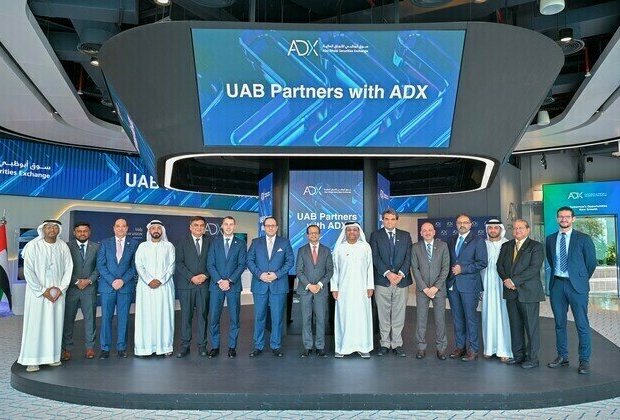
United Arab Bank has formed a strategic alliance with Abu Dhabi Securities Exchange to enable its customers to subscribe for upcoming IPOs through the bank’s digital channels or ADX’s eIPO Investor Portal. This arrangement aims to simplify the process of accessing capital markets, offering a secure and intuitive experience to investors.

At a ceremony held at ADX’s headquarters in Abu Dhabi, the agreement was formalised in the presence of Abdulla Salem Alnuaimi, Group Chief Executive Officer of ADX, and Shirish Bhide, Chief Executive Officer of UAB, alongside senior officials from both organisations.

This collaboration is designed to strengthen UAB’s wealth management proposition by embedding investment opportunities within its digital ecosystem. Customers will now be able to access IPO applications directly via UAB’s mobile application, replacing previously cumbersome procedures with streamlined, guided pathways that enhance transparency and usability.

According to Shirish Bhide, this partnership reflects the bank’s dedication to innovation and long-term value creation. By integrating investment services within UAB’s digital channels, customers gain more inclusive access to the UAE’s capital markets. Abdulla Salnuaimi added that this initiative reaffirms ADX’s aim to enhance the investor experience by collaborating with leading financial institutions and advancing digital solutions.

The move aligns with UAB’s broader digital transformation strategy, as demonstrated by prior efforts such as launching RegPRISM, an AI-powered regulatory intelligence platform developed with Smarbl to improve compliance and operational efficiency.

Further underpinning UAB’s financial robustness is its first-quarter 2025 performance. The bank reported a 49 per cent year-on-year increase in net profit—rising to AED 102 million—driven by growth in assets, loans, Islamic financing, and investments. Capital adequacy remains solid, with a CET1 ratio of 12.6 per cent and a total capital adequacy ratio of 17.1 per cent. Non-performing loans saw improvement from 4.8 per cent to 3.4 per cent, with coverage at 118 per cent.

These financial strengths were in part bolstered by a rights issue completed earlier, which raised around AED 1.03 billion and strengthened UAB’s capital position.

ADX, for its part, continues to pursue innovation in financial market infrastructure. In July, it collaborated with First Abu Dhabi Bank and HSBC to launch the Middle East’s first DLT-based digital bond, reinforcing its frontier role in tokenised finance.

Through this latest agreement, UAB and ADX are promoting a more integrated, accessible investment landscape—blending digital banking and capital markets participation in a manner that could redefine customer expectations and market engagement.

Football legends and leaders amazed by the city’s dim sum and stunning Victoria Harbour views on top of Hong Kong’s potential as a global sporting hub for industry advancement HONG KONG SAR – Media OutReach Newswire – 4 September 2025 – Hong Kong, has established itself as Asia’s premier showcase for football, having held a series of high-profile events – from Manchester United Tour of Asia 2025 […]

Aspen Pharmacare recorded a full‑year after‑tax loss of 1.1 billion rand in the year to 30 June 2025, a dramatic reversal from the previous year’s profit of 4.4 billion rand. The principal cause of this downturn was a contractual manufacturing dispute concerning an mRNA product agreement, compounded by asset impairments amounting to 4.1 billion rand. Revenue across the group grew marginally by 1 percent to 43 billion rand. However, manufacturing revenue plunged […]

A looming technical hurdle has landed Bitcoin in precarious territory as veteran trader Peter Brandt cautions that the asset must reclaim the $117,570 level to avoid triggering a bearish reversal known as a double‑top formation. This warning comes amid growing supply pressure and heightened selling activity, marking a defining moment for market direction.

Bitcoin is grappling with the aftermath of a substantial sell‑off, attributed to a major “whale” sale of 24,000 BTC—worth an estimated $2.7 billion—which has intensified caution among traders. Brandt emphasised that such sizable supply events cannot be overlooked, stressing that market tops are often formed through supply or distribution.

Market observers note that Bitcoin’s price now hovers in a seven‑week double‑top pattern, a configuration often associated with impending declines if price resistance remains unbroken. Brandt maintains a strictly neutral stance, drawing attention to the chart’s technical signals rather than issuing a directional forecast.

On‑chain metrics compound the caution. The Taker Buy/Sell Ratio, a measure of buying and selling pressure, has fallen to its lowest point since May 2018—a worrying sign of sustained selling momentum. In addition, Bitcoin’s ability to reclaim $117,570 will play a pivotal role in determining whether bullish momentum holds or falters.

Yet, institutional backing offers a counterbalance to technical concerns. Spot Bitcoin ETFs have attracted considerable institutional inflows, indicating that Bitcoin’s role within global finance continues to strengthen. JPMorgan has also highlighted that Bitcoin appears undervalued relative to gold, estimating that fair‑value models place it approximately $16,000 higher, around $126,000, supported by decreasing volatility and growing corporate treasury holdings.

Technical signals remain mixed. While the double‑top pattern persists as a warning, some analysts underscore Bitcoin’s resilience. Swissblock Technologies, for example, asserts that on‑chain indicators show no decisive bearish divergence, suggesting that the broader trend could still favour upward movement. Others, including Jacob King of WhaleWire, point to past double‑top patterns—such as those in 2017, 2019, and 2021—that preceded steep corrections, reinforcing the need for caution if support fails. Should Bitcoin break above the $117,570 threshold, some analysts suggest that $125,000 or beyond could become realistic targets.

Meanwhile, market activity has remained volatile. Bitcoin is trading in the range of approximately $109,000 to $112,000, with intraday swings reflecting persistent uncertainty. Traders are closely watching for shifts in momentum, knowing that a break above resistance could reignite bullish sentiment, while failure could deepen losses.

Amid these developments, the broader narrative treads between technical fragility and growing financial legitimacy. As Bitcoin straddles this crossroads, its next directional move may be shaped as much by whether it can muster the strength to surpass $117,570 as by the strength of institutional confidence and macroeconomic tailwinds.

A federal court’s latest decision in the U. S. v. Google antitrust case means Mozilla can maintain its critical financial arrangement with Google. Judge Amit Mehta has allowed Google to continue making payments to browser makers—among them Mozilla—ensuring that Firefox’s principal revenue stream remains intact. Judge Mehta’s remedy ruling clarifies that while Google must cease exclusive contracts, it may still engage in non‑exclusive deals to position its […]

A wave of profit‑taking sent the Nigerian equities market lower, with the NGX All‑Share Index falling by around 0.7 per cent to approximately 138,737 points on Tuesday—equivalent to a loss of nearly 0.67 per cent in market capitalisation, which dropped to about ₦87.8 trillion. The sell‑off was driven largely by pressure on heavyweight stocks such as Lafarge Africa and Transnational Corporation, while market breadth skewed negative, with far more declines than gains. […]

A federal district court in Virginia has ruled that Google unlawfully monopolised its publisher ad‑server and ad‑exchange markets, a decision that has now been met with a pause in Brussels, where regulators have deferred a long‑anticipated fine while awaiting developments in U. S. trade policy. A U. S. judge determined that Google secured illegal dominance in the open‑web display advertising ecosystem, by tying its ad‑server to its […]

Barloworld has concluded an internal examination and submitted a voluntary self‑disclosure report to the U. S. Department of Commerce’s Bureau of Industry and Security, acknowledging apparent breaches of U. S. export control rules—while confirming no violations of U. S. sanctions were identified. The probe focused on the company’s Russian subsidiary, Vostochnaya Technica, responsible for distributing Caterpillar machinery in Siberia. The investigation unearthed potential export control infractions, although […]

Growth in the United Arab Emirates’ non‑oil private sector held above the threshold indicating expansion in August, buoyed by stronger output, even as sales registered their weakest performance in more than four years. The S&P Global UAE Purchasing Managers’ Index edged up to 53.3 from July’s reading of 52.9, affirming ongoing growth but reflecting persistent underlying challenges. Despite the headline PMI maintaining expansionary territory, new orders – […]

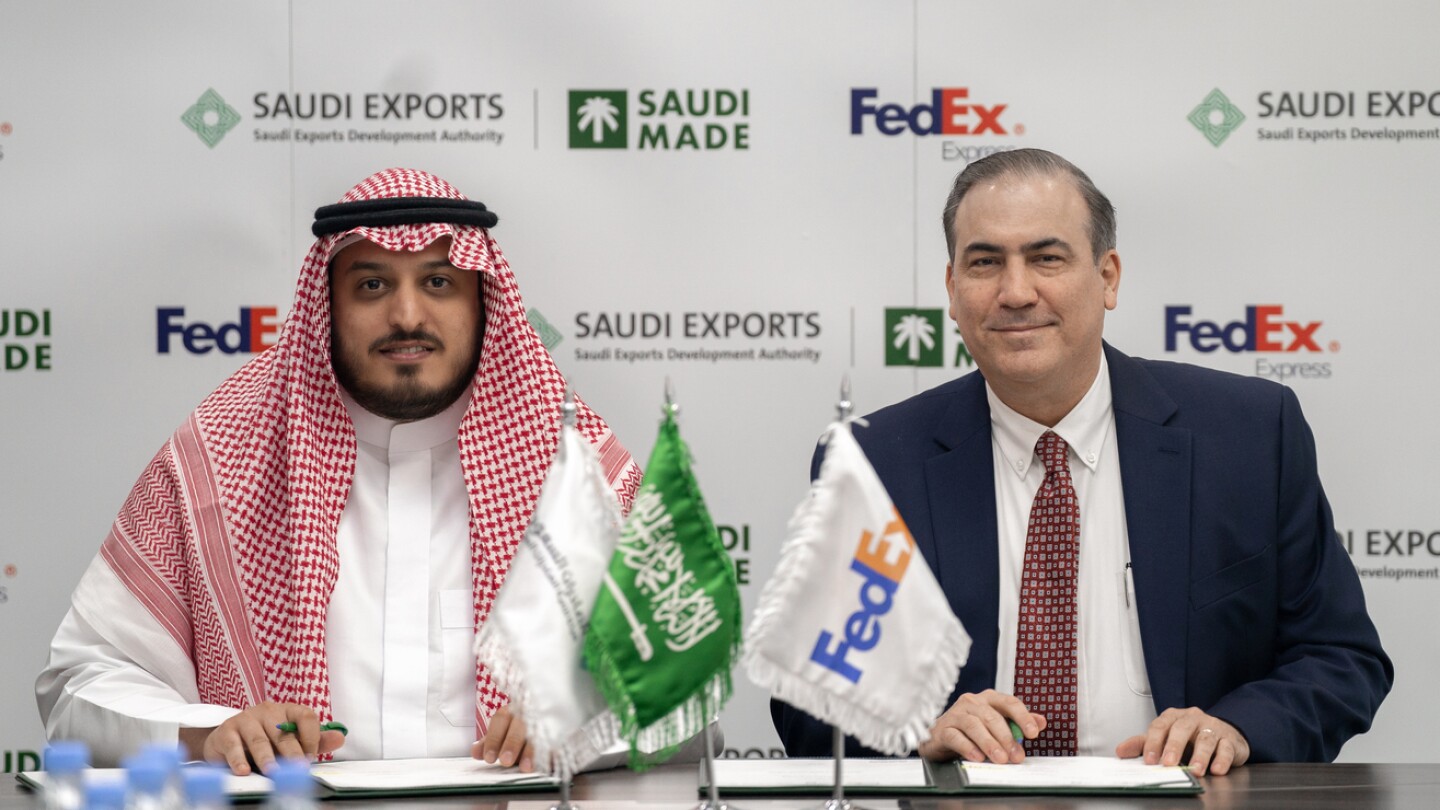
FedEx has gained an economic licence from Saudi Arabia’s General Authority of Civil Aviation to operate as a foreign air carrier, marking a significant expansion of its logistics footprint in the Kingdom. The move equips FedEx to conduct scheduled cargo services via King Khalid International Airport in Riyadh, with plans to operate 24 flights per month from early September 2025, establishing Riyadh as its regional hub linking continents.

The licence, granted on 2 September 2025, grants FedEx the ability to fly directly and to integrate air and ground operations across the Gulf Cooperation Council states. The announcement was made during a ceremony in Diriyah, attended by senior officials including Saleh Al‑Jasser, Minister of Transport and Logistics Services and Chairman of GACA; Abdulaziz Al‑Duailej, GACA President; and Dr Rumaih Al‑Rumaih, Acting President of the Transport General Authority, alongside FedEx executives.

FedEx introduced its first nonstop freighter service from the United States and Europe into Riyadh, operating six times a week with Boeing 777 aircraft. This route is the only express logistics connection offered by FedEx that bypasses other hubs, and continues onward to Guangzhou and Shanghai.

This direct link strengthens trade routes, particularly for high-priority sectors like energy, manufacturing, mining, healthcare and automotive, enabling temperature‑controlled, heavy, oversized or hazardous shipments. FedEx complements this airlift with its FedEx Logistics suite—air, road and sea freight forwarding, customs brokerage, and transit cargo support—aimed at enhancing supply chain resilience across the GCC, South Asia and Africa.

The company has developed end‑to‑end capabilities in the Kingdom, directly managing pickup, delivery and customs clearance through four gateways and four stations, supplemented by digital tools for shipping visibility and efficiency.

FedEx leadership emphasises Saudi Arabia’s role as a strategic logistics hub connecting Asia, Europe and the Americas. Richard Smith, Chief Operating Officer, International and CEO of the Airline at FedEx, cited the Kingdom’s infrastructure as a vital link in their global network. Kami Viswanathan, President of FedEx Middle East, Indian Subcontinent and Africa, underlined the integration of infrastructure, digital innovation and integrated solutions to aid Saudi businesses in competing globally.

These moves align closely with Saudi Vision 2030. The Aviation Programme aims to elevate Saudi Arabia’s aviation sector to the highest regional standards, targeting 330 million passengers, 4.5 million tonnes of air cargo, and air connectivity to 250 destinations by 2030. FedEx’s operations support these objectives by advancing industry capacity and reinforcing Riyadh’s prominence in logistics.

The expansion follows challenges earlier this year, when FedEx suspended economy parcel and freight services to the Kingdom from countries including India, Japan and the UK in March 2025. Service was halted temporarily, with FedEx noting it would resume “as soon as possible.”

Trade levels in Saudi Arabia have surged. The Kingdom posted a trade surplus of US$ 16.8 billion in Q1 2025, up 52 percent on the prior quarter, reflecting strong exports and demand for logistics infrastructure that FedEx is now well‑positioned to serve.

With strategic investments—including the creation of a global head office in Riyadh to oversee operations across Saudi Arabia, Bahrain, Kuwait and Qatar—FedEx reinforces its long‑term commitment to the region.

This expansion signals a departure from reliance on intermediaries or regional hubs outside the Kingdom; FedEx now controls its entire customs-to-delivery chain in Riyadh, laying the groundwork for faster transit, improved service reliability and deeper integration into global trade networks.

Emerging trends include rising demand for integrated logistics services, investment in digital tools for customs and tracking, and regional consolidation of supply chain operations. Key players alongside FedEx include Saudi authorities driving Vision 2030’s transport strategy, while GCC markets and commercial sectors increasingly rely on swift, dependable global connectivity.

Yunfeng Financial Group, a Hong Kong‑listed firm with ties to Alibaba’s Jack Ma, has acquired 10,000 ETH—valued at approximately $44 million—using its own cash reserves. The firm intends to list Ether as an investment on its balance sheet as part of a strategic shift towards blockchain-enabled finance.

Yunfeng’s move aligns with its broader blueprint unveiled in July, which sets Web3 technologies, real-world asset tokenisation and artificial intelligence at the heart of its expansion strategy. The company emphasises that including Ether among its strategic reserve assets supports tokenisation efforts and integrates its financial operations with Web3 infrastructure. The firm also plans to explore Ethereum’s uses in insurance services and decentralised finance applications, signalling ambitions beyond treasury diversification.

This step places Yunfeng alongside a growing list of publicly traded firms embracing Ether as a reserve asset. Notable peers include SharpLink Gaming, BitMine Immersion Technologies and Ether Machine, which collectively reflect a broader institutional enthusiasm for Ethereum amid increasing corporate treasury adoption. The trend echoes earlier Fortune 500 strategies for Bitcoin, with Ethereum emerging as a comparable asset in this evolving corporate playbook.

Ether’s market resilience underpins Yunfeng’s strategy. Despite subdued crypto market conditions, ETH continues to trade above the psychologically significant $4,000 threshold, noted by analysts as a key marker of investor confidence. Technical analysis by market watchers, including the chartist CryptoGoos, suggests ETH is maintaining an upward breakout trend from a falling wedge formation, with potential upside targets stretching to $6,000—driven by heightened institutional inflows.

Yunfeng’s approach signals a calculated embrace of digital assets that transcends short‑term speculation. By positioning Ethereum at the foundational level of its Web3 and AI strategy, the company is asserting the utility of the token within financial services, as well as its role as a long‑term reserve option. Ether holdings will offer an alternative to traditional fiat reliance while granting greater operational flexibility across emerging business lines.

Only one-third of insurers in China provide mental health services, despite rising demand Fifty percent of insurers see personalisation as key to the success of health and wellbeing programs SINGAPORE – Media OutReach Newswire – 3 September 2025 – Aon plc (NYSE: AON), a leading global professional services firm, released insights from its inaugural 2025 Insurer Wellbeing Benchmarking Report offering a comprehensive analysis of the health and […]

VISHNU RAJA
RYO YAMADA
HITORI GOTOH
IKUYO KITA
Just in:
The “1st Greater Bay Area Health and Longevity Summit & Awards Ceremony” concludes successfully in Macao // TVM –Mangaluru Vande Bharat claims top spot // Cloudflare unveils Zero Wire vulnerability intelligence service // Miss Universe Hong Kong Jen Zhou Departs for Puerto Rico to Compete in the 75th Miss Universe World Final // Xi Jinping Preparing For A Trilateral Summit With Trump And Putin At APEC Summit On Nov 18-19 // Asia Left Behind: Ten international companies have yet to report delivering on their cage-free egg pledges across the region // Oil advances towards $100 as tanker attacks persist // Millions Of Indians May Soon Be Deprived Of Government Assistance // APT29-linked campaign exploits outdated Apple and Android software // Ousted top Kochi cop gets IG post // UK air traffic outage inflicted £33m financial losses // Geely’s i-HEV Intelligent Hybrid Technology Offers a New Direction Vision for Gasoline-Powered Vehicles // Geely’s i-HEV Intelligent Hybrid Technology Offers a New Direction for Gasoline-Powered Vehicles // OpenAI identifies 948 Linux privilege escalation flaws using AI // Beyond the exhibition floor: How robots, AI and networks are moving into the real world // Technology shares plunge as Nasdaq enters correction // Trump’s Iran War Has A Share Of Contribution To His Midterm Debacle // Emirates Group records AED 4.1 billion half-year profit // Oil and chip shares retreat after Democratic victories // OpenAI introduces GPT-6 Cyber with restricted security access //