Just in:
APT29-linked campaign exploits outdated Apple and Android software // Kochi police detain two actors over bid to honey trap doctor // TVM –Mangaluru Vande Bharat claims top spot // Emirates Group records AED 4.1 billion half-year profit // The “1st Greater Bay Area Health and Longevity Summit & Awards Ceremony” concludes successfully in Macao // Oil advances towards $100 as tanker attacks persist // CR Longdation Aethereal Cybersecurity × Global Cybersecurity Alliance (GCSA) Join Hands to Establish the “AI and Cybersecurity Research Centre” // Technology shares plunge as Nasdaq enters correction // e-Crime Bureau Signs Cybersecurity Partnership With Smart Africa, Reinforcing Its Global Expansion // Ta’ziz finalises $1.39bn funding for Ruwais industrial facilities // Cloudflare unveils Zero Wire vulnerability intelligence service // Hong Kong mandates crypto transaction disclosures to tax authorities // Millions Of Indians May Soon Be Deprived Of Government Assistance // UK air traffic outage inflicted £33m financial losses // Miss Universe Hong Kong Jen Zhou Departs for Puerto Rico to Compete in the 75th Miss Universe World Final // Geely’s i-HEV Intelligent Hybrid Technology Offers a New Direction for Gasoline-Powered Vehicles // After Reaching 7 Million Users in the Philippines, Skyro Launches Transparent Cash Loans in Malaysia // Geely’s i-HEV Intelligent Hybrid Technology Offers a New Direction Vision for Gasoline-Powered Vehicles // Xi Jinping Preparing For A Trilateral Summit With Trump And Putin At APEC Summit On Nov 18-19 // Dubai boat show confirms international shipyard line-up for November //

News related to
Mid Term

A total of 23 game development firms were honoured at the UK Best Places to Work Awards 2025, held at the Royal Institution in London on 2 October. Among the winners were Playground Games, Behaviour Interactive, NaturalMotion, Rare and Fireshine Games, which were recognised across categories including diversity, environmental impact and corporate social responsibility. Playground Games secured the top spot in the large-company category. In the mid-tier […]

Massachusetts Institute of Technology has outright rejected a federal proposal from the Trump administration that would grant preferential funding to universities in exchange for adopting ideological and policy constraints. The university’s leadership argues the offer undermines academic freedom and institutional autonomy. MIT President Sally Kornbluth issued a letter addressed to Education Secretary Linda McMahon in which she affirmed the institution’s commitment to merit-based scientific funding and independent […]

DP World has struck a joint venture with Tashkent Invest, a firm under the Tashkent City Administration, to build and manage a multimodal logistics terminal in the Yangi Avlod Special Industrial Zone in the Yangihayot district on the outskirts of Tashkent. Under the deal, DP World will own 85 percent of the venture and Tashkent Invest will contribute 15 percent. The overall investment across three phases is […]

Cryptocurrency markets endured a historic collapse as leveraged positions were liquidated en masse – over 1.6 million traders wiped out $19.13 billion in bets within 24 hours, data from Coinglass shows.

The crash accelerated sharply after U. S. President Donald Trump announced an additional 100 per cent tariff on Chinese imports and threatened export controls on critical software, heightening fears of a full-blown trade war. Bitcoin plunged more than 12 per cent from its recent highs, briefly sliding below $102,000 before rebounding above $113,000.

Before the sell-off, Bitcoin had breached a new all-time peak above $125,000, buoyed by institutional inflows into crypto exchange-traded funds. Governments and institutional investors had viewed digital assets as a hedge amid macroeconomic uncertainty.

Today’s market rout, however, exposed the fragility of overleveraged positions in a thinly capitalised market. In a single hour on Friday, more than $7 billion of liquidations occurred. The top losses were seen among long positions, particularly in Bitcoin and Ethereum derivatives, which accounted for a substantial share of the forced unwinds.

Institutional players and high-net-worth traders were swept up in the cascade. Market watchers noted that order books lacked the depth to absorb such a severe shock, triggering knock-on effects through futures and perpetual swap markets.

Beyond crypto, equity indices faltered under the weight of renewed global risk aversion. The S&P 500 dropped 2.7 percent, while tech stocks, sensitive to trade tensions, bore steep losses.

Some analysts likened the event to a “black swan” moment for crypto markets — a sudden shock revealing systemic vulnerabilities in a still nascent asset class. Traders operating with high leverage, little hedging, and aggressive margin policies found themselves particularly exposed.

Efforts to assess contagion effects to traditional finance are underway. Banks offering crypto derivatives and prime brokers are now scrutinising counterparty risks. Regulators in several jurisdictions may use today’s crash to justify stricter margin and leverage rules for crypto trading.

Reviewing policy implications, the tariff escalation marks a sharp pivot in U. S.–China trade strategy. Trump framed the measures as retaliation for China’s export curbs on rare earth metals, which are critical for tech manufacturing. The move signals willingness to escalate economic confrontation, with markets already pricing in broader disruption to global supply chains.

Despite the volatility, some investors are still betting on long-term resilience of digital assets. The week before the crash saw a record $5.95 billion flow into global crypto ETFs, led by U. S. allocations, suggesting that capital rotation into crypto remains strong over medium timeframes.

Liquidity providers and market makers face fresh trials. Some have temporarily withdrawn from funding markets or widened spreads to mitigate risk exposure. In highly volatile hours, arbitrage desks and algorithmic liquidity engines contributed to exaggerated price swings.

Wider sentiment has turned cautious: on-chain analytics show a rise in stablecoin inflows to exchanges, possibly reflecting flight from risk. Options markets registered growing demand for deep out-of-the-money puts, as traders brace for further downside.


Metra will implement fare hikes ranging from 13 % to 15 % starting February 2026 to counter a projected $200 million funding shortfall — a move that aims to prevent service cuts in the immediate term. The commuter rail system’s proposed 2026 budget, set at about $1.1 billion, depends heavily on that increase to stem deficits, while maintaining its existing service levels. The Regional Transportation Authority has […]

A ceasefire between Israel and Hamas has entered into force, with the Israel Defence Forces confirming a suspension of major offensive operations and stepping back from parts of Gaza. The armistice supports a mediated exchange: Hamas will release 20 living hostages within 72 hours, and Israel will free a broad list of Palestinian detainees. The ceasefire commenced at midday local time, with Israeli troops withdrawing to a […]

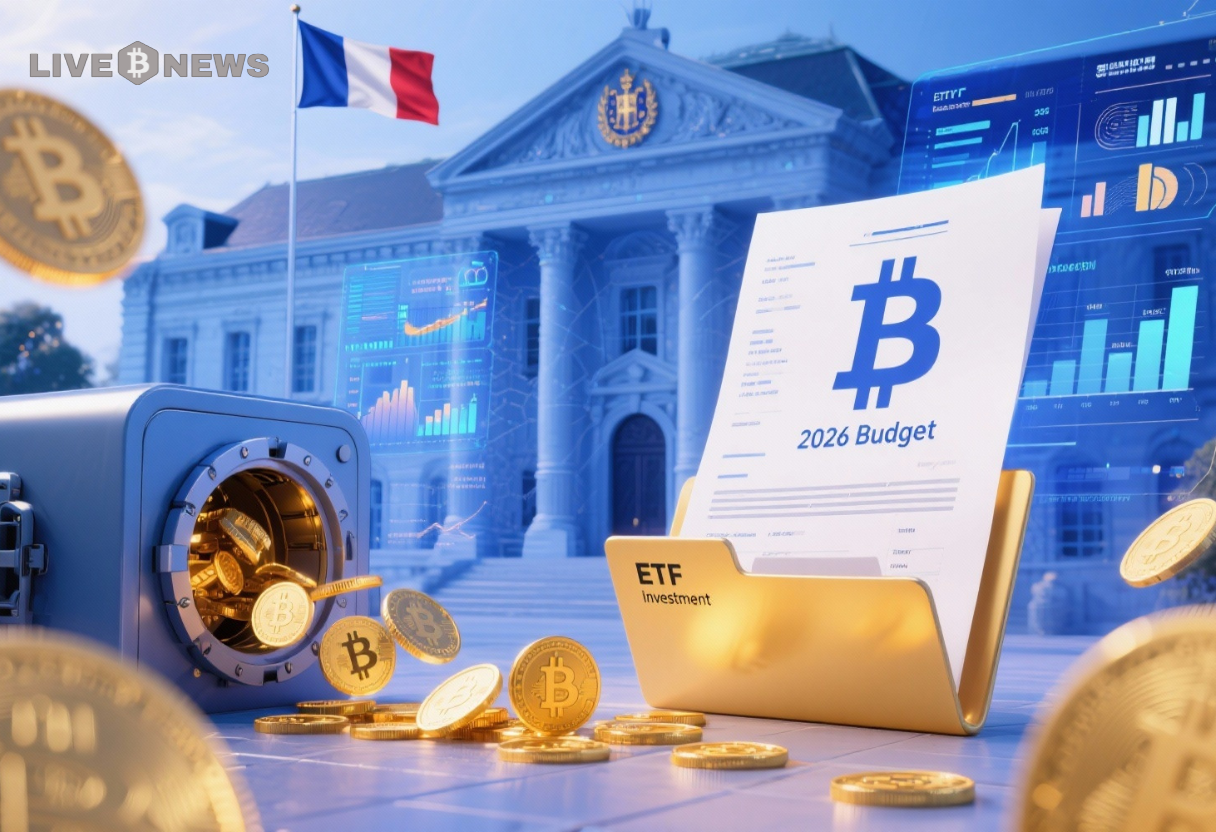
Luxembourg’s Intergenerational Sovereign Wealth Fund has placed 1 per cent of its assets into Bitcoin exchange-traded funds, making it the first sovereign fund in the Eurozone to adopt such exposure. The move was unveiled during the presentation of the 2026 national budget by Finance Minister Gilles Roth.

Under a new investment mandate approved in July 2025, the FSIL is authorised to allocate up to 15 per cent of its portfolio into alternative investments, including private equity, real estate, and digital assets. The 1 per cent allocation to Bitcoin ETFs reflects a cautious approach: the fund avoids direct crypto holdings to limit custody and operational risk.

At present, the fund’s total assets are estimated between €700–900 million, with the Bitcoin allocation amounting to about €7–9 million. Bob Kieffer, Director of the Treasury, described the sum as a symbolic yet measured step. He noted that given FSIL’s mission and structure, the 1 per cent level “strikes the right balance while sending a clear message about Bitcoin’s long-term potential.”

Advocates argue the allocation signals growing institutional acceptance of digital assets within sovereign portfolios. Critics caution that Bitcoin’s volatility may be ill-suited for public-sector funds. Some observers contend that 1 per cent is negligible in impact yet potent in signalling. The fund’s leadership anticipates that monitoring performance will shape future adjustments within the 15 per cent limit.

Luxembourg’s decision departs from the pattern of European states owning Bitcoin only through seizure or law-enforcement action; here, the allocation is proactive and policy-based. Analysts place the development in the context of Luxembourg’s ambition to serve as a crypto and fintech hub under the European Union’s Markets in Crypto-Assets regime. Already hosting numerous crypto firms, Luxembourg aims to reinforce credibility by integrating digital assets into sovereign investment strategy.

Other European institutions have taken indirect exposure paths. Norway’s sovereign fund has gained crypto-linked exposure through equities, while some central banks in Finland and the Czech Republic have expressed interest in digital assets. The Luxembourg move may prompt broader rethinking of asset allocation norms among state funds.

FSIL’s strategy places the Bitcoin position in ETFs rather than direct holdings, a choice intended to manage custody risk and improve regulatory oversight. The law permitting cryptocurrency exposure came amid internal policy debates, with critics warning of reputational and financial risk in volatile markets. Kieffer acknowledged that “some may argue that we’re committing too little too late; others will point to the volatility and speculative nature of the investment.”

Luxembourg’s financial regulator, the Commission de Surveillance du Secteur Financier, has adapted rules governing virtual assets and alternative funds, creating a regulatory backdrop conducive to this experiment. The fund will continue to invest primarily in bonds and equities, with the digital assets portion complementing a diversified portfolio.

Advertisements

Ethiopia’s central bank has held its benchmark rate at 15 per cent while expanding the cap on credit growth to 24 per cent for the 2025/26 fiscal year, balancing a cautious monetary stance with support for economic expansion. The move coincided with the country’s inaugural export shipments under the African Continental Free Trade Area, marking a defining moment in Ethiopia’s trade and financial policy strategy. The National […]

Deloitte Australia has agreed to partially refund AU$440,000 to the federal government after a commissioned report attributed to it was found to include fabricated citations, invented legal quotations, and other inaccuracies. The firm disclosed that the report’s drafting had involved the use of a generative AI system, prompting sharp debate over how much control and transparency clients should demand when consultants deploy such tools in high-stakes settings. […]

Matein Khalid Gold is in its most spectacular bull run since 1976-1980, when prices rocketed from $91 to over $800 an ounce. The current cycle found its floor near $1,800 in late 2022, as the Powell Fed’s rate-hike campaign peaked and Washington froze $300 billion in Russian reserves in response to the invasion of Ukraine. “Dr Auric” now trades at just over $4,000 an ounce – a perfect vindication of […]

Rania Gule It seems that gold is going through a delicate phase, balancing between long-term bullish momentum and short-term profit-taking pressures, at a time when global markets are on edge ahead of upcoming U.S. sentiment data. As prices approach the $4,000 per ounce mark once again, the key question resurfaces: can gold still break its historical ceiling at $4,059, or will the current corrective wave extend temporarily […]

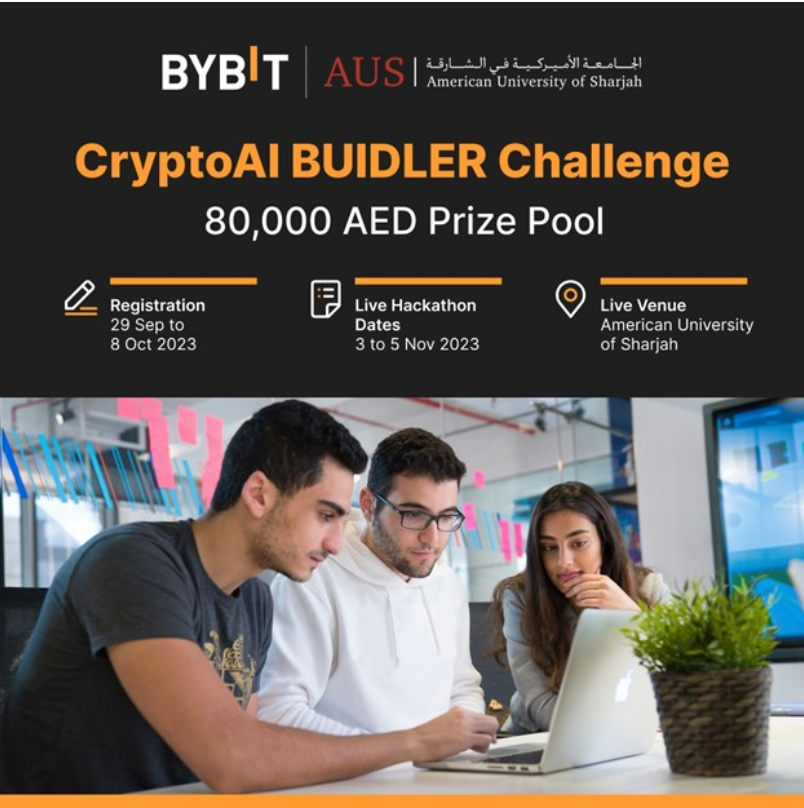
Bybit, a leading cryptocurrency exchange, has achieved a significant milestone by becoming the first fully licensed crypto exchange to operate in the UAE. This breakthrough comes amid the UAE’s ongoing efforts to establish itself as a global hub for digital assets and blockchain technology.

The UAE has long been a proponent of embracing emerging technologies, particularly in the fintech and blockchain sectors. The government’s progressive stance has attracted numerous cryptocurrency firms looking to establish a foothold in the region. Bybit’s licensing by the UAE’s Financial Services Regulatory Authority solidifies its position within this growing market.

The FSRA’s approval marks a crucial development, as it provides Bybit with a clear regulatory framework to offer crypto trading services to customers in the UAE. The exchange, which has previously operated under regulatory frameworks in other jurisdictions, will now operate in full compliance with local laws. This licensing allows Bybit to offer a wide range of digital asset services, including spot and derivatives trading, to both institutional and retail investors.

The approval is a testament to the UAE’s regulatory efforts to integrate the cryptocurrency sector into its broader financial ecosystem. The country has been proactive in ensuring that regulations keep pace with the rapid evolution of digital assets, making it an attractive destination for crypto companies seeking a compliant and stable environment.

Bybit’s decision to seek a licence in the UAE comes at a time when the global crypto market faces heightened scrutiny and regulatory challenges. In a climate where several countries have been introducing stringent regulatory measures, the UAE’s more flexible approach to crypto regulation has set it apart. This has resulted in an influx of international crypto firms looking to operate in the region, as they see the UAE as a secure base from which to expand their services.

The approval process for Bybit was rigorous and comprehensive, ensuring that the exchange adhered to strict security measures, anti-money laundering protocols, and customer protection standards. The FSRA has been meticulous in its review, demonstrating its commitment to fostering a secure and transparent environment for digital asset trading.

UAE officials have long spoken about their vision to turn the country into a leader in the global digital economy, with blockchain and cryptocurrency playing key roles in that vision. The emirate of Dubai, in particular, has been a front-runner in attracting cryptocurrency firms, with its Dubai International Financial Centre and the Dubai Financial Services Authority offering frameworks tailored to the needs of digital asset businesses.

The Bybit licensing follows a series of initiatives launched by the UAE government, including the establishment of the Dubai Virtual Asset Regulatory Authority. VARA’s creation was designed to regulate virtual assets, ensuring that companies operating within the region meet stringent compliance standards. This regulatory framework has been instrumental in bringing crypto companies into the fold, offering a more secure trading environment for users and businesses alike.

Bybit’s entry into the UAE market has also brought attention to the broader trends shaping the cryptocurrency industry in the Middle East. The UAE has become one of the leading markets for blockchain innovation, with numerous projects underway to integrate blockchain technology into sectors such as real estate, logistics, and finance. As the region’s appetite for digital innovation grows, companies like Bybit are poised to capitalise on this evolving landscape.

The licensing of Bybit is also expected to have a ripple effect on the wider cryptocurrency ecosystem. With the exchange now authorised to operate legally in the UAE, it may pave the way for other platforms to follow suit, thereby increasing the variety of options available to investors. This will likely enhance the overall appeal of the UAE as a destination for cryptocurrency trading and investment.

Despite the current global volatility in the crypto market, Bybit’s expansion into the UAE market reflects its long-term confidence in the future of digital assets. As the company continues to expand its services worldwide, the UAE’s stable regulatory environment offers a solid foundation for its growth in the Middle East.

State Street Corporation, a global asset management firm managing over $5.1 trillion in assets, has announced a significant shift in investment strategy, revealing that 60% of institutional investors plan to expand their allocations in Bitcoin and other cryptocurrencies. This move marks a notable change in the traditionally cautious stance of institutional investors toward digital assets.

The Boston-based firm’s latest report sheds light on the growing momentum in the crypto market, despite its historically volatile nature. The increase in institutional interest comes amidst an evolving regulatory landscape and a heightened focus on digital assets as an emerging class of investments. State Street’s research found that institutional investors, especially pension funds, endowments, and family offices, are increasingly viewing cryptocurrencies as viable long-term assets rather than speculative investments.

The surge in interest is partly driven by the evolving understanding of blockchain technology and its potential to revolutionise various industries. Many institutional investors, once sceptical of cryptocurrencies, are now integrating digital assets into their portfolios as part of a broader diversification strategy. State Street’s report highlights that over the next two years, the shift towards Bitcoin and crypto could lead to a more balanced investment portfolio for many institutional players.

One of the key drivers of this shift is the increasing recognition of Bitcoin as a store of value, akin to gold. With inflationary pressures persisting in traditional markets, many institutional investors are seeking alternative assets that offer the potential for significant returns, coupled with a hedge against inflation. In fact, Bitcoin’s rise over the past few years has been compared to the gold rush, attracting both institutional and retail investors keen on capitalising on its perceived scarcity.

The report highlights the rising number of crypto-friendly regulatory frameworks being developed globally. Governments and regulators in key markets, including the US and Europe, are progressively aligning with the crypto industry’s growth. Recent regulatory clarity is expected to further boost institutional confidence, providing a more stable environment for investors. This shift in regulatory attitudes signals a broader acceptance of digital currencies in the financial system.

The institutional appetite for cryptocurrencies is being encouraged by the increasing number of crypto-focused financial products. Bitcoin futures, exchange-traded funds, and custodial services have become more accessible, offering institutional investors a secure and regulated pathway into the crypto market. Major players like BlackRock and Fidelity have already launched Bitcoin ETFs, catering to the rising demand for digital asset exposure.

Despite the optimistic outlook, challenges remain. The volatility of cryptocurrencies, the risk of regulatory changes, and concerns over security are factors that continue to cause hesitation among some institutional investors. However, the growing presence of crypto in mainstream finance is undeniably reshaping perceptions and broadening the scope of opportunities within the digital asset space.

State Street’s survey also highlighted a shift in the broader financial ecosystem. As crypto adoption increases among institutional investors, the traditional financial sector is also ramping up efforts to integrate blockchain technology into its operations. From clearing and settlement systems to cross-border payments, blockchain is beginning to be recognised for its potential to enhance efficiency and transparency in financial transactions.

Silver prices have surged to an all-time high of $49.57 per ounce as of October 8, 2025, marking a significant milestone in the precious metals market. This unprecedented surge is attributed to a confluence of factors, including escalating geopolitical tensions, economic uncertainties, and a robust demand for safe-haven assets.

The rally in silver prices mirrors a broader trend in the precious metals sector, with gold also reaching record levels above $4,000 per ounce. Investors are increasingly turning to these assets as a hedge against inflation and financial instability. The U. S. Federal Reserve’s anticipated interest rate cuts have further bolstered the appeal of non-yielding assets like silver and gold.

Analysts note that silver’s ascent is not solely driven by investor sentiment. The metal’s industrial applications, particularly in solar energy and electric vehicles, have seen a significant uptick. The International Energy Agency projects that silver demand from the solar sector will continue to rise, driven by the global push towards renewable energy sources.

Market dynamics also play a crucial role in silver’s price trajectory. The London Bullion Market Association reports a tightening in silver supply, with inventories reaching historic lows. This supply-demand imbalance has intensified competition among investors, pushing prices higher.

In India, silver prices have mirrored global trends, with rates reaching ₹1.57 lakh per kilogram in major markets. The surge has been fueled by increased demand during the festive season and a growing interest in silver as an investment vehicle. The Reserve Bank of India has noted a rise in silver-backed exchange-traded funds, reflecting a shift in investor preferences.

Despite the bullish outlook, experts caution about potential market corrections. The Commodity Futures Trading Commission has observed increased volatility in silver futures markets, indicating heightened speculative activity. Investors are advised to exercise caution and consider the long-term fundamentals of silver as an investment.

LearningCrypto has emerged as a leading force in the intersection of cryptocurrency and artificial intelligence, capitalising on the growing interest in crypto education. As more individuals seek to understand the complexities of digital currencies, platforms like LearningCrypto are responding to an urgent demand for in-depth knowledge in the ever-evolving crypto space.

The expansion of AI-driven educational tools has significantly reshaped how cryptocurrency is taught. LearningCrypto, which has grown rapidly over the past year, leverages AI to personalise the learning experience for its users. The platform uses AI algorithms to track a learner’s progress, adapt content, and recommend courses based on individual learning preferences and gaps in knowledge. By tapping into AI, the platform aims to bridge the knowledge gap, enabling people of all levels—from beginners to seasoned investors—to enhance their understanding of crypto assets.

Market trends show an overwhelming shift toward digital learning, especially in niche fields like cryptocurrency. As blockchain technology continues to disrupt traditional industries, there is a growing need for professional development courses tailored to the crypto world. This demand is being fuelled by a surge in cryptocurrency adoption and institutional interest, coupled with an increase in regulatory scrutiny. Individuals and businesses alike are eager to stay ahead of the curve, making crypto education a crucial priority.

LearningCrypto’s rise highlights a broader trend in the education sector, where AI is being harnessed not only for customised learning experiences but also for its potential to simulate real-world trading scenarios. This feature appeals to both new investors looking to explore the market and seasoned professionals wanting to test their strategies without the risk of losing capital. The ability to create simulated trading environments has proven to be a game-changer, giving users a safe space to learn and practice their skills.

Several factors contribute to the rapid adoption of crypto education platforms, with accessibility being at the forefront. These platforms offer an array of resources, from video tutorials and webinars to live sessions with industry experts. The inclusion of AI-driven assistance allows users to receive real-time feedback, enhancing their ability to grasp intricate concepts at their own pace. With many courses offered online, learners have the flexibility to study on their terms, making education more accessible than ever before.

The integration of AI also addresses one of the key challenges in cryptocurrency education—keeping up with the pace of change in the crypto market. AI tools can quickly adapt content to reflect the latest developments, market trends, and regulatory updates. This ability to provide up-to-date information ensures that learners are not left behind as the landscape shifts. For example, new developments such as the rise of central bank digital currencies and the ongoing discussions around the regulation of stablecoins are integrated into course materials in real-time.

The success of LearningCrypto is also a testament to the broader trend of the digital transformation of education. As traditional educational models struggle to keep up with technological advancements, online learning platforms powered by AI are becoming the go-to option for learners. Cryptocurrency, once viewed as a niche market, has gone mainstream, and its educational demand reflects this shift. By leveraging AI, platforms like LearningCrypto are positioning themselves at the forefront of this digital revolution in finance education.

Key players in the crypto education space have also taken note of this trend, with many developing their own AI-powered features to enhance the learning experience. Some platforms offer AI chatbots that provide instant answers to users’ queries, while others employ predictive analytics to help learners anticipate and prepare for market trends. This evolving landscape has raised the bar for crypto education, pushing platforms to integrate cutting-edge technology to remain competitive.

In today’s fast-paced world, keeping your space impeccably clean takes time and effort. Bookaclean is an innovative cleaning platform that makes cleanliness simple, reliable, and effortless. More than just a cleaning company, Bookaclean represents a new philosophy of care — for your home, your time, and your peace of mind.  It combines advanced technologies, environmentally friendly products, and the work of experts to provide a new standard of […]

MACAU SAR – Media OutReach Newswire – 9 October 2025 – Galaxy Macau™ Integrated Resort is delighted to present an evening of operatic splendour with “Galaxy Macau™ Presents – Galaxy Music Gala: Sumi Jo – Mad for Love” as internationally acclaimed South Korean soprano Sumi Jo makes her long-awaited Macau debut at 17:00 on December 28 at Auditorium of the Galaxy International Convention Center (GICC). Tickets will […]

Phuket’s great weather, safe tropical environment and world-class infrastructure offers Europeans an unrivalled escape from cold winters and political tensions PHUKET, THAILAND – Media OutReach Newswire – 9 October 2025 – Phuket, Thailand’s largest island is now a top destination for European families, retirees and investors seeking property abroad. Known for its pristine beaches, vibrant culture, warm year-round climate and the equally warm Thai hospitality, Phuket is […]

Smartphone storage is on the cusp of its biggest leap in years as the Universal Flash Storage 5.0 specification arrives with headline sequential bandwidth touted at up to 10.8GB/s, nearly a twofold jump over today’s mainstream UFS 4. x. The stated aim is clear: keep pace with feature-rich camera pipelines and the growing wave of on-device AI so that apps open quickly, multitasking holds steady, and background […]

Branded residential developments in the Middle East and North Africa are now capturing a larger share of global signings, with standalone projects set to make up 45 per cent of the regional portfolio—well above the global average of 36 per cent.

Data from Global Branded Residences shows that the MENA region now accounts for 36 per cent of new global branded residence signings, outstripping traditional hubs such as North America, Europe and Asia. The region currently has 99 completed branded residences and 241 under development, representing 13 per cent of existing global supply and 25 per cent of the pipeline. The UAE leads with 201 projects, followed by Saudi Arabia and Egypt.

Dubai remains the most active city globally, with nearly 160 branded developments either completed or in the pipeline—surpassing markets like Miami, London, and New York. The breakdown in MENA shows that 31 per cent of completed branded residences are standalone, while 51 per cent of the pipeline comprises standalone projects. This shift indicates broader confidence among developers in models unlinked to hotel operations.

Fashion and lifestyle brands are playing an increasingly prominent role in driving the shift away from purely hospitality-anchored residences. In MENA, fashion labels account for 51 per cent of non-hotel branded projects—nearly double the global average of 26 per cent. Non-hotel brands now represent 30 per cent of the regional pipeline, up from 24 per cent among completed schemes. In effect, branded residences in the region are diversifying beyond hotels into lifestyle, design and luxury branding.

Fairmont is poised to be the largest operator in the region, with 19 schemes across completed and pipeline stages. New entrants include jewellery brand De Grisogono and hospitality/lifestyle brand Nobu.

Globally, the branded residences sector has expanded rapidly over the past decade. The total number of schemes globally stands at 1,746—779 completed and 967 under development. Across this global portfolio, hotel brands still dominate, accounting for 79 per cent of projects. However, standalone branded residences—those without hotel attachments—are projected to rise from about 8 per cent of the world’s projects to 12 per cent over time.

Broadly, the market is seeing several converging trends. Buyers are increasingly willing to pay a premium—often 20 to 35 per cent or more—for branded units over comparable non-branded luxury real estate, citing consistency of design, service, and long-term resale value. Developers, in turn, see branding as a differentiator that supports stronger pricing, absorption rates and margins. In fast-growing wealth markets, branding provides credibility and global marketing reach.

Asia Pacific has also moved into the spotlight. GBR has formally launched operations in APAC, targeting markets such as Thailand, Vietnam, India, Malaysia and emerging resort destinations. The firm forecasts that branded development projects in APAC may more than double, with the region evolving into one of luxury real estate’s fastest growing markets.

Nevertheless, challenges remain. Aligning brand partnerships with regional regulatory, legal and operational frameworks is complex. Delivering consistent service quality over time, especially in newer locations with less mature hospitality infrastructure, is no small task. In denser branded markets, developers must differentiate amenities, design and buyer experience to avoid commoditisation.

Abu Dhabi National Oil Company announced that its six publicly traded subsidiaries will distribute AED 158 billion in dividends through to 2030, nearly doubling the AED 86 billion cumulative payout since the first listing in 2017.

The announcement came during ADNOC’s inaugural Investor Majlis in Abu Dhabi, where the group underscored its commitment to shareholder returns and transparent governance. The dividend programme is subject to customary approvals and will provide long-term visibility to investors across its diversified portfolio of listed entities.

ADNOC’s six listed companies currently account for more than AED 550 billion in market capitalisation on the Abu Dhabi Securities Exchange and represent nearly 40 percent of the annual dividends distributed on the market. Under the new plan, three additional entities—ADNOC Distribution, ADNOC Gas, and ADNOC Logistics & Services—will join ADNOC Drilling in issuing quarterly dividends.

Dr Sultan Ahmed Al Jaber, ADNOC’s Managing Director and CEO, also serving as UAE Minister of Industry and Advanced Technology, described the dividend target as a “landmark step” adding clarity to the group’s capital return path. He stated the move would “enhance value” for citizens, residents, and partners, and reaffirmed ADNOC’s focus on cost discipline, efficiency and growth.

Each listed unit announced specific dividend floors and policy reforms. ADNOC Drilling set a cumulative floor of AED 25 billion by 2030, representing a 26 percent minimum return over the period. ADNOC Gas pledged a target of AED 90 billion, with dividends moving to a quarterly basis from 2025 onward. ADNOC Logistics & Services raised its guidance to AED 8.1 billion for 2025–2030 and intends to adopt quarterly distributions from the third quarter of 2025.

Other units will also tighten their dividend structures. ADNOC Distribution expanded its dividend policy through 2030 and targets cumulative returns exceeding 30 percent over the 2025–2030 period. Borouge affirmed a dividend floor for 2025 and envisaged a payout ratio of 90 percent of net profit in future years. Fertiglobe flagged interim dividend payments and share buybacks for 2025 to support yield.

Beyond dividends, ADNOC disclosed key developments across its upstream, LNG and petrochemical segments. ADNOC Gas has secured a long-term feedstock agreement worth AED 147 billion with its Ruwais LNG facility. Over 80 percent of project capacity is under contract. The group also reported that the merger of its petrochemical assets with OMV—that is, combining Borouge and Borealis into Borouge Group International —remains on course for completion in Q1 2026. Financing for the transaction, valued at AED 56.6 billion, is in place and synergies of at least AED 1.8 billion annually have been identified.

Earlier this year, ADNOC transferred its stakes in several listed subsidiaries—namely Distribution, Drilling, Gas and Logistics & Services—to its wholly owned investment arm, XRG, via off-market moves. The transfers, completed or pending regulatory clearance, were explicitly stated not to affect operations, leadership or dividend policies. Control remains with ADNOC via its 100 percent ownership of XRG.

Analysts view the dividend pledge as a strategic signal in a more competitive capital-raising environment. It strengthens the case for long-term investor confidence, especially amid global volatility in energy markets and shifting sector dynamics. Some warn, however, that such large commitments require careful balance with capital expenditure demands, especially for exploration, decarbonisation and upstream expansion to meet rising regional energy and gas demand.

Donald Trump announced that Israel and Hamas have acquiesced to the first phase of a U. S.-brokered Gaza peace plan, under which hostages would be released “very soon” and Israeli troops would withdraw to a predetermined line. He described the agreement as an opening step toward “a strong, durable, and everlasting peace.” The accord, reportedly brokered in Egypt, calls for the immediate release of all living hostages—with […]

The Internal Revenue Service announced plans to furlough almost half its employees as the U. S. government shutdown extends past its initial contingency period. The move signals a drastic scaling back of tax-collection operations and invites legal scrutiny over potential permanent layoffs. Under the updated contingency plan, around 39,870 IRS staffers—roughly 53.6 per cent of its workforce—will continue to work, while the remainder will be placed on […]

MetaMask has rolled out an integration with Hyperliquid that allows perpetual futures trading directly within its wallet, marking a major expansion beyond its core custodial functionality. The launch went live today in selected jurisdictions, enabling users to take leveraged positions without leaving the application’s interface.

This move transforms MetaMask from a simple wallet to a more comprehensive on-chain trading hub. By embedding Hyperliquid’s perpetuals engine natively, MetaMask removes several intermediate steps that historically deter adoption—such as requiring users to traverse to external exchanges, cross chains, or cover multiple transaction fees. According to MetaMask’s global product lead, Gal Eldar, the integration “offers a frictionless path for passive holders to become active traders.” The wallet’s new “one-tap” experience is optimised for mobile usage, lowering barriers to entry.

Hyperliquid, a decentralised derivatives platform built with its own Layer 1 infrastructure, claims to support gas-free settlement and performance at scale. The platform processes tens of billions in trading volume, placing it among the leading names in on-chain perpetual markets. Hyperliquid’s architecture, with reported throughput exceeding 200,000 orders per second, underpins the performance demands of integrating derivatives directly inside a wallet.

MetaMask’s entry into this domain arrives amid sharp growth in decentralized perpetuals. In September, the total trading volume across decentralised perpetual platforms exceeded $700 billion, spurred by trader demand for leverage, 24/7 markets, and non-custodial exposure. Hyperliquid is a consistent high performer, with some estimates attributing to it a majority share of decentralised perpetual activity.

The new feature supports USDC deposits from any Ethereum Virtual Machine-compatible chain, and trades can be initiated with a single tap. The integration includes slippage checks, fee previews, and confirmation flows meant to shield users from common UX pitfalls. MetaMask’s team emphasises that the wallet retains self-custody at all stages, with users retaining control over private keys.

Critics caution that embedding leverage within a wallet may amplify risks for inexperienced users. Rapid liquidation, sharp market swings, and elevated margin requirements could expose users to sudden losses. To mitigate this, MetaMask is integrating risk-control measures and permission checks, though the success of those mechanisms will be closely watched by the community.

MetaMask’s expansion aligns with its broader roadmap. Earlier in the year, it unveiled a Mastercard-powered card feature, enabling spending directly from self-custodial wallets. It has also signalled intent to launch its native token, MASK, and is refining a loyalty rewards engine tied to on-chain activity. Those ancillary products may dovetail with its perpetuals integration, potentially weaving them into loyalty tiers, discounts, or governance models.

The decision pits MetaMask more directly against both centralised and decentralised exchanges. Centralised venues such as Binance and Bybit continue to dominate derivatives in terms of volume; however, their users must trust custody and counterparty risk. MetaMask’s proposition is differentiated by offering derivatives inside a wallet, combining convenience with self-custody.

VISHNU RAJA
RYO YAMADA
HITORI GOTOH
IKUYO KITA
Just in:
Cloudflare unveils Zero Wire vulnerability intelligence service // Hong Kong mandates crypto transaction disclosures to tax authorities // APT29-linked campaign exploits outdated Apple and Android software // Trump’s Iran War Has A Share Of Contribution To His Midterm Debacle // Emaar approves Development buyout ahead of planned delisting // TVM –Mangaluru Vande Bharat claims top spot // Kochi police detain two actors over bid to honey trap doctor // Oil and chip shares retreat after Democratic victories // The “1st Greater Bay Area Health and Longevity Summit & Awards Ceremony” concludes successfully in Macao // Asia Left Behind: Ten international companies have yet to report delivering on their cage-free egg pledges across the region // Geely’s i-HEV Intelligent Hybrid Technology Offers a New Direction Vision for Gasoline-Powered Vehicles // Oil advances towards $100 as tanker attacks persist // CR Longdation Aethereal Cybersecurity × Global Cybersecurity Alliance (GCSA) Join Hands to Establish the “AI and Cybersecurity Research Centre” // Ousted top Kochi cop gets IG post // Dubai boat show confirms international shipyard line-up for November // Fast Just Got Fastest: STING Energy Boost™ Celebrates Kimi Antonelli’s Formula 1® World Championship and the Fan Energy Behind It // Private varsities bill all set to face the axe // After Reaching 7 Million Users in the Philippines, Skyro Launches Transparent Cash Loans in Malaysia // Emirates Group records AED 4.1 billion half-year profit // Technology shares plunge as Nasdaq enters correction //