Arabian Post Staff -Dubai Hotel occupancy across the UAE climbed to 79.3 per cent during the first ten months of 2025, underlining the sector’s sustained momentum as visitor flows, air connectivity and investment continue to reinforce the country’s position as a global tourism hub. The figure marks an increase from 78 per cent a year earlier and places the UAE among the strongest performers both regionally and […]
Chee Choong Ng is appointed as Senior Vice President, Human Resources for Asia Pacific
Samuel Lee is named Managing Director for Taiwan
SINGAPORE – Media OutReach Newswire – 18 December 2025 – DHL Express has made two key leadership appointments in Asia Pacific: Chee Choong Ng as Senior Vice President of Human Resources (HR) for Asia Pacific, and Samuel Lee as Managing Director for Taiwan. These appointments, which take effect on January 1, 2026, underscore DHL’s commitment to strengthening its people strategy and accelerating growth in one of the region’s most dynamic markets.
From L to R: Chee Choong Ng and Samuel Lee
Ken Lee, CEO for Asia Pacific, DHL Express, said, “Finding the right talent is more critical than ever, particularly in today’s volatile environment, where we need to balance the demands of a changing workforce with business priorities. Offering our people pathways to growth also makes us a Great Place to Work, which is why I am proud to see two crucial roles within the region taken up by Chee Choong and Samuel, both with extensive experience in the business.
Chee Choong’s experience in operations and country leadership, combined with his strong focus on people development, makes him the ideal choice to lead our HR strategy. At the same time, Samuel’s track record proves that he will further strengthen our position in Taiwan, a market that is vital to our regional network and global trade.” Chee Choong Ng is Asia Pacific’s new HR head
Previously the Managing Director for Taiwan, Chee Choong, takes over the Asia Pacific region’s HR portfolio from Mateen Thiruselvaam, who has retired after many years of dedication at DHL Express. Chee Choong brings over two decades of experience within DHL Group and the logistics industry. He first joined DHL in 2004, holding various operational roles before becoming Hong Kong’s Vice President for Operations in 2017. In the last few years, he was tasked to lead Hong Kong and Taiwan, respectively, in 2020 and 2024, where he achieved a record employee engagement rate, and improvements in customer satisfaction and operational excellence levels.
In his new role, Chee Choong will lead strategic initiatives to position DHL Express as the employer of choice in a rapidly evolving workplace landscape. With emerging technologies, changing labor patterns and segment sizes shaping the future of work, Chee Choong’s achievements in people development and engagement will be instrumental in driving HR transformation across the region.
Chee Choong Ng said, “I am honored to take on this role at such a pivotal time. The workplace is undergoing profound changes. We need to remain close to our employees to ensure their needs are met. I look forward to aligning our people strategy and creating an environment where our people can thrive, innovate, and feel valued so that we can better support business goals.” Samuel Lee as new leader for DHL Express Taiwan
Following Chee Choong’s move, Samuel Lee will take over the role of Managing Director for DHL Express in Taiwan. He has been a seasoned DHL Express leader since 1998. He has an impressive career spanning Singapore, Thailand, Hong Kong, and Shanghai, where he played a key role in building and expanding DHL’s strategic hubs in those territories. He was most recently the General Manager of the Central Asia Hub in Hong Kong, achieving record-breaking performance, exceptional employee engagement scores, and the seamless completion of a EUR376 million expansion project in 2023.
Taiwan’s robust technology sector, thriving e-commerce industry, and strong export-oriented economy make it a critical market for DHL Express. Samuel’s deep operational expertise and years of leadership will ensure DHL continues to deliver world-class service and support the growth of businesses in this dynamic market.
Samuel Lee said, “Taiwan is a vibrant market with immense potential, and it holds a unique position in global trade, particularly as a hub for technology and innovation. The team has established a remarkable reputation in Taiwan, and I am proud to be working alongside them. Our focus remains on delivering exceptional service and creating new opportunities for growth to better enhance Taiwan’s role in global supply chains.”
Asia Pacific continues to grow as a powerhouse in global trade, driven by strong manufacturing bases, booming e-commerce, and rapid digitalization. These leadership appointments reaffirm DHL Express’s commitment to delivering excellence and enabling businesses to connect seamlessly across borders. Hashtag: #DHL
The issuer is solely responsible for the content of this announcement.
DHL – The logistics company for the world
DHL is the leading global brand in the logistics industry. Our DHL divisions offer an unrivalled portfolio of logistics services ranging from national and international parcel delivery, e-commerce shipping and fulfillment solutions, international express, road, air and ocean transport to industrial supply chain management. With approximately 400,000 employees in more than 220 countries and territories worldwide, DHL connects people and businesses securely and reliably, enabling global sustainable trade flows. With specialized solutions for growth markets and industries including technology, life sciences and healthcare, engineering, manufacturing & energy, auto-mobility and retail, DHL is decisively positioned as “The logistics company for the world”.
DHL is part of DHL Group. The Group generated revenues of approximately 84.2 billion euros in 2024. With sustainable business practices and a commitment to society and the environment, the Group makes a positive contribution to the world. DHL Group aims to achieve net-zero emissions logistics by 2050.
Adobe has unveiled a significant expansion of its Firefly artificial intelligence platform, adding text-based video editing tools, camera controls and 4K upscaling as part of a broader push to embed generative AI more deeply into professional creative workflows. The update positions Firefly as a central layer across Adobe’s video and design ecosystem, with the company arguing that the new features reduce technical friction while keeping creators in […]
By K Raveendran Oil prices slipping below $60 a barrel for the first time since February 2021 and a sharp easing in European gas prices mark more than a cyclical downturn in commodities. They signal a rapid repricing of geopolitical risk at a moment when diplomacy, rather than escalation, has begun to dominate market psychology. […]
President Donald Trump’s administration has broadened the scope of U. S. travel restrictions by adding seven countries and Palestinian Authority travel documents to a full-entry ban that will take effect on January 1, 2026, tightening immigration and border policies that have been a cornerstone of his presidency. The expanded restrictions come as part of a wider strategy the administration says is aimed at bolstering national security and […]
Greenlogue/AP Saudi Arabia’s ACWA Power has entered into a cooperation framework with the African Development Bank aimed at mobilising as much as $5 billion for sustainable energy and water projects across Africa, signalling an expansion of private capital participation in the continent’s infrastructure financing landscape. The agreement sets out a pathway to identify, develop and finance projects focused on electricity access, water security and low-carbon investment, with […]
Abu Dhabi-listed Two Point Zero Group has moved to full ownership of fintech platform Maseera, completing the acquisition of the remaining minority stake and consolidating its position in the fast-growing digital finance space. The transaction marks another step in the group’s strategy of scaling consumer-facing financial services across the Middle East and North Africa through tightly integrated platforms. Two Point Zero confirmed that its subsidiary, E Point […]
Dubai is preparing to expand its seasonal cultural calendar with a large-scale Ramadan Souq planned for 2026, an initiative expected to transform Souq Al Ras in Deira into a focal point for heritage retail, family entertainment and night-time tourism during the holy month. City officials and organisers say the project is designed to blend commerce, culture and community, reinforcing Deira’s position as a historic trading hub while […]
Arabian Post Staff -Dubai Dubai-based Emirates NBD Bank has launched a $700 million seven-year bullet term loan aimed at lenders across Asia, marking a notable cross-border funding move as regional banks continue to diversify their funding bases amid shifting global liquidity conditions. The facility carries an interest margin of 100 basis points over term SOFR and includes a $200 million accordion option, allowing the borrower to increase […]
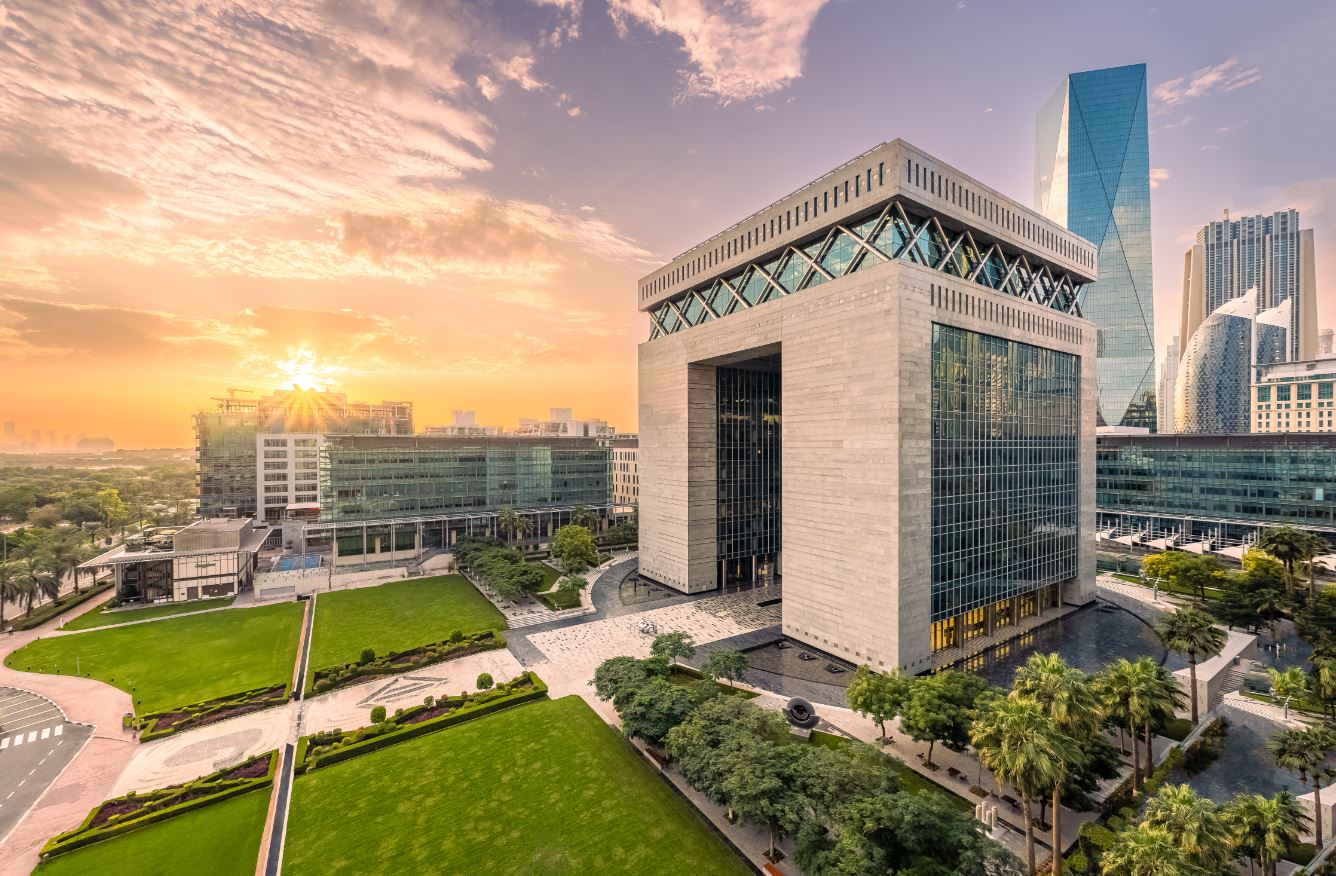
Dubai International Financial Centre has taken a further step in positioning Dubai as a key node in the global digital economy by strengthening its privacy governance framework and widening its engagement in cross-border trade initiatives, underscored by its admission as a Member of the Global Forum Assembly. The move signals growing international recognition of the DIFC’s data protection regime and its ambition to shape global standards at a time when data flows, digital services and regulatory trust have become central to economic competitiveness.
The DIFC confirmed its membership of the Global Forum Assembly, a multilateral platform that brings together governments, regulators, international organisations and private-sector stakeholders to advance cooperation on privacy, data protection and digital trust. Membership is extended to jurisdictions that demonstrate mature, enforceable frameworks aligned with international norms, placing the DIFC alongside established financial and digital centres that have made privacy governance a core component of their economic strategy.
Officials at the DIFC said the step reflects the centre’s long-term investment in building a regulatory environment that balances innovation with strong safeguards for personal data. The DIFC’s Data Protection Law, which operates independently from federal frameworks, is designed to mirror global best practices, including principles found in European and other advanced privacy regimes, while remaining tailored to the needs of financial services, technology firms and multinational businesses operating across borders.
The timing is notable as digital trade accelerates across financial services, fintech, artificial intelligence, cloud computing and professional services. Businesses increasingly assess jurisdictions not only on tax efficiency or infrastructure but also on the credibility of their data governance. For Dubai, positioning the DIFC as a trusted hub for data-driven commerce supports broader economic diversification goals and aligns with national ambitions to expand digital exports and attract high-value investment.
Participation in the Global Forum Assembly gives the DIFC a seat in discussions shaping the future of cross-border data flows, adequacy frameworks and interoperability between privacy regimes. These debates have intensified as countries seek to protect citizens’ data while avoiding regulatory fragmentation that can raise costs and deter innovation. By contributing to policy dialogue, the DIFC aims to influence standards that enable data to move securely between markets without undermining individual rights.
Regulatory specialists note that the DIFC’s framework has evolved steadily, with enforcement powers, clear obligations for data controllers and processors, and mechanisms for redress. This institutional depth has been a key factor in gaining international credibility. Businesses operating in the centre are required to comply with detailed rules on consent, lawful processing, breach notification and cross-border transfers, creating a predictable environment for global firms managing complex data operations.
The emphasis on inclusive cross-border trade also reflects a shift in how digital economy hubs define competitiveness. Rather than focusing solely on domestic regulation, leading centres are investing in compatibility with other regimes to ensure that companies can scale across regions. The DIFC has positioned its privacy framework as an enabler of such compatibility, supporting firms that serve clients in multiple jurisdictions while maintaining high standards of protection.
Technology policy analysts point out that privacy governance is increasingly intertwined with trust in emerging technologies such as artificial intelligence. Robust data protection regimes are seen as foundational to responsible AI development, particularly in financial services where algorithmic decision-making relies heavily on personal and transactional data. By reinforcing its privacy credentials, the DIFC strengthens its appeal to AI-driven firms seeking a stable regulatory base.
The move also has implications for regional competition. Financial centres across the Middle East and beyond are racing to attract digital businesses, often through regulatory innovation. The DIFC’s membership of the Global Forum Assembly distinguishes it within this landscape, signalling alignment with international norms rather than regulatory isolation. This approach may resonate with multinational firms that prioritise consistency across markets.
For policymakers, the development illustrates how sub-national jurisdictions can play an outsized role in global digital governance. Although operating within a broader national framework, the DIFC’s independent legal system and regulator allow it to engage directly with international bodies and contribute expertise drawn from its experience overseeing a diverse ecosystem of banks, asset managers, fintechs and technology companies.
Matein Khalid 2025 was the year I was convinced that silver would outperform gold in a classic late cycle acceleration trade that is a recurrent theme in full throttle precious metal bull markets. This means, silver has a tendency to lag gold’s ascent until an inflection point at which prices breakout and then accelerate sharply on the upside. This inflection point was $36 an ounce in spot […]
Investors heading into 2026 face a familiar challenge: markets continue to evolve faster than habits do. Strong returns in recent years have rewarded certain behaviours and masked weaknesses in portfolio construction. The next phase, I believe, will favour discipline, balance, and clear decision-making. Rebuild diversification properly Diversification has been weakened by success. Long runs in US equities and large-cap technology have encouraged portfolios to drift into concentration, […]
Ford Motor Company has outlined plans to rework its electric pickup strategy by developing an extended-range version of the F-150 Lightning that pairs battery power with an onboard petrol generator, a move aimed at easing customer anxiety over charging access and long-distance capability. The company has indicated that such an extended-range electric vehicle, or EREV, could push total driving range towards 700 miles under certain conditions, a […]
Dubai’s Global Village is preparing a New Year’s Eve programme that will allow visitors to welcome 2026 seven times in a single night, aligning celebrations with multiple international time zones and reinforcing the city’s reputation for large-scale public festivities. The seasonal cultural park has announced that on December 31 it will stage a sequence of countdowns, each marked by fireworks and coordinated drone displays, beginning in the […]
EcoFlow Technology Inc is preparing to file for an initial public offering in the United States that could make the Shenzhen-headquartered portable power specialist one of the most high-profile mainland technology firms to seek equity funding on American exchanges, according to people familiar with the matter. The company is working with financial advisers and is exploring a share sale that could raise several hundred million dollars, signalling growing investor appetite for clean energy and battery technology stocks despite volatility in global markets.
The draft IPO plan represents a strategic pivot for EcoFlow as it seeks broader capital access and enhanced global recognition. Backed by HSG, the firm formerly known as Sequoia Capital China, EcoFlow has grown rapidly by tapping into surging demand for portable and home battery solutions used for outdoor recreation, emergency backup and renewable energy integration. Market participants suggest that the public listing could value the company at billions of dollars, though final pricing and timing remain under consideration.
EcoFlow’s potential move to a US exchange underscores the increasingly international ambitions of Chinese technology manufacturers. While many domestic companies opt to list on local boards such as Shanghai’s STAR Market or Shenzhen’s ChiNext, EcoFlow’s planned New York or Nasdaq debut highlights a shift among select innovators seeking to capitalise on deeper liquidity and global investor bases. Industry analysts note that the IPO could open doors for other clean energy and hardware enterprises from Asia if executed successfully.
Founded in 2017 by former engineers from the drone industry, EcoFlow has established itself as a leading global supplier of portable power stations and energy storage systems. Its product lines include the DELTA and RIVER series, which have gained traction among consumers and businesses looking to reduce reliance on fossil fuel generators. The company’s expansion has also been punctuated by new product launches and partnerships in major retail chains, broadening its footprint in the United States and Europe.
Industry observers say EcoFlow’s performance in the US market will be closely watched by investors assessing the health of hardware-oriented technology firms amidst broader economic uncertainty. Portable power and battery technology have seen increasing interest as climate change concerns boost demand for resilient and sustainable energy solutions. Analysts point to strong year-on-year sales growth through online and in-store channels, including collaborations with national warehouse clubs, as evidence of the company’s commercial momentum.
The proposed IPO is expected to involve at least $300 million in primary share sales, though people familiar with the discussions caution that the figure could shift based on market conditions and investor feedback. An offering of this scale would position EcoFlow alongside a select group of cleantech and energy storage names that have reached public market debuts in recent years. Executives and bankers are said to be conducting roadshows and investor engagements to gauge demand and refine the company’s messaging ahead of filing.
Financial advisers engaged by EcoFlow are reportedly preparing registration statements and compliance documentation required by US regulators. This process typically involves scrutiny of business models, revenue figures and risk factors, and the company will need to articulate its strategy for scaling production, managing supply chains and navigating potential geopolitical tensions affecting Chinese-linked firms listed abroad. If cleared by regulators, the IPO could take place in the first half of next year, subject to market receptivity and pricing dynamics.
Investors familiar with EcoFlow’s trajectory describe the company’s leadership as focused on diversifying revenue streams through both consumer-facing products and partnerships with enterprise clients. The product portfolio emphasises modular and scalable energy solutions that can serve residential, commercial and recreational needs. Market research suggests that consumer interest in backup power and off-grid energy has been buoyed by extreme weather events and grid reliability concerns in developed markets, further enhancing appetite for resilient technologies.
Critics caution that hardware companies face challenges maintaining margins and growth rates as competition intensifies and component costs fluctuate. They note that EcoFlow will need to demonstrate sustained profitability and efficient supply-chain management to satisfy public investors, particularly in an environment where tech valuations are more scrutinised than in prior years. Effective communication of long-term strategy and risk mitigation will be key to fostering confidence among institutional and retail shareholders.
Nikken Sekkei has unveiled an architectural vision for Trump Tower Dubai that signals a renewed push to blend global branding with locally grounded urban design, positioning the project as a high-profile addition to the city’s luxury real-estate landscape. The proposal introduces a vertically articulated tower intended to integrate hospitality, branded residences and curated public spaces, reflecting Dubai’s continued appeal to international developers and design houses. The Japanese […]
Laboratory research has found that two well-known cannabis compounds, cannabidiol and tetrahydrocannabinol, can sharply curb the growth and spread of ovarian cancer cells when used together, opening a possible new line of inquiry in a disease area where treatment options remain limited and relapse rates are high. The findings centre on controlled experiments in which ovarian cancer cell lines were exposed to CBD and THC, both separately […]
Kim Kardashian switching on a smartphone camera and pitching pyjamas to a scrolling audience has become a telling marker of how live shopping is edging into the American retail mainstream. Earlier this month, the entrepreneur and media figure hosted a TikTok Live session promoting sleepwear, slippers and coordinated sweat sets, adopting the cadence of a television infomercial but delivering it through a platform built on short videos […]
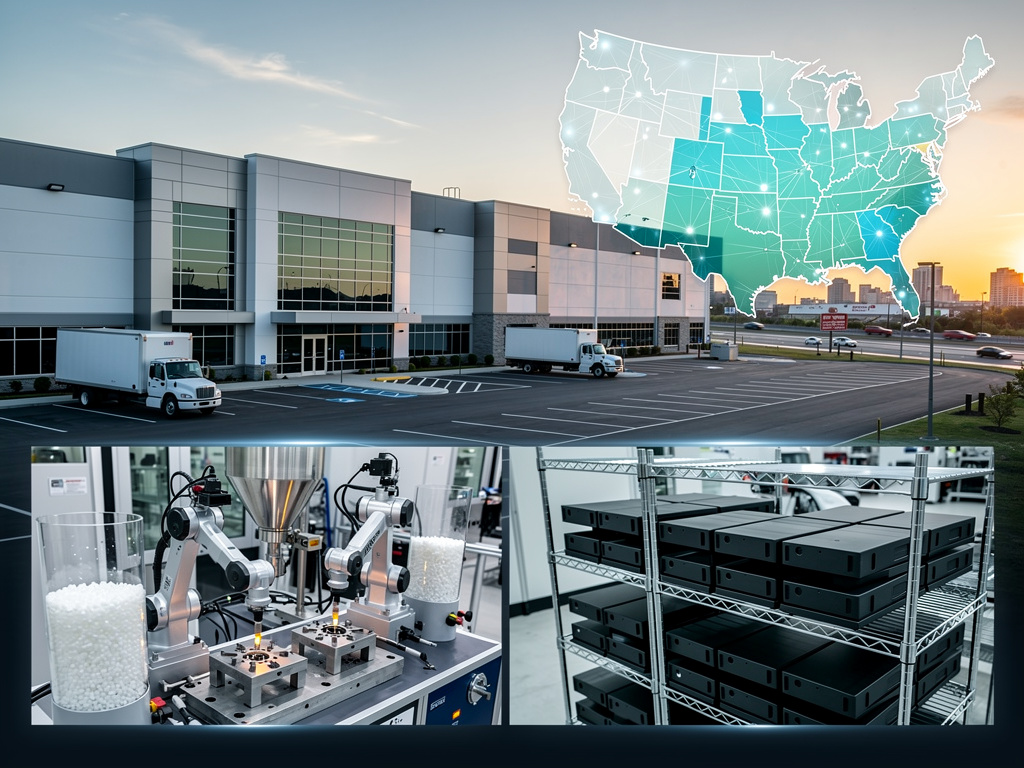
Foxconn will invest $173 million to build a consumer electronics manufacturing facility in Louisville, Kentucky, creating 180 jobs and marking another step in the contract manufacturer’s effort to expand its United States footprint as companies seek to rebalance global supply chains.
The facility, scheduled to begin operations in the third quarter of 2026, will focus on injection moulding, tooling and the production of key components used in consumer electronics. Company executives said the plant would support domestic manufacturing demand and align with a broader push by technology firms and policymakers to strengthen industrial capacity within the US.
State and local officials confirmed that the project has received approvals tied to job creation and capital investment benchmarks. Kentucky’s economic development authorities described the investment as part of a strategy to attract advanced manufacturing and reduce exposure to overseas supply disruptions that became evident during the pandemic and amid geopolitical frictions affecting global trade.
Foxconn, formally known as Hon Hai Precision Industry, is the world’s largest electronics contract manufacturer and a critical supplier to several major technology brands. While the company is best known for its vast manufacturing operations in China, it has been diversifying production across regions including Southeast Asia, Latin America and North America. The Kentucky plant adds to that network but on a scale that contrasts with earlier, more ambitious US plans.
The new facility is expected to employ engineers, technicians and production workers, with roles centred on high-precision manufacturing rather than large-scale assembly. Injection moulding and tooling are considered foundational processes in electronics production, supplying parts used across a range of devices. Industry analysts note that locating these processes closer to end markets can shorten lead times and reduce logistics costs, even if final assembly remains globally distributed.
Foxconn executives have framed the project as a “Made in America” initiative designed to support customers seeking domestic sourcing options. Several technology companies have been under pressure from governments and consumers to demonstrate resilience and transparency in their supply chains, particularly for components linked to critical infrastructure or sensitive technologies.
The Kentucky investment comes against the backdrop of Foxconn’s mixed history in the US. The company’s high-profile Wisconsin project announced in 2017 promised tens of thousands of jobs and billions in investment but was later scaled back significantly, leading to criticism from local communities and policymakers. That experience has made state governments more cautious, with incentives increasingly tied to verifiable outcomes rather than headline commitments.
In Kentucky, officials emphasised that the Foxconn deal is structured around realistic employment numbers and phased investment. The projected 180 jobs are modest by the standards of traditional manufacturing plants, but they reflect the capital-intensive and automated nature of modern electronics production. Wages are expected to be above the regional manufacturing average, according to preliminary workforce plans shared with state authorities.
For Foxconn, the move aligns with a broader recalibration of its global strategy. Rising labour costs in China, trade restrictions affecting technology exports, and growing scrutiny of cross-border dependencies have pushed manufacturers to adopt a “China plus one” or even “plus many” approach. The US has also introduced incentives aimed at encouraging domestic manufacturing, particularly in semiconductors and advanced electronics, although Foxconn’s Kentucky plant does not fall directly under federal chip subsidy programmes.
Supply chain experts say the investment reflects a pragmatic approach rather than a wholesale shift. Building a specialised plant focused on components allows Foxconn to serve US customers without replicating the scale of its Asian campuses. It also limits financial exposure while testing the economics of domestic production in a high-cost environment.
Local economic impact assessments suggest the project will have secondary benefits for suppliers, logistics firms and technical training providers in the Louisville area. Community colleges and workforce agencies have begun discussions with the company on skills development, particularly in precision tooling and materials processing.
SYDNEY, AUSTRALIA – Media OutReach Newswire – 16 December 2025 – Leeds Capital and MIO Trust are proud to announce their collaboration. Together they are set to launch an AI‑driven multi‑asset trust with a dynamic allocation strategy, giving investors a new way to combine digital assets and precious metals—especially gold and silver—within a regulated, institutional‑grade trust platform. Leeds Capital will provide the legal architecture, compliance framework and […]
Plans for Trump Tower Dubai place one of Japan’s most influential architectural practices at the centre of a high-profile addition to the city’s skyline, signalling how branded luxury developments continue to evolve in the Gulf’s most competitive real estate market. Nikken Sekkei, an architectural, engineering and urban design firm with a portfolio spanning major civic, commercial and transport projects worldwide, has been appointed to design the 350-metre […]
Washington’s state dinner honouring Saudi Arabia’s crown prince offered a carefully curated guest list that blended politics, finance and technology. Alongside executives such as Apple chief Tim Cook and Citigroup head Jane Fraser sat Lubna Olayan, placed next to Elon Musk, a seating choice that quietly reflected her standing as one of the most connected figures linking Wall Street and the Gulf. The gathering drew attention to […]
Arabian Post Staff -Dubai Mubadala Investment Company and Barings have launched a $500 million global real estate debt partnership, signalling growing institutional appetite for private credit strategies tied to property markets across major economies. The partnership brings together Mubadala’s balance sheet strength and global reach with Barings’ long-standing experience in real estate debt, at a time when banks have become more selective in property lending and borrowers […]
Kuwait has moved to deepen its role in Gulf maritime trade after the Kuwait Ports Authority said it signed a memorandum of understanding with Abu Dhabi Ports Group to develop and operate the container terminal at Shuaiba port under a concession agreement. The arrangement places a major state-backed ports operator from Abu Dhabi at the centre of a facility that has long served as a backbone of Kuwait’s seaborne commerce, signalling a shift towards international partnerships to modernise ageing infrastructure and boost competitiveness.
The memorandum outlines a framework for collaboration that could see Abu Dhabi Ports Group involved in terminal operations, capacity upgrades and efficiency improvements at Shuaiba, subject to regulatory approvals and the finalisation of commercial terms. While financial details have not been disclosed, officials described the understanding as a step towards unlocking investment, technology transfer and operational expertise at Kuwait’s oldest port, which has faced mounting pressure from larger and more automated hubs elsewhere in the region.
Shuaiba port was established in the 1960s and remains a critical gateway for imports and exports despite growing competition from newer facilities along the Gulf. The port covers a total area of about 2.2 million square metres and has 20 berths, according to data published by the Kuwait Ports Authority. Its container terminal includes a storage area of roughly 318,000 square metres, making it a significant asset in a country that relies heavily on maritime trade for food, consumer goods and industrial inputs.
Officials familiar with the discussions said the focus of the partnership would be on improving berth productivity, reducing vessel turnaround times and expanding container-handling capacity to meet shifting trade patterns. Kuwait’s logistics sector has faced challenges linked to congestion, limited automation and slower clearance processes compared with regional peers. Partnering with an experienced international operator is seen as a way to narrow that gap without placing the entire investment burden on the state.
Abu Dhabi Ports Group has expanded rapidly beyond the UAE over the past few years, building a portfolio that spans ports, terminals, maritime services and logistics corridors across the Middle East, Africa and South Asia. Its strategy has centred on long-term concessions and joint ventures that integrate port operations with industrial zones and inland logistics. The Shuaiba memorandum aligns with that approach, offering access to a mature but under-optimised port in a strategically located market.
For Kuwait, the agreement reflects a broader policy push to diversify the economy and improve infrastructure efficiency as part of long-term development plans. While the country has invested heavily in oil and gas facilities, progress in logistics and transport has been slower, partly due to regulatory complexity and limited private-sector participation. Bringing in a regional operator with a track record in terminal modernisation could help accelerate reforms that have proved difficult to deliver through public investment alone.
Industry analysts note that container volumes in the Gulf are increasingly concentrated at mega-ports with deep drafts, advanced cranes and integrated digital systems. Smaller or older ports risk being sidelined unless they upgrade or specialise. Shuaiba’s location near industrial zones and population centres gives it an advantage, but sustaining that position requires capital spending and operational know-how. The proposed concession model would allow Kuwait Ports Authority to retain ownership while delegating day-to-day operations to a specialist partner.
The memorandum also carries geopolitical and commercial significance. Closer cooperation between Kuwait and Abu Dhabi in maritime infrastructure adds to a growing web of Gulf logistics partnerships aimed at strengthening regional supply chains. As global trade routes adjust to disruptions in other corridors, Gulf ports are competing to attract transshipment traffic and value-added services. Collaboration rather than rivalry is increasingly seen as a way to enhance resilience and bargaining power with global shipping lines.