News related to
Strategy

A landmark agreement between UAE’s Autocraft and Indonesian aerospace maintenance giant GMF AeroAsia positions the Autocraft E20+ electric vertical take‑off and landing aircraft for regional deployment, signalling a major advance in Southeast Asian air mobility. Signed on 11 June at the Indo Defence Expo in Jakarta, the memorandum of understanding enlists GMF as the official Maintenance, Repair and Overhaul partner for the E20+ platform, while establishing frameworks […]

Partners Group, a leading Swiss private markets investment firm managing approximately $152 billion, has inaugurated a new regional headquarters at Abu Dhabi Global Market, signalling a strategic intensification of its presence in the Middle East. Suhail Albaz, appointed Chairman of Middle East, Africa and Central Asia, will oversee the office. His brief includes deepening ties with Gulf institutions, expanding private wealth services, and targeting transformational investment opportunities […]

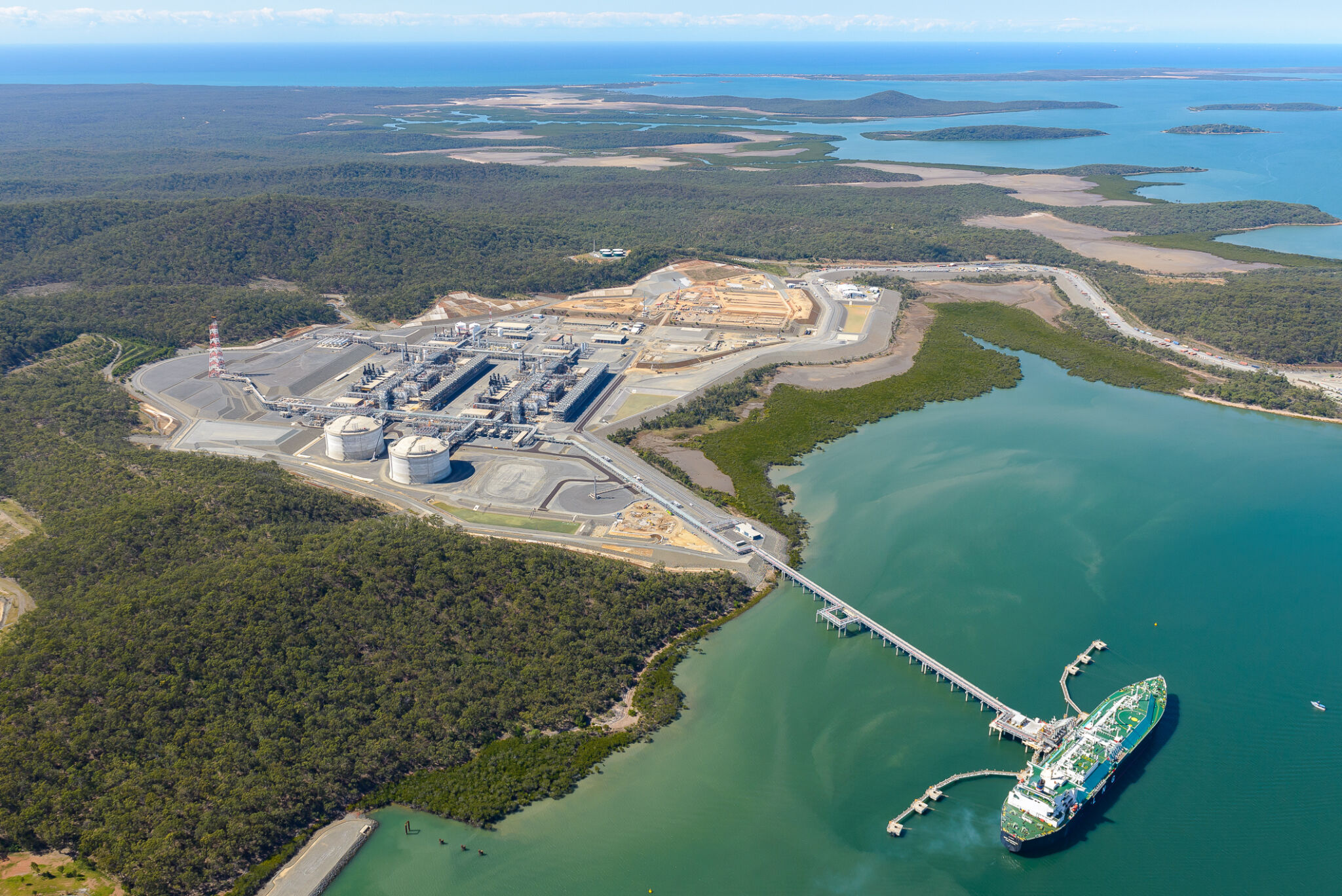
Abu Dhabi National Oil Company, via its XRG investment arm, has launched an A$8.89‑per‑share all‑cash takeover offer worth roughly US$18.7 billion for Santos, Australia’s second‑largest gas producer. The bid has ignited intense scrutiny from Australian regulators concerned about safeguarding domestic gas supply and securing critical infrastructure. Simultaneously, XRG has pledged to accelerate key gas‑project development, a strategy aimed at wining over skeptical authorities and stakeholders.

The takeover offer emerges at a pivotal moment: Santos’ shares closed at A$7.73 following the announcement, indicating investor scepticism over regulatory clearance, even as the A$8.89 bid reflects a healthy 28 per cent premium. Jamie Hannah, deputy head at VanEck Australia, acknowledged that while the path ahead “is not going to be smooth sailing”, the “very attractive” straight‑cash offer underscores its appeal.

Regulatory risk centres on the critical role Santos plays in Australia’s energy system. The firm possesses about 5 per cent of eastern and 24 per cent of western domestic gas market share, essential for supplying both export and local needs. Analysts warn that the Foreign Investment Review Board, charged with vetting significant foreign acquisitions, will scrutinise ADNOC’s control over gas assets, particularly given concerns of an east‑coast gas shortfall projected by 2027.

Yet ADNOC is banking on its deep financial resources to tip the scales. XRG has emphasised it can fast‑track Santos’ stalled projects, such as Narrabri and Beetaloo, pledging to develop them faster and more robustly than Santos’ previous plan to boost shareholder returns. UBS’s Tom Allen highlighted this strength, saying regulators may view ADNOC’s funding as a delivery mechanism for the gas Australia needs.

The layered bid comes from a consortium that includes not only ADNOC’s XRG, but also Abu Dhabi Development Holding Company and private‑equity giant Carlyle, valuing Santos at some US$36.4 billion including debt – making it the largest all‑cash corporate takeover ever in Australia.

Despite such scale, state‑level political concerns are emerging. South Australia’s Premier Peter Malinauskas and Energy Minister Tom Koutsantonis have called for protections on local jobs, licence control, and keeping Santos’s headquarters in Adelaide. Meanwhile, new state legislation adds weight to ministerial approval of petroleum licence transfers, granting South Australia extra leverage in the process.

At the federal level, Treasurer Jim Chalmers holds the ultimate authority. His decision will rely closely on FIRB advice, with insiders describing it as a pivotal “captain’s call” for the Albanese government. The broader Ministry of Energy and Resources, currently reviewing gas supply strategies, may leverage the bid to extract concessions in line with looming energy security needs.

Santos CEO Kevin Gallagher, whose compensation could wind up exceeding A$50 million if the deal proceeds, has maintained discretion, saying he will “let the process take its course”. Gallagher previously brought forward a stalled bid with Woodside, signalling a strategic interest in consolidation.

Market sentiment remains guarded but not dismissive. Santos shares rallied approximately 11 per cent in the wake of the board’s backing of the bid and release of due‑diligence exclusivity. Analysts point to ADNOC’s deep capital reserves and the trade deal with the UAE as factors that may cushion adversities and lend credence to the offer.

One area of uncertainty is the domestic Narrabri gas project in New South Wales: although Novation from the recent Native Title Tribunal clearance supports its long‑anticipated development, ongoing regulatory review and possible asset spin‑offs to comply with FIRB guidelines could delay its final investment decision. Analysts have speculated that domestic‑facing assets might be excluded or managed separately, potentially involving Carlyle as a local partner to satisfy national interest criteria.

This complex engineering of commercial ambition and governmental oversight places energy security at the centre of the acquisition narrative. While ADNOC’s financial might and project‑acceleration promise may reassure regulators, political and community stakeholders are tightening the lens on national asset control, job retention, and supply resilience. The outcome will hinge on whether FIRB, acting on Chalmers’s counsel, accepts the consortium’s assurances — or opts for a compromise that safeguards domestic gas capacity.

Radisson Hotel Group has ramped up its presence in Saudi Arabia, now anchoring half of its Middle East portfolio within the Kingdom, a senior company executive confirmed amidst the Future Hospitality Summit in Riyadh. With 50 of the group’s 100 regional properties either operational or under construction based in Saudi Arabia, the expansion underscores its strategic prioritisation of the country’s ambitious hospitality landscape.

Elie Younes, Executive Vice President and Global Chief Development Officer at Radisson, described Saudi Arabia as “one of the top five countries for us globally.” Of the 50 properties, 30 are already open, while 20 are at various stages of construction. The current pipeline, spanning the next three to four years, includes these 20 projects, with another 30 slated for completion over the next four years, collectively offering approximately 4,000 to 5,000 new rooms and generating some 5,000 jobs.

This expansion aligns with the Kingdom’s target to add more than 362,000 hotel rooms by 2030, backed by a US$110 billion investment as part of its Vision 2030 diversification drive. Radisson is strategically deploying a mix of brands across segments. Younes outlined plans for another 10–15 Radisson Blu properties and four to five more under its luxury Radisson Collection label in cities including Riyadh, Jeddah, Makkah and Madinah. Smaller priors in secondary cities are also on the radar for core four‑star Radisson properties.

Recent openings include Radisson Blu Hotel & Convention Centre, Riyadh Minhal, and Radisson Hotel Madinah— the group’s first presence in the holy city of Madinah. Additional launches planned this year include Radisson Blu Hotel Riyadh Al Sahafa and Radisson Hotel Jeddah Tahlia Street in Q2, followed by Radisson Collection Residence Riyadh and Radisson Hotel & Residences Makkah Thakher City in Q4, all designed to capture the religious and leisure tourism surge.

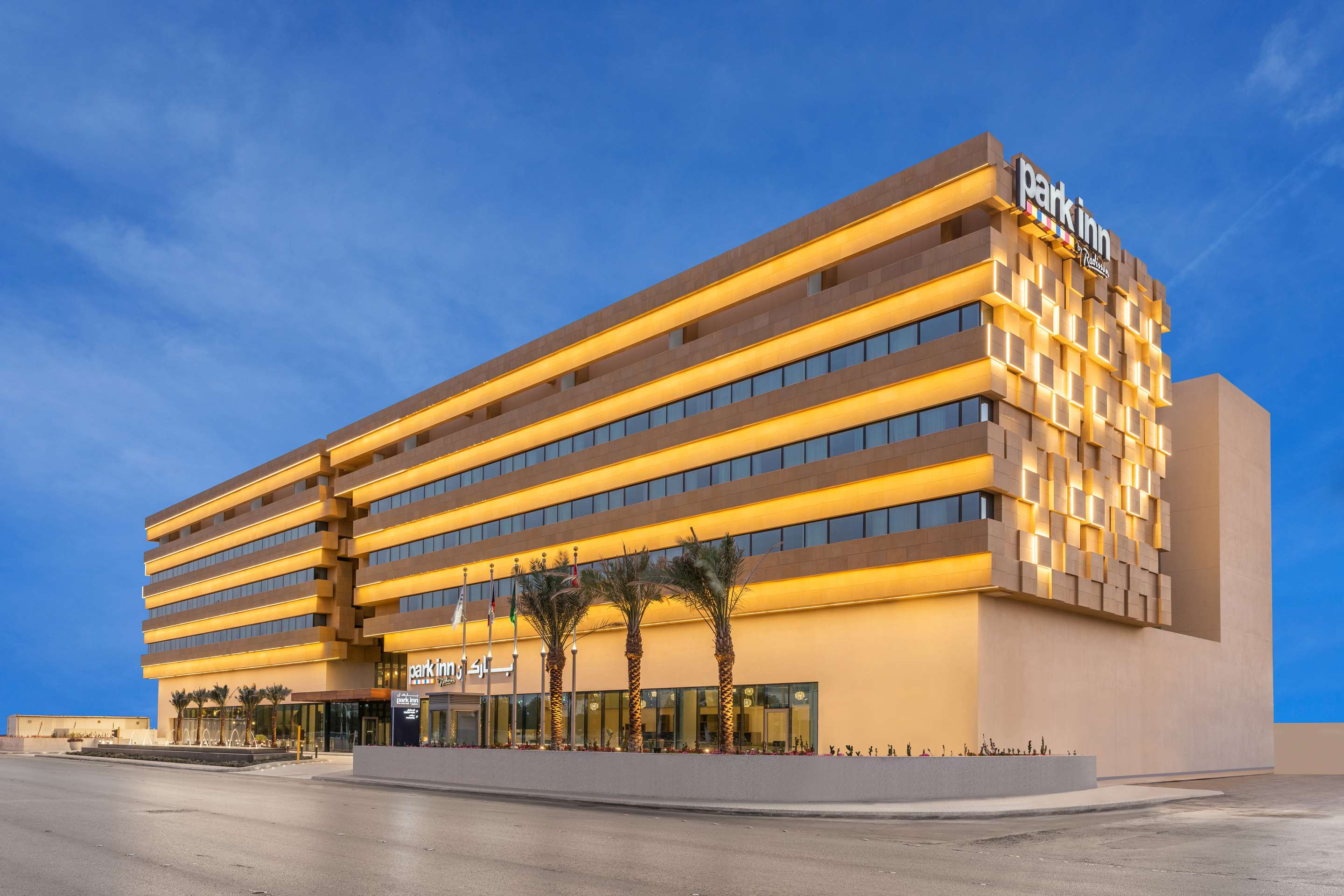
Radisson is also forging partnerships with Saudi entities. A landmark deal with Knowledge Economic City in Madinah will introduce a Park Inn by Radisson in the Islamic World District. Meanwhile, a Memorandum of Understanding with the Saudi Tourism Authority—signed at the Arabian Travel Market—demonstrates deep engagement within the local ecosystem.

The group remains on track to grow its Middle East network to 150 hotels, resorts and serviced apartments by 2030, building on a record-breaking global performance in 2024. Younes emphasises the tailored approach: blending its Scandinavian-inspired hospitality with regional traditions and integrating wellness, eco-friendly features and entertainment to appeal to evolving guest preferences, as detailed by Development Director Ayman Ezzeddine at the Riyadh summit.

Analysis by regional consultants underscores the significance of Radisson’s strategy. Analysts note that by allocating half of its current Middle East portfolio to Saudi Arabia, Radisson demonstrates confidence in the Kingdom’s tourism transformation. Its focus on both high-volume mid-market and luxury segments positions it to tap demand from business travellers, pilgrims and upscale visitors alike amid government incentives and infrastructure investments.

Radisson’s move is also in step with ongoing giga‑projects such as Amaala, the Red Sea Project and Rua Al Madinah, each aimed at hosting millions of tourists and pilgrims by 2030. These projects feature world-class hotels, resorts and cultural infrastructure, reinforcing Saudi Arabia’s status as a global hospitality hub.

HostingJournalist.com has marked a notable achievement with the release of its 30,000th editorial news article, complemented by an archive of over 28,000 videos distributed across its platforms. This dual milestone affirms the outlet’s unwavering role as a leading source in cloud, hosting, and data‑centre reporting. Editor‑in‑Chief Koen Stegeman emphasised the milestone’s deeper meaning: “Reaching 30,000 published articles and 28,000 videos is more than just a numbers game.” […]

Dubai’s iconic Palazzo Versace Hotel is being offered at auction with an opening bid of approximately $163 million, a sharp reduction from its last estimated value above $380 million, signalling a major shift in the fortunes of the luxury hospitality landmark. A Swiss‑Italian financier, Christopher Aleo, is among a select group of potential buyers believed to be evaluating the purchase as online bidding gets underway. Union Properties, the Dubai‑based developer […]

Arabian Post Staff A pivotal moment unfolded on the opening day of the Paris Air Show as Saudi-based aircraft lessor AviLease confirmed a major five-year supply pact with Airbus. The agreement comprises 10 A350F freighters and 30 A320neo family aircraft, with options enabling expansion to 22 freighters and 55 single‑aisle jets—a potential total of 77 planes. This marks AviLease’s inaugural direct procurement from Airbus, signalling a strategic […]

Advertisements

Grayscale Investments LLC is a fund in the USA market.
The price is 82.83 USD currently with a change of -1.33 USD from the previous close.
The latest trade time is Monday, June 16, 17:15:21 +0530.

Grayscale Expands Bitcoin Holdings with $1.05 B Investment

Grayscale Investments has acquired an additional 10,100 BTC, spending approximately $1.05 billion at an average rate of $104,080 per coin, boosting its total holdings to 592,100 BTC, with an average acquisition price of roughly $70,666 per coin. This move aligns with the firm’s year-to-date BTC return, which sits at 19.1 per cent.

The company now holds Bitcoin valued at approximately $41.84 billion, underpinning its reputation as one of the world’s largest institutional holders. Market watchers have noted that Grayscale’s significant expansion at this price point reflects confidence in Bitcoin’s current valuation and medium‑term outlook, even amidst broader cryptocurrency volatility.

This accumulation comes as institutional appetite for Bitcoin evolves. Grayscale, which transformed its Bitcoin Trust into a spot ETF via its GBTC product, continues to command a substantial fee structure—1.5 per cent—that supports yearly revenues exceeding $268 million, despite competitors offering cheaper options. The premium yield underscores its established presence and the loyalty of seasoned investors bound by legacy holds, tax considerations and brand trust.

Earlier this year, Grayscale launched the Bitcoin Mini Trust with a far lower fee of 0.15 per cent, explicitly targeting cost-sensitive investors. The mini‑trust currently holds around 43,572 BTC under management. Despite attracting inflows, its impact on Grayscale’s total AUM remains modest relative to the flagship GBTC.

Analysts suggest that Grayscale’s dual‑product strategy allows it to hedge against fee‑driven outflows while maintaining revenue through GBTC’s premium fee structure. Its sizeable Bitcoin accumulation adds weight to this approach. As one strategist remarked, institutional investors often exhibit inertia from legacy holdings and taxable events, making high‑fee products persistent revenue generators.

This latest purchase follows Grayscale’s broader pattern of capitalising on dips in Bitcoin price, reinforcing its average cost basis. With Bitcoin hovering near $105,000, this strategic buy expands holdings while keeping average cost significantly lower, positioning the firm favourably for market swings.

The acquisition also contrasts with broader market behaviour. Other institutions, particularly newer spot ETFs like those from BlackRock and Fidelity, have recorded substantial inflows thanks to much lower fees—commonly around 0.25 per cent—but display less aggressive accumulation strategies. Their collective AUM exceeds $100 billion, yet individually their daily volume and yields trail Grayscale’s monumental revenue draw.

Grayscale’s current average buy price—$70,666—reveals a long‑term investment horizon and deep conviction in Bitcoin’s trajectory. This cost average gives Grayscale a comfortable buffer versus price dips, which in turn sustains its willingness to deepen its position at current price levels. As volatility returns to crypto markets, Grayscale’s scale and cost discipline may offer smoother entry and exit tactics.

Market responses to the latest move have been mixed. Proponents argue that institutional accumulation of this magnitude is bullish for sentiment and price stability. Critics caution that such centralised concentration exposes Grayscale to regulatory and enterprise risk.

Regulatory scrutiny remains a key consideration. As one of the first and largest Bitcoin spot ETPs in the US, Grayscale continues to navigate evolving SEC policies, compliance obligations and heightened operational transparency. Its ability to sustain growth depends on navigating these frameworks while differentiating GBTC and BTC in a crowded ETF market.

Commercial real estate operators are pivoting beyond traditional boardroom focuses to harness AI-driven insights from their facility and lease management data to boost profitability and operational performance. JLL’s latest research finds that nine out of ten companies plan to deploy AI tools over the next five years to aid human experts in commercial real estate decision‑making. JLL’s Global Future of Work survey, conducted among more than 2,300 […]

Hybrid DNA Brand Accelerates Globalization Strategy HONG KONG SAR – Media OutReach Newswire – 16 June 2025 – On May 20, 2025, Premium derma-cosmetic brand Oganacell named Maye Musk as Cleansing/Mask Ambassador and Song Seung Heon as Brand Ambassador at its global launch in Hangzhou. The event showcased Oganacell’s fusion of technology and skin aesthetics. Ambassador – Maye Musk Ambassador – Song Seong Heon Ambassador Campaign Maye […]

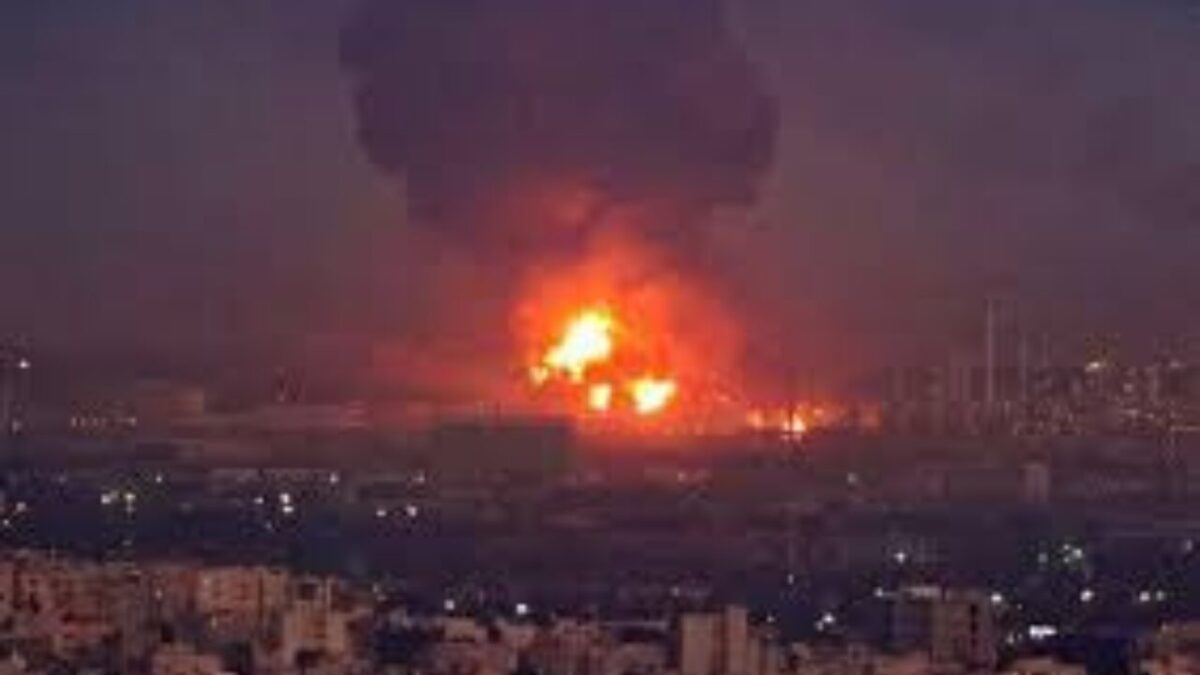
Tehran has entered a state of widespread panic as thousands of residents flee the capital following the latest wave of Israeli airstrikes targeting military, nuclear, energy, and regime-linked sites.

Cities in northern provinces such as Mazandaran, Gilan and Alborz have reported being inundated with evacuees, many travelling along the Tehran–North and Tehran–Qom highways, with gridlock stretching for miles. Fuel stations in Tehran and Karaj are overwhelmed, and shoppers report shortages of essentials amid surge demand. The Iranian capital’s internet has been intermittently throttled amid efforts to suppress distress and control the narrative.

The operation, identified by Israeli leaders as “Operation Rising Lion,” commenced on 13 June when hundreds of precision strikes struck facilities tied to Iran’s nuclear aspirations, ballistic missile production, IRGC leadership and critical infrastructure in and around Tehran. High-value targets were obliterated, including the South Pars gas field, military command centres, and the Defence Ministry, underlining Israel’s expanded scope beyond nuclear installations.

Toll estimates vary: Iranian sources cite more than 224 civilian deaths, including over a dozen IRGC commanders and key nuclear scientists, with more than 900 injured. Israeli authorities report 10 to 14 fatalities in Israel from Iranian missile counterattacks. Silence from Tehran’s official channels contrasts with visible damage and civilian trauma—homes laid waste, shattered windows, and heavy reliance on basements, subway stations and schools repurposed as makeshift shelters.

Despite a state warning against mass exodus, authorities suggested citizens near refineries evacuate and advised use of metro systems for shelter. But many view this response as inadequate; Tehran lacks a network of formal bomb shelters, and a culture that venerates martyrdom over civilian safety has limited protective infrastructure.

Residents describe scenes of desperation: families abandoning homes, children crying, and queues forming at petrol stations and ATMs amid collapsing communications. One finance analyst shared that “windows began to shake” and smoke seeped into her home during a Sunday strike, prompting her to leave the city with neighbours. Another Tehran student spoke of long petrol lines at stations and panicking crowds hunting for food.

Domestic anxiety is compounded by structural vulnerabilities. The Iranian economy, enduring its deepest crisis in decades, faces inflation rates above 40%, mass unemployment and widespread food insecurity. This backdrop of poverty and instability was outlined by Iranian government statistics and global economic monitoring groups. The middle class, already suffering from double-digit inflation and unemployment, is struggling to cope with this surge in insecurity.

In this context, analysts caution that the airstrikes may fit a wider strategy. With senior members of the IRGC and nuclear scientists killed, Israeli officials are believed to be signalling a shift towards undermining regime stability and infrastructure to accelerate political change. Prime Minister Netanyahu has urged Iranians to rise against the clerical leadership, though experts warn that such encouragement could backfire, consolidating hardliner control and prompting Tehran to accelerate its nuclear timeline.

International observers are also raising alarms about spill‑on effects. Crude oil prices have jumped over 10%, a sign of global markets jittering at the potential for further escalation. Meanwhile, the World Bank warns that heightened war intensity may undermine adjacent states involved in sensitive hydrocarbon trade and production.

Within Iran, elites are now confronting increasingly vocal criticism. Social media posts mocking authorities for failing to build basic shelters are circulating despite internet restrictions. While some citizens express threats of retaliation, others develop resignation: “You worry what’s going to come next,” one resident remarked, reflecting the capital’s unease.

Interviews with experts indicate a nation on the cusp of transformation. Iran’s leadership, confronted by a collapsing economy, degrading military deterrent, and a civilian population on the move, faces growing internal rupture. However, dissent remains fragmented and tightly controlled by the IRGC and security services.


An assault on Yelewata village in Guma local government area of Benue State has left more than 100 inhabitants dead, dozens missing and hundreds wounded, with authorities scrambling to respond. The attack, which began late on Friday and extended into Saturday’s early hours, bore the hallmarks of deliberate and coordinated violence. Eyewitnesses and first responders described scenes of horror: armed assailants forcibly confined residents inside their homes […]

Iran launched a coordinated attack using ballistic missiles and combat drones against Israel, marking a significant intensification of hostilities and signalling a tactical shift in its military posture. A new guided ballistic missile—named ‘Haj Qassem’ after the late Major‑General Qasem Soleimani—was deployed alongside swarms of drones, striking central Israel including Tel Aviv and Haifa. Iranian state media described the operation as a hybrid assault, showcasing advanced navigation capabilities […]

Amazon Web Services has secured a landmark 20‑year power purchase agreement with Talen Energy, guaranteeing 1,920 MW of carbon‑free electricity from the Susquehanna nuclear plant in Pennsylvania. The contract, lasting until 2042 with extension options, positions nuclear energy as a pillar of Amazon’s strategy to meet surging demand from its AI and cloud operations. Talen will gradually ramp up delivery, starting with 840–1,200 MW by 2029 and reaching full […]

SINGAPORE – Media OutReach Newswire – 16 June 2025 – ST Telemedia Global Data Centres (STT GDC), a leading data centre service provider headquartered in Singapore, today published its 2024 Environmental, Social and Governance (ESG) report. The report details progress toward STT GDC’s ESG targets, as well as its three main ESG pillars – carbon-neutral data centre operations by 2030; a safe, secure, diverse and inclusive workplace; […]

Apple has introduced “Liquid Glass,” a sweeping redesign of its software interface unveiled at the Worldwide Developers Conference on 9 June. The look is inspired by the translucent, refractive aesthetics of its Vision Pro headset, spreading across iOS 26, macOS Tahoe, iPadOS 26, tvOS 26 and watchOS 26. The update, beginning developer betas immediately, provoked strong reactions from users, designers and Wall Street analysts alike. The new […]

BAODING, CHINA – Media OutReach Newswire – 15 June 2025 – While new energy vehicles continue to gain momentum worldwide, efficient diesel power remains a compelling choice—especially in challenging off-road environments where torque, range, and reliability are critical. GWM is advancing diesel technology with a focus on refinement, performance, and real-world usability. At the recent GWM Thailand Diesel Day event, the brand demonstrated how modern diesel can […]

Donald Trump’s financial disclosure for the 2024 calendar year reveals more than $600 million in gross income and at least $1.6 billion in assets, offering a detailed window into the former president’s expansive business empire and the diversification of his revenue streams. The filing, submitted on 13 June 2025, highlights a sharp rise in earnings derived from cryptocurrency ventures, numerous golf and hospitality properties, global licensing agreements, and an […]

Abu Dhabi hosted the culminating round of the Grand Prix Grappling World Tour at Mubadala Arena, Zayed Sports City, drawing hundreds of athletes from over 50 nations yesterday. The UAE secured top position in the overall standings, with 31,000 points, narrowly surpassing Brazil’s 30,600 and Russia’s 19,000, highlighting Emirati athletic rise in combat sports.

Leading the charge was Khaled Al Shehhi, who seized gold in the professional division after a series of commanding performances. Demonstrating exceptional physical strength and technical finesse, Al Shehhi attributed his victory to years of rigorous training and unwavering institutional backing from national leadership. He praised the diversity of grappling styles present and affirmed that the title represents a “significant milestone” in his career.

In the heavyweight division, Pouya Rahmani also took home gold. He commended the tournament’s professionalism, citing world‑class refereeing and flawless logistical arrangements, which, he added, elevated his performance amid a passionate crowd.

Organised by the Abu Dhabi Jiu‑Jitsu Pro Federation, the event underlined Abu Dhabi’s growing stature as a global combat‑sports hub. Its presence on the AJP calendar consistently attracts elite talent and contributes to the city’s international sporting profile.

Analysts note that this iteration—held on 14 June 2025—reflects a wider trend of rising investment and performance in grappling disciplines across the Gulf. With significant prize money and global ranking points at stake, UK‑based grappling commentator James Carter remarked: “This tournament is fast evolving into a key international stage for pro grapplers—it draws tactical competitors from Europe, South America, and Asia alike.”

Data from AJP shows this year’s event awarded 2,000 global ranking points to each champion—an incentive that has increased both participation and competitive intensity.

At the closing ceremony, Tareq Al Bahri, general manager of AJP, lauded the standard of competition and Emirati athletes’ achievements. He emphasised that national development programmes have been instrumental in nurturing home‑grown talent, with jiu‑jitsu federations investing in grassroots camps and international coaching exchanges.

Veteran coach Maria Fernandez, who oversees female grappling teams across the region, observed that the UAE’s multi‑tiered strategy—combining youth training, scholarships, and elite events at Mubadala Arena—has yielded visible results. “What we’ve seen here isn’t just isolated wins; it’s structural change. The UAE is visibly closing the gap with traditionally dominant nations like Brazil and Russia,” she said.

Looking ahead, organisers confirm that the Abu Dhabi stop is set to remain a keystone of the 2025‑26 AJP Grappling World Tour. Future events, including youth and professional categories, will continue at Mubadala Arena and additional venues across the emirate, reinforcing Abu Dhabi’s role in hosting elite martial‑arts competition.

For Khaled Al Shehhi and Pouya Rahmani, the gold medals on home soil represent both personal triumph and national pride. Their performances, supported by a robust governance and funding framework, signal a shifting landscape in global grappling—a sport now gaining serious ground in the Middle East.

Tencent is reportedly in discussions to acquire Nexon, the developer behind MapleStory and Dungeon & Fighter, in a deal that could exceed US$15 billion, signalling a strategic push into South Korea’s gaming and Web3 sectors.

Chinese tech conglomerate Tencent has approached the family of Nexon’s late founder Kim Jung‑ju, which controls a 44.4 per cent stake through NXC Corp, to explore acquiring a substantial portion or full control of the company. The proposed transaction, valued at around 20 trillion won, aims to secure Tencent long‑term rights to Nexon’s celebrated intellectual property while bolstering its position in South Korea’s lucrative gaming market.

Nexon, founded in Seoul in 1994 and now headquartered in Tokyo, is best known for its enduring franchises MapleStory and Dungeon & Fighter. The firm has been a pioneer in integrating games with Web3 technologies, launching a blockchain division dubbed NEXPACE and rolling out MapleStory Universe—complete with NFT item mechanics, token economies and a gasless transaction system on the Avalanche network. The NXPC token was listed on major crypto exchanges, reflecting deep commitment to a decentralised gaming strategy.

While Tencent had previously tried to acquire Nexon in 2019—efforts fell through over valuation disagreements—the company has since fortified its global gaming footprint with a US$1.3 billion investment in Ubisoft and a 10 per cent stake in South Korea’s SM Entertainment, a major K‑pop label. Its renewed interest in Nexon aligns with a broader ambition to dominate both blockchain and traditional gaming domains, despite sector‑wide funding slowdowns and reduced daily active user metrics in Web3 games.

Sources emphasise that while discussions are underway, no definitive agreement has been reached and terms remain fluid. The Kim family is reportedly consulting financial advisers on the potential sale. Part of the complexity stems from their decision last year to transfer shares to settle inheritance taxes, a move that added governmental and family stakeholders into the mix.

Nexon has seen its share price rise over 10 per cent in 2025, though it remains about 30 per cent below its 2021 peak. The Tokyo‑listed firm was valued at approximately US$15–16.6 billion, depending on market conditions.

Tencent’s remote stance with acquired studios suggests that any purchase may leave Nexon’s operational autonomy largely intact. But the deal could deliver Tencent stronger access to Western and Asian markets, reinforcing its Web3 and blockchain ambitions.

For Nexon, aligning with Tencent offers capital resources to scale blockchain gaming efforts and deepen development of blockchain-enabled platforms such as MapleStory Universe. Since launching MapleStory N in May 2025, the company has leveraged its Web3 unit’s Abu Dhabi‑based NEXPACE to expand global blockchain gaming operations.

With Tencent prioritising organic growth and strategic minority investments—such as expanding its blockchain infrastructure partnerships with TON Foundation and Chainbase—this potential acquisition represents one of its most ambitious M&A moves post‑2020 Chinese regulatory tightening.

Should negotiations succeed, Tencent would gain direct control over multiple high‑value IPs and a formidable presence in South Korea’s gaming ecosystem, presenting both strategic advantages and regulatory scrutiny across jurisdictions. The deal’s complexity—woven through family, government, and market dynamics—ensures that stakeholders across the industry are closely watching every development.

Brazil is charting a potential first for any G20 economy by moving through its legislature a proposal to allocate up to 5 per cent of its approximately $370 billion foreign‑exchange reserves into Bitcoin. Bill PL 4501/2023, currently advanced by the Economic Development Committee, would establish a Sovereign Strategic Bitcoin Reserve—dubbed “RESBit”—under the joint oversight of the Central Bank and the Ministry of Finance, with stringent storage protocols and biannual audits.

The bill’s sponsor, Federal Deputy Eros Biondini, argues the measure would reinforce Brazil’s financial sovereignty and diversify its reserve holdings beyond traditional assets. Parliamentarian Luis Gastão, acting as rapporteur, emphasises a cautious, phased implementation aimed at managing volatility exposure while boosting institutional resilience. This contrasts with El Salvador’s executive decree model; the Brazilian plan proceeds through parliamentary channels, potentially setting a more enduring legal precedent.

Storage and transparency are at the core of the proposal: BTC holdings would be secured via cold wallets, underpinned by mandated audits every six months, and reported directly to Congress. Advocates hope this methodical governance framework will ease institutional apprehensions while allowing crypto assets to form part of state‑backed fiscal strategy.

Market reaction has been swift. Analysts highlight the timing, noting that Bitcoin trades near $107,500, with a market capitalisation exceeding $2.1 trillion and a 30 percent rise over 90 days. Within Latin America, Brazil would stand alongside El Salvador as a pioneer, but its parliamentary route marks a significant departure, offering a scalable model potentially attractive to larger economies.

Experts say integration of Bitcoin into sovereign reserves could unlock strategic advantages. Proponents highlight potential hedging against inflation and dollar dependency, while warning of crypto’s inherent risk. Central Bank and finance ministry coordination could foster system-level stability, aligning with policy objectives such as the issuance of a central bank digital currency.

A global ripple effect may follow. Brazil’s initiative has garnered attention across financial and crypto communities; social‑media commentators suggest it may herald the second phase of sovereign Bitcoin adoption, one grounded in legislative legitimacy rather than executive fiat.

Opposition voices within the finance sector remain vigilant. Critics question Bitcoin’s volatility and liquidity as state assets, urging robust risk frameworks before proceeding. Analysts stress the need for comprehensive impact assessments, including stress‑testing against currency and gold reserves.

By K Raveendran Israel’s strike against Iran has reignited a familiar tension in global energy markets, sending oil prices climbing into the mid-$70 per barrel range. The impact is not just visible in the numbers, but in the broader nervousness sweeping across energy trading floors and geopolitical circles alike. At the heart of this movement […]


G42 has inaugurated a London-based subsidiary, named G42 Europe & UK, marking a strategic expansion into the continent’s private and public sectors. The entity aims to deliver AI-driven solutions and collaborate with governments and industry partners to erect critical AI infrastructure across continental Europe. The new operation will be co‑chaired by Omar Mir, a board member at World Wide Technology with over 20 years’ experience in 5G, edge computing, […]

FDI inflows into the Gulf Cooperation Council economies are set to decelerate in 2025, according to S&P Global Market Intelligence, ending a decade-long surge. Investor apprehension, shaped by evolving US trade policy, subdued oil prices, and delayed economic diversification, is expected to weigh on international capital flows. Investor uncertainty stems partly from the US administration’s tariff stance. Though current levies exclude energy products, supply‑chain disruptions and broader uncertainty […]

VISHNU RAJA
RYO YAMADA
HITORI GOTOH
IKUYO KITA