News related to
Strategy

Prosus NV has raised its holding in Urban Company Ltd to 7.35 per cent, after acquiring roughly an additional 4 percentage points by investing about $139 million, ahead of the home services startup’s Initial Public Offering. This move positions Prosus as one of Urban Company’s largest shareholders and signals strong institutional faith in the firm’s prospects.

Urban Company’s IPO drew overwhelming demand — it was subscribed over 103 times — and its shares listed at a premium of about 57.5 per cent over the issue price on the National Stock Exchange, opening at ₹162.25 versus the ₹103 issue price. The listing surged the company’s market valuation to nearly $2.8 billion.

According to Ashutosh Sharma, head of Prosus India Ecosystem, the firm increased its stake during the IPO allotment. Prosus first backed Urban Company in 2021; this latest acquisition underscores its continued appetite for stakes in Indian startups with domestic consumer and service-led business models.

Urban Company, founded in 2014 by Abhiraj Singh Bhal, Varun Khaitan, and Raghav Chandra, operates across home services such as beauty, cleaning, appliance repair and plumbing. It has expanded into over 50 cities in India and also operates in international markets including UAE and Singapore. The company reported strong financial performance in its fiscal year ending 2025, with revenue growth of around 36 per cent year-on-year and its first net profit of approximately ₹239–₹240 crore.

Investor enthusiasm was evident in the IPO process. Qualified Institutional Buyers led the subscription with particularly strong bids. The grey market premium, which reflects expectations ahead of listing, had risen to over 50 per cent above the issue price, signalling investor confidence in an upward listing trajectory.

Prosus’s move comes amid a broader trend of institutional investors increasing their exposure to Indian startups ahead of IPOs, particularly those in consumer-facing, service-oriented sectors. Earlier urban and tech-led listings have attracted robust demand, and IPOs that show solid unit economics—strong margins, revenue growth, steps toward profit—are being favoured by capital.

Urban Company’s stock market debut saw a steep rise: the shares not only opened with a 57.5 per cent premium on NSE, but trading surged further, reflecting both investor optimism and perceived underpricing in its IPO offer.

Prosus, headquartered in the Netherlands and known for its early stake in Tencent Holdings, has invested over $8-9 billion in the Indian startup ecosystem. It has backed firms such as Swiggy, Meesho, and PayU. Its amplified investment in Urban Company exemplifies a strategy of anchoring bets on firms that combine growth potential with improving financial metrics.

Hong Kong’s technology sector soared as benchmarks hit their highest point since 2021, supported by mounting investor confidence in China’s artificial intelligence ambitions. The Hang Seng Tech Index jumped about 4.2%, reaching a level not seen since November 2021, while Alibaba, Baidu and other major players saw robust gains on optimism around AI innovation.

Baidu led the charge, climbing roughly 16% in Hong Kong trading—its biggest surge since March 2022—as analysts upgraded its outlook in light of growing belief in its chip-development strategy. Alibaba also rose strongly; its Hong Kong-listed shares have reached levels unseen since late 2021, bolstered by its expanding cloud and AI-linked operations. Market watchers noted increasing activity in China Unicom and internal chip design projects contributing to the momentum.

This surge comes amid broader trends: domestic AI developers are accelerating roll-outs of proprietary chips, cloud computing investment is rising, and regulatory signals suggest stronger support for technology self-reliance. Meanwhile, progress in international matters—such as negotiations over TikTok’s operations—has reduced investor uncertainty, further boosting risk appetite in equity markets.

While enthusiasm is widespread, concerns persist among analysts over the sustainability of growth. High valuations have raised questions about how quickly revenue from AI and cloud services can scale. The technical challenge of chip design and the global competition in semiconductor technology remain formidable barriers.

Dubai Future Foundation has sealed a Memorandum of Understanding with XSOLLA, a global video-game commerce company, under the framework of the Dubai Program for Gaming 2033. The agreement seeks to reinforce Dubai’s position as a gaming innovation hub, drive thought-leadership in the sector, and deliver economic impact with goals of 30,000 new jobs and an additional US$1 billion in GDP by 2033.

DPG33, launched in November 2023 under the patronage of His Highness Sheikh Hamdan bin Mohammed bin Rashid Al Maktoum, Crown Prince of Dubai and Chairman of the Board of Trustees of DFF, aims to place Dubai among the world’s top ten gaming hubs over the next decade. The XSOLLA deal was inked during Dubai’s participation in Gamescom 2025 in Germany, where the DFF-led pavilion showcased local developers and gaming initiatives.

Under the MoU, the partners will co-operate on generating thought leadership initiatives and spotlight key activities in content, monetisation, infrastructure, and talent development. DFF also will use its platform to attract investment and cultivate a supportive ecosystem for game developers.

Local game studios have already been gaining traction. Dubai-headquartered iBLOXX secured US$5 million in funding to further develop its online game Strayshot, and Artisan Studios’ Lost Hellden drew over 15,000 wishlist additions on Steam plus more than 300,000 views of its promotional video across platforms such as IGN, PlayStation and Nintendo of America during the Gamescom showing. These examples illustrate growing visibility for indie development as well as commercial promise in Dubai’s gaming sector.

Abdulaziz AlJaziri, Deputy CEO of DFF, said that the level of local and international interest in Dubai’s gaming sector reveals “a real appetite to explore and partner with one of the industry’s most promising markets.” He emphasised Dubai’s advantages in infrastructure, investment, and competitive advantages under DPG33.

The economic projections tied to these initiatives rely heavily on success in three arenas: scaling game creation and publishing, enhancing monetisation capabilities, and developing skilled talent. The MoU with XSOLLA is expected to assist especially in the monetisation and scaling end, leveraging XSOLLA’s global commerce tools and developer support services. Analysts note that aligning global platforms like XSOLLA with local innovation programmes is a strategy used in other leading gaming hubs, helping to bridge gaps in market access, revenue optimisation, and international distribution.

Regulatory and infrastructure support remain under scrutiny, as talent attraction—both local and international—depends not only on capital and tools, but also on clarity in regulation, availability of education and training, creative incentives, and digital and physical infrastructure. Dubai’s gaming strategy, via DPG33, aims to address many of these pain-points through government partnership, industry collaboration, and ecosystem development.

Johannesburg – MTN Group has moved to broaden Africa’s AI infrastructure by initiating plans to build a network of data centres across its 16 markets, partly self-financed and partly through collaborations with U. S. and European technology firms. CEO Ralph Mupita told Bloomberg the company aims to finalise these partnerships before year-end. The first facility under this rollout is a $240 million, 9-megawatt data centre in Nigeria, […]

Saudi Arabia’s AI company Humain is engaged in detailed negotiations with leading private equity and investment firms, including Blackstone Inc. and BlackRock Inc., over a major funding alliance aimed at strengthening its data centre infrastructure and other AI-related operation capacities. Key participants say the deal size could run into the billions of dollars. Humain, which is wholly owned by the Public Investment Fund and chaired by Crown […]

Saudi entities Hassana Investment Company and AviLease have formed a joint venture to offer aircraft-leasing opportunities, signalling a major step in the Kingdom’s drive to build up its aviation financing infrastructure under its National Aviation Strategy. Hassana will own a majority of the new venture; AviLease—backed by the Public Investment Fund—will supply aircraft servicing.

The joint venture’s launch includes a deal to acquire a fleet of ten fuel-efficient, new-technology aircraft from AviLease, all currently leased to carriers based in Saudi Arabia. The portfolio reflects a shift towards greener, more sustainable aviation assets.

Hassana, which manages funds for the General Organization for Social Insurance, sees this as a chance to deepen exposure to resilient asset classes that generate long-term cash flows. Hani Al-Jeha­ni, Acting CEO and CIO of Hassana, emphasised the partnership aligns with its mandate to pursue investments that offer sustainable returns while supporting national aviation goals.

AviLease, established in 2022 as part of the sovereign wealth fund’s expanding portfolio, is expanding rapidly. The company has placed large orders for new Boeing and Airbus aircraft and completed a sizeable financing facility earlier this year. It manages a global portfolio worth several billion dollars. Edward O’Byrne, CEO of AviLease, described the joint venture as foundational to scaling up Saudi Arabia’s aviation ecosystem and creating a platform attractive to both domestic and international investors.

Fahad Al-Saif, Chairman of AviLease, noted that the partnership marks one of the first private-sector-led steps into the aviation financing domain within Saudi Arabia, reinforcing the role of investment institutions in strengthening the sector.

The move supports Saudi Arabia’s ambition to draw 150 million visitors annually by 2030, up from earlier targets, and to enhance the economic multiplier effects of tourism, trade, and transport infrastructure. Aviation financing is seen as a key enabler in achieving these goals, since airlines often face high capital costs.

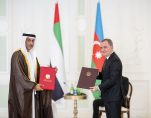
ADQ and Azerbaijan Investment Holding have signed a memorandum of understanding to pursue joint projects in the financial services sector, aiming to improve market connectivity and bolster the investment environment for sustainable economic growth.

The agreement follows their establishment of a joint investment platform in December 2023, under which both organisations committed equal capital to developing sectors such as agriculture, technology, pharmaceuticals and energy infrastructure across Azerbaijan, the UAE, and Central Asia—with possible expansion beyond those regions.

Mohamed Hassan Alsuwaidi, Managing Director and Group Chief Executive Officer of ADQ, said the deal exemplifies the strategy of deploying patient capital and leveraging investment know-how to stimulate economic diversification, foster industrial expansion, and enhance regional connectivity and competitiveness.

Ruslan Alikhanov, Chief Executive Officer of AIH, described the partnership as a key move to unlock new growth opportunities for Azerbaijan, emphasising that combining capital and expertise will support more diversified development and position Azerbaijan as a proactive actor in regional investment networks.

AIH, founded in 2020, manages strategic state-owned enterprises, enhancing governance, boosting operational efficiency and channeling investment into national priorities. ADQ is recognised for investing in critical infrastructure, global supply chains, and strategic sectors that align with broader national and regional economic transformation agendas.

Trade between the UAE and Azerbaijan has been strengthening, with non-oil trade rising 43 per cent year-on-year to reach about USD 2.4 billion in 2024. UAE investments into Azerbaijan have crossed USD 1 billion, reflecting the deepening economic partnership.

Advertisements

Greenlogue/AP QatarEnergy has awarded Samsung C&T’s Engineering & Construction Group the contract to build a mammoth solar power facility in Dukhan, around 80 km west of Doha. The plant will deliver 2,000 MW in two phases by mid-2029. Phase one will supply 1,000 MW to the Kahramaa grid by end-2028. The full plant is designed to support QatarEnergy’s drive to exceed 4,000 MW of renewable generation capacity […]

Abu Dhabi – Inception, the AI division of G42, has made seven of its domain-specific enterprise products available through Microsoft Azure Marketplace, looking to streamline global access to its scalable, enterprise-grade AI tools. The suite includes: ExecEdge, which automates executive meeting workflows and connects with Microsoft 365; Genius for business strategy research and reporting; Alpha to analyse unstructured data for investment decisions; Business Procurement for supplier discovery, […]

Abu Dhabi’s Hub71 has forged a strengthened alliance with the Japan External Trade Organization aimed at building deeper cross-border innovation, particularly in Web3, AI, spatial intelligence and sustainable tech sectors. Hub71 used its presence at Tokyo’s WebX and the Blockchain Leaders Summit to push forward new collaboration programmes and investment pathways.

At these events, Hub71 spotlighted a number of startups from Abu Dhabi—among them bitgrit, xMap, Aqua Development, Chainsight, Nodeshift, Bit2Me and 1Money—making connections with Japanese investors, corporate entities and ecosystem partners. The showcasing was closely aligned with Japan’s innovation priorities, including governance in blockchain and sustainable water solutions.

Key to the partnership is the launch of the J-StarX Programme, developed jointly by Hub71, JETRO and Elixir Capital, which will host seven Japanese Web3 startups in Abu Dhabi to facilitate scale-ups, market access, and ecosystem integration. Entrepreneurs in this programme will benefit from capital, mentoring, regulatory guidance and networking in the UAE’s tech environment.

Hub71 also assumed title-sponsorship of the Blockchain Leaders Summit in Tokyo, delivering the opening keynote. Executives emphasised the UAE’s position as an enabling region for innovators seeking overseas expansion, and positioned Abu Dhabi as a gateway for startups to penetrate Asia on one side and Middle East markets on the other.

Peter Abou Hachem, Head of Growth and Strategy at Hub71, stated that the collaboration underscores “the value of global connectivity”, and that Japan’s leadership in Web3 and innovation aligns with Hub71’s mission. He noted that through partners like JETRO, both ecosystems can unlock opportunities in market reach, talent exchange and frontier technologies.

By Nitya Chakraborty Europe which was the main centre of two world wars in the last century is showing signals of many of the features of the politics of the continent in the pre- second world period spanning 1925 to 1939 in political and military terms. Though in term of economy, the threat of great […]

Rhenus adds a new air freight gateway in Bangkok for in/outbound & transshipment from/to Southeast Asia The new airfreight gateway will also see the use of electric vehicles (EV) for sustainable first/last mile transportation usage The gateway strengthens Rhenus’ capabilities to connect businesses globally with new customer-centric solutions and vertical approaches BANGKOK, THAILAND – Media OutReach Newswire – 16 September 2025 – Leading global logistics provider Rhenus […]

Majid Al Futtaim has terminated operations of Carrefour across Bahrain, with all its stores ceasing activity as of 14 September. HyperMax, the group’s new grocery retail brand, immediately replaced Carrefour with six stores operating under its banner. Carrefour’s exit from Bahrain follows similar withdrawals from Oman in January and Jordan in November 2024. HyperMax is now operating across Bahrain, employing over 1,600 people and partnering with over […]

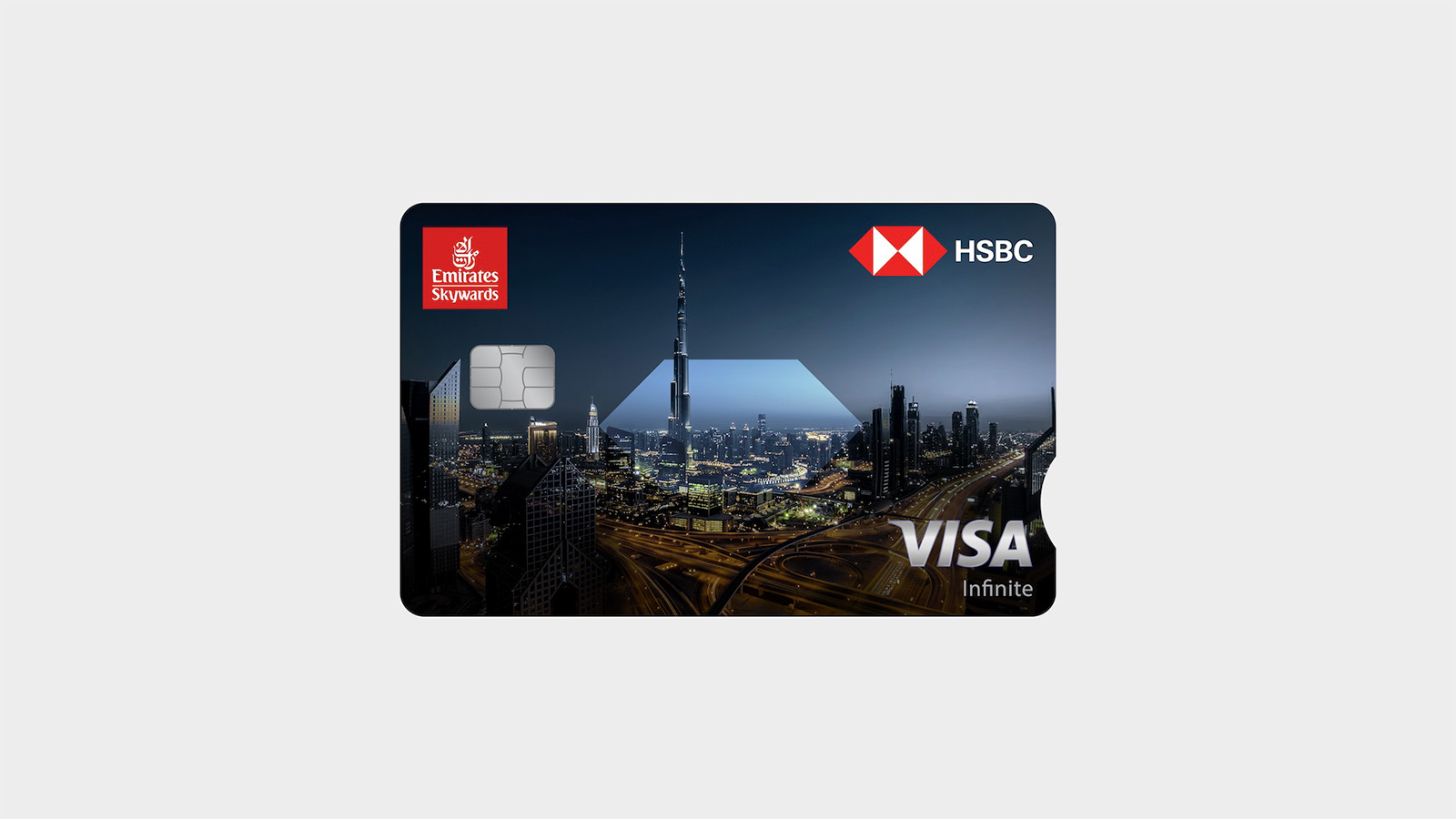
HSBC has opened a dedicated wealth centre in Dubai aimed at serving affluent clients, stepping up efforts to capture a growing share of the UAE’s expanding wealth and asset management sector. It comes as the bank’s Swiss private arm moves to cut ties with over 1,000 wealthy clients from the Middle East under regulatory pressure.

The Dubai centre, housed in HSBC’s flagship Jumeirah branch, will offer Premier and high-net-worth clients access to relationship managers in a specialist space. Dinesh Sharma, HSBC’s head of International Wealth and Premier Banking for Middle East, North Africa and Turkey, said the UAE is among HSBC’s top five global markets, and the investment in infrastructure, people, capabilities and marketing over the next three to four years represents its largest in two decades. Singapore is cited as a model for how the UAE could develop into a global wealth hub.

In parallel, HSBC Private Bank has informed more than 1,000 clients in Saudi Arabia, Lebanon, Egypt and Qatar—many with assets exceeding US$100 million—that it will terminate its relationships with them. The bank is classifying these clients as high risk, following findings by Swiss regulator FINMA that it failed to meet anti-money laundering obligations in past transactions involving politically exposed persons.

HSBC has emphasised its continued commitment to both its Middle East and Swiss wealth business units. Barry O’Byrne, CEO of International Wealth and Premier Banking, maintains that Switzerland remains one of HSBC’s “core wealth hubs.” HSBC is structuring its strategy to grow where it has “a clear competitive advantage.”

The bank notes that personal financial assets in the UAE have surged over the past few years, exceeding US$700 billion, with more than 130,000 millionaires now in the country. Migrants of wealth are drawn by favourable investment policies, tax incentives and regulatory reforms. Regions contributing large shares of incoming wealth include India, other Middle Eastern markets, Russia and the Commonwealth of Independent States, and a growing number from the UK, Europe and China.

HSBC’s move to reduce exposure to high-risk clients comes after FINMA’s rulings in 2024, which identified breaches in anti-money laundering duties in connection with transactions involving politically exposed persons between 2002 and 2015. The regulator prohibited HSBC Private Bank from onboarding new relationships with such individuals until its compliance practices were overhauled. The bank is now working under those rules, winding down existing relationships judged to pose compliance risk.

Hesai Group’s shares surged in their Hong Kong debut, trading above its IPO price after the lidar‐sensor maker raised approximately HK$4.16 billion in its secondary listing.

Trading under code 2525, the stock opened at HK$229.20, about 7.7 per cent above the offer price of HK$212.80. Demand was strong: the international tranche was oversubscribed around 14 times, while the Hong Kong public tranche drew nearly 168.65 times subscription. Six cornerstone investors including HHLR Advisors, Taikang Life, and WT Asset Management committed some US$148 million worth of shares, agreeing to hold them for at least six months.

Hesai’s second quarter performance helped set the stage. Its revenue rose by 54 per cent year-on-year, shipments more than tripled, and the company reported a net profit of roughly RMB 44.1 million, reversing a loss from the year before. These results support its strategy to scale lidar sensor shipments, especially for advanced driver-assistance systems and autonomous driving applications.

A key driver is Hesai’s plan to cut manufacturing costs and selling prices. CEO David Li stated that the company is working to reduce the cost of its sensors dramatically, targeting a price of about US$200 per unit from previous models that sold for tens of thousands of dollars. To assist this, production expansion is underway, and Hesai is also pursuing international customers and counterparties in the autonomous vehicle and robotics sectors.

Geopolitical and regulatory pressures are also shaping Hesai’s approach. The dual listing in Hong Kong while retaining its U. S. listing on Nasdaq reflects efforts to strengthen capital access amid U. S.-China tensions. Hesai had earlier denied accusations of misleading investors over revenue and alleged military links; the company stated its operations are independent and compliant with regulations.

HONG KONG SAR – Media OutReach Newswire – 16 September 2025 – After trading hours on 15 September 2025, DL Holdings Group Limited (HKEX: 1709) announced a major strategic cooperation with Fortune Peak Limited. DL Holdings will acquire the latest-generation, top-efficiency Bitcoin mining machines via the issuance of Convertible Bonds, fully entering the Bitcoin mining sector with the aim of becoming the Hong Kong capital market’s leader […]

Abu Dhabi has initiated a landmark pilot for self-driving delivery vehicles in Masdar City, with the Integrated Transport Centre collaborating with K2 and EMX under oversight from the Smart and Autonomous Systems Council. The operation includes the issuance of the emirate’s first licence plate for an autonomous delivery vehicle.

The vehicles, developed by K2’s Autogo subsidiary, are designed to travel urban routes and deliver orders without direct human control, using artificial intelligence and smart mobility systems. Officials say the trial is a stepping-stone toward broader commercial deployment across the emirate.

This pilot follows approved Level 4 autonomous vehicle trials in Masdar City, overseen by the Integrated Transport Centre in partnership with the smart mobility provider Solutions+, a Mubadala firm. Under these trials, vehicles are operating over a 2.4-kilometre geofenced route linking landmarks such as the Siemens building, Central Park, My City Centre Masdar mall, and others. Initially safety officers are onboard; remote control from a central operations hub is planned as trust and performance increase.

Regulators emphasise that safety, compliance, and adaptability are core to the initiative. Dr Abdulla Hamad AlGhfeli, Acting Director-General of the ITC, stated that the project marks a significant milestone in Abu Dhabi’s strategy to support innovation while ensuring legal and operational frameworks protect public welfare. Ahmed Baghoum, Chief Executive Officer of Masdar City, described the undertaking as a leap forward in autonomous mobility capabilities and aligned with the emirate’s vision of sustainable, technological integration.

Tariq Al Wahedi, Group CEO of 7X, said that through its logistics arm EMX, the company views this pilot as part of a broader last-mile delivery ecosystem. He indicated plans to expand coverage beyond Masdar City to areas such as Khalifa City and Dubai, with full commercial rollout expected within the next twelve months.

The moves align with Abu Dhabi’s goals under its smart mobility strategy, including the target that a quarter of all trips in the emirate use smart transport solutions by 2040. The ambitions also dovetail with the UAE’s broader sustainability framework, including its Net Zero by 2050 initiative.

Abu Dhabi is now home to over US$758.79 billion worth of active development projects, industry reports show, as the capital’s property, construction and investment sectors receive considerable investor attention at the International Real Estate & Investment Show. Urban construction projects lead the charge at roughly $221.56 billion, followed by transportation ventures valued at $238.01 billion, industrial projects totalling $151.36 billion, utilities at $130.29 billion, and oil & […]

Majid Al Futtaim has opened six HyperMax outlets in Bahrain, coupled with an online store offering, as it pushes its grocery retail ambitions further into the Gulf market. The launch delivers a brand positioned on local produce, value pricing and convenience, aiming to align with Bahrain’s Vision 2030 goals on sustainable growth and economic diversification. With a workforce exceeding 1,600 staff, HyperMax will draw upon partnerships with […]

Ubisoft employees have challenged company leadership about a possible funding partnership with Saudi Arabia tied to new downloadable content for Assassin’s Creed Mirage. Management insists it retains full creative control, but internal concerns focus on ethical and reputational risks. Workers from Ubisoft’s Social and Economic Committee posed questions after the announcement of a free expansion set in AlUla, historically significant as a UNESCO World Heritage site now […]

Bitcoin mining operations are undergoing a transformation as firms leverage their substantial electricity capacity and infrastructure to meet booming demand for artificial intelligence compute. Companies that once focused solely on mining are now converting parts of their facilities into AI data centres, pressing for more stable revenue amid tightening profit margins in crypto. CoreWeave’s $9 billion acquisition of Core Scientific stands out as a major move in […]

Quadrille Capital has completed a €500 million capital raise aimed at funding technology ventures in Europe and the United States. The firm has allocated €285 million for direct investments, €70 million for its primary fund backing VC and growth funds, and €150 million for a secondary fund focused on later-stage opportunity. The fundraising elevates its assets under management to approximately €1.8 billion. Jérôme Chevalier, CEO, noted that […]

Mall of the Emirates will undergo a Dhs5 billion transformation aimed at reshaping the destination into a next-generation, multi-sensory retail, culture and lifestyle hub, as its operator, Majid Al Futtaim, continues to post strong financials for the first half of 2025. Majid Al Futtaim reported revenue of Dhs17.3 billion for the six months ending 30 June, up 3 per cent over the same period in 2024. EBITDA […]

Eshraq Investments has struck sale and purchase agreements totalling AED 264 million with Blue Lake Properties and Al Ain Properties to dispose of several land plots on Al Reem Island. The move forms part of its strategy to monetise land holdings and respond to mounting financial losses.

The sale takes place in prime zones of Al Reem Island adjacent to Al Maryah Island and inside the jurisdiction of the Abu Dhabi Global Market, locations particularly attractive to developers seeking centrality and regulatory stability. The agreements bolster Eshraq’s land monetisation drive, which has become a priority as the company seeks to improve its financial footing.

Financial filings show that accumulated losses for the first half of 2025 reached AED 484.85 million, equal to 18.05% of Eshraq’s capital. That marks an improvement from a loss of AED 526.55 million at the end of 2024, helped by gains from independent valuations of assets held by Goldilocks Investments, which rose by AED 55.14 million during the same period.

Goldilocks, a key non-core investment, had its net investment value boosted to AED 827.70 million as at 30 June 2025, up from AED 772.56 million in December 2024, offering some cushion against Eshraq’s operating losses.

In its first quarter of 2025, Eshraq reported a net loss of AED 27.03 million, a sharp decline from AED 306.05 million in the same period of 2024. Revenue across its portfolio has faltered, prompting management to accelerate the disposal or development of under-utilised land.

Industry observers note that investor appetite for Al Reem Island remains strong, driven by its proximity to key business hubs, relatively favourable regulatory environment, and demand for residential and mixed‐use projects. The sale with Blue Lake and Al Ain Properties underscores that even amidst financial pressure, prime real estate in central Abu Dhabi retains market confidence.

VISHNU RAJA
RYO YAMADA
HITORI GOTOH
IKUYO KITA