News related to
Strategy

CoreWeave, a leading AI cloud infrastructure provider, has entered a multi-year partnership with Aston Martin Aramco Cognizant Formula 1 Team as its Official AI Cloud Computing Partner. This alliance marks a strategic push by the racing outfit to leverage advanced artificial intelligence and cloud technologies to enhance performance, innovation, and competitive edge on the Formula 1 circuit. The collaboration centers on integrating CoreWeave’s high-performance cloud computing platform […]

A Strategic Partnership Accelerate New Industralisation and Microelectronics Development HONG KONG SAR – Media OutReach Newswire – 23 May 2025 – Hong Kong’s advanced manufacturing and microelectronics sector received a significant boost today with a three-year strategic partnership between Hong Kong Science and Technology Parks Corporation (HKSTP) and Würth Elektronik. Under this collaboration, Würth Elektronik —a global premier electronic components manufacturer with a R&D base at Hong […]

KOLO, a prominent player in the web3 ecosystem, has introduced a next-generation digital wallet paired with a worldwide debit card designed to seamlessly bridge the gap between digital assets and everyday transactions. This development marks a significant step in expanding the usability of cryptocurrencies and blockchain-based assets in mainstream financial activities, targeting both seasoned crypto users and newcomers seeking practical applications of digital currencies.

The KOLO digital wallet enables users to store, manage, and transact with a broad range of digital assets, including popular cryptocurrencies and non-fungible tokens . Its accompanying debit card, which operates on a global scale, allows holders to convert their crypto holdings into fiat currency instantly, facilitating purchases and cash withdrawals wherever traditional debit cards are accepted. This dual functionality aims to enhance the liquidity and real-world accessibility of digital assets, which have often been limited by infrastructure and regulatory challenges.

KOLO’s platform capitalises on cutting-edge security protocols, including multi-factor authentication and hardware wallet integration, to protect user funds from common threats such as hacking and fraud. The wallet supports interoperability across multiple blockchain networks, including Ethereum, Binance Smart Chain, and Polygon, ensuring wide compatibility with a diverse array of tokens. Additionally, KOLO offers a user-friendly interface designed to simplify complex processes like token swaps, staking, and NFT management, appealing to users across different levels of technical expertise.

This launch comes amid growing global interest in cryptocurrencies as tools for everyday financial activities, beyond their traditional roles as speculative assets or investment vehicles. Industry analysts observe that bridging digital assets with conventional financial systems remains a critical hurdle for broader adoption. KOLO’s integration of a physical debit card backed by digital wallet balances presents a pragmatic solution to this challenge by enabling seamless real-time spending without the need for manual conversions or third-party intermediaries.

The global rollout of KOLO’s debit card features partnerships with major payment networks to ensure widespread acceptance. Cardholders can transact in multiple currencies, benefiting from automatic conversion rates managed by KOLO’s proprietary system. This eliminates the complexity and delays that typically accompany crypto-to-fiat exchanges, allowing for smoother consumer experiences in retail, online shopping, and ATM withdrawals worldwide.

Market experts highlight the significance of this move as competition intensifies among blockchain projects aiming to embed crypto payments in daily commerce. Other companies have launched crypto debit cards before, but KOLO’s approach focuses on enhanced security, broad token support, and user-centric design. It also addresses regulatory compliance across jurisdictions by implementing know-your-customer and anti-money laundering measures, ensuring adherence to financial regulations while maintaining user privacy.

KOLO’s leadership emphasises the product’s role in accelerating the transition toward a more inclusive financial system, where digital assets play a pivotal role in economic participation. The company has also announced plans to integrate decentralized finance features directly into the wallet, enabling users to access lending, borrowing, and yield farming services without leaving the platform. This integrated approach could reduce friction points that currently discourage mainstream users from engaging deeply with DeFi ecosystems.

In terms of adoption, KOLO targets a wide demographic including crypto enthusiasts, digital nomads, and merchants looking to accept digital currencies without complex setups. The debit card is available to users in key markets across North America, Europe, and Asia, with expansion plans for emerging economies where digital finance penetration is growing rapidly. Early user feedback praises the card’s convenience and the wallet’s intuitive design, with particular appreciation for transparent fees and fast transaction processing times.

Financial regulators remain cautious but generally open to innovation that adheres to legal frameworks and prioritises consumer protection. KOLO’s compliance strategy includes collaboration with regulatory bodies to ensure transparency and mitigate risks associated with digital asset transactions. This proactive approach aims to position KOLO as a trustworthy intermediary capable of navigating evolving regulatory landscapes without compromising on the decentralised ethos of web3 technology.

The broader digital asset industry is witnessing heightened demand for solutions that integrate blockchain technology with everyday financial use cases. KOLO’s entry into the market reflects an ongoing shift from niche crypto experimentation toward practical, user-friendly applications that can coexist alongside traditional banking infrastructure. This hybrid model could pave the way for new financial paradigms where digital wallets and physical payment instruments work in concert to offer greater flexibility and control to users.

New York-based consulting firm Elevate has acquired RISE Group, a marketing and commercial services consultancy headquartered in Riyadh and Dubai. The acquisition, for an undisclosed amount, is pending customary regulatory approvals. This move marks Elevate’s strategic entry into the Middle East and North Africa region, aiming to capitalise on the burgeoning sports and entertainment sectors. As part of the agreement, RISE co-founders Seth Holmes and Tom Berrington […]

Abu Dhabi National Oil Company has entered into framework agreements valued at Dhs6 billion with 12 UAE-based manufacturers to produce critical industrial equipment locally. This initiative, part of the “Make it in the Emirates” programme, aims to enhance the resilience of the nation’s supply chain and create up to 1,300 skilled private-sector jobs.

The agreements focus on the domestic production of cables and pressure vessels, essential components in ADNOC’s operations. By localising the manufacturing of these items, ADNOC seeks to ensure timely availability, reduce dependency on international suppliers, and mitigate global supply chain disruptions.

The signing took place during the “Make it in the Emirates” forum in Abu Dhabi, attended by Dr Sultan Ahmed Al Jaber, Minister of Industry and Advanced Technology and ADNOC’s Managing Director and Group CEO. Dr Al Jaber emphasised the importance of strengthening local manufacturing capabilities to support the UAE’s industrial growth and economic diversification.

This move aligns with ADNOC’s broader strategy to stimulate domestic manufacturing. Previously, the company announced agreements with over 60 companies to locally produce critical non-oil products, aiming to manufacture AED70 billion worth of products in its procurement pipeline by 2027. These efforts are expected to create thousands of job opportunities and enhance the resilience of the local supply chain.

In addition to the current agreements, ADNOC has committed over AED20 billion for the procurement of structures and metal products from national companies. This commitment is part of a broader initiative to stimulate industrial growth and create more private-sector jobs for UAE nationals.

The “Make it in the Emirates” initiative, led by the Ministry of Industry and Advanced Technology, aims to position the UAE as a global hub for advanced industry and innovation. The programme encourages local manufacturing, supports the development of national talent, and promotes sustainable industrial practices.

ADNOC’s investment in local manufacturing is complemented by its focus on sustainability and technological innovation. The company has been leveraging artificial intelligence and advanced technologies to optimise operations and reduce emissions. Facilities like the Habshan 5 gas processing plant and Zirku Island offshore operations have been at the forefront of deploying such technologies, contributing to ADNOC’s goal of becoming a low-carbon energy leader.

ADNOC’s In-Country Value programme incentivises suppliers to adopt clean technologies and establish new manufacturing facilities in the UAE. Since its inception, the ICV programme has driven significant investment back into the UAE economy, supporting the nation’s Net Zero by 2050 Strategic Initiative.

The “Make it in the Emirates” forum serves as a platform for collaboration between government entities, industry leaders, and investors. It showcases the UAE’s commitment to fostering a robust industrial sector, enhancing economic resilience, and achieving sustainable growth.

Oil prices are on track for their first weekly decline in over a month, as Brent crude dipped below $64 per barrel and West Texas Intermediate slid under $61. The downturn, marking a fourth consecutive session of losses, is attributed to expectations of increased output from the Organisation of the Petroleum Exporting Countries and its allies , coupled with signs of a global supply surplus. Delegates within […]

China’s securities regulator has approved the Qatar Investment Authority’s acquisition of a 10% stake in China Asset Management Co. , marking the first significant investment by a major Middle Eastern sovereign wealth fund in China’s mutual fund sector. The move positions QIA as the third-largest shareholder in ChinaAMC, which manages assets exceeding 1.8 trillion yuan .

The transaction, facilitated through the purchase of shares from Primavera Capital, was confirmed by the China Securities Regulatory Commission . While the exact financial terms remain undisclosed, prior filings indicate the stake is valued at no less than $490 million. Citic Securities retains a majority 62.2% stake in ChinaAMC, with Mackenzie Financial Corporation holding 27.8%.

This investment underscores China’s strategic pivot towards strengthening economic and financial ties with Gulf nations amid escalating tensions with Western countries. The CSRC has expressed a welcoming stance towards foreign financial institutions and investors from the Middle East, encouraging them to expand their investments in China. This aligns with Beijing’s broader strategy to enhance relations with the Middle East.

The QIA’s interest in ChinaAMC is part of a broader investment strategy in the region. In December 2023, the fund invested approximately $200 million in Kingdee International Software Group Co Ltd, acquiring around 4.26% of the company’s ordinary shares. This move aligns with QIA’s strategic approach to invest in companies and technologies that are leading global digitalization.

ChinaAMC, established in 1998 and headquartered in Beijing, has grown to become the country’s second-largest mutual fund company. The firm offers a range of investment products, including mutual funds and exchange-traded funds, catering to both retail and institutional investors. Its robust performance and expansive client base make it an attractive investment for foreign entities seeking exposure to China’s financial markets.

The QIA’s acquisition of a stake in ChinaAMC is indicative of a broader trend of Middle Eastern sovereign wealth funds increasing their investments in China. Data from Global SWF indicates that Middle Eastern sovereign wealth funds have invested $7 billion in China since June last year, a significant increase compared to the previous 12 months. This surge in investment is seen as a strategic counterbalance to the withdrawal of some Western financial firms from China amid concerns about its economic recovery and geopolitical risks.

The approval of QIA’s stake in ChinaAMC also reflects China’s ongoing efforts to open up its capital markets to foreign investors. The CSRC has rolled out measures to improve the ecosystem of the country’s capital market, promoting high-level opening and encouraging financial institutions and investors from other countries to expand investment and business operations in China.

Advertisements

KUALA LUMPUR, MALAYSIA – Media OutReach Newswire – 23 May 2025 – Asian countries are navigating uncertainty amidst the U.S. tariff pause. The region runs a large trade surplus with the U.S., and many countries’ economies rely heavily on exports. Now, the Asian states have about seven weeks left to negotiate new trade deals with the U.S. Octa Broker looks at the progress made so far and […]

Uganda has formalised an $800 million financing agreement with the Islamic Development Bank to support a suite of infrastructure projects aimed at bolstering the country’s trade capabilities and economic integration within East Africa. The agreement, signed during the IsDB’s annual meeting in Algiers, encompasses investments in railway development, health, transport, and energy sectors. A significant portion of the funding is earmarked for the development of a railway […]

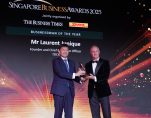
Chemin is a key pillar in enabling TDCX to tap $1 trillion AI services opportunity Brings together more than 50 technologists from 18 countries to accelerate AI adoption SINGAPORE – Media OutReach Newswire – 22 May 2025 – Mr. Laurent Junique, Founder and Chief Executive Officer of TDCX, a leading global business process outsourcing (BPO) company for technology and blue-chip companies, was today named the Businessman of […]

Chinese automaker BYD has overtaken Tesla in European battery electric vehicle registrations for the first time, marking a significant shift in the continent’s competitive electric vehicle market. In April 2025, BYD registered 7,231 BEVs across Europe, narrowly surpassing Tesla’s 7,165 units, according to data from market research firm JATO Dynamics. This milestone underscores BYD’s rapid expansion beyond its initial European markets of Norway and the Netherlands, where […]

Cryptocurrency exchange Kraken has announced the launch of tokenized versions of over 50 U.S.-listed stocks and exchange-traded funds , including Apple, Tesla, and Nvidia, for non-U.S. customers. These digital assets, branded as “xStocks,” will be available for trading around the clock via the Solana blockchain, enabling investors in Europe, Latin America, Africa, and Asia to access U.S. equities beyond traditional market hours.

Each xStock token is backed by actual shares held by Kraken’s partner, Backed Finance, ensuring that the tokens’ values closely mirror their underlying securities. The tokens are redeemable for the cash equivalent of the corresponding stock or ETF, providing a seamless bridge between digital and traditional financial markets.

Kraken’s co-CEO, Arjun Sethi, emphasized the platform’s commitment to reducing barriers for international investors. “Overseas investors can currently buy U.S. stocks through local brokerages, but it typically involves very high fees and slow settlement times,” Sethi noted. “There’s a lot of friction.” By leveraging blockchain technology, Kraken aims to offer a more efficient and cost-effective alternative.

The introduction of xStocks also allows for greater flexibility in asset management. Investors can store these tokenized equities in digital wallets, trade them across various crypto platforms, and even use them as collateral for crypto trading strategies. This integration of traditional assets into the crypto ecosystem reflects a growing trend toward the tokenization of financial instruments.

Kraken’s move follows earlier attempts by other exchanges to offer tokenized stocks. In 2021, Binance introduced similar products but discontinued them after regulatory challenges. Learning from such precedents, Kraken is actively collaborating with regulators to ensure compliance across different jurisdictions. A company spokeswoman stated that Kraken is “actively working with various regulators” to navigate the complex international regulatory landscape.

The broader financial industry has shown increasing interest in the potential of tokenization. The U.S. Securities and Exchange Commission hosted a roundtable discussion on the subject earlier this month, and major firms like BlackRock and Robinhood have expressed support for the tokenization of securities. Sethi predicts that tokenized equities could surpass stablecoins in market size, highlighting their transparency, speed, and global accessibility.

Kraken’s expansion into tokenized equities is part of a larger strategy to bridge traditional finance and the crypto world. The company has also launched commission-free trading for over 11,000 U.S.-listed stocks and ETFs through its Kraken Securities platform, initially available in select U.S. states with plans for broader rollout. This integrated approach allows users to manage cryptocurrencies, equities, ETFs, stablecoins, and fiat currencies within a single platform.

The Dubai Financial Services Authority has announced the launch of its 2025 Graduate Programme, targeting Emirati graduates and final-year students aspiring to build careers in financial regulation. Set to commence in September 2025, the two-year initiative aims to equip participants with practical skills and global perspectives essential for the evolving financial services sector. Fadel Al Ali, Chairman of the DFSA, emphasised the programme’s role in fostering national […]

Bitcoin Suisse, a pioneering Swiss crypto-financial services firm, has obtained regulatory approval to operate in Abu Dhabi, marking its inaugural venture beyond Europe since its establishment in 2013. This development underscores the United Arab Emirates’ emergence as a magnet for global digital asset enterprises.

The Abu Dhabi Global Market , the emirate’s international financial centre, granted the licence, enabling Bitcoin Suisse to offer its suite of crypto services within the region. This move aligns with the company’s strategy to tap into the Middle East’s burgeoning demand for regulated digital asset solutions.

Andrej Majcen, CEO of Bitcoin Suisse, emphasized the significance of this expansion, stating that the company’s Swiss heritage and decade-long experience position it well to serve the Middle Eastern market. He highlighted the UAE’s progressive regulatory framework and its commitment to fostering innovation in the financial sector as key factors influencing the decision.

Abu Dhabi has been proactive in establishing itself as a hub for digital assets, attracting a slew of international crypto firms. The ADGM’s introduction of comprehensive digital asset regulations in 2018 has been instrumental in this regard, providing clarity and fostering investor confidence.

Several notable crypto entities have set up operations in Abu Dhabi, including Standard Chartered-backed Zodia Markets, which received regulatory approval to operate as a virtual asset brokerage. Similarly, Singapore-based custody provider Liminal secured permission to offer its services in the region, reflecting a broader trend of global crypto firms gravitating towards the UAE.

The UAE’s appeal lies not only in its regulatory environment but also in its strategic location and robust infrastructure. The government’s initiatives to diversify the economy and invest in fintech have created a conducive ecosystem for digital asset companies.

Bitcoin Suisse’s entry into the Abu Dhabi market is expected to catalyze further growth in the region’s digital asset sector. The company’s comprehensive offerings, ranging from trading and custody to staking and tokenization, will cater to a diverse clientele, including institutional investors and high-net-worth individuals seeking regulated crypto services.

This expansion also signifies a broader shift in the global crypto landscape, with firms increasingly seeking jurisdictions that offer regulatory clarity and support for innovation. The UAE’s proactive stance positions it as a leading destination for such enterprises, potentially setting a benchmark for other regions aiming to attract digital asset businesses.

Etihad Water and Electricity , Al Dahra Agriculture Trading, and Fujairah Municipality have formalised a strategic partnership aimed at accelerating sustainable development in the Emirate of Fujairah. The agreement, signed under the patronage of H.H. Sheikh Mohammed bin Hamad bin Mohammed Al Sharqi, Crown Prince of Fujairah, underscores a shared commitment to environmental protection, resource efficiency, and community well-being.

The collaboration focuses on three primary objectives: enhancing water and energy efficiency, promoting sustainable agriculture, and fostering community engagement in environmental initiatives. EtihadWE brings to the partnership its expertise in innovative water and electricity solutions, including the deployment of advanced metering infrastructure and smart grid technologies. Al Dahra contributes its experience in sustainable agricultural practices and food security, while Fujairah Municipality provides governance and oversight to ensure alignment with the emirate’s development plans.

A key component of the initiative is the implementation of smart water management systems. EtihadWE plans to install sophisticated sensors in water pumping stations capable of detecting changes in water quality and automatically shutting down operations to prevent contamination. Additionally, the company will introduce remote inspection devices for high-pressure pipelines, enhancing the reliability and safety of the water supply network.

In the realm of agriculture, Al Dahra aims to introduce sustainable farming techniques that reduce water consumption and increase crop yields. The company will work closely with local farmers to implement drip irrigation systems, soil moisture monitoring, and the use of drought-resistant crop varieties. These measures are expected to contribute significantly to the emirate’s food security and environmental sustainability goals.

Fujairah Municipality will play a pivotal role in facilitating community engagement and education. Plans include the establishment of community gardens, educational workshops on sustainable practices, and the integration of environmental topics into school curricula. The municipality will also oversee the development of green spaces and the implementation of eco-friendly infrastructure projects.

The partnership aligns with the UAE’s broader sustainability objectives, including the UAE Energy Strategy 2050 and the National Water Security Strategy 2036. By fostering collaboration between public and private entities, the initiative aims to create a model for sustainable development that can be replicated across the country.

Yousif Ahmed Al Ali, CEO of EtihadWE, stated, “This partnership represents a significant step towards achieving our sustainability goals. By combining our technological expertise with Al Dahra’s agricultural knowledge and the strategic oversight of Fujairah Municipality, we are poised to make substantial progress in environmental conservation and resource efficiency.”

Khaleefa Al Mazrouei, CEO of Al Dahra Agriculture Trading, commented, “Our collaboration with EtihadWE and Fujairah Municipality underscores our commitment to sustainable agriculture and food security. We look forward to implementing innovative farming practices that will benefit both the environment and the local community.”

Eng. Mohamed Saif Al Afkham, Director-General of Fujairah Municipality, added, “This agreement marks a new chapter in our efforts to promote sustainable development in Fujairah. Through this partnership, we aim to enhance the quality of life for our residents while preserving our natural resources for future generations.”

The initiative also includes plans for the development of renewable energy projects, such as solar-powered public facilities and the integration of electric vehicle charging stations throughout the emirate. These projects are designed to reduce carbon emissions and promote the adoption of clean energy technologies.

As part of the agreement, the partners will establish a joint task force to oversee the implementation of the various projects and ensure that they meet established sustainability benchmarks. Regular progress reports will be published to maintain transparency and keep the public informed of developments.

Bitcoin’s price soared to an unprecedented high of $111,816 on May 21, 2025, coinciding with the 15th anniversary of Bitcoin Pizza Day. This surge reflects a significant shift in investor sentiment, driven by a confluence of regulatory advancements, institutional adoption, and macroeconomic factors.

The rally is largely attributed to growing optimism surrounding impending U.S. cryptocurrency regulations. The proposed Genius Act, aiming to establish a comprehensive framework for stablecoins, has garnered bipartisan support in Congress. This legislative momentum has invigorated investor confidence, leading to substantial inflows into U.S.-based Bitcoin exchange-traded funds , which have seen over $3.6 billion in investments this month alone.

Institutional participation has also intensified. MicroStrategy’s acquisition of $765 million worth of Bitcoin has elevated its holdings to over $63 billion, underscoring the growing corporate interest in digital assets. Additionally, JPMorgan Chase’s decision to permit clients to purchase Bitcoin marks a significant endorsement from traditional financial institutions.

Technical indicators suggest continued bullish momentum. The emergence of a “golden cross” pattern, where the 50-day moving average surpasses the 200-day moving average, typically signals sustained upward trends. Analysts are closely monitoring support levels at $107,000 and $100,000, with projections indicating potential resistance around $120,000.

Macroeconomic factors have further bolstered Bitcoin’s appeal. A weakening U.S. dollar, coupled with rising Treasury yields and concerns over fiscal policies, has prompted investors to seek alternative assets. Bitcoin’s perceived status as a hedge against traditional market volatility has been reinforced by these developments.

The timing of this price milestone on Bitcoin Pizza Day adds symbolic significance. Fifteen years ago, Laszlo Hanyecz’s purchase of two pizzas for 10,000 BTC marked the first real-world Bitcoin transaction. Today, that amount of Bitcoin is valued at over $1.1 billion, highlighting the cryptocurrency’s remarkable journey from a niche experiment to a mainstream financial asset.

OpenAI has agreed to acquire artificial intelligence device startup io in a $6.5 billion all-stock transaction, bringing onboard Apple’s iconic designer Jony Ive and his team as part of a bold expansion into hardware development. The deal, which is OpenAI’s largest to date, aims to reshape the future of consumer electronics by embedding artificial intelligence deeply into everyday devices. The acquisition values io based on a $5 […]

Drone and robotics are evolving industry worldwide as well as in the Middle East where the UAE has taken a leadership role in gradually deploying them in government departments and public facilities – in addition to bringing in driver less vehicles and flying taxis – to transform its urban infrastructure into smart cities where drones, machines, robotics and AI will play a crucial role. The UAE’s General […]

Artificial Intelligence is expected to contribute around US$320 billion to the Middle East’s Gross Domestic Product (GDP) by 2030, with the Gulf Cooperation Council countries accounting for nearly 80 percent of that impact, translating to approximately US$260 billion, according to a latest report by global accounting firm PriceWaterhouseCoopers (PwC). The Gulf Cooperation Council (GCC) countries—Bahrain, Kuwait, Oman, Qatar, Saudi Arabia, and the United Arab Emirates—are at a […]

Abu Dhabi’s aerospace firm Space 42 is set to initiate production of prototype platforms designed to operate at altitudes reaching thousands of metres above the Earth’s surface. This development marks a significant step in the emirate’s growing ambitions within the aerospace sector, targeting near-space exploration and flight operations.

The prototypes will serve as platforms to launch near-space flights, a field that bridges traditional aviation and outer space exploration by operating at the edge of the Earth’s atmosphere. Space 42’s initiative is aligned with broader national goals to position Abu Dhabi and the United Arab Emirates as leaders in aerospace innovation and technology development. The company aims to contribute to the emerging commercial space economy by developing technologies capable of operating in the stratosphere and beyond.

Near-space platforms have a variety of potential applications, ranging from scientific research and atmospheric monitoring to telecommunications and high-altitude surveillance. These platforms can also serve as launchpads for suborbital missions, enabling experimental payloads or commercial ventures to access near-space environments more cost-effectively than traditional rockets.

Space 42 plans to produce the prototypes by the end of the year, employing advanced aerospace engineering and leveraging local expertise alongside international collaborations. The company’s approach involves creating modular, reusable platforms that can carry payloads to high altitudes while maintaining stability and control in the thin upper atmosphere.

Abu Dhabi has invested heavily in aerospace and space-related ventures as part of its strategy to diversify the economy away from oil. Space 42 is among several entities in the emirate focused on fostering innovation and building capabilities in advanced technologies. The move toward near-space flights reflects a global trend where governments and private companies alike are investing in technologies that can bridge the gap between Earth-bound aviation and space travel.

The platforms under development will use cutting-edge materials and propulsion technologies tailored to withstand harsh near-space conditions, including extreme temperature variations and low atmospheric pressure. The prototypes are expected to undergo rigorous testing phases before any commercial or scientific deployments.

Space 42’s project is part of a broader wave of interest in high-altitude platforms worldwide. These platforms offer a middle ground between satellites and aircraft, combining endurance and payload capacity with relative ease of deployment and maintenance. Their ability to provide persistent observation or communication coverage without the high costs associated with orbital launches makes them attractive for various industries.

The company’s initiative aligns with the UAE’s long-term space ambitions, which include Mars exploration, satellite development, and fostering a local space industry ecosystem. By manufacturing these prototype platforms, Space 42 aims to develop a technological edge that can be leveraged for both domestic and international markets.

Industry experts note that near-space platforms could transform how data is collected and transmitted across multiple sectors. They can support environmental monitoring by offering high-resolution data on atmospheric conditions, track climate change indicators, and improve weather prediction models. Telecommunications companies see potential in using such platforms to extend internet coverage to remote areas or enhance network resilience during emergencies.

Globally, the near-space flight market is gaining momentum as new entrants join established aerospace firms in developing technologies for stratospheric operations. Governments are increasingly recognising the strategic importance of controlling near-space assets for national security, scientific advancement, and economic competitiveness.

The production of prototype platforms by Space 42 is expected to position Abu Dhabi as a key player in this expanding field. This move may encourage further investments in research and development, talent acquisition, and infrastructure to support near-space flight activities. The initiative also aligns with the UAE’s vision to be a hub for science and technology innovation in the Middle East.

Space 42 has emphasised the role of sustainability and cost-effectiveness in their design philosophy, aiming to reduce the environmental footprint compared to traditional aerospace operations. Reusability and energy-efficient propulsion systems are central to this strategy, ensuring that the platforms can operate repeatedly without significant resource expenditure.

As the prototypes enter production, the company plans to collaborate with academic institutions, industry partners, and government bodies to validate performance and explore potential applications. This cooperation will be critical to overcoming technical challenges inherent in operating at the edge of space, where conditions differ markedly from those experienced by conventional aircraft.

The near-space platform project reflects a strategic blend of ambition and pragmatism. By focusing on prototype development, Space 42 is taking measured steps toward establishing a presence in an area that promises to grow significantly in importance and economic value. The company’s work contributes to the broader narrative of the UAE’s emergence as a forward-looking aerospace nation, committed to advancing scientific knowledge and commercial capabilities beyond the atmosphere.

While the production timeline anticipates completion before year-end, the path ahead will involve iterative testing and refinement. These phases are crucial to ensure the platforms meet stringent operational standards for safety, reliability, and performance under near-space conditions.

The company’s announcement has drawn attention from industry analysts and potential customers interested in utilising high-altitude platforms for various applications, from telecommunications to defence. The development also signals increasing competition in a sector where innovation and technical mastery are vital.

Mauritius is intensifying efforts to attract travellers from Gulf countries, with the tourism sector positioning itself to tap into a high-spending demographic amid growing global competition. The island’s tourism authority has highlighted the Gulf region as a key source market, aiming to capitalise on increased air connectivity, rising disposable incomes, and evolving travel preferences.

Officials from the Mauritius Tourism Authority emphasise a strategy focused on delivering a high-quality, product-driven experience tailored to Gulf travellers’ expectations. Luxury accommodations, personalised services, and exclusive experiences form the cornerstone of this approach. The island’s appeal is strengthened by its reputation for safety, pristine beaches, and cultural diversity, factors that resonate well with Gulf visitors seeking both relaxation and immersive travel.

Mauritius benefits from its geographic proximity and enhanced flight options, including direct and one-stop routes operated by regional and international airlines. These improved connections make the destination more accessible, facilitating a smoother travel experience that Gulf tourists increasingly prioritise. The airline partnerships and new routes also reflect broader industry trends where connectivity drives tourism inflows and regional collaboration plays a key role in market expansion.

The tourism authority’s promotional campaigns have adapted to digital trends, leveraging social media influencers and targeted marketing to engage Gulf travellers effectively. Content emphasises Mauritius as an exclusive yet accessible luxury getaway, blending natural beauty with upscale amenities. This digital outreach complements traditional marketing channels, aiming to build sustained interest and brand loyalty.

Luxury resorts and hotels on the island have upgraded their offerings, aligning with Gulf travellers’ preferences for privacy, fine dining, wellness, and bespoke excursions. Several properties have introduced Arabic-speaking staff, tailored menus, and prayer facilities to better serve the Gulf clientele. This cultural sensitivity enhances comfort and inclusivity, strengthening the destination’s competitive edge.

Economic data shows that Gulf tourists typically spend more per visit than visitors from many other regions, making them highly desirable for the island’s tourism revenue. With tourism contributing significantly to Mauritius’s GDP, targeting high-value markets is essential for sustaining economic growth, especially in the post-pandemic environment where recovery efforts remain critical.

The broader Indian Ocean region faces intense competition from other luxury beach destinations, including the Maldives, Seychelles, and Zanzibar. Mauritius’s tourism leadership acknowledges the need for continuous innovation and investment to maintain its standing. This includes diversifying experiences beyond beaches, promoting eco-tourism, cultural tours, and sporting events to appeal to diverse traveller interests.

Environmental sustainability is becoming a priority within Mauritius’s tourism development plans, as the island seeks to balance growth with conservation. Several resorts have adopted green certifications and community engagement programmes, which appeal to environmentally conscious Gulf travellers increasingly interested in responsible tourism. This trend aligns with global shifts toward sustainable travel, reinforcing Mauritius’s positioning as a forward-thinking destination.

Authorities are also working with Gulf travel agencies and tour operators to create customised travel packages that simplify booking and enhance the overall journey. Collaborative partnerships extend to the luxury retail and entertainment sectors, integrating shopping and leisure activities into holiday experiences. Such integrated offerings respond to Gulf tourists’ demand for comprehensive, seamless trips combining relaxation, adventure, and lifestyle.

Mauritius’s appeal to Gulf visitors is further strengthened by the island’s multilingual population and historical links to the region through trade and diaspora communities. These ties foster a sense of familiarity and hospitality, factors that influence travel decisions positively. The tourism sector recognises that maintaining and deepening these connections is crucial for long-term market development.

Global travel trends show an increasing preference among Gulf nationals for destinations that offer exclusivity and privacy, particularly amid ongoing health concerns and evolving safety expectations. Mauritius has implemented stringent health protocols and flexible cancellation policies to reassure travellers, factors that contribute to its attractiveness as a safe and dependable destination.

Despite the promising outlook, challenges remain. The volatility of international travel regulations, fluctuating fuel prices, and economic uncertainties in key Gulf states could affect visitor numbers. Moreover, competition for tourists’ attention and spending power requires Mauritius to continually enhance value propositions and innovate its offerings.

Investment in infrastructure improvements, including airports, road networks, and hospitality facilities, supports the island’s ambition to elevate the visitor experience. Public and private sector collaboration is essential in this regard, with government incentives encouraging tourism-related investments and innovation. These efforts underscore a commitment to sustainable and inclusive tourism growth.

Mauritius’s strategy reflects a broader shift in global tourism towards targeting affluent travellers with discerning tastes. By focusing on personalised, culturally aware, and environmentally responsible tourism products, the island is positioning itself as a top-tier destination for Gulf nationals. This aligns with global luxury travel market trends, which prioritise authenticity, comfort, and unique experiences.

Efforts to attract Gulf travellers are expected to have a multiplier effect, benefiting ancillary industries such as retail, transportation, and local crafts. The integration of tourism with local economic development highlights Mauritius’s holistic approach to growth, emphasising the social and economic benefits of a vibrant travel sector.


GitHub has unveiled a significant upgrade to its Copilot platform: an AI-powered coding agent capable of autonomously writing code, fixing bugs, and managing pull requests. This development, announced during Microsoft’s Build 2025 conference in Seattle, marks a pivotal shift in software development, positioning AI as an active participant in coding tasks. The new Copilot coding agent operates by initiating a secure, customizable development environment through GitHub Actions. […]

BEIJING, CHINA – Media OutReach Newswire – 20 May 2025 – On the morning of May 20, the 29th World Gas Conference (WGC2025) opened at the China National Convention Center in Beijing. This marks the first time in the nearly 100-year history of the World Gas Conference that the event is being held in China. As one of the three flagship events of the International Gas Union […]

Microsoft has officially open-sourced its Windows Subsystem for Linux , marking a significant milestone in the company’s ongoing engagement with the open-source community. Announced at the Build 2025 developer conference in Seattle, this move allows developers worldwide to access, modify, and contribute to the WSL codebase directly via GitHub. WSL, introduced in 2016, enables users to run a Linux environment natively on Windows without the need for […]

VISHNU RAJA
RYO YAMADA
HITORI GOTOH
IKUYO KITA