News related to
Strategy

The Trump family has completed the acquisition of financial technology firm ALT5 Sigma in a move expected to reshape their investment portfolio. At a purchase price of $15 billion, the deal signals a shift towards further diversification of their business interests, marking a significant venture into the fintech space. This acquisition, which involved a combination of private equity and strategic investments, has drawn the attention of hedge funds and investment groups keen on gaining a stake in the evolving financial technology sector.

ALT5 Sigma, known for its sophisticated algorithms and artificial intelligence solutions aimed at streamlining investment strategies, has long been regarded as a key player in the fintech arena. The company provides innovative tools for hedge funds and asset managers to optimise trading operations and enhance decision-making processes. In acquiring the firm, the Trump family gains access to these advanced technologies, positioning themselves at the forefront of the increasingly competitive tech-driven investment world.

Hedge funds have been particularly keen on ALT5 Sigma’s cutting-edge trading platforms, which leverage artificial intelligence and machine learning to predict market movements and analyse large sets of data. These tools have proven invaluable in helping firms maximise returns, mitigate risks, and remain agile in an ever-evolving market. By entering the fintech industry, the Trump family secures a stake in a sector that is expected to grow exponentially in the coming years.

Financial experts suggest that the acquisition could help the Trump family tap into new revenue streams while also increasing their exposure to emerging technologies. The fintech sector has been attracting substantial investment over the past decade, with companies like ALT5 Sigma leading the charge in transforming how financial services are delivered. With this acquisition, the Trump family joins the ranks of high-profile investors looking to capitalise on the growing demand for innovative financial tools.

The involvement of hedge funds in the deal further highlights the strategic importance of ALT5 Sigma’s offerings. Several prominent hedge funds have expressed interest in supporting the Trump family’s new venture, recognising the potential for long-term returns through the use of cutting-edge trading systems. These hedge funds, which are known for their appetite for high-risk, high-reward investments, view the acquisition as a means to enhance their portfolios by gaining access to superior trading technology.

For the Trump family, the acquisition also marks a potential shift in their investment strategy. Historically known for real estate and branding ventures, this deal represents a move into the tech industry, which could position them for success in the rapidly expanding digital economy. By diversifying into fintech, they not only gain access to a lucrative sector but also strengthen their influence in the evolving financial landscape.

Industry analysts have raised questions about the potential challenges the Trump family may face as they navigate the complexities of the fintech sector. The industry is known for its regulatory challenges, technological demands, and intense competition. However, with the backing of well-established financial firms and a strong track record of business acumen, the Trump family may be well-positioned to overcome these obstacles.

As the Trump family’s acquisition of ALT5 Sigma begins to take shape, the deal is expected to attract increasing interest from other investors and stakeholders within the fintech space. Analysts will be closely monitoring how the family leverages its new acquisition, particularly in how it integrates ALT5 Sigma’s technologies into its broader investment strategies.


India’s oil import strategy showed a marked shift in July 2023, as figures indicated a significant dip in Russian oil imports, alongside a notable increase in purchases from the United States. According to the latest data, India’s Russian crude oil imports fell by approximately 3.6% in the first seven months of the year, amounting to 1.73 million barrels per day, down from the previous period. This reduction coincided with a rise in imports from the U. S., which surged by 58% over the same period, signalling a reorientation of India’s energy sourcing amid shifting global market dynamics.

The decline in Russian oil imports was most evident in July, a month in which India notably skipped shipments from Latin America, further complicating the global oil trade landscape. The data underlines India’s ongoing balancing act as it navigates its energy needs, political affiliations, and economic pressures in a complex geopolitical environment.

Since the onset of the Ukraine conflict in early 2022, India had sharply increased its reliance on Russian oil, taking advantage of discounted prices amidst Western sanctions. Russia had emerged as one of India’s largest oil suppliers, providing a significant portion of the country’s crude oil requirements at highly competitive rates. However, as global energy markets continue to adapt to the war’s long-term ramifications, shifts in India’s oil import strategies reflect an evolving approach to international energy procurement.

The surge in U. S. oil imports reflects broader trends in India’s engagement with non-Russian sources, particularly the United States. While Russia’s crude oil remained competitively priced, U. S. exports presented an alternative as India’s energy demands surged. As of July, the volume of oil imports from the U. S. showed an impressive rise, suggesting a diversification strategy that aims to reduce dependence on any one country, particularly as Russia faces increasing global scrutiny and sanctions.

This diversification is significant not only in terms of energy security but also geopolitically. With Western countries tightening sanctions against Russia, India’s oil purchases from non-Western suppliers, including the U. S., align with its broader strategy of maintaining an independent foreign policy. By tapping into American oil supplies, India positions itself as an increasingly significant player in the global energy markets, potentially leveraging these resources for both economic and strategic gains.

Simultaneously, the reduction in Latin American oil imports in July suggests a recalibration in India’s sourcing preferences. While Latin America had been a key supplier for India in previous years, particularly from countries like Venezuela and Mexico, geopolitical challenges and shifting global demand patterns appear to have altered these trade flows. This move also underscores the growing influence of U. S. oil in India’s energy mix, a shift likely influenced by factors such as pricing, quality, and strategic alliances.

The evolving oil trade patterns are not just a reflection of changing global dynamics but also highlight India’s domestic policy objectives. As the world’s third-largest oil importer, India is continually navigating the pressures of securing affordable energy while balancing its international relations. India’s energy needs are projected to grow in the coming decades, making the diversification of oil sources crucial for its future economic stability.

Further complicating matters, the global oil market has faced increasing volatility due to fluctuations in supply and demand, driven by the war in Ukraine, OPEC’s production decisions, and broader economic uncertainty. The effects of these disruptions are evident in India’s changing oil import patterns, which seem to be increasingly shaped by price sensitivity and geopolitical considerations.

Ethiopia’s foreign direct investment reached $4 billion for the fiscal year ending July 2025, according to the country’s Investment Commission. This represents a modest 2.2% increase from the previous year, signalling a steady inflow of capital despite economic challenges. The rise in FDI comes as the country prepares for a major bond restructuring, which aims to alleviate its mounting debt burden. The FDI figure is particularly significant […]

The United States has emerged as the dominant force in greenfield foreign direct investment in Saudi Arabia for the first half of 2025. Accounting for 61 projects with a combined value of $2.7 billion, American investments represented nearly a third of the total project count and capital investment during the period, according to a report by Emirates NBD. Saudi Arabia continues to be an attractive destination for […]

Dubai has taken a significant step toward boosting its business environment with the launch of the ‘One Freezone Passport,’ an innovative initiative designed to ease the process of business expansion within the city’s free zones. The move is expected to simplify operations for companies looking to scale, while also enhancing the emirate’s competitive edge in the global market.

The initiative allows businesses licensed in one of Dubai’s free zones to extend their operations into other zones without the need for additional licenses, thus lowering the financial and administrative burden of expansion. It is part of Dubai’s wider strategy to foster a more streamlined, investor-friendly ecosystem, which has seen numerous developments aimed at reducing bureaucracy and increasing operational efficiency.

The Dubai Free Zones Council, which spearheaded the initiative, expressed that the launch of the ‘One Freezone Passport’ marks a key achievement in Dubai’s economic diversification efforts. The programme is designed to remove regulatory bottlenecks, encouraging smoother transitions for businesses operating across multiple zones. This move comes as part of the city’s broader vision outlined in the Dubai Economic Agenda D33, which aims to double the size of the economy and strengthen its position as a leading global business hub by 2033.

The introduction of the ‘One Freezone Passport’ is aligned with the goals of easing market entry for foreign investors and facilitating greater cross-border trade. By eliminating the need for multiple permits, businesses can now streamline their processes, save costs, and significantly reduce time-to-market. The DFZC’s initiative represents a decisive shift towards creating a more cohesive and interconnected free zone network that could have widespread benefits for companies operating in Dubai.

One of the early adopters of this new system is global luxury brand Louis Vuitton, which has embraced the streamlined process. The company will now operate its warehouse in the Jebel Ali Free Zone, while establishing its corporate office at One Za’abeel, part of the Dubai World Trade Centre Free Zone. This move highlights the growing appeal of Dubai’s free zones for multinational companies, particularly in sectors such as luxury goods and technology.

The ‘One Freezone Passport’ also represents a step forward in Dubai’s ongoing efforts to attract multinational corporations and high-net-worth investors. Dubai’s free zones have long been a cornerstone of its economic strategy, offering companies a range of benefits such as tax exemptions, full ownership rights, and 100% repatriation of profits. With the introduction of the ‘One Freezone Passport,’ the emirate now aims to make it even easier for businesses to operate in multiple free zones simultaneously.

For companies such as Louis Vuitton, the new initiative offers an opportunity to leverage Dubai’s strategic location as a gateway to both regional and international markets. By simplifying the regulatory landscape, businesses can better focus on expanding their operations and exploring new market opportunities across the Middle East, Africa, and beyond.

The initiative’s potential extends well beyond large corporations. Start-ups and small-to-medium enterprises are also expected to benefit from a more accessible and flexible business environment. The ability to operate across multiple free zones without incurring additional licensing fees will likely encourage new ventures, thereby supporting Dubai’s entrepreneurial ecosystem.

The launch of the ‘One Freezone Passport’ is expected to drive a rise in investments within Dubai’s free zone economy. As businesses can now expand their footprint more easily, it opens the door for greater collaboration between sectors, fostering innovation and accelerating growth. Additionally, by streamlining regulatory processes, Dubai aims to position itself as a hub for both regional and international businesses seeking to establish a base in the Middle East.

The programme also underscores Dubai’s broader efforts to integrate digital solutions and technology into its regulatory systems. The ‘One Freezone Passport’ is supported by a digital platform that enables businesses to manage their operations across multiple zones efficiently. This platform allows for the centralisation of licenses, making it easier to handle logistics, administrative tasks, and compliance requirements.

As Dubai continues to enhance its infrastructure and regulatory landscape, the introduction of the ‘One Freezone Passport’ signals a broader trend of business-friendly reforms that cater to a dynamic and diverse economy. The ease of access to Dubai’s free zones, combined with the benefits offered by the initiative, has the potential to attract more companies to establish their operations in the emirate.

Greenlogue/AP The United States has solidified its position as the leading source of greenfield foreign direct investment in Saudi Arabia during the first half of 2025, with American companies backing 61 projects worth a total of $2.7 billion. This surge in American investments marks a significant shift in global investment trends, as US-based firms continue to bolster the Kingdom’s economic diversification efforts under its Vision 2030 initiative. […]

The third edition of the AlUla Desert Blaze concluded on Saturday night, with more than 500 runners from Saudi Arabia and across the globe competing in one of the most gruelling desert races in the region. Held at the UNESCO World Heritage site of Hegra, the event offered a choice of four race categories: 5 km, 10 km, 21.1 km, and 42.2 km. Starting early at 8:00 […]

Advertisements

China has lifted export restrictions on rare earth minerals and fertilisers to India, easing supply pressures across high-tech, agricultural, and infrastructure sectors. The curbs, linked to national security concerns amid lingering border tensions, were rescinded following high-level diplomacy. Indian supplies of essential rare earth magnets—vital for electronics, renewable energy, and defence manufacturing—along with fertilisers and tunnel-boring equipment, are now poised to increase.

Lines of communication between the two capitals have reopened. During the latest India-China border talks, Chinese officials pledged to address New Delhi’s urgent demands, including expedited access to these items. Rare earth exports to India were previously down by 58 per cent compared to January levels, signalling a serious disruption for industries dependent on these critical inputs.

Manufacturing sectors—spanning automobiles, electronics, renewable energy, and defence—stand to benefit directly. These industries were particularly vulnerable due to India’s heavy reliance on Chinese rare earths and fertilisers; the absence of domestic magnet production compounded the supply gap despite India holding the world’s fifth-largest rare earth reserves.

Officials confirmed that China has begun implementing the export changes, with shipments of fertilisers, rare earth magnets, and tunnel-boring machines already underway. The commitments were made by a visiting Chinese Foreign Minister during discussions with Indian counterparts, setting the stage for smoother deliveries ahead of an upcoming high-level summit.

This trade shift follows months of disruption. Earlier in the year, China imposed stringent licensing requirements and delays on rare earth exports—especially seven heavy rare earth elements—affecting global supply chains. That move had compounded export issues affecting not only India but also manufacturers in Europe and the United States, underlining the strategic importance of rare earth materials.

On the fertiliser front, China had halted exports of specialty fertilisers for several months, causing concern across India’s high-value agriculture sector. Indian agribusinesses endured supply constraints as processes such as inspections and inspections delays were used to restrict deliveries. India responded with a resilient mix of domestic ramp-ups, diversification of import sources, and building strategic stockpiles—mitigation that has now yielded tangible benefits.

Diplomatic analysts interpret China’s decision as a calibrated move toward stabilising bilateral trade, particularly ahead of expected discussions at an international summit. While the easing of restrictions is welcomed, longstanding geopolitical mistrust and unresolved border issues suggest that the normalization remains cautious. This trade reprieve signals a pragmatic shift, but not a full thaw in relations.

India, meanwhile, is accelerating its critical minerals strategy. Domestic initiatives—including exploration incentives, production-linked schemes, and global partnerships—are being fast-tracked to reduce strategic dependencies. The National Critical Mineral Mission, launched earlier this year, continues to mobilise efforts across the supply chain, while overseas resource acquisitions and collaborations are gaining momentum.

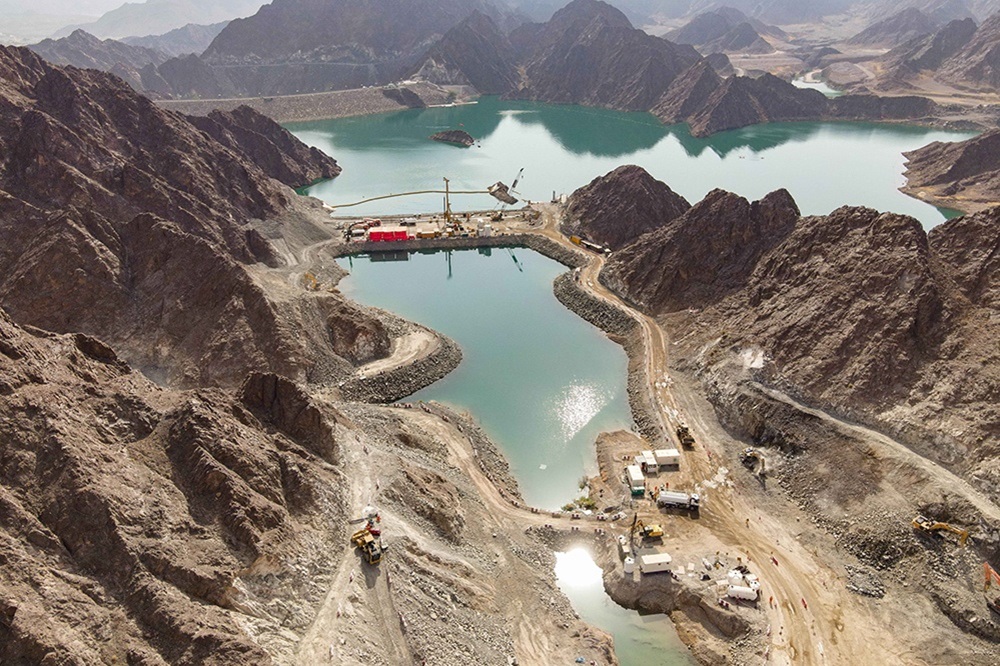
Dubai has begun trial operations of its pumped-storage hydroelectric plant in Hatta, delivering electricity into the city’s grid. The facility, which has already generated more than 17,900 MWh during testing, will free up surplus power beyond Hatta’s 39 MW local demand for export. Emirates 247 cites HE Saeed Mohammed Al Tayer, MD & CEO of the Dubai Electricity and Water Authority, confirming the start of electricity exports from the plant during his site visit.

The Hatta plant boasts a 250 MW generation capacity, 1,500 MWh of storage, and is designed to last up to 80 years—backed by a Dh1.42 billion investment. Underground construction includes two 110-tonne water valves, a command-and-control centre and an upper dam spanning 210,000 sqm, built with compressed concrete walls measuring 72 m and 37 m high.

DEWA’s scheme aligns closely with emirate-wide initiatives under the Clean Energy Strategy 2050 and the Net-Zero Carbon Emissions Strategy 2050, which aim for 100 percent clean energy supply by mid-century.

Trial operations of this pioneering project began earlier in the year, with operational tests launched in January 2025. DEWA confirmed the plant was 96.82 percent complete around that time and anticipated beginning energy exports in April 2025.

The hydropower station employs a cyclic system: during off-peak hours, clean electricity from the Mohammed bin Rashid Al Maktoum Solar Park is used to pump water from the lower reservoir to the upper dam. When demand spikes, water flows back through a 1.2 km tunnel, converting stored potential energy into kinetic energy to drive turbines. The conversion process delivers electricity to the grid in as little as 90 seconds, with a turnaround efficiency of 78.9 percent.

Hatta lies roughly 140 km south-east of central Dubai in the Hajar Mountains. The project includes an innovative design featuring two 125 MW Francis-type pump turbines capable of reversible operation—a technical solution by a consortium led by ANDRITZ Hydro, STRABAG and ÖZKAR, contracted in 2019.

This pumped-storage facility is the first of its kind in the Gulf region and a flagship example of how heat-resistant hydropower systems may outperform large-scale battery storage in desert climates.

During his visit, Al Tayer toured the station’s subterranean power station, inspected the upper dam’s compressed concrete walls, and oversaw functional tests of the pumping and generation mechanism. The station’s speedy response time and storage efficiency are designed to bolster Dubai’s grid resilience while reducing reliance on fossil fuel generation.

French authorities have initiated dialogue with Mali to secure the immediate release of a French national working at the embassy in Bamako, whose detention Bamako’s military regime justifies with allegations of involvement in a destabilisation plot. The French foreign ministry has dismissed these allegations as baseless, emphasising that the detained individual is entitled to protections under the Vienna Convention on Diplomatic Relations. French officials argue that the […]

An executive order signed on 30 July 2025 will suspend the long-standing “de minimis” exemption for all international shipments valued under $800, starting 29 August. This removes the duty-free benefit that major cross-border platforms like Shein and Temu relied upon, prompting both to announce price adjustments and restructure shipping models. Online marketplaces specialising in ultra-low-cost goods are scrambling to recalibrate. Temu has already halted direct shipments from […]

The United Arab Emirates has reached a significant milestone, securing the 16th position globally in the 2025 Government Support Index, as outlined in the IMD World Competitiveness Yearbook. This index evaluates how effectively governments foster the conditions needed for businesses to thrive, measuring factors such as infrastructure, regulatory environment, and public sector efficiency. With this advancement, the UAE solidifies its standing as a global leader in creating […]

Metaplanet has acquired an additional 775 Bitcoin in a substantial move that lifts its total holdings to 18,888 BTC, worth around $1.9–2.2 billion. The purchase, executed at an average price near $120,000 per coin and valued at approximately $93 million, underscores the company’s continued commitment to a Bitcoin-centric treasury strategy at a time when markets are under pressure. The latest figures reflect a return of over 480 percent year-to-date in BTC yield, positioning the firm as a formidable force among global corporate Bitcoin holders.

Metaplanet’s CEO, Simon Gerovich, acknowledged market disappointment amid Bitcoin’s dip back toward $115,000 but emphasised confidence in the company’s strategic foundation and long-term trajectory.

The announcement arrives amid a broader pattern of aggressive accumulation. Earlier in the year, Metaplanet purchased 780 BTC for about $92.5 million, bringing its holdings to 17,132 BTC and solidifying its status as Asia’s largest corporate Bitcoin holder and the seventh-largest globally. Prior to that, it added 1,005 BTC at roughly $107,601 each, overtaking peers to climb the rankings among corporate treasury holders.

Metaplanet’s expansion is part of its ambitious “555 Million Plan,” under which it aims to amass 210,000 BTC—about 1 percent of the total Bitcoin supply—by the end of 2027. The strategy includes issuing significant equity through warrants and share offerings, enabling rapid accumulation while managing shareholder dilution.

This pivot to Bitcoin has dramatically altered Metaplanet’s trajectory. A company formerly focused on hotel operations has emerged as a pioneering corporate treasury vehicle, mirroring the playbook of the US firm Strategy. CEO Gerovich, once a banker at Goldman Sachs Tokyo, has described the company’s strategic focus as a “Bitcoin gold rush,” envisaging Bitcoin serving as collateral to acquire cash-generating businesses in the future.

The firm’s bold asset approach has delivered notable returns, with its stock market value surging hundreds of percent this year and its BTC Yield metric demonstrating impressive growth relative to share dilution.

At a time when Bitcoin is trading near $115,000 after recently testing highs above $118,000, Metaplanet’s latest acquisition exemplifies a strategic bet on long-term appreciation amid short-term volatility. Market observers view its consistent accumulation—regardless of price dips—as a factor that could both tighten liquidity and exacerbate volatility.

Kotak Mahindra International Limited, a subsidiary of Kotak Mahindra Bank, has made a significant stride in expanding its footprint in the UAE’s financial sector. The firm has officially received a licence from the Securities and Commodities Authority, granting it the ability to manage investments and portfolios within the emirate’s capital markets. This makes KMIL the first Indian financial institution to obtain such a licence, opening the door to a wider range of investment opportunities in the region.

The SCA’s approval allows KMIL to operate in a competitive, high-growth financial market that is rapidly evolving. As a result, the firm is now positioned to offer both retail and institutional clients a broader spectrum of services, ranging from portfolio management to investment advisory. This move is expected to enhance the firm’s existing capabilities and leverage the UAE’s status as a global financial hub.

KMIL’s entry into the UAE market signifies a strategic effort to tap into the growing demand for professional investment services in the region, especially as the Middle East continues to be a lucrative market for global financial players. The UAE’s business environment is becoming more conducive to foreign investments, with its forward-thinking regulatory framework and attractive tax incentives drawing a significant number of international financial institutions.

The SCA’s move to issue such licences aligns with the UAE’s broader economic diversification strategy. By encouraging international firms to set up operations in the country, the UAE government aims to fortify its capital markets and establish itself as a leading financial centre in the region. The decision also underlines the country’s commitment to maintaining a stable and robust regulatory environment for financial services.

Kotak Mahindra’s strategic expansion comes at a time when global interest in the UAE’s financial markets is surging. The country’s strategic location, tax-friendly policies, and world-class infrastructure have led to an influx of capital from around the world, positioning it as an ideal base for firms like Kotak Mahindra International to service clients in both the Gulf Cooperation Council region and beyond.

The company’s move also reflects a growing trend of Indian financial institutions seeking to diversify their portfolios and expand internationally. With this licence, Kotak Mahindra International joins a select group of global players that have made the UAE their home for managing investments and portfolios. This development underscores the increasing prominence of the UAE as a financial epicentre.

KMIL’s parent company, Kotak Mahindra Bank, has long been a key player in India’s banking and financial services landscape. With its new licence, the bank’s international arm can now offer its expertise to a new set of clientele while taking advantage of the burgeoning investment opportunities in the Middle East. The UAE’s progressive economic policies and its positioning as a global financial hub make it an attractive destination for firms looking to serve the broader Middle Eastern, African, and Southeast Asian markets.

Industry experts note that the SCA’s licence is a vital step in enhancing the overall appeal of the UAE’s financial services sector. The SCA, tasked with overseeing the functioning of capital markets, is committed to fostering a conducive environment for businesses to thrive. By offering such licences to international firms, the authority is sending a strong signal about its readiness to support the financial community and encourage further investments into the UAE economy.

China has firmly defended the actions of one of its state-owned companies following a deadly mining disaster in Zambia, while indirectly rebuking the United States for its vocal criticism of the incident. The comments were made in response to mounting international scrutiny regarding the company’s handling of the situation and the safety measures at its operations. A deadly incident occurred at the mine in Zambia, operated by […]

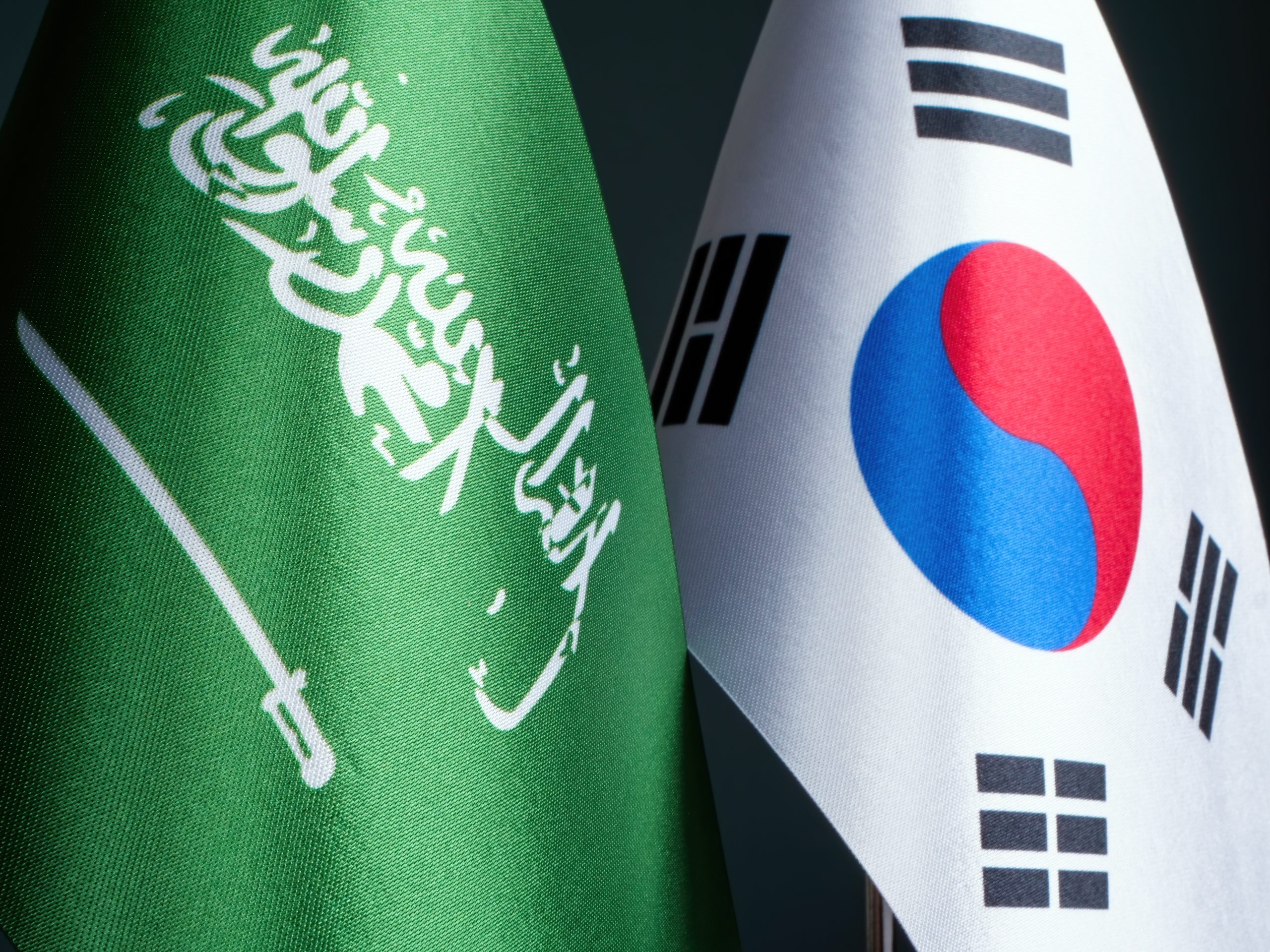
Saudi Arabia is solidifying its role as a key player in the global content industry, with a focus on the rapidly growing demand for Korean entertainment. The country’s recent partnership with South Korea highlights a strategic effort to bolster its creative sector and position itself as the leading creative hub in the Middle East.

The K-Content Expo held in Riyadh from July 22 to 24, 2025, served as a significant milestone in this collaboration. Organised by Korea’s Ministry of Culture, Sports and Tourism in conjunction with the Korea Creative Content Agency, the event attracted over 30 Korean content companies, who engaged in over 400 one-on-one business consultations with representatives from more than 80 regional partners across 12 Middle Eastern nations.

The expo, which showcased the best of Korean pop culture, including K-pop, K-dramas, and variety shows, offered Saudi Arabia an opportunity to deepen its ties with the thriving Korean entertainment industry. This partnership comes amid the growing influence of Korean content, especially among younger audiences in the Middle East, who have increasingly become avid consumers of K-pop and related media.

Saudi Arabia’s Vision 2030, which seeks to diversify the country’s economy and reduce its dependence on oil revenues, has increasingly focused on sectors such as entertainment, culture, and tourism. The Kingdom’s investment in the creative industries aligns with this long-term strategy and is positioning Riyadh as the region’s entertainment capital.

Notably, the Kingdom has already made strides to integrate the cultural aspects of South Korean entertainment into its media landscape. Recent collaborations between Saudi broadcasters and Korean content producers have resulted in the airing of popular K-dramas, with plans for further integration of Korean programming into Saudi television channels.

The role of Saudi Arabia’s state-backed media companies has also been pivotal in driving this initiative forward. These companies are facilitating the import of Korean content while simultaneously promoting local talent. Saudi Arabia’s growing production facilities and investments in digital media technologies are creating an ecosystem ripe for the exchange of ideas, talent, and content.

The government’s investment in the creative sector is not just limited to entertainment. It has also ventured into areas such as gaming, animation, and digital arts, all sectors in which South Korea has a global reputation. Through these joint ventures, Saudi Arabia hopes to create a self-sustaining creative economy that can compete on a global scale.

One of the primary objectives of the K-Content Expo was to open new opportunities for collaboration in areas such as co-productions, distribution, and marketing of content. The event saw numerous partnerships solidified between Saudi and Korean businesses, facilitating the exchange of not just media content but also expertise in areas such as production, distribution networks, and digital platforms.

With over 100 million people in the region under the age of 30, the Middle East has become a crucial market for content creators. According to recent reports, the demand for digital entertainment in the region has surged, with younger viewers flocking to streaming platforms to watch content from South Korea and beyond. As the digital space continues to grow, Saudi Arabia is positioning itself to capture a significant portion of this expanding market.

One of the standout agreements at the K-Content Expo was the joint initiative between Saudi Arabian streaming platforms and Korean entertainment giants to launch localised K-drama series tailored to the Middle Eastern audience. These series, while maintaining the core characteristics of Korean entertainment, will also incorporate local cultural elements, creating content that resonates with regional tastes and sensibilities.

Saudi Arabian officials have been vocal about their ambition to become a creative powerhouse, with plans to further develop infrastructure and offer financial incentives for foreign productions. This push is part of a broader strategy to not only cater to the domestic audience but also to attract international content producers who may see the region as a gateway for entry into the broader Middle Eastern and North African markets.

Experts have highlighted the role of such events in expanding bilateral relations and fostering cultural exchange between the two nations. The ongoing collaboration between Saudi Arabia and South Korea is poised to offer new business opportunities, particularly in light of the Kingdom’s efforts to develop its entertainment and cultural sectors.

The UAE has unveiled the third edition of the Samsung Innovation Campus, a collaborative initiative between the UAE’s Artificial Intelligence, Digital Economy, and Remote Work Applications Office and Samsung Gulf Electronics. This new chapter is part of the broader UAE Artificial Intelligence Camp 2025, aiming to nurture a new generation of talent in artificial intelligence and related fields. The event marks another significant step in the UAE’s […]

Saudi Aramco has concluded an $11 billion deal for the lease and leaseback of its Jafurah natural gas processing facilities with a consortium led by Global Infrastructure Partners, a subsidiary of BlackRock. This significant agreement marks a major milestone in Aramco’s strategy to expand its natural gas production and diversify its energy portfolio.

The Jafurah field, located in the Eastern Province of Saudi Arabia, is one of the largest non-associated gas developments globally, with estimated reserves of 229 trillion standard cubic feet of raw gas and 75 billion barrels of condensate. Aramco has long prioritised Jafurah as a key part of its energy transition efforts and broader plans to bolster the Kingdom’s gas capacity, aiming for a 60% increase in gas production by 2030.

The consortium, which includes some of the world’s most prominent investment funds, will provide substantial capital to help accelerate the development of the Jafurah field. The deal enables Aramco to monetise its midstream assets while maintaining operational control over the gas reserves. This transaction is seen as a strategic move to finance the development of Saudi Arabia’s gas infrastructure without sacrificing long-term ownership or production rights.

Jafurah plays a pivotal role in Saudi Arabia’s Vision 2030, the ambitious blueprint to diversify its economy and reduce reliance on oil exports. With natural gas being seen as a cleaner alternative to oil, it is a cornerstone of the Kingdom’s strategy to increase domestic energy production and meet rising demand for electricity and industrial use.

Under the terms of the agreement, Aramco will continue to oversee the development and operation of the field, while the international consortium will take on responsibility for the infrastructure, including gas pipelines and processing plants. This partnership is seen as a win-win for both parties, as it enables Aramco to raise capital for further investments in energy projects, while the consortium gains access to one of the most valuable energy assets in the world.

GIP’s involvement in the deal signals its growing interest in the energy sector, particularly in large-scale infrastructure projects. The firm’s experience in managing complex, long-term investments in global infrastructure positions it well to handle the technical and financial challenges associated with Jafurah. As part of BlackRock’s broader investment strategy, the deal also aligns with the company’s focus on sustainable energy and infrastructure development.

The Jafurah field’s importance to Saudi Arabia’s economic future cannot be overstated. The natural gas produced from Jafurah will support the Kingdom’s power generation capacity, which is projected to increase significantly in the coming years. By tapping into the untapped potential of Jafurah, Aramco aims to reduce its reliance on crude oil for domestic power generation, freeing up more oil for export.

Saudi Arabia’s push for gas development has garnered attention from global investors, eager to tap into the Kingdom’s rich natural resources and growing energy sector. This agreement with GIP is a testament to the global interest in the Middle East’s energy markets, and the broader trend of institutional investors seeking long-term, stable returns from the region’s energy infrastructure.

The deal’s financial structure, involving both lease and leaseback elements, is designed to provide Aramco with flexibility while enabling the consortium to generate revenue from the gas assets over time. The leaseback aspect allows Aramco to retain ownership of the gas reserves, while the lease portion provides the consortium with a stable revenue stream from the operations of the Jafurah facilities.

Arabian Post Staff Abu Dhabi has experienced a significant 10.3% rise in certificates of origin, underscoring the ongoing expansion of its non-oil exports. This increase highlights the Emirate’s growing role as a regional hub for trade and investment, further diversifying its economic landscape. Certificates of origin are essential documents for businesses, validating that products are manufactured or processed in a specific country. They play a crucial role […]

Samsung has commenced local production of laptops in India, marking a significant shift in its manufacturing strategy. The move follows growing trends in the global tech industry, where companies are increasingly decentralising their manufacturing to cater to regional markets and mitigate supply chain risks. The tech giant’s decision to set up its laptop assembly line in India comes as part of a broader push to diversify its production capabilities and tap into the country’s emerging manufacturing ecosystem.

The new facility, which is located in Noida, is expected to meet rising demand for Samsung laptops in India and other parts of Asia. The plant will focus on assembling a range of models, from entry-level to premium devices, with an emphasis on enhancing the supply of high-performance laptops. By doing so, Samsung aims to capitalise on the Indian government’s incentive schemes aimed at boosting local manufacturing and creating jobs in the sector.

India has become an increasingly attractive destination for global manufacturers due to its robust infrastructure, competitive labour costs, and a growing pool of skilled engineers and technicians. Samsung’s decision to invest in local laptop production highlights the country’s status as a strategic hub for tech companies looking to scale operations. The move also aligns with the Indian government’s vision of becoming a global manufacturing leader under the “Make in India” initiative, which encourages foreign companies to establish production bases in the country.

The South Korean company has been investing heavily in India over the past few years, with a significant focus on expanding its footprint in consumer electronics, particularly smartphones. The expansion of laptop production further strengthens its position in the Indian market, where the demand for personal computing devices has been steadily increasing. India, with its young population and rapid digitalisation, presents a lucrative market for tech companies. By establishing local manufacturing units, Samsung can not only meet this demand more effectively but also potentially lower the cost of its devices by reducing import duties and other logistical expenses.

Samsung’s Noida plant will be equipped with advanced manufacturing technology, allowing the company to ensure that its laptops meet international quality standards. The facility is expected to produce several million units annually, with an eye on both the domestic and export markets. This localisation strategy is expected to significantly cut down on shipping costs and delivery times, giving Samsung a competitive edge over other international brands that continue to import their devices into the country.

The move comes at a time when India is becoming increasingly attractive to global technology firms. Companies like Apple, Dell, and HP have already ramped up their manufacturing presence in India in recent years. India’s well-established electronics sector, supported by the government’s push to improve infrastructure and streamline regulatory processes, has led to a surge in foreign direct investment in the country’s tech manufacturing ecosystem.

Samsung’s expansion into laptop production also reflects the growing importance of India in the global supply chain. The country’s status as a low-cost production base, combined with its large consumer market, makes it an attractive location for companies looking to avoid the risks associated with heavy dependence on single countries, such as China. By shifting some of its manufacturing operations to India, Samsung can reduce its exposure to potential disruptions in China, which has long been the dominant player in global electronics manufacturing.

This shift is also likely to have broader implications for the Indian tech industry. With global giants like Samsung setting up local production lines, it is expected that the country will see an increase in the number of skilled jobs in the tech sector. Additionally, the growing demand for locally manufactured devices may spur innovation in the country’s tech ecosystem, encouraging the development of homegrown talent and technologies. This would not only strengthen India’s position as a manufacturing hub but also lay the foundation for the growth of its own tech startups.

Dubai Metro has taken a significant step forward with the integration of artificial intelligence into its operational maintenance model, marking a notable enhancement in its rail system’s efficiency and safety protocols. The shift to AI-powered solutions aims to revolutionise how maintenance is approached, ensuring quicker response times and more proactive management of the city’s rapidly expanding metro infrastructure.

The new AI technology focuses on automating the detection of faults and predicting potential breakdowns before they occur. This shift towards predictive maintenance is in line with Dubai’s wider goals of improving transportation infrastructure through innovation. AI’s role in this transformation goes beyond simply automating tasks; it serves as a core tool in enabling more intelligent decision-making for the Dubai Metro’s operations.

With a network that spans 75 kilometres and operates across multiple lines, the Dubai Metro has grown to be one of the most recognised urban transit systems in the world. Over 200,000 passengers rely on the metro each day, making it essential to maintain high levels of safety and operational reliability. By integrating AI, the metro can now leverage real-time data to monitor equipment and infrastructure, identifying anomalies that would otherwise be overlooked by human inspection.

AI-driven algorithms allow for continuous analysis of various parameters, including train speed, track conditions, and mechanical performance. This data is gathered via sensors installed across the metro system, from trains to trackside infrastructure. When any irregularities are detected, the system alerts maintenance teams, prioritising interventions based on urgency and potential impact. The technology also facilitates remote diagnostics, reducing the need for engineers to physically inspect the system unless absolutely necessary.

This predictive maintenance model promises to cut costs and downtime significantly. According to experts, the AI system is expected to reduce unplanned disruptions by up to 30%, which will directly benefit both passengers and operational teams. Reduced downtime means trains will spend less time off-track for repairs, contributing to a smoother, more reliable service.

The integration of AI into the Dubai Metro’s maintenance strategy is expected to pave the way for similar technological applications across other sectors of the city’s public transportation network. With Dubai’s long-term plans to further expand its metro network, AI will be crucial in ensuring that the growth of this infrastructure remains sustainable and efficient.

However, the implementation of such sophisticated technology also poses challenges, particularly in terms of data privacy and system security. As AI becomes more deeply integrated into the operational framework of Dubai Metro, it is essential to establish robust cybersecurity measures to prevent potential hacking or system failures. The Dubai Roads and Transport Authority, which oversees metro operations, has already placed emphasis on maintaining secure networks, working closely with experts to safeguard sensitive operational data.

AI’s potential in transforming public transport is not unique to Dubai. Several cities globally are also exploring how AI can be applied to enhance the efficiency and sustainability of urban rail systems. In Europe and Asia, metros have begun adopting similar technologies to improve service reliability and reduce the environmental impact of their operations. Dubai’s adoption of AI technology, however, stands out as a benchmark for its scope and ambition, setting a new standard for metro operations in the region.

Dubai Police has added an Audi RS7 to their renowned luxury vehicle fleet, further enhancing their ability to patrol the city in style. The new addition is part of the force’s continuous strategy to maintain a cutting-edge, effective, and visually striking presence on the streets.

This high-performance sports sedan, known for its bold design and advanced technology, is not just a fast patrol car but also a symbol of Dubai’s commitment to innovation. With a 4.0-litre V8 engine that delivers 591 horsepower, the Audi RS7 can reach speeds exceeding 190 mph, making it an impressive tool for rapid response to emergencies.

Equipped with the latest in automotive technology, the RS7 comes with adaptive cruise control, a virtual cockpit, and a range of high-tech sensors designed to optimise the driving experience and enhance the vehicle’s performance during patrols. The inclusion of this car is a significant upgrade to the Dubai Police fleet, which already features luxury models like the Lamborghini Aventador and the Ferrari FF.

While the new Audi RS7 will serve its primary function as a high-speed pursuit vehicle, it is also designed to make a strong visual statement. The sleek lines of the car, along with its distinctive police livery, ensure that it is not just a functional asset but a powerful presence on Dubai’s roads.

The vehicle’s addition comes as part of Dubai’s broader approach to using advanced technology in law enforcement. The city’s police force has long been at the forefront of adopting futuristic tools, from drones to cutting-edge surveillance systems. With a history of utilising high-end vehicles for patrol, Dubai Police’s decision to integrate the Audi RS7 further reinforces the city’s status as a global leader in both innovation and public safety.

The luxury fleet serves multiple purposes. Not only does it offer superior performance for rapid response and high-speed chases, but it also projects a strong image of modernity and strength. For the city that is known for its extravagant skyline and technological innovations, the vehicles used by law enforcement need to mirror the forward-thinking ethos that characterises Dubai.

As part of Dubai’s broader strategy, the police department has also made considerable investments in eco-friendly and electric vehicles. This transition is in line with Dubai’s goal to become a global hub for green technology. The police force’s vehicle fleet includes hybrid and electric models, balancing the need for high performance with sustainability. While the Audi RS7 itself is a petrol-powered sports car, its inclusion is indicative of the continued diversity in the types of vehicles within the fleet.

Many SMEs start by asking how to make customers choose their brand. But the real question is—if customers don’t like a brand, there’s no reason for them to choose it. KUALA LUMPUR, MALAYSIA – Media OutReach Newswire – 18 August 2025 – To break through this challenge, it all comes down to one thing: building an emotional connection that wins hearts. Brand positioning means that when customers […]

Greenlogue/AP Oman Data Park has formed a strategic alliance with Solar Wadi to establish the Sultanate’s inaugural green energy data centre, powered by solar generation. The collaboration marks a significant step in aligning ODP’s technological infrastructure with Oman’s net-zero ambitions, as the data centre is set to harness sustainable energy to lower operational emissions and improve grid resilience. ODP, long regarded as the nation’s leading provider of […]

VISHNU RAJA
RYO YAMADA
HITORI GOTOH
IKUYO KITA