News related to
Strategy

Bitcoin’s price soared to an unprecedented high of $111,816 on May 21, 2025, coinciding with the 15th anniversary of Bitcoin Pizza Day. This surge reflects a significant shift in investor sentiment, driven by a confluence of regulatory advancements, institutional adoption, and macroeconomic factors.

The rally is largely attributed to growing optimism surrounding impending U.S. cryptocurrency regulations. The proposed Genius Act, aiming to establish a comprehensive framework for stablecoins, has garnered bipartisan support in Congress. This legislative momentum has invigorated investor confidence, leading to substantial inflows into U.S.-based Bitcoin exchange-traded funds , which have seen over $3.6 billion in investments this month alone.

Institutional participation has also intensified. MicroStrategy’s acquisition of $765 million worth of Bitcoin has elevated its holdings to over $63 billion, underscoring the growing corporate interest in digital assets. Additionally, JPMorgan Chase’s decision to permit clients to purchase Bitcoin marks a significant endorsement from traditional financial institutions.

Technical indicators suggest continued bullish momentum. The emergence of a “golden cross” pattern, where the 50-day moving average surpasses the 200-day moving average, typically signals sustained upward trends. Analysts are closely monitoring support levels at $107,000 and $100,000, with projections indicating potential resistance around $120,000.

Macroeconomic factors have further bolstered Bitcoin’s appeal. A weakening U.S. dollar, coupled with rising Treasury yields and concerns over fiscal policies, has prompted investors to seek alternative assets. Bitcoin’s perceived status as a hedge against traditional market volatility has been reinforced by these developments.

The timing of this price milestone on Bitcoin Pizza Day adds symbolic significance. Fifteen years ago, Laszlo Hanyecz’s purchase of two pizzas for 10,000 BTC marked the first real-world Bitcoin transaction. Today, that amount of Bitcoin is valued at over $1.1 billion, highlighting the cryptocurrency’s remarkable journey from a niche experiment to a mainstream financial asset.

OpenAI has agreed to acquire artificial intelligence device startup io in a $6.5 billion all-stock transaction, bringing onboard Apple’s iconic designer Jony Ive and his team as part of a bold expansion into hardware development. The deal, which is OpenAI’s largest to date, aims to reshape the future of consumer electronics by embedding artificial intelligence deeply into everyday devices. The acquisition values io based on a $5 […]

Drone and robotics are evolving industry worldwide as well as in the Middle East where the UAE has taken a leadership role in gradually deploying them in government departments and public facilities – in addition to bringing in driver less vehicles and flying taxis – to transform its urban infrastructure into smart cities where drones, machines, robotics and AI will play a crucial role. The UAE’s General […]

Artificial Intelligence is expected to contribute around US$320 billion to the Middle East’s Gross Domestic Product (GDP) by 2030, with the Gulf Cooperation Council countries accounting for nearly 80 percent of that impact, translating to approximately US$260 billion, according to a latest report by global accounting firm PriceWaterhouseCoopers (PwC). The Gulf Cooperation Council (GCC) countries—Bahrain, Kuwait, Oman, Qatar, Saudi Arabia, and the United Arab Emirates—are at a […]

Abu Dhabi’s aerospace firm Space 42 is set to initiate production of prototype platforms designed to operate at altitudes reaching thousands of metres above the Earth’s surface. This development marks a significant step in the emirate’s growing ambitions within the aerospace sector, targeting near-space exploration and flight operations.

The prototypes will serve as platforms to launch near-space flights, a field that bridges traditional aviation and outer space exploration by operating at the edge of the Earth’s atmosphere. Space 42’s initiative is aligned with broader national goals to position Abu Dhabi and the United Arab Emirates as leaders in aerospace innovation and technology development. The company aims to contribute to the emerging commercial space economy by developing technologies capable of operating in the stratosphere and beyond.

Near-space platforms have a variety of potential applications, ranging from scientific research and atmospheric monitoring to telecommunications and high-altitude surveillance. These platforms can also serve as launchpads for suborbital missions, enabling experimental payloads or commercial ventures to access near-space environments more cost-effectively than traditional rockets.

Space 42 plans to produce the prototypes by the end of the year, employing advanced aerospace engineering and leveraging local expertise alongside international collaborations. The company’s approach involves creating modular, reusable platforms that can carry payloads to high altitudes while maintaining stability and control in the thin upper atmosphere.

Abu Dhabi has invested heavily in aerospace and space-related ventures as part of its strategy to diversify the economy away from oil. Space 42 is among several entities in the emirate focused on fostering innovation and building capabilities in advanced technologies. The move toward near-space flights reflects a global trend where governments and private companies alike are investing in technologies that can bridge the gap between Earth-bound aviation and space travel.

The platforms under development will use cutting-edge materials and propulsion technologies tailored to withstand harsh near-space conditions, including extreme temperature variations and low atmospheric pressure. The prototypes are expected to undergo rigorous testing phases before any commercial or scientific deployments.

Space 42’s project is part of a broader wave of interest in high-altitude platforms worldwide. These platforms offer a middle ground between satellites and aircraft, combining endurance and payload capacity with relative ease of deployment and maintenance. Their ability to provide persistent observation or communication coverage without the high costs associated with orbital launches makes them attractive for various industries.

The company’s initiative aligns with the UAE’s long-term space ambitions, which include Mars exploration, satellite development, and fostering a local space industry ecosystem. By manufacturing these prototype platforms, Space 42 aims to develop a technological edge that can be leveraged for both domestic and international markets.

Industry experts note that near-space platforms could transform how data is collected and transmitted across multiple sectors. They can support environmental monitoring by offering high-resolution data on atmospheric conditions, track climate change indicators, and improve weather prediction models. Telecommunications companies see potential in using such platforms to extend internet coverage to remote areas or enhance network resilience during emergencies.

Globally, the near-space flight market is gaining momentum as new entrants join established aerospace firms in developing technologies for stratospheric operations. Governments are increasingly recognising the strategic importance of controlling near-space assets for national security, scientific advancement, and economic competitiveness.

The production of prototype platforms by Space 42 is expected to position Abu Dhabi as a key player in this expanding field. This move may encourage further investments in research and development, talent acquisition, and infrastructure to support near-space flight activities. The initiative also aligns with the UAE’s vision to be a hub for science and technology innovation in the Middle East.

Space 42 has emphasised the role of sustainability and cost-effectiveness in their design philosophy, aiming to reduce the environmental footprint compared to traditional aerospace operations. Reusability and energy-efficient propulsion systems are central to this strategy, ensuring that the platforms can operate repeatedly without significant resource expenditure.

As the prototypes enter production, the company plans to collaborate with academic institutions, industry partners, and government bodies to validate performance and explore potential applications. This cooperation will be critical to overcoming technical challenges inherent in operating at the edge of space, where conditions differ markedly from those experienced by conventional aircraft.

The near-space platform project reflects a strategic blend of ambition and pragmatism. By focusing on prototype development, Space 42 is taking measured steps toward establishing a presence in an area that promises to grow significantly in importance and economic value. The company’s work contributes to the broader narrative of the UAE’s emergence as a forward-looking aerospace nation, committed to advancing scientific knowledge and commercial capabilities beyond the atmosphere.

While the production timeline anticipates completion before year-end, the path ahead will involve iterative testing and refinement. These phases are crucial to ensure the platforms meet stringent operational standards for safety, reliability, and performance under near-space conditions.

The company’s announcement has drawn attention from industry analysts and potential customers interested in utilising high-altitude platforms for various applications, from telecommunications to defence. The development also signals increasing competition in a sector where innovation and technical mastery are vital.

Mauritius is intensifying efforts to attract travellers from Gulf countries, with the tourism sector positioning itself to tap into a high-spending demographic amid growing global competition. The island’s tourism authority has highlighted the Gulf region as a key source market, aiming to capitalise on increased air connectivity, rising disposable incomes, and evolving travel preferences.

Officials from the Mauritius Tourism Authority emphasise a strategy focused on delivering a high-quality, product-driven experience tailored to Gulf travellers’ expectations. Luxury accommodations, personalised services, and exclusive experiences form the cornerstone of this approach. The island’s appeal is strengthened by its reputation for safety, pristine beaches, and cultural diversity, factors that resonate well with Gulf visitors seeking both relaxation and immersive travel.

Mauritius benefits from its geographic proximity and enhanced flight options, including direct and one-stop routes operated by regional and international airlines. These improved connections make the destination more accessible, facilitating a smoother travel experience that Gulf tourists increasingly prioritise. The airline partnerships and new routes also reflect broader industry trends where connectivity drives tourism inflows and regional collaboration plays a key role in market expansion.

The tourism authority’s promotional campaigns have adapted to digital trends, leveraging social media influencers and targeted marketing to engage Gulf travellers effectively. Content emphasises Mauritius as an exclusive yet accessible luxury getaway, blending natural beauty with upscale amenities. This digital outreach complements traditional marketing channels, aiming to build sustained interest and brand loyalty.

Luxury resorts and hotels on the island have upgraded their offerings, aligning with Gulf travellers’ preferences for privacy, fine dining, wellness, and bespoke excursions. Several properties have introduced Arabic-speaking staff, tailored menus, and prayer facilities to better serve the Gulf clientele. This cultural sensitivity enhances comfort and inclusivity, strengthening the destination’s competitive edge.

Economic data shows that Gulf tourists typically spend more per visit than visitors from many other regions, making them highly desirable for the island’s tourism revenue. With tourism contributing significantly to Mauritius’s GDP, targeting high-value markets is essential for sustaining economic growth, especially in the post-pandemic environment where recovery efforts remain critical.

The broader Indian Ocean region faces intense competition from other luxury beach destinations, including the Maldives, Seychelles, and Zanzibar. Mauritius’s tourism leadership acknowledges the need for continuous innovation and investment to maintain its standing. This includes diversifying experiences beyond beaches, promoting eco-tourism, cultural tours, and sporting events to appeal to diverse traveller interests.

Environmental sustainability is becoming a priority within Mauritius’s tourism development plans, as the island seeks to balance growth with conservation. Several resorts have adopted green certifications and community engagement programmes, which appeal to environmentally conscious Gulf travellers increasingly interested in responsible tourism. This trend aligns with global shifts toward sustainable travel, reinforcing Mauritius’s positioning as a forward-thinking destination.

Authorities are also working with Gulf travel agencies and tour operators to create customised travel packages that simplify booking and enhance the overall journey. Collaborative partnerships extend to the luxury retail and entertainment sectors, integrating shopping and leisure activities into holiday experiences. Such integrated offerings respond to Gulf tourists’ demand for comprehensive, seamless trips combining relaxation, adventure, and lifestyle.

Mauritius’s appeal to Gulf visitors is further strengthened by the island’s multilingual population and historical links to the region through trade and diaspora communities. These ties foster a sense of familiarity and hospitality, factors that influence travel decisions positively. The tourism sector recognises that maintaining and deepening these connections is crucial for long-term market development.

Global travel trends show an increasing preference among Gulf nationals for destinations that offer exclusivity and privacy, particularly amid ongoing health concerns and evolving safety expectations. Mauritius has implemented stringent health protocols and flexible cancellation policies to reassure travellers, factors that contribute to its attractiveness as a safe and dependable destination.

Despite the promising outlook, challenges remain. The volatility of international travel regulations, fluctuating fuel prices, and economic uncertainties in key Gulf states could affect visitor numbers. Moreover, competition for tourists’ attention and spending power requires Mauritius to continually enhance value propositions and innovate its offerings.

Investment in infrastructure improvements, including airports, road networks, and hospitality facilities, supports the island’s ambition to elevate the visitor experience. Public and private sector collaboration is essential in this regard, with government incentives encouraging tourism-related investments and innovation. These efforts underscore a commitment to sustainable and inclusive tourism growth.

Mauritius’s strategy reflects a broader shift in global tourism towards targeting affluent travellers with discerning tastes. By focusing on personalised, culturally aware, and environmentally responsible tourism products, the island is positioning itself as a top-tier destination for Gulf nationals. This aligns with global luxury travel market trends, which prioritise authenticity, comfort, and unique experiences.

Efforts to attract Gulf travellers are expected to have a multiplier effect, benefiting ancillary industries such as retail, transportation, and local crafts. The integration of tourism with local economic development highlights Mauritius’s holistic approach to growth, emphasising the social and economic benefits of a vibrant travel sector.


GitHub has unveiled a significant upgrade to its Copilot platform: an AI-powered coding agent capable of autonomously writing code, fixing bugs, and managing pull requests. This development, announced during Microsoft’s Build 2025 conference in Seattle, marks a pivotal shift in software development, positioning AI as an active participant in coding tasks. The new Copilot coding agent operates by initiating a secure, customizable development environment through GitHub Actions. […]

Advertisements

BEIJING, CHINA – Media OutReach Newswire – 20 May 2025 – On the morning of May 20, the 29th World Gas Conference (WGC2025) opened at the China National Convention Center in Beijing. This marks the first time in the nearly 100-year history of the World Gas Conference that the event is being held in China. As one of the three flagship events of the International Gas Union […]

Microsoft has officially open-sourced its Windows Subsystem for Linux , marking a significant milestone in the company’s ongoing engagement with the open-source community. Announced at the Build 2025 developer conference in Seattle, this move allows developers worldwide to access, modify, and contribute to the WSL codebase directly via GitHub. WSL, introduced in 2016, enables users to run a Linux environment natively on Windows without the need for […]

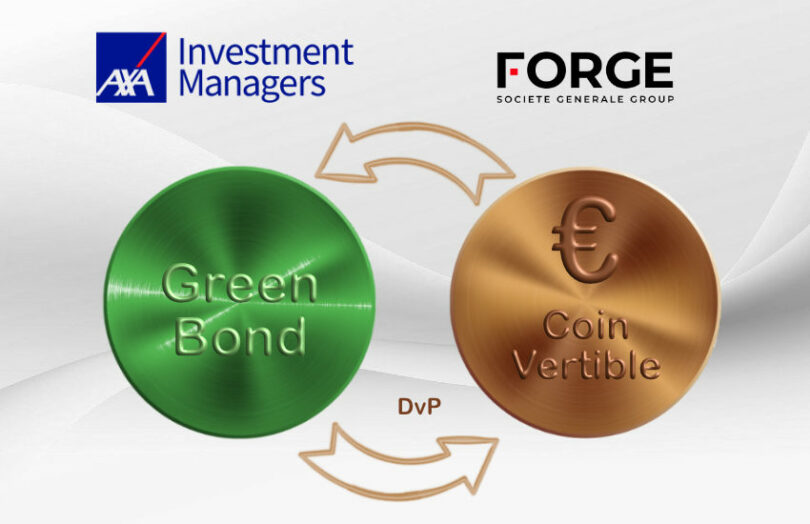
Societe Generale, one of Europe’s leading financial institutions, has launched a new stablecoin pegged to the US dollar on the Ethereum blockchain, marking a significant milestone as the first dollar-backed stablecoin issued by a traditional bank. The initiative, spearheaded by the bank’s digital asset subsidiary SG-Forge, aims to bridge the gap between conventional finance and the rapidly evolving world of decentralised finance .

The stablecoin, named USD CoinVertible , is designed to offer institutional clients a secure and regulated digital asset for on-chain transactions. SG-Forge has emphasised that USDCV will adhere to strict compliance standards, including Know Your Customer and Anti-Money Laundering protocols, ensuring its suitability for professional investors seeking exposure to digital assets within a regulated framework.

Jean-Marc Stenger, CEO of SG-Forge, stated that the launch of USDCV represents a pivotal step in the bank’s digital asset strategy. He highlighted the growing demand among institutional clients for stable and compliant digital assets that can facilitate efficient settlement and liquidity management on blockchain platforms.

The introduction of USDCV follows SG-Forge’s earlier venture into stablecoins with the euro-pegged EUR CoinVertible , which was initially deployed on the Ethereum blockchain. Despite its innovative approach, EURCV experienced limited adoption, prompting SG-Forge to expand its presence to other blockchain networks. In September 2024, the firm announced plans to deploy EURCV on the Solana network, citing the blockchain’s high throughput and low transaction costs as key factors for enhancing user experience and adoption.

Solana’s capabilities have attracted attention from various financial institutions seeking to leverage blockchain technology for digital asset issuance and management. SG-Forge’s decision to extend EURCV to Solana aligns with a broader industry trend of exploring scalable and cost-effective blockchain solutions to meet the demands of both retail and institutional users.

In addition to Solana, SG-Forge has expressed intentions to further expand its stablecoin offerings to other blockchain networks, including the XRP Ledger. This multi-chain strategy reflects the firm’s commitment to providing versatile and accessible digital asset solutions across diverse blockchain ecosystems.

The launch of USDCV positions Societe Generale as a pioneer among traditional banks venturing into the stablecoin market. While other financial institutions have explored digital asset initiatives, Societe Generale’s direct issuance of a dollar-pegged stablecoin on a public blockchain underscores its proactive approach to embracing digital innovation within a regulated framework.

As the stablecoin market continues to evolve, the entry of established financial entities like Societe Generale introduces a new dimension to the landscape. The bank’s emphasis on regulatory compliance and institutional-grade solutions may set a precedent for other traditional financial institutions considering similar ventures into the digital asset space.

The success of USDCV will likely depend on its adoption by institutional clients and its integration into existing financial infrastructures. SG-Forge’s ongoing efforts to enhance the utility and accessibility of its stablecoin offerings, including partnerships with market makers and listings on digital asset exchanges, will be critical in driving adoption and establishing a foothold in the competitive stablecoin market.

Cryptocurrency exchange Kraken has secured a Markets in Financial Instruments Directive licence in the European Union by acquiring Cypriot investment firm Greenfields Wealth, formerly known as Pacific Union Group. The acquisition, approved by the Cyprus Securities and Exchange Commission , enables Kraken to offer regulated crypto derivatives to advanced traders across selected EU markets.

This strategic move allows Kraken to operate under the EU’s MiFID framework, facilitating the provision of over-the-counter derivatives, including contracts for differences , to retail clients within the European Economic Area. The licence also permits Kraken to passport its services across other EU member states, potentially reaching a broader base of European traders and investors.

Shannon Kurtas, Kraken’s Co-General Manager of Pro & Exchange, stated that the acquisition reflects the company’s commitment to providing a trusted, regulated environment for advanced crypto traders and investors. She emphasized that the European market remains a top priority for Kraken as it continues to expand its services globally.

Kraken plans to introduce a range of derivatives products, including regulated futures and options, designed to meet the needs of sophisticated crypto investors in Europe. These offerings will enable traders to gain exposure to various digital assets in a capital-efficient and flexible manner, using a variety of collateral currencies to back their positions.

The acquisition of Greenfields Wealth provides Kraken with a strategic entry point into the European derivatives market. Cyprus has emerged as a hub for financial services firms seeking to operate across the EU, thanks to its regulatory framework and MiFID passport capabilities. The approval from CySEC enables Kraken to compete more effectively in the European crypto derivatives market.

Kraken has a history of pursuing regulated derivatives trading opportunities. In 2019, the company acquired Crypto Facilities, a UK-based crypto futures platform regulated by the Financial Conduct Authority , enhancing its presence in the UK market. This acquisition made Kraken the first licensed crypto futures provider in the United Kingdom.

The European crypto derivatives market is experiencing significant growth, with projections indicating a 15% growth rate until 2030. Kraken’s entry into this market positions the company to capitalize on the increasing demand for secure and regulated crypto derivatives trading in the EU.

Kraken’s approach to regulatory compliance has been systematic, with the exchange working to secure necessary approvals across different jurisdictions. This strategy helps ensure that its services meet local regulatory standards while providing users with access to advanced trading options.

The company’s expansion into the European market aligns with the EU’s Markets in Crypto-Assets regulation, which aims to address issues related to anti-money laundering, token issuance, and stablecoin-specific rules. Kraken’s acquisition of the MiFID licence represents a strategic move to capture opportunities in Europe’s expanding derivatives market.

Headless commerce is reshaping the retail landscape by decoupling the front-end customer interface from the back-end commerce functionality, enabling brands to offer more personalised, flexible, and scalable shopping experiences. This architectural shift is gaining momentum as retailers face increasing pressure to innovate in response to evolving consumer behaviour, technological advancements, and the demand for seamless omnichannel engagement. At its core, headless commerce separates the presentation layer—how customers […]

Bithumb, South Korea’s second-largest cryptocurrency exchange, has significantly increased its market share, now handling approximately 25% of the nation’s crypto trading volume, up from under 10% in 2023. This surge positions the company for a planned Initial Public Offering in the latter half of 2025, with Samsung Securities appointed as the lead underwriter.

The exchange’s growth strategy included the elimination of transaction fees for all supported digital assets, a move that temporarily boosted its market share to a peak of 72% in early 2024. This aggressive approach allowed Bithumb to momentarily surpass its main competitor, Upbit, which has traditionally dominated the South Korean crypto market.

Bithumb’s decision to pursue an IPO is not primarily driven by a need for capital infusion. According to its semi-annual report, the company holds financial assets exceeding 400 billion won . Instead, the IPO aims to enhance corporate transparency and governance, thereby rebuilding public trust following past controversies involving its leadership.

The exchange has undergone significant leadership changes in preparation for the IPO. Former Chairman Lee Jung-hoon has returned as a registered director, while Jaewon Lee has been appointed as the new CEO of Bithumb Holdings. These changes are part of a broader effort to strengthen the company’s governance structure and align with regulatory expectations.

Bithumb has also shifted its banking partnership from NH Nonghyup Bank to KB Kookmin Bank, South Korea’s largest financial institution. This move is expected to enhance the exchange’s credibility and attract a broader customer base, including institutional clients.

Despite these advancements, Bithumb faces ongoing regulatory challenges. The Financial Intelligence Unit initiated an on-site inspection in March 2025 to assess the exchange’s compliance with anti-money laundering regulations. The outcome of this investigation could significantly impact the company’s IPO timeline and investor confidence.

Bithumb is considering listing options beyond South Korea, including a potential listing on the U.S. Nasdaq. This consideration arises from the complex regulatory environment in South Korea, where cryptocurrencies are not recognized as legitimate financial products, potentially complicating domestic listing procedures.

Financially, Bithumb reported a net profit of $110 million in 2024, reflecting its robust market position and operational efficiency. The exchange’s commitment to regulatory compliance and technological enhancements has contributed to its resilience in a volatile market.

Mubadala Investment Company has launched Mubadala Bio, a life sciences enterprise aimed at bolstering the United Arab Emirates’ pharmaceutical sector, enhancing health outcomes, and propelling economic diversification. The announcement precedes the company’s participation in the Make it in the Emirates 2025 initiative. Mubadala Bio is set to concentrate on national drug security, expanding access to essential therapeutics and medical devices, and fostering a knowledge-based economy. This move […]

Saudi Telecom Company’s Tali Ventures and Aramco’s Wa’ed Ventures have jointly led a $19 million investment in Graphiant, a US-based network connectivity start-up, as part of a broader $102 million Series B funding round. The move underscores the Kingdom’s strategic push to enhance its digital infrastructure and diversify its economy in line with Vision 2030. Graphiant, headquartered in California, specialises in providing a unified network solution that […]

The United Arab Emirates has unveiled a Dh40 billion financing initiative aimed at accelerating the growth of its industrial sector over the next five years. Announced by Dr Sultan Al Jaber, Minister of Industry and Advanced Technology, during the Make it in the Emirates forum in Abu Dhabi, the plan seeks to enhance the nation’s manufacturing capabilities and diversify its economy.

The financing will be facilitated through a consortium of major banks, including Emirates Development Bank , First Abu Dhabi Bank, Mashreq, Emirates NBD, Abu Dhabi Commercial Bank, Abu Dhabi Islamic Bank, and Wio Bank. These institutions will offer competitive loans to industrial companies, supporting projects that align with the UAE’s strategic economic objectives.

Dr Al Jaber emphasized the multiplier effect of industrial investments, stating that each investment stimulates growth in related sectors. He highlighted that the initiative is part of the broader Operation 300bn strategy, which aims to increase the industrial sector’s contribution to the UAE’s GDP to Dh300 billion by 2031.

The Make it in the Emirates forum also saw the announcement of additional incentives, including Dh23 billion in guaranteed offtake agreements, bringing the total value of captive procurement opportunities to Dh143 billion. These agreements are designed to encourage local manufacturing of over 2,000 products, with significant procurement commitments from entities like ADNOC and Pure Health.

New industrial projects and investments worth Dh20 billion were unveiled, alongside co-lending financial solutions of Dh1 billion to empower small and medium enterprises . The government also introduced comparative electricity tariffs in the northern Emirates and launched an AI innovation programme providing Dh370 million to targeted technology startups.

Emirates Development Bank has played a pivotal role in supporting the UAE’s industrial sector. Since the launch of its strategy in 2021, EDB’s financing has reached Dh15.7 billion, contributing Dh7.4 billion to the industrial GDP by the end of 2024. The bank has also facilitated Dh50.2 billion in capital expenditure financing, supported Dh15 billion in greenfield projects, and attracted Dh7 billion in foreign direct investment.

In 2024 alone, EDB provided Dh8.7 billion in financing, marking a 222% increase from the previous year. This financing supported the creation of over 14,000 industrial jobs and contributed Dh4.1 billion to the UAE’s industrial GDP. The manufacturing sector received the largest share, with Dh4.23 billion, accounting for 49% of total disbursements.

The bank’s focus on key sectors includes advanced technology, which received Dh3 billion in financing, and renewable energy projects, which secured Dh1.2 billion. Additionally, the food security and healthcare sectors received Dh1.22 billion and Dh1.14 billion, respectively.

EDB’s support for micro, small, and medium enterprises remained a core priority, with total financing reaching Dh3 billion in 2024. This includes Dh758 million through the bank’s Credit Guarantee Scheme in partnership with 11 commercial banks, Dh2.1 billion in direct financing to mSMEs, and Dh107 million to SME-Micro projects.

The bank’s strong financial performance and strategic focus have been recognized by S&P Global, which upgraded EDB’s credit rating to AA, the highest among financial institutions in the UAE and MENA region. This milestone underscores the bank’s robust financial profile and alignment with national development priorities.

Matein Khalid The fallout from the Moody’s downgrade is unfolding exactly as I guesstimated it would in my Sunday afternoon post. The 10 Year US Treasury note yield is now 4.54% and 30 year money is now 5.02%. So my 2/10 and 2/30 US Treasury note bear steepener strategy is oozing green – so far. Gold is also a classic haven from the fiscal Frankenstein that is […]

An Extraordinary Gala Dinner Celebrates the Refinement of Thai Flavors and the International Prestige of Thai SELECT Certification BANGKOK, THAILAND – Media OutReach Newswire – 19 May 2025 – The Department of International Trade Promotion (DITP), Ministry of Commerce, will host the Thai SELECT Royal Gala Night on Wednesday, May 28, 2025, at the Mandarin Oriental Hotel, Bangkok. Presided over by Her Royal Highness Princess Ubolratana Rajakanya […]

Abu Dhabi National Oil Company has granted contracts totaling Dh65.7 billion to nearly 400 local suppliers, contractors, and service providers during the first half of 2025. This extensive award reflects ADNOC’s ongoing commitment to strengthening the United Arab Emirates’ economy through its In-Country Value programme, which aims to bolster domestic industries and national supply chains. The contracts cover a diverse range of sectors vital to ADNOC’s operations, […]

By K Raveendran Donald Trump’s Gulf tour has marked a defining chapter in his post-presidential brand of deal diplomacy, delivering a staggering $2 trillion in agreements that stretch across Saudi Arabia, the United Arab Emirates, and Qatar. This campaign stands in sharp contrast to the flagging results of his so-called trade mark tariff war, which—despite […]

Greenlogue/AP Enel, Italy’s largest utility, and Abu Dhabi-based renewable energy firm Masdar are in preliminary discussions to jointly develop battery storage capacity within Italy. The announcement was made by Enel CEO Flavio Cattaneo during a business conference in Milan. The companies, already partners in renewable energy ventures in Spain, are considering expanding their collaboration to include energy storage systems in Italy. Cattaneo highlighted a shared vision with […]

The United Arab Emirates has committed to increasing its energy sector investments in the United States to $440 billion over the next decade, a significant expansion from the current $70 billion. This strategic move was announced by Sultan Al Jaber, chief executive of Abu Dhabi National Oil Company , during a high-profile meeting with US President Donald Trump amid his Gulf tour aimed at fostering major business […]

Dubai’s Department of Finance and the Dubai International Financial Centre have formalised a partnership to accelerate the emirate’s transition to a cashless economy. The agreement, signed in the presence of H.H. Sheikh Ahmed bin Saeed Al Maktoum, Chairman of the Supreme Fiscal Committee, underscores the shared commitment to the Dubai Cashless Strategy, which aims for 90% of all transactions to be digital by 2026. The Memorandum of […]

FTX, the defunct cryptocurrency exchange that filed for bankruptcy in November 2022, is poised to commence payouts exceeding $5 billion to its creditors starting May 30, 2025. This marks a significant milestone in one of the most complex bankruptcy proceedings in the crypto industry.

Under the court-approved reorganization plan, approximately 98% of FTX’s creditors are expected to recover 119% of their allowed claims, which includes the principal amount plus accrued interest. This repayment strategy is based on the valuation of crypto assets as of the bankruptcy filing date in November 2022, a point of contention given the substantial appreciation of cryptocurrencies since then.

The initial phase of repayments will prioritize creditors with claims of $50,000 or less, often referred to as the “convenience class.” This group is slated to receive their full repayments within 60 days of the plan’s effective date, amounting to approximately $1.2 billion in total. To facilitate these distributions, FTX has partnered with cryptocurrency platforms Kraken and BitGo, requiring creditors to complete Know Your Customer verifications and submit necessary tax documentation through the FTX Debtors’ Customer Portal.

The substantial funds available for distribution, estimated between $14.7 billion and $16.5 billion, have been amassed through the liquidation of FTX’s investments and the appreciation of certain assets. Notably, the estate’s stake in the AI startup Anthropic contributed significantly to the recovery pool. Despite these efforts, equity holders and investors in FTX’s proprietary token are not expected to receive any compensation.

While the repayment plan has been lauded for its unprecedented recovery rate in bankruptcy proceedings, it has also faced criticism. Some creditors argue that calculating repayments based on the 2022 valuations fails to account for the dramatic rise in cryptocurrency prices, particularly Bitcoin, which has surged from around $16,000 at the time of FTX’s collapse to over $105,000. This discrepancy has led to legal challenges and dissatisfaction among certain creditor groups.

FTX’s current CEO, John J. Ray III, who took over following the company’s collapse, has emphasized the importance of adhering to legal standards in the distribution process. He has also highlighted the challenges in balancing the interests of various stakeholders while navigating the complexities of the bankruptcy estate.

VISHNU RAJA
RYO YAMADA
HITORI GOTOH
IKUYO KITA