News related to
Strategy

By Nitya Chakraborty On Thursday June 12, Indian diplomacy under the Prime Minister Narendra Modi reached its lowest ebb when India abstained in the United Nations General Assembly from a vote on a resolution demanding an immediate, unconditional and permanent ceasefire in Gaza. The 193 member UN general assembly passed the resolution overwhelmingly with 149 […]

Sharjah Publishing City Free Zone has been awarded the globally recognised “Great Place to Work” certification for the second year running, underscoring its commitment to cultivating a top-tier workplace. The accolade, granted by an independent authority with over three decades of experience in measuring workplace culture, reflects outstanding performance across key employee experience metrics.

Employees gave the organisation exceptionally high ratings, with 94 per cent satisfaction in workplace hospitality, 90 per cent approval of leadership behaviour, 87 per cent for engagement and 86 per cent in innovation. Equity and fairness also scored strongly—over 70 per cent in relevant categories. A remarkable 99 per cent of staff reported feeling physically safe at work and welcomed upon arrival, while 96 per cent noted unbiased, gender-neutral treatment and approachable management. These figures speak to a supportive environment where employees feel secure, valued and motivated.

Behind these high scores lies a deliberate strategy focused on trust-building, transparent leadership and collaborative culture. Through the Great Place to Work® Trust Model™, SPC’s approach places employees as the cornerstone of its service delivery model. The environment it fosters not only benefits staff morale but also translates into superior customer experience, reflected in prompt and efficient services.

The achievement is particularly notable given the scale of SPC’s operations. The free zone hosts more than 9,600 businesses spanning over 40 countries, including more than 1,500 publishers and investors, and is a vital hub for educational and cultural content creation. Its ecosystem supports not only publishing but also broader creative, technological and entrepreneurial sectors.

SPC’s origins date back to its launch in 2017 under the guidance of Dr Sheikh Sultan bin Muhammed Al Qasimi, Ruler of Sharjah, as the world’s first dedicated publishing free zone. From the outset, it was positioned to capitalise on Sharjah’s increasing appeal as a global cultural and knowledge-based economy, offering 100 per cent foreign ownership, full capital repatriation and a broad spectrum of licensing activities.

Since its establishment, SPC has continuously upgraded both its work environment and customer services. In May 2024, it introduced 24/7 operational support and guaranteed a three-business-day turnaround for bank account openings. It also pioneered an AI-enabled “instant licence” system in collaboration with Sharjah’s Investor Services Centre, delivering trade licences in under five minutes. These initiatives demonstrate its dedication to efficiency and tech-enabled service delivery.

The free zone’s appeal stretches well beyond the publishing community. Over 2,000 Indian-owned businesses operate in SPC, drawn by its strategic location and integrated support infrastructure. These enterprises benefit from a platform that promotes global expansion and cross-border reach. SPC has also diversified licensing options to include e‑commerce, cybersecurity, AI, biotech and robotics, reflecting its ambition to cater for a wide range of creative and technological ventures.

Yet SPC has not been without critique. Some business owners on public forums have expressed frustration over service quality and administrative delays during setup. One Reddit user described licences issued “once you get the hang of things” albeit noting initial frustrations, while another labelled the free zone as “incredibly frustrating to deal with” but acknowledged smooth operation post-launch. These mixed reviews highlight areas for SPC to improve consistency in customer experience and operational support.

Despite these occasional criticisms, SPC remains a top choice for entrepreneurs and SMEs. An MoU with Amazon UAE in August 2024 aims to aid free zone businesses in scaling digitally and accessing Amazon’s e‑commerce network. Additionally, partnerships with financial institutions like Mashreq Bank provide priority banking services and support to its licensees.

The second consecutive Great Place to Work certification confirms SPC’s rising profile within Sharjah’s broader economic ecosystem. It aligns with Sharjah’s strategy to diversify its economy through nurturing creative, cultural and knowledge-based industries. Leadership at SPC points to this workplace accolade as affirming its role in attracting and retaining talent, as well as driving innovation in service delivery.

Northern German state Schleswig‑Holstein has initiated a sweeping migration from Microsoft’s proprietary ecosystem—including Windows, Office 365, SharePoint, Exchange, and Active Directory—to open-source platforms like Linux, LibreOffice, Nextcloud, Open‑Xchange, and Thunderbird. The policy will affect some 30,000 public-sector desktops and aims to bolster digital security, cut licensing costs and strengthen data sovereignty amid escalating concerns over foreign influence. Dirk Schrödter, Minister for Digitalisation, underscored the move as critical to ensuring […]

U.S. Securities and Exchange Commission chair Paul Atkins has formally withdrawn several cryptocurrency-focused rule proposals initiated under former chair Gary Gensler, representing a decisive shift in regulatory strategy.

At the centre of the SEC’s action are two major proposals: amendments to Exchange Act Rule 3b‑16, which sought to classify decentralized finance protocols as securities exchanges, and the implementation of enhanced custody requirements under the Investment Advisers Act for client crypto assets. The withdrawal, confirmed on 13 June 2025, reflects a broader deregulatory drive under the current administration.

Rule 3b‑16 had been poised to expand the SEC’s definition of “exchange” to include systems bringing together buyers and sellers of securities via smart contracts and other DeFi mechanisms. The proposal would have subjected many decentralised platforms to full regulatory oversight, unsettling industry participants and drawing criticism from blockchain developers and legal experts. Many in the crypto sector argued the move would permanently conflate DeFi infrastructure with traditional securities exchanges, hampering innovation.

The custody rule aimed to require investment advisers to deposit all client crypto assets with “qualified custodians” such as banks or registered broker‑dealers. That would have effectively sidelined many crypto-native custodians that don’t meet these standards. Proponents cited the need for robust safeguards, while opponents warned the rule would force clients into a narrow pool of custodians and increase costs.

The SEC’s withdrawal announcement emphasised that it will not pursue finalisation of these proposals and may “consider new rulemaking in the future.” The reversals are part of a broader retreat from Gensler-era initiatives, including planned ESG reporting mandates and cybersecurity obligations. Acting chair Mark Uyeda had suspended both the DeFi exchange and custody rules in March, and this withdrawal gives that decision official effect.

Market reaction was swift. Coinbase’s chief legal officer, Paul Grewal, declared on X that the agency had scrapped “3b16, qualified custodian, and all other unfinished Gensler rule proposals.” Crypto platforms welcomed the rollback, viewing it as a reaffirmation of self‑custody and decentralised financial innovation.

Institutional stakeholders also voiced support. Brian Laverdure, Senior VP of Digital Assets and Innovation Policy at ICBA, noted the agency’s publication had “withdraws several NPRMs” including definition of “exchange” changes and safeguarding rules, sending confidence ripples through community banks and investment advisers.

The shift in posture follows President Donald Trump’s commitment to reducing regulatory burdens on markets. In tandem, SEC staff and FINRA dismantled a long-standing 2019 joint statement on broker‑dealer custody of digital asset securities on 15 May, paving the way for regulated intermediaries to offer crypto custody services under established rules.

The SEC’s deregulatory drive is echoed in recent comments from Uyeda, who in March announced the agency might scrap or significantly amend crypto custody rules introduced during the previous administration. He emphasised a pivot towards “effective and cost‑efficient regulations that respect the limits of our statutory authority”.

Critics caution that this pivot could expose clients to risks. While standards for DeFi governance, custodial integrity, and cybersecurity remain under voluntary frameworks, there are concerns that stripping formal oversight could open institutional and retail investors to vulnerabilities. Legal analysts predict renewed debate over the SEC’s authority to classify new financial structures as securities.

DeFi proponents, for their part, argue the withdrawal presents an opportunity. With regulatory certainty withdrawn, startups and developers may double down on innovation, integrating hybrid compliance models that rely on decentralised autonomy rather than central oversight. Meanwhile, traditional custodians and broker‑dealers are expected to enter the crypto space more aggressively, now freed from the obligation of specialist “qualified custodian” status.

Remaining questions include whether Congress will move to impose legislative frameworks on digital assets and whether the SEC will pursue fresh proposals under a different legal theory. Commissioner Hester Peirce has signalled support for further dialogue and interpretative guidance, reinforcing a more incremental, consultative regulatory model.

The SEC is now scheduled to hold stakeholder forums and public consultations in the coming months. Industry watchers are closely tracking these developments to assess whether the rollback represents a long-term deregulatory reorientation or a temporary reprieve preceding fresh oversight efforts.

Foxconn’s latest customs data confirms that from 1 March to 31 May 2025, an overwhelming 97 per cent of all iPhones assembled in India were destined for the United States, totalling $3.2 billion in exports—nearly double the 50 per cent average seen throughout 2024. May alone accounted for almost $1 billion, the second‑highest monthly export value ever recorded—just behind March’s $1.3 billion. This sharp shift reflects Apple’s concerted effort to navigate escalating U.S. tariffs targeting Chinese […]

Crypto WINNAZ has rolled out an on‑chain yield engine aimed at meme coins, promising returns between 20× and 300× for participants who lock tokens into its lottery‑style prize pool starting 15 June. The initiative seeks to inject utility into tokens that traditionally rely on community hype, offering holders an alternative to sell‑driven volatility.

Meme coins have long suffered from a fundamental flaw: lacking intrinsic utility, they depend solely on speculative interest. This often leads to boom‑and‑bust cycles that leave latecomers holding the bag. Crypto WINNAZ’s model, however, introduces a structured yield mechanism. Participants lock in their meme coins, entering a provably fair lottery that rewards winners with a share of the prize pool—effectively turning stagnant holdings into yield‑bearing positions.

By embedding this financial gameplay at the smart‑contract level, WINNAZ separates itself from conventional meme‑coin launches that prioritise hype over structure. Industry analysts note this innovation addresses the “utility gap” that plagues such assets. Instead of value being purely speculative, holders gain access to periodic payouts, creating behavioural incentives around long‑term holding and moderating the hyper‑volatility typical of pump‑and‑dump schemes.

The timing of the launch coincides with broader meme‑coin ecosystem trends. Platforms such as Solana’s Pump.​fun and Justin Sun’s SunPump have pioneered meme‑coin launch infrastructure, underscoring growing demand for structured token launch engines. WINNAZ adds to the wave by focusing on yield—a pivot emphasised in a 2024 sector analysis which identified “launchpads” and liquidity engines as defining features of the current meme‑coin cycle.

Critics highlight potential risks: lottery models entail asymmetric payoff structures that may favour early or large liquidity contributors. Smaller investors face low probabilities of winning, and on‑chain yield frameworks have occasionally been undermined by exploit attempts. Crypto WINNAZ asserts its lottery contracts are transparent and secured via third‑party audits, although full external verification is pending.

Front‑line voices in the sector emphasise the importance of incentives aligned with holder interests. An HTX Research report on meme‑coin platform evolution underscores that sustainability hinges on blending cultural momentum with financial structure. WINNAZ exemplifies this hybrid, pairing community excitement with measurable yield.

Market reception to the launch announcement is mixed. Early presale interest suggests enthusiasm among yield‑chasing investors, yet sceptics note that without broader ecosystem integration—such as staking utility, cross‑chain interoperability or DAO governance—the yield engine may function fleetingly as a novelty.

Crypto WINNAZ has unveiled a roadmap that outlines evolving functionality, including integration with DeFi protocols and launchpad collaborations. These enhancements could expand utility beyond prize pools and foster secondary‑market liquidity, a recognised challenge for meme coins according to analytics platforms like Artemis, which found meme tokens delivered returns six times higher than average in 30‑day windows, but often lack persistent demand.

As part of its social engagement strategy, WINNAZ is introducing community initiatives and giveaways, aiming to sustain interest across diverse token sub‑communities. In line with developer insights from meme‑coin launch ecosystems, community traction is critical to underpinning utility mechanisms.

Crypto WINNAZ’s experiment brings together two volatile elements: meme‑coin culture and on‑chain yield mechanics. If successful, this hybrid defines a new meme‑coin archetype—one where token holders are rewarded for participation, not just speculation. Its launch could prompt rival projects to consider similar on‑chain utility frameworks when building meme economies.

IFA Hotels & Resorts, the hospitality arm of Dubai-listed International Financial Advisors Holding Company, has received board approval to increase its capital. The move, sanctioned on 11 June, aims to address borrowings totalling more than KWD 17.3 million, according to the parent company’s announcement. The proposed capital raise follows IFA Hotels’ earlier struggles with mounting liabilities. Listing on the Kuwait Stock Exchange, IFA Hotels specialises in developing, managing and […]

Advertisements

HONG KONG SAR – Media OutReach Newswire – 13 June 2025 – The International Automotive & Supply Chain Expo (Hong Kong) 2025 opened on June 12, bringing together global industry leaders. Seizing this strategic opportunity in Hong Kong, Dongfeng Motor is showcasing its technological edge and promoting nine flagship models covering both passenger and commercial vehicle segments. Dongfeng Motor aims to rank among the top three Chinese […]

Sharjah Islamic Bank and Warba Bank have spearheaded a flurry of USD‑denominated Additional Tier 1 sukuk issuances across the Gulf Cooperation Council, as institutions capitalise on narrower spreads, robust investor demand and abundant liquidity to bolster capital under Basel III norms. Sharjah Islamic priced a US$500 million perpetual issuance with a six‑year non‑call period at 6.125%, tightening from initial guidance of 6.5%, after books exceeded US$1 billion. Simultaneously, Kuwait’s Warba Bank […]

OpenAI is holding discussions with a range of international investors—including Saudi Arabia’s Public Investment Fund, Reliance Industries of India, and Abu Dhabi’s MGX—to raise around $40 billion in fresh equity. The move marks a pivotal effort to underwrite its ambitious next-generation AI models and the expansive Stargate infrastructure initiative. The round is being led by Japan’s SoftBank, which aims to shepherd significant capital into artificial intelligence advancements. At […]

Basketball legend Shaquille O’Neal has reached a tentative settlement to resolve claims in a class‑action lawsuit filed by investors over his involvement with FTX, agreeing to pay $1.8 million. The deal, pending court approval, would shield him from any future legal actions and prevent him from seeking repayment from FTX’s bankruptcy estate.

O’Neal had been among a number of high‑profile figures accused of promoting FTX as a safe investment, acting in contrast to other endorsers who have dropped out of the case. Though he did not admit wrongdoing, the settlement stipulates his payment in exchange for legal closure.

Lawyers for the plaintiffs argued that O’Neal’s public statements—through social media and other media appearances—played a role in encouraging investors to view FTX as secure. The settlement documents reportedly assert that his endorsement carried weight and may have influenced investment decisions.

FTX collapsed spectacularly in late 2022, with founder Sam Bankman‑Fried’s empire crumbling under scrutiny over misappropriated customer funds and questionable internal controls. Backers like O’Neal, who appeared in ads and social media campaigns, have faced growing legal scrutiny as regulators and civil claimants try to establish accountability.

Earlier in the proceedings, several defendants were dismissed from the lawsuit, either through court rulings or individual settlements. This latest proposal ensures O’Neal will exit the litigation entirely once the $1.8 million is paid, with neither party admitting liability. It also blocks him from filing any future claims against the FTX estate, consolidating the resolution of his legal obligations in one definitive agreement.

Experts suggest the settlement reflects a broader trend of high‑net‑worth endorsers seeking to distance themselves swiftly from legal exposure linked to FTX. By settling, O’Neal may avoid burdensome depositions, prolonged litigation, and unpredictable jury verdicts.

Legal analysts note that the sum paid by O’Neal is modest compared to his estimated net worth, but legally sufficient to satisfy the criteria for settlement under class‑action rules. It also sets a benchmark; similar deals could be expected for other prominent individuals named in the suit.

Representatives for O’Neal declined to comment on the matter. Investor and plaintiff attorneys, while welcoming the proposed deal, are continuing litigation against other endorsers. They highlighted the need to hold accountable those whose promotional efforts may have contributed to widespread investor losses.

FTX’s bankruptcy proceedings remain ongoing. The estate is attempting to maximise recoveries for defrauded investors, including pursuing litigation against companies and individuals believed to have benefited from or enabled the exchange’s operations. The exclusion of O’Neal from future claims ensures one less claim the estate must monitor.

Court filings indicate that a judge will hold a hearing in the coming weeks to approve or modify the terms of the settlement. If endorsed, O’Neal’s payment will be directed to a fund for distribution to class‑action members, in line with established legal protocols.

The outcome of this deal will likely shape the strategy of other defendants in the class action. Some may follow O’Neal’s lead, opting to settle quickly to avoid long‑term exposure, while others may choose to litigate further, challenging allegations in court.

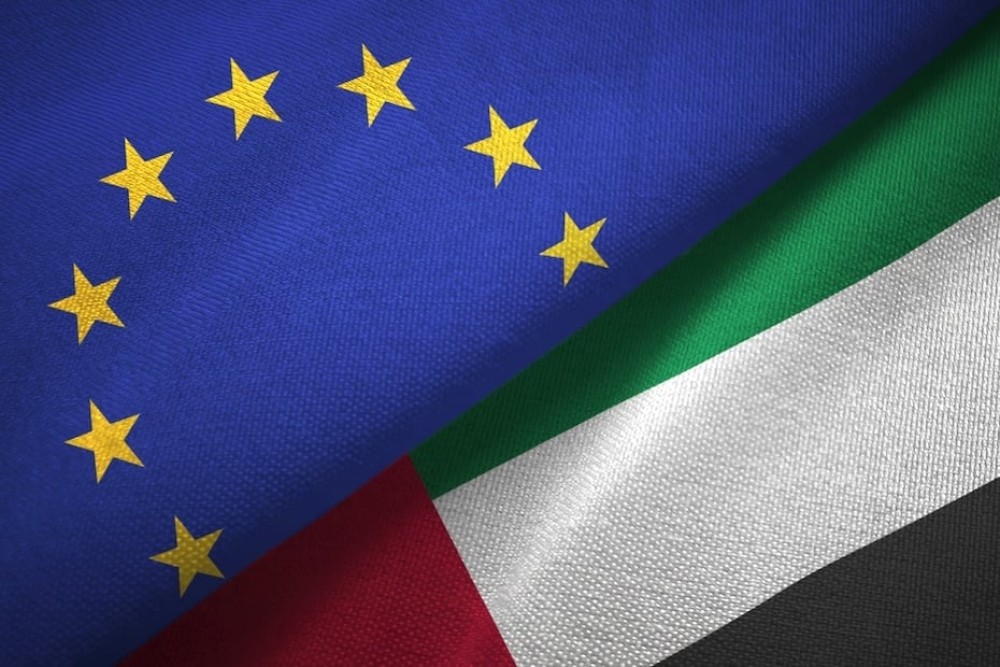
Brussels has moved to recalibrate its anti-money laundering framework with a significant update to its high‑risk third‑country list. The European Commission has put forward a delegated regulation that, pending a one-month scrutiny by the European Parliament and member states, would remove the United Arab Emirates from the bloc’s “high‑risk” list under the Fourth Anti‑Money Laundering Directive. Simultaneously, Algeria and Lebanon—alongside eight others—will be newly classified as jurisdictions with “strategic deficiencies” in their national AML and counter‑terrorism financing frameworks.

The UAE, delisted in tandem with Barbados, Gibraltar, Jamaica, Panama, the Philippines, Senegal and Uganda, has undergone a sequence of reforms aimed at strengthening judicial oversight, regulatory compliance, and enforcement against illicit financial flows. Its exit from the FATF’s grey list in February 2024 marked the start of a broader crackdown that included the creation of specialised courts for financial crimes and a succession of heavy penalties—most recently, a ₫3.3 million fine imposed by the Central Bank on multiple currency exchange houses for compliance violations.

In Brussels, Commissioner Maria Luís Albuquerque emphasised that the overhaul aligns with global standards and is based on rigorous evaluations involving FATF findings, bilateral dialogues and onsite assessments. The process reflects a broader ambition to shore up the integrity of Europe’s financial system by enforcing transparency and curbing illicit financial flows.

The inclusion of Algeria, Lebanon, Angola, Côte d’Ivoire, Kenya, Laos, Monaco, Namibia, Nepal and Venezuela signals rising concern about governance standards in these jurisdictions. Algeria’s entry follows high-profile anti-corruption prosecutions and its low standing in Transparency International’s Corruption Perceptions Index. Lebanon’s designation reflects ongoing socioeconomic volatility and persistent finance networks linked to non-state armed actors.

Monaco, already on the FATF grey list since mid‑2024, was also added to the EU’s high‑risk list despite its recent enhancements to its financial intelligence unit and AML supervisor. The Commission acknowledged its progress while noting unresolved weaknesses.

The dynamics surrounding the UAE’s delisting, however, are not without controversy. Previously, the European Parliament blocked the move, echoing concerns voiced by Transparency International, citing insufficient progress. Opposition is noted to persist among MEPs, particularly from Spain and its stance on Gibraltar, complicating consensus.

From an economic standpoint, the delistings carry tangible incentives. Banks and financial institutions across the EU will scale back enhanced due diligence on transactions linked to the UAE, reducing compliance burdens and speeding up capital flows. Analysts suggest this could enhance foreign investment, signalling confidence in the UAE’s reputation as a global financial hub and factoring into ongoing free-trade negotiations with the EU.

Despite the acknowledged legislative reforms in the UAE, dissent persists. German Green MEP Rasmus Andresen criticised the move as premature, warning that regulatory gaps remain that could be exploited for illicit financial activities. Commission spokespersons framed the update as technical, decoupled from trade ambitions, though the timing follows the launch of EU–UAE trade negotiations in April.

On the other side, proponents speak of a “reputational course correction” for the UAE, part of a sweeping strategy since 2022 that included legislative overhauls, enforcement operations and judicial mechanisms to reinforce compliance with FATF standards.

Should no objections arise during the legislative review, the updated list will come into force in late July. Transaction oversight requirements across EU financial institutions will adjust accordingly, with the UAE reclassified and new protocols applying to the newly added jurisdictions.

Kyiv’s parliament has introduced draft Bill 13356, empowering the National Bank of Ukraine to incorporate virtual assets—primarily Bitcoin—into its official gold and foreign-exchange reserves. The legislation would not compel the central bank to adopt such assets, but merely grant it the legal framework to do so.

Lead author Yaroslav Zheleznyak, first deputy chair of the Rada’s Finance Committee, highlighted that the bank would retain full discretion over timing, volume, and methodology of any crypto acquisitions. He described the measure as a pivotal move to “integrate Ukraine into global financial innovations” and bolster macroeconomic resilience while catalysing the digital economy.

Ukraine currently holds approximately 46,351 BTC—valued at over $5 billion—though these holdings originate from asset seizures, donations, and fundraising during wartime, and remain under civil-servant control rather than central-bank custody. If passed, the law would permit the bank to transition some of those coins into officially recognised reserves.

The proposal mirrors a broader trend: several nations are charting similar initiatives. The United States launched a Strategic Bitcoin Reserve under an executive order issued on 6 March by former President Trump, consolidating government‑owned cryptos into a national asset. Pakistan, Brazil and the Czech Republic are exploring mechanisms to incorporate digital assets into sovereign financial systems. El Salvador, which adopted Bitcoin as legal tender in 2021, holds over 6,000 BTC, while Bhutan maintains mining‑powered reserves worth around $750 million.

Yet the move is not without detractors. Critics emphasise Bitcoin’s volatility, liquidity constraints and concentration within corporate entities like MicroStrategy, which undermine its suitability as a stable reserve asset. The Swiss National Bank’s governor, Martin Schlegel, reaffirmed this stance on 25 April in Bern, warning that crypto lacks the stability and liquidity required for central‑bank reserve portfolios. ECB President Christine Lagarde has echoed similar concerns, stating that digital assets do not meet the criteria for eurozone reserve holdings.

Proponents argue that strategic inclusion could buffer Ukraine against inflation and currency devaluation, offering rapid, secure transferability unmatched by physical assets. Zheleznyak’s Telegram statement emphasised that implementation would be fully at the central bank’s professional discretion.

Operationalising the proposal will require establishing robust legal and procedural frameworks: anti‑money‑laundering protocols, cybersecurity safeguards, digital custody infrastructure, and accounting mechanisms. Banking analysts suggest that careful integration and risk management will be essential to balance innovation with financial stability.

Ukraine’s draft arrives amid growing global debate on digital money. Central bank digital currencies are being piloted worldwide, such as Turkey’s digital lira, China’s e‑renminbi, and Nigeria’s e‑Naira. Meanwhile, debates continue over whether public‑sector balance sheets should venture into decentralised finance or maintain traditional gold‑forex portfolios.

As parliamentarians prepare to debate Bill 13356, attention will turn to amendments that might specify asset types, risk parameters, and accounting standards—or narrow discretionary power for the central bank. The legislation must also align with IMF frameworks and comply with anti‑money‑laundering regulations.

Trump Media & Technology Group, owner of the Truth Social platform, has submitted a Form S‑1 registration to the U.S. Securities and Exchange Commission for its proposed Truth Social Bitcoin ETF, aiming to list on NYSE Arca. The application states the fund will hold Bitcoin directly, with Crypto.com serving as custodian, prime execution agent and liquidity provider, and Yorkville America Digital listed as sponsor. NYSE Arca has separately filed a Form 19b‑4 to list the fund should it receive regulatory approval.

The filing highlights an unprecedented disclosure linking the fund’s prospects to President Trump’s crypto-related initiatives. For the first time in a crypto-ETF filing, the risk section cites creation of an SEC crypto task force in January and the March executive order establishing a Strategic Bitcoin Reserve. It warns that the impact of these policies on the sponsor, the fund, TMTG, Crypto.com or affiliates “is not possible to fully predict”. Bloomberg’s Eric Balchunas noted this is likely “the first time ever the advisor is in the risk section”.

If approved, the ETF would become part of a growing cohort of spot Bitcoin funds currently active in the U.S., including BlackRock’s iShares Bitcoin Trust, which has amassed over US $70 billion in assets, BlackRock having initially launched the product in January 2024. Other major asset managers—Fidelity, Bitwise—also offer similar instruments, making the market highly competitive.

TMTG’s proposed fund is closely tied to the broader ambitions of Trump’s crypto policy platform. The earlier executive order in March 2025 mandated creation of a Strategic Bitcoin Reserve using government-forfeited assets, effectively integrating Bitcoin into sovereign reserves. The order also created a U.S. Digital Asset Stockpile, requiring federal agencies to centralise digital asset holdings and obliging the Secretaries of Treasury and Commerce to evaluate further acquisitions at no cost to taxpayers.

The regulatory backdrop has shifted markedly. January’s executive directive established a Presidential Working Group on Digital Asset Markets and directed the SEC to create a crypto task force. Gary Gensler resigned as SEC chair on the eve of Trump’s inauguration and was succeeded by Paul Atkins, a noted crypto advocate. The SEC has since dropped several previous enforcement cases and eased accounting rules, paving the way for more crypto-product filings.

Trump Media’s broader strategy involves securing a substantial Bitcoin treasury. SEC filings indicate its Form S‑3 shelf registration allows issuance of up to 85 million shares tied to its $2.3 billion private placement, earmarked to purchase roughly 23,000 Bitcoin—potentially placing the company among the top public corporate holders. Custody of these assets is expected to be shared between Anchorage Digital and Crypto.com.

Yorkville America Digital’s dual role—as sponsor of the ETF and partner to TMTG—has raised questions of conflicts of interest. The risk disclosure notes Yorkville affiliates are also involved in Truth.Fi, an investing platform tied to Trump’s “America First” agenda, and have made up to $2.5 billion in equity commitments to TMTG. The same affiliate acted as co-placement agent for the $2.44 billion private placement.

Financial markets have responded with mixed signals. While Bitcoin briefly surpassed US $111,000 following Trump’s return to the executive and policy shifts, it has since retreated to the US $105,000–$101,000 range. TMTG’s own stock dropped around 8 per cent following public disputes between Trump and Elon Musk, and remains down roughly 56 per cent over the past 12 months.

Analysts say the fund faces significant challenges. Despite its high-profile branding and alignment with Trump’s policy agenda, it competes against established firms with deep institutional credibility. ETF expert Dave Nadig remarked that long-term asset gathering for this fund is “extraordinarily unlikely”. CoinCorner CEO Danny Scott expressed unease about Trump’s use of political influence in personal financial ventures.

The ETF’s structure also contains potentially problematic clauses. Cointelegraph reports that the S‑1 includes exclusive arrangements granting Crypto.com sole custodian and liquidity provision roles, and provisions that allow the sponsor to take positions ahead of the Trust—raising transparency concerns.

Still, proponents contend the fund could redefine retail and ideological investor access. Backers assert its America‑First branding might appeal to conservative retail investors seeking regulated Bitcoin exposure. Crypto.com’s reach—serving over 140 million users and holding approximately US $30 billion in assets—could alleviate institutional concerns about custody risk.

Approval hinges on SEC review of both S‑1 and 19b‑4 filings. With multiple spot Bitcoin ETFs already approved in the U.S., the regulatory framework exists—but TMTG’s political ties, interlocking financial relationships and novel disclosures may trigger heightened scrutiny.

Pentagon officials have trimmed the U.S. Air Force’s F-35A fighter jet order dramatically, requesting just 24 aircraft in fiscal year 2026—cutting it by half from the previously projected 48 jets. The revised procurement proposal, submitted to Congress, seeks approximately $3.5 billion for the jets and an additional $531 million set aside for advance materials procurement. This downsizing is part of a broader strategy by the Department of Defence to […]

Dubai International Airport has introduced sharply reduced long‑stay parking rates across all terminals, aiming to ease travel costs and reduce traffic congestion as passenger volumes surge. From 10 to 30 June, motorists can park for three days at AED 100, a week at AED 200, or up to 14 days at AED 300—a significant reduction from regular tariffs. The move addresses growing demand at DXB, where the airport expects to […]

Japanese investment firm Metaplanet has scaled its way into the top ten corporate Bitcoin holders by acquiring a further 1,088 BTC for roughly $117.9 million, boosting its total holdings to 8,888 BTC and vaulting above Galaxy Digital and Block Inc. into ninth place worldwide. The firm purchased the coins at an average price of approximately $108,400 each, signalling deepening confidence in its treasury strategy underpinned by sustained market uncertainty.

Metaplanet’s pivot from hotel management to cryptocurrency began in 2024. Since then, its stock has surged dramatically, at times rising over 8,850 per cent in just two years, as the company pursued a bitcoin‑centric treasury model. That performance has mirrored similar moves in the sector, including U.S. software firm Strategy, whose model inspired Metaplanet’s pivot.

The firm announced a plan to raise approximately $5.3–5.4 billion via stock acquisition rights—the largest warrant issuance in Japan—to scale its bitcoin holdings to 210,000 BTC by the end of 2027. Metaplanet previously outlined a target of 21,000 BTC by the end of 2026, which has since been superseded by the more ambitious 100,000 BTC milestone for next year.

Metaplanet’s CEO, Simon Gerovich—a former Goldman Sachs derivatives trader—told investors that Bitcoin serves as a hedge against a weakening yen, prolonged negative interest rates, and rising concerns over sovereign debt, setting it apart from traditional safe‑haven assets such as government bonds. This reflects broader market trends: analysts at Bitwise and Bitfinex suggest high sovereign bond default probabilities and consolidation above cost basis support further upside for Bitcoin prices.

Metaplanet’s strategy, dubbed the “555 Million Plan” and following its earlier “21 Million Plan”, channels nearly all funds raised into bitcoin purchases while maintaining flexibility to adjust funding based on market conditions and shareholder dilution safeguards. Its holdings, valued at close to $1 billion, now compare with those of Strategy, which boasts over 580,000 BTC, and ranks first among corporate holders.

Investor reactions have been swift: Metaplanet’s stock surged 15–22 per cent following the acquisition announcement and financing plan, underscoring strong market appetite for its bold strategy. Still, scepticism remains; industry analysts such as Standard Chartered caution that corporate reliance on Bitcoin may heighten balance‑sheet risk during market downturns and raise concerns about overvaluation in proxy‑stock structures.

This aggressive accumulation mirrors industry-wide dynamics. Over 60 public companies now hold more than 3 per cent of Bitcoin’s total supply, with estimates suggesting corporate demand may channel up to $330 billion into Bitcoin by 2029. In this environment, Metaplanet is positioning itself as Asia’s counterpart to MicroStrategy, not only through fearless accumulation but also via initiatives like the forthcoming ‘Bitcoin Hotel’ in Tokyo and educational outreach through its Japanese licence of Bitcoin Magazine.

Nevertheless, experts warn that this model carries heightened exposure to Bitcoin’s extreme volatility, potential regulatory shifts, and macroeconomic undercurrents. While some view Metaplanet as a pioneer advancing institutional acceptance of crypto, others argue the strategy intensifies concentration risks within corporate treasuries.

Air India has partnered with blockchain-based loyalty specialist Loyyal to allow Maharaja Club members to earn points on everyday purchases across key brands in the United States and the United Kingdom. The collaboration enables members to accrue Maharaja Points on shopping at major retailers such as Walmart, Victoria’s Secret, New Balance, GAP, Victorinox and Alamo – marking a significant expansion of the airline’s loyalty programme.

Members now earn up to 99 Maharaja Points per USD 100 spent at Walmart, 310 points per GBP 100 at Victoria’s Secret, 300 points at Victorinox, 45 at New Balance, 180 at GAP and 64 points at Alamo. These offerings are accessible via the Maharaja Club Partner Offers page on Air India’s website, where members can select a brand and follow on-screen prompts to initiate their purchases.

Shailesh Kumar Singh, Head of Loyalty at Air India, commented that the alliance with Loyyal “makes it easier for our members to earn Maharaja Points on everyday essentials and shopping, without needing to fly frequently”. Meanwhile, Loyyal CEO Ashish Kumar Singh noted that the initiative “significantly boosts the earning potential for Maharaja Club’s members,” adding that it enriches daily experiences and complements travel benefits.

The partnership follows a broader revamp of the Maharaja Club, which adopted a simplified tier structure, updated identity and enhanced customer features. Air India has added more than 50 non-airline partners over the last 18 months, supporting its transformation under the Vihaan.AI strategy and leveraging its Star Alliance membership.

The move aligns with global loyalty trends, where airlines increasingly engage shoppers via retail partnerships. By enabling points accrual through non-travel spend, loyalty programmes become more relevant to everyday consumer behaviour, fostering engagement beyond flight activity. Consumers, meanwhile, gain tangible value even during non-travel periods.

Maharaja Club’s integration with Star Alliance further enhances its value proposition. As noted by Air India’s own commentary, elite-tier members benefit from worldwide priority check-in, lounge access at over 1,100 locations, extra baggage allowance, and the ability to accrue and redeem points across the alliance’s 25 carriers. These features remain central to the programme’s repositioning.

Industry analysts highlight that Loyyal’s blockchain-based platform offers secure, transparent point tracking and easier integration of diverse partners. Though Air India and Loyyal have not disclosed technical details publicly, Loyyal’s existing reputation in travel loyalty schemes supports confidence in seamless implementation.

Under the agreement, Air India continues to broaden access to Maharaja Points across shopping categories. The move targets customers traveling abroad or residing outside India, reinforcing Air India’s global outreach following its Tata Group-led transformation. In support, the programme emphasises that points can be redeemed for award flights and cabin upgrades through Air India or Star Alliance partners.

The timing of the launch coincides with Air India’s widened network with new interline agreements and route expansions, such as recent pacts with airlines like airBaltic, Cyprus Airways and Uzbekistan Airways, aimed at increasing global connectivity. As passengers gain more travel options, the value of earning and using loyalty points is projected to grow.

As more household and lifestyle brands are added to the programme, members could diversify their point accrual even further. Air India has indicated that additional partners will be announced in due course, though specifics have not yet been released.

Maharaja Club members benefit from streamlined user experience with clearly stated earning rates for each participating brand. For example, spending at Victoria’s Secret yields 310 points per GBP 100, while spending at Victorinox delivers 300 points per USD 100 – figures that are prominently showcased on the shopping portal.

Air India’s alignment with Loyyal fits within its hospitality-driven repositioning under Vihaan.AI, along with fleet modernisation, training investments, new routes, and enhanced premium services. The airline aims to appeal to international leisure and business travellers – particularly those based abroad – by offering points that can accrue through both travel and lifestyle spending.

Industry commentators suggest that Loyyal’s blockchain solution offers underlying benefits including transparent audit trails, fraud reduction and easy tracking of reward accrual from non-travel sources. This increases both partner and consumer confidence in the integrity of the loyalty ecosystem.


Apple has announced a standalone Games app, launching this autumn, to serve as an integrated gateway for gaming across iPhone, iPad and Mac. Displaying a curated selection of titles, social features and gameplay updates in one centralised spot, the app aims to elevate gaming engagement and streamline discovery across Apple’s ecosystem. The new Games app will host five main sections: Home, Arcade, Play Together, Library and Search. […]

Abu Dhabi Global Market has recorded a substantial leap in its development as a financial hub, marking a more than 30 per cent increase in registered firms last year and a remarkable 245 per cent surge in assets under management. Such gains stem from the emirate’s strategic mobilisation of its nearly US $2 trillion in sovereign wealth, aimed at diversifying its economy beyond its dominant oil sector. This year’s first quarter performance continued […]

OpenTrade, a London-based fintech infrastructure provider, has closed a £5.5 million funding round, led by Notion Capital and Mercury Fund, raising its total capital to around £8.5 million since inception. The investment is earmarked to scale its build-out of real-world asset-backed stablecoin yield services across high-inflation markets in Latin America and Europe.

OpenTrade embeds “yield-as-a-service” into fintech apps, allowing users to earn interest on USD and EUR stablecoins—rates that significantly outperform traditional banking options. Fintech clients such as Criptan in Spain and Littio in Colombia now offer yields up to 9%, compared with local bank APRs of under 0.5%.

Co-founders Dave Sutter, Jeff Handler, and Tom Niermann have close links to USDC’s Centre consortium and hold decades of digital assets experience. They launched OpenTrade in early 2024 to address demand from emerging markets, where inflation erodes savings and dollar-denominated banking returns are negligible. The platform has since managed approximately $47 million in assets and processed nearly $200 million in transaction volume, growing at an average of 20% month-over-month.

The round also saw participation from a16z crypto, AlbionVC, and CMCC Global, reflecting continued investor confidence. OpenTrade intends to direct the funds towards enhancing its technological capabilities, supporting growth in client-facing applications, and broadening its product suite to include a wider range of real-world asset-backed instruments.

The company’s timing aligns with a broader surge in stablecoin infrastructure. Globally, stablecoin transaction volumes now exceed $20 trillion annually—outpacing conventional payment systems such as Visa, Mastercard, and PayPal. For fintech firms in emerging economies, embedding stablecoin yields into everyday platforms is reshaping perceptions of crypto, transforming digital currencies from purely transactional tools into accessible savings vehicles.

Argentina and Colombia exemplify this shift. Dollar accounts are rare, and where available, yields are negligible. In Colombia, dollar-denominated APRs are below 0.4%, while Littio users, through OpenTrade, attract up to 6%. Spain’s Criptan offers up to 9% in EUR stablecoin returns—generating user traction by outperforming traditional savings products.

Despite the rapid uptake of stablecoins, mainstream users in many regions face roadblocks: regulatory frameworks for safe yield generation have lagged behind adoption. OpenTrade bridges this gap by offering compliant real-world asset backing and embedded yield capabilities, supporting regulatory alignment while extending market reach.

This funding arrives amid a regulatory pivot in Europe. The Financial Conduct Authority plans to unveil discussion papers on stablecoin issuance and custody in Q4 2025, aligning with the EU’s Markets in Crypto-Assets framework. OpenTrade’s growth strategy demonstrates fintechs’ ambition to navigate both innovation and regulation in stablecoin infrastructure.

Fintech founders view embedded stablecoin yield as essential for financial inclusion. Sutter has emphasized that stablecoins have become crypto’s “killer app” and that over a third of Latin American consumers have used them for purchases. OpenTrade is positioned as an enabler: the platform supports deposits, withdrawals, and yield generation directly within existing fintech interfaces.

Investor sentiment adds context. Notion Capital’s Itxaso del Palacio remarked that the $240 billion stablecoin market needs robust infrastructure. Mercury Fund’s Samantha Lewis described OpenTrade as “core financial infrastructure for the next generation of fintech”. These endorsements highlight confidence in both OpenTrade’s leadership and market relevance.

Looking ahead, OpenTrade aims to expand its reach over the next 12–18 months. Key areas include launching new yield products, incorporating diverse asset classes, and enhancing the user experience for fintech clients. The vision is to become the go-to partner for compliant stablecoin yield solutions, competing across developed and emerging economies where rising inflation, currency volatility, and limited access to traditional deposits persist.

MediLink Therapeutics Ltd. is preparing to launch an initial public offering in Hong Kong, having secured China International Capital Corp., JPMorgan Chase & Co. and Morgan Stanley as its lead advisers, according to people with knowledge of the matter. The move comes as the clinical-stage biotech firm seeks to capitalise on growing investor interest in advanced tumour-targeting therapies and consolidate its platform of antibody‑drug conjugates.

Founded in 2020 and headquartered in Suzhou with R&D operations in Shanghai and Boston, MediLink has developed a proprietary ADC technology known as TMALIN®. The platform facilitates precise delivery of cytotoxic agents to tumour cells, with the intention of widening therapeutic windows for solid tumour treatments. Its pipeline includes programs that have advanced to clinical stages in both China and the United States, supported by a Series B financing round of approximately USD 70 million in 2022.

MediLink’s strategic engagement of three underwriters reflects heightened confidence in anchor investors and broader syndication. China International Capital Corp. brings deep roots in Chinese capital markets and extensive IPO experience in the biotech sector. JPMorgan and Morgan Stanley add global banking heft and access to international investors.

CICC itself is emerging as a top-tier sponsor for Hong Kong listings. It led or co-led 19 IPOs for Chinese corporates last year, raising USD 3.84 billion, positioning it as a dominant force amid market revival. The engagement of internationally renowned banks alongside CICC is likely aimed at boosting MediLink’s valuation and widening investor interest both locally and abroad.

While IPO details remain confidential, analysts suggest MediLink could seek a valuation in the mid‑to‑high hundreds of millions of dollars. That would reflect both the advanced stage of its pipeline and prevailing market multiples for ADC developers. Comparable biotech flotations in Hong Kong and the U.S. have reflected growing appetite for oncology-focused platforms.

Alongside listing ambitions, MediLink continues to advance its clinical and licensing goals. In March it unveiled preclinical data at the American Association for Cancer Research annual meeting; earlier in the year it received FDA clearance for its IND application for YL217, its lead candidate. YL201, another programme, received Breakthrough Therapy Designation in January for treatment of recurrent/metastatic nasopharyngeal carcinoma.

The company has also pursued strategic licensing agreements with global pharmaceutical firms to expand development and commercialisation capabilities. A licensing deal under discussion ahead of the IPO is believed aimed at enhancing distribution reach while reinforcing MediLink’s balance sheet.

The IPO effort is part of a broader resurgence in biotech listings in Hong Kong, where authorities have eased regulations to attract innovation-driven offerings. CICC and other banks have ramped up support for ADC and gene therapy companies, signalling a turning point after a lull in listings.

MediLink’s choice of banks aligns with a wider trend: CICC has co-sponsored blockbuster floats including the forthcoming mega‑IPO of CATL, while banks like Goldman Sachs and Morgan Stanley have also participated. In this context, MediLink is positioning itself to tap both deep domestic networks and international capital.

Stakeholder sentiment appears optimistic. MediLink’s management team, comprised of co‑founders Tony Xue and Jiaqiang Cai alongside C‑suite leaders experienced in drug development and financial strategy, has overseen steady progress in its ADC pipeline and established global partnerships. Jason Li’s appointment as CFO in 2023 reportedly strengthened the company’s capital market readiness.

Market observers highlight challenges ahead. ADC development remains capital-intensive, clinical risks high, and competition fierce among domestic and international peers. Success will hinge on late‑stage data and licensing traction. At the same time, geopolitical tensions and volatility in Hong Kong equity markets may affect investor sentiment.

MediLink must also navigate post‑IPO obligations, including regulatory reporting and corporate governance under Hong Kong’s Main Board requirements. Mitigating execution risk will be critical, underscoring the role of its chosen bankers in underwriting diligence and market support.

Analysts describe the listing as a pivotal moment: it offers the backing to fund Phase II/III efforts while elevating MediLink’s corporate profile. For banks, it reinforces Hong Kong’s appeal as a biotech capital market when compared with established centres like Nasdaq.

With its IPO process underway, MediLink now awaits market timing and regulatory clearances before formally filing a prospectus. The company is expected to continue advancing clinical data, strengthening licensing ties, and preparing investor materials aligned with regulatory requirements.

Dubai master developer Emaar Properties has introduced VYOM, a digital resale platform designed to streamline the sale of Emaar homes through secure, transparent and user‑controlled processes. Available now to global users, the platform enables homeowners and investors to manage listings, upload images, set prices and handle inquiries—all within an integrated, intuitive interface.

Mohamed Ali Alabbar, Emaar’s founder, emphasised that VYOM reflects a shift towards autonomy, trust and speed in the property market. “VYOM is more than a platform—it’s a new way of thinking about property resale,” he said, adding that it places control firmly in the hands of customers. The move addresses persistent inefficiencies in traditional resale methods, including pricing opaqueness, communication delays and fragmented processes.

VYOM emerges as part of Emaar’s broader digital transformation strategy. The platform aims to reduce friction in resale transactions, allowing direct buyer‑seller interactions without intermediaries. For users, the result is a streamlined experience: creation of personalised listings, real‑time updates, and enhanced transparency across the transaction journey.

Analysts suggest the launch positions Emaar ahead in a market increasingly adopting digital property solutions. Industry commentary notes that VYOM could prompt competitors—such as Damac Properties—to roll out similar digital resale or even rental platforms. One real estate expert reflected, “With Damac launching its e‑commerce property site, a trend is underway”—a transformation likely driven by rising online demand.

Emaar views VYOM as the first stage of a phased rollout. Future enhancements include integrated rental management and expanded analytics tools, offering marketing insights and valuation support to users. The initial launch focuses on resale, but the roadmap points to a full‑cycle platform guiding owners from purchase through resale and rental.

Market conditions in Dubai reinforce the appeal of digital platforms. Transaction volumes remain buoyant, and buyers are increasingly seeking end‑to‑end online clarity. Traditional resale has been hampered by agents’ commissions and uneven quality, often leaving sellers and buyers without real‑time updates or direct communication. VYOM seeks to bridge these gaps.

Emaar’s track record lends weight to this evolution. The company has been steadily digitising its portfolio, incorporating virtual tours, property management apps and smart home integrations in key UAE developments. VYOM aligns with these investments, reinforcing Emaar’s image as a tech‑forward developer.

Technology infrastructure behind VYOM is built on robust security and data‑protection standards, ensuring user authenticity, encrypted communications, and verified listings. This digital-first model is expected to reduce instances of fraud and misinformation that sometimes plague secondary property markets.

Investor sentiment appears optimistic. Although Emaar has not disclosed specific growth targets, experts believe VYOM could significantly boost customer retention and retention rates for repeat domestic and overseas investors. A senior property economist commented that such platforms “elevate resale liquidity and deepen buyer confidence in the Emaar brand”.

The Dubai Land Department, while not officially commenting, has previously expressed support for digitisation in property services and title registration. Platforms like VYOM may dovetail with government efforts to digitalise real estate transactions across the emirate, including escrow reforms and blockchain‑enabled land registry trials.

Homeowners who have previewed VYOM report an improved experience. One early user noted that the ability to revise prices instantly and manage viewings through the platform eliminated delays often caused by agent coordination. The user highlighted how features such as buyer messaging templates helped standardise and speed up negotiations, while integrated market insights assisted pricing strategies.

Emaar has also invested in training programmes for sales teams and customer‑care staff to ensure consistent support for VYOM users. This back‑end readiness suggests the platform will do more than merely exist online; it will be backed by human expertise and service continuity.

Financial analysts underscore the commercial implications. VYOM can retain undisclosed resale transaction fees and promote secondary market activity within Emaar’s ecosystem. Over time, data harvested from user behaviour could feed predictive tools, generating new revenue through ancillary services such as refinancing, renovation or interior design partnerships tied to resale activity.

While VYOM’s earliest phase targets the resale of Emaar properties—off‑plan and completed—broader implications may follow. Market watchers consider the platform a bellwether for digital transformation in real‑estate heavyweights, signalling a shift towards owner-empowered brokerage and vertical integration.

Arabian Post Staff -Dubai G‑SHOCK has released its GA‑V01 in the UAE, marking a significant step forward in hybrid timepiece design by blending analogue presence with digital clarity in a robust, contemporary form. The GA‑V01 introduces a distinctive spherical aesthetic, combining a full‑screen LCD display with striking analogue hands that pivot via a magnetic “Shock Release Hand” mechanism. This innovation absorbs impacts by allowing the minute hand […]

VISHNU RAJA
RYO YAMADA
HITORI GOTOH
IKUYO KITA