News related to
Strategy

Donald Trump’s family has quietly reduced its stake in World Liberty Financial, the crypto venture closely tied to his business and political interests, trimming its holding from 60 per cent to 40 per cent after June 8. The move marks a significant shift in the family’s involvement in the blockchain sector.

The reduction in equity coincided with a rising valuation for WLF, which earlier sold US$550 million in its native $WLFI tokens and has attracted substantial foreign investments, including a US$2 billion infusion from a UAE-backed entity using its stablecoin USD1 for Binance transactions. Analysts estimate the 20 per cent stake sale could have fetched around US$190 million, with approximately US$135 million potentially going to Donald Trump personally.

World Liberty Financial, launched during the 2024 election cycle, has been a central hub of the Trump family’s crypto strategy. The firm is a decentralised finance protocol that aggressively markets its connection to Trump, listing him as “chief crypto advocate” and involving his sons in senior Web3 roles. Under its structure, Trump-linked entities capture 60 per cent of ownership and 75 per cent of token sale revenues.

The firm’s high-profile stablecoin USD1, launched in March 2025, swiftly became one of the top five global stablecoins, with a circulating supply exceeding US$2 billion by April. In May, the WLF stablecoin was chosen by an Abu Dhabi investment fund to purchase US$2 billion in Binance shares—a deal criticised for merging private enterprise and diplomatic influence.

Critics have raised concerns that the share reduction, lacking any formal announcement, typifies the project’s secretive nature and the family’s opaque handling of crypto profits. DT Marks DEFI LLC—an entity renamed from DT Tower II LLC in 2024 and fully owned by Trump family—holds the WLF stake. Ownership structure has branched out to include Don Jr., Eric, and Barron Trump, each holding minor positions alongside their father within the DEFI entity.

The lack of disclosure prompted scrutiny, and no official response has emerged from the Trump Organisation or WLF regarding the transaction. This latest move mirrors an earlier reduction in January 2025, when the family lowered its control from 75 per cent to 60 per cent.

The pivot comes amid intensifying criticism of World Liberty’s entanglement with state and family interests. Steve Witkoff—Trump’s Middle East envoy—is linked to key dealmaking, with his son Zach co-founding WLF. Their collaborative efforts to court foreign investment from UAE and Pakistan have sparked concern over potential conflicts between diplomatic roles and private profit. Legal experts and ethicists question the blending of public service and personal gain in a venture that funnels income to the Trump and Witkoff families while concurrently lifting Trump administration deregulatory actions on digital assets.

The share reduction enters a broader regulatory moment. The US Senate recently passed stablecoin legislation that may reshape legal frameworks around such assets, while Circle, a peer stablecoin issuer, saw its valuation spike—heightening investor comparisons with WLF. With global crypto markets in flux and the Trump-linked coin ecosystem expanding, the timing of the sale aligns with strategic portfolio recalibration.

World Liberty continues to promote itself as the “official” Trump crypto brand, prompting its legal team to issue cease-and-desist directives against unauthorised token imitations. There is no indication that the stake reduction signals a retreat; rather, it appears to be a calculated liquidity event amid heightened scrutiny and shifting valuations.

KUALA LUMPUR, MALAYSIA – Media OutReach Newswire – 19 June 2025 – On 16 June 2025, Chairman Xu Guanju of Transfar Group was invited to speak at the 2025 Energy Asia Conference. Hosted by PETRONAS, the Energy Asia Conference was held at the Kuala Lumpur Convention Centre from 16 to 18 June. Focusing on the theme ‘Delivering Asia’s Energy Transition’, the conference brought together policymakers, industry leaders, […]

Murena has introduced Murena Find, a privacy-first search engine embedded in its latest /e/OS 3.0 update, delivering an ad‑free, no‑tracking search experience powered by Qwant. Designed to launch without user configuration, the engine ensures searches remain private while maintaining quality results. As part of /e/OS 3.0, Murena Find is one of several significant upgrades aimed at fortifying users’ privacy. Alongside enhancements such as weekly privacy reports, end‑to‑end encrypted vaults, […]

Bitcoin Solaris is gaining rapid momentum, positioning itself as a potential outperformer of Polkadot’s early expansion. Analysts and on‑chain metrics highlight growth indicators that not only replicate Polkadot’s debut phase but in several cases significantly surpass it. Market observers attribute this shift to Solaris’s mobile‑first mining approach, hybrid consensus architecture, and aggressive presale execution.

Polkadot established its reputation through multi‑chain interoperability and shared security via parachains—a design emphasising developer adoption over mainstream user engagement. In contrast, Bitcoin Solaris is scaling through mass inclusivity. Its Solaris Nova app enables users to mine with everyday smartphones or PCs, eliminating the need for costly ASICs or complex infrastructure—barriers that still restrict Polkadot validator participation. This strategy has sparked an influx of retail interest, including among existing Polkadot investors turning to BTC‑S presale phases in search of higher short‑term returns.

Solaris’s roadmap reflects an ambition to execute where Polkadot encountered slowdowns. From launching testnet and mobile wallet in early 2026 to a full mainnet and exchange listings by late 2026, the timeline is concrete and time‑bound. In contrast, Polkadot’s parachain roll‑out, while pioneering, has been criticised for complexity and slower-than-expected mainstream uptake.

Technically, Solaris combines foundational Proof‑of‑Work for security with Delegated Proof‑of‑Stake for instant transactions and smart contracts. Its target throughput—10,000 to 100,000 TPS with finality in as little as two seconds—edges ahead of both Polkadot and competing layer‑1 networks. Validators rotate daily to enhance decentralisation, and its Helios security layer brings protocol-level safeguards comparable with Bitcoin’s scarcity model and Solana’s performance.

Energy consumption is also a focal point. Solaris claims 99%+ savings in power usage compared with legacy mining operations. With escalating scrutiny of crypto’s environmental impact, that low‑energy design resonates with both regulators and eco‑conscious investors.

The presale narrative underscores urgency. Currently in mid‑phases, token pricing has ranged from US $2–8, with anticipated exchange‑launch pricing plateauing near US $20. This structure has already attracted over US $4–5 million in capital, and presale bonuses approach 12–14% per phase.

Comparisons to Bitcoin’s early growth phase are emerging. Financial analysts argue that Bitcoin Solaris’s fixed supply, mobile mining model, and early‑stage presale echo crypto’s 2013 dynamics. Even modest investments—US $1,000 today—are being framed as having potential to outperform multi‑thousand‑dollar Bitcoin buys over a similar timeframe.

However, such enthusiasm is not without admonitions. As a relatively new protocol, Solaris remains in development, with adoption hinging upon mainstream acceptance of the Nova app, audit outcomes, smart contract integrity, and exchange listings. Polkadot’s longevity and proven ecosystem via robust parachain deployment stand as a counterpoint—Solaris must demonstrate resilience under live load.

The academic and developer communities have taken note of Polkadot’s strengths—shared security via NPoS consensus, governance frameworks, and scholarly analysis of its sharding mechanisms. Yet critiques surrounding complexity, validator cost thresholds, and centralisation risks persist. By contrast, Solaris is proactively targeting those criticisms with user‑centric design, streamlined entry, and full audit transparency.

Early data from presale participants suggests substantial uptake. West African and Southeast Asian communities—traditionally underrepresented in high‑end mining—are increasingly engaging through mobile mining accessibility. While precise regional figures are opaque, anecdotal evidence and community growth metrics from Solaris’s Telegram and X channels point to significant global traction.

Institutional interest remains unsubstantiated. Vertex Ventures and other blockchain‑focused funds have yet to announce allocations. Solaris’s validation remains retail‑driven, though its governance plan includes institutional play in later roadmap phases. By contrast, Polkadot has cultivated grants via Web3 Foundation and tapped institutional bonds for parachain funding.

As of now, the crypto community stands at a divergence point. One path reflects Polkadot’s methodical but slower‑burn strategy, centred on developer utilisation and cross‑chain infrastructure. The other is a sprint toward inclusion, speed, and mobile participation via Bitcoin Solaris.

Hundreds of metal industry professionals converged on Cairo this week for the debut of the wire and Tube Middle East Africa events, held alongside GIFA and METEC Middle East Africa at METAL & STEEL EGYPT, hosted at the Egypt International Exhibition Center from 2 to 4 September. The four Messe Düsseldorf satellite fairs collectively presented machinery, technology, materials and services from the wire, cable, tube, foundry and […]

Greenlogue/AP Mubadala Investment Company and the Abu Dhabi Projects and Infrastructure Centre have formalised a partnership designed to accelerate the emirate’s infrastructure agenda. The agreement, inked during the opening of the Abu Dhabi Infrastructure Summit 2025, establishes a broad cooperation blueprint aimed at advancing key development projects. The accord commits both entities to conduct thorough feasibility studies and share knowledge to assess the viability of proposed ventures. It also […]

Cushman & Wakefield Greater China has been honoured with three five‑star awards at the 2025 Asia Pacific Property Awards, recognising its excellence in commercial real estate services across the region. The firm also received an additional “Award Winner” designation, strengthening its regional leadership credentials. Judged by an expert panel comprising property professionals, these awards are regarded as one of the industry’s most prestigious marks of quality, celebrating […]

Advertisements

Egyptair has confirmed an order for six additional Airbus A350‑900 wide‑body aircraft, increasing its total commitment to 16 for the type. Chairman and Chief Executive Captain Ahmed Adel said the deal will enable the carrier to meet escalating passenger demand and support an ambitious global expansion set for completion over the next five years. The announcement, made at the Paris Air Show on 18 June 2025, follows […]

FalconX, a leading cryptocurrency prime brokerage, has initiated informal talks with bankers and advisers to explore an initial public offering in 2025, signalling a significant move to satisfy burgeoning institutional demand for digital assets. The firm, which last raised $150 million in 2022 at an $8 billion valuation, is not yet retaining an underwriter—an early but strategic step toward going public.

Founded in 2018, FalconX began as a crypto-focused prime broker, enabling clients to trade directly on exchanges. Today it spans three verticals—markets, custody and staking, and direct market access prime brokerage—positioning itself as a full-spectrum financial services provider for institutional clients. This evolution reflects growing investor interest in digital assets and the firm’s expansion through deals and strategic integration.

In early 2025, FalconX acquired Arbelos Markets, marking its entry into the derivatives segment, a lucrative but highly competitive space. It also forges partnerships with established players such as Standard Chartered, integrating global banking and foreign-exchange capabilities, and with Cantor Fitzgerald, accessing a credit facility collateralised by Bitcoin—its “first step in a broader credit framework” to bolster institutional offerings.

The broader crypto sector is experiencing an IPO wave. Several digital-asset platforms, including Fold, Exodus and eToro, have listed in 2025. Notably, stablecoin issuer Circle achieved a landmark $1.1 billion IPO on 5 June, marking the largest crypto-market debut in history and fuelling expectations of further listings. Following Circle’s success, firms such as Bullish and Gemini filed for public listings, with Kraken and Justin Sun’s Tron Group also preparing filings.

Amid this sector-wide momentum, FalconX is working to enhance its public profile, seeking to craft a compelling narrative ahead of a potential IPO. The firm’s strategy, according to one insider, emphasises readiness to appeal to public-market investors, including both strategic partnerships and public relations positioning.

The firm’s track record underpins its IPO ambition. In June 2022, it secured a $150 million Series D led by Singapore’s GIC and B Capital at an $8 billion valuation. That round also involved Thoma Bravo, Wellington Management, Adams Street Partners and Tiger Global Management. CEO Raghu Yarlagadda emphasised FalconX’s market‑neutral model, rigorous risk‑management and profitability amid volatility—a rarity in the crypto space.

With over $430 million in capital raised to date, FalconX has demonstrated resilience, continuing to hire and expand services even as competitors retrench. GIC’s commitment and the firm’s strategic posture reflect stable investor confidence.

Institutional demand for crypto is rapidly growing, and FalconX’s moves align with this shift. The acquisition of Arbelos, banking collaboration and credit facility signal a broader ambition to integrate traditional and digital finance infrastructures, broaden offerings and close service gaps. As co-head of markets Joshua Lim observed, strategic partnerships and acquisitions enable FalconX to fill missing links that would otherwise force customers to assemble services piecemeal.

Within this context, launching an IPO emerges as both a capital‑raising tool and a visibility lever. As one adviser noted, “When you launch an IPO, you need to have a story…. You’re selling yourself to the investing public”. FalconX’s groundwork suggests readiness to craft that narrative, aligning with its strong financial position and strategic trajectory.

KUALA LUMPUR, MALAYSIA – Media OutReach Newswire – 16 June 2025 – This week is set to be a pivotal one for financial markets in general and Forex market in particular as four major central banks—the Bank of Japan (BoJ), the U.S. Federal Reserve (Fed), the Swiss National Bank (SNB), and the Bank of England (BoE)—are scheduled to announce their latest decisions on interest rates. Their policy […]

Approval has arrived for the unified tourist permit spanning Qatar, Saudi Arabia, Oman, Kuwait, the UAE and Bahrain, clearing the path for cross‑border travel under a single application, akin to Europe’s Schengen system. UAE Minister of Economy Abdulla bin Touq Al Marri confirmed that the visa has moved to implementation stage, now resting with GCC interior ministries and security agencies for final coordination.

Governments in all six member states have endorsed the scheme unanimously, reflecting a strategic priority to deepen tourism cooperation through the GCC 2030 strategy. Oman’s Minister of Heritage and Tourism, Salem bin Mohammed Al Mahrouqi, disclosed that preliminary blueprinting and feedback were concluded by end‑2023, and final approval occurred at the Muscat ministerial meeting this month. The GCC Secretary‑General, Jassim Al‑Budaiwi, expressed optimism about deployment by end‑2025, with technical alignment underway.

Experts anticipate the visa will be valid for at least 30 days, potentially extendable to 90, facilitating flexible travel across the region. Applications are expected to be submitted online, with a choice between single‑state access or multi‑country entry, and accompanied by standard requirements—passport, photo, accommodation proof, insurance, and return travel documentation.

Industry stakeholders predict this measure will significantly boost “bleisure” tourism by intertwining business and leisure travel, expanding multi‑destination offerings and joint marketing opportunities. Dubai alone logged 7.15 million international visitors from January to April 2025, a 7 per cent increase year‑on‑year, with regional tourism already generating $110.4 billion in 2023 from 68.1 million arrivals.

Polls by Oxford Economics estimate the visa could draw up to 22 million extra visitors and inject an additional $26 billion of tourist spending by 2030. Roland Berger further outlines that inter‑GCC travel has significant room for growth, supported by strong transport infrastructure, cultural assets and mega‑event calendars.

National tourism strategies across the Gulf have outlined commitments to invest in hotels, cultural destinations, transport connectivity and digital innovation. Economy‑diversifying goals align with visa harmonisation, which is viewed as a lever to translate policy into visitor flows.

Key questions remain around pricing and fee structure. While details have yet to emerge, observers expect integrated visa costs to be lower than applying separately to each state, with validity spanning up to three months.

The visa is also anticipated to support lesser‑visited Gulf destinations. Oman, Bahrain and Kuwait could benefit from spill‑over tourism that pilots through Dubai before exploring quieter cultural or natural sites.

Coordination challenges remain for interior ministries around border systems and security protocols. These are now being finalised ahead of implementation, with the official rollout expected later in 2025.

As the Gulf coalition moves from theory to mechanics, attention turns to how the visa will revolutionise travel dynamics. With a single application, global tourists will be empowered to hop between hyper‑modern cityscapes, desert oases and heritage enclaves—now under one permit.

Nivex, formerly known as Nx.one, has re-emerged in 2025 with a strategic repositioning as a cutting‑edge AI‑powered trading platform, signalling a major transformation from its Web3 origins into a global crypto‑finance innovator. Leveraging generative algorithms as the operational core, Nivex aims to elevate trading from human‑driven execution to autonomous, intelligent systems.

Powered by over 45 AI‑based strategies spanning arbitrage, trend‑following and swing trading, the platform reports impressive performance metrics. Annualised returns range from 60 % to 3 500 %, win rates hover between 85 % and 95 %, maximum drawdowns are tightly controlled at 15–70 %, and Sharpe ratios exceed 2.6 — all underpinning over USD 1 billion in assets under strategy management as of Q2 2025. One standout offering, “BTC Grid Arbitrage + AI Risk Control”, executed 540 trades in 2024 with a 92 % success rate and yielded a total return of 272 %.

At its heart, Nivex purports AI is not simply a feature, but the platform’s operating system. Users define goals and the AI assumes responsibility for detecting trends, assembling strategies, allocating capital, managing risk and executing trades at millisecond speeds. Combined with a suite of tools including spot and futures trading, dollar‑cost averaging and grid trading, the platform positions itself not as an exchange, but an intelligent asset engine.

A central component of Nivex’s offering is its AI Strategy Engine, which supports customizable parameters—such as leverage, stop‑loss, DCA and drawdown limits—and integrates institutional-grade strategies. Complemented by Smart Yield and AI Lending systems, users can earn APYs of up to 60 % on fixed terms, while automated lending tools continually optimise on‑chain opportunities.

Critical to its ambitions is delivery of institutional‑grade signal copying. By aggregating signals from global quant funds, Nivex enables retail users to subscribe and replicate live trades via automated execution, stop‑loss and performance tracking—without any coding. The company asserts this approach raises win rates by 30 % and improves execution speed by 80 % compared with manual trading.

Nivex is also developing an “Institutional Buying Heat Index” based on fusion of ETF flows, on‑chain transfers, CEX‑DEX liquidity movements and sentiment signals. This engine converts macro and micro market trends into actionable portfolios for both retail users and institutional clients via APIs and data subscriptions.

Compliance and geographic expansion underpin Nivex’s credibility. The platform operates service centres in North America, Dubai, Hong Kong, Singapore and Southeast Asia, holding licences with FinCEN and MSB, and pursuing approvals from MAS, VARA and AUSTRAC. It also hosted AI‑driven closed‑door summits at Token2049 Singapore, attracting industry leaders such as Justin Sun of TRON.

Industry analysts highlight a growing shift in trading infrastructure—from simple order‑matching to data‑driven, strategy‑oriented platforms. Nivex exemplifies this trend, providing automated AI‑based strategy execution at a time when global investment in AI surpassed USD 350 billion in 2024.

The AI trading platform market is projected to grow from USD 11.5 billion in 2024 to USD 75.5 billion by 2034, at a CAGR of 20.7 %, driven by high demand for automation, faster decision‑making and cost reduction. Within this context, major players include Kavout, Numerai and Algotraders — yet Nivex’s rapid integration of AI, compliance and global deployment positions it as a formidable contender.

Yet adoption of AI in trading brings challenges. Regulatory regimes struggle to keep pace, raising concerns about algorithmic opacity, data integrity and algorithmic bias. Nivex appears conscious of such risks, emphasising transparency, backtesting via a Strategy Lab, risk‑control features and strict KYC/AML protocols.

From a user experience angle, Nx.one’s prior focus on intuitive interface design, multi‑language support, real‑time analytics and security layer architecture—including multi‑signature wallets, cold storage, encryption, firewall defences and audit transparency—appears retained under Nivex.

CEO Simon highlighted Nivex’s core vision: “We’re not building a cheaper exchange—we’re building a smarter platform. Let the system trade for you. Let AI manage risk. Let data create wealth,” adding, “In the next five years, the most valuable asset won’t be trading skills. It’ll be your connection to a system that improves itself”.

JD.com is preparing to deploy a regulated stablecoin through its Hong Kong arm as part of a significant expansion into digital payments. Its subsidiary, Jingdong Coinlink Technology Hong Kong, entered the Hong Kong Monetary Authority’s stablecoin sandbox in July 2024. The project is testing tokens pegged to the Hong Kong dollar and other major currencies, aiming for a wider rollout in the fourth quarter of 2025.

Tests performed by JD Coinlink have covered cross-border payment mechanisms, retail use cases—initially in JD Global’s Hong Kong and Macau markets—and investment applications on a public blockchain, ensuring transparency and regulatory compliance. JD is targeting integration across its extensive e-commerce ecosystem, including fast‑settling transactions for global trade, M&A deals, B2B settlements and consumer checkouts.

Richard Liu, JD’s founder and chairman, highlighted the company’s aim to secure stablecoin licences across major currency jurisdictions, citing the potential to cut cross‑border payment costs by up to 90 per cent and reduce settlement times to approximately 10 seconds. Liu underlined that once B2B applications prove viable, JD intends to broaden the stablecoin’s use to everyday consumer purchases within its platform.

The HKMA granted licences only to firms demonstrating robust risk controls and consumer protections. Under the Stablecoins Ordinance, which passed on 21 May 2025, issuers using or referencing the Hong Kong dollar must obtain formal approval and meet stringent obligations including reserve backing, redemption rights, transparent governance and segregation of client assets.

Jingdong Coinlink is complemented by parallel efforts to issue an offshore yuan stablecoin, though its launch hinges on regulatory authorisation from mainland authorities. This aligns with wider interest in the stablecoin market: Ant Group is also pursuing Hong Kong licences, and Western giants including JPMorgan, PayPal and Standard Chartered are racing to launch stablecoins.

Hong Kong’s regulatory clarity gives JD.com and its peers a regional advantage. The sandbox initiative, begun in March 2024, enabled live testing under HKMA supervision prior to licence application. With the Ordinance’s full force due on 1 August 2025, JD appears well aligned to capitalise on a rapidly evolving framework.

JD’s stablecoin will be issued on a public blockchain, enabling open verification of issuance volume and reserve data. CEO Liu Peng confirmed that the second phase of testing concluded in May, focusing on cross-border, retail and investment use cases. Assuming regulatory approval, licensing and integration plans are on track for Q4 2025.

These efforts form part of JD’s broader strategy to become a fintech powerhouse. The company recently expanded in food delivery and consumer finance, acknowledging a “lost” five‑year stretch of innovation. Its current push builds on JD’s in‑house blockchain infrastructure—Zhizhen Chain—which already facilitates roughly US $7 billion annually in supply‑chain finance.

Industry analysts observe that JD’s combination of logistics, e‑commerce reach and blockchain technology positions it uniquely among digital‑asset issuers. With nearly 600 million active users and operations spanning over 20 countries, the company could accelerate stablecoin adoption by integrating token payments into its merchant network.

As global stablecoin activity accelerates—fuelled by regulatory developments like the U.S. GENIUS Act and Hong Kong’s licensing framework—JD.com may emerge as one of Asia’s first large-scale retail-facing stablecoin providers.

Depending on its licensing trajectory, JD plans to list its stablecoin on regulated exchanges and deploy it on a public blockchain in Q4 2025. Beyond the HKD coin, the company is developing offshore yuan functionality, pending mainland approval.

voco Dubai The Palm has unveiled an expanded private beachfront, enhancing its leisure offering on Palm West Beach with additional space, panoramic sea views, and a curated beach day experience tailored for non-resident guests. The development adds a premium draw to Dubai’s hospitality sector, capitalising on the city’s demand for upscale coastal experiences without the need for an overnight stay. Located along the West Beach stretch of […]

Fitch Ratings upgraded Ghana’s long‑term foreign currency sovereign rating from “restricted default” to “B‑” on 16 June, accompanied by a stable outlook. The move reflects substantial progress in debt restructuring after the West African nation normalised relations with a large majority of its external commercial creditors. Ghana’s economy endured its most severe crisis in decades, driven by collapses in its cocoa and gold sectors. The government’s proactive restructuring […]

China’s central bank governor, Pan Gongsheng, announced at the Lujiazui Forum on 18 June that a dedicated international operations centre for the e‑CNY will be established in Shanghai. The move signals Beijing’s renewed push to extend the digital yuan’s reach in global transactions and shift the balance of currency power. Pan described stablecoins and central bank digital currencies as “reshaping cross‑border payments”, emphasising that global financial infrastructure needs […]

Dubai-listed Deyaar Development has announced ambitions to achieve sales of nearly AED 2 billion from its Downtown Residences project in Business Bay, CEO Saeed Mohammed Al Qatami confirmed to CNBC Arabia. The mammoth twin‑tower, rising over 110 storeys and reaching 445 metres in height, is slated to commence construction in the fourth quarter of 2025. Completion is targeted for the end of 2030, with the project offering 522 residences, including one‑ to […]

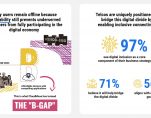
New research from CloudMosa shows digital inclusion is shifting from CSR to a core business strategy – and telcos stand to gain if they move quickly Majority (97%) of telco leaders say digital inclusion is now central to their business strategy, driven primarily by the need to bridge the digital divide (71%) With 92% of respondents seeing a strong alignment with government affordability initiatives as a key […]

Abu Dhabi’s state‑owned oil giant ADNOC has unveiled plans to escalate its U.S. energy investments six‑fold over the next decade, targeting a total of $440 billion. Speaking in Washington on 17 June, Sultan al‑Jaber, ADNOC Chief Executive and UAE Minister of Industry and Advanced Technology, declared that the American market is “not just a priority; it is an investment imperative” for the company’s global expansion.

Al‑Jaber underlined the urgency of the move, emphasising that artificial intelligence represents a “once‑in‑a‑generation investment opportunity.” He pointed out that the growth of data centres driven by AI will demand substantial power— “The next stage of evolution” in energy consumption, he said. The planned investments will span a wide spectrum: anchor stakes in the largest liquefied natural gas facility in Texas, petrochemical plants, and the deployment of 5.5 gigawatts of renewable energy paired with storage systems “from coast to coast”.

ADNOC’s international investment arm, XRG, is cementing its presence with a new Washington office, aimed at steering these high‑stakes ventures. XRG has already struck a deal with Occidental’s 1PointFive for a direct air capture project in Texas, with potential investment reaching $500 million. Additional widescale cooperation includes agreements to develop U.S. gas, LNG, specialty chemicals and energy infrastructure.

The announcement synchronises with a broader bilateral strategy: in March, senior UAE officials committed to a ten‑year, $1.4 trillion investment framework in the U.S., covering sectors such as AI, energy, semiconductors and manufacturing. As part of that pact, U.S. companies agreed to invest $60 billion in UAE energy assets. The XRG–Occidental partnership, as well as other collaborations involving ExxonMobil, Japanese firms Inpex and JODCO, is expected to expand capacity at Abu Dhabi’s major offshore oil field, Upper Zakum.

At the Atlantic Council Global Energy Forum in Washington, al‑Jaber addressed the broader challenge of powering AI, stating that U.S. energy infrastructure must undergo a “system‑wide shift” to keep pace. He highlighted the need to hyperscale energy supply—from gas, renewables with storage and nuclear—to meet the projected requirement of 50–150 GW of new capacity just in the next five years. He warned against prematurely retiring existing power plants, advocating instead for grid modernisation and rapid permitting for new infrastructure.

Environmental groups have voiced concern that the surge in AI‑driven energy demand could lead to rising carbon emissions unless clean energy is prioritised. In response, al‑Jaber suggested that AI could, in fact, offer solutions—optimising grid efficiency and managing load fluctuations, effectively “unlocking its own energy challenge”.

The energy‑AI summit ENACT, hosted by XRG and MGX alongside the Atlantic Council, gathered leading figures from across the energy, tech and finance sectors. Delegates, including representatives from Exxon, OpenAI and BP, discussed mid‑ and long‑term strategies to address the escalating power needs of hyperscale data centres.

These developments are set against a backdrop of rising instability in the Middle East, where al‑Jaber cautioned that energy remains a “cornerstone of peace, stability and prosperity,” signalling that the new chapter of collaboration aims to underpin global energy security.

For the U.S., the influx of investment promises a host of benefits: large‑scale infrastructure expansion, high‑task employment, and reinforced energy resilience. Projects under the UAE umbrella—from LNG plants to hydrogen and carbon capture initiatives—are poised to generate thousands of jobs, while U.S. energy firms gain access to new development avenues both at home and back in the Gulf.

Yet questions remain. Policy experts stress that realisation of al‑Jaber’s ambitious vision will depend heavily on ensuring timely regulatory approvals and creating an effective risk environment for private capital. Moreover, balancing fossil fuel commitments with the drive toward decarbonisation will require clear direction from both governments and industry stakeholders.

Emirates returned to the Paris Airshow at Le Bourget to introduce its new Airbus A350‑900, showcasing its most advanced cabin design and reinforcing ties with French aerospace. The jet, featuring three cabin classes and upgraded passenger amenities, reflects the carrier’s strategy to modernise its long-haul fleet.

The A350‑900 on display is configured in a three‑class layout with 32 next‑generation lie‑flat seats in Business Class, 21 Premium Economy seats, and 259 Economy seats. Cabin highlights include increased headroom, wider aisles, electric window blinds across all classes, cinematic 4K inflight entertainment, wireless charging, and high‑speed Wi‑Fi.

Emirates has taken delivery of seven A350s so far, with 58 remaining on order—bringing its total to around 65 aircraft. The first commercial flight occurred on 3 January 2025, from Dubai to Edinburgh. Further services began in January and February to Ahmedabad, Bahrain, Bologna, Colombo, Kuwait City, Lyon and Mumbai.

Emirates President Sir Tim Clark and French industry partners celebrated the aircraft’s introduction, which highlights the airline’s investment in France’s aerospace sector. Since 1985, Emirates has purchased more than €114 billion worth of Airbus aircraft and components, supporting firms such as Safran, Thales and Michelin. At the show, Emirates announced a €896 million deal with Safran for next‑generation seats and a €322 million investment in Thales’s AVANT Up entertainment system for the A350.

This debut coincides with a renewed emphasis on sustainable aviation. The A350 is powered by fuel‑efficient Rolls‑Royce engines, enabling a range of 7,700 miles and emitting lower CO₂ per seat compared to previous generations. Emirates is retrofitting older 777 and A380 aircraft with premium economy seats and renewing its fleet as delivery delays with Boeing’s 777X persist.

Highlighting its global network impact, Emirates became the first airline to deploy the long‑range A350‑900ULR on the Adelaide–Dubai route, enabling flights over 14,000 km and more than 15 hours nonstop from December 1, 2025. Adelaide Airport anticipates a boost of A$62 million in annual tourism revenue from the service.

Emirates operates 21 weekly flights to Paris—three via A380—plus a daily A350 to Lyon and a daily A380 service to Nice Côte d’Azur. By end‑2025, the A350 is expected to serve at least 17 destinations. Its versatility allows deployment on both long‑haul and shorter routes, offering lie‑flat seats and premium amenities even on regional legs.

Greenlogue/AP Aptly named California Residences, the latest green‑living enclave by Infracorp has launched sales in Dubailand, with one‑ to three‑bedroom apartments starting at AED 1 million. Positioned within the broader California Village master‑plan, the AED 600 million project embraces minimalist design, expansive landscaping and wellness‑focused amenities, marking a notable entry in Dubai’s sustainable real estate sphere. The California Village community spans 112,127 sqm and comprises the California Residences apartments alongside villas and […]

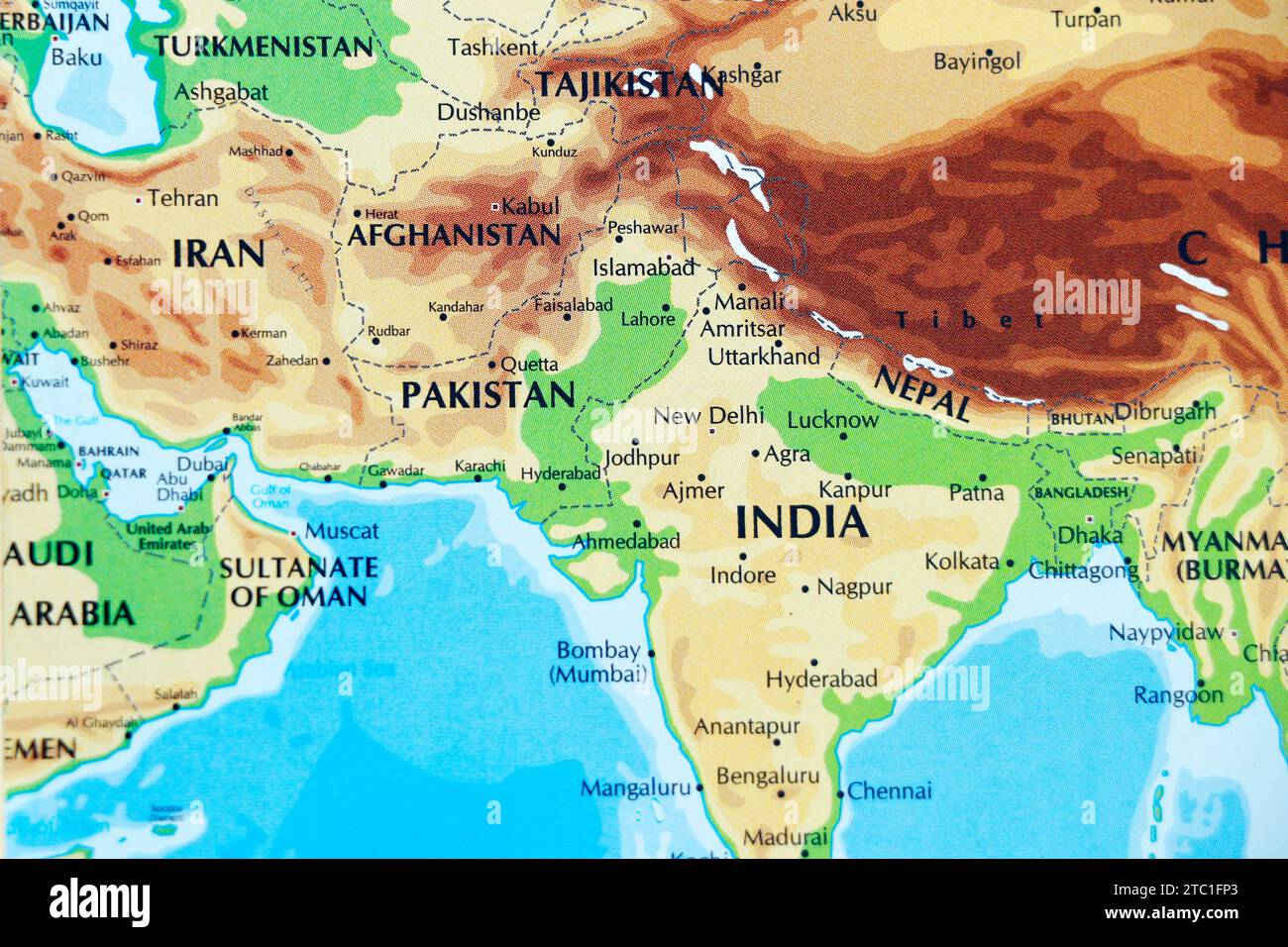
Asian Cricket Council officials are accelerating preparations to shift the 2025 Asia Cup to the United Arab Emirates, prompted by escalating diplomatic tensions and logistical barriers between India and Pakistan. Originally awarded to India, the tournament, scheduled for September, will adopt a neutral venue in a bid to preserve participation from all eight qualifying teams. Sources within ACC and Pakistan Cricket Board suggest that holding the entire tournament in UAE offers the only viable path forward, ensuring both cricketing integrity and commercial viability.

Accruing nearly US$170 million in media rights, the Asia Cup commands considerable financial stakes. With India and Pakistan at the centre of its appeal, organisers are unwilling to jeopardise the competition. Forbes reports confirm that ACC officials have concluded that relocating the tournament is more feasible than attempting a hybrid model involving split venues. The UAE becomes the default choice, replicating approaches from previous tournaments when political dynamics between South Asian nations hindered full-fledged hosting arrangements.

PCB figures confirm that Pakistan will participate in the UAE-hosted event, despite its reluctance to travel to India. Pakistan also plans a preparatory tri-series in August in Dubai involving Afghanistan and the UAE team—effectively replacing previously scheduled fixtures and maintaining match readiness should the Asia Cup shift occur. With the PCB’s Mohsin Naqvi doubling as ACC president, such parallel initiatives underscore Pakistan’s active role in preserving the tournament’s continuity.

Yet India has maintained a discreet stance. The Board of Control for Cricket in India has neither confirmed nor denied its capacity to host or participate, with internal caution dominating its external posture. BCCI secretary Devajit Saikia recently refuted reports that India would withdraw from all ACC events. Still, precedent indicates India’s avoidance of Pakistan-hosted events: The team did not travel to Pakistan for the Champions Trophy in February–March, instead participating in Dubai under a hybrid format.

Recalling historical context affirms the ACC’s decision. In 2018, the tournament was relocated from India to UAE amid similar political friction. Such precedent sets a framework for crisis management within the sport, suggesting that regional hostilities do not necessarily derail cricketing schedules. Observers also note that India has consistently leveraged a hybrid model since 2022, notably playing Asia Cup matches in UAE and Sri Lanka rather than Pakistan.

Operationally, staging the Asia Cup in UAE will require careful planning, balancing weather conditions in September, broadcast scheduling for global audiences, and coordination with the tri-series. The PCB’s tri-series proposal is advancing, reflecting a proactive stance. Meanwhile, ACC is likely to convene soon, under Naqvi’s leadership, to finalise the tournament’s relocation, format adjustments, and confirmation of venues in Dubai and Abu Dhabi. No official announcement has yet been made, but reports from hindustantimes.com, ET and ProPakistani align in describing the move as imminent.

Stakeholders are weighing broader implications. Indian broadcasters and advertisers depend heavily on premium fixtures, particularly India–Pakistan matches that attract unparalleled viewership. A full UAE tournament may retain this commercial allure while circumventing diplomatic entanglements. For smaller teams such as Hong Kong, Oman and UAE—each having qualified through ACC’s Premier Cup—the neutral format ensures on-field exposure without political fallout.

However, dissenting voices warn against complacency. Some Pakistani conspirators question whether a UAE relocation diminishes Pakistan’s role as host, contrary to its status as 2025 Champions Trophy host and an ACC full member. Conversely, BCCI’s insistence on a hybrid model has previously delayed Pakistan-based hosting, but this time the initial hosting rights belong to India. Any pivot could attract scrutiny over ACC governance and fairness, adding dimension to an already complex political backdrop.

Supporters of the hybrid model note that India’s hybrid strategy for the Champions Trophy earlier this year preserved integrity but exposed limitations. Attendance at Dubai was lukewarm; Australia–India clashes lacked the vibrancy typical of full-capacity Pakistan venues. UAE’s smaller suburban stadiums and shorter pitches may limit spectator buzz, but logistical expediency and political neutrality weigh heavily.

Athletes themselves face uncertainty. India and Pakistan players have not toured regularly since 2008 in bilateral series, and momentum often arises through ICC events. The Asia Cup in UAE represents another opportunity for competitive engagement before the T20 World Cup in 2026. With eight teams and nineteen matches planned, this Asia Cup holds relevance for Qatar 2026 preparations. Still, fragmented venues and political overtones could overshadow performance, causing players and fans to question cricket’s autonomy from geopolitics.

As the ACC readies its final call, timing remains critical. A decision made before July is necessary to confirm bilateral arrangements, tickets, broadcasting contracts, and tri-series scheduling. ACC’s resolution will reverberate across regional cricket administration, testing confidence in neutral venues as a template for coping with diplomatic disruptions.

Thailand has authorised a five‑year exemption from capital gains tax for digital asset sales conducted through SEC‑licensed platforms, functioning from 1 January 2025 until 31 December 2029. The legislation aims to sharpen the country’s advantage in the regional crypto landscape by lowering investor costs and enticing increased trading activity.

Under the measure, individuals realising gains from digital assets via regulated exchanges will face zero capital gains tax throughout the five‑year window. Prior to this, profits were subject to personal income tax rates—reaching up to 35 per cent depending on annual earnings—alongside a 15 per cent withholding tax on gains from non‑licensed platforms. VAT on cryptocurrency trading had already been abolished as of 1 January 2024.

Analysts believe the tax holiday is designed to reinforce Thailand’s appeal in Southeast Asia’s intensely competitive digital asset territory. With exchanges like Bitkub and Binance vying for market share, and tourists soon enabled to use crypto‑linked credit cards for local spending, Thai policymakers are signalling a strong commitment to bolster innovation while preserving investor protections.

Officials from the Thai Securities and Exchange Commission stress that the exemption applies strictly to transactions performed on SEC‑approved exchanges. Revenues from crypto trades outside those platforms will not be covered and remain taxable. Licensed operators must continue observing related regulations: comprehensive transaction reporting, watch‑lists for suspicious activity, custody rules, and coordination with law‑enforcement as stipulated under the Digital Asset Business Law.

Investor responses so far have been mixed. Market participants report that some will likely postpone realising gains until the exemption period begins. One Bangkok‑based trader remarked that the tax relief “reduces effective cost by around 15 to 35 per cent depending on your income bracket,” reinforcing Thailand’s status as Asia’s most favourable crypto tax jurisdiction for the coming years.

Critics caution that the measure may disproportionately benefit higher‑earning investors while diluting future tax revenue. Government officials argue the policy forms part of a larger strategy to boost capital market reform, as evidenced by parallel legislative updates—including measures enabling tourists to spend crypto, supporting retail access to digital government bond tokens, and enhanced SEC authority over foreign exchanges operating domestically.

The incoming regulation also supplements Thailand’s earlier decisions to exempt crypto trading from VAT from January 2024, amend withholding tax rules for licensed platforms, and permit offsetting of capital losses against gains. Expectations are rising for further alignment of digital asset rules with traditional financial regulations, part of a broader financial modernisation initiative led by the Ministry of Finance and Bank of Thailand.

As the deadline for implementation approaches, licensed exchanges are working on upgrading systems to clearly segregate tax‑exempt transactions and produce compliant audit trails. The revenue department has indicated it will deploy random checks and compliance audits, with penalties ready for any lapses in record‑keeping or reporting.

With the exemption set to begin next year, attention has swiftly shifted to whether Thailand will extend or widen the tax holiday when 2030 nears, and whether parallel measures such as tax incentives for crypto firms, custody providers, or investment token offerings will be introduced. The current package already ranks among the most incentive‑heavy digital asset tax regimes globally, likely reshaping investor allocations in the short to medium term.

Mozilla will discontinue Pocket, its bookmarking and content-discovery service, on 8 July 2025, shifting focus to augmented Firefox browser experiences. Users can continue to access and export saved articles until 8 October 2025, after which all Pocket data will be permanently removed. Premium and annual plan subscribers will be automatically refunded or receive prorated credits as of the shutdown date. Pocket began in 2007 as Read It Later, gained popularity […]

VISHNU RAJA
RYO YAMADA
HITORI GOTOH
IKUYO KITA