News related to
Strategy

Hassan Allam Construction has secured a contract valued at about $250 million to deliver the new headquarters of the African Export-Import Bank in Egypt, marking one of the most significant institutional construction awards in the country’s financial infrastructure sector this year. The project will house Afreximbank’s global headquarters and is positioned as a flagship development reflecting the lender’s expanding role in trade finance across the continent. The […]

Abu Dhabi-based International Holding Company has increased its ownership in Invictus Investment Company to about 40 per cent after acquiring an additional 17.5 per cent stake in a transaction valued at roughly Dhs420m, signalling a deeper strategic alignment between one of the region’s largest conglomerates and a global commodities trading platform. The investment was executed through the purchase of about 196 million shares in a major block […]

Dubai-based Binghatti has completed what it describes as the most expensive residential penthouse transaction ever recorded in the Middle East, selling a single ultra-luxury home for AED550 million at its Bugatti Residences development in Business Bay, underlining the depth of demand for trophy assets in the emirate’s high-end property market.

The sale centres on a 47,200-square-foot penthouse within Bugatti Residences by Binghatti, the world’s first residential project branded by the French luxury marque. The developer said the transaction reflects sustained appetite from global ultra-high-net-worth buyers seeking rare, branded homes in prime Dubai locations, even as other global luxury markets face slower momentum.

Dubai lands a record luxury penthouse deal has become the shorthand among brokers for the transaction, which eclipses earlier benchmark sales in the region and places Dubai among a small group of global cities capable of sustaining nine-figure residential deals. Industry executives say the scale of the sale reinforces the city’s shift from being a regional wealth hub to a global destination for capital preservation and lifestyle-driven investment.

Bugatti Residences, located along the Dubai Water Canal in Business Bay, has been positioned as a statement project blending automotive-inspired design with high-end residential living. The penthouse includes multiple private terraces, bespoke interiors, and exclusive amenities tailored to the Bugatti brand ethos, according to details released by the developer. Residents are offered services and facilities that mirror ultra-luxury hospitality standards rather than conventional apartment living.

Property consultants tracking prime residential markets say such sales are no longer isolated events in Dubai. Over the past few years, the city has recorded a rising number of transactions above AED100 million, driven by buyers from Europe, Asia, and the Middle East, as well as family offices and entrepreneurs relocating operations or assets to the UAE. The combination of regulatory clarity, long-term residency pathways, and the absence of personal income tax continues to weigh heavily in purchasing decisions.

Binghatti has emerged as a prominent player in this segment by pairing architecture-led developments with globally recognised brands. The Bugatti partnership followed earlier branded collaborations and marked a strategic shift towards ultra-premium projects aimed at a narrow but financially powerful buyer base. Executives close to the company say the strategy is designed to differentiate its portfolio in a market that has become increasingly competitive at the luxury end.

Business Bay itself has evolved from a primarily commercial district into a mixed-use zone attracting high-end residential investment. Proximity to Downtown Dubai, waterfront views, and improved infrastructure have supported pricing growth, with branded residences commanding a significant premium over non-branded counterparts. Analysts note that buyers at this level are less sensitive to price cycles and more focused on exclusivity, security, and global status.

The penthouse sale also reflects a broader trend of branded residences outperforming traditional luxury housing in Dubai. International fashion houses, automotive brands, and hospitality groups have increasingly licensed their names and design philosophies to residential projects, tapping into buyer loyalty and global recognition. Developers argue that branding provides assurance on quality and long-term value, while buyers view such homes as collectible assets rather than purely functional residences.

Market data compiled by leading consultancies shows that Dubai has consistently ranked among the world’s most active markets for luxury home sales above $10 million, often rivaling London, New York, and Hong Kong in transaction volumes. While macroeconomic uncertainty persists globally, the UAE’s positioning as a politically stable, business-friendly jurisdiction has insulated its top-tier property segment from sharper corrections seen elsewhere.

For Binghatti, the transaction serves both as a financial milestone and a branding exercise. Selling a single residence at AED550 million places the developer in a rare category and strengthens its negotiating position for future collaborations and land acquisitions. Company officials have signalled that demand for Bugatti Residences remains strong, with several units already allocated to international buyers seeking full-floor or customised layouts.

Advanced Micro Devices has reshaped its standing in the global semiconductor industry under chief executive Lisa Su, evolving from a company once associated mainly with cyclical PC demand into a diversified supplier central to the artificial intelligence build-out now reshaping data centres, cloud computing and high-performance workloads. AMD’s market capitalisation has hovered around the $200bn mark during 2024 and 2025, reflecting investor confidence that the company can […]

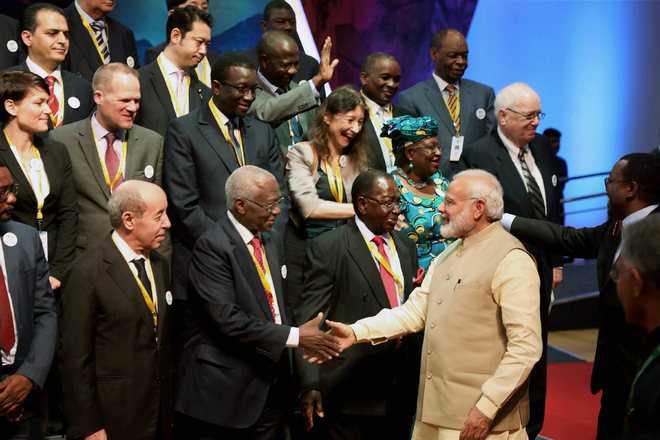
Prime Minister Narendra Modi began a three-nation diplomatic tour covering Jordan, Ethiopia and Oman, signalling a calibrated push to deepen political engagement, economic cooperation and people-to-people ties across West Asia and Africa. The visit places emphasis on long-standing partnerships while marking diplomatic milestones that officials describe as pivotal to a wider strategy linking the Gulf, the Horn of Africa and South Asia.

The tour opened in Jordan, where Modi held talks with King Abdullah II in Amman. Discussions focused on regional stability, counter-terror cooperation and expanding trade and investment links. Jordan occupies a strategic position in West Asia diplomacy, and both sides underlined shared concerns over conflicts affecting the region and their spillover effects. Bilateral exchanges also addressed cooperation in health care, education and technology, areas where existing agreements are being reviewed for expansion.

Jordan has emerged as a steady political partner, and the visit underscored efforts to elevate ties beyond symbolism. Officials highlighted collaboration in renewable energy and pharmaceuticals, alongside labour and skills partnerships that reflect Jordan’s role as a hub for regional services. Cultural engagement featured prominently, with references to the shared heritage reflected in academic exchanges and archaeological cooperation.

From Amman, Modi travelled to Addis Ababa, marking a significant diplomatic moment with Ethiopia. The visit coincides with the strengthening of relations with the African Union, headquartered in the Ethiopian capital, and signals intent to broaden engagement with Africa’s multilateral institutions. Talks with Prime Minister Abiy Ahmed centred on development cooperation, infrastructure financing and capacity building, as well as coordination in international forums.

Ethiopia’s role as a gateway to the Horn of Africa places it at the centre of regional connectivity and security discussions. The leaders examined cooperation in agriculture, manufacturing and digital public infrastructure, with attention to skills development and technology transfer. Ethiopia has been seeking diversified investment partnerships to support industrial parks and export-oriented growth, and the talks reflected interest in long-term collaboration rather than project-based engagement.

Diplomatic officials also pointed to cooperation in peacekeeping and humanitarian assistance, noting Ethiopia’s contribution to regional stability and its engagement with multilateral peace processes. The visit reinforced engagement with Africa at a time when competition for influence and investment has intensified, and when African economies are prioritising infrastructure and human capital development.

The final leg of the tour takes Modi to Oman, a country with deep historical and economic links, particularly in trade, energy and maritime cooperation. Meetings in Muscat are expected to focus on energy security, logistics and defence ties, building on agreements covering strategic petroleum reserves, port development and naval collaboration. Oman’s role as a stable interlocutor in the Gulf has given it a distinctive place in regional diplomacy.

Economic cooperation remains central to the Oman visit, with attention on bilateral trade, investment flows and collaboration in downstream energy projects. The presence of a large expatriate community has added a people-centric dimension to relations, shaping discussions on labour welfare, skills recognition and mobility. Financial services, tourism and green energy have emerged as additional areas of interest as both sides seek to diversify economic engagement.

Across the three stops, the tour reflects a broader pattern of outreach that links West Asia and Africa through trade corridors, energy routes and strategic partnerships. Officials involved in the preparations described the itinerary as a deliberate effort to balance political dialogue with economic substance, moving beyond ceremonial diplomacy. The focus on infrastructure, digital governance and energy transition aligns with priorities shared by many emerging economies.

Cognizant has opened a new AI Lab and a Moment Studio in Bengaluru, signalling a deeper push into enterprise-focused artificial intelligence, multi-agent systems and immersive digital experiences as global clients accelerate adoption of advanced automation and data-driven platforms.

The facilities, located in the city’s technology corridor, are designed to function as integrated hubs where research, product engineering and client co-creation converge. Cognizant said the AI Lab will concentrate on applied research across generative AI, multi-agent architectures, responsible AI frameworks and industry-specific models, while the Moment Studio will focus on experience-led design, blending AI with data, cloud and interactive technologies to help enterprises modernise customer and employee journeys.

Bengaluru’s selection reflects its role as Cognizant’s largest delivery base worldwide and a centre for digital engineering talent. The company employs tens of thousands of professionals across the city, spanning cloud, analytics, cybersecurity and software engineering. Senior executives have described the new facilities as a strategic investment aimed at shortening the distance between innovation and deployment at a time when clients are moving from pilots to scaled AI implementation.

The AI Lab is expected to work on multi-agent systems that allow autonomous software agents to collaborate, negotiate tasks and adapt to changing business conditions. Such systems are increasingly viewed as a step beyond single-model generative AI, particularly for complex enterprise workflows such as supply chain optimisation, financial operations, software testing and IT service management. Cognizant engineers will also focus on building governance layers to address transparency, bias mitigation, data lineage and regulatory compliance, areas that have become central to enterprise adoption.

Alongside this, the Moment Studio will act as a client-facing environment where design teams, data scientists and engineers jointly prototype digital products. The studio model, which Cognizant has rolled out in several global locations, emphasises rapid experimentation, user-centric design and measurable business outcomes. In Bengaluru, the studio will place particular emphasis on AI-driven personalisation, intelligent interfaces, extended reality and data visualisation for sectors such as banking, healthcare, manufacturing and retail.

Company leadership has framed the expansion as part of a broader shift in client demand. Enterprises are no longer seeking isolated AI tools but integrated platforms that can be embedded into core operations with clear accountability. That shift has placed pressure on technology services firms to combine research capability with delivery scale and domain knowledge, areas where Bengaluru’s ecosystem offers advantages.

The move also aligns with Cognizant’s wider strategy to reposition itself as an AI-first services company. Over the past two years, the firm has increased investment in generative AI platforms, partnered with major cloud providers and integrated AI capabilities into its consulting and engineering offerings. The Bengaluru AI Lab is expected to collaborate closely with Cognizant’s global research teams and with academic institutions and startups in the region, although the company has not disclosed specific partnerships tied to the launch.

Industry analysts note that the emphasis on responsible AI is particularly significant. As enterprises deploy AI across regulated environments, scrutiny from boards, regulators and customers has intensified. Embedding governance, auditability and ethical safeguards at the design stage is increasingly seen as a differentiator rather than an optional feature. Cognizant’s decision to anchor this work in a dedicated lab suggests an attempt to institutionalise these practices across its delivery network.

The expansion also underscores the competitive dynamics among global technology services firms operating in Bengaluru. Peers have been scaling AI centres of excellence, experience studios and innovation labs in the city, seeking proximity to talent and clients while managing costs. For Cognizant, the dual-facility model aims to bridge the gap between conceptual innovation and real-world deployment, a gap that has slowed returns on AI investment for many organisations.

The United States government’s approval for Nvidia to export its powerful H200 artificial intelligence chips to China has upended expectations across global technology markets and deepened debate over export controls and strategic competitiveness. President Donald Trump confirmed that U. S. authorities will permit sales of Nvidia’s H200 processors to approved Chinese customers under a regime that levies a 25 per cent levy on such transactions, a policy […]

Advertisements

Abu Dhabi’s Festival of Health 2025 opened with government officials and community leaders urging citizens and residents to adopt healthier lifestyle habits as part of a broader strategy to transform public health culture across the emirate. The multi-week event, organised by the Department of Health – Abu Dhabi in partnership with the Abu Dhabi Public Health Centre, spans three weekends and more than 140 activities designed to engage families, young people, older adults and people of determination in movement, nutrition, sleep and mental wellbeing. The opening ceremony was attended by Mansoor Ibrahim Al Mansoori, Chairman of DoH, and Dr Rashed Al Suwaidi, Director General of ADPHC, underscoring the initiative’s profile within Abu Dhabi’s health agenda.

Officials expect more than 30,000 visitors to participate as the festival moves from Hudayriyat Island in Abu Dhabi city to Madinat Zayed Public Park in Al Dhafra and concluding at Al Jahili Park in Al Ain later this month. Each location has been transformed into vibrant activity zones with free entry but online registration encouraged to support wider public health objectives. Programming includes group exercise sessions, nutrition workshops, sleep pattern awareness installations and mental wellbeing activities, blending education with entertainment to make prevention-oriented habits more accessible.

The festival is one of the first major activations under the Healthy Living Strategy, a multi-year plan approved by His Highness Khalid bin Mohamed bin Zayed Al Nahyan, Crown Prince of Abu Dhabi and Chairman of the Abu Dhabi Executive Council, that aims to integrate healthier choices into everyday life for all members of society. By embedding the event within this framework, authorities are emphasising a shift from reactive healthcare to proactive prevention, seeking to reduce the long-term burden of chronic diseases through community engagement and accessible wellbeing initiatives.

Central to the strategy and the festival’s approach is the Sahatna health app, which will be used to track attendance and engagement at activities, along with metrics such as steps taken by participants. Officials have suggested that analysing these patterns could yield insights into where improvements in infrastructure or targeted interventions might be most effective, particularly in districts with higher rates of obesity or lower levels of physical activity. By linking digital health data with on-the-ground community participation, authorities aim to create a feedback loop that strengthens future public health planning.

Public and private partners have played a significant role in shaping the festival’s offerings. Strategic collaborators include PureHealth, Sakina, the Department of Municipalities and Transport, Abu Dhabi Sports Council, Modon, Al Ain Farms, Agthia, Burjeel Cancer Institute, Nestlé and AstraZeneca, among others. Community partners such as Special Olympics UAE, Active Abu Dhabi and the Department of Community Development have contributed to inclusive programming, ensuring that activities are accessible and relevant to diverse segments of the population. A broad range of sponsors and supporting entities further reinforce the event’s capacity to connect health education with tangible experiences that encourage behaviour change.

Interactive elements have been central to the festival’s appeal, with “City Moov Challenge” digital experiences and family-oriented games offering incentives to embrace physical activity and cognitive engagement. Cooking demonstrations aimed at demystifying nutrition and practical sessions on sleep hygiene seek to translate scientific guidance into everyday routines. Presenters and health educators are focusing on achievable adjustments rather than restrictive frameworks, reflecting a broader public health ethos that small, consistent changes can cumulatively improve wellbeing.

Community response has been noticeable, with families and individuals of varied age groups attending fitness sessions, mindfulness workshops and educational talks. Many visitors have highlighted the festival’s family-friendly atmosphere and the value of practical demonstrations that show how health knowledge can be applied beyond the event. For some, the festival serves as an entry point into longer-term lifestyle adjustments, with participants citing intentions to maintain routine physical activity and better sleep habits after attending.

Officials have emphasised that the festival is not a standalone effort but part of a continuum of preventive public health measures across the emirate. Throughout the year, ADPHC’s programming promotes regular health screenings, physical activity and community education as integral to reducing risk factors associated with non-communicable diseases. This aligns with global trends in public health that prioritise prevention and holistic wellbeing over episodic treatment, recognising the economic and social benefits of healthier populations.

SpaceX has signalled a major shift in its financial strategy by setting internal share prices that imply a valuation of about $800 billion and signalling plans for an initial public offering in 2026, according to communication to investors and financial institutions. The insider share sale, priced at roughly $421 per share, more than doubles the company’s valuation from mid-year levels and comes as SpaceX lays the groundwork for what could become one of the largest public market debuts ever.

Chief Financial Officer Bret Johnsen communicated to employees that the rocket and satellite operator founded by Elon Musk is preparing for a potential flotation in 2026, though the precise timing and structure remain contingent on market conditions and business milestones. SpaceX’s statement highlights that the internal valuation proposition is part of broader fundraising and liquidity arrangements rather than a definitive IPO roadmap.

Starlink, SpaceX’s satellite internet arm, underpins much of the valuation optimism. The constellation of thousands of low-Earth orbit satellites has expanded its service footprint significantly, adding millions of users globally and pushing the company’s revenue trajectory upward. Analysts say that this growth, alongside Starlink’s planned expansion into direct-to-mobile services and other connectivity niches, is central to investor enthusiasm for a public listing.

The valuation implied by the secondary offering eclipses previous private market benchmarks. SpaceX had been valued at about $400 billion earlier in 2025, and the $800-billion marker would place it among the most valuable pre-IPO companies globally. OpenAI’s valuation peak of $500 billion has been surpassed by this internal pricing, although that figure is not a public market price. SpaceX remains the second-most valuable private startup after OpenAI.

Despite speculation over the $800 billion figure, Musk has publicly questioned such valuation assertions, describing some of the media characterisations as inaccurate and emphasising the company’s strong cash flow and internal liquidity mechanisms. Musk’s comments reflect the tension between private market hype and management’s more cautious public posture on valuation and IPO timing.

SpaceX’s broader IPO strategy appears to be evolving. Reports indicate that the company has held discussions with investment banks about potentially raising over $25 billion in a 2026 offering, which could value SpaceX at more than $1 trillion. Multiple sources familiar with the talks suggest that a mid- to late-2026 timetable is under consideration, though this could shift depending on market conditions and regulatory factors.

Market participants are weighing the implications of a SpaceX public listing against broader trends in the US equity markets, which are exhibiting renewed IPO activity after a period of subdued issuance. A successful SpaceX listing at the projected scale would not only set new records in terms of funds raised but also provide a benchmark for other high-growth private companies that have been delaying public offerings.

Investors and analysts have reacted to the buildup in valuations with a mix of enthusiasm and caution. EchoStar, a significant stakeholder in SpaceX’s satellite ventures, saw its shares rise on increased IPO chatter, reflecting broader investor appetite for exposure to the commercial space sector. But concerns linger around execution risk and the technical challenges inherent in SpaceX’s ambitious projects, including the Starship launch vehicle and long-term goals such as lunar and Martian missions.

Critics of the current valuation narrative highlight that private share prices do not always translate into market realities once a company lists publicly. They note that factors such as regulatory scrutiny, evolving market sentiment and the inherent risks of aerospace and satellite operations could temper the ultimate IPO trajectory. Nonetheless, the expanded focus on Starlink’s recurring revenue streams and SpaceX’s diversified business portfolio underlines investor interest in the company’s long-term growth potential.

Acquisition creates a fully integrated regional connectivity platform, enabling seamless, low-latency connectivity that supports ASEAN’s expanding digital economy SINGAPORE/KUALA LUMPUR, MALAYSIA – Media OutReach Newswire – 13 December 2025 – SEAX Global (“SEAX”), a leading wholesale connectivity provider in Southeast Asia, today announced it has acquired a major stake in Interlink Telecom Public Company Limited (“ITEL”), a prominent Thai fixed network telecommunications provider. This acquisition consolidates SEAX’s […]

Pick n Pay has accelerated its push into in-store financial services, positioning its supermarket network as a bridge between formal banking and millions of consumers who remain underserved by traditional financial institutions across South Africa. The retailer says the initiative is aimed at turning everyday shopping locations into secure, affordable access points for essential financial services, particularly in townships, rural areas and lower-income urban neighbourhoods. The group’s […]

On December 11, at W Dubai – The Palm, Entrepreneur Middle East hosted the Leadership Awards 2025 — one of the region’s key business events recognizing outstanding entrepreneurs and industry leaders whose work is shaping the economic and technological landscape of the Middle East. In the Fintech Leader of the Year category, the award was presented to Alexander Lozben, founder of INTERHASH and one of the notable […]

ChatGPT has emerged as the most downloaded application on Apple’s App Store in the United States during 2025, marking the first time an artificial intelligence platform has topped the annual download charts and signalling a decisive shift in how mainstream consumers engage with AI-powered tools. Data compiled from Apple’s App Store rankings and corroborated by mobile analytics firms shows OpenAI’s ChatGPT overtaking long-established social media, gaming and […]

Mercato has opened its doors to a season of themed festivities with the unveiling of its Winter Spectacular, positioning the Jumeirah-based shopping mall as a key seasonal attraction during the December holiday period. Running from 11 to 25 December 2025, the programme transforms the Italian-style mall into a winter village designed to draw families, residents and visitors seeking an immersive festive experience that blends retail, entertainment and […]

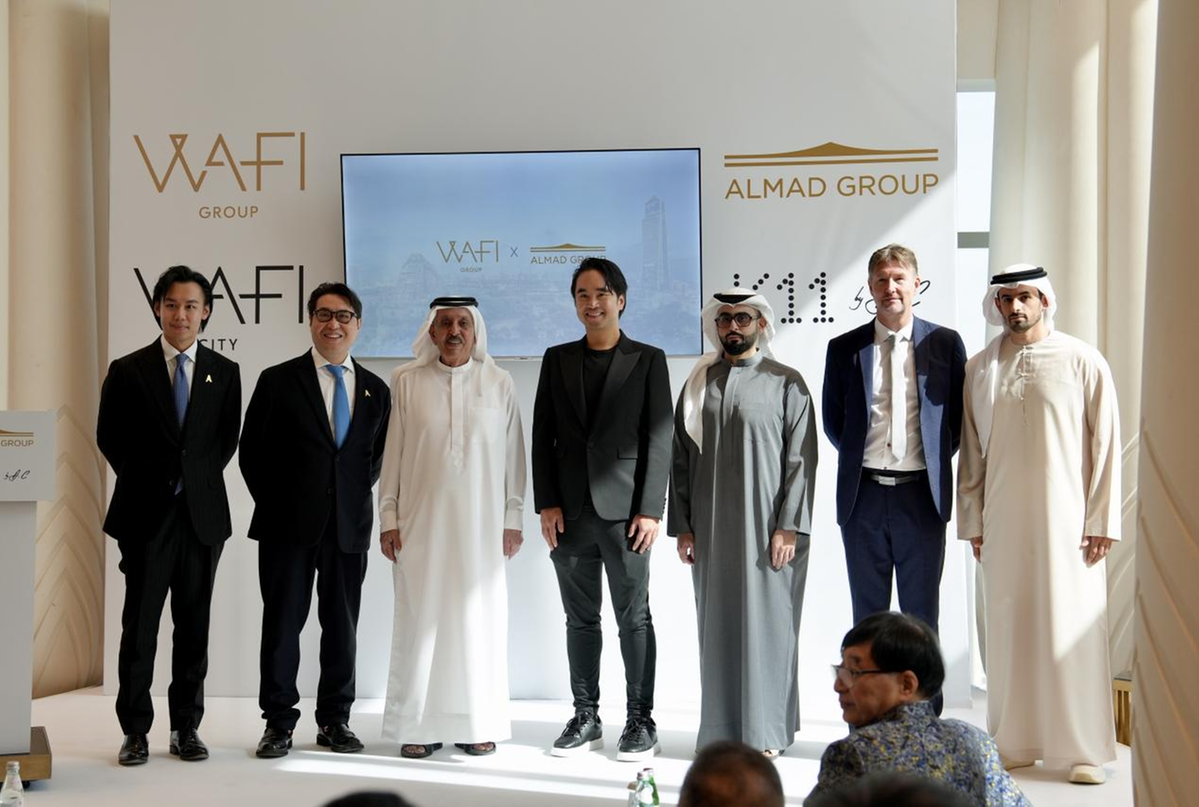
Hong Kong-based Almad Group and Dubai-based Wafi Group have formalised a strategic partnership aimed at tapping the fast-expanding animation, retail and cultural entertainment market in the Gulf, marking a notable deepening of commercial and cultural ties between East Asia and the Middle East.

The agreement, signed on December 11 in Dubai, brings together Almad Group’s lifestyle and cultural development arm, K11 by AC, and Wafi Group, one of the city’s established real estate and hospitality players. At the centre of the cooperation is the creation of a new joint venture entity, Wafi Anime 11, designed to anchor animation-led retail, immersive entertainment and intellectual-property-driven experiences in the UAE, with an eye on regional expansion.

Senior executives and representatives from both sides attended the signing, including Richard Cheung, group chief executive of K11 by AC; Dr Adrian Cheng, founder and executive chairman of K11 by AC of Almad Group; Sheikh Mana bin Khalifa Al Maktoum, founder and chairman of Wafi Group; and Sheikh Rashid bin Mana Al Maktoum, director of Wafi Group. The presence of Dubai Chambers’ executive vice-president for international relations, Salem Al Shamsi, underscored the broader trade and investment significance of the deal.

The partnership goes beyond a single retail concept. According to the framework outlined at the ceremony, Wafi Anime 11 will serve as a platform for developing themed cultural and entertainment projects, hosting IP-exclusive activities, and curating experiences aimed at both residents and international visitors. These initiatives are intended to align with Dubai’s wider strategy of positioning itself as a global hub for creative industries and experiential tourism.

A key commercial pillar of the agreement involves leasing and brand-entry cooperation for Hong Kong and the Chinese mainland labels seeking a foothold in the Middle East. The partners plan to introduce a portfolio of lifestyle, fashion and cultural brands that reflect contemporary Chinese creativity while adapting to local consumer tastes and regulatory environments. This approach reflects a growing trend among Asian brand owners to use Dubai as a gateway to the Gulf and wider Middle East and North Africa markets.

Tourism collaboration also features prominently. Almad Group and Wafi Group will roll out targeted incentive strategies aimed at visitors from Hong Kong and the Chinese mainland, encouraging longer stays and deeper engagement with Dubai’s retail and cultural offerings. Under the plan, travellers will be guided towards premium hospitality assets such as Sofitel Dubai The Obelisk and Raffles Dubai, both located within or adjacent to Wafi City, while being introduced to curated shopping, dining and entertainment itineraries.

Wafi City itself is expected to play a central role in the initiative. Long known as a mixed-use destination combining retail, hospitality and leisure, the complex will host several of the new animation-themed and IP-driven concepts. The partners believe this integrated environment provides a ready-made ecosystem for blending retail with storytelling, live events and digital engagement, a model increasingly favoured by younger consumers and families.

Another element of the cooperation involves the expansion of Gentry Club, a private members’ lifestyle concept, into the Middle East and North Africa. While details remain under development, the inclusion of Gentry Club signals an ambition to build community-based, experience-led offerings alongside mainstream retail, catering to affluent and culturally engaged audiences.

Richard Cheung said the agreement followed extensive groundwork and market analysis. “Our team has been studying the Middle East market since 2024 and is well aware of its immense development potential,” he noted. Cheung added that the first phase of cooperation would focus on brand introduction and ecosystem building, with several flagship labels representing Chinese cultural aesthetics expected to open by 2026.

Industry observers see the partnership as part of a broader shift in how cultural IP and retail are being deployed globally. Animation, gaming and character-driven franchises are no longer confined to screens or merchandise, but are increasingly used to anchor physical destinations, from themed malls to pop-up exhibitions and interactive spaces. The UAE, with its diversified economy, strong tourism flows and appetite for experiential formats, has emerged as a testing ground for such concepts.


BANGKOK, THAILAND – Media OutReach Newswire – 12 December 2025 – Vinhomes has been honored as “Developer of the Year Southeast Asia 2025”, the most prestigious title within the Dot Property Southeast Asia Awards 2025. The award marks a significant milestone in Vinhomes’ regional expansion journey and reaffirms its pioneering role in shaping modern urban developments, enhancing quality of life, and setting sustainable development benchmarks for Southeast […]

Dubai Chamber of Commerce has launched the Bulgarian Business Council, marking a new institutional step aimed at expanding bilateral trade, strengthening commercial partnerships and encouraging mutual investment between Dubai and Bulgaria.

The council has been established under the umbrella of Dubai Chambers and is intended to serve as a structured platform for companies from both markets to collaborate, exchange market intelligence and identify joint opportunities. Officials involved in the initiative said the move reflects growing interest among Bulgarian firms in using Dubai as a regional base, while Dubai-based businesses increasingly view Bulgaria as a gateway to the European Union and South-Eastern Europe.

The new body brings together representatives from key sectors including manufacturing, logistics, food and agriculture, information technology, tourism, construction and renewable energy. Its mandate includes organising business delegations, facilitating B2B meetings, supporting regulatory understanding and helping members navigate investment frameworks in both jurisdictions. Dubai Chamber of Commerce indicated that the council will also work closely with public institutions and trade promotion agencies in Bulgaria to ensure alignment with national economic priorities.

Speaking at the launch, Dubai Chambers officials said the council was designed to “build stronger partnerships between business communities and unlock new opportunities for joint investment”, highlighting a shared interest in diversifying trade flows and deepening private-sector engagement. Bulgarian representatives echoed that view, noting that Dubai’s position as a global trade and logistics hub offers Bulgarian exporters and investors access to markets across the Middle East, Africa and Asia.

Trade ties between Dubai and Bulgaria have been expanding steadily, supported by improved logistics links and a broader push by Dubai to strengthen economic relations with European economies. Non-oil trade between the UAE and Bulgaria has grown over the past decade, driven by machinery, metals, chemicals, food products and pharmaceuticals, according to publicly available trade data. Dubai’s role as a re-export centre has also helped Bulgarian firms reach third markets more efficiently.

The launch of the Bulgarian Business Council fits into Dubai Chamber of Commerce’s wider strategy of establishing country-specific business councils to institutionalise trade relations and provide structured support to foreign investors. Dubai Chambers now hosts dozens of such councils, covering markets across Europe, Asia, Africa and the Americas. These councils have become a central tool in Dubai’s efforts to attract foreign direct investment, promote cross-border partnerships and reinforce the emirate’s status as a preferred base for international companies.

Analysts note that Bulgaria’s competitive advantages include its EU membership, relatively low operating costs, skilled workforce and strategic location linking Europe, the Balkans and the Black Sea region. For Dubai-based companies, these factors make Bulgaria an attractive destination for manufacturing, near-shoring, logistics and technology development. At the same time, Bulgarian companies see Dubai as a stable business environment with advanced infrastructure, business-friendly regulations and strong connectivity.

Investment interest between the two sides has been widening beyond traditional trade. Sectors such as renewable energy, agri-tech, fintech, health care and tourism development have emerged as areas of mutual focus. Bulgarian technology firms have shown growing interest in Dubai’s innovation ecosystem, while companies from Dubai are exploring opportunities in Bulgaria’s industrial zones, real estate and tourism assets.

The Bulgarian Business Council is expected to play a coordinating role in these areas by aligning private-sector initiatives with broader economic strategies. Its agenda includes promoting joint ventures, supporting start-ups seeking cross-border expansion and encouraging knowledge exchange in areas such as digitalisation and sustainability. Council members will also work to address practical barriers faced by businesses, including regulatory clarity, market entry requirements and partner identification.

Diplomatic and business officials involved in the initiative stressed that the council is intended to complement, rather than replace, existing government-to-government frameworks. By focusing on commercial engagement, it aims to translate high-level economic cooperation into tangible outcomes for companies operating on the ground. Similar councils under Dubai Chambers have previously been credited with accelerating deal-making and improving investor confidence by providing direct access to market insights and decision-makers.

Dubai has taken a decisive step toward autonomous urban transport with the launch of a pilot public robotaxi service on the Uber app, allowing selected users to book self-driving rides within designated zones of the emirate. The initiative, rolled out by the Roads and Transport Authority in partnership with autonomous technology firm WeRide and Uber Technologies, marks the first time such a service has been made available […]

PwC Middle East has relocated its Riyadh office to Laysen Valley, underscoring the professional services firm’s deepening commitment to the kingdom as demand for advisory, audit and consulting services accelerates alongside economic transformation programmes. The new office brings PwC’s teams and capabilities together in a larger, purpose-built environment designed to support collaboration, client delivery and skills development. The firm said the facility is intended to serve as […]

Paramount Skydance’s decision to bring three Gulf sovereign wealth funds into its $108 billion hostile bid for Warner Bros Discovery has highlighted a rare convergence of interests among Saudi Arabia, Abu Dhabi and Qatar, as the states accelerate efforts to secure influence across the global entertainment industry. Paramount said the Saudi Public Investment Fund, Abu Dhabi’s L’imad Holding Company and the Qatar Investment Authority have agreed to […]

Arabian Post Staff -Dubai Abu Dhabi’s sovereign investor Mubadala Investment Company plans to almost double its exposure to Asia to around a quarter of its global portfolio over the next decade, signalling a long-term shift in capital allocation as the region’s digital economy, energy transition and infrastructure needs accelerate. Speaking at Abu Dhabi Finance Week, Mohamed Albadr, Mubadala’s Head of Asia, said Asia’s share of assets under […]

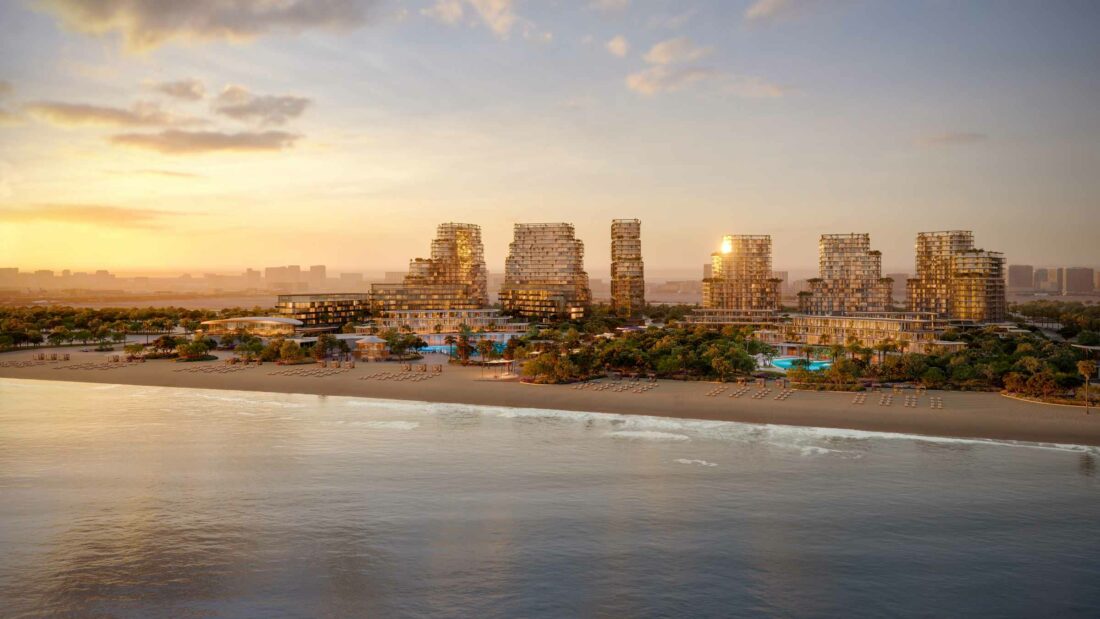
Beyond Developments has launched SIORA, its first beachfront masterplan on Dubai Islands, marking a significant step in the design-led developer’s expansion and reinforcing its alignment with Dubai’s long-term urban development strategy. The project becomes Beyond’s second large-scale community introduced within a year, underscoring the pace at which the company is scaling operations in a competitive real estate market shaped by strong demand for lifestyle-driven coastal living.

Planned across more than two million square feet, SIORA is positioned as a low-density waterfront enclave that blends residential, leisure and public-realm spaces. The development is conceived as a coastal sanctuary, with design cues drawn from Japanese garden philosophies and the concept of Ikigai, which centres on balance, purpose and fulfilment in everyday life. Beyond has said the masterplan aims to integrate natural elements, walkable environments and tranquil waterfront vistas to support wellness-focused living rather than high-intensity urban density.

Dubai Islands, formerly known as Deira Islands, has been earmarked by city planners as a key growth corridor for tourism, hospitality and mixed-use communities. The location offers direct coastal access while remaining closely connected to established commercial districts, ports and transport infrastructure. Authorities have promoted the area as part of a broader effort to diversify beachfront destinations beyond traditional luxury zones, combining residential neighbourhoods with cultural, retail and recreational assets. SIORA is expected to contribute to this repositioning by introducing a master-planned community rather than a standalone residential cluster.

Beyond Developments has framed the launch as part of a wider strategy to deliver future-ready communities that respond to evolving buyer preferences. Demand across Dubai’s residential market has increasingly tilted towards integrated developments that prioritise open space, sustainability and lifestyle amenities, particularly among long-term residents and international buyers seeking primary homes rather than short-stay investments. Waterfront projects, in particular, have continued to command price premiums, driven by limited supply and consistent global interest.

The company’s emphasis on Japanese-inspired design sets SIORA apart from conventional beachfront schemes dominated by high-rise towers and resort-style branding. Landscape-led planning, curated sightlines and quiet communal areas are intended to foster a sense of retreat within an urban context. Developers and architects working on similar concepts have pointed to growing interest in biophilic design and wellness-oriented planning, trends that gained traction as residents placed greater value on liveability, privacy and access to nature.

Beyond’s accelerated project pipeline also reflects confidence in Dubai’s regulatory environment and long-term population growth projections. Government initiatives supporting foreign ownership, long-term residency visas and infrastructure investment have underpinned sustained real estate activity across multiple price segments. Analysts tracking the market note that while transaction volumes have moderated from peak surges, end-user demand for well-located, thoughtfully designed communities remains resilient, particularly in waterfront and master-planned districts.

The launch of SIORA follows Beyond’s earlier community introduction within the same year, signalling a deliberate move to establish brand presence through scale rather than isolated developments. Industry observers note that new entrants adopting a design-led positioning often seek differentiation through master planning, architectural identity and curated amenities to compete with established developers. Delivering multiple large communities in quick succession also places emphasis on execution, construction timelines and long-term community management, factors that influence buyer confidence.

Activision has announced a strategic overhaul of how it releases titles in its flagship Call of Duty franchise, signalling an end to the practice of launching back-to-back entries in its Modern Warfare and Black Ops series. The change comes after Call of Duty: Black Ops 7, launched on 14 November, posted notably weaker engagement compared with its immediate predecessor and drew mixed responses from critics and players […]

A fresh layer of speculation has emerged around Helldivers 2 after Arrowhead Game Studios’ chief creative officer, Johan Pilestedt, disclosed that a prototype for a roguelite mode has been developed, signalling a potential shift in how players may engage with the fast-growing multiplayer title. The comment surfaced through a social media exchange, where Pilestedt noted that the experimental mode alters the structure of the game in a […]

VISHNU RAJA
RYO YAMADA
HITORI GOTOH
IKUYO KITA