News related to
Strategy

Dubai’s ambitious urban landscape is set to evolve with the debut of Palm Jebel Ali, a new palm-shaped island poised to transform the city’s skyline and luxury real estate market. Located just off the coast of Dubai, Palm Jebel Ali is part of the broader expansion of the city’s coastline, reinforcing its reputation as a global hub for innovation in both architecture and tourism. The first beachfront […]

Taiwan is set to begin a pilot program to assess the viability of Bitcoin as a strategic asset, marking a significant shift in the country’s approach to digital currencies. The decision, which was approved by both the Prime Minister and Taiwan’s central bank, aims to explore the potential of Bitcoin in the country’s financial strategy and its application in managing confiscated assets.

The initiative comes at a time when global interest in digital currencies continues to grow, with several nations beginning to integrate Bitcoin and other cryptocurrencies into their economic frameworks. Taiwan’s move signals a willingness to experiment with blockchain technology as a tool for financial innovation, despite Bitcoin’s volatility and the regulatory challenges that many countries face in adopting such assets.

The Taiwanese government intends to store Bitcoin acquired from confiscated funds within the framework of this pilot. It is part of a broader effort to establish clearer regulations surrounding cryptocurrency and its role in asset management, particularly in relation to funds seized from illegal activities. This initiative could provide insights into how digital assets might be incorporated into the national financial system, paving the way for more widespread adoption in the future.

Taiwan’s central bank, which has been cautious in its approach to cryptocurrencies, is now tasked with overseeing the implementation of the pilot program. The bank will also monitor the performance of Bitcoin in this new capacity, assessing whether it offers benefits such as enhanced liquidity and diversification for the country’s reserves.

For years, Taiwan has taken a cautious stance on cryptocurrency. While it has not outright banned digital currencies, the country’s regulatory framework has largely focused on preventing illicit activities such as money laundering and tax evasion. With this new initiative, however, Taiwan seems ready to take a more proactive role in exploring the potential benefits of blockchain technology for economic management.

The pilot program will run for an undisclosed period, during which the central bank will evaluate the practicality of Bitcoin as a stored asset, with a particular focus on security, value fluctuations, and its ability to integrate with traditional financial systems. Given Bitcoin’s known volatility, the central bank will likely take a conservative approach to its management, limiting the amount of cryptocurrency held and closely monitoring market conditions.

Taiwan’s move has already drawn attention from both the cryptocurrency industry and global financial analysts. Experts note that the experiment could provide valuable data for other governments considering similar initiatives, particularly in regions with more stable regulatory environments. If successful, it could lead to broader acceptance of Bitcoin as a legitimate financial asset, beyond its current role as a speculative investment.

Despite its growing global presence, Bitcoin remains a controversial asset. Its decentralised nature, combined with its high volatility, makes it a difficult asset for many governments and financial institutions to adopt. However, some see Bitcoin’s potential as a hedge against inflation and as an alternative asset class for diversification. Taiwan’s decision to explore its use further could have ripple effects throughout the region, especially in markets where digital currencies are seen as disruptive forces.

The pilot program is also expected to address concerns about the security of digital assets. Taiwan’s central bank has experience in managing traditional financial reserves, but Bitcoin and other cryptocurrencies present unique challenges in terms of safeguarding against hacking and ensuring secure transactions. As part of the pilot, the government will likely collaborate with blockchain security experts to implement robust safeguards.

This move also places Taiwan at the forefront of digital currency experimentation in Asia. While countries like Japan and South Korea have made significant strides in integrating cryptocurrencies into their financial systems, Taiwan’s initiative to test Bitcoin as a strategic asset is among the first in the region to explore its use as a legitimate part of a national asset portfolio.

Arada Developments, a prominent real estate firm co-owned by the son of Saudi Arabian Prince Alwaleed bin Talal and a member of Sharjah’s royal family, has secured a significant stake in a major London property project. The company has acquired 80% of a prestigious waterfront development, marking a key expansion into the UK market.

The project, located in the heart of London’s dynamic property sector, aims to deliver around 5,000 new homes, alongside a mix of retail and leisure spaces. This ambitious development is expected to transform a prime section of the city’s waterfront, contributing to the capital’s long-term housing and regeneration goals.

The deal highlights growing interest from Gulf-based investors in the UK property market, which has become an increasingly attractive destination for global capital. Despite the challenges of the broader economic environment, demand for prime real estate in London remains resilient, with institutional investors and developers keen to capitalise on its stable returns and strategic location.

Arada’s involvement in this project underscores its strategy of expanding beyond the Middle East, a move that reflects the company’s broader ambitions to diversify its portfolio and build a global presence. The firm, which has a significant footprint in the UAE, is no stranger to large-scale developments. It has a history of high-profile projects across the region, particularly in Dubai and Sharjah, where it has focused on residential and mixed-use developments.

The acquisition also speaks to the growing ties between Gulf investors and the UK property market. Over the years, London has attracted significant Gulf investment, particularly from sovereign wealth funds, family offices, and high-net-worth individuals seeking to diversify their holdings. This trend has only intensified in the wake of global uncertainties, with many investors seeking to hedge against risks in their home markets.

London’s residential property sector has seen substantial growth over the past decade, driven by both domestic and international demand. However, the sector has not been without its challenges. Economic factors such as Brexit and the COVID-19 pandemic have created uncertainty, but the long-term prospects for the capital’s real estate market remain strong. For Arada, the acquisition provides an opportunity to tap into this lucrative market while simultaneously benefiting from the UK’s stable legal framework and favourable regulatory environment.

The London waterfront site is expected to undergo extensive redevelopment, with construction set to commence shortly. The project will focus on creating a sustainable and vibrant community, featuring a mix of affordable and market-rate housing, along with green spaces and amenities that cater to modern urban living. The development is poised to be a key player in London’s ongoing efforts to address its housing shortage and meet the growing demand for residential properties in the city.

The impact of this project on the local economy is also expected to be significant. The development will generate thousands of jobs during the construction phase, contributing to the UK’s broader economic recovery. Furthermore, the influx of new residents and businesses to the area is likely to drive further regeneration and investment, benefiting the surrounding neighbourhoods.

The Bank of China’s Dubai branch is moving forward with plans to issue a new dollar-denominated bond, a three-year senior unsecured floating rate note. Initial price guidance has been set at SOFR plus 100 basis points, a sign of the bank’s effort to tap international capital markets despite current economic challenges. This move comes in light of the issuer’s credit ratings, with Moody’s assigning an A1 rating, […]

Oil traders are expressing doubts over OPEC+’s ability to implement production cuts next year, despite forecasts predicting a looming global supply surplus that could push prices even lower. A recent survey conducted by Bloomberg News revealed that nearly two-thirds of 25 brokers and analysts expect the oil-producing bloc to refrain from reducing its output in 2026, despite the market’s increasing vulnerability to a glut in oil supply. […]

Samsung has announced a transformative investment strategy, committing $310 billion over the next five years to accelerate its artificial intelligence and technology development. This ambitious move is designed to meet the soaring demand for AI-driven innovations and strengthen Samsung’s position at the forefront of global tech advancements. The investment will be channelled primarily into developing cutting-edge AI technologies, next-generation semiconductors, and other advanced tech products. Samsung’s strategy […]

Japanese tourism stocks saw a significant decline on Monday following a travel warning issued by Beijing, advising its citizens against visiting or studying in Japan. The advisory marks an escalation in tensions between the two nations, which have been strained over various political and economic issues. As a result, travel-related stocks in Japan, including major airlines, hotel chains, and travel agencies, experienced substantial losses, reflecting investor concerns over the potential long-term impact on the industry.

The warning from China, which has one of the world’s largest outbound tourism markets, has raised alarms among Japanese businesses that rely heavily on Chinese visitors. For years, China has been a vital source of tourists to Japan, contributing significantly to the local economy, particularly in cities like Tokyo and Kyoto. The sharp downturn in shares underscores the vulnerability of the tourism sector to geopolitical tensions.

This latest development follows a series of diplomatic spats between Japan and China, which have increasingly impacted economic and trade relations. While the specifics of the current dispute remain unclear, analysts have pointed to issues such as territorial disagreements, historical grievances, and differing stances on regional security as key factors driving the diplomatic rift.

The travel warning by China is not the first of its kind. Beijing has previously restricted travel to Japan during periods of heightened tensions, but this advisory is seen as one of the most direct and impactful actions to date. The Chinese government has also issued similar warnings for other countries in the region in the past, often as a response to what it perceives as political provocations. However, the timing and nature of this particular advisory have raised the stakes, with Japan’s tourism sector now facing mounting pressure.

Tourism experts have expressed concern over the potential long-term damage to the industry. Chinese visitors make up a large proportion of international tourists to Japan, with millions arriving each year for both leisure and educational purposes. The travel ban could not only lead to immediate financial losses for airlines, hotels, and retail businesses but could also harm Japan’s reputation as a key global tourism destination.

Travel and hospitality stocks were among the hardest hit on Monday, with airline companies such as ANA Holdings and Japan Airlines seeing notable declines in their share prices. Hotel chains and tourism-related firms, which had already been struggling to recover from the impacts of the COVID-19 pandemic, also faced substantial losses. The Tokyo Stock Exchange saw a broad-based sell-off, with many of these companies seeing their stock values fall by several percentage points.

The warning has also affected the education sector, as many Chinese students choose to study in Japan, particularly in fields such as language, technology, and business. Educational institutions have begun to express concern over a potential reduction in the number of Chinese students, which would impact both their financial standing and Japan’s cultural exchange programs.

This development also raises questions about the future of Japan’s broader tourism strategy, which has heavily relied on attracting foreign tourists to offset the country’s aging population and declining domestic demand. Japan had been making significant efforts to diversify its tourism base, targeting markets in Southeast Asia, Europe, and North America. However, the Chinese market had remained the cornerstone of Japan’s tourism revival, particularly post-pandemic.

As the diplomatic tension continues, Japan may need to reconsider its approach to handling relations with China. While Japan has expressed concerns over the growing assertiveness of China in regional matters, it will likely need to balance these issues with the economic realities of relying on Chinese tourists. Many experts believe that Japan will seek to engage in diplomatic dialogue with China to de-escalate the situation, but the travel warning serves as a stark reminder of the volatility of international relations and their direct impact on the economy.


Advertisements

EDGE, the UAE’s leading advanced technology group, has revealed an impressive array of 42 new products and innovations at the Dubai Airshow, underscoring its growing influence in the global defence and aerospace sectors. This year’s unveiling focuses on a diverse portfolio of next-generation solutions across several key domains, including autonomous systems, propulsion technology, radar systems, and secure communication networks. These advancements are a testament to EDGE’s commitment to developing state-of-the-art capabilities aimed at transforming military and aerospace operations worldwide.

The 42 new products introduced by EDGE span a wide spectrum of technological domains, with notable attention given to autonomous and semi-autonomous systems. These technologies are designed to enhance operational efficiency and effectiveness in both military and commercial applications. The development of such systems is seen as a pivotal step in the UAE’s strategy to strengthen its defence capabilities while positioning EDGE as a key player in the autonomous warfare landscape.

One of the key highlights at the Dubai Airshow was the showcase of EDGE’s smart weapons portfolio. The company unveiled cutting-edge precision strike systems that promise to deliver more accurate, cost-effective, and lethal strikes, crucial for modern military operations. These weapons are equipped with the latest guidance and targeting technologies, enabling them to operate autonomously or with minimal human intervention.

Further expanding EDGE’s footprint in the defence sector, the company presented new propulsion systems designed to provide enhanced performance for various unmanned aerial vehicles and aircraft. These systems focus on improving fuel efficiency, reliability, and operational range, ensuring that EDGE’s unmanned platforms can operate in more challenging and complex environments, from the battlefield to the frontiers of space exploration.

In addition to autonomous systems and propulsion technologies, EDGE made significant strides in the field of radar and communications. The company revealed advanced radar systems capable of detecting and tracking airborne threats with unparalleled accuracy. These systems are designed to provide real-time situational awareness, offering a strategic advantage for defence forces in identifying and neutralising potential threats.

In the realm of secure communications, EDGE introduced a new suite of encrypted communication systems, ensuring that military and government agencies can maintain secure, uninterrupted communications in any environment. The focus on security aligns with global efforts to protect sensitive information and ensure operational success, particularly in conflict zones where cybersecurity threats are prevalent.

Another exciting development showcased at the Dubai Airshow was EDGE’s advancements in space capabilities. The company highlighted new satellite technologies that promise to revolutionise both communications and reconnaissance capabilities for military and civilian use. These satellites are designed to provide high-resolution imagery, real-time data transmission, and global coverage, marking a significant leap forward in the UAE’s ambitions to expand its presence in space exploration.

EDGE’s new line-up reflects the UAE’s growing position as a global leader in cutting-edge technology, as well as its desire to create an indigenous defence and aerospace industry that can compete on the world stage. This drive is exemplified by the company’s commitment to advancing defence capabilities while ensuring the UAE’s military forces remain at the forefront of technological innovation.

The Abu Dhabi Investment Authority is reportedly exploring the option of reducing its stake in the Qatari telecommunications giant Ooredoo QPSC. According to sources familiar with the matter, the sovereign wealth fund is considering raising between $500 million and $600 million through the sale of part of its holdings. ADIA currently owns approximately 10% of Ooredoo, a stake valued at around $1.26 billion. While the sovereign wealth […]

Saudi Arabia’s Public Investment Fund, one of the world’s largest sovereign wealth funds, has drastically reduced its holdings in a range of US-listed companies, including notable names like Pinterest Inc. and Linde Plc, marking a significant shift in its investment strategy. The move, which took place during the third quarter, reflects a broader recalibration of the fund’s international portfolio, as its stake in US equities dropped to its lowest level in nearly a year.

The PIF, valued at approximately $1 trillion, exited positions in nearly a dozen companies, signaling a shift away from some major US stocks. Alongside Pinterest and Linde, the fund also sold its entire stake in Prologis Inc. and Air Products and Chemicals Inc. This latter company is involved in the co-development of a green hydrogen plant in Neom, a major infrastructure project that is central to Saudi Arabia’s ambitious Vision 2030 goals.

The decision to divest from such high-profile firms raises questions about the long-term strategy of the PIF, which has been a key player in driving economic diversification and attracting international investment into the kingdom. The fund’s move comes as part of a broader effort to diversify its portfolio, reducing exposure to certain industries while increasing investments in sectors like technology, entertainment, and renewable energy, which align more closely with Saudi Arabia’s future growth ambitions.

Despite the sell-off, the PIF has maintained its commitment to expanding its investments in sectors aligned with its Vision 2030 objectives. The PIF has been a driving force behind many of Saudi Arabia’s high-profile investments, including backing for initiatives like the Red Sea Development Project, entertainment ventures, and tech giants. However, the recent pullback from US stocks suggests a possible shift towards domestic and regional investments, as well as a greater focus on emerging markets and future-facing industries.

The exit from Pinterest and Linde is noteworthy given the size and profile of these companies. Pinterest, a popular social media platform, has faced challenges in terms of user growth and profitability, while Linde, a leading industrial gas firm, has seen its stock fluctuate in line with broader economic trends. Prologis, a real estate investment trust focused on logistics, has benefitted from the global e-commerce boom but has been impacted by changing market dynamics in the logistics and real estate sectors. Meanwhile, Air Products’ involvement in green hydrogen is central to its long-term growth strategy, and the PIF’s decision to divest from this project could signal a rethinking of its commitment to certain green initiatives.

The PIF’s latest moves are part of a larger trend among sovereign wealth funds globally to recalibrate their investment portfolios in response to shifting economic conditions, including rising inflation, fluctuating commodity prices, and growing geopolitical uncertainty. These factors have made traditional investments in stocks and bonds more volatile, prompting funds like the PIF to seek greater diversification and look for opportunities in less conventional markets, including technology startups and renewable energy.

Saudi Arabia’s economic strategy under Vision 2030 has focused on reducing the country’s reliance on oil revenues and investing in new industries to create sustainable long-term growth. This vision has influenced the PIF’s approach, which has actively pursued investments in global tech companies, entertainment, and infrastructure projects. The fund has also sought to boost its international profile through high-profile investments in companies like Uber, Lucid Motors, and the Electric Vehicle market.

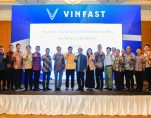
JAKARTA, INDONESIA – Media OutReach Newswire – 16 November 2025 – VinFast has signed a series of Memoranda of Understanding (MOUs) with Indonesia’s leading financial institutions to strengthen cooperation in promoting the country’s green mobility transition. The signings mark a significant milestone in VinFast’s market expansion strategy in Indonesia and reaffirm the Company’s strong commitment to enabling Southeast Asian consumers to switch to electric vehicles with ease […]

Federal agents have arrived in Charlotte, North Carolina, as part of President Donald Trump’s ongoing efforts to ramp up immigration enforcement across the country. The deployment marks a significant escalation in the administration’s crackdown on undocumented immigrants and highlights a growing focus on cities with higher immigrant populations. This move reflects the administration’s strategy of targeting so-called “sanctuary cities,” areas where local authorities limit cooperation with federal […]

The rapid rise in demand for Pop Mart’s Labubu collectibles has raised concerns about the sustainability of their market value, with some analysts drawing comparisons to the infamous Beanie Baby craze that imploded in the 1990s. Labubu, one of the leading characters in Pop Mart’s line of designer toys, has become a highly sought-after collector’s item, but there are growing fears that the market for these toys […]

IBM has committed to enhancing AI-powered search and retrieval capabilities by becoming a premier member of the OpenSearch Software Foundation. The tech giant’s involvement marks a significant step forward in its mission to improve open-source search technology and enrich data-driven decision-making for businesses across industries. This collaboration aligns with IBM’s broader strategy to integrate artificial intelligence more deeply into enterprise systems. OpenSearch, an open-source search and analytics […]

Solaria Energia y Medio Ambiente SA, the Spanish solar energy developer, has taken a strategic step toward expanding its portfolio by engaging Goldman Sachs Group Inc. to identify a financial partner for its newly formed European data centre platform. The move signals the company’s intent to tap into the booming data centre industry, which has seen increasing demand in Europe due to digitalisation, cloud computing, and data storage needs.

The collaboration with Goldman Sachs marks a critical phase in Solaria’s growth as it seeks to diversify its business beyond solar energy projects. The investment bank will assist in connecting Solaria with potential partners that can provide the financial backing needed to grow its data centre operations. The platform is designed to capitalise on the rapid growth of the data storage and processing sector, which is integral to supporting industries ranging from e-commerce to artificial intelligence and beyond.

The formation of this platform comes as the European Union strengthens its push toward digital transformation. As part of its long-term economic strategy, the EU has been prioritising infrastructure that supports the digital economy, such as data centres, which are essential for powering cloud services, big data analytics, and Internet of Things applications. Solaria’s move into this field is a strategic alignment with the EU’s broader goals, placing the company in a strong position to benefit from the region’s increasing investment in digital infrastructure.

Goldman Sachs’ involvement brings significant expertise in the global infrastructure and energy sectors. The bank is expected to use its extensive network and financial knowledge to attract institutional investors or corporate partners who are seeking to enter the rapidly expanding data centre market. Solaria aims to build a platform that will manage and operate data centres across multiple European countries, with a focus on sustainability and renewable energy sources.

The growing need for data processing and storage has been a major driver of the global data centre industry, and Europe is no exception. The region has seen an influx of investment into the sector, driven by increased demand from large technology companies, including cloud service providers, e-commerce giants, and financial institutions. In addition to the need for more physical infrastructure, there is an increasing demand for data centres that are energy-efficient and environmentally friendly.

Solaria’s decision to integrate its solar energy expertise into the data centre platform is a strategic move that could set it apart from competitors. By combining renewable energy sources with data centre operations, Solaria can address growing concerns about the environmental impact of traditional data centre models, which are energy-intensive and reliant on fossil fuels. This aligns with the European Green Deal, which has set ambitious goals for reducing carbon emissions across the continent.

The data centre sector itself has become a hotbed of competition, with global players such as Equinix, Digital Realty, and CyrusOne leading the market. However, regional players have a unique opportunity to capitalise on localised demand and the growing push for sustainability. Solaria’s position as a solar developer with an established track record in renewable energy could allow it to secure a competitive edge in this space, particularly if it can offer clients data centre services that are both reliable and powered by clean energy.

As Solaria works with Goldman Sachs to explore potential partnerships, the company is also positioning itself to capitalise on the increasing convergence of energy and technology sectors. By leveraging its expertise in solar energy alongside a data centre platform, Solaria could provide a comprehensive solution to meet the dual demands of growing digital infrastructure and sustainability.

US President Donald Trump has confirmed his intent to sue the BBC for up to $5 billion, following a controversial incident involving a video edit that misrepresented his comments. The dispute stems from a video posted by the British broadcaster, which Trump claims distorted his remarks, resulting in what he described as unfair damage to his reputation. The controversy erupted after the BBC aired a clip from […]

Fernando Eiroa, CEO of Dubai Holding Entertainment, has shared insights into the company’s ambitious plans to extend its reach globally, with a particular focus on the growing market for immersive attractions. The company, which oversees a portfolio of entertainment ventures, is positioning itself to capitalise on the burgeoning demand for innovative experiences that blend entertainment with cutting-edge technology. Under Eiroa’s leadership, Dubai Holding Entertainment is actively expanding […]

China’s dominance in the global rare earths market has been challenged by its recent move to curb exports of these crucial minerals. The decision has sent shockwaves through industries dependent on rare earths, which are essential for technologies ranging from electric vehicles to smartphones. In response, the United States and its allies are now looking for alternative sources, with Latin America, particularly Brazil, emerging as a potential […]

ENOC Group, a leading player in the energy sector, is set to demonstrate its commitment to sustainable practices at the 19th Dubai Airshow. The group, known for its integrated energy solutions, will focus on innovations aimed at accelerating the transition to a low-carbon economy. One of the key highlights will be the provision of Sustainable Aviation Fuel to JETEX-operated aircraft during the event, underscoring ENOC’s efforts to reduce aviation’s carbon footprint.

The move is part of ENOC’s broader strategy to align with the global push towards net-zero emissions by 2050. With aviation being a significant contributor to global greenhouse gas emissions, the use of SAF is seen as a vital step in the industry’s decarbonisation. SAF, produced from renewable resources, offers a lower carbon alternative to traditional jet fuel and is considered a crucial component in achieving the aviation sector’s climate goals.

In addition to providing SAF, ENOC will showcase other clean energy innovations designed to support the aviation and energy sectors’ transition to sustainable practices. These technologies are aligned with the UAE’s national energy strategy, which prioritises sustainability and aims to position the country as a leader in the global energy transition.

The Dubai Airshow, a prominent global event, serves as an ideal platform for ENOC to display its clean energy capabilities. The event brings together key stakeholders from across the aerospace, aviation, and energy industries, providing ENOC with a valuable opportunity to engage with industry leaders and showcase its role in driving the shift towards a greener future.

ENOC’s partnership with JETEX for SAF supply at the Dubai Airshow reflects the growing demand for sustainable fuel alternatives in the aviation industry. This collaboration builds on ENOC’s longstanding commitment to sustainability and environmental stewardship, as it continues to expand its range of clean energy solutions. The company’s efforts in SAF production are designed to complement its other sustainability initiatives, including investments in renewable energy and advancements in energy efficiency.

The showcase of SAF at the Dubai Airshow is expected to raise awareness about the importance of sustainable aviation fuels in reducing the environmental impact of air travel. As global demand for cleaner energy solutions grows, ENOC’s involvement in this sector underscores its strategic focus on providing innovative, sustainable energy solutions to support the UAE’s climate goals and contribute to global decarbonisation efforts.

ENOC’s participation in the Dubai Airshow also highlights the growing importance of partnerships between energy and aviation companies in addressing climate challenges. By working closely with JETEX and other stakeholders, ENOC is helping to shape the future of sustainable aviation, ensuring that the industry remains aligned with global environmental objectives while continuing to meet the demands of modern air travel.

Actively Promote the “Bringing in and Going Global” Strategy to Empower I&T Companies to Expand into the GBA and Overseas Markets HKSTP leads 13 park companies to CHTF 2025, “China’s No. 1 Technology Exhibition”, presenting breakthroughs across AI, robotics, new energy, semiconductors, smart manufacturing, biotech, fintech, and more The Hong Kong Pavilion features end-to-end innovation from R&D to application, with live demos and business matching for global […]

Investcorp Capital, a prominent Abu Dhabi-listed alternative investments firm, has acquired the US-based Kanawha Scales & Systems, marking a strategic move to broaden its services sector portfolio. The acquisition, which was arranged by Investcorp, comes at a time when the company looks to strengthen its presence in the industrial services space. Although the financial details of the deal have not been disclosed, ICAP has highlighted the significance […]

First Abu Dhabi Bank, one of the UAE’s largest financial institutions, has successfully priced its EUR 850 million benchmark Regulation S green bond, marking a significant achievement in the sustainable finance space. The bond, set with a five-year maturity and a coupon of 3.1201%, highlights the growing appetite for green debt amid a surge in environmental-conscious investment. The issuance, which was rated Aa3 by Moody’s and AA- […]

US and London-based educational technology company, DataCamp, has acquired the UAE-based AI-native learning platform, Optima, in a move designed to enhance its offerings in personalised and real-time learning. The acquisition will see Optima’s technology fully integrated across DataCamp’s existing platforms, bolstering its data science and analytics services with cutting-edge artificial intelligence features. The deal, however, did not include the financial terms, leaving the acquisition value undisclosed. Following […]

Etihad Airways has marked a historic achievement in its financial performance, posting the highest profit after tax in its history for the first nine months of 2025. The airline reported a 26 per cent increase in profit, amounting to AED 1.7 billion, solidifying its position as a leader in the aviation industry. This growth reflects not only a significant rise in profitability but also a continued upward trajectory in key operational areas.

The substantial improvement in profit is indicative of the airline’s successful efforts in managing costs and boosting operational efficiency. Etihad Airways has consistently focused on refining its processes to deliver better service, and these strategies have evidently paid off. The airline’s profit margin rose to 8 per cent, up from 7 per cent for the same period last year, further highlighting the impact of its streamlined operations.

Growth across multiple business segments has been a cornerstone of the airline’s performance. Passenger services saw a notable increase in demand, with higher load factors on flights. The airline has also made strides in its cargo division, benefiting from rising global trade volumes. This diversified growth has provided Etihad Airways with a stable foundation, as it continues to weather any challenges posed by the dynamic nature of the global aviation market.

Customer satisfaction has also been a major contributor to Etihad’s success. The airline’s emphasis on delivering premium services and its commitment to ensuring a seamless travel experience have resonated well with passengers. As a result, Etihad has seen increasing loyalty from its customer base, driving repeat business and enhancing its reputation in a competitive market.

The airline’s commitment to sustainability remains central to its business strategy. By focusing on improving its environmental footprint, Etihad Airways has actively worked towards integrating sustainable practices across its operations. From fuel-efficient aircraft to innovative waste-reduction initiatives, the company has positioned itself as a forward-thinking airline that not only aims for financial success but also strives for responsible growth.

Technological advancements have played a pivotal role in driving Etihad’s operational efficiency. The airline has integrated cutting-edge digital tools to enhance customer service and streamline its backend processes. By implementing smarter ticketing systems, improving flight scheduling, and increasing the digital accessibility of its services, Etihad has been able to stay ahead of customer expectations while also improving internal productivity.

Despite the challenges that the global airline industry has faced, including fluctuating fuel prices and ongoing geopolitical uncertainties, Etihad Airways has managed to sustain its growth trajectory. This continued success can be attributed to the airline’s adaptable business model, which has allowed it to remain flexible in the face of economic and external pressures.

VISHNU RAJA
RYO YAMADA
HITORI GOTOH
IKUYO KITA