Just in:
U.S. Mid Term Result Is A Clear Verdict Against Trump’s Authoritarianism // DIP Holding targets Dh1.12 IPO price and $529m proceeds // Burying Head In “India Made Poverty Reduction” Data Is Dangerous // Dubai boat show confirms international shipyard line-up for November // Cloudflare unveils Zero Wire vulnerability intelligence service // Oil and chip shares retreat after Democratic victories // Hong Kong mandates crypto transaction disclosures to tax authorities // Democrats capture Senate majority with seven Republican seats // Emirates Group records AED 4.1 billion half-year profit // Arrow Electronics showcases technologies advancing intelligent robotics, mobility and digital infrastructure // Fast Just Got Fastest: STING Energy Boost™ Celebrates Kimi Antonelli’s Formula 1® World Championship and the Fan Energy Behind It // Pinarayi faults UDF over mounting road crashes // AI trust gap reveals distinct retail priorities: Divergent paths to consumer growth in Hong Kong and the GBA // xCube Access Welcomes Entrust Capital Limited  Expanding Access to Professional Portfolio Management // As AI Reshapes Education, Singapore Convenes Global Dialogue on the Future of Early Childhood Education // Meraas showcases five residential zones at Dubai Design Week // Anthropic to prohibit persistent abuse of Claude chatbot // OpenAI identifies 948 Linux privilege escalation flaws using AI // Ta’ziz finalises $1.39bn funding for Ruwais industrial facilities // Asia Left Behind: Ten international companies have yet to report delivering on their cage-free egg pledges across the region //

News related to
Tech

GCC countries secured $3.4 bn from 24 initial public offerings in the first half of 2025, down 6% from $3.6 bn over 23 listings a year earlier, according to a report by Kuwaiti research firm Markaz. Saudi Arabia drove the surge, contributing $2.8 bn through 22 IPOs—an increase of 36% year‑on‑year—while the UAE and Oman saw more subdued performances.

Oil‑price volatility, US tariff threats and global trade uncertainty weighed on market sentiment, but issuance volumes rose. The number of offerings edged higher to 24 from 23 in H1 2024, illustrating issuer appetite amid wider economic headwinds.

Saudi listings captured 85% of the total proceeds, reinforcing its dominance in the regional IPO pipeline. The Kingdom raised $2.8 bn, up from $2.1 bn in the first half of 2024, with 22 issuances compared to 19 a year ago.

The UAE saw a substantial 88% drop in IPO proceeds, with just one public offering—Alpha Data—raising $163 m in Abu Dhabi. Oman followed with the debut of Asyad Shipping Company, generating $333 m on the Muscat bourse. No IPOs were recorded in Kuwait, Qatar or Bahrain during this period.

Sector analysis reveals the industrials segment led with $1.4 bn in proceeds, bolstered by Flynas and Asyad Shipping Company. Real estate followed with demand for development and construction offerings, while healthcare IPOs collected $505 m. Financial services and technology contributed $408 m and $204 m respectively.

Performance after listing was mixed. Ten of the 24 companies saw positive returns by the end of June. Asyad Shipping led the pack, with its stock surging 835% since its March 12 listing. Umm Al Qura in Saudi Arabia recorded a 51% gain. On the downside, Hedab Alkhaleej, Dkhoun National Trading and Service Equipment fell by 30%, 27% and 26% respectively. Flynas edged slightly lower by 0.2%, despite an initial dip.

Wider equity market performance across the region showed divergence. Kuwait’s bourse rose 18.1% year‑to‑date, followed by Dubai, Abu Dhabi and Qatar, while Oman, Bahrain and Saudi Arabia retreated by 1.7%, 2.1% and 7.6% respectively.

Geopolitical shocks—including renewed US tariff threats and oil price fluctuations— exerted pressure on national indices. On Monday, Saudi Arabia’s Tadawul shed 0.2%, while Dubai, Abu Dhabi and Qatar all fell in the range of 0.3–0.5%. Investors are watching US inflation signals and Fed decisions closely, given the peg of Gulf currencies to the dollar.

Despite softer proceeds overall, the strong issuance tally suggests issuers seized a narrow window before heightened uncertainty. A PwC analysis of Q1 showed GCC IPOs rose 33%, raising $1.6 bn from 11 deals, with Saudi Arabia capturing nearly 70% of that total.

Looking ahead, Saudi Arabia is expected to maintain momentum, driven by privatisation efforts and a diverse pipeline of government-linked listings led by the Public Investment Fund. The UAE is projected to ramp up activity in industrials and tech, while Kuwait is implementing regulatory reforms to stimulate listings.

Market analysts caution that global headwinds remain. PwC flagged how tariff announcements and macroeconomic instability continue to disrupt IPO sentiment globally. Within the GCC, sustained oil-price volatility and tightening monetary conditions add complexity.

Nevertheless, Gulf capital markets have demonstrated resilience. Encouraged by diversified sector participation and healthy post-listing gains, policymakers and market participants appear poised to capitalise on remaining windows of stability.
Abu Dhabi’s Mubadala Investment Company, Partners Group, GIC and TPG Rise Climate have agreed a €6.7 billion deal to acquire Techem, the Frankfurt-based energy‑efficiency firm, in a strategic move poised to reinforce digital-first submetering and sustainability in European real estate.

The transaction—set to conclude in the second half of 2025, pending regulatory approvals—will see Partners Group’s infrastructure arm retain a controlling stake, while Mubadala, GIC and TPG Rise Climate take minority positions alongside, marking a rotation in ownership strategy. The sale ends the tenure of the prior consortium including La Caisse and Ontario Teachers’ Pension Plan, which supported Techem since 2018.

Techem, founded in 1952 and based in Eschborn, operates in 18 countries and serves more than 440,000 customers with over 13 million dwellings under its care. Approximately 62 million devices are currently installed across its footprint.

Under Partners Group’s 2018 private equity-led acquisition, Techem grew its sales beyond €1 billion and increased EBITDA by nearly 50%. This expansion solidified its role as a leading provider of submetering services—a crucial component in the decarbonisation of real estate, a sector responsible for around 40% of global CO₂ emissions.

The new ownership strategy aims to deepen digital integration, expand offerings to include smart meters, and capitalise on evolving regulations, rising energy prices and corporate net-zero commitments. “Techem is at the forefront of energy services and is uniquely positioned to drive energy efficiency within the real estate sector,” noted Boon Chin Hau, CIO of GIC Infrastructure, underscoring the group’s confidence in Techem’s strategic outlook.

Abdulla Mohamed Shadid, Head of Energy and Sustainability at Mubadala’s private equity platform, emphasised the importance of helping find solutions to global challenges, reflecting the company’s ongoing shift toward purpose-driven capital deployment. Implementation will include further digitalisation of operations and service expansions tailored to improve building efficiency.

This deal, valued at €6.7 billion, ranks among the year’s largest private‑market transactions globally.

Techem’s technology deploys submetering for heating and water, enabling accurate billing and encouraging lower consumption. Their low‑investment, non‑invasive approach aligns well with landlords and property owners seeking cost-effective energy solutions. Trends in European regulation and growing pressure on emissions reduction give the firm a favourable market tailwind—a factor the new consortium appears ready to exploit.

Despite an earlier attempt by TPG to buy out Techem independently in October 2024, that bid fell through after EU antitrust scrutiny. The current agreement reflects a more collaborative structure that shares risk and maintains continuity under infrastructure stewardship.

Commenting on continuity, Techem’s CEO Matthias Hartmann stated that the company’s strategic direction would remain unchanged, emphasising a steady course under the incoming partners.

The transaction parallels broader investment patterns in smart‑energy firms. Over the past year, GIC has partnered with investors such as EQT to acquire UK smart‑meter provider Calisen—a sign of growing interest in climate‑aligned infrastructure.

With assets under management spanning global private markets, Partners Group leads the infrastructure side with over US$27 billion, while Mubadala and GIC bring sovereign-backed financial clout, and TPG Rise Climate adds dedicated impact‑investment expertise; together they form a powerful alliance geared towards scaling energy efficiency across European real estate.

HONG KONG SAR – Media OutReach Newswire – 15 July 2025 – In July 2025, Hong Kong fintech company KN Group announced a significant strategic partnership with AlloyX, a prominent Hong Kong-based Web3 financial technology company. Leveraging AlloyX’s on-chain tokenization infrastructure technology, the two parties will jointly launch the industry’s first tokenized fund with consumer loans as its underlying assets. This collaboration marks the first tokenization of […]

Meta Platforms’ chief executive, Mark Zuckerberg, has announced a staggering commitment: the firm will dedicate hundreds of billions of dollars to construct multiple gigawatt‑scale data centres aimed at advancing superintelligent AI. The first of these massive hubs, named Prometheus, is slated to become operational in 2026, followed by Hyperion, which is expected to scale up to 5 GW in power consumption in the years ahead. These clusters are […]

China has introduced the world’s first oil tanker equipped with adjustable sails, marking a notable step in maritime decarbonisation. The 250‑metre vessel features automated sails that harness wind power, cutting diesel use by up to 14.5 tonnes per day—equivalent to around 5,000 tonnes of CO₂ emissions annually.

The ship was launched at a major Chinese port on 13 July 2025. Naval engineers report that the sails adjust in real time to wind conditions, seamlessly integrating with traditional propulsion systems. Under favourable conditions, the sails alone can provide up to 10% of the vessel’s forward thrust, reducing reliance on fossil fuels and trimming operational costs.

Industry experts describe this as a breakthrough. Dr Li Wei, a maritime technology specialist at a prominent Chinese university, observed that “this marks the first large‑scale application of intelligent sail technology in an oil tanker” and said that the design “could serve as a blueprint for future green tankers”. While alternative zero‑carbon fuels remain the focus of long‑term strategies, sail augmentation presents a practical interim solution.

The initiative aligns with global regulatory pressures. The International Maritime Organization has committed to halving greenhouse‑gas emissions from shipping by 2050. Flettner‑style rotor sails—used on vessels like the Viking Grace ferry—have shown up to 20% fuel savings on optimal routes. China’s innovation refines that concept by adding adjustable sail arrays tailored for large oil carriers, suggesting broader applicability.

Major energy and shipping firms are reportedly evaluating roll‑outs. A senior executive at a state‑affiliated shipping group noted plans to retrofit a fleet of oil and chemical tankers with adjustable sails by 2027, contingent on performance data. Initial trials aim to quantify actual fuel savings, spreadsheeting data on fuel burn, wind usage hours, and analytics from the ship’s sail‑control system.

Yet questions remain. Retrofit costs, structural modifications, and maintenance demand rigorous cost‑benefit analysis. Port infrastructure adaptation—such as clearance for sails and crew training—must also be addressed. Critics argue that, while useful, sail technology cannot fully eliminate emissions without complementary measures like low‑carbon fuels and electrification.

Nevertheless, China’s venture may shift the conversation. Shipbuilders in Europe, Japan and South Korea are racing to develop hydrogen‑ or ammonia‑powered vessels. China’s move showcases an alternative decarbonisation route by optimising existing diesel‑powered fleets. Multi‑source interviews show growing interest from global charterers, some of whom are signalling willingness to pay premium freight rates for lower‑emission vessels.

Maritime insurers are recalibrating risk models, acknowledging that adjustable sails could affect stability and route safety. The new tanker reportedly features advanced ballast‑control systems to compensate for wind forces and automated cut‑out mechanisms during storms.

Trade analysts say China’s state‑backed strategy gives it leverage in global standards talks. Should pilot data validate the 14.5‑tonne daily fuel savings estimate, Chinese shipyards could license or export the design. Such a trend could trigger wider international adoption, pressuring other nations to follow suit.

Shipowners are watching. A European tanker operator, examining images and footage, expressed interest but noted the need for “transparent data on lifecycle emission reductions and economic viability over 20‑year vessel lifetimes.”

Current trials will last six months to a year, tracking metrics like fuel consumption, sail uptime, and maintenance costs. A detailed performance report is expected by mid‑2026, after which retrofit plans may accelerate.

Globally recognized UI/UX and growth marketing agency Tenet (We Are Tenet) selected to spearhead digital growth initiatives for Yomly, two-time ‘HR Software of the Year’ winner at the Entrepreneur Middle East Tech Innovation Awards, as the company accelerates international expansion & enterprise market penetration. Dubai, UAE — July 14, 2025 — Tenet, an award-winning global growth marketing and UI/UX design agency, today announced its selection as the […]

Affirming Its Pioneering Role in Realising Vietnam’s National Digital Asset Policy Over 20 investment fund leaders and 20 top companies in attendance. Featuring partner ARC and senior Nasdaq representatives. Deep-dive sessions on capitalisation solutions and IPO roadmap for Vietnamese enterprises. Official signing of a comprehensive strategic cooperation between Meey Group and ARC HANOI, VIETNAM – Media OutReach Newswire – 14 July 2025 – Meey Group, Vietnam’s leading […]

Advertisements

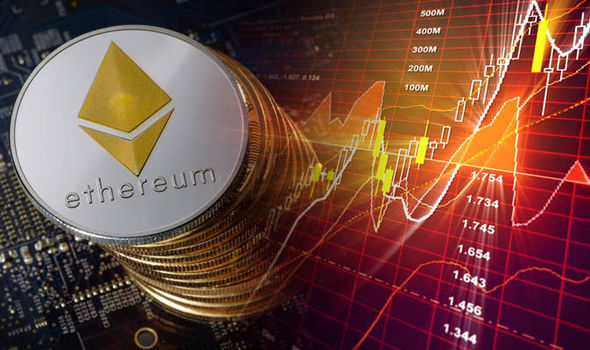
BitMine Immersion Technologies has amassed 163,142 ETH, valued at roughly $500 million, marking the culmination of a newly launched treasury-driven strategy centred on Ethereum. The company raised $250 million via a private placement on July 9 and swiftly deployed the funds, achieving the milestone just five days later. The announcement triggered a surge in its share price—up by more than 40%, erasing prior losses linked to a stock offering.

Tom Lee of Fundstrat, newly appointed chairman, likens the approach to MicroStrategy’s bitcoin strategy, suggesting large Ethereum reserves could confer a “Wall Street put” by accumulating a noticeable slice of supply. At $3,072.67 per ETH, the treasury is positioned to generate upside from both price appreciation and staking rewards.

BitMine’s shift from Bitcoin mining to a dual treasury model hinges on three levers: reinvestment of operational cash flow, capital-market activities, and staking yield. CEO Jonathan Bates emphasises that ETH-per-share will be a key performance metric as the firm expands its treasury holdings.

The broader commercial embrace of Ethereum as a treasury asset is gaining momentum, with decentralised organisations and listed companies now collectively holding around 1.5 million ETH. BitMine is among the heaviest publicly traded Ether holders, joining peers such as Coinbase, SharpLink Gaming, and Bit Digital in staking Ethereum as a productive asset.

Market reaction has been volatile. BitMine shares shot up 3,000% over five trading days by early July following the raise, though the stock later retraced approximately 25% after a market dip. Its market valuation now stands near US$2.4 billion—reflecting a speculative premium on its treasury profile.

Ethereum’s value proposition as a central hub for smart contracts, DeFi applications and stablecoins underpins the strategy. BitMine positions itself as capitalising on the infrastructure layer beneath an expanding $250 billion-plus stablecoin market. Staking offers a yield-generating mechanism that differentiates Ether from Bitcoin, allowing the firm to extract returns while holding the asset.

However, the approach carries risks. Ethereum remains volatile—down roughly 9% year-to-date—raising concerns over treasury valuation swings. Regulatory scrutiny of large crypto holdings also looms, and the firm’s reliance on a single digital asset exposes it to concentration risk.

BitMine operates mining facilities in Trinidad, Texas and Las Vegas, but its identity is now steering towards being an institutional Ethereum treasury vehicle. Analysts note that staking infrastructure providers, such as Galaxy Digital and Alluvia, are launching yield-based products tailored for corporate crypto treasuries.

Investor interest appears to reflect a broader shift. Companies with regulatory barriers to direct crypto holdings are gaining exposure by investing in treasury-oriented businesses. That convergence of traditional finance and decentralised assets is central to BitMine’s narrative as it targets more ETH accumulation per share.

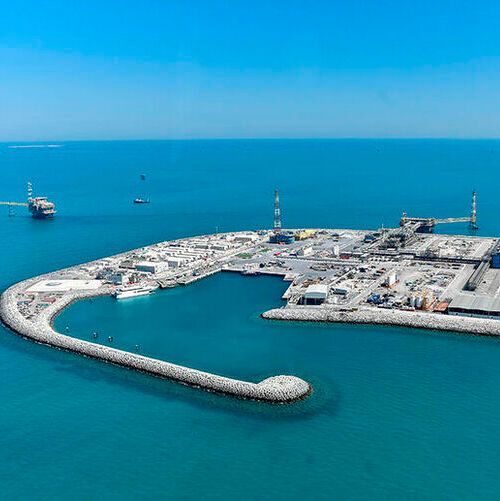
Dragon Oil’s board has named Abdulkarim Ahmed Al Maazmi as Acting Chief Executive Officer, entrusting him with steering the company’s strategic trajectory. With a career spanning more than four decades in the oil and gas sector, he succeeds Ali Rashid Al‑Jarwan—CEO since March 2017—in a leadership transition that signals continuity in the firm’s pursuit of global growth.

Al Maazmi joined Dragon Oil, a wholly owned subsidiary of Emirates National Oil Company, in May 2018 as Executive Director of Exploration & New Ventures, overseeing operations across the MENA region. Prior to that, his career included senior roles that shaped key upstream strategies, including serving as President and General Manager of BP UAE in July 2011. There he led partnerships with ADNOC and the Government of Sharjah and oversaw approximately 235,000 barrels per day of oil production.

Board members acknowledged Al Maazmi’s “high‑calibre leadership and strategic vision” as critical to guiding Dragon Oil’s established assets in Turkmenistan, Egypt and Iraq, as well as its commitment to operational excellence, safety and sustainability. The LinkedIn announcement highlights his appointment as “reflecting continued commitment to operational excellence, safety, sustainability, and expanding our global footprint in support of energy security and economic development”.

During his tenure, Al Maazmi steered major strategic projects. In Turkmenistan, he played a pivotal role in projects within the Cheleken Contract Area, consolidating Dragon Oil’s productive presence there since 2000. He also guided initiatives in Egypt’s Gulf of Suez through the GUPCO joint venture and advanced development in Iraq’s Block 9 in partnership with EGPC and KEC.

Stakeholder relations have also been a hallmark of his career. Between 2011 and 2016, Al Maazmi served on the boards of regional energy firms such as ADCO, ADMA, ADGAS, NGSCO and Bunduq Abu Dhabi, and contributed to governance at the Petroleum Institute and the Emirates National Development Program. His track record in negotiating concession renewals and delivering results in multicultural environments underlines his diplomatic and managerial prowess.

In his new leadership role, Al Maazmi inherits a portfolio that includes mature fields like those in Turkmenistan’s Caspian Sea, growth-led projects in the Gulf of Suez, and exploration ventures in Iraq. Observers anticipate his emphasis will include reinforcing localisation and succession planning—as promoted by the UAE government—while also aligning operations with global decarbonisation goals and emerging regional dynamics.

Colleagues report his approach blends technical depth with empowerment of multi‑disciplinary teams, underpinned by an accountability-focused mindset. This ethos was celebrated during a Dragon Oil town‑hall in July 2025 under the theme “One Team, One Vision”, where Al Maazmi emphasised collective effort in achieving strategic aims across Dubai headquarters and field sites.

Industry analysts view the appointment as timely. As upstream players adjust strategies amid evolving energy demand and geopolitical shifts, leadership continuity becomes a critical asset. Al Maazmi’s elevation reflects Dragon Oil’s desire to maintain momentum in long‑standing assets while exploring new areas of growth and innovative technologies.

His stewardship is also expected to further strengthen Dragon Oil’s ties with host governments. A meeting in late 2024 between Al Maazmi and Turkmenistan’s deputy prime minister reinforced state-level confidence in Dragon Oil’s capacity to deliver mutual benefits. Such relationships are vital as the company aims to balance production targets with evolving energy policies.

This leadership transition also aligns with ENOC’s broader strategy to position Dragon Oil as a national champion in upstream operations. As acting CEO, Al Maazmi is likely to champion projects that balance commercial returns with the UAE’s sustainability and security objectives, while also nurturing domestic talent through Emiratisation and professional development initiatives.

With over forty years in the industry and an extensive track record—from field production to corporate governance—Abdulkarim Al Maazmi emerges as a poised leader for Dragon Oil’s next chapter. His appointment signals a commitment to operational resilience, international collaboration and long‑term value creation in a sector grappling with transformation.

SHENZHEN, CHINA – Media OutReach Newswire – 14 July 2025 – The inaugural promotion event for the 2025 Global Artificial Intelligence Machines and Electronics Expo (AIE) was held in Shenzhen, a thriving innovation hub in South China, on Thursday. Shenzhen hosts first promotion event for 2025 Global AI Machines and Electronics Expo Over 100 representatives from government, industry, and international trade associations attended the event. The event […]

Three of the largest integrated resort‑casino operators in the Philippines have reiterated their commitment to legal compliance and responsible gaming, asserting that their online offerings remain firmly regulated under national laws. Their statement arrives amid heightened scrutiny of online gambling platforms by the national government, underlining the intensifying policy debate over the sector’s societal impact. At the heart of the declaration are Solaire Resort, Newport World Resorts […]

BANGKOK, THAILAND – Media OutReach Newswire – 14 July 2025 – Gother, a tourism service platform, operated by Search Engine Optimization, a joint venture between Beacon Venture Capital (venture arm of Kasikornbank) and Krungthai Ventures (venture arm of Krungthai Bank) is showing strong upward momentum following a 300% business growth in just seven months since launch in the past year. Aimed at upgrading its platform, Gother is […]

digiKam’s 8.7.0 update foregrounds artificial intelligence enhancements, integrating tools that tackle everyday pain points in photo management. Key features include bolstered facial recognition workflows, hardware‑accelerated processing, and a novel AI‑driven image auto‑rotation utility — moves that position digiKam as a free contender in the AI photo management space. Face recognition has undergone targeted refinement. The system now initiates automatic scans when a user confirms or tags a […]

Dubai authorities have issued a warning after a surge in phishing emails impersonating companies such as McAfee Security and PayPal. These messages falsely claim that debit transactions of around AED 1,400 or AED 2,200 have been processed, instructing recipients to cancel the payment within 24 hours. The ruse prompts panicked victims to call a provided number, where scammers gain remote access to their computers and harvest sensitive personal and financial data.

Law enforcement agencies in the emirates highlight this scam as a sophisticated iteration of classic technical support fraud. Dubai Police reported nearly 500 arrests related to phone-based fraud last year, while Sharjah Police uncovered another gang that misused remote-access prompts to defraud residents of AED 3 million via 173 bank accounts. Cybercrime units from across the UAE have reiterated that legitimate companies never solicit remote access, issue invoices from personal accounts, or demand immediate cancellation via unsolicited calls.

Cybersecurity experts confirm that such scams operate by embedding urgency and trusted branding within fraudulent invoices. In some cases, genuine McAfee or PayPal logos are used, with phishing emails exploiting official domains like “@paypal. com” to evade security filters. Most alarmingly, McAfee Labs noted that PayPal-related phishing attempts have spiked sevenfold compared to a month earlier, indicating that cybercriminals are increasingly refining their tactics.

These email scams typically follow a multi-stage process. Victims first receive a customised invoice claiming unauthorised charges. Alarmed by the sum, recipients are directed to call a phone number that leads to a scam call centre. Once connected, scammers initiate remote access software—such as AnyDesk—using the pretext of ‘fraud prevention’, and subsequently extract bank details, personal data and in some cases install malware.

Anecdotal evidence from victims underscores the psychological impact of the scam’s design. One government employee from Dubai reported receiving an email from someone named “Jarred” bearing a McAfee invoice. Convinced that she had skipped a subscription renewal, she reached out via the provided number to cancel. Similar stories have surfaced across the UAE, often involving the extraction of remote passwords and sensitive credentials.

Authorities emphasise vigilance. They advise members of the public to verify any invoice or billing-related email by visiting official websites or contacting customer support via verified communication channels. Users should never allow remote access in response to unsolicited calls.

Globally, this scam mirrors trends seen in the UK and North America. Consumer watchdog Which? identified parallel phishing campaigns wherein emails purporting to be from McAfee or AVG warned of antivirus renewals. These messages aimed to persuade users to scan QR codes or download malicious software to seize device control. York University’s Information Security team also identified fake McAfee renewal notices that claimed subscription charges had been processed, urging recipients to call to reverse the transaction, only to be prompted for remote access.

PayPal’s system has also been exploited via its official invoice and address‑confirmation tools. Scammers can trigger legitimate PayPal alerts by entering a user’s email, bypassing email filters and lending credibility to the scam. Subsequent messages urge recipients to call fake “support” phone numbers, leading to remote-control software installation under the guise of account verification.

Security specialists recommend the following countermeasures:
Always verify invoices by logging into the official company site or app rather than interacting with email links or phone numbers.
Inspect email senders carefully to ensure they match legitimate company domains.
Avoid granting remote access or installing software when prompted by unsolicited callers claiming to represent vendors.
Register suspicious emails with relevant authorities—PayPal’s phishing email forwarding service, and McAfee’s scam reporting email addresses are official avenues.

Email marketing firms and cybersecurity analysts also note that the sharp rise in such scams reflects a broader shift by criminals towards hybrid phishing campaigns that combine urgency, trusted branding and remote access elements. Authorities across the UAE continue to intensify public awareness efforts, urging residents to scrutinise any invoices involving unfamiliar charges above AED 1,000.

OpenAI is preparing to unveil a web browser embedded with its flagship ChatGPT interface and “Operator” AI agent, marking a strategic shift directly targeting Google’s Chrome dominance. The forthcoming browser, expected within weeks, promises to streamline browsing by enabling conversational queries, task automation and form-filling without navigating multiple sites, according to Reuters. The browser is built atop Chromium, the open-source foundation behind Chrome, Edge and Opera, ensuring […]

Rumble has unveiled its new “Rumble Wallet” in collaboration with crypto‑payments specialist MoonPay, designed to empower content creators by enabling them to monetise and manage earnings with Bitcoin and other digital assets directly on the platform. The wallet, slated for launch in the third quarter of 2025, will feature seamless on‑ and off‑ramps for buying, selling and swapping cryptocurrency—a move aimed at reducing dependence on traditional banking […]

Overview – Asia Pacific’s Wealth Boom Accelerates HONG KONG SAR – Media OutReach Newswire – 14 July 2025 – The sixth edition of the Julius Baer Global Wealth and Lifestyle Report confirms the ongoing shift from material consumption towards experiences. Jen-Ai Chua, Research Analyst, Asia, Julius Baer, commented: “Asia Pacific remains one of the fastest-growing regions globally. Real GDP grew 4.5 per cent year on year in […]

Linux users can now install Mozilla VPN via Flatpak on Flathub, opening the way for seamless cross‑distribution deployment. The move elevates the privacy-centric VPN’s reach beyond Debian-based systems, where it was previously limited by Debian packages, addressing long-standing accessibility challenges. Bringing Mozilla VPN to Flatpak aligns with growing demand for universal packaging solutions across diverse desktop environments. Previously, users on distros like Fedora, Arch and openSUSE had […]

Cybersecurity firm Darktrace has revealed a sophisticated social engineering campaign targeting cryptocurrency users on Windows and macOS. The scheme employs fake start‑up companies themed around AI, gaming, Web3, video conferencing, and social media to trick individuals into downloading malware disguised as legitimate software. Darktrace’s analysis shows threat actors are establishing plausible digital identities using compromised or spoofed X accounts—sometimes verified—for both companies and employees, hosted on platforms […]

UAE’s Ministry of Energy and Infrastructure has restated its unwavering aim to lift crude oil production capacity to five million barrels per day by 2027 amid shifting global energy demand. The clarification from Abu Dhabi follows remarks from the Energy Minister indicating potential capacity growth beyond that goal.

Aligned with its declared strategy, the nation insists the 5 million bpd target remains intact. Energy Minister Suhail Mohamed al‑Mazrouei, speaking at the Opec International Summit in Vienna, emphasised the UAE could scale up to six million bpd if global markets required—while making clear this figure is not an official target.

Presently, UAE’s production capacity stands at around 4.85 million bpd. The ministry’s public affirmation underscores long‑established plans by Abu Dhabi National Oil Company to align with wider economic imperatives, including state‑led diversification and responsible growth.

On the sidelines in Vienna, Minister al‑Mazrouei pointed to oil inventories that have not surged, interpreting it as evidence of sustained market demand. He characterised the additional million barrels potential as a proactive choice, contingent on demand, rather than a binding pledge.

Opec+ has already increased the UAE’s production quota this year, acknowledging its heavy investment in expanding capacity from 3 million to 4.85 million bpd. That quota adjustment reflects a bid to balance output with capacity and avoids penalising investment-led increases.

Global energy forecasts cited at the summit envision oil demand climbing by nearly 19 percent to 123 million bpd by 2050, driven by economic growth, urbanisation, and energy‑intensive industries such as artificial intelligence. Despite this, Opec has revised its short‑term forecast downward amid signs of slowing demand in China. Long‑term growth, however, is expected from regions including Asia, the Middle East and Africa.

ADNOC’s accelerated expansion plan—bringing forward its 5 million bpd capacity objective from 2030 to 2027—was endorsed by the board under the leadership of His Highness Sheikh Mohamed bin Zayed Al Nahyan, supported by CEO Sultan Ahmed Al Jaber. The strategy forms part of a broader state-led drive combining energy security with economic diversification and sustainability.

While bolstering its crude oil output, ADNOC is also investing heavily in low‑carbon solutions. It allocates about US $5 billion annually to clean energy and has set a net‑zero emissions ambition for 2045. The company is integrating solar and nuclear power into offshore fields and is implementing carbon‑capture technologies in major developments.

ADNOC’s low-carbon division recently acquired Germany’s Covestro for US $16 billion, signalling a move to diversify into value‑added petrochemicals such as plastics, foams and ammonia. Its strategy foregrounds gas, chemicals and downstream operations alongside oil capacity growth, in anticipation of structural shifts in global energy use.

The UAE is poised to become the world’s fourth-largest oil and liquids producer if the anticipated expansion is achieved, trailing only the United States, Saudi Arabia and Russia. At six million bpd capacity, it would surpass producers such as Canada, China, Iraq and Iran in scale.

However, uncertainties remain. The pace of global energy transition, the adoption of renewables, and potential peaking of oil demand—especially in China—pose risks to long-term strategy. But the UAE appears ready to hedge by maximizing flexibility: build for five million bpd, yet leave room to stretch if markets demand.

The public reaffirmation by the ministry serves both domestic and international audiences: showcasing earnest delivery of targets, reassuring investors on energy stability, and reinforcing the UAE’s position as a stabilising force within Opec+.

Oil prices have shifted sharply this week, with demand forecasts now under pressure from escalating trade tensions fuelled by fresh tariffs. Brent crude is trading in the high‑60s per barrel, while benchmark WTI hovers around mid‑60s, reflecting growing investor caution. Analysts point to revised supply and demand projections as indicators of a changing market landscape.

An International Energy Agency monthly report has cut its global oil‑demand growth forecast for 2025 to 700,000 bpd, the slowest pace since 2009 outside the pandemic, down from 720,000 bpd last month. The downgrade reflects weaker consumption in emerging markets and a cooling US‑China trade outlook. Supply continues to outpace demand as OPEC+ ramps up production; global output in June rose by about 950,000 bpd to reach 105.6 mbpd.

The IEA notes the oil market remains technically in surplus, with inventories building globally—even as regional stock draws persist. Oil runs at refineries have slowed, particularly in the US and China, enabling downward revisions in demand projections. Enverus Intelligence Research offers a counter‑view, pointing to balanced OECD inventories and sustained summer demand north of 1 mbpd, which may support higher prices.

The US Energy Information Administration expects US crude oil production to plateau at roughly 13.4 mbpd in 2025, dropping modestly later this year as lower prices curb drilling activity. Despite this, producers remain vulnerable to profit erosion unless prices stabilise in the $65–70 range.

President Trump’s trade moves have reignited fears of another global trade war, with new tariff letters dispatched to Brazil, South Korea, Japan, the Philippines and others this week. Threats of 50% duties on exports such as copper, semiconductor components and auto parts are weighing heavily on commodity‑linked equity markets and raising recession risk concerns. Oil prices dropped more than 2% on Thursday as benchmark futures responded to the potential hit to economic growth.

While some market participants remain in “wait‑and‑see” mode, given Trump’s unpredictability and history of policy reversals, the overarching effect is to dampen demand forecasts. Onyx Capital’s head of research, Harry Tchilinguirian, cautions against overreaction but acknowledges that tariffs are adding to inflationary pressures and may reinforce Federal Reserve caution.

Geopolitical flashpoints in the Middle East continue to influence sentiment. Oil surged in June as Iran threatened to close the Strait of Hormuz, which handles almost 20% of world oil shipments, but prices eased once the waterway remained open. Meanwhile, Saudi Arabia raised official prices to consumers, citing strong demand in China’s post‑pandemic recovery, though refiners are reporting margin squeezes.

Financial institutions have started to reflect this shifting environment in their projections. A Reuters‑polled group of 40 analysts revised Brent average forecasts for 2025 to $67.86 per barrel—up marginally from May—while predicting demand growth of only around 730,000 bpd. JP Morgan cut its annual Brent estimate to $66, citing rising OPEC+ output and sluggish consumption. TD Economics trimmed its forecast further, expecting 2025 WTI to average near $62, warning of sustained downward pressure from trade risk and oversupply.

Two factors loom large over the coming months. First, the path of trade tensions: further tariff escalations or retaliatory actions could erode industrial activity and fuel sales. Second, OPEC+ strategy: with the bloc unconstrained in raising output, additional production could overwhelm tepid demand, pushing prices below current levels. The IEA projects supply growth for 2025 at 2.1 mbpd, while demand is seen rising just 700 kbpd.

On the financial front, hedge fund positioning has turned cautious, registering the sharpest drop in bullish sentiment since February. Traders are forecasting narrower price ranges ahead, with elevated volatility as tariff developments hit market headlines.

Forward‑looking forecasts remain mixed. EIA projects Brent to average $68.89 in 2025 and $58.48 in 2026, marking a seasonal decline. Enverus suggests the upside remains intact if demand holds steady, especially with summer driving season underway. Market watchers also note that rising gas‑to‑oil switching costs, refinery restarts and diminished spare capacity could temper price declines.

China’s consumption is also under scrutiny. While Beijing seeks to stimulate growth through fiscal and monetary tools, investor sentiment remains fragile. Saudi’s decision to push prices higher was based on perceived strengthening in Chinese demand, but many analysts caution that any slow‑down could rapidly tip the balance.

Emerging long‑term trends offer some balance. IEA’s long‑term outlook suggests oil demand will continue rising through the late 2020s, driven by non‑OECD economies and slower clean‑energy adoption, delaying peak demand beyond 2030. Nonetheless, short‑term price direction seems firmly tied to macroeconomic risks and geopolitical dynamics.

Goldman Sachs has begun deploying “Devin,” an autonomous coding agent developed by London-based startup Cognition, as part of its technology workforce, Chief Information Officer Marco Argenti confirmed to CNBC. The bank plans to roll out hundreds, potentially thousands, of Devin instances working alongside its approximately 12,000 human software engineers. Argenti described Devin as a “new employee” that will augment rather than replace human programmers, forming what he […]

Bitcoin surged past $118,000 this week, driven by booming ETF inflows and institutional adoption. Bitwise Asset Management’s CIO Matt Hougan forecasted that the leading cryptocurrency could reach $200,000 by year‑end, citing intensified demand and structural momentum.

Industry momentum is underpinned by record ETF inflows. As of Thursday, bitcoin exchange‑traded funds saw $1.18 billion of daily inflows, with total net inflows in 2025 reaching approximately $51 billion. Hougan emphasises that this flood of investment—coupled with restricted supply—is driving a new price discovery phase for BTC. BlackRock’s IBIT, the fastest‑growing spot ETF in history, exceeded $80 billion AUM shortly after its launch.

On‑chain metrics bolster the institutional narrative. Marta technical analyst Katie Stockton of Fairlead Strategies identified a cup‑and‑handle pattern following the breakout above $111,000, projecting a potential climb to around $134,500—an upside of nearly 14 percent from current levels. Additional evidence of a short‑squeeze emerged: over $1 billion in short positions were liquidated within 24 hours as bitcoin surpassed $118,000.

Corporate treasury adoption continues apace. Firms beyond MicroStrategy are increasingly allocating bitcoin holdings. Q2 saw a 23 percent surge in corporate bitcoin ownership, reaching approximately 847,000 coins. Alongside MicroStrategy’s substantial position, companies like GameStop and Figma initiated purchases, with Sequans Communications acquiring 370 coins. This trend reflects a deepening conviction in bitcoin’s strategic value amid macroeconomic uncertainty.

Political developments have also shaped sentiment. The U. S. Senate approved the GENIUS Act in June, defining regulatory frameworks for stablecoins and crypto platforms. Congressional discussions continue on the CLARITY Act and the Anti‑CBDC Surveillance State Act. Meanwhile, an executive order issued on 6 March 2025 established a Strategic Bitcoin Reserve, mandating government retention of forfeited bitcoin and signalling federal endorsement.

Global macro conditions are another tailwind. Federal debt expansion and a weaker dollar, driven by U. S. fiscal policy and potential monetary easing, reinforce bitcoin’s appeal as an inflation hedge. Hougan argues that supply limitations combined with persistent ETF and corporate demand create a compelling bull case.

Closer analysis reveals technical resilience. Support now lies around previous resistance levels—between $108,300 and $112,000. BTC’s consolidation above these benchmarks, paired with strong volume and bullish MACD readings, suggests sustained momentum.

Analysts from Citi, Hashdex, and Kraken echo the bullish tone. Citi describes bitcoin’s behaviour as akin to a physical commodity and part of a diversified risk-on portfolio. Trade Nation’s David Morrison attributes the uptick to widespread investor appetite for risk, while Kraken’s Thomas Perfumo ties the rally to strength in US equities and cascading liquidation of short positions.

Ethereum and other altcoins are not left behind: Ethereum surpassed $3,040 this week, buoyed by its own ETF inflows, while Solana hit $167 driven by increasing trading volume. However, bitcoin remains the primary focus, reflecting its entrenched role in institutional strategies.

Matt Hougan’s forecast of $200,000 rests on three pillars: ETF demand, corporate accumulation, and constrained supply. “Bitcoin is no longer a speculative asset,” he stated; “It’s now a cornerstone in institutional portfolios. This trend is just beginning”. Even if volatility persists, the convergence of demand-side forces underscores a paradigm shift in how bitcoin is perceived by policymakers and capital allocators alike.

China’s BYD has pledged to assume full legal and financial responsibility for any accidents involving its new Level‑4 autonomous parking system, marking a decisive shift in automaker liability practices. The commitment, limited to parking scenarios using its “God’s Eye” system, allows drivers to bypass insurance claims entirely: damages will be handled directly through BYD after-sales services. BYD’s announcement follows confirmation that its God’s Eye system has reached […]

VISHNU RAJA
RYO YAMADA
HITORI GOTOH
IKUYO KITA
Just in:
Cyberport Venture & Capital Forum 2026 Grand Opening // ADIA and partners establish $1.4 billion aviation venture // Burying Head In “India Made Poverty Reduction” Data Is Dangerous // Ta’ziz finalises $1.39bn funding for Ruwais industrial facilities // DIP Holding targets Dh1.12 IPO price and $529m proceeds // Dubai boat show confirms international shipyard line-up for November // xCube Access Welcomes Entrust Capital Limited  Expanding Access to Professional Portfolio Management // Asia Left Behind: Ten international companies have yet to report delivering on their cage-free egg pledges across the region // Emirates Group records AED 4.1 billion half-year profit // Cloudflare unveils Zero Wire vulnerability intelligence service // Vance attributes Republican midterm defeats to Iran conflict // U.S. Mid Term Result Is A Clear Verdict Against Trump’s Authoritarianism // Oil and chip shares retreat after Democratic victories // Hong Kong mandates crypto transaction disclosures to tax authorities // AI trust gap reveals distinct retail priorities: Divergent paths to consumer growth in Hong Kong and the GBA // After Reaching 7 Million Users in the Philippines, Skyro Launches Transparent Cash Loans in Malaysia // Meraas showcases five residential zones at Dubai Design Week // OpenAI identifies 948 Linux privilege escalation flaws using AI // Fast Just Got Fastest: STING Energy Boost™ Celebrates Kimi Antonelli’s Formula 1® World Championship and the Fan Energy Behind It // Arrow Electronics showcases technologies advancing intelligent robotics, mobility and digital infrastructure //