News related to
agreement

SINGAPORE, Sept. 26, 2024 – The International Carbon Materials Union (ICMU) officially inaugurated its Singapore Liaison Office on September 24, 2024, marking a significant step in expanding its influence within the Southeast Asian region. The ceremony, held at the Glory Zenith Group’s office, was presided over by Liu Wei, Secretary-General of ICMU, and attended by notable advisors from the organization along with representatives from key sectors including […]

 Symbiosis International (Deemed University), one of India’s most esteemed academic institutions, has successfully launched its first international campus in Dubai, officially licensed by the UAE Ministry of Education (MOE) and Knowledge and Human Development Authority (KHDA). 

All the academic programmes are accredited by the Commission for Academic Accreditation under the Ministry of Education UAE.

With over 50 years of academic excellence and a legacy rooted in global education, Symbiosis is bringing world-class education to the UAE, strengthening bilateral ties between India and the UAE.

With its Vedic principle, Vasudhaiva Kutumbakam—’The’World is One’Family’—Symbiosis has bridged global cultures and promoted inclusive education. Now, with the Dubai campus already in operation after officially commencing classes in the first week of September, Symbiosis is ready to make its mark on one of the world’s most dynamic cities.

The academic programmes include BBA in Accounting and Finance; MBA, BCA in AI and ML, Cloud Computing, Data Science and Data Analytics; BA in Media and Communication  with Digital marketing, Public Relations, Advertising and Corporate communications. 

Symbiosis’ establishment in Dubai strengthens the partnership between India and the UAE, contributing to both nations’ strategic goals. The move aligns with the UAE’s D33  Economic Agenda, which focuses on doubling the economy by 2033, with a strong emphasis on education and talent development. It also reinforces the Comprehensive Economic Partnership Agreement (CEPA) between India and the UAE, promoting educational and economic ties.

DUBAI, UNITED ARAB EMIRATES – EQS Newswire – 26 September 2024 – Amid the escalating climate challenges the world is facing, the role of climate finance in bolstering resilience across different regions has become increasingly vital, particularly for the most vulnerable countries. Adequate funding is essential to support mitigation and adaptation initiatives, empowering these countries to manage the effects of climate change while advancing sustainable development. According […]

Kenya is reportedly on the verge of securing a $1.5 billion loan from the United Arab Emirates (UAE), a move aimed at bolstering the country’s struggling financial position. This financing deal, which carries an interest rate of 8.2%, comes amid a widening budget deficit and persistent fiscal challenges faced by the Kenyan government. The financing arrangement is part of Kenya’s strategy to diversify its budget support sources […]

Commercial Bank of Qatar has achieved a significant milestone in sustainable finance by issuing its largest green bond, valued at 200 million Swiss francs (approximately $220 million). This issuance reflects the growing commitment to environmental sustainability in the Middle East, positioning Qatar as a key player in the global green finance market. The bond will not only enhance the bank’s capital structure but also contribute to financing […]

HONG KONG SAR – Media OutReach Newswire – 23 September 2024 – The first baijiu company listed on the Hong Kong Stock Exchange and the second Chinese sauce-aroma baijiu stock being publicly listed, ZJLD Group Inc. (“ZJLD” or the “Company”, SEHK stock code: 06979. HK), has been awarded the prestigious “Outstanding Social Sustainable Awards” and “Outstanding Green Sustainable Awards” by the Metro Finance’s “GBA ESG Achievement Awards […]

By Nitya Chakraborty India’s neighbour Sri Lanka has elected the Marxist-Leninist leader Anura Kumara Dissanayake as the next president in the intensely contested presidential elections held on Saturday, September 21. About 75 per cent of the total of 170 million population who voted, broke away decisively from the binary of two political formations through years […]
Advertisements

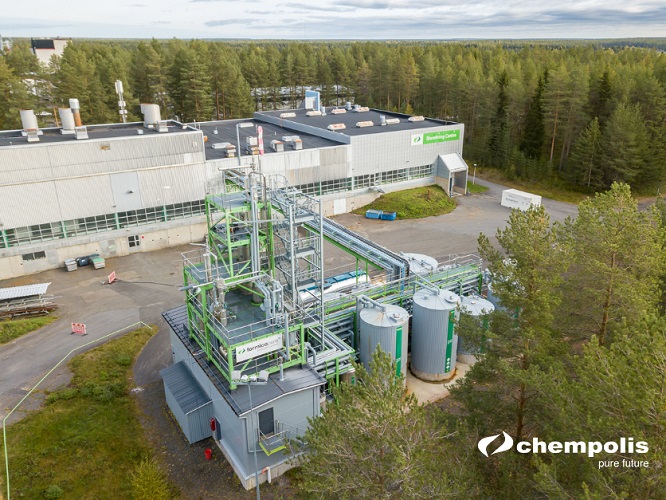
AM Green Technology and Solutions B.V., part of the AM Green Group, has finalized agreements to acquire Chempolis Oy, marking a significant step in its push toward sustainable fuel solutions. The acquisition of Chempolis, a biofuel technology company, aligns with AM Green’s strategy to strengthen its presence in the global energy transition market. AM Green plans to invest approximately $1 billion over the next three years to scale up the production of Sustainable Aviation Fuel (SAF) through Chempolis’ next-generation second-generation bio-refinery technology.

The acquisition is positioned to transform AM Green into a major player in the renewable fuels sector, focusing on producing over half a million metric tonnes per annum (MTPA) of SAF. The deal, formalized in a binding agreement, is seen as part of the broader industry trend toward decarbonizing the aviation sector, where SAF has gained increasing attention due to its potential to significantly reduce carbon emissions.

AM Green’s Chief Executive Officer described the acquisition as a “pivotal moment” for the company. He emphasized that the technology provided by Chempolis will allow for a more environmentally friendly approach to fuel production, particularly in the aviation industry, which is under mounting pressure to meet global carbon reduction targets. “This acquisition underscores our commitment to providing innovative, scalable solutions for energy transition. Chempolis’ bio-refinery technology is uniquely positioned to make a meaningful impact in the effort to decarbonize global airline operations,” he noted.

Chempolis is known for its cutting-edge, second-generation bio-refining technology that converts agricultural residues into biofuels. Unlike first-generation biofuels that rely on food crops like corn and sugarcane, second-generation biofuels are made from non-food sources, offering a more sustainable alternative without competing with global food supplies. By integrating Chempolis’ expertise, AM Green aims to rapidly scale its biofuel production to serve the growing global demand for SAF.

The aviation industry is facing increasing scrutiny over its environmental impact, with SAF emerging as a key solution to mitigate carbon emissions from flights. SAF is recognized for its ability to reduce greenhouse gas emissions by up to 80 percent compared to traditional jet fuel, depending on the production process. Many airlines, particularly in Europe and North America, have begun to incorporate SAF into their operations as part of broader sustainability goals. However, production volumes remain limited, with high costs and supply chain challenges posing obstacles to widespread adoption.

AM Green’s investment will help address these issues by ramping up SAF production and reducing costs through economies of scale. The company plans to leverage Chempolis’ technology not only in its own operations but also through a global licensing model. This strategy will enable other industry players to adopt the bio-refining technology, thus expanding the reach of SAF production beyond AM Green’s facilities. The aim is to create a broader ecosystem of bio-refineries around the world, working together to meet the aviation sector’s decarbonization targets.

Experts have noted that the acquisition reflects the growing competition among companies to acquire advanced biofuel technologies as the world shifts toward renewable energy sources. The airline industry is projected to face stricter environmental regulations in the coming years, driving the demand for alternative fuels. SAF, which can be blended with conventional jet fuel and used in existing aircraft without modifications, is seen as a practical solution to reduce emissions in the near term, while longer-term innovations like electric and hydrogen-powered planes remain under development.

AM Green’s $1 billion investment will be crucial in scaling up SAF production, which is still in its early stages. Currently, SAF represents less than 1 percent of total jet fuel consumption, but analysts predict that figure will rise significantly over the next decade as more airlines commit to sustainable fuel alternatives. By integrating Chempolis’ technology, AM Green is positioning itself to play a leading role in this transition.

The company also intends to partner with airlines and airports to facilitate the adoption of SAF on a global scale. In addition to producing SAF, AM Green plans to develop an extensive bio-refinery network, providing licensing opportunities for other companies interested in utilizing Chempolis’ technology. This approach could help lower the entry barriers for SAF production, making it more accessible and affordable for a wider range of stakeholders.

The bio-refinery technology that Chempolis offers is designed to be highly versatile, capable of processing various types of biomass, including agricultural residues, municipal waste, and forestry by-products. This flexibility allows for a more sustainable and diversified feedstock supply, reducing reliance on any single resource. Moreover, the technology is known for its efficiency in converting raw materials into usable fuels, minimizing waste and environmental impact.


The World Bank has announced a record allocation of $42.6 billion towards climate finance in fiscal year 2024, marking a significant milestone in its efforts to support the global transition to clean energy. This represents a 10% rise from the previous year’s $38.6 billion, a testament to the institution’s ongoing commitment to addressing climate challenges in developing and emerging markets. The bank’s latest financial commitment is part of a broader strategy aimed at directing 45% of its total financing toward climate-related projects, a target it is closing in on.

This surge in climate financing has been largely directed towards green infrastructure, sustainable agriculture, renewable energy projects, and climate resilience measures, particularly in developing countries that are most vulnerable to the impacts of climate change. While the increased funding highlights progress, it still falls short of the trillions required annually to meet global climate goals. Experts have emphasized that for the world to reach net-zero emissions, particularly in emerging markets, there will need to be a substantial increase in both public and private sector investment.

Efforts by the World Bank to prioritize climate finance have come at a critical juncture, with climate-related disasters and global energy transitions becoming more urgent. The $4 billion increase compared to last year underscores the scale of financial mobilization required, yet it also highlights the significant funding gaps that still exist. Many developing countries face considerable challenges in accessing affordable financing to transition to cleaner energy sources, with the cost of capital often prohibitive for large-scale investments.

As governments worldwide continue to set ambitious decarbonization targets, developing economies are grappling with the competing demands of reducing emissions while fostering economic growth. The World Bank’s climate finance aims to bridge this gap, with projects that not only focus on reducing emissions but also enhancing climate resilience and supporting sustainable development initiatives.

The $42.6 billion record in 2024 is seen as a positive step forward, but analysts warn that much more must be done to meet the ambitious targets set by international climate agreements, such as the Paris Agreement. The International Energy Agency (IEA) estimates that to reach global net-zero emissions by 2050, annual investments in clean energy will need to rise to around $4 trillion. This underscores the need for more innovative financing mechanisms, stronger international collaboration, and the involvement of the private sector to mobilize the required capital.

The World Bank has been lauded for its leadership in climate finance, but the scale of the challenge demands broader participation from global financial institutions. Its financing structure, which blends grants, concessional loans, and guarantees, is designed to attract private investment and de-risk projects in developing economies. However, concerns remain that the current pace of financing may not be sufficient to prevent the worst impacts of climate change, particularly in regions that are already experiencing severe climate shocks.

India’s climate tech sector is facing significant funding challenges, according to a report by IIMA Ventures and MUFG Bank. Despite the country boasting over 800 climate tech startups, the ecosystem is grappling with limited access to capital, which is hampering innovation in critical areas such as renewable energy, carbon capture, and sustainable agriculture. The findings highlight a growing concern over the sector’s future, as it seeks to […]

President Joe Biden convened with key Indo-Pacific leaders on Saturday, reaffirming the United States’ commitment to bolstering regional maritime cooperation and countering the growing strategic influence of China. During the summit with the leaders of India, Australia, and Japan, Biden underscored the importance of the Quadrilateral Security Dialogue (Quad), a security coalition increasingly focused on ensuring the stability of the Indo-Pacific region, both economically and militarily. Biden’s […]

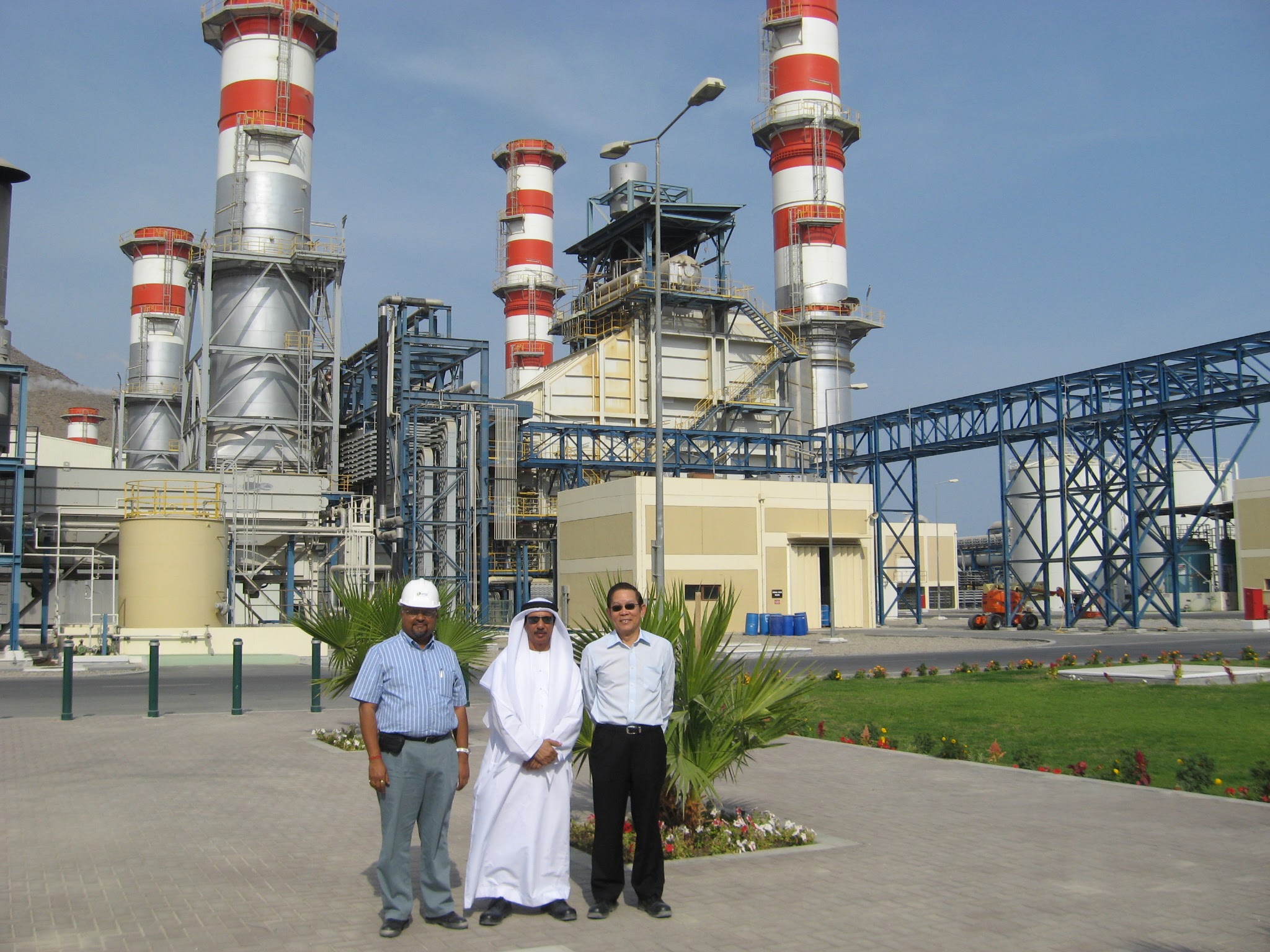
A significant deal has been struck in the UAE’s energy and water infrastructure sector as the UAE Offsets Group (UOG) awarded a $453 million contract to a consortium of Al Jaber Energy Services (AJES) and Technip for the transmission package of the Fujairah desalination and power project. The signing of this agreement marks a crucial step forward in efforts to meet the rising demand for water in Al Ain and power in the Northern Emirates.

The consortium, featuring AJES as the local partner and Technip, a global leader in engineering and construction, will be responsible for the design, construction, and commissioning of a 185-kilometer pipeline. This pipeline will transport water from Fujairah to Al Ain, including a 16-kilometer extension to Al Dhaid. In addition to the pipeline, the project involves the construction of associated infrastructure such as water pumping stations and storage tanks to ensure an efficient supply of water to meet growing consumption in the region.

The contract comes at a time when power demand in the Northern Emirates is increasing by 10 to 15 percent annually, particularly during the peak summer months. Addressing these needs has become a top priority for the UAE government. The project will provide a much-needed solution to the region’s persistent power shortages while catering to the growing population and industrial expansion in the area.

Al Jaber Energy Services and Technip were selected as the preferred bidders after a competitive tender process. The successful award of the contract is part of a broader strategy by the UAE to develop its water and energy infrastructure to meet both present and future needs. The project is also aligned with the country’s sustainable development goals, particularly in water conservation and energy efficiency.

The pipeline will play a critical role in ensuring the long-term security of water supply for residents of Al Ain, a city that has seen rapid growth in recent years. The consortium is expected to deliver the project with high standards of efficiency and reliability, leveraging their combined expertise in large-scale engineering projects.

This award follows a series of projects aimed at bolstering the UAE’s infrastructure, including power generation and desalination initiatives. The Fujairah desalination plant itself, part of the overall package, will have a significant capacity to meet future water demands, thus reinforcing the UAE’s commitment to sustainable water management and infrastructure resilience.

Al Jaber, a UAE-based conglomerate with vast experience in the construction and engineering sectors, has previously been involved in major infrastructure projects across the region. Meanwhile, Technip, known for its global reach and expertise in energy infrastructure, will provide the technical know-how and engineering capabilities needed to ensure the project’s success.

This contract award highlights the importance of public-private partnerships in the UAE’s ongoing efforts to address infrastructure challenges. The UOG’s involvement ensures that the project will be executed within the strategic framework of the UAE’s national development objectives. It also underscores the growing role of international companies like Technip in supporting the UAE’s infrastructure and energy needs.

Construction on the pipeline and its associated facilities is set to begin shortly, with a tight project timeline to meet the pressing demand for water and power. The Fujairah-Al Ain pipeline is expected to significantly improve water distribution efficiency and address critical shortages that have affected the region in recent years.

HO CHI MINH CITY, VIETNAM – Media OutReach Newswire – 19 September 2024 – The Ho Chi Minh City Development Joint Stock Commercial Bank (HDBank – HOSE: HDB) and Proparco, the private sector financing arm of Agence Française de Développement Group (AFD Group), have signed a credit facility worth US$50 million. HDBank and Proparco’s leaders at the signing ceremony for a credit facility worth US$50 million in […]

Dubai’s strategic focus on medical tourism has intensified, driven by a new Memorandum of Understanding (MoU) signed between the Dubai Health Authority (DHA) and the Dubai Department of Economy and Tourism (DET). The MoU is set to bolster the city’s already formidable reputation in healthcare by expanding its role as a premier destination for medical tourists. This collaboration aligns with Dubai’s broader economic agenda, particularly the D33 strategy, aimed at enhancing the emirate’s position across key sectors.

One of the most significant objectives of this agreement is to attract investments into Dubai’s healthcare sector. Authorities are targeting a global audience of medical tourists by leveraging advanced healthcare facilities and promoting top-quality services. Dubai’s existing infrastructure, along with its geographic advantage at the crossroads of Europe, Asia, and Africa, plays a critical role in enhancing its attractiveness to international patients seeking high-quality medical care. The DHA’s Director General, Awadh Seghayer Al Ketbi, emphasized that this MoU is part of a broader vision to solidify Dubai’s position as a global leader in medical tourism, attracting investments and showcasing the emirate’s medical capabilities.

Dubai has already witnessed a strong surge in medical tourism over the past year, drawing 691,478 medical tourists in 2023, with expenditures on healthcare services exceeding AED 1.034 billion. This marks an increase from the previous year, demonstrating the emirate’s growing appeal in the global healthcare landscape. Dubai has positioned itself as a prime destination for advanced treatments across specialties, including orthopedics, cardiology, oncology, and cosmetic surgery. Hospitals in the city are also seeing a rise in demand for wellness programs, preventive care, and medical check-ups, catering to international patients looking for comprehensive healthcare solutions.

The impact of this surge in medical tourism extends far beyond healthcare. The influx of international visitors has fueled revenue across sectors such as aviation, hospitality, and retail, with indirect revenues surpassing AED 2.305 billion. The city’s medical tourism infrastructure is further strengthened by initiatives like the Al Safeer Congress Ambassador Programme, which works to attract major medical conferences and meetings to Dubai, solidifying its position as a medical knowledge hub. This combination of world-class facilities and strategic networking places Dubai at the forefront of the medical tourism industry globally.

As part of the DHA and DET’s collaboration, the two entities plan to establish networks of international partnerships, further driving innovation and knowledge sharing within the medical field. The collaboration also seeks to streamline investment opportunities for foreign and local stakeholders, ensuring that the healthcare sector remains a robust engine of economic growth. These efforts will likely lead to the introduction of more state-of-the-art hospitals and specialized medical centers, enhancing the overall quality of life for residents and international visitors alike.

Dubai’s continued investment in smart healthcare solutions and digital health is another critical factor contributing to its success in attracting medical tourists. By adopting advanced technology, the city is setting a benchmark for medical innovation, from AI-driven diagnostics to telemedicine and remote care services. These technological advancements offer convenience and enhanced patient care, which is a significant draw for medical tourists from around the world.

Additionally, the DHA has implemented several regulatory reforms aimed at simplifying business registration for investors and ensuring compliance with local laws, thus encouraging further growth in the medical tourism sector. These reforms are part of a broader effort to make Dubai a more attractive environment for medical professionals and investors, allowing the healthcare industry to expand rapidly and meet the demands of a growing international patient base.

In this increasingly competitive global medical tourism market, Dubai’s ability to offer a unique blend of cutting-edge medical care, luxury hospitality, and tourism experiences sets it apart. The city offers patients not only access to world-class medical treatment but also the opportunity to recover in a luxurious environment, with easy access to Dubai’s numerous leisure and cultural attractions.

BEIJING, CHINA – Media OutReach Newswire – 18 September 2024 – On September 13, at the “Beijing Day” and Beijing-Tianjin-Hebei Coordinated Investment Promotion Conference during the 2024 China International Fair for Trade in Services, it was announced that the Beijing E-Town Comprehensive Bonded Zone has been approved by the State Council. With a planned area of 0.61 square kilometer, the zone will focus on advanced manufacturing and […]

SolarWinds is set to present an expanded suite of IT management and observability solutions at GITEX 2024, showcasing innovations designed to enhance digital performance and IT operations. The technology firm, renowned for its comprehensive monitoring tools, will offer live demonstrations at its booth (#H8-C15), emphasizing advancements in full-stack observability, database management, and IT service management (ITSM). The focus at this year’s event will be the integration of […]

BEIJING, CHINA – Media OutReach Newswire – 18 September 2024 – On September 13, the 2024 High-Quality Development Promotion Conference, themed “Invest in E-Town, Create the Future,” took place. Beijing Economic-Technological Development Area (Beijing E-Town, or BDA) showcased its achievements in high-level openness through various segments, including investment promotions, recognition of foreign enterprises, awards for international industrial parks, and signing ceremonies for enterprises entering the E-Town Comprehensive […]

Ethereum developers are on the brink of a pivotal decision regarding the blockchain’s upcoming upgrade, known as ‘Pectra.’ This decision, slated for Thursday, will determine whether Pectra will be split into two separate forks, potentially setting the stage for significant changes within the Ethereum network. The proposed split into two forks is a strategic move designed to address ongoing scalability issues and enhance the blockchain’s performance. The […]

Intel and Amazon Web Services (AWS) have significantly advanced their collaboration with a new multi-billion dollar investment aimed at revolutionizing AI chip technology. This extended partnership underscores a strategic push to enhance AWS’s cloud computing capabilities and bolster Intel’s position in the semiconductor market. The agreement, revealed earlier this week, marks a substantial escalation from their previous engagements, focusing on the development of custom silicon solutions tailored […]

Sparkle, Italy’s premier international telecommunications provider, has joined forces with Nexim Global, an Italo-American telecom firm, to enhance global internet connectivity and cybersecurity services. This partnership, announced during the IBC2024 conference, aims to offer a comprehensive suite of internet protocol (IP) services and distributed denial-of-service (DDoS) protection to clients worldwide. The collaboration between Sparkle and Nexim Global is set to significantly impact the telecommunications landscape, integrating Sparkle’s […]

The United Arab Emirates (UAE) and Japan are set to begin formal discussions aimed at establishing a comprehensive trade agreement. This move reflects a strategic push by both nations to bolster their economic relationship and enhance bilateral trade flows.

The announcement of these forthcoming negotiations comes amidst a broader global trend where countries are seeking to solidify economic alliances and diversify their trade partnerships. For the UAE, a key player in the Middle Eastern economy, this deal is expected to open new avenues for trade and investment, particularly in sectors such as technology, energy, and infrastructure. Japan, renowned for its advanced technology and industrial capabilities, views this agreement as a strategic opportunity to strengthen its economic presence in the Gulf region.

Current trade between the UAE and Japan is robust, yet both countries believe that there is significant untapped potential. According to the latest figures, Japan is one of the UAE’s leading trading partners in Asia, with a notable presence in areas like automotive and electronics. However, both nations see the potential to expand their economic ties beyond these sectors, focusing on high-tech industries and sustainable development projects.

The trade discussions are expected to address a range of issues, including tariff reductions, market access, and investment protections. The goal is to create a mutually beneficial framework that not only enhances economic cooperation but also facilitates smoother business operations for companies in both countries.

Economic experts suggest that the deal could significantly impact the trade dynamics of the region. By integrating Japan’s technological advancements with the UAE’s strategic location and energy resources, the agreement may lead to innovative collaborations and investments. This aligns with the UAE’s Vision 2030, which aims to diversify its economy away from oil dependence and foster innovation and sustainability.

In recent developments, both governments have been actively preparing for these negotiations by conducting preparatory meetings and consultations with key industry stakeholders. The UAE’s Ministry of Economy and Japan’s Ministry of Foreign Affairs have been working closely to outline the negotiation framework and key areas of focus.

The potential trade agreement could also pave the way for deeper economic integration between the two nations. For Japan, which has been seeking to expand its economic footprint in the Middle East, this deal represents a significant step towards achieving greater market penetration. The UAE, on the other hand, is looking to leverage this partnership to enhance its role as a global business hub.

Additionally, the agreement is likely to cover aspects such as intellectual property rights, regulatory cooperation, and environmental standards, reflecting a modern approach to international trade agreements that goes beyond traditional tariff issues. This comprehensive approach aligns with global trade practices aimed at fostering sustainable and equitable economic growth.

Both nations are also expected to explore collaborative opportunities in emerging sectors such as renewable energy, digital technology, and advanced manufacturing. The UAE has been making substantial investments in renewable energy and technological innovation, while Japan is a global leader in high-tech industries. This alignment could lead to joint ventures and projects that benefit both economies.

As the UAE and Japan embark on these trade discussions, there is considerable optimism about the potential outcomes. The agreement is anticipated to strengthen economic ties, promote mutual investment, and contribute to regional stability. For businesses in both countries, this deal could open new markets and opportunities, further enhancing the economic relationship between these two important partners.

Kuwait’s Gulf Bank has signed a memorandum of understanding (MoU) with Boubyan Bank to explore the potential for a merger, a move that could reshape the financial landscape in the region. This step signifies a significant shift in the Kuwaiti banking sector, reflecting ongoing consolidation trends and evolving market dynamics.

The agreement, announced today, sets the stage for both banks to conduct detailed due diligence and evaluate the strategic benefits of merging. If successful, the merger would combine Gulf Bank’s extensive retail banking network with Boubyan Bank’s specialized services in Islamic finance, creating a more diversified and robust financial institution.

This potential merger aligns with broader regional trends where banks are consolidating to enhance their competitive edge and operational efficiencies. Such moves are often driven by the need to achieve economies of scale, expand market reach, and leverage complementary strengths.

The Gulf Bank, established in 1960, has a long-standing presence in Kuwait’s banking sector, providing a wide range of financial services including retail, corporate, and investment banking. Boubyan Bank, on the other hand, was founded in 2004 and has positioned itself as a leader in Islamic banking with innovative Sharia-compliant products and services.

Key players in the Kuwaiti financial sector view this potential merger as a strategic alignment that could offer enhanced growth opportunities and a stronger market position. The combined entity would benefit from an expanded customer base, a broader range of financial products, and increased operational efficiency.

Both banks have stated that the MoU is an exploratory agreement, and there is no certainty that a definitive merger agreement will be reached. The process will involve extensive negotiations and regulatory approvals. This includes assessing the financial health of both institutions, evaluating potential synergies, and ensuring compliance with Kuwait’s regulatory framework.

The merger, if it proceeds, would likely trigger a wave of consolidation across the Gulf Cooperation Council (GCC) region. Financial institutions across the GCC are increasingly pursuing mergers and acquisitions as a strategy to enhance their competitive positioning amidst a dynamic economic environment. Such consolidation often aims to create stronger, more resilient financial entities capable of navigating economic uncertainties and seizing growth opportunities.

Analysts suggest that this move could also be part of a broader trend of regional banks seeking to diversify their offerings and geographic presence. By integrating their operations, Gulf Bank and Boubyan Bank could strengthen their ability to compete with larger regional and international banks. The merger would potentially lead to improved financial stability and greater investment capacity, enabling the combined bank to better serve its clients and capitalize on emerging market trends.

Moreover, this potential merger highlights the evolving landscape of banking in Kuwait, where the emphasis is shifting towards greater efficiency, innovation, and enhanced customer service. The integration of traditional banking services with cutting-edge technology and Sharia-compliant financial products could set a new standard for the industry.

As both banks move forward with their due diligence process, they will need to address various challenges related to integration, including aligning corporate cultures, harmonizing operational processes, and managing customer expectations. Effective communication with stakeholders, including employees, customers, and shareholders, will be crucial in ensuring a smooth transition and maximizing the benefits of the merger.

By Tajul Islam As Bangladesh navigates the current turmoil, the path to economic recovery seems increasingly difficult, requiring prompt and decisive action from the interim government to bring stability and restore confidence among both the public and investors. The political unrest has introduced uncertainty, which is directly affecting economic growth. Both local and foreign investors are hesitant to commit their funds in a country where the future […]

The partnership will kick off with the soft launch of the dtcpay Visa Infinite Card for ultra high net worth individuals SINGAPORE – Media OutReach Newswire – 18 September 2024 – dtcpay, a digital payments solutions provider, and Visa (NYSE: V), a world leader in digital payments have announced a partnership agreement to drive digital payments transformation in Singapore. This partnership aims to integrate dtcpay’s digital payments […]

VISHNU RAJA
RYO YAMADA
HITORI GOTOH
IKUYO KITA