News related to
agreement

By Saifur Rahman The Emirates Group reported an 18 percent growth in profit before tax exceeding US$6.2 billion (Dh22.7 billion) – a new record – in the financial year 2024-25. This is the first financial year that the UAE corporate tax, enacted in 2023, is applied to the Emirates Group. After accounting for the 9 percent tax charge, the Group’s profit after tax reached US$5.6 billion (Dh20.5 […]

Taiwan’s China Airlines has confirmed an order for 14 Boeing 777X aircraft, comprising 10 777-9 passenger jets and four 777-8 freighters. The agreement includes options for an additional five 777-9s and four 777-8Fs, with deliveries scheduled to commence in 2029.

This procurement is part of a broader $11.9 billion investment aimed at modernising the airline’s long-haul fleet. The comprehensive plan also encompasses the acquisition of 10 Airbus A350-1000 passenger aircraft. The new aircraft are intended to replace aging Boeing 777-300ERs and Airbus A330-300s, enhancing operational efficiency and passenger experience.

The Boeing 777-9s will feature a three-class configuration: Premium Business, Premium Economy, and Economy. Notable enhancements include raised ceilings, improved cabin air exchange systems, and dynamic LED mood lighting designed to reduce passenger fatigue on long-haul flights. The Airbus A350-1000s will be equipped with Rolls-Royce Trent XWB-97 engines and will incorporate advanced features such as electro-dimmable windows for superior light control.

In the cargo sector, the addition of four Boeing 777-8F freighters will augment China Airlines’ existing fleet of nine 777Fs and eight 747-400Fs. The 777-8F offers a maximum structural payload of 118 tonnes and a range of 8,167 km, providing increased flexibility and capacity for long-haul cargo routes to North America and Europe.

China Airlines’ strategic decision to diversify its fleet with both Boeing and Airbus aircraft reflects a commitment to operational resilience and flexibility. This approach mitigates risks associated with supply chain disruptions or delays from a single manufacturer. The airline’s focus on sustainability is evident in the selection of fuel-efficient aircraft, aiming to reduce fuel consumption and carbon emissions by 25% compared to previous models.

The timing of this order is significant for Boeing, as it navigates challenges related to delays in the 777X program and geopolitical tensions affecting orders from mainland China. China Airlines’ commitment provides a boost to Boeing’s wide-body aircraft segment and underscores the airline’s confidence in the 777X’s capabilities.

By Nitya Chakraborty It is now official. After waiting for a few days since Donald Trump diluted the U.S. tariff rates for China and announced his intention for talks, China confirmed on Wednesday morning that a high level Chinese negotiating team will be visiting Switzerland for four days beginning May 9 to hold talks with […]

Canaan Inc. , a prominent manufacturer of bitcoin mining hardware, has been identified by Benchmark analyst Mark Palmer as a company with significant growth prospects. Palmer initiated coverage with a ‘buy’ rating and set a price target of $3 per share, suggesting a potential fivefold increase from its current trading price of approximately $0.60. This optimistic outlook is attributed to Canaan’s strategic initiatives in product innovation and global market expansion.

The company has been actively enhancing its product line, notably with the introduction of the Avalon Q, a compact, app-controlled home mining machine delivering 90 TH/s of computing power. This device is designed to cater to individual users, supporting a 110V home power supply, and is part of Canaan’s efforts to make bitcoin mining more accessible to a broader audience.

In addition to product development, Canaan has been expanding its operational footprint. The company reported a month-end deployed hashrate of 6.28 EH/s and an operating hashrate of 5.73 EH/s as of February 2025. These figures represent a sequential increase from the previous month, indicating steady growth in mining capabilities. Canaan’s self-mining operations have also been bolstered through partnerships, such as the joint mining collaboration with Luna Squares in Texas and the upgrade of mining rigs at Stronghold’s Panther Creek facility in Pennsylvania.

Financially, Canaan anticipates total revenues for fiscal year 2025 to range between $900 million and $1.1 billion, reflecting improved market demand and cost optimizations. The company also reported a narrowed gross loss for the fourth quarter of 2024, estimated between $10 million and $6 million, surpassing previous guidance.

Canaan’s strategic moves have not gone unnoticed in the market. The company secured significant orders from major players, including a follow-on order from HIVE Digital Technologies Ltd for 5,000 Avalon A15-194T miners and an agreement with AGM Group Holdings Inc. to provide 2,000 Avalon A15 Hydro Bitcoin mining machines, with an option for the customer to acquire up to 30,000 additional units. These deals underscore the growing demand for Canaan’s mining equipment and its strengthening position in the industry.

The company’s expansion into North America is a strategic pivot aimed at achieving a mining hash rate of 10 EH/s in the region and 15 EH/s globally by mid-2025. This move is complemented by the establishment of a localized team to explore partnerships and opportunities, as well as the implementation of new projects to solidify Canaan’s presence in the North American market.

Canaan’s commitment to innovation is further exemplified by its launch of the Avalon Mini 3 and Nano 3S Bitcoin mining heaters for home use at CES 2025. These devices combine efficient Bitcoin mining with home heating solutions, aiming to democratize cryptocurrency mining for individuals and expand the company’s reach to a wider customer base.

The company’s efforts are supported by a competitive all-in power cost of $0.04/kWh, which is considered industry-leading. This cost efficiency, coupled with the company’s strategic partnerships and product innovations, positions Canaan favorably in the evolving landscape of cryptocurrency mining.

Canaan’s stock performance reflects the market’s response to these developments. The company’s shares are currently trading at approximately $0.60, with a market capitalization of $361.06 million. The stock has experienced fluctuations, with an intraday high of $0.665 and a low of $0.5815, indicating investor interest and market volatility.

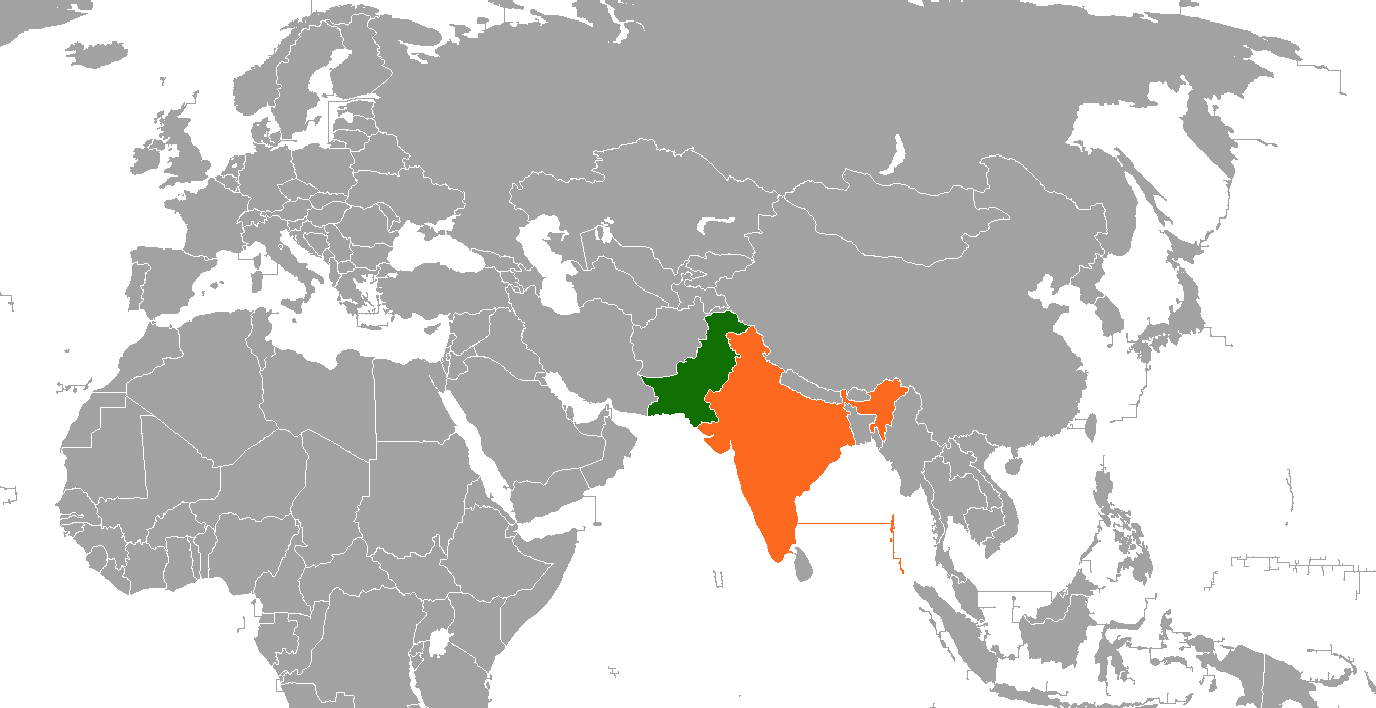
At 1:44 a.m. on 6 May 2025, Indian armed forces carried out precision strikes on nine locations in Pakistan and Pakistan-administered Kashmir. The operation, codenamed ‘Operation Sindoor,’ was launched in response to the 22 April massacre in Pahalgam, where 26 civilians, predominantly Hindu tourists, were killed. The Indian government stated that the targets were terrorist infrastructure linked to the attack.

The Indian Ministry of Defence described the strikes as “focused, measured, and non-escalatory,” emphasizing that no Pakistani military facilities were targeted. The operation involved coordinated efforts from the Army, Navy, and Air Force, with Prime Minister Narendra Modi reportedly monitoring the mission closely.

Pakistan condemned the strikes, labeling them an “act of war” and reported civilian casualties, including the death of a child. Islamabad claimed to have shot down two Indian jets and vowed a robust response. A state of emergency was declared in Punjab province, and airspace was closed to commercial flights.

The Pahalgam attack, carried out by militants in army fatigues, targeted tourists in the Baisaran meadow. Eyewitnesses reported that the assailants singled out non-Muslims before opening fire. The Resistance Front, an offshoot of Lashkar-e-Taiba, initially claimed responsibility but later retracted. Indian authorities linked the attack to Pakistan-based operatives, citing digital traces leading to safe houses in Muzaffarabad and Karachi.

In the aftermath, India suspended the Indus Waters Treaty, expelled Pakistani diplomats, and closed borders. Pakistan responded by suspending the Simla Agreement, restricting trade, and closing airspace. Both nations have engaged in cross-border exchanges of fire, raising concerns of a broader conflict.

Kenya’s private sector recorded its most substantial growth in over two years in April, bolstered by increased sales volumes and heightened business activity. The Stanbic Bank Kenya Purchasing Managers’ Index revealed that the country’s private sector growth surged to a 27-month peak, pointing to a more resilient economic outlook as businesses expanded and demand continued to rise. The PMI for April showed a notable uptick, reaching its […]

By Saifur Rahman When Ho Kwon Ping, a young Stanford drop-out, saw an abandoned tin mine in Thailand’s Bang Tao Bay in Laguna Phuket area in 1984, he didn’t know what to do with it as the land that was dimmed ‘useless’ by its former occupiers. It was a patch of a waste land with no activities then. In his Stanford days, he was a firebrand social […]

Advertisements

A high-level delegation from Abu Dhabi has arrived in Tokyo for the inaugural Abu Dhabi Investment Forum, marking a significant step towards deepening the economic ties between the UAE capital and Japan. The four-day visit, running from May 6 to 9, sees top officials and private sector leaders from Abu Dhabi engaging with their Japanese counterparts to explore new areas of collaboration, particularly in advanced industries such […]

Greenlogue/AP Iraq’s Ministry of Electricity is intensifying efforts to bolster its renewable energy capacity, engaging in virtual discussions with officials from the UAE’s Masdar to expedite the development of solar power projects totaling 1,000 megawatts across the provinces of Maysan, Dhi Qar, and Anbar. The meeting, led by Electricity Minister Ziyad Ali Fadel, focused on finalising power purchase agreements and addressing implementation challenges, according to a statement […]

Oil prices fell sharply following OPEC+’s decision to boost output, sparking fears of a global supply glut as demand struggles under the weight of ongoing trade tensions. The agreement reached at the group’s meeting on Saturday saw leaders of the alliance, which includes key producers like Saudi Arabia, Russia, and others, pushing for a significant increase in production. This shift aims to penalise nations that have exceeded their production quotas, notably Kazakhstan. The move, however, has drawn concern from analysts, who warn that further supply increases could exacerbate an already fragile market.

Brent crude, the global benchmark, plummeted by as much as 4.6% at the start of the week, dipping to around $58 a barrel. Meanwhile, West Texas Intermediate saw similar losses, nearing $56 per barrel. This decline marks a significant departure from the earlier momentum in the oil markets, where prices had seen steady gains amid hopes for recovery from global economic slowdowns.

The decision to raise output comes amid an already oversupplied market, with oil producers grappling with the dual challenges of muted demand and an ongoing trade war between major economies. Experts point to the trade dispute between the United States and China as a key factor driving global uncertainty. The tension has disrupted trade flows, suppressed consumer confidence, and led to a slowdown in economic growth, all of which have negatively impacted demand for oil.

The OPEC+ agreement was driven by a desire to exert control over the oil market and curb overproduction by certain members. Kazakhstan, in particular, had been producing more than its share of the agreed output, prompting OPEC+ to take action. While the group has long sought to enforce production limits to stabilise prices, the recent decision to increase supply—at a time when demand remains weak—has raised questions about the balance between supply and demand.

Experts are now analysing the long-term consequences of this policy shift, with many cautioning that the extra supply could further depress prices if demand fails to pick up in the coming months. Economists note that the global trade environment remains volatile, with growth projections for key oil-consuming nations being revised downward. The trade war between the US and China, the world’s two largest economies, continues to overshadow the global outlook, weighing heavily on both manufacturing and consumer demand.

Another factor adding to the complexity of the oil market is the shifting energy landscape. As countries transition toward renewable energy sources and electric vehicles, the traditional demand for fossil fuels is being redefined. Oil companies are already facing mounting pressure from governments and environmental groups to reduce their carbon footprints, which could further dampen future demand for oil.

In response to these challenges, OPEC+ has stated that it will continue to monitor the market and adjust its policies accordingly. However, the recent price drop has raised doubts about whether the group’s strategy is sustainable in the long term. While the alliance has managed to keep oil prices relatively stable over the past few years, there are concerns that the increasing production targets could lead to a supply glut that could destabilise the market further.

At the same time, the decision to increase output is likely to put additional strain on oil-producing countries that rely heavily on revenue from fossil fuels. Nations such as Saudi Arabia, which has been the leading force behind OPEC+, are particularly sensitive to fluctuations in oil prices, as the commodity is a major driver of their economies. The possibility of continued price volatility could prompt these nations to reassess their production strategies, especially if revenue from oil exports falls short of expectations.

AD Ports Group and the General Authority for the Suez Canal Economic Zone have entered into a significant partnership to develop a state-of-the-art industrial and logistics park at East Port Said, positioned strategically on the Mediterranean coast. The deal, formalised with a 50-year renewable usufruct agreement, is set to transform the region into a global trade and industrial hub, enhancing Egypt’s role in the international trade landscape.

The industrial park, spanning 20 square kilometres, will be located near the Egyptian city of Port Said, right at the entrance to the Suez Canal. This prime location offers a unique opportunity to establish a critical node for the East-West trade routes. The Suez Canal, already a vital passage for global maritime trade, is expected to see increased economic activity with the development of the new park.

The agreement was signed in Cairo in a ceremony attended by key figures from both the UAE and Egypt. Dr. Mostafa Madbouly, Egypt’s Prime Minister, was present to oversee the occasion, which also saw notable ministers and officials in attendance, including Dr. Sultan Al Jaber, UAE Minister of Industry and Advanced Technology, and Lieutenant General Engineer Kamel Al Wazir, Egypt’s Deputy Prime Minister for Industrial Affairs and Minister of Industry and Transport. From the business side, Captain Mohamed Juma Al Shamisi, Managing Director and Group CEO of AD Ports Group, and Mr. Waleid Gamal El-Dien, Chairman of SCZONE, were also among those involved in the proceedings.

This agreement marks a milestone in Egypt’s ongoing efforts to attract investment into its industrial and logistics sectors. By developing the East Port Said Industrial Zone, both countries are tapping into the immense potential for trade and industry in the region. The new industrial park aims to provide a wide range of services, from manufacturing and assembly to warehousing and distribution, tailored to serve both regional and global markets.

The development of the KEZAD East Port Said Industrial and Logistics Zone is expected to offer numerous advantages. Chief among these is its proximity to the Suez Canal, which connects the Mediterranean Sea to the Red Sea, making it a critical gateway for goods moving between Europe, Asia, and the Middle East. This location is anticipated to drive trade growth and improve logistics efficiency, benefitting international companies looking to establish a presence in the region.

The park will leverage the existing infrastructure in Port Said, including its deep-water port and transport links, to support the smooth flow of goods and services. The project is poised to attract multinational companies, as it offers easy access to one of the world’s busiest trade routes. The emphasis on advanced technology and industrial processes will further strengthen Egypt’s competitive edge in the global market.

This development is not just an economic opportunity for Egypt but also an important step in strengthening ties between the UAE and Egypt. The UAE, through AD Ports Group, has long been a key player in global logistics and infrastructure development, and this partnership builds upon their growing presence in Egypt. The collaboration aims to attract investments, create job opportunities, and support Egypt’s vision for economic diversification.

In addition to its strategic location, the park is designed to cater to the evolving needs of industries that are integral to Egypt’s economic future, such as manufacturing, technology, and logistics. The project is expected to facilitate the integration of advanced technologies in the industrial sector, allowing companies operating in the park to benefit from cutting-edge facilities and services. This will further cement the area’s status as a key investment destination for both domestic and international investors.

As the agreement paves the way for large-scale development, it is also expected to foster innovation and the adoption of sustainable practices in the industrial and logistics sectors. The emphasis on sustainability aligns with global trends towards greener industrial practices and further boosts the appeal of East Port Said as a forward-thinking industrial hub.

With a long-term focus on growth and development, the agreement also outlines provisions for the renewal of the usufruct, ensuring that the project remains viable and adaptable over the decades. This long-term commitment is a testament to the confidence both AD Ports Group and SCZONE have in the potential of the East Port Said region and its capacity to drive forward Egypt’s economic ambitions.

The involvement of high-profile figures, including government ministers and ambassadors, underlines the significance of the deal, not only for Egypt but also for the broader region. It reflects a shared vision between Egypt and the UAE to strengthen economic ties, increase trade, and improve infrastructure. This cooperation also supports broader regional stability and economic growth, with the East Port Said development serving as a symbol of the growing partnerships between the UAE and Egypt.

Mozilla’s Chief Financial Officer, Eric Muhlheim, has issued a stark warning about the future of the Firefox browser, stating that its survival is at risk if the U.S. Department of Justice’s proposed remedies against Google’s search monopoly are fully implemented. Muhlheim testified that losing Google’s default search engine payments would threaten the browser maker’s existence. “We would be really struggling to stay alive,” Muhlheim said during testimony […]

Two Arab-Israeli tourists have been handed lengthy prison sentences by a South Sinai court following their conviction in the fatal stabbing of an Egyptian tour guide at a Red Sea resort, a verdict that has drawn international attention against the backdrop of heightened regional hostilities.

The ruling, delivered on Saturday, found the two individuals guilty of intentionally killing the Egyptian national during a confrontation at a beach resort in the city of Nuweiba. Prosecutors had charged them with premeditated murder and carrying out an attack that endangered public safety. According to court filings and officials familiar with the proceedings, the incident occurred during a heated altercation which quickly escalated into violence, leaving the guide with multiple stab wounds that proved fatal at the scene.

The defendants, both Arab citizens of Israel, were on a holiday trip to Egypt when the incident unfolded. Their legal defence argued the act was not premeditated, claiming it stemmed from a misunderstanding over personal comments made during a beachside discussion. However, the court was unconvinced by the self-defence narrative, citing forensic evidence and eyewitness testimony suggesting the attack was both aggressive and deliberate. One of the convicted was sentenced to life imprisonment, while the second received a fifteen-year sentence, with both verdicts subject to appeal under Egyptian law.

The sentencing has reignited discourse over the complex social and political positioning of Arab-Israelis in the region, particularly as travel restrictions and diplomatic sensitivities fluctuate in response to the Israel-Gaza conflict. Although tourism between Egypt and Israel has historically persisted even through periods of regional instability, this case is likely to deepen anxieties on both sides. Security analysts and diplomats warn of a growing unease among Arab visitors from Israel, who are increasingly viewed through a geopolitical lens rather than a civilian one, especially in politically tense zones like the Sinai Peninsula.

This is not the first time tensions have flared in Egyptian resorts involving tourists from across the border. The Red Sea, a destination traditionally known for its seclusion from regional politics, has seen intermittent flashpoints. However, the escalation of Israel’s military operations in Gaza since October has placed local authorities on high alert. Security has been significantly tightened in Sinai, with additional checks implemented on cross-border travellers.

The Egyptian judiciary’s firm stance on the case has also been interpreted as an attempt to send a signal of internal order at a time of external pressure. Cairo has been balancing domestic outrage over developments in Gaza with its longstanding peace agreement with Israel, while also maintaining its role as a mediator in ceasefire negotiations and humanitarian efforts.

Observers note that while the legal outcome aligns with Egypt’s existing penal code concerning intentional homicide, the broader implications may resonate more in the political and diplomatic spheres than in the legal domain. Civil society voices in Israel have expressed concern that the verdict could fuel existing prejudice against Arab citizens within the country and complicate their movements across the region. Human rights advocates have also raised questions about the legal representation afforded to the defendants and the degree of diplomatic support extended to them during their incarceration and trial.

On the Egyptian side, there has been a marked effort by state-aligned media to highlight the judiciary’s independence and the rule of law. The attack, which drew public outrage among local residents and workers in the hospitality sector, was described as a senseless act that endangered the country’s vital tourism industry—a key economic pillar already under strain due to declining visitor numbers in parts of Sinai.

Egypt’s Ministry of Tourism has reiterated that the Sinai coast remains safe for tourists, while noting that isolated incidents of violence, though rare, are treated with the utmost seriousness. Tourism operators, particularly in South Sinai, are also re-evaluating visitor protocols in light of the incident, with discussions underway about potential guidelines for managing cultural or political disputes among international guests.

The verdict comes at a moment when Israel’s war in Gaza has pushed regional sensitivities to a boiling point, with a significant uptick in diplomatic fallout, public protests, and strained bilateral engagements. Although Egyptian officials have not directly linked the court’s decision to the ongoing hostilities, analysts note that public sentiment in Egypt has been heavily influenced by the humanitarian toll in Gaza, which may indirectly affect the social environment for visitors perceived to be aligned with the conflict.

This incident highlights the fragile line separating tourism from geopolitics in the Middle East. While both Egypt and Israel maintain open travel channels under their decades-long peace treaty, the practical implications of regional conflict are becoming more visible at individual levels. Arab citizens of Israel, already navigating complex identities within Israel, are now finding themselves subject to heightened scrutiny abroad.

Legal experts say the defence may challenge the procedural aspects of the trial or appeal on grounds of intent classification, though such efforts may be hindered by the current climate and the strong forensic evidence submitted during hearings. The Egyptian penal system allows for appeals on both procedural and substantive grounds, and any modification to the sentence would need to pass through multiple judicial reviews.

The jailed individuals are currently being held in a high-security detention centre in South Sinai, where they are expected to remain unless the appeal courts intervene. The Israeli consular presence in Egypt has yet to issue a detailed comment on the sentencing, though officials have confirmed that consular support is being provided.

India’s participation in the World Expo 2025 in Osaka is positioned to create significant opportunities for economic growth, cultural diplomacy, and increased tourism. With an expected influx of international visitors and the ongoing globalisation of markets, the country is focusing on leveraging the expo’s global platform to showcase its economic potential, rich cultural heritage, and expanding technological prowess.

The India Pavilion, a standout feature of the event, has already seen a remarkable turnout, attracting thousands of visitors in its first few days. The pavilion highlights India’s thriving industries, cutting-edge innovations, and its growing stature as a global player in sectors such as technology, manufacturing, and renewable energy. Designed to embody the country’s vision of “Vasudhaiva Kutumbakam” or “the world is one family,” the exhibition is offering a glimpse into India’s future trajectory while celebrating its deep-rooted cultural heritage.

Trade experts and diplomats view the expo as an essential event for fostering international business partnerships. India, which is already a key player in the global economy, is focusing on utilising the Expo as a gateway to expand its trade relations with countries across Asia, Europe, and beyond. Several large-scale business events and networking sessions are planned as part of India’s participation, aiming to facilitate collaborations in diverse sectors such as information technology, pharmaceuticals, agriculture, and automotive manufacturing.

India’s robust trade agenda at the Expo 2025 comes in the context of its ongoing efforts to bolster its position as one of the world’s leading economic powers. The country has made significant strides in trade agreements over the past few years, particularly with Japan and other East Asian nations, further cementing its importance in regional and global trade networks. Key sectors such as fintech, e-commerce, and artificial intelligence are expected to be key points of focus for business leaders and innovators visiting the pavilion.

The Expo provides a unique opportunity for India to present its achievements in these fields and attract foreign investments. India’s Information Technology sector, for instance, will have a prominent role in the pavilion, with showcases of groundbreaking developments in software solutions, cybersecurity, and digital infrastructure. Additionally, the Indian government’s “Make in India” initiative, aimed at encouraging domestic manufacturing, is set to take centre stage, signalling India’s commitment to increasing its share in global production.

Tourism plays a central role in India’s strategy to maximise the impact of its World Expo 2025 presence. As part of its outreach efforts, the country is promoting its diverse tourist destinations, cultural festivals, and unique culinary traditions. Travel experts believe that the Expo could serve as a catalyst for an uptick in Japanese and international visitors to India, especially as the world emerges from the pandemic and travel restrictions ease globally. By highlighting the country’s natural beauty, heritage sites, and contemporary attractions, India is seeking to attract a new wave of tourists, especially from Japan, a country with deep historical ties to India.

The Indian tourism sector is also looking to benefit from the growing interest in wellness and eco-tourism, with the Expo providing an ideal venue to promote these niche segments. India’s yoga, spiritual retreats, and eco-tourism initiatives are expected to be highlighted, appealing to international visitors seeking sustainable and enriching travel experiences.

The Expo’s theme of “Designing Future Society for Our Lives” aligns well with India’s strategic focus on sustainable development, innovation, and inclusivity. The country’s growing emphasis on green technologies, clean energy, and sustainable infrastructure will be showcased as part of India’s vision for a future society that balances economic growth with environmental responsibility. India’s active participation in global climate initiatives, coupled with its ambitious renewable energy goals, forms an essential part of the pavilion’s messaging.

Key players in India’s participation include the Ministry of Commerce and Industry, the Ministry of Tourism, and various state governments, each working in tandem to ensure a comprehensive and impactful presence. Government officials have expressed confidence that the Expo will not only strengthen bilateral ties with Japan but also serve as a platform for new partnerships in other regions. The Indian government’s proactive engagement with global stakeholders is expected to position India as a leader in international trade, investment, and cultural exchange.

Cultural diplomacy will be another critical aspect of India’s participation. The pavilion will feature a mix of live performances, art exhibitions, and traditional crafts, providing visitors with a vibrant and immersive experience. India’s diverse art forms, including classical dance, music, and theatre, will take centre stage, showcasing the country’s rich heritage while also highlighting contemporary Indian artists who are gaining international recognition. These cultural exchanges are set to build bridges between India and the rest of the world, fostering mutual understanding and respect.

India’s presence at the World Expo is also expected to highlight the country’s aspirations as a global thought leader, particularly in the fields of technology, education, and innovation. The country’s booming startup ecosystem, with its expanding network of unicorns and innovators, will also be on display. India’s young, dynamic workforce is increasingly seen as a major driver of its growth, and the Expo offers an opportunity to demonstrate how the country’s demographic advantage is transforming it into a global hub for innovation and entrepreneurship.

The United States is deliberating the possibility of easing restrictions on Nvidia Corp.’s semiconductor sales to the United Arab Emirates , according to sources familiar with the ongoing discussions. The potential shift in policy comes as President Donald Trump is preparing for an upcoming visit to the Gulf region, where talks about a bilateral semiconductor deal could be initiated. Sources with direct knowledge of the matter disclosed […]

By Nitya Chakraborty Ten days have passed since the gruesome killings of 26 people at Pahalgam on April 22. In the following days, Prime Minister Narendra Modi gave a lead to the boiling mood of the nation by announcing a number of measures, including the suspension of the 1960-signed Indus Water Treaty, followed by Pakistan’s […]
Donald Trump, upon commencing his second term as the 47th President of the United States, proclaimed the onset of a “golden age” for the nation. His inauguration speech outlined an ambitious agenda aimed at reshaping domestic and foreign policies, with immediate and far-reaching implications.

Central to Trump’s address was a commitment to restoring national sovereignty and security. He announced the declaration of a national emergency at the southern border, emphasizing the cessation of illegal immigration. This move aligns with his broader immigration strategy, which includes the suspension of refugee admissions and the initiation of efforts to end birthright citizenship.

In a significant restructuring of the federal government, Trump introduced the Department of Government Efficiency , led by Elon Musk. This new department is tasked with streamlining government operations and reducing bureaucratic inefficiencies. Early reports indicate that D.O.G.E. has already identified potential savings amounting to $150 billion.

Trump’s economic policies focus on revitalizing American industry and addressing trade imbalances. He announced the implementation of steep tariffs, particularly targeting imports from China, Mexico, and Canada. Additionally, he introduced the concept of an “External Revenue Service” to collect tariffs and taxes from foreign entities, aiming to bolster domestic revenue streams.

Environmental regulations underwent immediate revisions, with Trump revoking the electric vehicle mandate and withdrawing from the Paris Climate Agreement. He emphasized a return to fossil fuel production, including the reinstatement of coal mining operations, positioning these actions as measures to protect American jobs and energy independence.

On social policy, Trump declared that the U.S. government would officially recognize only two genders: male and female. He also announced the dismantling of the Department of Education and the repeal of diversity and inclusion measures, advocating for a merit-based, colorblind society.

Internationally, Trump signaled a shift in foreign policy by expressing intentions to reclaim the Panama Canal and by withdrawing from the World Health Organization. He also imposed sanctions on the International Criminal Court, reflecting a broader strategy of redefining U.S. engagement with global institutions.

Notably absent from Trump’s speech was any mention of cryptocurrency or Bitcoin. This omission had immediate repercussions in the financial markets. Bitcoin’s value dropped by 3.2%, and the $TRUMP memecoin experienced a 15% decline. The broader cryptocurrency market saw liquidations exceeding $1.2 billion, marking one of the most significant downturns in the sector’s history.

Chelsea Football Club has signed a landmark partnership agreement with DAMAC Properties, appointing the Dubai-based luxury real estate developer as the club’s official Property Development Partner. The collaboration will see the launch of Chelsea Residences by DAMAC, a high-end residential development in Dubai that will merge world-class football branding with luxurious living.

The development will be situated in Dubai Maritime City, an area known for its premium waterfront views and proximity to the heart of Dubai. This location will offer residents seafront views and easy access to the city’s key attractions. Chelsea Residences is slated to include over 1,400 residential units, ranging from apartments to luxury villas, designed to meet the needs of affluent buyers seeking both high-end living and a touch of football culture in their homes.

The project’s design promises to blend the elegance of Chelsea’s iconic blue branding with the sophisticated and modern style synonymous with DAMAC Properties. It will feature Chelsea-branded amenities, including state-of-the-art fitness centres, wellness facilities, and a football-themed community space, which aims to embody the values of health, fitness, and well-being that the club advocates both on and off the pitch.

In addition to providing a distinctive football-themed residential experience, the collaboration will also see the creation of exclusive lifestyle experiences for residents. This could include special events, VIP access to Chelsea games, and potential meet-and-greet opportunities with players and management. The project is expected to attract not only football fans but also investors interested in combining luxury living with a globally recognized sports brand.

This partnership marks a strategic move by Chelsea FC to further enhance its brand value beyond football, entering the lucrative real estate market. For DAMAC Properties, the association with one of the world’s most popular football clubs is an opportunity to expand its portfolio and tap into new demographics, particularly those with a passion for football.

The project also underscores Dubai’s status as a global hub for luxury real estate and sports investment. The city, known for its ambitious development projects and high-profile partnerships, continues to draw attention from international investors. By combining the global appeal of Chelsea FC with DAMAC’s reputation for delivering top-tier residential projects, Chelsea Residences aims to attract both local and international buyers looking for a distinctive and luxurious living environment.

The development aligns with the UAE’s wider strategy to position itself as a leader in luxury lifestyle offerings, particularly in the areas of hospitality, sports, and entertainment. Dubai has long been a magnet for wealthy expatriates and investors, with its real estate market offering a unique blend of high-end developments and tax-free benefits.

While DAMAC Properties is no stranger to branding collaborations, this partnership with Chelsea FC is particularly notable for its scale and the integration of football culture into real estate. Previous DAMAC ventures have included high-profile collaborations with fashion brands like Versace and Fendi, but the Chelsea partnership takes it a step further by incorporating a sport with such a massive global following.

Chelsea Residences by DAMAC is part of a broader trend of football clubs seeking new ways to monetise their brand through property developments and other ventures outside of traditional sponsorship deals. Similar moves have been made by other top European clubs, which have entered the real estate market to capitalize on their large, global fanbases. However, this development is unique for its strong focus on the football experience and its integration of Chelsea’s ethos and values.

The project is expected to be completed in phases, with the first units likely to be ready for occupancy within a few years. The development’s timeline will likely be influenced by factors such as the economic climate and demand for luxury properties in the region. However, early interest in the project is anticipated to be strong, particularly among Chelsea fans and international investors looking to secure a piece of the high-end Dubai market.

This partnership also highlights a growing trend in the sports industry, where clubs are diversifying their revenue streams and looking beyond traditional matchday earnings, broadcasting deals, and merchandise sales. With its extensive global fanbase, Chelsea FC’s partnership with DAMAC opens up the potential for new revenue streams, while offering DAMAC a chance to strengthen its brand association with one of the most successful football clubs in the world.

flynas has entered into an agreement with Safran to outfit its upcoming fleet of 60 Airbus A320neo aircraft with the latest-generation Z200 seats. The memorandum of understanding was formalised during the Arabian Travel Market in Dubai, with deliveries scheduled to commence in the latter half of 2025.

Each aircraft will feature a 174-seat configuration, comprising both Economy and Premium class sections. The Premium section, spanning four rows at the front of the cabin, will offer enhanced passenger comfort with wider seat pitch, adjustable headrests, and a middle seat blocker to provide additional personal space. The Economy class will be equipped with seats designed for medium- to long-haul flights, incorporating features such as smart cushions, portable electronic device holders, dual USB-A and USB-C power ports with 60W output, lower literature pockets, coat hooks, and cup holders.

Bander Almohanna, CEO of flynas, highlighted that this collaboration aligns with the airline’s expansion strategy, which aims to connect Saudi Arabia with 250 international destinations, accommodate 330 million passengers, and host 100 million tourists annually by 2030. He stated that the partnership with Safran is instrumental in reimagining flynas’ future cabins with smart design and advanced technologies, offering passengers a unique and comfortable travel experience.

Quentin Munier, Executive Vice President of Safran Seats France, expressed enthusiasm about the collaboration, noting that this marks Safran’s first partnership with flynas. He emphasized that the Z200 seats are designed to deliver benefits for both passengers and operators, enhancing comfort and operational efficiency.

The Democratic Republic of Congo and Rwanda have formalised a U.S.-mediated agreement aimed at drafting a peace deal by 2 May, marking a significant step towards resolving long-standing hostilities in eastern Congo. The declaration, signed in Washington on 25 April, commits both nations to respect each other’s sovereignty, cease support for armed groups, and establish a joint security mechanism to combat regional instability. The agreement was signed […]

Kazakhstan’s oil production from April 1 to 28 reached 1.814 million barrels per day , exceeding its OPEC+ quota of 1.473 million bpd by over 340,000 bpd, despite a 3% decline from March’s average. This overproduction continues a pattern observed in previous months, with March’s output at 1.8 million bpd, surpassing the quota by 332,000 bpd. The Chevron-led Tengiz oilfield, Kazakhstan’s largest, has been a significant contributor […]

China International Capital Corp. is intensifying efforts to expand its presence beyond mainland China by establishing a new branch in Dubai and deepening its foothold in Southeast Asia, as global demand for cross-border financial services continues to grow. The Beijing-based investment bank, recognised as one of the country’s most influential financial institutions, is preparing to open a new branch in the Gulf city to cater to sovereign […]

Iran is offering its sanctioned economy as an investment opportunity to the United States, presenting an unconventional proposition amid ongoing negotiations over its nuclear programme. With diplomatic discussions showing momentum, Iranian officials are openly pitching economic engagement with Washington as a path toward a more durable and beneficial agreement, marking a shift not seen in decades. Talks have gained ground as both sides weigh the possibility of […]

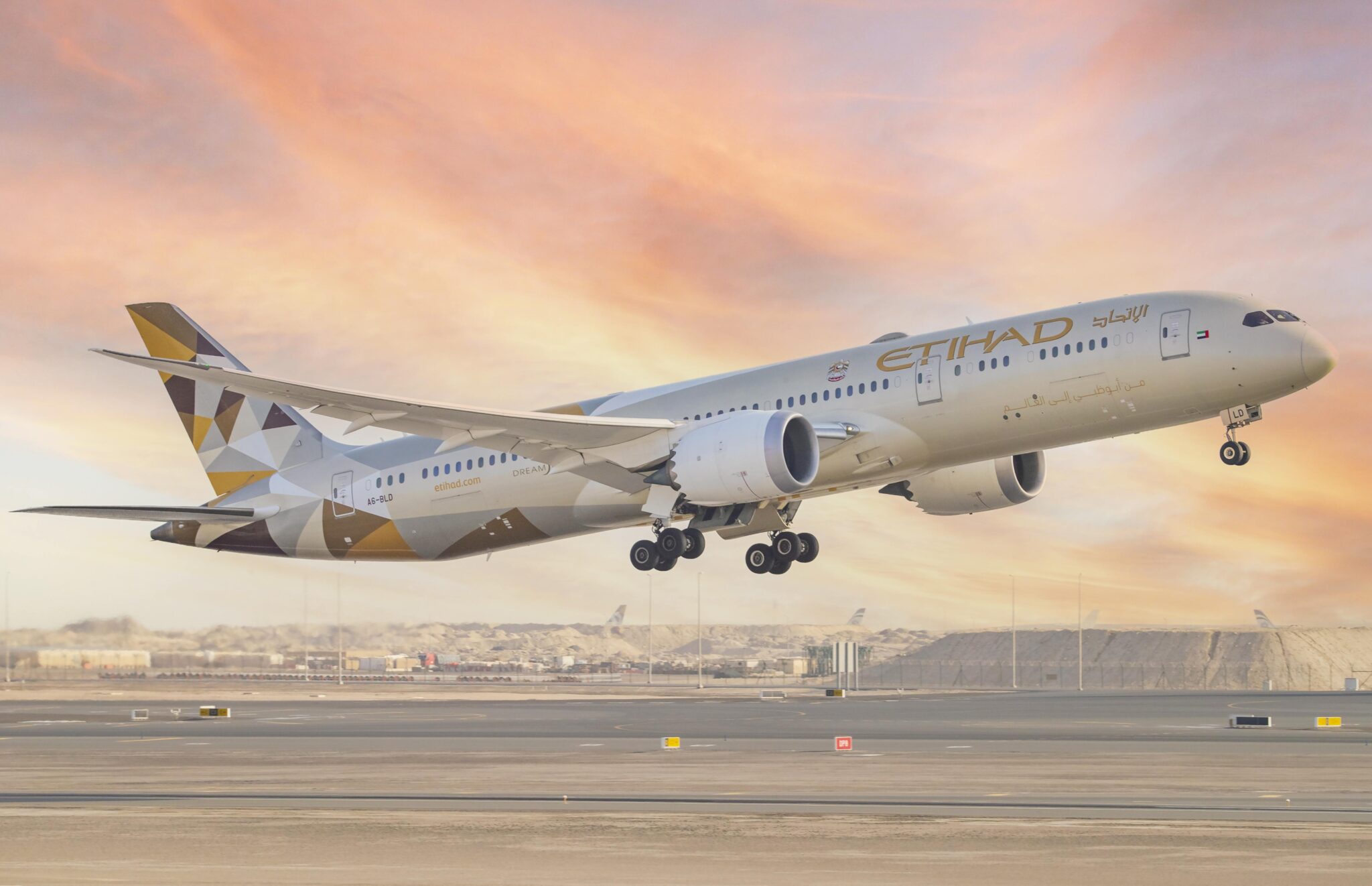
Etihad Airways is edging towards a decision on its much-anticipated initial public offering, with CEO Antonoaldo Neves indicating that the final call rests with the airline’s shareholder. Market speculation suggests that a formal announcement could arrive within this quarter, although the carrier has yet to confirm any official timeline.

Speaking during the Arabian Travel Market conference in Dubai, Neves reaffirmed Etihad’s commitment to a progressive expansion plan, despite persistent headwinds from global economic volatility, including US tariff pressures and fluctuating oil prices. He emphasised that while discussions around a potential listing are gaining momentum, the ultimate decision lies with the shareholder, Abu Dhabi’s state-backed holding company ADQ.

Market interest surrounding Etihad’s IPO ambitions has grown steadily over the past months, fuelled by the airline’s strong operational turnaround and ambitious future plans. Etihad reported a return to profitability in 2023, with a net profit of $143 million, reversing years of accumulated losses and restructuring challenges. The carrier’s sharp focus on operational efficiency, route network optimisation, and sustainability initiatives have been cited as key drivers behind its improved performance.

The $7 billion fleet investment programme, announced last year, underscores Etihad’s broader ambitions. Under the plan, the airline aims to double its fleet size to around 150 aircraft by the end of the decade. Neves reiterated at the conference that the expansion is designed to position Etihad as a leading global connector, with new long-haul routes to key growth markets across Asia, Africa, and Europe already in the pipeline.

Industry analysts suggest that the timing of a potential IPO would be critical, given the volatile backdrop of global markets. Aviation stocks have shown mixed performance this year, influenced by concerns over rising fuel costs, geopolitical tensions, and evolving travel demand patterns. Nevertheless, Abu Dhabi’s broader economic diversification strategy, coupled with increasing investor appetite for exposure to the Middle East’s aviation sector, provides a favourable context for Etihad’s market debut.

Etihad’s prospective IPO would follow the path set by other regional carriers such as Dubai’s Dnata Group-linked entities and Saudi Arabia’s flynas, which have either listed or are exploring listing options to tap into investor enthusiasm and raise growth capital. However, Neves made it clear that the airline’s current focus remains on executing its five-year strategy, which includes boosting load factors, enhancing customer service innovation, and advancing sustainability initiatives aimed at achieving net-zero emissions by 2050.

Over the past year, Etihad has embarked on a series of strategic partnerships and codeshare agreements with airlines such as Air France-KLM, offering it greater network reach without significantly adding to operational costs. The airline has also invested in next-generation fuel-efficient aircraft, such as the Boeing 787 Dreamliner and the Airbus A350, aligning with its green aviation objectives. These moves have not only improved the airline’s environmental credentials but have also enhanced its cost competitiveness in an increasingly price-sensitive market.

Neves’ leadership has been widely credited for steering the airline through a transformative phase, characterised by prudent financial management and targeted growth. Before joining Etihad, he served as CEO of TAP Air Portugal, where he oversaw a significant restructuring programme that returned the airline to profitability. His experience in navigating complex corporate environments has positioned him well to lead Etihad into its next phase of development, including the potential leap into public markets.

While Neves refrained from giving any concrete details about the potential size or structure of an IPO, market experts speculate that Etihad could aim for a multi-billion-dollar valuation, given its strategic importance to Abu Dhabi’s economy and the airline’s growing operational metrics. Any public offering is expected to attract significant regional and international investor interest, particularly among funds focused on infrastructure, aviation, and emerging markets.

Etihad’s evolution reflects broader shifts underway across the Gulf’s aviation sector, where legacy carriers are reorienting themselves to compete in a post-pandemic world marked by changing travel patterns, heightened sustainability pressures, and new technological disruptions. The Middle East remains a pivotal aviation hub, with Abu Dhabi investing heavily in airport infrastructure upgrades and tourism promotion to bolster its global standing.

Beyond its immediate IPO ambitions, Etihad continues to refine its customer experience offering, rolling out new premium cabin products and digital enhancements aimed at differentiating the brand in a crowded market. The airline’s loyalty programme, Etihad Guest, has also been expanded through a series of partnerships with financial institutions, retail brands, and travel service providers, adding new revenue streams and deepening customer engagement.

Although no definitive IPO timeline has been announced, analysts maintain that Etihad’s fundamentals, combined with the supportive regulatory and economic backdrop in the United Arab Emirates, create a strong foundation for a successful listing when the decision is ultimately made. Abu Dhabi’s increasing emphasis on privatisation and public-private partnerships signals a strategic shift aimed at unlocking value from key state-owned assets, with Etihad poised to be a potential flagship offering in this broader economic transformation.

As speculation builds, market participants are closely watching for signals from ADQ, whose growing portfolio of publicly listed companies reflects an ambitious strategy of capital market development and diversification. The shareholder’s decision on Etihad’s IPO will not only impact the airline’s future trajectory but also serve as a key indicator of Abu Dhabi’s evolving approach to strategic asset management.

Neves’ remarks at the Arabian Travel Market have reignited interest and speculation across industry circles and financial markets alike. His assurance that the airline is forging ahead with its aggressive expansion blueprint, even amid external challenges, suggests that Etihad is carefully laying the groundwork for a sustainable and prosperous future, whether as a privately held entity or as a publicly traded airline.


VISHNU RAJA
RYO YAMADA
HITORI GOTOH
IKUYO KITA
Just in:
India Under Pressure To Join RCEP On The Eve Of ASEAN Summit In Manila On Nov 15-17 // Dubai details five-year visa benefits for returning visitors // Beyond the exhibition floor: How robots, AI and networks are moving into the real world // Microfinance case trouble for Vellappally // Emaar approves Development buyout ahead of planned delisting // Excise chief shunted out in bar licence dispute // Miss Universe Hong Kong Jen Zhou Departs for Puerto Rico to Compete in the 75th Miss Universe World Final // Geely’s i-HEV Intelligent Hybrid Technology Offers a New Direction for Gasoline-Powered Vehicles // The “1st Greater Bay Area Health and Longevity Summit & Awards Ceremony” concludes successfully in Macao // Trump’s Iran War Has A Share Of Contribution To His Midterm Debacle // HKUST President Prof. Nancy IP Receives UNESCO–Equatorial Guinea International Prize for Research in Life Sciences // ADNOC secures decade-long LNG supply pact with Gujarat Energy // Motorola introduces Signature 27 flagship priced at $1,599 // Battle Uttar Pradesh Will Be Tougher For Yogi Than Expected // Geely’s i-HEV Intelligent Hybrid Technology Offers a New Direction Vision for Gasoline-Powered Vehicles // Private varsities bill all set to face the axe // OpenAI introduces GPT-6 Cyber with restricted security access // Technology shares plunge as Nasdaq enters correction // Dubai Future District Fund and Buimerc formalise cooperation // Elephant calf on death line airlifted for treatment in Gujarat //