News related to
agreement

The UAE and Australia have reached a significant trade agreement aimed at enhancing bilateral economic cooperation, marking a milestone for both nations. Australian Trade Minister Don Farrell announced the deal, which is expected to accelerate exports of Australian agricultural products and increase investment flows into the UAE, particularly in green energy and critical minerals. This development underscores the growing ties between the two economies, which are already […]

The United Arab Emirates is advancing a new solar energy initiative aimed at reducing electricity bills for homes in the Northern Emirates. This initiative, introduced by the UAE’s Energy and Infrastructure Ministry, focuses on leveraging solar power to enhance energy efficiency and decrease dependence on conventional electricity sources. Under this initiative, homeowners in the Northern Emirates will be encouraged to install solar panels on their properties. The […]

SINGAPORE – Media OutReach Newswire – 17 September 2024 – As part of German Chancellor Olaf Scholz’s trip to Central Asia, delegation member Tobias Bartz, CEO and Chairman of the Rhenus Group, is intensifying two significant projects in the region. In Samarkand, as the first in a series of initiatives, the agreement was signed to establish a joint venture with AO “Uztemir’yolkonteyner,” a subsidiary of the Uzbek […]

The International Atomic Energy Agency (IAEA) has entered a strategic partnership with the Women in Energy Association (WIEA) through a newly signed memorandum of understanding (MoU), aiming to strengthen the role of women in the fields of science, technology, engineering, and mathematics (STEM). This collaboration is designed to support capacity building in these sectors and foster greater female participation in nuclear science and other STEM-related industries.

Signed in the presence of high-profile dignitaries including Prince Abdulaziz bin Salman, Saudi Arabia’s Minister of Energy, the agreement reflects an ongoing global movement to promote gender equality in fields traditionally dominated by men. Princess Mishaal bint Saud AlShalan, the Chairwoman of WIEA, and Rafael Mariano Grossi, Director General of the IAEA, both played key roles in securing this alliance, which places a clear focus on creating new opportunities for women to engage in STEM, particularly in nuclear energy.

The partnership will emphasize enhancing educational opportunities, mentorship programs, and creating a more inclusive work environment across various energy sectors. These efforts align with the broader goals of international organizations, which increasingly recognize that achieving gender balance in industries such as nuclear science is critical for innovation and sustainability.

This initiative also comes at a time when energy demands are rapidly changing, and countries are turning toward cleaner energy solutions, including nuclear energy, as a way to mitigate climate change. The IAEA has been active in promoting peaceful nuclear technologies and sees this collaboration as an essential step in driving inclusive progress in this field.

As global initiatives gain momentum for diversity in STEM, both organizations are optimistic about the prospects of their collaboration. It is anticipated that the joint efforts of IAEA and WIEA will inspire more women to pursue careers in science, particularly in regions where female representation in these fields remains limited. The move aims to empower women, contributing to a stronger, more diverse workforce capable of addressing global energy challenges.

Sources from credible outlets detail how the newly formed alliance builds on years of work by WIEA to advance gender equality within the energy sector. Similarly, the IAEA has consistently promoted programs focused on the peaceful use of nuclear energy, advocating for a balanced and skilled workforce to meet future energy demands. The MoU marks a significant milestone in combining the strengths of both organizations to push for educational reforms, networking opportunities, and policy initiatives aimed at increasing the participation of women in high-tech industries.

The interconnected challenges of climate change, pollution, and biodiversity loss – known collectively as the triple planetary crisis – are posing an existential threat to life on Earth. Global temperatures continue to rise, air pollution contributes to millions of premature deaths annually, and ecosystems are in decline due to habitat destruction and overexploitation. However, in the face of these alarming realities, young people around the world are stepping up with innovative, community-driven solutions that could hold the key to addressing these environmental crises.

From climate strikes to hands-on ecological projects, youth-led movements are making a measurable impact on local and global scales. These initiatives, often launched with limited resources, demonstrate the power of grassroots action in achieving sustainable environmental goals. Today’s youth are not only raising awareness about the impacts of climate change but also actively working to create tangible solutions, particularly in communities most vulnerable to the adverse effects of environmental degradation.

One example of youth leadership in this field is the global Fridays for Future movement, which has mobilized millions of students to demand stronger climate action from policymakers. Founded by Swedish climate activist Greta Thunberg, the movement advocates for achieving net-zero emissions and limiting global warming to well below 2°C, in line with the Paris Agreement. Youth participants in this and similar movements are emphasizing the urgency of the situation, highlighting how climate inaction is disproportionately impacting their future.

Beyond advocacy, many young people are also involved in community-based initiatives that tackle pollution and biodiversity loss. In Southeast Asia, a growing number of youth-led projects focus on restoring degraded mangrove forests, which act as critical carbon sinks and support marine biodiversity. In Kenya, young environmentalists have successfully lobbied for bans on single-use plastics and are spearheading reforestation projects to counter deforestation and soil erosion, vital steps in curbing biodiversity loss.

While global institutions, such as the United Nations, have recognized the role of youth in shaping climate policies, significant gaps remain in providing the necessary funding and infrastructure for these projects. Without sufficient financial support, many promising initiatives struggle to scale up and achieve wider impact. There is growing consensus that sustained investment in youth-led initiatives is essential for their success. Addressing the triple planetary crisis requires not only large-scale governmental action but also a bottom-up approach driven by the creativity and commitment of younger generations.

For youth movements to sustain momentum, partnerships between international organizations, governments, and private investors are crucial. Supporting capacity-building efforts, providing access to green technologies, and fostering mentorship opportunities can enable young leaders to expand their efforts in combating climate change, pollution, and biodiversity loss.

However, a persistent challenge remains: the lack of inclusion of young voices in formal decision-making spaces. While youth activism is gaining visibility, there is still a need for stronger representation of youth in climate negotiations, environmental policymaking, and corporate sustainability strategies. Including younger generations in these processes can provide new perspectives and ensure that policies are designed with the future in mind.

The path forward for youth-led climate action must also address the diverse challenges faced by communities in different regions. In developing countries, where the impacts of climate change and environmental degradation are felt most acutely, young people are calling for climate justice that acknowledges the disproportionate burden they bear. Many of these young leaders argue that the wealthiest nations, which contribute the most to global emissions, should play a larger role in financing mitigation and adaptation efforts in vulnerable regions.

In the Caribbean, for instance, young climate advocates are working to protect their island communities from rising sea levels and extreme weather events. Through initiatives aimed at building resilient infrastructure and restoring coastal ecosystems, these youth-driven projects are helping to safeguard livelihoods while contributing to global efforts to limit biodiversity loss. By adopting nature-based solutions, such as coral reef restoration and mangrove conservation, they are creating sustainable models that can be replicated in other regions.

TD SYNNEX, a global leader in IT solutions and services, has finalized an agreement to acquire the cloud migration business of Brazil-based IPsense. This move is designed to enhance TD SYNNEX’s capabilities in cloud services across Latin America and the Caribbean. IPsense, well-regarded for its proficiency in cloud migration, especially on the AWS platform, will bring its expertise to TD SYNNEX, enabling the company to establish a […]

British ministers have commenced a crucial visit to the Gulf Cooperation Council (GCC) nations to negotiate a new trade agreement aimed at strengthening economic ties and enhancing bilateral trade. The delegation, led by UK Trade Secretary Kemi Badenoch, is engaging with key officials across the GCC to explore opportunities for expanding trade and investment.

The UK government’s strategic pivot towards the GCC underscores its intent to bolster trade relations with this economically significant region. The GCC, comprising Saudi Arabia, the United Arab Emirates, Qatar, Kuwait, Oman, and Bahrain, represents a substantial market for British goods and services, with potential benefits for both sides in diversifying and growing their economies.

The discussions are expected to cover a range of topics including tariff reductions, market access, and cooperation in sectors such as technology, finance, and energy. The UK is particularly interested in enhancing its exports of high-value products like aerospace components and pharmaceuticals, while also seeking greater access for its services sector.

The timing of this visit is significant as the GCC countries are investing heavily in their economic diversification plans, notably through initiatives like Saudi Arabia’s Vision 2030 and the UAE’s Economic Diversification Strategy. These plans aim to reduce the region’s dependence on oil revenues and stimulate growth in non-oil sectors. The UK, with its expertise in various industries, is well-positioned to contribute to these goals.

Recent economic data highlights the growing importance of GCC nations as trade partners for the UK. In 2023, UK exports to the GCC reached £10 billion, marking a 15% increase from the previous year. The GCC’s investments in infrastructure, renewable energy, and technology create substantial opportunities for British companies, especially in sectors where the UK has a competitive edge.

During the visit, British officials will also address bilateral investment agreements. The UK and GCC have already signed several agreements to promote and protect investments, but the new talks aim to update and expand these frameworks to better reflect the evolving economic landscape. The focus will be on creating a more transparent and business-friendly environment, which is expected to attract further investment from both sides.

Energy cooperation will be a significant area of discussion. The GCC countries, particularly Saudi Arabia and the UAE, are major players in the global energy market and are also investing in renewable energy projects. The UK’s experience in offshore wind and green technology could play a crucial role in supporting these initiatives, fostering joint ventures, and driving innovation.

The trade negotiations are also taking place against a backdrop of geopolitical shifts and trade realignments. The UK’s post-Brexit trade strategy emphasizes expanding relationships beyond the European Union, and the GCC represents a key component of this strategy. Strengthening trade ties with the GCC aligns with the UK’s broader goals of securing diverse and resilient trade partnerships worldwide.

As the talks progress, there is a strong emphasis on ensuring that the trade deal addresses both economic and regulatory concerns. The British delegation is expected to negotiate terms that facilitate easier market access for British businesses while addressing any barriers to trade and investment.

Advertisements

The electric vehicle (EV) market in the Gulf Cooperation Council (GCC) is rapidly expanding, driven by the region’s commitment to energy diversification and decarbonization goals. Despite ongoing challenges, including infrastructure development and fluctuating oil prices, the momentum for clean energy solutions remains strong as GCC nations look to reduce their dependency on fossil fuels and embrace sustainable transportation.

In recent years, Gulf states have intensified efforts to diversify their economies, which historically relied heavily on oil revenues. This shift aligns with global carbon neutrality targets and the push for sustainable energy alternatives. The EV sector, in particular, has become a crucial part of this transition. Reports indicate that the GCC EV market could reach over $10 billion by 2029 as demand for electric vehicles grows both domestically and for export to other regions.

One of the main factors driving the EV boom in the GCC is the region’s ambition to reduce greenhouse gas emissions. Countries like the UAE and Saudi Arabia have set ambitious goals to decarbonize their transportation sectors. For instance, the UAE is working toward integrating EVs into public transport and encouraging private EV adoption. In Dubai, there are plans for a manufacturing hub to produce EVs, targeting exports to African markets like Egypt, Tanzania, and Kenya.

This economic shift is coupled with investments from key international players, particularly Chinese automakers. China, a global leader in the EV industry, has been establishing partnerships with Gulf nations to accelerate the deployment of electric vehicles in the region. BYD, one of the largest EV manufacturers in China, recently entered into agreements with local distributors in Jordan and Saudi Arabia, bolstering its presence in the Middle East. Other Chinese firms like NIO have also secured strategic investments, particularly in Abu Dhabi, which underscores the growing importance of the GCC market for international EV players.

The growing demand for EVs is further supported by governmental initiatives. Saudi Arabia, for instance, has invested billions into partnerships with foreign EV companies to build up its local manufacturing capacity, aiming to make the kingdom a hub for electric vehicle production. Meanwhile, other Gulf nations are focusing on building the necessary infrastructure, such as charging stations, to support the increased use of electric vehicles.

However, the transition is not without obstacles. One major challenge lies in developing a comprehensive infrastructure network that can support widespread EV adoption. While governments are making progress, the rollout of charging stations across the region remains slow compared to other global markets. Additionally, the upfront costs of EVs can be a deterrent for some consumers, although falling battery prices and government subsidies are helping to mitigate this issue.

The UAE’s clean energy sector has reached a significant milestone, with renewable energy now comprising 27.83% of the country’s total energy mix, as revealed by the nation’s energy minister. This development underscores the UAE’s continued commitment to diversifying its energy sources and reducing its carbon footprint amid growing global concerns about climate change. The country’s leadership has been keen on positioning itself as a pioneer in the […]

The UAE’s General Civil Aviation Authority (GCAA) has entered into an interim agreement with Hong Kong-based Volar Air Mobility to establish the Emirates’ first green aviation technology centre. The initiative is part of the UAE’s broader strategy to strengthen its environmental sustainability efforts, particularly within the aviation sector, which has seen significant investment in recent years to reduce carbon emissions and promote cleaner energy solutions.

The centre will focus on advancing clean energy technology and driving research and development in sustainable aviation solutions. Aiming to serve as a hub for collaboration between international stakeholders, regulators, and innovators, the project is positioned as a crucial step toward making aviation more eco-friendly in one of the world’s busiest air travel hubs.

Sustainability is a central pillar of the UAE’s Vision 2050, a national plan that targets a balance between economic growth and environmental responsibility. The GCAA has emphasized that the collaboration with Volar Air Mobility will not only bolster the UAE’s efforts to lead in green aviation but will also pave the way for future innovations that could be adopted globally. This initiative reflects a growing awareness among Middle Eastern nations of the need to integrate sustainable practices across various industries.

Volar Air Mobility, known for its cutting-edge technology in electric vertical take-off and landing (eVTOL) aircraft, has positioned itself at the forefront of green air mobility. The company’s expertise in developing low-emission transport solutions is expected to play a critical role in shaping the future of aviation in the Emirates. By leveraging Volar’s technology, the new centre will explore ways to integrate sustainable practices into existing aviation infrastructure, including the development of low-emission aircraft and green fuel alternatives.

The agreement comes at a time when the global aviation industry faces mounting pressure to reduce its carbon footprint. Aviation accounts for around 2-3% of global CO2 emissions, with air travel expected to grow significantly in the coming decades. Many countries are now focusing on developing green technologies to meet ambitious emission reduction targets set by international agreements such as the Paris Accord. The UAE’s green aviation technology centre is aligned with these goals and aims to address some of the most pressing challenges faced by the industry.

While the GCAA has not yet disclosed the specific location for the centre, officials have hinted that it will be based in one of the country’s major aviation hubs, likely in close proximity to Dubai or Abu Dhabi airports. Both cities are home to some of the world’s busiest airports, making them ideal candidates for a green aviation initiative that seeks to marry innovation with practicality.

The centre will also aim to attract global talent and research teams to the UAE, encouraging collaboration between local and international experts in green aviation technologies. In addition to research and development, the facility will provide a testing ground for new technologies that could eventually be implemented in commercial aviation. This is expected to include the trial of electric and hydrogen-powered aircraft, as well as the exploration of biofuels and synthetic fuels that promise lower emissions than traditional jet fuels.

The agreement between the UAE and Volar Air Mobility also underscores the importance of international partnerships in tackling the global challenges of climate change. The aviation sector, which is heavily reliant on fossil fuels, is one of the industries most in need of innovation to meet global climate goals. By teaming up with a tech leader like Volar, the UAE is positioning itself as a key player in the global push for sustainable aviation solutions.

The collaboration comes on the heels of other major sustainability initiatives within the UAE’s aviation sector. Earlier this year, Emirates Airline announced its commitment to using sustainable aviation fuel (SAF) across its fleet, while Etihad Airways has invested in the development of hybrid-electric and fully electric aircraft. Both airlines have signaled their intent to drastically cut their carbon emissions over the coming decades, aligning with the UAE’s broader environmental goals.

Sustainability has become a growing priority for the UAE government across multiple sectors, with aviation identified as a key area for transformation. The nation’s commitment to becoming a global leader in green technology is evident in its support for projects such as Masdar City, a pioneering green city designed to be a hub for clean energy companies, and its investments in renewable energy projects like solar and wind farms.

The new aviation technology centre is expected to build upon these efforts by promoting innovation that can be applied not only in the UAE but also globally. The centre’s emphasis on collaboration with international stakeholders suggests that the UAE sees this project as a stepping stone toward becoming a global leader in green aviation. The country’s strategic location as a global travel hub makes it an ideal place to test and implement new aviation technologies, which could eventually influence the practices of airports and airlines worldwide.

AMEA Power is set to establish Africa’s largest solar photovoltaic (PV) project, with plans to construct a 1,000 MW solar PV facility in Egypt’s Aswan Governorate. The project, complemented by a 500 MWh battery energy storage system (BESS), will form a critical component of Egypt’s ambitious renewable energy goals, as the country targets a substantial increase in clean energy capacity. This initiative aligns with Egypt’s vision to […]

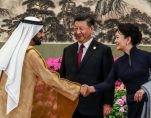
The United Arab Emirates (UAE) and China are continuing to deepen their diplomatic and economic ties, signaling a strong and flourishing partnership that has grown substantially in recent decades. This relationship has evolved into what both nations now refer to as a “comprehensive strategic partnership,” driven by their mutual economic interests, cultural exchanges, and high-level political engagement.

Diplomatic relations between the UAE and China date back to 1984, when both nations formally established ties. Since then, the two countries have signed over 140 bilateral agreements, covering various sectors such as trade, technology, infrastructure, education, and culture. The partnership took a significant step forward with Chinese President Xi Jinping’s visit to the UAE in 2018, which set the stage for closer cooperation in critical areas such as energy, investment, and technology.

The UAE has emerged as one of China’s most important partners in the Middle East, not only due to its strategic geographic position but also because of its role as a major hub for the Belt and Road Initiative (BRI), the massive infrastructure project spearheaded by China. The UAE is regarded as a critical player in facilitating the success of this initiative, thanks to its logistics capabilities and connectivity to Europe, Asia, and Africa.

Non-oil trade between the two countries reached a record high of approximately $81 billion in 2023, marking significant growth and making China the UAE’s largest trading partner. The majority of this trade involves China’s exports to the UAE, which consist of electronics, machinery, and manufactured goods, while the UAE exports primarily aluminum, chemicals, and re-exported goods to China.

Another important aspect of the relationship is tourism. China’s growing middle class has shown an increasing interest in the UAE, with over one million Chinese tourists visiting the country in the first ten months of 2023 alone. Additionally, the UAE has embraced Chinese language and culture, introducing Mandarin into hundreds of schools across the country and hosting various cultural festivals to strengthen people-to-people connections.

Investment ties are equally robust. From 2003 to 2023, the total value of UAE investments in China was approximately $11.9 billion, while Chinese investments in the UAE reached $7.7 billion over the same period. These investments have been directed toward sectors like telecommunications, renewable energy, infrastructure, and tourism. Moreover, the UAE pledged $10 billion to a joint investment fund with China aimed at supporting projects under the Belt and Road Initiative, particularly in East Africa.

China’s technology giants are also expanding their footprint in the UAE. Companies like Huawei and Alibaba are integral players in developing the UAE’s digital infrastructure, contributing to the nation’s ambitions to become a leading technology hub in the region.

Politically, both nations have maintained a close dialogue on international issues. Mutual visits between leaders have further solidified their bond, including the pivotal visit of Sheikh Mohamed bin Zayed Al Nahyan to China in 2019, which emphasized their shared vision for global economic and security cooperation. The two countries continue to align on various international platforms, reinforcing their strategic interests on the global stage.

Cultural ties between the two countries are also flourishing. One notable example is the Sheikh Zayed Centre for Arabic Language and Islamic Studies in Beijing, which promotes Arab culture in China and serves as a bridge for cultural exchange. Additionally, both nations have promoted student exchanges and collaborative research efforts, which have contributed to stronger educational links.

As the UAE and China look to the future, their relationship is poised to grow even further. Both nations are investing heavily in sustainable technologies and clean energy, areas in which they are already cooperating closely. China’s expertise in renewable energy, particularly solar, aligns with the UAE’s Vision 2050, which seeks to diversify its energy mix and reduce its dependence on oil.


Iran and India are poised to enhance their tourism ties with a new Memorandum of Understanding (MoU) focused on boosting cooperation and increasing tourist exchanges. This agreement builds on Iran’s recent move to waive visa requirements for Indian travelers, a policy that has already led to a noticeable rise in visitor numbers.

The MoU, expected to be finalized shortly, aims to foster greater collaboration between the two nations in the tourism sector. It outlines several key areas for joint initiatives, including the promotion of cultural exchanges, development of tourism infrastructure, and coordinated marketing efforts to attract more tourists from both countries.

This strategic partnership comes in the wake of Iran’s decision to eliminate visa requirements for Indian tourists. The waiver, which was implemented to strengthen bilateral relations and promote tourism, has already yielded significant results. Since the policy’s introduction, Indian tourist arrivals in Iran have surged, highlighting the potential for further growth in visitor numbers.

Officials from both countries have expressed optimism about the impact of the MoU. The agreement is expected to streamline travel procedures, facilitate easier access to tourist destinations, and enhance overall visitor experiences. By simplifying the process for Indian tourists, Iran hopes to capitalize on its rich cultural heritage and diverse attractions, which have long been a draw for travelers.

On the Indian side, the MoU is anticipated to open new avenues for tourism-related businesses and stakeholders. The increased flow of visitors is expected to benefit local economies, particularly in regions that rely heavily on tourism revenue. Indian travel agencies and tour operators are gearing up to accommodate the anticipated rise in demand, offering tailored packages and services designed to cater to the interests of Iranian tourists.

Cultural diplomacy also plays a significant role in this burgeoning relationship. The MoU outlines provisions for cultural exchange programs, which aim to deepen mutual understanding and appreciation between the two nations. These initiatives may include art exhibitions, music festivals, and collaborative events that showcase the rich heritage and traditions of both countries.

In addition to enhancing tourism, the agreement is seen as a strategic move to strengthen broader diplomatic and economic ties between Iran and India. Both nations have historically enjoyed a relationship marked by cooperation in various fields, including trade, energy, and technology. The new tourism pact represents a continuation of this trend, with a specific focus on expanding people-to-people connections.

As the agreement progresses, both Iranian and Indian authorities are working to address logistical and operational details. This includes improving visa processing systems, enhancing connectivity between key tourist hubs, and ensuring that infrastructure developments align with the needs of international visitors.

Sheikh Abdullah bin Zayed, the UAE’s Deputy Prime Minister and Minister of Foreign Affairs, has emphasized the necessity for actionable steps beyond consensus for COP29. Addressing global leaders and stakeholders, Sheikh Abdullah underscored that while consensus is vital, it is the implementation of agreed-upon strategies that will determine the success of upcoming climate negotiations. In his speech, Sheikh Abdullah highlighted the UAE’s commitment to leading by example […]

Russia and China have escalated their collaboration to counteract global monopolies, signaling a strategic pivot towards a more coordinated economic front. This move was solidified with the signing of a significant agreement aimed at developing the BRICS commodities exchange system, announced by the BRICS Competition Law and Policy Centre.

The agreement, formalized during a recent meeting, outlines an ambitious plan to enhance the cooperative mechanisms between the two nations, focusing on creating a robust platform for commodities trading under the BRICS framework. This initiative is expected to bolster the collective bargaining power of BRICS nations against global monopolies that dominate various sectors of the economy.

The BRICS Competition Law and Policy Centre, a prominent institution dedicated to fostering fair competition and economic cooperation among BRICS countries, will spearhead the development of this new exchange system. This effort aligns with broader objectives to diversify trade routes and reduce dependency on Western-dominated financial systems.

The signing of this document highlights a notable increase in economic alignment between Russia and China. Both countries have been actively seeking ways to strengthen their economic ties, and this agreement represents a significant leap in that direction. The planned commodities exchange system is envisioned as a tool to enhance transparency and fairness in global trade practices.

China’s involvement in this venture is particularly significant. The country has been expanding its influence in international trade and investment, and this agreement further consolidates its role as a key player in the global economic landscape. By partnering with Russia, China aims to counterbalance the influence of established market leaders and provide BRICS nations with a platform to assert their economic interests more effectively.

The BRICS nations—Brazil, Russia, India, China, and South Africa—have long advocated for reforms in international trade to address the disparities created by dominant global monopolies. This new commodities exchange system is set to become a critical component of their strategy to achieve a more equitable global trading environment.

Experts suggest that the establishment of this exchange system could have far-reaching implications for global trade. It is expected to offer an alternative to existing trading platforms that are often criticized for their lack of transparency and susceptibility to monopolistic practices. By providing a more competitive and open marketplace, the BRICS commodities exchange could potentially challenge the dominance of major global players and offer new opportunities for emerging economies.

The agreement also reflects a broader trend of increased economic cooperation between Russia and China. Both nations have been deepening their strategic partnership in various sectors, including energy, technology, and infrastructure. This latest development underscores their commitment to enhancing economic ties and reinforcing their positions in the global economy.

For Russia, the partnership with China represents a strategic move to diversify its economic relationships and reduce its reliance on Western markets. The country has been actively seeking to strengthen its ties with non-Western nations as part of its broader strategy to navigate the complexities of global geopolitics and economic sanctions.

China, on the other hand, is leveraging its growing economic power to shape global trade dynamics. The country’s participation in the BRICS commodities exchange system is part of its broader strategy to expand its influence and promote a multipolar world order. By collaborating with Russia and other BRICS members, China aims to establish a more balanced and inclusive global economic system.

The development of the BRICS commodities exchange system is expected to proceed with a phased approach. Initial efforts will focus on setting up the technical infrastructure and regulatory framework necessary to support the new platform. Subsequent phases will involve the integration of trading mechanisms and the establishment of market norms that align with BRICS’ objectives of fairness and transparency.

AMEA Power, a Dubai-based renewable energy developer, is making headlines with its ambitious plans to build Africa’s largest solar photovoltaic (PV) project in Egypt. The company has signed an agreement with the Egyptian government to develop a massive 1 gigawatt (GW) solar PV facility, which will also include a significant 600-megawatt-hour (MWh) battery energy storage system (BESS). The project marks a critical milestone for Egypt’s energy transition, aiming to significantly bolster its renewable energy capacity while reducing its dependence on fossil fuels.

As part of the deal, AMEA Power’s total capacity in Egypt is expected to rise to over 2,000 megawatts (MW), including both solar and wind power projects, positioning the country as a leader in renewable energy in the region. The Egyptian government, driven by its 2035 energy strategy, has been seeking to expand its renewable energy portfolio to meet growing domestic demand and reduce its environmental footprint.

This new project, which will be located in the Aswan Governorate, not only underscores Egypt’s commitment to green energy but also AMEA Power’s rapidly growing influence in the renewable sector. AMEA’s track record includes a portfolio of major projects across the Middle East and Africa, contributing significantly to the global shift toward clean energy. According to the company, the Aswan project will generate enough electricity to power over a million homes and mitigate millions of tons of CO2 emissions over its lifetime.

Egypt’s energy landscape is still dominated by fossil fuels, with more than 50 gigawatts of fossil fuel-based generation. However, this new development reflects the country’s strategic push towards increasing its renewable energy share. The International Energy Agency notes that solar PV, despite its modest role, is becoming an increasingly crucial part of Egypt’s energy mix, accounting for 28% of its renewable capacity. With the new 1GW solar project, the country is making significant progress toward achieving its ambitious goal of producing 42% of its energy from renewable sources by 2035.

The incorporation of the battery energy storage system is another critical feature of the project. The 600MWh BESS will ensure the solar power generated is stored and used efficiently, even when the sun isn’t shining. Battery energy storage is increasingly becoming a key component of large-scale renewable projects, allowing for more stable integration of solar and wind energy into national grids. This technology helps address the intermittent nature of renewable energy and supports grid stability, especially in a country like Egypt, which faces peak demand during the evening.

The project will be developed through a 25-year power purchase agreement (PPA) with the Egyptian government, further cementing Egypt’s focus on long-term renewable energy infrastructure. It will also create thousands of jobs in the construction and operational phases, contributing to the local economy. AMEA Power has underscored its commitment to sustainability and community development in all its projects, aligning with Egypt’s broader development goals.

This initiative is part of Egypt’s broader efforts to attract foreign investment into its energy sector. The country has already seen substantial interest from international players, especially after the success of the Benban Solar Park, one of the largest solar installations in the world. AMEA Power’s involvement in the Aswan project is seen as a natural extension of this momentum, with the company already holding stakes in various wind and solar ventures across the continent.

With this project, AMEA Power is poised to be a major player in Egypt’s renewable energy landscape. The firm has already established itself as one of the key developers in the region, with ongoing projects across Africa and the Middle East. This solar PV project will be among its largest to date, and the combination of solar power with battery storage will serve as a model for future renewable energy projects in emerging markets.

Egypt’s renewable energy ambitions have gained global attention, particularly as the country works to diversify its energy mix and reduce its reliance on imported energy sources. This is particularly crucial given the growing demand for electricity in the country, driven by a rising population and economic expansion. AMEA Power’s latest initiative is expected to play a pivotal role in helping Egypt meet its energy needs sustainably while attracting further investments into the sector.

Hong Kong is seeking to deepen its financial and trade ties with the Gulf, focusing on attracting investment from sovereign wealth funds in Saudi Arabia and the UAE. This push comes as Hong Kong strengthens its role as a financial bridge between China and the Middle East, particularly through initiatives like the Belt and Road Initiative, which has seen significant interest from Gulf nations.

Officials in Hong Kong, including the city’s chief executive John Lee, have been actively courting Gulf investment. His visit to the UAE and Saudi Arabia earlier this year marked a significant step towards securing deeper partnerships. During his meetings, Lee emphasized Hong Kong’s potential as a gateway for Gulf capital into broader Asian markets, particularly in sectors such as technology, infrastructure, and finance.

Hong Kong’s outreach to Gulf sovereign wealth funds coincides with broader shifts in global economic alignments. As ties between China and Western economies face challenges, Hong Kong’s strategy appears focused on positioning itself as a “super-connector” linking the growing economic powerhouses of the Gulf with China’s vast market. This connection is further bolstered by the existing Belt and Road partnerships, which have laid the groundwork for increased collaboration between China and the GCC.

Both the UAE and Saudi Arabia have demonstrated keen interest in leveraging Hong Kong’s financial infrastructure to diversify their investment portfolios, particularly as part of their long-term economic visions. The Saudi Vision 2030 and the UAE’s economic diversification plans align well with Hong Kong’s offerings in sectors like fintech, biotechnology, and artificial intelligence. Sovereign wealth funds from the region, including Saudi Arabia’s Public Investment Fund and Abu Dhabi’s Mubadala Investment Company, are seen as key players in this expanded relationship.

Trade between the UAE and Hong Kong has been growing steadily, with non-oil trade reaching $11.7 billion in 2022, a 40 percent increase over the past five years. This surge in trade is part of a larger trend that sees Hong Kong acting as a vital conduit for Gulf goods flowing into China. UAE exports to Hong Kong, for instance, now exceed those to mainland China, highlighting the city’s re-export role.

The strategic importance of these partnerships is further evidenced by ongoing discussions around free trade agreements. Both Hong Kong and the UAE have expressed interest in formalizing their economic ties through a bilateral free trade agreement, which analysts believe could serve as a model for similar agreements between Hong Kong and other Gulf states. Such a deal would facilitate smoother trade and investment flows, especially in sectors like technology and infrastructure, where Gulf nations are looking to invest heavily.

As part of its efforts to strengthen ties with the Gulf, Hong Kong is also offering incentives to Gulf companies. This includes government-backed investment funds and policies aimed at making Hong Kong a more attractive destination for Gulf capital. The city’s $4 billion technology fund is a particular draw, with officials hoping to attract innovation and technological collaboration from the Middle East.

Hong Kong’s outreach to the Gulf is part of a broader effort to realign its global economic strategy. With tensions rising between China and its traditional trade partners, particularly the U.S. and Japan, Hong Kong has increasingly looked to the Middle East for new opportunities. The growth in trade and investment between China and the Gulf provides a promising alternative, and Hong Kong’s unique position as an intermediary is seen as a crucial asset.

Analysts are optimistic about the future of Hong Kong-Gulf relations, noting that the city’s role as a global financial hub aligns well with the ambitions of Gulf sovereign wealth funds. The Belt and Road Initiative, in particular, has been a key factor in strengthening these ties, offering Gulf nations a way to tap into China’s expansive infrastructure and development projects.

Mashreq Bank, one of the most prominent financial institutions in the UAE, has finalized the sale of a significant 65% stake in NeoPay, a subsidiary under its IDFAA Payments Services division, to Arcapita Group Holdings and the Turkish fintech firm Dgpays. The deal, valued at $385 million, marks a strategic move for Mashreq Bank, aligning itself with the rapidly growing fintech sector while ensuring NeoPay’s future growth through this partnership.

NeoPay, a major player in the digital payment space, specializes in processing point-of-sale (POS) and e-commerce transactions, along with mobile payments and other non-cash payment solutions. The company’s innovative approach has made it a key enabler for businesses seeking seamless payment systems across different platforms. By offloading a majority stake, Mashreq Bank aims to tap into new technological advancements and the evolving payment landscape while retaining influence over the company’s future direction through a long-term shareholder agreement with Arcapita and Dgpays.

Arcapita, a global alternative asset manager, has been increasingly focused on fintech and digital payments. This investment is part of its broader strategy to capitalize on high-growth sectors, particularly in regions like the GCC, UK, and the U.S. Meanwhile, Dgpays, a well-established Turkish fintech company, brings extensive experience in providing ground-breaking financial technology solutions across multiple markets, including the UAE, Luxembourg, and the U.S., making it an ideal partner for NeoPay’s expansion strategy.

Swedish manufacturer Heart Aerospace has taken a significant step towards revolutionizing regional air travel with the unveiling of its first full-scale demonstrator for the ES-30 hybrid-electric aircraft. Built almost entirely in the company’s Gothenburg facility, the aircraft, named Heart X1, has been designed to accommodate 30 passengers and offers an electric range of 200 kilometers. For longer journeys, a hybrid-electric system extends the range to 400 kilometers, […]

Emirates is set to introduce additional routes to China next year, reflecting a strengthening relationship between the UAE and China in both trade and investment. This expansion comes as part of the UAE’s broader strategy to boost connectivity with key global markets, capitalizing on increasing demand for travel and business interactions between the two countries. The airline’s decision to expand its China network aligns with the growing […]

Transforming the serviced apartment tower into Kimpton Xujiahui Shanghai will strengthen the offerings of the complex and the Xujiahui district HONG KONG SAR & SHANGHAI, CHINA – Media OutReach Newswire – 12 September 2024 – Hang Lung Group (SEHK stock code: 00010) (“Hang Lung” or “the Group”) today announced that its terraced Grand Gateway 66 Serviced Apartment, located within the Group’s Grand Gateway 66 commercial complex in […]

By P. Sudhir It is sixteen months since the ethnic conflict erupted in Manipur. Over 250 people have been killed and many more injured during the violence and 60,000 people remained displaced and living as refugees. The central government and the BJP state government have abjectly failed to address the basic issues, which led to […]

VinFast is responding to the evolving electric vehicle (EV) market with a customer-centric philosophy focused on affordability, quality, and comprehensive after-sales support. This is reflected in its diverse model range and expansion into emerging markets, positioning the company for sustained growth. HANOI, VIETNAM – Media OutReach Newswire – 12 September 2024 – The EV market, while still expanding, has fallen short of the ambitious growth trajectory envisioned […]

AD Ports Group has finalized a significant contract with China’s Zhenhua Heavy Industries Co. (ZPMC) valued at $114.44 million for the procurement of cranes. This deal aims to bolster the development of terminal infrastructure across various African ports, enhancing operational capacities and efficiency.

The contract, announced earlier today, encompasses the delivery of advanced crane systems to several key terminal projects in Africa. These new cranes are expected to play a crucial role in increasing cargo handling capabilities, which is essential for supporting the growing maritime trade in the region. The investment is part of AD Ports Group’s broader strategy to expand its footprint and enhance its operational capabilities on a global scale.

ZPMC, a leading manufacturer of port machinery, is recognized for its technological advancements and high-quality equipment. The company’s cranes are widely used in major ports around the world, known for their reliability and efficiency. This latest contract reinforces ZPMC’s position as a significant player in the port equipment industry.

AD Ports Group, which manages and operates multiple port facilities across the Middle East and Africa, has been actively pursuing expansion projects to strengthen its position in the maritime sector. The procurement of these cranes aligns with the company’s objective to support regional economic growth and improve logistics infrastructure.

The terminal projects that will benefit from this contract include several high-profile developments in strategic locations across Africa. These projects are expected to facilitate smoother and faster cargo handling processes, thus improving trade flows and supporting regional economies. By integrating state-of-the-art crane technology, AD Ports Group aims to address the growing demands of international shipping and logistics.

The partnership between AD Ports Group and ZPMC underscores a growing trend of collaboration between global companies to enhance port infrastructure in developing regions. Such agreements are vital for addressing the logistical challenges faced by emerging markets, where increasing trade volumes require modern and efficient equipment.

This deal is also seen as a strategic move by AD Ports Group to leverage the advanced technological solutions offered by ZPMC to maintain competitive advantage in the global maritime industry. By incorporating cutting-edge crane systems into its operations, AD Ports Group is positioning itself to meet the evolving demands of international trade and logistics.

As the maritime sector continues to experience rapid growth, especially in emerging markets, the importance of modern port infrastructure cannot be overstated. Investments like the one announced today are crucial for ensuring that ports can handle increasing cargo volumes and maintain efficient operations.

VISHNU RAJA
RYO YAMADA
HITORI GOTOH
IKUYO KITA