News related to
agreement

Emirates has entered into an agreement with Airbus to implement the Skywise Fleet Performance+ solution, aiming to enhance its fleet management through advanced predictive maintenance and health monitoring. This move underscores the airline’s dedication to operational excellence and safety. The S.FP+ system is designed to detect potential faults before they trigger alerts, utilizing extensive in-flight sensor data integrated with maintenance information. By adopting this technology, Emirates seeks […]

SHANGHAI, CHINA – Media OutReach Newswire – 10 February 2025 – Artyzen Hospitality Group (AHG), a wholly owned subsidiary of Shun Tak Holdings Limited (HKSE: 242) today announced a management agreement with Xi’an Yang’s Real Estate Development Co., Ltd. (Xi’an Yang’s Real Estate) to open its first Artyzen Hotels and Resorts luxury lifestyle hotel in Xi’an, China. This marks AHG’s debut in China’s ancient capital and the […]

The payments to farm owners under BIPPA-protection marks a historic milestone and a critical step in Zimbabwe’s Arrears Clearance and Debt Resolution Process HARARE, ZIMBABWE – EQS Newswire – 8 February 2025 – The Government of the Republic of Zimbabwe is honouring its commitment to compensate investors protected by Bilateral Investment Protection and Promotion Agreements (BIPPAs), whose investments were affected by the Land Reform Programme in 2000. […]

The UAE and France have formalised a strategic collaboration to build a cutting-edge AI-powered data centre in the Gulf region. The development of this 1-gigawatt facility marks a significant step in strengthening technological ties between the two countries, focusing on enhancing artificial intelligence infrastructure and driving the digital transformation in both regions. This agreement highlights the growing trend of international partnerships in the realm of AI, as […]

VinFast is redefining the EV market with industry-leading warranties, including a 10-year/200,000-kilometer vehicle warranty and unlimited mileage battery coverage, easing consumer doubts and building trust. MANILA, PHILIPPINES – Media OutReach Newswire – 6 February 2025 – Just a few years ago, car warranties were predictable: a standard three years or nearly 60,000 kilometers—whichever came first. It didn’t matter whether the vehicle was a luxury sedan or a […]

The Central Bank of the United Arab Emirates has formalised a Memorandum of Understanding with the Economic Security Centre of Dubai, aiming to enhance collaboration and information exchange in the fight against financial crime. This strategic partnership underscores the UAE’s commitment to maintaining a secure and transparent financial environment.

The MoU focuses on strengthening cooperation between the CBUAE and the Economic Security Centre of Dubai in areas of mutual interest, particularly in the exchange of information and expertise related to financial crime prevention. By fostering closer ties, both institutions aim to bolster the UAE’s defences against illicit financial activities, ensuring the integrity and stability of the nation’s financial system.

This agreement aligns with the UAE’s broader strategy to combat financial crime and uphold the highest standards of economic security. The collaboration between the CBUAE and the Economic Security Centre of Dubai is expected to lead to more effective monitoring and enforcement mechanisms, thereby enhancing the country’s reputation as a safe and attractive destination for global investors.

In recent years, the UAE has intensified its efforts to strengthen its financial regulatory framework. The signing of this MoU represents a significant step forward in these endeavours, reflecting the nation’s proactive approach to addressing emerging challenges in the global financial landscape.

The partnership will facilitate the sharing of critical information and best practices between the two entities, enabling them to respond more effectively to threats such as money laundering, terrorist financing, and other forms of financial crime. This collaborative approach is anticipated to result in more robust preventive measures and a more resilient financial system.

The CBUAE has been at the forefront of implementing initiatives to enhance financial stability and integrity. This latest agreement with the Economic Security Centre of Dubai complements these efforts, reinforcing the central bank’s role in safeguarding the nation’s economic interests.

The Economic Security Centre of Dubai, established to protect the emirate’s economic interests, plays a crucial role in preventing activities that could harm the economy. Through this MoU, the Centre aims to leverage its expertise in economic security to support the CBUAE’s mission of maintaining a stable and secure financial environment.

This collaboration is also expected to contribute to the UAE’s compliance with international standards and best practices in financial regulation. By aligning their efforts, the CBUAE and the Economic Security Centre of Dubai aim to enhance the effectiveness of their financial crime prevention strategies, thereby strengthening the UAE’s position in the global financial community.

The MoU outlines a framework for ongoing cooperation, including regular meetings, joint training sessions, and the development of coordinated policies and procedures. This structured approach is designed to ensure that both institutions can work together seamlessly to address current and future challenges in the financial sector.

The signing ceremony was attended by senior officials from both organisations, who expressed their commitment to the objectives of the MoU. They emphasised the importance of collaboration in achieving shared goals and highlighted the potential benefits of the partnership for the UAE’s economy.

This agreement is part of a series of initiatives undertaken by the UAE to enhance its financial regulatory framework and strengthen its defences against financial crime. By fostering closer cooperation between key institutions, the nation aims to build a more secure and resilient financial system that can support sustainable economic growth.

The CBUAE and the Economic Security Centre of Dubai have a history of working together on various initiatives aimed at enhancing economic security. This MoU builds upon that foundation, formalising their partnership and setting the stage for more comprehensive collaboration in the future.

The UAE has set a remarkable record, achieving a significant milestone in foreign trade with a total of Dhs3 trillion in 2024. This accomplishment comes as the UAE’s foreign trade expanded by an impressive 14.6 per cent, far outstripping the global trade growth, which only saw a modest 2 per cent increase. This surge in foreign trade marks a continuing trend for the UAE, solidifying its position […]

Advertisements

Vietjet Aviation Joint Stock Company has reported unprecedented financial performance for 2024, marking its most successful year since the onset of the COVID-19 pandemic. The airline’s consolidated revenue reached approximately 52.2 trillion VND , reflecting a 19% increase compared to the previous year. Consolidated after-tax profit stood at 1.4 trillion VND , a significant rise of 564% year-over-year.

Throughout 2024, Vietjet transported over 19.6 million passengers across 104,000 flights, achieving year-over-year increases of more than 6% in passenger numbers and 2% in flight operations. The airline’s fleet of 85 aircraft maintained an average seat utilization rate of 87% and a technical reliability rate of 99.7%. Cargo operations also saw substantial growth, with a total volume of 88,964 tons transported, marking a 73% increase from the previous year and capturing over 10% of the freight market share among Vietnamese airlines.

As of September 30, 2024, Vietjet’s total assets were valued at nearly 94 trillion VND . The company’s debt-to-equity ratio was reported at 2.25, and its liquidity ratio stood at 1.4, both considered safe levels within the aviation industry. Cash, bank deposits, and cash equivalents totaled nearly 3,997 billion VND , ensuring sufficient liquidity and working capital.

In the first nine months of 2024, Vietjet paid nearly 5.56 trillion VND in direct and indirect taxes and fees, underscoring its role as a significant contributor to economic growth, trade, and tourism.

The airline expanded its network to 155 routes, comprising 43 domestic and 112 international destinations. New direct routes were launched, including Da Nang to Ahmedabad and Xi’an to Ho Chi Minh City, with increased frequencies on existing routes such as Ho Chi Minh City to Perth, as well as other regional destinations like South Korea, Japan, and Hong Kong.

In line with its fleet expansion strategy, Vietjet and Airbus signed a contract for 20 new-generation wide-body A330neo aircraft, valued at US$7.4 billion. Additionally, the airline partnered with Rolls-Royce for the supply of 40 Trent 7000 engines and TotalCare services for the A330neo aircraft. A comprehensive service agreement was also signed with Lufthansa Technik, a leading provider of aircraft maintenance services.

Vietjet has been actively pursuing the research, development, and use of sustainable aviation fuel in collaboration with international partners, as part of its commitment to environmental, social, and governance goals. The airline continues to innovate consumer services on its e-commerce platform, prioritizing technology-driven solutions for a seamless passenger experience.

First Abu Dhabi Bank , the UAE’s largest lender, reported a profit before tax of AED 19.9 billion for 2024, marking a 13% increase from the previous year. This growth was underpinned by a 15% rise in revenue, reaching AED 31.6 billion.

The bank’s net profit stood at AED 17.1 billion, reflecting a 4% year-on-year growth. This performance was driven by robust client activity and favorable economic conditions, leading to a 15% increase in operating income to AED 31.6 billion. Both net interest and non-interest income contributed to this uptick.

FAB’s total assets expanded by 5% to AED 1.2 trillion. Loans and advances grew by 9% to AED 528 billion, while customer deposits increased by 8% to AED 820 billion. The international segment of FAB’s operations saw a 33% rise in revenue, now accounting for 22% of the group’s total revenue.

The bank maintained strong asset quality, with a non-performing loan ratio of 3.8% and a liquidity coverage ratio of 140%. The return on tangible equity was reported at 17.1%, aligning with the bank’s medium-term target of over 16%.

Hana Al Rostamani, FAB’s Group Chief Executive Officer, highlighted the bank’s client-centric strategy as a key factor in its performance. She emphasized the importance of enhancing customer engagement and broadening relationships across various segments, contributing to the bank’s growth both domestically and internationally.

Lars Kramer, Group Chief Financial Officer, noted that strong business momentum and favorable economic conditions were reflected in volume growth and diversified income streams. He also pointed out the significant role of the bank’s international franchise in delivering diversified sources of growth.

FAB’s performance aligns with the UAE’s broader economic growth, supported by diversification efforts and strategic initiatives. The UAE Central Bank has projected a 4% GDP growth for 2024, bolstered by non-oil sector expansion and global economic agreements.

In the first half of 2024, FAB reported a net profit of AED 8.4 billion, with a 16% increase in revenue to AED 15.7 billion. The bank’s total assets at the end of June 2024 were AED 1.2 trillion, reinforcing its position as the largest bank in the UAE.

The bank’s strategic focus includes leveraging its international network to capitalize on global market opportunities and reinforcing its position as a leading financial institution in the MENA region. This approach is in line with the UAE’s national ambitions and economic diversification strategies.

El Salvador has made another significant acquisition of Bitcoin, despite the ongoing market volatility. The country’s Bitcoin holdings have now reached 6,068 BTC after a recent purchase of 12 BTC. This decision aligns with the nation’s unwavering commitment to embracing digital currencies, even as Bitcoin prices hover below the $100,000 mark.

This latest move is part of El Salvador’s broader strategy to integrate Bitcoin into its financial system. Despite facing ongoing pressure from international financial institutions, including the International Monetary Fund , the Central American country remains resolute in its belief in the potential of Bitcoin to transform its economy. El Salvador’s Bitcoin Office confirmed the purchase, citing favourable market conditions as the reason behind the acquisition.

The government of El Salvador, led by President Nayib Bukele, first made headlines in 2021 when it became the first country in the world to adopt Bitcoin as legal tender. At the time, the move was seen as a bold experiment, with critics questioning the wisdom of using a volatile digital asset in place of traditional currency. However, the government has continued to push forward with its plan to boost financial inclusion, foster innovation, and attract international investment through its Bitcoin-centric policies.

El Salvador’s Bitcoin purchases have often been timed when prices dip, allowing the government to accumulate more BTC at lower rates. The purchase of 12 additional Bitcoin came when the cryptocurrency’s value fell below $100,000 per coin, enabling the country to capitalise on a potential bargain. This strategic approach has raised both eyebrows and praise. Supporters argue that El Salvador is positioning itself to reap long-term benefits from Bitcoin’s volatility, while critics remain skeptical of the country’s reliance on an asset known for its price fluctuations.

The IMF has expressed concerns about the risks associated with El Salvador’s Bitcoin strategy. As part of its agreement for a $1.4 billion loan to El Salvador, the IMF requested adjustments to the country’s Bitcoin laws. While the government has complied with some of the IMF’s requirements, including regulatory changes, it has made it clear that it will not backtrack on its Bitcoin plans. The government views the digital asset as a tool for economic empowerment and financial independence, especially for the unbanked population, which constitutes a large portion of El Salvador’s citizens.

The IMF’s concerns are not without merit. Bitcoin’s extreme price volatility poses a significant risk to countries like El Salvador, whose economic stability is already precarious. Critics argue that Bitcoin’s erratic swings could undermine the country’s efforts to maintain fiscal discipline and attract foreign investment. Moreover, the Bitcoin market is still in its infancy, with questions about its scalability and long-term sustainability looming over the industry.

Despite these concerns, El Salvador has taken proactive steps to mitigate the risks associated with Bitcoin. The government has established a “Bitcoin Trust,” designed to safeguard the country’s Bitcoin holdings and prevent potential market crashes from impacting the nation’s finances. This trust acts as a financial buffer, enabling the government to liquidate some of its Bitcoin holdings if necessary, without triggering market panic. Additionally, El Salvador has launched Bitcoin-backed bonds, which aim to raise funds for infrastructure development and pay off existing debt. This innovative financial tool is expected to generate significant capital for the government, further solidifying its commitment to Bitcoin as a core component of its economic strategy.

While Bitcoin continues to be a cornerstone of El Salvador’s economic vision, the country has also sought to diversify its digital currency initiatives. In 2022, the government introduced a “Bitcoin City,” a special economic zone designed to attract global investors and foster blockchain innovation. The city will be powered by geothermal energy from nearby volcanoes, a feature that sets it apart from other cryptocurrency hubs worldwide. El Salvador’s efforts to promote Bitcoin as a central piece of its economic development have attracted attention from cryptocurrency enthusiasts and blockchain technology companies looking to establish a presence in the region.

The nation’s Bitcoin experiment has already had a significant impact on its financial system. According to the government, Bitcoin has provided millions of citizens with access to financial services for the first time. With a large percentage of the population lacking access to traditional banking services, Bitcoin’s digital nature offers an alternative to the conventional banking system. By using a mobile app, citizens can send and receive Bitcoin, facilitating faster and cheaper cross-border payments, and providing a sense of financial independence. This has proven to be especially important in a country where remittances from abroad account for a large portion of GDP.

However, despite the positive outcomes, the implementation of Bitcoin in everyday life has not been without its challenges. Volatility remains a significant obstacle, with many Salvadorans still wary of the risks associated with using Bitcoin for day-to-day transactions. The government has attempted to address these concerns by integrating Bitcoin with the country’s existing payment system, making it easier for businesses to accept the digital currency. The government also launched a Bitcoin wallet called “Chivo,” which allows citizens to convert Bitcoin into US dollars instantly, providing a safety net against price fluctuations.

Israeli Prime Minister Benjamin Netanyahu met with U.S. President Donald Trump in Washington on Tuesday to discuss the fragile ceasefire between Israel and Hamas in the Gaza Strip. The leaders aimed to strategize on extending the truce and addressing broader Middle East concerns, including Iran’s regional influence and nuclear ambitions.

The ceasefire, brokered with U.S. involvement, has led to the release of several hostages and prisoners. However, President Trump cautioned that there are no guarantees the truce will hold, emphasizing the unpredictable nature of the situation. He also proposed the controversial idea of relocating Palestinians from Gaza to neighboring countries, a suggestion that has faced widespread rejection from Arab leaders.

Prime Minister Netanyahu faces internal political pressure, with right-wing coalition members urging a return to military action against Hamas unless all Israeli hostages are released. This internal divide complicates Israel’s position in the negotiations. Netanyahu announced plans to convene his security cabinet upon returning to Israel to deliberate on the next steps regarding the ceasefire.

In parallel, discussions have commenced on the second phase of the ceasefire agreement. A delegation from Israel is scheduled to travel to Doha to negotiate the release of additional hostages and address technical details of the truce. Hamas has indicated its willingness to engage in these talks, signaling a potential path forward.

Despite these diplomatic efforts, tensions remain high. Israeli military operations in the West Bank city of Jenin have resulted in significant casualties and displacement of residents, actions that have drawn international concern. The United Nations has expressed alarm over the escalating humanitarian crisis in the area.

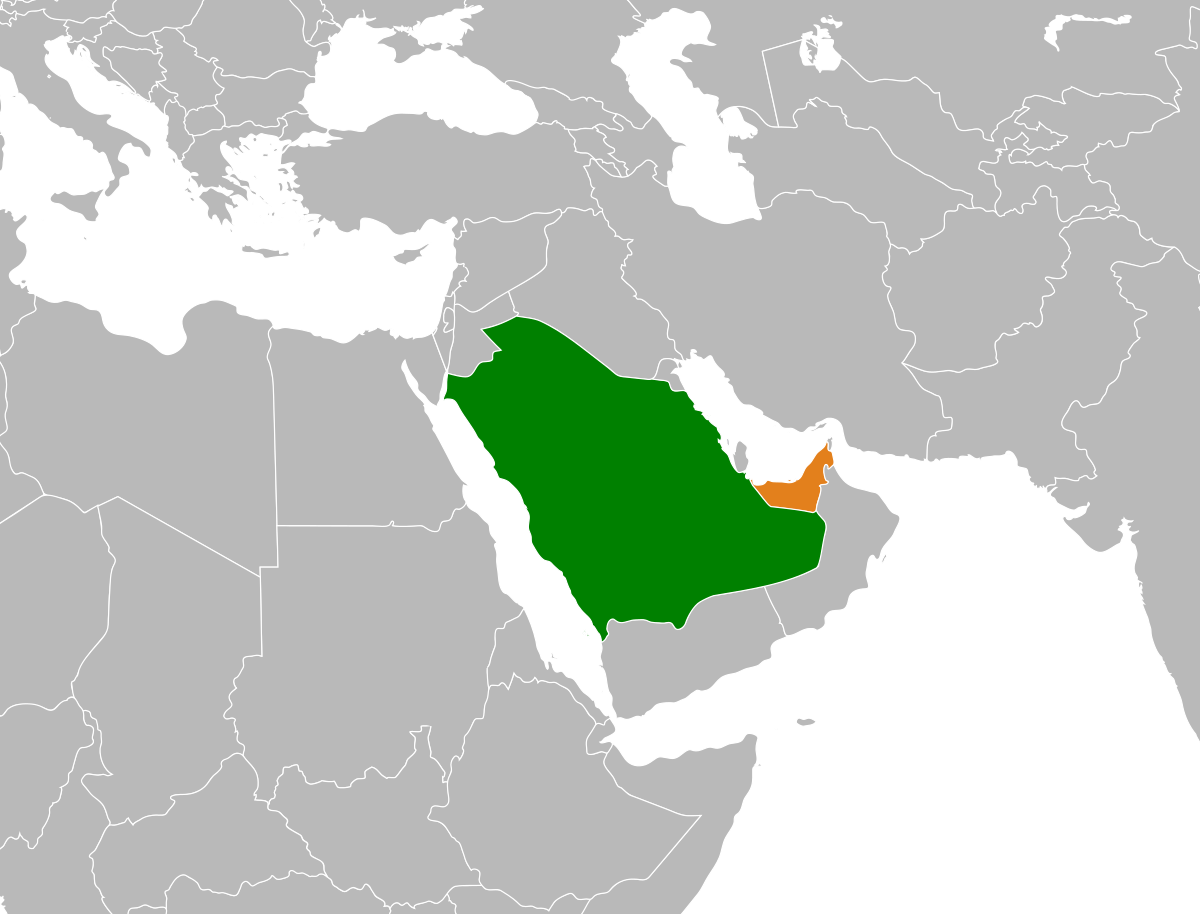
Discussions between Russian and US officials have surfaced regarding a potential summit between President Donald Trump and President Vladimir Putin, with Saudi Arabia and the United Arab Emirates being considered as the possible locations for the high-stakes meeting. According to two Russian sources familiar with the matter, both Middle Eastern nations have emerged as viable venues for the summit, a move that reflects the growing geopolitical engagement of these countries in the Russia-US relations.

Trump, who has long positioned himself as a proponent of international diplomacy, stated his intentions to end the war in Ukraine as swiftly as possible. He reiterated his readiness to engage with Putin, emphasizing the desire to address the ongoing conflict and other shared concerns. In return, President Putin congratulated Trump following his re-election and voiced his own readiness to meet and discuss critical issues, including the war in Ukraine and energy policies, which remain central to the broader global conversation on security and economic stability.

Despite these declarations, Russian officials have firmly denied any direct communications with the United States regarding plans for a phone call or a potential in-person meeting between the two leaders. These officials insist that any forthcoming discussions, if they occur, would be arranged at a later stage, with careful consideration of timing and venue.

The prospect of such a summit, especially in the context of Russia’s recent military actions in Ukraine, has sparked interest on the international stage. The geopolitical ramifications of such a meeting would likely be far-reaching, impacting global energy markets, NATO relations, and the future of the conflict in Eastern Europe. Although some observers view this as an opportunity for peacebuilding, others remain skeptical, given the contentious history of US-Russia relations.

Saudi Arabia and the UAE, with their growing influence on the global diplomatic stage, are being considered due to their neutral stance in the Ukraine conflict and their established relationships with both Russia and the United States. These nations have long been involved in energy markets, which would make them attractive hosts for a meeting focused on energy policies and economic security. Russia’s energy exports, including oil and natural gas, remain a critical factor in shaping international relations, particularly in light of sanctions imposed by the West in response to Russia’s actions in Ukraine.

Trump’s position on Ukraine has been a point of divergence from that of his political opponents, with some criticizing his favorable rhetoric toward Russia. However, his approach has consistently focused on resolving the conflict through direct negotiations, an approach he has applied to other global tensions during his presidency. The idea of a Trump-Putin summit reflects his broader foreign policy philosophy, which emphasizes personal diplomacy over multilateral frameworks.

Despite public statements from both leaders expressing interest in talks, the reality of organizing a summit remains complex. The diplomatic groundwork necessary to bring the two leaders to the same table would require careful coordination, especially with ongoing tensions over Ukraine. Moreover, the absence of direct communication between the US and Russia regarding the summit preparations has raised questions about the seriousness of the plans and the potential obstacles that may arise in the months ahead.

The role of intermediaries, such as Saudi Arabia and the UAE, in facilitating this meeting underscores the shifting dynamics of international diplomacy. Both nations have increasingly positioned themselves as key players in mediating between conflicting global powers. Saudi Arabia’s leadership within OPEC, combined with its strategic partnerships with both Russia and the United States, places it in a unique position to influence global discussions, particularly in the energy sector. Similarly, the UAE, with its expansive diplomatic network and strong ties to both Moscow and Washington, has become a focal point for international peace efforts and negotiations.

The consideration of Saudi Arabia and the UAE as potential hosts for the Trump-Putin summit aligns with their broader strategy of asserting themselves as mediators in global political disputes. The Middle East, long a region of contention, is now emerging as a diplomatic hub where major powers can engage in dialogue, far from the direct theater of conflict. This shift in geopolitical dynamics highlights the region’s growing importance as a neutral ground for major power negotiations, particularly in an era marked by heightened tensions and polarized global politics.

While a Trump-Putin summit would be a significant event on the world stage, it would also require both leaders to overcome a range of diplomatic and political challenges. The ongoing war in Ukraine remains a central issue, and any discussions between Trump and Putin would likely revolve around finding a peaceful resolution to the conflict, while balancing the interests of their respective countries. However, any breakthroughs or agreements arising from such a summit would be closely scrutinized by the international community, particularly given the historical tensions that have defined US-Russia relations.

HONG KONG SAR – Media OutReach Newswire – 4 February 2025 – The Government of the Republic of Botswana (“GRB”) and De Beers Group (“De Beers”) are pleased to announce the successful conclusion of negotiations focused on establishing a new sales agreement for Debswana’s rough diamond production, as well as extending Debswana’s mining licences beyond 2029. This development is in alignment with the Heads of Terms agreed […]

• Yunlin OWF fully operational and running at design capacity of 640 MW • Enough clean energy to power over 600,000 Taiwanese homes annually • Major step for Taiwan’s offshore wind farm and renewable energy sectors HAMBURG, GERMANY – EQS Newswire – 3 February 2025 – Skyborn Renewables (Skyborn) and its partners in Yunneng Wind Power Co., Ltd. (Yunneng) are pleased to announce a major milestone: The […]

As tensions mount in Canada’s relationship with its southern neighbor, some analysts are raising an unconventional proposition: Could Canada one day join the European Union ? While this idea may seem far-fetched, it highlights the growing discontent surrounding the current dynamics between Canada and the United States, particularly in areas such as trade, environmental policies, and defense. A series of challenges in the relationship between the U.S. […]

LOS ANGELES, USA – Newsaktuell – 31 January 2025 – High levels of governance have masked a slow decline in Germany, with political, economic, and social fractures “festering over years”, a new scientific report released only weeks ahead of the February 23 parliamentary elections concludes. On February 23, Germany elects a new Bundestag. The issue of migration plays a particularly important role, not least for supporters of […]

Blockchain technology is increasingly intersecting with renewable energy initiatives, offering transformative solutions that enhance transparency, efficiency, and accessibility in the energy market. This convergence is fostering a new era of decentralized energy systems, where consumers and producers engage in more direct and efficient transactions. UrbanChain, established in 2017 and based in Manchester Science Park, has developed a green energy marketplace that utilizes artificial intelligence and distributed ledger […]

Hamas has released three Israeli hostages, including 19-year-old soldier Agam Berger, as part of ongoing ceasefire negotiations. Berger, who was captured during the October 2023 attack, was handed over to the Red Cross in Gaza and is now undergoing medical assessment before reuniting with her family. The other released hostages are Arbel Yehud, 29, and 80-year-old Gadi Moses. Additionally, five Thai nationals were freed in this latest exchange.

The ceasefire agreement, brokered by U.S.-led mediators, aims to facilitate the release of hostages in exchange for Palestinian prisoners. Under the terms, Hamas is expected to release a total of 33 hostages, while Israel will free approximately 1,900 Palestinian prisoners. This truce seeks to halt the intense conflict that has resulted in significant casualties on both sides.

The release of Berger, the last female soldier held in Gaza, was met with celebrations in Tel Aviv. Footage showed her waving to the crowd upon her release, indicating she is alive and well. The emotional return has been a source of relief for her family and supporters.

The ceasefire has also allowed hundreds of thousands of Palestinians to return to northern Gaza, though they face significant devastation upon their return. Negotiations for further exchanges and a permanent end to the war are ongoing, with the next phase focusing on releasing remaining hostages and withdrawing Israeli troops from Gaza. The final phase will involve returning the bodies of deceased hostages and reconstructing Gaza.

The October 7, 2023, attack by Hamas resulted in over 1,200 deaths and 250 kidnappings, sparking the subsequent conflict. The recent releases are part of efforts to de-escalate tensions and work towards a more lasting peace in the region.

As part of the ceasefire deal, Israel has agreed to release 110 Palestinian prisoners. The truce, which paused the conflict earlier this month, is part of a larger deal aiming for a more extended halt in hostilities and the release of more captives. However, negotiations for a deeper, lasting peace remain complex and uncertain.

The release of hostages and prisoners is seen as a significant step towards de-escalation, but the path to a lasting peace remains fraught with challenges. Both sides have expressed a commitment to continuing negotiations, with the hope of achieving a more comprehensive resolution to the conflict.

The international community continues to monitor the situation closely, with many nations expressing support for the ceasefire and the ongoing negotiations. The hope is that these developments will lead to a sustainable peace and stability in the region.

As the situation evolves, the focus remains on the safe return of all hostages and the implementation of measures to prevent further escalation. The coming days and weeks will be critical in determining the future trajectory of the Israeli-Palestinian conflict.

The recent releases have provided a glimmer of hope in an otherwise tumultuous period, highlighting the potential for diplomacy and negotiation to yield positive outcomes even in the most challenging circumstances.

While significant hurdles remain, the progress made thus far underscores the importance of continued dialogue and the pursuit of peaceful solutions to longstanding conflicts.

The international community remains cautiously optimistic, recognizing that while the road ahead is uncertain, the recent developments represent a meaningful step towards a more peaceful and stable future for both Israelis and Palestinians.

The situation remains fluid, and stakeholders on all sides are urged to exercise restraint and continue working towards a comprehensive and lasting resolution to the conflict.

The hope is that through sustained efforts and mutual compromise, a durable peace can be achieved, bringing an end to the cycle of violence and suffering that has plagued the region for decades.

The recent hostage releases serve as a reminder of the human cost of the conflict and the urgent need for a resolution that ensures the safety and well-being of all individuals affected by the ongoing strife.

As negotiations continue, the focus remains on achieving tangible outcomes that pave the way for a peaceful coexistence between Israelis and Palestinians, fostering a future where both communities can thrive in harmony.

The international community stands ready to support these efforts, recognizing that a lasting peace in the Middle East is not only a regional imperative but also a global one, with far-reaching implications for international stability and security.

The path to peace is seldom straightforward, but the recent developments offer a beacon of hope, illustrating that even in the face of deep-seated animosities, progress is possible through dialogue, negotiation, and a shared commitment to a better future.

As the world watches, the actions taken in the coming days will be pivotal in shaping the course of the Israeli-Palestinian conflict and determining whether this moment of hope can be transformed into a lasting reality.

The release of hostages and the ongoing ceasefire negotiations represent a critical juncture, offering an opportunity to break the cycle of violence and lay the groundwork for a sustainable peace that benefits all parties involved.

The international community remains engaged, ready to assist in facilitating dialogue and providing support to ensure that the progress made is not only preserved but also built upon in the pursuit of a just and enduring resolution to the conflict.


MANTRA, a blockchain platform for tokenizing real-world assets , has finalized a significant $1 billion agreement with DAMAC Group, a leading investment conglomerate in the UAE. This strategic partnership, announced on January 9, focuses on the tokenization of various assets within the Middle East region, bringing blockchain innovation into a thriving market.

The agreement underscores MANTRA’s commitment to expanding the use of decentralized finance solutions for asset management, leveraging blockchain’s potential to revolutionize traditional industries. DAMAC, known for its prominent presence in the real estate sector, will collaborate with MANTRA to tokenize a range of physical and financial assets, making them accessible through the blockchain.

DAMAC Group, founded by billionaire Hussain Sajwani in the early 2000s, has diversified its investments into several sectors, including real estate, hospitality, and entertainment. The company’s high-profile developments include luxury residential towers and resorts, which have shaped Dubai’s skyline. With a reputation for delivering upscale properties, DAMAC has long been recognized as one of the most influential developers in the region. By embracing blockchain technology, the firm seeks to modernize asset management and broaden the scope of its investment strategies.

MANTRA, on the other hand, has been gaining traction in the blockchain space for its unique approach to tokenizing real-world assets, including properties, commodities, and financial instruments. The platform’s capabilities allow users to invest in traditional assets using blockchain technology, enhancing liquidity and enabling fractional ownership. This process democratizes access to high-value assets, which was previously out of reach for smaller investors.

The partnership’s centerpiece is the tokenization of real estate assets, one of the most significant areas of focus. By converting physical properties into digital tokens, MANTRA and DAMAC aim to make real estate investment more inclusive and accessible. Investors can now trade or hold fractional ownership of properties without the traditional barriers of entry, such as the need for large capital investments or navigating complex ownership structures.

For DAMAC Group, this partnership represents an opportunity to broaden its investor base, reaching not only institutional investors but also individuals seeking exposure to high-end real estate. The ability to tokenize properties provides greater flexibility in managing assets and allows for more efficient transactions, as blockchain technology ensures transparency and reduces the need for intermediaries.

On a broader scale, the partnership aligns with global trends in digital finance, where the tokenization of real-world assets is seen as the next frontier for blockchain technology. While still a relatively new concept, the market for tokenized assets is rapidly growing, driven by increasing demand for alternative investment opportunities and the potential for blockchain to streamline asset trading.

The collaboration is also expected to have a broader economic impact in the UAE. The country has positioned itself as a global hub for technology and innovation, with several initiatives promoting the adoption of blockchain and other emerging technologies. This agreement between MANTRA and DAMAC highlights the UAE’s continued efforts to integrate cutting-edge technologies into traditional industries such as real estate.

Tokenization has the potential to address several challenges in the real estate sector, including illiquidity, high transaction costs, and the complexity of cross-border investments. Blockchain’s decentralized nature provides enhanced security and reduces the risks typically associated with traditional financial systems. Through tokenization, investors can gain access to a much broader array of real estate opportunities, including properties that were once considered inaccessible due to geographic or financial constraints.

The agreement between MANTRA and DAMAC could pave the way for future collaborations with other players in the real estate and investment sectors, both in the UAE and beyond. With the rise of digital assets, there is an increasing need for traditional businesses to adapt to the changing landscape of finance. Blockchain and tokenization offer a solution that meets this need, providing greater transparency, security, and efficiency in asset transactions.

The tokenization of RWAs is not just limited to real estate. Other sectors, including commodities, art, and even intellectual property, are beginning to explore how blockchain can enhance their operations. This trend is expected to accelerate in the coming years, as more businesses realize the potential benefits of tokenizing their assets. In this context, the MANTRA-DAMAC partnership could serve as a model for other companies looking to tap into the growing market for blockchain-based asset management.

As the global economy continues to evolve, so too does the role of blockchain in reshaping traditional industries. The MANTRA-DAMAC collaboration is a clear example of how blockchain technology can be leveraged to unlock new opportunities, reduce friction in asset transactions, and foster a more inclusive financial ecosystem. The success of this partnership will likely have far-reaching implications for the future of asset tokenization, setting the stage for further innovation in the years ahead.

El Salvador’s legislative assembly has passed a major reform to its Bitcoin law, a move aimed at aligning the country’s cryptocurrency framework with broader financial goals, particularly following an agreement with the International Monetary Fund . The reform has been met with mixed reactions both within the country and internationally, raising questions about its impact on the nation’s economic strategy.

The proposed amendments focus on ensuring that Bitcoin operates as a legal currency in the country but with significant modifications to the conditions under which it can be used. Key adjustments include enhancing regulatory oversight and establishing clearer parameters for businesses involved in cryptocurrency transactions. The reform aims to address concerns raised by both domestic and international financial institutions regarding the volatility and risks associated with Bitcoin, which was adopted as legal tender in the country back in 2021.

This shift comes in the wake of a formal agreement between the Salvadoran government and the IMF, which had previously expressed concerns over the country’s reliance on Bitcoin as a central part of its economic strategy. The IMF had cautioned against the risks of using a highly volatile asset as an official currency, urging El Salvador to exercise caution. The reformation of the Bitcoin law is seen as a response to these international pressures, signaling a more cautious approach to the integration of cryptocurrency into the country’s financial system.

President Nayib Bukele, a strong advocate for Bitcoin adoption, has repeatedly touted the cryptocurrency as a vehicle for financial inclusion and a potential catalyst for economic growth. Despite skepticism from various sectors, Bukele maintained that Bitcoin would bring long-term benefits by providing access to financial services for the unbanked population and attracting foreign investment. However, critics have pointed to the lack of widespread adoption, citing a significant portion of the population still hesitant or unfamiliar with the digital currency.

The IMF’s role in pushing for the law reform underscores the complexities of El Salvador’s economic situation, especially as the country grapples with its growing debt levels and reliance on foreign aid. The approval of the Bitcoin law reforms is a step toward meeting conditions set by international lenders, who have been cautious about the potential destabilizing effects of cryptocurrency on traditional financial systems. For El Salvador, it marks a delicate balancing act between maintaining Bukele’s vision of innovation and securing crucial international financial support.

Supporters of the reform argue that the changes will provide greater clarity for businesses and consumers alike, reducing the legal and economic uncertainty surrounding Bitcoin transactions. By introducing new regulations, such as anti-money laundering provisions, the government aims to ensure that Bitcoin is not used for illicit purposes, while maintaining the broader goal of financial modernization.

On the other hand, critics of the reform are concerned that the amendments do not go far enough in addressing the fundamental issues with Bitcoin’s integration into the national economy. For instance, while the new rules may curb some of the more problematic aspects of cryptocurrency adoption, they may not alleviate the inherent risks tied to Bitcoin’s market fluctuations. The cryptocurrency has demonstrated significant price volatility, which has led to financial instability in countries that have taken similar paths to adopting Bitcoin.

The reform also comes at a time when the global cryptocurrency landscape is facing increasing scrutiny. In the U.S., regulatory bodies are tightening their stance on digital currencies, raising concerns over security, transparency, and the potential for fraud. Similarly, countries such as China and India have taken a more restrictive approach to cryptocurrency, while others like El Salvador and Paraguay have embraced it with varying degrees of enthusiasm and regulation.

This complex global backdrop means that El Salvador’s decision to overhaul its Bitcoin law is not just a domestic issue but part of a broader dialogue on the future of cryptocurrencies in national economies. Some observers argue that the reform may be part of a broader trend where countries reconsider their initial forays into cryptocurrency adoption, especially as economic realities evolve and financial pressures mount.

The Salvadoran government’s decision to overhaul the Bitcoin law also has implications for its wider economic policies. It highlights the ongoing tensions between innovation and regulation, as well as the balancing act that small economies must perform when navigating the global financial system. As the country continues to depend on foreign aid and investment, including funds from the IMF, the path forward for Bitcoin in El Salvador remains uncertain.

El Salvador’s experience with Bitcoin has served as a case study for other countries contemplating similar moves. The nation’s attempt to embrace the digital currency as a national legal tender has been watched closely by governments and financial institutions around the world. With the reform, El Salvador seems to be taking a more cautious approach to cryptocurrency, which may signal a shift away from its previously bold stance on Bitcoin.

Robinhood Markets has introduced Bitcoin and cryptocurrency futures trading, expanding its investment services to include crypto-based derivatives. The move aims to cater to the growing demand for cryptocurrency investment tools, allowing users to speculate on Bitcoin’s price movement without directly holding the cryptocurrency.

The company, which first gained popularity with its user-friendly stock trading app, has been expanding its portfolio to meet the evolving needs of retail investors. By adding crypto futures to its platform, Robinhood is positioning itself as a more versatile trading hub, aligning with the trend of traditional financial services adapting to the growing influence of digital assets.

Crypto futures are agreements to buy or sell an underlying asset at a future date for a predetermined price. Unlike spot trading, where investors purchase cryptocurrencies directly, futures allow traders to bet on price movements without owning the actual coins. This could attract more investors who prefer speculating on price fluctuations while avoiding the complexities of cryptocurrency storage and security.

The timing of Robinhood’s move comes at a moment when cryptocurrency markets are gaining broader attention and legitimacy, especially as institutional players like hedge funds and large banks enter the space. Futures trading offers a higher level of risk compared to traditional buying and selling, but it also provides significant opportunities for profit, making it an appealing option for both seasoned traders and newcomers to the digital asset space.

This expansion into futures trading also follows growing interest in Bitcoin and other cryptocurrencies from both individual and institutional investors. Bitcoin’s price has seen substantial fluctuations, and futures trading provides a method for hedging against these market swings. It is also seen as a strategic maneuver for Robinhood to compete with other trading platforms, such as Coinbase and eToro, which have been incorporating more cryptocurrency offerings.

Robinhood has long been known for its disruptive approach to finance, offering commission-free trading on stocks and options. Its decision to venture into cryptocurrency futures aligns with its broader goal of democratizing finance and making more sophisticated financial tools accessible to everyday investors. Crypto futures, however, come with unique risks, especially given the volatility of cryptocurrency prices. Critics have expressed concern over the potential for inexperienced investors to face significant losses.

Futures contracts are commonly used by institutional traders, but Robinhood’s entry into this market is designed to make these instruments more approachable for retail investors. The platform’s streamlined user interface could attract novice traders who may have shied away from futures trading due to its perceived complexity. With Bitcoin futures trading, investors will be able to enter both long and short positions on Bitcoin, allowing them to profit from price movements in either direction.

Robinhood’s push into cryptocurrency futures is not just a response to demand but also a calculated strategy to capture a larger share of the expanding digital asset market. As the cryptocurrency market continues to mature, the availability of new products like futures trading could play a key role in attracting more diverse investor participation. The move is also expected to bolster Robinhood’s position as a major player in the broader financial ecosystem, offering products ranging from equities to commodities, alongside digital assets.

While the crypto futures market is still evolving, regulatory scrutiny remains a key concern. The U.S. Commodity Futures Trading Commission and the U.S. Securities and Exchange Commission have both indicated their interest in providing clearer regulations around cryptocurrency derivatives. Future developments in regulatory policy will likely influence how Robinhood and other platforms navigate the crypto futures space.

For Robinhood, the integration of Bitcoin and cryptocurrency futures into its platform signifies an ongoing transformation of its business model. With an increasing number of retail traders showing interest in digital assets, the company’s ability to adapt and introduce new products will be pivotal in maintaining its competitive edge.

The platform’s expansion into this space also places additional focus on the growing trend of financial democratization. By bringing sophisticated trading tools like crypto futures to a broader audience, Robinhood continues to challenge traditional financial institutions and reshape the way investors access and trade various asset classes.

The introduction of crypto futures comes at a time when market volatility has been a consistent characteristic of the crypto landscape, with Bitcoin regularly experiencing dramatic price swings. This volatility, while presenting opportunities for skilled traders, also makes it crucial for retail investors to fully understand the risks involved in futures trading.

In offering crypto futures, Robinhood is also tapping into a demographic that seeks more diverse and complex financial products. Futures markets allow traders to speculate on the price of assets like oil, gold, and Bitcoin, providing exposure to various types of commodities in addition to traditional stocks. By integrating these financial instruments into its app, Robinhood positions itself as a go-to platform for users interested in broader investment opportunities.

Abu Dhabi’s real estate sector has experienced a significant surge in foreign direct investment (FDI), with a 225% increase in the first half of 2024 compared to the same period in 2023. The emirate attracted AED 3.28 billion ($893 million) from 971 individual investors spanning 75 countries, including the United States, the United Kingdom, China, Kazakhstan, and Russia. ([adrec.gov.ae](https://adrec.gov.ae/en/News/Foreign-Direct-investments?utm_source=chatgpt.com))

This influx of foreign capital underscores the growing confidence in Abu Dhabi’s property market. The Abu Dhabi Real Estate Centre (ADREC), the regulatory body overseeing the sector, attributes this growth to strategic initiatives aimed at positioning the emirate as a premier global investment destination. Rashed Al Omaira, Acting Director General of ADREC, emphasized the emirate’s commitment to creating a business-friendly environment characterized by innovation, transparency, and efficiency. ([adrec.gov.ae](https://adrec.gov.ae/en/News/Foreign-Direct-investments?utm_source=chatgpt.com))

In the first half of 2024, the real estate market recorded 12,439 transaction activities valued at AED 36.2 billion ($9.85 billion). This includes AED 23.7 billion from 7,088 sales and purchase transactions and AED 12.5 billion from 5,351 mortgage transactions. ([adrec.gov.ae](https://adrec.gov.ae/en/News/Foreign-Direct-investments?utm_source=chatgpt.com))

The surge in FDI is part of a broader trend of international interest in Abu Dhabi’s real estate. In February 2024, Fiera Capital, a Toronto-listed fund managing $166 billion in assets, announced the opening of its first Middle East office in Abu Dhabi. The firm plans to establish an office in Saudi Arabia within the next 18 to 24 months, aiming to engage more closely with sovereign wealth funds, family offices, pension funds, and listed corporations in the region. ([Financial News London](https://www.fnlondon.com/articles/fiera-capital-plans-saudi-arabia-office-following-middle-east-foray-in-2024-ac7cc384?utm_source=chatgpt.com))

Additionally, Abu Dhabi’s Modon Holding has been active in international real estate investments. The company acquired half of Citadel’s new office tower at Broadgate in the City of London, marking a strategic entry into the London real estate market. The tower at 2 Finsbury Avenue is set to complete in 2027 and is one-third pre-let to Citadel. ([ft.com](https://www.ft.com/content/ed5b219c-e18a-4b8b-bfe8-88430f7dbd76?utm_source=chatgpt.com))

Modon Holding also expanded its portfolio by acquiring the luxury development La Zagaleta in Marbella, Spain. This acquisition includes the Majarambuz project, a 2.2 million square meter development in Sotogrande. The group plans to develop these areas while maintaining the exclusivity and legacy of the original developments. ([Cinco Días](https://cincodias.elpais.com/companias/2024-12-19/modon-holding-con-sede-en-abu-dabi-adquiere-en-marbella-la-urbanizacion-de-lujo-la-zagaleta.html?utm_source=chatgpt.com))

In Egypt, a partnership between Egypt’s Safwat Kaliouby Group (SKG) and the Emirati KSH Investment Company resulted in a 24 billion Egyptian pound ($500 million) agreement to develop a real estate project along the Nile in Cairo. The project will span 20,000 square meters and include residential and commercial towers, as well as a five-star hotel. ([reuters.com](https://www.reuters.com/markets/deals/egyptian-emirati-companies-sign-500-mln-real-estate-deal-egypt-2024-07-09/?utm_source=chatgpt.com))

These developments highlight Abu Dhabi’s growing influence in the global real estate market and its strategic efforts to attract and deploy foreign direct investment. The emirate’s focus on creating a transparent and efficient investment environment continues to position it as a preferred destination for investors worldwide.

Commercial real estate in the UAE represents a dynamic and rapidly growing market segment, encompassing office buildings, shopping centers, and warehouse facilities. Effective management of these properties is vital for ensuring profitability, tenant satisfaction, and maintaining asset liquidity. This process requires a comprehensive approach, including technical maintenance, marketing, lease optimization, and transaction support. Key Aspects of Commercial Property Management Office Building Management. Managing office buildings demands a professional […]

HO CHI MINH CITY, VIETNAM – Media OutReach Newswire – 24 January 2025 – A Memorandum of Understanding (MoU) was signed today between, Saigon Jim Brother’s Corporation (EVM), Solarvest (Vietnam) Company Limited (“Solarvest”), and Power Engineering Consulting Joint Stock Company 2 (PECC2), marking the start of a strategic partnership aimed at accelerating the adoption of a renewable energy solution in Vietnam. This collaboration focuses on leveraging the […]

VISHNU RAJA
RYO YAMADA
HITORI GOTOH
IKUYO KITA
Just in:
Emirates Group records AED 4.1 billion half-year profit // OpenAI identifies 948 Linux privilege escalation flaws using AI // APT29-linked campaign exploits outdated Apple and Android software // ADIA and partners establish $1.4 billion aviation venture // UK air traffic outage inflicted £33m financial losses // Dubai boat show confirms international shipyard line-up for November // Oil and chip shares retreat after Democratic victories // e-Crime Bureau Signs Cybersecurity Partnership With Smart Africa, Reinforcing Its Global Expansion // Kochi police detain two actors over bid to honey trap doctor // Xi Jinping Preparing For A Trilateral Summit With Trump And Putin At APEC Summit On Nov 18-19 // The “1st Greater Bay Area Health and Longevity Summit & Awards Ceremony” concludes successfully in Macao // Trump’s Iran War Has A Share Of Contribution To His Midterm Debacle // Utilities pursue ₹1,992 cr in unpaid bills // SC to examine students’ exam plea today // Cloudflare unveils Zero Wire vulnerability intelligence service // Cyberport Venture & Capital Forum 2026 Grand Opening // CR Longdation Aethereal Cybersecurity × Global Cybersecurity Alliance (GCSA) Join Hands to Establish the “AI and Cybersecurity Research Centre” // Asia Left Behind: Ten international companies have yet to report delivering on their cage-free egg pledges across the region // After Reaching 7 Million Users in the Philippines, Skyro Launches Transparent Cash Loans in Malaysia // Private varsities bill all set to face the axe //