Just in:
Trump’s Iran War Has A Share Of Contribution To His Midterm Debacle // TVM –Mangaluru Vande Bharat claims top spot // Kochi police detain two actors over bid to honey trap doctor // Hong Kong mandates crypto transaction disclosures to tax authorities // Emirates Group records AED 4.1 billion half-year profit // Millions Of Indians May Soon Be Deprived Of Government Assistance // OpenAI abandons secrecy agreements for future data centres // Geely’s i-HEV Intelligent Hybrid Technology Offers a New Direction for Gasoline-Powered Vehicles // Asia Left Behind: Ten international companies have yet to report delivering on their cage-free egg pledges across the region // Dubai details five-year visa benefits for returning visitors // e-Crime Bureau Signs Cybersecurity Partnership With Smart Africa, Reinforcing Its Global Expansion // CR Longdation Aethereal Cybersecurity × Global Cybersecurity Alliance (GCSA) Join Hands to Establish the “AI and Cybersecurity Research Centre” // Meraas showcases five residential zones at Dubai Design Week // UK air traffic outage inflicted £33m financial losses // Dubai boat show confirms international shipyard line-up for November // Private varsities bill all set to face the axe // Beyond the exhibition floor: How robots, AI and networks are moving into the real world // Oil advances towards $100 as tanker attacks persist // Motorola introduces Signature 27 flagship priced at $1,599 // OpenAI introduces GPT-6 Cyber with restricted security access //

News related to
agreement

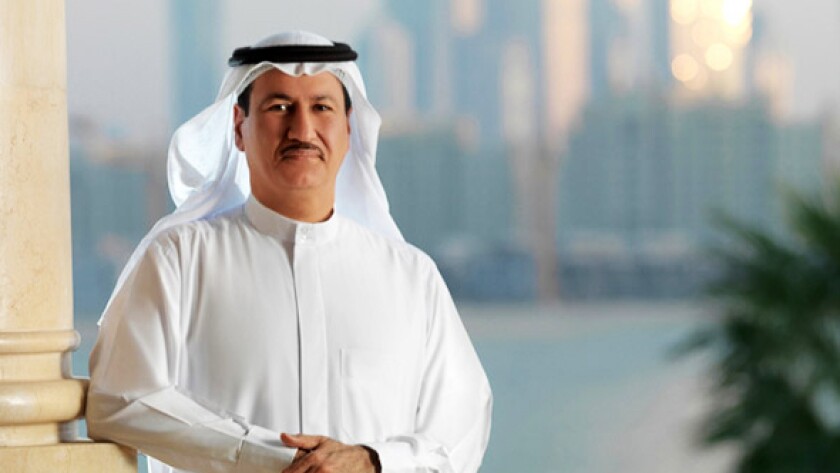
Damac Properties, a major real estate development company based in the UAE, has announced a remarkable $20 billion investment deal that marks a significant milestone in the continued strengthening of ties between the Gulf region and former President Donald Trump. The deal comes on the heels of growing business activities between the Trump Organization and companies within the UAE, signaling a deepening relationship that blends politics and commerce.

The landmark investment will largely focus on large-scale development projects in the Middle East, particularly in the UAE and surrounding regions, areas that have seen a significant increase in foreign investment in recent years. This particular venture, supported by Damac, which is one of the region’s most influential real estate developers, not only marks a huge financial commitment but also highlights Trump’s ongoing influence in the Middle East, a region where he has cultivated robust business partnerships.

Damac’s decision to align with the Trump Organization further consolidates the firm’s position within the luxury real estate sector, particularly as demand for high-end properties in the Gulf grows. The projects set to be developed under this partnership will span various sectors, from residential to commercial spaces, further enhancing the region’s appeal as a hub for international business.

This growing collaboration between Trump and Gulf-based entities like Damac points to a shift in the way Gulf states are engaging with American businessmen. The partnership reflects a broader trend where the region’s wealthy investors see value in deepening their relationships with powerful political figures, especially those with a global influence, such as Trump.

While Trump’s presidency left a complicated legacy regarding his ties to foreign governments, the current investment underscores the longevity of his business connections, particularly in the UAE, which remains one of the most lucrative and influential partners for Trump outside the United States. Under the terms of the deal, Trump will lend his brand to high-profile projects, which will undoubtedly raise the profile of these developments globally.

The expansion of Trump’s real estate ventures in the region speaks volumes about his sustained business interests in the Middle East. Trump’s brand, which has long been associated with luxury and wealth, aligns seamlessly with the aspirations of Gulf investors looking to increase their visibility on the global stage. The collaboration has also highlighted the shifting dynamics in real estate development, where political figures increasingly play a key role in shaping the future of business deals across borders.

What is especially notable is the involvement of the UAE in these initiatives. As one of the most economically diversified countries in the Middle East, the UAE is positioning itself as a leader in not only finance and tourism but also in the luxury real estate market. The Trump Organization’s presence in the region further underscores the country’s influence and its ability to attract major international investors. Despite concerns over the potential conflicts of interest due to Trump’s dual role as a businessman and political figure, the Gulf region has continued to welcome his projects, leading some analysts to question the broader implications of such investments.

The agreement also raises questions about the future of Trump’s business operations, especially in the context of his ongoing political career. With his political influence diminishing following his presidency, the $20 billion investment deal could be seen as an attempt to stabilize his financial portfolio by aligning with powerful Middle Eastern entities. The Trump Organization’s expansion into luxury real estate markets in the UAE also fits into a broader pattern of American businesses exploring new opportunities in foreign markets that are seen as stable and profitable.

Gulf investors, including those behind Damac, have increasingly demonstrated their willingness to engage with the Trump Organization despite the political controversy that surrounds his name. For many investors in the region, the financial upside of such partnerships outweighs the potential diplomatic fallout, a sign of the region’s prioritization of economic interests over political considerations.

The deal has sparked a mixed reaction. On one hand, it is seen as a symbol of the enduring power of Trump’s brand and his ability to foster profitable business ventures, even after leaving the White House. On the other hand, critics point to the risks of such ties, with concerns over the potential influence that foreign investors could exert over American politics through business arrangements.
By Dr. Gyan Pathak Prioritizing employment generation and increasing funds for employment guarantee schemes have unquestionably emerged as the top priority during pre-budget consultations of Union Minister of Finance Nirmala Sitharaman for the Union Budget 2025-26, both with the Central Trade Unions (CTUs) and India Inc. The confederation of Indian Industry (CII) urged the Union […]

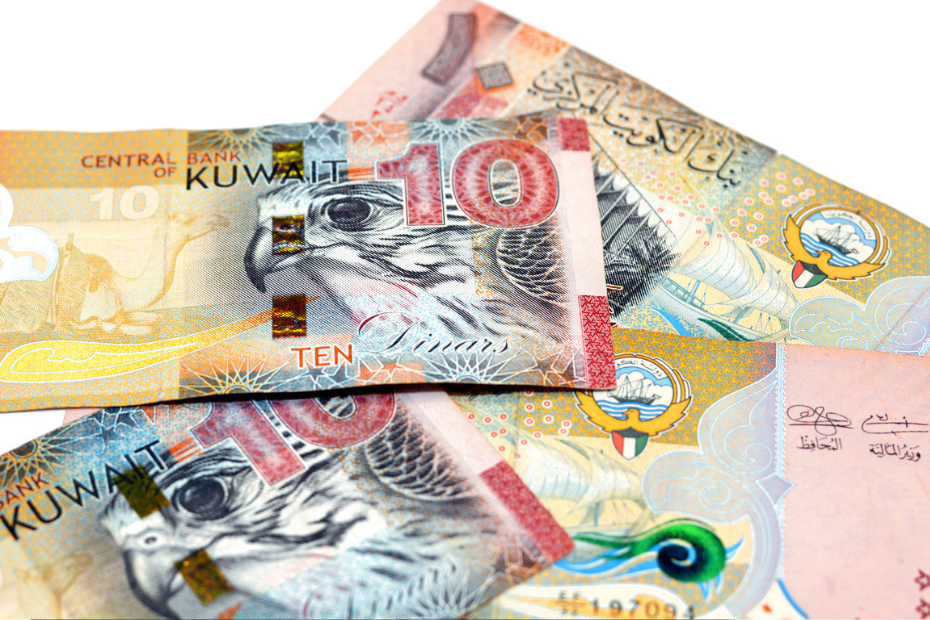
Kuwait’s Warba Bank has entered into a significant agreement to acquire a nearly 33% stake in Gulf Bank, marking a major development in the country’s banking sector. The move is seen as part of Warba’s strategy to enhance its market position and diversify its portfolio in an increasingly competitive financial environment.

Under the terms of the deal, Warba Bank will purchase a substantial portion of Gulf Bank’s shares, subject to regulatory approval. The acquisition is expected to provide Warba with increased influence over Gulf Bank’s operations, while also bolstering its financial strength and expanding its customer base.

The decision to acquire a stake in Gulf Bank is part of a broader trend in the Gulf Cooperation Council (GCC) region, where financial institutions are increasingly consolidating and forming strategic alliances to strengthen their market presence. Kuwait’s banking sector, in particular, has witnessed a series of mergers and acquisitions in recent years as institutions seek to increase efficiency and adaptability amidst changing economic conditions.

Gulf Bank, established in 1960, has long been one of the prominent players in Kuwait’s banking landscape. It has earned a reputation for its diverse range of services, which include retail banking, corporate banking, and investment solutions. The bank’s solid financial standing and track record of growth make it an attractive partner for Warba, which has been aggressively pursuing expansion opportunities since its establishment in 2010.

For Warba Bank, the acquisition represents a significant step toward achieving its long-term growth objectives. The bank has positioned itself as a major player in Kuwait’s financial sector, with a focus on innovation and digital banking solutions. Warba’s leadership sees the Gulf Bank acquisition as a key opportunity to expand its footprint and increase its market share, particularly in the retail and corporate banking segments.

Experts in the financial sector have pointed out that this acquisition will likely create a more formidable competitor within Kuwait’s banking market. Warba Bank, which has steadily gained market recognition for its commitment to technology and customer service, stands to benefit from Gulf Bank’s established brand and network. Additionally, Gulf Bank’s extensive branch network will provide Warba with access to new customer segments, particularly in the corporate banking sector, where Gulf Bank has a strong presence.

The merger is also seen as a response to the evolving economic climate in the Gulf region. As the region continues to recover from the effects of the global pandemic and fluctuating oil prices, financial institutions are seeking to solidify their positions by strengthening their balance sheets and diversifying their service offerings. This strategic acquisition allows Warba to better position itself to weather future economic uncertainties while capitalizing on new growth opportunities.

While the acquisition is expected to be beneficial for both banks, it does not come without challenges. One of the primary hurdles will be aligning the corporate cultures and operational frameworks of Warba and Gulf Bank, both of which have distinct organizational structures. Integrating the two institutions will require careful management, particularly in terms of consolidating resources, aligning business strategies, and retaining key talent from both sides.

Regulatory approval will also play a crucial role in determining the success of the acquisition. The Kuwait Central Bank (CBK) will need to assess the potential impact of the merger on competition in the local market, as well as ensure that both banks comply with the relevant financial regulations. Given the size and significance of the deal, industry observers expect a thorough review process before the deal can proceed.

The acquisition is expected to be a positive move for Kuwait’s banking sector overall, signaling confidence in the country’s financial stability and the resilience of its banking institutions. Analysts believe that this deal could pave the way for further consolidation within the sector, as other banks look for opportunities to enhance their competitive edge in the face of an evolving market landscape.

Warba Bank’s decision to acquire a stake in Gulf Bank also highlights the growing importance of strategic partnerships in the GCC’s banking industry. In a region where banks are increasingly focusing on digital transformation and the expansion of financial services, partnerships and acquisitions allow institutions to rapidly scale and access new technologies and markets.

The broader implications of the deal could extend beyond Kuwait, with the possibility of similar acquisitions and partnerships taking place across the GCC region. As Gulf economies continue to diversify away from oil dependency, financial institutions are expected to play a key role in supporting the development of new industries and sectors. For Warba Bank, the acquisition of Gulf Bank provides an opportunity to be at the forefront of this shift, positioning itself as a leading financial institution in a rapidly changing economic environment.

The Dubai Civil Aviation Authority (DCAA) has formalized a partnership with Keeta Drones, a Chinese drone technology firm, to enhance the safety and regulation of drone delivery operations across Dubai. This collaboration underscores Dubai’s commitment to positioning itself as a global leader in civil aviation and smart transportation solutions.

The Memorandum of Understanding (MoU) was signed by H.E. Mohammed Abdullah Lengawi, Director General of DCAA, and Dr. Yinian Mao, Chairman of Keeta Drones. The agreement focuses on several key areas: assessing infrastructure requirements for designated drone zones, reviewing airspace needs, and evaluating safety and security measures essential for effective drone delivery operations within the emirate.

H.E. Mohammed Abdullah Lengawi emphasized the significance of this partnership, stating, “This collaboration highlights the DCAA’s dedication to implementing Dubai’s leadership vision by enabling drone-based delivery and offering innovative infrastructure that allows companies to test their solutions within a safe and model environment.” He further noted the authority’s commitment to creating an attractive environment for emerging aviation technologies while ensuring regulatory frameworks that enhance safety and security.

Dr. Yinian Mao expressed optimism about the collaboration, remarking, “With DCAA’s support, Keeta Drones will be able to expedite the expansion of its operations by establishing routes across Dubai, offering more services, and exploring diverse new initiatives.” He assured that Keeta Drones would adhere to the required safety standards and work jointly with the DCAA to transform Dubai into one of the most advanced cities for smart transportation.

The DCAA will provide necessary support to Keeta Drones, including facilitating communication with relevant government entities to expedite the establishment of new drone flight paths and promote the growth of the low-altitude aviation economy in Dubai. This initiative is part of broader efforts to regulate drone operations and associated activities, aiming to develop innovative and secure transport solutions that benefit various societal sectors while supporting the emirate’s sustainable and ambitious development goals.

The collaboration between DCAA and Keeta Drones is expected to play a pivotal role in shaping the future of drone-based delivery services in Dubai. By focusing on safety, security, and regulatory compliance, the partnership aims to set a benchmark for drone operations, potentially influencing global standards in the rapidly evolving drone industry.

As drone technology continues to advance, the integration of such systems into urban environments presents both opportunities and challenges. Dubai’s proactive approach in partnering with industry leaders like Keeta Drones reflects its commitment to embracing innovation while maintaining stringent safety and security protocols.

Andrey Rogachev provides insights into the dynamics of Dubai as the regional design and architectural hub. Investor and strategic management expert Andrey Rogachev discusses the role of international partnerships in the UAE, using the example of the exclusive representation of the German premium construction paint brand Profitec. in an interview with Arabian Post, he shares insights on how industry leaders are driving nearby markets forward to take […]

ADNOC Logistics & Services Plc (ADNOC L&S), a prominent player in the global energy maritime logistics sector, has secured a hybrid capital instrument valued between $1.1 billion and $2 billion. This financial move is strategically aligned with the company’s ambitious growth and investment plans. The initial drawdown from this facility amounts to $1.1 billion, with an additional $900 million available for future investments until December 31, 2026. […]

The Abu Dhabi National Oil Company (ADNOC) is poised for significant expansion in global markets, with its CFO, Alvaro Silva, indicating that this growth could play a crucial role in boosting the development of the company’s drilling units. The state-owned oil giant, one of the largest and most profitable energy firms globally, is concentrating on increasing its international footprint as part of a broader strategy to diversify […]

Advertisements

Dubai Aerospace Enterprise (DAE) has announced a definitive agreement to acquire 100% of Nordic Aviation Capital (NAC), a leading aircraft leasing company established over three decades ago. The terms of the transaction have not been disclosed.

As of September 2024, NAC’s fleet consisted of 252 owned and committed assets, leased to approximately 60 airline customers across 40 countries. Following the acquisition, DAE’s fleet will expand to about 750 owned, managed, and committed aircraft, valued at approximately $22 billion, serving around 170 airline customers in 70 countries.

Firoz Tarapore, CEO of DAE, expressed enthusiasm about the acquisition, stating, “We are delighted at this opportunity to add NAC’s capabilities, complementary market presence, and people to our platform. This transaction will allow us to provide more cost-effective solutions to a larger group of customers.”

The acquisition will be financed through internal resources and committed debt financing, ensuring that DAE’s leverage and funding metrics remain consistent with its credit ratings. The transaction is subject to regulatory approvals and the approval of NAC Holdings Limited’s shareholders, with completion anticipated in the first half of 2025.

By Nitya Chakraborty from Hanoi Vietnam, the Communist nation with nearly 10 crore population is presently the focus of the big investors of the world including the USA as the nation’s leadership has made a miracle in building a highly skilled youth brigade along with the creation of an investment climate which can compete with […]

Oman has launched the Oman Net Zero Centre, a strategic initiative by the Ministry of Energy and Minerals to guide the nation toward its goal of carbon neutrality by 2050. This move underscores Oman’s commitment to environmental sustainability and aligns with directives from His Majesty Sultan Haitham bin Tarik to combat climate change and promote sustainable energy innovation. The Centre’s primary mandate includes developing and updating Oman’s […]

Saudi Arabia has secured a significant financial agreement, arranging a $666 million Shariah-compliant revolving credit facility. This deal represents the country’s continuing efforts to bolster its economy while maintaining adherence to Islamic financial principles. The facility was structured in alignment with Shariah law, which prohibits earning or paying interest, marking an important step for the nation’s economic and fiscal policies.

The loan is set to bolster Saudi Arabia’s financial resources, enabling it to support its economic diversification programs under Vision 2030. This initiative, launched by Crown Prince Mohammed bin Salman, aims to reduce the kingdom’s reliance on oil revenues by expanding investments in sectors like technology, tourism, and entertainment. As part of this strategy, Saudi Arabia has been working to establish itself as a leading hub for global finance, with a strong focus on Islamic finance.

Key international and local banks participated in the deal, underscoring the growing confidence in Saudi Arabia’s financial and economic reforms. The country’s ability to attract investment in this manner signals a positive outlook for its economic future, as it navigates the transition towards a more diverse and sustainable economic model.

The revolving credit facility is structured to provide flexibility in financing, offering Saudi Arabia the ability to draw and repay funds as needed. This arrangement reflects a growing trend among global sovereigns seeking to tap into Shariah-compliant financial instruments. The use of such instruments is becoming increasingly popular, especially in the Middle East, where Islamic finance is a long-standing practice.

Saudi Arabia’s commitment to maintaining a robust and diversified economy is evident in its proactive approach to financing. The revolving credit facility aligns with the broader objectives of Vision 2030, aiming not only to reduce the kingdom’s dependence on oil exports but also to position it as a key player in the global financial landscape.

The financial facility is also a testament to the continued strength of the Saudi banking sector. Despite challenges posed by global economic fluctuations, Saudi banks have demonstrated resilience, supported by sound regulatory frameworks and a relatively stable domestic economy. This deal further underscores the country’s ability to secure favorable financing terms in the global market.

For global investors, this deal represents a favorable opportunity, as Saudi Arabia’s creditworthiness remains strong, bolstered by its strategic economic initiatives. With international markets increasingly receptive to Shariah-compliant investments, Saudi Arabia is well-positioned to capitalize on these trends, fostering further growth and stability.

The arrangement also reflects the broader international appetite for Islamic finance products. Global financial institutions are increasingly keen on structuring deals in compliance with Islamic finance principles, attracted by the stability and ethical foundations of these financial models. This aligns with global financial trends that emphasize sustainability, ethical investing, and financial inclusion.

Saudi Arabia’s ability to attract such significant financing indicates a growing trust in the kingdom’s economic reforms. With continued investments in infrastructure and development projects, the deal contributes to the country’s long-term economic objectives. This marks another milestone in the ongoing evolution of Saudi Arabia’s financial landscape, which aims to integrate more Islamic finance mechanisms and create a sustainable, diversified economy.

The success of the deal highlights the growing sophistication of the Saudi financial market. As more international institutions embrace Shariah-compliant products, the kingdom is establishing itself as a financial powerhouse in the region. This further positions Saudi Arabia as a leader in Islamic finance, not only attracting regional but also global investors seeking ethically aligned opportunities.

The $666 million deal is part of a broader set of financial moves that align with the kingdom’s Vision 2030 goals. With a clear focus on reducing its dependency on oil and diversifying into other sectors, Saudi Arabia is positioning itself as a destination for international investment. This revolving credit facility represents a key component of these efforts, reinforcing Saudi Arabia’s fiscal stability and commitment to a robust, sustainable future.

Saudi Arabia’s ACWA Power has successfully secured a financing deal worth $692 million for a major wind power plant in Egypt. The agreement underscores the growing momentum in the renewable energy sector as Egypt intensifies its push to diversify energy sources and reduce its carbon footprint. The financing package for the wind power plant was finalized with the involvement of a consortium of international banks, including the […]

Shuaa Capital, a leading investment firm based in the UAE, has announced the resignation of its Managing Director, following the completion of a significant debt restructuring process. The move marks a turning point for the company, which has faced challenges in the aftermath of the financial overhaul. The board of Shuaa Capital confirmed that the resignation came after the successful conclusion of the restructuring process, which was […]

Manmohan Singh, the former prime minister credited with steering India through one of its most transformative periods of economic reform, has passed away at the age of 92. A technocrat-turned-politician, Singh’s leadership in the late 1990s and early 2000s reshaped India’s global economic standing, laying the foundation for its emergence as a major player in the international arena.

Singh’s legacy as a pivotal figure in India’s economic history is unparalleled. Serving as finance minister in the early 1990s under Prime Minister P.V. Narasimha Rao, he orchestrated bold economic reforms that shifted the country away from a protectionist, state-driven economy to one that embraced liberalization, privatization, and globalization. This shift unlocked India’s vast potential, transforming it into one of the world’s fastest-growing major economies.

Under Singh’s leadership as prime minister from 2004 to 2014, India saw continued economic growth despite facing challenges such as the global financial crisis of 2008. His tenure also marked significant strides in foreign policy, healthcare, and social welfare, although his government was often criticized for inefficiency and corruption scandals. Despite these challenges, Singh’s image as a steady and pragmatic leader remained intact, earning him respect both domestically and internationally.

Born on September 26, 1932, in Gah, a village now in Pakistan, Singh was educated at the University of Cambridge and the University of Oxford, where he earned a doctorate in economics. His early career was steeped in academia and international organizations, including the United Nations and the World Bank, where he worked on developmental issues.

Singh’s journey into politics was unexpected. He was appointed as the finance minister by Rao during a time of severe economic crisis in 1991. Faced with a collapsing economy, Singh oversaw the liberalization of India’s trade policies, the reduction of import tariffs, and the reduction of government intervention in the market. These reforms, considered radical at the time, set India on a path of rapid economic growth that lasted for decades.

His tenure as prime minister began in 2004, when he became the first person from outside the Congress party’s political elite to hold the office. Initially seen as a “reluctant king” — a term used by many to describe his quiet and reserved nature — Singh proved his mettle by leading India through a series of crises. His ability to work within a coalition government, which included various regional and ideological factions, was vital to his success. Singh’s pragmatic approach helped balance India’s need for economic reforms with the demands of social welfare programs.

His government’s accomplishments included the expansion of social security programs, especially in rural areas, and efforts to modernize infrastructure. Singh was instrumental in securing India’s nuclear deal with the United States in 2008, a landmark agreement that further integrated India into the global economic and political system. Despite facing criticism from some quarters about his handling of domestic issues, including rampant corruption within his administration, Singh remained a respected figure in India’s political landscape.

Singh’s calm and measured demeanor stood in stark contrast to the often combative political environment of India. He was regarded as an intellectual, often eschewing the public spotlight and preferring a more subdued form of leadership. His style of governance, however, drew mixed reviews. While some appreciated his cautious approach to reform, others believed he was too passive in confronting challenges within his party and government.

Throughout his tenure, Singh navigated tensions between economic modernization and India’s deeply entrenched social issues. His policies aimed at expanding access to education, healthcare, and rural development were seen as critical in tackling the vast disparities that continue to exist across India’s population. Despite the political hurdles he faced, Singh’s vision for India was one of a globally integrated economy balanced with robust social safety nets.

Following his time as prime minister, Singh continued to remain an influential voice in Indian politics, though his political party, the Congress, faced challenges in the years after his leadership. His tenure, which ended with the 2014 elections, was marked by the rise of new political forces, most notably the Bharatiya Janata Party (BJP) and its leader Narendra Modi, who became prime minister in 2014. While Singh retired from active politics, his thoughts on the country’s future remained highly regarded, often offering critiques of the policies of his successors.

Dubai’s law enforcement agencies have dismantled two international money-laundering operations involving the illicit transfer of funds and cryptocurrencies, leading to multiple arrests, according to official statements.

The first operation targeted a syndicate responsible for laundering approximately Dh400 million through a complex network of front companies and digital currency exchanges. Investigators revealed that the group utilized unlicensed platforms to convert illicit funds into cryptocurrencies, facilitating anonymous cross-border transfers. This method allowed the perpetrators to obscure the origins of the money, complicating detection efforts.

In the second operation, authorities intercepted a scheme involving the laundering of Dh240 million. This network employed traditional banking channels alongside shell corporations to move funds across multiple jurisdictions. The conspirators exploited regulatory gaps in international financial systems to evade scrutiny, making the trail difficult to trace.

Dubai’s Financial Intelligence Unit (FIU) played a pivotal role in these investigations, analyzing suspicious transaction reports and coordinating with international counterparts. The FIU’s enhanced monitoring capabilities have been instrumental in identifying and disrupting sophisticated money-laundering activities.

The arrested individuals, whose identities have not been disclosed pending further investigation, face charges under the UAE’s stringent anti-money laundering (AML) laws. Convictions could result in substantial fines and lengthy prison sentences, reflecting the country’s commitment to combating financial crimes.

These operations underscore Dubai’s ongoing efforts to strengthen its financial regulatory framework. In 2023, the UAE seized assets worth $639 million linked to money-laundering violations, demonstrating a robust stance against financial misconduct.

The UAE has also intensified scrutiny of high-risk sectors, including real estate and precious metals, which are often exploited for money-laundering purposes. Recent enforcement actions have targeted non-compliant entities within these industries, resulting in fines and operational suspensions.

International collaboration remains a cornerstone of the UAE’s AML strategy. The country has entered into multiple mutual legal assistance treaties to facilitate cross-border cooperation in financial crime investigations. These agreements enable the exchange of information and joint operations, enhancing the effectiveness of enforcement actions.

Experts note that while significant progress has been made, challenges persist due to the evolving nature of financial crimes. The increasing use of digital currencies and complex corporate structures necessitates continuous adaptation of regulatory and enforcement mechanisms.

The UAE’s commitment to combating money laundering is further evidenced by its efforts to align with international standards set by organizations such as the Financial Action Task Force (FATF). Ongoing legislative reforms aim to address identified vulnerabilities and enhance the transparency of financial transactions.

North Korean troops deployed in Russia’s Kursk region are experiencing significant casualties and logistical challenges due to Ukrainian military actions, according to Ukraine’s military intelligence agency, GUR. Ukrainian strikes near Novoivanovka have inflicted substantial losses on these units, which are also contending with supply shortages, including a lack of drinking water. Ukrainian President Volodymyr Zelenskyy reported that over 3,000 North Korean soldiers have been killed or wounded […]

Equinix, a leading global digital infrastructure company, has announced an agreement to acquire BT Group’s data center operations in Ireland for €59 million. The transaction encompasses two carrier-neutral facilities located in Dublin’s Citywest and Ballycoolin areas, collectively covering approximately 150,000 square feet. Subject to regulatory approvals, the deal is anticipated to conclude in the first half of 2025. This strategic move aligns with BT’s ongoing shift towards […]

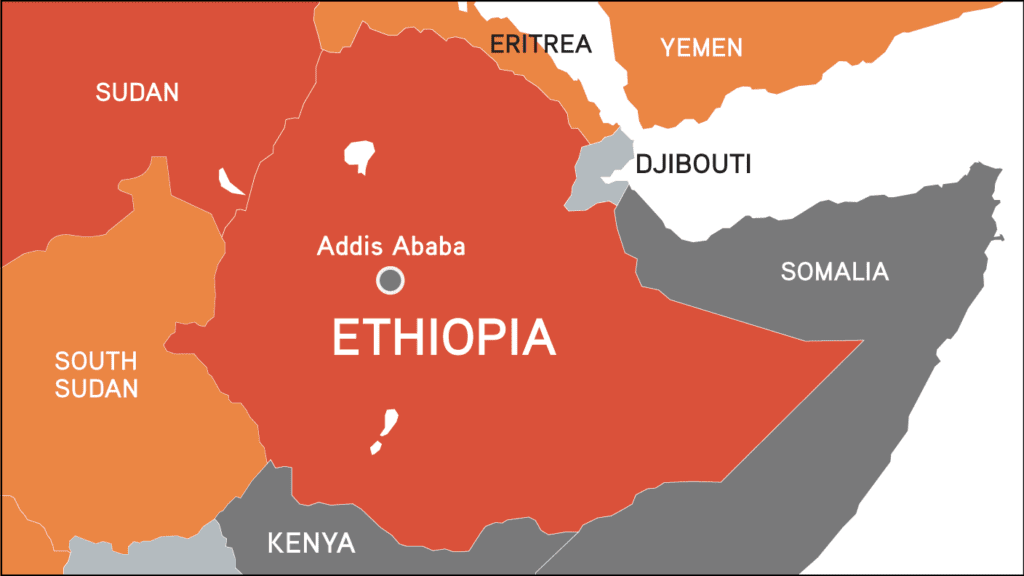
Ethiopia has made significant strides in transforming its energy resources into a digital economy powerhouse, with Bitcoin mining emerging as a key driver. The Grand Ethiopian Renaissance Dam (GERD), a major hydropower project, is central to this transformation, providing a green energy solution that is powering Bitcoin mining operations across the country. The utilization of this renewable energy has turned excess electricity into a lucrative asset, with Bitcoin mining accounting for a substantial portion of Ethiopia’s electric power revenue.

The country’s Bitcoin mining industry, which was virtually nonexistent just a few years ago, is now booming. By harnessing the abundant electricity from GERD, which is Africa’s largest hydropower plant, Ethiopia has been able to tap into the global cryptocurrency market. The country has rapidly become a destination for Bitcoin miners, leveraging low-cost and sustainable energy to make the industry viable on a large scale.

Bitcoin mining requires substantial electricity, as it involves solving complex mathematical problems in exchange for cryptocurrency rewards. However, one of the most significant challenges for miners worldwide is the cost of energy. In Ethiopia, this challenge is alleviated by the low-cost and sustainable electricity generated by GERD, which has become a powerful draw for Bitcoin mining firms looking to cut down on operational costs.

The financial impact of this burgeoning sector is already significant. According to Ethiopian Electric Power (EEP), Bitcoin mining now generates about 18% of its total revenue. This revenue stream has surpassed earnings from electricity exports, positioning the country’s energy sector in a stronger financial position. The influx of investment from Bitcoin mining firms has spurred the growth of related industries and job creation, as mining operations often require substantial infrastructure, technology, and skilled labor.

The country’s government has recognized the potential of Bitcoin mining as a key economic driver. Ethiopia has entered into agreements with at least 25 Bitcoin mining firms, which have established operations across the country. These deals are expected to further boost the economy, as the mining sector continues to grow. The partnerships are not only providing immediate economic benefits but also fostering long-term innovation in the energy and technology sectors.

Ethiopia’s shift toward using renewable energy for Bitcoin mining comes at a time when the global demand for sustainable energy solutions is rising. The country’s emphasis on green energy aligns with global trends toward environmentally friendly technologies. As Bitcoin mining faces growing scrutiny over its environmental impact, Ethiopia’s model could serve as a blueprint for other nations seeking to balance economic growth with sustainability.

However, the growth of the Bitcoin mining sector has raised some concerns. Despite the benefits, critics argue that Bitcoin mining could lead to excessive energy consumption, which could strain Ethiopia’s power grid. As the mining industry expands, there are concerns about the long-term sustainability of energy use. The government will need to monitor the sector closely to ensure that mining operations do not overburden the country’s power supply.

In response, the Ethiopian government has made efforts to manage the expansion of Bitcoin mining responsibly. Regulatory measures are being put in place to balance the growth of the sector with the need to protect the national energy grid. These measures include ensuring that Bitcoin miners do not consume more electricity than is sustainable, and promoting efficient energy use within the sector. The government has also been working to diversify its energy mix to ensure that the country’s energy needs are met in the long term.

One of the most important factors contributing to the success of Ethiopia’s Bitcoin mining industry is the country’s rich renewable energy resources. Ethiopia has one of the largest hydropower potentials in Africa, with the GERD alone providing a substantial portion of the country’s electricity. In addition to hydroelectric power, Ethiopia is investing in other renewable energy sources, such as wind and solar power, to further diversify its energy portfolio.

The growing importance of Bitcoin mining in Ethiopia has caught the attention of international investors, who are increasingly looking for opportunities in the country’s emerging digital economy. The cryptocurrency industry has been experiencing rapid growth, and Ethiopia’s strategic positioning as a low-cost, renewable energy hub for Bitcoin mining could attract significant foreign direct investment. As global demand for Bitcoin continues to rise, Ethiopia’s green energy Bitcoin mining model could become a key player in the international market.

SINGAPORE – Media OutReach Newswire – 27 December 2024 – Black Group Investment Holding Pte Ltd (Black Group) and Zenzic Oasis Holding Pte Ltd (Zenzic Oasis) today announced that they have signed an investment and strategic partnership agreement with the goal of expanding the use of cell-based therapeutic solutions, including personalised treatments. Above (from left): Dr. Lim Kah Meng, Tan Zi Jing and Dato Sri’ Alan Lee […]

Emirates Global Aluminium (EGA) has finalized a green loan agreement to finance its acquisition of a U.S. aluminum plant, marking a significant move in the company’s international expansion strategy. The loan, a green financing deal, aligns with EGA’s commitment to sustainable operations, combining environmental responsibility with strategic growth in North America. The green loan, valued at $500 million, will support the acquisition of the U.S.-based aluminum facility […]

Agility Global, a leading logistics and supply chain services provider, has secured a $1.4 billion credit facility to support its ongoing operations and future growth initiatives. The financing comprises €1 billion and $370 million, with maturities of three and five years, respectively. This strategic move aims to enhance the company’s financial flexibility and fund its expansion plans across various markets. The credit facility was arranged with a […]

Kuwait’s Council of Ministers has approved a new tax measure imposing a 15% levy on multinational corporations operating within the country, effective January 1, 2025.

The legislation targets multinational entities engaged in cross-border operations, aligning Kuwait’s tax policies with international standards aimed at curbing tax evasion and ensuring the retention of tax revenues domestically.

Deputy Prime Minister and Minister of State for Cabinet Affairs, Sherida Abdullah Al-Muasherji, confirmed the cabinet’s endorsement of the “Multinational Entities Group Tax Law,” emphasizing its role in preventing the diversion of tax revenues to other jurisdictions.

This initiative is part of a broader global movement toward implementing a minimum corporate tax rate, following agreements facilitated by the Organisation for Economic Co-operation and Development (OECD). The OECD’s Inclusive Framework on Base Erosion and Profit Shifting (BEPS) introduced a two-pillar solution to address tax challenges arising from the digitalization of the economy. Pillar Two establishes a global minimum corporate tax rate of 15%, applicable to multinational groups with revenues exceeding €750 million.

Kuwait’s decision mirrors similar actions by neighboring Gulf Cooperation Council (GCC) countries. The United Arab Emirates (UAE) announced an increase in corporate tax to 15% for large multinational enterprises, effective January 1, 2025. This domestic minimum top-up tax applies to multinational enterprises with consolidated global revenues of €750 million or more in at least two of the four financial years immediately preceding the financial year in which the tax applies.

Bahrain has also indicated plans to introduce a domestic minimum top-up tax starting January 1, 2025, targeting large multinational enterprises.

These measures reflect a regional commitment to adhering to international tax reforms designed to promote fairness and transparency in the global financial system. By implementing the 15% tax on multinational corporations, Kuwait aims to enhance its fiscal framework, reduce tax base erosion, and ensure that profits generated within its borders are adequately taxed.

The new tax law is expected to impact various sectors where multinational corporations have a significant presence, including oil and gas, finance, and telecommunications. Companies operating in Kuwait will need to assess their tax strategies and compliance mechanisms to align with the forthcoming regulations.

By Dr. Gyan Pathak India’s National Human Rights Commission has been losing its global credibility very fast. Since June 1, 2024, the post of NHRC Chairperson has been lying vacant and its re-accreditation with the Global Alliance of National Human Rights Institutions (GANHRI) was deferred for 12 months, for a second consecutive year. Now, on […]

JAKARTA, INDONESIA – Media OutReach Newswire – 23 December 2024 – V-GREEN and PT Xanh SM Green and Smart Mobility Indonesia (Xanh SM Indonesia) today announced the signing of a Memorandum of Understanding (MoU) with Lippo Karawaci, a prominent Indonesian real estate development company. This strategic partnership aims to leverage Lippo Karawaci’s established reputation and extensive real estate network to develop a green ecosystem that integrate seamlessly […]

VISHNU RAJA
RYO YAMADA
HITORI GOTOH
IKUYO KITA
Just in:
CR Longdation Aethereal Cybersecurity × Global Cybersecurity Alliance (GCSA) Join Hands to Establish the “AI and Cybersecurity Research Centre” // e-Crime Bureau Signs Cybersecurity Partnership With Smart Africa, Reinforcing Its Global Expansion // OpenAI introduces GPT-6 Cyber with restricted security access // Dubai boat show confirms international shipyard line-up for November // Kochi police detain two actors over bid to honey trap doctor // Miss Universe Hong Kong Jen Zhou Departs for Puerto Rico to Compete in the 75th Miss Universe World Final // Ousted top Kochi cop gets IG post // Technology shares plunge as Nasdaq enters correction // Meraas showcases five residential zones at Dubai Design Week // Dubai details five-year visa benefits for returning visitors // Oil and chip shares retreat after Democratic victories // Oil advances towards $100 as tanker attacks persist // OpenAI abandons secrecy agreements for future data centres // UK air traffic outage inflicted £33m financial losses // Hong Kong mandates crypto transaction disclosures to tax authorities // Beyond the exhibition floor: How robots, AI and networks are moving into the real world // Millions Of Indians May Soon Be Deprived Of Government Assistance // Ningbo Consensus on Collaborative Development released at 2026 Global Mayors Dialogue · Ningbo // TVM –Mangaluru Vande Bharat claims top spot // Geely’s i-HEV Intelligent Hybrid Technology Offers a New Direction for Gasoline-Powered Vehicles //