Just in:
Millions Of Indians May Soon Be Deprived Of Government Assistance // Miss Universe Hong Kong Jen Zhou Departs for Puerto Rico to Compete in the 75th Miss Universe World Final // Private varsities bill all set to face the axe // Emirates Group records AED 4.1 billion half-year profit // Ousted top Kochi cop gets IG post // Oil and chip shares retreat after Democratic victories // Meraas showcases five residential zones at Dubai Design Week // CR Longdation Aethereal Cybersecurity × Global Cybersecurity Alliance (GCSA) Join Hands to Establish the “AI and Cybersecurity Research Centre” // Technology shares plunge as Nasdaq enters correction // Middle East governments assess Iran war after US vote // TVM –Mangaluru Vande Bharat claims top spot // Oil advances towards $100 as tanker attacks persist // UK air traffic outage inflicted £33m financial losses // ADIA and partners establish $1.4 billion aviation venture // Asia Left Behind: Ten international companies have yet to report delivering on their cage-free egg pledges across the region // Hong Kong mandates crypto transaction disclosures to tax authorities // After Reaching 7 Million Users in the Philippines, Skyro Launches Transparent Cash Loans in Malaysia // Ta’ziz finalises $1.39bn funding for Ruwais industrial facilities // Fast Just Got Fastest: STING Energy Boost™ Celebrates Kimi Antonelli’s Formula 1® World Championship and the Fan Energy Behind It // Geely’s i-HEV Intelligent Hybrid Technology Offers a New Direction for Gasoline-Powered Vehicles //

News related to
agreement

BANGKOK, THAILAND – Media OutReach Newswire – 6 December 2024 – ONYX Hospitality Group, a leading management company for hotels, resorts, serviced apartments, and luxury residences in Southeast Asia, has signed an agreement to manage Amari The Tide Bangsaen. This property, which is a significant transformation of The Tide Resort, and has been reimagined as Amari The Tide Bangsaen, is set to reveal its new look in […]

Edgnex Data Centers, a leading player in the global data center market, has entered into a joint venture (JV) with a prominent Greek investment group, marking a significant move into Europe. The new venture will focus on building data center infrastructure in Greece, with an initial investment commitment of $157 million. This collaboration, spearheaded by Dubai billionaire Hussain Sajwani’s company, is expected to accelerate the digital transformation […]

Saudi Arabia’s presidency of COP16 has spotlighted the pressing need for enhanced funding for land restoration, urging the private sector to take a leading role in addressing the critical financial shortfall. As the world confronts escalating environmental challenges, the call aims to overcome what experts have described as a “blackhole” of financial resources necessary to restore degraded lands globally. The issue of land restoration has gained momentum […]

Oil prices have held their ground after a slight dip as the focus shifts to OPEC+’s upcoming decision regarding production cuts. Market participants are awaiting critical guidance on future supply restrictions from the cartel, a move that could significantly impact both global energy prices and economic stability. With mounting pressures from both geopolitical factors and fluctuating demand, the outcome of this decision is poised to influence the […]

SPIMACO, one of Saudi Arabia’s prominent pharmaceutical companies, has decided to cancel its agreement to acquire a majority stake in the pharmaceutical manufacturer Osmopharm. The move comes after a series of strategic shifts in both companies’ corporate plans, signaling a pause in the anticipated merger that was initially expected to expand SPIMACO’s footprint in the healthcare sector.

The agreement, which was first announced earlier this year, outlined SPIMACO’s purchase of a 68% stake in Osmopharm, an acquisition that was set to position SPIMACO as a more dominant player in the region’s pharmaceutical market. The deal had been under negotiation for several months and represented a significant step for SPIMACO to strengthen its portfolio in a market that is becoming increasingly competitive.

Sources familiar with the decision revealed that the cancelation stems from a combination of factors, including shifting market conditions and adjustments to corporate strategies. These reasons were not immediately disclosed, but industry experts note that SPIMACO may have reconsidered its investment in Osmopharm amidst changing regulatory landscapes and economic uncertainty in the region.

The Saudi pharmaceutical industry has been undergoing significant transformations, with both local and international companies seeking to capitalize on the region’s expanding healthcare needs. Saudi Arabia’s Vision 2030, which includes an emphasis on privatization and healthcare sector reform, has made the pharmaceutical industry a focal point of investment. However, the cancellation of the SPIMACO-Osmopharm deal highlights the volatility and risks that even established firms face in navigating these shifts.

Osmopharm, which has a growing presence in the manufacturing of a variety of medical products, was expected to benefit from the infusion of capital and resources that SPIMACO would have provided. The company’s expansion plans are now uncertain as it seeks alternative avenues for growth. Both companies had previously expressed their enthusiasm for the merger, with Osmopharm eager to take advantage of SPIMACO’s strong distribution network across the Middle East.

The deal had garnered attention due to its potential to create one of the largest pharmaceutical entities in the region. SPIMACO’s acquisition of a majority stake in Osmopharm would have placed it in a position to compete more aggressively with global players operating in the Saudi market. However, with the cancellation, both companies must now recalibrate their future strategies in order to sustain growth in a market that continues to evolve at a rapid pace.

The decision has raised questions among investors and analysts who were closely monitoring the deal, particularly those who saw the merger as a key factor in SPIMACO’s long-term growth trajectory. In response to the change, SPIMACO’s board has reassured stakeholders that the company remains committed to expanding its footprint in the regional pharmaceutical industry through other avenues, including organic growth and potential future acquisitions that align with its revised strategic goals.

The uncertainty surrounding the deal has also had a ripple effect in the market, with stock analysts revisiting their forecasts for both companies. While SPIMACO’s decision to pull back from the acquisition has led to a temporary dip in investor confidence, market observers suggest that the company’s solid financial base and ongoing projects will allow it to weather the short-term impact.

Meanwhile, Osmopharm’s future remains uncertain as it navigates this setback. The company has yet to comment publicly on the scrapped deal, but sources close to the firm suggest it will explore new opportunities for collaboration or acquisition. The pharmaceutical sector, which is expected to continue growing in the coming years, will likely see other players attempting similar mergers and acquisitions as they strive to expand their reach and capitalize on the region’s burgeoning healthcare needs.

Saudia, the Kingdom of Saudi Arabia’s national carrier, has entered into a strategic Memorandum of Understanding (MoU) with Air France-KLM to expand its maintenance, repair, and overhaul (MRO) capabilities, marking a significant step in its aviation development goals. This partnership aligns with Saudi Vision 2030’s emphasis on localization and technological advancement.

The agreement, signed in Riyadh, encompasses a range of collaborative efforts. Saudia will focus on localizing MRO services for GE90 engines, primarily used on Boeing 777 aircraft, with at least half of the work allocated to Air France-KLM. The partnership also explores establishing a joint venture for servicing GEnx engines, which power Boeing 787 jets. Saudia will leverage these initiatives to enhance its domestic technical capabilities while expanding its global operational reach.

Saudia’s collaboration extends beyond technical services. It aims to strengthen commercial ties with Air France-KLM by expanding codesharing agreements, providing increased connectivity on domestic and international routes, and improving operations at Paris Charles de Gaulle Airport. These efforts underscore the mutual benefits of the agreement for both airlines and the broader SkyTeam alliance, of which both are members.

Saudi Aramco, the world’s leading energy firm, has unveiled plans to establish one of the largest carbon capture and storage (CCS) hubs in Jubail. The project is part of the company’s ambitious initiative to tackle carbon emissions and advance global decarbonization efforts. By collaborating with two major industry players, Linde and SLB, Aramco aims to position Saudi Arabia at the forefront of technological solutions addressing climate change. […]

Advertisements

High-level delegations from India and the UK have agreed to strengthen bilateral relations, with a shared commitment to expanding cooperation under the India-UK Roadmap 2030. The talks, held between senior officials from both nations, aimed to evaluate the progress made so far and chart a new course for future collaboration. The discussions centered on finding new avenues to deepen ties across various sectors, including trade, defense, technology, and education.

The talks reflect the desire of both governments to reinvigorate a strategic partnership that has evolved over decades. Despite challenges posed by geopolitical changes and shifting global priorities, both sides are looking to position their relationship as a cornerstone of global stability. The emphasis is on enhancing mutual cooperation in areas that align with the evolving needs and opportunities of both countries.

Trade relations between the two countries have historically been a significant driver of bilateral cooperation, but the roadmap discussions highlighted the need for more diversification. Both nations recognize that expanding beyond traditional sectors like trade and finance will be essential to building a more resilient partnership in the face of global economic uncertainties. Technology, particularly in digital infrastructure and cybersecurity, has emerged as a key focus, with the UK expressing keen interest in strengthening its technological exchanges with India.

The defense sector is another area where both countries are seeking closer alignment. India’s increasing focus on modernizing its defense capabilities, coupled with the UK’s expertise in defense technology, is creating new opportunities for collaboration. The conversations also touched on regional security issues, including maintaining peace and stability in the Indo-Pacific region. Both countries affirmed the importance of a rules-based international order and emphasized the need for deeper defense ties to ensure regional security.

Educational exchange remains a strong pillar of the India-UK partnership, with an increasing number of students from India choosing the UK for higher education. Both governments see the potential for even greater collaboration in this space, particularly in research and innovation. India’s growing prominence as a knowledge hub complements the UK’s renowned academic institutions, and both sides are eager to capitalize on this synergy.

The meetings also underscored the importance of deepening people-to-people connections. Both nations acknowledged that cultural exchanges and collaborations in the arts, sports, and tourism continue to strengthen bilateral ties. These soft power initiatives, while less formal than trade agreements or defense cooperation, play an essential role in cultivating mutual understanding and trust.

The global context of these discussions cannot be ignored, as both nations are seeking to adapt to a rapidly changing geopolitical landscape. The UK’s exit from the European Union has prompted the country to reassess and recalibrate its international alliances. India, with its growing economic influence and strategic importance in the Indo-Pacific region, is seen as a vital partner for the UK as it redefines its global role outside of the EU framework.

Both countries are committed to collaborating on global issues such as climate change, sustainable development, and public health. As the world faces mounting challenges, the India-UK relationship is seen as one that can offer practical solutions to some of the most pressing global concerns. In this context, the countries have agreed to continue working together to implement initiatives that address environmental sustainability, promote public health, and support multilateral cooperation.

While the roadmap discussions were largely seen as a positive step toward revitalizing the partnership, both sides acknowledged that there is much work to be done. The key takeaway from the meeting was a shared recognition of the importance of continuously adapting the relationship to meet emerging challenges. As both nations embark on this renewed chapter of cooperation, it is clear that the India-UK partnership will play a crucial role in shaping the future of global diplomacy.

Saudi Arabia is advancing its healthcare framework through a strategic partnership with China’s BGI Genomics, a globally recognized leader in biotechnology. This collaboration is set to focus on transformative healthcare solutions, including advanced genetic research, infectious disease management, and early cancer detection. This development aligns with Saudi Vision 2030, which emphasizes healthcare modernization and increased investment in precision medicine. The agreement between BGI Genomics and Saudi Arabia’s […]

Elon Musk’s legal battle against OpenAI, the artificial intelligence company he helped launch, has intensified with the filing of an injunction aimed at halting the company’s transition to a for-profit model. Musk, who played a pivotal role in OpenAI’s early development, is challenging the company’s decision to pivot from its original non-profit status, citing concerns over the ethical implications and potential conflicts of interest arising from this […]

QatarEnergy and Shell have finalized a major deal to supply liquefied natural gas (LNG) to China, further bolstering the energy ties between the two global powerhouses. The long-term sale and purchase agreement (SPA), which will see the delivery of three million tons per annum (MTPA) of LNG, is set to commence in January 2025. This deal, marking a significant step in energy cooperation, reflects the growing demand for natural gas in China and underscores the ongoing shift in the global energy landscape.

The agreement between QatarEnergy, the state-owned energy giant of Qatar, and Shell, one of the largest oil and gas companies worldwide, is expected to contribute to China’s energy security as it continues to diversify its sources of natural gas. China’s reliance on natural gas as a cleaner alternative to coal has steadily increased, positioning the country as one of the world’s top LNG importers. This new deal enhances Qatar’s position as a major global LNG supplier, reinforcing its role in the international energy market.

Qatar’s strategic focus on LNG exports aligns with its long-term vision to solidify its energy footprint globally, with significant emphasis on Asia-Pacific markets. China, as a critical player in global energy demand, is an essential partner for QatarEnergy, which has rapidly expanded its LNG production capacity over the past few years. The agreement between the two companies marks a crucial milestone in Qatar’s energy diplomacy, as it seeks to solidify its market share in the Asian region.

The SPA is not only a testament to the strong commercial partnership between QatarEnergy and Shell but also signals the growing importance of collaboration between national oil and gas companies and major international energy firms. While the details of the contract terms have not been fully disclosed, industry insiders speculate that the agreement includes flexible pricing mechanisms and long-term stability clauses, designed to provide both parties with predictable revenue streams and mitigate price volatility in the global LNG market.

This deal also highlights Shell’s ongoing commitment to expanding its footprint in the global LNG market, a sector that has gained momentum in light of rising energy demand and geopolitical uncertainty. Shell has been actively increasing its LNG trading capacity and has made substantial investments in LNG infrastructure globally, including terminals and shipping. The partnership with QatarEnergy further complements Shell’s strategy to position itself as a key player in LNG, alongside its broader focus on renewable energy and transition to cleaner energy solutions.

For China, the deal is particularly timely as it continues to pivot towards natural gas to fuel its rapid urbanization and industrial expansion. Despite a focus on renewable energy, the country’s growing energy demands have made natural gas an essential component of its energy mix, particularly in regions where access to alternative energy sources remains limited. By securing a steady and reliable supply of LNG from Qatar, China aims to stabilize its energy imports and reduce its dependence on coal, which has long been a significant contributor to the country’s high carbon emissions.

The partnership also plays into broader geopolitical dynamics in the LNG market. Over the last decade, China has increasingly relied on LNG imports from a variety of suppliers, including the United States, Australia, and Russia. However, by expanding its relationship with Qatar, a country with extensive gas reserves, China is also diversifying its sources to ensure greater energy security amid potential future supply disruptions. The strategic alliance with Qatar, therefore, not only meets China’s energy needs but also strengthens its energy ties with the Middle East, an important region in the global geopolitical arena.

As LNG demand continues to rise, particularly in Asia, the supply and demand dynamics of the global LNG market are expected to shift. Asia, as the largest importer of LNG, has seen an uptick in contracts between suppliers and buyers, with long-term agreements becoming more common. This trend, underscored by the QatarEnergy-Shell deal, suggests that market players are seeking greater stability in the face of volatile energy prices, exacerbated by geopolitical tensions and supply chain uncertainties.

The deal further underscores the role of LNG as a critical energy source in the global transition towards cleaner energy alternatives. LNG has gained favor as a relatively cleaner fossil fuel compared to coal and oil, thanks to its lower carbon footprint. As countries like China ramp up their efforts to curb emissions and reduce reliance on more polluting energy sources, natural gas has been positioned as a vital bridge in the energy transition, at least in the near to medium term.

In the broader context of Qatar’s energy strategy, the new deal also aligns with the country’s growing ambitions to dominate the global LNG market. With vast reserves of natural gas, Qatar has invested heavily in expanding its LNG production and infrastructure over the past few years. The country’s North Field Expansion Project, which is expected to increase its LNG production capacity by over 40%, will further cement Qatar’s role as a top supplier of natural gas worldwide. The partnership with Shell, one of the world’s largest LNG marketers, is an essential part of Qatar’s strategy to ensure access to key markets in Asia, Europe, and beyond.


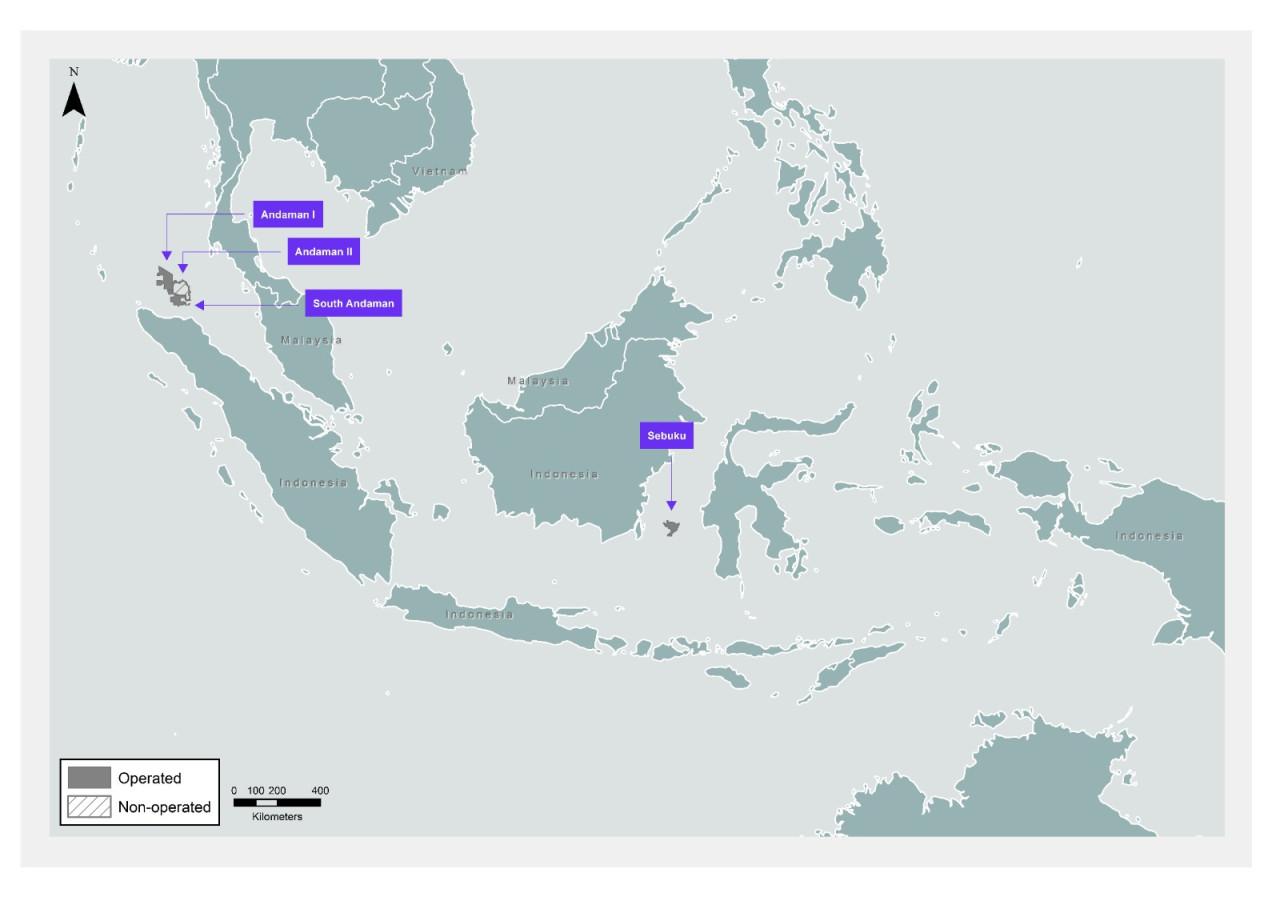
Indonesia has taken a significant step forward in its energy exploration sector by signing a contract with Harbour Energy and Abu Dhabi’s Mubadala Petroleum for the development of the Central Andaman block. The agreement is poised to unlock new prospects in the nation’s oil and gas sector, a move that is expected to enhance energy production and boost foreign investment in Indonesia’s energy resources.

The deal, which was finalized amid growing interest in Southeast Asia’s oil and gas reserves, marks a key milestone in Indonesia’s long-term strategy to increase its energy output and strengthen partnerships with international energy giants. Harbour Energy, a leading UK-based oil and gas company, alongside Mubadala Petroleum, an investment arm of the UAE’s Mubadala Investment Company, will collaborate on exploring and developing the Central Andaman block, located in the western part of Indonesia’s maritime zone. This area is rich in hydrocarbon potential, a crucial factor in meeting both domestic demand and export needs for Indonesia’s energy consumption.

This partnership is seen as a testament to Indonesia’s appeal as a prime investment destination in the energy sector. The agreement follows the country’s efforts to secure more investments in upstream oil and gas projects as part of its broader initiative to meet its energy targets. Indonesia has been working to reverse declining oil production and ensure that the nation’s oil and gas reserves continue to meet growing demand. The Central Andaman block, with its significant untapped reserves, is expected to contribute substantially to these goals.

The signing of the contract also aligns with the Indonesian government’s broader policy of attracting foreign capital into its energy sector. Harbour Energy’s track record in global exploration and Mubadala’s financial strength position both entities as highly strategic partners for the state-owned energy company, PT Pertamina. Pertamina, which will retain a stake in the project, is tasked with overseeing the development and ensuring the sustainability of operations across the block.

The Central Andaman block is located within an area known for its favorable geologic conditions, potentially offering both deepwater oil fields and gas reserves that have remained underexplored until now. The consortium’s exploration activities are expected to employ advanced technologies and methodologies to assess the block’s full potential, including seismic surveys and drilling operations in areas that have previously been difficult to access.

One of the key outcomes expected from this partnership is the improvement of Indonesia’s energy security. By developing its own oil and gas resources, Indonesia aims to reduce its dependence on energy imports, which have long been a vulnerability in its economic framework. Moreover, the exploration of new oil fields can provide an economic boost through job creation, the generation of local revenue, and the attraction of further investment into related sectors such as infrastructure and technology.

In addition to bolstering energy security, the deal also reflects growing geopolitical shifts in the global energy landscape. Southeast Asia has increasingly become a focal point for energy investments as global oil companies look for new frontiers amidst declining oil reserves in traditional oil-producing regions. The Central Andaman block’s untapped reserves add to Indonesia’s strategic importance, not only as an energy producer but also as a key player in the Indo-Pacific energy equation.

However, the path forward is not without challenges. The complex environmental and regulatory landscape of Indonesia’s offshore oil fields poses potential hurdles, including the need to adhere to stringent environmental standards while developing the block’s resources. Harbour Energy and Mubadala’s experience in managing large-scale offshore projects will likely be tested as they navigate these challenges, balancing sustainable practices with the need for efficient resource extraction.

The Indonesian government has indicated that it will continue to prioritize energy projects that contribute to the nation’s long-term economic growth while ensuring environmental sustainability. The Central Andaman block deal is expected to be closely monitored by both domestic and international stakeholders, who view the partnership as a litmus test for Indonesia’s ability to maintain its position as a leading oil and gas producer in Asia.

Cambodia’s authorities have moved to block access to 16 cryptocurrency exchange websites, including global giants Binance and Coinbase, citing the lack of necessary operating licenses. This decisive measure underscores the country’s intensifying battle against unregulated cryptocurrency activities in its burgeoning digital economy. However, the mobile apps associated with these platforms remain accessible, raising concerns over the efficacy of these restrictions in curbing illicit activities.

The Securities and Exchange Regulator of Cambodia (SERC) spearheaded this initiative as part of a broader effort to regulate the rapidly expanding cryptocurrency market. Despite repeated warnings and regulatory announcements, exchanges operating without appropriate authorization have continued to flourish, presenting risks to users and the financial ecosystem.

The absence of comprehensive laws governing cryptocurrency operations in Cambodia has created a regulatory vacuum, exploited by both local and international actors. Although collaborations with established players like Binance have been announced to build regulatory frameworks and enhance operational transparency, enforcement mechanisms remain nascent. Binance, for instance, has signed agreements to assist in developing the country’s digital asset ecosystem, but its platform now faces restricted access amid this crackdown.

The move aligns with global trends where countries are tightening controls over crypto operations to mitigate risks such as money laundering and financial fraud. Nations like the United States and Japan have implemented rigorous licensing procedures, while Cambodia’s current actions reflect an early stage of regulatory enforcement aimed at similar outcomes.

As cryptocurrency adoption grows in Southeast Asia, Cambodia has emerged as a region of interest for industry leaders. Yet, challenges persist in balancing innovation with compliance. Despite SERC’s partnerships aimed at fostering legal crypto market development, illegal exchanges have capitalized on the regulatory gaps, exploiting consumer trust and creating an uneven playing field.

The broader implications of this crackdown extend to the economy’s digital transformation. Cambodia is actively seeking to harness blockchain technology to boost its financial and economic infrastructure. However, unchecked cryptocurrency activities could undermine these efforts, necessitating more robust legislation and international cooperation.

Cambodia’s struggle mirrors broader global challenges in regulating an inherently decentralized and rapidly evolving sector. As the nation ramps up its enforcement, the sustainability of these measures will depend on the development of a clear regulatory framework and the ability to enforce compliance effectively.

U.S. President Joe Biden has pardoned his son, Hunter Biden, clearing federal convictions related to gun possession and tax offenses. This decision follows months of scrutiny over Hunter’s legal troubles, which had drawn significant public attention and political criticism. The pardon marks a reversal from the president’s prior stance, where he had assured he would not interfere in the judicial process concerning his son. Hunter Biden was […]

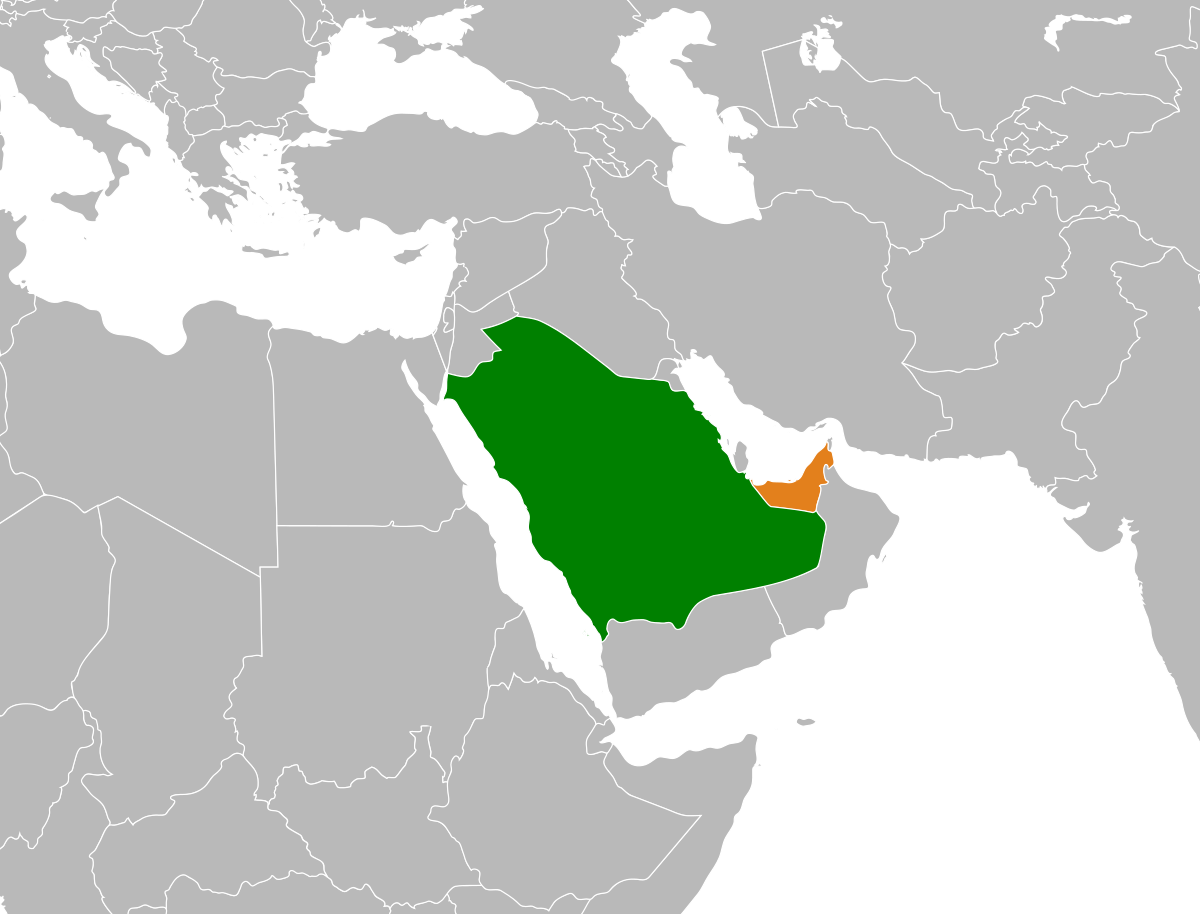
UAE President Sheikh Mohamed bin Zayed Al Nahyan and Saudi Crown Prince Mohammed bin Salman held a high-level meeting to further solidify their countries’ bilateral relations, underscoring the enduring strength of their partnership. The meeting comes as both nations navigate complex regional and global challenges, aiming to reinforce their cooperation in key sectors such as energy, security, and technology.

The summit, which took place in Abu Dhabi, reflects the growing strategic importance of the UAE-Saudi relationship. This alliance has been marked by a shared commitment to regional stability, economic growth, and development. The two leaders’ discussions have centered on deepening political and economic collaborations, enhancing trade, and exploring opportunities in emerging fields like renewable energy and space exploration.

The UAE and Saudi Arabia have long been influential players in the Gulf region, and their partnership is often seen as a counterbalance to external powers. Their collaboration spans beyond bilateral matters, impacting broader issues such as security in the Middle East, OPEC oil production agreements, and joint ventures in technological advancements. The convergence of their interests is aimed at positioning the two nations as global leaders in multiple sectors.

Trade relations between the UAE and Saudi Arabia have been growing steadily, with the UAE becoming one of Saudi Arabia’s largest trading partners. The two nations are focused on further facilitating economic integration through the Gulf Cooperation Council (GCC), which serves as a platform for harmonizing their policies on trade, investment, and infrastructure. Their concerted efforts are seen as crucial for advancing the region’s economic diversification and reducing dependence on oil.

In the realm of energy, the UAE and Saudi Arabia are working together to lead the charge on clean energy initiatives. Both countries have made significant strides in developing sustainable energy solutions, with large investments in solar power, nuclear energy, and hydrogen. Their collaboration in these sectors is intended to help the Gulf region transition toward a low-carbon future while maintaining energy security.

Security is another critical component of the UAE-Saudi partnership. Both nations have faced regional security threats, particularly from non-state actors and the geopolitical tensions surrounding Iran. As a result, the UAE and Saudi Arabia have worked in tandem to fortify their defense mechanisms and enhance intelligence sharing. Their coordinated efforts are also evident in joint military operations, particularly in Yemen, where both countries have been involved in the ongoing conflict as part of a Saudi-led coalition.

The leaders’ discussions also touched on the importance of technological innovation as a driver of future economic growth. The UAE has positioned itself as a hub for technological advancements in the Middle East, with initiatives like Dubai’s smart city projects and the UAE’s space program gaining international recognition. Meanwhile, Saudi Arabia has launched its own ambitious Vision 2030 initiative, which includes plans for transforming its economy through technology, including its investments in artificial intelligence, blockchain, and digital infrastructure.

The strategic alliance between the UAE and Saudi Arabia has not only helped shape the region’s economic and political landscape but has also made them key partners in broader international forums. Both nations have increasingly taken a proactive stance in addressing global challenges, including climate change, public health, and geopolitical tensions. Their efforts to collaborate on such issues signal a broader commitment to fostering stability and peace in the Middle East and beyond.

Seef Properties has formalized its commitment to supporting female entrepreneurs through a strategic partnership with Ra’edat, a platform dedicated to empowering women in business. This collaboration aims to create avenues for aspiring and established female entrepreneurs by offering innovative retail opportunities within Seef Properties’ network. The agreement aligns with Bahrain’s broader efforts to nurture entrepreneurial talent and advance gender equality in the business sector.

The memorandum of understanding (MoU) enables women-led businesses to access retail spaces under the “Mahali” initiative, which is part of Seef Properties’ portfolio. These spaces, located at Seef Mall and other prime locations, provide tailored environments for businesses to scale operations, engage customers, and enhance their visibility. This initiative is particularly designed to support homegrown enterprises seeking to establish a stronger foothold in the marketplace.

Ahmed Yusuf, Chief Executive Officer of Seef Properties, highlighted the collaboration as a step toward fostering a robust entrepreneurial ecosystem in Bahrain. He emphasized the company’s commitment to empowering women entrepreneurs through providing opportunities that combine prime retail locations with business development resources. Yusuf also noted that the initiative would contribute to Bahrain’s long-term economic vision by encouraging diversity and inclusivity within the entrepreneurial landscape.

Ra’edat, recognized for its role in promoting women’s economic participation, expressed optimism about the partnership’s potential to strengthen the region’s business ecosystem. By facilitating access to premium retail environments, the platform envisions fostering growth for women-led businesses and inspiring a broader cultural shift toward gender-balanced economic contributions.

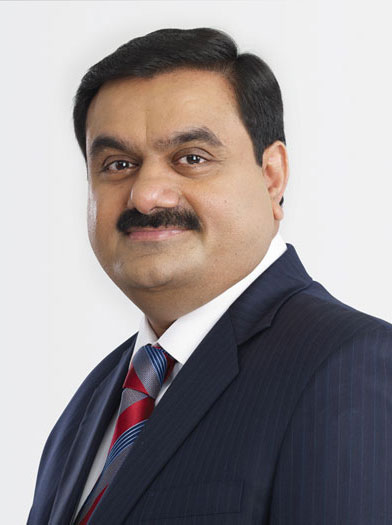
Gautam Adani, chairman of the Adani Group, faces allegations from U.S. prosecutors accusing him and his associates of orchestrating a bribery scheme to secure lucrative solar energy contracts in India. According to the indictment, Adani and others allegedly paid bribes totaling ₹2,029 crore (approximately $265 million) to government officials between 2020 and 2024. The scheme reportedly aimed to secure power purchase agreements essential for unlocking significant profits for the group and its U.S.-based partner.

The indictment outlines a sophisticated operation involving encrypted communications, code names, and falsified project justifications. Prosecutors have also accused the group of attempting to obstruct investigations by destroying evidence and staging a fake inquiry to mislead regulators. Additional charges include violations of the Foreign Corrupt Practices Act (FCPA) and securities fraud, highlighting the alleged use of deceptive claims to raise over $2 billion from U.S. investors.

Prominent figures implicated include Gautam Adani, his nephew Sagar Adani, and former CEOs of both Indian and U.S. entities involved in the projects. The case has reignited concerns about corporate governance and transparency within the Adani Group, which had already faced scrutiny following a report by Hindenburg Research earlier this year.

The allegations have sent shockwaves through the group’s financial landscape. Within hours of the charges being announced, the Adani Group canceled a $600 million bond offering, citing legal uncertainties. The company’s stock prices plummeted, with shares in Adani Enterprises falling over 20%. Bonds tied to Adani Green Energy also experienced steep declines, reflecting investor apprehensions about the group’s future.

Gulf Cryo, a prominent player in gas solutions in the Middle East, has teamed up with Saudi Aramco to advance the development and assessment of lower-carbon hydrogen technologies. The collaboration focuses on testing hydrogen solutions with an emphasis on reducing carbon emissions, aligning with both companies’ efforts to contribute to the region’s energy transition goals. The partnership will leverage Gulf Cryo’s state-of-the-art Applications & Technology Center, a […]

The Emirates Nuclear Energy Corporation (ENEC) and the Abu Dhabi National Oil Company (ADNOC) have announced a strategic partnership to explore the application of nuclear energy in the oil and gas sector. This collaboration marks a significant step toward expanding the use of nuclear technology as a cleaner and more sustainable energy source in the UAE’s key industries. Both organizations, which already play vital roles in the […]

The European Union is ramping up efforts to enhance its collaboration with Saudi Arabia in the field of green energy, seeking to bolster clean energy initiatives and investments. This push comes as part of broader EU objectives to reduce its reliance on fossil fuels, accelerate the transition to renewable energy, and meet its ambitious climate goals set under the Paris Agreement. Recent dialogues between EU officials and […]

NEW YORK, US – Media OutReach Newswire – 26 November 2024 – From pharmaceutical manufacturing to petrochemical refinement, many industries utilize solvents for various processes, such as synthesis, extraction, purification, and more. Nevertheless, the conventional method across industries involves extensive solvent use followed by their disposal, often through incineration. This creates a never-ending cycle of vast chemical consumption that leads to significant waste streams, contributing to environmental […]

An affiliate of Mubadala Capital, the UAE-based alternative asset management firm, has reached an agreement to acquire Canada’s CI Financial Corp. in a deal valued at approximately CAD 4.7 billion ($3.36 billion). Under the terms of the agreement, all shareholders of CI Financial will receive CAD 32 per share, representing a significant 33% premium over Friday’s closing price and a 58% premium over the 60-day volume-weighted average […]

Saudi Arabia announced a series of major agreements in its metals and minerals sector, totaling over $9 billion. These deals, unveiled during the World Investment Conference in Riyadh under the Global Supply Chain Resilience Initiative, mark a significant step toward diversifying the kingdom’s economy and reducing its reliance on oil. The agreements aim to boost domestic production capabilities, enhance sustainability, and position Saudi Arabia as a key […]

Dubai is a global icon of rapid urban transformation, evolving from a quiet desert town into a bustling international metropolis in just a few decades. Behind this remarkable growth lies a network of services enabling the city’s expansion and mobility. Among these, moving companies in Dubai are key players, ensuring seamless transitions for residents, businesses, and global professionals. The Unprecedented Growth of Dubai Population Growth and Urban […]

VISHNU RAJA
RYO YAMADA
HITORI GOTOH
IKUYO KITA
Just in:
Oil advances towards $100 as tanker attacks persist // Xi Jinping Preparing For A Trilateral Summit With Trump And Putin At APEC Summit On Nov 18-19 // CR Longdation Aethereal Cybersecurity × Global Cybersecurity Alliance (GCSA) Join Hands to Establish the “AI and Cybersecurity Research Centre” // Ousted top Kochi cop gets IG post // Private varsities bill all set to face the axe // Miss Universe Hong Kong Jen Zhou Departs for Puerto Rico to Compete in the 75th Miss Universe World Final // Asia Left Behind: Ten international companies have yet to report delivering on their cage-free egg pledges across the region // Emirates Group records AED 4.1 billion half-year profit // Oil and chip shares retreat after Democratic victories // Millions Of Indians May Soon Be Deprived Of Government Assistance // Meraas showcases five residential zones at Dubai Design Week // APT29-linked campaign exploits outdated Apple and Android software // Geely’s i-HEV Intelligent Hybrid Technology Offers a New Direction for Gasoline-Powered Vehicles // Hong Kong mandates crypto transaction disclosures to tax authorities // ADIA and partners establish $1.4 billion aviation venture // Technology shares plunge as Nasdaq enters correction // Cloudflare unveils Zero Wire vulnerability intelligence service // After Reaching 7 Million Users in the Philippines, Skyro Launches Transparent Cash Loans in Malaysia // Middle East governments assess Iran war after US vote // UK air traffic outage inflicted £33m financial losses //