News related to
agreement

A wave of ambition is reshaping the technology landscape as leading entrepreneurs turn their attention to building artificial intelligence data centres in space. What began as scattered experiments in off-planet computing has matured into a competition among industry powerhouses seeking an edge in processing capacity, energy efficiency, and control over the infrastructure that will anchor next-generation AI systems. The pursuit is driven by the belief that Earth-based facilities are reaching fundamental limits, from land availability to cooling constraints, and that low-Earth orbit may provide the only environment capable of sustaining the exponential escalation in computational demand. Advocates frame this as an extension of a long-standing principle in engineering and exploration: to put human ingenuity to its fullest possible use, wherever the boundaries of science allow.

Several major technology leaders have stepped into this arena over the past two years. Their investments reflect a profound shift in strategy as companies realise that AI models cannot continue to scale using terrestrial infrastructure alone. The voracious energy requirements of large-scale training workloads challenge even the most advanced data-centre designs, pushing firms to explore solutions that draw on off-planet solar power and exploit the vacuum of space for passive cooling. Executives argue that orbiting facilities promise a cleaner energy profile, reduced environmental impact, and unprecedented independence from Earth’s physical constraints. As one aerospace investor remarked during a private industry event, the next digital revolution may be fuelled not by new algorithms but by new geography.

Engineering teams working on these orbital concepts often describe them as a convergence of satellite technology, chip innovation, and AI architecture. The logic is straightforward: satellites already operate reliably in extreme conditions with limited maintenance; AI systems increasingly require specialised compute hardware that benefits from consistent temperature conditions; and the economics of launch have changed dramatically due to reusable rockets. Once the cost of placing hardware into orbit falls to thresholds comparable to building premium facilities on Earth, the case for space-based computing strengthens considerably. What was once a speculative thought experiment has become a viable commercial target because access to space is no longer a privilege of governments alone.

However, the motivations driving this race are not solely technical. Strategic considerations weigh heavily. Ownership of orbital AI capacity promises unparalleled control over data sovereignty and computational independence. For executives wary of regulatory intervention or geopolitical risk, space offers a jurisdictional buffer that has become increasingly attractive. The ability to operate hardware outside traditional national borders gives corporations leverage at a moment when governments are tightening rules on data transfer, algorithmic transparency, and cloud-computing dependencies. Critics warn that this dynamic could set the stage for tension between public oversight and private ambition, particularly as orbital networks start to support commercial, defence, and financial applications simultaneously.

Security analysts have begun to examine the implications of off-planet AI infrastructure for global stability. On one hand, distributing critical systems across multiple orbital layers may reduce the vulnerability of communication and computing networks to terrestrial attacks or natural disasters. On the other, it introduces fresh risks, as high-value satellites could become targets in future disputes. Industry leaders tend to emphasise resilience and cooperation, arguing that shared standards and open coordination mechanisms can prevent escalation. Yet even in the early stages of development, commercial confidentiality and competitive pressure limit transparency, raising questions about how cooperative such a system can truly be.

Environmental considerations further complicate the picture. Proponents argue that orbital facilities will dramatically reduce the carbon footprint of data centres by tapping continuous solar energy and eliminating the need for extensive water-based cooling. They claim that redirecting computation to space will relieve pressure on overloaded terrestrial grids and free up land used for sprawling data-centre campuses. Environmental organisations counter that launching hundreds of tonnes of hardware into orbit will generate emissions during the construction phase and intensify concerns about space debris. Engineers involved in the projects acknowledge these issues but maintain that the long-term carbon savings outweigh the initial costs. Some firms have begun exploring closed-loop manufacturing cycles using recycled orbital material, a concept still in its infancy but increasingly part of corporate presentations.

The economic dimension of the space computing race has also attracted significant attention. Venture capital firms see orbital AI networks as a foundational platform similar in scale to the early internet, creating opportunities for startups focused on maintenance robotics, radiation-hardened chips, inter-satellite laser communication, and autonomous control systems. Government space agencies have shown interest too, recognising that private data-centre initiatives could stimulate broader commercial activity in orbit. Financial analysts caution that the capital intensity of these projects is immense and that many entrants may struggle to secure the funds required to move from prototype to full-scale deployment. But they also acknowledge that the firms leading the charge have histories of turning audacious concepts into viable industries.

One of the most compelling arguments for orbital AI centres revolves around scientific potential. Researchers emphasise that such facilities could support breakthroughs in materials engineering, climate modelling, pharmaceutical development, and astrophysics. Training models in microgravity environments may enable experiments that are impractical on Earth, and the isolation of orbital systems creates opportunities for secure high-performance computing dedicated to sensitive research. A prominent AI scientist recently noted at a conference that new frontiers in intelligence will be unlocked only when researchers have access to computational substrates as novel as the algorithms themselves, and that space may provide exactly that.

Despite enthusiasm, several fundamental questions remain unresolved. Energy transmission is one of them. While orbiting platforms can harness abundant solar power, efficiently transferring that energy to onboard compute clusters and ensuring stable operation during orbital night remains a challenge. Another issue concerns maintenance. Although robotic servicing is improving, most concepts still require periodic human intervention, raising questions about safety, reliability, and cost. Legal scholars are also wrestling with the future regulatory landscape, debating whether orbital AI nodes should be governed by space law, telecommunications frameworks, or entirely new agreements. These uncertainties highlight the complexity of forging infrastructure that defies conventional definitions.

Public perception is another area shaping the debate. The idea of billionaire-led initiatives expanding beyond Earth has drawn criticism from those who view it as a diversion of resources from urgent terrestrial needs. Advocates counter that technology has always advanced through bold exploration and that the benefits of space-based AI will eventually extend across society, from medical research to disaster forecasting. Several industry leaders have used narratives emphasising human progress and responsibility, suggesting that building orbital computing platforms represents a contribution to global knowledge rather than a retreat from Earth’s challenges.
Abu Dhabi’s drive to deepen its role as a global financial and technology destination accelerated with the Abu Dhabi Investment Office and cross-border payments firm YeePay announcing the establishment of YeePay’s regional headquarters and technology hub in the emirate. The collaboration, unveiled at Abu Dhabi Finance Week 2025, positions the new base to serve the Middle East and Africa while bolstering digital payment links between the UAE, […]

Abu Dhabi has secured a strategic collaboration between the Abu Dhabi Investment Office and US-based Prudential Financial Inc aimed at bolstering the emirate’s capacity in long-term retirement savings, income solutions and reinsurance as part of its financial sector transformation agenda. The agreement, unveiled during Abu Dhabi Finance Week 2025, also sees PFI joining the FinTech, Insurance, Digital and Alternative Assets cluster, a cornerstone initiative designed to position […]

The Central Bank of the UAE confirmed that the Digital Dirham — its central-bank-issued digital currency — is poised for phased rollout, following the nation’s first government-level payment settled in Digital Dirham. The transaction, processed in under two minutes via the mBridge multi-CBDC platform, involved the Ministry of Finance and the Dubai Department of Finance, underscoring readiness of infrastructure and institutional coordination. This marks a transition from […]

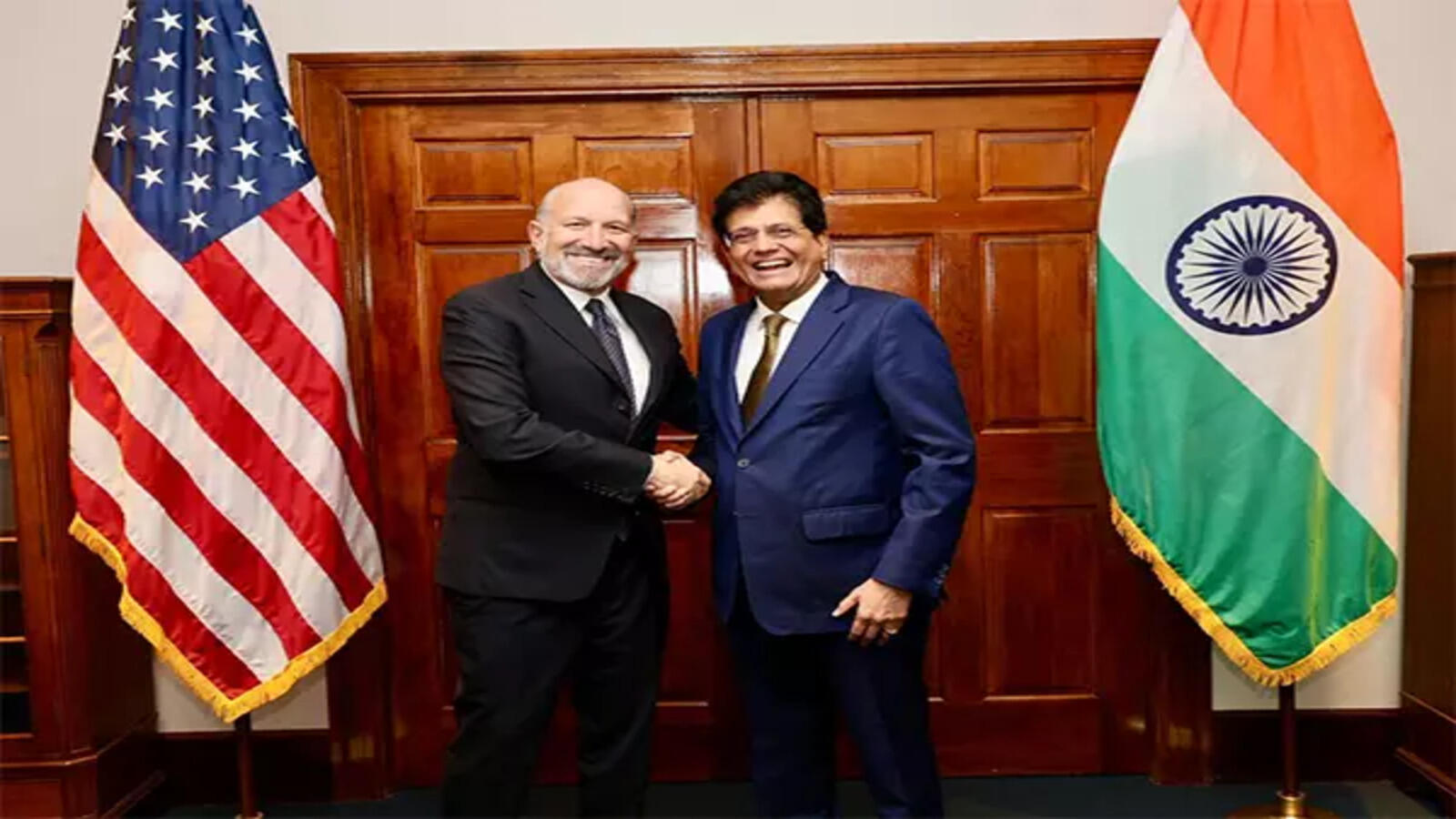
By K Raveendran Trade negotiations between Washington and New Delhi have moved into a critical phase as senior American trade officials arrive in India with the stated intention of clearing the final hurdles to a long-discussed agreement. The presence of Deputy US Trade Representative Rick Switzer and chief India-deal negotiator Brendan Lynch underscores the renewed […]

The article US Officials’ Delhi Trip Takes Trade Negotiations Into A Decisive Stage appeared first on Latest India news, analysis and reports on Newspack by India Press Agency).

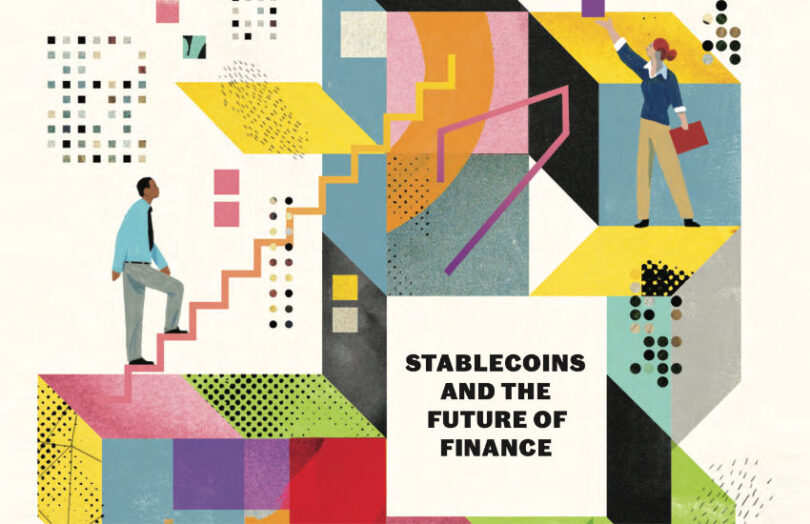
Growing concerns over the expansion of dollar-linked digital tokens have prompted the International Monetary Fund to issue a caution over the strain stablecoins could place on emerging markets, with the institution arguing that widespread use of these instruments risks weakening domestic monetary frameworks. The warning centres on the potential for currency substitution and accelerated outflows should stablecoins gain traction in jurisdictions where confidence in local units is fragile. This caution mirrors the broader message conveyed in IMF warns of stablecoin strain on emerging economies, underscoring the possibility of digital tokens amplifying financial vulnerabilities.

The Fund’s latest assessment highlights the challenge posed by USD-pegged tokens such as USDT and USDC, which together dominate the global stablecoin market. Analysts tracking flows note that these instruments have evolved into widely used vehicles for cross-border transfers, digital asset trading and store-of-value purposes in countries with volatile currencies. The IMF argues that their adoption can reduce the capacity of central banks to manage liquidity conditions, especially in economies where monetary authorities already contend with limited tools to stabilise inflation and anchor expectations. The institution has urged regulators to assume a proactive posture, particularly in markets where capital controls or shallow financial systems heighten the risk of abrupt movements.

The concerns reflect a shift from earlier phases of the digital asset cycle, when stablecoins attracted regulatory scrutiny largely due to their reserve backing and operational transparency. With greater clarity emerging around reserve audits and redemption mechanisms, policymakers are now looking beyond technical design and towards systemic implications. Economic experts cautioned that dollar-denominated tokens might evolve into parallel settlement channels, enabling households and corporates to bypass domestic banking systems during periods of stress. For countries with restricted foreign exchange markets, that pattern could complicate monetary management and accelerate the erosion of trust in local units.

Despite these warnings, several analysts point out that the scale of stablecoin adoption across developing economies remains uneven. Data from blockchain analytics firms suggests that while usage has grown in parts of Latin America, Africa, Eastern Europe and South Asia, activity is still far from the threshold that would trigger systemic currency substitution. Experts add that stablecoins often function as short-term hedging tools rather than long-term savings instruments, meaning their impact on monetary sovereignty is not yet of the magnitude implied by more pessimistic scenarios. Many economists argue that structural weaknesses in local economies, such as persistent inflation or fiscal imbalances, are more significant drivers of currency instability than the availability of digital dollar substitutes.

Regulators in several markets have already begun drafting frameworks to govern stablecoin issuance and use. Authorities in regions including the Gulf, the European Union, Singapore and parts of East Asia have introduced licensing requirements and reserve rules to ensure issuers maintain high-quality backing assets. These frameworks emphasise transparency and redemption at par, which policymakers view as essential to preventing destabilising runs. Some central banks are also exploring bilateral agreements to manage cross-border flows facilitated by stablecoins, particularly where local banks have limited capacity to monitor or report such transactions.

Several financial commentators suggest that concerns over capital flight through stablecoins stem from gaps in existing capital control regimes rather than from the forms of technology used to move funds. They argue that digital tokens merely enhance the speed and efficiency of transfers that might otherwise occur through informal channels. Nonetheless, the IMF stresses that the visibility and liquidity offered by stablecoins could encourage larger volumes to exit strained economies during periods of uncertainty. The institution asserts that emerging markets could face amplified volatility if households and corporates shift towards digital dollars at scale.

The rise of stablecoins has also coincided with broader experimentation in monetary innovation, with more than one hundred central banks evaluating options for digital currencies. Some economists view central bank digital currencies as a potential counterbalance to dollar-pegged private tokens, offering residents a regulated alternative for digital payments while preserving oversight. Others note that CBDCs alone will not offset the appeal of USD-linked tokens in countries where macroeconomic fundamentals drive demand for safer units. Policymakers face the challenge of building credibility, strengthening reserves and reinforcing inflation-targeting regimes while managing digital asset adoption.

While a number of market strategists acknowledge the IMF’s concerns, they contend that fears of widespread dominance of dollar-linked tokens may be overstated at the current stage of development. Adoption depends heavily on access to smartphones, internet connectivity, financial literacy and the availability of compliant service providers. These conditions vary widely across emerging economies, limiting the capacity of stablecoins to displace formal banking for now. Yet industry participants agree that the trajectory of digital finance warrants close oversight as stablecoin issuers expand their footprint and integration with payment networks.

A newly announced strategic alliance between Ford and Renault will yield two new affordable Ford-badged electric vehicles for the European market, with the first expected to arrive in early 2028. The announcement marks a decisive move by both automakers to regain competitiveness amid mounting pressure from lower-cost electric vehicles flooding in from Chinese manufacturers. Under the agreement, Renault will provide its Ampere EV platform — already used […]

Advertisements

Botim Money and Binance have moved to broaden digital asset access for users across the UAE after signing a memorandum of understanding during Binance Blockchain Week in Dubai, signalling a push to integrate regulated crypto services into one of the region’s most widely used digital platforms. The agreement reflects a growing alignment between established fintech operators and global exchanges seeking to deepen their presence in a market that has positioned itself as a leader in digital-asset regulation and innovation.

Botim Money, the financial services arm of the UAE-based communications platform Botim, aims to use the partnership to explore compliant pathways for users to buy, sell and manage crypto assets from within its ecosystem. The platform, owned by Astra Tech, has expanded from a calling and messaging service into a broader super-app model, adding payments, remittance and e-commerce tools. Executives have argued that embedding secure crypto access is a natural progression as users increasingly seek unified financial services in trusted digital environments. The collaboration with Binance, one of the world’s largest crypto exchanges by trading volume, is expected to focus first on regulatory frameworks, technical integration and user-protection standards.

The signing of the agreement at Binance Blockchain Week placed the partnership in the spotlight as global industry participants gathered in Dubai. Officials from Binance highlighted that the UAE’s licensing landscape and digital economy strategy have created conditions where exchanges can build long-term infrastructure. Richard Teng, who heads Binance globally, has repeatedly emphasised that the Gulf region’s regulatory clarity has allowed the company to stabilise operations after addressing compliance concerns elsewhere. The MoU with Botim Money follows earlier moves by Binance to secure approvals through Dubai’s Virtual Assets Regulatory Authority, enabling it to develop a locally compliant exchange environment.

Senior figures at Botim Money pointed to the super-app’s large user base as a strategic advantage. With millions of active customers across the Middle East and South Asia, Botim has become a central payments and communications tool for expatriate workers. Astra Tech’s leadership said the partnership could help bridge the gap between conventional financial users and digital-asset platforms, allowing remittance senders, online shoppers and small businesses to access crypto payments or investment tools without transitioning to unfamiliar applications. Industry analysts noted that such integrations could accelerate mainstream adoption, provided that strong risk controls are embedded from the outset.

Dubai’s position as a global blockchain hub formed a central backdrop to the announcement. The emirate has attracted exchanges, tokenisation projects and Web3 developers with its tiered licensing system and emphasis on consumer safeguards. Officials have pitched Dubai as a base for companies seeking regulatory stability after volatility in global crypto markets. Binance Blockchain Week itself drew developers, institutional investors, compliance specialists and start-ups exploring tokenised assets, AI-driven trading tools and cross-border payment systems. The Botim Money–Binance collaboration stood out among the event’s business announcements for its potential to link a mass-market communications app with a globally recognised exchange.

The partnership arrives at a time when the UAE continues to refine rules governing custodial services, stablecoins and digital-asset marketing. Market participants say these developments have strengthened confidence among fintech companies looking to integrate virtual assets without jeopardising compliance obligations. Botim Money’s leadership has indicated that any crypto services made available through the platform would adhere to regulatory requirements on customer verification, anti-money laundering controls and risk disclosures. Binance has similarly stressed that its growth strategy in the UAE is tied to full regulatory alignment, following heightened scrutiny by authorities in Europe and North America earlier this year.

Observers viewed the agreement as part of a broader trend in which everyday digital platforms embed financial products to enhance user engagement. For Binance, the arrangement offers an opportunity to reach a large demographic that predominately uses mobile channels for financial activities. For Botim Money, it presents a pathway to diversify revenue streams and retain users within a single app environment, especially as competition intensifies among regional fintech operators seeking to offer remittances, payment processing, microfinance and merchant tools.

The Kingdom of Saudi Arabia is planning a massive infrastructure push to achieve net-zero carbon emissions by 2060, with a significant portion of financing expected to come from the private sector. Investment Minister Khalid Al-Falih, speaking at the MOMENTUM2025 Development Finance Conference in Riyadh, projected that infrastructure investments could reach up to $1 trillion over the medium term, with private capital accounting for around 40 per cent — equivalent to $400-500 billion.

Al-Falih outlined that this influx of investment will be channelled across diverse programmes: privatisation schemes, energy infrastructure under the supervision of the Ministry of Energy, and major initiatives led by key domestic players such as ACWA Power and Saudi Aramco, including expansion of blue hydrogen production and global marketing. The minister emphasised that the push reflects the Kingdom’s evolving infrastructure and energy strategy — aligning economic diversification under Saudi Vision 2030 with climate-related commitments.

Officials at the conference stressed that the investment liquidity will flow through multiple channels. Besides large-scale energy and infrastructure projects, capital will also support expansion in sustainable tourism, desalination plants, airport and logistics development, and logistics hubs, boosting sectors beyond oil and traditional energy. This drive is underpinned by a broader green finance framework recently introduced by domestic regulators, including the issuance of green bonds and the creation of a domestic carbon-credit market under Tadawul.

Despite the ambitious plan, some observers remain cautious. Independent analysts — such as those at the Climate Action Tracker — rate the Kingdom’s net-zero pledge for 2060 as “poor”, noting that the target lacks legal codification and fails to clarify which greenhouse gases or sectors are included. They underline that while domestic investments in renewables, carbon capture and clean hydrogen are growing, the lack of a comprehensive emissions-reduction pathway — especially regarding export-related emissions — leaves a significant portion of emissions unaddressed.

Al-Falih acknowledged the challenges but framed the plan as a transformation rather than a short-term campaign. He pointed out that the Kingdom has already exceeded some Paris Agreement-linked targets, and underlined an energy mix strategy aiming for 50 per cent of electricity generation through renewables by 2030, supplemented by high-efficiency gas turbines and storage technologies to ensure reliability.

As global demand for energy continues to rise — driven in part by rapid advances in artificial intelligence and digital infrastructure — Riyadh’s roadmap envisages that growing energy needs will dovetail with sustainable investment in infrastructure, industrial transformation and green-energy exports.

Arabian Post Staff -Dubai Abu Dhabi-based investment firm Mubadala Capital has entered into a collaboration with blockchain infrastructure provider KAIO, aiming to explore tokenised access to its private-market investment strategies for qualified institutional and accredited investors. The initiative is designed to assess how KAIO’s regulated digital infrastructure could create secure, compliant routes to alternative investments ordinarily reserved for traditional private-markets participants. Under the agreement, Mubadala Capital will […]

Japan is intensifying its economic engagement with Gulf partners as policymakers and corporate leaders seek to counter global uncertainty and reduce exposure to shifting geopolitical priorities under evolving US policy. The recalibration marks a notable acceleration in Tokyo’s outreach to the Middle East’s major sovereign investors, energy exporters, and technology funds, reflecting a sense within government and industry that the country must widen access to capital and secure strategic partnerships as global supply chains face persistent strain.

A growing number of senior officials and executives have argued that Japan’s longstanding reliance on the US as an anchor for both economic and security stability now requires broader support. Their stance reflects concerns generated by the more transactional orientation of the US under the America First framework, which has amplified debates in Tokyo on the need for diversified alliances. That reassessment has coincided with unprecedented liquidity flows across the Gulf, where sovereign wealth funds are expanding global portfolios in sectors ranging from clean energy and advanced manufacturing to semiconductors, logistics and emerging technologies.

Prime Minister Fumio Kishida’s government has moved to strengthen ties with the region’s largest investment authorities, including Abu Dhabi’s Mubadala Investment Company and Saudi Arabia’s Public Investment Fund. Japanese ministries have encouraged joint projects that align with national priorities such as chip resilience, hydrogen supply chains, carbon management, and infrastructure modernisation. Officials familiar with the discussions say the focus extends beyond energy security to long-term industrial cooperation, with Tokyo exploring ways to integrate Middle Eastern capital into Japan’s domestic renewal.

Several major companies have already positioned themselves to capture the shift. Trading houses such as Mitsui & Co. and Mitsubishi Corp. have expanded partnerships in clean fuels and petrochemicals, while Japan’s leading automakers are examining opportunities linked to Gulf diversification strategies, particularly in battery supply, autonomous mobility, and advanced materials. Banks including MUFG and SMBC are increasing their presence in the region to support outbound investment, project finance, and corporate advisory mandates requested by Gulf entities looking to deploy capital in Asia.

Analysts observe that the evolving dynamic is not one-sided. Middle Eastern investors have signalled interest in stable, technologically advanced economies as part of their long-term diversification plans. Japan’s strong intellectual property base, advanced industrial ecosystem, and predictable regulatory environment have become increasingly attractive to funds seeking alternatives to higher-risk markets. Executives have also pointed to the convergence of strategic priorities, including shared urgency around food security, energy transition, and digital infrastructure development.

The country’s semiconductor revival has emerged as a key area of alignment. As Japan attempts to rebuild its chip manufacturing footprint with government-backed projects involving firms such as Rapidus and partnerships with global foundries, Gulf investors have explored opportunities to participate in upstream and downstream components of the supply chain. Officials tracking the conversations describe growing interest from Middle Eastern funds in Japan’s materials science know-how and next-generation fabrication technologies, which they view as long-term assets capable of supporting their broader industrial programmes.

Energy cooperation remains central to the relationship. Japan continues to depend heavily on the Gulf for crude oil and liquefied natural gas, but the nature of that relationship is shifting toward co-investment in renewable energy, hydrogen production, and carbon capture projects. Tokyo’s efforts to secure stable supplies of blue and green hydrogen align closely with the decarbonisation roadmaps of Saudi Arabia and the United Arab Emirates, which are positioning themselves as future exporters of low-carbon fuels. Japanese companies have signed multiple memoranda with Gulf partners to test supply chains that could support both nations’ energy transition targets.

Technology collaboration is also gathering momentum. Gulf sovereign funds have expanded their allocations to late-stage venture investments and tech infrastructure, creating new openings for Japanese firms in fields such as robotics, clean-tech, mobility software, and advanced manufacturing systems. Executives from several technology conglomerates have confirmed that discussions are under way to establish joint R&D facilities, venture co-investment platforms, and industrial clusters that could operate across Asia and the Middle East.

Diplomatic signalling has reinforced the economic shift. Visits by senior Japanese officials to Riyadh, Abu Dhabi, Doha and Manama have highlighted Tokyo’s intent to deepen ties not only through energy partnerships but also through digital transformation initiatives, defence industrial cooperation, and food-supply agreements. These engagements complement Japan’s broader Indo-Pacific strategy, which emphasises stability, open trade routes, and resilience in critical sectors.

The Small Business Administration has ordered every participant in its 8 Business Development Program — all 4,300 firms — to submit detailed financial and business documentation covering the last three fiscal years. The demand, communicated in letters issued December 5, requires firms to deliver bank statements, general ledgers, payroll registers, subcontracting agreements and employment records by January 5, 2026, or risk losing their eligibility in the 8 […]

Netflix is set to take control of Warner Bros. Entertainment’s core studio and streaming assets through a landmark transaction valued at about $72 billion in equity, marking one of the largest media takeovers in decades and reshaping the balance of power across Hollywood. The agreement follows months of industry speculation over the future of Warner Bros. Discovery, which had been under pressure to stabilise debt while navigating […]

By Nitya Chakraborty The India-Russia joint statement issued on December 5 after two days of talks between President Vladimir Putin and the Indian Prime Minister Narendra Modi is more a vindication of India’s renewed exercise of its geopolitical status defying the pressure from the USA and the other western powers rather than a document on […]

The article Modi-Putin Summit Reinforces India’s Geopolitical Identity Amidst Headwinds appeared first on Latest India news, analysis and reports on Newspack by India Press Agency).

Greenlogue/AP Backed by British International Investment, Egypt’s first utility-scale hybrid solar and battery development has taken a decisive step forward as the country works to accelerate its transition towards a more resilient renewable power system. The 1.1-gigawatt Obelisk project, led by Norway’s Scatec, is positioned to become one of the largest integrated solar and battery energy storage schemes in Africa, strengthening prospects for grid stability and long-term […]

By T N Ashok NEW DELHI: Russian President Vladimir Putin arrived in India Thursday evening for a two-day state visit that has become a diplomatic flashpoint, testing New Delhi’s ability to maintain strategic independence amid mounting pressure from Washington and European capitals. The arrival marks Putin’s first trip to India since the Ukraine war began […]

The article Putin’s India Visit: A Stress Test Of Strategic Autonomy Amid Global Pressure appeared first on Latest India news, analysis and reports on Newspack by India Press Agency).

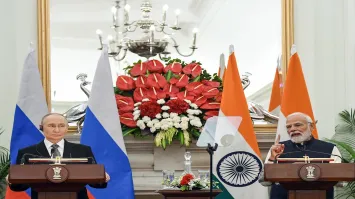
Crowds and cameras gathered at the Delhi airport as Vladimir Putin stepped off his aircraft and was received by Narendra Modi with a firm embrace that signalled the weight both leaders attach to a relationship tested by shifting global alignments. The state visit, framed by Moscow and New Delhi as an effort to reinforce political and economic cooperation, comes at a moment when both sides are seeking predictable partners amid geopolitical uncertainty.

Putin’s arrival on Thursday marked his first trip to the country in more than a year, timed to draw attention to long-standing strategic ties that have endured pressure from global sanctions on Russia and growing competition among major powers for influence in Asia. Modi’s greeting, captured widely by broadcasters, highlighted the government’s intention to maintain a working partnership with Moscow even as it deepens cooperation with Western governments on defence, technology and energy.

The two leaders are expected to focus on trade flows, defence equipment support, energy security arrangements and joint manufacturing proposals that have gained momentum since early 2024. Officials familiar with the agenda have pointed to Moscow’s push for expanded settlements in national currencies, aiming to mitigate complications arising from sanctions that have disrupted traditional payment channels. New Delhi has been looking for greater clarity on oil supply commitments, pricing transparency and long-term contracts, following fluctuations in global markets that prompted domestic refiners to diversify purchases.

Defence cooperation remains central to the partnership, though the balance has shifted over the past decade as New Delhi has widened procurement from the United States, France and other suppliers. Russia continues to service and upgrade a significant share of the armed forces’ equipment, and ongoing discussions cover spare-parts support, maintenance of legacy systems and joint development pathways that may offer greater flexibility than standalone purchases. Analysts tracking the talks say Moscow is keen to retain its foothold in the defence market while showcasing its willingness to adapt to collaborative production models.

Energy will feature prominently during the discussions as Russia seeks greater investment in its upstream projects and hopes to secure broader participation from New Delhi in pipeline and liquefied natural gas initiatives. Indian refiners have emerged as important buyers of Russian crude despite logistical and payment challenges, and both sides are expected to address delivery mechanisms that would reduce delays and improve predictability. Officials have also been reviewing possibilities for expanding cooperation in nuclear energy, where previous agreements have laid the groundwork for additional reactor units at existing sites.

Bilateral trade has risen sharply over the past two years, driven largely by energy imports, but New Delhi has expressed concerns about the wide imbalance, with exports to Russia trailing significantly. Commerce officials have been pushing for easier access for pharmaceuticals, agricultural goods and engineering products, arguing that a more balanced structure would strengthen the sustainability of the economic relationship. Russian representatives arriving with the delegation have proposed expanded use of logistics corridors passing through Central Asia, which they say would ease transport costs for exporters on both sides.

Regional security dynamics form another layer of the discussions, particularly Moscow’s role in Eurasia and its ties with Beijing. Diplomats note that New Delhi continues to walk a delicate line, maintaining cooperation with Russia while strengthening its partnerships across the Indo-Pacific. Strategic analysts caution that both sides must navigate sensitive points, including Moscow’s position on territorial disputes and broader alignments that could shape regional balances over the coming decade.

Putin’s schedule includes a ceremonial welcome, delegation-level talks and a review of key agreements under negotiation. Officials have indicated that deliverables may include frameworks on energy cooperation, updated defence industrial collaboration and initiatives supporting educational exchanges and technological research. Cultural diplomacy also features prominently, with both governments emphasising people-to-people connections that have historically underpinned the relationship.

The optics of the visit carry domestic significance for both leaders. Modi’s government seeks to project continuity in foreign policy through engagement with all major powers, underscoring its commitment to strategic autonomy. For Putin, the reception in New Delhi offers an opportunity to demonstrate that Russia retains influential partners beyond Europe and North America, reinforcing narratives about its engagement with Asia’s leading economies.

Analysts observing the visit note that the personal rapport between the two leaders has helped maintain channels of communication through periods of global stress. Their discussions routinely touch on multi-year strategic frameworks covering defence, energy, industrial cooperation and regional diplomacy, areas where incremental progress continues despite broader geopolitical complications.

Previously unseen photographs from Jeffrey Epstein’s private island residence have been made public by lawmakers in Washington, offering a closer look at the property at the centre of one of the most scrutinised criminal networks in the United States. The images were disclosed by Democratic members of a congressional committee examining Epstein’s activities and the conduct of officials who interacted with him over several decades. The release […]

A proposed acquisition involving Solmate and RockawayX is set to form a digital-asset business valued at about $2 billion, marking one of the most significant consolidation moves in the crypto infrastructure segment this year. The companies have signed a term sheet that lays the foundation for a unified institutional platform, bringing together treasury management, custody, infrastructure services, and investment capabilities under a single framework aimed at accelerating growth in regulated markets.

The structure under discussion places Marco Santori at the helm of Solmate as chief executive, overseeing the combined treasury and infrastructure strategy. Santori, whose career has spanned legal, compliance and policy roles across the crypto sector, is expected to steer the organisation through advancing regulatory requirements and the maturation of institutional demand for blockchain-based services. Viktor Fischer will continue as chief executive of the RockawayX subsidiary, maintaining operational continuity for the unit’s investment and venture activities, while supporting its integration into the broader strategy being shaped for the merged entity.

The term sheet signals a drive toward strengthening institutional-grade products, an area that has been expanding as asset managers, banks and corporates look for secure and compliant exposure to digital assets. Market analysts note that consolidation among service providers has intensified during the year, with firms seeking scale to meet tighter rules around custody, disclosures and consumer protection. The combined platform is positioned to benefit from these pressures, particularly as policymakers in Europe and the Gulf continue to advance clearer frameworks for crypto trading and asset tokenisation.

Both companies have been active in digital-asset infrastructure, with Solmate operating from the UAE while expanding its footprint across treasury services, custody architecture and enterprise solutions, and RockawayX building a presence in venture investment and decentralised finance infrastructure. Industry observers point out that merging these capabilities could create a diversified revenue base that spans recurring service fees and strategic investment returns. The proposal aligns with a wider shift toward vertically integrated models, enabling providers to streamline operations and reduce dependence on external platforms.

The acquisition plan comes at a time when institutional appetite for blockchain-based solutions has grown. Asset tokenisation has gained traction across global financial centres, with several regulators encouraging pilots in settlement, fund distribution and real-world asset token structures. Market estimates from financial institutions tracking tokenisation flows suggest that the segment could expand into multi-trillion-dollar territory over the next decade, creating opportunities for firms positioned to serve corporate treasuries and fund managers seeking secure digital infrastructure.

Santori has highlighted in prior industry engagements that regulatory clarity is central to institutional adoption. His role in shaping the combined strategy is seen as critical as Solmate works to align its offerings with evolving rules across the EU, the UK and the Gulf. Fischer, meanwhile, has maintained a focus on early-stage blockchain innovation and decentralised services, an area where RockawayX has built strong networks with founders and developers. The proposed structure allows both executives to operate within their respective strengths while contributing to a unified long-term roadmap.

The companies are expected to enter a detailed due-diligence phase, during which they will assess operational integration, regulatory conditions and market positioning. While the term sheet outlines key leadership and structural arrangements, the final agreement will depend on further negotiations and any regulatory permissions required in relevant jurisdictions. People familiar with transactions of this scale emphasise that the coming stages typically involve extensive compliance reviews, cybersecurity audits and technology-stack assessments, especially for firms engaged in digital-asset custody and treasury operations.

Market participants say the combined entity’s valuation of around $2 billion reflects the premium placed on platforms capable of serving institutional demand for secure storage, liquidity management, infrastructure and tokenisation support. Comparable transactions this year have highlighted a rising interest among investors in firms that can bridge traditional financial practices with advanced blockchain tools. Analysts also point out that bringing treasury and venture operations together may create synergies, allowing insights from early-stage ecosystems to inform enterprise-level product design.

Seamless Access Across Time Zones with Preferential Brokerage Fee HONG KONG SAR – Media OutReach Newswire – 4 December 2025 – Dah Sing Bank, Limited (“the Bank”) announced the extension of its US stock trading service to 24 hours*, offering investors round-the-clock trading experience. The US equity market remains the largest globally by market capitalisation and continues to be a key focus for investors. In recent years, […]

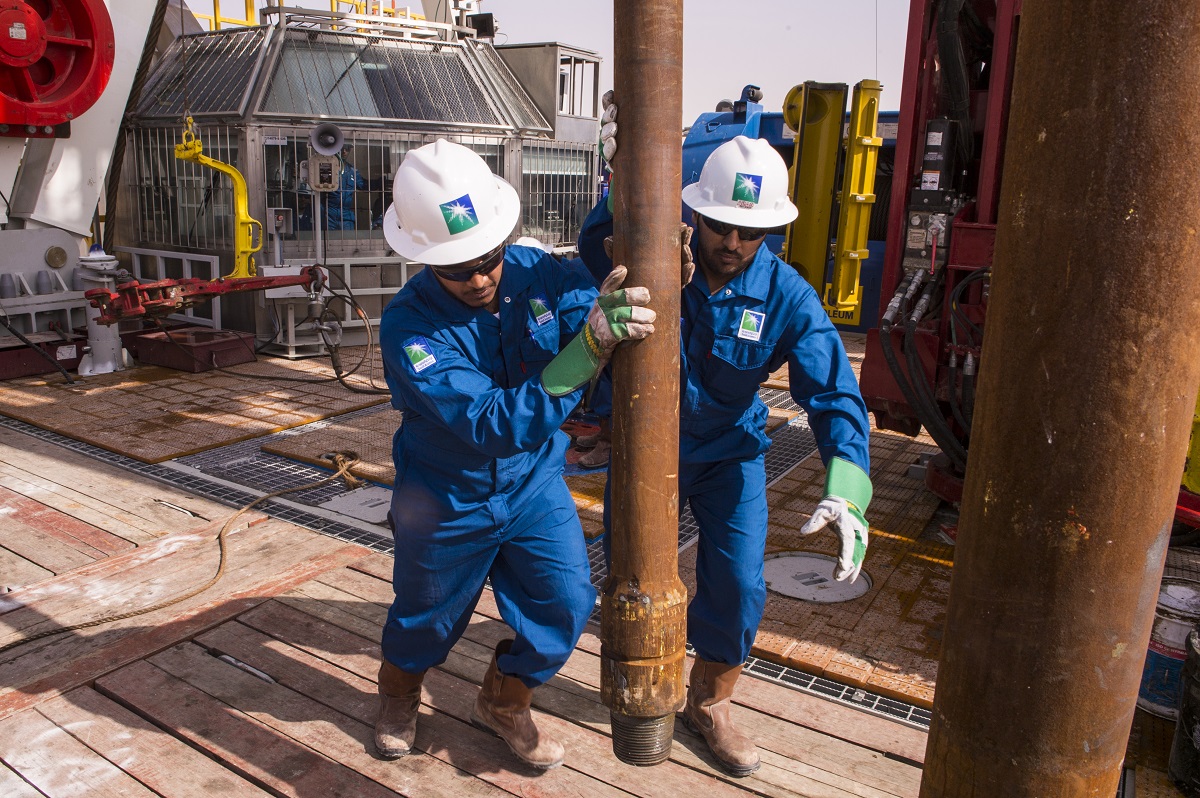
Saudi energy giant Saudi Aramco has begun output from the first phase of its vast Jafurah gas field, signalling a major milestone in the Kingdom’s shift toward natural gas. The project, valued at around $100 billion, has an initial production capacity of 450 million cubic feet per day, according to the Saudi Finance Ministry’s 2026 budget statement.

The field holds an estimated 229 trillion standard cubic feet of raw gas along with 75 billion stock tank barrels of condensate—making Jafurah the largest non-associated gas development in Saudi Arabia and among the largest shale-gas plays outside the United States.

Completion of the first development phase allows Aramco to begin supplying sales gas domestically. The company plans to ramp production gradually and aims to reach a sustainable output of 2 billion cubic feet per day by 2030.

To support its gas-processing infrastructure, Aramco earlier sealed an $11 billion lease-and-leaseback agreement with a consortium led by Global Infrastructure Partners, part of BlackRock. Under the deal, a newly formed subsidiary, Jafurah Midstream Gas Company, will lease the processing and fractionation facilities — which Aramco will then lease back for a 20-year period. Aramco retains majority ownership with a 51% stake, while the investor group holds 49%. The transaction is designed to inject capital without constraining production volumes.

Aramco’s move reflects a broader strategic shift. By ramping up gas production, the company aims to reduce domestic reliance on crude oil for power generation — thereby freeing more crude for export. Gas from Jafurah is expected not only to meet domestic power and utility needs but also to provide feedstock for petrochemicals, hydrogen, and potentially emerging sectors such as AI data-centres.

Analysts view Jafurah as a potential game-changer for both Saudi Arabia and global gas markets. With reserves comparable to major U. S. shale plays and a projected daily output of 2 bcf by 2030, the project could make Saudi Arabia a more prominent natural-gas exporter or LNG player — a significant rebalancing from its traditional role as an oil-dominated supplier.

Through this transformation, Aramco underlines its long-term aim of reinventing its energy portfolio — aligning with efforts to diversify the country’s economy and meet shifting global demand patterns.

Brooge Petroleum and Gas Investment Company, a subsidiary of shipping and logistics firm Gulf Navigation, has finalised an agreement to launch front-end engineering design for a new refinery in Fujairah aimed at producing Euro 5-grade gasoline from naphtha. The first phase of the project is expected to yield around 15,000 barrels per day. Under the agreement, BPGIC will work with PEG to steer the FEED stage — […]

Emirates NBD has sealed a strategic partnership with the Dubai International Financial Centre aimed at offering enhanced wealth governance, succession planning and legacy-preservation services to ultra-high-net-worth families and family-owned enterprises. The collaboration will channel the capabilities of Emirates NBD Private Banking and the infrastructure of DIFC’s Family Wealth Centre to meet the complex needs of family businesses within the jurisdiction.

Under the agreement, Emirates NBD will provide tailored governance frameworks, succession-planning blueprints, tax structuring, and bespoke advisory services designed for clients with significant wealth or business holdings. The bank intends to complement these offerings with educational workshops, governance-best-practice programmes and family-office structuring support — all delivered through DIFC’s institutional facilities.

The move reflects growing demand in the Middle East for professionalised wealth-transfer and legacy-management solutions as substantial assets stand to pass to younger generations. Regional trends indicate about one trillion US dollars in assets are expected to be transferred within wealthy families by 2030, underscoring the urgency for robust governance structures.

ServiceNow has reached agreement to acquire Veza, a cloud-native identity-security startup, for more than $1 billion. The deal brings under ServiceNow’s umbrella Veza’s “Access Graph”, a technology designed to map and manage permissions across human users, machines and AI agents — giving enterprises clearer visibility over who can access what data and perform what actions. ServiceNow said the acquisition will fold Veza’s identity management features into its […]

VISHNU RAJA
RYO YAMADA
HITORI GOTOH
IKUYO KITA