Just in:
Motorola introduces Signature 27 flagship priced at $1,599 // Millions Of Indians May Soon Be Deprived Of Government Assistance // Miss Universe Hong Kong Jen Zhou Departs for Puerto Rico to Compete in the 75th Miss Universe World Final // The “1st Greater Bay Area Health and Longevity Summit & Awards Ceremony” concludes successfully in Macao // Ningbo Consensus on Collaborative Development released at 2026 Global Mayors Dialogue · Ningbo // Dubai details five-year visa benefits for returning visitors // Ousted top Kochi cop gets IG post // India Under Pressure To Join RCEP On The Eve Of ASEAN Summit In Manila On Nov 15-17 // CR Longdation Aethereal Cybersecurity × Global Cybersecurity Alliance (GCSA) Join Hands to Establish the “AI and Cybersecurity Research Centre” // Elephant calf on death line airlifted for treatment in Gujarat // OpenAI abandons secrecy agreements for future data centres // Emaar approves Development buyout ahead of planned delisting // Trump’s Iran War Has A Share Of Contribution To His Midterm Debacle // UK air traffic outage inflicted £33m financial losses // Beyond the exhibition floor: How robots, AI and networks are moving into the real world // TVM –Mangaluru Vande Bharat claims top spot // Microfinance case trouble for Vellappally // Geely’s i-HEV Intelligent Hybrid Technology Offers a New Direction Vision for Gasoline-Powered Vehicles // Excise chief shunted out in bar licence dispute // Battle Uttar Pradesh Will Be Tougher For Yogi Than Expected //

News related to
agreement

Chinese nuclear forces are expanding at a pace unmatched by other countries, with the Stockholm International Peace Research Institute reporting an annual increase of approximately 100 warheads since 2023. The nation now possesses at least 600 nuclear warheads and is constructing around 350 intercontinental ballistic missile silos—developments projected to put China on par with the United States and Russia in ICBM capability by the end of the decade.

SIPRI’s latest yearbook, issued on 16 June, emphasises that global nuclear arsenals are returning to growth after decades of contraction. The combined military stockpiles of nuclear warheads now total around 9,614, while approximately 2,100 warheads—mostly held by the United States and Russia—remain on high alert.

Although China’s nuclear stockpile remains modest compared to the U.S. and Russia—each holding over 5,000 warheads—the momentum behind its expansion marks a strategic shift. SIPRI forecasts that China could field up to 1,500 warheads by 2035, with its ICBM network rivalling that of the established nuclear powers by 2030. The rapid rise in Beijing’s deterrent capacity signals a deeper global arms competition, exacerbated by a breakdown in arms-control agreements.

China’s nuclear modernisation encompasses land-, sea-, and air-based delivery systems. The PLA Rocket Force has deployed a mix of silo-based and mobile ICBMs, including the potent DF-41 system capable of carrying multiple independently targetable re-entry vehicles. Simultaneously, China is advancing a nuclear triad, with bombers like the H‑6K equipped for long-range missions and an expanding fleet of Jin‑class ballistic missile submarines.

Pentagon estimates align with SIPRI’s findings. A U.S. Defence Department report placed China’s warhead count at over 600 and predicts over 1,000 operational warheads by 2030. Analysts note that while many of China’s warheads are stored separately from delivery systems, the growth in silo infrastructure indicates a potential shift towards higher operational readiness.

China maintains its nuclear policy centres on minimum deterrence and no‑first‑use. A spokesperson reaffirmed that its buildup is defensive and that global nuclear reductions should be led by the U.S. and Russia. Yet, the introduction of launch-on-warning capabilities, expansion of missile silos, and pairing of warheads with ICBMs suggest a more assertive posture.

The international ramifications are considerable. SIPRI warns that with diminishing arms controls and growing arsenals, the world faces a dangerous escalation. The concentration of high-alert warheads in U.S. and Russian hands, combined with China’s acceleration, elevates risk profiles significantly. Moreover, emerging technologies such as AI integration in nuclear command-and-control raise alarms about stability and inadvertent escalation.

China’s rise spurs debate among military analysts and policymakers. Supporters view the deepening triad and ICBM deployment as necessary to counter U.S. strategic capabilities. Critics argue that rapid armament undermines global non‑proliferation efforts and threatens to trigger competitive buildups among established nuclear powers. Calls for renewed arms control dialogues now include China, challenging historical norms where Beijing was often excluded from global negotiations.

Meanwhile, other nuclear-armed states—India, Pakistan, the UK, France, North Korea and Israel—continue modernisation programs. India and Pakistan are increasing their stockpiles; the UK has announced an expansion; North Korea is pursuing missile tests; and Israel maintains opacity under its policy of nuclear ambiguity.

Global security experts warn that the dismantling of arms-control institutions, such as the withdrawal from the INF Treaty and uncertainty around New START, has created a vacuum. Amid rising nuclear rhetoric, SIPRI urges urgent diplomatic engagement and the strengthening of verification and non‑proliferation regimes. As nuclear power parity becomes conceivable, the need for inclusive multilateral frameworks has grown acute.


Leaders at the 51st G7 summit convening in Kananaskis, Canada, are confronting an abrupt surge in hostilities between Israel and Iran, marked by intensified airstrikes, rising civilian casualties, and mounting diplomatic tensions. With missile barrages and pre‑emptive assaults already claiming hundreds of lives, the summit agenda has shifted dramatically, prioritising strategies to contain the conflict and avert a broader regional war.

Israeli forces launched “Operation Rising Lion” on 13 June, targeting Iran’s nuclear, ballistic missile, and military infrastructure—including key command centres and Iranian Revolutionary Guard facilities around Tehran—and killed high‑ranking officials and scientists. Iran retaliated with a wave of over 270 missiles, deploying new tactics that overwhelmed Israel’s air defences and struck densely populated urban areas such as Tel Aviv and Haifa. As of 16 June, at least five Israelis were killed and more than 100 injured in the latest overnight strikes. Iranian health authorities report a death toll of at least 224, predominantly civilians, and over 1,200 wounded.

The rapid escalation has introduced fresh complexity to international diplomacy. U.S. President Donald Trump vetoed an Israeli proposal to target Iran’s Supreme Leader Ayatollah Ali Khamenei, emphasising that such action would only inflame the situation. Trump has also signalled the possibility of brokering a deal, suggesting Iran “must make a deal before there is nothing left” and voicing optimism that peace negotiations could emerge from this crisis.

European leaders are urging urgent collective action. German Chancellor Friedrich Merz asserted at the summit that unity is essential to prevent Iran’s nuclear ambitions, uphold Israel’s right to self‑defence, curb escalation, and open diplomatic channels. He indicated that measures could include sanctions, and emphasised cooperation with regional actors such as Oman to reduce tensions with Iran and Yemen’s Houthi rebels. Meanwhile, Ursula von der Leyen and Emmanuel Macron deployed diplomats to press for negotiation, although Macron’s optimism about a swift resolution contrasts with ongoing military deployment in the region.

Britain has signalled readiness to support Israel with defensive and civil aid while advocating restraint. Prime Minister Keir Starmer has reinforced diplomatic engagement with Trump, Netanyahu, and Gulf leaders, and authorised RAF Typhoon jets as a contingency against potential Iranian threats to UK bases. Nonetheless, Iran has dismissed ceasefire calls while military operations continue.

Canada, hosting the summit, has abandoned the traditional joint communiqué, opting instead for chair’s summaries to manage discord—particularly over trade and Middle East policy—between the U.S. and other participants. Canadian Prime Minister Mark Carney emphasised the summit focus on peace, security, supply chains, and jobs—prioritising a co‑ordinated response to the Israel‑Iran crisis.

G7 officials are crafting a unified statement urging Iran to halt its nuclear programme and Israel to pause expansive military action, signalling tangible diplomatic pressure backed by clear consequences for non‑compliance. However, persistent disagreements across the bloc—over trade, relations with Russia, and climate policy—complicate efforts to forge a consensus.

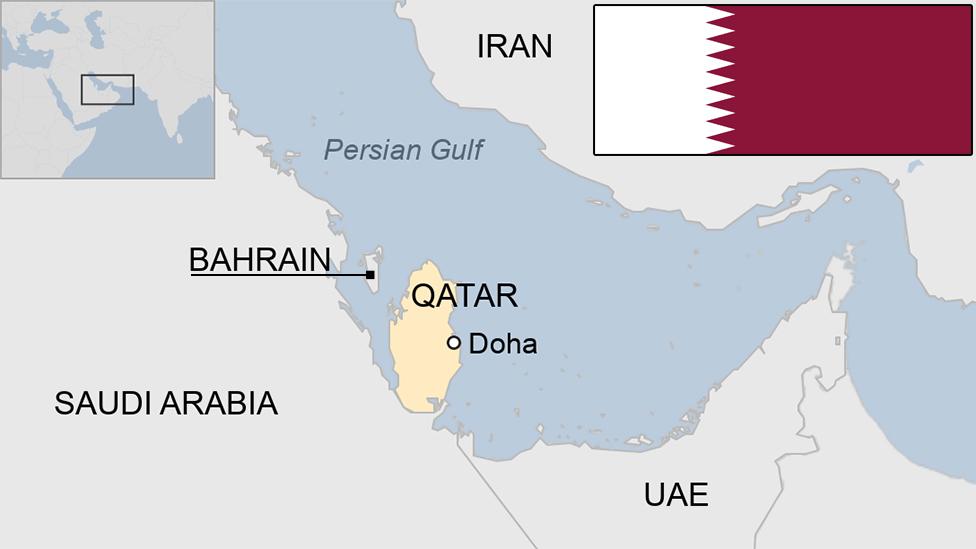
Regional actors are mobilising diplomatic channels. Qatar and Oman are reportedly engaged in shuttle diplomacy to de‑escalate the conflict. Simultaneously, Iran‑backed groups, including militias in Iraq and Houthis in Yemen, are extending hostilities across front lines, prompting concern that the confrontation may metastasise into a wider regional war.

The humanitarian fallout is grave. Large‑scale displacement is underway as Iranians flee Tehran after warnings issued by Israeli forces to civilians near weapons facilities. Hospitals in northern provinces are stretched, while the Iranian Red Crescent has launched mobile clinics to address urgent needs. Energy markets have also reacted sharply: Brent crude prices spiked as Gulf insecurity intensified.

Analysts warn the conflict risks triggering retaliatory terror attacks in the West and disrupting global energy security. The G7 faces a pivotal test: coordinating military readiness, civilian protection, sanctions, nuclear non‑proliferation, and active diplomacy, all while preserving internal unity amid geopolitical divisions.

Amazon Web Services has secured a landmark 20‑year power purchase agreement with Talen Energy, guaranteeing 1,920 MW of carbon‑free electricity from the Susquehanna nuclear plant in Pennsylvania. The contract, lasting until 2042 with extension options, positions nuclear energy as a pillar of Amazon’s strategy to meet surging demand from its AI and cloud operations. Talen will gradually ramp up delivery, starting with 840–1,200 MW by 2029 and reaching full […]

Turkish authorities have clearly denied that Turkish Technic conducted any maintenance on the Boeing 787‑8 Dreamliner of Air India Flight 171, which crashed on 12 June 2025 near Ahmedabad, resulting in 279 fatalities. The Directorate of Communications’ Centre for Countering Disinformation labelled the claims “false” and “disinformation”, emphasising that existing agreements with Air India in 2024–25 strictly covered Boeing 777 aircraft—not the 787‑8 model involved in the disaster.

Flight AI 171 had lifted off from Sardar Vallabhbhai Patel International Airport bound for London Gatwick, crashed approximately 30 seconds later into a hostel block of B. J. Medical College in Ahmedabad’s Meghani­nagar area. Of the 242 onboard, only one passenger survived; the crash also claimed around 38 lives on the ground.

Turkish officials reiterated that the maintenance contract signed with Air India was limited to B777 aircraft serviced at Turkish Technic’s Istanbul facilities, and never extended to Dreamliner models. They acknowledged awareness of the company that last serviced the crashed aircraft, but refrained from naming it to avoid speculation amid the ongoing investigation.

The denial followed sensational allegations by yoga guru Baba Ramdev, who suggested a Turkish maintenance firm’s involvement, describing a possible “foreign conspiracy.” Turkish agencies sharply rejected his claims as baseless and manipulative.

The crash—the first fatal hull-loss involving a Boeing 787 since its entry into service—has sparked a major international investigation. India’s Aircraft Accident Investigation Bureau is leading the probe under Annex 13 protocols, with support from Boeing, GE Aerospace, and UK and US aviation authorities. Investigators are examining multiple lines of inquiry, including engine thrust anomalies, flap alignment, landing gear deployment, possible bird strike, and maintenance protocols.

India’s civil aviation regulator has ordered additional inspections across Air India’s Boeing 787 fleet, comprising 33 jets, and directed IndiGo to review its single 787. This unprecedented disaster, marking the deadliest global aviation accident involving a 787 in over a decade, has sharpened scrutiny on Air India’s maintenance regimes and Boeing’s safety standing.

Eyewitness and CCTV footage captured a distressing mayday call: “Thrust not achieved. Falling,” suggesting a rapid loss of lift. Preliminary observations indicate that the aircraft may have experienced dual-engine thrust failure or malfunctioning flaps or landing gear, heightening the risk of aerodynamic stall.

An aviation expert, retired captain Alok Singh, stressed that while the Boeing 787 platform is broadly reliable, such incidents often arise from a confluence of mechanical issues, procedural errors, or environmental factors such as bird ingestion. Meanwhile, industry analyst Steven Chen has advanced the theory that inadvertent flap retraction by the co‑pilot during take‑off may have disrupted lift, though this remains speculative pending flight data.

The Aircraft Accident Investigation Bureau has recovered the flight data recorder. Retrieval of the cockpit voice recorder is still in progress. Both are expected to yield critical insight into procedural actions and system failures. India’s government has established a high-level panel with a three-month deadline to issue findings.

In response to the tragedy and international concern, Boeing and GE Aerospace withdrew from the Paris Air Show to concentrate on search and investigative support. Boeing’s CEO Kelly Ortberg expressed condolences and pledged full cooperation, even as the company navigates ongoing operational and reputational pressures following prior safety incidents.

Air India, now under Tata Group ownership since 2022, has announced financial compensation packages for victims’ families and is working with authorities on victim identification through DNA and dental records. Public anxiety has surged, with many calling for systemic reforms in aircraft maintenance oversight, cross-border service dependencies, and regulatory enforcement.

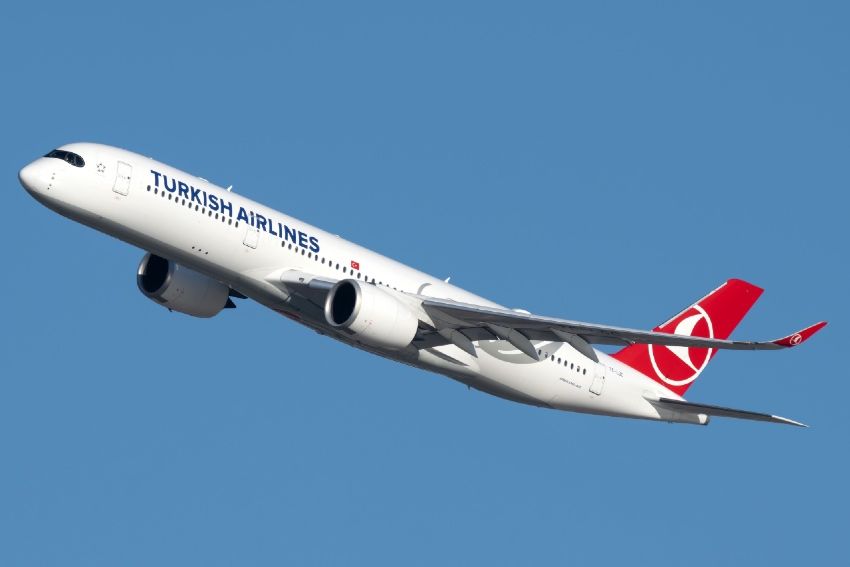
Turkish Airlines and TAP Air Portugal have deepened their codeshare collaboration, extending shared services to a host of new international destinations. Under the broadened agreement unveiled at the IATA Annual General Meeting on 4 June, travellers can now book seamless flights on routes to Brazil, Morocco, Qatar and Mauritius, while Turkish domestic holiday hotspots Dalaman and Bodrum are also integrated into the expanded arrangement.

Bilal Ekşi, chief executive of Turkish Airlines, explained that the enhanced alliance “offers greater flexibility and a wider range of travel options” and aims to bolster tourist and business connectivity between Türkiye and Portugal. TAP Air Portugal CEO Luís Rodrigues underscored that strategic partnerships are essential for extending the airline’s reach eastwards, remarking that the arrangement “provides our global passengers and our Portuguese community with increased options to visit new and exciting places using our Turkish Airlines partner”.

Both carriers are members of the Star Alliance network, which encompasses more than 1,160 airports in over 190 countries. Turkish Airlines, holding a Guinness World Record since December 2024 for servicing the largest number of countries, flies to 340 destinations across 129 countries, while TAP Air Portugal ranks as Europe’s safest airline and leads European service to Brazil.

The update enhances booking convenience and connectivity for passengers. With the codeshare, flyers can book single-ticket itineraries that combine flights operated by each carrier, gain through-check of baggage, and accrue loyalty benefits across both their Miles&Smiles and TAP Miles&Go programmes. The inclusion of Brazil responds to TAP’s strong presence in South America, where the airline operates over 1,250 weekly flights to 14 cities.

Beyond South America, the new route options into North Africa, the Middle East, and the Indian Ocean signify a strategic push to diversify leisure and business travel offerings. Dalaman and Bodrum, already popular among European tourists, have now become a seamless gateway for Portuguese travellers to experience Turkish coastlines within the shared network.

Theresa Walsh, aviation analyst at AeroInsight Strategies, noted that although codeshare agreements are common, this specific expansion stands out due to its geographical reach: “Covering holiday-centric jets like Dalaman and bridging long-haul markets from Lisbon to São Paulo or Doha offers a genuinely integrated experience.” She projected that ticket sales could rise by up to 8–10% on the newly covered routes over the next year.

Industry experts highlight that the move may also serve as a template for TAP as it navigates its planned partial privatisation. Portugal’s government is preparing to offload its 51% stake in TAP, with a 49% stake open to bids from Air France‑KLM, Lufthansa or IAG. Strengthening international partnerships may enhance TAP’s value proposition to prospective investors by showcasing expanded network synergy.

Passenger advocacy groups have raised the question of whether such agreements might introduce pricing complexity, as combining two carriers can involve disparate fare rules. Both airlines have reassured the public that prices will remain transparent, with unified booking and support frameworks across shared routes.

Operationally, the partners will synchronise schedules, optimise cabin connections, and co‑ordinate service protocols. TAP’s fleet of Airbus NEO aircraft, lauded for fuel efficiency, will fly in conjunction with Turkish Airlines’ diverse mix of modern jets.

Premier travel agents in Lisbon and Istanbul report immediate upticks in enquiries. João Ribeiro, a senior agent at Lusitano Travel, commented: “Our clients value simplicity. Booking Lisbon–Bodrum via Istanbul on one ticket, with aligned timings and baggage allowances, is exactly the evolution they want.”

The alliance extension comes as both airlines seek to rebalance portfolios in response to shifting tourism trends and evolving geopolitics. Airlines across Europe are recalibrating their route maps to lean on partnership networks, minimising standalone risk. The expanded Turkish‑TAP codeshare is among the most notable examples of this trend in 2025.

Donald Trump’s financial disclosure for the 2024 calendar year reveals more than $600 million in gross income and at least $1.6 billion in assets, offering a detailed window into the former president’s expansive business empire and the diversification of his revenue streams. The filing, submitted on 13 June 2025, highlights a sharp rise in earnings derived from cryptocurrency ventures, numerous golf and hospitality properties, global licensing agreements, and an […]

Tencent is reportedly in discussions to acquire Nexon, the developer behind MapleStory and Dungeon & Fighter, in a deal that could exceed US$15 billion, signalling a strategic push into South Korea’s gaming and Web3 sectors.

Chinese tech conglomerate Tencent has approached the family of Nexon’s late founder Kim Jung‑ju, which controls a 44.4 per cent stake through NXC Corp, to explore acquiring a substantial portion or full control of the company. The proposed transaction, valued at around 20 trillion won, aims to secure Tencent long‑term rights to Nexon’s celebrated intellectual property while bolstering its position in South Korea’s lucrative gaming market.

Nexon, founded in Seoul in 1994 and now headquartered in Tokyo, is best known for its enduring franchises MapleStory and Dungeon & Fighter. The firm has been a pioneer in integrating games with Web3 technologies, launching a blockchain division dubbed NEXPACE and rolling out MapleStory Universe—complete with NFT item mechanics, token economies and a gasless transaction system on the Avalanche network. The NXPC token was listed on major crypto exchanges, reflecting deep commitment to a decentralised gaming strategy.

While Tencent had previously tried to acquire Nexon in 2019—efforts fell through over valuation disagreements—the company has since fortified its global gaming footprint with a US$1.3 billion investment in Ubisoft and a 10 per cent stake in South Korea’s SM Entertainment, a major K‑pop label. Its renewed interest in Nexon aligns with a broader ambition to dominate both blockchain and traditional gaming domains, despite sector‑wide funding slowdowns and reduced daily active user metrics in Web3 games.

Sources emphasise that while discussions are underway, no definitive agreement has been reached and terms remain fluid. The Kim family is reportedly consulting financial advisers on the potential sale. Part of the complexity stems from their decision last year to transfer shares to settle inheritance taxes, a move that added governmental and family stakeholders into the mix.

Nexon has seen its share price rise over 10 per cent in 2025, though it remains about 30 per cent below its 2021 peak. The Tokyo‑listed firm was valued at approximately US$15–16.6 billion, depending on market conditions.

Tencent’s remote stance with acquired studios suggests that any purchase may leave Nexon’s operational autonomy largely intact. But the deal could deliver Tencent stronger access to Western and Asian markets, reinforcing its Web3 and blockchain ambitions.

For Nexon, aligning with Tencent offers capital resources to scale blockchain gaming efforts and deepen development of blockchain-enabled platforms such as MapleStory Universe. Since launching MapleStory N in May 2025, the company has leveraged its Web3 unit’s Abu Dhabi‑based NEXPACE to expand global blockchain gaming operations.

With Tencent prioritising organic growth and strategic minority investments—such as expanding its blockchain infrastructure partnerships with TON Foundation and Chainbase—this potential acquisition represents one of its most ambitious M&A moves post‑2020 Chinese regulatory tightening.

Should negotiations succeed, Tencent would gain direct control over multiple high‑value IPs and a formidable presence in South Korea’s gaming ecosystem, presenting both strategic advantages and regulatory scrutiny across jurisdictions. The deal’s complexity—woven through family, government, and market dynamics—ensures that stakeholders across the industry are closely watching every development.

Advertisements

Dr Imran Khalid “We made a great deal with China. We’re very happy with it.” So declared President Donald Trump in his familiar tone of triumphant ambiguity on June 11, fresh off what was touted as a breakthrough agreement to restore a trade truce between the United States and China. But if history has taught us anything, it is that “done deals” in the Trumpian lexicon tend […]

Galaxy Macau and FIA Establish a Three-Year Strategic Partnership Following the Successful Debut of the Landmark Conference in Macau as Historic Home of the FIA Formula Regional World Cup MACAU SAR – Media OutReach Newswire – 13 June 2025 – The 2025 Extraordinary General Assemblies meeting and the Conference of the Fédération Internationale de l’Automobile (FIA), hosted by the Automobile General Association Macao-China (AAMC) supported by Galaxy […]

Bridging French and Hong Kong innovation ecosystems to supercharge global tech development HONG KONG SAR / PARIS,FRANCE – Media OutReach Newswire – 13 June 2025 – Hong Kong Science and Technology Parks Corporation (HKSTP) is leading 18 of Hong Kong’s brightest innovators in AI and robotics, healthtech, greentech and fintech in its first-ever delegation to VivaTech 2025, Europe’s largest startup and tech showcase held in Paris. The […]

UAE’s economy is set to expand by 4.6% in 2025, bolstered by a strong non‑oil core and a gradual return in oil output, according to projections from the World Bank’s June “Global Economic Prospects” edition. This represents a 0.6‑point upward revision from January. The outlook for 2026 has also been upgraded to 4.9%, with growth anticipated to hold at that level in 2027. At the heart of […]

A new maritime alliance took shape on 12 June 2025 as AD Ports Group and the Arab Shipbuilding & Repair Yard Company signed three Heads of Terms, solidifying their collaboration in marine services across Bahrain, in a ceremony attended by H.H. Shaikh Nasser bin Hamad Al Khalifa, His Majesty’s Representative for Humanitarian Works and Youth Affairs and Chairman of Bapco Energies. The agreements build upon the operational success of ASRY Marine, […]

HONG KONG SAR – Media OutReach Newswire – 13 June 2025 – The International Automotive & Supply Chain Expo (Hong Kong) 2025 opened on June 12, bringing together global industry leaders. Seizing this strategic opportunity in Hong Kong, Dongfeng Motor is showcasing its technological edge and promoting nine flagship models covering both passenger and commercial vehicle segments. Dongfeng Motor aims to rank among the top three Chinese […]

The newly announced trade agreement between the United States and China offers temporary relief from economic tensions, but it does not resolve the deep strategic rift between the world’s two largest economies. For investors, I believe, this is a short-term fix within a long-term rivalry, and portfolios must be positioned accordingly. President Donald Trump’s statement that a deal is “done” follows two days of talks in London. […]

Running a business in 2025 is increasingly moving online — and documentation is no exception. One of the most common questions among entrepreneurs and freelancers is how to quickly and correctly issue an invoice without involving accountants, dealing with paperwork, or registering on complex platforms. While managing finances and sending invoices is becoming simpler, it’s just as important to have a reliable online presence to support your […]

Basketball legend Shaquille O’Neal has reached a tentative settlement to resolve claims in a class‑action lawsuit filed by investors over his involvement with FTX, agreeing to pay $1.8 million. The deal, pending court approval, would shield him from any future legal actions and prevent him from seeking repayment from FTX’s bankruptcy estate.

O’Neal had been among a number of high‑profile figures accused of promoting FTX as a safe investment, acting in contrast to other endorsers who have dropped out of the case. Though he did not admit wrongdoing, the settlement stipulates his payment in exchange for legal closure.

Lawyers for the plaintiffs argued that O’Neal’s public statements—through social media and other media appearances—played a role in encouraging investors to view FTX as secure. The settlement documents reportedly assert that his endorsement carried weight and may have influenced investment decisions.

FTX collapsed spectacularly in late 2022, with founder Sam Bankman‑Fried’s empire crumbling under scrutiny over misappropriated customer funds and questionable internal controls. Backers like O’Neal, who appeared in ads and social media campaigns, have faced growing legal scrutiny as regulators and civil claimants try to establish accountability.

Earlier in the proceedings, several defendants were dismissed from the lawsuit, either through court rulings or individual settlements. This latest proposal ensures O’Neal will exit the litigation entirely once the $1.8 million is paid, with neither party admitting liability. It also blocks him from filing any future claims against the FTX estate, consolidating the resolution of his legal obligations in one definitive agreement.

Experts suggest the settlement reflects a broader trend of high‑net‑worth endorsers seeking to distance themselves swiftly from legal exposure linked to FTX. By settling, O’Neal may avoid burdensome depositions, prolonged litigation, and unpredictable jury verdicts.

Legal analysts note that the sum paid by O’Neal is modest compared to his estimated net worth, but legally sufficient to satisfy the criteria for settlement under class‑action rules. It also sets a benchmark; similar deals could be expected for other prominent individuals named in the suit.

Representatives for O’Neal declined to comment on the matter. Investor and plaintiff attorneys, while welcoming the proposed deal, are continuing litigation against other endorsers. They highlighted the need to hold accountable those whose promotional efforts may have contributed to widespread investor losses.

FTX’s bankruptcy proceedings remain ongoing. The estate is attempting to maximise recoveries for defrauded investors, including pursuing litigation against companies and individuals believed to have benefited from or enabled the exchange’s operations. The exclusion of O’Neal from future claims ensures one less claim the estate must monitor.

Court filings indicate that a judge will hold a hearing in the coming weeks to approve or modify the terms of the settlement. If endorsed, O’Neal’s payment will be directed to a fund for distribution to class‑action members, in line with established legal protocols.

The outcome of this deal will likely shape the strategy of other defendants in the class action. Some may follow O’Neal’s lead, opting to settle quickly to avoid long‑term exposure, while others may choose to litigate further, challenging allegations in court.

Defense Secretary Pete Hegseth informed the Senate Appropriations Committee on 11 June 2025 that the United States and Qatar have not yet formalised any agreement transferring a Boeing 747‑8 jetliner gifted by the Qatari royal family for potential use as Air Force One. Lawmakers pressing for details were met with repeated deferrals, as Hegseth invoked security and confidentiality concerns.

Senators voiced concern over the lack of transparency surrounding the gift. Senator Jack Reed of Rhode Island demanded insight into contractual terms and timeframe for retrofitting the aircraft to meet presidential standards, only to be told such information was “not for public consumption”. The Pentagon has neither disclosed cost estimates nor identified a specific US contractor for the extensive upgrade work required, including secure communications, defensive capabilities and airworthiness certification.

Despite earlier assurances from Air Force Secretary Troy Meink that retrofitting expenses could remain under USD 400 million, Democrats remain sceptical. Senator Chris Murphy pointed out that past Air Force One modernisation efforts have encountered significant budget escalations, sometimes reaching billions, and questioned the wisdom of funding work on a foreign jet when replacement aircraft are already in production.

Republicans, including Senators Jim Risch and Roger Marshall, defended the deal, asserting that Qatar and the UAE are strong US allies and that the jet donation alleviates procurement delays with Boeing. Secretary Hegseth echoed this view, suggesting that accepting Qatar’s jet could temporarily ease reliance on delayed Boeing‑built VC‑25B aircraft, though he declined to specify projected completion dates or key benchmarks.

Ethical concerns persist across party lines. Opponents argue that accepting a luxury aircraft from a foreign government may trigger Foreign Emoluments Clause issues or at least generate the appearance of impropriety. Qatar, meanwhile, has maintained that the nature of the transaction is under review—possibly a lease or outright purchase rather than a gift—though final details remain unresolved.

The Boeing 747‑8 in question, approximately 13 years old, features lavish interiors and advanced technology, earning it the nickname “palace in the sky.” Converting it to a presidential transport requires secure communications suites, defensive countermeasures, and structural modifications—a process estimated to span years. While Pentagon officials suggest costs may be contained beneath USD 400 million, analysts warn that upgrades for classified systems and nuclear safety could push costs well above one billion dollars.

Beyond the technical and ethical dimensions, questions remain over how accepting Qatar’s jet might affect broader US defence priorities. Some argue that prioritising resources for a foreign-made interim aircraft could detract from funding the delayed VC‑25B programme, which is pivotal to modernising the presidential fleet.

At the same hearing, Hegseth also dismissed calls for transparency, stating that budgetary and negotiating processes must remain classified for national security. This response intensified criticism from Democratic senators, who claim taxpayers deserve clarity on military expenditures and foreign transfers of high-value assets.

Meanwhile, Senate Republicans rejected two resolutions aiming to pause arms sales to Qatar and the UAE, signalling ongoing bipartisan support for the Gulf states despite growing unease over Trump administration’s foreign dealings. Republicans emphasised the strategic importance of maintaining strong defence cooperation, downplaying concerns over the aircraft gift.

The debate is set to continue as the Air Force advances planning and preliminary feasibility studies. Key upcoming moments include formalisation of the memorandum of understanding, selection of retrofit contractors, and disclosure of cost and timeline projections. The outcome will test the administration’s balance between diplomatic expediency, financial responsibility, and institutional transparency.

Donald Trump has declared on social media that the United States and China have finalised a trade agreement, pending formal sign-off from both himself and Chinese President Xi Jinping. The accord ensures China will supply rare earth minerals and magnets “up front” to the U.S., while the U.S. will honour its commitments, including allowing Chinese students to study at American universities. Trump also highlighted a tariff arrangement favouring the U.S., imposing a total of 55 per cent, against China’s 10 per cent.

Negotiators in London laid the groundwork for this framework during two days of discussions aimed at restoring the Geneva truce first reached in May, which had faltered amid export restrictions on critical minerals. U.S. Commerce Secretary Howard Lutnick described the outcome as putting “meat on the bones” of the Geneva agreement by addressing China’s curbs on rare earths and magnets. Both governments intend to present the framework for approval by Trump and Xi.

China controls a significant share of the world’s rare earth minerals, essential for manufacturing electronics, electric vehicles and defence technologies. Export licences recently granted to Chinese firms meeting U.S. demand reinforce China’s commitment to the agreement. The shortage of these minerals had previously disrupted global supply chains and limited U.S. access to critical components.

Alongside rare earth supplies, the agreement addresses educational exchanges by reaffirming that Chinese students will continue to access American universities. Trump emphasised this pledge in his social media announcement. Although the U.S. has criticised visas for students in sensitive fields, the deal appears to restore earlier norms.

Trump presented the tariff structure as a win for American interests: 55 per cent U.S. tariffs versus 10 per cent Chinese tariffs. These adjustments mark a shift from the extreme tariff stances of earlier this year, which had peaked at triple-digit levels.

Stock markets responded cautiously to the news: global indices displayed measured optimism as investors awaited details and official approvals. Analysts warned that markets remain fragile, with movement dependent on implementation and trust between the two nations.

Beijing’s participation was led by Vice Premier He Lifeng and Commerce Minister Wang Wentao, who conveyed the deal as a balanced step toward reviving the Geneva pact. The U.S. delegation included Commerce Secretary Lutnick, Treasury Secretary Scott Bessent, and Trade Representative Jamieson Greer. President Trump and President Xi had previously spoken by telephone on 5 June, building momentum for these discussions.

Despite this progress, experts caution that deep-seated mistrust and unresolved disputes remain. Non‑tariff barriers, such as technology export restrictions and visa policies, continue to loom. Chinese officials emphasised the deal’s provisional nature, awaiting “balanced” steps by both sides.

Analyst Ian Bremmer of Eurasia Group observed that while restarting the Geneva truce is a step up from breakdown, achieving a durable U.S.-China trade relationship will require sustained engagement and policy alignment. The role of rare earths as leverage underscores China’s global strategic advantage.

President Trump signalled confidence that approval could occur swiftly: Lutnick suggested sign-off might happen within days, as early as Wednesday or Thursday, after which implementation could begin. However, both governments have set a firm deadline of 10 August to negotiate a broader accord, before tariffs revert to higher levels.

With economic growth at risk from disrupted supply chains and tense trade anomalies, both the White House and Beijing face pressure to deliver tangible results. The World Bank recently warned that heightened tariff uncertainty could drag down global growth to an estimated 2.3 per cent in 2025.

While the deal hasn’t resolved core security‑driven trade issues—such as semiconductor and aviation export controls—it marks a notable thaw in tensions. Trump labelled his relationship with Xi as “excellent”, while both leaders exchanged invitations for state visits, signalling a diplomatic openness that has been absent from U.S.-China relations.

By Nitya Chakraborty The high level delegations of United States of America and China concluded their two day trade talks in London on Tuesday agreeing to take forward the course of negotiations for further promoting steady and healthy development of economic and trade ties between the two largest economies of the world. Both Chinese and […]

The World Bank has raised its forecast for the UAE’s gross domestic product to 4.6 percent in 2025, marking a notable upward revision of 0.6 percentage points from its January outlook. The renewed projection is driven by strong momentum in non‑oil sectors—tourism, construction, transportation and finance—while the phased easing of OPEC+ production cuts is expected to support oil output growth.

Overall GCC growth is also tipped to rise to 3.2 percent in 2025, climbing further to 4.5 percent in 2026 and 4.8 percent in 2027. Globally, however, the World Bank projects a slowdown to 2.3 percent in 2025, the weakest expansion outside recessions since 2008 — due mainly to elevated trade tensions and policy uncertainty.

Within the UAE, the non‑oil sector is poised to expand by roughly 4.9 percent in 2025, outpacing oil‑based growth. This upturn reflects robust activity in tourism, real estate, transport, and financial services. The first nine months of 2024 saw non‑oil GDP rise by 4.5 percent, a stronger contributor than the 1.5 percent growth recorded in oil GDP.

Analysts point to the UAE’s strategic economic diversification as central to this trajectory. Public investment in infrastructure and tech industries, alongside governance reforms aimed at enhancing the business environment, have significantly boosted competitiveness. Free‑zone facilities and logistics integration—especially in Abu Dhabi—are improving supply chain efficiency, while the nation’s Comprehensive Economic Partnership Agreements are broadening international trade links.

OPEC+ adjustments remain influential. The group is implementing a gradual withdrawal from voluntary oil output limits between May 2025 and September 2026, which the World Bank says will bolster oil GDP amid global price pressures. The UAE’s oil GDP is thus anticipated to gain ground after a lull, providing a stabilising complement to the diversification agenda.

Risks persist, including uncertainty around global trade, fluctuating energy prices, and regulatory slowdowns. The World Bank notes that logistics sectors across the GCC could be affected by broader trade disruptions. Meanwhile, lower oil revenues may limit fiscal flexibility, even as sovereign buffers remain robust.

In Abu Dhabi, economic diversification efforts are visibly gaining traction. The non‑oil sector there grew by 6.2 percent in 2024, representing over half of the emirate’s GDP at AED 644.3 billion. Large‑scale initiatives—such as new business districts, enhanced transport infrastructure, and collaborative zones linking academia with private industry—are expanding economic capacity.

Despite global headwinds, the UAE’s fiscal position remains sound. The 2024 fiscal surplus stood at approximately 4.6 percent of GDP, supported by counter‑cyclical spending and healthy sovereign reserves. Inflation has moderated to near 2.3 percent, with the Central Bank maintaining supportive liquidity without compromising price stability.

Employment is also expected to benefit. The International Labour Organization projects job growth to remain around 3.3 percent in 2025, with unemployment steady at roughly 2.1 percent. Nonetheless, structural issues—such as high youth unemployment and gender disparities—persist, particularly among younger and female cohorts.

Looking ahead, the UAE is on track to sustain growth above 4 percent through 2027, with oil and non‑oil sectors contributing in tandem. Yet, global vulnerabilities underscore the need for continued diversification, fiscal prudence and trade resilience.

Air India has partnered with blockchain-based loyalty specialist Loyyal to allow Maharaja Club members to earn points on everyday purchases across key brands in the United States and the United Kingdom. The collaboration enables members to accrue Maharaja Points on shopping at major retailers such as Walmart, Victoria’s Secret, New Balance, GAP, Victorinox and Alamo – marking a significant expansion of the airline’s loyalty programme.

Members now earn up to 99 Maharaja Points per USD 100 spent at Walmart, 310 points per GBP 100 at Victoria’s Secret, 300 points at Victorinox, 45 at New Balance, 180 at GAP and 64 points at Alamo. These offerings are accessible via the Maharaja Club Partner Offers page on Air India’s website, where members can select a brand and follow on-screen prompts to initiate their purchases.

Shailesh Kumar Singh, Head of Loyalty at Air India, commented that the alliance with Loyyal “makes it easier for our members to earn Maharaja Points on everyday essentials and shopping, without needing to fly frequently”. Meanwhile, Loyyal CEO Ashish Kumar Singh noted that the initiative “significantly boosts the earning potential for Maharaja Club’s members,” adding that it enriches daily experiences and complements travel benefits.

The partnership follows a broader revamp of the Maharaja Club, which adopted a simplified tier structure, updated identity and enhanced customer features. Air India has added more than 50 non-airline partners over the last 18 months, supporting its transformation under the Vihaan.AI strategy and leveraging its Star Alliance membership.

The move aligns with global loyalty trends, where airlines increasingly engage shoppers via retail partnerships. By enabling points accrual through non-travel spend, loyalty programmes become more relevant to everyday consumer behaviour, fostering engagement beyond flight activity. Consumers, meanwhile, gain tangible value even during non-travel periods.

Maharaja Club’s integration with Star Alliance further enhances its value proposition. As noted by Air India’s own commentary, elite-tier members benefit from worldwide priority check-in, lounge access at over 1,100 locations, extra baggage allowance, and the ability to accrue and redeem points across the alliance’s 25 carriers. These features remain central to the programme’s repositioning.

Industry analysts highlight that Loyyal’s blockchain-based platform offers secure, transparent point tracking and easier integration of diverse partners. Though Air India and Loyyal have not disclosed technical details publicly, Loyyal’s existing reputation in travel loyalty schemes supports confidence in seamless implementation.

Under the agreement, Air India continues to broaden access to Maharaja Points across shopping categories. The move targets customers traveling abroad or residing outside India, reinforcing Air India’s global outreach following its Tata Group-led transformation. In support, the programme emphasises that points can be redeemed for award flights and cabin upgrades through Air India or Star Alliance partners.

The timing of the launch coincides with Air India’s widened network with new interline agreements and route expansions, such as recent pacts with airlines like airBaltic, Cyprus Airways and Uzbekistan Airways, aimed at increasing global connectivity. As passengers gain more travel options, the value of earning and using loyalty points is projected to grow.

As more household and lifestyle brands are added to the programme, members could diversify their point accrual even further. Air India has indicated that additional partners will be announced in due course, though specifics have not yet been released.

Maharaja Club members benefit from streamlined user experience with clearly stated earning rates for each participating brand. For example, spending at Victoria’s Secret yields 310 points per GBP 100, while spending at Victorinox delivers 300 points per USD 100 – figures that are prominently showcased on the shopping portal.

Air India’s alignment with Loyyal fits within its hospitality-driven repositioning under Vihaan.AI, along with fleet modernisation, training investments, new routes, and enhanced premium services. The airline aims to appeal to international leisure and business travellers – particularly those based abroad – by offering points that can accrue through both travel and lifestyle spending.

Industry commentators suggest that Loyyal’s blockchain solution offers underlying benefits including transparent audit trails, fraud reduction and easy tracking of reward accrual from non-travel sources. This increases both partner and consumer confidence in the integrity of the loyalty ecosystem.

MediLink Therapeutics Ltd. is preparing to launch an initial public offering in Hong Kong, having secured China International Capital Corp., JPMorgan Chase & Co. and Morgan Stanley as its lead advisers, according to people with knowledge of the matter. The move comes as the clinical-stage biotech firm seeks to capitalise on growing investor interest in advanced tumour-targeting therapies and consolidate its platform of antibody‑drug conjugates.

Founded in 2020 and headquartered in Suzhou with R&D operations in Shanghai and Boston, MediLink has developed a proprietary ADC technology known as TMALIN®. The platform facilitates precise delivery of cytotoxic agents to tumour cells, with the intention of widening therapeutic windows for solid tumour treatments. Its pipeline includes programs that have advanced to clinical stages in both China and the United States, supported by a Series B financing round of approximately USD 70 million in 2022.

MediLink’s strategic engagement of three underwriters reflects heightened confidence in anchor investors and broader syndication. China International Capital Corp. brings deep roots in Chinese capital markets and extensive IPO experience in the biotech sector. JPMorgan and Morgan Stanley add global banking heft and access to international investors.

CICC itself is emerging as a top-tier sponsor for Hong Kong listings. It led or co-led 19 IPOs for Chinese corporates last year, raising USD 3.84 billion, positioning it as a dominant force amid market revival. The engagement of internationally renowned banks alongside CICC is likely aimed at boosting MediLink’s valuation and widening investor interest both locally and abroad.

While IPO details remain confidential, analysts suggest MediLink could seek a valuation in the mid‑to‑high hundreds of millions of dollars. That would reflect both the advanced stage of its pipeline and prevailing market multiples for ADC developers. Comparable biotech flotations in Hong Kong and the U.S. have reflected growing appetite for oncology-focused platforms.

Alongside listing ambitions, MediLink continues to advance its clinical and licensing goals. In March it unveiled preclinical data at the American Association for Cancer Research annual meeting; earlier in the year it received FDA clearance for its IND application for YL217, its lead candidate. YL201, another programme, received Breakthrough Therapy Designation in January for treatment of recurrent/metastatic nasopharyngeal carcinoma.

The company has also pursued strategic licensing agreements with global pharmaceutical firms to expand development and commercialisation capabilities. A licensing deal under discussion ahead of the IPO is believed aimed at enhancing distribution reach while reinforcing MediLink’s balance sheet.

The IPO effort is part of a broader resurgence in biotech listings in Hong Kong, where authorities have eased regulations to attract innovation-driven offerings. CICC and other banks have ramped up support for ADC and gene therapy companies, signalling a turning point after a lull in listings.

MediLink’s choice of banks aligns with a wider trend: CICC has co-sponsored blockbuster floats including the forthcoming mega‑IPO of CATL, while banks like Goldman Sachs and Morgan Stanley have also participated. In this context, MediLink is positioning itself to tap both deep domestic networks and international capital.

Stakeholder sentiment appears optimistic. MediLink’s management team, comprised of co‑founders Tony Xue and Jiaqiang Cai alongside C‑suite leaders experienced in drug development and financial strategy, has overseen steady progress in its ADC pipeline and established global partnerships. Jason Li’s appointment as CFO in 2023 reportedly strengthened the company’s capital market readiness.

Market observers highlight challenges ahead. ADC development remains capital-intensive, clinical risks high, and competition fierce among domestic and international peers. Success will hinge on late‑stage data and licensing traction. At the same time, geopolitical tensions and volatility in Hong Kong equity markets may affect investor sentiment.

MediLink must also navigate post‑IPO obligations, including regulatory reporting and corporate governance under Hong Kong’s Main Board requirements. Mitigating execution risk will be critical, underscoring the role of its chosen bankers in underwriting diligence and market support.

Analysts describe the listing as a pivotal moment: it offers the backing to fund Phase II/III efforts while elevating MediLink’s corporate profile. For banks, it reinforces Hong Kong’s appeal as a biotech capital market when compared with established centres like Nasdaq.

With its IPO process underway, MediLink now awaits market timing and regulatory clearances before formally filing a prospectus. The company is expected to continue advancing clinical data, strengthening licensing ties, and preparing investor materials aligned with regulatory requirements.

Gulf Navigation Holding PJSC has signed a definitive agreement to acquire the assets and subsidiaries of Nasdaq‑listed Brooge Energy for AED 3.2 billion, a move set to significantly expand its midstream oil and gas capacity. The transaction spans a blend of cash, share issuance, and mandatory convertible bonds, with completion anticipated by the close of the third quarter of 2025, subject to regulatory and shareholder approvals.

The bulk of the deal involves taking over Brooge Petroleum and Gas Investment Company FZE, its Phase III FZE entity, and BPGIC Phase 3 Limited—each operating advanced crude, fuel oil, and refined petroleum storage facilities in Fujairah. These strategically located assets will double GulfNav’s existing infrastructure, reinforcing its footprint at a key UAE bunkering and storage hub.

Under the structured settlement, GulfNav will allocate 358.8 million new shares at AED 1.25 each to Brooge Energy, enforceable with a 12‑month lock‑up period. It will also issue AED 2.336 billion in mandatory convertible bonds convertible at the same share price and restricted similarly. Existing shareholders have access to AED 500 million in MCBs at AED 1.10 per share, with major investors covering any unclaimed portion. Additionally, AED 460 million will be disbursed in cash.

Chief Executive Ahmad Kilani described this acquisition as transformational, explaining that integrating Brooge’s storage infrastructure with GulfNav’s maritime services will “unlock operational synergies, enhance storage capacity and drive long‑term value for shareholders.” Incoming facilities in Fujairah are expected to enhance logistical efficiency, lower costs, and broaden GulfNav’s revenue mix.

This move aligns with GulfNav’s strategy to transition from a legacy maritime operator to a diversified energy‑logistics conglomerate. The firm’s board was authorised in March 2025 to proceed with the asset acquisition, capital increase, and issue of MCBs, all in light of its shareholders’ approval. Regulatory processes and amendments to the company’s articles of association—particularly regarding foreign ownership—are now underway.

Brooge Energy has previously attracted scrutiny. In December 2024, U.S. investors filed a fraud claim against auditor Ernst & Young, alleging that revenues were overstated by between 30% and 80% during 2018–2020. The firm reached a $5 million settlement with the U.S. Securities and Exchange Commission over irregular accounting practices. Despite these concerns, GulfNav maintains the deal offers strategic value, citing diligence and planned regulatory housekeeping prior to close.

Analysts note the landmark nature of this deal; GulfNav’s storage assets are poised to surge, positioning it as a key player in the region’s rapidly evolving energy-logistics ecosystem. Fujairah’s strategic location outside the Strait of Hormuz means its terminals are well placed to serve global crude oil logistics, with Brooge’s high-tech blending capabilities offering an edge in operational efficiency.

Transaction conditions encompass customary requirements: shareholder approvals, regulatory consents, debt settlements, and commercial registration. GulfNav expects to finalise the share and bond issuance in tandem with regulatory clearance, with the goal of closing by end‑Q3 2025. After completion, the Brooge Energy shareholders and bondholders will receive equity in GulfNav under lock‑up terms.

Post-acquisition, GulfNav’s board plan includes integrating Brooge’s board representatives to ensure continuity and operational alignment throughout the transition. Integration is expected to elevate GulfNav’s EBITDA margins and open fresh revenue streams via enhanced storage, blending, and bunkering services.

Although GulfNav navigates complexities from Brooge’s previous accounting controversies, analysts emphasise the strategic benefits—particularly the ability to offer complete maritime-to-storage and product blending services from a single platform. The expanded Fujairah facilities will allow GulfNav to capitalise on growing crude export flows, further supported by Abu Dhabi’s energy growth ambitions.

With conventional execution risk low, attention now shifts to securing regulatory and legal clearances, along with capital-raising for the MCB component. Successful completion will mark GulfNav’s transformation into a fully integrated energy logistics powerhouse, ready to meet regional demand while delivering enhanced returns to investors.

Ethiopia’s finance minister has announced that the economy is projected to expand by 8.9 % in the fiscal year beginning 8 July 2025, alongside a modest increase in the budget deficit amid structural reforms. Finance Minister Ahmed Shide addressed parliament on Tuesday, outlining the forecast for the next fiscal year, citing an acceleration in real GDP growth from an estimated 8.4 % this year to 8.9 % next year. The state […]

VISHNU RAJA
RYO YAMADA
HITORI GOTOH
IKUYO KITA