Arabian Post Staff -Dubai Abu Dhabi-based conglomerate International Holding Company and the United States’ Development Finance Corporation have agreed to jointly deploy capital across emerging and frontier markets, marking one of the most ambitious investment alignments yet between a Gulf corporate heavyweight and Washington’s global development finance arm. The agreement, announced by both parties, sets out a framework to invest at scale in sectors considered critical […]
PETALING JAYA, MALAYSIA – Media OutReach Newswire – 15 January 2026– CDL Academy Sdn. Bhd. (CDL Academy), the learning and development arm of YTL Cement Group, and Universiti Teknologi Malaysia (UTM) have signed a Memorandum of Understanding (MoU) on 9 January 2026 to strengthen collaboration in talent development, applied learning, and sustainable construction practices for Malaysia’s engineering sector.
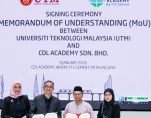
(from left to right): Datuk Aziyah Mohamed, Co-chairman of CDL Academy Sdn. Bhd., Dato’ Sr. Mohd Zaid Zakaria, Chairman of CDL Academy Sdn. Bhd., Prof. Dr. Mohd Shafry Bin Mohd Rahim, Vice-Chancellor of Universiti Teknologi Malaysia, and Associate Professor Ir. Dr. Noor Nabilah Sarbini, Director, Forensic Engineering Centre of Universiti Teknologi Malaysia during the Memorandum of Understanding signing ceremony between CDL Academy Sdn. Bhd. and Universiti Teknologi Malaysia.
The MoU was signed by UTM Vice Chancellor Prof. Dr. Mohd Shafry Mohd Rahim and CDL Academy Chairman Dato’ Sr. Mohd Zaid Zakaria. It formalises the ongoing partnership between the two organisations and aims to provide students with industry exposure and practical experience, preparing them for careers in the construction sector.
Under the agreement, UTM and CDL Academy will pursue initiatives including professional training programmes, student internships, academic exchanges, workshops, seminars, and innovation projects in green building materials, advanced construction technologies, and cost management solutions.
Universiti Teknologi Malaysia (UTM) is Malaysia’s premier university for engineering, science, and technology, committed to building partnerships that enrich research output and provide students with real-world learning opportunities. The collaboration with CDL Academy exemplifies UTM’s efforts to equip graduates with the skills and experience needed to contribute effectively to the nation’s development.
Since its inception in 2019, CDL Academy has delivered over 100 seminars and learning engagements, benefiting more than 10,000 participants across the construction and engineering ecosystem. The collaboration with UTM expands these efforts, supporting the development of industry-ready graduates and addressing emerging needs in sustainable construction and advanced building technologies.
The MoU will be in effect for three years, with opportunities for renewal. Coordinators from both parties will oversee programme development to ensure measurable outcomes for students, researchers, and the construction industry. Hashtag: #YTLCement, #CDLAcademy, #UTM, #ESG, #Sustainability, #Construction, #SustainableConstruction
The issuer is solely responsible for the content of this announcement.
CDL Academy Sdn Bhd
CDL Academy Sdn. Bhd. is the professional learning and development platform of the YTL Cement Group, established to support training and talent development within the construction industry. CDL Academy focuses on developing well-trained, industry-ready professionals through structured training and practical knowledge-sharing.
Beyond technical disciplines, CDL Academy serves as a hub for knowledge exchange, innovation and collaboration. It brings together practitioners, academics and universities, as well as industry leaders, industry associations and governing bodies through training programmes, seminars, workshops and strategic partnerships.
Through its commitment to quality education and best-practice sharing, CDL Academy aims to contribute to strengthening industry talent pipelines, supporting university–industry collaboration, and supporting the long-term advancement and sustainability of the construction ecosystem.
Universiti Teknologi Malaysia (UTM)
Universiti Teknologi Malaysia (UTM) is a premier public research university in Malaysia, specialising in engineering, science and technology. Located in Johor Bahru and with a campus in Kuala Lumpur, UTM is committed to producing globally competitive graduates and advancing cutting-edge research that addresses national and global challenges.
Apple has agreed to a multiyear partnership with Google that will see the Gemini artificial intelligence model integrated into Siri, marking one of the most significant shifts in Apple’s approach to core software in over a decade. The agreement, valued at about $1 billion a year, is aimed at delivering a substantially more capable version of Siri by 2026, as competition in generative AI intensifies across […]
HONG KONG SAR – Media OutReach Newswire – 13 January 2026 – Today, KGI has released its 2026 Global Market Outlook, covering markets in the US, Mainland China, Hong Kong, Taiwan, and Singapore.
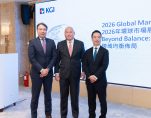
(From left) James Chu, Chairman at KGI Securities Investment Advisory; James Wey, Head of International Wealth Management at KGI; Cusson Leung, Chief Investment Officer at KGI
After a turbulent year of trade disruptions and policy uncertainty under President Trump, investors face new questions. China has unveiled its 15th Five-Year Plan, as policymakers aim to support domestic growth amid global challenges. The market outlook for 2026 is shaped by interest rate decisions, economic resilience, and shifting international dynamics.
Under this backdrop, we propose the “LEAD” strategy for 2026:
Liquidity Shift
Earnings Focused
Adding Credit
Diversified Assets
Cusson Leung, Chief Investment Officer at KGI, says: “Looking ahead to 2026, investors can adopt a LEAD strategy: L stands for Liquidity Shift, benefiting from a weakening US dollar and interest rate cuts, with funds expected to flow to non-US dollar and Asian currencies; E stands for Earnings Focused, focusing on earnings growth to support valuations and allocating to US, European, and Japanese stocks; A stands for Adding Credit, locking in the credit of leading companies and increasing holdings of A-rated investment grade bonds; and D stands for Diversified Assets, responding to the upward trend in both stocks and bonds by including alternative assets to optimize asset allocation.”
Macro & US Markets The US economy will experience a more pronounced downturn in 4Q25, which will extend into 1H26, and this will have a negative impact on consumption, slowing investment activity. Nevertheless, AI-driven productivity gains should provide some support, with US GDP growth in 2026 forecast at 2.2%. The eurozone will see moderate growth, with Germany benefiting significantly from fiscal expansion and economic improvement. Japan’s economy will strengthen on domestic demand, aided by additional fiscal stimulus. China has demonstrated resilience under trade protectionism in 2025. With inflation risks easing and labor market risks rising, the US Fed cut the interest rates in September 2025, with a total reduction of 75 bps in 2025, followed by an additional 50-75 bps in 2026.
Regarding US stocks, AI-driven productivity gains and cost reductions should sustain solid profitability, with S&P 500 earnings projected to grow by 13.55% year-on-year (YoY) in 2026. However, higher risk premiums may cap valuation upside, leading us to project a year-end target of 7,650 points. Market performance will reflect risk-driven declines in 1Q26, stabilize and recover in 2Q26, and rally significantly around the midterm elections in 4Q26. By sector, among AI-related themes we favor technology, semiconductors, utilities (on higher power demand), machinery for advanced manufacturing, and industrial REITs. Non-AI beneficiaries include aerospace and defense (on higher military spending), pharmaceuticals (on tariff benefits), and capital market segments (supported by active investment banking). As for fixed income, US economic weakness and Fed rate cuts will drive Treasury yields lower, with 10-year yields expected to fall to 3.5-3.7% by 2Q26. We recommend allocating to US Treasuries or high-rated investment-grade corporate bonds in 1H26, then rotating into high-yield bonds in 2H26 as policy rates and economic conditions reach a bottom.
James Chu, Chairman at KGI Securities Investment Advisory, says:“AI is triggering a new productivity revolution, supporting economic growth and strengthening corporate earnings. While the US economy is expected to slow, a recession remains unlikely, and the short-term impact of tariff policies should gradually fade by the first quarter of 2026. Although the Fed may shift from cutting rates at every meeting to cutting at alternating meetings, the overall environment remains a rate-cutting cycle. In a non-recession backdrop, lower interest rates should continue to support equity market performance.”
Mainland China and Hong Kong Markets In terms of the macroeconomy, with the conclusion of trade agreements among many countries, risks have subsided. However, due to external drag, China’s GDP growth is expected to slow slightly to 4.6% in 2026. In 2026, investors should focus on four key areas for Hong Kong and mainland China markets: (1) In the consumption sector, domestic demand continued to be the core growth driver, contributing more than half of GDP. As the “trade-in” effect diminishes, the central government is expected to implement the “15th Five-Year Plan” and economic conference plans, launching a new round of subsidies covering culture, entertainment, and sports to continuously boost consumer spending. (2) In the financial market, risk appetite has increased. Given the narrowing spread between bond yields and fixed deposit rates, large amounts of savings are flowing into the capital market seeking returns. The fundamentals of the banking and insurance industries have bottomed out, and the credit structure is accelerating its shift from real estate to supporting the real economy. (3) Regarding the issue of “anti-involution,” the PPI remains weak, and capacity reduction has become a focus. Compared to 2015, this round involves more downstream private enterprises and needs to consider employment, presenting greater challenges. While industry consolidation is expected to be lengthy, the impact is controllable and beneficial for long-term healthy development. (4) Regarding new quality productive forces, this will replace real estate and infrastructure as the main investment focus. Digital infrastructure supports AI and embodied intelligence, and humanoid robots are expected to see commercialization in 2026, “iPhone moment.” Leading companies with core technological autonomy in innovative drugs will enjoy higher valuation premiums.
Overall, we are optimistic on Hang Seng Index. We expect the Federal Reserve’s interest rate cuts to drive fund inflows to the Hong Kong and mainland stock markets. Based on an upward revision of the forward PE ratio to 13.5x and 8% earnings growth, we set a target of 30,000 points for the Hang Seng Index by the end of 2026, representing a potential upside of approximately 14%. As confidence recovers, the investment style is expected to shift from defensive to growth stocks. Recommended 12 stocks: XPeng Motors (9868), UBTECH (9880), Tencent Holdings (700), Alibaba (9988), China Hongqiao (1378), AIA Group (1299), Ping An Insurance (2318), China Merchants Bank (3968), Akeso Biopharma (9926), Pop Mart (9992), Tencent Music (1698), and Sino Land (83).
Cusson Leung, Chief Investment Officer at KGI, says: “2026 marks a crucial turning point for the Chinese economy. While the market anticipates GDP growth to slow to 4.6%, “new quality productive forces,” resembling humanoid robots, is taking over as a new growth engine. The most critical signal in the market is the “awakening” of idle cash—massive savings are flowing from low-interest fixed deposits to the capital market seeking returns. With risk appetite returning and policy support intensifying, now is the time to shift investment strategies from “defensive” to “growth.” Driven by both valuation repair and earnings growth, we are optimistic that the Hang Seng Index will reach 30,000 points, and the allocation value of Hong Kong and mainland China stocks has reappeared.”
Taiwan Market Compared to the dot-com era bull run, which lasted almost five years, the current AI frenzy has been around for about three years, suggesting that the uptrend is still in its middle phase and could extend through 2026.
AI plays are trading at high PEs, such valuations are backed by strong fundamentals. In fact, the PEG ratio of Taiwan’s AI supply chain has yet to surpass 1x. We estimate that aggregate earnings of AI plays will grow by 21% YoY in 2026, following impressive upticks of 35% in 2024 and 43% in 2025. AI stocks now account for more than 60% of TAIEX earnings, and with the ongoing AI arms race, overall TAIEX earnings growth is projected to accelerate from 14% in 2025F to 20% in 2026.
Although the AI frenzy should keep the bull market intact, volatility will rise in tandem due to: (1) substantial cumulative gains, and the fact that valuations are approaching historic highs; (2) policy and political uncertainty surrounding the US midterm elections; and (3) potential changes in the US Fed’s rate-cut pace. We expect the TAIEX to repeat a “smile-curve” pattern, featuring continued strength in 1Q26, followed by healthy corrections in 2Q-3Q26 before closing the year with a renewed upswing.
We think investors need to pay attention to two major themes. The first is a broad-based product spec upgrade trend across the AI supply chain, which will drive the industry into a new growth phase, with beneficiaries including foundries, GPU and ASIC designers, advanced packaging (such as CoWoS), and ODMs, as well as testing interfaces, memory, thermal solutions, CCL, ABF substrates, PCBs, switches, and power component suppliers amid strong AI computing demand and ongoing GPU platform upgrades. The second is diversification and defensive asset allocation. Innovations in consumer electronics, such as foldable iPhones and smart wearables, will provide growth opportunities, while companies with resilient domestic demand and stable high dividend yields offer a balanced strategy combining growth and income. Overall, investors should strike a balance between growth and resilience against volatility in their portfolios, in the face of market fluctuations.
James Chu, Chairman at KGI Securities Investment Advisory, says:“The solid earnings growth driven by AI and still reasonable valuations form a strong foundation for the ongoing bull market in Taiwanese equities. With AI adoption accelerating across enterprises and consumers, demand for computing power is rising rapidly. Yet supply remains constrained by chip and power bottlenecks, meaning hardware suppliers are likely to face continued shortages through 2026. Taiwan’s AI supply chain is set to remain a key beneficiary, particularly those tied to next-generation specification upgrades.”
Singapore Market In 9M25, the overall performance of Singapore’s economy was better than expected as the global trade tensions eased after the US pivoted on its reciprocal tariffs and reached deals with its major trading partners. The manufacturing, wholesale trade and finance & insurance sectors remained the growth pillars of the Singapore economy, and each sector delivered decent growth. In particular, manufacturing’s growth has been robust, driven by the electronics, transport engineering and biomedical manufacturing clusters. The full year outlook is upbeat, as the growth momentum shall continue till the end of the year.
Looking ahead, the global economic outlook for 2026 suggests slower GDP growth for most of Singapore’s key trading partners, including China and the Eurozone, largely due to the impact of US tariffs, which will temper demand for Southeast Asian exports, though US growth is expected to remain resilient from AI investment. Consequently, Singapore’s outward-oriented sectors, particularly manufacturing and trade-related services, are projected to expand at a slower pace than in 2025, although the electronics and related sectors will benefit from AI demand, while some precision engineering and biomedical output may moderate domestically, the construction sector is set to grow, but consumer-facing sectors are likely to remain subdued. However, the relatively low interest rates and continuous government support shall buffer the impact of the slowdown, and the capital market will still benefit from the upward re-rating catalysts.
Chen Guangzhi, Head of Research at KGI Singapore, says: “Thanks to trade de-escalation and the AI wave, Singapore experienced significant economic expansion in 2025. Proactive government initiatives turbo-charged the equity bull run, and this strong momentum is expected to deliver an optimistic economic outlook for 2026.” Hashtag: #KGI #MarketOutlook
The issuer is solely responsible for the content of this announcement.
KGI
KGI* has been a leading financial institution in Asia since 1997. Our scope of business encompasses wealth management, brokerage, fixed income, and asset management. We are committed to offering a comprehensive range of financial products and services to corporate, institutional, and individual clients throughout Asia. Backed by KGI Financial Group, we have a robust footprint in Asia, covering Taiwan, Hong Kong, Singapore, Indonesia, and Thailand^.
*KGI refers to KGI Asia Limited and its affiliates. ^an investee enterprise of KGI Securities, not a subsidiary.
DISCLAIMER
All the information contained in this document is not intended for use by persons or entities located in or residing in jurisdictions which restrict the distribution of this document by KGI Asia Limited (“KGI”), or any other affiliates of KGI. Such information shall not constitute investment advice, or an offer to sell, or an invitation, solicitation or recommendation to subscribe for or invest in any securities, insurance or other investment products or services nor a distribution of information for any such purpose in any jurisdiction. In particular, the information herein is not for distribution and does not constitute an offer to sell or the solicitation of any offer to buy any securities in the United States of America, or to or for the benefit of United States persons (being residents of the United States of America or partnerships or corporations organised under the laws of the United States of America or any state, territory or possession thereof). All the information contained in this document is for general information and reference purpose only without taking into account of any particular investor’s objectives, financial situation or needs and may not be redistributed, reproduced or published (in whole or in part) by any means or for any purpose without the prior written consent of KGI. Such information is not intended to provide any legal, financial, tax or other professional advice and should not be relied upon in that regard.
All investments involve risks. The prices of securities fluctuate, sometimes dramatically. The price of a security may move up or down, and may become valueless. It is as likely that losses will be incurred rather than profit made as a result of buying and selling securities.
Bond investment is NOT equivalent to a time deposit. It is NOT protected under the Hong Kong Deposit Protection Scheme. Bondholders are exposed to a variety of risks, including but not limited to: (i) Credit risk – The issuer is responsible for payment of interest and repayment of principal of bonds. If the issuer defaults, the holder of bonds may not be able to receive interest and get back the principal. It should also be noted that credit ratings assigned by credit rating agencies do not guarantee the creditworthiness of the issuer; (ii) Liquidity risk – some bonds may not have active secondary markets and it would be difficult or impossible for investors to sell the bond before its maturity; (iii) Interest rate risk – When the interest rate rises, the price of a fixed rate bond will normally drop, and vice versa. If you want to sell your bond before it matures, you may get less than your purchase price. Do not invest in bond unless you fully understand and are willing to assume the risks associated with it. Please seek independent advice if you are unsure.
You are advised to exercise caution and undertake your own independent review, and you should seek independent professional advice before making any investment decision. You should carefully consider whether investment is suitable in light of your own risk tolerance, financial situation, investment experience, investment objectives, investment horizon and investment knowledge.
No representation or warranty is given, whether express or implied, on the accuracy, adequacy or completeness of information provided herein. In all cases, anyone proposing to rely on or use the information contained herein should independently verify and check the accuracy, completeness, reliability and suitability of the information. Simulations, past and projected performance may not necessarily be indicative of future results.
Information including the figures stated herein may not necessarily have been independently verified, and such information should not be relied upon in making investment decisions. None of KGI, its affiliates or their respective directors, officers, employees and representatives will be liable for any loss or damage of any kind (whether direct, indirect or consequential losses or other economic loss of any kind) suffered or incurred by any person or entity due to any omission, error, inaccuracy, incompleteness or otherwise, or any reliance on such information. Furthermore, none of KGI, its affiliates or their respective directors, officers, employees and representatives shall be liable for the content of information provided by or quoted from third parties.
Members of the KGI group and their affiliates may provide services to any companies and affiliates of such companies mentioned herein. Members of the KGI group, their affiliates and their directors, officers, employees and representatives may from time to time have a position in any securities mentioned herein.
President Donald Trump said on Monday that any country conducting business with Iran would face a 25% tariff on trade with the United States, signalling a sharp escalation in Washington’s economic pressure as the White House weighs its response to unrest inside Iran marked by widespread anti-government protests. The warning was delivered via a post on Truth Social, where Trump said the measure would take effect immediately […]
NAIROBI, KENYA – Media OutReach Newswire – 13 January 2026 – Swiss-Belhotel International, has signed a management agreement for The Gama by Swiss-Belhotel, Kilimani, Nairobi, with Albushra Real Estate Limited, marking the global debut of its newest brand concept and underscoring the group’s strategic expansion across Africa. The latest signing builds on the group’s established presence in East Africa, where Swiss-Belhotel International operates multiple properties.
Mr. Laurent A. Voivenel, Senior Vice President – Operations & Development, EMEA and India, Swiss-Belhotel International and Dr. Sheikh Mohamed Shakul, CEO of Albushra Real Estate Limited
Scheduled to open within the next 12 months, The Gama by Swiss-Belhotel, is strategically located in Kilimani, one of Nairobi’s most dynamic and sought-after districts. It features 155 well-appointed guest rooms, complemented by an extensive range of lifestyle and business facilities, including two food and beverage outlets, a fully equipped gym, a rooftop swimming pool, a dedicated ladies’ sauna, and expansive ballroom and meeting facilities.
Dr. Sheikh Mohamed Shakul, CEO of Albushra Real Estate Limited, said: “The Gama by Swiss-Belhotel represents a bold and future-focused development for Nairobi. Our vision was to create a modern hospitality and lifestyle destination that reflects the energy of the city while meeting the evolving expectations of today’s traveller. Partnering with Swiss-Belhotel International, with its global expertise and strong operational standards, ensures that this project will set a new benchmark in the market.”
Mr. Gavin M. Faull, Chairman and President of Swiss-Belhotel International, added: “The launch of The Gama by Swiss-Belhotel marks a significant milestone for our group as we introduce a new brand to our global portfolio. Africa continues to be a key focus market for Swiss-Belhotel International, and Nairobi, in particular, offers tremendous potential. This signing reflects our confidence in the city’s long-term growth and our commitment to delivering brands that are relevant, contemporary, and market-driven.”
Highlighting the strategic importance of the project, Mr. Laurent A. Voivenel, SVP – Operations & Development, EMEA and India, Swiss-Belhotel International, stated: “The Gama by Swiss-Belhotel has been carefully conceptualised to resonate with the next generation of travellers – those seeking authenticity, smart design, and social connectivity without compromising on comfort or service quality. This signing not only strengthens our footprint in Kenya but also underscores our broader expansion strategy across Africa and emerging markets.”
Germany’s opposition leader Friedrich Merz has suggested that a long-stalled trade agreement between the European Union and India could be clinched by the end of January, injecting momentum into negotiations that Brussels and New Delhi have struggled to close for more than a decade as global supply chains remain under strain from geopolitical frictions.
Speaking at a policy forum, Friedrich Merz said the bloc and India were “closer than many assume” to resolving key differences, adding that the economic case for a deal had sharpened after prolonged disruptions linked to strategic competition between major powers. His comments come as European manufacturers continue to grapple with uneven access to critical inputs following China’s tightening of export controls on minerals vital for electric vehicles, electronics and defence applications.
Negotiations for an EU–India free trade agreement were relaunched in 2022 after an eight-year hiatus, with both sides aiming to expand trade that exceeded €120 billion in goods and services last year. Officials involved in the talks say progress has been made on tariff reductions and rules governing digital trade, though sensitive areas such as agriculture, labour standards and intellectual property remain contentious. Merz’s remarks underscore a growing sense in Berlin and other capitals that the agreement has moved from a strategic aspiration to an economic necessity.
Germany, Europe’s largest economy, has been among the strongest advocates of diversifying trade ties beyond China, particularly after export controls imposed by Beijing on gallium, germanium and graphite created months of bottlenecks for automotive and renewable energy firms. Those controls, introduced amid the broader U. S.–China trade dispute, highlighted vulnerabilities in Europe’s dependence on a narrow set of suppliers for critical raw materials.
Executives in the auto sector say shortages of battery-grade materials last year forced production adjustments and delayed investment decisions. While some supply has since stabilised, industry groups argue that long-term resilience requires deeper partnerships with alternative producers and manufacturing hubs. India, with its expanding industrial base and policy push to attract foreign investment, has emerged as a central pillar of that strategy.
European officials note that the proposed agreement would not only cut tariffs—currently as high as 60 per cent on some vehicles entering India—but also establish clearer rules for public procurement and data flows. For India, the deal promises greater access to the European market for pharmaceuticals, textiles and IT services, while also encouraging technology transfer and skills development.
Trade analysts caution that closing the pact by late January would require political compromises on both sides. European negotiators have pressed for stronger environmental and labour commitments, while Indian counterparts have sought flexibility to protect small farmers and domestic manufacturers. Still, the geopolitical context is shifting calculations. The European Union has accelerated its “open strategic autonomy” agenda, seeking to balance openness with security of supply, and India has signalled willingness to align more closely with Western economies without abandoning its strategic independence.
Merz’s intervention also reflects domestic pressures within Germany, where exporters are seeking new growth markets as demand in China cools. German industry groups have repeatedly urged policymakers to prioritise agreements with fast-growing economies, arguing that delays risk ceding ground to competitors from East Asia and North America.
The broader backdrop includes intensifying scrutiny of China’s role in global supply chains. Beijing has defended its export controls as legitimate measures to safeguard national security and manage resources, but the ripple effects have reinforced calls in Europe for diversification. The European Commission has already launched initiatives to secure access to lithium, cobalt and rare earths through partnerships in Africa, Latin America and Asia, with India seen as both a market and a manufacturing partner.
Diplomats familiar with the EU–India talks say technical chapters are largely drafted, leaving political decisions to bridge remaining gaps. Any agreement would still need approval from member states and the European Parliament, a process that could extend beyond the negotiating deadline even if a political deal is struck.
By Nantoo Banerjee The theatres of state-sponsored piracy are expanding, from the traditional Red Sea, Gulf of Oman, Somali Basin to the Black Sea and now the Atlantic. The recent US seizure of Russian-flagged oil tanker, Marinera, originally known as the Bella-1, after pursuing the vessel for weeks across the Atlantic, may be considered as […]
Greenlogue/AP Abu Dhabi Future Energy Company PJSC – Masdar has signed a long-term power purchase agreement for a 150-megawatt solar photovoltaic project in Angola, marking its first contracted power deal in the country and extending the company’s African portfolio at a time when regional governments are accelerating grid expansion and energy diversification. The agreement covers the Quipungo Solar PV project, located in Angola’s southern region, and was […]
Instagram moved to contain concerns over account security after confirming it had corrected a password reset flaw that cybersecurity firm Malwarebytes described as a breach, signalling a swift response as scrutiny of social media safety intensifies. The platform, owned by Meta Platforms, said the issue affecting its password recovery process had been fixed after being flagged by researchers at Malwarebytes, who warned that the vulnerability could have […]
Arabian Post Staff -Dubai Saudi Basic Industries Corporation has agreed to divest its European petrochemicals arm and its engineering thermoplastics operations across the Americas and Europe, marking a significant portfolio shift by the chemical producer as it sharpens its focus on core businesses. The company said it has signed a definitive agreement with Germany’s AEQUITA SE & Co. KGaA to sell 100 per cent of its shares […]
Arabian Post Staff -Dubai Saudi-based developer Dar Global has confirmed plans to launch two Trump-branded luxury developments in Riyadh and Jeddah with a combined value of about $10 billion, marking one of the most ambitious foreign-branded property ventures tied to the kingdom’s urban transformation drive. Chief executive Ziad El Chaar said the projects will anchor premium hospitality, residential and leisure offerings in locations central to Saudi Arabia’s […]
Government authorities are moving to compel smartphone manufacturers to submit portions of their operating system source code for mandatory security audits, escalating a standoff with global technology companies that warn such a requirement could undermine intellectual property protections and user privacy. The proposal, under discussion within policy circles in New Delhi, reflects mounting concern about cyber intrusions, supply-chain vulnerabilities and the growing role of mobile devices in payments, governance and national security.
Officials familiar with the matter say the plan would require vendors selling smartphones in the country to make critical software components available for inspection by government-approved laboratories. The focus would be on core operating system layers, firmware and security modules rather than consumer-facing applications. Proponents argue that access to code is essential to verify whether hidden vulnerabilities, backdoors or insecure update mechanisms could be exploited by hostile actors.
The push has brought the government into direct tension with companies such as Apple and Samsung, whose devices dominate the premium and mass-market segments. Executives and industry representatives have privately conveyed resistance, arguing that exposing proprietary code, even to auditors bound by confidentiality, creates unacceptable risks of leaks and reverse engineering. They also contend that global platforms already undergo extensive third-party security testing and comply with international standards.
At the heart of the debate is whether national security imperatives justify a departure from prevailing global norms. Countries including China and Russia operate regimes that allow state scrutiny of technology products, though often under opaque processes that foreign firms say are difficult to reconcile with commercial safeguards. Western regulators have largely relied on certification frameworks, vulnerability disclosure programmes and cooperation with vendors rather than direct access to source code. India’s approach, if formalised, would place it closer to the former camp, potentially setting a precedent for other large emerging markets.
Government officials counter that smartphones have become gateways to sensitive data far beyond personal communications. Devices are routinely used for digital identity verification, financial transactions and access to public services. Any systemic weakness could have cascading effects. They also point to a rise in sophisticated cyber operations attributed by security researchers to state-linked groups, arguing that reliance on vendor assurances is no longer sufficient.
The proposal is understood to be steered by the Ministry of Electronics and Information Technology, which has expanded its remit in cybersecurity and digital governance. Policy discussions have examined models ranging from escrow-based code access, where source material is held by a trusted intermediary, to controlled on-site inspections without code being copied. Each option presents trade-offs between assurance and exposure.
Industry bodies warn that mandatory disclosure could chill investment and complicate product launches. Smartphone operating systems are developed on global codebases, updated frequently and protected by layers of licensing agreements with component suppliers. Altering that structure for a single market risks fragmenting development and delaying security patches. There are also concerns about reciprocity: once one jurisdiction demands code access, others may follow, multiplying compliance burdens.
Privacy advocates occupy an ambivalent position. Some support deeper scrutiny to ensure devices do not surreptitiously collect or transmit data. Others caution that state access to low-level software could itself become a vector for abuse if oversight is weak. They stress the need for transparent audit criteria, independent supervision and clear limits on how findings are used.
The commercial stakes are significant. India is one of the world’s largest smartphone markets by volume and a critical manufacturing hub under production-linked incentive schemes. Companies have invested heavily in assembly plants and local supply chains, betting on policy stability. A protracted dispute over code access could influence decisions on future capacity and research investment, even if an outright exit is unlikely.
Agreement reaffirms Media OutReach Newswire’s role as the leading newswire for Asia Pacific
HONG KONG SAR – Media OutReach Newswire – 12 January 2026 – Asia News Network (ANN) and Media OutReach Newswire have entered a partnership for corporate news releases. The landmark agreement means that Media OutReach Newswire, as the only newswire, provides guaranteed online news postings on the ANN news website.
ANN was formed in 1999 to promote coverage of news from Asia through Asian journalists, bringing Asia closer. This aligns well with Media OutReach Newswire’s goal of bringing the stories of Asian organisations to journalists and audiences across Asia Pacific and globally.
As Asia’s leading news media alliance, ANN consists of 20 leading media titles from Southeast Asia, East Asia and South Asia. The full list of ANN member media can be found in the table below.
ANN Member Media
Country
The Daily Star
Bangladesh
Kuensel
Bhutan
Borneo Bulletin
Brunei
The Phnom Penh Post
Cambodia
China Daily
China
The Japan News
Japan
The Statesman
India
The Jakarta Post
Indonesia
MYSinchew
Malaysia
Vientiane Times
Laos
The Star
Malaysia
gogo Mongolia
Mongolia
ELEVEN Media Group
Myanmar
The Kathmandu Post
Nepal
DAWN
Pakistan
INQUIRER.net
Philippines
The Straits Times
Singapore
The Korea Herald
South Korea
The Nation
Thailand
Việt Nam News
Vietnam
The landmark corporate press release partnership means that Media OutReach Newswire significantly enhances the reach and impact of clients’ communications across Asia, making their press releases reach even wider audiences in countries across the region and the globe. It is also testament to the uniquely high level of trust that exists between Media OutReach Newswire and the media. Each of the 20 member media gave Media OutReach their vote of confidence, and each of the media is the leading publication in their respective home country.
Jennifer Kok, Founder & CEO of Media OutReach Newswire, said: “We are very pleased, proud and honoured to have entered this partnership with ANN. Not only is it Asia’s leading news media alliance, but the group’s members are also the leading newspapers of their countries, publications with the highest of reputations. The partnership enables us to significantly increase the reach and impact of our clients, across Asia and the globe, further cementing Media OutReach Newswire as the leading newswire for Asia Pacific.”
Jennifer continued, “The partnership also means that we’re the only newswire that provides guaranteed online news posting on ANN, strengthening our clients’ online visibility – both in terms of SEO and GEO for AI search – leading to higher rankings and citations in AI generated answers.” She concluded, “Furthermore, ANN and Media OutReach share the same ethos and goal, which is to promote the coverage of Asian affairs, bringing the stories of Asian organisations to audiences across Asia and the globe, so the partnership is a perfect fit.”
Media OutReach Newswire is the only newswire that provides guaranteed online news posting exclusively and 100% on real, authentic news media. The guaranteed posting of press releases on authoritative online news media sites such as ANN, with its high credibility and trust, along with hundreds of thousands monthly visitors, provides a powerful tool to boost brand visibility – both GEO for AI Search and SEO for search engines – and it leads to brand citations in the AI generated answers from the leading LLMs.
The landmark partnership with Asia News Network further cements Media OutReach Newswire as the leading global newswire for Asia Pacific. Media OutReach Newswire offers clients the widest press release distribution network in Asia Pacific – along with guaranteed visibility on real news media across Asia Pacific, the wider Asia region and the globe.
Media OutReach Newswire’s total communications solutions help PR professionals achieve success, with targeted distribution, direct journalist access, guaranteed visibility on real news media, ready-to-use reporting, and C-suite ready PR campaign intelligence showing ROI.
Hashtag: #MediaOutReachNewswire #pressrelease
The issuer is solely responsible for the content of this announcement.
About Media OutReach Newswire
Media OutReach Newswire is Asia Pacific’s first global newswire, serving as a trusted partner to the media, and PR professionals at corporations, agencies and governments across the region and the globe.
Founded in 2009 as a champion of the PR industry, Media OutReach Newswire leverages next-generation technology to redefine press release distribution and reporting, with data insights and PR campaign intelligence, providing total communications solutions for PR professionals.
With a global network of 200,000 journalists and editors, 70,000+ media titles, 1,500 media partners, and more than 40 languages, Media OutReach Newswire is the only newswire with guaranteed verbatim postings exclusively on real news sites. Press releases on authentic media are trusted by search engines and AI models, powering both SEO and AI search GEO, surfacing brands for LLM citations.
Headquartered in Hong Kong, with offices across China, Singapore, Japan, Malaysia, Thailand, Vietnam, and Taiwan, the global press release distribution network spans Asia Pacific and Southeast Asia, the US, Canada, South and Latin America, Europe, the Middle East, and Africa.
For more information about our services, solutions and network, please visit www.media-outreach.com
Meta has secured access to as much as 6.6 gigawatts of nuclear power through a cluster of agreements with established utilities and advanced reactor developers, underscoring how the energy demands of artificial intelligence are rewriting the investment playbook for Big Tech and the power sector alike. The arrangements, involving power supply and development pathways with Vistra, Constellation, TerraPower and Oklo, aim to underpin Meta’s expanding network of […]
Boltz has raised $28 million in fresh funding while entering a strategic partnership with Pfizer that underscores the accelerating push by major drugmakers to embed artificial intelligence deeper into biomolecular research. The deal combines Pfizer’s extensive scientific datasets and therapeutic development expertise with Boltz’s open-source foundation models designed to analyse and generate biological data, aiming to shorten discovery timelines and improve the odds of clinical success. The […]
Riyadh is moving to sideline Abu Dhabi’s influence in Yemen as strains deepen between the two Gulf neighbours, according to people familiar with the matter, marking a sharper turn in a rivalry that has simmered alongside years of cooperation. The push centres on bringing armed factions backed by the Emirates under Saudi control while reshaping the balance of power along vital shipping lanes stretching from the Red […]
Greenlogue/AP Dhafrah PV2 Energy Company, the Abu Dhabi-based owner of the Al Dhafrah PV2 solar photovoltaic plant, has priced an $870.75 million green bond with a final spread of 100 basis points over US Treasuries, tightening decisively from initial price thoughts in the T+130 bps area as demand built through the bookbuild. The Regulation S benchmark-sized, amortising Eurobond carries a coupon of 5.794%, re-offered at par, and […]
Cocos, the long-running developer of cross-platform game technology, has moved its Cocos 4 game engine from a proprietary model to full open source, a step that reshapes its relationship with developers and signals a strategic shift in the competitive middleware market. The company confirmed that the entire Cocos 4 engine codebase is now available under an open-source licence, allowing studios and independent developers to inspect, modify and […]
Greenlogue/AP Dubai-based Alcazar is edging closer to acquiring Egypt’s Gabel El-Zeit wind farm after submitting the highest bid among contenders, according to people familiar with the negotiations. Discussions are under way with the country’s sovereign wealth fund and the Ministry of Electricity and Renewable Energy on a transaction valued at about $350 million, with officials indicating that talks could be wrapped up before the end of the […]
By K Raveendran The sharp criticism mounted by Opposition leaders against the Supreme Court’s refusal to grant bail to Umar Khalid and Sharjeel Imam in the 2020 Delhi riots conspiracy case has been foregrounded as a defence of constitutional liberty. Yet, when examined closely, the argument appears driven more by political optics than by a […]
A landmark agreement between Caracas and Washington will see up to $2 billion worth of Venezuelan crude oil exported to the United States under terms announced by President Donald Trump, marking a major shift in energy geopolitics and offering a potential reprieve to Venezuela’s embattled oil sector. The arrangement, underscored by negotiations that could divert barrels previously bound for China, elevates the United States into a key […]
Tackle rising business costs and trade barriers with a unified digital platform for Free Trade Agreements as well as build stronger economic partnerships.
Bridge AI adoption gaps by co-funding shared data pools and introducing a regional “Trusted AI” mark to drive innovation and governance.
Future-proof the workforce with targeted work visas for global experts, job transformation roadmaps, and advanced leadership programmes.
SINGAPORE – Media OutReach Newswire – 7 January 2026 – KPMG in Singapore and the Singapore Institute of Directors (SID) are pleased to announce the release of a joint Budget 2026 Proposal, titled “Prospering in a New Global Landscape”.
From Left to Right: Yong Jiahao, Partner, Infrastructure, Government & Healthcare (IGH) & Industrial Manufacturing, Tax, KPMG; Ajay Kumar Sanganeria, Partner and Head of Tax, KPMG; Lee Sze Yeng, Managing Partner, KPMG; Max Loh Khum Whai, Vice-Chair, Singapore Institute of Directors; Edwin Lee, Deputy CEO, Singapore Institute of Directors
By fostering resilient economic linkages, embedding digital trust, and cultivating world-class talent and leadership with cross-domain expertise, Singapore can ensure its businesses and economy remain secure, innovative, and competitive in an uncertain global landscape.
This Proposal outlines strategies to position Singapore as a critical hub for global flows, covering three crucial areas:
A new global order: Resilience as a pivotal growth strategy
The Intelligent Age: Smart solutions for an innovative era
The recommendations in the proposal are also supported by data-driven insights from a survey recently conducted by KPMG and SID. More than 1,000 professionals, managers, executives and technicians (PMETs) and business owners were surveyed on the challenges they face and the kinds of Budget 2026 support they hoped to see. [For more information, please refer to the deck with the full survey results: https://kpmg.com/sg/en/campaigns/kpmg-singapore-budget.html ]
Empowering businesses to leverage Singapore’s trusted role as a global connector
Global commerce is rapidly transforming amid rising protectionism, shifting trade rules, evolving tax regimes, and geopolitical tensions. Singapore’s long-term prosperity in the new global order depends on its ability to lead as a trusted connector and aggregator of the flows of goods, capital, data, and talent.
Singapore must strengthen its economic linkages, build secure and interoperable digital platforms, cultivate a workforce equipped with cross-domain expertise, and equip boards with essential skills to navigate emerging risks and opportunities. Trusted and resilient economic linkages will ensure the seamless movement of goods, services, and investments, while interoperable digital platforms will play a critical facilitation role in enabling cross-verification of information, streamlining compliance, and fostering trust across borders. These efforts are especially important in helping businesses cope with shifting regulations. KPMG and SID’s survey found that 51 percent of respondents identified increased business costs as the main challenge to cross-border expansion, followed by higher tariffs (26 percent) and supply chain difficulties (25 percent). To address these challenges, 43 percent of respondents want stronger economic and trade partnerships to overcome trade barriers.
KPMG and SID recommend:
a) Developing a unified digital platform for Free Trade Agreement (FTA) management (page 7) to help businesses navigate complex procedures and unlock the full benefits of FTAs. This would be seamlessly integrated with government systems, making it more seamless and cost-effective for businesses to comply with FTA requirements. This would enable firms to leverage Singapore’s extensive FTA network to gain footholds in new markets, further enhancing Singapore’s regional and global competitiveness.
b) Increasing access to working capital to accelerate local enterprises’ strategic transformation and implementing industry-specific governance frameworks (page 7). With geopolitical shifts driving a more complex regulatory landscape, increased and dedicated funding would enable businesses to transform for the future while responding effectively to evolving governance standards. Such funding should be complemented by industry-specific governance playbooks to equip boards with essential tools to strengthen agility and resilience.
c) Enhancing Singapore’s government-backed trade platform with blockchain and AI (page 6). The global economy has seen an increase in supply chain disruptions amid geopolitical and trade uncertainties. An enhanced Government-backed trade platform would enable Singapore to further facilitate the flow of trusted payments, making it even easier for businesses to validate transactions and act on smart recommendations to elevate supply chain efficiency. Amid a more fragmented world, the enhanced platform would also reinforce Singapore’s position as a reliable hub for global commerce, by promoting increased supply chain transparency for critical industries like semiconductors, pharmaceuticals, and advanced manufacturing.
d) Introducing progressive carbon taxes to reward decarbonisation and establish performance-based pathways for large emitters (page 9). Singapore’s carbon taxes must evolve to consider unique business needs and companies’ decarbonisation plans. Progressive carbon tax rates post-2030 – based on facility emissions volume, emissions per unit of output, and sectoral abatement potential – could be accompanied by permanent conditional tax rebates for energy-intensive, trade-exposed sectors. These rebates could be based on set criteria such as verified year-on-year reductions in carbon intensity and investments in low-carbon technology. To strengthen these efforts, Singapore could also establish an ASEAN Environmental Data Exchange to facilitate the sharing of standardised and interoperable environmental data between Singapore and its regional trade partners (page 8). The exchange would improve the flows of green trade and green capital, enabling Singapore to be a regional hub for environmental data harmonisation. Organisations like the Singapore Institute of Directors could play a catalytic role by building board-level capability, aligning disclosure expectations and promoting best practices through director education, guidance frameworks and peer learning on a regional scale, helping boards to lead initiatives like progressive carbon taxation.
Fostering an ecosystem of Trusted AI in the Agentic Era
The rise of artificial intelligence (AI) is reshaping global competitiveness, with agentic AI—capable of autonomous decision-making—introducing both transformative opportunities and significant challenges. While agentic AI can drive innovation, optimise operations, and unlock new efficiencies, it also raises critical concerns around accountability, ethical deployment, and governance.
A critical enabler of AI’s potential is data sharing, yet this often proves difficult due to competition, concerns over intellectual property, and a lack of trust between organisations. Businesses—particularly smaller enterprises—also face cost constraints in accessing high-quality data, and many also lack the strategic clarity and workforce competencies to identify where AI can augment their operations.
KPMG and SID’s poll found that 54 percent of respondents cited talent and skills gaps as the top challenge for adopting AI, followed by high costs of technology adoption (52 percent) and a lack of clear AI adoption strategies (48 percent). By addressing these concerns, Singapore will be able to fully leverage the vast potential of AI and data to reinforce its status as a hub across various sectors.
KPMG and SID recommend:
a) Co-funding sector-specific shared data pools in partnership with trade associations and industry stakeholders (page 15). These shared, anonymised data pools would enable businesses to access high-quality datasets without incurring prohibitive costs. Tailored to specific sectors such as logistics and retail, these pools would facilitate benchmarking, model training, and experimentation under a trusted framework that safeguards data privacy and protects intellectual property. Shared data initiatives should be paired with guided AI adoption support to help businesses understand how AI can enhance specific parts of their value chain. For example, targeted support could help logistics firms optimise supply chains or assist retailers in leveraging AI to personalise customer experiences. This dual approach would enable broader AI adoption and accelerate innovation across industries.
b) Enhancing the public-private partnership (PPP) framework to accelerate AI adoption (page 15). As firms navigate high costs and limited guidance around AI adoption, there is an opportunity for the Government to provide greater access to infrastructure to lower barriers for AI experimentation and deployment. The enhanced framework would create positive spillover effects from existing AI initiatives, as government agencies, academia and industry stakeholders collaborate to strategically integrate AI solutions into business strategies. The framework could also promote cross-sector collaboration in key industries, fostering a culture of open innovation in AI. To bolster digital trust, Singapore could also establish a regional “Trusted AI” mark to drive harmonisation and innovation (page 12). Although Singapore’s Model AI Governance Framework provides a strong foundation for responsible AI deployment, there is still a largely untapped opportunity for Singapore to champion an assurance label that shows firms have AI controls aligned with recognised AI governance standards. By pushing regionalrecognition of this mark, Singapore could accelerate cross-border innovation and trade. The mark would build on initiatives like AI Verify and Project Moonshot, which have helped to promote Trusted AI in Singapore.
c) Supporting hands-on AI governance training for board members and executives (page 13) through a dedicated fund. This would complement existing SkillsFuture programmes which focus primarily on AI awareness, by expanding the emphasis to address strategic and operational gaps at the leadership level – covering ethical deployment, change management and cross-domain applications.
Building globally relevant leaders with cross-domain skills
To fulfil its role as a hub for global flows, Singapore must enable its businesses to navigate a complex web of governance requirements, trade rules, tax policies, and tariffs. While compliance with governance standards will bring higher upfront costs, it also provides a foundation for businesses to lead in innovation and competitiveness. For instance, businesses that embrace sustainability compliance can innovate in areas like green finance, carbon accounting, and environmental data exchange.
Yet, none of this is possible without specialised talent and leadership. Singapore needs professionals and board leaders with expertise in areas such as supply chain management, AI governance, and sustainability strategy. These individuals must be able to connect the dots across domains, such as linking data governance with trade compliance or integrating sustainability goals into business operations. The need for enhanced talent development also emerged from KPMG and SID’s survey findings. Forty-nine percent of respondents want more skills development and upskilling courses. Meanwhile, 42 percent hope for more support for workforce transformation and job redesign, such as higher grants. In addition, 37 percent of respondents want more leadership and management development initiatives, especially in the areas of mentorship and coaching for emerging leaders and advanced leadership programmes.
KPMG and SID recommend:
a) Creating a dedicated work-pass category for “master trainers” and mentors (page 18). The work-pass would encourage international professionals to join local companies, public agencies and training institutions to lead structured upskilling or leadership development programmes. This would accelerate skills transfer, expose workers to global best practices, and build a robust pipeline of talent capable of driving strategic transformation and competitiveness in a rapidly evolving global landscape. Structured leadership development programmes could also include peer-sharing platforms (page 21) aimed at promoting transformation training among C-suite leaders. Backed by the public sector and industry stakeholders, such platforms could foster the exchange of best practices, promote collective learning on key sustainability capabilities and empower leaders to proactively redesign roles and workflows ahead of market shifts.
b) Setting up job transformation roadmaps with co-funded training and certification initiatives (page 19) tied closely to sector-specific needs. As rapid technological developments shape industry demand for skills, job transformation roadmaps would be beneficial in outlining sector-specific disruptions, challenges and opportunities. These roadmaps could be accompanied by industry-recognised certification, and programmes backed by both the public and private sectors. Tailored to sectoral needs, certifications could help to assess whether workers have acquired the necessary skills to perform in transformed roles, especially in fast-evolving sectors where traditional qualifications may no longer suffice.
c) Establishing a $100 million fund to advance social impact reporting (page 9). As Singapore pursues long-term resilience, it must also ensure that economic growth is sustainable and inclusive. The fund could be used to train professionals and board directors in the reporting of social metrics, support academic modules in social sustainability and certify social auditors and advisers. It could also be complemented by broader efforts to enhance environmental, social and governance (ESG) competencies among businesses’ top leadership. Singapore could establish a national registry of certified sustainability committee members (page 20) who can be matched to boards and committees across sectors. This would help to expand access to qualified board resources, especially for local enterprises.
Lee Sze Yeng, Managing Partner, KPMG in Singapore, said:
“Leadership today isn’t just about mastering AI or acquiring specialised skills—it’s about navigating the intersections of cross-border trade, technology, and sustainability. To remain competitive, leaders must move beyond the basics, using AI and data to drive real business outcomes while building governance frameworks that inspire trust. At the same time, they need the courage to take calculated risks and collaborate across ecosystems to unlock new opportunities. Initiatives like co-funding sector-specific shared data pools and guided AI adoption support are critical to overcoming barriers and equipping leaders with the tools to thrive. As disruptions grow increasingly cross-border and cross-domain, Singapore’s ability to cultivate leaders who can turn complexity into opportunity will define its success as a global flows hub.”
Ajay Kumar Sanganeria, Partner, Head of Tax, KPMG in Singapore, said:
“Singapore’s position as a global hub—connecting trade, data, and capital—offers businesses significant opportunities to grow and compete globally. Grants and platforms are vital enablers, but they must be part of a broader solution that simplifies complexities and empowers businesses to focus on innovation. Future-ready approaches, such as managing governance and compliance in a more consolidated or ‘as-a-service’ mode, can reduce burdens on enterprises. A unified digital platform for Free Trade Agreement (FTA) management, enhanced with blockchain and AI, could streamline compliance and unlock the full benefits of Singapore’s FTA network. Co-funded training programmes and shared governance frameworks can further help businesses pool resources and build capabilities. By combining grants, platforms, and smarter ways of working, Singapore strengthens its role as a trusted global connector and equips businesses to lead with confidence in an evolving world.”
Yeoh Oon Jin, Chair, Singapore Institute of Directors, said:
“Singapore’s future as a global hub for connectivity and commerce will be shaped by how boards of directors evolve to lead with resilience and trust. Budget 2026 is an opportunity to strengthen governance frameworks that embed sustainability, cyber trust and accountability into every organisation’s agenda. By empowering directors to champion innovation, sustainability and digital assurance, organisations can grow with confidence while reinforcing Singapore’s position as a secure and trusted connector for goods, capital, data and talent in an increasingly complex global landscape.” Hashtag: #KPMG #SID
The issuer is solely responsible for the content of this announcement.
About KPMG in Singapore
KPMG in Singapore is part of a global organization of independent professional services firms providing Audit, Tax and Advisory services. We operate in 142 countries and territories with more than 275,000 partners and employees working in member firms around the world. Each KPMG firm is a legally distinct and separate entity and describes itself as such. KPMG International Limited is a private English company limited by guarantee. KPMG International Limited and its related entities do not provide services to clients.
About SID
The Singapore Institute of Directors (SID) is Singapore’s national association for company directors. Established in 1998, our mission is to transform boards and empower board directors to be champions of good governance. SID works with regulators and partners to serve as the voice for directors and facilitates consultations and feedback sessions on regulatory matters. In advocating for good governance, SID advances thought leadership and benchmarking research and indices on corporate governance and directorship issues.
SID builds competencies and capabilities to enhance boardroom skills of directors for informed decision-making. An accreditation programme serves to set standards for and showcase best practices of good governance. The organisation supports members on their directorship journey with courses, workshops, advanced masterclasses, forum discussions and pit-stops. SID connects and strengthens the ecosystem with initiatives such as mentoring and networking. The Governance for Good Alliance is an initiative by SID to bring together key stakeholders who help advance our vision for every board director to be a champion of good governance.
RAKBANK has secured in-principle approval from the Central Bank of the UAE to issue an AED-backed payment token, marking one of the clearest signals yet that regulated stablecoins are moving from concept to execution within the federation’s banking system. The Ras Al Khaimah-based lender said the approval allows it to proceed with development and testing of a dirham-denominated digital token designed for payments and settlement, subject to […]




 https://ytlcement.my/cdl-academy
 https://www.linkedin.com/company/ytl-cement-group/


 https://www.facebook.com/KGI.HongKong?mibextid=JRoKGi&rdid=a4NoCGXY72nFghtQ&share_url=https%3A%2F%2Fwww.facebook.com%2Fshare%2F15kKKLreMr%2F%3Fmibextid%3DJRoKGi#

 https://www.instagram.com/kgi.hongkong?igsh=MTI5ems1ZzNlZ3YyMQ==










 By K Raveendran The sharp criticism mounted by Opposition leaders against the Supreme Court’s refusal to grant bail to Umar Khalid and Sharjeel Imam in the 2020 Delhi riots conspiracy case has been foregrounded as a defence of constitutional liberty. Yet, when examined closely, the argument appears driven more by political optics than by a […]