News related to
agreement

Ukrainian President Volodymyr Zelensky is poised to finalize a mineral rights agreement with the United States this week, granting the U.S. significant access to Ukraine’s vast mineral reserves. This development follows extensive negotiations and mounting pressure from the Trump administration, which has sought compensation for military aid provided during Ukraine’s ongoing conflict with Russia. The proposed deal stipulates that 50% of Ukraine’s revenue from natural resources—including critical […]

The Dubai Maritime Authority , operating under the Ports, Customs, and Free Zone Corporation, has announced a significant initiative to enhance telecommunications coverage across Dubai’s coastal regions. This project, unveiled during the Dubai International Boat Show 2025 at Dubai Harbour, aims to bolster network infrastructure in collaboration with three strategic partners.

Central to this initiative is the installation of four advanced telecommunications towers. These structures are slated for deployment in key maritime locations, including Dubai Islands, The World Islands, Palm Jebel Ali, and Dubai Waterfront. The enhanced network is expected to provide robust and reliable communication services, thereby improving safety and operational efficiency for maritime activities in these areas.

Sheikh Dr. Saeed bin Ahmed bin Khalifa Al Maktoum, CEO of the Dubai Maritime Authority, emphasized the project’s alignment with Dubai’s vision to become a global leader in maritime innovation. He stated that the enhanced telecommunications infrastructure will not only support existing maritime operations but also attract international stakeholders, fostering economic growth within the sector.

The Dubai International Boat Show 2025 served as a strategic platform for this announcement. The event, held from February 19 to 23 at Dubai Harbour, attracted over 30,000 visitors and featured more than 1,000 brands from over 60 countries. Highlights included the display of over 200 yachts and watercraft, underscoring Dubai’s status as a premier maritime hub.

In addition to the telecommunications project, the DMA signed an agreement with Octanta Maritime Academy during the exhibition. This partnership aims to enhance training and development within the maritime sector, ensuring that industry professionals are equipped with the latest skills and knowledge to navigate the evolving landscape.

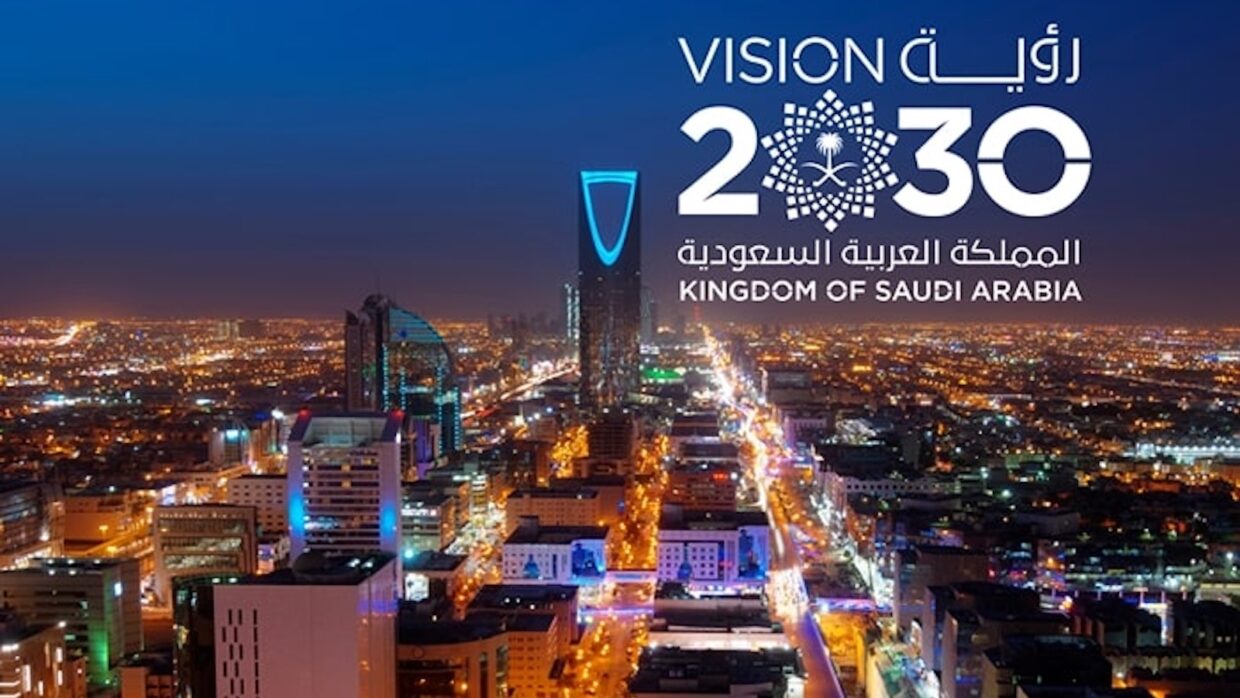
Saudi Arabia is rapidly transforming the Gulf Cooperation Council’s private equity landscape through strategic initiatives, regulatory reforms, and its unwavering commitment to Vision 2030. This ambitious blueprint is redefining the region’s investment environment, setting new standards for growth, diversification, and global collaboration.

Over the past five years, private equity investments in Saudi Arabia have experienced remarkable expansion. In 2023 alone, the Kingdom attracted nearly $4 billion in private equity, a significant increase from previous years. This surge is largely attributed to the nation’s stable economic climate, with inflation rates maintained at 2.1 percent in 2024 and a projected 2.3 percent in 2025, fostering a conducive environment for investors.

A pivotal element of this growth is Saudi Arabia’s strategic push to privatize key state-owned assets, including sectors such as airports, water, sports, and energy services. This move has unlocked investment opportunities exceeding $50 billion, actively inviting private sector participation across critical areas like infrastructure, healthcare, education, tourism, and entertainment. The Public Investment Fund , the Kingdom’s sovereign wealth fund, plays a central role in this transformation. Notably, PIF has entered into agreements with Japanese financial institutions, securing up to $51 billion to enhance capital flows through both debt and equity channels. Additionally, PIF plans to establish a $1 billion joint fund with the Hong Kong Monetary Authority, targeting investments in firms expanding into Saudi Arabia, particularly in manufacturing and renewable energy sectors.

The Kingdom’s dedication to Vision 2030 is further exemplified by the establishment of the Savvy Games Group in 2021. This initiative aims to position Saudi Arabia as a global gaming hub by 2030, with plans to invest $37.8 billion in the video game industry. The strategy includes acquiring leading game developers and publishers, fostering job creation, and contributing significantly to the national GDP. In line with this vision, Savvy Games Group acquired the American mobile game developer Scopely for $4.9 billion in 2023 and is reportedly in discussions to acquire the gaming division of Niantic for $3.5 billion.

Public-private partnerships are also instrumental in empowering Saudi businesses to expand globally. These collaborations offer domestic companies the opportunity to engage with international markets and learn from global best practices. Experts highlight that PPPs are pivotal in transforming Saudi Arabia’s economy, leading to increased foreign direct investment and sustainable economic growth. The government’s proactive approach in fostering these partnerships underscores its commitment to creating a vibrant environment for both local and international investors.

Abu Dhabi has solidified its economic partnership with China through a series of strategic agreements aimed at enhancing bilateral trade and investment. A delegation led by the Abu Dhabi Department of Economic Development visited China, culminating in several key collaborations designed to introduce Abu Dhabi’s investment opportunities to Chinese businesses and investors. One significant outcome of the visit was the Abu Dhabi Chamber of Commerce and Industry’s […]

Saudi Arabia has announced a significant investment of SR13.4 billion to expand the Qurayyah Independent Power Plant in the Eastern Province. This expansion aims to add 3.01 gigawatts of power generation capacity, addressing the Kingdom’s growing energy demands and supporting its economic development. The Saudi Power Procurement Company , the nation’s sole licensed electricity buyer, has signed a power purchase agreement with the Saudi Electricity Company and […]

Khalifa Economic Zones Abu Dhabi Group and ETG Bio Green Polymer have signed a 50-year land lease agreement to establish a cutting-edge compostable polymers factory in KEZAD Al Ma’mourah. This strategic partnership aims to produce 100% sustainable polymers, facilitating manufacturers’ shift towards eco-friendly, plastic-free packaging solutions. The forthcoming facility is poised to significantly enhance the region’s sustainable manufacturing capabilities. By producing compostable polymers, it will address the […]

Gulf Craft, a prominent yacht and boat manufacturer, has entered into a partnership with the Dubai Institute of Design and Innovation to advance innovation and nurture talent within the maritime industry. This collaboration, formalised during the Dubai International Boat Show on February 21, 2025, marks the third consecutive year the two institutions have joined forces. The agreement was signed at Gulf Craft’s stand on the second day […]

Advertisements

Milrem Robotics, EM&E Group, and Thales in Belgium have formalised a strategic partnership to enhance the United Arab Emirates’ defence capabilities. The collaboration aims to integrate advanced weapon systems into unmanned ground vehicles, addressing the nation’s evolving security needs. The Memorandum of Understanding , signed on 18 February 2025 in Abu Dhabi, outlines a framework for joint innovation and the integration of robotics capabilities. A primary objective […]

Saudi Arabia has rapidly become a pivotal player in the Gulf Cooperation Council’s private equity sector, driven by strategic reforms and its ambitious Vision 2030 agenda. Over the past five years, the Kingdom’s private equity investments have experienced remarkable growth, escalating from $523 million in 2019 to $4 billion in 2023, reflecting a compound annual growth rate of 66%. This surge underscores Saudi Arabia’s commitment to creating an investor-friendly environment that appeals to both domestic and international stakeholders.

A significant factor contributing to this expansion is the dominance of buyout transactions, which have consistently constituted approximately 80% of the total private equity capital deployed in the country. This trend indicates a robust market for mergers and acquisitions, aligning with the nation’s objectives to diversify its economy and reduce reliance on oil revenues. Additionally, growth equity investments are gaining momentum, supporting mid-sized companies poised for expansion and further stimulating economic diversification.

The Kingdom’s strategic initiatives, particularly the Shareek Program launched in 2021, play a crucial role in this transformation. Designed to bolster large Saudi enterprises, Shareek aims to accelerate private sector investments, fostering economic development and enhancing the global competitiveness of Saudi businesses. By facilitating partnerships between the public and private sectors, the program seeks to unlock new investment opportunities and drive sustainable growth.

Sector-wise, technology and infrastructure have emerged as focal points for private equity investments. The government’s emphasis on digital transformation and smart city projects has attracted substantial capital, leading to advancements in these areas. For instance, the development of NEOM, a futuristic city envisioned under Vision 2030, exemplifies the type of large-scale infrastructure projects drawing investor interest. Such initiatives not only modernize the nation’s landscape but also create a plethora of opportunities for private equity firms seeking to capitalize on the burgeoning demand for innovative solutions.

In tandem with these developments, Saudi Arabia’s Public Investment Fund has been instrumental in anchoring foreign investments within the Kingdom. By collaborating with international asset managers and financial institutions, PIF aims to attract $100 billion in annual foreign direct investments by 2030. Notable partnerships include a $2 billion Middle East infrastructure fund with Canadian asset manager Brookfield and agreements with Japanese financial entities, reflecting the Kingdom’s strategic approach to integrating global expertise and capital into its economic framework.

However, the rapid evolution of the private equity landscape is not without challenges. Proposed changes by the Accounting and Auditing Organization for Islamic Financial Institutions could introduce complexities in the Islamic debt market, potentially affecting transaction structures and investor appeal. The new rules mandate issuers of Islamic bonds to transfer legal ownership of underlying assets to investors, aiming for closer adherence to Islamic principles of risk-sharing. While intended to enhance compliance, these changes may increase transaction costs and deter investment if not managed adeptly.

Liquidity concerns persist, particularly in sectors with less mature market infrastructures. The developing nature of the private equity and venture capital ecosystems necessitates continuous efforts to deepen capital markets and enhance investor confidence. Initiatives to address these issues include the maturation of Saudi Arabia’s stock market, which is progressively offering more exit avenues for private equity investments, thereby improving liquidity and attracting further capital inflows.

The Kingdom’s proactive stance in privatizing state-owned assets across various sectors, such as energy, infrastructure, healthcare, education, tourism, and entertainment, has unlocked vast opportunities for both local and international investors. With investments now exceeding $50 billion, these privatization efforts signify a pivotal shift in Saudi Arabia’s economic landscape, promoting private sector involvement and fostering a more dynamic investment climate.

In the realm of sports and entertainment, Saudi Arabia has made significant strides, exemplified by its $1 billion investment in DAZN, a sports streaming service owned by billionaire Sir Leonard Blavatnik. This strategic move not only amplifies the Kingdom’s presence in the global sports industry but also aligns with its broader objectives to diversify the economy and enhance its international image. The collaboration aims to broadcast Saudi sports and events to over 200 markets, showcasing the nation’s commitment to expanding its cultural and entertainment footprint worldwide.

The Dubai Maritime Authority , under the Ports, Customs, and Free Zone Corporation, has unveiled a strategic initiative to bolster telecommunications coverage across the emirate’s waters. This project involves the installation of four advanced telecommunications towers, aiming to provide comprehensive network coverage in key maritime zones, including Dubai Islands, The World Islands, Palm Jebel Ali, and Dubai Waterfront.

Sheikh Dr. Saeed bin Ahmed bin Khalifa Al Maktoum, CEO of the DMA, emphasized that this initiative aligns with Dubai’s vision to establish itself as a premier global maritime hub. “Our participation in this project reflects our commitment to enhancing Dubai’s position as a leading center for maritime navigation, luxury yachts, and recreational marine activities,” he stated.

The announcement was made during the Dubai International Boat Show, where the DMA showcased the “Dubai Waterways Telecom Network Coverage” project. This initiative is set to enhance the telecommunications infrastructure, ensuring seamless connectivity for maritime operations and leisure activities.

In collaboration with key partners, the project aims to address existing connectivity gaps in Dubai’s maritime regions. The enhanced network is expected to support various maritime stakeholders, including commercial vessels, recreational boaters, and emergency services, by providing reliable communication channels essential for safety and operational efficiency.

This development is part of a broader strategy to integrate advanced technologies into Dubai’s maritime sector. By improving telecommunications infrastructure, the DMA seeks to attract regional and international maritime enterprises, fostering investment and reinforcing Dubai’s status as a competitive maritime capital.

The initiative also complements previous efforts to streamline maritime operations. For instance, the Telecommunications and Digital Government Regulatory Authority had previously signed a memorandum of understanding with the Ports, Customs, and Free Zone Corporation to simplify the authorization process for maritime vessels. This agreement aimed to establish a cohesive procedure for acquiring necessary authorizations through the DMA, thereby enhancing operational efficiency within Dubai’s territorial waters.

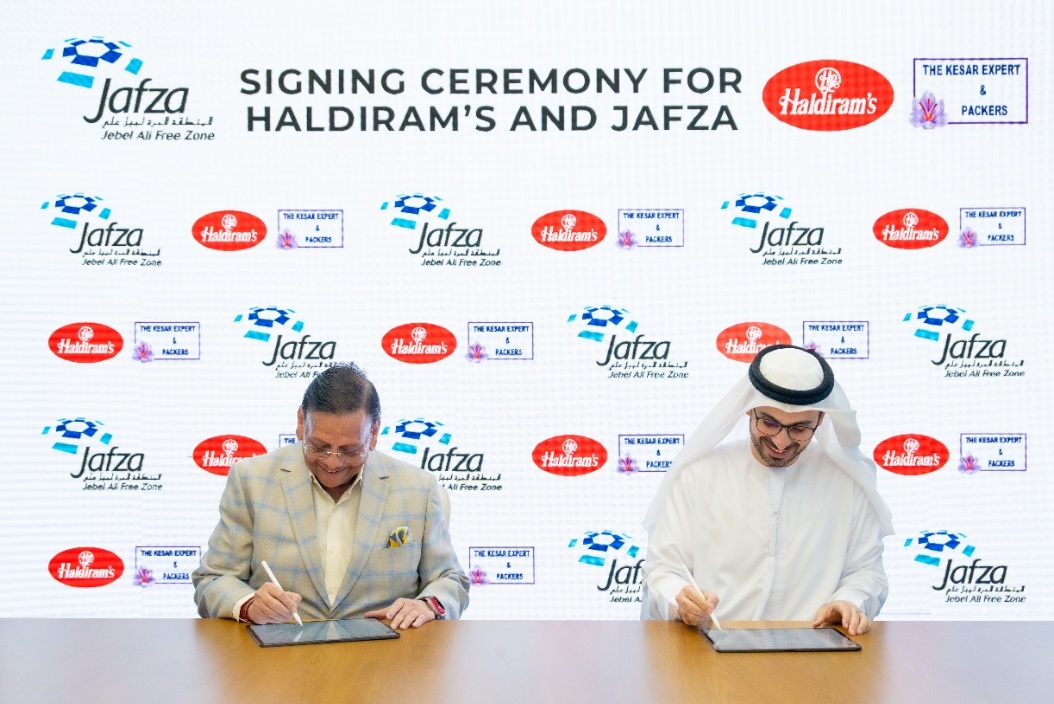
Jebel Ali Free Zone has entered into a partnership with Indian multinational food brand Haldiram’s to establish one of the largest saffron processing facilities in the Gulf Cooperation Council region. The agreement was formalised during the Gulfood event in Dubai.

Scheduled to commence operations in March 2025, the facility will be managed by Kesar Expert & Packers, a company with 22 years of experience in high-quality saffron processing in India. The plant aims to obtain the globally recognised European BRCGS certification, ensuring the quality and purity of its saffron products.

Initially, the hub will process 30 metric tonnes of saffron annually, with plans to expand capacity to 100 metric tonnes over the next five years. This growth strategy will leverage the Comprehensive Economic Partnership Agreement between the UAE and India, as well as the advanced connectivity and infrastructure provided by Jebel Ali Port and Jafza.

The collaboration also explores further avenues, including expanding Haldiram’s presence in Dubai and investing in additional food processing and distribution facilities. This initiative underscores Dubai’s position as a global trade hub, bolstered by Jafza’s thriving food and beverage sector, which currently hosts over 770 companies.

This development aligns with a series of significant engagements by Indian food and beverage companies at Gulfood. Reliance Consumer Products Limited introduced its renowned brand Campa to the UAE market, marking its inaugural entry, facilitated by Abu Dhabi’s Agthia Group. Additionally, Lulu Retail has signed nine strategic memorandums of understanding with global manufacturers to enhance product offerings across the GCC and beyond. Among these agreements is the introduction of Milaf Cola, a carbonated date beverage from Saudi Arabia, to LuLu stores throughout the GCC, with future plans to enter the Indian market.

Arabian Post Staff -Dubai The United Arab Emirates has rapidly transformed into a pivotal hub for international cricket, hosting major tournaments and nurturing a competitive national team. This evolution from informal matches to a central role in the cricketing world underscores the nation’s commitment to the sport. Cricket’s roots in the UAE trace back to 1892 when British military personnel introduced the game to the Trucial States. […]

The Abu Dhabi Investment Office has solidified its commitment to fostering economic collaboration with China by entering into strategic agreements with prominent Chinese entities. These partnerships, announced during the Abu Dhabi Investment Forum in Shanghai, aim to enhance investment intelligence and facilitate the expansion of Chinese enterprises into Abu Dhabi’s burgeoning market.

In a notable development, ADIO has partnered with Wind Information, China’s leading financial information services provider. This collaboration designates Wind Information as ADIO’s preferred knowledge partner in China, granting investors enhanced access to Abu Dhabi’s dynamic investment landscape. The alliance is poised to bridge information gaps, enabling Chinese investors to make informed decisions about opportunities within the emirate.

Simultaneously, ADIO has forged a strategic partnership with Hejun Group, a prominent Chinese consulting firm. This agreement is designed to accelerate Chinese investment in Abu Dhabi by leveraging Hejun Group’s extensive network of over 2,000 publicly listed companies. The collaboration aims to introduce these enterprises to Abu Dhabi’s investment prospects, thereby fostering economic growth and diversification within the region.

Further strengthening bilateral ties, ADIO has entered into an agreement with Fosun International Limited, a global innovation-driven consumer group. This partnership seeks to expedite the expansion of Fosun’s subsidiaries into Abu Dhabi and the broader Middle East. ADIO will provide tailored investor support, streamlined market access, and strategic guidance to facilitate Fosun’s ventures in key sectors such as wealth management, fintech, premium residential real estate, and healthcare innovation.

These strategic alliances underscore Abu Dhabi’s proactive approach to attracting foreign investment and enhancing its position as a global financial hub. By collaborating with leading Chinese firms, the emirate aims to diversify its economy and foster innovation across various industries.

The Abu Dhabi Investment Forum in Shanghai served as a pivotal platform for these announcements, highlighting the emirate’s commitment to strengthening economic ties with China. The forum facilitated discussions on Abu Dhabi’s role as a global financial, trade, and technology hub, with a focus on technological innovation in areas such as financial technology, artificial intelligence, blockchain, and digital transformation.

These developments are set against the backdrop of burgeoning trade relations between the United Arab Emirates and China. Bilateral trade between the two nations is projected to reach $200 billion by 2030, positioning Abu Dhabi as a critical gateway for Chinese investment in the Middle East and beyond. The emirate already hosts a significant number of the 6,000 Chinese companies operating in the UAE, spanning key sectors including technology, financial services, and energy.

In addition to these partnerships, Abu Dhabi has been actively engaging in strategic investments to bolster its economic landscape. For instance, Masdar, Abu Dhabi’s renewable energy company, has been expanding its footprint in the European energy sector. Masdar is currently negotiating with banks to structure the acquisition of a new portfolio of renewable energy assets from Endesa, a Spanish utility company. This move aligns with Abu Dhabi’s broader strategy to invest in sustainable energy solutions and diversify its investment portfolio.

The financial sectors of the UAE and China have been exploring collaborative opportunities to enhance cross-border investments. The Shenzhen Stock Exchange and Dubai Financial Market have signed a memorandum of understanding to bolster cross-border investing, particularly in exchange-traded funds . This agreement includes dual listings, shared indices, and fixed-income offerings, aiming to facilitate secondary market investments and strengthen financial ties between the two nations.

These initiatives reflect a broader trend of deepening economic cooperation between Abu Dhabi and China, with both parties seeking to capitalize on mutual investment opportunities and drive sustainable economic growth. The strategic partnerships established by ADIO are poised to play a pivotal role in this collaborative effort, fostering a conducive environment for innovation, investment, and economic diversification.

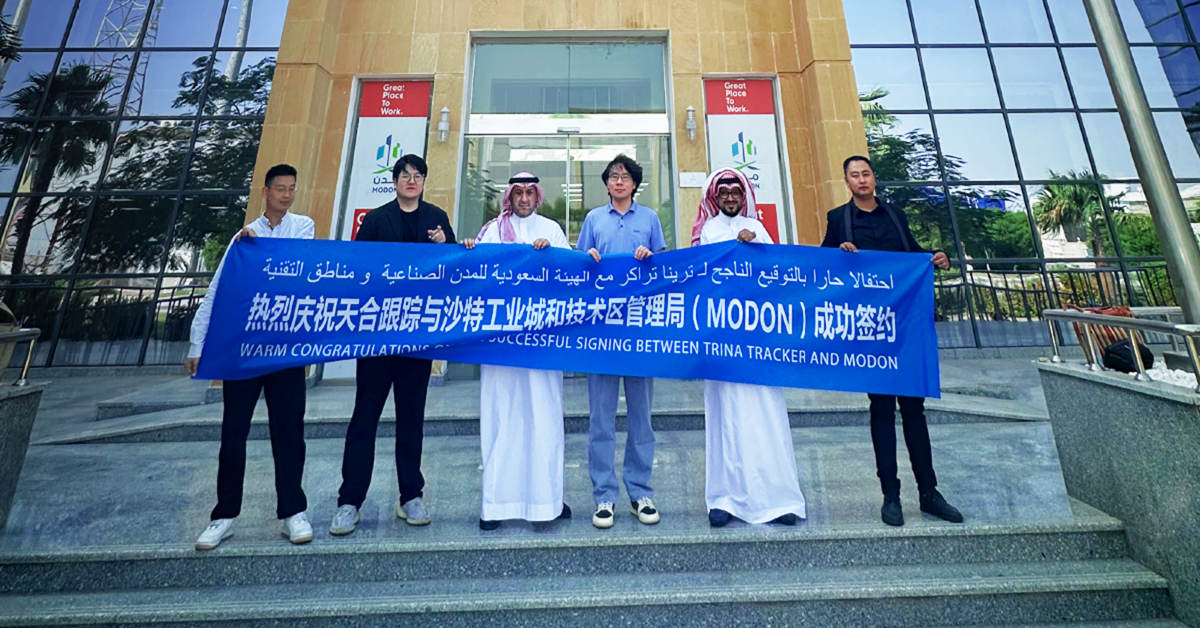
TrinaTracker, a division of China’s Trina Solar, has inaugurated a manufacturing facility in Jeddah’s 3rd Industrial City, Saudi Arabia, with an annual production capacity of 3 gigawatts . This strategic move aligns with Saudi Arabia’s ambitious Vision 2030 plan, aiming to diversify its energy portfolio by significantly increasing renewable energy sources.

The newly established plant specializes in producing TrinaTracker’s Vanguard series of solar trackers and smart control systems. These advanced trackers are designed to optimize the orientation of solar panels, enhancing energy capture and overall efficiency. Notably, the facility operates with zero pollutant emissions during its production processes, underscoring TrinaTracker’s commitment to sustainable manufacturing practices.

This Jeddah-based factory marks TrinaTracker’s fourth manufacturing hub, complementing existing facilities in China, Spain, and Brazil. The decision to establish a presence in Saudi Arabia reflects the company’s strategy to localize production and meet the growing demand for solar energy solutions in the Middle East.

Saudi Arabia has set an ambitious goal to source at least 50% of its power from renewable energy by 2030, targeting an expansion to 130 GW of renewable capacity. Of this, 58.7 GW is expected to come from solar energy. The integration of TrinaTracker’s manufacturing capabilities is poised to play a pivotal role in achieving these targets, providing locally produced, state-of-the-art solar tracking technology.

The Kingdom’s commitment to renewable energy is further evidenced by several large-scale solar projects. The Sudair Solar PV Project, located in Sudair Industrial City, is nearing full operational status. Once completed, this 1.5 GW facility will supply power to approximately 185,000 households and is expected to offset an estimated 2.9 million tons of carbon dioxide emissions annually. The project utilizes bifacial solar panels with single-axis tracking technology, enhancing efficiency and energy output.

In addition to domestic initiatives, Saudi Arabia has engaged in international collaborations to bolster its renewable energy infrastructure. In December 2024, during French President Emmanuel Macron’s visit to Riyadh, agreements were signed with French energy giants TotalEnergies and EDF Renewables. TotalEnergies is set to construct a 300 MW solar park in Rabigh Industrial City, while EDF Renewables will develop two solar parks totaling 1.4 GW. These projects are slated to commence operations by 2026 and are part of the Kingdom’s broader strategy to attract foreign investment and expertise in the renewable sector.

A series of explosions on three parked buses in Bat Yam, a suburb south of Tel Aviv, has prompted Israeli authorities to launch an intensive security operation in the West Bank. The blasts, which occurred on Thursday evening, resulted in no casualties but have raised significant concerns about a resurgence of coordinated militant attacks within the country. The incidents involved three empty buses that exploded almost simultaneously […]

Israeli Prime Minister Benjamin Netanyahu has directed the military to intensify operations in the occupied West Bank after explosions damaged three buses near Tel Aviv. The incidents, which authorities are treating as suspected terrorist attacks, occurred on Thursday evening in the suburbs of Bat Yam and Holon. Fortunately, no casualties were reported, as the buses were unoccupied at the time. The explosions took place while the buses […]

Nissan Motor Co. experienced an 11% surge in its share price on Friday following reports that a prominent Japanese consortium is formulating plans to attract investment from Tesla Inc. This development comes on the heels of Nissan’s unsuccessful merger discussions with Honda Motor Co., highlighting the automaker’s ongoing efforts to stabilize its financial standing. The initiative is spearheaded by Hiro Mizuno, a former Tesla board member, with […]

The United States government is escalating its demands for Ukraine to grant substantial mineral rights to American companies, a move that has led to heightened tensions between President Donald Trump and Ukrainian President Volodymyr Zelenskyy. The proposed agreement seeks to provide the U.S. with access to Ukraine’s vast reserves of critical minerals, valued at approximately $500 billion, in exchange for continued military and financial support amid Ukraine’s […]

President Donald Trump convened a pivotal meeting at the White House on Thursday, bringing together key figures from the professional golf world in an effort to mend the division between the PGA Tour and the Saudi-funded LIV Golf. The discussions included prominent attendees such as Tiger Woods, PGA Tour Commissioner Jay Monahan, and Yasir Al-Rumayyan, governor of Saudi Arabia’s Public Investment Fund . The primary focus of […]

Dubai Taxi Company has announced plans to launch its first autonomous taxi service in the emirate by the first quarter of 2026, aligning with Dubai’s strategic vision for advanced mobility. Chief Executive Mansoor Alfalasi confirmed that the company is actively collaborating with partners to expedite the project’s development. In an interview, Alfalasi emphasized the importance of working closely with the Roads and Transport Authority to address all […]

Rabdan Academy, a prominent institution specializing in safety, security, defence, emergency preparedness, and crisis management, has formalized a training agreement with INTERPOL. This collaboration aims to bolster cooperation in research, training, and the exchange of expertise between the two entities.

With the signing of this agreement, Rabdan Academy officially joins the INTERPOL Global Academy Network, a consortium dedicated to elevating training standards for law enforcement agencies worldwide through collaborative efforts and knowledge sharing among leading institutions.

The partnership outlines a framework for both organizations to identify and develop joint training activities and projects. These initiatives will encompass courses, seminars, conferences, curricula development, study tours, and train-the-trainer programs, all designed to enhance the capabilities of law enforcement personnel globally.

His Excellency James Anthony Morse, President of Rabdan Academy, emphasized the strategic importance of this alliance, stating that it aligns with the Academy’s mission to develop specialized skills and capabilities in relevant fields. He highlighted that collaboration with key international and local partners is essential for achieving this goal.

INTERPOL’s Secretary General, His Excellency Valdecy Urquiza, underscored the value of partnering with esteemed academic institutions like Rabdan Academy. He noted that such collaborations are vital for developing comprehensive global training methodologies and standards for law enforcement, benefiting INTERPOL’s member countries and enhancing the effectiveness of the Global Academy Network.

The agreement includes commitments to jointly develop training materials and curricula, exchange academic and training resources, and share expertise and faculty members. This cooperative approach aims to create robust training opportunities and foster applied research on topics pertinent to law enforcement.

Students at Rabdan Academy will gain access to courses and training tools from the INTERPOL Virtual Academy, enriching their proficiency in international policing. Additionally, Rabdan Academy’s training programs will receive accreditation from INTERPOL, ensuring they meet global standards of excellence.

This partnership was formalized during the International Defence Exhibition 2025, where Rabdan Academy is actively participating as an exhibitor. IDEX 2025 serves as a platform for showcasing the latest advancements in defence technology and fostering collaborations among global security stakeholders.

Rabdan Academy’s involvement in IDEX 2025 underscores its commitment to shaping the future of defence and security. The Academy is showcasing its specialized programs in safety, security, and crisis management, highlighting its role as a hub of expertise that brings together policymakers, defence leaders, and global experts to address evolving security challenges.

In addition to its partnership with INTERPOL, Rabdan Academy is set to announce new global collaborations aimed at strengthening its leadership in security and defence education. These initiatives reflect the Academy’s dedication to fostering expertise and cooperation to enhance global security efforts.

The INTERPOL Global Academy Network, established in 2019, is a collective of trusted law enforcement education institutions committed to providing a unified approach to law enforcement training. Rabdan Academy’s inclusion in this network signifies a significant step toward enhancing the quality and reach of specialized training programs for law enforcement professionals worldwide.

Through this partnership, both Rabdan Academy and INTERPOL aim to address contemporary challenges in law enforcement by leveraging their combined expertise and resources. The collaborative efforts are expected to result in the development of innovative training solutions that are responsive to the dynamic nature of global security threats.

As part of the agreement, there will be a concerted focus on applied research, enabling both institutions to contribute to the body of knowledge in law enforcement practices. This research component is poised to inform policy decisions and operational strategies, thereby enhancing the effectiveness of law enforcement agencies across different jurisdictions.


Apple is set to integrate its own Wi-Fi 7 chip into all models of the upcoming iPhone 17 series, marking a significant shift from reliance on third-party suppliers. This development follows the company’s unveiling of the iPhone 16e, which introduced Apple’s first custom-designed modem chip, the C1, signaling a broader strategy to internalize its hardware components. The iPhone 16e, priced at $599, debuted with the C1 modem, […]

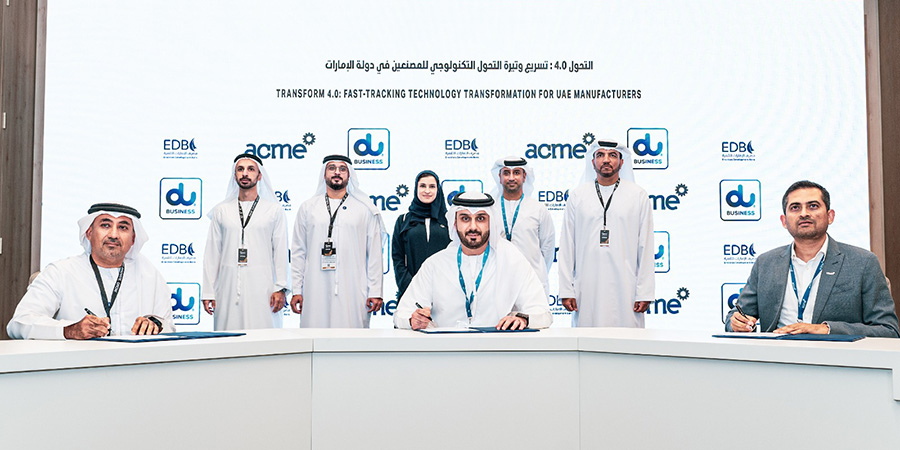
The EDGE Group’s Learning & Innovation Factory and the Ministry of Industry and Advanced Technology have formalised a partnership to accelerate the UAE’s industrial evolution. This collaboration, sealed during the International Defence Exhibition and Conference 2025 at the Abu Dhabi National Exhibition Centre, aims to advance the nation’s Industry 4.0 agenda under the Operation 300bn strategy.

The Memorandum of Understanding was signed by Fatma Essa Al Mheiri, Acting Director of the Technology Adoption and Development Department at MoIAT, and Ahmed Al Khoori, EDGE’s Senior Vice President of Strategy & Excellence. The ceremony was attended by Salama Alawadhi, Assistant Under-Secretary for the Industrial Development Sector at MoIAT, and Hamad Al Marar, EDGE’s Managing Director and Chief Executive Officer.

Under this agreement, LIF will serve as the strategic partner and executor of MoIAT’s Transform 4.0 programme. This initiative is designed to promote the adoption of advanced technologies and establish cutting-edge smart manufacturing facilities across the UAE. The programme’s objective is to support 100 high-potential manufacturers in their digitalisation efforts, fostering a network of Industry 4.0 lighthouses that exemplify excellence in smart manufacturing.

This partnership aligns with the UAE’s broader vision to enhance industrial competitiveness through technological innovation. Launched in 2021, Operation 300bn is a comprehensive 10-year strategy aiming to increase the industrial sector’s contribution to the nation’s GDP from AED 133 billion to AED 300 billion by 2031. The strategy focuses on creating an attractive business environment for investors, supporting the growth of national industries, and stimulating innovation through the adoption of advanced technologies.

The collaboration between EDGE and MoIAT is not their first joint endeavour. In August 2022, both entities signed an MoU to establish the UAE’s first Industry 4.0 Enablement Centre. This centre focuses on raising awareness about Industry 4.0 technologies, upskilling manufacturers through specialised training, and providing a testbed for piloting innovative solutions. The centre’s initiatives aim to enhance factory processes and operations, empowering industry leaders to leverage Fourth Industrial Revolution technologies for improved efficiency and competitiveness.

The UAE’s commitment to industrial advancement is further demonstrated by the Emirates Development Bank’s role in Operation 300bn. EDB has allocated AED 30 billion to support priority industrial sectors over five years, aiming to finance 13,500 small and medium-sized enterprises and create thousands of job opportunities. This financial support underscores the nation’s dedication to fostering a robust and sustainable industrial ecosystem.

The EDGE Group, a prominent technology conglomerate, continues to play a pivotal role in the UAE’s industrial transformation. By collaborating with MoIAT, EDGE leverages its expertise in advanced technology and innovation to drive the nation’s Industry 4.0 agenda forward. The Learning & Innovation Factory serves as a hub for advanced upskilling and technology-driven solutions, enhancing manufacturing excellence and fostering a culture of continuous improvement.

The International Defence Exhibition and Conference 2025 provided an ideal platform for this significant partnership. As one of the largest defence exhibitions globally, IDEX showcases the latest innovations and technologies, facilitating collaborations that drive industrial and technological advancements. The signing of the MoU at this event highlights the strategic importance of the defence sector in the UAE’s broader industrial strategy.

The UAE’s industrial strategy, Operation 300bn, is built upon six primary objectives: creating an attractive business environment for investors, supporting the growth of national industries, stimulating innovation through advanced technology adoption, enhancing the competitiveness of UAE products, ensuring sustainable economic growth, and promoting responsible consumption and production. The partnership between EDGE and MoIAT directly contributes to these objectives by facilitating the digital transformation of the manufacturing sector and promoting the adoption of Industry 4.0 technologies.

The Saudi Red Sea Authority has formalised a partnership with the Ministry of Municipalities and Housing through a memorandum of understanding aimed at advancing the development and management of marinas along the Red Sea coastline. This strategic alliance encompasses the creation of marine vessel maintenance centres, enhancement of beach facilities, and the promotion of coastal tourism destinations, all in alignment with the objectives of Saudi Vision 2030.

The MoU was signed by SRSA’s Chief Executive Officer, Mohammed Al-Nasser, and the Deputy Minister for Licensing and Project Coordination, Mohammed Al-Mulhim. This collaboration underscores SRSA’s commitment to establishing comprehensive regulations and operational standards for marinas, overseeing their development, and ensuring environmental safeguards in marine tourism zones. A key focus is to attract a diverse range of visitors and expand the coastal tourism sector.

Central to the agreement is the utilisation of the Balady platform for processing applications related to the establishment, development, and operation of both onshore and offshore marinas within the designated areas. These facilities will be constructed in accordance with the Saudi Building Code and the approved Marina Planning and Design Code. The partnership also addresses the licensing procedures for commercial operations and the specific requirements for constructing marine fuel stations.

Beyond marina development, the MoU outlines plans for the creation and licensing of marine vessel repair and maintenance centres, providing a regulatory framework for their operations. Additionally, there is a concerted effort to develop and manage beach areas within the specified regions, which includes issuing necessary construction and commercial permits.

The collaboration extends into technological integration, with both entities aiming to enhance coastal monitoring systems and promote coastal tourism destinations. This involves identifying investment opportunities and mapping both tangible and intangible assets along the Red Sea shoreline. A significant aspect of the partnership is the development of policies and initiatives designed to bolster the local workforce in the municipal, housing, and coastal tourism sectors. The agreement also emphasises the advancement of smart marina initiatives, contributing to the development of sustainable coastal cities and improving the overall quality of life.

This MoU is a testament to SRSA’s ongoing efforts to expand strategic partnerships, share expertise, and adopt best practices to fulfil its mission of enhancing coastal tourism. These initiatives are in direct support of the broader goals outlined in Saudi Vision 2030, aiming to create a dynamic and sustainable tourism industry.

Established in November 2021, the Saudi Red Sea Authority serves as the regulatory body for marine and navigational tourism activities within Saudi Arabia’s Red Sea domain. Its responsibilities include issuing necessary licences and permits, formulating policies, and identifying areas suitable for marine tourism, all while ensuring the protection of the marine environment. The authority plays a pivotal role in promoting investment opportunities and enhancing human capital through targeted training programmes.

VISHNU RAJA
RYO YAMADA
HITORI GOTOH
IKUYO KITA
Just in: