News related to
agreement

VFS Global’s Education, Trade & Migration Services has teamed up with the Rayad Group to launch specialist advisory services for UAE Golden Visa applicants in India. The new Centres of Excellence, operating in New Delhi, Mumbai, Ahmedabad, Chennai, Hyderabad and Pune, offer legal guidance and AI-enhanced support to individuals eligible for a 10‑year UAE residence visa via government nomination—no requirement to invest in property or establish a business. […]

Bitcoin Core developer Jon Atack was briefly arrested in El Salvador this weekend after his neighbour lodged a complaint stemming from a heated dispute over property boundaries. Police detained Atack under a statute protecting women from violence, but released him about an hour later, returning his phone and passport. He described the officers as “professional and friendly”, emphasising the incident was unrelated to his work in cryptocurrency.

Atack, a long‑time contributor to Bitcoin Core and a United States citizen, said the altercation began when he and a neighbour argued over perceived encroachment on property lines. During the exchange, he allegedly used insulting language, prompting the neighbour to report him for “violence against women”—an offence under El Salvador’s Special Comprehensive Law for a Life Free of Violence for Women, introduced in 2012.

Law enforcement briefly held Atack. He posted on X that officers confiscated his phone and passport, which he said cut him off from communication. The neighbour’s allegation triggered the arrest, which could have led to imprisonment according to the law invoked. However, no charges were formally pressed, and he was released within the hour.

Atack explained the conversation escalated when he referred to the neighbour as “stupid”, a comment she perceived as aggressive. Under local defamation statutes, such insults can carry severe legal consequences, including up to eight years in prison.

Communication from the Bitcoin community amplified concern over Atack’s detainment. Prominent developers expressed support on social media, viewing the suspension of his civil liberties—even temporarily—as disproportionate to the circumstances. One post highlighted that the law in question is often criticised for its broad and punitive scope.

The incident has reignited debate in the crypto ecosystem regarding legal vulnerability when community figures travel abroad. Advocates argue that Atack’s detainment underscores the importance of cultural and legal awareness for global actors, particularly in jurisdictions known for rigorous enforcement of social protection measures.

El Salvador’s government has actively positioned the country as a beacon for Bitcoin regulation since adopting the cryptocurrency as legal tender in 2021. Yet critics have argued that reliance on strict social legislation could introduce uncertainty for international visitors, investors and developers. Atack’s predicament brought this into stark focus, especially as he noted the incident was rooted in personal disagreement rather than political or financial motivations.

During the brief detention, Atack described the authorities as courteous, with one officer telling him he “might have to stay in jail”, but ultimately releasing him after confirmation that no threats had been made. He said he was relieved and treated fairly, though the experience left him shaken.

Atack is now back with his belongings and resuming his work, having reaffirmed his gratitude online. He wrote: “This was the first time I’ve been in cuffs and God willing also the last time.”

Legal experts in El Salvador note that the LEIV law was intended to address a persistent issue of gender‑based violence. However, its application to verbal altercations—including insults—has drawn criticism as overly broad. The law’s defenders argue that it safeguards women’s dignity, while detractors claim it grants excessive prosecutorial discretion over matters that could be resolved civilly.

The crypto community is watching closely as this story unfolds. For developers and investors engaged in global travel, Atack’s experience serves as a cautionary tale about how social and legal norms interact with professional mobility. While El Salvador markets itself as a forward‑looking nation for digital assets, Atack’s case suggests that everyday disputes can escalate swiftly under local statutes.

Atack has no ongoing legal proceeding and intends to remain in the country. He said his focus remains on his Bitcoin Core contributions, and he expressed hope that the episode would spur discussion over legal clarity for international tech practitioners operating under unfamiliar jurisdictions.

Observers stress that Atack’s swift release and the respectful treatment he received may reflect positively on the impartiality of Salvadoran law enforcement. Yet, they also warn that the preventive seizure of personal documents and potential for detention highlight essential areas for legal and diplomatic safeguards to protect visiting professionals.

Drake & Scull International PJSC has secured two infrastructure contracts worth more than AED 1 billion in Dubai’s sprawling Arabian Hills development, marking its first foray as a real estate developer. The contracts cover infrastructure works in Area 10 and Area 05, including power installations, street lighting and a sewage treatment plant. The project is scheduled for delivery by the end of 2027, with expected profit margins of 8–10 per cent.

This shift reflects a strategic diversification. While DSI has traditionally focused on mechanical, electrical and plumbing contracting, the Arabian Hills initiative positions the company as a developer in its own right. The contracts will be funded through existing cash reserves and bank facilities, as confirmed in a filing to the Dubai Financial Market.

The Arabian Hills project spans an immense 224 million sq ft, featuring both residential and commercial zones. DSI’s roles entail foundational infrastructure—roads, utilities and public amenities—across two major precincts. Sun Valley will receive infrastructural services and power systems, while Park Vista will also benefit from a sewage treatment facility. Landowner Arabian Hills Investment and Real Estate Development describes the venture as a “transformative development” with a focus on innovation and sustainability.

DSI’s entry as a developer aligns with the broader regional real estate trend. Dubai’s market is experiencing a notable uptick, with developers diversifying amid stronger investor sentiment and rising demand. Industry sources suggest that entrants with established construction capabilities, like DSI, can leverage vertical integration to enhance margins and control over delivery schedules.

The timing of this move follows DSI’s high-profile financial turnaround. The company emerged from a court-approved restructuring process involving a 90 per­cent debt write-off and issuance of mandatory convertible sukuk for the remaining 10 percent. A capital increase exceeding AED 450 million underpinned the reforms, enabling DSI to resume trading on the Dubai Financial Market in late May 2024.

Restructuring milestones include:
Approval of a court-ordered plan involving debt write-off and sukuk conversion.
A AED 600 million capital hike and listing reinstatement, facilitating access to new contracts.
Clearance of AED 4.18 billion in historical debts, with share capital raised by AED 450 million.

Following restructuring, DSI rapidly bid and won significant contracts, including MEP projects and large-scale infrastructure builds. A notable contract includes the AED 180 million agreement to construct a 38‑storey residential tower in Jumeirah Village Circle for Reef Real Estate.

Industry analysts note that DSI’s revival is a landmark in UAE’s corporate restructuring landscape. Its process, executed under the onshore UAE bankruptcy law, sets a precedent for other distressed firms. The successful debt-to-equity and sukuk conversion arrangements are expected to influence future corporate reorganisations.

Financially, the Arabian Hills contracts are projected to be revenue-recognised on a percentage-of-completion basis. DSI forecasts 8–10% margins, signalling confidence in its integrated delivery model.

DSI’s CEO Muin El Saleh emphasised the contracts as a major milestone in the company’s growth and sustainability roadmap. He described the development as a reaffirmation of their “unique capabilities” and their standing as a strategic partner for sustainable urban developments. Arabian Hills MD Salem Al Muheiri welcomed DSI’s involvement, citing trust in its track record to meet high standards on time and within budget.

With DSI now embracing a developer’s role, the move brings vertical integration into sharper focus. Analysts warn that successful execution will be critical; infrastructure delivery and utilities construction carry significant logistical and regulatory complexity. However, DSI’s strengthened financials and reclaimed market position give it a sturdy platform from which to venture.

TAIPEI, TAIWAN – Media OutReach Newswire – 7 July 2025 – National Taiwan Normal University (NTNU), one of Taiwan’s most prestigious public universities, has announced a call for public nominations for its 15th President. The nomination period runs from July 7 to August 11, 2025. NTNU has announced a call for public nominations for its 15th President. The nomination period runs from July 7 to August 11, […]

Dubai Land Department has formalised an agreement with global cryptocurrency firm Crypto. com to establish a blockchain‑driven ecosystem enabling property purchases and sales using digital currencies. The memorandum of cooperation, signed on 6 July, aims to streamline investor verification, custody and settlement processes while advancing real estate tokenisation—supporting the emirate’s Real Estate Strategy 2033 and its AED 1 trillion transaction goal. At the heart of the partnership is the […]

Dubai’s Roads and Transport Authority has formalised a Memorandum of Understanding with Pony. ai to commence pilot trials of self‑driving vehicles across the emirate later this year, laying the foundation for a fully driverless commercial service by 2026. The agreement marks a pivotal milestone in Dubai’s Smart Self‑Driving Transport Strategy, which aims to convert a quarter of the city’s journey volume into autonomous mobility by 2030. Senior […]

The Securities and Commodities Authority has granted formal approval for licensed portfolio management firms to offer robo-advisory services across the UAE mainland, marking a substantial enhancement to the nation’s digital investing infrastructure.

This federal authorisation extends beyond the jurisdiction of financial free zones such as the Dubai International Financial Centre and Abu Dhabi’s FSRA, bringing all robo-investment services under a unified regulatory umbrella. The move is expected to reinforce protections for retail investors via stricter oversight and compliance requirements.

Under the new regime, firms will deliver automated investment recommendations powered by artificial intelligence and advanced algorithms. These platforms evaluate individual risk profiles to design tailored asset allocations, typically leveraging exchange‑traded funds or index funds at lower cost than conventional advisory channels.

The SCA mandates a comprehensive governance framework: independent IT audits, stringent cybersecurity protocols, periodic algorithm reviews and transparent disclosures of fees and investment risks. Licensed providers will adhere to the existing discretionary and non‑discretionary portfolio management frameworks within client agreements.

SCA CEO Waleed Saeed Al Awadhi described the regulation as a manifestation of the UAE’s strategic digital transformation. He stated that integrating AI into investment decision-making will enhance efficiency and create “smart, sustainable, and secure financial solutions,” reinforcing the UAE’s goal of becoming a world-class financial hub.

Market analysts note that assets under management in global robo-advisory were forecast to reach US $2.06 trillion in 2025, with user numbers hitting 34 million by 2029. In the UAE, platforms such as Sarwa, StashAway and Baraka currently operate under DIFC and FSRA regulation, but this federal licence allows them to onboard mainland clients directly.

Retail investor appetite for technology-driven investment options has surged, as seen in the rising adoption of zero‑commission trading platforms including Robinhood, eToro and Interactive Brokers. The introduction of a federal licence for robo‑advisers is expected to broaden participation further.

Industry experts emphasise both promise and caution. Vijay Valecha, chief investment officer at Century Financial, applauds the harmonisation of regulation across jurisdictions, stating it “provides further protection and transparency to retail investors” and bolsters international competitiveness. Raaed Sheibani of StashAway commented that the clearer regulation framework will “expand digital investing in the UAE” and boost investor confidence.

However, concerns endure regarding the limitations of algorithmic advice. Rupert Connor of Abacus Financial Consultants warned that robo-advisers often lack capacity to handle complex scenarios involving tax planning, inheritance, or behavioural guidance during volatile markets. Financial coach Jay Adrian Tolentino added that algorithm-based systems may miss elements of personal context that can be crucial. Technical vulnerabilities, including outages or system failures, also remain a potential risk.

With stricter federal oversight, the SCA expects a rise in trust and participation from mainland investors, leveraging automation to democratise wealth creation. The initiative aligns with the UAE’s broader “We the UAE 2031” vision of fostering a knowledge-based, resilient economy through fintech innovation.

Advertisements

Dubai and Abu Dhabi have emerged as epicentres of a pioneering surge in electric air taxi trials, with two leading US firms—Joby Aviation and Archer Aviation—making significant strides toward establishing urban air mobility networks in the Emirates. Both pilots mark landmark achievements in eVTOL technology, underscoring the UAE’s ambition to lead the field by the mid-2020s.

Joby Aviation achieved a milestone in Dubai by completing its first manned transition flights. The aircraft executed full vertical take‑off, horizontal cruising and vertical landing sequences, signalling readiness for commercial operations as early as 2026. With a range reaching 160 km and cruise speeds up to 320 km/h, these flights demonstrate capability to transform journeys such as those between Dubai International Airport and Palm Jumeirah—cutting travel time from 45 minutes by road to around 12 minutes by air. Joby’s entry follows a six-year exclusivity agreement with Dubai’s Roads and Transport Authority, aligned with infrastructure build-out including a vertiport at DXB.

Almost simultaneously in Abu Dhabi, Archer Aviation conducted its inaugural test flight of the Midnight eVTOL at Al Bateen Executive Airport. The design, a carbon‑fibre‑skinned craft powered by multiple independent motors and battery packs, was evaluated under extreme climate conditions—high temperatures, humidity and dust—to validate UAE‑specific operational readiness. Emirati authorities, including personnel from the General Civil Aviation Authority, Abu Dhabi Investment Office and Abu Dhabi Airports, observed the flight, reinforcing the regulatory support behind the project.

Archer is impressively backed by institutional investors and strategic partnerships, having raised nearly US$2 billion, including funding from Stellantis, United Airlines and Abu Dhabi’s 2 Point Zero, positioning it well to deploy a “Launch Edition” fleet of air taxis in Abu Dhabi in early 2026. Its Midnight aircraft can accommodate one pilot and four passengers, reach speeds of up to 240 km/h, and recharge rapidly between Flights.

Dubai and Abu Dhabi’s dual-hosting of these test flights underscores a competitive yet complementary approach to cultivating the UAE as a global urban air mobility hub. Joby holds exclusive Dubai rights, while Archer has pledged infrastructure investment in Abu Dhabi, including converting facilities like the Cruise Terminal helipad into dual-use vertiports. Both firms enjoy the government‑backed Smart and Autonomous Systems Council and its SAVI cluster as key enablers.

Challenges persist: both operations require final regulatory approvals, sustainable vertiport rollout, and demonstration of consistent performance under harsh environmental conditions. Financial markets have already factored in execution risks; for example, Morgan Stanley moderated its price target for Joby amid aerospace supply-chain pressures. Yet ambitions remain bold. Joby is advancing FAA certification and aims to launch in other global markets, such as New York and Los Angeles, once Dubai begins operations. Meanwhile, Archer is linking global playbooks, forming networks with United Airlines and gearing for Olympic deployment in Los Angeles.

As both eVTOL manufacturers drive testing deeper into summer, UAE regulators are working in parallel to issue flight clearances. Joby’s vertiport in Dubai is set for Q1 2026 completion, while Aviation Authorities in both emirates coordinate type certifications.

The nation’s progressive embrace of air taxis represents a strategic leap in sustainable urban transit. Quiet, electric, zero-emission profiles align with broader UAE clean‑tech objectives. With ambitions to integrate these vehicles into daily commutes, airport shuttles and even rescue missions, policymakers are betting on airborne mobility becoming a normalised, accessible element of future transport regimes.

Tenstorrent has acquired Blue Cheetah Analog Design, integrating the startup’s expert team and chiplet interconnect IP into its in‑house capabilities, advancing its strategy for high‑performance AI hardware. The Canadian‑based AI chipmaker announced on 1 July 2025 that it has secured Blue Cheetah, a Sunnyvale‑headquartered innovator specialising in analog and mixed‑signal IP for chiplet designs. The move brings Blue Cheetah’s BlueLynx die‑to‑die interconnect subsystem—compatible with Open Compute Project’s […]

Saudi energy giant Aramco is preparing to divest up to five gas-fired power plants as part of a broader strategic shift aimed at unlocking billions of dollars to bolster state revenues and maintain fiscal discipline amid softening global oil prices. The proposed sale, focused on gas-based plants supporting key refinery operations, is expected to yield approximately $4 billion, according to individuals familiar with the internal deliberations. These […]

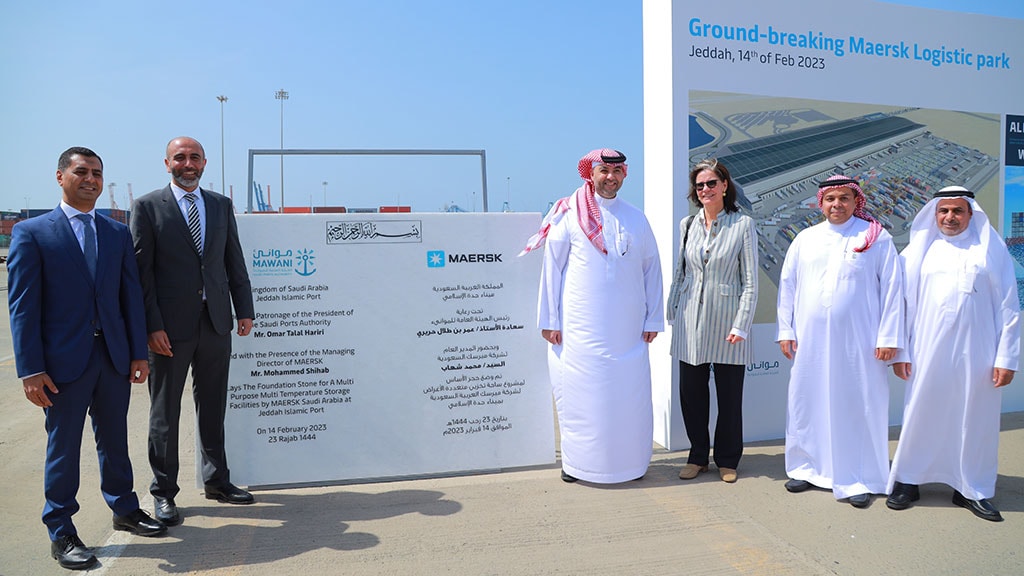
Saudi Arabia’s burgeoning e‑commerce sector has taken a strategic leap forward as the landmark partnership between Maersk Saudi Arabia and Saudi Post transitions from agreement to action. Evidence is already emerging that this alliance—anchored by Maersk’s newly launched Integrated Logistics Park in Jeddah—is beginning to streamline the kingdom’s supply chains and attract international players.

Operations in Jeddah have officially begun, with Maersk overseeing global transport, bonded warehousing, and origin-end logistics, while SPL manages express customs clearance and last-mile delivery domestically. The MoU, signed on 3 July 2025, outlines joint digital integration, combined marketing, coordinated customer service and operational efficiency.

Industry sources suggest that several multinational online retailers are in advanced talks to leverage the new gateway. Although specific names have been withheld, analysts view the integrated model as particularly attractive to Asia‑based brands seeking fast, low‑cost market entry into Saudi Arabia and the wider Gulf Cooperation Council.

Experts highlight that Maersk’s global reach combined with Saudi Post’s local footprint addresses major bottlenecks in cross-border trade—namely customs delays and fragmented distribution networks. SPL’s national infrastructure, originally developed to support Vision 2030’s economic diversification goals, now aligns seamlessly with Maersk’s logistics corridors.

Karsten Kildahl, Maersk’s Chief Commercial Officer, previously noted that global supply chains remain unpredictable, and enhanced visibility and resilience are crucial for upstream customers. This partnership directly supports those objectives via real‑time digital tracking, automated handovers, and unified service teams.

Market response has been swift. Regional logistics analysts report a 15% increase in inbound parcel volumes through Jeddah’s port cluster in the past month compared to the same period last year. While other factors—such as seasonal demand shifts—are at play, the increase aligns with the ramp‑up of cross-border operations facilitated by the Maersk–SPL alliance.

Customs officials in Jeddah confirm expedited clearances under a “premium e‑commerce lane” established within the SPL framework. They say this streamlining has shaved several days off processing times for inbound B2C shipments, helping foreign brands meet tight delivery schedules.

Saudi Post’s International Business Sales Director, Rouni Saad, stated the arrangement “is pivotal in streamlining cross‑border e‑commerce flows to and from the Kingdom … enhancing connectivity, reliability and growth opportunities across the region”. Maersk’s Ahmed Al Olaby added that combined networks would meet the growing demand for efficient fulfilment by global players entering or expanding in the Saudi market.

Consultants note that Saudi Arabia is now positioned to compete more effectively with regional hubs such as Dubai, which has long served as the GCC’s principal logistics centre. With the integrated infrastructure online, analysts predict intra‑GCC e‑commerce flows will re‑route through Jeddah over the next six to twelve months.

The alliance also aligns with Saudi Vision 2030, reinforcing the kingdom’s commitment to modernise its logistics backbone. By linking global ocean routes with domestic delivery channels, the partnership promises smoother, faster access to consumers in a market anticipated to grow double‑digit annually in e‑commerce sales.

However, questions remain around digital interoperability. The MoU commits to systems integration, but execution will depend on effective collaboration between both entities’ IT architectures. Some industry insiders stress the need for standardised APIs and seamless data sharing to avoid fragmentation.

Scaling services beyond major urban centres, and replicating integration in other GCC markets, pose additional challenges. Achieving cohesive bonded fulfilment across borders demands regulatory alignment and bilateral coordination.

United States authorities have implemented a sweeping array of sanctions targeting companies, vessels and networks that facilitate clandestine oil exports from Iran. The Treasury’s Office of Foreign Assets Control moved to freeze assets and prohibit transactions by an Iraqi-led smuggling group and its associated Iranian “shadow fleet.” Simultaneously, the State Department added further designations aimed at restricting Tehran’s access to critical oil revenues. The Treasury identified a […]

OpenAI will lease approximately 4.5 gigawatts of data centre power from Oracle under a $30 billion‑per‑year agreement set to begin delivering revenue in Oracle’s fiscal year 2028. This significant capacity boost forms part of the expansive “Stargate” initiative—an AI infrastructure venture launched in January aiming to deploy up to $500 billion globally. Oracle plans to construct and expand multiple U. S. data centres to support this deal, including enhancements to its […]

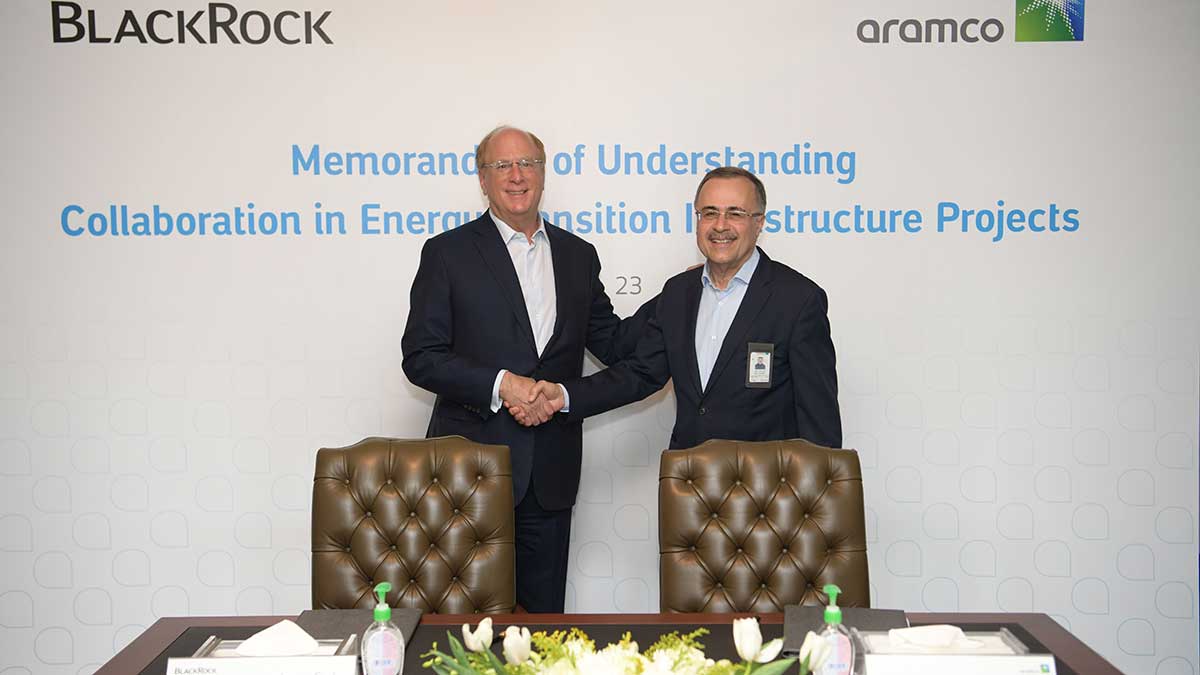
BlackRock Inc is reportedly engaged in discussions with Saudi Aramco over the future ownership of its stake in the leasing rights of a major natural gas pipeline network. The asset manager, which entered the arrangement in 2021, acquired the rights as part of a $15.5 billion lease-and-leaseback agreement. Sources close to the matter indicate BlackRock now values its position at several billion dollars and is considering divesting the stake back to the state oil major.

In 2021, BlackRock joined a consortium to purchase a 49 per cent interest in an entity known as Aramco Gas Pipelines Co under a lease-and-leaseback deal, financing the project with bridge loans and later issuing bonds to refinance the structure. The network comprises critical infrastructure integral to Saudi Arabia’s petroleum operations, serving both domestic consumption and export logistics.

Financial analysts highlight that BlackRock’s move represents a shift in strategy for pipeline investments. As bond markets recover from turbulence and the global energy transition reshapes demand, investors are recalibrating their exposure to long-cycle fossil fuel assets. One advisor noted that BlackRock will “weigh other options if discussions don’t lead to agreement,” indicating the firm might pursue third‑party sales or stake dilution.

Saudi Aramco’s interest in regaining full control aligns with its broader strategy of asset consolidation. Reacquiring the lease rights would enhance its operational sovereignty and reduce dependency on external partners in a sector that underpins national energy security. Aramco’s share in regional indices has already seen modest gains, supported by optimism over non-oil growth; the company itself has been trading up by around 0.9 per cent in recent sessions.

The bonds issued by the consortium in 2024—worth $3 billion across tranches due in 2036 and 2042—were aimed at refinancing initial acquisition debts. Demand for those bonds was robust, with subscription levels significantly exceeding issuance. BlackRock’s majority ownership of Greensaif Pipelines Bidco grants it leverage in shaping any transaction, whether through direct sale or restructuring of lease terms.

Market observers note that BlackRock’s pivot may be driven as much by strategic repositioning as by financial calculation. With global pressure building on climate policy and energy transition commitments, large institutional investors are under increasing scrutiny over holdings tied to fossil fuel extraction and transport. Divesting from pipeline leases allows BlackRock to reallocate capital to renewable infrastructure or alternative energy real estate, while still preserving long-term client relationships.

However, the sale would mark a significant return on investment. The original acquisition and bond refinancing positioned BlackRock to gain from stable, long-duration lease revenues pegged to volume throughput. Exiting now at a multi-billion-dollar valuation ensures a profitable wind-down of exposure while the asset remains robust. Some of the stakeholders in the consortium may view this as a precedent for handling similar assets in other jurisdictions.

Observers anticipate a negotiation process extending into the next quarter, with both parties likely to focus on valuation frameworks, lease renewal terms, and host‑country regulatory approvals. Any agreement may set a template for future transactions between global asset managers and sovereign energy entities, particularly in the Gulf region. While details of the discussions are confidential, the size and strategic nature of the pipeline network suggest that a deal could shift later this year.

Investment flows in the Middle East have showed renewed strength. Saudi and Emirati stock markets climbed this week, powered by stronger service-sector indices and easing of global trade tensions. Against this backdrop, Aramco’s potential repurchase aligns with sovereign objectives to consolidate energy assets in the hands of national champions.

Should talks falter, analysts predict BlackRock may explore secondary-market sales to other infrastructure investors, or retain partial control under renegotiated terms. A phased exit or continued minority stake is also plausible, contingent on pricing, return targets, and geopolitical sensitivities.

The U. S. House of Representatives will convene “Crypto Week” from 14–18 July to vote on three pivotal digital asset bills: the CLARITY Act, the Anti‑CBDC Surveillance State Act, and the GENIUS Act. This coordinated effort signals a major shift in federal crypto policy as lawmakers aim to clarify regulation, protect financial privacy, and foster blockchain innovation.

The CLARITY Act seeks to establish a definitive regulatory framework by delineating the roles of the SEC and CFTC, mandating the segregation of customer funds, and requiring enhanced retail disclosures. It has already passed through both the Financial Services and Agriculture Committees by decisive margins, reflecting bipartisan support and responding directly to industry demands for legal certainty.

The GENIUS Act, recently approved by the Senate in a strong 68–30 bipartisan vote, focuses on stablecoin regulation. It mandates that stablecoin reserves be held in high‑quality, liquid assets such as U. S. Treasuries, requires annual audits for issuers with over $50 billion in market cap, and clarifies regulatory oversight while allowing banks to issue their own tokens. The bill now awaits a House vote, with hopes of reaching the president’s desk by late July.

The Anti‑CBDC Surveillance State Act takes a definitive stance against a federally issued central bank digital currency, effectively prohibiting the Federal Reserve from developing or distributing a CBDC. Proponents frame it as a necessary measure to safeguard financial privacy and prevent potential government surveillance through digital currency systems.

Deputy Speaker Mike Johnson and committee chairs, including Financial Services Chair French Hill and Agriculture Chair GT Thompson, have emphasised that this legislative package aligns with former President Trump’s digital assets agenda — aiming to position the U. S. as a leader in crypto innovation. Johnson stated that the bills would deliver the full scope of that agenda, while Hill highlighted that the initiative would finally provide clarity for innovators, protecting both consumers and the broader digital economy.

Majority Leader Steve Scalise echoed the sentiment, saying the legislation would solidify the U. S.’s global leadership in digital assets. Minority voices have also weighed in: Majority Whip Tom Emmer described the moment as a “historic opportunity” to uphold “privacy, individual sovereignty, and free‑market competitiveness.” Senator Bill Hagerty voiced Senate support, noting the urgency of enacting these measures swiftly.

While the GENIUS Act has Senate backing, the CLARITY Act has faced scrutiny from Democrats and former regulators. Experts such as ex‑CFTC Chair Timothy Massad have warned that its provisions could be overly broad or convoluted, advocating instead for a collaborative regulatory approach between the SEC and CFTC. Concerns also persist among left‑leaning lawmakers that pairing the CLARITY Act with stablecoin regulation could stall progress, despite strong crypto industry support calling for their passage in tandem.

Lawmakers like Rep. Warren Davidson have promoted consolidating stablecoin, market‑structure, and CBDC ban measures into a single legislative package to ensure comprehensive reform. However, this strategy may encounter resistance in the Senate, potentially delaying the bills past the intended timeline.

The Senate’s passage of the GENIUS Act earlier this month reflected growing bipartisan agreement on stablecoin oversight but also revealed tensions over inclusion of Trump‑era cryptocurrency interests. Indeed, some critics have raised ethical questions about exempting the president’s family from the bill’s prohibitions on member profits, and the influence of Trump‑linked ventures that reportedly earned tens of millions from crypto operations.

Despite these controversies, House Republicans are pushing ahead with “Crypto Week” as a gateway to shaping U. S. cryptocurrency policy. The CLARITY Act furthers efforts made under the FIT21 digital asset law passed in May 2024, which established initial delineation of regulatory authority.

As 14 July approaches, industry stakeholders, advocacy groups, and congressional offices are bracing for intense debates. Passing these bills could redefine market structures, unlock stablecoin innovation, and reinforce constitutional privacy rights—or it may start a protracted legislative battle over oversight, accountability, and the future role of federal oversight in digital currencies.


Ukrainian President Volodymyr Zelensky has formally stated he is prepared to meet Russian President Vladimir Putin in person to negotiate a ceasefire and work towards ending the conflict. He emphasised that a direct encounter between the two leaders is the only path to a meaningful halt in hostilities. Zelensky’s announcement follows previous calls for a 30‑day ceasefire that would hold until a summit could be arranged between him and […]

The International Monetary Fund has cleared the initial review of its Extended Credit Facility arrangement with the Democratic Republic of Congo, triggering an immediate disbursement of US$ 262 million. That sum bolsters the Kinshasa government’s fiscal breathing room as it seeks to address critical economic vulnerabilities and foster sustainable growth. This second tranche under the three‑year programme comes after IMF staff and Congolese authorities agreed on key conditions aimed […]

Arabian Post Staff -Dubai French defence and technology group Thales is deepening its strategic footprint across the Gulf by advancing plans to build a radar production facility in Saudi Arabia and an AI research centre in the UAE. At the Paris Airshow, Pascale Sourisse, senior executive vice‑president of international development at Thales, confirmed discussions on expanding a joint venture with Saudi Arabian Military Industries beyond radar systems […]

KUALA LUMPUR, MALAYSIA – Media OutReach Newswire – 3 July 2025 – Crypto volatility poses both potentially spectacular possibilities and enormous risks. For example, by investing in crypto assets on the spot market, traders buy the crypto and, hence, risk their budget if the price drops and never returns to the initial position. Instruments like crypto CFDs (Contracts for Difference) provide more opportunities for flexible capital management […]

President Trump has confirmed that the United States and Vietnam have reached a trade agreement, with a detailed framework now in place while formal terms await finalisation. The accord suspends the 46 per cent reciprocal tariff on Vietnamese imports, originally imposed in April, and paves the way for expanded market access and tighter controls on rerouted Chinese goods. Negotiations were fast-tracked to meet the looming July 9 deadline, when the […]

Figma has filed its S‑1 registration to go public on the New York Stock Exchange under the ticker “FIG”, and disclosed holdings of approximately $69.5 million in a spot Bitcoin ETF as of 31 March 2025. The filing also confirms that the board approved allocating $30 million in USDC for later conversion into Bitcoin, signalling a strategic embrace of digital assets. Financial disclosures reveal robust growth for the design‑collaboration platform, […]

By K Raveendran President Donald Trump’s latest volley in the global economic battleground — a proposal to impose a 500 percent tariff on countries that do business with Russia — marks the continuation of a pattern that has come to define his trade diplomacy: bold, blustering declarations followed by strategic backpedalling. The move, targeted at […]


A specialised Indian geological team has been dispatched to Zambia to commence a three‑year survey of copper and cobalt within a 9,000 km² exploration zone. The initiative, authorised by the Zambian government earlier this year, aligns with New Delhi’s broader drive to shore up supplies of strategic minerals essential for its energy‑transition and technological ambitions. Zambia, a major exporter of copper—Africa’s second‑largest producer after the Democratic Republic of […]

South Africa will receive a $474.6 million loan from the African Development Bank to overhaul its transport systems and energy infrastructure, the Bank announced on Tuesday. The financing, part of a broader international development package, aims to tackle persistent power outages, outdated rail networks and port congestion that have hampered economic performance. The loan is being deployed under the Infrastructure Governance and Green Growth Programme, the Bank’s second […]

VISHNU RAJA
RYO YAMADA
HITORI GOTOH
IKUYO KITA