News related to
agreement

The Abu Dhabi Housing Authority has entered into agreements with three national banks to offer top-up housing finance at subsidised interest and profit rates. This initiative aims to enhance accessibility to homeownership for UAE nationals, a central goal of the authority’s efforts to expand affordable housing options in the capital.

The latest collaboration will allow individuals who have already received funding under the ADHA’s housing loan programme to access additional financial support. The move is designed to ease the financial burden on homeowners by offering more flexible payment plans and lower rates, a critical factor in the current economic climate.

The newly established partnerships involve top national banks, further broadening the scope of the ADHA’s housing initiatives. By securing these collaborations, the authority aims to build stronger financial partnerships within the sector, ensuring more inclusive access to property ownership for citizens. In total, the initiative is expected to benefit hundreds of Emirati families, with an anticipated surge in demand due to the competitive financing terms.

These agreements come as part of a broader strategy to increase homeownership rates across the UAE. In recent years, the government has intensified efforts to make housing more affordable for nationals, with various initiatives addressing the financing gap for first-time homeowners and those wishing to upgrade their homes.

One key aspect of these new arrangements is the focus on easing the strain of high property prices, which have been a barrier to homeownership for many nationals, particularly in urban areas like Abu Dhabi. Under these new terms, eligible individuals can access additional funds to cover the increasing costs of property ownership while benefiting from interest rates that are considerably lower than the market average.

For the participating banks, this initiative represents a further opportunity to tap into the growing demand for home loans. The ADHA’s housing programme has already seen strong uptake, and these new partnerships are expected to foster a sense of long-term trust between the government and financial institutions. The banks are anticipated to leverage their extensive customer networks to ensure the accessibility of these financing options to as many eligible nationals as possible.

With the UAE’s real estate market still facing challenges, especially for first-time buyers, these developments signify a critical step towards more equitable homeownership opportunities. By working with national banks, ADHA is addressing the economic disparities that can prevent nationals from owning their homes, aligning with broader national goals of social stability and financial inclusion.

This collaboration also ties into the broader vision of diversifying the economy and reducing reliance on non-housing sectors by fostering homegrown economic growth. Providing affordable housing options for nationals is a pivotal part of these ambitions, ensuring that families can build long-term wealth and stability through property ownership.

The new financing schemes are part of an ongoing drive to not only increase the number of homeowners but also improve the living standards of UAE nationals by offering improved housing conditions. While much of the focus has been on infrastructure projects and urban development, there is now an increased emphasis on ensuring that the growing population of UAE nationals can access property that suits their needs and income levels.
Adnoc Gas has entered into a strategic partnership with Hindustan Petroleum Corporation Limited for the supply of liquefied natural gas over the next decade. The Heads of Agreement signed between the two companies commits Adnoc Gas to deliver 0.5 million metric tonnes per annum of LNG to HPCL for a 10-year term, further enhancing its presence in the high-demand Asian LNG market. This deal not only signifies […]

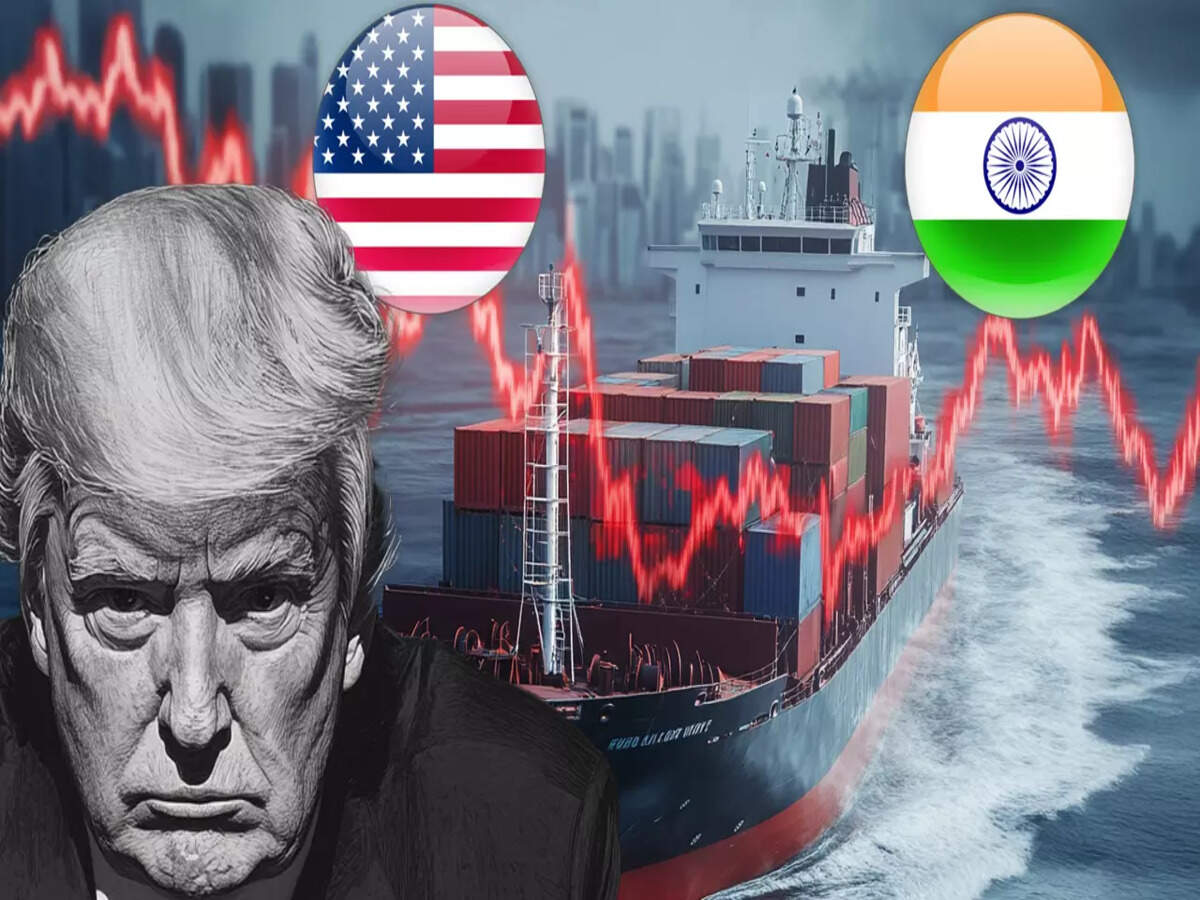
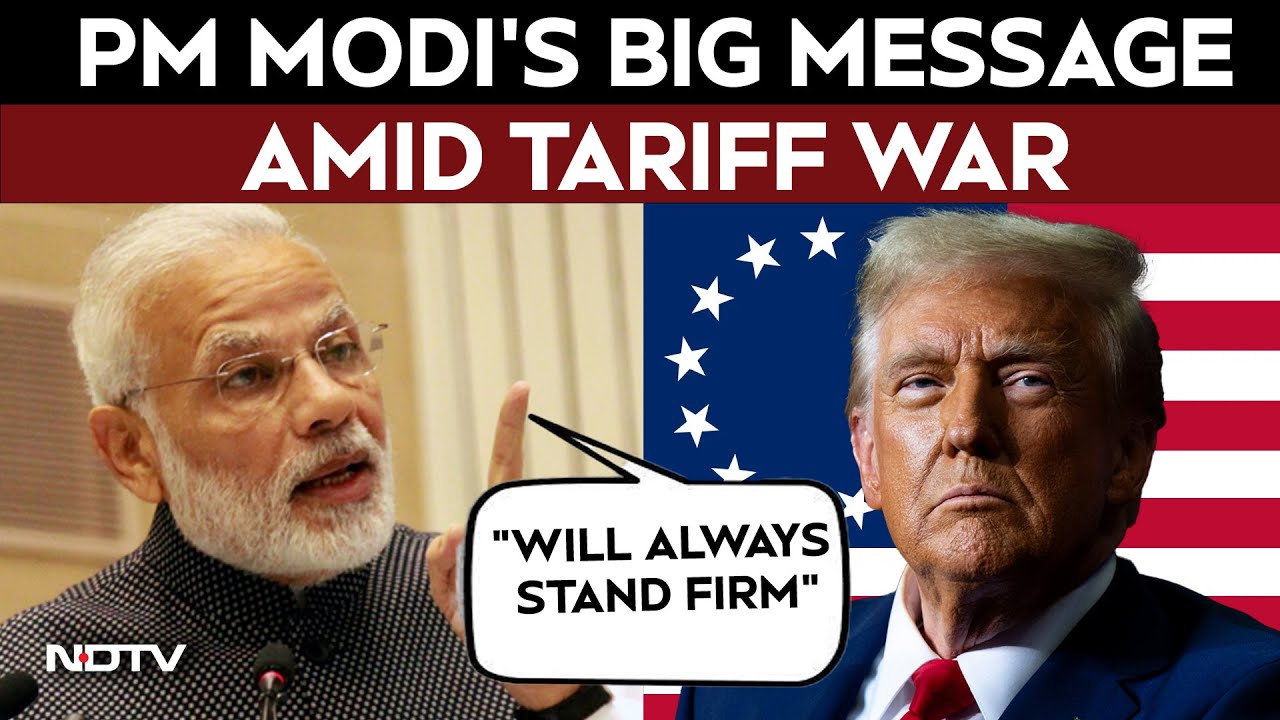
By Nitya Chakraborty The additional 25 per cent tariff on Indian exports to the USA announced by President Donald Trump to be effective from August 27, has led to an intense ideological and political battle within RSS, the BJP as also among the industrialist friends of Prime Minister Narendra Modi who are active members of […]

Signing Multiple MoUs to Drive Regional FinTech Collaboration and Innovation HONG KONG SAR – Media OutReach Newswire – 8 August 2025 – Cyberport led a delegation of its FinTech start-ups to participate in MyFintech Week 2025 (MyFW 2025), held in Kuala Lumpur from 4 to 7 August. During the event, Cyberport witnessed its community start-ups signing multiple Memorandum of Understanding (MoUs) with international and local FinTech partners, […]

KUALA LUMPUR, MALAYSIA – Media OutReach Newswire – 8 August 2025 – Octa Broker is providing an in-depth overview of the week’s key events and actionable insights to help traders navigate this high-stakes environment with confidence. July was a relatively quiet month for gold, at least by the recent standards. XAUUSD, the primary financial instrument for trading bullion, fluctuated in a very narrow 30-dollar range between roughly […]

Hunan, a central province in China, has emerged as a vital player in the country’s trade and economic relations with Africa, defying the common association of Beijing or Shanghai as the primary hubs for these dealings. With its strategic location and evolving infrastructure, Hunan is positioning itself as a key partner in China’s broader strategy to expand its influence on the African continent. Over the past few […]

Apprehension has returned to US stock markets, and the reasons are becoming increasingly difficult to ignore. Many asset allocators I speak with are questioning valuations that appear stretched and overly reliant on a handful of technology giants. Although the S&P 500 and the Nasdaq 100 reached fresh highs just last week, the rally already feels vulnerable. Outside the United States, sentiment is notably more optimistic. In Europe, […]

Advertisements

Russian President Vladimir Putin will visit India in the coming weeks, with expectations that the trip will significantly bolster bilateral relations across various sectors, including trade, defence, and energy. The visit, anticipated to be a key moment in Russia-India relations, will occur amid shifting geopolitical dynamics, particularly following the global attention on the ongoing war in Ukraine and its implications for international alliances.

The timing of the visit is critical, as both Russia and India seek to expand their strategic cooperation. Over the past few years, both nations have deepened their partnership through numerous agreements aimed at enhancing their economic and military ties. As global power dynamics continue to shift, the Russia-India alliance has become increasingly important, not just for the two countries but also within the broader context of the BRICS grouping, of which both nations are founding members.

One of the central themes of the visit will be the strengthening of economic ties, especially in the energy sector. With the ongoing energy crisis exacerbated by sanctions on Russia, India has emerged as one of the key buyers of Russian oil. The visit is expected to solidify agreements surrounding the energy trade, including the potential for India to increase its imports of Russian crude oil at discounted rates. This move is likely to provide India with a cost-effective energy source while helping Russia circumvent Western sanctions.

Discussions are expected to focus on further cooperation in defence, where Russia has long been a major supplier of military hardware to India. The two nations are expected to advance negotiations on new defence contracts, including the potential for joint production and technology sharing. The defence ties between Russia and India date back decades, and the visit will likely see the formalisation of further agreements that could further align their military interests.

The visit will also involve talks on expanding technological collaboration, particularly in the areas of space and nuclear energy. Both countries have made significant strides in these fields, and there is potential for further joint ventures, which could bring both economic and technological benefits to each nation. Putin’s presence in India is expected to reinforce Moscow’s commitment to its relationship with New Delhi, signalling Russia’s ongoing support for India’s strategic ambitions in the global arena.

Putin’s upcoming visit also comes at a time of heightened global tension. As the war in Ukraine continues to dominate headlines, Russia has increasingly sought to deepen ties with countries that have been less critical of its actions, including India. New Delhi has maintained a relatively neutral stance in the conflict, focusing instead on its national interests and calling for peace talks. This approach has allowed India to strengthen its ties with Russia without facing the same level of international scrutiny as some of the West.

The visit is likely to be significant for the future of BRICS, a bloc of emerging economies that includes Brazil, Russia, India, China, and South Africa. The group has been exploring the possibility of expanding its membership, and Putin’s visit could serve as a platform for discussing further collaboration within this framework. As BRICS nations continue to challenge the traditional Western-dominated global order, Russia and India are likely to explore ways to enhance their collective influence in international forums.

While both nations have shared interests, their relationship has not been without challenges. India’s growing economic ties with the West, especially in the technology and trade sectors, have sometimes created friction in its ties with Russia. However, the long-standing nature of their partnership, especially in defence, has ensured that these tensions have remained manageable. Putin’s visit is expected to reinforce the idea that despite external pressures, Russia and India will continue to prioritise their strategic interests.

Greenlogue/AP ACWA Power, a Saudi-listed leader in the global energy transition, has secured the Noor Midelt 2 and Noor Midelt 3 solar projects in Morocco. The projects were awarded following an international tender process facilitated by the Moroccan Agency for Sustainable Energy. These two projects are set to significantly contribute to Morocco’s efforts to diversify and expand its renewable energy capabilities. Both Noor Midelt 2 and Noor […]

The Africa Debate conference, a pivotal event focusing on trade and investment across the African continent, is set to take place on 30 September 2025 in Dubai. Organised by Invest Africa in partnership with the UAE government, this flagship conference aims to address critical issues surrounding economic growth, investment opportunities, and regional collaboration in Africa. Held in cooperation with the UAE Ministry of Foreign Trade, the conference […]

Google has agreed to temporarily pause its artificial intelligence workloads in response to power demand spikes. This decision, which aligns with ongoing efforts to reduce the environmental impact of data centre operations, marks a significant step in balancing technological advancements with energy sustainability. The tech giant’s agreement to pause AI workloads comes at a time when growing concerns around the energy consumption of data centres are increasingly […]

The University of Sharjah has entered into a strategic partnership with Binance Academy, aiming to foster innovation and education in blockchain technology. The Memorandum of Understanding between UOS and Binance’s educational arm marks a significant step towards creating new opportunities in blockchain research and talent development. This collaboration aligns with both parties’ commitment to equipping students and researchers with the necessary tools and knowledge to excel in the rapidly advancing Web3 ecosystem.

The MoU was officially signed by Professor Maamar Bettayeb, Vice Chancellor for Research and Graduate Studies at UOS, and Rachel Conlan, Chief Marketing Officer at Binance, in a move designed to pave the way for long-term cooperation. The agreement will see both entities working together to enhance blockchain education, research, and skills development across a range of fields related to emerging technologies.

This initiative underscores the growing demand for expertise in blockchain, a field that continues to disrupt various sectors, from finance to logistics and beyond. UOS, known for its robust academic offerings, will integrate blockchain curriculum and training into its programs, ensuring that students are equipped with cutting-edge knowledge. Binance Academy, leveraging its global blockchain ecosystem, will provide support with educational materials, workshops, and expert-led sessions to ensure students and researchers have access to the latest industry insights and tools.

The partnership between UOS and Binance is set to contribute to the development of a highly skilled workforce capable of navigating the complexities of blockchain, cryptocurrency, and decentralized systems. With Web3 technologies rapidly transforming industries, it is essential for academic institutions and tech companies to collaborate in developing a skilled workforce capable of driving these innovations forward.

Experts predict that blockchain technology will play a key role in shaping the future of digital transactions, governance, and online security. As such, universities like UOS are increasingly looking to align their curricula with industry needs, preparing students for the evolving demands of the global job market. By working with Binance Academy, UOS hopes to offer an advanced understanding of these transformative technologies, with a focus on real-world applications.

The partnership will facilitate knowledge exchange, where UOS faculty and researchers can engage with blockchain pioneers and industry leaders. This two-way collaboration is expected to foster an environment where academic research can influence real-world blockchain solutions, while industry innovations can be tested and refined within the academic sphere. The ultimate goal is to create a pipeline of talent that is both theoretically grounded and practically skilled in blockchain technologies.

This agreement comes as blockchain adoption continues to accelerate across multiple sectors, with a particular focus on financial services, supply chain management, and data security. As governments and businesses explore the potential of blockchain to enhance transparency, efficiency, and security, the need for skilled professionals in the field is more critical than ever.

Binance, the world’s largest cryptocurrency exchange, has been a strong proponent of blockchain education through its Binance Academy. This initiative is designed to help users and institutions navigate the complexities of blockchain technology. Binance Academy offers free courses, educational resources, and hands-on training on topics such as decentralised finance, blockchain protocols, and crypto assets, all aimed at empowering the next generation of blockchain innovators.

For UOS, this partnership aligns with its broader mission of driving research excellence and innovation within the UAE’s educational landscape. The university has long been at the forefront of integrating emerging technologies into its academic offerings, and this collaboration with Binance marks a new chapter in its pursuit of excellence in research and education.

UOS also stands to benefit from Binance’s deep expertise in the blockchain space, providing students with access to a global network of professionals, innovators, and technologists. Through this collaboration, UOS aims to position itself as a leader in blockchain education within the region, attracting students and researchers who are eager to develop their expertise in a field that is shaping the future of technology.

Blockchain’s potential to decentralise systems and increase transparency has made it one of the most transformative technologies of the modern age. With widespread adoption expected across both developed and developing nations, educational institutions that focus on blockchain research and development are set to play a pivotal role in fostering the next generation of leaders in the space.

India’s efforts to strengthen ties with the United States are facing significant hurdles due to key staffing gaps within President Donald Trump’s administration. Diplomatic engagement between the two countries has been hindered as vital foreign policy roles in Washington remain vacant, impacting India’s ability to effectively navigate the US political landscape.

Over the past few months, Indian officials have expressed concerns regarding the lack of permanent appointments in crucial diplomatic positions, including roles at the Department of State and the National Security Council. The vacancies have caused delays in ongoing discussions on key issues such as trade, defence cooperation, and counterterrorism. Despite a shared interest in expanding bilateral relations, the absence of key decision-makers has created a diplomatic impasse, making it increasingly difficult for Indian diplomats to secure face-to-face meetings with senior US officials.

The US has traditionally relied on a network of ambassadors and senior officials to manage foreign policy and maintain smooth relations with global partners. However, under the Trump administration, numerous diplomatic posts remain unfilled, including positions critical to managing India-US relations. These gaps have left many key policy decisions in limbo, complicating efforts to address pressing global challenges, including the Indo-Pacific security framework and trade negotiations.

India, in particular, has been affected by this lack of political continuity. For instance, while the US has reaffirmed its commitment to strengthening defence and economic ties with India, the absence of a US ambassador to India and a permanent Assistant Secretary of State for South and Central Asia has made it difficult to reach concrete agreements. Without these senior officials in place, policy coordination becomes more fragmented, forcing Indian officials to engage with temporary appointees who lack the authority to make significant policy changes.

Indian diplomats have found it especially challenging to build rapport with the Trump administration, which has demonstrated a preference for unconventional approaches to diplomacy. The absence of a steady stream of high-level communication has left gaps in the continuity of US policy towards India, further complicating efforts to resolve existing tensions, such as trade disputes and visa restrictions.

While India has attempted to address these challenges through alternative channels, such as the strategic dialogue and consultations with lower-ranking officials, these engagements have failed to produce the desired outcomes. For example, discussions aimed at resolving trade imbalances and the reduction of tariffs have stalled, with both sides unable to reach an agreement due to a lack of dedicated leadership on either side.

The Indian government, under Prime Minister Narendra Modi, has worked to bolster its position in the global order by forging closer ties with the US. However, without the necessary diplomatic infrastructure in place, India has been forced to wait for the completion of staffing appointments in the Trump administration before advancing critical bilateral agendas. While there has been progress in areas such as defence cooperation, the lack of substantive discussions on trade and technology has caused frustration in New Delhi.

At the heart of this diplomatic challenge is the ongoing uncertainty surrounding the US administration’s foreign policy direction. As key positions remain vacant, the White House’s ability to provide a cohesive strategy on international affairs has been compromised, particularly in its dealings with major global powers like India. This vacuum has also complicated the Trump administration’s broader efforts to pivot its foreign policy towards the Indo-Pacific region, an area of strategic interest to both the US and India.

India’s strategic priorities have been clear: maintaining a robust relationship with the US while balancing its growing ties with China and Russia. As India seeks to navigate these complex geopolitical waters, the Trump administration’s staffing issues continue to be a major stumbling block. The lack of clear leadership in critical areas of US foreign policy has left many in India questioning the future trajectory of their relationship with Washington.

The growing importance of economic and technological collaboration between the two countries has intensified the urgency for resolution. As the US and India aim to establish a more comprehensive partnership, delays in staffing appointments are causing significant setbacks in addressing mutual concerns in areas such as cybersecurity, trade, and investment.

The governments of Rwanda and the United States have formalised a migrant resettlement agreement, under which Kigali will take in up to 250 individuals deported from the US. The deal, confirmed by officials from both countries, represents a significant step in Washington’s broader efforts to manage its immigration challenges, particularly regarding the removal of people without legal status. Under the terms of the agreement, the migrants will […]

US President Donald Trump has announced plans to significantly raise tariffs on exports from India, citing the country’s oil purchases from Russia as the primary reason for the move. The statement marks an escalation in tensions between the two countries, with both sides having clashed over trade policies and geopolitical issues in recent years.

Trump’s remarks, made on social media, have ignited a strong response from New Delhi, which views the threat as unjustified and damaging to its economic interests. The US President criticized India’s ongoing imports of Russian crude oil, calling the move a betrayal, as the West intensifies efforts to isolate Moscow over its invasion of Ukraine. He pointed out that India’s purchases were then being resold on the international market for profits, further compounding the situation.

The US government has consistently condemned the sale of Russian oil to countries that are still buying from Moscow amid global sanctions designed to cripple the Russian economy. These sanctions, which were imposed by the US and its allies in response to Russia’s aggressive actions in Ukraine, have led to a complex diplomatic web, with several nations, including India, caught in the middle.

While the US and European Union have significantly reduced their oil imports from Russia, countries like India and China have stepped in to fill the gap, buying discounted crude oil from Moscow. India, in particular, has ramped up its purchases of Russian energy, a decision that is seen by many as a strategic move to secure energy resources at lower costs. These purchases have helped India maintain its economic growth amidst the energy price crisis exacerbated by the war in Ukraine.

The announcement by Trump that tariffs on Indian goods would be substantially raised could have serious repercussions for trade between the two nations. India is one of the United States’ largest trading partners, and any significant tariffs would undoubtedly affect a range of industries, from agriculture to technology. In 2022, the bilateral trade between the two countries surpassed $150 billion, with India exporting a wide array of goods to the US, including textiles, chemicals, and pharmaceuticals.

The Indian government, however, has rejected Trump’s claims, arguing that its oil purchases from Russia are in line with its energy security needs and do not violate any international laws. New Delhi has maintained a neutral stance on the war in Ukraine, calling for dialogue and diplomacy to resolve the crisis rather than escalating sanctions and pressure on Russia.

India’s position reflects a broader strategy of balancing its foreign relations with both the West and Russia. While it maintains strong ties with the US and Europe, it also values its long-standing relationship with Russia, particularly in defense and energy sectors. Over the years, Russia has been a reliable supplier of defense equipment to India, a factor that continues to shape India’s foreign policy decisions.

The economic impact of higher tariffs could have a ripple effect on both countries’ economies. India could face higher costs for its exports to the US, which might lead to inflationary pressures within certain sectors. For the US, such tariffs could result in higher prices for American consumers on imported goods, potentially exacerbating inflation at a time when the country is already grappling with economic challenges.

The political fallout from Trump’s threat to raise tariffs could further complicate efforts to resolve trade disputes between the US and India. Both nations have been working on strengthening their strategic and economic ties, but issues like tariffs and energy trade could undermine this progress. Negotiations over trade deals, such as the proposed free trade agreement, may now face significant hurdles as both sides dig in their heels.

The decision to increase tariffs on India could also have wider implications for the global economy. It might set a precedent for other nations to retaliate against countries purchasing Russian oil, particularly those in the Global South who have not been willing to fully sever their economic ties with Moscow. This could potentially fragment the global energy market even further, making it harder for countries to secure stable and affordable energy supplies.

This development highlights the growing division between the US-led West and countries that have opted to remain neutral or continue engaging with Russia. As the war in Ukraine shows no sign of abating, the economic and diplomatic repercussions of these decisions are likely to continue shaping global relations for the foreseeable future.

Abu Dhabi’s non-oil foreign trade has seen a remarkable surge in the first half of 2025, marking a robust 34.7% growth to AED 195.4 billion compared to AED 145 billion in the same period of 2024. This growth highlights the ongoing strength of the emirate’s economic diversification efforts, underpinned by its expanding infrastructure and logistical capabilities.

The first six months of 2025 saw a significant increase across various trade segments. Non-oil exports jumped by 64%, reaching AED 78.5 billion, up from AED 47.9 billion in the first half of 2024. This surge underscores the growing demand for products manufactured and processed in Abu Dhabi, with key sectors such as chemicals, metals, and machinery playing a pivotal role in this expansion. The rise in exports reflects the emirate’s increasing competitiveness in international markets, driven by its strong manufacturing base and strategic trade agreements with global partners.

On the import front, Abu Dhabi recorded a 15% increase, amounting to AED 80 billion in H1 2025, up from AED 70 billion in the same period last year. This increase in imports is largely attributed to a growing demand for raw materials and technological advancements, as the emirate continues to develop its industrial and technological sectors. Imports have supported the growth of local industries, providing them with the necessary components to maintain high levels of production and innovation.

Meanwhile, re-exports also showed a healthy rise, increasing by 35% to surpass AED 36 billion, compared to AED 26.6 billion during the same period in 2024. Re-exports have become an increasingly vital part of Abu Dhabi’s trade strategy, leveraging the emirate’s strategic location as a key logistics hub. The UAE’s positioning between Asia, Europe, and Africa has made it an essential node for goods flowing to and from global markets. Abu Dhabi’s efficient ports and transport infrastructure further enhance its appeal as a re-export centre, enabling businesses to access regional and international markets more easily.

Key factors contributing to the growth of Abu Dhabi’s non-oil trade include the continuous improvement of its infrastructure, the advancement of logistics services, and the emirate’s strategic positioning as a global trade hub. The development of world-class airports, ports, and transportation networks has facilitated the smooth movement of goods, bolstering trade flows and enhancing the efficiency of supply chains. Additionally, the UAE’s free trade agreements with various countries and regions have opened up new markets for Abu Dhabi’s goods, further driving growth.

The performance of the non-oil trade sector is also a testament to the success of the UAE’s economic diversification policies. The country has long sought to reduce its reliance on oil revenues by fostering growth in other sectors such as manufacturing, trade, and services. Abu Dhabi, in particular, has been at the forefront of this push, with substantial investments in infrastructure, innovation, and education.

Abu Dhabi Customs has played a key role in supporting this growth by enhancing border management and customs procedures, making it easier for businesses to trade globally. Customs reforms and the adoption of digital technologies have streamlined the trade process, reducing delays and costs for traders and facilitating smoother transactions across borders.

By K Raveendran Donald Trump’s aggressive tariff regime, launched under the guise of bolstering American strength and reclaiming lost economic ground, has triggered a worldwide response that may ultimately defeat the very goal it seeks to achieve. Framed as a nationalist project to assert America’s economic primacy, the tariff war has turned out to be […]

PARIS, FRANCE – Media OutReach Newswire – 1 August 2025 – Dusit International, one of Thailand’s leading hotel and property development companies, has signed a strategic partnership agreement with SYDEL, a French real estate investment company, to establish Dusit France – a joint venture created to bring Dusit’s unique brand of Thai-inspired gracious hospitality to France for the first time. Dusit International and SYDEL formally established Dusit […]

e& has reported an impressive net profit of AED 3.5 billion for the second quarter of 2025, up 9.7 per cent year‑on‑year, driven by a substantial rise in its global subscriber base. The company’s performance outstripped the average analyst forecast of AED 2.84 billion, underlining robust execution in a competitive market. Consolidated revenue for Q2 rose 28.1 per cent to AED 18.0 billion, while earnings before interest, tax, depreciation and amortisation increased by approximately 22.2 per […]

HONG KONG SAR – Media OutReach Newswire – 1 August 2025 – Cushman & Wakefield, a leading global real estate services firm, today released its Life Sciences on the Chinese Mainland – Vital signs: Diagnosing trends in the life sciences real estate market on the Chinese mainland report. It is based on in-depth interview surveys we conducted on professionals active in the life sciences sector on the […]

By Dr. Nilanjan Banik Before the August 1 deadline, the U.S. President Donald Trump decided to impose a 25% tariff on Indian exports. He also talked about an additional penalty on Indian exports, which could go up to100% as a surcharge, targeting countries that continue trading oil with Russia. Trump seems to care less about […]


Zambia’s government is pushing for a 12-month extension to its current loan arrangement with the International Monetary Fund, according to an official cabinet statement released on Wednesday. The proposal, if approved, would see the existing agreement, set to expire at the end of October, continue until October 2024. This decision follows a series of critical economic challenges faced by the southern African nation, which is heavily reliant […]

The UAE Cybersecurity Council has entered into a significant partnership with Rilian Technologies, aiming to enhance the security of the nation’s critical infrastructure. This collaboration, established in conjunction with CPX Holding, will integrate state-of-the-art technology solutions, both from local and international partners, to safeguard the country’s vital digital and physical assets. This strategic move reflects the UAE’s commitment to fortifying its cybersecurity framework in an era of […]

South Africa’s trade proposal to the United States remains unaddressed with only four days left before a critical deadline. The proposal, submitted last month, aims to prevent the imposition of steep tariffs on South African goods, which could significantly affect the nation’s economy. As the deadline draws near, the lack of response from Washington has raised concerns among policymakers in Pretoria about the potential impact on exports […]

VISHNU RAJA
RYO YAMADA
HITORI GOTOH
IKUYO KITA