News related to
agreement

By Nitya Chakraborty The interim Government in Bangladesh led by Dr. Muhammad Yunus has achieved big success in the last few days in persuading the Biden administration to help in bailing out the country’s ailing economy to meet the immediate challenges of the post-Hasina administration. Interim Government head Dr. Md. Yunus who has good friends […]

The Saudi Fund for Development (SFD) has finalized a $25 million agreement to support a new renewable energy initiative aimed at enhancing sustainable energy infrastructure. The deal, announced this week, is part of the Kingdom’s broader strategy to diversify its energy portfolio and reduce reliance on fossil fuels. The project, located in an emerging market region, will focus on the development and implementation of solar energy technologies. […]

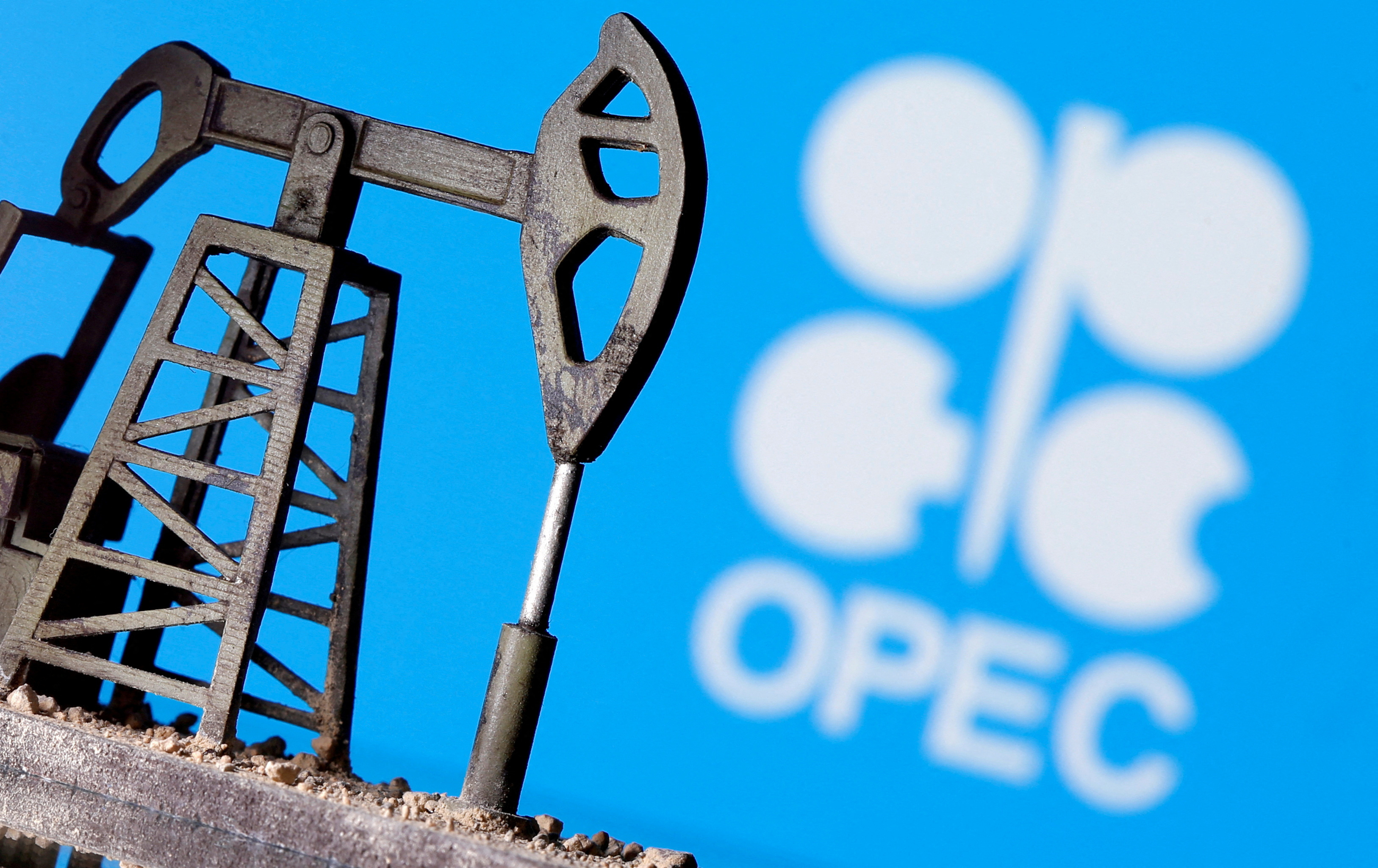
OPEC’s crude oil production in August plummeted to its lowest level since January, primarily driven by a significant drop in output from Libya. According to a recent survey, Libya’s ongoing conflict and operational disruptions have sharply curtailed its oil production, contributing to the overall decrease in the organization’s output.

The survey, conducted by an industry analysis firm, reveals that OPEC’s total crude oil production averaged approximately 28.3 million barrels per day (bpd) in August. This marks a notable decline from the 29.1 million bpd recorded in July. Libya, a member of OPEC, saw its production fall by about 300,000 bpd to just over 800,000 bpd due to severe disruptions in its oil infrastructure. These disruptions are attributed to ongoing internal conflicts and blockades affecting key oil fields and export terminals.

The decrease in Libya’s output has had a ripple effect on OPEC’s overall production levels. The survey highlights that other OPEC members have maintained relatively stable production levels or have experienced only minor fluctuations. For instance, Saudi Arabia, the organization’s largest producer, and Iraq, the second-largest, have continued their production commitments in line with previous agreements. Saudi Arabia’s output remains close to 10.5 million bpd, while Iraq produces around 4.4 million bpd.

The impact of Libya’s reduced output is compounded by broader market dynamics. Global oil prices have shown volatility, influenced by fluctuating demand and geopolitical uncertainties. The drop in OPEC’s production underscores the challenges facing the organization as it navigates a complex global oil market characterized by varying national interests and economic pressures.

Analysts suggest that the production decline could influence global oil prices, potentially pushing them higher in response to the reduced supply. However, the extent of this impact will depend on several factors, including the pace at which Libya can restore its oil output and the response of other major oil producers outside OPEC.

The situation in Libya has been a critical factor in the organization’s production dynamics. Ongoing conflict and political instability have disrupted the country’s oil industry, which has historically been a significant contributor to OPEC’s total output. Efforts to stabilize the region and restore production are ongoing, but progress remains slow.

Additionally, the survey highlights that non-OPEC countries, including major producers like the United States and Russia, continue to influence global oil supply and demand trends. The production strategies of these countries play a crucial role in shaping the broader oil market, often counterbalancing the fluctuations within OPEC.

The August production data reflects the complexities of managing a global oil supply amid geopolitical uncertainties and market fluctuations. As OPEC seeks to address the challenges posed by Libya’s output and other external factors, the organization will likely continue to adapt its strategies in response to evolving global conditions.

The future outlook for OPEC’s production levels and global oil prices will depend on several factors, including geopolitical developments, market demand, and the effectiveness of stabilization efforts in Libya and other key regions. The ongoing monitoring of these dynamics will be essential for understanding the broader implications for the global oil market and the energy sector as a whole.

HANOI, VIETNAM – Media OutReach Newswire – 3 September 2024 – HeeSay, the LGBTQ+ online community, made a debut at White Party Vietnam 2024 as the ‘community’ concept materialized in its booth and sparked a buzz of excitement among local attendees. The “Mini-Community” orchestrated by HeeSay featured several interactive games that mirrored online social scenarios within the app. The “YAY!” game, inspired by the tacit agreement challenge, […]

UAE and Kuwait have reinforced their diplomatic and economic ties by signing several memoranda of understanding (MoUs) aimed at enhancing cooperation across various strategic sectors. The agreements were finalized during the fifth session of the UAE-Kuwait Joint Higher Committee, held in Abu Dhabi and chaired by UAE Deputy Prime Minister and Minister of Foreign Affairs, Sheikh Abdullah bin Zayed Al Nahyan.

The discussions underscored the significance of deepening collaboration in areas such as industry, trade, renewable energy, transportation, and infrastructure development. Both countries highlighted the importance of these sectors in driving economic growth and diversifying their economies, particularly in the context of shifting global energy dynamics.

Sheikh Abdullah emphasized the strong historical relationship between the two nations and the mutual benefits of the agreements. He noted that the partnership between UAE and Kuwait has always been a cornerstone of stability and progress in the Gulf region. The MoUs, he added, are not just symbolic but represent actionable plans that will have a tangible impact on the economic and social development of both countries.

The Kuwaiti delegation, led by Foreign Minister Sheikh Salem Abdullah Al-Jaber Al-Sabah, echoed these sentiments, stressing the strategic importance of the agreements in fostering long-term cooperation. Sheikh Salem highlighted that these MoUs are aligned with Kuwait’s Vision 2035, which aims to transform the country into a financial and trade hub, with a sustainable and diversified economy.

One of the key areas of focus during the talks was the renewable energy sector. Both UAE and Kuwait have committed to increasing investments in this area, recognizing the critical role of renewable energy in achieving energy security and environmental sustainability. The UAE, with its ambitious clean energy targets, is expected to share its expertise and technological advancements with Kuwait, which is also exploring ways to reduce its dependency on fossil fuels.

Trade and industry were also central to the discussions, with both sides agreeing to enhance bilateral trade relations. The MoUs are expected to facilitate easier access to markets, remove trade barriers, and encourage joint ventures in key industries. This move is anticipated to boost economic activity and create new opportunities for businesses in both countries.

Transportation and infrastructure development were other major topics on the agenda. The two countries plan to collaborate on large-scale infrastructure projects, including the expansion of transportation networks and the development of smart cities. These initiatives are part of broader efforts to modernize infrastructure and improve connectivity within the Gulf region, which is vital for sustaining economic growth and enhancing regional integration.

The UAE-Kuwait Joint Higher Committee has been a key platform for strengthening bilateral relations since its establishment. The committee meets periodically to review the progress of joint initiatives and explore new areas of cooperation. This latest session marked a significant step forward in UAE-Kuwait relations, with both sides expressing optimism about the future of their partnership.

As the global landscape continues to evolve, UAE and Kuwait are positioning themselves as key players in the Gulf region by building on their strong diplomatic ties and expanding their cooperation in critical sectors. The MoUs signed at the fifth session of the Joint Higher Committee are expected to pave the way for further collaboration and contribute to the economic and social development of both countries.

Egypt has given the green light to a major investment by Masdar, the UAE-based renewable energy company, for a substantial solar power project valued at $900 million. This significant move underscores Egypt’s commitment to bolstering its renewable energy sector and transitioning away from fossil fuels. The project, situated in the Benban Solar Park in Aswan, is expected to be one of the largest solar installations in the […]

Emirates has significantly broadened its global network by forging partnerships that connect travellers to approximately 1,700 cities worldwide. This expansion is achieved through an extensive array of codeshare, interline, and combined rail and helicopter services.

The Dubai-based airline now offers 31 codeshare agreements, which allow passengers to seamlessly transfer between Emirates flights and those of partner airlines. These agreements enhance connectivity across continents and streamline travel experiences. Additionally, Emirates has established 118 interline agreements. These arrangements enable the integration of different airlines’ services, facilitating smoother connections and more efficient travel itineraries.

Furthermore, Emirates has introduced 13 rail and helicopter services, further enhancing its network. These services bridge the gap between airports and key urban or remote destinations, offering a comprehensive travel solution that integrates multiple modes of transportation.

This expansion reflects Emirates’ commitment to providing a seamless travel experience, leveraging its partnerships to offer unparalleled global connectivity. The airline’s strategic alliances not only extend its reach but also contribute to a more flexible and integrated travel ecosystem. This initiative aligns with the growing demand for comprehensive travel solutions that accommodate diverse and evolving passenger needs.

The global transport network now includes numerous key destinations across more than 100 countries, facilitated by these strategic partnerships. Emirates’ approach exemplifies a modern trend in the aviation industry where airlines enhance their service offerings through collaborative agreements, optimizing passenger convenience and accessibility.

As the travel landscape continues to evolve, Emirates’ extensive network of partnerships underscores the importance of connectivity and collaboration in meeting the needs of a global audience. By integrating a wide range of transport services, Emirates is positioned to offer an exceptional level of convenience and choice for international travellers.

Advertisements

Saudi Arabia and Ethiopia have launched a new business council to deepen economic cooperation and boost trade between the two nations. The Federation of Saudi Chambers made the announcement following the approval by the General Authority for Foreign Trade, underscoring the growing importance of bilateral ties between Riyadh and Addis Ababa. The newly established Saudi-Ethiopian Business Council is set to operate for the 2024-2028 term and will […]

By leveraging each other’s strengths, both companies aim to break new ground and plant flags in destinations where they have yet to have a presence. BANGKOK, THAILAND – Media OutReach Newswire – 29 August 2024 – Dusit Hotels and Resorts, the hotel arm of Dusit International, one of Thailand’s leading hotel and property development companies, and Generator and Freehand Hotels, an award-winning developer and operator of experiential […]

Jebel Ali Port in Dubai has achieved its highest container throughput in a single month since 2015, marking a significant milestone for the UAE’s maritime industry. This surge comes amid a notable increase in non-oil foreign trade, driven by the nation’s strategic economic partnerships. The port’s container handling reached unprecedented levels, surpassing previous records and reflecting a robust growth trajectory in trade activities. This spike in volume […]

GoDaddy, a leading domain registration and web hosting company, is under legal scrutiny for allegedly reversing domain purchases under questionable circumstances. The lawsuit, filed by a prominent tech entrepreneur, claims that GoDaddy unlawfully reclaimed a domain after it had been legally purchased and renewed. The controversy centers around the domain “exampledomain.com,” which was initially acquired by the plaintiff in a transaction completed in January. According to the […]

By Nitya Chakraborty Former British Prime Minister Harold Wilson once said that a week is too long a time in politics. This was in the context of post-war turmoil in British politics. As regards India, it seems that the post 2024 Lok Sabha elections scenario is changing fast and the most affected has been the […]

Fertiglobe, a major ammonia producer based in Abu Dhabi, has secured a groundbreaking deal to supply green ammonia to the European Union, marking a significant step in the global transition towards renewable energy. The agreement, a result of a competitive H2Global auction funded by Germany’s Federal Ministry for Economic Affairs and Climate Action, positions Fertiglobe as a key player in the EU’s renewable energy supply chain. Under […]

The Islamic Development Bank (IsDB) has formalized a strategic partnership with Brunei Darussalam, setting the stage for enhanced collaboration. This partnership, cemented through a Memorandum of Understanding (MoU) signed today, marks a significant milestone in both parties’ efforts to drive sustainable development and economic growth. The MoU was signed in Jeddah, highlighting a commitment to deepening the bilateral relationship. The agreement outlines a framework for medium-term cooperation, […]

Dragon Oil, the Dubai-based oil and gas company, has reinforced its partnership with the Turkmen government, aiming to enhance oil production in the Caspian Sea. A significant meeting between Turkmenistan’s President and Dragon Oil’s Chairman in Ashgabat highlighted this growing cooperation, which focuses on the expansion and modernization of existing oil fields. The collaboration is set to play a crucial role in boosting Turkmenistan’s energy sector, aligning […]

Dubai Aerospace Enterprise (DAE) has finalized a significant acquisition agreement to purchase 23 new aircraft for $1.1 billion. This strategic move is part of DAE’s ongoing efforts to expand its fleet and strengthen its position as a leading player in the global aviation leasing market.

The deal, signed in late August 2024, underscores DAE’s commitment to enhancing its asset portfolio in response to the growing demand for commercial aircraft. The acquisition includes a mix of narrow-body and wide-body aircraft, with delivery scheduled over the next several years. The exact models and the manufacturers involved in the deal have not been disclosed, but industry insiders suggest that the aircraft will likely serve the needs of DAE’s diverse clientele, ranging from low-cost carriers to full-service airlines.

DAE has been on an aggressive growth trajectory, leveraging both organic and inorganic means to boost its fleet size. This acquisition follows a series of strategic purchases and leasing agreements aimed at expanding the company’s market share. The $1.1 billion deal also reflects the confidence of DAE in the long-term recovery and growth of the aviation sector, which has shown resilience despite recent global challenges.

This transaction positions DAE to better serve its airline customers worldwide, many of whom are seeking to modernize their fleets with more fuel-efficient aircraft. As the industry gradually recovers from the economic impact of the global pandemic, the demand for newer, more cost-effective planes is expected to rise, benefiting companies like DAE that are prepared to meet this demand.

DAE’s CEO, Firoz Tarapore, emphasized the strategic importance of this deal in the context of the company’s broader growth strategy. He highlighted the company’s ability to execute large-scale acquisitions and its focus on delivering value to its shareholders. This acquisition is seen as a critical step in reinforcing DAE’s leadership in the aviation leasing market, where competition has intensified with new entrants and existing players ramping up their operations.

The aviation leasing industry has seen a resurgence of activity in 2024, with several major deals and mergers reshaping the competitive landscape. DAE’s latest move is expected to further consolidate its position as one of the top aircraft lessors globally. With this acquisition, DAE’s fleet will reach new heights, enhancing its ability to offer a broad range of leasing solutions to airlines worldwide.

This acquisition marks a significant milestone in DAE’s growth journey and reflects the broader trends in the aviation industry, where leasing companies are playing an increasingly pivotal role in fleet management. As airlines continue to navigate the challenges of fluctuating demand and rising operational costs, leasing firms like DAE are expected to remain at the forefront, providing flexible solutions that help carriers optimize their fleets.

DAE’s expansion is also indicative of the broader recovery in the aviation sector, where passenger numbers and cargo volumes are gradually returning to pre-pandemic levels. This positive trend is likely to drive further investments in new aircraft, with leasing companies positioned to capitalize on the increasing need for modern, efficient fleets.

The successful completion of this deal further solidifies DAE’s reputation as a dynamic and forward-looking player in the aviation leasing industry, capable of seizing opportunities in a rapidly evolving market. The company’s strategic acquisitions and robust financial performance continue to attract attention from industry analysts, who view DAE as a key player in the ongoing transformation of the global aviation landscape.

Amid a backdrop of rising tensions and shifting political landscapes, Israel faces a critical juncture in its ongoing struggle with Iran. As support for Prime Minister Benjamin Netanyahu continues to grow, the question of whether Israel should intensify its confrontation with Iran is gaining prominence. While the prospect of such a move may appeal to some as a demonstration of strength and resolve, the unpredictable nature of warfare poses significant risks that must be carefully considered.

Netanyahu has long positioned himself as a staunch defender of Israel’s security, particularly in relation to the perceived threat from Iran. His rhetoric and actions have consistently underscored the view that Iran’s nuclear ambitions and regional influence constitute an existential danger to Israel. Over the years, Netanyahu has been vocal about the need to curb Iran’s power, and his administration has supported a range of strategies, including military strikes, covert operations, and diplomatic pressure, to achieve this goal.

Recent developments have only heightened the stakes. Iran’s nuclear program appears to be advancing at a rapid pace, with reports suggesting that it may soon reach a critical threshold. Additionally, Iran’s influence in the region, through its support for proxy groups such as Hezbollah and its involvement in conflicts in Syria and Yemen, remains a significant concern for Israel. The strategic calculus for Israel is therefore becoming increasingly complex, as it weighs the potential benefits and costs of escalating the conflict with Iran.

Support for Netanyahu’s hardline approach has been bolstered by several factors. Domestically, his political standing has improved, partly due to his handling of security issues and his ability to present himself as a strong leader in times of crisis. The recent normalization agreements between Israel and several Arab states have also enhanced his reputation, suggesting that Israel’s regional position is stronger than ever. These developments may lead some to believe that now is the opportune moment to confront Iran more directly, capitalizing on Netanyahu’s political momentum and the perceived alignment of regional interests.

However, the decision to escalate the conflict with Iran is fraught with peril. Wars, by their very nature, are unpredictable and can spiral out of control in ways that are difficult to foresee. Even with superior military capabilities, Israel cannot guarantee a quick and decisive victory. Iran is a formidable adversary with a well-established military and a network of regional allies that could respond to Israeli aggression in ways that might destabilize the entire Middle East.

One of the key risks associated with a larger war is the potential for it to draw in other regional and global powers. The Middle East is a complex web of alliances and enmities, and any significant escalation by Israel could provoke responses from other countries, including Russia, Turkey, and the United States. Each of these actors has its own interests and objectives in the region, and their involvement could complicate Israel’s strategic objectives, leading to a protracted and costly conflict.

Moreover, there is the question of public opinion, both domestically and internationally. While Netanyahu may enjoy growing support within Israel, particularly among those who prioritize security concerns, there is also a segment of the population that is wary of the consequences of another major war. The memory of past conflicts, such as the 2006 Lebanon War and the ongoing tensions in Gaza, serves as a reminder of the human and economic toll that war can exact. Internationally, Israel could face increased scrutiny and criticism, particularly if civilian casualties were to mount, which could undermine its diplomatic standing and erode the support it currently enjoys from key allies.

The economic implications of a larger conflict should not be overlooked either. Israel’s economy, while robust, is not immune to the shocks that accompany military conflicts. Prolonged warfare could disrupt trade, deter investment, and strain public finances, leading to long-term economic challenges. The costs of rebuilding and addressing the humanitarian fallout of war could be substantial, diverting resources away from other critical areas such as education, healthcare, and infrastructure.

Given these considerations, the argument against escalating the conflict with Iran gains considerable weight. While the desire to neutralize a perceived threat is understandable, the risks associated with a larger war are significant. Netanyahu’s leadership has been characterized by a willingness to take bold actions, but in this case, caution may be the more prudent course.

Israel’s security concerns are legitimate, and the threat posed by Iran is real. However, history has shown that wars often produce unintended consequences. The 2003 invasion of Iraq by the United States serves as a cautionary tale of how even well-intentioned military interventions can lead to long-term instability and suffering. Israel must weigh the potential short-term gains of weakening Iran against the long-term risks of igniting a broader regional conflict.

Diplomatic efforts, while challenging, offer an alternative path. The international community, including Israel’s allies, has a vested interest in preventing a larger war in the Middle East. Diplomatic channels, including negotiations and multilateral efforts to curb Iran’s nuclear ambitions, should be pursued with renewed vigor. While diplomacy may not provide immediate results, it offers the possibility of a more sustainable and less costly resolution to the ongoing tensions.

The decision to escalate or avoid a larger conflict with Iran is one that will define Netanyahu’s legacy and Israel’s future. It is a decision that requires careful consideration of the potential consequences, both known and unknown. The support for Netanyahu’s approach is undeniable, but the wisdom of pursuing a path of greater confrontation remains questionable. Wars are rarely as simple as they appear at the outset, and the costs of miscalculation can be immense.

As Israel navigates this complex and dangerous terrain, the choice it makes will have profound implications for its security, its economy, and its standing in the world. The allure of a decisive victory over a formidable adversary is strong, but the risks of a broader conflict may ultimately outweigh the potential rewards. Israel must tread carefully, recognizing that while strength is essential, so too is the wisdom to avoid unnecessary and potentially catastrophic conflict.


SINGAPORE – Media OutReach Newswire – 28 August 2024 – Zuellig Pharma, a leading healthcare solutions company in Asia, has announced an exclusive distribution agreement with Regeneron Ireland DAC, a wholly owned subsidiary of Regeneron Pharmaceuticals, Inc. to launch and commercialise Libtayo® (cemiplimab), a fully human monoclonal antibody targeting the immune checkpoint receptor PD-1 on T cells, in South Korea and Taiwan. Regeneron is a leading biotechnology […]

BEIJING, CHINA – Media OutReach Newswire – 27 August 2024 – On August 21, the highly anticipated World Robot Conference 2024 (WRC 2024) grandly opened at the Beijing Etrong International Exhibition & Convention Center, once again drawing global attention to the Beijing Economic-Technological Development Area (Beijing E-Town). As the main hub for high-end industries in the capital, Beijing E-Town has fully utilized the platform of WRC to […]

SINGAPORE – Media OutReach Newswire – 27 August 2024 – To further enhance the accountancy talent pipeline in Singapore and abroad, the Institute of Singapore Chartered Accountants (ISCA) has signed Memorandums of Understanding (MOUs) with SIM Global Education, one of the core entities of the Singapore Institute of Management (SIM), and PSB Academy. Under these agreements, undergraduates pursuing accountancy at SIM Global Education and PSB Academy will […]

Saudi Electricity Company (SEC) has finalized a significant financial arrangement, securing a SAR 15 billion ($4 billion) joint syndicated revolving credit facility. This substantial credit line has been arranged with the support of 15 major regional and global banking institutions. The funds from this credit facility will be allocated towards general corporate purposes, according to a statement released by SEC on Sunday. This agreement marks a pivotal […]

BlackRock, a leading global asset management firm, has announced a strategic partnership with Saudi Arabia to enhance the kingdom’s property finance sector. This collaboration aims to create a robust real estate finance framework, supporting both residential and commercial property development across the country. The agreement was formalized through BlackRock’s dedicated real estate investment team, which will work closely with Saudi entities to leverage their expertise and capital […]

QatarEnergy has solidified its position as a key player in the global energy market by signing a long-term agreement to supply Kuwait with three million tons of liquefied natural gas (LNG) annually for the next 15 years. This significant deal, finalized on Monday, marks the second such agreement between the two nations since 2020, highlighting Kuwait’s growing reliance on imported LNG to meet its increasing power generation needs.

The agreement was formalized during a ceremony in Kuwait, with QatarEnergy’s CEO Saad Sherida al-Kaabi and Kuwait Petroleum Corporation’s (KPC) CEO Sheikh Nawaf al-Sabah leading the signing. The deliveries, scheduled to commence in January 2025, will provide a steady supply of LNG to fuel Kuwait’s power plants, a critical component of the country’s energy infrastructure.

This new deal follows a similar 15-year agreement signed in 2021, under which Qatar also committed to supplying three million tons of LNG annually to Kuwait’s Al-Zour terminal. The Al-Zour facility, operated by KPC’s subsidiary KIPIC, is one of the largest LNG import terminals globally, with a capacity of 22 million tons per annum.

QatarEnergy’s North Field LNG expansion project, which is expected to increase the country’s production capacity from 77 million tons per annum to 142 million tons by 2030, underpins these long-term supply commitments. This massive project includes the construction of six new LNG trains, with four dedicated to the North Field East expansion and two to the North Field South expansion.

The North Field project has attracted substantial international investment, with major energy companies such as Shell, ExxonMobil, and TotalEnergies partnering with QatarEnergy. These collaborations are set to significantly boost Qatar’s LNG output, reinforcing the nation’s status as one of the world’s leading LNG exporters.

Beyond Kuwait, QatarEnergy has been actively securing LNG supply deals globally. In 2024 alone, the company signed agreements with Taiwan’s CPC, India’s Petronet LNG, and Excelerate Energy in the U.S., further expanding its reach in key markets. These strategic moves are part of QatarEnergy’s broader vision to maintain its dominance in the LNG sector amid growing global demand.

The latest agreement with Kuwait is not only a testament to the strong bilateral relations between the two Gulf nations but also underscores Qatar’s pivotal role in meeting the energy needs of the region. As global energy dynamics continue to evolve, QatarEnergy’s strategic expansions and long-term contracts position it as a critical supplier in the world’s energy landscape.

The Indian government is preparing to launch a significant green bond issuance in the latter half of the fiscal year, aiming to raise approximately 120 billion rupees ($1.4 billion). This move marks the country’s renewed effort to attract investment in sustainable projects, reflecting a broader trend in global finance where environmental, social, and governance (ESG) criteria are increasingly influencing investment decisions. India’s green bond market has been […]

VISHNU RAJA
RYO YAMADA
HITORI GOTOH
IKUYO KITA