News related to
financial

Abu Dhabi has secured a strategic collaboration between the Abu Dhabi Investment Office and US-based Prudential Financial Inc aimed at bolstering the emirate’s capacity in long-term retirement savings, income solutions and reinsurance as part of its financial sector transformation agenda. The agreement, unveiled during Abu Dhabi Finance Week 2025, also sees PFI joining the FinTech, Insurance, Digital and Alternative Assets cluster, a cornerstone initiative designed to position […]

Dubai’s skyline is poised for a new addition as Dar Global, a London-listed luxury real estate developer, has appointed Edrafor Emirates LLC to carry out enabling and foundational works for the Trump International Hotel & Tower project along Sheikh Zayed Road, marking a significant early stage in the development of what is set to be one of the city’s most ambitious luxury properties. The contract covers the […]

Sharjah’s real estate market achieved an unprecedented milestone in November 2025, with transaction values soaring to AED 9.5 billion — the highest monthly figure in the emirate’s history. This performance highlights a powerful upswing in property demand and transaction activity, according to data from the Sharjah Real Estate Registration Department.

The surge was driven by a total of 15,131 individual real estate transactions completed across residential, commercial and land sectors, with the cumulative traded area in sales transactions reaching about 34.9 million square feet. Market dynamics showed robust participation from both end-users and investors, signalling sustained confidence in the emirate’s property market fundamentals.

Sales transactions contributed significantly to this total, accounting for 2,126 deals — around 14 per cent of all transactions — demonstrating heightened buyer activity. Mortgage deals also featured prominently, with 698 recorded transactions valued at approximately AED 1.6 billion. The volume and value of these mortgages reflect strong backing from financial institutions and growing investor confidence amid a favourable credit environment.

Analysts note that the November outcome builds on the emirate’s broader market momentum through 2025. Year-to-date figures indicate that property transactions in Sharjah have risen sharply compared with the previous year. Data from a Savills report show that the first nine months of 2025 saw total sales reach around AED 44.3 billion, up by more than half relative to the same period in 2024.

The jump in monthly and cumulative annual activity reflects several intersecting trends shaping Sharjah’s property landscape. Developers across the emirate have accelerated new project launches and master-planned communities that appeal to both domestic and international buyers. Villa and townhouse segments have been particularly active, buoyed by strong demand from families and investors seeking space outside the ultra-premium segments found in neighbouring markets.

Macro-economic factors also play a role. Sharjah’s broader economic ecosystem has recorded steady expansion, with diversification efforts in sectors such as logistics, education, and tourism underpinning population growth and boosting housing demand. Property professionals point to these structural drivers as crucial to the market’s resilience and robust performance.

Regional comparisons further contextualise Sharjah’s achievement. Across the United Arab Emirates, major property markets have posted strong results throughout 2025, with Dubai and Abu Dhabi also reporting significant upticks in transaction volumes and values. In Dubai, for example, transaction figures remained elevated in both off-plan and secondary markets, while Abu Dhabi logged increased activity linked to lifestyle-oriented developments and foreign investment.

Despite these broader national trends, Sharjah’s November figure stands out for its magnitude relative to the emirate’s historical performance. Prior monthly totals in 2025 — including around AED 7 billion in October — already pointed to accelerated momentum, but November’s record haul marks a pronounced inflection point.

Market insiders attribute part of this growth to flexible regulatory frameworks and proactive initiatives introduced by local authorities aimed at stimulating property sector participation. Enhanced transparency in transaction processes and targeted incentives for first-time buyers and investors have helped attract a more diverse buyer base.

Despite the strong upswing, industry observers caution that sustained growth will require continued alignment of supply with demand, particularly in mid-income and affordable housing segments. Robust demand could exert upward pressure on prices if not matched by commensurate increases in new deliveries. Developers and policymakers will need to address these dynamics to maintain market stability over the medium term.


Arabian Post Staff -Dubai Abu Dhabi’s move to establish an investment corridor with China gained further traction after the Abu Dhabi Investment Office confirmed a strategic partnership with China International Capital Corporation aimed at expanding two-way capital flows and creating a formal framework for long-term collaboration. The initiative positions the emirate to attract a new wave of Chinese companies while giving institutional investors in Abu Dhabi structured […]

SINGAPORE – Media OutReach Newswire – 11 December 2025 – Credo Assurance, an ACRA-registered audit firm in Singapore, has obtained the ISCA Professional Certification in Sustainability Assurance. The recognition has reflected its readiness to conduct independent reviews of environmental, social and governance (ESG) reporting in accordance with established standards. Credo Assurance Earns ESG Certification to Support Sustainability Reporting A Response to a Changing Regulatory Environment Singapore’s corporate […]

The Central Bank of the UAE confirmed that the Digital Dirham — its central-bank-issued digital currency — is poised for phased rollout, following the nation’s first government-level payment settled in Digital Dirham. The transaction, processed in under two minutes via the mBridge multi-CBDC platform, involved the Ministry of Finance and the Dubai Department of Finance, underscoring readiness of infrastructure and institutional coordination. This marks a transition from […]

Growing concerns over the expansion of dollar-linked digital tokens have prompted the International Monetary Fund to issue a caution over the strain stablecoins could place on emerging markets, with the institution arguing that widespread use of these instruments risks weakening domestic monetary frameworks. The warning centres on the potential for currency substitution and accelerated outflows should stablecoins gain traction in jurisdictions where confidence in local units is fragile. This caution mirrors the broader message conveyed in IMF warns of stablecoin strain on emerging economies, underscoring the possibility of digital tokens amplifying financial vulnerabilities.

The Fund’s latest assessment highlights the challenge posed by USD-pegged tokens such as USDT and USDC, which together dominate the global stablecoin market. Analysts tracking flows note that these instruments have evolved into widely used vehicles for cross-border transfers, digital asset trading and store-of-value purposes in countries with volatile currencies. The IMF argues that their adoption can reduce the capacity of central banks to manage liquidity conditions, especially in economies where monetary authorities already contend with limited tools to stabilise inflation and anchor expectations. The institution has urged regulators to assume a proactive posture, particularly in markets where capital controls or shallow financial systems heighten the risk of abrupt movements.

The concerns reflect a shift from earlier phases of the digital asset cycle, when stablecoins attracted regulatory scrutiny largely due to their reserve backing and operational transparency. With greater clarity emerging around reserve audits and redemption mechanisms, policymakers are now looking beyond technical design and towards systemic implications. Economic experts cautioned that dollar-denominated tokens might evolve into parallel settlement channels, enabling households and corporates to bypass domestic banking systems during periods of stress. For countries with restricted foreign exchange markets, that pattern could complicate monetary management and accelerate the erosion of trust in local units.

Despite these warnings, several analysts point out that the scale of stablecoin adoption across developing economies remains uneven. Data from blockchain analytics firms suggests that while usage has grown in parts of Latin America, Africa, Eastern Europe and South Asia, activity is still far from the threshold that would trigger systemic currency substitution. Experts add that stablecoins often function as short-term hedging tools rather than long-term savings instruments, meaning their impact on monetary sovereignty is not yet of the magnitude implied by more pessimistic scenarios. Many economists argue that structural weaknesses in local economies, such as persistent inflation or fiscal imbalances, are more significant drivers of currency instability than the availability of digital dollar substitutes.

Regulators in several markets have already begun drafting frameworks to govern stablecoin issuance and use. Authorities in regions including the Gulf, the European Union, Singapore and parts of East Asia have introduced licensing requirements and reserve rules to ensure issuers maintain high-quality backing assets. These frameworks emphasise transparency and redemption at par, which policymakers view as essential to preventing destabilising runs. Some central banks are also exploring bilateral agreements to manage cross-border flows facilitated by stablecoins, particularly where local banks have limited capacity to monitor or report such transactions.

Several financial commentators suggest that concerns over capital flight through stablecoins stem from gaps in existing capital control regimes rather than from the forms of technology used to move funds. They argue that digital tokens merely enhance the speed and efficiency of transfers that might otherwise occur through informal channels. Nonetheless, the IMF stresses that the visibility and liquidity offered by stablecoins could encourage larger volumes to exit strained economies during periods of uncertainty. The institution asserts that emerging markets could face amplified volatility if households and corporates shift towards digital dollars at scale.

The rise of stablecoins has also coincided with broader experimentation in monetary innovation, with more than one hundred central banks evaluating options for digital currencies. Some economists view central bank digital currencies as a potential counterbalance to dollar-pegged private tokens, offering residents a regulated alternative for digital payments while preserving oversight. Others note that CBDCs alone will not offset the appeal of USD-linked tokens in countries where macroeconomic fundamentals drive demand for safer units. Policymakers face the challenge of building credibility, strengthening reserves and reinforcing inflation-targeting regimes while managing digital asset adoption.

While a number of market strategists acknowledge the IMF’s concerns, they contend that fears of widespread dominance of dollar-linked tokens may be overstated at the current stage of development. Adoption depends heavily on access to smartphones, internet connectivity, financial literacy and the availability of compliant service providers. These conditions vary widely across emerging economies, limiting the capacity of stablecoins to displace formal banking for now. Yet industry participants agree that the trajectory of digital finance warrants close oversight as stablecoin issuers expand their footprint and integration with payment networks.

Advertisements

The US Supreme Court indicated during oral arguments that it is prepared to permit the president to remove leaders of independent federal agencies at will — a move that could weaken decades-old protections shielding regulatory bodies from political control. The case centers on the dismissal of Rebecca Kelly Slaughter from the Federal Trade Commission, and touches on the fate of more than two dozen agencies governed by […]

SINGAPORE – Media OutReach Newswire – 10 December 2025 – In today’s interconnected world, global perspectives and internationally recognized qualifications play a pivotal role in shaping career opportunities. The Singapore Institute of Management (SIM) provides students with access to degrees from leading universities in the UK, US, Canada, Australia, and Europe, delivered locally with the same academic rigor and standards as those offered on campus in our […]

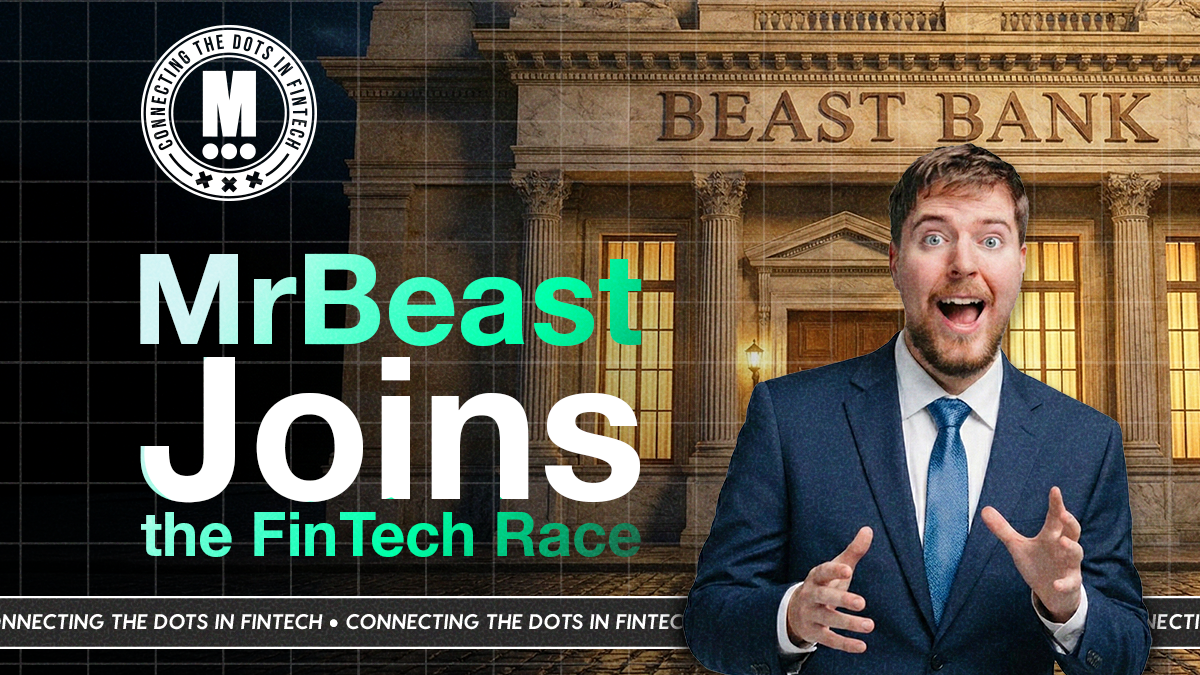
A token linked to the brand of popular creator-entrepreneur Jimmy Donaldson — known globally as MrBeast — saw price gains of nearly 900 per cent in 24 hours, reflecting growing investor speculation around the newly filed fintech trademark by his corporate group. The rally has thrust the unofficial memecoin spotlit by social-media buzz, despite clear warnings that the currency remains unauthorised and unconnected to any official launch.

The underlying spark appeared after his firm, Beast Holdings, submitted a trademark application in October 2025 for a brand called MrBeast Financial. The filing outlines services ranging from mobile banking, crypto payment processing, exchange and decentralized-trading tools to loans, credit cards and financial-education offerings.

Soon after media and investor attention picked up, the BEAST token’s trading volume soared — a pattern analysts attribute to a mix of hype, confusion with other meme coins referencing MrBeast, and overbought technical indicators that often precede sharp reversals.

Insiders at Beast Industries, including CEO Jeffrey Housenbold, have confirmed that financial-services expansion is part of a broader diversification strategy. At the summit event where the plan was publicly discussed, Housenbold said the company aims to package banking, fintech and creator economy functions under one umbrella — potentially offering fans access to financial services via a recognised brand.

Beast Industries’ market valuation has reportedly reached around US $5 billion. That, combined with MrBeast’s social-media reach, fuels investor optimism that “MrBeast Financial” — if realised — might attract millions of users instantly. This visibility helps explain why speculative investors clung to BEAST token amid the buzz.

Yet experts caution over regulatory and structural hurdles before any fintech project materialises. A US trademark filing does not equate to regulatory clearance; launching banking or crypto-exchange services would require compliance with complex licensing regimes, including money-transmitter permits, anti-money-laundering protocols and possibly oversight by financial authorities.

This is not the first time the MrBeast brand has floated multiple trademarks without launching full-fledged products. Past filings — ranging from burgers to gaming to snacks — have produced mixed results, with some evolving into real ventures and others quietly fading. That casts ambiguity over whether “MrBeast Financial” will ever become a functioning platform.

Despite that, investor appetite for BEAST appears to remain driven by two forces: the fear of missing out characteristic of crypto cycles, and hope that a fintech rollout tied to a globally recognised creator could upend traditional financial models. Until regulators weigh in or Beast Industries announces concrete partnerships, however, BEAST remains a speculative asset — its value tied more to branding buzz than fundamentals.

Botim Money and Binance have moved to broaden digital asset access for users across the UAE after signing a memorandum of understanding during Binance Blockchain Week in Dubai, signalling a push to integrate regulated crypto services into one of the region’s most widely used digital platforms. The agreement reflects a growing alignment between established fintech operators and global exchanges seeking to deepen their presence in a market that has positioned itself as a leader in digital-asset regulation and innovation.

Botim Money, the financial services arm of the UAE-based communications platform Botim, aims to use the partnership to explore compliant pathways for users to buy, sell and manage crypto assets from within its ecosystem. The platform, owned by Astra Tech, has expanded from a calling and messaging service into a broader super-app model, adding payments, remittance and e-commerce tools. Executives have argued that embedding secure crypto access is a natural progression as users increasingly seek unified financial services in trusted digital environments. The collaboration with Binance, one of the world’s largest crypto exchanges by trading volume, is expected to focus first on regulatory frameworks, technical integration and user-protection standards.

The signing of the agreement at Binance Blockchain Week placed the partnership in the spotlight as global industry participants gathered in Dubai. Officials from Binance highlighted that the UAE’s licensing landscape and digital economy strategy have created conditions where exchanges can build long-term infrastructure. Richard Teng, who heads Binance globally, has repeatedly emphasised that the Gulf region’s regulatory clarity has allowed the company to stabilise operations after addressing compliance concerns elsewhere. The MoU with Botim Money follows earlier moves by Binance to secure approvals through Dubai’s Virtual Assets Regulatory Authority, enabling it to develop a locally compliant exchange environment.

Senior figures at Botim Money pointed to the super-app’s large user base as a strategic advantage. With millions of active customers across the Middle East and South Asia, Botim has become a central payments and communications tool for expatriate workers. Astra Tech’s leadership said the partnership could help bridge the gap between conventional financial users and digital-asset platforms, allowing remittance senders, online shoppers and small businesses to access crypto payments or investment tools without transitioning to unfamiliar applications. Industry analysts noted that such integrations could accelerate mainstream adoption, provided that strong risk controls are embedded from the outset.

Dubai’s position as a global blockchain hub formed a central backdrop to the announcement. The emirate has attracted exchanges, tokenisation projects and Web3 developers with its tiered licensing system and emphasis on consumer safeguards. Officials have pitched Dubai as a base for companies seeking regulatory stability after volatility in global crypto markets. Binance Blockchain Week itself drew developers, institutional investors, compliance specialists and start-ups exploring tokenised assets, AI-driven trading tools and cross-border payment systems. The Botim Money–Binance collaboration stood out among the event’s business announcements for its potential to link a mass-market communications app with a globally recognised exchange.

The partnership arrives at a time when the UAE continues to refine rules governing custodial services, stablecoins and digital-asset marketing. Market participants say these developments have strengthened confidence among fintech companies looking to integrate virtual assets without jeopardising compliance obligations. Botim Money’s leadership has indicated that any crypto services made available through the platform would adhere to regulatory requirements on customer verification, anti-money laundering controls and risk disclosures. Binance has similarly stressed that its growth strategy in the UAE is tied to full regulatory alignment, following heightened scrutiny by authorities in Europe and North America earlier this year.

Observers viewed the agreement as part of a broader trend in which everyday digital platforms embed financial products to enhance user engagement. For Binance, the arrangement offers an opportunity to reach a large demographic that predominately uses mobile channels for financial activities. For Botim Money, it presents a pathway to diversify revenue streams and retain users within a single app environment, especially as competition intensifies among regional fintech operators seeking to offer remittances, payment processing, microfinance and merchant tools.

Global asset manager BlackRock has indicated it is willing to partner with sovereign wealth funds from the Gulf Cooperation Council to channel more capital into Asian markets. The company’s Chief Investment Strategist for Middle East and Asia-Pacific, Ben Powell, described the firm as “very open minded” about co-investment opportunities with SWFs in the region. This marks a notable strategic shift by the world’s largest asset manager, which […]

Alpha Dhabi Holding PJSC has unveiled a three-year dividend policy offering annual payouts of AED 2 billion, with a built-in 5 per cent increase each year starting from the 2025 financial year. The Abu Dhabi–listed investment house also proposed a share buyback scheme of up to AED 1 billion, capped at 10 per cent of its issued share capital. The dividend plan is subject to approval by […]

Bank lending across the UAE, Saudi Arabia and wider Middle East is projected to gather momentum next year as resilient economic conditions and steady financing demand strengthen the outlook for regional lenders. The assessment reflects the prevailing view among major rating analysts that banks have entered the coming year with solid balance sheets, expanding pipelines in corporate and retail credit, and a supportive macroeconomic environment. Fitch Ratings […]

Shareholders of Tesla, Inc. have backed what may become the largest pay-out ever awarded to a corporate chief executive. On 6 November 2025, more than 75 per cent of voters approved a compensation package for Elon Musk — structured around 12 tranches of restricted stock — that could yield up to $1 trillion over the next decade, contingent on an array of steep performance and valuation targets. […]

Shares of Twenty One Capital, the newly public Bitcoin-native company, plunged sharply as trading began on the New York Stock Exchange under ticker “XXI”. The decline, amounting to roughly 24-26%, underscores investor unease even as the firm debuts with substantial holdings — over 43,500 bitcoins, valued at nearly US$4 billion, making it one of the largest corporate Bitcoin treasuries globally.

The decline came just as the firm completed a merger with special-purpose acquisition company Cantor Equity Partners, a process that had secured shareholder approval earlier this month. The combined entity began trading today, marking the formal public debut of Twenty One Capital.

The backers behind Twenty One include stablecoin issuer Tether, trading platform Bitfinex, and investment-holding conglomerate SoftBank Group — with the SPAC sponsored by global financial firm Cantor Fitzgerald.

Leadership under co-founder and CEO Jack Mallers has portrayed Twenty One as more than a treasury — the firm aims to build Bitcoin-centric financial services, capital markets advisory, lending and education operations. The business model seeks to marry a large Bitcoin reserve with recurring-revenue operations, offering investors both exposure to crypto and conventional business growth potential.

Despite the ambitious roadmap and deep institutional backing, investor sentiment appears cautious. The dip in share price comes amid a broader downturn in cryptocurrency valuations; bitcoin itself has fallen more than 28% since hitting a peak in October. That decline has put pressure on companies with large digital-asset treasuries.

Market watchers note that the stumble highlights the risks inherent in combining a speculative asset like bitcoin with public equity. Treasury-centric crypto firms have gained attention in recent months for treating bitcoin as a corporate reserve asset — yet, as volatility returns, their valuations are bearing the brunt. Some analysts argue the drop may force such firms to rethink reliance solely on crypto-treasury value, especially if markets remain turbulent.

For now, Twenty One’s challenge is to reassure shareholders that the business side will grow fast enough to absorb volatility in bitcoin prices. Its future will depend on execution: whether it can build a sustainable loan, advisory or media business around Bitcoin — and whether that strategy can hold up even if crypto markets remain unpredictable.

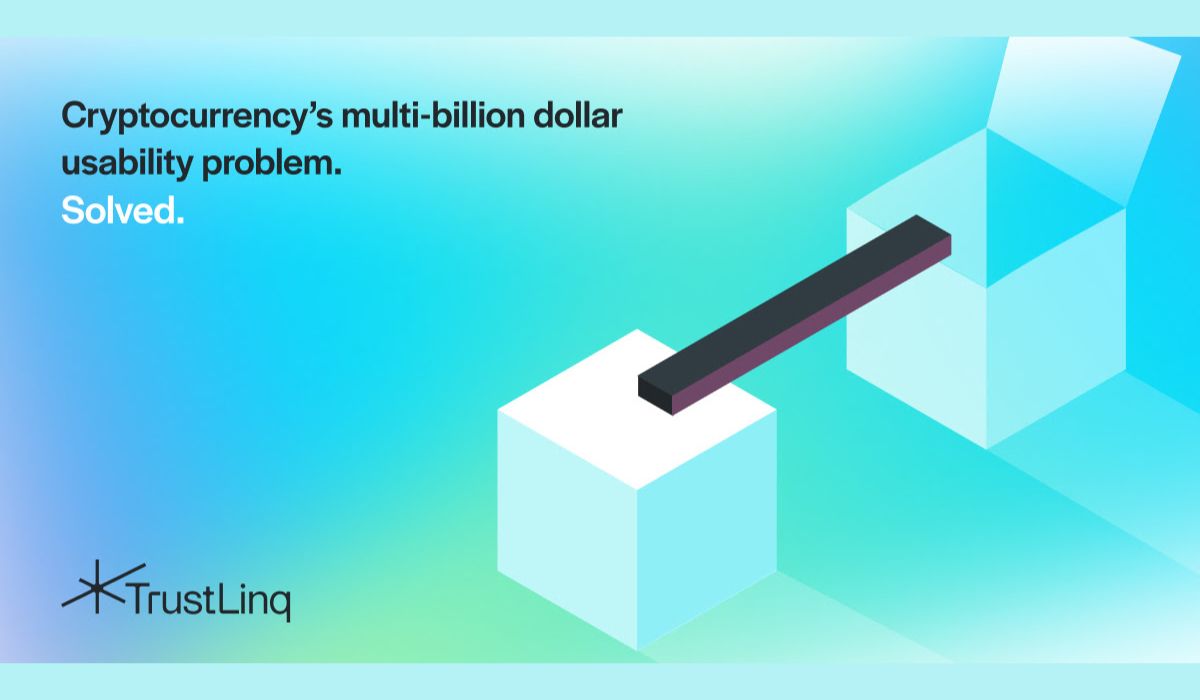
Swiss-registered fintech firm TrustLinq has rolled out a crypto-to-fiat payment platform designed to let holders of digital currencies send real-world payments in over 70 local currencies — without requiring a bank account. Users can fund transfers from holdings of cryptocurrencies such as USDT, USDC and EURC; the platform then converts and routes the funds through traditional banking rails, so recipients receive standard fiat via bank transfer.

The push addresses a long-standing barrier in the adoption of cryptocurrencies: while there are more than 580 million crypto users globally, under 0.005 percent of businesses currently accept digital currencies directly. As a result, many holders have struggled to use their crypto for everyday needs — rent, supplier bills, international transfers, or payroll. TrustLinq aims to bridge that divide.

Unlike traditional crypto payment gateways that require merchants to accept crypto directly, TrustLinq enables users to pay any individual or business worldwide, using crypto funds while sending fiat to the recipient’s bank account. Recipients do not need a digital wallet or to handle crypto; they receive funds just like a regular bank transfer.

For businesses — especially those operating across borders — the implications are significant. Vendors, employees, contractors, or suppliers can be paid in their local currency without the hassle of crypto-to-fiat conversion or the need for them to manage digital assets. In effect, TrustLinq offers companies a way to manage vendor payments, international payroll, and operational expenses via crypto without forcing counterparties into crypto adoption.

From a regulatory standpoint, TrustLinq operates under Swiss oversight, providing bank-grade compliance and secure automation. That regulatory clarity may matter more than ever as regulatory landscapes shift across regions for crypto payments.

Observers in the payments industry see TrustLinq’s entry as part of a larger pattern: financial firms and fintech companies are increasingly building infrastructure to integrate digital assets with traditional finance. Crypto payment solutions are evolving beyond speculative trading or niche peer-to-peer transfers; they are morphing into tools that can plug directly into legacy banking systems and everyday commerce.

Still, hurdles remain. While TrustLinq enables individuals to pay in fiat using crypto, global compliance regimes differ widely. Some jurisdictions continue to impose restrictions on crypto-to-fiat transfers, stablecoin use, or crypto payments — a fragmentation that can hinder adoption. Furthermore, currency volatility may still pose a concern for users who bring in crypto at one exchange rate and transfer to fiats pegged to different currencies. Analysts caution that until broader regulatory clarity and merchant acceptance emerges, such payment platforms may remain niches rather than mainstream alternatives.

TrustLinq has announced that it plans to launch its own debit cards in the first quarter of 2026, which could further expand usability for holders wanting to pay with crypto-backed fiat in everyday contexts — physical stores, online purchases, subscription services.

Amazon’s efforts to scale its Prime Air drone service have come under intensified scrutiny after a delivery aircraft struck a cable in Texas earlier this year, prompting renewed questions over the programme’s operational readiness, regulatory compliance, and ability to challenge competitors that have gained ground in autonomous logistics. The incident, which damaged the drone and forced safety investigations, underscored the complexities of expanding unmanned aerial deliveries in […]

Global corporate crypto holdings took a dramatic leap as Strategy disclosed acquiring 10,624 more bitcoins between 1 and 7 December 2025, at an average price of $90,615 per coin. That purchase—amounting to about $962.7 million—raises the firm’s total holdings to 660,624 BTC, equivalent to roughly 3 % of the entire Bitcoin supply. The acquisition was funded primarily through the company’s at-the-market equity programme. According to the company’s […]

SHANGHAI, CHINA – Media OutReach Newswire – 9 December 2025 – 2025 marks the 5th anniversary of Pudong New Area in Shanghai building itself into a pioneer area for socialist modernization. A promotional video commemorating the 5th anniversary of Pudong’s construction of the pioneer area has been recently released. Pudong New Area in Shanghai Releases Promotional Video for the 5th Anniversary of Building a Pioneer Area With […]

Abu Dhabi’s ascent as a core pillar of Alan Howard’s hedge fund strategy gained fresh momentum as the billionaire founder detailed how the emirate has rapidly become one of his firm’s most influential trading and investment hubs. The expansion, initiated when Howard established a permanent base in the city in 2023, has evolved into a defining feature of the firm’s global footprint, positioning Abu Dhabi alongside London […]

Alpha Dhabi Holding moved to reassure investors with confirmation of a new three-year dividend framework and a parallel plan to repurchase a portion of its shares, signalling a strategic effort to sustain value creation across its portfolio. The Abu Dhabi-listed conglomerate said the policy is designed to provide predictable returns while supporting the group’s long-term expansion. The company said the proposed framework targets annual dividends of AED […]

Abu Dhabi has unveiled a $16.3 billion plan to expand Abu Dhabi Global Market ’s footprint on Al Maryah Island and its adjacent land, aiming to nearly double the availability of Grade-A office space while adding residential, retail and hospitality infrastructure. The expansion is being driven by a surge of international hedge funds and asset managers making fresh commitments to the emirate. Among the latest arrivals, Man […]

Dubai has unveiled a major overhaul of bereavement services, aiming to simplify and digitise all procedures linked to the death of a family member, the Dubai Health Authority said. The move is part of the government’s wider City Makers initiative and is designed to offer faster, more humane support during what officials described as one of the most difficult periods for families. Under the new system, named […]

VISHNU RAJA
RYO YAMADA
HITORI GOTOH
IKUYO KITA