News related to
financial

DP World Trade Finance has crossed the $1 billion threshold in working capital provided to businesses in emerging markets, marking a significant milestone just four years after launching its integrated logistics-finance platform. The achievement reflects growing momentum behind digital trade finance solutions aimed at bridging the $2.5 trillion global trade finance gap, which continues to weigh heavily on small and medium-sized enterprises in developing economies. The platform, […]

HONG KONG SAR – Media OutReach Newswire – 24 July 2025 – Recently, DL Holdings Group (1709.HK) has entered into strategic cooperation agreements with ViaBTC, Asseto, and Rich Dragon Consultants, while actively advancing the tokenization of HK$500 million in assets for the DL Tower. These initiatives have sparked significant market attention, with the stock price surging over 70% in a single day. On July 23, DL Holdings […]

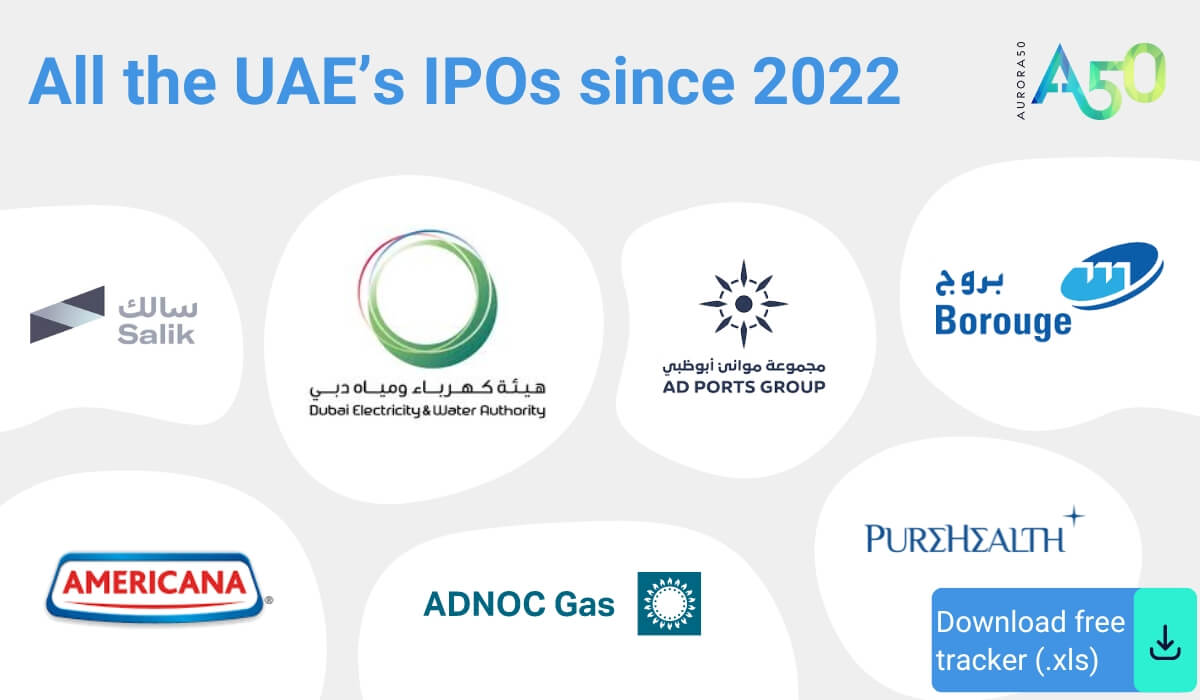
UAE equity capital markets are poised for an uptick in activity, with Citi forecasting three to five initial public offerings by 31 December—assuming timely regulatory clearance and robust pre‑marketing, said Rudy Saadi, Citi’s managing director and head of MENA Equity Capital Markets. This comes amid renewed investor enthusiasm as the nation positions itself as a regional IPO hub.

Saadi noted that although privatisations have slowed, market sentiment remains firmly positive for the remainder of 2025 and into early 2026. The expected pipeline includes a mix of family‑owned concerns and state‑affiliated enterprises alongside follow‑on offerings from listed firms.

Delivering context, UAE exchanges have tapped international and domestic liquidity in recent quarters. Spinneys and Alef Education raised $375 million and $515 million, respectively, in the second quarter, channelling nearly $890 million overall through new IPOs. Dubai and Abu Dhabi exchanges continue to push private‑sector listings, underscoring wider capital‑markets evolution.

Citi’s optimism is reinforced by Bloomberg’s observation of renewed momentum in regional share sales heading into H2 2025. The uptick appears linked to improved regulatory frameworks, deeper secondary‑market liquidity and evolving investor appetite across institutional, family‑office and retail segments.

Market analysts point to several emerging trends. Firstly, regulatory authorities in both Dubai and Abu Dhabi are progressively enhancing governance and foreign‑ownership rules to attract global participants. UAE entities now find listing conditions more competitive compared with established markets in Europe or the US.

Secondly, a shift is apparent from state privatisations to private‑sector flotations. Family‑owned businesses and tech‑focused enterprises are now stepping into the spotlight—supported by increasing liquidity and appetite from international institutional investors.

Thirdly, follow‑on share sales are gaining traction, offering listed firms a refundable route for fresh capital without navigating a full IPO process. Analysts expect more such offerings in sectors including financial services, healthcare and logistics, reflecting healthier balance sheets and growth trajectories among UAE firms.

Beyond sheer numbers, quality is a key consideration. Saadi indicates that approval pace and pre‑marketing success are decisive factors. In prior cases, such as Spinneys and Alef Education, strong institutional subscription signalled robust investor interest—suggesting forthcoming listings may mirror this level of demand.

Banking and asset‑management houses in the region—among them Citi, EFG Hermes and Emirates NBD Capital—are reportedly managing a cohort of potential issuers. EFG Hermes projected a busy second half of 2025 across Saudi Arabia and the UAE, with several consumer‑focused businesses preparing to list.

This momentum positions the UAE to lead IPO activity across the Middle East. In 2024, Gulf IPO volumes reached multi‑billion‑dollar levels; UAE exchanges, buoyed by sizeable debuts like Talabat’s Dh1.6bn listing in November 2024, claimed top status in IPO fundraising for three consecutive years.

Looking ahead, investor appetite appears steady, albeit cognisant of broader economic headwinds, including global interest‑rate trajectories and geopolitical uncertainties. Saadi stressed the significance of sentiment over macroeconomic factors when gauging regional appetite, citing Middle Eastern equity capital market resilience.

Key players set to define the coming wave include family‑owned conglomerates deliberating partial listings, firms in consumer and tech verticals exploring exit paths, and existing public companies seeking growth capital via follow‑on offerings. Leading financial houses continue to harmonise local issuers with global investor pools.

Emerging Markets Become the “Blue Ocean” for Enterprises Going Global SHANGHAI, CHINA – Media OutReach Newswire – 23 July 2025 – XTransfer, the World’s Leading & China’s No.1 B2B Cross-Border Trade Payment Platform, announces that its global enterprise customer base has exceeded 700,000. This significant milestone highlights the platform’s remarkable achievements in supporting small and medium-sized enterprises (SMEs) to expand globally. As a global leader in the […]

A sophisticated phishing campaign orchestrated by the cybercrime group known as LARVA‑208 is actively targeting Web3 developers through fake AI platforms, according to cybersecurity firm PRODAFT. Victims are lured with job offers and portfolio review requests, directed to counterfeit workspaces like “Norlax AI” and fake Teampilot clones, where they unwittingly download credential‑stealing malware—an evolution in the group’s tactics aimed at exploiting emerging decentralised technology ecosystems. The operation unfolds […]

Islamic-aligned transactions in the UAE soared to US $1.53 billion between 2023 and 2024, securing its position as the second-most active market after Indonesia in the global Sharia-compliant investment landscape. These figures, shaped by 50 deals covering mergers and acquisitions, private equity, and venture capital, are drawn from the 11th State of the Global Islamic Economy report by DinarStandard. Indonesia led this period with 40 deals amounting to US $1.60 billion, […]

Titan Company has struck a deal to acquire a 67% stake in Dubai-headquartered luxury jeweller Damas from Qatar-based Mannai Corporation in a transaction valued at 1.04 billion dirhams, or approximately $283.2 million. The move is poised to significantly strengthen Titan’s footprint in the Gulf region, positioning the Tata Group company among the largest subcontinent-origin jewellery players operating in the Middle East.

The acquisition agreement, announced on Monday, marks a pivotal expansion for Titan beyond its current presence in the UAE, where it has operated under the Tanishq brand since October 2020. The transaction is expected to close by 31 January 2026, subject to regulatory approvals and customary closing conditions. Titan will also retain an option to purchase the remaining 33% equity in Damas after 31 December 2029, effectively laying the groundwork for full ownership over time.

The deal will give Titan direct access to Damas’ well-established network of 146 outlets across the six Gulf Cooperation Council nations — United Arab Emirates, Saudi Arabia, Qatar, Oman, Kuwait, and Bahrain. With only seven Titan-operated Tanishq stores currently open in the region, the acquisition presents a strategic leap in scale, market share, and regional brand visibility for the Bengaluru-based jeweller.

Damas, founded in 1907, is one of the most recognisable names in the Middle East’s luxury jewellery market. It has developed a reputation for catering to the region’s taste for high-end gold and diamond jewellery, and is known for its broad in-house product range and partnerships with international luxury brands. Mannai Corporation, which has owned Damas since 2012, has been looking to streamline its portfolio, prompting the divestment.

For Titan, the acquisition offers both a fast-track into the premium Gulf retail market and an opportunity to accelerate synergies across procurement, branding, and customer experience. The company is expected to retain Damas’ brand identity and existing management structure, allowing the Dubai-based business to continue leveraging its established reputation while benefitting from Titan’s supply chain and operational expertise.

The Middle East has been a target market for Titan’s international ambitions, driven by the strong presence of the South Asian diaspora and a deep-rooted cultural affinity for gold. The GCC region’s jewellery market is estimated to be worth over $10 billion, with gold accounting for a large share of consumer demand. Analysts view Titan’s acquisition of Damas as a strategically sound move in an environment where cross-border consolidation is becoming increasingly common in luxury retail.

Titan has grown to become one of the most dominant jewellery retailers in South Asia through its flagship brand Tanishq, which is positioned as an accessible luxury label offering a blend of traditional and contemporary designs. The company also operates sub-brands such as Mia and Zoya, each catering to specific consumer segments. Over the past decade, Titan has expanded into new domestic categories and entered select global markets, but the Damas deal marks its most ambitious international push yet.

The acquisition is being viewed by market observers as a significant play within the broader Tata Group strategy of boosting global brand equity across consumer-facing businesses. Following the group’s international expansions in hospitality, automotive, and technology, Titan’s move consolidates Tata’s multi-sectoral presence in the Gulf and taps into a region with rising demand for premium lifestyle offerings.

Financial analysts have underscored the deal’s strategic value, citing Damas’ established customer base and premium positioning, which could drive faster break-even timelines than greenfield expansion. Furthermore, the GCC’s favourable demographic trends and consistent gold demand have added to investor optimism around the deal’s long-term prospects.

Despite geopolitical uncertainty and fluctuations in gold prices, jewellery retail in the Gulf continues to enjoy high volumes due to cultural norms and steady tourist inflows, especially in the UAE. Titan’s increased footprint through Damas will place it in a better position to cater not just to residents but also international shoppers across the region’s major commercial and tourist hubs.

Titan has confirmed that the acquisition will be funded through internal accruals and debt, with no equity dilution expected in the near term. The company’s board has approved the investment, and the transaction is aligned with its long-term capital allocation strategy.

Executives at Titan have expressed confidence in Damas’ future growth trajectory and have indicated that the company will invest further in marketing, store refurbishment, and digital initiatives to modernise the customer journey. Damas’ product portfolio, which includes bridal sets, heritage pieces, and limited-edition designs, will remain intact as Titan aims to preserve the local flavour while infusing global best practices.


Advertisements

We’re at an all-time high for the S&P 500 right at the beginning of earnings season. If we can get through this earnings season with not too many major failures, this upward current momentum that we have in the market, is likely to continue. It’s tempting to call this a pause for breath—but make no mistake, what follows could determine whether bulls stay in control. With 59 S&P 500 […]

HONG KONG SAR – Media OutReach Newswire – 21 July 2025 – Chengdu Kanghua Biological Products Co., Ltd. (Stock Code: 300841.SZ) announced that Shanghai Healthcare M&A Fund (“the M&A Fund”) intends to acquire the Company through a strategic agreement. Leveraging its substantial resource and financial strength, the M&A Fund plans to support Kanghua Biological’s established product portfolio, accelerate sales of its mature products, and develop industry synergies […]

Foreign institutional investor activity has slowed, but India’s equity market is gaining a new level of sophistication thanks to the rapid emergence of long‑short strategies among domestic analysts. With regulatory approval of the Specialised Investment Fund route and increasing recognition of sell‑side research, analysts in India are setting new standards, outperforming peers in major global markets.

At the centre of this shift are flagship long‑short funds, enabled by an April amendment that allowed mutual funds to engage in both long and short equity positions via the SIF framework. Industry leaders such as ICICI Prudential, SBI, Quant and ITI Mutual Funds are among the first to roll out these products. This structural innovation, viewed by asset managers as a game‑changer, allows strategic hedging and enhanced alpha generation in volatile conditions.

Jatinder Pal Singh, CEO of ITI Mutual Fund, identifies the move as a watershed moment: “We see a lot of potential in this category similar to what we have seen in alternative investment funds…”. Quantitative and hedge fund entrants—AlphaGrep, Abakkus and Carnelian—are also applying for SIF licences, signalling a rising tide of systematic strategies.

The surge in long-short offerings emerges against a backdrop of changing investor sentiment and derivative market structures. While proprietary traders and retail continue to dominate derivatives trading—accounting for 52.3% and 33.6% respectively—domestic institutional participation remains minimal at just 0.2%. The launch of these funds is expected to usher in broader institutional adoption, reducing reliance on speculative flows.

Simultaneously, foreign players are reassessing their exposure. Citigroup downgraded Indian equities to “neutral” citing stretched valuations and slower earnings growth. Bank of America has flagged valuation concerns as part of seven headwinds to near‑term market performance, though it remains bullish on India’s long‑run structural strengths. Morgan Stanley echoes this optimism, describing the market as undervalued and promising for patient investors.

At the nexus of these developments, sell‑side analysts play a pivotal role. Their long‑short models provide more nuanced insights, enabling differentiated strategies compared to conventional long‑only approaches. This evolution mirrors practices in advanced markets, where close analyst coverage is integral to informed decision‑making.

International observers are taking note. Carson Block, known for his critical research into Chinese markets, is considering launching a long‑short or long‑only fund in India, citing opportunities in corporate transparency and leveraging tax-friendly jurisdictions like GIFT City. His interest signals growing confidence in the depth and potential of India’s equity ecosystem.

The broader equities landscape reflects these shifts. Foreign institutional investors are ramping up bearish positions in derivatives, signalling caution amid valuation concerns and global uncertainties. Concurrently, new equity supply is expanding, with a surge in IPOs and share sales reflecting a 14% rise in benchmark indices over the preceding six months. Analysts warn that without strong institutional demand, this wave may trigger volatility.

Experts argue the timing could not be better for long‑short funds. As valuations plateau and geopolitical uncertainty remains — including Middle East tensions affecting crude prices — the ability to manage risk through hedging becomes decisive. Fund managers are betting that structured strategies will better manage these headwinds.

At the same time, India’s growing affluent class—from double‑digit income growth to rising equity allocation—adds tailwinds. Wealth managers like 360 One are expanding advisory services amid rising assets under management, reflecting the country’s broader push toward financial sophistication. The development of long‑short funds aligns with these trends, offering differentiated solutions to high‑net‑worth investors seeking yield in uncertain markets.

Yet challenges remain. Institutional engagement in derivatives must scale meaningfully to support product viability. Regulators and market infrastructure will need to adapt, ensuring transparency and risk‑management frameworks keep pace. Moreover, investor education is critical; long‑short strategies are complex and require a clear understanding of leverage, margin risk and counterparty exposures.

Nonetheless, the direction is clear: Indian equity markets are transitioning from conventional long‑only investing to embrace multi‑directional strategies, leveraging deep local research and structural innovation. With the SIF framework opening doors for long‑short funds, analysts are stepping into roles once reserved for global peers. As Citi tones down enthusiasm and global investors tread cautiously, India’s analysts are sharpening tools that could redefine the domestic landscape—and perhaps export this model abroad.

Singapore’s Monetary Authority has designated S$1.1 billion to three fund managers as the inaugural allocation of its S$5 billion Equity Market Development Programme. The scheme aims to invigorate the bourse and broaden market participation, focusing on smaller- and mid-cap equities.

MAS selected Avanda Investment Management, JP Morgan Asset Management and Fullerton Fund Management for the initial round. Fullerton is part of state-owned Temasek. MAS indicated that the providers were chosen based on alignment with EQDP’s goals and their capacity to enhance local asset‑management expertise. Over 100 applications were received, with MAS rolling out five‑year funding commitments in phases.

The EQDP was unveiled in February in coordination with the Financial Sector Development Fund. Its mandate is to deploy capital through Singapore‑based managers investing primarily in domestic listed equities, with an emphasis on diversifying participation outside large‑cap stocks.

Following the EQDP announcement in August last year, the Straits Times Index has surged 23.9% to July 18, 2025, according to MAS. Authorities believe that targeted investment injection could foster deeper liquidity, narrower bid‑ask spreads and more vigorous price discovery across the exchange.

Analysts welcomed the move. One equity strategist said the programme signals a critical shift: “MAS is using its balance sheet to catalyse private capital into under‑represented segments.” Market observers noted that while headline liquidity in the FTSE Straits Times Index is healthy, mid‑ and small‑cap names typically suffer from thin volume and wide spreads, deterring institutional and retail interest.

JP Morgan’s involvement is expected to bring global asset‑management experience to bear on local strategies. Avanda, a Singapore‑grown emerging‑markets specialist, and Fullerton, with sovereign backing, strengthen confidence that domestic competence will benefit from the infusion of global best practice.

Details of each manager’s mandate have not been disclosed, but MAS emphasised that performance will be measured not only by capital deployment but also progress in building domestic expertise in portfolio construction, trading infrastructure and market‑making behaviours. These elements are crucial to achieving sustainable liquidity gains.

Experts point out that Singapore’s programme mirrors efforts overseas, such as Japan’s ETF purchases by its pension fund, but with a distinctive twist: the EQDP partners with private asset managers rather than buying equities directly. That design aims to stimulate skill transfer and innovation in execution capabilities.

Further co‑investment rounds are expected later this year, with MAS reviewing submissions in stages to expedite capital deployment. The S$5 billion envelope is expected to span several tranches, signalling long‑term commitment to market enhancement.

Since introducing a broad stock‑market review in August last year, MAS and its review group have identified several friction points, including limited participation by retail investors, dominance by large‑cap counters and constrained institutional activity in smaller names. EQDP is one among several initiatives aimed at remedying structural imbalances.

Regulatory adjustments are also on the cards, with potential reforms covering short‑selling rules, stock‑lending frameworks and promoting algorithmic market‑making. MAS has indicated a willingness to consult key stakeholders, including retail brokerages and the Singapore Exchange, to create complementary regulatory enablers.

Market participants have pointed out that EQDP funding alone may not be sufficient. A private fund‑operations specialist commented: “Capital without market infrastructure enhancements risks being parked rather than deployed actively.” MAS’ selection criteria emphasise capacity building—suggesting this concern has been taken into account.

Beyond boosting trading volumes, the manoeuvre may help Singapore position itself as a regional equity hub. By fostering advanced trading strategies, tighter spreads and higher turnover, the city‑state stands to attract more international fund flows. Simultaneously, support for domestic managers reinforces Singapore’s ambition to strengthen its plug‑and‑play asset‑management ecosystem.

MAS confirmed that progress and outcomes will be tracked and disclosed periodically. Selected managers will have to report on liquidity metrics, investment activity and capability transfer milestones. This level of oversight reflects a strategic approach to ensure that public‑private collaboration delivers measurable structural improvements.

Al‑Futtaim Retail has agreed to acquire a 49.95 per cent stake in Cenomi Retail from major shareholders for about SAR 2.52 billion, signalling a major strategic shift in Saudi Arabia’s retail sector. The agreement, unveiled through a statement on Tadawul today, July 20, 2025, also includes a conditional shareholder loan to boost Cenomi’s balance sheet.

Under the share purchase agreement signed on July 18, Al‑Futtaim would purchase approximately 57.33 million shares from the Alhokair family, Saudi FAS Holding and FAS Real Estate at SAR 44 per share. Completion hinges on regulatory clearance and execution of a parallel SAR 1.3 billion loan agreement aimed at shoring up working capital.

Al‑Futtaim, a UAE conglomerate with a broad portfolio spanning franchising, automotive, real estate and financial services, brings deep retail expertise and a strong track record with global brands. Its investment is expected to stabilise Cenomi’s liquidity, support operational continuity and bolster its capacity for expansion.

Cenomi Retail, part of Fawaz Abdulaziz Alhokair Co., has navigated a challenging turnaround. It holds the largest brand portfolio in Saudi Arabia, operating over 800 stores across eight countries and managing more than 85 international brands, including Zara under a long-term agreement with Inditex. The firm successfully launched a landmark Zara concept store in Riyadh in December 2024, integrating digital and physical retail channels.

Despite these strengths, Cenomi has suffered persistent financial strain. It reported a SAR 1.1 billion net loss in 2023 amid deteriorating margins, asset write-downs and weakening equity. Total assets collapsed by 36 per cent to SAR 4.6 billion by end‑2024, while shareholder equity turned negative – warning signs that triggered restructuring efforts in 2024.

In response, Cenomi embarked on an aggressive restructuring: disposing of non-core brands and outlets, offloading 16 franchises in early 2024, divesting five further brands with 121 stores to Abdullah Al Othaim Fashion Co. in October, and appointing Salim Fakhouri as CEO. The divestments, totalling SAR 2 billion, aimed to streamline operations around “champion” brands like Zara. By mid‑2024, losses had mounted to SAR 1.5 billion.

Earlier this month, Cenomi confirmed it was in talks to bring in a strategic investor for nearly half its capital, accompanied by a shareholder loan. Today’s announcement reveals that investor as Al‑Futtaim, although final terms on the loan are still under discussion.

The deal aligns with broader growth trends in Saudi Arabia’s retail sector, which is projected to expand at roughly 7.1 per cent CAGR through 2029. Economic diversification under Vision 2030, expanding consumer spending and rising tourism are driving omnichannel retail innovation. Cenomi’s launch of cenomi. com and its O2O model position it to capitalise on these trends, though profitability remains a concern.

Analysts have flagged Cenomi as a high-risk, high-reward prospect. With a forward P/E of around 14.3x and a weak operating margin, its distressed balance sheet raises concerns over equity dilution. However, sustained operational cash generation—SAR 1.3–1.4 billion annually—suggests underlying business viability.

Al‑Futtaim’s entry provides a critical capital injection that could stabilise Cenomi’s finances and underpin its digital expansion. Industry observers note that Majid Al Futtaim and Emaar have successfully executed omni-channel models in the region; Al‑Futtaim’s deep supply chain know-how and brand partnerships could replicate that success in Saudi markets.

Following deal closure, which remains subject to approvals, Al‑Futtaim will command nearly half of Cenomi’s share capital and will have extended a substantial shareholder loan. The injecting of both capital and expertise is expected to bolster Cenomi’s capability to restore profitability and reclaim market leadership.

Anthropic will extend its data processing infrastructure on 19 August 2025 to include servers across the United States, Europe, Asia and Australia. This expansion applies to Anthropic API and Claude for Work customers, aiming to enhance operational reliability through geographic redundancy. The company emphasises that data storage will remain strictly within the US. Customers requiring data processing solely within US-based servers must opt out of international regions by the […]

The UAE Ministry of Finance has introduced Ministerial Decision No. 173 of 2025, establishing clear rules for applying depreciation adjustments to investment properties held at fair value under the corporate tax regime. The decision allows businesses that choose the realisation basis to deduct tax depreciation, addressing a long-standing ambiguity in the treatment of such assets. Under the new rules, eligible taxpayers may deduct whichever is lower: the tax written-down […]

Arada Developments, the Sharjah-based property developer, is preparing to raise up to $500 million via an Islamic bond as it joins a wave of Gulf real estate firms turning to debt markets to fund expansion. The group plans to launch the issuance next week to finance new land purchases and capitalise on a construction surge across the United Arab Emirates. The proposed sukuk issue represents a strategic […]

HANOI, VIETNAM – Media OutReach Newswire – 18 July 2025 – F88, a pioneer in Việt Nam’s alternative finance sector, has once again affirmed its leadership position by being awarded the Gold Level Certification for Client Protection by M-CRIL. An F88 shop. F88 has embedded customer care into every step of its operations. — Photo courtesy of the firm This marks the third time F88 has received […]

Bahrain’s Crown Prince Salman bin Hamad Al Khalifa has secured a deal for Gulf Air to acquire 18 Boeing 787 Dreamliner aircraft fitted with General Electric engines, marking a departure from the carrier’s previous reliance on Rolls‑Royce engines. At a meeting held in Washington with U. S. President Donald Trump, the agreement was signed alongside a broader $17 billion suite of investments from Bahrain in the United States. […]

Salama has partnered with digital insurance broker Policybazaar. ae to expand access to Life Takaful coverage in the UAE, aiming to bridge protection gaps through a fully Shariah-compliant digital platform. The move brings Salama’s suite of Takaful life insurance products to Policybazaar. ae’s online marketplace, a platform already known for simplifying access to financial services through regulatory-compliant digital tools. This collaboration is being positioned as a strategic […]

Ripple has formalised a partnership with UAE-based tokenisation platform Ctrl Alt to deliver institutional-grade digital asset custody services as part of a landmark initiative by the Dubai Land Department to digitise property ownership using blockchain infrastructure.

The agreement will enable Ctrl Alt to leverage Ripple’s custody solution to store and manage tokenised property title deeds on the XRP Ledger, as Dubai intensifies its push to integrate advanced digital frameworks into its real estate sector. The project marks a significant stride in DLD’s broader strategy to streamline property transactions and increase market transparency by replacing conventional title documentation with blockchain-native digital representations.

Ripple’s institutional custody platform, designed for banks and financial institutions, will play a central role in securing and scaling the digital assets underlying Dubai’s real estate tokenisation programme. Ripple’s solution will ensure regulatory compliance, operational efficiency, and asset security as property titles are issued and exchanged through blockchain mechanisms.

The announcement positions Ripple as a key player in the UAE’s drive toward regulated digital asset ecosystems. The partnership also represents Ripple’s first custody deployment in the UAE, expanding its global digital asset custody network into the Middle East and further solidifying its presence across EMEA, Asia Pacific, and Latin America.

Ctrl Alt, which had disclosed its participation in the DLD project earlier, is building tokenisation infrastructure tailored for real-world assets such as real estate. The firm will integrate Ripple’s technology to facilitate the issuance, transfer, and management of tokenised property deeds while ensuring institutional-grade security standards.

The Real Estate Tokenisation Project aims to transform Dubai’s property registry system by offering a fully digital framework that eliminates physical documentation and manual recordkeeping. Through the initiative, the DLD intends to increase efficiency in property ownership transfers, reduce fraud risks, and create a foundation for smart contract-enabled real estate solutions. By leveraging the XRP Ledger’s speed and cost efficiency, the project also seeks to attract global investors and developers to participate in tokenised real estate offerings governed by transparent, immutable ledger protocols.

Ripple’s expansion into the UAE’s digital asset space follows its broader global strategy to deliver enterprise-grade blockchain tools tailored to financial infrastructure, a focus that has intensified as global regulators and institutions begin adopting tokenisation at scale. Ripple’s digital custody division — established through its acquisition of Metaco in 2023 — has emerged as a core offering, providing secure storage infrastructure for tokenised assets in both public and permissioned blockchain environments.

Metaco’s digital asset custody platform, which now underpins Ripple’s institutional offering, was originally designed to meet the requirements of global banks and has been adopted by several financial institutions in Europe and Asia. Its integration with Ripple’s payment and liquidity tools enables a seamless experience for enterprises managing digital asset portfolios alongside tokenisation and cross-border payment rails.

Ripple’s custodial framework offers support for a wide range of tokenised assets, including stablecoins, real-world assets, and CBDCs. It provides multi-tier security, granular permission controls, and compliance features needed for institutional applications. The company’s leadership has highlighted tokenisation as a core theme in the evolution of financial infrastructure, predicting that trillions of dollars worth of real-world assets will migrate to blockchain ecosystems in the coming decade.

Ctrl Alt’s involvement in the DLD-led project comes as Dubai cements its role as a global testbed for blockchain innovation, with a supportive regulatory regime, ambitious smart city initiatives, and a growing appetite for Web3 integration. The company has built its platform to allow regulators, issuers, and investors to interact within a compliant digital asset ecosystem. Its participation in the project is expected to open the door for additional applications of tokenisation beyond real estate, including commodities, equities, and infrastructure.

Dubai’s real estate market, historically characterised by high-value transactions and global investor interest, is seen as an ideal candidate for tokenisation. By converting ownership documents into digital tokens recorded on a blockchain, authorities aim to offer fractional ownership models, enhance liquidity, and enable secondary market trading. The shift could also reduce costs and settlement times, while allowing retail and institutional investors to access real estate markets with lower capital thresholds.

Ripple’s role in the project is expected to be pivotal in meeting security, governance, and compliance requirements for digital custody. The partnership strengthens Ripple’s position as a go-to infrastructure provider for tokenisation use cases and reflects its strategic intent to deepen engagement in jurisdictions with progressive digital asset frameworks.

Dubai Chamber of Digital Economy and Dubai Finance have entered into a strategic partnership to bolster the emirate’s ambitions of becoming a fully cashless economy. A Memorandum of Understanding signed between the two bodies outlines a coordinated framework that targets improved governance, fintech innovation, and wider digital payment adoption, in line with the objectives of the Dubai Cashless Strategy.

The agreement was formalised during a ceremony attended by H. E. Abdulrahman Saleh Al Saleh, Director General of Dubai Finance, and H. E. Mohammad Ali Rashed Lootah, President and CEO of Dubai Chambers. Representing the respective institutions, Saeed Al Gergawi, Vice President of Dubai Chamber of Digital Economy, and Ahmad Ali Meftah, Executive Director of the Central Accounts Sector at Dubai Finance, signed the document on behalf of their organisations.

This collaboration underscores Dubai’s growing emphasis on integrating digital solutions across public and private sector transactions, as the emirate positions itself as a global fintech and smart governance hub. The new agreement aims to accelerate digital payments across government services while enhancing efficiency, security, and accessibility.

Under the framework of the MoU, both entities will establish joint task forces, undertake regular progress evaluations, and implement technology-driven initiatives to modernise financial infrastructure. The emphasis will be on enabling end-to-end digital transactions for individuals and businesses interacting with government entities.

Officials involved in the signing highlighted the strategic relevance of the initiative, citing the pivotal role of digital transformation in achieving Dubai’s broader economic diversification goals. Saeed Al Gergawi remarked that this step would unlock new economic potential and reinforce Dubai’s reputation as a leader in digital innovation. He noted that the Chamber aims to promote the use of cashless technologies across all levels of society, particularly among small businesses and startups.

Ahmad Ali Meftah echoed similar sentiments, noting that the DOF views this partnership as an opportunity to develop governance models that leverage real-time payment data and analytics to improve decision-making and transparency. He added that it marks a milestone in the effort to optimise public sector financial management through advanced digital tools.

The Dubai Cashless Strategy, announced previously by the Dubai Government, focuses on transforming the way residents and businesses conduct financial transactions. Its three-pillar approach—governance, innovation, and the shift towards a cashless society—provides the structural foundation for this latest collaboration. The strategy also aligns with the UAE Digital Government Strategy 2025, which aims to foster a holistic digital ecosystem nationwide.

Dubai has already made significant strides towards cashless integration. Key government services, including health, transport, and municipal utilities, have seen widespread uptake of digital payments. A growing number of private sector entities—particularly in retail, hospitality, and real estate—have also moved to offer fully contactless payment options.

Data from payment solutions providers and financial regulators suggest that consumer behaviour in Dubai is increasingly shifting towards digital modes. Contactless transactions, QR-code payments, and mobile wallet usage are seeing double-digit growth, reflecting both convenience and trust in digital platforms. E-commerce platforms and delivery services in the city have reported a significant drop in cash-on-delivery usage, replaced by integrated payment gateways.

Despite the surge in adoption, challenges remain. Concerns over cybersecurity, digital exclusion among certain demographics, and interoperability between platforms continue to demand coordinated attention. Experts believe that public-private partnerships, like the one signed this week, are vital to addressing these gaps. The joint initiative between Dubai Finance and Dubai Chamber of Digital Economy aims to prioritise inclusive design and data security in all future systems.

Digital finance specialists have observed that the commitment from high-level institutions such as DOF and Dubai Chambers is an indication of long-term policy backing. The formalisation of this cooperation may lead to more unified regulatory frameworks, making it easier for startups and global fintech players to operate in Dubai’s ecosystem.

The agreement is also expected to boost investor confidence, particularly among digital-first businesses exploring Middle East expansion. Analysts note that initiatives aimed at institutionalising digital payments often serve as catalysts for broader technology adoption, including AI-driven financial services and decentralised finance platforms.

Rania Gule The USD/JPY pair is rising, driven by renewed momentum supported by the ongoing divergence in monetary policies between the Federal Reserve and the Bank of Japan. Yield differentials between the two economies remain a key factor in explaining the pair’s price action. The dollar gained additional support following the release of U.S. retail sales data, which significantly exceeded expectations, thereby weakening the likelihood of a […]

The U. S. House of Representatives has approved the GENIUS Act, the inaugural federal regulatory framework targeting fiat‑backed stablecoins, with a decisive 308–122 bipartisan vote on 17 July 2025. With Senate approval secured in June by a 68–30 margin, the legislation now advances to President Trump’s desk for signature, anticipated as early as tomorrow.

The GENIUS Act mandates that issuers—including banks, credit unions, fintech firms, and select non‑bank entities—maintain one‑to‑one reserves in cash or low‑risk assets such as U. S. Treasury bills, with mandatory monthly public disclosures of reserve composition. It also institutes anti‑money laundering controls, requires issuance organisations to obtain licences from federal or state financial regulators, and prohibits paying interest directly to stablecoin holders.

The legislation forms part of a broader “Crypto Week” effort in the House, which also included passage of the CLARITY Act—allocating oversight of digital asset classification between the SEC and CFTC—and the Anti‑CBDC Surveillance State Act, barring the Federal Reserve from issuing a central bank digital currency. Both now await Senate consideration.

Advocates argue that the GENIUS Act addresses long-standing regulatory uncertainty, providing market stability and consumer safeguards within a $260 billion-plus stablecoin ecosystem. Senior figures from institutions such as JPMorgan Chase, Bank of America, Citi, Walmart, and Amazon have reportedly expressed interest in issuing stablecoins under the new regime. Market sentiment reflects optimism: crypto‑linked equities and assets rose when the House vote was finalised, with Bitcoin nearing record highs above $119,000.

Nonetheless, critics highlight significant concerns. Consumer advocates emphasise that stablecoins remain outside FDIC protection and could pose redemption risks or obscure hidden fees. Others express unease over potential weak guardrails: the SEC’s Paul Atkins cautioned that regulatory innovation must still ensure sufficient market safeguards.

Ethics debates spotlight former President Trump’s extensive ties to the crypto industry, including investments in World Liberty Financial and a meme coin touted as generating over $300 million in related revenues. Opponents claim this raises conflict‑of‑interest questions and risks favouring Trump‑linked enterprises, though the White House has asserted asset segregation via a family trust.

In Congress, both Democratic and Republican proponents defended the legislation for delivering much‑needed structure. Democratic Rep. Josh Gottheimer remarked that introducing “some rules of the road” was preferable to having none. Opposing voices like Rep. Maxine Waters cautioned that the law might “signal tolerance for corruption” without closing presidential exemptions from conflict‑of‑interest prohibitions. Meanwhile, Senate Democrats, including Richard Blumenthal, criticised the bill’s failure to eliminate loopholes or demand stronger consumer protection standards.

Beyond federal oversight, the GENIUS Act introduces a layered supervisory model: federal agencies will regulate larger issuers and interstate entities, while state regulators handle smaller players—those issuing under $10 billion annually. The legislation sets out implementation timelines, including one‑year deadlines for rule‑making and an 18‑month effective date, with a three‑year transition period before enforcement on custody and transaction restrictions.

Industry stakeholders anticipate dramatic market growth. Scott Bessent, Treasury secretary, projected the stablecoin market could swell from around $195 billion to over $2 trillion following the GENIUS Act’s implementation. Christian Catalini of the MIT Cryptoeconomics Lab predicted fierce competition as banks and fintechs join traditional issuers with consumer trust bolstered by regulation.

The crypto sector, stung by past regulatory setbacks under the prior administration’s enforcement actions, now views the GENIUS Act as a turning point. Major players like Circle and Coinbase backed the measure after directing substantial lobbying resources toward lawmakers. Jennifer Nolan, head of the Blockchain Association, described it as a “defining moment in the evolution of U. S. digital asset policy”.

With presidential signature expected imminently, the GENIUS Act is poised to redefine the U. S. approach to stablecoins—ushering in regulated issuance, enhanced transparency, and heightened institutional involvement. Its progress also spotlights ongoing debates about market oversight, political influence, and financial stability in an increasingly digital economy.

KUALA LUMPUR, MALAYSIA – Media OutReach Newswire – 18 July 2025 – There are multiple risk factors in trading, and navigating them requires patience and experience. To alleviate that pressure, modern trading platforms offer some highly practical tools that help to manage risks and avoid losses. Unfortunately, many traders are either unaware of these tools or have got used to trading without them. In this article, the […]

HONG KONG SAR – Media OutReach Newswire – 17 July 2025 – Cyberport successfully hosted the “AI x Data Forum” today. Centered on the theme “AI in Action, Data at the Core: Unlocking Infinite Potential”, the forum brought together over 450 participants from government, finance, innovation and technology, cybersecurity sector, and academia to explore innovative artificial intelligence and data-driven strategies and practical experiences. Cyberport, Canton Data Exchange, […]

VISHNU RAJA
RYO YAMADA
HITORI GOTOH
IKUYO KITA