Just in:

News related to
financial

JPMorgan has unveiled its blockchain-based deposit token, JPM Coin, aimed at enhancing the efficiency of cross-border payments for its institutional clients. This move is seen as a significant step forward in the bank’s ongoing efforts to integrate blockchain technology into mainstream finance, expanding its digital asset offerings.

The launch of JPM Coin follows years of research and development into blockchain’s potential to streamline financial transactions. JPMorgan has long been a proponent of blockchain’s transformative capabilities, initially launching the token as part of a pilot programme in 2019. Now, the bank has rolled out JPM Coin more broadly, offering institutional clients an innovative method to transfer U. S. dollar deposits securely and quickly across borders.

JPMorgan’s new service allows clients to transfer money using blockchain, reducing the friction and cost often associated with international payments. Blockchain’s real-time settlement capabilities make the process faster and more transparent, minimising the risk of human error and the complexities of traditional payment systems. JPM Coin will primarily be used by major institutional clients, including corporations, banks, and government entities, allowing them to transact more efficiently without relying on conventional financial infrastructure.

The use of JPM Coin signifies the growing interest in blockchain-based financial solutions among large-scale institutional clients. The token allows these clients to send payments instantly, avoiding the delays associated with traditional banking systems. Furthermore, the blockchain’s inherent security features help protect against fraud and reduce the need for third-party intermediaries.

JPMorgan’s blockchain offering is part of a broader trend where traditional financial institutions are gradually adopting digital currencies and distributed ledger technologies. The bank’s move also aligns with increasing regulatory scrutiny surrounding cryptocurrencies and the growing demand for digital solutions in financial markets. While JPM Coin is designed specifically for institutional clients, the wider implications for the financial sector are evident. As digital currencies gain traction, more banks are likely to explore blockchain technology’s potential to enhance financial services.

Notably, JPMorgan has been a pioneer in institutional adoption of blockchain, having previously launched its own blockchain platform, Liink, for facilitating faster, more transparent transactions. Liink, like JPM Coin, operates on a permissioned blockchain and is designed to cater to the needs of global financial institutions, offering faster payment settlements and reduced costs compared to traditional systems.

The introduction of JPM Coin follows a string of similar innovations by other global financial institutions, as banks increasingly seek ways to harness blockchain’s advantages to improve payment speed, reduce costs, and enhance security. While JPM Coin currently operates exclusively in U. S. dollars, its potential for future integration into other currencies could further expand its use cases in global financial markets.

The development and adoption of JPM Coin signal the bank’s belief in blockchain as an essential technology for modernising financial infrastructure. As a major player in global finance, JPMorgan’s embrace of this technology is expected to have a ripple effect throughout the industry, spurring further investment in blockchain projects by other financial institutions.

However, the move is not without its challenges. While JPM Coin offers substantial benefits, including cost savings and faster transactions, it also raises questions about the role of traditional banking institutions in the future of digital currencies. The launch of JPM Coin puts JPMorgan at the forefront of an evolving digital payments landscape but also invites scrutiny from regulators and policymakers concerned about the risks associated with blockchain-based financial products.


Belgium has become the latest nation to fall prey to a series of mysterious drone incursions that have unsettled Europe’s security landscape. This wave of drone activity, which has increasingly targeted critical sites across the continent, has prompted fears about potential espionage, sabotage, and escalating tensions in the region. For weeks, drones have been spotted hovering near strategic locations in various European countries, including military bases, nuclear […]

Tether Holdings SA has made a strategic move to strengthen its position in the bullion market by recruiting two of the top precious metals traders from HSBC Holdings Plc. The hiring of these senior traders marks a significant expansion for the stablecoin giant as it seeks to build a massive gold reserve, positioning itself to compete with established players in the global gold market.

Tether, which has long been a dominant player in the world of cryptocurrencies, has now set its sights on the precious metals sector. The company, best known for its cryptocurrency Tether, aims to use its considerable financial resources to develop a large gold reserve. This move is part of a broader strategy to diversify its portfolio and hedge against the volatility of cryptocurrency markets by backing its stablecoin with tangible assets like gold.

The hiring of HSBC’s former head of precious metals trading and a senior gold trader comes at a time when the intersection of traditional finance and digital assets is becoming more pronounced. These high-level hires are expected to bring their decades of experience and expertise in managing complex gold trading strategies to Tether, bolstering its efforts to create a strong foundation for its gold-backed stablecoin initiative.

Tether’s entry into the gold market reflects a growing trend of digital asset companies seeking to broaden their scope beyond cryptocurrencies and into more traditional forms of value storage. Gold, often seen as a safe-haven asset, has become an attractive option for companies looking to hedge against the fluctuations in the cryptocurrency market. Tether’s ambitious plans could significantly disrupt the bullion market, traditionally dominated by large financial institutions and central banks.

The company’s move to hire HSBC’s top traders is part of a broader effort to leverage its existing infrastructure and financial clout to compete directly with long-established players in the gold industry. Tether’s deep pockets and the growing interest in digital assets make it a formidable challenger to traditional gold trading institutions.

Industry insiders believe that Tether’s strategy could reshape the dynamics of both the gold market and the wider cryptocurrency landscape. By securing a stable and liquid gold-backed stablecoin, Tether could potentially offer greater transparency and security to investors looking for an alternative to volatile fiat currencies or digital tokens. This new direction for Tether could also open the door for other cryptocurrency firms to explore similar initiatives in the commodities space, creating a new era of hybrid financial instruments.

As Tether continues to expand its reach into the gold market, it faces challenges from both traditional financial entities and regulatory bodies. While gold-backed stablecoins are not new, Tether’s scale and financial strength could pose a serious threat to established players. The involvement of high-profile traders with extensive experience in gold markets could give Tether the upper hand in securing a prominent position in this space.

The move comes as Tether faces increasing scrutiny from regulators and critics who have questioned the company’s ability to maintain the peg of its stablecoin with the US dollar. Diversifying into gold may help Tether address some of these concerns by adding a physical asset that can serve as a store of value. Additionally, this strategic decision aligns with Tether’s ongoing efforts to build a more resilient and diversified financial ecosystem that can withstand potential disruptions in the crypto market.

AgriFi, an innovative platform harnessing blockchain technology, is aiming to transform the agriculture sector by offering more accessible financing solutions to farmers through real-world staking and profit-sharing mechanisms. This groundbreaking model seeks to revolutionise agricultural investment by enabling both small-scale farmers and institutional investors to participate in the wealth generation of the farming industry, while providing transparency, security, and increased efficiency through blockchain’s decentralised system. The platform’s […]

Bitcoin’s price surge has surpassed $104,000, prompting widespread speculation over whether it is time to short the cryptocurrency. The latest surge represents a significant milestone for the digital asset, which has witnessed a dramatic increase in value over the past several months. This rise has ignited a range of reactions from investors and analysts alike, with some seeing it as a peak and others believing it is the beginning of a new upward trend.

Bitcoin’s journey to this point has been characterised by volatility, but the rise to $104,000 has brought it to the forefront of market discussions. This latest price level is viewed by some as a sign of continued bullish momentum, especially given the strong demand from institutional investors and increasing mainstream acceptance of cryptocurrencies. However, the steep climb has also prompted concerns about the sustainability of the rally.

For those closely monitoring the cryptocurrency markets, this price point raises critical questions. Is Bitcoin’s surge a bubble, or is it the start of a long-term bullish trend? The volatility of Bitcoin is not new, but its recent surge has magnified the debate between those advocating for holding and those seeing the potential for a market correction.

The growing influence of institutional investors has undeniably shaped Bitcoin’s price trajectory. Major financial institutions, including banks and investment firms, have increasingly integrated Bitcoin and other cryptocurrencies into their portfolios. This influx of institutional capital is often cited as a key driver behind the latest surge in prices. Additionally, the broader economic environment, including inflation concerns and fears about traditional investment vehicles, has led many to view Bitcoin as a hedge against fiat currency depreciation.

However, Bitcoin’s price movements also come amid regulatory challenges, with governments around the world grappling with how to approach cryptocurrencies. In some jurisdictions, stricter regulatory measures could have an adverse effect on prices, especially if there are significant clampdowns on mining or trading activity. The regulatory landscape continues to evolve, adding an additional layer of uncertainty for investors.

The question of whether this is the time to short Bitcoin arises from the observation that the cryptocurrency market often experiences extreme price fluctuations. The potential for a significant pullback after such a rapid increase in value cannot be overlooked. Bitcoin’s past behaviour shows that it has often experienced large corrections following major rallies. This pattern has led many traders to consider shorting the cryptocurrency, betting that its value could drop in the near term.

While shorting Bitcoin can be a lucrative strategy in some market conditions, it also carries considerable risk. Short sellers who misjudge the market could face substantial losses, particularly given the unpredictable nature of cryptocurrency prices. As such, some experts caution against betting against Bitcoin, arguing that the long-term outlook for the cryptocurrency remains strong due to its growing adoption and integration into the financial system.

For those wary of shorting, the more conservative approach would be to take a wait-and-see stance, monitoring the market’s movements for signs of a correction or continuation of the bullish trend. Some investors believe that Bitcoin’s price will stabilise at this new level before embarking on another leg of growth.

Looking beyond the immediate future, the broader trends within the cryptocurrency market also provide some context for Bitcoin’s performance. Innovations in blockchain technology, the rise of decentralised finance, and increasing use cases for digital currencies in various sectors all point towards a growing role for cryptocurrencies in the global economy. This could contribute to a long-term uptrend for Bitcoin, making it a less likely candidate for a sharp price reversal.

SoFi has achieved a significant milestone in the world of financial services, becoming the first nationally chartered bank in the United States to introduce cryptocurrency trading, including Bitcoin. This development positions the company as a key player in bridging traditional banking with the expanding digital currency market.

The move allows SoFi’s customers to buy, sell, and hold cryptocurrencies directly through their existing accounts, enhancing the platform’s appeal as a one-stop-shop for financial services. This shift comes amid growing demand for crypto investments, particularly as more consumers seek alternatives to traditional investments in stocks and bonds.

With the new crypto offering, SoFi customers will have the ability to trade a variety of digital assets, starting with Bitcoin. The platform also plans to expand its range to include other major cryptocurrencies such as Ethereum in the near future. SoFi’s seamless integration of crypto trading with its other services, including personal loans, mortgages, and investing, aims to simplify the crypto experience for users who are new to the digital asset space.

This landmark move also signals a growing acceptance of digital currencies within mainstream financial institutions, traditionally hesitant about embracing the volatile market. SoFi’s decision to allow crypto trading comes at a time when other financial services companies are cautiously exploring similar offerings. Many banks and payment companies are entering the crypto space, but SoFi stands out as the first to secure national banking status and roll out a comprehensive crypto trading service.

The firm, which already holds a charter as a savings and loan institution under the supervision of the Office of the Comptroller of the Currency, secured approval from the regulatory body to add crypto trading to its list of services. This approval was seen as a crucial step in the broader trend of regulatory authorities gradually adapting to the rapid growth of the cryptocurrency sector.

SoFi’s expansion into cryptocurrency trading also aligns with the broader trend of increased institutional interest in digital currencies. Over the past few years, various asset management firms and banks have slowly begun offering crypto-related services to their customers, albeit cautiously. SoFi’s move to offer crypto trading through a fully regulated bank platform could catalyse further innovation in the sector, prompting other financial institutions to follow suit.

While this development represents a win for SoFi, it also raises questions about the future of traditional banking as the line between conventional and digital finance continues to blur. As digital currencies gain traction, banks and financial institutions will need to adopt increasingly flexible approaches to remain competitive. SoFi’s move reflects its strategy to capture the younger, tech-savvy demographic that is more inclined to explore digital currencies and alternative investments.

The introduction of crypto trading by SoFi also opens up opportunities for the firm to expand its revenue streams. With the growing popularity of cryptocurrencies, companies that offer crypto services have seen significant growth in customer acquisition and engagement. SoFi’s vast user base, which includes millennials and Generation Z, could see increased activity on the platform, potentially boosting its financial performance in the coming quarters.

However, the regulatory landscape surrounding cryptocurrencies remains a concern. Despite increasing adoption, regulators continue to grapple with how to effectively oversee the space. This includes determining the appropriate level of consumer protection, tax implications, and how to mitigate potential illegal activities associated with digital currencies. SoFi’s decision to offer crypto trading within a regulated environment could provide some reassurance to customers concerned about the risks of engaging in the volatile crypto market.

Tether, the issuer of the popular USDT stablecoin, has announced a significant investment in its advertising strategy, allocating $100 million for a major campaign on Rumble, a fast-growing social media platform. The move comes as the company looks to strengthen its brand presence and expand its influence in the digital asset space.

Rumble, known for its focus on free speech and minimal content moderation, has quickly gained traction among users who seek an alternative to more mainstream platforms like YouTube. The platform’s appeal to both content creators and viewers has made it an attractive venue for advertisers, particularly those in the cryptocurrency and tech sectors. Tether’s decision to partner with Rumble reflects a broader trend of crypto companies leveraging social media platforms to engage with their communities and promote their products in innovative ways.

This strategic advertising push is also part of Tether’s ongoing efforts to solidify its position in the competitive landscape of stablecoins. As the largest stablecoin by market capitalization, USDT has faced scrutiny from regulators and competitors alike. Tether’s transparency and commitment to providing a stable alternative to traditional fiat currencies have been focal points of its marketing efforts in the past. Now, with the global cryptocurrency market continuing to mature, Tether aims to increase its visibility through targeted advertising campaigns that speak directly to its core audience.

The $100 million spend is one of the largest investments in advertising by a cryptocurrency company in recent memory. The move underscores the increasing importance of brand recognition and public perception in the crowded crypto market. As regulatory bodies around the world tighten their scrutiny of digital currencies, Tether’s bold marketing campaign could help the company maintain its dominant market position while building a stronger relationship with both retail and institutional investors.

Rumble, for its part, has benefitted from the partnership by attracting a high-profile advertiser like Tether. The platform’s growth has been explosive, particularly among users who feel that other social media giants are overly restrictive in their content policies. With Tether’s financial backing, Rumble is expected to enhance its advertising infrastructure, offering better tools and analytics for brands looking to reach their target audiences.

This partnership between Tether and Rumble also highlights a shift in the way cryptocurrency companies approach marketing. Traditional advertising channels such as television, radio, and print media have largely been sidelined in favour of digital-first platforms that offer targeted reach. By investing in Rumble, Tether is tapping into a niche but growing market of content creators, investors, and crypto enthusiasts who are active on the platform.

The partnership signals a broader trend of crypto companies moving towards platforms that are not only focused on content but also on fostering communities. As the industry continues to evolve, the need for crypto projects to build trust and credibility with their audiences has never been more critical. By aligning with a platform that shares its ethos of freedom and open discussion, Tether is positioning itself as a leader in both the financial and digital media sectors.

Tether’s decision to allocate such a substantial budget for advertising on Rumble may also be seen as a signal of confidence in the future of both the platform and the cryptocurrency market at large. Despite recent challenges faced by some crypto firms, including regulatory pressures and market volatility, Tether has maintained a relatively stable position within the digital asset ecosystem. This advertising strategy is seen as an attempt to capitalise on the growing interest in crypto and blockchain technology, as well as to engage with a broader audience that may not yet be familiar with Tether’s offerings.

Advertisements

By Ashok Nilakantan Ayers NEW YORK: The world’s most valuable technology companies are engaged in a spending spree unlike anything seen since the space race. Meta, Amazon, Alphabet and Microsoft intend to invest as much as $320 billion this year into artificial intelligence technologies, with Amazon offering the most ambitious spending initiative among the four, […]

The article Tech Giants’ $400 Billion AI Bet: Returns On Investment Is The Key Issue appeared first on Latest India news, analysis and reports on Newspack by India Press Agency).

The high-end Solaya waterfront development in Dubai has already garnered significant attention, despite the fact that construction has yet to begin. With luxury penthouses priced upwards of $24 million, wealthy individuals from across the globe are competing in an intense bidding process. This unique approach to real estate sales has elevated the project’s status as one of the most anticipated luxury developments in the region. The project, […]

Crescent Enterprises, a prominent UAE-based conglomerate, has announced a bold investment plan amounting to AED 1 billion in the Gulf Cooperation Council, India, and Southeast Asia over the next three years. The initiative, spearheaded through the company’s strategic platform, CE-Invests, is aimed at acquiring minority stakes in mid-market businesses across various high-growth sectors, such as consumer goods, healthcare, manufacturing, and financial services. The company’s move is rooted […]

The GCC bond market has seen a significant uptick in activity this week, as borrowers capitalise on advantageous financial conditions. With borrowing costs narrowing to exceptionally tight levels, issuers from various sectors have eagerly entered the market, resulting in a diverse range of mandates. A total of nine mandates were launched, spanning sovereigns, banks, and corporations. The focus of most issuers was on subordinated US dollar instruments, […]

Receives industry accolades for claims management and digital transformation Achieves top customer NPS ranking and strong business growth of 24% HONG KONG SAR – Media OutReach Newswire – 11 November 2025 – Blue Cross (Asia-Pacific) Insurance Limited (“Blue Cross”) upholds its customer-centric philosophy by actively introducing innovative technologies to enhance operational efficiency and service quality. The company continuously optimises the customer journey across four key stages of […]

By Nantoo Banerjee It is difficult to grasp the fact that even 78 years after its independence, India, the world’s most populous country, continues to be heavily dependent on imported fertilizer to produce crops to feed its 1.46 billion-plus population. The prospect of a sudden fertiliser price surge ahead of its most important Rabi (winter) […]

The article Fertiliser Import Price Surge May Hit India’s Rabi Crop Output appeared first on Latest India news, analysis and reports on Newspack by India Press Agency).

The Bank of England has announced a new policy restricting the amount of stablecoins that individuals and businesses can hold in the country, setting a cap of £20,000. The move comes as part of broader efforts to regulate the rapidly evolving digital currency market, ensuring financial stability while fostering innovation in the fintech sector.

The Bank’s decision follows months of discussions and consultations with financial experts and market participants. It aims to address the increasing popularity of stablecoins, digital currencies pegged to traditional assets such as the British pound or US dollar. While stablecoins are generally considered less volatile than other cryptocurrencies, their rapid growth has raised concerns over potential risks to the broader financial system.

This new regulation is expected to apply to both domestic and international users of stablecoins operating within the UK. It will limit the amount of stablecoins that can be held or transacted by any single entity or individual to £20,000, a figure designed to reduce the systemic risks posed by large, unregulated digital assets in the UK economy.

Stablecoins, which have been touted as a bridge between traditional finance and the world of digital currencies, have gained traction in recent years. However, central banks have been cautious about their potential to destabilise financial markets. The Bank of England’s intervention reflects a growing global trend towards regulating the digital asset space, with governments and central banks around the world striving to balance innovation with risk management.

For many, the £20,000 limit is seen as a precautionary measure rather than a significant hurdle. Advocates for digital currencies argue that such regulations may stifle innovation, particularly for businesses looking to integrate blockchain technology into their operations. However, the Bank of England has insisted that the measure is necessary to safeguard financial integrity and protect consumers from potential losses in a volatile market.

The UK government has also made strides in providing clearer guidelines for the treatment of cryptocurrencies and other digital assets. In recent months, the government has introduced draft legislation aimed at improving the transparency of crypto markets and creating a regulatory framework for their use. The UK’s proactive stance towards regulating stablecoins and other digital assets is part of a broader ambition to become a global leader in financial technology, or “fintech.”

While the Bank of England’s move is a step toward ensuring the stability of the financial sector, it is unlikely to be the last word on digital currency regulation. As the stablecoin market continues to grow and evolve, further policy adjustments may be necessary to address emerging risks and opportunities. The international nature of digital assets also presents a challenge for regulators, who must work together to ensure that these digital currencies do not undermine the stability of the global financial system.

The Trump administration has urged U. S. states to reverse the full payments of Supplemental Nutrition Assistance Program benefits, which were issued under court orders last week. This push comes after the U. S. Supreme Court intervened, issuing a stay on the judicial rulings that mandated the expanded benefits. The move has reignited a fierce legal and political battle surrounding the administration’s efforts to overhaul the nation’s […]

Oil prices rose as investors reacted to the prospect of a resolution to the US government shutdown, bolstered by optimism that a deal could bring an end to the ongoing stalemate. The increase in oil prices follows two consecutive weeks of declines, as market participants await key data that could provide more clarity on global supply and demand dynamics. Brent crude surpassed $64 per barrel, while West […]

HONG KONG SAR – Media OutReach Newswire – 10 November 2025 – DL Holdings Group Limited (Stock Code: 1709.HK) today issued a positive profit alert, announcing that based on a preliminary review of the Group’s unaudited management accounts for the six months ended September 30, 2025. It is expected to record a profit of approximately HK$180 million to HK$220 million, compared with a net profit of about […]

International Holding Company, a prominent Abu Dhabi-based conglomerate, has posted significant financial results for the first nine months of 2025, driven by operational efficiency and a diversified investment portfolio. The company reported a 32.3 per cent increase in revenue, which reached Dhs84.6 billion, compared to the same period last year. The impressive growth in revenue was accompanied by an 8.3 per cent rise in net profit, which […]

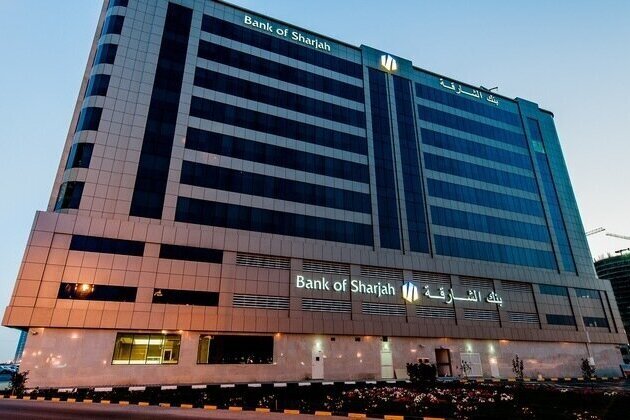
Bank of Sharjah played a key role in Ittihad International Investment LLC’s latest financing success, serving as Joint Lead Manager and Bookrunner in a US$550 million senior unsecured Sukuk issuance. The five-year bond offering attracted overwhelming investor interest, with the order book oversubscribed more than four times, peaking at US$2 billion. This level of demand highlights the strong confidence investors have in Ittihad International’s financial health and future growth prospects.

The Sukuk issuance represents a major milestone for Ittihad International Investment LLC, a prominent UAE-based investment group. With a focus on diversified investments across various sectors, Ittihad International has consistently shown its ability to adapt to market changes and maintain robust financial fundamentals. The success of the Sukuk offering is a clear reflection of the group’s strategic vision, which continues to resonate well with both regional and international investors.

The issuance attracted a diverse mix of institutional investors, including sovereign wealth funds, banks, and asset managers from across the globe. The appetite for the bond offering was not only driven by Ittihad’s strong credit profile but also by the stability and potential growth of the UAE’s economy, which remains a key driver for investment in the region. The overwhelming demand for the Sukuk underscores the high level of trust investors place in Ittihad’s long-term business strategies.

This successful transaction is a significant achievement for Bank of Sharjah, which has built a strong reputation in the financial sector for its role in leading major capital market deals in the region. The bank’s involvement as Joint Lead Manager and Bookrunner further solidifies its position as a leading financial institution in the UAE and the broader Middle Eastern market. Bank of Sharjah’s role in this high-profile Sukuk offering is seen as an endorsement of its deep understanding of regional markets and its ability to facilitate complex transactions for clients in a competitive environment.

The Sukuk, which is based on a Sharia-compliant structure, offers investors an attractive return while supporting Ittihad International’s strategic initiatives. The proceeds from the issuance are expected to be used for general corporate purposes, which include financing new investments and expanding the company’s portfolio in the UAE and beyond. The success of the transaction is a testament to Ittihad’s ongoing efforts to strengthen its financial position and drive long-term value for its stakeholders.

The Sukuk market in the Middle East has been thriving in recent years, with increasing interest from both local and international investors in Islamic finance products. The demand for Sukuk remains strong due to the region’s large and growing investor base, as well as the broader appeal of Sharia-compliant financial instruments. The Ittihad Sukuk transaction highlights the continued maturity of the Middle East’s debt capital markets and reinforces the role of Islamic finance in diversifying global investment opportunities.

The deal’s success also comes at a time when investor confidence in the UAE remains high, bolstered by the country’s continued economic recovery, business-friendly policies, and strong infrastructure development. These factors have contributed to the UAE’s attractiveness as a destination for both regional and international investors looking to capitalise on the country’s growth potential.

Dubai’s economy has demonstrated remarkable strength in the first half of 2025, with growth surpassing projections and reaffirming the emirate’s status as a global economic powerhouse. The city’s GDP expanded by 4.4 percent, reaching AED 241 billion, while the second quarter saw a notable 4.7 percent growth, bringing the total GDP for Q2 to AED 122 billion.

Key sectors played a pivotal role in driving this impressive performance. Dubai’s diversified economy, marked by a robust blend of finance, tourism, real estate, and trade, continues to thrive despite global uncertainties. The construction sector also witnessed significant growth, with an influx of infrastructure projects reflecting Dubai’s ambition to maintain its position as a leading global business hub.

One of the standout performers has been Dubai’s financial services industry, which has grown by a substantial margin. This sector’s success is largely attributed to Dubai International Financial Centre, which continues to attract a global clientele seeking access to the region’s thriving markets. With new regulatory reforms and the expansion of digital financial services, the financial services sector remains a cornerstone of Dubai’s economic resilience.

In addition, the real estate sector has shown signs of recovery after a few years of downturn, with both residential and commercial properties seeing increased demand. This growth can be linked to Dubai’s competitive positioning within the global property market, particularly in the luxury and hospitality segments. The city’s focus on international investors and high-net-worth individuals, combined with attractive incentives such as long-term visas and ease of doing business, has further bolstered investor confidence.

Tourism has also been a driving force behind Dubai’s economic growth. The city has seen a steady rise in international visitors, who are drawn to its world-class attractions, shopping festivals, and hospitality offerings. The Dubai Expo 2020, now extended into 2025, has had a ripple effect on the tourism sector, generating further investments and exposure to new global markets. Events and conferences have continued to bring in significant numbers of international guests, contributing to growth in the hospitality, retail, and leisure sectors.

The transportation and logistics sectors have been equally important to Dubai’s continued success. Dubai’s strategic location as a transport and logistics hub for the Middle East, Africa, and Asia continues to give it a competitive edge. Dubai International Airport, which consistently ranks among the world’s busiest airports, has witnessed a surge in passenger traffic, further solidifying its position as a key global aviation hub. Meanwhile, the port sector remains robust, with Dubai Ports World continuing to expand its reach internationally through strategic acquisitions and partnerships.

The emirate’s government has played a significant role in fostering a business-friendly environment, attracting foreign investment and enhancing the ease of doing business. New initiatives such as the Dubai Future Foundation and Dubai 2040 Urban Master Plan have injected fresh momentum into the city’s long-term growth trajectory. Dubai’s commitment to sustainable development, with a focus on green energy and technological innovation, ensures its competitiveness in a rapidly changing global economy.

Dubai’s resilience in the face of global economic challenges speaks to the emirate’s strategic focus on diversification and innovation. The city has managed to stay ahead of the curve by adopting advanced technologies in sectors like finance, healthcare, and education. In particular, the embrace of artificial intelligence, blockchain, and digital innovation has helped Dubai stay at the forefront of global economic trends.

Honda has initiated a recall of more than 400,000 vehicles in the United States, predominantly affecting its Civic model, due to a defect related to the wheels. This issue, which has raised serious safety concerns, is linked to errors made by one of the company’s suppliers. Experts in the automotive industry are now cautioning that this problem could be a precursor to further complications, possibly impacting more […]

Visa and Mastercard are reportedly nearing a resolution in a two-decade-long legal dispute with a group of merchants over the fees associated with their payment systems. Sources familiar with the ongoing negotiations indicate that both companies, along with the merchants involved, are working towards an agreement that could put an end to the protracted legal battle, which has caused significant tension in the payments industry.

The legal issue dates back to the early 2000s when merchants accused the payment giants of anti-competitive practices, specifically their practice of setting high interchange fees for card transactions. These fees, paid by merchants to card issuers, have been a point of contention for years, with many arguing that the pricing structures imposed by Visa and Mastercard were unfairly high and limited competition within the payments market.

This dispute first gained public attention when large retailers and other business associations banded together, alleging that the card networks were using their market dominance to maintain inflated fees. Over time, the case expanded to include a wide range of merchants, from small businesses to multinational corporations, who collectively argued that the financial burden of interchange fees was ultimately passed on to consumers in the form of higher prices.

Throughout the years, both Visa and Mastercard have faced legal challenges, and a series of class-action lawsuits have been filed. These lawsuits have not only focused on the fees themselves but also on the lack of transparency in how they were determined and enforced. Merchants claimed that the payment networks’ practices amounted to price-fixing, a violation of antitrust laws. The legal battle escalated over time, with both sides digging in their heels.

The talks have reportedly intensified in recent months, with both Visa and Mastercard keen to resolve the matter without further litigation. According to the sources, the settlement under discussion would likely result in a significant financial payout to merchants, though the exact amount remains undisclosed. The agreement could also include changes to the way interchange fees are structured, potentially leading to lower costs for businesses that accept card payments.

For Visa and Mastercard, the prospect of a settlement would bring an end to a costly and divisive legal fight. Both companies have defended their practices throughout the proceedings, maintaining that the fees they charge are justified by the value they provide in terms of security, convenience, and innovation in the payments ecosystem. However, they also face growing pressure from lawmakers, regulators, and consumers to address the issue of interchange fees, which have been a sticking point in the broader debate on financial services.

For merchants, the settlement represents a significant potential win. Many business owners, particularly in sectors like retail and hospitality, have long argued that interchange fees represent a hidden tax on their operations, undermining their ability to compete. Lowering these fees could provide financial relief, particularly for smaller businesses that often face the highest costs in the payment system.

If the settlement is reached, it could have a ripple effect across the payments industry, influencing how other payment processors and financial institutions structure their fees. Moreover, it could pave the way for further regulatory scrutiny of the broader payments ecosystem, with calls for greater transparency and fairness in the way card networks operate.

In addition to the financial terms, the settlement is also expected to address broader issues within the payments sector. Changes to the way interchange fees are communicated to merchants, improvements in fee structures, and possible new regulations could be part of any final agreement. These changes could not only benefit merchants but also lead to a more competitive environment in the payment processing industry.

Dubai’s property market is grappling with a widening supply-demand gap, as the number of completed units lags behind the increasing volume of new project announcements. While developers continue to launch projects at an accelerated pace, experts warn that this could lead to a critical imbalance in the coming years. According to real estate agency Allsopp & Allsopp, a significant discrepancy is emerging between the number of new […]

Lendlease Global Commercial REIT, a real estate investment trust listed in Singapore, has secured a major acquisition, purchasing a 70% stake in Singapore’s Paya Lebar Quarter mall. The deal, valued at $679 million, sees the Singapore-listed trust take ownership of a significant portion of the property from the Abu Dhabi Investment Authority. The acquisition comprises 70% of the total issued units in the PLQM Trust, which owns […]

VISHNU RAJA
RYO YAMADA
HITORI GOTOH
IKUYO KITA
Just in:
US relocates tankers from second British base amid threats // Google Health introduces blood pressure logs and glucose overlays // OnePlus 16 India debut reconsidered amid launch discussions // Dubai approves airport Metro link for 2031 opening // Singapore introduces AI scam alerts for messaging conversations // Messi secures consecutive MLS Golden Boots with 26 goals // Prudential announces title sponsorship of “Prudential Hong Kong Winter Wonderland in Tsim Sha Tsui”, lighting up Victoria Harbour this winter // Allianz Insurance Singapore Encourages Homeowners to Strengthen Their Home Protection as Residential Fires Continue to Rise // Microsoft 365 Family cuts combined storage to 2TB // Thai Airways discloses 60,529 records exposed through Amadeus // Flydubai Dammam cancellations persist as Etihad extends suspensions // Moonless skies improve stargazing conditions across northern Saudi Arabia // Google school AI search policy draws Senate challenge // GCC defence ministers discuss military coordination amid Iran conflict // Canada seeks tariff easing following US election upheaval // The MICHELIN Guide Thailand Celebrates Its Landmark 10th Edition with Record Numbers of Entries and MICHELIN-Starred Dining Venues // Abu Dhabi unveils restored Porsche from royal motorcade // Toyota Land Cruiser 2025 and 2026. What Each Trim Costs in the UAE // California electorate defeats proposed levy on billionaire wealth // Jailbroken AI agent targets European telecom infrastructure //