News related to
financial

Peloton Interactive Inc. is gearing up to launch its most significant product upgrades in years, with plans to boost sales by introducing new hardware, fresh accessories, and cutting-edge artificial intelligence features. These moves come as the company strives to reassert itself in the competitive fitness market and rebuild consumer confidence after a series of financial setbacks and slowing growth. The company is set to unveil a revamped […]

Gold’s upward trajectory in the UAE is reshaping consumer behaviour, with rising prices shifting the market’s balance away from traditional jewellery purchases toward more affordable and strategic alternatives. Demand for ornamental gold continues to wane even as the metal remains highly prized for investment. Gold jewellery sales across the UAE plunged to their lowest in over two years during April to June 2025, at 7.7 tonnes—down 16 […]

Greenlogue/AP Emirates Water & Electricity Company has formally invited bids for a new combined-cycle gas turbine power plant—dubbed Taweelah C—designed to be carbon-capture ready. The facility, to be located within the Al Taweelah Power and Desalination Complex around 50 kilometres north-east of Abu Dhabi, is slated to deliver up to 2.5 gigawatts of electricity and is expected to commence commercial operations in the third quarter of 2028. […]

CI Financial has been officially taken private by Mubadala Capital following the completion of all necessary approvals, effective 12 August 2025. The deal, structured under a statutory plan of arrangement governed by Ontario’s Business Corporations Act, sees Mubadala Capital purchasing all outstanding common shares of CI Financial for C$32 per share, valuing the company’s equity at approximately C$4.7 billion and implying an enterprise value near C$12.1 billion. […]

Accumulated losses for the Abu Dhabi-listed Invest Bank now stand at AED 1.653 billion, equivalent to 51.6 per cent of its paid-up capital, down slightly from AED 1.69 billion at the end of March 2025. These losses, originating from legacy impairments dating back to the first quarter of 2018, remain a substantial drag on the bank’s financial health.

The Government of Sharjah, which acts as the majority shareholder, has bolstered the bank’s liquidity through a capital injection and strategic measures designed to de-risk the balance sheet. These interventions include a comprehensive capital restructuring plan adopted in 2023 and the institution of a guarantee agreement covering up to AED 3 billion of impaired assets.

Despite the persistent burden of past impairments, the bank’s losses have shown a modest reduction, signalling the early results of the corrective strategy. The 2023 restructuring plan introduced a rights issue that raised the Government of Sharjah’s ownership to approximately 88.11 per cent, accompanied by a guarantee mechanism offering protection against further asset write-downs.

In parallel, Sharjah moved to diversify its holdings by transferring around 20.48 per cent of its stake to the Sharjah Social Security Fund in December 2024. After this transfer, Sharjah’s direct stake stood at about 70.06 per cent, while the Social Security Fund held approximately 18.04 per cent and other shareholders accounted for the remaining nearly 11.9 per cent.

Implementing this layered support strategy, which combines equity infusion, strong shareholder backing, and balance sheet protection, reflects an effort to restore the bank to a sustainable footing. The guarantee agreement, now active since September 2023, stipulates a five-year term and includes a cap of AED 800 million per calendar year, with no cap in the final year.

These developments are unfolding against a backdrop of stringent regulatory expectations and internal governance refinements undertaken in 2024. Invest Bank has sought to strengthen oversight mechanisms and align its policies with Central Bank of the UAE and Securities & Commodities Authority frameworks.

Where analysts had previously flagged the bank’s loss ratio—over two-thirds of capital—as a red flag, the current trajectory points to a gradual stabilisation. That being said, the legacy burden remains sizeable, and the effectiveness of the restructuring continues to hinge on the realisation of impaired assets and sustained shareholder support.

On the ground, Invest Bank continues operations across the UAE, including branches in Sharjah, Dubai and Abu Dhabi, along with a Beirut branch in liquidation following a regulatory decision.

Arabian Post Staff -Dubai Asset management across the Gulf Cooperation Council grew to $2.2 trillion in assets under management in 2024, an expansion of 9 per cent from the previous year, according to the 23rd edition of Boston Consulting Group’s Global Asset Management report, From Recovery to Reinvention. With market performance as the primary engine of that growth, rather than new investor inflows, the region remains somewhat […]

Paving the way for dispatchable clean energy in New South Wales SYDNEY, AUSTRALIA – Media OutReach Newswire – 14 August 2025 – Clean energy solutions provider Gentari yesterday marked the groundbreaking of the Maryvale Solar & Energy Storage project (Project Maryvale), a key milestone in delivering reliable, low-carbon energy for New South Wales (NSW). Gentari & PCL leaders break ground at Maryvale Solar & Energy Storage Facility […]

Advertisements

Samsung Electronics has secured a significant contract with Tesla, valued at $16.5 billion, to produce the electric vehicle manufacturer’s next-generation AI6 chips. The chips will be manufactured at Samsung’s advanced fabrication facility in Taylor, Texas, marking a pivotal development in both companies’ strategic plans.

The eight-year agreement, confirmed by Tesla CEO Elon Musk, is set to commence in 2025 and extend through 2033. This deal represents a substantial commitment from Tesla to Samsung’s foundry capabilities, particularly as the semiconductor industry faces increasing demand for advanced chips.

The AI6 chips are designed to power Tesla’s Full Self-Driving systems, the Optimus humanoid robot, and future robotaxi fleets. This move follows Tesla’s decision to discontinue its in-house Dojo supercomputer project, redirecting focus towards optimized chip design and external partnerships for AI infrastructure.

Samsung’s Taylor facility, supported by $6.4 billion in U. S. CHIPS Act funding, will utilize the company’s 2-nanometer process technology to manufacture the AI6 chips. This collaboration aims to enhance Samsung’s foundry business, which has faced challenges in recent years, and to position the company as a competitive player in the advanced semiconductor market.

While the deal is a strategic win for Samsung, it also presents challenges. The production of 2nm chips is complex, and achieving high yield rates is critical. Additionally, the financial terms of the contract suggest that Samsung may initially operate at a loss, viewing the deal as an investment in long-term growth and industry positioning.

The partnership with Tesla is expected to bolster Samsung’s position in the global semiconductor industry, particularly in competition with Taiwan’s TSMC, a dominant player in the foundry market. The success of this venture will depend on the effective scaling of production capabilities and the ability to meet Tesla’s stringent performance requirements.

The buzz surrounding the upcoming release of GPT-5, the latest iteration of OpenAI’s language model, has intensified. While rumours have been rife, the reality surpasses expectations. GPT-5 promises not only to refine existing capabilities but also to address common glitches and limitations that have plagued its predecessors. These improvements are expected to revolutionise how AI interacts with users across various sectors, including journalism, business, healthcare, and more. […]

Greenlogue/AP Emerge, a joint venture between Masdar and the EDF Group, has entered into a strategic partnership with Emirates Development Bank to explore collaborative opportunities in the development and financing of distributed solar projects across the UAE. This partnership comes at a critical time when the UAE is accelerating its commitment to renewable energy and sustainability as part of its broader goals for economic diversification and industrial […]

A massive wildfire has forced thousands to flee their homes in Spain as a combination of intense heat and strong winds exacerbates the crisis. The fire, one of the most destructive in the country’s history, continues to rage across multiple regions, threatening lives, homes, and the environment. The wildfire, which ignited amid soaring temperatures that have gripped southern Europe, has spread rapidly due to the powerful winds […]

Hyperliquid, a decentralised exchange platform, has resolved a significant technical issue that temporarily hindered user access to its trading services. The glitch, reported by users in various online communities, involved a disruption that prevented some traders from executing orders and impacted the platform’s ability to update prices accurately. The malfunction, which occurred during a period of high trading volume, raised concerns about the reliability of the system, with some users expressing frustration over the lack of transparency and communication from the platform’s support team.

The issue first came to light after multiple reports surfaced from users who found themselves unable to place or complete transactions, while others faced price slippage due to delays in the system’s updates. The disruption coincided with a surge in demand for certain assets, leading to increased pressure on the platform’s infrastructure. Hyperliquid acknowledged the problem in a statement, revealing that it was related to a backend technical failure in its order-matching system, which handles the execution of trades.

Technical teams at Hyperliquid worked quickly to address the malfunction, with a fix implemented within several hours. The platform’s engineers carried out a series of updates to its infrastructure and order-matching logic, designed to prevent such issues from recurring. Hyperliquid assured its users that it was closely monitoring the situation and would continue to improve its systems to ensure a smooth trading experience in the future.

This glitch on Hyperliquid is part of a wider trend that has raised concerns about the stability of decentralised exchanges, which rely on smart contract-based mechanisms to execute transactions. While decentralised platforms are often touted as more secure and resistant to manipulation, they can face unique technical challenges that centralised exchanges do not. These issues range from software bugs to network congestion and other performance bottlenecks, particularly during periods of heightened activity.

In light of this disruption, many users have called for greater transparency from decentralised exchange platforms regarding their technical operations. Some have questioned whether such glitches could undermine trust in the decentralised finance space, which is increasingly seen as an alternative to traditional financial systems. The DeFi ecosystem has seen explosive growth in recent years, with millions of dollars flowing through platforms like Hyperliquid. However, incidents like this highlight the vulnerabilities inherent in even the most sophisticated blockchain-based systems.

Hyperliquid’s response to the outage, including the quick deployment of a fix, has been largely positive among the platform’s users, although many are still wary of potential future disruptions. Several traders noted that while the issue was resolved swiftly, the lack of clear communication from the platform during the downtime was a point of contention. Some have suggested that platforms like Hyperliquid could benefit from providing users with more detailed updates in real time, especially during periods of service disruption.

The incident has also sparked a broader conversation within the DeFi community about the need for better infrastructure and risk management protocols. Experts have pointed out that while decentralised exchanges offer innovative features such as privacy and self-custody of funds, their technological foundations must be solid enough to handle spikes in demand without compromising the user experience.

By Ashok Nilakantan Ayer When the U.S. President Donald Trump slapped heavy tariffs on a range of Indian goods this month, Prime Minister Narendra Modi responded almost immediately with quiet contingency planning: supply a targeted, limited financial backstop to exporters and small manufacturers whose cash flows are being squeezed by sudden loss of competitiveness in […]

Bitcoin continues to follow the fluctuations of global liquidity, with the broader M2 money supply maintaining a positive correlation with its price movements. Recent data indicates that the cryptocurrency has largely mirrored the ebb and flow of liquidity across financial markets, suggesting that the ongoing dynamics between global monetary policies and Bitcoin’s performance could set the stage for further price gains or potential setbacks in the near future.

The M2 money supply, a key indicator of money in circulation that includes cash, checking deposits, and easily convertible near money, has witnessed significant growth over the past few years. This expansion has been a central feature of global central banks’ responses to economic challenges, including the COVID-19 pandemic and subsequent economic recovery efforts. As governments continue to inject liquidity into their economies through various monetary policies, Bitcoin has benefitted from a favourable environment, with its price often tracking the liquidity’s upward trends.

Bitcoin’s price movements have been closely tied to these liquidity expansions. Historically, periods of increasing global money supply have seen the digital asset rise in tandem, benefiting from increased investor confidence and speculative demand. As central banks keep interest rates low and maintain expansive fiscal policies, the resulting surge in M2 liquidity tends to fuel risk appetite in financial markets, often spilling over into assets like Bitcoin.

However, the current economic climate is marked by signs that this positive correlation might face new challenges. While Bitcoin’s price has largely remained on track with liquidity growth, early signs suggest that a potential correction could be imminent. Some market analysts point to signals such as diminishing returns on investments in certain financial markets, growing inflationary pressures, and tightening monetary policies in select regions as indicators that liquidity-driven asset prices, including Bitcoin, might soon face downward pressure.

The potential for a Bitcoin correction is also being discussed more openly as the cryptocurrency approaches new all-time highs. Historically, Bitcoin has experienced sharp price adjustments after reaching peak levels, driven by a combination of profit-taking, shifting sentiment among institutional investors, and changes in macroeconomic conditions. As a result, while the positive liquidity-Bitcoin correlation remains intact for now, market watchers are increasingly cautious, aware that the prevailing optimism could be replaced by a recalibration in response to evolving economic factors.

At the heart of the concern is the likelihood that the global liquidity boom, fuelled by expansive monetary policies, may be coming to an end. Some central banks, especially in developed economies, have already started to signal their intention to reduce stimulus measures. The United States Federal Reserve, for example, has been gradually winding down its bond-buying programme, a step that many analysts view as the first indication of a potential shift towards tighter monetary conditions. Should this trend continue, it could have significant repercussions for Bitcoin’s price, which has thrived in an environment of abundant liquidity.

Bitcoin’s reliance on speculative investment has always made it vulnerable to shifts in broader financial market conditions. As institutional investors and retail traders adjust their portfolios in response to global liquidity changes, the cryptocurrency market often experiences heightened volatility. A slowdown in liquidity growth, combined with the tightening of fiscal policies, could lead to increased market caution, potentially slowing down Bitcoin’s momentum.

Despite these concerns, Bitcoin’s long-term outlook remains closely intertwined with global liquidity. As central banks continue to maintain expansive monetary policies, the cryptocurrency may still benefit from an influx of capital seeking higher returns in an environment of low interest rates. However, the risk of a market correction should not be underestimated. With rising inflationary pressures in many countries and increasing calls for tighter monetary policies, Bitcoin’s trajectory could experience turbulence in the short term.

SINGAPORE – Media OutReach Newswire – 12 August 2025 – As scam networks across Southeast Asia grow more coordinated and transnational, the Global Anti-Scam Alliance (GASA) is responding with counterforce and progress. This year’s Global Anti-Scam Summit (GASS) Asia 2025 will be held on 2-3 September in Singapore and will convene over 1,200 industry leaders, policymakers, and enforcement agencies from over 60 countries (physical and online) to […]

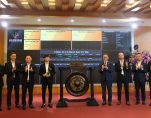
HANOI, VIETNAM – Media OutReach Newswire – 11 August 2025 – F88 Investment Joint Stock Company (F88) on August 8 officially listed over 8.26 million shares for trading on the UPCoM platform. Over 8.26 million shares of F88 was officiallt listed on the UPCoM platform. Photo courtesy of F88 With a reference price of VNĐ634,900 (US$24) per share on its first trading day, F88 now holds the […]

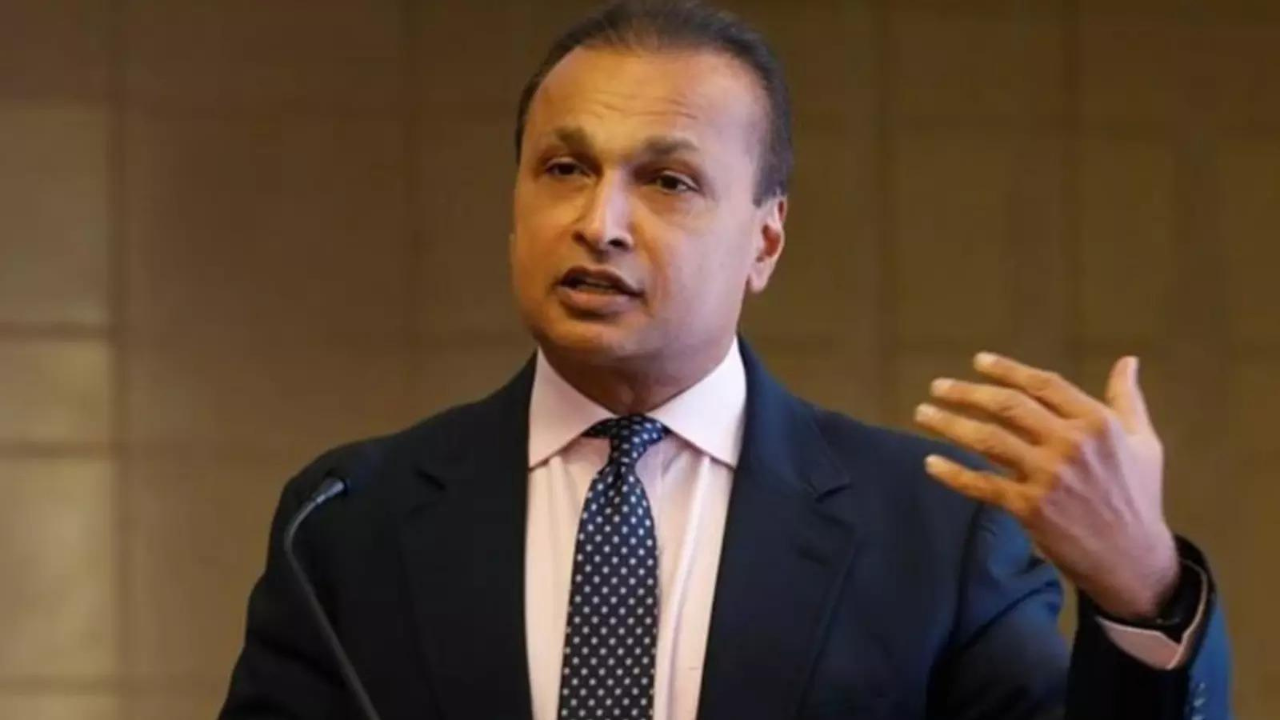
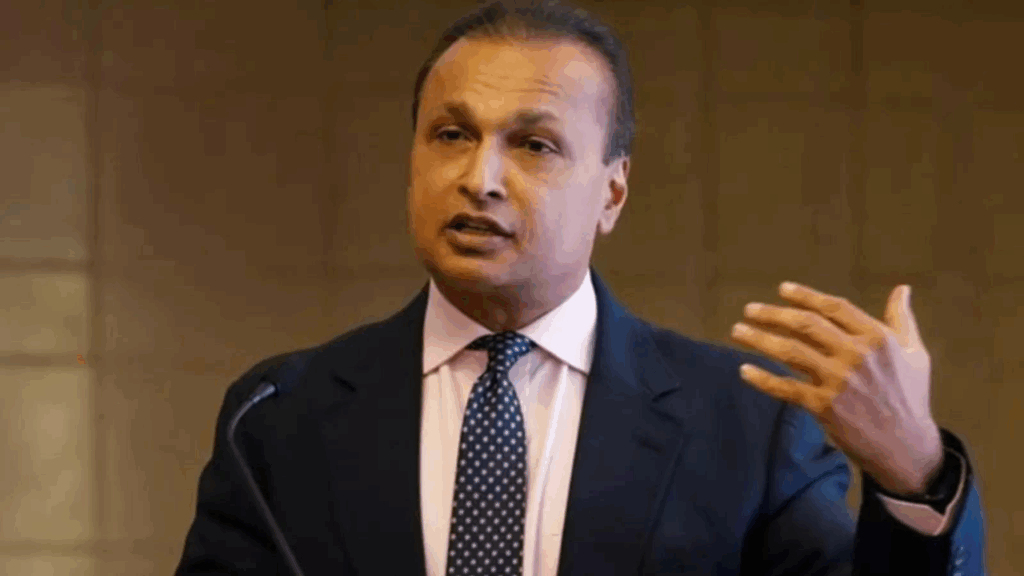
By Nantoo Banerjee The regular news feed by India’s Enforcement Directorate on alleged massive money laundering by the Reliance Anil Ambani Group (RAAG), which is also known as the Anil Dhirubhai Ambani Group (ADAG), seems to have been designed more to create an abominable sensation around the flamboyant entrepreneur than any other serious purpose. The […]

Gold’s steadfast position as a safe haven for investors in the UAE has withstood the test of rising prices, continuing to attract attention amid a global economic landscape marked by inflationary pressures and market volatility. Despite record-high valuations, the precious metal remains a symbol of financial security for those seeking stability in uncertain times. The price of gold has been climbing steadily, driven by a combination of […]

Amanat Holdings, a Dubai-based company listed on the Dubai Financial Market, has entered into a sale and purchase agreement to divest its real estate assets linked to North London Collegiate School. The deal, valued at 453 million dirhams, marks a significant step in the company’s ongoing strategic restructuring and focus on its core investment areas. The assets in question are situated within a prominent North London location […]

Information technology expenditure across the Middle East and North Africa region is poised to climb to $169 billion by 2026, reflecting a notable 8.9 percent growth from 2025, according to projections from Gartner. The surge in IT spending underscores a region-wide shift towards digital transformation, fuelled by the increasing reliance on artificial intelligence, intelligent automation, and AI-optimised infrastructure enhancements. This rise in spending is taking place against […]

Santos has agreed to extend the exclusive due diligence period for its proposed $18.7 billion acquisition by an international consortium led by Abu Dhabi’s National Oil Company. The extension, which will last until August 22, follows ADNOC’s initial offer made in June to purchase Australia’s second-largest gas producer. The consortium’s offer, priced at $5.76 per Santos share, includes ADNOC’s investment arm XRG, Abu Dhabi Development Holding Company, and the private equity firm Carlyle.

The agreement marks a significant step in ADNOC’s strategy to expand its global portfolio, particularly in the energy-rich Australian market. ADNOC, which has shown increasing interest in diversifying its energy assets, is now in the midst of an exclusive window to scrutinise the deal further. This process allows the consortium to continue its due diligence without competing offers interfering, a critical phase before a final agreement can be reached.

The initial bid, which valued Santos at approximately $18.7 billion, garnered attention for its scale and ambition. The offer of $5.76 per share represents a premium over Santos’ market value at the time the proposal was made. As the deal progresses, market observers are watching closely for any developments that might influence the final terms.

Santos, headquartered in Adelaide, is a key player in the Australian energy sector, with substantial stakes in natural gas fields and LNG projects. The company’s assets are seen as valuable in the context of rising global energy demands, particularly in Asia-Pacific markets. Santos has been working to strengthen its position in the energy sector, with a focus on cleaner energy options while maintaining its role as a major fossil fuel supplier.

The involvement of ADNOC in this deal is particularly noteworthy. ADNOC, already a dominant player in the global oil and gas industry, has been exploring opportunities outside of the Middle East as part of its broader strategy to secure energy assets worldwide. The consortium’s bid for Santos highlights ADNOC’s intentions to further diversify its portfolio, especially in the burgeoning Asia-Pacific energy market.

ADQ, Abu Dhabi’s sovereign wealth fund, has also been actively investing in international markets. Known for its strategic acquisitions, ADQ’s partnership with ADNOC on this deal strengthens its position in global energy investments. Carlyle, a prominent private equity firm, adds another layer of financial muscle to the consortium, indicating the serious intent behind the bid.

The extended due diligence period provides all parties involved the time needed to ensure that the terms of the acquisition are fully evaluated. This includes a detailed analysis of Santos’ financial health, operations, and future prospects. The due diligence process is critical to determining whether the proposed offer is fair and in line with the long-term strategic goals of ADNOC and its partners.

Although the extension has been granted, market analysts remain cautious. They are closely monitoring how global energy market fluctuations might impact the deal’s progression. The energy sector, while lucrative, remains volatile, influenced by factors such as shifting geopolitical landscapes, regulatory changes, and the ongoing transition towards renewable energy sources.

In addition to financial considerations, the deal’s strategic value for ADNOC and its partners cannot be understated. For ADNOC, securing a larger foothold in Australia’s gas sector could provide both immediate returns and long-term stability, particularly in the face of fluctuating oil prices. Furthermore, as global energy companies look to meet the growing demand for liquefied natural gas, the acquisition of Santos could bolster ADNOC’s LNG production capabilities.

Santos’ shareholders will also be closely watching the developments, with many likely to evaluate the offer in light of the company’s future growth potential. Santos has been positioning itself to leverage Australia’s growing demand for LNG, particularly from China and Japan, two of the world’s largest LNG importers. However, concerns over the impact of external factors on the gas market could complicate the evaluation of such an offer.


Chainlink has launched a $1 million LINK Reserve to bolster the security and growth of its ecosystem. This strategic initiative is aimed at ensuring the long-term sustainability of its decentralized oracle network, which plays a critical role in connecting smart contracts with real-world data. The announcement comes at a time when demand for decentralized finance services and smart contract capabilities is accelerating, highlighting Chainlink’s pivotal role in the blockchain space.

The LINK Reserve is designed to support the ecosystem by providing liquidity for future network upgrades and facilitating new developments. The fund will primarily be used to strengthen Chainlink’s oracle infrastructure, ensuring that the network can handle increasing data demands from decentralized applications and other blockchain-based services. As blockchain technologies continue to gain adoption, the need for reliable, secure, and scalable oracle solutions has never been more critical.

Chainlink’s decision to allocate a portion of its treasury to this reserve reflects the platform’s commitment to fostering a secure and resilient network. By using its own LINK tokens, Chainlink aims to maintain a self-sustaining ecosystem, capable of weathering market fluctuations and supporting network enhancements. The reserve is part of a broader strategy to enhance the protocol’s utility and security, ensuring that it remains competitive in an increasingly crowded space.

This move comes amidst growing concerns over the potential risks associated with decentralized oracles, particularly regarding the reliability of data and potential vulnerabilities in the system. As decentralized applications rely heavily on accurate and tamper-proof information from external data sources, ensuring the integrity of this data is paramount. The LINK Reserve, therefore, serves as both a safeguard for Chainlink’s infrastructure and a proactive measure to strengthen the platform’s resilience against potential security breaches or disruptions.

Chainlink’s oracle network is a fundamental component of the blockchain ecosystem, enabling smart contracts to access real-world data, APIs, and payment systems. These capabilities are crucial for the functioning of DeFi protocols, insurance applications, supply chain management, and many other industries looking to integrate blockchain with traditional data sources. As these sectors continue to grow, Chainlink is positioning itself as a key player in facilitating this transition, particularly with initiatives like the LINK Reserve that help maintain the integrity of its services.

The LINK token, which powers the Chainlink network, is a key asset in securing and operating the platform. By creating the LINK Reserve, Chainlink aims to create additional incentives for its token holders while reinforcing the broader security of the network. This reserve also offers potential liquidity for developers and entities that depend on Chainlink’s services, further integrating the LINK token into the fabric of the blockchain ecosystem.

One of the primary objectives of the LINK Reserve is to ensure the continued growth of the network. As more companies and developers seek to leverage Chainlink’s oracle solutions, the need for scalable infrastructure and liquidity becomes ever more pressing. By securing the reserve, Chainlink can ensure that its ecosystem remains adaptable, responsive to new challenges, and ready to accommodate the growing demands of the blockchain industry.

Chainlink’s initiative also aligns with the broader trend of increasing institutional interest in blockchain technologies. As large corporations and financial institutions look to integrate decentralized technologies into their operations, the security and reliability of the infrastructure they rely on become crucial factors in their adoption decisions. Chainlink’s proactive approach with the LINK Reserve aims to meet these demands and position itself as the go-to oracle solution for enterprise-grade applications.

Alaska’s vulnerability to seismic activity could soon be mitigated by an advanced early warning system that promises up to two minutes of warning ahead of a major earthquake. The potential life-saving development comes after a comprehensive study highlighted the possibility of a 10- to 120-second window of alert before an earthquake strikes, a brief period that could prove vital for those in the state’s earthquake-prone regions. Alaska, […]

UAE and Russia have elevated their economic collaboration with the signing of a new Trade in Services and Investment Agreement, a move set to bolster bilateral ties. This agreement was formalised during the visit of UAE President Sheikh Mohamed bin Zayed Al Nahyan to Moscow, underscoring the growing importance of the economic relationship between the two nations. UAE Minister of Foreign Trade, Thani bin Ahmed Al Zeyoudi, […]

VISHNU RAJA
RYO YAMADA
HITORI GOTOH
IKUYO KITA