News related to
financial

The governments of Rwanda and the United States have formalised a migrant resettlement agreement, under which Kigali will take in up to 250 individuals deported from the US. The deal, confirmed by officials from both countries, represents a significant step in Washington’s broader efforts to manage its immigration challenges, particularly regarding the removal of people without legal status. Under the terms of the agreement, the migrants will […]

Deepening “One Core and Two Wings” Strategic Layout Steady Improvement in Business Quality Continuously Enhancing Shareholder Returns HONG KONG SAR – Media OutReach Newswire – 5 August 2025 – The world’s largest telecommunications infrastructure service provider China Tower Corporation Limited (“China Tower”, or the “Company”) (Stock Code: 0788.HK) is pleased to announce its interim results for the six months ended 30 June 2025. Performance Highlights RMB Million […]

Hong Kong has escalated its pressure on pro-democracy activists based abroad by cancelling the passports of most of the 16 individuals it has accused of endangering national security. Alongside this, authorities have imposed a ban on any financial assistance reaching these individuals. This is the latest move in a series of stringent measures that aim to clamp down on critics of the Chinese government’s policies and protect what it considers its national security interests.

The activists, many of whom played significant roles in the 2019 protests against the Hong Kong government, have faced increasing challenges since Beijing’s imposition of a sweeping national security law in 2020. The law has been used to target opposition figures both inside Hong Kong and abroad, limiting free speech and expanding the scope of punishable acts under the law. These individuals have been accused of orchestrating protests, inciting unrest, and advocating for foreign intervention, charges which they and international human rights organisations have widely condemned as politically motivated.

Hong Kong’s decision to cancel passports and freeze financial channels for these exiled activists is being seen as a further attempt to suppress dissent outside its borders. The move targets individuals who had been offered bounties by the government for their arrest, as part of an ongoing effort to neutralise what it describes as threats to its sovereignty. As a result, the activists are now unable to return to Hong Kong or engage in overseas political activities openly, as their passports are deemed invalid under Hong Kong’s new restrictions.

The action is part of a broader strategy by Hong Kong authorities to deter any foreign support for their critics, both financial and moral. The decision to restrict access to funds is particularly notable, as it not only affects activists’ ability to mobilise resources for their causes but also impacts groups and individuals abroad who have supported the activists in the past. For many of the exiled activists, this move underscores the ongoing pressure they face, even when far from Hong Kong’s jurisdiction.

These measures have sparked concerns over the increasing reach of China’s policies, with many viewing the actions as an infringement on freedoms globally. Human rights groups and foreign governments have condemned Hong Kong’s national security law, arguing that it violates fundamental freedoms guaranteed under international law and erodes the autonomy promised to Hong Kong under the “one country, two systems” framework.

Hong Kong’s position is that these activists’ actions have undermined national stability and the rule of law, which the government claims it is constitutionally bound to protect. Authorities argue that those targeted have actively contributed to foreign interference in Hong Kong’s internal affairs, which they view as a direct challenge to their sovereignty.

The authorities have previously taken steps to limit the activities of exiled dissidents by pressuring foreign governments to either deport activists or bar them from entering their countries. With the new sanctions, including passport cancellations and the disruption of financial support, Hong Kong is signalling that it is willing to extend its crackdown beyond its borders, reinforcing its control over dissidents wherever they are located.

The move has raised alarm within the international community. Several countries, particularly those with a history of supporting Hong Kong’s pro-democracy movements, have voiced concerns about the long-term implications of such actions. These measures could further strain relations between Hong Kong, its international partners, and human rights organisations, which already condemn the erosion of democratic freedoms in the region.

A zoo in northern Denmark has made an unusual appeal to the public, requesting donations of small pets such as hamsters, rabbits, and guinea pigs to feed its carnivorous animals. The request has stirred a mix of surprise and concern among pet owners, animal rights activists, and the general public. The facility, located in the town of Aalborg, operates a variety of exhibits housing apex predators, including […]

A major economic migration is shaping the global landscape, with the UAE emerging as a primary destination for millionaires seeking new opportunities. In 2025, projections indicate that over 140,000 affluent individuals will relocate across borders, and the UAE is set to capture a substantial portion of this wealth migration. Among the largest share of the 142,000 millionaires relocating worldwide, the UAE is expected to see 9,800 of […]

Dubai’s tourism sector has shown impressive growth, with 9.88 million international visitors recorded in the first half of 2025, a significant achievement that underscores the city’s growing prominence on the global tourism map. Crown Prince Sheikh Hamdan bin Mohammed highlighted this milestone, attributing the success to the leadership and vision of Vice President and Ruler of Dubai, Sheikh Mohammed bin Rashid.

This surge in visitor numbers aligns with the ambitions outlined in the Dubai Economic Agenda D33, a strategic plan aiming to position the emirate among the world’s top three tourism destinations. Under this agenda, Dubai seeks to expand its appeal, diversify its tourism offerings, and enhance its global standing, with a clear goal of fostering sustained growth in the sector. The half-year figures reflect strong international interest and robust demand for Dubai’s varied tourism attractions, spanning luxury shopping, iconic architecture, and cultural experiences.

The Dubai government’s commitment to the tourism sector has been evident in a series of high-profile initiatives and investments designed to enhance the city’s appeal. From the development of world-class infrastructure to hosting global events such as Expo 2020 and numerous international conferences, Dubai has positioned itself as a key player in the competitive global tourism market. The city’s tourism recovery, which began after the pandemic, has been swift, drawing millions from across the globe, particularly from Asia, Europe, and the Middle East.

A significant driver of Dubai’s tourism growth is its extensive air connectivity, facilitated by Dubai International Airport, one of the busiest airports in the world. DXB has consistently served as a global hub for international travel, with Emirates airline offering seamless connections to key markets. The airport’s strategic location and connectivity have been instrumental in attracting a steady flow of travellers, particularly from Europe and Asia, who increasingly view Dubai as a prime destination for both business and leisure.

Dubai’s luxury sector, including five-star hotels and upscale shopping malls, has continued to thrive, attracting affluent tourists seeking high-end experiences. The city’s offerings have evolved, with a growing emphasis on experiential travel, which includes culinary tourism, wellness retreats, and adventure tourism. The government’s continued investment in cultural infrastructure, including the Louvre Abu Dhabi and Museum of the Future, enhances Dubai’s appeal to cultural tourists, complementing its already robust retail and entertainment scenes.

Dubai’s rise in the global tourism ranks is not merely the result of external factors, but the active cultivation of a highly attractive destination. The city is known for its safety, cleanliness, and well-organised tourism offerings, with services ranging from luxury experiences to budget-friendly options catering to diverse traveller needs. As tourism numbers continue to rise, Dubai is expected to further strengthen its position as a hub for international events, exhibitions, and conferences.

In line with its long-term goals, Dubai has introduced several initiatives aimed at increasing tourism numbers, such as the Dubai Tourism Strategy 2025, which includes a broader approach to tourism marketing. The strategy focuses on creating innovative marketing campaigns, expanding the city’s digital presence, and engaging with emerging travel trends such as eco-tourism and sustainable travel.

The city’s strategic location, combining Eastern and Western influences, has further cemented Dubai’s appeal as a cultural melting pot, drawing people from all corners of the world. Notable growth has been observed from markets in Asia, particularly China and India, with Dubai becoming an increasingly important destination for affluent travellers looking for luxury, leisure, and business opportunities in a safe and accessible environment.

Dubai’s status as a global financial and business centre has also contributed to the rise in international visits, particularly among business executives and entrepreneurs attending conferences and exhibitions. The emirate’s commitment to enhancing its business tourism infrastructure, including the expansion of its conference venues and the hosting of high-profile business events, is expected to contribute further to the sector’s growth.

eToro, the globally recognised trading platform, revealed plans to introduce tokenized US stocks and exchange-traded funds on Ethereum. This announcement, made during a global webinar titled ‘eToro Unlocked: Trade Without Boundaries’, marks a significant development in the integration of traditional financial assets with blockchain technology.

The initiative aims to bridge the gap between conventional finance and the burgeoning world of decentralised finance. By utilising Ethereum’s blockchain, eToro will allow users to trade tokenized versions of US stocks and ETFs. This move follows the growing trend of decentralised financial products that provide greater accessibility and transparency to global markets. The tokenisation of these assets is expected to enable fractional ownership, meaning investors can hold and trade portions of stocks and ETFs without the need for a large capital outlay.

This shift is in line with a wider industry push towards blockchain adoption. Major financial institutions, including banks and asset managers, have explored tokenisation as a way to simplify processes, reduce costs, and make trading more efficient. By offering these products on a platform like eToro, which boasts millions of active users, the company is positioning itself as a key player in the digital asset space.

As of now, traditional trading platforms have been somewhat slow to incorporate blockchain technologies, particularly when it comes to mainstream products like equities and ETFs. However, tokenisation is rapidly gaining traction, with the promise of faster transactions, lower fees, and enhanced security. Ethereum, due to its widespread use and robust smart contract capabilities, has emerged as a leading blockchain for such innovations.

The rollout of tokenized US stocks and ETFs will occur in phases. Initially, a select group of eToro users will be given early access to these digital assets, with the plan for a broader launch depending on regulatory approval and market demand. Despite the novelty of tokenised equities, the platform’s offering will be fully compliant with the relevant financial regulations, ensuring that users can trade with confidence.

eToro’s move to embrace Ethereum-based tokenisation comes at a time when other financial services firms are also investigating blockchain’s potential in transforming asset management. For instance, firms like Fidelity and Grayscale have pioneered offerings that allow traditional investment in cryptocurrency, while companies such as JP Morgan and Goldman Sachs have been integrating blockchain technologies into their existing infrastructure.

However, it remains to be seen whether tokenised assets can truly revolutionise the way investors interact with traditional financial products. While blockchain technology offers numerous advantages, including faster settlement times and reduced friction in cross-border trading, the challenge lies in widespread adoption. Regulatory hurdles and market acceptance will play key roles in determining whether tokenisation becomes mainstream or remains a niche offering.

Nonetheless, the trend is gaining momentum. Tokenisation is seen as a way to democratise access to high-value assets that were previously reserved for wealthier investors or institutions. By breaking down these assets into smaller, more affordable fractions, eToro aims to give a wider audience the opportunity to diversify their portfolios, gain exposure to US stocks and ETFs, and participate in a global marketplace.

As eToro has expanded its offerings in recent years, it has positioned itself as a platform that seeks to empower users by providing more trading options and access to a range of global financial products. This tokenisation project is part of eToro’s broader vision of a more open and inclusive financial ecosystem, where geographical and financial barriers are diminished through technological advancements.

Advertisements

The Indian government has launched a substantial ₹1 lakh crore initiative aimed at advancing research and development in DeepTech sectors, which include artificial intelligence, biotechnology, and clean energy. The move seeks to position India at the forefront of technological innovation while addressing pressing global challenges, such as climate change and health issues, through groundbreaking advancements.

The scheme, which is the largest of its kind in the country, provides financial support through low-interest loans and grants to organisations engaged in pioneering research within these high-tech fields. This initiative is designed to fuel India’s transition to a knowledge-based economy, empowering domestic companies to compete on the global stage.

The programme has been met with widespread enthusiasm across industries, particularly for its potential to create high-skilled jobs and promote sustainable growth. Industry experts believe that the government’s focus on DeepTech will provide the necessary infrastructure for start-ups and established companies to undertake transformative research, particularly in AI and biotechnology, areas that are expected to revolutionise industries globally.

The scheme is structured to benefit both large-scale enterprises and smaller start-ups, ensuring a wide distribution of opportunities across the technology ecosystem. By offering loans with highly favourable interest rates, the government is incentivising private investment in research and innovation. These funds can be used for a variety of purposes, including product development, infrastructure creation, and collaboration with academic institutions. The emphasis on clean energy projects is particularly timely, given the global push towards sustainability and reducing carbon footprints.

Aimed at fostering a more robust R&D culture, this initiative also ties into broader national objectives, such as strengthening India’s technological independence and making strides towards self-reliance. By facilitating the creation of homegrown technologies, the government hopes to reduce the nation’s dependence on foreign technologies and build a self-sustaining innovation ecosystem.

The programme is expected to bring a ripple effect, spurring greater investment in the country’s deep-tech space. This comes at a time when global investors are showing increasing interest in emerging markets like India, particularly in sectors that address environmental concerns and healthcare challenges. Experts suggest that this initiative could make India a major player in AI, clean energy, and biotech, which have seen explosive growth globally.

This initiative builds upon earlier steps taken by the government to boost technological innovation. A notable example is the government’s push for AI adoption across industries, with initiatives such as the National AI Strategy. Moreover, India’s growing digital infrastructure, which includes expanding internet access and cloud capabilities, is seen as a foundation for the country to lead in cutting-edge research and development.

With AI poised to reshape industries such as healthcare, agriculture, and education, the government’s focus on AI-driven projects through this scheme could significantly enhance the country’s global competitiveness. For example, AI technologies are expected to play a critical role in optimising supply chains, improving healthcare diagnostics, and even contributing to smarter urban planning and infrastructure.

Similarly, India’s biotechnology sector, which has been a cornerstone of the nation’s medical advancements, stands to benefit enormously from the new scheme. Biotechnology holds promise for breakthroughs in disease treatment, diagnostics, and sustainable agricultural practices. With government backing, researchers and innovators will have access to the necessary resources to push the boundaries of what is currently possible in life sciences.

The clean energy component of the scheme is particularly crucial in the context of global environmental concerns. India, as one of the world’s largest emitters of carbon dioxide, has made ambitious commitments to reduce its carbon footprint, and this initiative is aligned with those goals. By providing financial incentives for renewable energy projects, including solar, wind, and hydrogen energy, the government is fostering an ecosystem conducive to green innovation.

The scheme also complements India’s broader economic reforms aimed at boosting manufacturing and technological self-sufficiency under the “Make in India” programme. By nurturing DeepTech innovation, India could develop indigenous solutions that cater not just to domestic needs but also to international markets, enhancing its stature as a hub for cutting-edge technology.

As part of its effort to ensure the programme’s success, the government is also facilitating partnerships between industry players and academia. This collaborative approach is intended to strengthen the research base and bridge the gap between innovation and practical application. Partnerships with international research bodies are also expected to enhance India’s global position in deep-tech innovation.


Alpha Dhabi Holding has reported a significant surge in its second-quarter net profit for 2025, reaching AED 4.53 billion, marking a 118% increase from AED 2.08 billion during the same period in 2024. This growth reflects the investment conglomerate’s strategic positioning in Abu Dhabi’s dynamic market and its diversified portfolio of high-value assets. Revenue for the quarter also saw an uptick, rising to AED 18.4 billion from […]

By K Raveendran Donald Trump’s aggressive tariff regime, launched under the guise of bolstering American strength and reclaiming lost economic ground, has triggered a worldwide response that may ultimately defeat the very goal it seeks to achieve. Framed as a nationalist project to assert America’s economic primacy, the tariff war has turned out to be […]

e& has reported an impressive net profit of AED 3.5 billion for the second quarter of 2025, up 9.7 per cent year‑on‑year, driven by a substantial rise in its global subscriber base. The company’s performance outstripped the average analyst forecast of AED 2.84 billion, underlining robust execution in a competitive market. Consolidated revenue for Q2 rose 28.1 per cent to AED 18.0 billion, while earnings before interest, tax, depreciation and amortisation increased by approximately 22.2 per […]

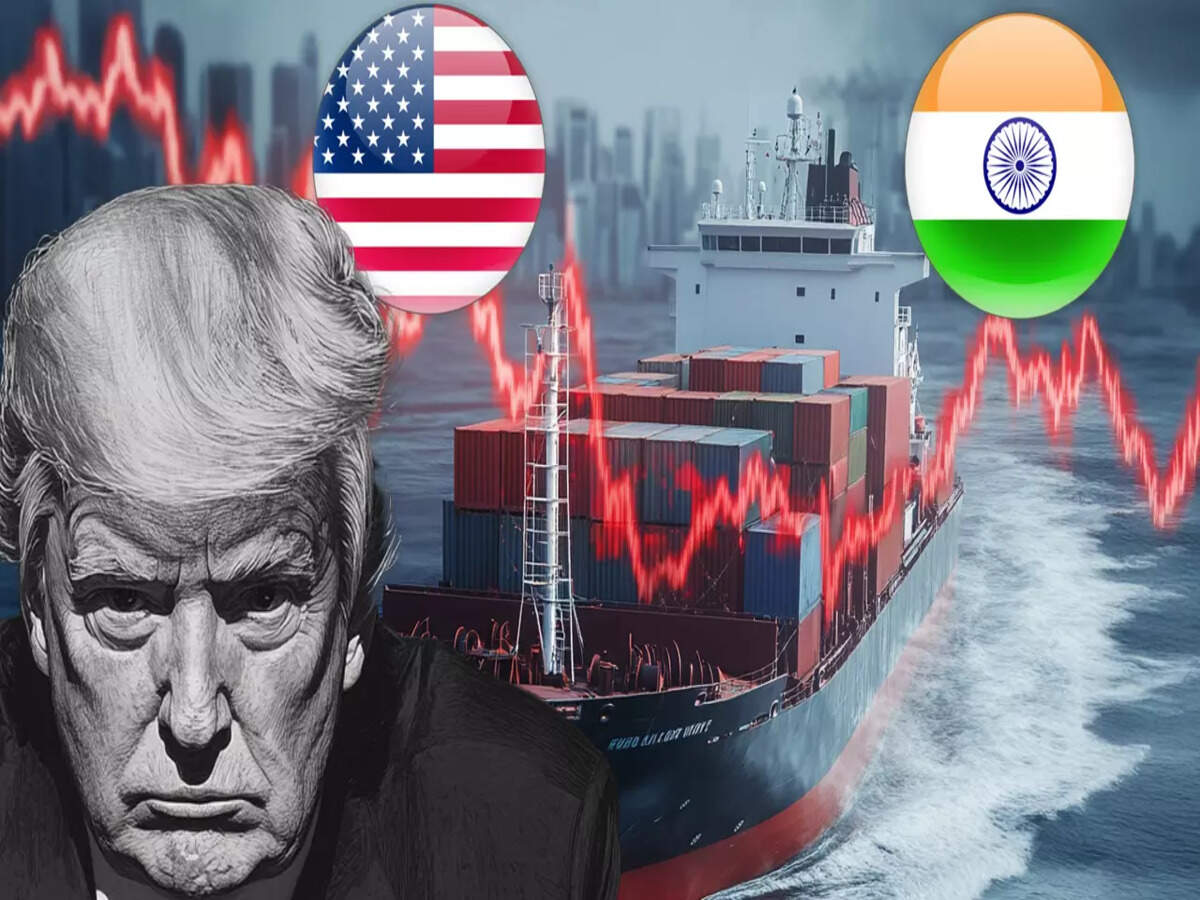
By Dr. Nilanjan Banik Before the August 1 deadline, the U.S. President Donald Trump decided to impose a 25% tariff on Indian exports. He also talked about an additional penalty on Indian exports, which could go up to100% as a surcharge, targeting countries that continue trading oil with Russia. Trump seems to care less about […]

Zambia’s government is pushing for a 12-month extension to its current loan arrangement with the International Monetary Fund, according to an official cabinet statement released on Wednesday. The proposal, if approved, would see the existing agreement, set to expire at the end of October, continue until October 2024. This decision follows a series of critical economic challenges faced by the southern African nation, which is heavily reliant […]

Concerns over the soaring costs of accommodations for the COP30 climate summit have led the United Nations to call for urgent talks. Held in Brazil later this year, the event’s sky-high prices threaten to exclude delegates from poorer nations, raising alarms within the international community about equity and accessibility at the high-profile climate negotiations. The meeting, convened by the UN’s climate office, was prompted by reports from […]

Gulf nations now account for over half of global environmental, social, and governance sukuk issuances in the first half of 2025, underscoring their growing leadership in sustainable Islamic finance. Sukuk linked to ESG objectives saw a 12 per cent rise to approximately $50 billion outstanding globally in H1 2025, with Gulf Cooperation Council countries contributing the majority of this volume. Saudi Arabia and the UAE emerged as principal issuers, driving […]

Union Properties reported a sharp decline in second-quarter net profit, registering AED 8.74 million, a 52% fall from AED 18.3 million for the same quarter last year. The Dubai-listed developer attributed the downturn to heavier upfront investments channelled into development activities and upgrades to infrastructure across its portfolio.

For the first half of 2025, profit stood at AED 14.56 million, significantly lower than the AED 34.77 million reported during the same period in 2024. Despite this decline in bottom-line earnings, the company recorded a notable improvement in revenue. Total income for the six-month period rose to AED 316 million, a 19% year-on-year increase compared to AED 266 million during the first half of 2024.

The company’s performance reflects a strategic pivot toward long-term asset enhancement, which has led to a temporary squeeze on margins. According to statements from company officials, this phase of intensified capital expenditure is aligned with efforts to revitalise core assets and push forward master-planned projects aimed at bolstering future recurring revenue.

Union Properties has been seeking to reposition itself in the competitive Dubai real estate landscape, where both private and publicly traded developers are ramping up efforts to respond to shifting demand patterns in residential, commercial, and mixed-use spaces. The firm’s latest investment push includes modernisation of infrastructure, land parcel optimisation, and enhancements across its flagship MotorCity community, as well as new project launches in high-growth corridors of Dubai.

Market analysts indicate that the firm’s choice to front-load development expenses may place temporary pressure on quarterly earnings but positions the company for stronger medium-term growth, particularly as Dubai’s property sector remains buoyant. Real estate transaction volumes in the emirate have continued to show strength, driven by both domestic end-user demand and international investor interest.

Union Properties has also been undertaking restructuring initiatives since 2022 in a bid to reverse a prolonged downturn marked by legal disputes, operational setbacks, and financial mismanagement. The group’s current leadership has focused on stabilising the balance sheet, improving transparency, and advancing stalled developments. The company’s equity structure has undergone changes, with efforts to attract new institutional investors and offload non-core assets.

During the latest reporting period, the developer recorded a surge in project execution costs, which contributed to the narrowing of margins. Construction and infrastructure spending increased significantly, while administrative expenses remained relatively stable. The higher costs are partly reflective of an accelerated build-out of key developments and a recalibration of timelines to align with updated delivery schedules.

The developer’s revenue boost was attributed largely to stronger unit sales and improved rental income from existing properties. However, the impact of increased capital expenditure overshadowed these gains, resulting in lower profitability. The company’s cash flow remains positive, supported by pre-sales and project advances, although liquidity management remains a focus area amid the ongoing investment cycle.

Union Properties’ board has reiterated its confidence in the current trajectory, describing the strategic investments as necessary for sustainable growth. Internal forecasts suggest that revenue streams will continue to expand into the second half of the year as multiple projects reach key development milestones. Delivery schedules have been tightened and operational efficiencies have been integrated to mitigate further cost overruns.

The wider Dubai property market has shown continued resilience, with price growth moderating but staying positive. Analysts suggest that Union Properties’ recent performance must be viewed in the context of its turnaround efforts and sector-wide transformation. Large-scale developers have increasingly shifted focus towards quality, lifestyle-oriented developments, a segment Union Properties is now actively targeting through its redevelopment strategy.

The Securities and Exchange Board of India has escalated its investigation into the trading activities of Jane Street, a global proprietary trading firm, as part of a broader probe into alleged market manipulation. The regulatory body has now requested trading data from several Indian stock exchanges, further deepening its scrutiny of the firm’s involvement in the country’s financial markets.

SEBI’s action stems from claims that Jane Street engaged in manipulation of stock indices through derivative positions. This move follows a regulatory ban imposed on the firm in early July, which temporarily barred it from conducting any trading activities in Indian markets. The ban was issued after SEBI’s preliminary findings suggested that Jane Street had used complex strategies to artificially influence the performance of key stock indices.

As part of the ongoing investigation, SEBI is focusing on obtaining detailed trading records from exchanges including the Bombay Stock Exchange and the National Stock Exchange of India. The goal is to determine whether the firm’s activities, particularly its use of derivatives, involved any illegal practices that could have distorted market prices or harmed retail investors.

Industry experts suggest that the regulator’s heightened interest in Jane Street reflects a broader concern about the role of large institutional traders in shaping market dynamics. Derivative positions, often leveraged and high-risk, can be used to exert significant influence on the underlying stocks, especially in a market as liquid as India’s. By examining data from exchanges, SEBI aims to clarify the extent of Jane Street’s trading strategies and assess whether they align with Indian securities laws.

The investigation is seen as a key test of SEBI’s ability to enforce its regulations on foreign firms operating in India’s rapidly growing financial markets. Despite the firm’s global operations, Jane Street has a significant presence in India, with its trading strategies often tied to the country’s major stock indices. The firm’s complex use of derivatives, particularly index futures, has drawn scrutiny from both regulators and market participants, who have raised concerns about potential market distortion.

Jane Street, which is based in the United States, has yet to publicly comment on SEBI’s request for trading data or the investigation itself. The firm has previously maintained that its activities are compliant with global market regulations, including those in India. However, the SEBI inquiry underscores growing concerns among global regulators about the tactics employed by large-scale traders in emerging markets.

The investigation into Jane Street is part of a broader initiative by SEBI to strengthen its oversight of foreign investment in India. Over the past few years, SEBI has been increasingly focused on improving market transparency and curbing potential manipulative practices, particularly in high-frequency trading and derivative markets. While foreign firms play an essential role in providing liquidity to Indian markets, their influence has raised alarms about potential market imbalances.

Market analysts point out that the use of derivatives and other sophisticated financial instruments by international trading firms has brought India into closer alignment with global financial markets. However, the rise of algorithmic and high-frequency trading has led to concerns over market stability, especially in volatile times. In response, SEBI has ramped up its efforts to ensure that such trading does not compromise the fairness or integrity of the market.

In the wake of SEBI’s actions, some market participants have called for more stringent regulations governing the use of derivatives in India. While derivatives are legal and widely used, their impact on the underlying markets can sometimes be opaque, especially when large institutional players use them in tandem with other strategies to influence stock movements. Calls for greater transparency and stricter enforcement mechanisms are expected to intensify as the investigation continues.

The timing of SEBI’s investigation is significant, as it comes at a time of heightened global scrutiny on market manipulation and the role of high-frequency traders. In the wake of high-profile cases involving market abuses in other jurisdictions, regulators are under pressure to ensure that trading practices do not undermine investor confidence or market integrity.

Major Ethereum holders, often referred to as “whales,” have amassed more than 200,000 ETH in the past 48 hours, pushing their total accumulation to nearly 2 million ETH since the start of July, according to on-chain data firm Santiment. This sharp uptick in activity has caught the attention of market analysts, suggesting that large investors are showing increasing confidence in Ethereum’s long-term price trajectory.

The surge in whale accumulation comes as Ethereum has experienced notable price fluctuations. Following a period of volatility, Ethereum’s price appears to be stabilising, with these strategic accumulations indicating that whales foresee potential price growth. Data from Santiment reveals that these large holders, who hold a significant portion of the total ETH supply, have been acquiring tokens at a rapid pace. Their actions are seen as a signal of confidence in Ethereum’s future, particularly as the network continues to develop and mature.

Ethereum’s ongoing network upgrades, such as the transition to Ethereum 2.0, are likely a contributing factor to this growing bullish sentiment. The shift towards a Proof-of-Stake consensus mechanism has been a long-awaited move, expected to improve scalability, reduce energy consumption, and enhance security. The successful deployment of key upgrades has sparked renewed optimism in the community, particularly among institutional investors who are looking to gain exposure to Ethereum while aligning with broader trends in sustainability.

The shift in sentiment is also reflected in Ethereum’s growing adoption across various sectors. From decentralized finance to non-fungible tokens, Ethereum’s ecosystem continues to expand, driving demand for ETH. As the Ethereum network becomes increasingly entrenched in the broader financial landscape, it is likely that whales view this as a strong indicator of the asset’s potential for long-term appreciation.

The broader cryptocurrency market has been seeing a general trend of institutional involvement, with large-scale investors increasingly allocating capital towards digital assets. Ethereum, as the second-largest cryptocurrency by market capitalisation, stands as a prime target for these investors. The accumulation by whales, many of whom are institutional investors or wealthy individuals, underscores Ethereum’s growing position within the digital asset class.

Despite the positive sentiment surrounding Ethereum, the market remains volatile, with regulatory concerns and global economic factors continuing to influence price movements. However, the heavy accumulation by whales suggests that these investors are more focused on the long-term value proposition of Ethereum rather than short-term price swings. Many believe that as Ethereum’s use cases expand, its value will grow, potentially leading to greater market stability and increasing institutional adoption.

The increasing concentration of ETH in the hands of a few large holders has also raised questions about decentralisation and the potential risks of market manipulation. Critics argue that such accumulation could lead to a situation where a small group of investors has disproportionate control over Ethereum’s price. However, proponents of Ethereum argue that the network’s decentralisation mechanisms and the broader community’s engagement provide a counterbalance to this concentration of power.

The Ethereum Foundation and other key stakeholders have been working diligently to foster an environment that encourages decentralised participation. Community governance, a hallmark of Ethereum’s design, continues to evolve, with decisions about protocol upgrades being made through a collaborative process. As a result, the growing dominance of whales, while notable, is not seen as a fundamental threat to Ethereum’s decentralised nature.

With major upgrades and developments on the horizon, including the anticipated roll-out of sharding to further scale the network, Ethereum’s prospects remain positive. These technological advancements are expected to bolster Ethereum’s position as a leader in the blockchain space, potentially increasing demand for ETH from both institutional and retail investors.

Greenlogue/AP The Future Investment Initiative Institute, in collaboration with Saudi oil giant Aramco and global consultancy firm Arthur D. Little, has released a comprehensive white paper focused on leveraging artificial intelligence to revolutionise the voluntary carbon market. The paper, titled “AI-Enabled Carbon Markets: Identifying AI Solutions for the Voluntary Carbon Industry,” explores the vital role AI could play in improving transparency, accuracy, and efficiency within the sector, […]

Gold retailer Joyalukkas has secured a significant financing deal with Emirates NBD, confirming a revolving credit facility of 500 million UAE dirhams. The facility will aid Joyalukkas in accelerating its expansion strategy across key international markets, which include the GCC, UK, US, Canada, and Australia. The partnership between Joyalukkas and Emirates NBD is designed to support the retailer’s ambitions by ensuring smooth operational liquidity, particularly during high-demand […]

The Abu Dhabi Investment Authority, a prominent sovereign wealth fund, has bolstered its investment in India with the acquisition of a 1.17% stake in the National Securities Depository Limited, the country’s oldest central depository. This move comes as part of NSDL’s initial public offering, which has garnered significant attention within the Indian financial sector.

The deal positions ADIA as one of the key anchor investors in NSDL’s IPO, valued at ₹40.12 billion. The IPO officially opened for subscription today, marking a critical phase for both the company and the broader investment landscape. ADIA’s involvement is seen as a strong endorsement of NSDL’s role within the Indian financial ecosystem and reflects the UAE-based fund’s growing confidence in India’s capital markets.

ADIA has acquired 174,996 equity shares in NSDL at ₹800 per share, amounting to an investment of ₹140 million. This participation places ADIA among the notable institutional investors backing the public offering, signalling the strategic importance of NSDL in India’s burgeoning financial sector. The sovereign wealth fund’s move is likely to strengthen its position in the Indian market, where it has been increasing its footprint over the past several years.

The IPO has attracted substantial attention from institutional investors, with the Life Insurance Corporation of India securing the largest anchor allotment. LIC holds an 11.99% stake, underscoring its significant role in India’s financial services landscape. Following closely is the Smallcap World Fund, which has committed to an 8.33% stake, further highlighting the appeal of NSDL as a viable investment proposition for large-scale financial institutions.

NSDL, which plays a pivotal role in the clearing, settlement, and dematerialisation of securities in India, has been integral to the functioning of the Indian stock markets since its inception in 1996. The company provides critical infrastructure that supports the trading of securities and facilitates the electronic transfer of ownership. Its IPO is seen as a major milestone, not only for the company but for the broader development of the Indian financial market.

As the oldest depository in the country, NSDL has witnessed the rapid expansion of India’s financial markets over the past few decades. The company’s role in streamlining the trading of securities has been a key enabler of the country’s financial growth, positioning it as a leader in the sector. The funds raised through the IPO will be used to further enhance its technological infrastructure and expand its range of services, including the digitalisation of securities.

The growing interest from global institutional investors, such as ADIA, underscores the attractiveness of India’s financial market. Despite global economic uncertainty, India’s stock exchanges continue to attract significant foreign investments, bolstered by the country’s large consumer base, robust economic growth, and ongoing reforms aimed at improving market liquidity and transparency.

ADIA, which has been active in the Indian market for several years, has diversified its portfolio across various sectors, including infrastructure, real estate, and technology. The sovereign wealth fund has shown a particular interest in India’s financial services sector, making strategic investments in leading financial institutions and companies with strong growth potential.

NSDL’s IPO marks a significant step in the company’s journey, with the funds raised providing a boost to its expansion and digitalisation efforts. For ADIA, this investment represents a continuation of its strategy to capitalise on India’s growing financial sector and enhance its portfolio through carefully selected high-potential opportunities.

The Central Bank of the UAE has taken decisive action by suspending the motor insurance operations of a foreign insurer’s local branch. This decision, made under Articles and of Federal Decree Law No. of 2023, is aimed at enforcing compliance with regulatory standards in the UAE’s insurance sector.

The suspension stems from the insurer’s failure to meet the solvency and guarantee requirements stipulated by the UAE’s regulations, a breach that has significant implications for the company’s operations within the country. The CBUAE confirmed that while the insurer’s ability to conduct new business has been halted, it remains liable for all existing insurance contracts and their associated rights and obligations.

The UAE’s regulatory framework for insurance companies, introduced under Federal Decree Law No., is designed to ensure financial stability, consumer protection, and sector transparency. By enforcing stringent solvency and guarantee conditions, the CBUAE aims to maintain the integrity of the local insurance market and safeguard the broader financial ecosystem.

The suspended insurer, a foreign entity operating within the UAE, has been under scrutiny for some time due to concerns about its financial solvency. This regulatory action highlights the central bank’s commitment to enforcing the highest standards of compliance in line with national financial stability goals.

The UAE insurance market, which is one of the most developed in the Gulf region, has seen increased oversight from the CBUAE as part of a broader effort to ensure that insurers adhere to strict regulatory standards. This includes robust checks on financial reserves, consumer protection protocols, and transparent business practices. The CBUAE’s regulatory framework is designed to protect both policyholders and the financial system by ensuring that insurance companies have the necessary capital and guarantees to meet their obligations.

While the suspension affects the foreign insurer’s ability to offer new motor insurance policies, the regulator’s actions ensure that the firm will continue to uphold its responsibilities to policyholders who have existing contracts. This decision underscores the CBUAE’s commitment to protecting the rights of consumers and ensuring the financial health of the insurance sector.

The UAE’s insurance industry has been growing steadily over the past decade, with both domestic and international players seeking to capitalise on the expanding market. As a result, the CBUAE has increasingly focused on ensuring that insurers maintain financial solvency and provide adequate coverage to their customers. The central bank’s intervention in this case is part of a broader regulatory strategy to reinforce these standards across the sector.

The foreign insurer affected by this suspension has not made any public statement regarding the situation, and it is unclear how the suspension will impact its broader operations in the UAE. However, analysts suggest that the company may face significant challenges in regaining its ability to operate in the motor insurance market, given the stringent solvency and guarantee requirements that led to the suspension.

The suspension also highlights the growing regulatory scrutiny within the UAE’s financial sectors, where the central bank is increasingly taking proactive measures to ensure that companies adhere to the highest standards. The UAE government has placed a high priority on maintaining a stable financial ecosystem, with regulations designed to support transparency, consumer protection, and overall market stability.

Looking ahead, it is likely that the CBUAE will continue to monitor the financial health of all insurers operating in the country, ensuring that they meet the required solvency standards and operate in line with the national financial framework. The central bank has indicated that it will not hesitate to take similar actions if other companies fail to comply with the law.

MoneyGram, a global leader in digital payments, has announced the resumption of its money transfer services through a newly reinvigorated partnership with Bank AlJazira, one of Saudi Arabia’s prominent banking institutions. This move marks a significant step in advancing the Kingdom’s financial landscape, offering seamless physical and digital cross-border money movement solutions across the country.

The collaboration will allow MoneyGram to leverage Bank AlJazira’s expansive network of physical locations, ensuring that customers in Saudi Arabia can send and receive funds swiftly and securely. It also highlights the growing importance of digital channels in a nation increasingly shifting toward a more digitally integrated economy. The resumption of these services comes at a crucial time, with Saudi Arabia’s Vision 2030 blueprint pushing for greater financial inclusion and a more robust digital ecosystem.

MoneyGram has long been a key player in the cross-border payments industry, with its services spanning more than 200 countries and territories. In Saudi Arabia, the company is now positioned to meet the demands of an expanding customer base that increasingly seeks more accessible, secure, and instantaneous ways to transfer funds internationally.

The partnership with Bank AlJazira, a major player in Saudi’s banking sector, offers a wide-reaching solution for those in the Kingdom who rely on international money transfers for both personal and business purposes. Saudi Arabia has long been one of the largest remittance markets globally, with millions of people relying on money transfer services to send funds to family members overseas.

Saudi Arabia’s vision to become a global financial hub in the region has paved the way for international financial institutions to enter the market, forming partnerships to enhance the ease of conducting international transactions. The latest collaboration between MoneyGram and Bank AlJazira exemplifies this trend, aligning with the Kingdom’s ongoing push to modernise financial infrastructure, streamline cross-border payments, and ensure broader access to digital services.

The financial ecosystem in Saudi Arabia is rapidly evolving. The country’s push for digital transformation is supported by extensive government initiatives, including the Saudi Payments Company and the Financial Sector Development Programme. These initiatives aim to facilitate a more secure, transparent, and inclusive financial landscape. As part of this ongoing transformation, the re-establishment of MoneyGram’s services through a leading bank like AlJazira offers not only more efficient payment processing but also greater accessibility to the broader public.

MoneyGram’s digital capabilities will complement Bank AlJazira’s offerings, ensuring that both physical and digital touchpoints are well-integrated for consumers who demand flexibility in their money transfers. This move also benefits both businesses and individuals, particularly those who may prefer using mobile apps or websites to send money to and from international locations.

The recent resumption of services takes place amidst growing competition in the cross-border payment space. With numerous global players, including Western Union, PayPal, and emerging fintech startups, expanding their presence in Saudi Arabia, MoneyGram’s ability to leverage a strong local partnership enhances its positioning in the market. The company’s collaboration with Bank AlJazira provides it with an opportunity to tap into a network of customers who value both security and convenience.

Bank AlJazira, with its strong reputation in the Kingdom, offers a well-established platform that can seamlessly integrate with MoneyGram’s international remittance network. This partnership will allow consumers and businesses alike to experience an enhanced service offering, particularly in terms of speed and ease of access to funds. With a robust infrastructure already in place, this new initiative seeks to further enhance the efficiency of cross-border payments for people within and outside Saudi Arabia.

With Saudi Arabia focusing on economic diversification and growing international trade partnerships, the enhanced digital and physical money transfer services come at an opportune moment. The Kingdom’s ambitious Vision 2030 plan, which includes bolstering the digital economy and expanding financial services, presents a dynamic backdrop for collaborations like this. By tapping into the burgeoning digital economy, MoneyGram and Bank AlJazira are aligning themselves with the country’s long-term goals.

Greenlogue/AP RIYADH: Strategic adoption of artificial intelligence and climate resilience measures could contribute an additional $232 billion to the Middle East’s economy by 2035, according to a report by PwC. The professional services firm highlights that AI-driven productivity improvements, coupled with focused environmental strategies, are expected to significantly boost the region’s GDP, taking it to an estimated $4.68 trillion by 2035, compared to the current figure of […]

VISHNU RAJA
RYO YAMADA
HITORI GOTOH
IKUYO KITA
Just in:
UAE forecasts heavy showers across northern regions midweek // Flydubai Dammam cancellations persist as Etihad extends suspensions // Prudential announces title sponsorship of “Prudential Hong Kong Winter Wonderland in Tsim Sha Tsui”, lighting up Victoria Harbour this winter // Iran displays school strike memorial at COP31 summit // Microsoft 365 Family cuts combined storage to 2TB // The MICHELIN Guide Thailand Celebrates Its Landmark 10th Edition with Record Numbers of Entries and MICHELIN-Starred Dining Venues // Allianz Insurance Singapore Encourages Homeowners to Strengthen Their Home Protection as Residential Fires Continue to Rise // Abu Dhabi unveils restored Porsche from royal motorcade // COP31 leaders demand accelerated action as warming intensifies // Singapore introduces AI scam alerts for messaging conversations // GCC defence ministers discuss military coordination amid Iran conflict // FAB takes full ownership of Bahrain fund administrator Yasira // Thai Airways discloses 60,529 records exposed through Amadeus // Japan’s Nikkei advances as buyers return after sell-off // Dubai approves airport Metro link for 2031 opening // Google Health introduces blood pressure logs and glucose overlays // OnePlus 16 India debut reconsidered amid launch discussions // Moonless skies improve stargazing conditions across northern Saudi Arabia // California electorate defeats proposed levy on billionaire wealth // New Two Way Trade Momentum Highlighted at China-Africa Cooperation Forum in Yiwu //