News related to
financial

By Nitya Chakraborty Prime Minister Narendra Modi has been talking of Neighbourhood First programme since he took over power in 2014. In these eleven years of his rule, India has got isolated from most of the countries who are its neighbours and belong to the South Asian Association of Regional Cooperation (SAARC). The latest developments […]

OpenAI will purchase approximately $300 billion worth of cloud computing capacity from Oracle over a five-year period beginning in 2027, according to statements from the companies and industry analysts. The deal is among the largest ever in the cloud infrastructure sector, and is intertwined with OpenAI and Oracle’s joint Stargate initiative. The agreement requires Oracle to supply 4.5 gigawatts of power-capacity for the data centres that will […]

Frontline medical residents in Nigeria launched a five-day warning strike on Friday, demanding unpaid allowances, salary arrears and better welfare. The strike, ordered by the National Association of Resident Doctors, is a response to what the doctors call government inaction on long-standing financial and professional concerns. NARD Secretary-General Dr. Oluwasola Odunbaku confirmed that work stopped at 8 a. m. across federal and state hospitals. The association insists […]

Mall of the Emirates will undergo a Dhs5 billion transformation aimed at reshaping the destination into a next-generation, multi-sensory retail, culture and lifestyle hub, as its operator, Majid Al Futtaim, continues to post strong financials for the first half of 2025. Majid Al Futtaim reported revenue of Dhs17.3 billion for the six months ending 30 June, up 3 per cent over the same period in 2024. EBITDA […]

Singapore is witnessing a sharp decline in wealthy mainland Chinese individuals relocating to the city-state, driven by stricter financial regulation, tougher compliance requirements, and more burdensome permanent residence and family-office rules. The flow is shifting instead toward Hong Kong, Japan and the Middle East.

Applications from wealthy Chinese seeking family office status or residency in Singapore have dropped by about 50 per cent compared to 2022, according to legal advisers involved in vetting such clients. One lawyer noted that platforms offering cryptocurrency, tokenised equity or stablecoins must now obtain licensing even when serving clients outside Singapore, and approval will be rare. Minimum capital thresholds have been introduced, along with anti-money laundering, technology-risk and conduct obligations.

The Fujian money-laundering scandal of 2023 is widely cited as a turning point. Following that case, Singapore’s financial institutions and regulators re-screened clients and intensified know-your-customer processes. Some family office applications have taken over a year to process; others have been rejected or delayed because of stricter background checks, including detailed disclosures about dependents and family relationships that many find invasive.

Hong Kong has responded by making entry and residency procedures easier. Earlier this year, its Capital Investment Entrant Scheme was reformed so that applicants need only six months of asset holding instead of two years, and family-held wealth or investments via family companies are now accepted. Dubai and Japan are similarly pulling ahead with more streamlined family office incentives.

Henley & Partners projects that only 1,600 millionaires will move to Singapore in 2025, less than half the number projected in the previous year. Meanwhile, many Chinese family offices already based in Singapore are relocating their operations back to Hong Kong or setting up in the Middle East or Japan.

Regulation focusing on crypto activity has been particularly discouraging. New rules require licensing for platforms offering crypto or tokenised financial products even to clients outside Singapore; approvals are expected to be rare and compliance burdens steep. Some crypto firms have already departed because of the regulatory regime.

Binghatti Holding Ltd, a Dubai-based developer, has initiated steps toward an initial public offering in the United Arab Emirates, as it looks to harness momentum from a strong real estate market climb. The company is in discussions with banks to assist in going public, according to persons with knowledge of the matter who spoke under condition of anonymity. A spokesperson declined to comment, calling the IPO talk “market rumour and speculation.”

Earnings performance is underpinning the move. For the first half of 2025, Binghatti reported a net profit of AED 1.82 billion, up 172 percent year-on-year. Total sales rose 60 percent to AED 8.8 billion, while revenue jumped about 189 percent to AED 6.3 billion. These figures reflect strong demand for its residential offerings.

Non-resident buyers are accounting for a growing share of Binghatti’s business, with about 61 percent of sales in H1 2025 coming from outside the UAE. That shift underscores Dubai’s continued appeal to international investors.

This potential IPO follows recent capital market activity by Binghatti. It issued a USD 500 million Sukuk under its USD 1.5 billion Trust Certificate Issuance Programme; the offering was oversubscribed by five times, with orders exceeding USD 2.5 billion from regional and global investors.

In June, Binghatti launched an asset management arm, Binghatti Capital, based in Dubai International Financial Centre and regulated by the DFSA. The new entity is targeting roughly USD 1 billion in assets under management, focused on Sharia-compliant real estate investment and private credit strategies.

Several analysts view the IPO bid as a strategic move to broaden funding sources beyond debt and sukuk, enable more institutional investment in the company, and leverage its rising profile. Real estate analysts note that the surge in demand—both domestic and foreign—is creating a favourable window for property players to tap equity markets. Oversupply concerns persist in some segments of Dubai’s housing market, but differentiated developers like Binghatti, known for branded luxury residences and fast construction delivery, appear well positioned.

Eshraq Investments has struck sale and purchase agreements totalling AED 264 million with Blue Lake Properties and Al Ain Properties to dispose of several land plots on Al Reem Island. The move forms part of its strategy to monetise land holdings and respond to mounting financial losses.

The sale takes place in prime zones of Al Reem Island adjacent to Al Maryah Island and inside the jurisdiction of the Abu Dhabi Global Market, locations particularly attractive to developers seeking centrality and regulatory stability. The agreements bolster Eshraq’s land monetisation drive, which has become a priority as the company seeks to improve its financial footing.

Financial filings show that accumulated losses for the first half of 2025 reached AED 484.85 million, equal to 18.05% of Eshraq’s capital. That marks an improvement from a loss of AED 526.55 million at the end of 2024, helped by gains from independent valuations of assets held by Goldilocks Investments, which rose by AED 55.14 million during the same period.

Goldilocks, a key non-core investment, had its net investment value boosted to AED 827.70 million as at 30 June 2025, up from AED 772.56 million in December 2024, offering some cushion against Eshraq’s operating losses.

In its first quarter of 2025, Eshraq reported a net loss of AED 27.03 million, a sharp decline from AED 306.05 million in the same period of 2024. Revenue across its portfolio has faltered, prompting management to accelerate the disposal or development of under-utilised land.

Industry observers note that investor appetite for Al Reem Island remains strong, driven by its proximity to key business hubs, relatively favourable regulatory environment, and demand for residential and mixed‐use projects. The sale with Blue Lake and Al Ain Properties underscores that even amidst financial pressure, prime real estate in central Abu Dhabi retains market confidence.

Advertisements

Wema Bank Plc has exceeded the Central Bank of Nigeria’s minimum capital requirement for commercial banks with national authorisation by raising its qualifying capital to ₦214.7 billion, following a ₦150 billion rights issue and a ₦50 billion special placement. The rights issue, which ran from 14 April to 21 May 2025, secured the necessary approvals from both the Central Bank of Nigeria and the Securities and Exchange […]

Why CRM Matters in Dubai’s Real Estate The UAE has emerged as one of the world’s leading destinations for real estate investment, drawing interest from international buyers, institutional investors, and local clients. With intense competition, high transaction volumes, and multi-stakeholder deals, developers face unique operational challenges: Managing relationships with hundreds of brokers and agencies simultaneously. Coordinating international buyers who expect fast, transparent communication. Handling complex contracts, payments, […]

AI-Driven Innovation Unlocks the Missing Piece in Digital Entertainment HONG KONG SAR – Media OutReach Newswire – 12 September 2025 – The Digital Entertainment Leadership Forum 2025 (DELF 2025), Cyberport’s annual flagship event, officially kicked off today. Under the theme “Adventure Island: Unlock Innovation with The Missing Piece”, the three-day event (12–14 September) welcomes industry professionals and the public to immerse themselves in a carnival-style programme. Highlights […]

HONG KONG SAR – Media OutReach Newswire – 12 September 2025 – The 10th edition of the Belt and Road Summit in Hong Kong (September 10-11) gathered about 6 200 high-profile participants from governments, international organisations, companies and the global media to celebrate a decade of achievements in promoting the Belt and Road Initiative (B&RI). Jointly organised by the Hong Kong Special Administrative Region (HKSAR) Government and […]

The role of artificial intelligence in reshaping the global economy has never been more critical. According to the latest projections, AI is poised to add a staggering $15.7 trillion to global GDP by 2030. This growth is expected to revolutionise various sectors and create new economic paradigms as nations and industries race to harness the transformative potential of AI. The growth trajectory of AI is being driven […]

South African bank FirstRand has reported a 10 percent increase in full-year net income, reaching 41.82 billion rand for the fiscal year ended 30 June, despite absorbing a 2.7 billion rand pre-tax provision tied to a UK motor finance claim. The provision stems from fallout over a UK Supreme Court ruling and proposed redress scheme by Britain’s Financial Conduct Authority, aimed at motorists who allege they were […]

ReNew Energy Global Plc is negotiating with several international banks to secure a loan of about $815 million aimed at refinancing its debt, according to sources familiar with the matter. The funds would help the renewable energy firm restructure existing liabilities and improve its financial flexibility.

The discussions involve major global lenders, though the identities of those banks have not been confirmed. The loan is expected to offer terms that reflect both ReNew’s large asset base in wind, solar and hydroelectric power, and the current pressure in credit markets driven by rising interest rates.

ReNew, founded by Sumant Sinha with operations largely in India, has been expanding aggressively across clean energy segments. The company has more than 150 projects across ten states and is developing a supply-chain business through its solar cells and modules units. The refinancing exercise appears linked to balancing growth investments while managing existing financial obligations.

Financial analysts see this move as part of ReNew’s broader strategy to optimise its debt servicing costs. Earlier fundraising rounds for ReNew include a sizeable investment by British International Investment into its solar manufacturing arm, which underscores the company’s aim to develop internal manufacturing capabilities. Cost of debt and maturity profiles of its outstanding instruments have been flagged by market watchers as challenges in the current high-rate environment.

Singapore is gearing up to reveal a comprehensive “value unlock” package by the end of the year aimed at reviving the nation’s stock market, regulators said. Key initiatives will likely build on the Equity Market Development Programme, stronger listing incentives, streamlined regulations and enhanced shareholder rights, intended to improve liquidity, listings and investor confidence.

The EQDP, a S$5 billion programme announced earlier in the year, will see its first tranche of S$1.1 billion allocated to three asset managers—Avanda Investment Management, JP Morgan Asset Management and Fullerton Fund Management—to invest in Singapore-listed equities. These selections were made partly based on alignment with objectives to broaden participation beyond large-cap stocks and strengthen asset-management capabilities.

Alongside co-investment funding, tax incentives are being offered for primary and secondary listings. A 20 per cent corporate income tax rebate applies for qualifying new primary listings, and a 10 per cent rebate for secondary ones. There is also pressure to ease regulatory requirements around prospectus disclosures, shorten IPO-approval timelines, and allow earlier investor outreach in IPOs.

Regulatory reforms under consideration include reducing the profit requirement for Mainboard listings, aligning secondary listing rules with international disclosure standards, and possibly removing the financial watch-list mechanism for loss-making firms while increasing the role of disclosure over prescriptive reporting.

Market analysts welcome the measures but caution that they may not address deeper structural weaknesses. Singapore’s exchange has seen more delistings than IPOs in many months, a low number of growth-stage listings, a prevalence of companies with weak profitability, and low free floats among many issued shares. These factors have limited trading depth and made it harder for mid-caps to attract institutional investors.

Insolvency reform is also part of the picture. Proposed changes to Singapore’s Companies Act would broaden the so-called cross-class “cram-down” powers, letting restructuring plans be imposed even over dissenting shareholders in certain cases. The proposals include streamlining processes for issuing new shares or disposing of assets during restructuring, and revising compensation frameworks for restructuring managers.

Regulatory agencies such as the Monetary Authority of Singapore, Singapore Exchange Regulation, and the Equities Market Review Group are all involved in shaping the yet-to-be-announced package. Public consultations on many proposals have taken place or are underway, especially around IPO rules, listing thresholds, and listing admission criteria.

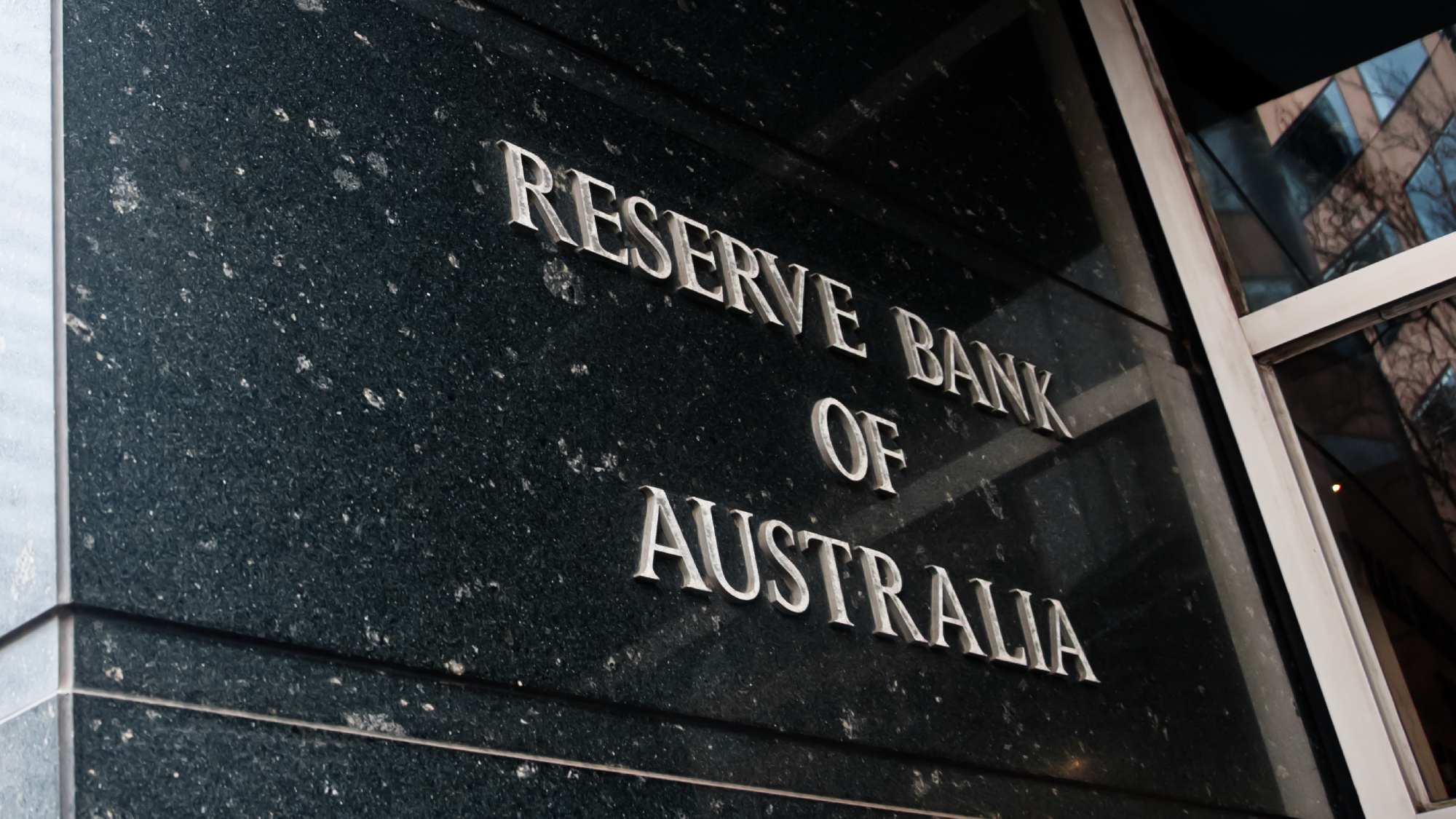
Australia’s Reserve Bank, through Assistant Governor Brad Jones, has warned that the era of stability and integration following the Cold War has given way to a more contested strategic environment that carries elevated risk for governments, financial institutions, and markets. At a FINSIA event in Sydney on 12 September, Jones declared that “the era of the peace dividend is over,” citing geopolitical, technological and operational disruptions reshaping the global financial order.

Jones described the international security and economic system as undergoing “seismic adjustment — on a scale and speed unseen in eight decades.” He flagged multiple forces contributing to instability: rising strategic rivalry, weakening tenets of the rules-based order, frictions in globalisation, and increasing emphasis on self-insurance by nations and firms against a broader set of possible harms.

Technological advances form one front of the risk profile. Jones spoke of an expanding surface for cyber-attacks driven by digitalisation, concerns over concentration risk in cloud services, and quantum computing’s looming threat to encryption systems. Artificial intelligence, while promising productivity gains, poses risks of misinformation, fraud, and systemic instability due to herding behaviour.

Critical infrastructure exposures were cited as especially vulnerable: telecommunications networks, the electrical grid, payment systems, and market infrastructure. Jones referenced a recent example in Europe, where cascading power outages in the Iberian Peninsula disrupted both households and economic activity, pointing out that such disruptions would be far more dangerous if key financial infrastructure were affected.

To respond, the RBA is pressing for what it calls an “anti-fragile” financial system—one not simply capable of withstanding shocks but able to adapt and improve because of them. Innovation, competition, and efficiency are being positioned not as opposing goals to resilience but as complementary. Initiatives under way include work with industry to bolster payments resilience, frameworks to ensure that future payments systems embed reliability and recoverability, migration to quantum-safe encryption standards, and reforms aimed at enabling new entrants in financial market infrastructure to reduce concentration risk.

These concerns build on earlier warnings in the RBA’s Financial Stability Review, which noted that heightened geopolitical tensions, trade uncertainty, and technological vulnerabilities could interact with existing financial system risks. The review flagged operational risks from interconnectedness and dependency on third parties for infrastructure and services.

The shift has implications for monetary policy, regulatory oversight, and business strategy. Regulators are likely to place greater emphasis on risk scenarios involving geopolitics, cyber-threats and supply-chain disruptions; financial institutions will need to review and stress-test against non-traditional threats while ensuring agility; and policy frameworks may need to evolve to address threats outside standard macroeconomic shocks.


A senior Tesla engineer has resigned, accusing Chief Executive Elon Musk of leading with what he describes as “seriously compromised” leadership. He claims the company’s mission and integrity are being undermined, citing concerns about dishonesty, manipulation of public discourse and support for climate change denial. Giorgio Balestrieri, who had spent eight years at Tesla and worked on the company’s European energy trading algorithms—specifically the Autobidder platform that […]

Shares of Orascom Construction leapt sharply when the company began trading on the Abu Dhabi Securities Exchange, underscoring investor appetite for infrastructure-linked growth in the Gulf. The stock closed its first session up about 27 per cent at AED 38.10, having opened near AED 30.15, valuing the company at approximately AED 4.2 billion. Orascom Construction shifted its primary listing from Nasdaq Dubai, while maintaining its secondary listing […]

Dubai’s Roads and Transport Authority has opened a newly widened section of Sheikh Zayed Road near the Umm Al Sheif Street exit, expanding one direction from six lanes to seven over a 700-metre stretch. The upgrade increases capacity by about 16 per cent, allowing up to 14,000 vehicles per hour through that section. The work focuses on traffic flowing from Abu Dhabi towards central Dubai, a corridor […]

Infosys Ltd cleared a share buyback plan worth ₹18,000 crore, its biggest to date, offering ₹1,800 per share under a tender‐route offer. The price represents a 19% premium over closing levels on the BSE and NSE.

The company intends to repurchase roughly 10 crore shares, amounting to about 2.41% of its equity. Approval came through a board resolution disclosed in regulatory filings.

Infosys’s share price had been under pressure, falling more than 1% on the day prior. The buyback announcement triggered mixed reactions: U. S.‐listed ADS shares edged up marginally, while shares in Mumbai closed lower, reflecting investor caution.

Company financials show free cash flow at ₹7,533 crore for the quarter ending 30 June, down about 17.7% year-on-year, though still exceeding net profit by a small margin. The firm held cash and investments totalling ₹45,204 crore at that date.

Analysts view the buyback as a signal of confidence in long-term cash flows, but also warn that slowing revenue growth in some verticals could weigh on future performance. The move follows pressure from investors for IT companies to not just return capital but also step up investments in cloud, AI, and product development.

Digital assets are no longer a Wild West – governments worldwide are setting clear rules. Any company that exchanges, trades, or safeguards crypto now needs a proper license. It’s not just about meeting AML and CTF laws: a license builds client trust and gives businesses the legal ground to grow. With it, firms can offer exchange, custody, and payments to global clients. But every country has its […]

China has seen financial flows totalling about US$4.5 trillion, a figure that many analysts believe marks a turning point in how its markets are engaging with the world. The scale of cross-border investment—both inbound and outbound—is now surpassing trade in many respects, reflecting Beijing’s accelerating liberalisation efforts and a growing confidence among foreign and domestic investors.

The financial sum comprises equity, bond, and other capital movements, and corresponds with recent policy moves designed to reduce restrictions and open up China’s capital markets. One key driver is the Stock Connect programme, which allows mainland Chinese investors to purchase eligible Hong Kong–listed stocks and gives international investors access to A-shares. Southbound flows—money moving from mainland China into Hong Kong—have been especially significant, gathering close to US$100 billion within the first half of 2025. That alone matched the total stock in 2024 via that channel.

Yields on Chinese government bonds have hit highs not seen since late 2024, suggesting investors are now demanding greater returns, but also that they perceive risks such as inflation and currency pressures to be easing. The 10- and 30-year yields climbing indicates that institutions expect stabilization in key macro indicators, even if headline economic growth remains uneven. The bond market, however, has also become more volatile, driven by leveraged buying of equities and speculative pressure in certain sectors.

Another contributing factor is the behaviour of domestic institutional investors. With over 160 trillion yuan in household savings, China’s policy makers are encouraging pension funds, insurance companies, and sovereign funds to shift more capital into domestic equities. These kinds of flows reinforce the internal market strength, even as external capital enters or exits depending on global risk appetite.

Hong Kong’s IPO market has benefited greatly. Several major mainland firms—including tech and battery makers—have either listed in Hong Kong or signalled plans to do so. This has helped Hong Kong reclaim its spot among the world’s most active IPO hubs in 2025. The changes to listing rules, including shorter approval times for eligible mainland firms, have been essential in this revival.

Nearly 90% of Chinese companies plan expansion across the Middle East, with Saudi Arabia and the UAE emerging as the most favoured para­l­lel investment destinations, according to a PwC survey of 136 firms. The findings show that 84% of respondents are targeting Saudi Arabia and 79% favour the UAE. The study, conducted between April and May 2025, reveals that 44% of these companies have already formalised business […]

General Catalyst has led a Pre-Series A funding round in PRYPCO, marking its first investment in a proptech venture in the Middle East. PRYPCO, a UAE-based property technology startup, has so far facilitated over AED 10 billion in mortgages, helped more than 3,000 people obtain UAE Golden Visas, and attracted upwards of 50,000 users to its platforms. PRYPCO was founded in 2022 by Amira Sajwani, who previously […]

VISHNU RAJA
RYO YAMADA
HITORI GOTOH
IKUYO KITA