News related to
financial

After discovering institutional inefficiencies in traditional finance, this young CFA is helping investors access opportunities previously reserved for Wall Street. The mahogany-paneled conference room fell silent. On the 47th floor of one of Wall Street’s most prestigious firms, Tan Gera stared at his computer screen in disbelief. The evidence of systematic insider trading was not only shocking—it was the final piece of a puzzle he’d been putting […]

Sharjah-based carrier Air Arabia has unveiled a limited-time mega sale, offering one-way fares starting from just Dh149. The promotion runs from June 30 to July 6, 2025, and applies to travel scheduled between July 14 and September 30, 2025.

The headline offer of Dh149 applies to flights from Sharjah to Bahrain and Muscat, spurring travel demand across the Gulf Cooperation Council. Other GCC destinations such as Dammam, Riyadh, Salalah and Kuwait begin at Dh199, while routes to Abha, Tabuk and Yanbu are priced from Dh298. More premium Gulf destinations, including Doha, Jeddah, Madinah and Taif, come in at Dh399, Dh449 and Dh574 respectively.

South Asian routes feature compelling deals. From Sharjah to Ahmedabad, Delhi and Mumbai, fares are available from Dh299, Dh317 and Dh323. Flights to Thiruvananthapuram start at Dh325, while Abu Dhabi-origin flights include Dh275 for Chennai, Dh315 for Kochi, Dh499 for Dhaka and Dh549 for Chattogram.

The sale follows Air Arabia’s strong financial performance in the first quarter of 2025. The carrier reported a net profit of Dh355 million for the quarter ending March 31, up 34 per cent from Dh266 million in the same period of 2024. Total turnover rose 14 per cent to Dh1.75 billion, with passenger numbers climbing 11 per cent to 4.9 million and an average seat load factor of 84 per cent.

Analysts suggest the promotion is designed both to capitalise on peak summer travel demand and reinforce Air Arabia’s market share. “By launching a mega sale at the start of the summer period, Air Arabia is applying strategic pricing pressure in a highly competitive GCC aviation market,” says aviation expert Sara Al-Mansoori. Her analysis indicates that budget carriers increasingly must balance promotional pricing with yield management to avoid revenue dilution.

The broader aviation context in the UAE supports such aggressive offer strategies. Competing airlines, including Etihad Airways, have launched discount initiatives that match heightened travel demand. For instance, Etihad’s summer sale offers up to 25 per cent off on round-trip economy fares until July 3, with travel valid from July 20 to September 12. This trend suggests a concerted effort by regional carriers to attract price-sensitive leisure travellers, while also filling seats during off-peak hours or on emerging routes.

Air Arabia’s capacity expansion further informs its ability to run such promotions confidently. The carrier has added new destinations—including Damascus, with flights resuming 10 July—and expanded its frequency on existing routes. Increased aircraft utilisation drives down unit costs, making low base fares viable while still yielding profitability. Load factors in Q1 support this capacity strategy, reflecting solid uptake even at promotional price points.

Public response has been visible online, with travel-focused X accounts and social media threads echoing enthusiasm. A post on travelobiz’s X account states: “Air Arabia Mega Sale! Fly from Sharjah with one‑way fares starting at just Dh149!”. While social media buzz is expected, confirmed ticket pricing on stock booking platforms like Air Arabia’s official website corroborates the offers, affirming veracity beyond promotional headlines.

Consumers stand to gain from the competitive pricing, although awareness around baggage charges, seat selection fees and fare restrictions remains crucial. Budget-friendly base fares frequently exclude extras, prompting passengers to weigh overall cost versus perceived savings. Air Arabia’s spokesperson advises: “Travellers should review booking terms carefully—specifically baggage allowances and change fees—to fully assess the total cost.” Industry analysts support this guidance, advising passengers to conduct transparent comparisons including add-on fees.

The timing of the sale aligns with school holiday patterns across the GCC and parts of South Asia. Families and leisure travellers planning summer breaks ahead of the academic year can take advantage of the fare window. However, seat availability is expected to be limited on popular routes, potentially applying pressure on consumers to book early to secure the advertised fare.

From a competitive standpoint, low pricing may pressure other Gulf-based budget carriers, including flydubai. Market observers anticipate a wave of counter-promotions in the coming days, particularly targeting overlapping city pairs such as Sharjah‑Muscat and Sharjah‑Doha. For travellers, this could spell continued availability of discounted fare options through July.

In addition to stimulating short-term travel, the sale reinforces Air Arabia’s brand as a value-focused carrier, reinforcing its positioning among price-sensitive travellers. Its Q1 financial success supports ongoing network expansion and promotional flexibility, allowing the airline to use pricing as a strategic lever while preserving profit margins.


Abu Dhabi’s population surged by 7.5 per cent in 2024, reaching 4,135,985, fresh figures from the Statistics Centre – Abu Dhabi reveal. This marks a 51 per cent increase since 2014, reinforcing the emirate’s status as a magnet for global professionals and investment, outpacing many established financial centres. That population increase was driven by a 9.1 per cent expansion in the workforce, with professional roles rising 6.4 per cent. The demographic profile shows 54 per cent of […]

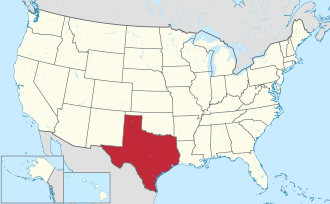
Governor Greg Abbott has enacted House Bill 1056, authorising Texans to use gold and silver as legal tender for routine financial transactions beginning on 1 May 2027. The measure amends the state government code, empowering the comptroller’s office to set the metal-to-dollar exchange rate at the time of each transaction.

Abbott emphasised that the move draws upon Article I, Section 10 of the United States Constitution, which restricts states from issuing currency other than gold or silver coins. Although federal reserve notes will remain lawful, the new law permits their coexistence and makes acceptance of precious metals optional for businesses and consumers.

Supporters regard the law as a historic step toward financial sovereignty, providing residents with greater control over their assets. The initiative is the latest in Texas’s broader push toward alternative currencies, complementing the establishment of a state strategic bitcoin reserve. Advocates say this diversification could act as a hedge against inflation and enhance the resilience of the state’s economy.

The meteoric trajectory from legislative passage to effective implementation is significant, but practical details remain in development. Texans will deposit metals into accounts at the Texas Bullion Depository in Leander and access them using a debit-card system. Each transaction will convert metal to dollar value based on comptroller-set pricing, though specifics on fees and merchant participation are yet to be disclosed.

While market reaction has been measured, analysts predict the legislation could lift local demand for physical gold and silver, particularly if residents embrace the option. Economists also note that instituting this system requires robust authentication and verification mechanisms, as stakeholders raise concerns over counterfeit metal use.

Retailers might face logistical hurdles, including securing reliable point-of-sale systems and managing valuations for fluctuating metal prices. Abbott’s office has indicated that public education campaigns and pilot programmes are planned to facilitate adoption.

Texas is the first state to operationalise gold and silver for daily commerce on this scale, though several states maintain statutes recognising their role as legal tender without establishing transaction mechanisms. Prior experiments in alternative currency systems include “Goldbacks,” privately issued gold notes accepted in select locations, but these lacked legal backing at the state level.

The new law’s dual focus on precious metals and bitcoin underscores Texas’s ambition to position itself at the forefront of monetary innovation. By leveraging constitutional provisions, state officials aim to expand the toolkit available to residents and businesses, offering both tangible and digital currency options.

Nonetheless, detractors caution that the metal-based system may complicate transactions and add regulatory burdens. Verification protocols, pricing transparency and merchant liability issues will need careful management to avoid undermining public confidence. Texas’s comptroller is expected to issue guidance on these matters in the coming months to ensure a smooth rollout.

Implementation will proceed incrementally over the next 22 months, with the comptroller’s office overseeing regulatory design and infrastructure setup. If executed effectively, the scheme could serve as a model for other states contemplating alternatives to fiat currency; if not, it may highlight the complexity of adding precious metals to everyday monetary flows.

Google has entered a landmark 200‑megawatt power purchase agreement with Commonwealth Fusion Systems, in what is being hailed as the world’s first corporate direct offtake of fusion energy. The power will be supplied by CFS’s ARC fusion reactor, planned for a site in Chesterfield County, Virginia, a critical data‑centre hub. Under the agreement, Google will also boost its equity stake in CFS, matching its commitment from a […]

BitMine Immersion Technologies has unveiled a $250 million private placement of common stock to underwrite an ambitious Ethereum treasury initiative, alongside a high-profile board shift. CEO Jonathan Bates and newly appointed Chairman Thomas Lee, the Fundstrat founder, revealed that the move will dramatically reshape the company’s balance sheet and strategic direction.

This offering encompasses 55.6 million shares at $4.50 each, the proceeds earmarked for acquiring Ether as BitMine’s principal reserve asset. Supported by leading crypto firms including FalconX, Kraken, Galaxy Digital and custody providers BitGo and Fidelity Digital, the strategy seeks to transform BitMine into one of the largest publicly traded holders of Ethereum.

Driven by MOZAYYX with participation from Founders Fund, Pantera Capital, Republic Digital, DCG and others, the placement is scheduled to close around July 3, pending approval from the NYSE American. ThinkEquity acted as placement agent, and Cantor Fitzgerald advised the lead investor.

Thomas Lee emphasised that this marks “the rapid and continued convergence of traditional financial services and crypto,” noting that Ethereum’s dominance in stablecoin transactions makes it an optimal treasury asset. He described stablecoins as “the ‘chatGPT’ of crypto,” underlining Ethereum’s strategic importance.

BitMine’s pivot offers direct access to Ethereum’s protocol-level capabilities—staking and participation in decentralised finance mechanisms—shifting the firm beyond its origins as a pure-play miner.

Market reaction has been enthusiastic: BitMine’s stock surged over 200% in pre-market trading, carefully erasing what had been a roughly 45% year-to‑date decline. Investing.com reports volatility in its share price over recent months and warns that gross margins remain subdued, hovering at approximately 16.4%.

BitMine has already embarked on its crypto treasury plan, acquiring 100 BTC on 9 June and bringing its total bitcoin holdings to about 154.17 BTC purchased via a previous share issue. The Ethereum tranche will amplify crypto exposure—treasury levels are expected to multiply by over 16 times.

The firm aims to introduce ETH‑per‑share as a new key performance metric, aligning shareholder value directly with crypto asset holdings. The strategy reflects a belief in Ethereum’s broader technology utility—particularly through stablecoins, tokenised assets and smart contracts that underpin DeFi activities.

Officials caution that this strategy brings heightened volatility and regulatory risk. However, BitMine’s leadership sees this as a strategic diversification from Bitcoin‑centric holdings, moving towards programmable blockchain exposure. Their operational footprint—in Trinidad, Texas and Silverton—continues, but the treasury pivot signals a profound evolution.

The closing of this placement, conditional on standard regulatory approvals, will signal BitMine’s entry into a new class of hybrid crypto‑traditional finance entities. With institutional backing and strategic leadership in boardroom and treasury, the company is redefining its public profile.

Easou Technology Holdings Ltd surged as much as 69 per cent to HK$7 before settling at HK$5.88, responding to a strategic 10‑year agreement with a Hong Kong tech firm to co‑develop real‑world‑asset tokenisation and digital asset products. The agreement, coupled with a letter of intent to invest up to HK$3 billion in data centre acquisitions, signals a significant pivot for the Shenzhen‑headquartered digital technology group.

The 10‑year development pact positions Easou at the forefront of a booming tokenisation trend. With the global RWA tokenisation market now valued at US$24 billion — private credit representing over half that sum — the timing gives Easou a chance to capitalise on institutional and retail appetite for immutable, on‑chain asset exposure.

Under the agreement, Easou’s partner in Hong Kong will provide technological infrastructure and regulatory insight. Together they will craft tokenised products spanning private credit, real estate and commodities, tapping into growing investor demand for fractionalised, programmable yield instruments. Analysts expect such collaboration to drive Easou’s AI‑powered content, recommendation engine, and blockchain capabilities to new heights.

Market watchers also note that Ethereum remains dominant in tokenisation — hosting about US$7.5 billion of RWA tokens — but newer blockchains such as Solana, Aptos and Avalanche are gaining ground in niche sectors. Easou’s decade‑long commitment may allow it to adapt across multiple ledger protocols and regulatory frameworks.

The announcement arrived amid a flurry of capital‑raising activity for Easou: on 20 June it placed 57.33 million shares at HK$3.20 each for gross proceeds of around HK$183.5 million, primarily earmarked for deepening its AI‑driven content ecosystem — including short drama, online gaming, content ad tech, and overseas expansion. Chairman Wang Xi also agreed to a 75‑day lock‑up on his shareholding, a gesture insurers interpret as a show of confidence.

Wang Xi described the tokenisation initiative as “a pivotal step” in building an AI‑and‑content synergy, while the capital placement strengthens Easou’s balance sheet, allowing it to invest across new domains without diluting core content investments.

Turning attention to its second headline move, Easou signed a letter of intent to deploy up to HK$3 billion towards acquiring data centres in key Asian markets, including Hong Kong, Japan or Southeast Asia. Industry sources suggest the facilities will support the computing demands of tokenisation platforms and AI workloads — marrying robust infrastructure with financial innovation.

Easou’s stock performance reflects the market’s enthusiasm. The share price rose over 8 per cent earlier in the week to HK$3.51 following the share placement announcement. The near‑tripling to HK$7 on tokenisation news demonstrates confidence in the long‑term vision and revenue potential of its dual strategy.

Still, investors caution about execution risks. Developing tokenised products requires navigating evolving global regulations, particularly in Asia. Hong Kong’s Securities and Futures Commission has signalled willingness to regulate stablecoins, custodians and tokenised offerings as part of its digital‑asset hub initiative, which includes new licensing regimes and frameworks for RWAs. Easou and its partner will need consistent compliance and adaptive governance structures over the decade‑long horizon.

Capital deployment into data infrastructure is capital intensive and faces competitive pressures from established cloud providers. Achieving scale and operational efficiency will be crucial if Easou’s data‑centre investments are to complement its tokenisation ambitions rather than become a costly diversion.

Easou’s strategy illustrates several emerging trends: the convergence of AI‑content and blockchain infrastructure; the pivot to tokenised finance underpinned by robust tech stacks; and Asia‑based companies aligning with local regulatory expansions. By investing in both digital asset innovation and foundational infrastructure, Easou aims to move beyond its role as an AI recommendation engine provider into a multi‑vector technology aggregator.

Advertisements

Hyperliquid has processed a staggering $1.571 trillion in perpetual futures volume over the past year, outstripping all other on‑chain perp platforms combined. In June alone, it accounted for $208 billion in trading, compared with a collective $140 billion for its rivals, while revenues reached $56 million for the month and reached $310 million to date.

The scale of Hyperliquid’s growth positions it at the apex of the decentralised derivatives landscape. It handled $248 billion in May trading volume, marking consecutive monthly milestones and accelerating ahead of competitors. High‑frequency and professional traders have migrated in significant numbers, drawn by the platform’s deep liquidity and sub‑second trade execution, powered by its Layer‑1 consensus architecture.

From a revenue standpoint, Hyperliquid’s fee income has climbed in tandem with its trade volume. The $56 million earned in June boosted cumulative revenues to $310 million, indicating a protocol that is both popular and profitable. This places Hyperliquid among elite DeFi entities by financial metrics.

Its distinctive approach includes a high yield from protocol fees—the majority of which are reinvested through HYPE token buybacks—and the launch of HyperEVM, an Ethereum‑compatible layer that supports smart contracts and decentralised applications. This diversification strategy is intended to establish Hyperliquid beyond perpetuals trading, and into a broader DeFi ecosystem.

The platform’s airdrop strategies have been instrumental in attracting users and liquidity. A notable HYPE token airdrop, totalling around $1.2 billion in value, triggered a sharp increase in activity at the end of 2024. Monthly volumes leapt from approximately $75 billion in November to over $150 billion in December.

Despite early-stage competition, Hyperliquid now dominates with approximately 70 per cent market share of decentralised perp volume, while still trailing major centralised exchanges such as Binance—where it handles roughly 10 per cent of Binance’s volume.

Underlying infrastructure also underpins its rapid adoption. Hyperliquid supports over 100,000 transactions per second and offers sub‑second trade finality with extraordinarily low spreads. Its fee structure—0.025 per cent taker fees and a 0.002 per cent maker rebate—encourages high-frequency participation.

The HYPE token, launched via the airdrop in November 2024, has experienced a dramatic uptick in value, up 300 per cent in two months and recently reaching a market capitalisation north of $12 billion. Reinvestment of over 97 per cent of fee revenue into token buybacks is designed to reinforce token utility and value.

Analysts acknowledge the bold strategy but flag decentralisation concerns—Hyperliquid operates just 21 delegated validators compared with thousands in more established chains, which may raise governance and resilience risks. Still, the streamlined validator model has enabled performance gains attractive to traders.

Market observers also point to institutional interest, such as Nasdaq‑listed Lion Group designating HYPE as a primary treasury asset, signalling growing confidence in the network’s tokenomics.

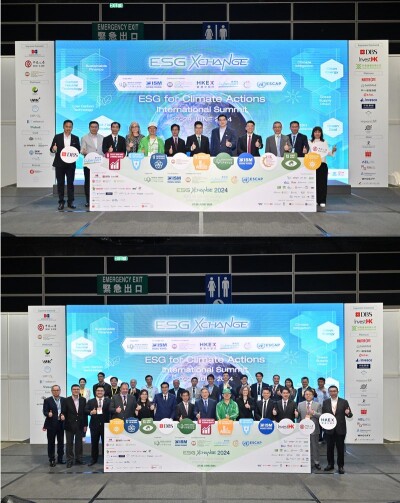
HONG KONG SAR – Media OutReach Newswire – 30 June 2025 – As a global trade and financial centre and a key link in the Belt and Road Initiative (B&RI), Hong Kong plays a pivotal role in connecting the Belt and Road regions, spanning some 150 countries around the world. Hong Kong’s external trade with Belt and Road economies other than Mainland China has surged by almost […]

Star Entertainment is confronting a fresh financial crisis as its partners in the Brisbane Queen’s Wharf development have formally sought to cancel the sale of the casino operator’s 50 per cent interest in the integrated precinct. This blow lands just days after shareholders approved a $300 million rescue package that was expected to stabilise the business. The termination notice, issued by Hong Kong-based Far East Consortium and Chow Tai Fook […]

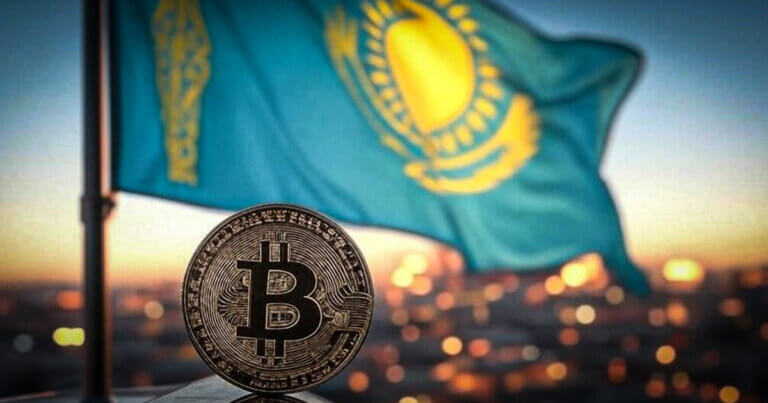
Kazakhstan’s National Bank, under its chairman Timur Suleimenov, is taking steps to build a state-held cryptocurrency reserve managed by a subsidiary entity, following international sovereign fund practices. The proposal outlines funding sources that include confiscated crypto-assets and coins mined through ventures with state participation—measures aimed at enhancing governance and stability within the digital asset ecosystem.

The National Bank is developing a comprehensive framework for the reserve’s formation and administration, emphasising transparency and institutional safeguards. It plans to enshrine in law both the status of the reserve and the protocols for deposit and use, with draft legislation to be submitted to parliament for approval.

Suleimenov highlighted that the envisioned affiliate would follow global norms for sovereign funds, ensuring robust accounting, secure storage, and resilient governance structures. The legal amendments under discussion would affirm the reserve’s legal standing and empower authorities to handle crypto-assets seized under law as well as profits generated from state-linked mining operations.

The banking chief stressed the importance of centralised institutional oversight, noting the high volatility and vulnerability of crypto-assets. Centralisation, he said, is key to mitigating risks such as market fluctuations or cyber threats.

This effort is part of a wider regulatory overhaul targeting cryptocurrency flows. Under proposals by the Ministry of Digital Development, draft laws would impose criminal and administrative liability on grey‑market trades, require licences for investment advisers, and curb unlicensed exchanges and misleading crypto promoters—many of whom target younger investors.

Parliamentary deputies have endorsed the overarching concept. One lawmaker, Kuspekov, recommended creating a “national digital reserve” at the central bank to anchor confiscated digital assets and tighten financial controls. He also urged strengthened due diligence by banks, prohibition of unlicensed crypto platforms, and mandates for licensed investment coaches.

These developments follow a surge in legislative activity since May. The National Bank has proposed amendments defining legal status for digital assets, licensing for crypto exchanges outside the Astana International Financial Centre, and a regulatory sandbox for testing digital services. The objective is to restore confidence in Kazakhstan’s crypto sector after capital flight estimated at US$15 billion last year.

Timur Suleimenov, appointed as National Bank chair in September 2023 and former minister of national economy, has emphasised institutional integrity and macroeconomic resilience. He recently noted that international reserves reached US$104.7 billion at end-2024, bolstered by gains in gold and foreign-exchange holdings.

The crypto reserve initiative appears aligned with broader state efforts. Issuance of AIFC‑backed crypto payment cards was piloted in early June by major banks including Halyk Bank, Forte and Altyn Bank—allowing consumers to instantly convert digital assets into fiat currency for everyday purchases.

The Ministry of Digital Development has proposed the creation of a crypto reserve as a digital asset repository to support the national digital economy. This official endorsement underscores the government’s increasing interest in integrating digital assets within its fiscal infrastructure.

Central to this initiative are practical mechanisms that remain under review. The National Bank is working with law-enforcement agencies and other government bodies to outline operational procedures, compliance norms and asset custody arrangements.

Eight‑year‑old Gavin Batarse, CEO of Glove Wrap, secured a $50,000 investment from Mark Cuban and Michael Rubin on the US ‘Shark Tank’ stage for his ingenious sports glove accessory. The lightweight elastic band, costing just $3 to produce and retailing at $19.99, simplifies the process of breaking in baseball, softball or hockey gloves by holding a ball in place until a perfect pocket is formed. Gavin pitched […]

Survey data from the Hana Institute of Finance indicates 27% of South Koreans aged 20 to 50 now hold cryptocurrencies, equating to roughly 14% of their total financial portfolios. Those in their 40s lead the trend with a 31% ownership rate, closely followed by those in their 30s and 50s. Notably, 70% of respondents across all age groups are planning to increase their crypto holdings in the face of mounting pressures in the job market and housing affordability.

This behavioural shift signals an evolution in investment patterns. Regular crypto purchases among this cohort have increased from 10% to 34%, while mid-term holdings — defined as positions held for months to a year — rose from 26% to 47%. Meanwhile, short‑term speculative trading has declined. “The perception is shifting from speculation to strategic investment,” notes Yoon Sun‑young, a researcher at the Hana Institute.

Bitcoin continues to dominate these portfolios, with six in ten owners including it among their crypto holdings. Many are diversifying further into altcoins and stablecoins, though NFTs and security tokens remain niche, with around 90% of investors sticking solely to coin-based assets. This maturation marks a departure from the earlier trend‑driven, high‑volatility investing to more structured, long‑term strategies.

Motivations for engagement increasingly reflect concerns beyond quick gains. Among individuals in their 50s, 78% cite wealth accumulation as a primary driver and 53% explicitly see crypto as a tool for retirement planning. Across all participants, interest in portfolio diversification and systematic savings emerged as common themes. The Korea Times reports four in ten investors now view crypto as a legitimate component of pension preparation.

Economic pressures—particularly youth unemployment of 6.6%, which is over twice the national average—combined with high housing costs and stagnant wages, are pushing younger demographics toward crypto as an alternative investment option. At German Blockchain Week, Eli Ilha Yune, chief product officer at Anzaetek, described crypto investment for many young Koreans as “a lifeline” rather than enthusiasm for blockchain ideals.

Despite this momentum, challenges persist across the ecosystem. Investors express concern about market volatility and fraud risks. A major logistical frustration stems from a government-mandated system allowing only one bank account linked per exchange. Around 70% of users have indicated support for linking multiple accounts to improve convenience. Survey respondents also cited the expansion of traditional financial institutions’ roles and reinforced legal protections as key to boosting confidence — at rates of 42% and 35% respectively.

Institutional adaptation is underway. KB Kookmin Bank, alongside seven other major domestic banks, has filed trademarks for won‑pegged stablecoins and is preparing to develop blockchain‑based financial products. Meanwhile, lawmakers have been advancing a Digital Asset Basic Act, with President Lee Jae‑myung’s administration expected to oversee further regulatory frameworks by the second half of 2025.

South Korea already hosts over 16 million crypto account holders—surpassing its stock investor base—and accounts for approximately 102 trillion won in assets held onchain. As the country moves further into regulated crypto waters, with legislation and infrastructure catching up to demand, the market appears set on a path toward mainstream acceptance and deeper integration into financial portfolios.

Google has transferred ownership of its Agent2Agent protocol—including its specification, developer SDKs and tooling—to the Linux Foundation, ushering in a new era of open, vendor-neutral collaboration on AI agent interoperability. Announced on 23 June at the Open Source Summit North America, the move positions more than 100 organisations, including AWS, Cisco, Microsoft, Salesforce, SAP and ServiceNow, to jointly steward and evolve the protocol under a neutral governance […]

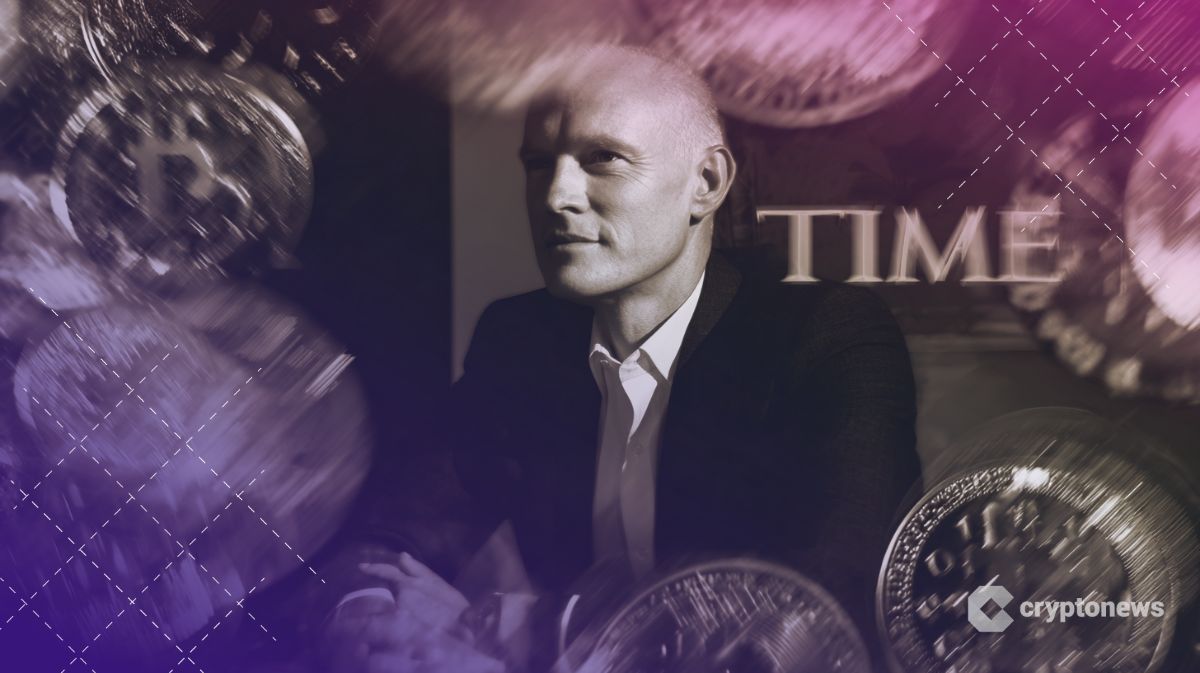
Coinbase, headquartered in the United States, has secured a place among Time Magazine’s 100 Most Influential Companies of 2025, hailed for reshaping the landscape of digital finance and regulatory engagement. This accolade reflects a marked shift in how cryptocurrency firms are perceived by mainstream institutions.

With over 108 million users and more than $400 billion in custodial assets, Coinbase stands as the largest US-based crypto exchange. Analysts attribute significant weight to its aggressive advocacy efforts in Washington DC and its proactive approach to regulatory compliance, positioning the company as a key policy driver for the digital asset space.

Coinbase’s stock has mirrored its growing stature—rising approximately 42 per cent year-to-date and briefly touching $382 per share following the US Senate’s passage of the GENIUS stablecoin bill on 17 June. Market watchers note that its inclusion in the S&P 500 in May reinforces its transition from niche crypto exchange to mainstream financial institution. That move not only provides visibility to traditional investors but also signals regulatory confidence.

The cardinals of Coinbase’s ascent include its push for firm regulatory frameworks: it recently secured a MiCA license from Luxembourg’s Commission de Surveillance du Secteur Financier, enabling full European market operations. Plans are underway to establish its EU headquarters in Luxembourg, marking a strategic foothold in the continent.

Another bold initiative is Coinbase’s application to the US Securities and Exchange Commission to launch tokenised stock trading. If approved, this service could see the platform rival fintech peers such as Robinhood and Webull, offering fractionalised equity products under one roof.

Financially, Coinbase reported over $2 billion in trailing annual revenue and maintained $420 billion in assets under custody as of Q1 2025, up from $310 billion the preceding year. These figures, alongside institutional-tailored offerings such as Coinbase Prime, have caught the attention of Bernstein analysts, who raised their COIN price target by 50 per cent in light of this recognition.

Despite its successes, Coinbase’s journey has not been without hurdles. A May cyber-extortion attempt linked to stolen customer data resulted in an estimated cost of up to $400 million, though the company managed to contain the breach and refused to submit to ransom demands. This incident followed growing scrutiny from blockchain investigators concerning vulnerabilities and scam-related losses attributed to the platform. Still, the US SEC dismissed its enforcement action in February 2025, signalling regulatory progress.

Beyond its core operations, Coinbase wields significant influence in shaping public policy. Its 2024 lobbying campaign played a central role in positioning cryptocurrency as a campaign issue in the US election cycle. Time again underscored its impact, quoting: “Coinbase led a massive lobbying campaign … helping cement crypto as a voting issue,” and framing the company as “a key driver of the industry’s policy efforts in Washington D.C.”.

Looking ahead, industry observers anticipate further advances as Coinbase expands tokenised equity offerings and solidifies its role in institutional-grade products. These efforts, coupled with sustained lobbying presence and international expansion, point to a future where digital assets underpin new investment paradigms.

Al Mal Capital REIT, listed on Dubai Financial Market, is launching a follow‑on public offering to raise up to AED 242 million by issuing as many as 220 million new units at AED 1.10 per unit, subject to Securities and Commodities Authority approval. The subscription period runs from 7 to 25 July, with trading of the newly issued units slated around 8 August, pending the necessary regulatory clearances. Proceeds from the sale will be […]

Copenhagen’s Parliament has approved legislation granting individuals automatic copyright over their face, body and voice, empowering them to demand takedowns and compensation for unauthorised AI-generated deepfakes. Culture Minister Jakob Engel‑Schmidt underlined the urgency of this measure, warning that “Human beings can be run through the digital copy machine and be misused for all sorts of purposes and I’m not willing to accept that.” Legislators across the political spectrum […]

Bhutan has become the first country to integrate cryptocurrency payments across its entire tourism infrastructure, enabling visitors to use Binance Pay for everything from booking flights and paying visa fees to purchasing local goods in rural areas. The system, implemented in partnership with Binance Pay and fully digital DK Bank, supports over 100 cryptocurrencies—including Bitcoin, Binance Coin and USD Coin —and is accepted at more than 100 merchants nationwide.

Tourists can complete transactions via static or dynamic QR codes, with DK Bank instantly converting crypto payments into Bhutanese ngultrum, avoiding volatility for merchants and eliminating traditional card fees. Real‑time confirmations, two‑factor authentication, encryption, and zero gas fees ensure a secure and efficient experience. Department of Tourism director Damcho Rinzin emphasised that the solution “empowers even small vendors in remote villages to participate in the tourism economy”.

The initiative aligns with Bhutan’s broader strategy of embedding digital assets into its economy, which already includes green Bitcoin mining powered by hydropower. With a cryptocurrency reserve worth over US$600 million and bitcoin holdings exceeding 12,000 BTC, Bhutan aims to leverage its carbon‑neutral energy for economic diversification and sustainable growth.

Binance CEO Richard Teng described the partnership as “setting a precedent for how technology can bridge cultures and economies”, reflecting a vision that blends tradition and digital innovation. The kingdom’s emphasis on Gross National Happiness underpins this move: by making tourism more accessible and inclusive, Bhutan hopes to reinforce community wellbeing and economic opportunity across all regions.

Bhutan’s payments infrastructure ties into existing efforts to tackle youth unemployment—estimated at between 16.5 % and 19 %—and brain drain by cultivating jobs in blockchain, AI, and fintech. Since 2019, the sovereign wealth fund Druk Holding and Investments Ltd. has mined cryptocurrencies using surplus hydropower, channelled gains into public salaries, and fostered youth training to build a future-proof economy.

Initial adoption has drawn participation from boutique hotels, tour operators, and rural artisans. By enabling markets in Thimphu and remote mountain villages to accept digital payments without traditional banking hardware, the system extends financial inclusion where it has been limited. Analysts note that reducing transaction friction and foreign‑exchange costs is likely to enhance Bhutan’s appeal to digital‑savvy travellers and boost tourism revenues.

Bhutan’s model emerges amid a global rise in crypto‑enabled travel. Nations such as Thailand and El Salvador have piloted tourism payments, but Bhutan’s national‑level implementation is unprecedented. The country also plans major future investments, including expanding hydropower from 3.5 GW to an estimated 15 GW over the next decade and exploring smart‑city projects like Gelephu Mindfulness City to further embed digital and green infrastructure.

Challenges remain. Regulatory clarity for cryptocurrencies in Bhutan is still evolving, and full infrastructure rollout in remote areas will test logistics and connectivity. Moreover, sustainability will depend on maintaining the balance between technological advancement and the country’s core value of environmental stewardship.

Australia’s earnings from mining and energy exports are set to decline over the coming years, with rising gold revenues unable to fully offset weak demand and price falls in iron ore, liquefied natural gas and coal. Government projections show a fall from A$415 billion in 2023–24 to A$385 billion in 2024–25, and further to A$352 billion by 2026–27. The Office of the Chief Economist highlights that surplus global supply—particularly in […]

HÀ TĨNH, VIETNAM – Media OutReach Newswire – 29 June 2025 – VinFast has officially inaugurated its electric vehicle (EV) manufacturing plant in Hà Tĩnh, located in the Vũng Áng Economic Zone, less than seven months after construction began. Spanning 360,000 square meters and with a designed capacity of 200,000 vehicles per year, this marks VinFast’s fifth manufacturing facility worldwide, highlighting the Vietnamese brand’s remarkable execution speed […]

Demand for physical gold is diverging sharply across regions, with US investors cashing in on their bullion holdings while Asian buyers ramp up their purchases. Data shows US retail demand for gold bars and coins dropped to roughly 19.3 tonnes in the first quarter of 2025 — a five‑year low, down 22% year‑on‑year — as Americans took advantage of record prices to realise gains. Meanwhile, in Asia, […]

A sharply rising trend in India’s share markets is encountering resistance from multiple fronts, prompting increasing scrutiny over its sustainability. Benchmark indices have enjoyed roughly a 14 per cent rally over the past six months, invigorating initial public offerings and share sales. Yet, foreign investors have been net sellers to the tune of US$10 billion this year, triggering alarm among market watchers.

The spike in corporate fundraising—from HDB Financial Services and others—has elevated supply to near record levels, raising the prospect of a correction should demand fail to keep pace. With IPOs totalling around US$1.75 billion launching this week and dozens more awaiting approval, promoters are cashing out aggressively. Companies such as British American Tobacco and Reliance Industries have conducted substantial secondary offerings, exacerbating the supply pressure.

Foreign institutional investors have pulled capital at a faster clip. Already offloaded nearly US$29 billion from Indian equities since October as they pivoted to China in search of stimulus-led returns. Over the January–March period, FPIs unwound ₹61,000 crore from the Indian market amid global headwinds, while June saw ₹8,749 crore in fresh outflows on escalating US–China trade friction and rising yields abroad.

The domestic funding round is proving insufficient to fill the gap. Domestic mutual fund inflows recorded a 13‑month low, signalling wavering local investor sentiment. The result: valuations are increasingly stretched, and analysts caution that the market may be overextending.

Oil price volatility adds another layer of risk. India’s dependence on imported crude leaves its markets vulnerable to geopolitical flare-ups. Experts warn that if Brent crude surpasses US$80 per barrel due to conflict in West Asia, inflation could spike and equity valuations may come under renewed selling pressure.

Offsetting these challenges are encouraging technical patterns. The market has recently broken out of a five‑week consolidation phase, with key indices like the Nifty approaching the 26,000 mark. Renewed investor interest in metals and chart‐based breakout signals have sparked fresh optimism. Improved global sentiment—including a cooling of trade tensions and reported progress in US–China negotiations—may underpin further gains if inflows resume.

Still, some analysts remain unconvinced of a robust economic shift. Growth indicators have softened and wage pressures remain muted. India’s cyclical revival is far from assured, with consensus calling for cautious optimism over the next 18–24 months. Delays in domestic reforms or widening global pressures could blunt momentum.

Afreximbank has confirmed the appointment of Dr George Elombi, its Executive Vice‑President for Governance, Legal and Corporate Services, as the institution’s fourth President and Chairman of the Board, effective September 2025. The decision was ratified during the 32nd Afreximbank Group Annual Meetings held in Abuja, Nigeria, from 25 to 28 June, culminating in formal shareholder approval on 28 June. A Cameroonian national with nearly three decades of […]

A UAE-based investment vehicle, Aqua 1 Foundation, has acquired $100 million in governance tokens from World Liberty Financial, the cryptocurrency venture affiliated with the Trump family, making it the most prominent publicly disclosed investor to date. The move, confirmed by both parties, signals a strategic push to accelerate the creation of a blockchain-based financial ecosystem built on stablecoins and tokenised real-world assets.

Aqua 1 described the allocation of governance tokens—known as WLFI—as an opportunity to contribute to decisions on the platform’s development. Although WLFI is currently non-transferable, World Liberty has confirmed it is “working behind the scenes” to enable trading functionality. At the Permissionless conference in Brooklyn, WLF co‑founder Zak Folkman stated that WLFI could soon be tradable, with the stablecoin set for an independent audit “within days”.

Dave Lee, founding partner at Aqua 1, emphasised the synergy expected from the partnership, citing plans to jointly identify and foster high‑potential blockchain initiatives. The intention is to integrate WLF’s USD1 stablecoin infrastructure into global commercial payments and treasury systems. The move marks Aqua 1 as a key bridge between traditional finance and decentralised finance, aligning with its ambition to extend influence into South America, Europe, Asia and Middle Eastern markets.

Despite its substantial investment, Aqua 1 has maintained a low profile. Reports indicate its web presence is minimal—with just a handful of social media posts and evidence of a website only registered on 28 May.

WLF, launched in late 2024 by Donald Trump, three of his sons and associate Steve Witkoff, has raised well over half a billion dollars through token sales. The Trump family controls a significant stake—around 60% ownership and 75% of net token sales revenue—raising concerns over conflicts of interest. Democratic lawmakers and ethics watchdogs have repeatedly voiced apprehension that these financial interests may influence policy, amid reports that WLF proceeds reached hundreds of millions of dollars.

WLF’s stablecoin, USD1, is 100% backed and supported by U.S. dollar reserves, including Treasuries, and has already drawn sizeable institutional backing. In May, an Abu Dhabi firm used USD1 in a $2 billion transaction with Binance, while WLF prepares to publish an attestation of its stablecoin reserves as part of forthcoming audit disclosures.

The institutionalisation of WLFI governance aligns with the platform’s roadmap, which includes plans to launch a consumer‑friendly mobile app to streamline access to its digital ecosystem. The expected transition to transferable governance tokens is likely a precondition to broader distribution and potential listings on third‑party exchanges.

Regulatory scrutiny remains a key challenge. Critics argue that WLF’s entanglement of private financial interests with public office contradicts norms protecting against foreign influence. At least one senator has raised concerns after the Abu Dhabi stablecoin transaction. Additional worries stem from the Trump administration’s shift toward crypto deregulation, a change that coincides with WLF’s rise, prompting concerns from ethics groups about policy bias favoring the platform.

That overlap of influence has fuelled broader debates in Congress. Legislators have begun proposing amendments such as the GENIUS Act, which would regulate stablecoins more robustly, and restrictions on digital asset investments by sitting presidents. Observers note that WLFI’s new status and Aqua 1’s involvement could sharpen the need for regulatory clarity and transparency around token governance.

Meanwhile, WLF’s expansion plans are proceeding apace. The platform is reportedly developing a Middle East‑based Aqua Fund to support digital economy projects leveraging blockchain and artificial intelligence. The collaboration is expected to produce tokenisation platforms such as BlockRock, targeting institutional asset-digitisation markets.

Aqua 1’s governance stake marks a turning point. By becoming the lead institutional backer, the foundation now holds significant influence over decisions shaping WLF’s evolution. With token transferability and app launches on the horizon, WLFI stands poised for a new phase of adoption—though progress will likely be watched closely by regulators and investors alike.

VISHNU RAJA
RYO YAMADA
HITORI GOTOH
IKUYO KITA