News related to
financial

Saudi Arabia’s Ministry of Communications and Information Technology’s Center of Digital Entrepreneurship has successfully concluded the Multiverse Summit 2025, which was held in Silicon Valley, United States. This landmark event highlighted the Kingdom’s ongoing commitment to advancing digital innovation and fostering a global digital ecosystem. The summit, which brought together industry leaders, innovators, and government officials, served as a platform to explore the convergence of cutting-edge technologies, […]

Speculation around the potential launch of a BlackRock XRP Exchange Traded Fund has intensified following the impressive debut of the Canary XRPC ETF. The new fund has shattered records, achieving a staggering 58 million dollars in first-day volume and 245 million dollars in net inflows. This performance places it among the strongest ETF launches of 2025, outperforming many other offerings in the competitive market.

The Canary XRPC ETF’s exceptional launch has sparked a wave of interest in XRP-related investment products. This surge in attention comes at a time when global interest in cryptocurrency-based financial products is rising, fueled by increased institutional involvement and growing acceptance of digital assets within traditional financial markets. The success of the Canary XRPC ETF, in particular, has led analysts to revisit the possibility of BlackRock entering the space with its own XRP-focused ETF.

BlackRock’s previous filings have contributed to the ongoing speculation. The investment giant has been a major player in the ETF market, with a track record of successfully launching funds that track digital assets, including Bitcoin and Ethereum. The company has already filed for a number of crypto ETFs in the past, most notably its Bitcoin ETF, which garnered significant attention. With the positive reception of such products, the entry of a BlackRock XRP ETF seems like a natural progression for the firm, especially considering XRP’s rising prominence within the digital asset ecosystem.

XRP, the digital currency associated with Ripple Labs, has been at the centre of legal and regulatory developments. Despite challenges, including the ongoing legal battle with the U. S. Securities and Exchange Commission, XRP has maintained a strong position in the cryptocurrency market. The uncertainty surrounding XRP’s regulatory status has not deterred investor interest, as demonstrated by the overwhelming demand for the Canary XRPC ETF. Ripple’s ongoing efforts to settle its legal issues, along with its partnerships with financial institutions, have bolstered confidence in the cryptocurrency’s future prospects.

The performance of the Canary XRPC ETF is viewed as a strong indicator of the market’s appetite for XRP-linked investment products. Market analysts believe that the fund’s initial success reflects a growing demand for structured, exchange-traded products that offer exposure to digital assets without requiring investors to directly hold the underlying cryptocurrencies. ETFs provide a level of convenience and security that traditional cryptocurrency exchanges may lack, appealing to institutional investors looking for a regulated route into the digital asset market.

With the Canary XRPC ETF breaking records, the conversation around a potential BlackRock XRP ETF has gained momentum. If BlackRock were to launch its own XRP ETF, it would likely benefit from the momentum created by Canary’s success, attracting both retail and institutional investors eager to gain exposure to XRP through a trusted, established financial institution. BlackRock’s involvement would also likely enhance the legitimacy of the XRP asset class in the eyes of conservative investors and regulators alike.

Despite the strong demand for XRP-related products, market experts caution that the regulatory landscape remains a critical factor in the future of XRP-focused ETFs. The legal uncertainty surrounding Ripple’s ongoing lawsuit with the SEC could impact investor sentiment and regulatory approval. Any significant developments in this legal battle could either accelerate or delay the launch of new XRP-related financial products.

In addition to regulatory hurdles, market volatility is another risk factor that could influence the success of an XRP ETF. Cryptocurrencies are known for their price fluctuations, and the value of XRP has experienced considerable swings over the years. While this volatility presents opportunities for high returns, it also poses risks for investors who are not prepared for the rapid price movements typical in the cryptocurrency market.

The growing popularity of XRP as an investment vehicle underscores a broader trend in the digital asset market. Institutional investors are increasingly turning to cryptocurrencies as part of their diversified portfolios, seeking to capture the potential growth of blockchain-based assets. ETFs have become a popular mechanism for accessing these assets, offering exposure while avoiding the complexities of direct cryptocurrency ownership, such as wallet management and private key security.

Manish Rai The Patriotic Union of Kurdistan (PUK) has once again established itself as a significant player in the Iraqi political landscape. In the recently concluded Iraqi legislative elections, it became the sole Kurdish party to increase its seats and secure seats in nine provinces of Iraq. PUK has historically been a proponent of cordial relations between Kurdistan and Baghdad. However, the PUK chose to remain cautious […]

Investcorp Capital, a prominent Abu Dhabi-listed alternative investments firm, has acquired the US-based Kanawha Scales & Systems, marking a strategic move to broaden its services sector portfolio. The acquisition, which was arranged by Investcorp, comes at a time when the company looks to strengthen its presence in the industrial services space. Although the financial details of the deal have not been disclosed, ICAP has highlighted the significance […]

First Abu Dhabi Bank, one of the UAE’s largest financial institutions, has successfully priced its EUR 850 million benchmark Regulation S green bond, marking a significant achievement in the sustainable finance space. The bond, set with a five-year maturity and a coupon of 3.1201%, highlights the growing appetite for green debt amid a surge in environmental-conscious investment. The issuance, which was rated Aa3 by Moody’s and AA- […]

US and London-based educational technology company, DataCamp, has acquired the UAE-based AI-native learning platform, Optima, in a move designed to enhance its offerings in personalised and real-time learning. The acquisition will see Optima’s technology fully integrated across DataCamp’s existing platforms, bolstering its data science and analytics services with cutting-edge artificial intelligence features. The deal, however, did not include the financial terms, leaving the acquisition value undisclosed. Following […]

Etihad Airways has marked a historic achievement in its financial performance, posting the highest profit after tax in its history for the first nine months of 2025. The airline reported a 26 per cent increase in profit, amounting to AED 1.7 billion, solidifying its position as a leader in the aviation industry. This growth reflects not only a significant rise in profitability but also a continued upward trajectory in key operational areas.

The substantial improvement in profit is indicative of the airline’s successful efforts in managing costs and boosting operational efficiency. Etihad Airways has consistently focused on refining its processes to deliver better service, and these strategies have evidently paid off. The airline’s profit margin rose to 8 per cent, up from 7 per cent for the same period last year, further highlighting the impact of its streamlined operations.

Growth across multiple business segments has been a cornerstone of the airline’s performance. Passenger services saw a notable increase in demand, with higher load factors on flights. The airline has also made strides in its cargo division, benefiting from rising global trade volumes. This diversified growth has provided Etihad Airways with a stable foundation, as it continues to weather any challenges posed by the dynamic nature of the global aviation market.

Customer satisfaction has also been a major contributor to Etihad’s success. The airline’s emphasis on delivering premium services and its commitment to ensuring a seamless travel experience have resonated well with passengers. As a result, Etihad has seen increasing loyalty from its customer base, driving repeat business and enhancing its reputation in a competitive market.

The airline’s commitment to sustainability remains central to its business strategy. By focusing on improving its environmental footprint, Etihad Airways has actively worked towards integrating sustainable practices across its operations. From fuel-efficient aircraft to innovative waste-reduction initiatives, the company has positioned itself as a forward-thinking airline that not only aims for financial success but also strives for responsible growth.

Technological advancements have played a pivotal role in driving Etihad’s operational efficiency. The airline has integrated cutting-edge digital tools to enhance customer service and streamline its backend processes. By implementing smarter ticketing systems, improving flight scheduling, and increasing the digital accessibility of its services, Etihad has been able to stay ahead of customer expectations while also improving internal productivity.

Despite the challenges that the global airline industry has faced, including fluctuating fuel prices and ongoing geopolitical uncertainties, Etihad Airways has managed to sustain its growth trajectory. This continued success can be attributed to the airline’s adaptable business model, which has allowed it to remain flexible in the face of economic and external pressures.

Advertisements

Abu Dhabi’s state-owned oil giant, ADNOC, has received a conditional nod from the European Commission for its 14.7 billion euro acquisition of the German chemicals firm Covestro. The approval, granted on Friday, hinges on ADNOC adhering to specific commitments outlined by the Commission, including modifying its articles of association and sharing Covestro’s sustainability-related patents with competitors in certain areas.

The deal represents ADNOC’s strategic push into the global chemicals market, marking a significant expansion beyond its traditional oil and gas operations. Covestro, a leader in high-performance plastics and other chemical products, has long been a key player in the European industrial landscape. This acquisition could give ADNOC greater access to advanced materials used in various sectors, including automotive, construction, and electronics.

In its ruling, the European Commission emphasised that ADNOC’s commitment to altering its corporate structure and making proprietary technologies available to others in the field of sustainability is crucial to maintaining competitive conditions in the European market. The deal, which was first announced earlier this year, is contingent upon ADNOC meeting these demands to ensure no harm to competition in the chemical and sustainability markets.

The approval came after several rounds of regulatory scrutiny, including concerns over potential monopolistic effects in certain segments of the chemicals industry. However, ADNOC’s willingness to adapt its operational framework and engage in collaboration with other market players ultimately paved the way for the European Commission’s greenlight.

The Commission’s conditional approval also reflects the growing importance of sustainability within corporate transactions. By requiring ADNOC to share Covestro’s patents, the EU is ensuring that the intellectual property crucial to advancing eco-friendly and sustainable technologies does not remain under the control of a single entity. This step is seen as a way of fostering innovation and preventing market consolidation that could stifle progress in critical sectors like renewable energy and environmental protection.

ADNOC’s acquisition of Covestro aligns with its broader strategy to diversify its business interests and strengthen its presence in high-value industries. The company has been increasing its investments in chemicals and other non-oil sectors in recent years, as it seeks to become less reliant on fossil fuels amid the global push for cleaner energy sources. For ADNOC, acquiring a major chemical manufacturer is an opportunity to leverage its substantial financial resources and access new markets for its products, particularly in Europe, which has a strong demand for advanced materials.

The deal is also seen as a win for the UAE’s broader economic vision, which aims to position the country as a global leader in sustainable development and innovation. ADNOC’s willingness to share Covestro’s sustainability patents is part of its commitment to contributing to the global fight against climate change, which is increasingly a focal point for both the public and private sectors.

While the conditional approval is a significant step forward, the acquisition is far from complete. ADNOC must now comply with the European Commission’s stipulations, which could include more detailed negotiations with competitors and stakeholders in the sustainability sector. It is expected that the full regulatory process will take several months before the deal can be finalised.

Covestro, for its part, stands to benefit from ADNOC’s financial backing and expertise in the chemicals sector. As a global leader in the production of polyurethanes and polycarbonates, the company is well-positioned to expand its reach and scale its operations, particularly in emerging markets where demand for high-performance materials is growing rapidly. ADNOC’s financial strength, coupled with Covestro’s established market position, could create a powerful synergy capable of driving innovation and expanding the companies’ collective influence in the global chemicals market.

Expanding Cross-border Payment and Shariah-Compliant Solutions Across ASEAN SINGAPORE – Media OutReach Newswire – 14 November 2025 – XTransfer, the world’s leading B2B cross-border trade payment platform, and Maybank, a leading bank in ASEAN, are pleased to announce a strategic partnership to expand cross-border payment and Shariah-compliant solutions. Coinciding with Singapore FinTech Festival 2025, senior representatives of XTransfer and Maybank officially signed the Memorandum of Understanding (MOU) […]

Cairo-based African Export‑Import Bank has outlined a bold agenda at the United Nations Climate Change Conference in Belém, Brazil, urging the continent to seize the dual opportunity of sustainable development and industrialisation through a just energy transition. Under its new president George Elombi, the institution emphasised the urgency of aligning Africa’s low-carbon ambitions with its economic growth pathways. Afreximbank is advocating for climate finance mechanisms that recognise […]

The African Development Bank has approved a USD 310 million financing package to FirstRand Bank aimed at scaling up lending to micro, small and medium-sized enterprises, women entrepreneurs and agribusinesses across South Africa. The funding represents one of the most significant private-sector-focused interventions in the country’s development finance space this year and reflects a deliberate pivot towards inclusive growth and gender-responsive financing. The financing has been structured […]

Greenlogue/AP Riyadh will host the 21st Session of the United Nations Industrial Development Organization General Conference from 23–27 November 2025, gathering representatives from all 173 member states alongside business leaders, investors and civil-society actors under the banner of inclusive, sustainable industrial transformation. The event, branded as the “Global Industry Summit 2025”, aims to reposition industrialisation at the heart of global efforts to meet the Sustainable Development Goals, […]

Abu Dhabi’s largest lender, First Abu Dhabi Bank P. J. S. C., has priced a €850 million benchmark five-year Regulation S green bond carrying a coupon of 3.1201 per cent, underlining its growing role in sustainable finance. The offering, which drew strong investor demand, was set at 70 basis points over the five-year euro swap rate.

The bank holds credit ratings of Aa3 from Moody’s Investors Service and AA- from both Standard & Poor’s and Fitch Ratings, each with a stable outlook. This backing supports its ability to tap international debt markets effectively. The green bond marks one of the largest single-issuance Euro-denominated sustainable financings in the Gulf region this year.

FAB’s issuance follows a growing trend of Gulf-region banks seeking to align capital-markets activity with environmental, social and governance criteria. According to the bank’s Sustainable Finance Framework, the institution has targeted USD 135 billion in sustainable and transition finance by 2030, increasing the ambition by 80 per cent in 2023. The framework also embeds ESG review and classification for every debt and equity instrument issued by the bank.

Market analysts interpret the strong pricing as a signal of investor appetite for high-quality, sustainability-labelled debt from the Gulf. One observer noted that the tight spread and size of the issue reflect “a vote of confidence in both FAB’s credentials and the region’s green financing prospects”. The bank’s previous issuance in the sustainability-linked debt space included a USD 750 million five-year “low carbon energy” bond issued under its EMTN programme, which was the first of its kind globally by a financial institution to use proceeds for nuclear power generation refinancing. This earlier transaction set a precedent for innovation in the sustainable debt market.

Proceeds from the new green bond will be allocated exclusively to projects that meet FAB’s classification criteria under its Sustainable Finance Framework — namely activities aligned with energy efficiency, renewable energy, sustainable water management and other eligible categories across multiple geographies. The bank reports prior projects spanning the UAE, United States, Africa and France.

The issuance also comes as regulatory and investor scrutiny of use-of-proceeds and impact reporting increases. Financial-markets participants point to the need for transparency in how green bonds deliver outcomes and stress the importance of robust external review. FAB has published annual reporting on its sustainable finance commitments, including an ESG and Sustainable Finance Committee responsible for eligibility assessment of transactions.

Notably, the gulf region remains under-penetrated in labelled green and sustainability debt relative to global averages, creating potential for growth. The International Capital Markets community highlights the importance of high-grade regional issuers entering the market to build reference benchmarks and deepen liquidity. The strong pricing achieved by FAB could encourage other Gulf-based banks and corporates to pursue green or transition debt under credible frameworks.

FAB’s move also dovetails with the UAE government’s strategic push towards a net-zero economy and diversified financing of infrastructure and low-carbon projects. The financial sector’s role in supporting the transition has been emphasised by regulators as critical. By issuing a large-scale, euro-denominated green bond, FAB is signalling both to regional peers and global investors that it is aligning capital-markets strategy with sustainable development objectives.

That alignment is more than symbolic. The debt raised carries a fixed coupon of 3.1201 per cent over five years, offering investors in the euro market exposure to high-quality credit while contributing to thematic portfolios linked to climate and sustainability. For FAB, the cost of funding appears favourable in a period of elevated global yield levels and refinancing risk for many borrowers. The balance between cost and labelled-finance credentials suggests the deal was executed with strong timing and investor positioning.

A trusted custodian of China’s precious metal heritage rapidly expands retail footprint to make unique collectables and investment-grade gold accessible to investors and collectors HONG KONG SAR – Media OutReach Newswire – 14 November 2025 – San Gold Coins, the century-long leading specialists in precious metal investment and collectable coins distribution, has announced its strategic entry into the Hong Kong market with a rapid three-store expansion this […]

The Czech National Bank has made a groundbreaking decision by purchasing $1 million worth of Bitcoin and other cryptocurrencies. This move marks a significant shift in the institution’s approach to digital assets, as traditionally, central banks have been cautious about such volatile markets. This purchase is seen as a strategic step towards diversifying the country’s financial reserves and aligning with the growing trend of state-level engagement with cryptocurrencies.

The decision, which has raised eyebrows in financial circles, reflects a broader global trend where central banks and governmental institutions are increasingly exploring the role of digital currencies in modern economies. While the purchase is relatively modest compared to the vast reserves typically managed by central banks, it signals a new willingness to embrace the evolving digital finance landscape.

Central banks across the world have been exploring digital currencies for several years, with some even launching their own central bank digital currencies. However, direct investments in cryptocurrencies like Bitcoin are rare. Most central banks remain skeptical, often citing concerns over regulatory challenges, security risks, and the potential for instability in cryptocurrency markets.

The Czech National Bank’s move to buy Bitcoin suggests a shift in its thinking, with an increasing recognition of the role that cryptocurrencies might play in the future of the global financial system. Experts have suggested that the bank might be aiming to gain exposure to the asset class as part of a broader strategy to stay ahead of technological developments in finance.

The purchase has raised questions about how central banks will balance the use of traditional assets like gold and fiat currency with the emerging influence of digital assets. Cryptocurrency markets, especially Bitcoin, have seen significant price volatility, and its future remains uncertain. However, this new development in the Czech Republic comes amidst growing interest in digital currencies as a store of value, particularly as inflation concerns and geopolitical risks continue to influence traditional financial markets.

Bitcoin has been increasingly seen as a hedge against inflation, similar to gold, which has historically been a safe haven for investors during times of economic uncertainty. The Czech National Bank’s decision could be an acknowledgment of Bitcoin’s growing role in global finance, even as many countries still hesitate to fully embrace it. The purchase may also reflect the bank’s desire to experiment with cryptocurrencies and explore their potential as an alternative asset class, which could ultimately benefit its own strategic interests.

The Czech government and financial regulators have thus far remained cautious about cryptocurrency adoption. While the country has not implemented any major regulatory frameworks specifically for crypto assets, it has been keeping an eye on developments in the sector. The central bank’s decision could push for further discussions around the future regulatory landscape for cryptocurrencies within the Czech Republic, particularly in relation to institutional investment.

In Europe, other countries are also taking steps to integrate digital assets into their financial systems. For instance, countries like Switzerland and Germany have become more receptive to cryptocurrency investments, with some banks even offering cryptocurrency-related services to clients. However, the Czech Republic’s central bank is one of the few to make such a direct investment in Bitcoin, setting it apart from its regional counterparts.

The global narrative surrounding cryptocurrency adoption continues to evolve. Many governments and central banks have been hesitant to fully embrace these digital assets due to concerns over their speculative nature and lack of regulation. However, with financial institutions like the Czech National Bank making such investments, it’s becoming increasingly clear that there is an acknowledgment of cryptocurrencies’ growing influence on the global stage.

While there is no official statement from the Czech National Bank regarding its long-term strategy for cryptocurrencies, experts suggest that the purchase could be part of a broader effort to test the waters before making further moves in the digital asset space. Central banks are traditionally risk-averse, but as the digital economy continues to grow, institutions like the Czech National Bank may play a more active role in shaping the future of cryptocurrencies in the global financial system.


Grant Williams, a globally recognised commentator in the fields of gold and finance, has been confirmed as the keynote speaker for the upcoming Dubai Precious Metals Conference, organised by the Dubai Multi Commodities Centre. The conference, scheduled to take place in the coming weeks, is set to attract a wide range of industry professionals, investors, and experts within the precious metals sector.

Williams, known for his insightful analysis and expert commentary, has a reputation for his deep understanding of global financial markets, with a particular focus on commodities and gold. His involvement in the conference underscores DMCC’s ambition to reinforce Dubai’s position as a key player in the global precious metals industry. This year’s event is expected to explore critical issues facing the precious metals market, including regulatory shifts, technological advancements, and economic challenges.

The Dubai Precious Metals Conference has become a highly anticipated gathering, drawing key figures from across the financial and commodities sectors. Attendees can expect discussions on market trends, investment strategies, and the evolving landscape of gold trading, with Williams offering his expert perspective on global macroeconomic factors that influence the precious metals market. His analysis is expected to provide attendees with a thorough understanding of the dynamics shaping the industry.

In addition to Williams, the conference will feature a host of other prominent speakers and panellists from leading financial institutions and trading platforms. These experts will delve into a range of topics, from the impact of geopolitical events on commodity prices to the growing role of digital platforms in precious metals trading. This year’s conference is poised to be one of the most significant gatherings for industry professionals, highlighting the importance of staying ahead of market shifts and understanding the factors that drive the sector’s growth.

The DMCC’s efforts to host such a high-profile event reflect the centre’s continued commitment to expanding Dubai’s influence in global trade and commodities. As the world’s largest free zone for precious metals trading, DMCC has long been a hub for the buying, selling, and storage of gold, silver, and other precious commodities. By inviting top-tier speakers like Grant Williams, DMCC is ensuring that its events remain at the forefront of global discussions on precious metals, providing invaluable insights for businesses and investors in the sector.

The importance of the conference is amplified by the growing interest in gold as an investment asset, particularly amid volatile market conditions. As the world navigates uncertain economic times, many investors are turning to gold and other precious metals as safe-haven assets. The conference will offer timely discussions on how investors can optimise their portfolios in light of current economic trends, as well as exploring the emerging opportunities and risks in the precious metals market.

Dubai’s strategic location as a key global financial hub makes it an ideal venue for such discussions, especially as the city continues to strengthen its position in the commodities sector. The DMCC, with its robust infrastructure and regulatory framework, provides a conducive environment for the growth of the precious metals industry. The Dubai Precious Metals Conference is a vital event for all those involved in or seeking to enter the precious metals market, and the involvement of Grant Williams as a keynote speaker further elevates the stature of the event.

ASTANA, KAZAKHSTAN – Media OutReach Newswire – 12 November 2025 – UnionPay International (UPI) announced its first-ever partnership with Kaspi, the second-largest bank in Kazakhstan, enabling all ATMs and contactless POS terminals of Kaspi to accept UnionPay cards with multiple payment methods including card insertion and QuickPass tapping. This collaboration elevates UnionPay’s acceptance rate to nearly 100% for POS terminals and 90% for ATMs across Kazakhstan, with […]

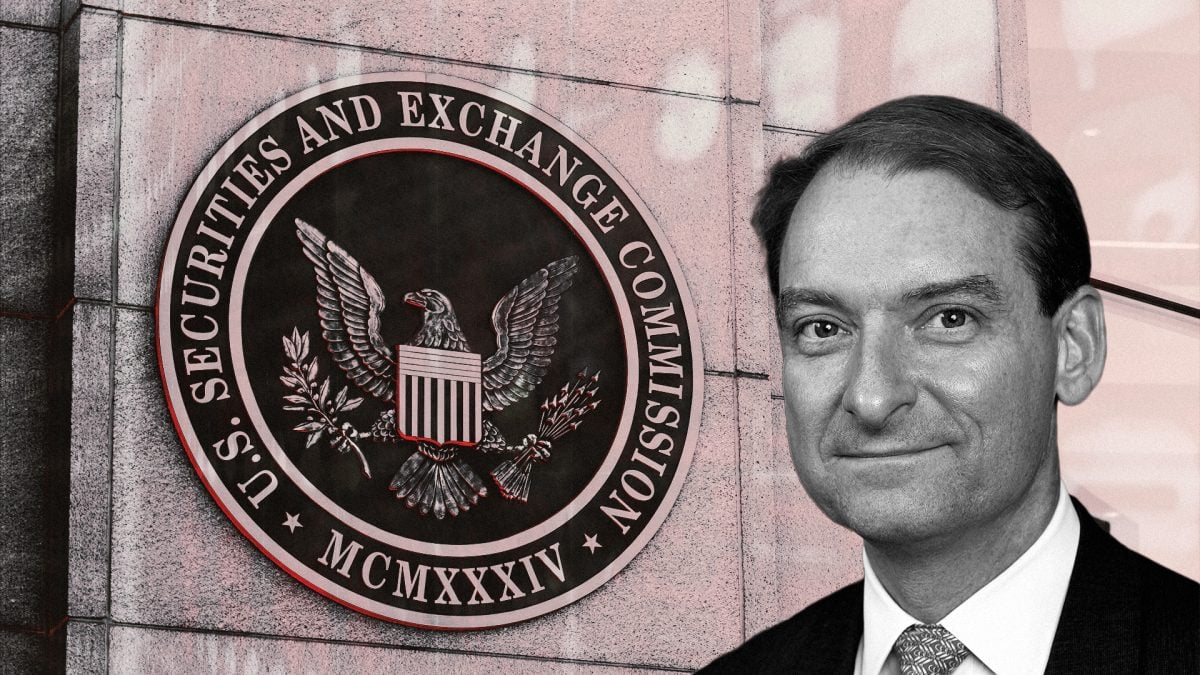
The U. S. Securities and Exchange Commission is set to modernize the landscape of cryptocurrency regulation through a groundbreaking initiative dubbed the “token taxonomy” plan. Unveiled by SEC Chair Paul Atkins, the plan aims to provide a clear framework for distinguishing between different types of digital assets, helping to clarify regulatory responsibilities and set a more structured path forward for the cryptocurrency industry. This initiative comes amid growing concerns over the lack of clarity in existing regulations and the potential for the sector to fall prey to abuses and fraud.

Atkins, who has been at the helm of the SEC since 2021, has emphasized the need for a comprehensive overhaul of the regulatory environment, particularly as the cryptocurrency market continues to evolve at a rapid pace. Under his leadership, the SEC has adopted a more proactive stance on enforcement, including cracking down on unregistered digital asset offerings and investigating prominent crypto firms. The new proposal seeks to address key issues surrounding token classification, governance, and investor protection, marking a significant step towards establishing a more predictable and transparent regulatory regime.

One of the central features of the token taxonomy plan is its attempt to clearly differentiate between utility tokens, security tokens, and commodities. Security tokens, which represent ownership in a company or project, would continue to fall under the purview of the SEC, while utility tokens, often used within decentralized networks to access specific services, may be treated differently. This distinction is crucial as it will help determine the specific regulations that apply to each category and streamline the processes for businesses looking to launch tokens in the market.

The plan proposes the creation of a digital asset registration framework that would allow crypto companies to register their tokens with the SEC, providing more transparency and accountability in the industry. By providing clear guidelines on what constitutes a security versus a non-security token, the SEC hopes to reduce confusion among developers, investors, and regulators alike, while also offering a clearer path for compliance.

The proposal also outlines provisions for enhancing consumer protection, an area of concern for both lawmakers and market participants. By ensuring that tokens classified as securities are subject to the same protections as traditional financial products, the SEC aims to reduce the risk of market manipulation and fraud that has plagued some sectors of the crypto market. The plan also calls for increased transparency regarding token offerings, including detailed disclosures about the underlying technology, token economics, and the potential risks for investors.

The unveiling of the token taxonomy plan comes at a time when the U. S. government is under increasing pressure to take action on crypto regulation. Cryptocurrencies have been at the forefront of debates over financial innovation, with proponents arguing that they could revolutionise sectors like finance and supply chain management, while critics warn of their potential to facilitate illicit activities, tax evasion, and investor exploitation. The SEC’s new proposal aims to strike a balance between fostering innovation and ensuring that the sector remains accountable and transparent.

While the announcement has been met with a generally positive response from the cryptocurrency community, some industry leaders have raised concerns over the complexity of the new framework and the potential for overregulation. There are worries that stringent rules could stifle innovation and drive crypto businesses away from U. S. markets, opting for jurisdictions with more lenient regulatory environments. On the other hand, advocates of the proposal argue that clear regulations are needed to create a safer, more stable market, which will ultimately benefit both consumers and businesses in the long run.

The token taxonomy plan is set to undergo a period of public consultation, during which industry stakeholders, legal experts, and members of the public will have the opportunity to provide feedback. This collaborative process will be crucial in refining the proposal and ensuring that it is both effective and adaptable to the rapidly changing crypto landscape.

SharpLink Gaming has reported a significant achievement, earning 492 ETH in staking rewards within a single week. This milestone reflects the company’s robust performance in the rapidly growing field of decentralized finance, where staking plays an essential role in earning passive income. With a growing presence in the gaming and blockchain sectors, SharpLink’s latest success highlights its expanding role in the emerging digital economy.

The company’s staking rewards come as part of its broader strategy to harness blockchain technology for sustained revenue generation. Through participating in Ethereum’s staking mechanism, SharpLink has effectively capitalized on the network’s transition to a proof-of-stake model. Ethereum’s shift, which replaced the energy-intensive proof-of-work system, has opened the door for institutional and individual investors alike to earn rewards by locking up ETH in the network.

SharpLink’s performance reflects broader trends in the crypto market, where institutional investors are increasingly turning to staking as a reliable source of income. By participating in Ethereum’s PoS system, investors can contribute to the network’s security and operations while earning rewards in the form of additional ETH. As the second-largest cryptocurrency by market cap, Ethereum’s transition to PoS has made staking more attractive to a wider range of investors, from retail to institutional.

The 492 ETH earned by SharpLink during the past week adds to its growing total of staking rewards, with the company steadily building its portfolio through a combination of strategic staking initiatives and its involvement in blockchain-based gaming projects. Staking rewards are particularly attractive in the context of volatile crypto markets, where traditional forms of investment might not offer comparable returns.

Beyond the immediate financial benefits, SharpLink’s participation in Ethereum staking signals the company’s commitment to long-term engagement with blockchain technology. The company has been focusing on integrating blockchain and decentralized elements into its gaming platform, positioning itself as a key player in the emerging intersection of gaming and cryptocurrency. With the broader gaming industry increasingly exploring blockchain technology, SharpLink’s moves suggest a forward-thinking approach that could give it an edge in an increasingly competitive market.

While Ethereum’s shift to PoS has been a key driver behind this surge in staking rewards, SharpLink’s ability to generate consistent returns is also attributed to its in-depth understanding of the mechanics of DeFi. The company has been leveraging its expertise to optimise its staking strategies, ensuring that it remains competitive within the ever-evolving cryptocurrency landscape. This ability to adapt and capitalise on new trends is critical in a market that is known for its rapid changes and unpredictable nature.

The success of SharpLink Gaming also comes at a time when other players in the DeFi and gaming sectors are beginning to see similar benefits from staking and other blockchain-related activities. Ethereum’s PoS model has not only created an opportunity for passive income but has also contributed to the overall stability of the Ethereum network, which has been crucial for sustaining investor confidence. As more companies like SharpLink participate in Ethereum staking, the broader ecosystem stands to benefit from increased security and scalability.

SharpLink’s earnings are a testament to the ongoing maturation of the DeFi ecosystem, which has steadily grown in influence over the last few years. The Ethereum blockchain, along with other DeFi platforms, has been instrumental in reshaping the traditional financial landscape, offering decentralized alternatives to conventional financial systems. For companies like SharpLink, this shift represents both a challenge and an opportunity to tap into a burgeoning market that continues to grow in size and sophistication.

Dubai Electricity and Water Authority has opened the door for qualified companies and consortiums to submit their proposals for the seventh phase of the Mohammed Bin Rashid Al-Maktoum Solar Park, one of the largest renewable energy projects in the world. This expansion is set to significantly enhance Dubai’s efforts to diversify its energy mix and meet its sustainability targets. The upcoming phase will incorporate 2,000 megawatts of […]

The Unique Identification Authority of India has launched a new initiative aimed at ensuring that biometric updates for children between the ages of 5 and 15 are regularly updated. This update programme will employ behavioural insights to reach more children and encourage parents to get their children’s biometric details renewed. The decision follows observations of a gap in the regular updates for this age group, which could affect the accuracy of their Aadhaar identification as they grow.

Aadhaar, the 12-digit unique identification number, serves as an essential part of India’s digital infrastructure, linking residents to various government services. As children grow, their biometrics — including fingerprints and iris scans — undergo significant changes, making it necessary to update these details periodically to maintain the accuracy and validity of their Aadhaar number. UIDAI’s move is part of a broader effort to streamline the biometric data collection process and enhance the integrity of the Aadhaar system.

Currently, the biometrics of children are not captured until they reach the age of 5, and once captured, they need to be updated at regular intervals. Children in the age group of 5 to 15 are typically the most likely to miss these updates, largely due to a lack of awareness or confusion about the necessity of periodic renewal. This gap in biometric data management could lead to challenges in service delivery, especially in areas where Aadhaar is required for accessing government services, subsidies, and welfare schemes.

To address this issue, UIDAI has partnered with various behavioural research experts who will be tasked with understanding the obstacles preventing timely biometric updates and devising strategies to encourage participation. These insights are expected to guide future communication and outreach strategies, ensuring that parents and guardians are well-informed about the importance of updating Aadhaar details for children.

The new initiative also includes a provision for free biometric updates for children in this age group. This is a significant step as it reduces any financial barriers that might prevent families from getting their children’s details updated. UIDAI has made it clear that the updates will be available at all Aadhaar enrolment centres across India, with no charges applicable for the procedure. The enrolment process will also be streamlined to make it easier for parents to access these services.

The introduction of free biometric updates is expected to address a longstanding challenge: the cost associated with updating biometric data. Many families may have found the service fee an impediment, especially in rural and economically disadvantaged areas. With this barrier removed, UIDAI aims to improve compliance and increase participation, ensuring that more children are registered with up-to-date biometric data.

While the behavioural insights approach is novel, the success of this strategy will depend largely on how effectively UIDAI communicates the importance of biometric updates to the parents and guardians of children. A targeted communication campaign is being launched, featuring simplified instructions and informational materials that explain the significance of biometric updates, alongside the logistics of how to complete the update.

UIDAI is also working with educational institutions, as schools and teachers play a pivotal role in educating parents about the process. This collaboration is expected to further boost awareness and participation in the biometric update initiative. Local community leaders are also being engaged to act as influencers and advocates, ensuring that the message reaches a wide and diverse audience.

Despite the challenges, the benefits of keeping children’s biometric data up to date are clear. Aadhaar is widely used for a variety of services, including accessing scholarships, mid-day meal schemes, and health benefits. Without accurate biometric data, children may face delays or difficulties in availing these essential services.

The U. S. Senate is making significant strides towards bringing an end to the longest government shutdown in the nation’s history, following a pivotal agreement by a bloc of moderate Democrats to advance a bill without securing an extension for crucial healthcare subsidies. This decision has sparked backlash within the party, particularly among progressive members, who view the move as a concession to Republican demands that could […]

Greenlogue/AP U. N. climate negotiations commenced in Brazil this week, drawing global leaders and environmental experts to the heart of the Amazon to discuss the pressing need to implement previous climate commitments. As world leaders convene, the focus is squarely on translating pledges into tangible actions that will curb global warming. The urgency of these talks comes as scientists warn that without immediate, substantial reductions in carbon […]

Cross-sector collaboration drives innovation in digital assets ecosystem HONG KONG SAR – Media OutReach Newswire – 4 November 2025 – KPMG is pleased to announce the successful conclusion of the Digital Assets Forum: Policy, Market Dynamics and Institutional Adoption, held on 31 October 2025. The event convened over 200 industry leaders, regulators, and subject matter experts to explore the rapidly evolving digital assets landscape. They engaged in […]

VISHNU RAJA
RYO YAMADA
HITORI GOTOH
IKUYO KITA