News related to
financial

Norway’s housing market has witnessed its first contraction in home prices in nine months, as economic pressures weigh heavily on consumer confidence. Data released by the Norwegian Real Estate Association revealed a dip in house prices, following a period of growth driven by low interest rates and a robust economy. The slowdown in the housing market has been attributed to a delay in anticipated monetary easing, as […]

KUALA LUMPUR, MALAYSIA – Media OutReach Newswire – 6 May 2025 – This Thursday, Bank Negara Malaysia (BNM) will announce its policy rate decision. While most analysts expect no change, Octa Broker suggests that a rate cut is on the table and is highly likely to take place later this year due to subdued inflation, stronger ringgit, and a higher likelihood for Fed rate cuts. On Thursday, […]

Capital A Berhad, the parent company of budget airline AirAsia, is preparing for a secondary listing on the Hong Kong Stock Exchange, aiming to raise at least $200 million. This move is part of a broader strategy to access deeper pools of capital in Greater China and to support the company’s ongoing financial restructuring.

The proposed listing follows a series of significant financial maneuvers by Capital A, including a $226 million private placement completed in March 2025. This placement featured a $100 million investment from Saudi Arabia’s sovereign wealth fund, with additional contributions from investors in Singapore and Japan. These funds are intended to bolster the company’s capital base and facilitate its exit from Malaysia’s financially distressed PN17 classification.

Capital A has also secured a $443 million revenue bond, with $200 million provided by Ares Management Corp and Indies Capital Partners. This financing is earmarked for reactivating aircraft grounded during the pandemic and refinancing existing lease liabilities, thereby strengthening the company’s balance sheet.

The company is undergoing a significant restructuring, including the sale of its aviation business to long-haul affiliate AirAsia X. This consolidation aims to unify short and long-haul operations under a single AirAsia brand, streamlining operations across Malaysia, Thailand, Indonesia, the Philippines, and Cambodia. The merger is expected to create a new listed entity valued at approximately $1.42 billion.

Capital A’s financial performance has shown signs of recovery, with a net profit of RM2.01 billion reported in the third quarter of 2024, partly due to foreign exchange gains. The company anticipates a return to profitability in 2025, following a loss of $106.5 million in 2024 attributed to one-off forex losses.

The Hong Kong listing is seen as a strategic move to tap into the region’s revitalized equity markets and attract mainland Chinese investors. Capital A is reportedly close to appointing an international investment bank to advise on the listing structure and process, pending internal reviews and regulatory approvals.

CEO Tony Fernandes has emphasized that the company’s financial uncertainties are linked to pending milestones rather than underlying business strength. He remains confident in completing the regularization and restructuring efforts by June 2025.

As part of its commitment to transparency, Capital A has announced plans to publish internal business targets alongside quarterly results. This initiative aims to provide investors with a clearer picture of the company’s financial outlook and progress toward its strategic goals.

The company’s efforts to exit PN17 status are progressing, with shareholder approval secured for the aviation business disposal and a vote scheduled for May 7 to revoke its distressed classification. Capital A also plans to retain an 18% stake in the resulting AirAsia airline group, focusing on its non-aviation businesses, including logistics firm Teleport and aircraft maintenance company Asia Digital Engineering.

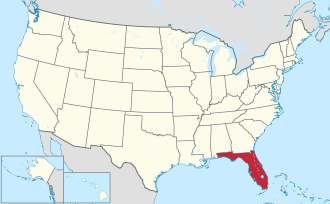
Florida’s legislative session concluded on May 2 without advancing two significant cryptocurrency investment bills, HB 487 and SB 550, effectively halting the state’s consideration of allocating public funds into Bitcoin. Both measures were indefinitely postponed and withdrawn from further deliberation, marking a notable pause in Florida’s exploration of digital asset integration into state financial strategies.

The proposed legislation aimed to authorize the state’s Chief Financial Officer to invest up to 10% of select public funds, including the General Revenue Fund and the Florida Retirement System, into Bitcoin and other digital assets. Proponents, such as Senator Joe Gruters and Representative Webster Barnaby, argued that such investments could serve as a hedge against inflation and diversify the state’s portfolio. They cited the growing institutional acceptance of Bitcoin by firms like BlackRock and Fidelity as indicative of its potential stability and value.

However, the bills faced substantial opposition from financial experts and lawmakers concerned about the volatility and regulatory uncertainties surrounding cryptocurrencies. Critics highlighted the risks of exposing public funds to an asset class known for significant price fluctuations and potential security vulnerabilities. They emphasized the responsibility of safeguarding taxpayer money through more traditional and proven investment avenues.

The failure of HB 487 and SB 550 reflects a broader hesitancy among U.S. states to embrace cryptocurrency investments for public funds. While some states have explored similar proposals, many have encountered resistance due to the inherent risks and lack of comprehensive regulatory frameworks governing digital assets. Florida’s decision underscores the challenges policymakers face in balancing innovation with fiscal responsibility.

A high-level delegation from Abu Dhabi has arrived in Tokyo for the inaugural Abu Dhabi Investment Forum, marking a significant step towards deepening the economic ties between the UAE capital and Japan. The four-day visit, running from May 6 to 9, sees top officials and private sector leaders from Abu Dhabi engaging with their Japanese counterparts to explore new areas of collaboration, particularly in advanced industries such […]

Dubai Multi Commodities Centre has unveiled two new business licence categories designed to offer greater flexibility and efficiency for companies operating in the UAE. The newly introduced Special Purpose Vehicle and Holding Company licences are aimed at providing businesses with enhanced options for structuring investments, managing assets, and overseeing operations across the region. The initiative reflects DMCC’s continued efforts to adapt to the evolving needs of the […]

Greenlogue/AP Iraq’s Ministry of Electricity is intensifying efforts to bolster its renewable energy capacity, engaging in virtual discussions with officials from the UAE’s Masdar to expedite the development of solar power projects totaling 1,000 megawatts across the provinces of Maysan, Dhi Qar, and Anbar. The meeting, led by Electricity Minister Ziyad Ali Fadel, focused on finalising power purchase agreements and addressing implementation challenges, according to a statement […]

Advertisements

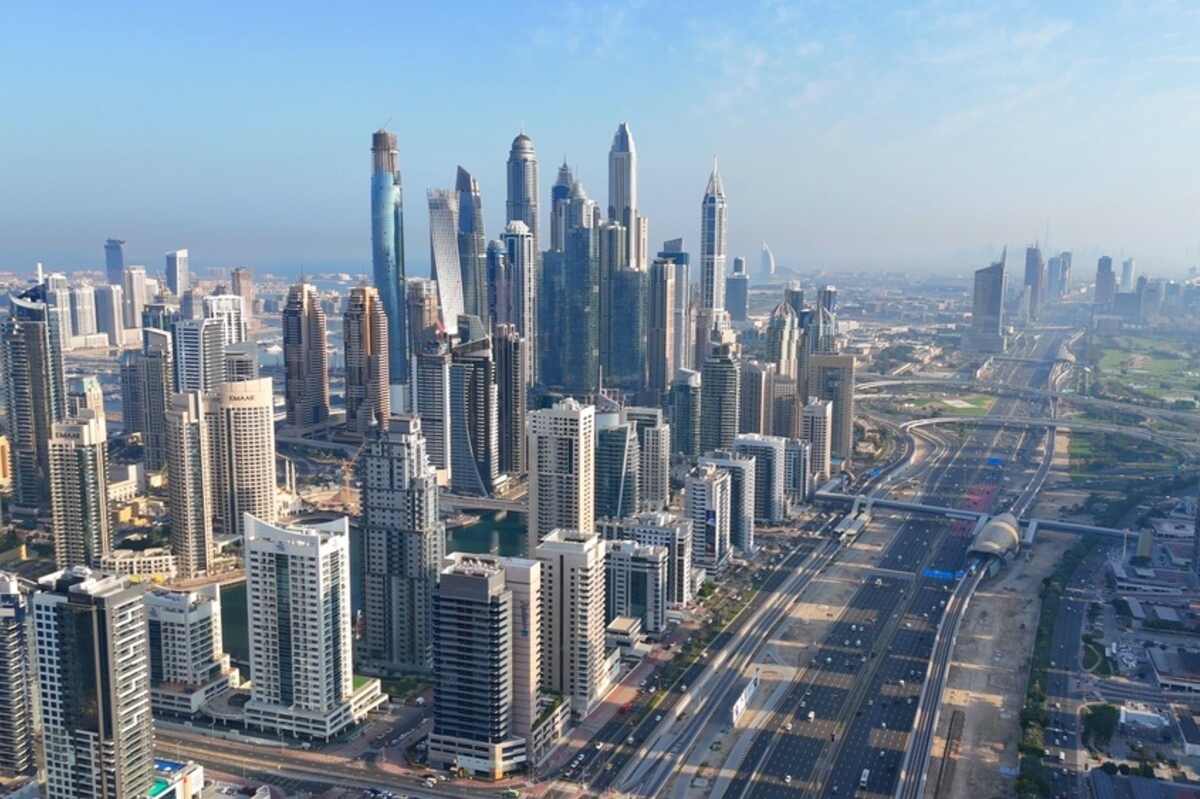
Dubai Holding, a leading global investment conglomerate, has announced the listing of its Dubai Residential Real Estate Investment Trust on the Dubai Financial Market . This marks the first initial public offering in Dubai for the year, reflecting the continuing strength of the emirate’s thriving property sector.

The Dubai Residential Reit, a sharia-compliant fund that generates income through investments in residential real estate, is set to offer 1.625 billion units, representing 12.5 per cent of the total stake in the trust. Dham Investments, a fully owned subsidiary of Dubai Holding, is behind the move, aiming to diversify the company’s portfolio and expand its reach in the regional real estate market.

The subscription period for the offering will run from May 13 to May 20, 2025. After this, the final offer price will be disclosed on May 21, with the trading of the Reit’s units expected to commence on the Dubai Financial Market on May 28, 2025. The offer is poised to attract a wide range of investors, from institutional to retail, as the Dubai property market continues to attract significant interest from global investors.

The Dubai property market has shown remarkable resilience in the face of global economic challenges, with both residential and commercial segments witnessing robust growth. With high demand for luxury homes, rental properties, and mixed-use developments, the Reit presents a strategic opportunity for investors to gain exposure to the lucrative Dubai real estate market.

This IPO comes amid a boom in the emirate’s property market, fuelled by strong investor confidence, favourable government policies, and an influx of expatriates looking to secure a foothold in one of the world’s most dynamic cities. Dubai’s real estate market has been one of the most resilient globally, thanks to a range of measures introduced by the government to attract foreign investment, including long-term residency options for investors and property owners.

The listing is also significant for Dubai Holding, which has consistently sought to diversify its investment portfolio across various sectors, including real estate, hospitality, and technology. As one of the largest investment companies in the UAE, Dubai Holding’s strategic shift into the publicly traded real estate space could potentially open doors for further capital raising and market expansion in the region.

The offering is expected to draw attention not only from regional investors but also from international funds, as Dubai continues to be a top destination for global real estate investments. With property prices expected to maintain upward momentum in the coming months, the timing of the IPO could prove advantageous, particularly as Dubai continues to grow as an international business hub.

The Dubai Residential Reit has a strong portfolio of residential assets, strategically located in prime areas across the emirate. These properties are anticipated to generate consistent rental income, making the Reit an attractive investment for those seeking exposure to Dubai’s booming property market without the complexity of direct property ownership. Investors will also benefit from the fund’s income-distributing structure, with regular dividend payouts projected over time.

The IPO follows Dubai Holding’s broader strategy of strengthening its presence in key sectors and diversifying its investment base. With the growing demand for real estate in the region, Dubai Holding’s decision to list the Reit is seen as a move to unlock value from its high-quality assets while expanding its footprint in the public capital markets.

As with all public offerings, the success of this IPO will depend on the investor appetite, market conditions, and the overall economic landscape. Despite this, Dubai’s real estate sector remains resilient, buoyed by strong fundamentals and continuous infrastructure development that supports both residential and commercial property demand.

The Dubai Financial Market has positioned itself as a key player in the region’s capital markets, and the listing of Dubai Residential Reit is expected to contribute to further growth in market activity. It marks a significant milestone for the DFM, which has seen a series of successful listings in recent years, strengthening its position as a leading financial hub in the Middle East.


Emirates Integrated Telecommunications Company has reported a strong financial performance for the first quarter of 2025, reflecting substantial growth in both net profit and revenues. The company’s net profit surged by 19.8%, reaching AED 722 million , while revenues increased by 7.4% year-on-year to AED 3.8 billion. The results highlight du’s resilience and strategic initiatives in a highly competitive telecom market.

The strong growth in net earnings is primarily attributed to du’s effective management of its revenue mix and operational costs. The company’s EBITDA also saw a notable increase of 15%, amounting to AED 1.8 billion. This growth in earnings before interest, tax, depreciation, and amortisation was aided by the improved cost management strategies and a more balanced revenue distribution, which contributed to an EBITDA margin of 47.4%. This marked a 3.1 percentage-point improvement from the same period last year.

du’s performance in Q1 2025 underscores the success of its ongoing transformation efforts aimed at strengthening its market position. The company has made significant strides in diversifying its product and service offerings, tapping into new revenue streams, and expanding its digital services portfolio. These measures have not only helped improve its financial outcomes but also bolstered its competitiveness in an evolving telecommunications landscape.

The telecom industry in the UAE, which continues to be driven by technological advancements and digital transformation, has seen both du and its competitors adapt to changing consumer demands. With an increasing reliance on mobile data, fibre optics, and digital platforms, du has managed to capitalise on this shift by enhancing its service delivery and improving customer experience. The company’s digitalisation strategy has been integral to this growth, positioning it as a strong player in both consumer and business sectors.

In terms of operational performance, du has placed a significant emphasis on network optimisation and infrastructure upgrades. This includes expanding its 5G capabilities, which have become a crucial part of the telecom landscape in the UAE. As 5G networks continue to roll out across the country, du’s investments in next-generation technologies are likely to provide a competitive edge, enabling it to meet the growing demand for faster and more reliable mobile connectivity.

The company has also focused on improving its cost management strategies, which have been a key factor in its improved profitability. By streamlining operations, reducing unnecessary expenditures, and optimising its resource allocation, du has been able to maintain a healthy margin despite the competitive pressures in the telecom sector.

Another factor contributing to du’s success has been its continued focus on expanding its customer base. The company has increased its customer acquisition efforts, both in the consumer and enterprise markets, offering tailored solutions to meet the needs of various segments. With a robust digital strategy, du has been able to deliver value-added services, such as cloud solutions, IoT, and advanced cybersecurity offerings, which are highly sought after by businesses and government entities.

Looking ahead, du’s financial outlook remains positive, with analysts forecasting continued growth in the upcoming quarters. The company’s strong market position, enhanced service offerings, and commitment to technological innovation are expected to support its long-term growth trajectory. Furthermore, the UAE’s ongoing infrastructure development and plans for economic diversification are likely to present further opportunities for du to expand its footprint.

Despite the challenging nature of the telecom industry, characterised by high competition and regulatory pressures, du’s performance demonstrates its ability to adapt and thrive. The company’s proactive approach to cost control, investment in technology, and customer-centric focus have proven to be effective strategies in maintaining profitability and growth.

Dubai’s equity market emerged as the top performer among Gulf Cooperation Council bourses in April 2025, registering a 4.1% gain driven by robust activity in the real estate and banking sectors. This contrasts with the broader S&P GCC Composite Index, which declined by 1% during the same period, reflecting mixed performances across the region amid fluctuating oil prices and global trade uncertainties.

The banking sector played a pivotal role in Dubai’s market ascent. Dubai Islamic Bank , the largest Sharia-compliant lender in the UAE, reported an 8% year-on-year increase in net profit for the first quarter of 2025. This growth was underpinned by a 7% rise in net financing and sukuk investments, reaching AED 212 billion. DIB’s asset quality improved significantly, with impairment charges dropping by 71% to AED 407 million and the non-performing financing ratio decreasing to 4%. The bank’s shares responded positively, posting a 5.4% gain in April.

In the real estate sector, Emaar Properties experienced a 1.5% decline in its stock price, contributing to a 0.4% dip in Dubai’s main index on April 30. Despite this, the overall monthly performance remained strong, bolstered by gains in other financial institutions. Emirates NBD, for instance, saw its shares rise by 1.2%, reflecting investor confidence in the banking sector’s resilience.

Abu Dhabi’s stock market also recorded positive movement, with its index climbing 1.8% in April. First Abu Dhabi Bank , the UAE’s largest lender by assets, exceeded first-quarter profit expectations, reporting a 23% year-on-year increase in net profit to AED 5.13 billion. This performance was driven by a substantial rise in non-interest income, which grew by 22% to AED 3.8 billion. FAB’s strategic restructuring, including the appointment of Linos Lekkas as head of investment banking and a reorganisation into four operational divisions, has been positively received by investors, with the bank’s shares gaining 8.7% over the month.

Qatar’s equity markets posted a 2.2% growth in April, supported by a 1.4% increase in Qatar Islamic Bank shares. However, the broader market sentiment was tempered by declines in other sectors, such as a drop in Qatar Gas Transport’s stock ahead of its earnings report.

In contrast, Saudi Arabia’s main index experienced a slight decline of 0.1% on April 30, influenced by falling oil prices and weaker corporate earnings. Saudi Aramco’s shares fell by 0.6%, while Americana Restaurants International saw a 2.2% decrease following a drop in quarterly profits. Alinma Bank’s stock also declined by 1.2% due to a sequential drop in quarterly profits.

Dubai’s Fourth Criminal Court has sentenced Balvinder Singh Sahni, a prominent businessman known as “Abu Sabah,” to prison for orchestrating a complex money laundering operation involving shell companies and fraudulent financial transactions. The court found Sahni guilty of defrauding UAE banks of approximately AED100 million, marking one of the most significant financial crime convictions in the emirate.

Sahni, renowned for his extravagant lifestyle—including the purchase of a license plate for AED33 million—was arrested alongside several associates, including his eldest son and senior managers from his business ventures. The investigation revealed that Sahni and his network established multiple shell companies to facilitate the laundering of illicit funds, disguising them as legitimate business transactions.

The court’s ruling underscores Dubai’s intensified efforts to combat financial crimes. Authorities have been cracking down on money laundering activities, with the Dubai Public Prosecution and the Dubai Economic Security Centre leading operations against international networks. These efforts have resulted in the disruption of schemes involving the illegal transfer of funds and cryptocurrencies, amounting to hundreds of millions of dirhams.

In one notable case, authorities dismantled two major money laundering operations totaling AED641 million. The first involved an Emirati national, 21 British nationals, two Americans, a Czech national, and two companies owned by the Emirati. They were charged with possessing illicit funds of AED461 million and using forged documents to smuggle funds from the UK to the UAE. The second operation targeted a cryptocurrency-based scheme worth AED180 million, orchestrated by two Indian nationals and one British national, laundering proceeds from criminal activities through unlicensed intermediaries.

Dubai’s commitment to financial integrity has been further demonstrated by the establishment of a specialised court focused on combating money laundering within the Court of First Instance and Court of Appeal. This move aligns with the UAE’s National AML/CFT Strategy and National Action Plan, aiming to strengthen the integrity of the financial system and reinforce the rule of law.

OpenAI is advancing towards acquiring Windsurf, an AI-powered coding assistant formerly known as Codeium, in a transaction valued at approximately $3 billion. If finalized, this acquisition would represent OpenAI’s largest to date, underscoring its commitment to enhancing its capabilities in AI-driven software development. Windsurf, founded in 2021 by MIT alumni Varun Mohan and Douglas Chen, has rapidly gained prominence in the developer tools sector. The company offers […]

A constellation of jazz virtuosos illuminated Abu Dhabi’s Etihad Arena on April 30, marking the culmination of the 14th International Jazz Day. The event, orchestrated by UNESCO and the Herbie Hancock Institute of Jazz, showcased a tapestry of performances that underscored jazz’s enduring global resonance. Herbie Hancock, the event’s artistic director, led a diverse ensemble of musicians from 14 countries. The concert featured luminaries such as Dee […]

Kyrgyzstan is set to launch a gold-backed stablecoin, the Gold Dollar , in the third quarter of 2025. The initiative, spearheaded by the Ministry of Finance, aims to integrate blockchain technology into the national financial system, offering a transparent and stable digital asset backed by $500 million in gold reserves. Plans are underway to increase this backing to $2 billion within two years.

Unlike central bank digital currencies , USDKG operates within a privately managed smart contract ecosystem, ensuring security and transparency without central bank control. The stablecoin is pegged 1:1 to the U.S. dollar and will initially launch on the Ethereum blockchain, with intentions to expand to other chains as adoption grows.

USDKG is designed to facilitate cross-border payments, a significant feature for Kyrgyzstan, where remittances account for approximately 30% of the country’s GDP. The stablecoin enables instant, low-cost international transactions, making it easier for workers abroad to send money home.

Transparency is a cornerstone of USDKG’s design. Each token is verifiably tied to physical gold stored in secure, audited vaults. A publicly accessible proof-of-reserves system will be available, allowing real-time verification of gold reserves and stablecoin issuance on the blockchain.

The Kyrgyz government has also proposed legislation to establish licensed crypto banks, aiming to provide regulated banking services related to digital assets and cryptocurrencies. This move is intended to legalize and regulate the cryptocurrency market, increase trust in crypto assets, and mitigate risks of fraud and unauthorized access to funds.

In addition to USDKG, the National Bank of the Kyrgyz Republic plans to launch a digital national currency, the digital som, by the end of 2026. The digital som will coexist with traditional cash and non-cash currencies, facilitating cashless transactions and improving control over budget spending.

A stablecoin developed by World Liberty Financial, a cryptocurrency venture associated with former U.S. President Donald Trump, is being utilised by an Abu Dhabi-based investment firm to facilitate a substantial $2bn investment in Binance, the world’s leading crypto exchange. The disclosure was made by one of World Liberty’s co-founders on Thursday, shedding light on the growing involvement of the Trump family in the cryptocurrency sector. World Liberty, […]

Dubai-based developer Omniyat has successfully launched its inaugural dollar-denominated sukuk, upsizing the issuance to $500 million from an initial target of $400 million. The offering attracted robust investor interest, with the order book reaching $1.8 billion, allowing the company to tighten pricing to 8.375%. The issuance, structured as a five-year senior unsecured sukuk, marks Omniyat’s entry into the Islamic capital markets. The strong demand underscores investor confidence […]

Mozilla’s Chief Financial Officer, Eric Muhlheim, has issued a stark warning about the future of the Firefox browser, stating that its survival is at risk if the U.S. Department of Justice’s proposed remedies against Google’s search monopoly are fully implemented. Muhlheim testified that losing Google’s default search engine payments would threaten the browser maker’s existence. “We would be really struggling to stay alive,” Muhlheim said during testimony […]

KUALA LUMPUR, MALAYSIA – Media OutReach Newswire – 5 May 2025 – Kenanga Investors Berhad (“Kenanga Investors”) has been awarded Best Malaysia Large-Cap Equity Fund at the Morningstar Awards 2025, recognising the strong performance of the Kenanga Blue Chip Fund (“KBCF”). This achievement marks a significant milestone for the firm, as KBCF celebrates its third win at this prestigious award and continues to deliver consistent results across […]

United Airlines has cut 35 daily flights at Newark Liberty International Airport, citing a critical shortage of air traffic controllers and repeated failures in the Federal Aviation Administration’s infrastructure. The move, which affects approximately 10% of United’s domestic round-trip operations at the airport, follows days of severe delays, cancellations, and diversions that have rippled across the national aviation network. Chief Executive Scott Kirby described the situation as […]

A coordinated operation by Terengganu police and Tenaga Nasional Berhad has dismantled an illicit bitcoin mining syndicate accused of stealing electricity to power its operations in Hulu Terengganu and Marang districts. The joint raid, codenamed Op Letrik, led to the seizure of 45 mining machines valued at RM225,000. The syndicate allegedly bypassed electricity meters to siphon off power directly from the grid, enabling them to run energy-intensive […]

Bitcoin Solaris, a next-generation blockchain platform, is gaining attention for its claim of being 99% more energy-efficient than Bitcoin, addressing long-standing environmental concerns associated with cryptocurrency mining.

Traditional Bitcoin mining relies on a Proof-of-Work consensus mechanism, which requires miners to solve complex mathematical problems, consuming vast amounts of electricity. Estimates suggest that the Bitcoin network’s annual energy consumption rivals that of some small countries, contributing significantly to global carbon emissions.

In contrast, Bitcoin Solaris utilizes a Proof-of-Stake system, where validators are chosen based on the number of coins they hold and are willing to “stake” as collateral. This method drastically reduces the computational power required, leading to substantial energy savings.

The environmental benefits of PoS systems like Bitcoin Solaris are further enhanced when combined with renewable energy sources. For instance, integrating solar power into mining operations not only reduces carbon footprints but also offers economic advantages. Studies have shown that solar-powered mining farms can save significant amounts of CO₂ emissions annually, equivalent to removing thousands of cars from the road.

The adoption of energy-efficient mining practices is not limited to Bitcoin Solaris. Other blockchain platforms, such as Solana, have also embraced PoS mechanisms, resulting in markedly lower energy consumption per transaction compared to Bitcoin. Solana’s innovative Proof-of-History mechanism further enhances its efficiency, making it an attractive option for environmentally conscious investors and developers.

The shift towards greener blockchain technologies is also influencing the broader energy sector. Cryptocurrency mining operations are increasingly being integrated with renewable energy projects, providing a consistent demand for clean energy and supporting the financial viability of such initiatives. In some cases, excess energy from renewable sources, which would otherwise go unused, is being redirected to power mining activities, optimizing resource utilization.

Innovative approaches are being explored to further reduce the environmental impact of cryptocurrency mining. Researchers are investigating the use of integrated photonics and other advanced technologies to develop more energy-efficient mining hardware. These advancements aim to shift the focus from energy-intensive computations to more sustainable solutions.

A North Korean operative’s attempt to infiltrate Kraken, a prominent cryptocurrency exchange, through a deceptive job interview has been successfully thwarted, highlighting the increasing sophistication of state-sponsored cyber-espionage tactics targeting the digital asset industry.

The incident involved an individual posing as a qualified IT professional, leveraging fabricated credentials and a falsified identity to secure a remote position within Kraken. The operative’s strategy included the use of advanced social engineering techniques, such as deepfake technology and AI-generated documentation, to bypass standard hiring protocols. However, Kraken’s vigilant recruitment team identified inconsistencies during the interview process, leading to the exposure of the applicant’s true affiliation.

This event underscores a broader pattern of North Korean cyber operations aimed at the cryptocurrency sector. The Lazarus Group, a hacking collective linked to North Korea’s Reconnaissance General Bureau, has been implicated in numerous cyberattacks resulting in substantial financial losses. Notably, the group orchestrated a $37 million theft from CoinsPaid in July 2023 by deceiving an employee into downloading malware under the guise of a job-related task.

The United Nations has reported that North Korea employs over 4,000 IT workers globally, generating approximately $600 million annually to fund its nuclear weapons program. These operatives often assume false identities and secure positions in tech firms, exploiting the remote work culture to mask their true origins.

In the United Kingdom, authorities have urged companies to conduct in-person or video interviews to mitigate the risk of hiring imposters. A recent analysis revealed that a single North Korean agent operated under 12 different personas across Europe and the U.S., infiltrating sensitive sectors including defense and government.

The FBI has also issued warnings about North Korean schemes involving fake job offers and investment opportunities designed to trick individuals into downloading malware. These social engineering attacks are characterized by their complexity and the use of sophisticated technical acumen to compromise even well-versed cybersecurity professionals.

Cybersecurity experts emphasize the need for rigorous hiring practices, including thorough background checks and identity verification, to counteract these threats. Companies are advised to be wary of applicants who avoid video interviews, request payment through unconventional means, or exhibit inconsistencies in their professional histories.

Meta Platforms Inc., the parent company of Facebook and Instagram, has warned it may be compelled to suspend both platforms in Nigeria, citing mounting regulatory pressures and substantial financial penalties imposed by the country’s authorities. The warning follows a series of fines levied against Meta by Nigerian regulatory bodies. The Federal Competition and Consumer Protection Commission imposed a $220 million fine for alleged anti-competitive practices. Additionally, the […]

Saudi Arabia is set to maintain its robust initial public offering momentum in 2025, with Riyad Capital projecting up to 46 listings across the Main Market and the Nomu Parallel Market. This outlook comes despite global market volatility driven by US tariffs and trade tensions that have dampened IPO activity in other regions.

Muhammad Faisal Potrik, Head of Sell-Side Research at Riyad Capital, noted that the Saudi Main Market witnessed 14 IPOs last year and anticipates a similar range of 14 to 16 listings in 2025. The sectors expected to feature prominently include financial services, real estate, retail, technology, and aviation.

In 2024, the Kingdom led the Gulf Cooperation Council IPO market, raising $4.1 billion through 42 offerings, according to data from The Kuwait Financial Centre . This accounted for 31% of the region’s total IPO proceeds, making Saudi Arabia the second-largest contributor after the UAE. The Saudi Exchange, Tadawul, hosted 14 IPOs on its main market, collectively raising $3.8 billion, while the Nomu Parallel Market saw 28 IPOs, generating $297 million.

Notable listings included Dr. Soliman Abdel Kader Fakeeh Hospital, which was oversubscribed 119 times with orders worth $91 billion, and other companies like Almoosa Health, Miahona Utilities, and Nice One Beauty Digital Marketing, reflecting strong investor confidence.

The aviation sector is also poised for significant activity, with the Capital Market Authority approving the IPO of flynas, a budget airline backed by Prince Alwaleed Bin Talal. The company plans to sell a 30% stake and aims to expand its fleet to 160 aircraft by 2030.

Riyad Capital anticipates an 8% growth in Saudi market earnings in 2025, driven by factors such as declining interest rates, favorable global market responses, and stronger earnings growth in sectors like banking, technology, media, communications, and emerging industries. This positive sentiment is expected to bolster IPO activity further.

The Kingdom’s capital market reforms, including the introduction of new financial products like options and futures on Tadawul, have enhanced market depth and attracted increased institutional investor participation. These developments, coupled with ongoing privatization efforts and the government’s commitment to economic diversification under Vision 2030, are expected to sustain the IPO momentum.

Saudi Arabia’s focus on sectors such as healthcare, technology, and consumer services aligns with global investment trends and positions the Kingdom as a competitive destination for international investors. The continued liberalization of foreign ownership rules and the inclusion of Saudi markets in global indices further enhance its appeal.

VISHNU RAJA
RYO YAMADA
HITORI GOTOH
IKUYO KITA