News related to
financial

Rootstock, a prominent project designed to bring advanced functionalities to Bitcoin, has made significant strides in improving the security of decentralised finance through an enhanced hashrate contribution. As Bitcoin’s blockchain remains the most dominant in the world, Rootstock seeks to provide additional layers of functionality, particularly by enabling smart contracts and decentralised applications on top of Bitcoin’s network. This development is seen as a major step forward in bridging the gap between Bitcoin’s strong security features and the flexibility that DeFi protocols demand.

For years, Bitcoin has been regarded as a secure store of value but lacked many of the programmability features available in other blockchain networks, notably Ethereum. While Ethereum’s dominance in the DeFi sector is well-established, Bitcoin’s limited scripting capabilities have prevented it from achieving similar prominence in the space. Rootstock, by integrating smart contracts with Bitcoin, aims to leverage Bitcoin’s security and decentralisation while also making it more adaptable to the growing demand for DeFi services.

One of the key advancements in Rootstock’s latest efforts is its contribution to Bitcoin’s overall hashrate. Hashrate is the computational power required to process transactions and secure the network, and it plays a vital role in maintaining blockchain integrity. The increase in Rootstock’s hashrate share is an important factor in improving Bitcoin’s security, particularly as the ecosystem grows more complex with the addition of smart contract functionality. By boosting its hashrate share, Rootstock provides a stronger shield against potential attacks, such as double-spending or malicious 51% attacks, that could compromise the security of both Bitcoin and its additional smart contract capabilities.

The significance of Rootstock’s contributions goes beyond technical performance. As it integrates with Bitcoin, Rootstock makes it easier for developers to build on the Bitcoin blockchain, providing greater flexibility in the development of dApps. Rootstock’s compatibility with Bitcoin allows developers to tap into Bitcoin’s established and robust user base while adding advanced functionalities through the Rootstock platform.

Smart contracts, which are at the heart of DeFi, enable trustless financial transactions without the need for intermediaries. By combining these with Bitcoin’s inherent security model, Rootstock offers a promising solution for users and developers alike. The project’s work in enhancing security through hashrate support complements its broader mission of ensuring the long-term viability and competitiveness of Bitcoin in the rapidly evolving DeFi landscape.

Although Bitcoin’s energy consumption has drawn criticism due to its reliance on proof-of-work , Rootstock’s innovation demonstrates that scaling the network can be done without sacrificing security. As one of the leading DeFi platforms to incorporate Bitcoin into its framework, Rootstock’s developments suggest that Bitcoin could become a more formidable player in the DeFi sector moving forward.

For Bitcoin to thrive in the DeFi world, the integration of features like smart contracts and improved security is essential. Rootstock’s success in merging these elements without compromising Bitcoin’s decentralisation model is a critical step in this direction. The increase in hashrate not only strengthens the network’s defences but also reassures users and investors of the project’s commitment to robust security practices.

HONG KONG SAR – Media OutReach Newswire – 10 May 2025 – ​Invest Hong Kong (InvestHK) announced today (May 10) that the Director-General of Investment Promotion at InvestHK, Ms Alpha Lau, will embark on a series of visits to Istanbul, Türkiye; Budapest, Hungary; and Cairo, Egypt, some of the key economies along the Belt and Road, to strengthen economic ties and promote Hong Kong as the premier […]

Coinbase has launched 24/7 trading for Bitcoin and Ethereum futures through its CFTC-regulated platform, Coinbase Derivatives, marking a significant shift in U.S. crypto market accessibility. This initiative allows traders to engage in futures contracts at any time, aligning with the continuous nature of global cryptocurrency markets.

The move addresses a longstanding gap between traditional U.S. trading hours and the always-on operations of crypto markets. Previously, U.S. traders faced limitations due to fixed market hours, often missing opportunities during off-hours. With this development, Coinbase aims to provide traders with the flexibility to manage risk and seize opportunities without time constraints.

Coinbase’s infrastructure supports this continuous trading model through partnerships with Nodal Clear, a CFTC-regulated clearinghouse, and liquidity providers like Virtu Financial. These collaborations ensure that the platform can handle the demands of round-the-clock trading while maintaining regulatory compliance.

The introduction of 24/7 trading is part of Coinbase’s broader strategy to expand its derivatives offerings. The company has also announced plans to develop perpetual-style futures contracts, which do not have expiration dates, providing traders with additional tools to manage their positions over extended periods.

This expansion into continuous trading comes amid a surge in institutional interest in cryptocurrency derivatives. Derivatives account for a significant portion of global crypto trading volume, and Coinbase’s enhanced offerings aim to cater to this growing demand.

Coinbase’s move also reflects a broader trend of increasing regulatory clarity in the U.S. crypto market. The company’s alignment with regulatory standards, such as operating a CFTC-regulated exchange, positions it to capitalize on the evolving landscape of digital asset trading.

In addition to the launch of 24/7 trading, Coinbase has announced a $2.9 billion acquisition of Deribit, a leading crypto options trading platform. This acquisition is expected to further strengthen Coinbase’s position in the derivatives market and expand its global reach.

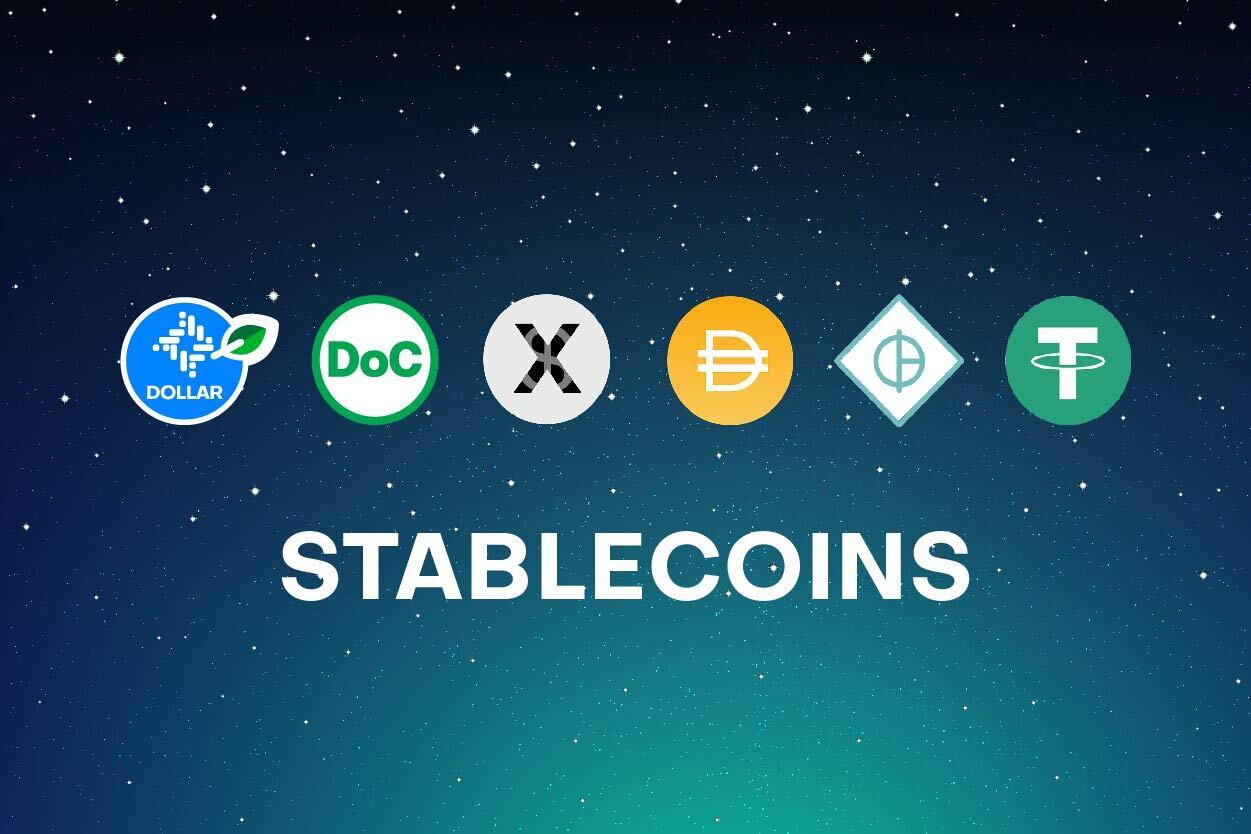
Stablecoin transaction volumes have reached a record $1.82 trillion in April 2025, marking a significant milestone in the evolution of digital finance. This surge is attributed to increased real-world applications, including cross-border payments, remittances, and institutional settlements, rather than speculative trading.

The stablecoin market has experienced substantial growth, with the total market capitalization surpassing $234 billion by late March 2025. This expansion is driven by the adoption of stablecoins in various sectors, including decentralized finance and traditional financial institutions. Tether’s USDT remains the dominant stablecoin, with a supply exceeding $146 billion, while Circle’s USDC has doubled its market capitalization to $56 billion.

The integration of stablecoins into traditional financial systems is evident, with major banks and financial institutions exploring their use for efficient and cost-effective transactions. The adoption of stablecoins in over 70 countries has facilitated cross-border payments and remittances, reducing costs and improving transaction speeds. Emerging markets, in particular, have embraced stablecoins as a hedge against local currency volatility.

Regulatory developments have also played a role in the growth of stablecoins. In 2024, 12 countries, including the US, UK, and Singapore, introduced stablecoin-specific regulatory frameworks. The European Union’s Markets in Crypto-Assets regulation has enforced stricter compliance for stablecoin issuers, enhancing transparency and investor confidence.

The technological infrastructure supporting stablecoins has evolved, with blockchain networks like Solana and Ethereum facilitating increased transaction volumes. Solana has become the most active blockchain for stablecoin transfers, overtaking Tron and Ethereum in early 2024. This shift is attributed to Solana’s high transaction speeds and low costs, making it an attractive platform for stablecoin transactions.

The role of automated trading systems, or bots, has become more prominent in the stablecoin ecosystem. In 2024, bot-driven trading accounted for 70% of total stablecoin transaction volumes, particularly on networks like Ethereum, Base, and Solana. While concerns exist about market manipulation, these systems have also improved efficiency by facilitating arbitrage and executing recurring smart contract transactions.

HONG KONG SAR – Media OutReach Newswire – 9 May 2025 – Chubb Life Hong Kong today announced the launch of Health Up Insurance Plan (Health Up), a digital insurance plan aimed at promoting and facilitating well-being practices for individuals wishing to achieve a healthier lifestyle. Belinda Au(middle), Mercedes Ho (Right), with Health Up Partners Health Up is designed to offer term life coverage and accidental death […]

Sobha Realty has mandated a consortium of banks to arrange a new three-year, dollar-denominated Reg S benchmark sukuk, marking another significant move in the UAE’s Islamic finance landscape. The issuance will be conducted under Sobha Sukuk I Holding Limited’s $1.5 billion Trust Certificate Issuance Programme. The appointed joint lead managers and bookrunners include Abu Dhabi Commercial Bank, Abu Dhabi Islamic Bank, Arqaam Capital, Dubai Islamic Bank, Emirates […]

Abu Dhabi’s Mubadala Investment Company reported a 33.7% surge in capital deployment in 2024, reaching AED 119 billion , positioning it as the most active sovereign wealth fund globally, according to data from Global SWF. This uptick coincided with a 9% year-on-year increase in assets under management , now totaling AED 1.2 trillion , and a five-year annualised return of 10.1%.

The fund’s intensified investment activity was largely driven by strategic allocations in artificial intelligence , semiconductors, and private equity sectors. Notably, Mubadala’s investments in North America nearly doubled, underscoring its confidence in the U.S. market despite prevailing economic uncertainties. In a significant move, Mubadala acquired a 50% stake in MGX, an AI-focused entity that collaborated with BlackRock and Microsoft in a $30 billion AI infrastructure fund.

Mubadala’s portfolio composition remained relatively stable, with 40% allocated to private equity, 23% to public markets, and 17% to infrastructure and real estate. This allocation reflects a strategic emphasis on sectors poised for long-term growth. The fund also expanded its private credit holdings to $20 billion, aligning with its broader investment strategy.

In the healthcare sector, Mubadala finalized the acquisition of an 80% stake in Global Medical Supply Chain and Al Ittihad Drug Store, enhancing its presence in healthcare logistics and pharmaceutical distribution. Additionally, the fund invested in Zelis, a U.S.-based healthcare technology firm, alongside Norwest and HarbourVest.

Mubadala’s commitment to clean energy was evident through Masdar’s acquisition of a 50% stake in the Big Beau combined solar and battery storage project in California. Furthermore, Mubadala Capital announced a $13.5 billion investment in a biofuels project in Brazil, marking a significant step in sustainable energy initiatives.

The fund’s strategic partnerships extended to the financial sector, with the acquisition of Fortress Investment Group from SoftBank, following regulatory approval from the Committee on Foreign Investment in the United States . This acquisition bolsters Mubadala’s position in global credit markets.

Mubadala’s CEO, Khaldoon Al Mubarak, emphasized the fund’s focus on future-oriented sectors, stating that the portfolio is constructed to navigate market cycles and scale sectors such as AI, clean energy, life sciences, semiconductors, and advanced manufacturing, aligning with national priorities.

The fund’s strategic initiatives also include the establishment of Space42, a space and satellite technology entity formed through the merger of Yahsat and Bayanat, and M42, a tech-enabled healthcare company, both in collaboration with Abu Dhabi’s tech group G42.

Mubadala’s approach to sustainable finance was highlighted by the issuance of its inaugural green bond, aligning with the UAE’s commitment to Net Zero by 2050. The fund maintains a conservative gearing ratio of 10.3% and a strong liquidity position, ensuring resilience amid global economic fluctuations.

In the realm of private equity, Mubadala Capital raised $3.1 billion for its latest fund, surpassing the initial target of $2 billion. The fund aims to invest between $150 million and $500 million per deal, focusing on acquiring large holdings in private equity markets.

Advertisements

Abu Dhabi’s International Holding Company has joined forces with US-based investment giant BlackRock to establish a $1 billion reinsurance platform headquartered in the Abu Dhabi Global Market . The initiative, which also includes Lunate, an Abu Dhabi-based alternative investment manager, aims to underwrite liabilities exceeding $10 billion and is poised to reshape the global reinsurance landscape.

The yet-to-be-named platform will adopt a buy-and-build strategy, focusing on acquiring and developing reinsurance capabilities. BlackRock will contribute its insurance asset management expertise, advisory services, and Aladdin technology platform to the venture. Additionally, BlackRock is expected to make a minority investment commitment upon the finalization of the deal.

Lunate’s participation marks its entry into the reinsurance sector, expanding its investment portfolio beyond its existing $105 billion in assets under management. The firm has been actively investing across various sectors, including energy infrastructure and climate finance, as evidenced by its acquisition of a 40% stake in ADNOC Oil Pipelines and the establishment of the $30 billion ALTÉRRA climate investment vehicle.

The collaboration between IHC, BlackRock, and Lunate underscores Abu Dhabi’s strategic push to position itself as a global hub for financial services and reinsurance. The ADGM’s progressive regulatory framework and its appeal to international financial institutions have made it an attractive destination for such ventures.

This partnership is expected to leverage the strengths of each entity: IHC’s expansive investment portfolio and regional influence, BlackRock’s global asset management capabilities, and Lunate’s innovative investment strategies. Together, they aim to address the growing demand for reinsurance solutions and contribute to the diversification of Abu Dhabi’s financial sector.

Cryptocurrency derivatives trading platform Flipster has entered the esports arena by securing naming rights for Talon Esports’ Dota 2 team, which will now compete under the moniker Flipster Talon. This strategic partnership marks a significant move for both entities, aligning a rising crypto exchange with one of Southeast Asia’s premier esports organisations.

The agreement grants Flipster prominent branding across team jerseys, digital platforms, and in-game identifiers. The rebranded team is set to make its debut at BLAST Slam II, a major Dota 2 tournament featuring a $1 million prize pool, scheduled to commence on 4 February 2025. This event will serve as a litmus test for the newly formed alliance’s impact on competitive performance and market visibility.

Talon Esports has undergone a significant transformation following a disappointing run at The International 2024. The organisation parted ways with its entire Dota 2 roster, including notable players such as Nuengnara “23savage” Teeramahanon and Rafli “Mikoto” Rahman. In their place, Talon has assembled a new lineup featuring seasoned players Carlo “Kuku” Palad and John Anthony “Natsumi” Vargas, under the guidance of head coach Park “March” Tae-won. This overhaul aims to revitalise the team’s competitive edge and reestablish its dominance in the Southeast Asian Dota 2 scene.

The partnership with Flipster is part of Talon Esports’ broader strategy to diversify its sponsorship portfolio. Previously, the organisation has secured deals with various brands, including gaming peripherals company SteelSeries and betting firms such as 1xBet and M88 Mansion. These collaborations have not only provided financial support but also enhanced Talon’s brand presence across multiple platforms.

Flipster’s foray into esports sponsorship reflects a growing trend of cryptocurrency companies seeking to engage with younger, tech-savvy audiences through gaming partnerships. By aligning with Talon Esports, Flipster aims to increase its brand recognition and tap into the expansive reach of the esports community. This move also underscores the increasing convergence between digital finance and competitive gaming, as both industries continue to evolve and intersect.

The Indian Rupee has plummeted to its lowest value against the UAE Dirham in over a month, marking a significant drop to 23.36 per dirham. This decline, the steepest since mid-April, follows escalating border tensions between India and Pakistan, which have triggered volatile market reactions. Traders are closely monitoring the situation, with fears of further instability driving the currency’s slide.

As the conflict intensifies, the Rupee’s depreciation is attributed to growing uncertainties surrounding the geopolitical standoff. India and Pakistan, both nuclear-armed neighbours, have long been at odds over the Kashmir region. The latest developments have exacerbated market fears of prolonged instability, pushing investors to seek safer assets, which has further weighed on the Rupee.

Currency markets, traditionally sensitive to geopolitical risks, have seen a surge in demand for the US Dollar, which remains a global safe-haven. Analysts point to the Dollar’s strengthening as a direct response to mounting tensions in South Asia, compounded by global inflationary pressures. With foreign investors retreating from riskier assets, the Rupee has been further pressured, intensifying the currency’s downtrend.

The Indian government’s response to the situation, alongside Pakistan’s military actions, has added to investor uncertainty. The military exchanges along the Line of Control between the two countries have led to heightened concerns not only about regional security but also about the broader economic repercussions of prolonged instability. Economists suggest that the markets will continue to reflect these risks until diplomatic measures are taken to de-escalate tensions.

The ongoing conflict is expected to affect trade relations, particularly in sectors reliant on cross-border commerce. Import and export activities between India and Pakistan, already hindered by past disputes, are likely to experience further disruptions. This could lead to an uptick in inflation, especially in critical sectors like oil, where price fluctuations are particularly sensitive to regional tensions.

Central banks in both nations, as well as the International Monetary Fund , have called for restraint, urging both sides to avoid further military escalation and seek peaceful resolutions. However, the risk of military confrontations spilling over into broader regional instability remains a concern that is factoring heavily into currency movements.

The financial impact on India is also underscored by the continued inflationary pressures faced by the country. While India has a relatively strong domestic economy, analysts warn that the ongoing uncertainty over the border conflict could undermine investor confidence, further destabilising the currency. This would place more pressure on the Reserve Bank of India , which may be forced to intervene in the markets to prevent excessive depreciation.

For businesses and consumers, the weakening Rupee has meant higher costs for imported goods, particularly fuel and electronic products, which are crucial to India’s economy. The cost of living for many Indian citizens is expected to rise, further intensifying socio-economic concerns. The rise in fuel prices has already led to protests in certain parts of India, with many calling on the government to address the economic fallout from the ongoing tensions.

The Indian government, however, remains optimistic about the long-term outlook for the Rupee. According to finance ministry officials, the country’s economic fundamentals remain robust despite the external geopolitical risks. They argue that the current currency depreciation is part of a broader, global trend, and that India is well-positioned to weather the storm with its growing foreign reserves and strong trade relationships beyond the subcontinent.

Despite these assurances, many analysts argue that India’s growing fiscal deficits and inflationary pressures could further complicate the Rupee’s recovery. A sharp depreciation could potentially lead to an erosion of investor confidence, compounding the country’s financial challenges.

NEW YORK, USA – Media OutReach Newswire – 8 May 2025 – FLock.io, a private AI training platform, closed a strategic funding round led by DCG in December 2024 and launched FL Alliance, a solution enabling decentralized AI model training. FL Alliance transforms everyday devices into training nodes, allowing users to create personalized LLMs, earn token rewards, and maintain complete data privacy. AI adoption in healthcare, fintech, […]

Coinbase Global has agreed to acquire Deribit, the world’s largest bitcoin and ether options trading platform, for approximately $2.9 billion. The transaction comprises $700 million in cash and 11 million shares of Coinbase Class A common stock, marking the company’s most significant acquisition to date.

This strategic move positions Coinbase to strengthen its presence in the burgeoning crypto derivatives market, which has witnessed substantial growth in recent years. Deribit, founded in 2016 and headquartered in Dubai, specializes in options, futures, and spot trading. The platform reported a near doubling of its trading volume in 2024, reaching $1.2 trillion, largely attributed to increased institutional participation following the U.S. elections.

The acquisition aligns with Coinbase’s broader international growth strategy, particularly as the company seeks to expand its services beyond the United States. Deribit’s active license to operate in Dubai offers Coinbase a strategic foothold in the Middle Eastern market, a region that has emerged as a key global hub for blockchain and cryptocurrency businesses amid increasing regulatory pressures in the U.S. and EU.

Greg Tusar, Coinbase’s Vice President of Institutional Product, stated, “This will make us the most comprehensive player in derivatives.” The deal underscores Coinbase’s commitment to diversifying its offerings and catering to the evolving needs of institutional clients.

The acquisition comes amid a surge in crypto-related mergers and acquisitions, fueled by a more supportive U.S. regulatory environment under President Trump. The administration has pledged to advance the country as a “bitcoin superpower,” prompting a wave of deals in the sector. Notably, Kraken agreed to a $1.5 billion deal for NinjaTrader, and Ripple announced a $1.25 billion purchase of Hidden Road.

Coinbase’s previous acquisitions, including One River Digital and Tagomi , have bolstered its service offerings and footprint in the crypto sector. The Deribit deal represents a significant step in Coinbase’s ongoing efforts to expand its global reach and capitalize on the growing demand for crypto derivatives.

Deribit’s CEO, Luuk Strijers, acknowledged the company’s receipt of strategic investment inquiries over time but emphasized that Deribit had not been put up for sale. Despite this, the company engaged Financial Technology Partners to assess potential acquisition offers, reflecting the increasing interest in crypto derivatives platforms.

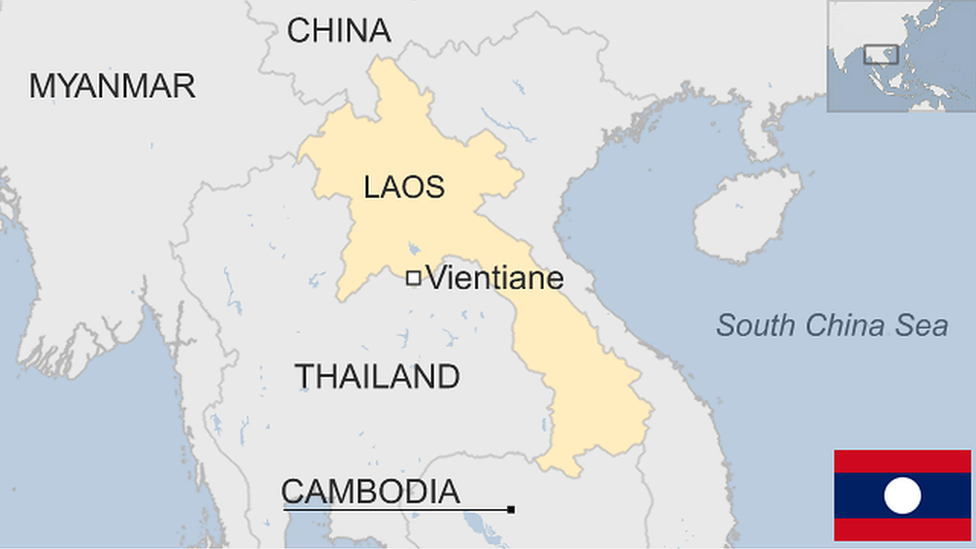
Laos has unveiled an ambitious plan to transform itself into a central hub for gold trading and refining in Asia by 2030, spearheaded by the Lao Bullion Bank . This initiative aims to bolster the nation’s financial stability and elevate its standing in the global precious metals market.

At a strategic meeting held on 2 May, LBB’s Chief Executive Officer, Chanthone Sitthixay, detailed the bank’s vision to establish Laos as a leader in the precious metals sector. The plan encompasses the development of comprehensive gold trading platforms, refining capabilities, and secure storage solutions, aligning with international standards to attract both regional and global investors.

The Lao Bullion Bank, officially launched in December 2024, represents a significant step in the country’s economic strategy. The bank’s establishment is a collaborative effort between the Lao government and PTL Holding, with the government holding a 25% stake and PTL Holding owning the remaining 75%. This partnership underscores a commitment to enhancing the nation’s gold reserves and stabilising the local currency, the Kip.

Since its inception, LBB has introduced various services, including gold deposit accounts, loans backed by gold collateral, and gold vending machines. These offerings aim to integrate gold more deeply into the financial system, providing citizens with alternative investment options and contributing to economic resilience.

To strengthen its position in the regional market, LBB has entered into strategic partnerships with key industry players. In October 2024, the bank signed a Memorandum of Understanding with the Singapore Bullion Market Association , focusing on knowledge exchange and regulatory collaboration to enhance Laos’s bullion market infrastructure. Additionally, a partnership with StoneX APAC was established to leverage technological expertise and develop new financial products tailored to the precious metals sector.

In March 2025, LBB further expanded its network by partnering with Samlane Jewelry, a prominent local gold retailer. This collaboration aims to standardise gold trading practices within the country and facilitate smoother transactions for investors and consumers. As part of this initiative, a promotional campaign was launched, offering incentives to customers who deposit gold with the bank, thereby encouraging public participation in the formal gold market.

The bank’s efforts are also directed towards refining unmined gold ores, transforming them into valuable assets that can contribute to the national budget and reserves. By doing so, Laos seeks to maximise the value derived from its natural resources, ensuring sustainable economic growth and financial independence.

LBB’s establishment and its subsequent initiatives reflect a broader governmental strategy to integrate Laos more fully into the global financial system. By positioning itself as a central player in the precious metals market, Laos aims to attract foreign investment, enhance its economic stability, and offer its citizens diversified financial services.

A significant cybersecurity breach has compromised the LockBit ransomware syndicate, exposing nearly 60,000 Bitcoin addresses and a trove of internal data, including affiliate credentials. This development marks a pivotal moment in the ongoing efforts to dismantle one of the most prolific cybercriminal networks operating globally.

The breach, orchestrated by an international coalition of law enforcement agencies, has provided unprecedented insight into LockBit’s operations. Authorities now have access to a vast array of information detailing the group’s financial transactions, operational structures, and the identities of its affiliates. This intelligence is expected to significantly aid in the prosecution of individuals involved in the ransomware activities.

LockBit, known for its “ransomware-as-a-service” model, has been responsible for over 2,000 attacks worldwide, extorting more than $120 million from victims across various sectors, including healthcare, finance, and critical infrastructure. The group’s business model involved leasing its ransomware tools to affiliates, who would then carry out attacks and share a portion of the proceeds with the core group.

The exposed Bitcoin addresses reveal the extensive financial network underpinning LockBit’s operations. Analysis of these wallets indicates that the group had amassed over $110 million in unspent cryptocurrency, highlighting the scale of their illicit earnings. The transparency afforded by blockchain technology has enabled investigators to trace these funds, potentially leading to further asset seizures and the identification of additional perpetrators.

The breach also uncovered detailed records of LockBit’s internal communications and operational protocols. This information sheds light on the group’s recruitment strategies, target selection processes, and the methods employed to launder ransom payments. Notably, the data suggests that LockBit maintained a hierarchical structure, with a core leadership team overseeing a decentralized network of affiliates.

In response to the breach, several countries have imposed sanctions on key figures associated with LockBit. These measures include asset freezes and travel bans, aimed at disrupting the group’s activities and deterring future cybercriminal endeavors. The sanctions underscore the international community’s commitment to combating ransomware threats and holding perpetrators accountable.

Leaders of the Group of Seven nations are set to address the escalating threat of North Korea’s cryptocurrency-fueled cybercrime at their upcoming summit in Alberta, Canada. The agenda reflects growing international concern over Pyongyang’s use of digital asset theft to circumvent sanctions and finance its weapons programmes.

North Korea has emerged as a dominant force in global cybercrime, with its state-sponsored hacking groups, notably the Lazarus Group and TraderTraitor, orchestrating sophisticated attacks on cryptocurrency platforms. In 2024 alone, these groups were responsible for stealing over $1.3 billion in digital assets, accounting for approximately 61% of the total crypto thefts that year. Such activities have significantly bolstered North Korea’s foreign currency reserves, with cyberattacks reportedly generating up to 50% of the country’s foreign exchange earnings.

One of the most significant incidents attributed to North Korean hackers was the $1.5 billion theft from the Dubai-based cryptocurrency exchange Bybit in early 2025. The attackers employed malware-laden trading applications to infiltrate the platform, subsequently laundering the stolen funds through a complex network of blockchain transactions. This breach not only marked the largest crypto heist to date but also underscored the regime’s advanced cyber capabilities.

Beyond large-scale exchange hacks, North Korean cybercriminals have diversified their tactics to include social engineering schemes. The “pig butchering” scam, for instance, involves operatives establishing fake online relationships to manipulate victims into investing in fraudulent cryptocurrency ventures. Such schemes have defrauded individuals, particularly retirees, of billions of dollars, further fueling Pyongyang’s illicit revenue streams.

The international community has responded with a series of sanctions and regulatory measures aimed at curbing North Korea’s cyber activities. In May 2025, the U.S. Treasury’s Financial Crimes Enforcement Network proposed banning Cambodia-based financial firm Huione Group from accessing the U.S. financial system. Huione is accused of laundering at least $4 billion in illicit funds, including $73 million in cryptocurrency linked to North Korean cyber heists. Similarly, South Korea imposed sanctions on 15 North Korean individuals involved in cyber theft and crypto heists, targeting their overseas operations that funnel funds back to Pyongyang’s weapons development programmes.

Despite these efforts, North Korea continues to refine its cyber strategies. The regime has reportedly infiltrated foreign companies by deploying operatives posing as freelance IT workers, thereby gaining access to sensitive systems and facilitating further cyberattacks. Such tactics not only enhance the regime’s ability to steal digital assets but also pose significant risks to global cybersecurity.

Berkshire Hathaway has amassed a record $347.7 billion in cash reserves, marking a significant milestone as Warren Buffett prepares to retire by the end of 2025. The conglomerate’s substantial cash position reflects a cautious investment approach amid global economic uncertainties and a perceived lack of attractive acquisition opportunities. Buffett, who has led Berkshire for over six decades, announced his retirement plans at the company’s annual shareholder meeting […]

By Saifur Rahman The Emirates Group reported an 18 percent growth in profit before tax exceeding US$6.2 billion (Dh22.7 billion) – a new record – in the financial year 2024-25. This is the first financial year that the UAE corporate tax, enacted in 2023, is applied to the Emirates Group. After accounting for the 9 percent tax charge, the Group’s profit after tax reached US$5.6 billion (Dh20.5 […]

Stripe has unveiled stablecoin-powered financial accounts for businesses in 101 countries, enabling users to hold, send, and receive US dollar-pegged digital currencies. This development aims to provide a stable financial infrastructure in regions with volatile currencies and limited banking access.

The new accounts support Circle’s USD Coin and Bridge’s USDB, allowing businesses to manage balances similarly to traditional fiat bank accounts. Stripe’s acquisition of the Bridge platform in October 2024 facilitated this integration, enhancing its capabilities in the stablecoin sector.

These accounts are accessible to businesses in countries including Argentina, Chile, Turkey, Colombia, and Peru, where stablecoins are increasingly utilized as a store of value amid high inflation and capital controls. By offering a secure and efficient means of transacting in US dollar-backed digital currencies, Stripe seeks to empower entrepreneurs and companies in emerging markets.

In addition to stablecoin accounts, Stripe has introduced an AI foundation model for payments, trained on billions of transactions to improve fraud detection and authorization rates. This model has demonstrated a significant increase in the detection of card testing attacks, enhancing the security of Stripe’s payment processing services.

Stripe’s partnership with Visa further extends the utility of stablecoins. Through this collaboration, businesses can issue Visa cards linked to stablecoin wallets, enabling users to make purchases at any merchant that accepts Visa. Bridge manages the backend processes, converting stablecoin balances into local currencies during transactions.

US regulators have opened a new chapter in cryptocurrency regulation, allowing national banks and federal savings associations to engage with digital assets. The move, led by the Office of the Comptroller of the Currency , authorises banks to facilitate cryptocurrency transactions and offer custodial services for crypto assets at their clients’ request. This decision signifies a crucial shift in how traditional financial institutions handle digital currencies and their increasing role in mainstream financial operations.

The OCC’s approval comes after considerable deliberation on the evolving nature of cryptocurrency in the financial ecosystem. With cryptocurrencies now embedded in many aspects of commerce and investment, the regulator’s stance reflects an effort to balance innovation with security. Banks will now be able to buy, sell, and trade cryptocurrencies like Bitcoin and Ethereum, following client requests. This broadens their service offerings and integrates digital currencies into their broader financial products, which can include savings accounts, mortgages, and more.

Banks are also authorised to provide custodial services for digital assets. This means they can store cryptocurrencies on behalf of their clients, ensuring both security and compliance with existing regulatory frameworks. Given the rising demand for secure storage options due to the high value and volatility of cryptocurrencies, this step offers a vital service for both individual and institutional investors.

The OCC also permits banks to outsource certain functions tied to cryptocurrency transactions, such as trading, accounting, and taxation, to third-party providers. However, this outsourcing is subject to stringent risk controls. Banks must ensure that any third-party service providers are vetted thoroughly to safeguard customer funds and data. This measure aims to mitigate risks associated with cryptocurrency’s unpredictable market fluctuations and the increasing occurrence of cyber threats targeting digital assets.

While the new guidelines aim to bolster the legitimacy of cryptocurrencies within the traditional banking sector, they also bring to light various risks that come with such integration. Experts caution that the fast-moving nature of the cryptocurrency market means that banks must maintain a proactive approach to risk management. The volatility and lack of uniform regulatory oversight on digital assets have raised concerns among some financial analysts, who argue that further regulations may be necessary to protect both investors and the financial system at large.

Despite these concerns, the move has been welcomed by several key players in the financial sector, including major banks looking to diversify their offerings in response to the growing influence of cryptocurrencies. Bank executives have expressed confidence that the regulation will foster greater trust among consumers who are hesitant about engaging with digital currencies outside traditional financial institutions. Some argue that the entry of established financial institutions will provide more stability to the crypto market, given the banks’ expertise in risk management and customer protection.

One of the significant advantages of this new policy is its potential to attract institutional investors. Many hedge funds, asset managers, and family offices have been cautious about direct investments in cryptocurrencies due to the lack of a secure, regulated framework. With banks now offering custodial services and transactional capabilities for cryptocurrencies, these investors may find it easier to enter the market.

The move could pave the way for more regulatory clarity around digital assets. The OCC’s decision positions the US as a leading authority on integrating cryptocurrencies into the financial mainstream, setting a precedent that may influence other countries. As digital currencies continue to blur the lines between traditional banking and fintech, regulatory bodies worldwide are closely monitoring the US’s stance to understand its broader implications.

As this development unfolds, the ongoing debate around cryptocurrency regulations will likely intensify. While some advocate for increased oversight to protect consumers and reduce systemic risks, others warn that excessive regulation could stifle innovation and deter investment. The decision by the OCC to empower banks to handle digital currencies highlights the importance of finding a balanced approach, one that allows for innovation while addressing the inherent risks of the crypto market.

The integration of cryptocurrencies into the banking system represents a significant shift in both sectors, but it is unlikely to be without challenges. Financial institutions will have to invest in robust security measures to safeguard digital assets against theft and fraud, while also ensuring compliance with anti-money laundering and know-your-customer regulations. The complexity of cryptocurrency markets also means that banks will need to enhance their internal expertise in blockchain technologies and digital asset management.

The UAE’s blockchain market is expected to experience robust growth, with a compound annual growth rate of approximately 42% from 2025 to 2030. This surge is being driven by strategic government initiatives aimed at harnessing the potential of blockchain technology, positioning the UAE as a global leader in the sector.

The Emirates Blockchain Strategy 2021, alongside the Dubai Blockchain Strategy, has been a key factor in propelling the country’s blockchain ambitions. The UAE government aims to transform Dubai into the first city fully powered by blockchain technology, establishing the city as a central hub for digital innovation. The National Blockchain Strategy, launched to cover the period from 2021 to 2031, outlines a bold vision for the country, with a target to convert 50% of government transactions into blockchain-based systems. This initiative is set to fundamentally reshape the public sector, enhancing transparency, efficiency, and security in governmental operations.

At the heart of this growth is a clear government-driven commitment to blockchain, which has fostered a conducive environment for both local and foreign investors. By encouraging blockchain adoption across various sectors, the UAE has attracted substantial interest from international businesses seeking to tap into this emerging market.

Blockchain’s applications in sectors beyond government administration, such as finance, healthcare, and logistics, are seeing increased adoption across the UAE. The integration of blockchain into these industries promises to revolutionise processes, particularly in terms of data security and automation.

The rise in interest surrounding digital assets, especially cryptocurrencies such as Bitcoin and Ethereum, has further bolstered blockchain’s relevance in the UAE. As a growing hub for cryptocurrency, the UAE’s regulatory bodies have facilitated the establishment of secure environments where blockchain-powered digital assets can thrive. The Abu Dhabi Global Market and Dubai Multi Commodities Centre have set high standards for crypto businesses, ensuring that these ventures operate within a structured, regulated framework. This regulatory clarity has positioned the UAE as a safe and attractive destination for cryptocurrency investors and entrepreneurs.

The surge in blockchain-related developments has also had a ripple effect on startup ecosystems in the UAE. Many tech startups are focusing on blockchain innovations, tapping into the opportunities offered by a market eager for cutting-edge technology solutions. The government has offered various incentives to these startups, making it easier for entrepreneurs to develop and launch blockchain solutions across different industries. This includes support for research and development, tax incentives, and access to venture capital funding.

International investors have also shown significant interest in the UAE’s blockchain market. The country’s stable regulatory environment, coupled with its proactive stance on blockchain integration, makes it an attractive destination for global investors seeking exposure to the digital economy. The UAE’s financial and regulatory bodies, such as the UAE Central Bank, have been instrumental in ensuring that blockchain technologies are seamlessly integrated into existing financial infrastructure, laying the groundwork for future innovations in digital banking and transactions.

The UAE’s focus on blockchain adoption has resulted in collaborations with global technology giants. International companies, especially those from the fintech and tech sectors, are increasingly establishing a presence in the UAE, taking advantage of the region’s favourable business environment. These collaborations are not only elevating the UAE’s technological landscape but also contributing to the global development of blockchain technology.

One of the UAE’s strategic advantages is its ability to position itself as a gateway for the Middle East, Africa, and Asia in terms of blockchain technology. The country’s well-established infrastructure, highly developed financial services industry, and strong governmental support provide an ideal backdrop for the scaling of blockchain-related businesses and projects.

In addition, the UAE is committed to building a strong talent pool in blockchain technology. With the rapid rise of blockchain across industries, there has been a growing demand for professionals with expertise in blockchain development, smart contracts, and digital asset management. The UAE has introduced various educational initiatives to address this demand, including partnerships with international universities and the establishment of blockchain-focused training programmes.

Despite the promising outlook, the UAE’s blockchain market faces challenges, including the need for continuous technological innovation and regulatory adaptation to keep pace with the rapidly evolving sector. The country will need to ensure that its legal and financial infrastructure remains flexible and dynamic, catering to the needs of blockchain developers, crypto investors, and businesses seeking to integrate blockchain into their operations.

The adoption of blockchain technology across various sectors will require overcoming cultural and institutional resistance. Although the government has made significant strides in promoting blockchain, further education and awareness campaigns may be needed to ensure that blockchain’s potential is fully realised across all industries.

Datadog, a prominent provider of cloud application monitoring and security solutions, has acquired Eppo, a San Francisco-based startup specialising in feature flagging and experimentation platforms. This strategic move aims to enhance Datadog’s product analytics and AI-driven experimentation offerings. The acquisition aligns with Datadog’s broader strategy to bolster its AI and analytics capabilities. The company has experienced a 25% year-over-year increase in first-quarter revenue, reaching $761.6 million. This […]

HONG KONG SAR – Media OutReach Newswire – 7 May 2025 – Chubb Life Hong Kong today announced the launch of Health Up Insurance Plan (Health Up), a digital insurance plan aimed at promoting and facilitating well-being practices for individuals wishing to achieve a healthier lifestyle. Belinda Au(middle), Mercedes Ho (Right), with Health Up Partners Health Up is designed to offer term life coverage and accidental death […]

Bitcoin outpaced both gold and the S&P 500 in April 2025, surging over 30% to approach $97,200 by month’s end. This performance underscores the cryptocurrency’s growing appeal among institutional investors and its increasing alignment with traditional financial markets.

The rally followed a volatile start to the month, with Bitcoin dipping below $75,000 before rebounding sharply. Analysts attribute this resilience to heightened institutional adoption, bolstered by the proliferation of spot Bitcoin exchange-traded funds and strategic government initiatives. Notably, the United States’ establishment of a Strategic Bitcoin Reserve in March 2025 signaled a significant policy shift, aiming to position Bitcoin alongside traditional reserve assets.

Institutional interest has been further evidenced by major financial entities integrating Bitcoin into their portfolios. BlackRock’s iShares Bitcoin Trust ETF, for instance, has been incorporated into its $150 billion model-portfolio universe, allocating 1% to 2% to Bitcoin. Such moves reflect a broader trend of mainstream financial institutions embracing cryptocurrency as a legitimate asset class.

The correlation between Bitcoin and the S&P 500 has intensified, with recent analyses indicating a peak correlation coefficient of 0.87 in 2024. This suggests that Bitcoin is increasingly behaving like a leveraged version of traditional equity indices, offering amplified returns during market upswings. In 2024, while the S&P 500 rose by 24%, Bitcoin surged by 135%, highlighting its potential for higher alpha in bullish markets.

However, this amplified behavior also implies greater volatility. During market downturns, Bitcoin’s losses can be more pronounced, as evidenced in 2022 when the S&P 500 declined by 19% and Bitcoin plummeted by 65%. Investors are advised to consider this dynamic when incorporating Bitcoin into diversified portfolios.

The U.S. Federal Reserve’s decision to maintain interest rates at 4.25%-4.5% amid economic uncertainties, including a 0.3% GDP contraction in the first quarter, has also influenced market dynamics. Despite these challenges, Bitcoin’s performance suggests a decoupling from traditional economic indicators, driven by its unique supply dynamics and growing institutional demand.

Looking ahead, projections for Bitcoin’s price vary. Standard Chartered anticipates Bitcoin reaching close to $200,000 by the end of 2025, citing parallels with gold’s historic ETF-driven price surge. Similarly, AllianceBernstein forecasts a rise to $200,000 by September 2025, attributing this to increased institutional adoption and the effects of the 2024 Bitcoin halving event. Conversely, analysts at Blockware Solutions present a more conservative base case of $225,000, contingent on favorable macroeconomic conditions and continued corporate adoption.

The global landscape is also shifting, with several U.S. states, including Oklahoma, Texas, Arizona, and Utah, passing laws recognizing Bitcoin as a strategic asset for their state treasuries. Internationally, countries like Japan and Argentina are exploring the integration of Bitcoin into their financial systems, further legitimizing its role on the global stage.

South Korea’s presidential frontrunner, Lee Jae-myung, has vowed to support the approval of spot cryptocurrency exchange-traded funds and introduce measures to ensure a safer investment environment for digital assets. His proposal has stirred significant interest in the rapidly evolving sector, especially as South Korea positions itself as a key player in the global cryptocurrency market.

Lee’s pledge is seen as a critical move to modernise South Korea’s financial system, fostering an environment that encourages crypto investments while also ensuring investor protection. The commitment comes as cryptocurrencies continue to gain mainstream attention, with both retail and institutional investors looking for more secure avenues to enter the market.

Lee, who is leading the polls ahead of the June 3 election, has garnered widespread support from the financial community, with many industry experts viewing his stance as a positive step towards broader acceptance of digital assets. His proposal, which includes measures for transparency and better regulatory oversight, aims to balance innovation with safety in a market that has often been fraught with volatility and high-profile scandals.

As part of his plan, Lee has also indicated that his administration would work closely with South Korea’s financial regulators, including the Financial Services Commission , to facilitate the approval process for spot crypto ETFs. This would allow South Korean investors to trade cryptocurrencies in a more structured, regulated manner, mitigating some of the risks associated with direct crypto trading.

The announcement comes at a time when cryptocurrencies are experiencing increased scrutiny globally, with governments and regulators seeking to address concerns over money laundering, fraud, and market manipulation. South Korea’s move to approve crypto ETFs could set a new precedent in Asia, where countries like China have imposed stringent restrictions on crypto trading. In contrast, South Korea has been more open to digital assets, and Lee’s policy is expected to bolster the country’s reputation as a regional crypto hub.

The policy proposal is part of a broader financial strategy by Lee Jae-myung to modernise South Korea’s economy. His platform focuses on technological innovation and regulatory reform, ensuring that the country remains competitive in the global digital economy. By endorsing crypto ETFs, Lee seeks to tap into the growing demand for cryptocurrency investments while providing a more secure framework for both retail and institutional investors.

In response to Lee’s proposal, South Korea’s Financial Services Commission has expressed its support for the initiative. A representative from the FSC highlighted that the commission is already preparing to work with the next administration to establish a clear regulatory framework for spot crypto ETFs. This collaboration would aim to address potential risks associated with crypto investments and provide a safer market environment for investors.

The FSC has previously introduced regulatory measures to curb illegal activities in the crypto space, such as requirements for cryptocurrency exchanges to comply with anti-money laundering and know-your-customer regulations. However, the approval of spot crypto ETFs would represent a significant shift in policy, making South Korea one of the few countries in Asia to offer such products to the public.

As part of his strategy, Lee Jae-myung has also emphasised the need for robust monitoring systems to prevent fraudulent activities and ensure that investors are not exposed to excessive risks. His proposal includes the establishment of dedicated bodies to oversee crypto transactions and exchanges, as well as systems to track suspicious activities in real time. These measures would provide investors with greater confidence in the market, which has often been plagued by scams and sudden price swings.

The approval of spot crypto ETFs would mark a significant milestone for the South Korean market, which has seen a surge in interest from both domestic and international investors in recent years. The country’s position as a technological leader in the digital space has made it an attractive market for crypto projects, and Lee’s policy could serve to further solidify its standing as a global hub for cryptocurrency innovation.

Lee’s platform has resonated with a broad cross-section of South Korea’s electorate, particularly younger voters who are more likely to view cryptocurrencies as a promising investment. The promise of clearer regulations and safer investment options has generated excitement within the industry, with many stakeholders hoping that the new administration will provide the leadership needed to navigate the challenges posed by the crypto market.

However, the proposal is not without its critics. Some experts have raised concerns that South Korea may be moving too quickly to embrace cryptocurrencies, given the inherent risks involved in trading such volatile assets. These critics argue that while regulatory frameworks are necessary, they should be introduced with caution to avoid exposing investors to significant financial harm. Despite these reservations, the broader consensus within the financial community seems to favour Lee’s approach, viewing it as a necessary step toward aligning South Korea’s regulatory environment with the evolving global crypto landscape.

VISHNU RAJA
RYO YAMADA
HITORI GOTOH
IKUYO KITA