Adani Enterprises has expanded its qualified institutional placement to ₹150 billion after demand from large investors exceeded the original ₹100 billion target, giving Gautam Adani’s flagship company a sizeable pool of equity capital for its next phase of infrastructure and industrial expansion.
The share sale, opened to institutional investors this week, drew bids of about ₹380 billion, or roughly 3.8 times the base offer. The indicative price was set at ₹2,883 a share, below the regulatory floor price of ₹3,034.68 and at a discount to the stock’s previous close, reflecting the typical pricing structure used to secure large-block institutional participation.
The enlarged issue marks one of Adani Enterprises’ biggest equity-raising exercises since the group was hit by a market rout in 2023 following allegations by US short-seller Hindenburg Research. The conglomerate denied wrongdoing, and group companies have since rebuilt access to capital through a mix of equity, debt, asset recycling and strategic partnerships.
The strong response to the placement signals that institutional investors are again willing to back the group’s growth strategy, even as they continue to price in governance, leverage and execution risks. The investor book included global funds and domestic asset managers, with demand high enough for the company to lift the deal size by 50 per cent.
Adani Enterprises is the incubator of the group’s newer businesses. Its portfolio spans airports, roads, data centres, green hydrogen, mining services, defence, solar manufacturing and other infrastructure-linked ventures. The company has been central to the group’s plan to build large operating platforms before eventually listing or separating mature units.
The latest fundraising comes as the group accelerates capital spending across transport, energy transition and materials. Its airports business operates eight airports and is preparing for the opening of Navi Mumbai International Airport, a project expected to strengthen the group’s presence in aviation infrastructure. Data centres and green hydrogen remain capital-intensive bets that require long gestation funding and steady access to institutional capital.
The timing also follows Adani Enterprises’ rights issue of about ₹250 billion completed in late 2025, which was oversubscribed. That offer was used to support capital expenditure, debt repayment and shareholder loan obligations. The new placement gives the company additional flexibility at a time when infrastructure companies are competing for long-duration capital amid rising demand for logistics, power, digital infrastructure and manufacturing capacity.
The share sale is also significant because it reduces reliance on borrowings for the next leg of expansion. Equity funding can ease pressure on balance sheets and improve investor perception of leverage, particularly for companies pursuing several projects at once. At the same time, the discounted pricing means some dilution for existing shareholders, a common trade-off in large institutional placements.
Market reaction was measured. Adani Enterprises shares initially faced pressure after pricing details emerged but later stabilised, suggesting investors had largely anticipated a discount. The stock has recovered substantially from its 2023 lows, though it remains closely watched because of the group’s debt profile, promoter holdings and regulatory scrutiny around past allegations.
The company’s investment cycle has broadened further with plans linked to a major aluminium project in Odisha in partnership with Abu Dhabi’s International Holding Company. The proposed project, valued at about $11.5 billion, is expected to include bauxite mining, alumina refining, aluminium smelting and downstream capacity. The partnership underscores the group’s continuing effort to deepen industrial manufacturing alongside infrastructure.
IHC has been a notable backer of the group through periods of market volatility. Its involvement provides strategic weight to Adani’s expansion into metals, a sector that requires heavy upfront investment, access to raw materials, power security and strong execution discipline. Aluminium demand is being driven by transport, packaging, power transmission, construction and renewable energy infrastructure.
Adani Enterprises’ fundraising also fits a broader trend across the equity market, where companies have used qualified institutional placements to raise growth capital while valuations remain supportive. QIPs allow listed companies to place shares with large investors without the longer timelines associated with some other public offerings. For issuers, the format is faster; for institutions, it provides access to sizeable allocations in liquid companies.
Germany have opened talks with Jürgen Klopp after Julian Nagelsmann left the national coaching job following the team’s World Cup exit to Paraguay, setting up a possible high-profile return to the dugout for one of the country’s most successful modern managers. The German Football Association confirmed Nagelsmann’s departure with immediate effect after the national side’s elimination in the last 32 of the 2026 FIFA World Cup in […]
Arabian Post Staff -Dubai Abu Dhabi’s e& Carrier & Wholesale Services has signed a strategic partnership with Lenovo Connect to deliver global connectivity for electric vehicles, connected cars and industrial IoT systems, strengthening its push into cross-border digital infrastructure as mobility platforms demand faster, safer and more compliant data services. The agreement brings together e&’s international network reach, 5G capabilities and regulatory experience with Lenovo Connect’s IoT […]
By R. Suryamurthy Every war leaves behind shattered cities, broken societies and grieving families. But some wars destroy something less visible yet infinitely more consequential: faith in the institutions created to prevent humanity from repeating history’s darkest chapters. The latest report of the United Nations Independent International Commission of Inquiry on Israel and the Occupied […]
PureHealth’s insurance arm, The National Insurance Company – Daman, has secured an A1 Insurance Financial Strength Rating from Moody’s Ratings with a stable outlook, marking a major credit milestone for Abu Dhabi’s expanding healthcare and insurance platform. The rating is the highest Insurance Financial Strength Rating assigned by Moody’s to a UAE insurer and the highest across the GCC among life, property and casualty, and reinsurance companies. […]
Dubai’s off-plan office market surged to a record AED13.1 billion in the first half of 2026, surpassing the combined value of transactions recorded across the previous seven years and signalling a decisive shift in the emirate’s commercial property cycle. Developers sold 1,668 off-plan office units between January and June, compared with AED5.48 billion generated from 1,821 transactions between 2019 and 2025. The jump reflects a sharp acceleration […]
SHENZHEN, CHINA – Media OutReach Newswire – 3 July 2026 – The automotive aftermarket faces a technician shortage: only one candidate exists for every four open roles. Today, THINKCAR unveiled Tyler, the industry’s first AI Diagnostic Agent, at its 2026 Global Distributors Conference in Shenzhen, with hundreds of distributors from 30+ countries gathered under the theme “Igniting the Era of AI Diagnostic Agents — AI That Knows. AI That Acts.”
Tyler is an AI Diagnostic Agent that perceives, reasons, acts, and learns with every session. It runs a full diagnostic workflow — from fault capture to repair plan — and predicts future failures before warning lights turn on. The technician keeps working. Tyler handles the rest. Related Tyler videos:
Built on THINKCAR’s proprietary ThinkLLM, Tyler delivers answers in seconds, backed by 2.4M users, 400K+ daily sessions, and 140+ AI patents.
“Empowering every vehicle, that is the promise of a whole life. The independent repair shop deserves the best tools in the world,” said Ben Tan, Chairman of THINKCAR.
“Tyler does not replace your technicians. It replaces the tools that waste their time,” said Peter, VP of THINKCAR’s Diagnosis Business Center.
Tyler Ships Today. More Products Announced.
The THINKTOOL 394 AI ships with Tyler onboard. Dedicated AI Agent series will follow.
Alongside Tyler, THINKCAR announced:
T394 IMMO — Immobilizer diagnostics
T391 & T391 EV — Next-gen platform with EV capabilities
TPMS Tools — Tire pressure monitoring
Garage Equipment — Expanded maintenance line
Partnership with Solera AutoData THINKCAR integrated 375,000+ Solera AutoData repair procedures covering 99% of models into Tyler’s workflow.
Conference by the Numbers Hundreds of distributors from 30+ countries 30 awards across 4 categories: Diamond, Excellent, Outstanding, THINKCAR Star
day program (June 24-27)
Availability Tyler is available today on THINKTOOL 394 AI. 10-inch series (399, 394 IMMO, T391, T391 EV) expands late 2026. You wrench. Tyler handles the rest. Diagnostics. Assessment. Parts. Prediction. The End-to-end Expert.
The issuer is solely responsible for the content of this announcement.
About THINKCAR
THINKCAR is a leading AI-powered automotive diagnostic provider serving 2.4 million users across 215 countries, with products spanning 8 categories including diagnostic tools, TPMS, ADAS calibration, EV diagnostics, and remote service platforms.
Transaction Valued at $122.5M Establishes 20,000-Liter US Biologics Drug Substance Manufacturing Platform, Covering Development through Commercial Supply
TAIPEI, TAIWAN – Media OutReach Newswire – 2 July 2026 – Bora Pharmaceuticals Co., Ltd. (“Bora” or “Bora Group”; TWSE: 6472; OTCQX: BORAY) today announced the completion of its acquisition of the GMP manufacturing operations of MacroGenics, Inc. (NASDAQ: MGNX) including its biologics drug substance facility in Rockville, Maryland and an associated warehousing center in Frederick, Maryland, for total consideration of US $122.5 million through its wholly owned subsidiary Bora Biologics USA, LLC.. Upon closing, Bora signed a long-term CDMO Service Agreement with MacroGenics.
With the close of the transaction, Bora Group’s biologics CDMO franchise, Bora Biologics, now operates 20,000 liters of single-use bioreactor (SUB) drug substance manufacturing capacity across two active US sites: Rockville, Maryland and San Diego, California, and one development facility in Zhubei, Taiwan.
“This acquisition establishes a US biologics manufacturing platform that sponsors can depend on, from development through licensed commercial supply,” said Bobby Sheng, Chairman and CEO of Bora Group. “As regulatory and supply chain dynamics continue to evolve, we expect biotech and pharmaceutical companies to increasingly seek manufacturing partners with US-based, inspection-proven infrastructure. Bora Biologics is designed to meet that need, offering a fully integrated, end-to-end biologics platform spanning drug substance and drug product capabilities.”
With the addition of the Rockville facility, Bora Biologics supports more than 4 active commercial programs, with more than 120 completed GMP batches and supply into multiple global markets including the US, EU, Japan, Canada and the UK with fully integrated QC and analytical capabilities.
Across its US network, Bora Biologics has completed five FDA inspections, including two at Rockville and one PMDA review in 2025, with clean results at both sites. The combined platform has supported more than 33 biologics and 15 biosimilars, establishing a manufacturing base for biotech and pharmaceutical companies with reduced offshore dependency and domestically anchored infrastructure.
Bora Group intends to integrate its US drug substance (DS) capabilities with its existing sterile drug product (DP) capabilities over the next 12 to 18 months, offering a seamless, fully integrated development-through-commercial biologics solution.
Hashtag: #BoraPharmaceuticals
The issuer is solely responsible for the content of this announcement.
About Bora
Founded in 2007, Bora Pharmaceuticals (“Bora” or “the Company”, 6472.TW and BORAY.OTCQX) is a leading pharmaceutical services company with a vision and goal of “Contributing to Better Health All Over the World”. Operating under a “Dual Engine” model that integrates CDMO and commercial expertise, we empower pharmaceutical and biotech partners to optimize product development, accelerate launches, and scale supply to meet global patient needs. At the same time, we actively broaden R&D and sales infrastructure, focusing on niche and rare disease markets to improve patients’ quality of life.
By investing in talent, infrastructure, and biologics expansion, Bora continues to transform operations and achieve sustainable growth. Committed to making success “certain,” Bora sets new standards in the pharmaceutical and CDMO industries.
Disclaimer: This document and the accompanying information may contain forward-looking statements. All statements regarding the company’s future business operations, potential events, and prospects (including but not limited to forecasts, targets, estimates, and operational plans) are considered forward-looking statements unless they refer to factual occurrences. Forward-looking statements are subject to various factors and uncertainties that may cause significant differences from actual results, including but not limited to price fluctuations, actual demand, exchange rate variations, market share, competitive conditions, changes in the legal, financial, and regulatory framework, international economic and financial market conditions, political risks, cost estimates, and other risks and variables beyond the company’s control. These forward-looking statements are based on current predictions and assessments, and the company disclaims any responsibility for future updates.
Singapore-based companies have committed more than S$5.5 billion in Johor since the JS-SEZ memorandum of understanding, while IMFC-J reported 1,000 enquiries linked to RM73 billion in potential investment in March 2026.
JOHOR, MALAYSIA – Media OutReach Newswire – 2 July 2026 – Forest City Special Financial Zone (Forest City SFZ) today issued a progress update on the Johor-Singapore Special Economic Zone (JS-SEZ), pointing to early implementation milestones in investment facilitation, financial-services incentives and cross-border connectivity.
Forest City, Johor
The JS-SEZ agreement, signed on 7 January 2025, covers approximately 3,588 square kilometres across southern Johor. It comprises nine flagship areas and targets investment in 11 sectors, including manufacturing, logistics, financial services, the digital economy, tourism, education, healthcare and the green economy. Forest City is the designated financial-services flagship within the framework.
“The JS-SEZ has moved beyond framework design and into early-stage execution. Forest City has a defined role in financial services and family-office activity, while the wider zone is building a pipeline across multiple industries,” a Forest City SFZ spokesperson said.
Investment pipeline builds across the JS-SEZ
Singapore’s Ministry of Trade and Industry said Singapore-based companies had committed more than S$5.5 billion in investments into Johor since the JS-SEZ memorandum of understanding was signed in January 2024. The figure was highlighted at the second JS-SEZ Joint Investment Forum in Singapore in October 2025.
On the Malaysian side, the Invest Malaysia Facilitation Centre Johor (IMFC-J) reported in March 2026 that it had received 1,000 investor enquiries and was facilitating RM73 billion in potential investment.
IMFC-J is a joint federal-state one-stop centre led by the Iskandar Regional Development Authority, Invest Johor and the Malaysian Investment Development Authority.
The figures represent investment commitments and potential project value rather than fully realised capital expenditure, but provide an early measure of the commercial pipeline forming around the economic corridor.
Forest City builds financial-services proposition
Malaysia announced the Forest City SFZ incentive package in September 2024, followed by the gazettement of the Single Family Office (SFO) tax rules in October 2025. Under the scheme, a qualifying SFO vehicle may receive a 0% tax rate on eligible investment income for an initial 10-year period, with a possible extension for a further 10 years, subject to asset, local investment, staffing and operating-expenditure requirements.
The initial phase requires at least RM30 million in assets under management. The wider Forest City incentive framework also includes a 5% corporate tax rate for qualifying global-services and selected relocation activities, while eligible knowledge workers in the JS-SEZ may qualify for a 15% personal income tax rate, subject to prevailing rules and approvals.
According to Forest City data, nine family offices had received approvals under the scheme by June 2026. The Securities Commission Malaysia had previously reported more than 30 expressions of interest and has set a target of RM2 billion in SFO assets under management by the end of 2026.
Separately, Forest City said 593 applicants were approved for the SFZ category of the Malaysia My Second Home programme between 1 October 2024 and 31 March 2026, indicating demand from investors, professionals and long-stay residents alongside the financial-services push.
Cross-border measures support the dual-market model
The JS-SEZ framework is intended to combine Johor’s land, industrial capacity and cost base with Singapore’s capital, connectivity and business ecosystem. Measures under the bilateral framework include investor facilitation, automated immigration channels, paperless goods clearance and improved transport links.
Singapore has rolled out QR-code immigration clearance across travel modes at the Woodlands and Tuas checkpoints. Travellers should continue to carry their passports, which may still be required for verification and for clearance at the Malaysian border.
The Johor Bahru-Singapore Rapid Transit System Link is targeted to begin passenger service by the end of 2026. The four-kilometre line will connect Bukit Chagar and Woodlands North in about five minutes and is designed to carry up to 10,000 passengers per hour in each direction during peak periods.
Execution and conversion remain the next test
The World Bank projects Malaysia’s economy to expand by 4.4% in 2026, supported by domestic demand, while warning that trade restrictions, global policy uncertainty and weaker external demand remain downside risks.
For the JS-SEZ, the next phase will be measured by the conversion of enquiries and commitments into approved projects, realised investment, skilled employment and operating businesses. Delivery of transport, utilities, talent development and regulatory coordination will also determine the pace at which companies adopt a cross-border operating model.
“The early indicators are encouraging, but the economic impact should be assessed over a multi-year horizon. The priority now is to convert the pipeline into sustainable business activity, jobs and a deeper professional-services ecosystem,” the spokesperson said.
Forest City SFZ said it will continue working with public agencies, financial institutions and professional-service providers to support family offices, international investors and companies evaluating Johor as part of their regional growth strategy.
Key figures
Indicator
Latest stated figure
JS-SEZ coverage
Approximately 3,588 km²; nine flagship areas; 11 priority sectors
Singapore-linked commitments
More than S$5.5 billion committed into Johor since January 2024
IMFC-J pipeline
1,000 enquiries; RM73 billion in potential investment as at March 2026
SFO incentive
0% on eligible investment income for 10 years, with a possible further 10 years
RTS Link
Targeted passenger service by end-2026; up to 10,000 passengers per hour per direction
Malaysia 2026 GDP outlook
4.4% growth forecast by the World Bank
Hashtag: #ForestCity
The issuer is solely responsible for the content of this announcement.
About Forest City Special Financial Zone
Located in Iskandar Puteri, Johor, Forest City Special Financial Zone (FCSFZ) is Malaysia’s pioneering special financial zone and the financial-services flagship within the Johor–Singapore Special Economic Zone. It is positioned to attract financial institutions, multinational corporations, high-net-worth individuals and businesses operating in wealth management, financial technology and global business services.
Its incentive framework includes a 0% income tax rate for qualifying Single Family Office Vehicles for up to 20 years, a preferential 5% corporate tax rate for approved qualifying activities, and a special 15% personal income tax rate for eligible knowledge workers, subject to the applicable conditions, regulatory approvals and prevailing legislation. Forest City also holds duty-free island status, further strengthening its appeal as a regional investment, business and wealth-management destination near Singapore.
BitAuto Malaysia Automotive Forum 2026 has ended in Kuala Lumpur with automakers, dealers, digital platforms and content creators positioning online engagement, localisation and electrification as the next drivers of Malaysia’s automotive growth.
The forum, held on June 30 at Sheraton Imperial Kuala Lumpur, marked BitAuto Malaysia’s first large-scale industry showcase. Hosted by BitAuto Tengyi Malaysia Sdn Bhd, the event brought together GWM Malaysia, Chery Corporate Malaysia, Proton New Energy, SGMW, JoyStar Dealer Group, TQ Wuling Manufacturing, Beritarian and representatives from Zeekr, Leapmotor, BMW, Toyota and 212 Motors.
The central theme, integration and symbiosis, reflected a market in transition. Malaysia’s automotive sector is moving from a phase led largely by model launches and pricing competition towards a broader contest over digital visibility, dealer conversion, charging access, after-sales confidence and community-led trust.
Li Wei, vice-president of Tengyi Technology and director of BitAuto Malaysia, said the company had chosen Malaysia as its flagship overseas hub because of the country’s steady vehicle demand, faster electrification, low but expanding EV penetration and policy support. BitAuto has built a 26-year presence in China’s automotive internet market through vertical auto media, mobility advertising, new media operations and AI technology.
BitAuto Malaysia is promoting Bitauto. my as a full-funnel automotive platform covering awareness, content nurturing and conversion. The platform lists more than 85 marques, 550 vehicle models and 1,300 variants, offering high-definition galleries, 360-degree VR viewing, multi-model comparison tools, pricing information and promotional data from authorised dealers.
The company is also building a trilingual content operation in Bahasa Malaysia, Mandarin and English, supported by more than 30 creators across automotive, technology, lifestyle and travel segments. Its dealer tools include membership services, livestream customer acquisition, WhatsApp lead distribution, merchant back-end management and performance advertising workflows.
The forum’s commercial importance is underscored by Malaysia’s shifting vehicle market. Total industry volume reached a record 820,752 units in 2025, the second straight year above 800,000 units, but 2026 sales are expected to soften to around 790,000 units as affordability pressures, higher operating costs and the end of tax exemptions for fully imported EVs weigh on demand.
Electrification remains the clearest growth pocket. Battery electric vehicle registrations more than doubled to 30,848 units in 2025, while combined EV and hybrid sales rose to 69,363 units. Fully imported EVs have been subject to import duty, excise duty and sales tax from January 2026, though locally assembled EV incentives remain in place until the end of 2027.
Proton’s EV assembly plant in Perak has added weight to Malaysia’s ambitions as a regional electric mobility hub. The facility has an initial annual capacity of 20,000 cars, with scope to rise to 45,000 units. Prime Minister Anwar Ibrahim has urged Geely to use the auto hub not only for vehicle production but also as a centre for training and education.
Chinese automakers are also deepening their regional strategies. Xpeng has been in negotiations with EP Manufacturing Bhd to begin EV production in Malaysia in 2026, while BYD has announced plans for an assembly plant in Perak and Leapmotor is preparing local assembly at Stellantis’ plant in Gurun, Kedah. These moves point to Malaysia’s growing role in right-hand-drive markets across ASEAN.
Panel discussions at the forum focused heavily on localisation. Michael Chew of Chery Malaysia said long-term market presence required a full local ecosystem covering manufacturing, supply chains and talent, rather than a reliance on imported vehicles. Oscar Wang of JoyStar Dealer Group described Malaysia as a mature replacement market where trade-in buyers increasingly seek differentiated driving experiences.
Fuel subsidy changes and concerns over petrol costs were cited as factors lifting interest in plug-in hybrids and hybrids. Speakers also said charging infrastructure remained a “chicken-and-egg” issue requiring coordination among automakers, dealers and public authorities.
The second major discussion turned to content and community. Speakers said buyers were responding less to technical claims alone and more to authenticity, ownership experience and creator credibility. Short videos were described as useful for initial discovery, while long-form reviews and offline car communities were seen as stronger tools for building brand loyalty.
Textile exporters have emerged as some of the strongest performers on Dalal Street this year, as investors price in improved access to the US and UK markets for suppliers of garments, towels, bed linen and home furnishings to global retailers including Walmart, Gap and JCPenney.
The rally has been led by export-heavy names such as Gokaldas Exports, KPR Mill, Welspun Living, Trident, Indo Count Industries and Pearl Global Industries, whose earnings prospects have brightened after tariff relief in key overseas markets. The sector has drawn renewed attention at a time when broader equities have faced bouts of volatility linked to global rates, trade uncertainty and uneven consumption trends.
The immediate trigger has been a series of trade developments that have altered expectations for the industry. A trade understanding with the US reduced tariffs on a range of goods, easing pressure on apparel exporters that had been absorbing costs to protect long-standing customer relationships. The India-UK Comprehensive Economic and Trade Agreement, due to take effect on July 15, is expected to remove tariffs of up to 12 per cent on textiles and clothing shipped to Britain.
That change is significant for companies competing against Bangladesh, Vietnam, Cambodia and China in price-sensitive categories. Apparel and home textile exports operate on thin margins, and even a modest tariff difference can influence sourcing decisions by large retailers. Zero-duty access to the UK strengthens the case for shifting more orders to factories with scale, compliance records and established relationships with global buyers.
Gokaldas Exports has become a focal point for the trade. The Bengaluru-based apparel exporter manufactures about 90 million garments a year and earns a large share of revenue from the US, while also serving markets such as Canada, the UK and France. Its customer base includes major retailers, making it one of the more direct beneficiaries of improved tariff conditions. The company’s fiscal 2025 revenue stood at about ₹38.64 billion, and management has indicated scope for margins to move into double digits as the benefit of lower duties flows through.
Welspun Living, one of the world’s largest home textile manufacturers, is another major beneficiary of the shift. Its presence in towels, sheets, rugs and other home products gives it exposure to large-format retail demand in North America and Europe. The company has also invested in traceability, sustainable cotton sourcing and branded offerings, areas increasingly monitored by overseas buyers under stricter compliance and environmental standards.
KPR Mill, with its integrated operations across yarn, fabric, garments and sugar, has attracted investor interest because of its operating scale and relatively strong balance sheet. Pearl Global Industries and Indo Count Industries have also gained attention as investors look beyond the most visible exporters to companies with capacity expansion plans, customer diversification and scope to improve utilisation.
The rally has not been confined to a single trade event. Textile counters moved sharply in February after the US tariff relief, again after clarity on the UK agreement, and then attracted further institutional interest as brokerages initiated coverage on several sector names. Some reports have projected potential upside of more than 40 per cent in select stocks, though the bullish view is not uniform. More conservative calls on parts of the sector reflect concerns over valuations, cotton prices, wage inflation and execution risks.
The optimism also comes after a difficult period. Higher US tariffs had squeezed exporters, forcing some companies to absorb costs or offer discounts. Global retailers delayed shipments in parts of fiscal 2025 as tariff uncertainty disrupted ordering cycles. Demand in discretionary categories such as home textiles has been uneven, especially in the US, where retailers worked through excess inventory after the pandemic-era surge.
That makes the latest rally a test of whether tariff gains can translate into sustained earnings growth. Investors are looking for evidence of higher order books, improved realisations and better plant utilisation over the next two to four quarters. Margin expansion will depend not only on lower duties but also on raw material prices, currency movement, freight costs and the ability of exporters to negotiate better terms with buyers.
The rupee’s movement will also be important. A weaker rupee generally supports exporters, but higher imported input costs can dilute the advantage. Cotton price volatility remains another risk, particularly for companies that cannot pass on cost increases quickly. Compliance spending, labour availability and delivery timelines will influence whether larger buyers shift orders at scale.
Bengaluru-based Mohalla Tech is preparing to raise as much as $400 million through an initial public offering next year, putting the operator of ShareChat, Moj and QuickTV on course for one of the most closely watched consumer internet listings after years of heavy losses, restructuring and valuation pressure.
The company, led by co-founder and chief executive Ankush Sachdeva, is expected to seek public market capital after tightening costs, narrowing operating losses and pushing harder into advertising, live-streaming and subscription-driven entertainment. The proposed listing would test investor appetite for a local-language social media business that has repositioned itself from a high-burn growth platform into a more disciplined digital entertainment group.
Mohalla Tech’s IPO plans come at a point when technology companies are being judged less on user growth alone and more on cash flow, margins and the durability of revenue. ShareChat was valued at about $5 billion during the venture funding boom of 2022, when large investors including Google, Temasek, Lightspeed and Times Group backed the company. Its valuation came under pressure as the start-up funding environment tightened, forcing the firm to raise convertible debt and cut costs.
ShareChat operates as a social network focused on users in non-English language markets, while Moj competes in the short-video segment. QuickTV, a subscription-led micro-drama app, is part of the company’s attempt to build paid entertainment formats alongside advertising-led services. The group is seeking to show that a platform built around regional content can generate more predictable income from a mix of brands, creators and paying users.
The company’s turnaround has been built around a sharp reduction in losses. Its adjusted Ebitda loss for FY25 fell to about ₹219 crore from ₹793 crore a year earlier, helped by lower marketing spend, headcount reductions and tighter control over creator and technology costs. Revenue is expected to rise further in FY26, with management targeting stronger contributions from advertising, live services and short-form drama subscriptions.
Mohalla Tech’s challenge is that scale has not yet translated into the kind of profitability public investors typically demand. Social media and short-video businesses need sustained spending on content moderation, creator incentives, product development and cloud infrastructure. Advertising demand can also shift quickly, especially when large platforms such as Meta, Google and YouTube continue to dominate brand budgets.
The company has sought to distinguish itself by focusing on language diversity and community-led engagement. ShareChat is available across more than 15 languages and has built a large audience outside the metro-focused English internet market. Its Google Play listing shows more than 500 million downloads for the ShareChat app, while Moj has emerged as a major short-video platform after the 2020 ban on TikTok created room for local alternatives.
That opportunity also brought intense competition. Moj, Josh, YouTube Shorts and Instagram Reels all chased the same creator and viewer base, triggering high spending on influencers, content discovery and user acquisition. Mohalla Tech expanded through acquisition, including the purchase of MX TakaTak, but later shifted to consolidation as the funding environment changed and investors pressed for cleaner unit economics.
The company’s management has already gone through a period of transition. Sachdeva remains the public face of the business, while co-founders Bhanu Pratap Singh and Farid Ahsan stepped back from operating roles in 2023. The firm also implemented multiple rounds of layoffs, including deep reductions in 2023, as it moved away from expansion at any cost.
An IPO would give early backers a potential path to liquidity, though the final size, timing and valuation will depend on market conditions, revenue momentum and profitability milestones. A $400 million issue would be significant for a consumer internet company whose fortunes have mirrored the wider cycle in start-up funding: rapid capital inflows, aggressive expansion, a valuation reset and a pivot towards financial discipline.
The listing plan also comes as equity markets have shown selective support for digital businesses that can demonstrate clear paths to profit. Investors have rewarded companies that cut burn and improved governance, while punishing firms with weak disclosure, unclear revenue models or stretched valuations. Mohalla Tech will have to convince public shareholders that its audience base can support sustainable revenue without a return to heavy promotional spending.
A Brazil-linked banking trojan has shifted its focus to Spain and Portugal, using fake PDF files, hidden code and location checks to reach banking customers while keeping analysts and automated security tools away from its payload. The malware, known as Ousaban or Javali, has long been associated with attacks on financial users in Brazil. Its latest campaign shows a more selective and evasive operation aimed at Windows […]
Arabian Post Staff -Dubai Washington and Tehran have used a new round of indirect talks in Doha to move from crisis management towards implementation of a preliminary understanding that has lowered fears of a wider Gulf confrontation but left major disputes unresolved. The discussions, hosted by Qatar with Pakistani mediation, began on Tuesday night and continued on Wednesday in separate sessions involving senior negotiators and technical experts. […]
SINGAPORE – Media OutReach Newswire – 2 July 2026 – JustCo Holdings Limited (“JustCo“), a Singapore-grown flexible workspace operator with an extensive Asia Pacific network, announced pay-per-use access via the JustCo App, allowing professionals to find, book, and access hot desks and meeting rooms on demand across its network, without membership or upfront commitment.
JUSTCO APP ENABLES ON-DEMAND BOOKING OF WORKSPACES – NO MONTHLY MEMBERSHIP REQUIRED
Professionals increasingly need reliable workspaces that can be accessed as needed, whether for a few hours, a day, or specific meetings. JustCo App’s pay-per-use access caters to the demand for increased flexibility and short-term access.
New users can simply download the app, create an account, and immediately browse available JustCo workspaces. There are no upfront membership fees, making it ideal for freelancers, business travellers, remote workers, and visiting team members to access JustCo locations when and where they need it.
Users can purchase Hot Desk (Day) passes or make Meeting Room bookings directly in the app. Multiple passes can be purchased and shared with colleagues or partners. This supports common scenarios such as hosting meetings, working between locations, or enabling visiting teammates to use a workspace immediately.
Pay-per-use features are currently available in Australia, Singapore, Thailand, and Malaysia, and will subsequently roll out across other locations.
This builds on JustCo’s broader strategy to integrate workspace discovery, access, and usage into a unified digital platform across markets. The JustCo Store, available on web and powering the app, provides real-time visibility of workspace availability across locations.
Concurrently, since the start of the year, JustCo has successfully opened new locations across Bengaluru, Gurugram, Kuala Lumpur, Manila, Singapore and Taipei, reflecting a steady pipeline growth. Additional openings have also been confirmed across Singapore, Kuala Lumpur, Mumbai, Seoul, Tokyo and Yokohama, providing clear visibility for the second half of the year.
Together, these openings underscore JustCo’s commitment to executing the expansion strategy presented to investors at the time of its IPO and further strengthening its footprint across Asia Pacific’s leading commercial hubs.
Visit the JustCo Store at www.justcoglobal.com to browse available offices and membership plans, with selected spaces available for move-in as early as the next business day. Or download the JustCo App on iOS and Android. Hashtag: #JUSTCO
The issuer is solely responsible for the content of this announcement.
About JustCo Holdings Limited
JustCo is a platform building the future of work across Asia Pacific. Our vision is to be the global benchmark for flexible workspace by creating connected ecosystems where people, businesses and communities can thrive.
Through our portfolio of brands, including The Collective, JustCo and the boring office, we support organisations of all sizes, from startups and SMEs to multinational corporations, with flexible workspace solutions across multiple cities and markets.
Beyond workspace, JustCo helps businesses scale faster through flexibility, operational simplicity and access to a regional network. For landlords, we transform buildings into vibrant business destinations that attract demand, enhance asset performance and create long-term value.
Together with our members, partners and landlords, we are building an ecosystem that connects work, business, learning, wellness and community, enabling people and organisations to grow and succeed.
Investors heading into the second half of 2026 face an uncomfortable reality: the global economy is changing faster than many portfolios are adapting to it. The forces reshaping markets today are structural. AI is triggering one of the largest capital investment booms in modern history. Digital assets have crossed into mainstream finance. Meanwhile, geopolitical conflict, sovereign debt and valuation risk continue to create significant uncertainty. As the […]
Arabian Post Staff -Dubai Dubai’s property boom is giving way to a more measured investment cycle as buyers shift attention from quick capital gains to developer strength, delivery quality and long-term asset performance. A new investor confidence survey points to a market that remains broadly optimistic about Dubai’s prospects but less willing to chase rapid price appreciation after a long rally. The findings suggest that investors are […]
World Cup Fever Returns: Learning Emotional Management on the Pitch
HONG KONG SAR – Media OutReach Newswire – 30 June 2026 – The four-yearly World Cup is in full swing, and the football fever once again sweeps the globe. The pitch has long been known as a “proving ground” for heroes; even for world-class players with years of experience, the joy of scoring a goal is often balanced by the sight of others in tears, frustrated by a defeat. The prowess of these players will be etched into the hearts of countless children, inspiring a lifelong love for the sport.
Save the Children Hong Kong firmly believes that the football pitch is more than just a venue for competition—it is an ideal classroom for Social-emotional Learning. For eight-year-old Kai-long, the setbacks and failures experienced on the pitch have proven far more vital to his personal growth than mastering technical skills or perfecting “step-overs”.
The Play to Thrive programme empowers children to master emotional management and communication skills while staying active in sports. Compared to a “Zidane turn”, these are the skills that will truly serve them for a lifetime.
On the training ground, eight-year-old Kai-long’s skills are clearly “a cut above the rest”. From the way he carries the ball to the power of his strikes, he already carries himself like a mini professional. During internal matches, he frequently finds the back of the net, scoring multiple goals for his side.
However, the moments that truly bring a smile of approval to the coaches and teachers are not Kai-long’s technical displays, but his small yet heart-warming gestures. For instance, he is seen helping teammates by steadying the inflatable goalposts during shooting drills. Even when knocked down during a match, if the coach does not blow for a foul, Kai-long doesn’t complain; he simply brushes it off with a smile and gets straight back to chasing the ball.
When Excellence Becomes a Burden: Children Trapped by the Need to Win
“He has a personality that tends to be quite fixated on winning and losing. Because of his own performance, or because his classmates’ performance didn’t meet his expectations, he would sometimes experience emotional ups and downs,” explains Mr. Lui, the PE teacher. He admits that while Kai-long’s football skills are outstanding, his stubborn nature previously caused friction with teammates and classmates. Mr. Lui noted that since Kai-long was already a member of the school’s reserve team, he recommended him for the Play to Thrive programme not to “learn football”, but in the hope that he would learn how to get along with others.
Consequently, what moved Mr. Lui the most was not Kai-long’s “goal-scoring show”, but his reaction during a match when other students deliberately moved the inflatable goalposts. Instead of complaining or losing his temper as he might have done in the past, Kai-long continued to play with a smile on his face. “Previously, he might have called it unfair or had an emotional outburst, but today he didn’t complain; he even found it quite funny. He is no longer fixated on winning or losing.”
In the eyes of his father, Chung, Kai-long has been a child with extremely high expectations of himself and a drive for perfection since he was young. “Whether it is schoolwork or his behaviour, he hopes to be a good role model and be very well-behaved.” However, Chung also mentioned that this perfectionist streak serves as a source of pressure for Kai-long.
Interpersonal Skills Are More Important Than Footballing Ability
Chung admits that Kai-long used to be very fixated on winning and losing: “In the past, if he lost a game of football against his elder brother, he would be resentful; when he was younger, he even tried to hit him.” While it is natural to crave goals and seek victory on the pitch, Chung also believes that how one treats others and interacts with peers is a vital part of growing up, which is why he enrolled Kai-long in Play to Thrive.
“Football is a natural educational tool,” says Ms. Wong Shek Hung, Director of Hong Kong Programmes at Save the Children Hong Kong. She explains that experiencing victory, defeat, and frustration is inevitable in sports, providing the perfect opportunity for children to learn emotional management. She adds that Play to Thrive originated from a community football programme developed by Save the Children UK for children in Jordan and Indonesia.
The core of the programme lies in integrating Social-emotional Learning into football training to help children build five core competencies: self-awareness, self-management, social awareness, relationship skills, and responsible decision-making. Furthermore, the programme is open to all children regardless of gender, ethnicity, or background, allowing them to master self-awareness, emotional regulation, and team communication skills within a diverse and inclusive environment.
No Ordinary Football Training
As this is unlike conventional football training, every coach is required to undergo professional training covering “Child Safeguarding” and emotional support knowledge. Ms. Wong Shek Hung notes that during the “debriefing” session at the end of each practice, coaches guide the children to reflect on their experiences on the pitch, attempting to translate these moments into emotional literacy. The ultimate goal is “to let children learn how to become ‘masters of their own emotions’.”
Demonstrating Personal Growth and Cultivating Leadership Skills
Mr. Lui noticed that after joining the programme, Kai-long not only showed progress in his personal emotional management but also learned how to consider things from others’ perspectives. During PE lessons, Kai-long has become more willing to take the initiative to help his classmates and has learned to accept teammates with different abilities, even proactively coaching others. “He gets along with his classmates much more harmoniously now; the barriers that existed before have disappeared,” Mr. Lui remarked. He further revealed that Kai-long’s form teacher, having observed this growth, officially appointed him as a class monitor for the second term.
His father, Chung, observed that since joining the programme, Kai-long has demonstrated a level of resilience rarely seen before. He recalled a match where Kai-long served as both captain and goalkeeper; even when facing conceded goals and falling behind, “his first instinct wasn’t to feel discouraged, but rather to keep encouraging his teammates from the back to keep running and keep attacking.”
Ms. Wong Shek Hung reaffirmed that this is precisely the philosophy of Play to Thrive: “We emphasise ‘Football Second, Growth First’, ensuring that even if children lose a match, they learn to handle their emotions, communicate, and cooperate throughout the process.”
Building Resilience: Transforming Lives Through Football
Ms. Kalina Tsang, CEO of Save the Children Hong Kong, stated that she has always believed football is a powerful tool for building resilience in children: “We have always been concerned about children’s physical and mental well-being. Football is more than just a sport; beyond honing technical skills, it can be used to build a child’s resilience. By combining football training with Social-emotional Learning, and under the guidance of professionally trained coaches, Play to Thrive ensures that the sweat shed by children on the pitch is transformed into self-awareness and emotional management skills.” Ms. Tsang also noted that Kai-long’s growth perfectly embodies the programme’s success. She said, “We are deeply gratified to see Kai-long progress from initial emotional fluctuations to confidently cooperating with teammates and facing victory or defeat positively—improving both on a personal level and in his interactions with peers.”
As for Kai-long himself, it is difficult for an eight-year-old to describe his transformation in detail. But when asked what was different about him, he said with an innocent smile, “I used to blame my teammates for not passing the ball, but now I’ve learned not to. I tell them: ‘It’s okay, pass it again next time. We’ll win the ball back together.'”
Launched in Hong Kong in 2023, the Play to Thrive programme is a service that integrates Social-emotional Learning with football training. It aims to create a safe and supportive space for schoolchildren, promoting their physical, social, and mental health through sport. The programme currently operates across various districts in Hong Kong, including community teams in areas such as Sham Shui Po and Tin Shui Wai. The school-based project collaborates with over 30 primary schools across the territory, integrating football training into school life to help students recognise and manage their emotions, build healthy interpersonal relationships, and enhance their confidence and resilience. In response to the current situation where up to 39% of primary and secondary students in Hong Kong face mental health challenges, the programme places special emphasis on SEL to help children master effective communication and emotional management both on and off the pitch.
In 2025 alone, the community and school projects of Play to Thrive held a total of 744 training sessions, with total service hours exceeding 1,000 hours. The programme reached 1,120 children and their families across Hong Kong, establishing close partnerships with 32 schools and 4 non-profit organisations. In terms of impact assessment, participant satisfaction was high, with satisfaction rates for the community and school projects reaching 80% and 75%, respectively.
The issuer is solely responsible for the content of this announcement.
Save the Children Hong Kong
Save the Children believes every child deserves a future. In Hong Kong and around the world, we do whatever it takes – every day and in times of crisis – so children can fulfil their rights to a healthy start in life, the opportunity to learn and protection from harm. With over 100 years of expertise, we are the world’s first and leading independent children’s organisation – transforming lives and future.
Established in 2009, Save the Children Hong Kong is part of the global movement which operates in around 100 countries. We work with children, families, schools, communities and our supporters to deliver lasting change for children in Hong Kong and around the world.
The Image-Makers Look in the Mirror, and Like What They See (Mostly)
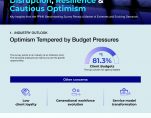
HONG KONG SAR – Media OutReach Newswire – 30 June 2026 – The Hong Kong public relations industry has a renewed sense of optimism, driven by the revival of the IPO market and expanding opportunities in technology and travel, according to the results of the 2026 PRHK Benchmark Survey. While agency leaders rated the 2025 business environment as a muted 2.50 out of 5, sentiment for 2026 climbed significantly to 3.08 out of 5.
Some key findings:
The “GBA Paradox”: While there is a lot of talk about the Greater Bay Area’s promise, an overwhelming 73.3% of Hong Kong PR agencies currently generate no revenue at all from the GBA. The Hong Kong government’s recent launch of the GoGlobal connect platform, which can also connect agencies to Chinese companies, is one example of an opportunity to redress the situation.
AI Adoption Gap: The PR sector has moved quickly to adopt AI: 81.3% of agencies now use ChatGPT, but 75% of agency leaders still flag AI as a top industry issue, struggling to bridge the gap between experimenting with tools and building disciplined, enterprise-wide operational workflows.
Culture Trumps Cash: Defying the “revolving door” stereotype of agency life, the industry boasts a remarkably healthy median retention rate of 84.5%. When asked what keeps talent from leaving, 87.5% of leaders cited company culture as their number-one retention driver, completely eclipsing base compensation (43.8%).
Produced by Public Relations Hong Kong (PRHK) in collaboration with the Centre for Communication and Public Opinion Survey at The Chinese University of Hong Kong, the report captures an industry successfully navigating structural challenges while keeping a firm eye on renewed growth.
Financial Services, Tech, and Tourism Lead Growth When forecasting growth for the next 12 months, 75.0% of agency leaders identified financial services, specifically banking, insurance, and fintech, as the sector with the most potential. This optimism is largely fueled by the anticipated revival of Hong Kong’s IPO market, which is expected to generate significant communications mandates. Technology and travel/tourism tied for second, each cited by 56.3% of respondents as key growth drivers for the year ahead.
Penn Leung, Chairperson of PRHK, noted: “The Hong Kong PR industry is demonstrating remarkable resilience. While budget pressures and talent challenges remain, our agencies are adapting and showing a renewed sense of cautious optimism for 2026. The expected return of financial market activity and the structural expansion of tech and tourism prove that strategic communications counsel is more relevant than ever.”
Budget Pressures and the Threat of Fee Discounting Pricing and client budgets remain the industry’s most pressing vulnerabilities. An overwhelming 81.3% of agency leaders cited shrinking client budgets as their number-one challenge for the coming year. Consequently, 68.8% of Hong Kong PR agencies admitted to discounting their professional fees in the last financial year to win assignments. The report warns that discounting at this scale carries compounding consequences, pushing down market fees and threatening the perceived value of strategic PR as a premium service.
David Ketchum, Research Chair of PRHK, commented: “The data reveals critical insights that agency leaders must address head-on. The disparity between ambitions in the Greater Bay Area and actual revenue generation is stark. Furthermore, the prevalence of fee discounting poses a structural threat to our industry. Agencies that will thrive in 2026 are those that firmly defend their value and operationalize new technologies to enhance their consulting-led strategies.”
Download the full 2026 PRHK Benchmark Report HERE Download the Summary Infographic HERE
Hashtag: #PRHK
The issuer is solely responsible for the content of this announcement.
About PRHK
Public Relations Hong Kong (PRHK) is the city’s premier network for PR and communications professionals, dedicated to driving industry standards and representing the voice of the local market.
Reaffirming Thailand’s status as a world destination for the luxury residences market
BANGKOK, THAILAND – Media OutReach Newswire – 30 June 2026 – CG Capital Advisory Limited (CG Capital), Thailand’s leading investment manager from Central Group specializing in real estate and hospitality investment, today announced a major strategic investment milestone under the leadership of Mr. Phoom Chirathivat, Managing Partner and Co-Founder of CG Capital. The company unveiled its forward-looking vision for the luxury residential and hospitality markets in Thailand, alongside the official launch of the sales gallery for InterContinental Residences Bangkok Asoke. The project carries a total development value of THB 5.5 billion, with two-bedroom units starting from THB 44.8 million. Reservations have already surpassed 60% ahead of the project’s official public launch, a clear sign of confidence in CG Capital’s strategy and its world-class standards.CG Capital’s Vision: Reading Global Volatility, Positioning Thailand as a World Destination.
InterContinental Residences Bangkok Asoke Building Head
Mr. Phoom Chirathivat, Managing Partner and Co-Founder of CG Capital, said that despite a difficult global economic backdrop, marked by slowing markets, geopolitical conflict, and volatility in traditional capital markets, CG Capital sees Thailand’s luxury real estate market moving in the opposite direction. Driving this is a major shift in the behaviour of the world’s wealthiest individuals: a wave of global wealth migration. Data from Henley & Partners shows the number of high-net-worth individuals (HNWIs) relocating globally has surged from 51,000 in 2013 to 142,000 in 2025, a 178% increase over 12 years.
Mr. Phoom Chirathivat, Managing Partner and Co-Founder of CG Capital
“Global markets are slowing down, but Thailand is holding its position as a world destination. Demand from HNWI buyers, both Thai and international, hasn’t dropped off. If anything, these buyers have become more selective about the assets they choose. That tracks with what we’re seeing from Thailand’s Board of Investment, which has approved Long-Term Resident visas for more than 6,000 wealthy global citizens since 2022. Thailand isn’t just a tourism destination anymore. It’s become a place HNWIs choose for long-term residence and investment,” said Mr. Phoom.
Claiming the Asian Crown: The “Right Brand, Right Partners, Right Product” Strategy
Rising demand for high-end residences has pushed CG Capital’s investment strategy toward branded residences, the fastest-growing segment of the market. Thailand currently holds the largest market share of branded residences in Asia at 23.3% of the region’s USD 26.6 billion total market value, ahead of the Philippines (17.3%) and South Korea (11.6%). CBRE’s Global Branded Residences report ranks Thailand 4th in the world by number of projects, with Bangkok and Phuket sitting among the world’s top 10.
Mr. Phoom Chirathivat added:”The success of InterContinental Residences Bangkok Asoke comes down to understanding global trends. What sets us apart is ‘Right Brand, Right Partners, Right Product,’ paired with Bangkok’s best location, Sukhumvit. We’re not chasing a trend. We’re reading the market and building on the long-term confidence we have in this country.”
From Private Equity DNA to World-Class Product Development
What sets CG Capital apart, as the largest private equity fund manager in Thailand’s real estate and hospitality sector, is the way it applies institutional investment thinking to every part of development. Long-term asset value gets weighed through two lenses at once: capital appreciation and living experience.
CG Capital’s Next Steps and the Official Sales Gallery Launch
Looking ahead, Mr. Phoom said CG Capital will keep pursuing new investment opportunities in the hospitality segment, setting new standards for Thailand’s real estate industry. “Reservations above 60% so far are a clear vote of confidence in CG Capital. Now that the sales gallery is open to the public, we’re confident the design and craftsmanship on display will help the project move quickly toward its sales target, further cementing CG Capital’s position as Thailand’s leading branded residences developer,” he said.
InterContinental Residences Bangkok Asoke welcomes visitors to view show units at the sales gallery from 4–5 July onward. Interested parties may schedule an exclusive private appointment via https://residencesasoke.com/ or Tel: 092-989-2616
Expanding the Reach: Bringing the Project to International Buyers
Alongside the sales gallery opening in Bangkok, CG Capital continues to take InterContinental Residences Bangkok Asoke directly to international buyers. The project will next be featured at “Thailand: A New Chapter Begins,” an exclusive showcase hosted by CBRE Thailand in collaboration with Taiwan Sotheby’s International Realty in Taipei on 3 – 4 July 2026, from 1:30 p.m. – 5:00 p.m. at W Taipei (Strategy Room 1).
Taiwan is a market CG Capital sees as a promising source of long-term residence demand. According to CBRE Thailand and Real Estate Information Center (REIC), Taiwanese buyers now rank as the fourth-largest group of foreign buyers in Thai property market, with transaction value growing an average of 27% a year between 2023 and 2025. Thailand’s appeal to this group comes down to geographic proximity, competitive entry pricing, and a lifestyle suited to long-stay living.
For CG Capital, the event is also a chance to read first-hand how Taiwanese HNWIs are thinking about long-term residence and investment in Thailand. Interested parties in Taiwan may get in touch, please contact Taiwan Sotheby’s International Realty 0800.887.288 (Taiwan) or CBRE Thailand +66(0) 81 742 6624 (Thailand).
The issuer is solely responsible for the content of this announcement.
About CG Capital
CG Capital Advisory Limited manages private equity investments for blue-chip domestic and international institutional and UHNW investors with an inaugural fund size of THB 10 billion, investing primarily in Thailand’s hospitality, tourism, and real estate sectors through greenfield, brownfield, and turnaround strategies. Its diversified portfolio includes hotels, branded residences, condominiums, amusement and water parks, and mixed-use developments, focusing on Thailand’s leading travel destinations such as Bangkok, Phuket, Koh Samui, and Pattaya.
Led by Mr. Phoom Chirathivat, Managing Partner and Co-Founder of CG Capital, the firm combines deep expertise in investment and hospitality with a strong conviction in Thailand’s tourism potential—particularly within the luxury and lifestyle segments.
Legal disclaimer Sixteen Residences Limited, being the current owner and developer of InterContinental Residences Bangkok Asoke, is solely responsible for the development, marketing, and sale of the Units. The Units are not owned, developed or sold by InterContinental Hotels Group PLC or its affiliates (collectively “IHG”). There exists no joint venture, partnership, ownership or similar relationship between Sixteen Residences Limited and IHG. IHG is not responsible for the content presented in this press release.
Greenlogue/AP Masdar has broken ground on a 1GW wind farm in Kazakhstan’s Zhambyl region, marking its first renewable energy development in the country and a major step in Abu Dhabi’s push to build round-the-clock clean power platforms across Central Asia. The $1.4 billion project combines utility-scale wind generation with a 600MWh battery energy storage system designed to support grid stability in southern Kazakhstan. The development is being […]
Bitcoin slipped below $60,000 in the final week of June as digital assets endured one of their sharpest weekly reversals of the year, with Dogecoin, XRP and Solana showing relative resilience while broader market sentiment weakened under pressure from interest-rate expectations, a stronger dollar and fund outflows. The largest cryptocurrency changed hands near $59,873 after briefly falling through a level watched closely by traders for signs of […]
HANOI, VIETNAM – Media OutReach Newswire – 27 June 2026 – Vinmec Healthcare System today officially launched its nationwide network of High-Tech Robotic Surgery Centers, marking a major milestone in the advancement of surgical innovation in Vietnam. Beyond investing in some of the world’s most advanced robotic surgical platforms, Vinmec is pioneering the country’s first integrated robotic surgery ecosystem, connecting multiple specialties, hospitals and global technology partners to expand access to cutting-edge surgical care for patients nationwide.
The official inauguration of the nation’s first high-tech robotic surgery network, an integrated ecosystem designed to redefine surgical standards in Vietnam.
The defining feature of the new network is Vietnam’s first and only multi-connected robotic surgery ecosystem. Rather than deploying standalone robotic systems, Vinmec has established an integrated operating platform that brings together multiple world-leading robotic technologies across its hospital network. Vinmec Times City International Hospital serves as the clinical coordination hub, linking robotic surgery centers at Vinmec Smart City, Vinmec Da Nang, Vinmec Central Park, Vinmec Can Tho and other Vinmec hospitals throughout the country.
For general surgery, Vinmec operates three of the world’s leading robotic surgery platforms: Da Vinci Xi at Vinmec Times City, Hugo RAS at Vinmec Da Nang and Vinmec Central Park, and Toumai MT-1000 at Vinmec Smart City and Vinmec Can Tho. Together, these technologies enable surgeons to access deep anatomical structures, perform highly precise procedures within confined surgical spaces, and select the most appropriate platform based on each patient’s condition. Notably, the Toumai MT-1000 also introduces the capability for 5G-enabled remote robotic surgery, laying the foundation for future models of connected healthcare delivery.
In orthopedic surgery, Vinmec has deployed a comprehensive portfolio of next-generation joint replacement robots, including ROSA at Vinmec Smart City, MISSO at Vinmec Times City and Vinmec Can Tho, and CORI across Vinmec Ocean Park 2, Hai Phong, Da Nang, Central Park, Phu Quoc and Nha Trang. These technologies enable personalized surgical planning based on each patient’s anatomy while supporting millimeter-level precision in implant positioning and joint balancing, helping optimize clinical outcomes and accelerate postoperative recovery.
For neurosurgery and spine surgery, Vinmec has integrated the StealthStation S8, Mazor X Stealth Edition robotic guidance system and the O-arm with StealthStation O2 imaging platform at Vinmec Smart City and Vinmec Da Nang. This advanced technology suite provides real-time navigation, intraoperative imaging and continuous surgical verification, enabling surgeons to accurately access complex anatomical structures while improving procedural safety and reducing the risk of complications.
Complementing its advanced technology ecosystem, Vinmec is also the first healthcare provider in Vietnam to develop a “3-in-1” robotic surgery model built on Personalization, Automation and Standardization. Every patient receives an individualized treatment plan through preoperative 3D reconstruction and surgical simulation, benefits from AI-enabled robotic assistance during surgery, and is treated according to internationally recognized standards in clinical practice, education and research.
Technology delivers value only when placed in the hands of highly skilled professionals. To operate this large-scale robotic surgery ecosystem, Vinmec has developed a multidisciplinary team of specialists who have undergone rigorous training, competency assessments and international robotic surgery certification programs. Their expertise forms the foundation for delivering safe, high-quality and consistently effective surgical care.
Alongside the launch of the robotic surgery network, Vinmec also announced the establishment of the Robotic Surgery Patient Support Fund, backed by nearly VND 300 billion in funding from Vingroup. The fund is expected to reduce financial barriers and expand patient access to advanced robotic surgery, particularly for those facing financial hardship.
At the event, Prof. Tran Van Thuan, MD, PhD, Deputy Minister of Health, remarked: “I highly appreciate Vinmec’s vision of not only investing in advanced medical equipment but also building a comprehensive ecosystem encompassing clinical care, medical education, scientific research, technology transfer, and international collaboration.” The Deputy Minister also acknowledged the humanitarian value of the Robotic Surgery Patient Support Fund, which helps expand access to advanced surgical technologies for eligible patients.
Speaking at the launch ceremony, Prof. Tran Trung Dung, MD, PhD, Chief Executive Officer of Vinmec Healthcare System, said:
“Our High-Tech Robotic Surgery Network is built on a model of multidimensional connectivity connecting experts, hospitals and the world’s leading technology partners within a single integrated ecosystem. Our goal is to provide patients in Vietnam with access to the most advanced surgical innovations while progressively positioning Vietnam as a regional destination for high-tech healthcare and precision surgery.”
According to Assoc. Prof. Pham Van Binh, MD, PhD, Director of the Vinmec High-Tech Robotic Surgery Network, the true strength of the centers lies not only in their advanced robotic systems but also in their ability to transform technology into sustainable clinical excellence.
“Our vision extends beyond building a treatment center. We are establishing an academic institution for robotic surgery that integrates clinical practice, academic training, scientific research and technology transfer, bringing together leading robotic surgeons from Vietnam and around the world.”
The launch of Vinmec’s High-Tech Robotic Surgery Network represents not only a significant milestone in the healthcare system’s development but also an important step forward in accelerating Vietnam’s transition toward an era of precision, personalized and technology-driven surgery. By bringing world-class surgical innovation closer to patients, Vinmec is laying the foundation for Vietnam to emerge as a new regional hub for robotic surgery and advanced medical treatment in Southeast Asia.
Hashtag: #Vinmec
The issuer is solely responsible for the content of this announcement.
Dubai Holding is weighing an investment in Hscale, the Bain Capital-backed data centre builder, as the Dubai investment group looks to expand its European portfolio at a time when artificial intelligence and cloud computing are reshaping demand for digital infrastructure. The group is working with a financial adviser on a possible transaction, while Bain Capital seeks additional capital to accelerate Hscale’s build-out across Europe, the Middle East […]




 https://www.bora-corp.com










 https://www.linkedin.com/company/save-the-children-hong-kong
 https://www.facebook.com/savethechildrenhk
 https://www.instagram.com/savethechildrenhk/
 https://www.youtube.com/user/savehk