Malaysia’s political pressure over alleged “corporate mafia” links inside the country’s anti-graft machinery has intensified after Digital Minister Gobind Singh Deo urged the national police chief to clarify the status of investigations into claims that businessmen colluded with enforcement officials to force corporate executives out of targeted companies.
Gobind, who is also national chairman of the Democratic Action Party and MP for Damansara, called on Inspector-General of Police Khalid Ismail to state whether individuals and companies cited in the allegations had been questioned, and to outline the next steps in the investigation. His intervention has kept public scrutiny on the Malaysian Anti-Corruption Commission at a sensitive moment, with the agency preparing for a leadership change and facing questions over institutional independence.
The allegations centre on claims that a network of businessmen worked with MACC officials to pressure company executives, including through raids and investigations, in order to influence ownership and control of businesses. MACC and outgoing chief commissioner Azam Baki have denied wrongdoing, describing the claims as unfounded. Police have said they have so far found no evidence of MACC involvement, while investigations ordered by the government remain under public watch.
Gobind said transparency was essential because the allegations were specific and involved named individuals, companies and officials. He said the probe must extend to every person, entity and officer implicated in the complaints, adding that the matter touched directly on market integrity and trust in national institutions. He also said the Securities Commission should explain whether it had examined any possible market manipulation, particularly if force or pressure was allegedly used to transfer shares in companies.
The issue has drawn wider political attention because DAP is a key component of Prime Minister Anwar Ibrahim’s unity government. Party leaders have argued that a denial by MACC is not enough to settle the controversy and have backed calls for a Royal Commission of Inquiry with powers to compel evidence and testimony. That position has placed pressure on the administration, which came to power promising institutional reform and stronger action against corruption.
Azam’s tenure has been marked by both high-profile enforcement action and repeated scrutiny. He has led MACC since March 2020 and continued beyond the usual retirement age through contract extensions in 2023, 2024 and 2025. His current term ends on May 12. The government has appointed former High Court judge Abdul Halim Aman as the next MACC chief commissioner from May 13, after the King assented to the appointment on the advice of the prime minister.
The appointment came ahead of a planned Kuala Lumpur rally demanding Azam’s removal and broader reforms at MACC. Activist groups behind the campaign have called for a Royal Commission of Inquiry into controversies surrounding the agency’s leadership, a parliamentary mechanism to vet future chief commissioners, fixed tenure for the top post and stronger safeguards to ensure MACC is accountable to Parliament rather than the executive.
The controversy has revived long-running concerns about the structure of Malaysia’s anti-corruption framework. MACC is a central enforcement body in the country’s governance system, but critics have argued that its leadership appointment process leaves room for political pressure. Supporters of reform say the agency’s credibility depends not only on pursuing graft cases but also on being seen to operate independently when allegations touch its own officers or senior leadership.
Anwar’s government has made anti-corruption enforcement a major plank of its reform agenda. Since taking office in 2022, his administration has overseen investigations involving former senior officials, political figures, military procurement and state-linked financial matters. The approach has won praise from some governance advocates, but it has also faced claims of selective enforcement from opponents and unease among allies when politically sensitive cases remain unresolved or unpublished.
The “corporate mafia” allegations carry additional weight because they involve not only possible misconduct by public officers but also the risk of abuse in the corporate sector. If executives were pressured to sell shares or surrender control of businesses through investigations or enforcement threats, the case would raise questions about investor protection, corporate governance and the ability of regulators to shield markets from coercive conduct.
Cybersecurity vendor Trellix has confirmed unauthorised access to part of its source-code repository, raising fresh questions over the protection of development environments inside companies trusted to defend enterprises and public-sector networks. The privately held company said it had brought in external forensic specialists after identifying the intrusion and had notified law enforcement. Trellix said its investigation had so far found no evidence that its source-code release […]
By T N Ashok The verdict from India’s sprawling five-state assembly elections of 2026 has redrawn the country’s political map with a force few had anticipated. What began as a routine electoral cycle across West Bengal, Tamil Nadu, Kerala, Assam and Puducherry has culminated in something far more consequential: a consolidation of power for the […]
The official ceremony underscores Southeast Asia’s growing role in the global semiconductor value chain through collaboration, innovation and ecosystem-wide partnerships
KUALA LUMPUR, MALAYSIA – Media OutReach Newswire – 5 May 2026 – SEMICON Southeast Asia (SEMICON SEA) 2026 was officially launched today at the Malaysia International Trade and Exhibition Centre (MITEC), bringing together policymakers, manufacturers, suppliers, researchers, investors and emerging talent from across the global semiconductor ecosystem for three days of industry dialogue, technology showcases and business engagement.
The opening ceremony was officiated by YB Datuk Seri Johari Abdul Ghani, Minister of Investment, Trade and Industry (MITI), and attended by SEMI leadership, the Malaysian Investment Development Authority (MIDA) led by the Chief Executive Officer Datuk Sikh Shamsul Ibrahim Sikh Abdul Majid, and senior executives from global semiconductor companies.
Held under the theme ‘Transform Tomorrow’ in strategic partnership with MITI and MIDA, SEMICON Southeast Asia 2026 is expected to welcome more than 20,000 innovators, policymakers and technology experts. The three-day event focuses on key industry priorities including manufacturing scale-up, advanced packaging, intelligent manufacturing and workforce development, as companies respond to demand driven by artificial intelligence, high-performance computing and advanced electronics.
Datuk Sikh Shamsul Ibrahim Sikh Abdul Majid, Chief Executive Officer of MIDA, said Malaysia is approaching the next phase of semiconductor growth as an active builder rather than a beneficiary of global trends.
“The semiconductor industry is at an inflection point, and Malaysia intends to be at the centre of what comes next. Under the MADANI Economy Framework and the New Industrial Master Plan 2030, we are not simply maintaining our position in the global semiconductor supply chain, we are deliberately reshaping it. The NIMP 2030 sets a clear direction for the E&E sector to move beyond assembly and test into design, advanced packaging and innovation-driven manufacturing, and MIDA is here to make that transition real. The RM28.5 billion secured by the E&E sector in 2025 is proof that global confidence in Malaysia has not wavered. What we are now building is the ecosystem to match that confidence, through supply chain integration, local capability development and the kind of high-value partnerships that platforms like SEMICON Southeast Asia are uniquely placed to catalyse,” said Datuk Sikh Shamsul Ibrahim.
“SEMI’s role has always been to bring together the global semiconductor ecosystem, and that responsibility becomes even more important as the industry grows in scale and complexity. Today, innovation is no longer confined to a single segment. It requires closer alignment across design, manufacturing, materials and supply chains. SEMICON Southeast Asia provides a platform to bridge these different parts of the ecosystem, enabling stakeholders to engage in more meaningful collaboration and move from discussion to execution,” said Ajit Manocha, President and CEO of SEMI.
“As demand continues to be driven by artificial intelligence, high-performance computing and advanced electronics, the ability to coordinate across regions and capabilities will be critical. SEMICON Southeast Asia 2026 is not only about showcasing technology, but about strengthening the partnerships needed to support long-term industry growth and resilience.”
The event features key leadership programmes including the Executive Leadership Summit, MIDA Strategic Semiconductor Forum and Seminar, Sustainability and Energy Summit, TechZoomers Challenge and TalentCONNECT, reflecting SEMICON Southeast Asia’s role not only as an exhibition platform, but as a convening point for leadership, capability and execution across the region’s semiconductor ecosystem.
Marking over a decade of strategic collaboration, MIDA and SEMI today reinforce 12 years of a transformative partnership dedicated to elevating Malaysia’s standing in the global semiconductor value chain. This enduring alliance remains anchored on three core pillars designed to future-proof the nation’s industrial landscape:
Ecosystem Integration: Harmonising domestic and international supply chains to ensure seamless operational synergy.
Enterprise Capability: Empowering local businesses to scale their technical expertise and compete on a global stage.
Talent Advancement: Cultivating a high-skilled workforce as the essential bedrock of Malaysia’s long-term economic resilience and competitive edge.
SEMICON Southeast Asia 2026 runs from 5–7 May 2026 at MITEC, Kuala Lumpur, with participation from companies and organisations across Asia, the United States and Europe.
The issuer is solely responsible for the content of this announcement.
About MIDA
MIDA is the government’s principal investment promotion and development agency under the Ministry of Investment, Trade and Industry (MITI) to oversee and drive investments into the manufacturing and services sectors in Malaysia. Headquartered in Kuala Lumpur Sentral, MIDA has 12 regional and 20 overseas offices. MIDA partners with investors at every stage of their journey, supporting sustainable growth and long-term value creation for Malaysia. For more information, please visit www.mida.gov.my and follow MIDA on X, Instagram, Facebook, LinkedIn, TikTok and YouTube.
About SEMI
SEMI® is the global industry association connecting over 4,000-member companies and 1.5 million professionals worldwide across the semiconductor and electronics design and manufacturing supply chain. We accelerate member collaboration on solutions to top industry challenges through Advocacy, Workforce Development, Sustainability, Supply Chain Management and other programs. Our SEMICON® expositions and events, technology communities, standards and market intelligence help advance our members’ business growth and innovations in design, devices, equipment, materials, services and software, enabling smarter, faster, more secure electronics. Visit www.semi.org, contact a regional office, and connect with SEMI on LinkedIn and X to learn more.
Danish shipping group A. P. Moller–Maersk has confirmed that its US-flagged vehicle carrier Alliance Fairfax has left the Arabian Gulf through the Strait of Hormuz under US military escort, giving Washington’s effort to reopen one of the world’s most important maritime chokepoints its most visible commercial test so far. The vessel, operated by Maersk’s Farrell Lines subsidiary, completed the passage on May 4 accompanied by US military […]
Dubai food group IFFCO is poised for provisional liquidation after months of debt restructuring talks failed to produce agreement, pushing a major Gulf consumer-goods business into a court-led process as creditors seek to protect assets and stabilise operations. A lender group led by HSBC Holdings has initiated legal proceedings to take control from the owners, with FTI Consulting nominated to act as provisional liquidator. The move follows […]
OSAKA, JAPAN – Media OutReach Newswire – 5 May 2026 – Travelodge Hotels Asia continues its expansion in Japan with the upcoming opening of Travelodge Osaka Shinsaibashi, set to welcome its first guests in August 2026.
Located in Minamisenba, Chuo Ward, the hotel sits in the heart of Osaka’s vibrant Shinsaibashi district—one of the city’s most popular areas for shopping, dining, and nightlife. The hotel is just steps from Shinsaibashi Station, with immediate access from North Exit 3 for seamless connectivity across the city. With more than 300 rooms, the property will be the largest Travelodge hotel in Japan and one of the biggest in the Shinsaibashi area, offering newly renovated, modern accommodation for both leisure and business travelers.
“We are excited to introduce Travelodge Osaka Shinsaibashi to our hotel collection in Japan. It is an important milestone that reflects Travelodge Hotels Asia’s commitment to regional growth, especially in Japan,” said Pinky Lam, Chief Operating Officer of Travelodge Hotels Asia. “Osaka continues to attract travelers from around the world, and we are confident in our ability to continue delivering our signature experience—comfortable stays in strategic locations at great value—in one of the city’s most dynamic districts.”
Comfortable Rooms for Every Traveler
The hotel offers a range of thoughtfully designed rooms to suit different travel needs, from solo travelers to groups.
Room categories include:
Standard Double – A comfortable option for solo travelers or couples
Standard Twin – Ideal for friends or travel companions
Friends & Family Triple – Designed for small groups or families
Friends & Family Quadruple – Suitable for families or group stays
Prime Location in the Heart of Osaka
Guests will enjoy convenient access to Osaka’s top attractions, including the iconic Dotonbori, just a 10-minute walk away and known for its vibrant neon lights and street food scene.
Other nearby attractions include:
Amerikamura — a lively hub for youth culture, street fashion, and cafés
Midōsuji — a major boulevard known for shopping and seasonal illuminations
Namba Parks — a popular shopping complex with a rooftop garden
Honmachi — a central business district with offices and commercial centers
Yodoyabashi — Osaka’s financial hub, home to banks and leading companies
With multiple transport stations within walking distance, guests can also easily access major attractions across the city, including Osaka Aquarium Kaiyukan.
Exclusive Pre-Order Sale
To celebrate the upcoming opening, Travelodge Hotels Asia is launching a limited-time Pre-Order Sale, offering 50% off stays at Travelodge Osaka Shinsaibashi.
The promotion is available exclusively for bookings made through www.travelodgehotels.asia, allowing guests to secure exceptional value for upcoming trips—whether for summer holidays, autumn foliage season, winter festivities, or spring travel next year.
Strengthening Travelodge’s Presence in Japan
The opening marks another milestone for Travelodge Hotels Asia as it continues to expand across key destinations in Asia. With its prime location, large room inventory, and accessible pricing, the hotel is expected to become a preferred choice for travelers seeking accommodation near Shinsaibashi, Dotonbori, and Namba.
More details about the hotel and its opening promotions will be announced closer to the launch.
The issuer is solely responsible for the content of this announcement.
About Travelodge Hotels (Asia)
Travelodge Hotels Asia is a fast-growing hotel management and franchise company headquartered in Singapore, with operations across Japan, South Korea, Singapore, Hong Kong, Malaysia, and Thailand.
With 20 hotels currently in operation and plans to expand to over 50 properties by 2030, the company focuses on delivering value-driven stays in strategic locations. Backed by more than 80 years of global brand heritage, Travelodge offers its signature experience centered on comfort, convenience, and connectivity.
Arabian Post Staff -Dubai UAE authorities condemned a wave of missile and drone attacks on civilian sites after national air defence systems intercepted 12 ballistic missiles, three cruise missiles and four unmanned aerial vehicles on May 4, preventing wider damage in an escalation that has sharpened security concerns across the Gulf. Three people suffered moderate injuries and were taken to hospital, with officials identifying them as […]
Kenya is moving to keep more value from its minerals at home, signalling a sharper shift from raw exports towards processing, refining and manufacturing as global competition for critical minerals intensifies. President William Ruto set out the policy direction while opening the 2026 Kenya Mining Investment Conference and Expo in Nairobi, telling investors and government delegations that Kenya no longer wants to serve mainly as a supplier […]
Matein Khalid It is significant that Abu Dhabi joined Opec from the moment the emirate exported its first barrel of oil in 1967, four years before the birth of the UAE itself. For 59 years the UAE was a member of Opec enduring an era of multiple shocks, wars, revolutions, recessions, banking crises, oil price wars, supply shocks, embargoes and the pandemic. Saudi Arabia has been the ultimate power […]
HANOI, VIETNAM – Media OutReach Newswire – 4 May 2026 – Cangio Tourist City Corporation, the developer of Vinhomes Green Paradise, and Marriott International have signed a strategic partnership agreement to introduce two of the world’s leading hotel brands, The Ritz-Carlton and Marriott Hotel, to Vinhomes Green Paradise Can Gio (Ho Chi Minh City). With a combined scale of approximately 700 rooms and high-end resort villas, The Ritz-Carlton and Marriott Hotel will not only expand the project’s portfolio of prestigious hotel brands but also reinforce world-class luxury service standards, befitting the stature of a global “urban wonder“.
Leading global hotel brands under Marriott International will elevate luxury service standards at Vinhomes Green Paradise to a world-class level.
The Ritz-Carlton Can Gio is located at a prime riverside site in the heart of the Vinhomes Green Paradise coastal mega-urban area and is expected to open in Q4 2027.
The hotel will feature 9 floors and approximately 250 keys, with room sizes ranging from 50 to 500 sqm, including suites and pool villas. Facilities include six restaurants and bars, two swimming pools, a spa integrating hydrotherapy and thermal wellness, meditation spaces, a fitness center, beauty salon, and the Ritz Kids club. The event space will comprise three function rooms totaling approximately 540 sqm, catering to a wide range of meetings and events.
Can Gio Marriott Hotel, located adjacent to the opera house and near the golf course and sports complex within the coastal mega-urban area, is also scheduled to open in Q4 2027.
The hotel will rise 25 floors and offer approximately 450 rooms ranging from 40 to 160 sqm, including premium suites. Amenities include an M Club Lounge, a system of restaurants and bars, a swimming pool, Quan Spa, and a sports club. Additionally, the hotel will provide approximately 1,570 sqm of meeting and event space, including two ballrooms, catering to large-scale events.
Together, The Ritz-Carlton and Marriott Hotel will deliver approximately 700 rooms, featuring a diverse range of accommodations, from standard rooms and suites to villas, supported by a comprehensive ecosystem of premium amenities and world-class five-star infrastructure.
The development and operational collaboration will be managed by Vinpearl, a member of Vingroup. With extensive experience in luxury hospitality, Vinpearl will oversee and directly implement operations to ensure the effective performance of these international hotel brands, contributing to the positioning of luxury service standards commensurate with a global “urban wonder” such as Vinhomes Green Paradise Can Gio.
Mr. Gautam Bhandari, Chief Development Officer for Asia Pacific (excluding China) at Marriott International, stated:“Marriott International’s long-standing partnership with Vingroup has helped shape Vietnam’s hospitality market over the years. We currently operate 11 hotels with Vinpearl, a member of Vingroup, and have several projects under development. With Vingroup’s visionary approach, commitment to excellence, and strong core values, we are confident that this project will not only deliver high-quality accommodations but also elevate the destination and create sustainable value for the local economy.”
Ms. Ngo Thi Huong, Chief Executive Officer of Vinpearl Joint Stock Company, added:“Our collaboration with Marriott International to bring The Ritz-Carlton, Can Gio and Can Gio Marriott Hotel represents a strategic step toward introducing global luxury service standards to Vinhomes Green Paradise Can Gio. Beyond developing internationally branded hotels, we aim to build a fully integrated service ecosystem, enhancing customer experience, strengthening operational capabilities, and aligning service quality with global standards, so that residents and visitors can enjoy international-level experiences right here in Vietnam.”
Previously, Vinhomes Green Paradise Can Gio partnered with IHG Hotels & Resorts to develop four hotels with a total of 1,000 rooms. The presence of international brands such as IHG Hotels & Resorts and Marriott International not only expands accommodation capacity but also significantly enhances the project’s ability to attract global visitors. This forms a critical foundation for the coastal mega-urban area to elevate experiences and move closer to its goal of becoming a world-class residential, tourism, and resort destination.
Vinhomes Green Paradise Can Gio is a 2,870-hectare coastal mega-urban development located in the southeastern part of Ho Chi Minh City, featuring three sides facing the sea and adjacent to a 75,000-hectare biosphere reserve recognized by UNESCO. The project benefits from major infrastructure connectivity, including the Ben Thanh – Can Gio high-speed railway (reducing travel time to 13 minutes from central Ho Chi Minh City), the Can Gio Bridge, the Rung Sac – Ben Luc – Long Thanh interchange, and the Can Gio – Vung Tau coastal expressway.
A distinctive feature of the project is its integrated Green – Smart – Ecological & Regenerative model aligned with leading global ESG++ standards. Alongside its spectacular natural setting and green living environment, the development offers a synchronized amenity system and unique highlights, including the 122-hectare VinWonders theme park featuring the world’s tallest artificial snow mountain and nearly 200 attractions; the 800-hectare Paradise Lagoon; Landmark Harbour international port; the 5,000-seat Song Xanh Opera House; an international-standard golf course; and a portfolio of five-star accommodation. These elements form the foundation for Vinhomes Green Paradise Can Gio to emerge as a new “urban wonder”, with the capacity to welcome up to 40 million visitors annually in the future.
The issuer is solely responsible for the content of this announcement.
About Vinhomes
Vinhomes is Vietnam’s leading real estate developer, pioneering the development of large-scale, well-planned urban areas with integrated amenities, green living environments, and modern lifestyles. In addition to 36 urban developments currently in operation nationwide, Vinhomes continues to focus on building next-generation mega and super urban developments of regional scale and significance, aspiring to create some of the most livable cities in the world while significantly transforming Vietnam’s urban landscape.
About Vinpearl Vinpearl is Vietnam’s leading tourism, hospitality, and entertainment brand, currently operating 60 properties across 20 provinces and cities, including five-star hotels and resorts, VinWonders theme parks, golf courses, and convention centers. With 22 years of development, Vinpearl owns 35 five-star hotels and resorts with 17,300 rooms, 15 VinWonders parks, six golf courses, three VinPalace centers, and integrated service complexes. With flagship destinations such as Nha Trang, Phu Quoc, Da Nang – Nam Hoi An, Ha Long, and Hai Phong, Vinpearl delivers premium travel experiences, contributing to elevating Vietnam’s tourism profile globally.
About Marriott Marriott International (Nasdaq: MAR), headquartered in Bethesda, Maryland, USA, operates a diverse portfolio of brands spanning luxury, premium, select, midscale, extended stay, and all-inclusive segments, with more than 9,800 properties across 145 countries and territories as of December 31, 2025. Marriott operates, franchises, and licenses hotel, residential, timeshare, cruise, outdoor lodging, and other hospitality products globally. The company also offers Marriott Bonvoy®, its award-winning travel platform.
By Nitya Chakraborty The results of the five assembly elections available on Monday May 4 give unmistakeable signs of further consolidation of the BJP pan India and fresh setbacks for the opposition INDIA Bloc. Two stalwarts of the opposition Mamata Banerjee in West Bengal and M. K. Stalin in Tamil Nadu have been defeated. While […]
Dubai has moved a new cluster of mega projects from ambition to execution, tying transport, aviation, finance, mobility and artificial intelligence into a single development push aimed at reshaping how the emirate lives, works and competes. The programme is anchored by the Dubai Metro Blue Line, the expansion of Al Maktoum International Airport, future mobility systems, a major widening of Dubai International Financial Centre and an AI-powered […]
Wall Street’s latest rally is being driven less by relief over geopolitics than by a force investors can measure more easily: earnings. Morgan Stanley strategists say the strength of US corporate profits, led by technology companies, is giving equities enough support to look beyond the market risks created by the Iran conflict and the disruption around the Strait of Hormuz. The bank’s team, led by Michael Wilson, […]
Auto China 2026 closed in Beijing on Sunday after setting new benchmarks for scale, attendance and vehicle premieres, reinforcing China’s position as the central battleground for electric vehicles, intelligent driving and next-generation automotive supply chains.
The 19th Beijing International Automotive Exhibition, held from April 24 to May 3, brought together nearly 1,000 companies from 26 countries and regions across two venues for the first time. Its 380,000 square metres of exhibition space, spread across 17 halls at the China International Exhibition Center in Shunyi and the Capital International Convention and Exhibition Center, made it the largest edition in the event’s history.
Organisers recorded 1.28 million visitors, including about 65,000 overseas attendees, underlining the show’s growing appeal beyond China’s domestic market. A total of 1,451 vehicles were displayed, including 181 world premieres and 71 concept cars, placing the event among the most active global platforms for new model launches.
The numbers told only part of the story. Auto China 2026 was dominated by a clear shift from conventional vehicle launches to software-defined mobility, artificial intelligence, battery breakthroughs and advanced driver assistance. Carmakers used the show not merely to present new models, but to demonstrate how quickly vehicles are becoming technology platforms.
China’s home-grown manufacturers were at the centre of the exhibition’s momentum. BYD, XPeng, Nio, Geely, Chery, Dongfeng and Huawei-linked brands showcased vehicles and systems aimed at defending their lead in the world’s largest car market while accelerating overseas expansion. Their focus was sharply aligned with consumer demand for longer range, faster charging, smarter cabins and more automated driving functions.
BYD highlighted fast-charging and low-temperature battery performance, including technology designed to charge under conditions as cold as minus 30 degrees Celsius. CATL drew attention with new battery systems promising ultra-fast charging and longer driving ranges, including a version of its Shenxing battery that can charge from 10 per cent to 98 per cent in about six and a half minutes. These advances added further pressure on global rivals still working to close gaps in battery cost, charging speed and supply-chain depth.
Huawei’s presence illustrated the growing power of technology suppliers inside the automotive ecosystem. Its intelligent driving systems, HarmonyOS cockpit technology and vehicle partnerships featured prominently across several brands. The company’s Qiankun advanced driving system was presented as part of a broader push into AI-assisted mobility, with claims of stronger collision avoidance and more natural in-car interaction.
XPeng used the event to promote intelligent driving features that can detect when a driver is unable to control the vehicle, pull over automatically and alert emergency services. Nio displayed its three brands, Nio, Onvo and Firefly, together at the same booth, signalling a wider product strategy covering premium, family and mass-market electric segments.
Foreign automakers also used Beijing to reset their China strategies. Volkswagen introduced China-focused electric models and AI-driven cockpit features developed with local partners, including XPeng and Horizon Robotics. BMW, Mercedes-Benz and Toyota presented products tailored to a market where customers increasingly expect high-end digital functions even in mid-priced vehicles.
The competitive pressure remains intense. China’s passenger car sales fell sharply in the first quarter from a year earlier, reflecting weaker subsidy support, cautious consumers and price competition across the sector. Exports, however, continued to expand strongly as China-made vehicles gained ground in Europe, Southeast Asia, Latin America and other growth markets.
That divergence shaped much of the discussion around the exhibition. Domestic demand is tougher, margins are thinner and consolidation risks are rising, yet China’s automakers and suppliers are moving faster on product cycles than many overseas competitors. More than 80 new models were launched in China in March alone, a pace that underscores the speed of iteration in the market.
Auto China 2026 also showed that global expansion is entering a new phase. Chinese manufacturers are no longer relying only on exports. Several are building or planning overseas production bases to reduce tariff exposure, ease regulatory concerns and strengthen local market access. Hungary, Turkey, Southeast Asia and Latin America have emerged as important destinations for investment.
Tamil Nadu’s vote count pointed to a dramatic political rupture on Monday, with actor Vijay’s Tamilaga Vettri Kazhagam emerging as the strongest challenger to the ruling DMK and threatening to redraw the balance of power in one of the country’s most important industrial states.
Trends through the afternoon showed TVK ahead in more than 100 seats in the 234-member Assembly, close to the 118-seat majority mark. The AIADMK alliance was holding second place in several tallies, while the DMK, led by Chief Minister M K Stalin, slipped sharply from its dominant position. The count remained fluid, with leads shifting by constituency and round, but the scale of TVK’s performance confirmed that Vijay’s first full electoral test had moved beyond symbolism.
The most striking signal came from Kolathur, Stalin’s long-held constituency in Chennai, where TVK candidate V S Babu established a lead during counting. Udhayanidhi Stalin also faced pressure in Chepauk-Thiruvallikeni, intensifying the perception of an anti-incumbency wave cutting through the DMK’s urban and welfare-heavy support base. Vijay himself was leading in both seats he contested, strengthening expectations that he could become central to government formation if TVK sustains its advantage.
TVK’s surge is particularly significant because Tamil Nadu has for decades been shaped by two Dravidian blocs, with the DMK and AIADMK alternating in power. Vijay entered politics with a campaign built around corruption allegations, youth unemployment, social justice language and a promise to offer an alternative to entrenched party networks. His appeal among young voters, first-time voters and urban families appears to have translated into a statewide challenge rather than a personality-driven protest vote.
The outcome carries implications well beyond party politics. Tamil Nadu is a manufacturing and export powerhouse, with deep clusters in automobiles, electronics, textiles, leather, engineering, logistics and renewable energy. Chennai and its surrounding industrial belt host major auto and component manufacturers, while Hosur, Sriperumbudur, Coimbatore, Tiruppur and Ranipet have become key nodes in supply chains tied to smartphones, electric vehicles, garments and precision manufacturing.
Investors will be watching whether a possible TVK-led government preserves policy continuity. The state has benefited from a predictable administrative culture, skilled labour, ports, highways, renewable energy capacity and sector-specific industrial policies. Major projects involving Tata Electronics, Foxconn-linked supply chains, Hyundai, Renault Nissan, Ola Electric, VinFast, Tata Motors’ Jaguar Land Rover facility and a wide network of small suppliers rely on stable land, power, logistics and labour arrangements.
Vijay’s party has promised cleaner governance and a people-focused administration, but it is yet to demonstrate how it would manage fiscal pressures, industrial incentives, welfare spending and Centre-state relations. Tamil Nadu’s welfare model is expensive, and any new government would inherit commitments on subsidies, social schemes, infrastructure projects and public-sector obligations. A sharp shift in policy could unsettle investors, while a calibrated transition could allow TVK to combine political change with economic stability.
For the DMK, the trends represent a severe test of its governance record. Stalin’s administration has promoted Tamil Nadu as a trillion-dollar economy contender, pushed investment summits, expanded electronics manufacturing and defended its welfare programmes. Yet voter fatigue, price pressures, local grievances, perceptions of dynastic control and the attraction of Vijay’s outsider image appear to have weakened the ruling party’s hold.
The AIADMK, despite remaining competitive in parts of western and southern Tamil Nadu, also faces a strategic challenge. TVK’s ability to draw votes across urban, semi-urban and rural seats threatens to disrupt the opposition space that the AIADMK had hoped to consolidate. If no party crosses the majority mark, negotiations with smaller parties and alliance partners could determine the next government.
India’s electronics manufacturing drive has gained fresh momentum after Ashwini Vaishnaw said the country was positioned to become a trusted global value chain and supply chain partner, placing semiconductors, mobile phones, artificial intelligence infrastructure and component manufacturing at the centre of its industrial strategy.
The Union Minister for Electronics and Information Technology, Railways and Information and Broadcasting made the remarks at the ground-breaking ceremony of the Google Cloud India AI Hub in Visakhapatnam, a project carrying an estimated investment of $15 billion. The facility, planned with Adani ConneX and Airtel Nxtra, will include a 1GW hyperscale AI data centre, with about 600 acres allocated across Turluvada, Rambilli and Adavivaram in Andhra Pradesh.
Vaishnaw’s comments reflect a broader policy effort to shift India’s role from assembly-led electronics manufacturing to deeper participation in global technology supply chains. The government is seeking to build domestic capability across finished devices, modules, sub-modules, components, raw materials, tools and manufacturing machinery, a progression seen as essential for reducing import dependence and gaining a larger share of global production.
Mobile phones remain the strongest evidence of that transition. Electronics production has risen from about ₹1.9 lakh crore in 2014-15 to about ₹11.3 lakh crore in 2024-25, while electronics exports climbed from about ₹38,000 crore to about ₹3.3 lakh crore over the same period. Mobile phone production expanded from about ₹18,000 crore to roughly ₹5.5 lakh crore, and mobile phone exports rose from about ₹1,500 crore to nearly ₹2 lakh crore, making the category one of the country’s most visible export successes.
Smartphones have become a leading export product, with Apple, Samsung, Tata Electronics, Foxconn, Dixon Technologies and other manufacturers playing prominent roles in the production ecosystem. The shift has been supported by the Production Linked Incentive scheme for large-scale electronics manufacturing, which helped attract global brands and contract manufacturers to expand capacity. The sector’s next phase, however, will depend less on assembly incentives and more on the availability of components, precision engineering, skilled labour, predictable taxation and faster logistics.
The Google Cloud project adds a digital infrastructure dimension to this manufacturing agenda. Vaishnaw urged global technology companies, including Google, to consider manufacturing servers, GPUs and chips in the country, arguing that the domestic data centre boom could create demand for high-value electronics and advanced computing hardware. Visakhapatnam is being positioned as an artificial intelligence hub, with subsea cable links expected to improve global connectivity through routes connecting Australia, the Middle East, Europe, Africa and the United States.
Semiconductors are the most strategic part of the plan. The India Semiconductor Mission has already helped draw investment into assembly, testing, marking and packaging facilities, chip design centres and fabrication proposals. Approved projects across several states include packaging units, display driver chip capacity and compound semiconductor facilities. The sector remains capital-intensive and technologically demanding, and India is entering a field dominated by Taiwan, South Korea, the United States, Japan, the Netherlands and China. Timelines, execution quality and ecosystem depth will determine whether the country can move beyond packaging and design services into higher-value production.
The government’s target of building a $500 billion domestic electronics ecosystem by 2030-31 is ambitious. It requires not only export-led growth but also a domestic supplier base for printed circuit boards, camera modules, batteries, displays, sensors, connectors, power electronics and semiconductor materials. Without local component depth, headline export gains can mask high import content, limiting value addition and leaving manufacturers exposed to currency swings and global supply disruptions.
Industry executives have generally welcomed the policy focus but continue to point to operational challenges. High logistics costs, customs procedures, dependence on imported inputs, limited component clusters, power quality, land acquisition delays and uneven state-level implementation remain constraints. Global companies also compare India with Vietnam, Mexico, Malaysia and Thailand when allocating production, making policy certainty and execution speed critical.
Labour availability is one of India’s advantages. Electronics manufacturing has generated large-scale employment, including substantial hiring of young women in assembly lines and component facilities. This has helped states such as Tamil Nadu, Karnataka, Uttar Pradesh, Andhra Pradesh and Gujarat compete for investment. Yet sustained growth will require improvements in industrial training, factory housing, transport, safety standards and career progression, particularly as production moves from assembly to precision manufacturing.
Geopolitics has created an opening. Companies are diversifying supply chains because of trade tensions, tariff risks, pandemic-era disruptions and concerns over concentration in China. India’s democratic institutions, large market, engineering talent and improving infrastructure make it a credible candidate for “China plus one” strategies. The challenge is to convert interest into anchored manufacturing networks that include suppliers, tooling companies, testing labs, logistics providers and research partnerships.
Arabian Post Staff -Dubai Saudi Arabia, Russia and five other Opec+ producers agreed on Sunday to raise their collective oil production quota by 188,000 barrels per day from June, pressing ahead with a planned supply increase despite severe disruption to Gulf exports and the UAE’s exit from the alliance. The decision was taken at a virtual meeting of Saudi Arabia, Russia, Iraq, Kuwait, Kazakhstan, Algeria and Oman, […]
Arabian Post Staff -Dubai Abu Dhabi National Oil Company will award Dh200 billion worth of project contracts between 2026 and 2028, marking one of the largest new execution phases in the Gulf energy sector as Abu Dhabi moves to expand capacity, secure supply chains and deepen local manufacturing. The planned awards, equivalent to about $55 billion, form the first major tranche of ADNOC’s $150 billion capital expenditure […]
KUALA LUMPUR, MALAYSIA – Media OutReach Newswire – 2 May 2026 – Building on its remarkable success in Singapore and Indonesia, Petite Fleur is thrilled to announce its expansion into Malaysia with the launch of Petite Fleur KL.
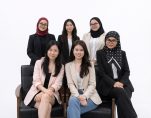
Petite Fleur KL Team
This strategic growth marks a significant milestone in the company’s long-term vision to establish itself as the leading florist in the Asia-Pacific region. By bringing its renowned craftsmanship, unique floral designs, and premium floral arrangements to customers in Kuala Lumpur, Petite Fleur is poised to deliver the same quality service that has made it a trusted name in Singapore and Indonesia.
Petite Fleur KL aims to captivate customers in Malaysia with its signature floral artistry, featuring luxury flower arrangements, preserved flowers, and balloon flower bouquets. Specially curated to suit local preferences, the collection combines an enchanting blend of tradition and contemporary elegance in Kuala Lumpur. This expansion reflects the brand’s mission to spread joy through flowers while strengthening its reputation as a leading online florist in Singapore and beyond.
Filling a Gap in the Market
Market research has highlighted a growing demand for premium, same-day flower delivery services in Kuala Lumpur. With this valuable insight, Petite Fleur KL is committed to providing fresh, handcrafted floral arrangements tailored to every occasion, from celebrations and anniversaries to heartfelt gestures. With a seamless online experience, the brand extends its hallmark reliability and quality—renowned in Singapore and Indonesia—to customers in Malaysia. By doing so, the brand sets a new standard for premium floral services in the region.
A Vision for the Future
Patricia, the visionary owner of Petite Fleur, sees this expansion as a pivotal step toward becoming the leading florist in Asia Pacific. “Our goal is to create everlasting memories with every bouquet we deliver,” Patricia shared. “With fresh flower gifts and bespoke floral arrangements, tapping into Malaysia’s market allows us to reach more customers while deepening our connection to diverse cultures and preferences.”
This expansion allows the brand to better serve its international corporate clients, who can now place orders with the same trusted florist in Indonesia, Singapore, and Malaysia. Employees also benefit from the company’s growth, gaining valuable experience by working with colleagues from diverse cultural backgrounds. This fosters an inclusive and dynamic workplace.
Although still in its early stages, Patricia is confident in the brand’s potential. She plans to expand into more markets within the next two years. This regional approach sets Petite Fleur apart from competitors focused on a single market, ensuring continued success across Southeast Asia. Hashtag: #petitefleurmy #petitefleurkl #floristkl #floristsg #flowerdeliverykl #flowerdeliverymalaysia
The issuer is solely responsible for the content of this announcement.
Petite Fleur KL
Petite Fleur is a trusted name in Singapore, known for its premium flower bouquets and fast, reliable same-day flower delivery services.
With a keen eye for detail and a deep passion for spreading love, Petite Fleur crafts unique floral arrangements that captivate and inspire, turning every occasion into a memorable moment.
The brand continues expanding its reach and now offers exceptional services across Singapore, Indonesia, and Malaysia. Discover more about their exquisite offerings at Petite Fleur now!
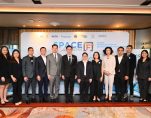
BANGKOK, THAILAND – Media OutReach Newswire – 1 May 2026 – Prof. Dr. Yodchanan Wongsawat, Deputy Prime Minister and Minister of Higher Education, Science, Research and Innovation (MHESI), led the National Innovation Agency (Public Organization) or NIA, along with Thai Union Group PCL, Mahidol University, and leading corporate partners including Thai Beverage PLC, Nestlé (Thai) Ltd., and new partner Foodland Ventures from Taiwan, to launch “SPACE-F Year 7”. This is Thailand’s first global foodtech startup incubator and accelerator program, continuing the success of solving food industry challenges through sustainable innovation.
SPACE-F Batch 7
Prof. Dr. Yodchanan spoke about elevating “SPACE-F Batch 7” to the policy level and building awareness, stating that MHESI aims to present food innovation products from the startups in this batch at the upcoming Cabinet meeting. This will allow the Prime Minister to taste them, raising awareness that FoodTech is the nation’s new future. The products will be presented to the Cabinet in the next two weeks.
Regarding the core concept of combining technology with “Thai taste,” Prof. Dr. Yodchanan emphasized that no matter how advanced the technology is, it must maintain the “Nice taste of Thailand.” He cited a “high-tech omelet” he previously tasted as an example, noting that there is still room for improvement to make it taste closer to an authentic Thai omelet so that the technology can truly win over consumers’ hearts.
The MHESI Minister continued that regarding food innovation under the Wellness Economy, this year focuses on using the Wellness Economy as a New Growth Engine. This is not limited strictly to food but includes AI, ICT, and software, aiming to push Thailand into a global Wellness Tourism Hub with support from the BOI in connecting investment opportunities.
Prof. Dr. Yodchanan further stated that regarding the use of biodiversity and quality ingredients (Biodiversity & GI), startups will be encouraged to utilize Thailand’s rich biodiversity and GI products as substitutes for imported raw materials. This will help reduce costs and create a unique identity.
“As for connecting the ‘Thinker’ with the ‘Doer,’ this program emphasizes linking startups with large industrial corporations and investors. This helps startups in the Accelerator group advance toward Series A or B funding, while helping the Incubator group learn business and pitching experiences from their seniors to cross the business ‘Death Valley.’ Furthermore, regarding food and nutrition security in the era of war: in the current global conditions facing wartime situations, Food Security and Nutrition Security are vital. This program is an opportunity for startups to create innovations that help solve problems for the whole world, with the government working closely with SPACE-F to create new services and products,” the MHESI Minister said.
However, “SPACE-F Batch 7” features 20 participating startups from 10 countries, focusing on the Proof of Concept (POC) strategy to ensure they can tangibly grow toward commercialization on an international scale.
Dr. Krithpaka Boonfueng, Executive Director of the National Innovation Agency (NIA), stated that NIA aims to strengthen the potential of startups and innovative entrepreneurs to overcome business crises and grow commercially in a tangible way. Over the past 6 years, the SPACE-F program has concretely reinforced its role as a regional food innovation hub by incubating and accelerating over 100 startups from 18 countries worldwide, generating a total funding value of over 5.1 billion THB. For the SPACE-F Year 7 program, it marks another major milestone of leapfrog growth, setting a new international record with an all-time high of 204 applicants, continuously increasing from 156 in Cohort 6 and 148 in Cohort 2, reflecting the confidence of global startups in the program’s potential. Concurrently, the program has significantly expanded its international reach, with applicants from 57 countries worldwide, up from 34 countries in the previous cohort, affirming that SPACE-F is a truly global platform connecting and driving world food innovation.
“The SPACE-F program is considered a vital mechanism in driving the development of a strong and comprehensive foodtech startup ecosystem by systematically connecting knowledge, technology, and the industrial sector together. Particularly, it provides opportunities for startups to co-develop and test real products (Proof of Concept: POC) with large corporate partners, as well as access expert networks and world-class infrastructure. This includes testing protein innovations focused on appearance, freshness, and taste with Thai Union; developing modern health and nutrition solutions with ThaiBev and Nestlé; utilizing deep-tech research laboratories from Mahidol University; and enhancing fundraising capabilities from Foodland Ventures, which plays a crucial role in reducing business risks and effectively increasing the chances of commercialization. For SPACE-F Year 7, it aims to elevate startup development through 2 main programs: the Incubator Program, which focuses on laying business foundations and developing prototypes into market-ready products, and the Accelerator Program, which focuses on accelerating business expansion through connections with strategic partners and investors. This covers 7 key areas of the food industry: 1) Personalized Nutrition, 2) Future Protein, 3) Circular Food Systems, 4) Smart Manufacturing, 5) Sustainable Production, 6) Food Safety, and 7) Novel Consumer Experience, to build high-potential startups capable of developing quality new products that directly meet market demands, ready to compete and grow sustainably on the global stage.”
Ms. Sirichit Jiraruangkiat, Senior Director – Group Innovation at Thai Union Group PCL, revealed, “As a co-founding partner of the SPACE-F program, Thai Union Group PCL continues to drive the development of Thailand’s foodtech startup ecosystem. We aim to support breakthrough growth by promoting the development and testing of innovations at the industrial level, particularly through the Proof of Concept (POC) process, to elevate the standards of future protein products to compete internationally. Thai Union prioritizes the application of modern food production and preservation technologies, covering everything from maintaining product quality and freshness and developing appealing appearances to sensory research to create textures and flavors that effectively meet the demands of global consumers. Simultaneously, the SPACE-F program remains committed to a ‘No Equity Taken’ approach, allowing startups to retain full ownership of their innovations, maintain business agility, and grow independently and sustainably in the long term.”
Assoc. Prof. Dr. Pasit Pakawatpanurut, Deputy Dean for Research and Innovation, Faculty of Science, Mahidol University, further added, “With expertise in food science, nutrition, biotechnology, and related fields, Mahidol University serves as an academic powerhouse and innovation infrastructure, providing startups with access to advanced laboratories, pilot plants, and modern research equipment. They also receive in-depth consultation from a team of expert researchers to successfully transition research into products that truly meet global market demands (Lab-to-Market). This collaboration is therefore a key mechanism in driving sustainable food innovation and enhancing Thailand’s competitiveness as a global foodtech hub. Mahidol University’s involvement in the SPACE-F program also plays a vital role in strengthening the country’s foodtech startup ecosystem in the long run.”
In addition, another key partner is Thai Beverage Public Company Limited, which places great importance on continuous research and development, believing it to be essential for startups. As a sponsor of the SPACE-F program, they are pleased to be part of an ecosystem that enhances the potential of foodtech startups and provides business and technological guidance to help startups discover solutions that truly meet the needs of the global food market.
Ms. Jenica Conde Cruz, Business Manager – Cereal Partners Worldwide & Incubator at Nestlé (Thai) Ltd., also stated, “Nestlé, a global leader in food and beverages, plays a vital role as a strategic partner of the SPACE-F program. We aim to elevate foodtech startups through the transfer of Research & Development (R&D) knowledge and product development experience under the ‘Good food, Good life’ concept. Nestlé also provides in-depth consultation to support the development of products that meet Nutrition, Health, and Wellness needs, while promoting the use of innovation to tackle global food industry challenges. In parallel, Nestlé also drives the development of innovations that align with sustainability goals by opening opportunities for startups to learn together with experts from our global research center network, in areas of food preservation technology, eco-friendly packaging, and responsible sourcing.”
Victor Chen, CEO of Foodland Ventures Co. closed with, “Foodland Ventures, a leading Venture Capital firm and Accelerator from Taiwan, has joined as a strategic partner in the SPACE-F program to push foodtech startups to expand their businesses into international markets. We aim to act as a bridge connecting innovation from Taiwan with food industry networks in Thailand and Southeast Asia. With expertise in key technologies such as Restaurant Automation, Alternative Protein, and Smart Supply Chain, Foodland Ventures is ready to support startups through access to the Taiwanese market and resources, providing investment and business strategy consultation, and connecting them with the industrial sector to test solutions in real-world environments. This collaboration marks a significant step in building a ‘FoodTech Corridor’ between Thailand and Taiwan to elevate startup potential and drive the food industry toward a sustainable global future.”
The “SPACE-F Year 7” program also introduced 20 startups from 10 countries worldwide: South Korea, Spain, Canada, USA/Argentina, Australia, Singapore, UK, Saudi Arabia, Taiwan, and Thailand, selected for this year’s program. All will have the opportunity to co-develop and test real innovations with leading industry partners, covering product development, industrial-level testing, and commercialization in the real market
Such collaboration is a key highlight of the program, providing startups the opportunity to test technology and innovations in real-world environments, reducing development limitations, and increasing the chances of creating business models that accurately meet market demands.
10 FoodTech Startups Joining the Accelerator Program
Terra Bioindustries Inc (Canada): Upcycles agricultural and food industry waste into high-value ingredients such as sugar, protein, and fiber for use in the food, biotech, and chemical industries.
Nucaps (Spain): Develops functional protein ingredients using microencapsulation technology to wrap active substances and probiotics, enhancing nutritional value, reducing costs, and improving taste to effectively promote consumer health.
BeNatureBioLab (South Korea): Develops functional ingredients using nano and microencapsulation technology from natural proteins to wrap active substances and probiotics, increasing the stability, absorption, and efficiency of substances in food, supplements, and health products.
Kinava (South Korea): Converts food waste into biofertilizer, biochar, and biogas within hours using HydroThermal Carbonization (HTC) technology, which reduces odor, energy use, and emissions.
ComexSoft (Spain): A near real-time market intelligence platform that collects and organizes retail data, matching similar products specifically developed for accurate decision-making.
PROTINOS (Thailand): High-protein noodles made from egg whites and soybeans containing complete essential amino acids, created using enzyme incubation techniques, serving as food to help care for and protect health.
SicPama (South Korea): A QR ordering and payment platform with a CRM system that links social media with actual service usage and repeat visits, helping restaurants measure returns and increase revenue.
Nourish Ingredients (Australia): High-performance animal-free fats created via precision fermentation to solve the taste and texture issues of plant-based alternative foods by mimicking the key fats found in meat and dairy products.
Kresko RNAtech (USA/Argentina): Nutrients from biological RNA found in natural foods, developed by AI and biotechnology to be more stable and better absorbed, for use in dietary supplements and health products.
Agrifreeze (Singapore): Develops freezing technology using Electromagnetic Fields (EMF) to control the formation of small ice crystals, reducing food damage and maintaining quality close to fresh products.
10 FoodTech Startups Joining the Incubator Program
Eatwellconcept (Thailand): An AI-powered personalized therapeutic diet platform for NCD patients, offering real-time nutritional guidance by dietitians to improve health and quality of life.
AmaranthLab (UK): Protein ingredients from amaranth for GLP-1 (Glucagon-Like Peptide-1) nutrition to control blood sugar levels and satiety, for use in various functional food products.
Openfarming (Saudi Arabia): An AI operating system for food distributors that converts orders from multiple channels into real-time data, enabling automated demand forecasting and dynamic inventory management without changing existing workflows.
Zuppar Reborn (Thailand): Biodegradable fruit and bakery stickers made from pineapple waste, replacing plastic labels with an alternative that can decompose into fertilizer.
VeriPura (Thailand/Singapore): An AI and Blockchain platform for automated document management and product traceability, making food exports to Europe easier and more compliant with regulations (EU).
YiXingYuan (Taiwan): A modular small-scale fruit processing factory (Factory-in-a-box) utilizing High Voltage Electric Field (HVEF) technology to process fruits directly at the source, preserving product quality while reducing energy use, costs, and spoilage.
JOLA (Thailand): Vitamin-infused jelly pet food that develops DIY treat products, such as jellies for dogs and cats, focusing on natural ingredients, good nutrition, and creating a shared experience between owners and pets.
UPLI (UK): A precision fermentation platform to create functional proteins with characteristics similar to human breast milk, used to increase nutritional value in food at an industrial scale.
Emerald Plast (Thailand): Biodegradable food materials and packaging made from starch and bioplastics to replace traditional plastics, reducing environmental impact and enhancing sustainability image.
Squizify (Thailand): A digital food safety platform integrating software and IoT devices to automatically track, monitor, and manage food business standards, complete with real-time data analysis.
Samsung’s next free Android upgrade is set to sharpen security controls on Galaxy phones, even as some owners of flagship models complain of battery drain, overheating and shorter screen-on time after April software patches. One UI 8.5, Samsung’s Android 16-based interface, is expected to expand a package of privacy and anti-theft protections across supported Galaxy devices after debuting on the Galaxy S26 series. The update is expected […]
By Nitya Chakraborty Just two weeks before the scheduled summit of U.S President Donald Trump with the Chinese President Xi Jinping in Beijing on May 14-15, the report of the World Intellectual Property Organisation (WIPO) on the status of AI related applications, has unnerved the U.S. administration as the latest Chinese supremacy in robot related […]
Arabian Post Staff -Dubai Dubai’s aviation regulator has launched a passenger-rights framework that gives travellers a clearer route to raise complaints, track cases online and seek resolution when disputes arise with airlines or licensed travel agents. The Aviation Consumer Welfare Directive, introduced by the Dubai Civil Aviation Authority, establishes a formal regulatory reference for the relationship between passengers, carriers and travel agents operating in the emirate. It […]



 www.mida.gov.my
 LinkedIn
 X










 https://www.facebook.com/p/Petite-Fleur-Kuala-Lumpur-61569399891773/
 https://www.instagram.com/petitefleur_kl/