News related to
next

SINGAPORE – Media OutReach Newswire – 26 May 2026 – ASEAN Cableship Pte Ltd (ACPL) proudly marks its 40th anniversary this year under the theme “40 Years Leading Global Connectivity — Heritage, People, Fleet and Future.” For four decades, ACPL has been at the forefront of global connectivity, delivering submarine cable installation, repair and maintenance, as well as nearshore and onshore cable projects across Southeast Asia and the Indian Ocean with reliability and resilience.

To commemorate this milestone, ACPL hosted a gala dinner on 25th of May, where it unveiled its new corporate logo, symbolising the company’s evolution and forward-looking vision. The refreshed logo reflects ACPL’s continued commitment to innovation, operational excellence, and its role in enabling the future of global digital connectivity.

ACPL’s operational strength is anchored by its fleet of purpose-built cable vessels and supporting assets. Today, the company operates three cable ships and one barge — ASEAN Restorer, ASEAN Explorer, ASEAN Protector, and its latest addition, ASEAN Challenger, which was inaugurated in 2024. With the addition of this vessel, ACPL is better positioned to deliver timely and reliable cable operations, supporting the rapidly growing demand for submarine cable infrastructure driven by the continued expansion of global data traffic, cloud services, and digital connectivity.

“Our 40th anniversary is not only a celebration of our past, but a commitment to our future,” said Mr. Yue Meng Fai, Chief Executive Officer of ASEAN Cableship Pte Ltd. “The launch of our new corporate logo reflects our evolution as a company — one that is rooted in a strong heritage while continuously advancing towards the future. We will continue to safeguard our heritage of trusted operations, empower our people as a united team with resolute commitment to quality, enhance our fleet to remain reliable and innovative, and shape our future by leading the transformation of global connectivity in a responsible and sustainable way.”

The anniversary event brought together industry partners, stakeholders and clients to commemorate ACPL’s achievements and to mark the next chapter of its journey. Throughout the year, ACPL will commemorate this milestone through various initiatives that honour its legacy while reinforcing its dedication to responsible operations and long-term value creation.

With 40 years of trusted legacy, ACPL remains committed to connecting the world — resolutely, reliably and responsibly.

Hashtag: #ACPL #ASEANCableship #submarine #marine #shipping #anniversary #logo


The issuer is solely responsible for the content of this announcement.

ASEAN Cableship Pte Ltd (ACPL)

Established in 1986, ASEAN Cableship Private Limited (ACPL) is a leading provider of submarine cable installation, repair, and maintenance services in the Asia Pacific region. Headquartered in Singapore, ACPL was formed by a consortium of six prominent telecommunications entities from the original ASEAN member countries, reflecting strong regional cooperation across Indonesia, Malaysia, the Philippines, Singapore, and Thailand. ACPL has built a strong reputation as a pioneer in submarine cable repair and maintenance, supporting critical telecommunications infrastructure under the Southeast Asia and Indian Ocean Cable Maintenance Agreement (SEAIOCMA), spanning from Djibouti to Guam and from Taiwan to Australia.

In addition to its repair and maintenance capabilities, ACPL is also an established submarine cable installer and integrator. Its services include main lay submarine cable installation and maintenance, shore-end landing and beach works, project management, offshore and diving support services, Universal Joint consumable supplies and jointing equipment, as well as engineering consultancy, site surveys, and desktop studies. ACPL remains committed to advancing submarine cable system installation and repair, delivering professional and reliable services to meet evolving customer needs and support a sustainable, connected future.

For more information, please visit: .

  • At the launch, KPMG also unveiled its Trusted AI Assurance offering that is aligned with relevant international standards and frameworks to mitigate risk and build trust in AI deployment. This gives businesses a clear, credible pathway to scale AI confidently as Singapore reinforces its position as a trusted node in the global community.

SINGAPORE – Media OutReach Newswire – 25 May 2026 – As Singapore deepens its commitment to becoming a world-leading AI hub, the question of how organisations build AI that is trusted — by customers, regulators and international partners — has become as consequential as how fast they build it. Today, KPMG took a significant step in answering that question with the launch of its Trusted Artificial Intelligence Centre of Excellence (AI CoE). Supported by the Singapore Economic Development Board (EDB), the AI CoE is a dedicated capability hub designed to help organisations move beyond AI experimentation and embed AI as a trusted, enterprise-ready asset.

At the same event, KPMG also unveiled its Trusted AI Assurance — a structured, business-focused, evidence-based approach that gives Singapore businesses a rigorous multi-faceted assessment of their AI deployment and a clear pathway to scale confidently. Today’s launch — bringing together government, enterprise and the professional services sector — signals a pivotal shift in the national AI conversation: from speed to scale of adoption where trust is the foundational bedrock of deploying AI.

The Trusted AI CoE was officially launched by Ms Jasmin Lau, Minister of State, Ministry of Digital Development and Information & Ministry of Education, alongside Mr Jermaine Loy, Managing Director of the Singapore Economic Development Board (EDB), and Ms Lee Sze Yeng, Managing Partner of KPMG in Singapore.

KPMG’s 2025 Global CEO Outlook shows that more than seven in ten CEOs now rank AI as a top investment priority — yet for many, the gap between ambition and sustained enterprise impact remains wide. Governance, data readiness and workforce capability are the defining constraints of this next phase of adoption. Singapore-based businesses face a further dimension: as they expand regionally and globally, they need their AI systems to be trusted not just at home but across multiple jurisdictions — each with its own regulatory expectations and stakeholder standards.

Lee Sze Yeng, Managing Partner at KPMG in Singapore, said: “Across every sector, we are seeing the same pattern: organisations that moved fast on AI are now asking harder questions — where is the real value, are our people genuinely ready to work alongside AI, and can we stand behind the decisions our systems make? These are not technical questions. They are leadership questions. And for Singapore businesses with ambitions beyond our shores, there is an added dimension: the trust that matters to customers and regulators in the markets you are entering may be defined differently from what is required here. Through the KPMG Singapore Trusted AI Centre of Excellence, we are partnering with businesses to rigorously assess where they stand, close the gaps that matter, and build AI that is trusted not just locally but in the markets most critical to their growth. Trusted AI is not a constraint on ambition. Done well, it is the foundation for it.”

Jermaine Loy, Managing Director, EDB, said: “KPMG’s Trusted AI Centre of Excellence here in Singapore will enable businesses across diverse sectors – including financial services, healthcare, logistics and manufacturing – to scale use of AI with confidence, supported by robust governance frameworks and assurance capabilities. At the same time, this strengthens Singapore’s growing AI ecosystem by building enterprise capabilities and workforce readiness for AI adoption. We welcome KPMG Singapore’s efforts to work with EDB and the relevant agencies in advancing Singapore’s position as a globally trusted hub for AI deployment and innovation.”

Trusted AI Assurance — Giving Singapore Businesses a Foundation to Scale AI

For Singapore businesses, the ambition to scale AI is rarely the obstacle. What is harder — and more consequential — is the question of whether the AI they are building and deploying can genuinely be stood behind: by their boards, by their customers, employees and by the regulators and partners they will encounter as they grow beyond Singapore’s shores.

KPMG’s Trusted AI Assurance offering (the “Trusted AI Assurance”) was developed in response to the need to address the trust deficit with AI in the business community to boost adoption. It is not a certification exercise or a compliance checklist. It is a rigorous, evidence-based independent assessment that gives leadership teams an honest picture of where they stand — and a clear, practical path to where they need to be.

What makes it meaningful is its specificity. The Trusted AI Assurance is calibrated to each organisation’s sector, operating context and growth ambitions — because a financial institution navigating cross-border data regulation faces a fundamentally different set of questions from a manufacturer embedding AI into operational workflows, or a healthcare provider deploying AI-assisted diagnostics. Generic benchmarks serve neither well.

The assessment examines two things that are often conflated but must be considered separately: whether an organisation has the governance, culture and leadership practices to deploy AI responsibly; and whether the AI solutions it has built or acquired are themselves trustworthy — documented, risk-assessed, well-integrated and performing as intended. An organisation can have the right intentions and still be running AI that falls short of what its stakeholders — or another country’s regulators — would accept.

Across four domains, the Trusted AI Assurance examines what genuinely matters:

AI Governance — Whether the frameworks, operating models, policies and procedures that govern AI are real and embedded, not aspirational documents that sit untouched between audits.

AI Systems — The AI systems themselves: how they are documented, how risks are inventoried, how models are integrated into business workflows, and whether the data foundations — including Retrieval-Augmented Generation, pipelines and datasets — are robust enough to be relied upon.

AI Regulatory Compliance — How prepared an organisation is for the regulatory environments it currently operates in, and those it intends to enter. For Singapore businesses with expansion ambitions, this is often where the most important gaps surface: the Trusted AI Assurance can identify whether a specific AI system meets the requirements for deployment in a given market — such as the European Union — or what adjustments would make it so.

AI Security — The strategies and processes in place to protect AI systems, manage privacy, and ensure the organisation can detect, respond to and recover from threats as they evolve.

The stakes are sharpest for businesses in highly regulated sectors. Financial institutions, healthcare providers and infrastructure operators have long been accustomed to navigating complex compliance environments — and Singapore’s AI governance frameworks are among the most developed in the region. But as the EU AI Act moves into full enforcement, a new and specific set of expectations is taking effect for any organisation deploying AI within European markets, or handling the data of European citizens. What satisfies regulators here does not automatically satisfy regulators there.

The reality is one of regulatory diversity: different jurisdictions are building their AI governance regimes at different speeds, with different emphases, and with different evidentiary requirements. A Singapore company that has passed relevant local standards may still find that its AI systems require different documentation, greater explainability, or additional human oversight controls to operate with compliance and trust in a European context. Discovering that gap in the middle of a market entry, a cross-border partnership or a regulatory review is a risk that can be avoided.

The Trusted AI Assurance maps these jurisdictional differences, giving organisations a clear read of where they stand against the specific requirements of markets they are entering — before those requirements become obstacles. It is aligned with globally recognised standards including the EU AI Act, the NIST AI Risk Management Framework, ISO 42001 and Singapore’s Model AI Governance Framework, ensuring that what organisations build here is credible and defensible everywhere.

The Trusted AI Assurance is coupled with consultancy guidance — from KPMG or partnered stakeholders — ensuring every assessment leads to a practical path forward. The intent is to give Singapore businesses the clarity and confidence to grow their AI ambitions without having to rebuild trust from scratch in new markets they enter into regionally or globally.

A Framework for Singapore’s AI Ambition: The Four Doors

Beyond the Trusted AI Assurance, organisations can leverage the AI CoE to assess their broader AI strategies through KPMG’s Four Doors framework — four strategic pillars that help Singapore businesses move from isolated pilots to trusted, sustained AI at scale. Together, they address what it takes for Singapore to be not just an AI-capable nation, but a globally trusted one: where the AI solutions developed and deployed here meet the expectations of regulators, partners and customers worldwide.

Value — From Activity to Impact: Establishing the clear metrics and sector-specific solutions needed to distinguish AI activity from measurable business value, across Financial Services, Government, Healthcare, Real Estate, Infrastructure and Manufacturing.

Trust — Trusted-by-Design AI: Built on a human-centric foundation encompassing ten ethical pillars — including Fairness, Transparency, Accountability, Privacy and Sustainability — the Trust pillar puts responsible governance at the centre of AI strategy, rather than treating it as a compliance afterthought.

People — Genuine AI Fluency: Covering sustainable AI workforce strategy, job redesign, leadership development and change management — from executive ignition sessions that build board-level commitment to the behavioural shifts needed to embed AI into everyday working practices.

Data and Technology — Scalable Foundations: Establishing the trusted data and technology infrastructure that enterprise AI requires, supported by KPMG’s proprietary platforms and a market-ready suite of AI tools, with rigorous attention to data quality, system integration, product development and enterprise-wide AI deployment.

For Singapore’s business community, the Four Doors offer a structured path to becoming AI-trusted — not just AI-active. As global regulatory standards tighten and international partners raise governance expectations, that distinction will increasingly determine which Singapore enterprises are positioned to lead in the markets they enter.

Building AI Capability in Singapore

The Trusted AI CoE (the “CoE”) is designed to function as a capability hub to support Singapore’s position as a trusted node in the global community — co-creating knowledge, accelerating innovation and strengthening Singapore’s AI ecosystem across the business community, academia and the public sector.

At its core is a dedicated innovation team of AI/Software Engineers, Solution Architects, Data Analysts, Product Managers, Tech Business Analysts and Designers — 100 per cent Singapore-based and locally hired. This specialist nucleus is complemented by KPMG’s 3,600-strong Singapore workforce and over 275,000 professionals globally, giving the CoE both deep technical capability and multi-disciplinary reach across Audit, Advisory and Tax.

Solutions co-developed through the CoE are pressure-tested with KPMG as default “Client Zero” where appropriate — rigorously iterated across the firm’s own operations before being brought to clients. Initial focus sectors include Financial Services, Infrastructure and Logistics, Manufacturing, Government, Healthcare and Real Estate, alongside functional domains such as Finance, Governance Risk and Compliance, Customer Services and Operations. Strategic partnerships with technology companies, academic institutions and government agencies further support Singapore’s ambition to serve as a trusted and well-governed regional AI hub.

KPMG’s Commitment to Singapore

KPMG is the world’s first professional services firm to attain ISO/IEC 42001 certification for AI Management Systems — the globally recognised standard for responsible AI governance. This underpins every element of today’s launch, reflecting KPMG’s commitment to practising what it advocates: embedding the disciplines of trusted AI governance into its own operations before bringing them to clients.

KPMG continues to invest in Singapore’s AI talent pipeline through international mobility programmes, internal rotations and capability development across data, digital and leadership disciplines — directly aligned with Singapore’s national goal of growing the skilled workforce its AI ambitions require.

ANNEX: Bringing the KPMG Singapore Trusted AI Centre of Excellence to Life

To bring the KPMG Trusted AI Centre of Excellence (AI CoE) to life, guests at the launch were invited to explore four interactive stops (“windows”) showcasing how trusted AI can move from strategy into real-world enterprise and national impact.

Spanning areas including governance, workforce readiness, ecosystem collaboration and SME enablement, the windows offered a practical look at how organisations can scale AI responsibly while building trust, resilience and long-term capability.

FIRST WINDOW – AI Philosophy

The first window introduced guests to KPMG’s Four Doors framework and Trusted AI Assurance – an evidence-based approach designed to help organisations move from AI experimentation to AI that is genuinely trusted by their boards, their customers, and the regulators and partners they encounter as they grow beyond our shores.

Through an interactive scenario set in the financial services sector, the demonstration illustrated how organisations are assessed across four strategic pillars: Value, Trust, People, and Data and Technology. The walkthrough explored whether businesses have the governance structures, workforce readiness, data foundations and operational oversight needed to support trusted, scalable AI deployment.

  1. Value — Whether the organisation has clearly defined what its AI investments are meant to deliver, and whether it has the metrics to distinguish genuine business impact from mere AI activity
  2. Trust — Whether the organisation’s AI is built on a responsible, human-centric foundation — covering governance frameworks, ethical guardrails, risk management, security and accountability for AI-driven decisions
  3. People — Whether the workforce, from board to frontline, has the genuine AI fluency needed to work alongside AI systems, including the leadership commitment, job redesign and capability development required for adoption to take hold
  4. Data and Technology — Whether the data assets, infrastructure and system integration practices are robust enough to support trusted, scalable AI deployment

The experience also demonstrated how AI systems themselves are assessed – including areas such as system documentation, risk inventories, model integration and data platform robustness – highlighting the importance of building AI that is genuinely trusted.

  1. System Card — Whether each AI solution is properly documented, including how it performs and how it is used in practice
  2. Risk Inventory — Whether AI systems across the enterprise have been identified and their risks catalogued
  3. Model Integration — Whether adequate processes and controls govern how AI models are integrated into business workflows
  4. Data Platform — Whether the data foundations underpinning AI outputs — including Retrieval-Augmented Generation (RAG) pipelines and datasets — are fit for purpose

A second stage of the scenario then explored the reality of regulatory diversity across jurisdictions. While an organisation may be assessed as “trusted” in Singapore, areas that require attention may emerge when expanding into international markets such as Europe under the EU AI Act.

The demonstration underscored the growing importance of regulatory readiness for Singapore businesses with international ambitions, and how the AI CoE is designed to help organisations expand with confidence through trusted AI governance.

SECOND WINDOW – AI Journey

The second window focused on KPMG’s “Client Zero” approach, where suitable AI solutions are developed and applied within its own operations under real-world conditions, and in some cases co-developed with clients depending on their specific needs. This model reflects a simple philosophy: credibility in guiding responsible AI adoption must be earned by applying the same discipline internally. This approach is particularly relevant in Singapore’s context, where trust and reliability are central to how AI is being adopted across sectors.

KPMG’s “Client Zero” approach provides a structured pathway for scaling AI responsibly. Solutions are first embedded into live workflows – allowing organisations to address practical considerations such as human oversight, explainability, data handling and accountability – before broader deployment. This mirrors the journey many enterprises in Singapore are now facing, as they transition from pilots to AI that can be relied on consistently in regulated, cross-border environments. This shift is important, as trust at scale is built not through experimentation alone, but through systems that are reliable, auditable, and able to operate consistently across different contexts.

At this window, MOS will see this pathway brought to life with AI applied across real business workflows, through three solutions: KPMG’s Digital Gateway (DG) GenAI, KPMG Clara Intelligence and Kiara. These solutions are already implemented in real-time across KPMG’s various functions.

The first demonstration illustrates how the audit and tax professions are beginning to deploy AI agents within their workflows to enhance how work is performed. Rather than treating AI as standalone tools, these capabilities are being embedded into business processes to support analysis, decision-making and execution in a controlled and accountable manner. DG GenAI, KPMG’s Generative AI capability embedded within our Digital Gateway platform, will be used as a demonstration of how this is operationalised in practice — showing how AI capabilities can be integrated into everyday workflows, with appropriate governance, data security and user controls in place.

The second demonstration presents KPMG Clara Intelligence, an intelligent AI-powered platform which acts as a centralised platform. KPMG Clara Intelligence showcases the future of audit, where AI is used to support data-driven risk assessment, better insights and analysis and decision-making on a single platform. This reduces reliance on manual processes and enables auditors to focus on higher-value judgement, improving both efficiency and audit quality. MOS will see how this reflects a broader shift in the profession — towards AI-assisted workflows that require new skills and deeper analytical capabilities.

This window also highlighted how AI is reshaping the accountancy and professional services sector. As AI becomes embedded into core workflows, roles within the profession are evolving — routine, manual tasks are increasingly automated, allowing professionals to focus on higher‑value judgement, analysis and advisory work. At the same time, this shift requires a broader base of AI fluency across the workforce, not just among specialists, as professionals will need to work alongside AI systems in their day‑to‑day roles.

These changes are driving a wider rethinking of skills development across the sector, including how institutions and employers prepare current and future talent. Efforts are underway to align training and education pathways with these evolving needs, ensuring that individuals entering the profession — and those already in it — are equipped to operate effectively in an AI‑enabled environment. This reflects a broader transition towards a workforce that combines strong domain expertise with AI capabilities, in line with Singapore’s ambition to develop an AI‑bilingual workforce.

The third solution, Kiara, is KPMG’s GenAI recruitment assistant, illustrating how AI can enhance the candidate engagement and streamline scheduling of interviews. This highlights how AI is not only transforming business processes, but also how people work and interact with technology.

Overall, the window demonstrated how these solutions reflect the same principles KPMG advises its clients to adopt: strong data foundations, embedded governance, and human oversight at key decision points – illustrating the practical steps organisations take to deploy AI responsibly at scale, underpinning the rigour required for Singapore to continue its progress as a trusted hub for AI.

THIRD WINDOW – AI Vision

The third window focused on how AI does not merely change the tools organisations use, but changes the nature of work itself – which roles exist, how decisions are made, and what it means to be genuinely capable in a professional environment.

As organisations navigate AI-driven workforce transformation, the showcase highlighted the same set of questions organisations consistently grapple with: which roles are genuinely enhanced by AI, and which risk being hollowed out? Where should organisations invest in reskilling, and on what timeline? How are accountability and professional standards maintained when AI is embedded into decisions that used to rest entirely with a person?

The insight that emerges across sectors is consistent: organisations that treat AI workforce transformation as a technology deployment tend to underinvest in the human dimensions – and that is where adoption stalls, quality erodes or trust breaks down. The organisations that get it right treat it as a leadership and organisational design challenge first, with technology as the enabler.

The window also demonstrated how KPMG Mystro™, an AI-enabled workforce intelligence platform, is used to map how work is done today at the task and decision level, and model where AI can responsibly augment human roles across functions such as finance, audit and operations.

Drawing on examples from finance, audit and operations, the showcase illustrated professionals working alongside AI in ways that redirect their expertise toward work requiring human judgement. More broadly, it reinforced the importance of approaching AI transformation not simply as a technology deployment exercise, but as a broader leadership and organisational design challenge.

Singapore’s commitment to building an AI-bilingual workforce – professionals who are not merely aware of AI but genuinely capable of working alongside it, questioning its outputs and being accountable for the decisions it informs – rests on organisations taking the human dimension of transformation as seriously as the technology itself. The insights at this window speak directly to that agenda: what it takes to build not just AI capability, but the kind of AI-confident workforce that sustains Singapore’s competitiveness over the long term.

FOURTH WINDOW – AI Ecosystem

The fourth window focused on how trusted AI adoption cannot be the preserve of large enterprises alone. Singapore’s economic resilience depends on its SME community — the businesses that form the backbone of the economy and that stand to gain enormously from AI, but that often lack the resources, expertise or confidence to navigate adoption responsibly.

Referencing the DBS Spark GenAI programme and DBS SME AI Playbook – developed through a collaboration between DBS and KPMG, and supported by SkillsFuture Singapore – the showcase highlighted practical pathways designed to help SMEs build awareness and accelerate their AI adoption through tailored pathways depending on their AI maturity.

  1. Start — For businesses at the beginning of their AI journey: practical orientation on what AI can realistically deliver, where to begin, and what foundational steps to take before committing to more significant investment
  2. Accelerate — For businesses that have taken initial steps and are ready to move further: guidance on identifying higher-value use cases, building internal capability and managing the operational changes that come with deeper AI adoption
  3. Scale — For businesses ready to embed AI more systematically: the governance, integration and workforce considerations that responsible scaling requires

The window also highlighted the broader support ecosystem available to SMEs, including a broader ecosystem of over 16,000 solution providers globally via IMDA’s Open Innovation Platform, alongside the SME AI Playbook which offers practical use cases, success stories from real businesses, FAQs and an AI readiness diagnostic tool.

Economy-wide AI adoption – the kind that drives meaningful productivity gains across the full breadth of Singapore’s business community – only happens if SMEs are part of the story. The DBS SME AI Playbook is a direct response to that reality: a practical, accessible entry point into AI adoption calibrated to the real constraints and real ambitions of smaller businesses.

The collaboration between DBS and KPMG reflects how Singapore’s AI ecosystem works at its best: financial institutions, professional services firms, government platforms and businesses working together to make trusted AI adoption accessible to every part of the economy, not just its largest players.

Hashtag: #KPMG

The issuer is solely responsible for the content of this announcement.

About KPMG in Singapore

KPMG in Singapore is part of a global organization of independent professional services firms providing Audit, Tax and Advisory services. We operate in 138 countries and territories with more than 276,000 partners and employees working in member firms around the world. Each KPMG firm is a legally distinct and separate entity and describes itself as such. KPMG International Limited is a private English company limited by guarantee. KPMG International Limited and its related entities do not provide services to clients.

For more details about our structure, please visit .
For more information, visit
LinkedIn:

Jensen Huang’s arrival in Taipei ahead of Computex has put Nvidia’s next AI platform at the centre of a widening test for Taiwan’s semiconductor supply chain, as the company seeks more production capacity for Vera Rubin while riding record demand for data-centre chips.

Huang is expected to meet Taiwan Semiconductor Manufacturing Company chairman and chief executive C. C. Wei as Nvidia prepares a second-half production ramp for Vera Rubin, the next-generation platform that combines new Vera CPUs, Rubin GPUs, advanced memory and high-speed networking for rack-scale AI systems. The visit has drawn close attention because Nvidia’s product cycle is now tied more tightly than ever to Taiwan’s foundries, packaging houses, server assemblers and component suppliers.

Nvidia reported revenue of $81.6bn for the quarter ended April 26, up 85 per cent from a year earlier, with data-centre revenue reaching $75.2bn, up 92 per cent. The company also authorised an additional $80bn in share repurchases and raised its quarterly dividend to 25 cents a share from 1 cent, underscoring the scale of cash generation from the AI infrastructure boom.

Demand is being driven by cloud providers, AI model developers, enterprise customers and sovereign AI projects, all seeking clusters capable of training and running larger generative and agentic AI systems. Nvidia has described the buildout of “AI factories” as one of the largest infrastructure expansions in technology history, with its platform spanning chips, networking, systems software and reference designs for data centres.

Vera Rubin is expected to follow the Blackwell and Grace Blackwell generation, which is still being shipped in high volumes. That overlap is creating pressure across Taiwan’s supply chain because new capacity must support existing commitments while preparing for a platform with different requirements in advanced packaging, high-bandwidth memory integration, board assembly, cooling and system validation.

Huang has described Vera Rubin as potentially the biggest product ramp in Nvidia’s history and one of the largest technology manufacturing efforts Taiwan has handled. Industry estimates around the platform point to millions of parts across each system and the involvement of well over 100 Taiwan-based ecosystem partners, from chip fabrication and advanced packaging to printed circuit boards, power systems, connectors, thermal modules and final server integration.

TSMC remains central to the effort because Nvidia depends on its leading-edge process technology and advanced packaging capacity. The challenge is not limited to wafers. CoWoS and other packaging technologies have become strategic bottlenecks as AI accelerators require multiple logic dies, high-bandwidth memory stacks and dense interconnects. Any delay in packaging expansion can ripple through server production schedules, cloud deployment plans and Nvidia’s revenue timing.

Taiwan’s broader technology sector has become a critical artery for the global AI trade. TSMC, Foxconn, Quanta, Wistron, Wiwynn, Inventec and a dense network of specialist suppliers are competing to add capacity while dealing with constraints in land, power, water, skilled labour and equipment availability. The concentration gives Nvidia speed and engineering depth, but also exposes the company to geopolitical and operational risks.

China remains the clearest commercial setback. Huang has said US export controls have pushed Nvidia’s share of China’s advanced AI chip market to zero, a striking reversal for a company that once held a dominant position there. The restrictions have strengthened the opening for Huawei and other domestic suppliers, while leaving Nvidia dependent on whether Washington and Beijing allow compliant chips to be sold without triggering national-security objections.

That loss has not slowed Nvidia’s global momentum, but it has changed the composition of growth. Revenue is now increasingly concentrated in markets where hyperscale cloud companies, enterprise AI developers and governments are building large AI data centres outside China. For investors, the question is whether demand can keep absorbing each successive architecture at the scale implied by Nvidia’s guidance.

Nvidia forecast revenue of about $91bn for the current quarter, above market expectations, signalling that orders for AI infrastructure remain strong despite concerns about overcapacity, power shortages and the pace at which customers can monetise AI services. Operating expenses rose 49 per cent to $7.75bn, reflecting the growing cost of research, supply commitments and ecosystem investments needed to sustain the company’s lead.

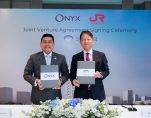
BANGKOK, THAILAND – Media OutReach Newswire – 25 May 2026 – ONYX Hospitality Group, a leading hospitality management company in Asia Pacific specialising in hotels, resorts, serviced apartments, and luxury residences, has announced a significant international partnership through the signing of a joint venture agreement with JR Kyushu Business Development (Thailand) Co. Ltd. (a group company of Kyushu Railway Company), one of Japan’s foremost corporations listed on Tokyo Stock Exchange. The collaboration will see the development of Shama North Pattaya, further advancing ONYX’s portfolio by leveraging Shama’s expertise to capitalize on short- and extended-stay demand, while reinforcing confidence in the growth potential of Thailand’s Eastern Economic Corridor (EEC).

Left: Mr. Yuthachai Charanachitta Right: Mr. Toshihiro Mori

This latest agreement marks a continuation of the strategic partnership between the two organizations, building upon the success of Shama Lakeview Asoke, which ONYX manages on behalf of JR Kyushu Group. The property has earned recognition as one of the leading serviced apartments in Bangkok’s central business district, reflecting the Japanese partner’s strong confidence in ONYX’s management capabilities and in-depth market expertise.

The development of Shama North Pattaya therefore represents not only an expansion into a high-potential location, but also a reaffirmation of ONYX’s disciplined growth strategy. By collaborating with globally respected partners, the group continues to strengthen its footprint in the EEC.

Mr. Yuthachai Charanachitta, Chief Executive Officer of ONYX Hospitality Group, stated that this joint venture with JR Kyushu Group reflects the company’s long-standing commitment to growing alongside its partners. It also marks ONYX’s second joint venture with an international partner under its strategic expansion plan, underscoring continued investor confidence in the company’s capabilities, as well as its ongoing pursuit of investment opportunities and strategic collaborations with high-potential partners.

“For ONYX Hospitality Group, growth is not defined merely by the number of projects we develop, but by the strength of the partnerships we cultivate. Our joint venture with JR Kyushu Group reflects a shared vision and a commitment to creating long-term value together.

The Shama brand has grown from a deep understanding of the long-stay market, which we have consistently studied and monitored over the years. We see clear future potential in this segment. Each Shama development is founded on comprehensive insights into resident needs and expectations, placing emphasis on the core of the living experience — comfort, flexibility and a genuine sense of home — all delivered to international standards.

Shama North Pattaya represents another important strategic property in strengthening and completing ONYX Hospitality Group’s presence in Pattaya, a high-potential destination within the EEC, alongside our key brands Amari and OZO, helping to create a more integrated and cohesive hospitality cluster in the area.”

Yuthachai added, “Shama North Pattaya reflects ONYX’s commitment to strengthening Thailand’s position as a leading destination for long-term residents while supporting the sustainable growth of the residential hospitality sector.”

Mr. Toshihiro Mori, Representative Director and Senior Managing Executive Officer of Kyushu Railway Company stated that this joint venture marks an important next step in JR Kyushu Group’s continued partnership with ONYX Hospitality Group in Thailand, building on the success of Shama Lakeview Asoke.

“Following our successful collaboration on Shama Lakeview Asoke Bangkok, we are pleased to deepen our partnership with ONYX Hospitality Group through Shama North Pattaya. We see strong potential in Pattaya as a leading resort destination within the EEC, and we have full confidence in ONYX’s hospitality expertise to deliver an exceptional property that meets the evolving needs of both Thai and international guests. We look forward to creating lasting value together.”

Strategically located in North Pattaya, a key tourism and economic hub within the EEC, Shama North Pattaya is designed to blend the comfort and convenience of serviced apartments with the refined services of a leading hotel brand. The project aims to cater to the steadily expanding long-stay segment, which is projected to continue its upward trajectory in 2026 and beyond.

The partnership between ONYX Hospitality Group and JR Kyushu Group not only highlights the complementary strengths of both organisations, but also serves as a strong indicator of Japanese investor confidence in Thailand’s economic stability and long-term prospects. At the same time, it signals the readiness of Thai hospitality brands to compete and grow alongside global partners in a sustainable and forward-looking manner.

Hashtag: #ONYXHospitalityGroup

The issuer is solely responsible for the content of this announcement.

About ONYX Hospitality Group

ONYX Hospitality Group, a reputable force in the Asia-Pacific hospitality industry, operates a collection of comprehensive yet complementary brands – Amari, OZO, Shama and Oriental Residence – catering to the distinctive needs of discerning business and leisure travellers across the region where it has deep expertise. In addition to its brand portfolio, ONYX Hospitality Group also operates additional hospitality services across spa and food & beverage. With six decades of management experience, the company extends its innovative solutions throughout the region, upholding internationally recognised standards and ensuring optimal operational manoeuvrability. By fostering enduring relationships with like-minded business partners, ONYX Hospitality Group delivers unparalleled experiences in a dynamic and competitive market, meeting the ever-evolving demands of travellers.

More information:

Find us on social media:
Follow us on Instagram:
Follow us on LinkedIn:
Follow us on Facebook:

About JR Kyushu

Kyushu Railway Company (JR Kyushu), headquartered in Fukuoka, Japan, and listed on the Prime Market of the Tokyo Stock Exchange, is a diversified group operating across Transportation, Real Estate and Hotels, Retail and Restaurants, Construction, and Business Services. Building on more than three decades of experience since its establishment in 1987, JR Kyushu has expanded beyond its core railway operations into a wide range of community-based and lifestyle businesses. In Thailand, JR Kyushu Business Development (Thailand) Co., Ltd. serves as the group’s investment platform for hospitality and real estate, building on the success of Shama Lakeview Asoke Bangkok and continuing to pursue long-term growth opportunities in the region.

Arabian Post Staff -Dubai Dubai’s Emirates NBD Bank will open its offer on June 1 to buy up to 26 per cent of RBL Bank from public shareholders, marking the next decisive phase in one of the largest foreign investments in the country’s private banking sector. Public shareholders will be able to tender shares until June 12 under the open offer, which has been priced at ₹282.38 […]

Masdar has signed an agreement with China’s Sungrow to supply battery energy storage and photovoltaic inverter systems for Abu Dhabi’s round-the-clock renewable energy project, strengthening the supply chain behind one of the world’s most ambitious attempts to make solar power available as firm baseload electricity. The agreement covers 7.5 gigawatt-hours of Sungrow’s PowerTitan 3.0 battery energy storage systems and 2.6 gigawatts of PV inverter solutions. The equipment […]

Huawei has deepened its Saudi Arabia cloud strategy through a distribution partnership with Gulf Applications, widening enterprise access to cloud infrastructure, artificial intelligence tools and disaster recovery services as the kingdom pushes ahead with its Vision 2030 digital agenda. The agreement appoints GAPP as Huawei Cloud’s official cloud solutions distributor in Saudi Arabia, placing the company at the centre of Huawei’s channel expansion in one of the […]

Advertisements

Arabian Post Staff -Dubai President Donald Trump has said a peace agreement with Iran is close to completion, raising expectations of a diplomatic breakthrough that could reopen the Strait of Hormuz after months of conflict disrupted one of the world’s most important energy corridors. Trump wrote on Saturday that an agreement had been “largely negotiated” but remained subject to finalisation between the United States, Iran and other […]

Hackers are exploiting unsupported F5 BIG-IP appliances to gain SSH access to enterprise Linux systems, turning trusted edge infrastructure into entry points for deeper attacks on identity systems and internal applications. A May 22 threat intelligence disclosure detailed a multi-stage intrusion that began with an exposed F5 BIG-IP load balancer and moved through Linux infrastructure, an internal Atlassian Confluence server and eventually Active Directory. The case underlines […]

Arabian Post Staff -Dubai Dubai has frozen private school fees for the 2026-27 academic year, giving families relief from education cost pressures as the emirate moves to balance household affordability with the stability of a fast-growing private education sector. Knowledge and Human Development Authority confirmed that schools under its regulation will not be permitted to raise tuition fees in the next academic year. The decision follows directives […]

Arabian Post Staff -Dubai Brazilian refiner Acelen has secured $1.5 billion to begin construction of a major biofuels refinery in Bahia, advancing Abu Dhabi’s Mubadala-backed strategy to build a large-scale renewable fuels platform in Latin America. The project, led by Acelen Renováveis, is expected to start operations in 2029 and produce up to 1 billion litres a year of sustainable aviation fuel and renewable diesel. The financing […]

Anthropic PBC is moving towards closing a funding round that could exceed $30 billion at a valuation above $900 billion, a transaction that would place the Claude maker among the world’s most valuable private companies and intensify the capital race reshaping artificial intelligence. The San Francisco-based company is expected to complete the round as soon as next week, though final terms could still change. The deal, if […]

Hong Kong’s competitive weekend dining market is getting a sharper culinary edge as Lobster Bar & Grill at Island Shangri-La turns its Sunday roast brunch into a guest-chef platform linking hotel dining with some of the city’s most recognisable restaurant names.

The 2026 Sunday Roast Guest Chef Series runs across selected Sundays from February to October, with further dates expected for November and December. Priced at HK$898 per guest, plus a 10 per cent service charge, the programme gives each participating restaurant one Sunday to reinterpret the classic British roast through its own cuisine, while retaining the familiar three-course structure of starter, roast or seafood main, and dessert.

The format reflects a wider shift in Hong Kong’s premium dining scene, where luxury hotels are moving beyond standard brunch buffets and using chef-led collaborations to attract diners who want novelty, scarcity and recognised culinary talent. For Lobster Bar & Grill, long associated with seafood, grills, cocktails and live jazz, the series also positions brunch as a curated dining event rather than a routine weekend offering.

The 2026 line-up began with NOI on 8 February, bringing contemporary Italian cooking shaped by Chef Paulo Airaudo’s wider culinary approach and Hong Kong-based Chef Luigi Troiano’s execution. It continued on 15 March with 22 Ships, known for modern Spanish flavours under Chef Antonio Oviedo, and on 12 April with Yong Fu Hong Kong, whose Ningbo seafood cooking added a refined Chinese coastal identity to the Sunday roast template.

The next phase brings Neighborhood on 31 May, Leela on 28 June and Cristal Room by Anne-Sophie Pic on 19 July. Neighborhood, led by Chef David Lai, enters the series with strong recognition from both Michelin and Asia’s 50 Best Restaurants, where it ranked No. 24 in the 2026 list. Its reputation rests on market-led European bistro cooking, generous sharing dishes and a style that combines technical control with an understated dining room culture.

Leela, led by Chef Manav Tuli, adds a modern interpretation of regional cooking from India, using refined technique, spice layering and tandoor-led elements. Its participation broadens the series beyond European and Chinese traditions, giving the roast format a more expansive culinary identity at a time when Hong Kong diners are showing stronger interest in regional specificity and chef-driven storytelling.

Cristal Room by Anne-Sophie Pic brings the strongest fine-dining profile in the May-to-July phase. The Landmark restaurant, guided in Hong Kong by Chef Marc Mantovani, earned two Michelin stars in the 2026 Hong Kong and Macau guide. Its contribution is expected to bring a more composed French approach to the format, with emphasis on precision, balance and luxury ingredients.

Lobster Bar & Grill’s regular Sunday roast brunch already leans towards abundance, with appetisers such as lobster bisque, smoked salmon and steak tartare, followed by individually plated roast or seafood choices. Signature sides include duck-fat roasted potatoes and honey-glazed carrots, while desserts include banoffee pie, triple chocolate mud pie and seasonal creations. The guest-chef model keeps those anchors intact while allowing each collaborator to alter the flavour profile.

Executive Sous Chef Cary Docherty remains central to the concept. His role is not merely to host outside chefs, but to co-create menus that fit the kitchen’s seafood-and-grill identity while allowing each restaurant’s style to remain visible. That balance is crucial: too much hotel polish could dilute the individuality of the guest chefs, while too much experimentation could alienate diners expecting the comfort of Sunday roast.

The commercial logic is clear. Hong Kong’s dining market remains crowded, and premium hotel restaurants face intense competition from independent restaurants, private clubs and destination bars. A one-day-only brunch creates urgency, encourages repeat visits and lets diners access high-profile kitchens in a less formal setting than full tasting menus. For visiting chefs and independent restaurants, the collaboration offers exposure to a hotel audience with strong spending power.

Located on Level 6 of Pacific Place on Supreme Court Road in Central, Lobster Bar & Grill benefits from a business-district address and the broader Island Shangri-La dining ecosystem. Its Sunday and public holiday brunch service runs from 11.45am to 3.30pm, with last orders at 2.30pm, giving the collaboration format a defined weekend window rather than an open-ended promotional run.

Grayscale Investments has moved a step closer to launching a spot exchange-traded fund tied to Hyperliquid’s HYPE token after submitting a third amended S-1 registration statement to the US Securities and Exchange Commission, sharpening market expectations that regulated access to one of the fastest-growing decentralised trading ecosystems may be nearing approval. The proposed Grayscale HYPE ETF would trade on Nasdaq under the ticker GHYP if cleared by […]

Revenue Up 35.4% Year-on-Year API Token Call Volume Surges Nearly 6 Times

HONG KONG SAR – Media OutReach Newswire – 22 May 2026 – Phancy Group Co., Ltd. (“Phancy” or “The Company”, stock code: 6682.HK), a leading general artificial intelligence company, today announced its unaudited consolidated results for the first quarter ended 31 March 2026.

During the period, Phancy achieved revenue of approximately RMB1.458 billion, representing a 35.4% year-on-year increase. Gross profit margin remained at 35.1%. Phancy leveraged its deep expertise in full-stack AI cloud services, to capitalize on the accelerating adoption of localized computing power and strong enterprise demand for AI solutions. The Company achieved robust growth in its core businesses, accelerated product innovation, and secured several major partnerships, sustaining strong operational momentum.

2026 First Quarter Business Highlights:

Unified Enterprise AI Platform Drives Explosive Core Business Growth

Global computing resources remain constrained, while demand for both private enterprise AI deployments and API-based model calls continues to grow rapidly. Phancy’s enterprise-grade AI platform is built on a unified core architecture that seamlessly supports both API calling scenarios and dedicated private deployments. This significantly boosts AI application efficiency and resource utilization. Supported by a mature computing power supply chain developed over many years, Phancy’s deployable computing power resources have increased by over 200%. This enables the Company to effectively meet surging Token demand and consistently deliver stable, high-quality AI services to its customers.

In the first quarter of 2026, API Token call volume surged nearly 6 times compared to the same period in 2025, and already accounted for nearly 40% of the full-year 2025 total. Meanwhile, the Agentic AI business expanded rapidly, with deepening commercial adoption. Orders on hand grew nearly 100% compared to the end of 2025, emerging as a major growth driver for the Company.

AI Technology Iteration Accelerates, Commercialization Beats Expectations

Building on its continued push into digital employee applications and AI empowerment across business units, Phancy has significantly shortened the product development cycle from R&D to commercialization, enhancing overall operational efficiency and customer satisfaction.

As of mid-May 2026, ModelHub XC has completed adaptation and optimization for over 70,000 AI models on domestic chips, achieving more than 70% of its full-year target – well ahead of schedule.

In May, Phancy launched PhanthyMovie, a professional-grade AI video generation platform designed to enhance creativity, control, and stability in video production, enabling standardized and large-scale content creation for the industry.

Leveraging its advanced technology and proven execution capabilities, PhanthyMovie achieved rapid commercial traction. Just days after launch, the Company entered into a strategic cooperation agreement with Huanxi Media, covering approximately US$200 million in AI Token usage. The two parties will also collaborate on the development of a next-generation AI-powered film and television content production platform, further strengthening Phancy’s position in the AI-driven cultural and creative sector.

Core Products Align Closely with Policy Trends, Strengthening Compute-Model Integration

Since May 2026, China’s AI sector has seen a series of positive policy developments focused on computing infrastructure, data element circulation, and open-source compliance governance. Phancy’s core products, including HAMi vGPU and ModelHub XC, are well-aligned with national policy directions and mainstream industry trends.

In terms of computing resource allocation, policies emphasize cross-regional collaboration and broader access to computing power. Phancy’s HAMi vGPU offers unified scheduling and fine-grained resource partitioning, effectively improving utilization rates, optimizing data center energy efficiency, and supporting unified management across multiple chips to boost single-card efficiency.

In data and model governance, the government continues to promote high-quality dataset development and compliance management. ModelHub XC supports multi-model adaptation and optimization, incorporates data traceability and security certification features to help enterprises reduce compliance risks, and uses the EngineX engine for batch adaptation of domestic chips and models. This significantly improves compatibility while enhancing Token output efficiency through targeted model tuning.

Through deep integration of its computing and model layers, Phancy has built a comprehensive “Compute–Model” integrated solution. This addresses key industry needs such as efficient computing utilization, secure data supply, enterprise compliance, and domestic substitution, while strengthening its technological moat. The Company is well positioned to capture policy dividends and industry opportunities, supporting enterprises in their digital and intelligent transformation.

Hashtag: #PhancyGroup

The issuer is solely responsible for the content of this announcement.

About Phancy Group

Phancy Group (6682.HK) is a leading full-stack AI cloud services platform, providing comprehensive solutions for the AI 2.0 era. Our offerings include SageAIOS, HAMi vGPU and ModelHub XC, delivering efficient and scalable AI infrastructure with end-to-end capabilities. We provide a complete solution from heterogeneous compute resource management and optimization to the deployment of intelligent agent models. These solutions empower digital transformation across a wide range of industries, supporting our vision of building a large-scale and efficient “Token Factory.”

Guided by the mission of “AI for Everyone” and positioned as the “Navigator of AI,” Phancy Group is committed to becoming a global leader in Artificial General Intelligence.

Hyperliquid’s HYPE token has pushed beyond its former record, turning a sharp 24-hour rally into one of the most closely watched moves in the digital-asset market as trading volumes, exchange activity and listed-product demand converge around the decentralised derivatives platform. HYPE traded above $62 after gaining strongly through the week, surpassing the previous peak near $59 set in September 2025. The move lifted the token into the […]

Arabian Post Staff -Dubai Flydubai and Cyprus Airways have launched an interline partnership that gives passengers from Larnaca wider one-stop access to destinations across the Gulf, Asia, Africa and the Indian Ocean through Dubai International. The agreement allows customers to book travel on a single itinerary, with coordinated baggage handling and smoother transfers at DXB. For Cyprus Airways passengers, the arrangement opens connections beyond Dubai to flydubai […]

AMD has committed more than $10 billion to Taiwan’s semiconductor ecosystem, targeting advanced packaging and manufacturing capacity as demand for artificial intelligence infrastructure intensifies across global data centres.

The investment is designed to strengthen the chipmaker’s partnerships with foundries, packaging houses, substrate suppliers and server manufacturers that are central to its next generation of AI systems. The programme places Taiwan at the centre of AMD’s effort to scale production of high-performance processors, accelerators and rack-level systems built for increasingly complex AI workloads.

A major focus will be Elevated Fanout Bridge, or EFB, a 2.5D packaging technology intended to improve the speed and efficiency of connections between chip components. AMD plans to use the technology in its sixth-generation EPYC central processing units, codenamed “Venice”, which are being positioned for AI, cloud and high-performance computing deployments.

The move comes as AI infrastructure spending shifts from individual chips towards complete systems that combine CPUs, graphics processors, high-bandwidth memory, networking and software. Advanced packaging has become a critical bottleneck because AI workloads require large volumes of data to move quickly between processors while keeping power consumption and heat within manageable limits.

AMD Chair and Chief Executive Lisa Su said customers were rapidly expanding AI infrastructure to meet rising compute demand. The company is seeking to combine its high-performance computing portfolio with Taiwan’s manufacturing and packaging capabilities to support integrated, rack-scale AI systems.

AMD is working with partners including ASE, SPIL, Powertech Technology, Wiwynn, Wistron, Inventec, Unimicron, AIC, Nan Ya PCB and Kinsus. These companies cover key parts of the supply chain, from advanced packaging and substrates to server assembly and mechanical architecture. Sanmina is also involved in manufacturing support for the company’s Helios platform.

The investment will support both wafer-based and panel-based EFB interconnect development. AMD and Powertech Technology have qualified what they describe as the industry’s first 2.5D panel-based EFB interconnect, a step aimed at improving scalability and production economics for high-volume AI processors.

The technology is expected to help the “Venice” EPYC processors deliver higher interconnect bandwidth and better power efficiency. That matters because data centre operators are increasingly constrained by electricity availability, cooling capacity and rack density, not only by chip performance.

AMD has also begun ramping production of “Venice” CPUs using Taiwan Semiconductor Manufacturing Company’s 2-nanometre process technology in Taiwan. Future production is planned at TSMC’s Arizona facility, extending the supply chain beyond Taiwan while preserving the company’s close reliance on TSMC’s leading-edge manufacturing.

The “Venice” chips will be a central element of AMD’s Helios rack-scale platform, which also includes AMD Instinct MI450X graphics processors, advanced networking and the ROCm open software stack. The platform is scheduled for deployments beginning in the second half of 2026, with AMD describing the opportunity in terms of multi-gigawatt AI infrastructure rollouts.

The strategy puts AMD in a more direct contest with Nvidia, which dominates AI accelerator sales and has built a strong lead through its GPUs, networking, software ecosystem and full-rack systems. AMD’s challenge is not only to deliver competitive silicon but also to prove that it can scale complete AI infrastructure with dependable supply, efficient packaging and broad software support.

AMD’s data centre business has become the company’s main growth engine. First-quarter 2026 data centre revenue reached $5.8 billion, up 57 per cent from a year earlier, driven by demand for EPYC processors and the ramp-up of Instinct GPU shipments. That performance has strengthened investor expectations that AMD can capture a larger share of AI and cloud infrastructure spending.

Taiwan remains critical to that effort because of its concentration of semiconductor expertise. TSMC anchors the foundry side, while packaging, substrate and system-assembly partners provide the manufacturing depth needed to turn chip designs into deployable infrastructure. The concentration also creates geopolitical and supply-chain risks, particularly as governments and companies seek greater resilience across strategic technologies.

Take-Two Interactive has moved to quiet speculation over another Grand Theft Auto VI delay, reaffirming that Rockstar Games’ blockbuster open-world title remains scheduled for release on 19 November 2026. The confirmation, issued alongside Take-Two’s fiscal 2026 results, places the game at the centre of the company’s next financial year and signals that management is still planning around one of the most consequential launches in entertainment. Chief executive […]

Arabian Post Staff -Dubai OHO Sunshine has launched GlobeEar smart glasses as competition intensifies in AI-enabled eyewear, combining real-time translation, Bluetooth audio and everyday lens protection in a single lightweight frame aimed at travellers, commuters and multilingual users. The Cheyenne, Wyoming-based smart eyewear brand is positioning GlobeEar as a daily-use device rather than a specialist gadget. The glasses combine Bluetooth 5.2 open-ear audio, hands-free calling, an AI […]

By Roksolana Pyrtko, Managing Consultant, Symbol Consulting DMCC Walk through a shopping centre in Warsaw, Kyiv, or Bratislava and the formula is almost always the same. A hypermarket on the ground floor, a food court upstairs, fashion brands filling the floors in between. For a long time, it worked. Developers across the region built to that template, leased up quickly, and moved on. The model is now […]

Mexico’s sovereign credit rating has been cut to the last rung of investment grade, placing fresh pressure on President Claudia Sheinbaum’s administration as investors weigh rising debt, sluggish growth and the continuing fiscal burden of Petróleos Mexicanos. Moody’s Ratings lowered Mexico’s long-term local and foreign-currency issuer and senior unsecured ratings to Baa3 from Baa2, while changing the outlook to stable from negative. The move leaves Latin America’s […]

OpenAI will commit more than S$300 million, or about US$234 million, to build its first Applied AI Lab outside the United States in Singapore, marking a significant step in the company’s international expansion and the city-state’s push to become a global centre for practical artificial intelligence deployment. The multiyear partnership with Singapore’s Ministry of Digital Development and Information will operate under the “OpenAI for Singapore” initiative, aimed […]

By Nitya Chakraborty This is the season of high level summits. On May 14 and 15, U.S President Donald Trump visited Beijing and had ‘ fantastic’ talks, according to the U.S. President, Chinese media also went overboard explaining the great possibilities of China-US cooperation in political and economic spheres and also how important this was […]

The article Cuba Is Under Siege By USA, But Neither Xi Jinping Nor Putin Taking It With Trump appeared first on Latest India news, analysis and reports on Newspack by India Press Agency).

VISHNU RAJA
RYO YAMADA
HITORI GOTOH
IKUYO KITA