News related to
next

New Merck Hong Kong Centre to Connect Global Expertise with Local Innovators and Accelerate R&D Commercialisation

HONG KONG SAR – Media OutReach Newswire – 26 October 2026 – Hong Kong Science and Technology Parks Corporation (HKSTP) and Merck, a leading science and technology company in life science, healthcare and electronics, signed a collaboration agreement today to establish their strategic partnership. Under the agreement, Merck will establish the “Merck Hong Kong Centre” at Hong Kong Science Park, dedicated to bringing in advanced scientific products, showcasing live technological demonstrations, and providing expert consultation services. Through technical training and clinical advisory sessions, an innovation scouting programme, and the co-hosting of an annual flagship event, the partnership will connect HKSTP’s I&T ecosystem with Merck’s domain expertise and global networks, supporting local startups and I&T talent, accelerating the translation of R&D outcomes into real-world applications, and jointly capturing opportunities across the Guangdong-Hong Kong-Macao Greater Bay Area (GBA) and international markets.

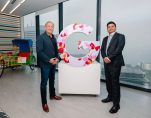
Witnessed by Dr Annika Bolten-Drutschmann, Consul General of Germany (Second row middle), Ms Cordelia Chung, Chairman of HKSTP (Second row first from left), and Mr Peter Yan, Director-General of the OASES (Second row first from right), Mr Terry Wong, Chief Executive Officer of HKSTP (Front row first from left), and Mr Rogier Janssens, President of Merck China (Front row first from right), signed the partnership agreement to establish their strategic partnership.

The HKSAR Government’s recently announced First Five-Year Plan places a strong focus on strategic industries, including life and health technology, artificial intelligence (AI), and new industrialisation, while the latest Policy Address sets out Hong Kong’s ambition to accelerate its development into an international health and medical innovation hub, progressively expanding access to the GBA, international markets, and capital markets. Arriving at a pivotal moment as Hong Kong I&T development enters a new phase, the partnership will bring together top-tier global scientific resources and inject fresh momentum into the city’s I&T sector.

Witnessed by Dr. Annika Bolten-Drutschmann, Consul General of Germany, Ms Cordelia Chung, Chairman of HKSTPand Mr. Peter Yan, Director-General of the Office for Attracting Strategic Enterprises (OASES), Mr. Terry Wong, Chief Executive Officer of HKSTP, and Mr. Rogier Janssens, President of Merck China, signed the partnership agreement. The signing was followed by the “Merck x HKSTP Groundbreaking Ceremony”, marking the official commencement of the Merck Hong Kong Centre and turning the partnership to a new chapter.

Mr. Terry Wong, Chief Executive Officer of HKSTP, said, “We are delighted to welcome Merck, a leading science and technology company, in establishing a strategic partnership with HKSTP and Hong Kong’s I&T ecosystem. As Hong Kong enters an exciting new phase of I&T development, collaboration with global leaders like Merck is crucial to foster the growth of the life and health tech sector. Our shared vision goes beyond offering physical space: we are bringing Merck’s advanced technologies, scientific expertise and global networks closer to our startups and researchers, helping them turn discoveries into practical solutions and explore opportunities for pilot projects, commercial partnerships and investment. Powered by the city’s unique positioning as the super connector between the Chinese Mainland and global markets, this partnership will catalyse collaboration between Merck’s global excellence in life sciences and HKSTP’s thriving ecosystem — taking the discovery and commercialisation of R&D results in the life and health sector to the next level, creating global impact and benefiting humankind.”

Mr. Rogier Janssens, President of Merck China, said, “Hong Kong’s first Five-Year Plan places innovation and technology at the heart of the city’s future, giving science and technology companies like Merck a clear direction for lasting engagement. For 358 years, Merck has advanced science and technology with a patient, generational outlook, and we are now deepening our presence in the Greater Bay Area’s innovation landscape. Merck Hong Kong Centre is the first step of that commitment in Hong Kong. Located next to HKSTP’s shared biomedical laboratory, it places our products and experts alongside the scientists and startups driving the research. We can help them build reliable, reproducible workflows from early experimentation to scale-up, and we can understand earlier what their science needs. Together with HKSTP, we aim to prove this approach in Hong Kong and replicate it elsewhere in China and beyond.”

Under the agreement, the collaboration will focus on four key initiatives:

  • Merck Hong Kong Centre: The dedicated physical facility at Hong Kong Science Park will provide Park startups and researchers with advanced scientific product supply, live demonstrations of cutting-edge technologies and expert consultation services. The Centre will serve as a physical hub connecting local innovators with Merck’s technology resources.
  • Training and Consultation Initiative: Connecting Merck’s industry experts with HKSTP’s startups and researchers through technical training, clinical advisory and professional consultation services to promote knowledge exchange and strengthen research and application capabilities.
  • Innovation Scouting Program: Establishing a structured mechanism to identify, evaluate and connect high-potential startups directly with Merck’s global innovation network, exploring collaboration opportunities including commercial partnerships, proof-of-concept pilot projects and strategic venture investment opportunities.
  • Merck Innovation Day: An annual flagship event held at Hong Kong Science Park focusing on life science, healthcare and electronics, bringing together startups, academia and industry leaders to showcase innovations and foster cross-sector exchange and co-development.

HKSTP is committed to building a vibrant I&T ecosystem and is currently home to around 400 life and health technology companies, supported by comprehensive R&D infrastructure and one-stop support services that help turn ideas into real-world applications. The partnership will further connect Park companies with Merck’s global resources, while providing Merck with a platform to access emerging technologies, research talent and high-potential companies in Hong Kong and the GBA, fostering two-way innovation exchange and opening up long-term collaboration opportunities.

Hashtag: #HKSTP

The issuer is solely responsible for the content of this announcement.

HKSTP

More information about HKSTP is available at .

The Keralam government will introduce legislation in the next Assembly session to regulate treatment costs in private hospitals, Health Minister K. Muraleedharan announced on Monday, October 26. Responding to Communist Party of India (Marxist) MLA K. N. Balagopal during Question Hour, the minister acknowledged growing…

Joint study shows emerging markets will generate 60% of new online spending over the next decade — most of it from consumers without a credit card

SINGAPORE – Media OutReach Newswire – 21 October 2026 – Asia is projected to add 702 million middle-class adults between 2026 and 2036, three-quarters of all middle-class growth in emerging markets, according to a new study from World Data Lab (WDL) and EBANX, a global technology company specializing in payment services for emerging markets.

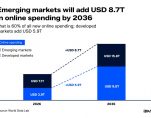
Emerging markets will add USD 8.7T in online spending by 2036

But this new consumer class will not shop the same way developed-market consumers do: by 2036, only 20% of adults in emerging markets will hold a credit card, against 66% in developed markets.

Global online spending is projected to grow from USD 11 trillion in 2026 to USD 25.6 trillion in 2036. Emerging markets add USD 8.7 trillion of that increase (60% of all new online spending), with China (USD +4.7 trillion) and India (USD +1.3 trillion) leading this growth. Indonesia (USD +243 billion), Brazil (USD +249 billion) and Mexico (USD +191 billion) form the next tier.

The categories matter as much as the markets. Online gaming spending in emerging markets grows 14% a year over the decade, the fastest of any category, and SaaS nearly 10%. Emerging markets will generate 76% of global growth in social media spending and 64% in SaaS.

The demographic picture challenges a common assumption. Consumers aged 45 and over account for 51% of emerging markets’ online spending growth through 2036, and spending by those aged 65 and over grows 12% a year, faster than any other age group.

The outlook was discussed during “Navigating Payments: How innovation and fragmentation are changing the game for e-commerce,” a webinar co-hosted by World Data Lab (WDL) and EBANX.

“Over the next ten years, people aged 45 and over will add USD 4.4 trillion in online spending in emerging markets, half of all the growth. Some of them already shop on their phones and will keep doing so as they get older. Others will buy online for the first time in their fifties or sixties. Merchants who build their checkout only for a 25-year-old will miss both groups,” explained Wolfgang Fengler, CEO of WDL.

The study models consumer spending, demographics, and financial access across 184 countries to 2036, drawing on the World Bank’s Global Findex and WDL’s consumer models, combined with EBANX’s experience processing payments for global merchants in emerging markets since 2012.

“If your checkout only takes credit cards, you are competing for one in five adults in emerging markets and conceding the other four”, said Marie-Elise Droga, Chief Revenue Officer of EBANX. “The merchants growing fastest with us didn’t wait for cards to arrive: they added the payment rails their customers already use, and they’re taking new buyers, bigger baskets and recurring revenue that card-only competitors can’t even see.”

834 million new online buyers, 281 million new credit cards

Between 2026 and 2036, the global economy will add 834 million online buyers but only 281 million credit card holders—a ratio of nearly three to one. In emerging markets, two in three new online buyers (67%) will arrive without a credit card. Adults without it already account for 55% of online spending in emerging markets, a share that rises to 90% in India and 93% in Sub-Saharan Africa. Credit cardless adults also represent 52% to 59% of spending in every digital category, from gaming and SaaS to streaming and travel.

Digital payment use is also running ahead of online shopping. Of the 2.6 billion emerging-market adults spending between USD 6 and USD 25 a day, 70% already pay merchants digitally while only 33% buy online, leaving at least 957 million digitally active consumers who are not yet online buyers. Many hold a bank account or mobile wallet but no card that works at an international checkout.

“This is closely tied to the innovation that came out of the financial industry in emerging markets, which developed solutions for an increasingly mobile economy and for the habits of local consumers. Today, we call them local payment methods, or LPMs, and they allowed e-commerce growth to decouple from the credit card, which still has very low penetration in these countries,” said Estelita Hass, head of Market Intelligence at EBANX.

Subscriptions are the next frontier — and India shows why

Recurring categories such as streaming, SaaS and online education will reach USD 2.1 trillion a year in emerging markets by 2036, with USD 1.1 trillion coming from adults without a credit card. In India, 82% of recurring online spending will be cardless. Account-based recurring rails are beginning to close that gap: a global SaaS company saw a 20% uplift in new subscribers after adding UPI at checkout in India, and cybersecurity company Nord Security now generates 28% of its revenue in Brazil through Pix Automático, Brazil’s recurring instant payment, six months after launching it with EBANX.

The webinar presentation is available at [LINK].

Hashtag: #EBANX #WorldDataLab #Fintech #Payments #EmergingMarkets #Consumers

The issuer is solely responsible for the content of this announcement.

ABOUT EBANX

EBANX is the leading technology platform connecting global businesses to the world’s fastest-growing digital markets. Founded in 2012 in Brazil, EBANX was built with a mission to expand access to international digital commerce. Leveraging proprietary technology, deep market expertise, and robust infrastructure, the platform enables global businesses to offer hundreds of local payment methods and streamline cross-border payments across Latin America, Africa, and Asia. With a global footprint, it established a technology and regulatory headquarters in Singapore in 2026. More than just payments, EBANX drives growth, enhances sales, and delivers seamless purchase experiences for businesses and end users alike.

For further information, please visit:

Website:
LinkedIn:

By Kalyani Shankar In India, festivals are more than just celebrations; they are significant traditions. Families often spend a considerable amount on new clothes, sweets, decorations, and gifts during these times. However, rising prices and inflation are forcing consumers to adjust their budgets and shopping habits. Many families are choosing to celebrate on a smaller […]

The article Rising Prices Of Essential Commodities Restrict Family Budgets In Festival Season appeared first on Latest India news, analysis and reports on Newspack by India Press Agency).

Kerala Public Service Commission chairman Dr M R Baiju is seeking legal advice following former Governor Rajendra Vishwanath Arlekar’s recommendation to President Droupadi Murmu that he be removed from office. Baiju’s response centres on the constitutional limits governing action against the chairman and members of th…
HONG KONG SAR – Media OutReach Newswire – 25 October 2026 – Cushman & Wakefield, a leading global real estate services firm, has again been recognized for its leading professional service excellence at the Royal Institution of Chartered Surveyors (RICS) Awards in Hong Kong. The firm was awarded Winner in both the “Best Deal of the Year” and “Valuation Team of the Year” categories at the 2026 awards ceremony. This marks the firm’s second double-win achievement since 2024, and represents the fifth “Best Deal” award in nine years and the fourth “Valuation Team” award in six years. These recognitions highlight Cushman & Wakefield’s unwavering market leadership and commitment to professional service excellence.

Winner — Best Deal of the Year

Cushman & Wakefield’s Capital Markets team has been recognized for delivering Hong Kong’s largest office asset transaction since 2021. Facilitating Alibaba Group and Ant Group’s acquisition of their new regional headquarters premises at One Causeway Bay, this landmark HK$7.2 billion deal marks a significant milestone for the city’s commercial real estate market and underscores Hong Kong’s enduring appeal to global technology companies seeking regional headquarters opportunities. It highlights Cushman & Wakefield’s pivotal role as a key link between enterprises of different regions, further solidifying its leading position in complex cross-border transactions. This iconic deal has been widely reported and headlined by more than 100 media outlets globally.

Francis Li, International Director, Vice President and Head of Capital Markets, Greater China, Cushman & Wakefield, said, “This award reflects our team’s market expertise, integrity, and commitment to client outcomes, while adhering to the stringent RICS standards. It also reflects our deep market relationships and dedication to clients, the industry, and contributing to Hong Kong’s continued growth.”

Winner — Valuation Team of the Year

Committed to building a future-ready Hong Kong defined by sustainability, innovation, and lasting value, Cushman & Wakefield’s Valuation & Advisory Services team draws on more than 30 years of hands-on experience across Greater China. It partners with the Hong Kong government and private-sector visionaries to shape the infrastructure and public services that matter — spanning transport, utilities, healthcare facilities, and urban renewal. As a total solution hub, the team connects end-to-end expertise across valuation, advisory, ESG, financing and feasibility to turn ambition into action.

Andrew Chan, Managing Director, Head of Valuation & Advisory Services, Greater China, Cushman & Wakefield, said, “We are deeply honored be named Valuation Team of the Year at the RICS Hong Kong awards for the third consecutive year, marking our fourth “Valuation Team” award in six years. This accolade reflects the unwavering dedication, professionalism, and innovation of our valuation team. Serving major development initiatives, our team is proud to help shape Hong Kong’s future with our valuation expertise. Since 1993, we have continually evolved our capabilities — integrating ESG, sustainability, and emerging asset classes to deliver best-in-class solutions while nurturing the next generation of industry leaders.”

John Siu, Managing Director, Hong Kong, Cushman & Wakefield, added, “Congratulations to our outstanding teams for demonstrating our progressive spirit and client-first mindset once again. These prestigious accolades reinforce Cushman & Wakefield’s market leadership and brand strength. Moving forward, we will continue to elevate industry standards and deliver unparalleled value to our clients.”

Photos:
Winner – Best Deal of the Year: Hong Kong & China Capital Markets team
Winner – Valuation Team of the Year: Hong Kong Valuation & Advisory Services team

Please click HERE to download high-resolution photos.

Hashtag: #CushmanWakefield


The issuer is solely responsible for the content of this announcement.

About Cushman & Wakefield

Cushman & Wakefield (NYSE: CWK) is a leading global commercial real estate services firm for property owners and occupiers with approximately 53,000 employees in nearly 350 offices and 60 countries. In Greater China, a network of 23 offices serves local markets across the region. In 2025, the firm reported revenue of $10.3 billion across its core services of Valuation, Consulting, Project & Development Services, Capital Markets, Project & Occupier Services, Industrial & Logistics, Retail, and others. Built around the belief that Better never settles, the firm receives numerous industry and business accolades for its award-winning culture. For additional information, visit www.cushmanwakefield.com.hk or follow us on LinkedIn (https://www.linkedin.com/company/cushman-&-wakefield-greater-china).

OpenAI is nearing a funding round of up to $30 billion at a proposed $1.25 trillion valuation, below the $1.4 trillion initially discussed with investors, as negotiations enter their final stages. The revised figure represents a $150 billion reduction in the ChatGPT developer’s valuation target, although the financing remains under discussion and neither the amount raised nor the final price has been confirmed. OpenAI has not publicly […]

Advertisements

Ericsson, Play and Asseco have demonstrated a system for detecting unauthorised drones in Poland, combining radio sensing, acoustic monitoring and mobile connectivity, but have not deployed the technology across the country’s 18,000 telecommunications sites. The companies disclosed details on Thursday of a live demonstration conducted on 15 October at Ericsson’s research and development centre in Kraków. The trial illustrated how existing communications infrastructure could support surveillance of […]

By Emma McDermott ATT, Founder of Global Tax Consulting   Dubai’s lack of personal income tax is one of the main attractions for British professionals considering a move to the UAE. Combined with the employment opportunities, lifestyle and relative proximity to the UK, it is easy to understand why so many people are making the move. However, relocating to Dubai does not automatically mean that you stop […]

By Rahil Nora Chopra The UP Congress is gearing up for the 2027 Assembly elections and negotiating the seat-sharing arrangement with the Samajwadi Party (SP). With the aim of outlining the terms of negotiations with the SP, Congress general secretary Priyanka Gandhi held a three-hour-long meeting with UP Congress leaders regarding seat allocation. The Congress […]

The article Priyanka Meets UP Congress Leaders To Chalk Out Seat-Sharing Terms appeared first on Latest India news, analysis and reports on Newspack by India Press Agency).

The partnership pairs LeapThought’s own AI with Google Cloud’s Gemini models and sovereign Cloud offering, giving infrastructure owners control of their data and connected intelligence across the full project and asset lifecycle.

SINGAPORE – Media OutReach Newswire – 23 October 2026 – LeapThought and Google Cloud today announced a strategic partnership to bring sovereign, domain-native AI to the owners and operators of critical building infrastructure, giving them control of their data and sharper decision-making across the full value chain, from delivery through operations.

Ratnakar Garikipati, Founder, Chair, and CEO of LeapThought, alongside Rahul Sharma, Google Cloud Managing Director, APAC Public Sector. The partnership combines LeapThought's specialized AI with Google Cloud's Gemini models and sovereign infrastructure to deliver secure data control and end-to-end intelligence for infrastructure assets.
Ratnakar Garikipati, Founder, Chair, and CEO of LeapThought, alongside Rahul Sharma, Google Cloud Managing Director, APAC Public Sector. The partnership combines LeapThought’s specialized AI with Google Cloud’s Gemini models and sovereign infrastructure to deliver secure data control and end-to-end intelligence for infrastructure assets.

The partnership has two priorities. The first is value chain integration, which connects everyone involved in delivering and running an asset — owners, operators, developers, consultants, contractors, and suppliers — on one governed platform. The second is security and sovereignty: owners can keep control of their data, within compliant, standardized frameworks that can be repeated from one program to the next.

FULCRUMHQ, LeapThought’s globally recognized Integrated Digital Delivery (IDD) platform, gives infrastructure owners the option to run on Google Cloud, including Google’s sovereign, air-gapped solutions for defense, public sector, and private sector environments requiring high security. At its core is GENIEHQ, LeapThought’s own Industrial AI, embedded directly into the platform and built to reason over the structured and unstructured data that defines a capital program — BIM models, GIS and geospatial data, ERP financials, schedules, contracts, reality capture, telemetry, and data from field robotics and sensors. The partnership pairs GENIEHQ with Google Cloud’s Gemini models, giving owners and their delivery teams natural-language access to that data across a project and a portfolio.

The partnership delivers on these two priorities as follows:

1. Value Chain Integration: One Governed Record, Natural-Language Insight

Major capital and building infrastructure programs span owners, operators, developers, consultants, contractors, and suppliers — each typically working in separate systems, with design, construction, and operational data fragmented across handovers. LeapThought’s FULCRUMHQ platform brings this information together into a single governed record that follows an asset from design through operation, giving owners a consistent view across their portfolio, not just a single project.

By running FULCRUMHQ — and the GENIEHQ Industrial AI embedded within it — on Google Cloud, and integrating LeapThought’s proprietary data architecture with Google’s Gemini models, the partnership enables:

  • Interactive Model and Portfolio Querying: Combining GENIEHQ’s deep understanding of project and portfolio data with the multimodal capabilities of Gemini, owners, engineers, project managers, and field teams can ask complex, plain-language questions directly against BIM models and portfolio data — instead of manually clicking through complex 3D CAD/BIM model trees or running predefined filter scripts — such as identifying clash detections, extracting exact material quantities, verifying regulatory code compliance, or surfacing risk trends across a program (e.g., “Show me all fire-rated doors on Level 3 that don’t match the latest spec,” or “Which contractors across our portfolio have the highest rate of non- conforming work this quarter”).
  • Global Scale and Reliability: Google Cloud provides the high-performance compute and elastic scalability needed to process compute-intense multi-gigabyte 3D models and point-cloud datasets, across a single project or an entire portfolio, in real time.

2. Security and Sovereignty: Full Control on Google Cloud’s Sovereign Solutions

For critical civil assets, defense installations, public sector agencies, and private sector owners where data cannot traverse the public cloud, LeapThought gives owners the choice to deploy on Google Cloud’s data residency solutions, including Google Cloud Data Boundary, Google Cloud Dedicated, and Google Distributed Cloud. In these environments, GENIEHQ, LeapThought’s Industrial AI embedded within FULCRUMHQ, runs alongside Gemini locally, within the owner’s chosen security boundary, ensuring zero cross-boundary exposure or unauthorized external telemetry.

“The value of an asset now lies as much in the intelligence around it as in its physical form. That intelligence belongs to the owner, and it must be secure, sovereign, and shared across the whole value chain. Demand for this is growing quickly, in Asia and around the world, and that is what brought us and Google Cloud together. We’re starting from Singapore and building toward a standard for critical infrastructure everywhere,” said Ratnakar Garikipati, Founder, Chairman, and CEO of LeapThought.

“Public sector and critical infrastructure agencies manage some of the most intricate engineering and regulatory datasets in the world. The partnership between Google Cloud and LeapThought enables project teams and portfolio owners to quickly surface actionable insights directly from complex BIM models and program data using everyday language. Combined with Google’s sovereign, air-gapped solutions, we’re providing agencies with the option to modernize project workflows while maintaining strict data governance, residency, and operational sovereignty,” said Rahul Sharma, Managing Director, APAC Public Sector, Google Cloud.

Hashtag: #LeapThought

The issuer is solely responsible for the content of this announcement.

About LeapThought

LeapThought is a US technology company that builds software connecting people, data, and AI across the infrastructure lifecycle. It is headquartered in Bellevue, Washington, has its Asia headquarters in Singapore, and operates across the United States, Brazil, Singapore, and New Zealand. Its FULCRUMHQ platform and embedded GENIEHQ Industrial AI serve public agencies, developers, consultants, contractors, and universities and institutes of higher learning. Clients include Singapore’s Land Transport Authority, Building and Construction Authority, and JTC. The company was founded and led by Ratnakar Garikipati.

Arabian Post Staff -Dubai The United Arab Emirates and Greece announced 18 agreements and commercial partnerships worth €12.75 billion ($14.3 billion) on Thursday, alongside plans for another €15 billion of UAE investment in Greece. The announcements came at the UAE-Greece Strategic Forum in Athens, attended by Abu Dhabi Crown Prince Sheikh Khaled bin Mohamed bin Zayed Al Nahyan and Greek Prime Minister Kyriakos Mitsotakis. The package covers […]

Gold prices fell on Friday and headed for their sharpest weekly decline in more than four months as rising energy costs reinforced expectations that the US Federal Reserve will keep interest rates elevated. Spot bullion traded around $4,021 an ounce, extending its weekly loss to approximately 3.6 per cent. US gold futures dropped 0.6 per cent to about $4,035, bringing the psychologically important $4,000 threshold into sharper […]

Arabian Post Staff -Dubai The United Arab Emirates has formally nominated senior diplomat Lana Nusseibeh to become the next United Nations secretary-general, introducing a Middle Eastern contender into a leadership contest marked by divisions among the Security Council’s permanent members. President Sheikh Mohamed bin Zayed Al Nahyan submitted her nomination on Wednesday in a letter to the presidents of the General Assembly and Security Council. Nusseibeh, the […]

By Nitya Chakraborty U.S. Secretary of state Marco Rubio’s visit to India this week and talks with the Indian corporate leaders including Mukesh Ambani and Gautam Adani have roused unusual interest in the country’s business circles as also among diplomats globally. There are two aspects. First, Rubio gave priority to his visit to Jamnagar and […]

The article Marco Rubio, Mukesh Ambani, Elon Musk And Gautam Adani appeared first on Latest India news, analysis and reports on Newspack by India Press Agency).

Aldar Education has signed a memorandum of understanding with education technology company Toddle to introduce a unified learning management system across its 13 operated schools in Abu Dhabi, consolidating teaching, assessment and reporting while incorporating artificial intelligence into classroom activities. The agreement, announced on Thursday, October 22, will establish a common digital platform for schools delivering British, American and International Baccalaureate curricula. Implementation will proceed in phases, […]

BNP Paribas Asset Management is increasing its exposure to long-dated Japanese government bonds, attracted by elevated yields, a steep yield curve and strengthening evidence that domestic institutional investors are returning to the market.

The investment strategy comes as Japan’s government bond market shows signs of recovering demand after months of volatility driven by inflation, fiscal uncertainty and expectations of further monetary tightening by the Bank of Japan.

Ryutaro Kimura, senior bond strategist at BNP Paribas Asset Management, has identified improving demand from domestic investors, particularly life insurance companies, as an important development supporting longer-maturity government securities.

The strongest indication emerged at Japan’s 20-year government bond auction on Tuesday, when demand reached a record level. The bid-to-cover ratio climbed to 5.84, compared with 4.01 at the previous auction and a 12-month average of 3.73.

The exceptionally strong bidding reflected renewed appetite for securities offering higher returns than those available during Japan’s prolonged period of exceptionally low interest rates.

Kimura attributed the favourable auction outcome to recovering domestic demand, supported by elevated interest rates and easing concerns about the government’s fiscal position.

Japanese life insurers have increased their net purchases of super-long government bonds since June, providing additional evidence that institutions with long-term liabilities are rebuilding their holdings of domestic fixed-income assets.

The auction results also showed an improvement in pricing conditions. The difference between the average accepted price and the lowest accepted price narrowed to 0.07 from 0.15 at September’s sale, indicating stronger bidding competition.

The yield on 20-year government bonds subsequently declined by as much as six basis points to 3.710%, reflecting the immediate market response to the auction.

Japan’s yield curve remains unusually steep, offering investors considerably higher returns on securities with longer maturities. That difference has encouraged asset managers to reassess the balance between income opportunities and the risks associated with holding longer-duration bonds.

Official yield data showed the benchmark 10-year government bond yielding approximately 2.93% on October 20, compared with 3.99% for the 30-year maturity. The difference exceeded one percentage point, highlighting the additional compensation available to investors extending their investment horizons.

Longer-duration bonds also carry greater sensitivity to changes in interest rates. Their prices can fall sharply when yields rise, making portfolio positioning particularly important while monetary policy expectations remain unsettled.

Japan’s central bank is expected to remain a significant influence on market conditions. Investors are awaiting its next policy meeting for indications about the pace of further interest rate increases and the outlook for inflation.

The Bank of Japan’s policy rate stood at 1.25% in October, following successive adjustments intended to address persistent inflationary pressures. Further tightening could influence borrowing costs across the maturity spectrum, although movements in longer-term yields also depend on government borrowing requirements and investor demand.

BNP Paribas Wealth Management’s October fixed-income outlook anticipates additional monetary tightening by the Japanese central bank, with approximately quarterly increases and a terminal policy rate around 2.5% in 2028. That projection represents the institution’s assessment rather than an announced central bank policy path.

Government financing requirements remain another consideration for investors. Prime Minister Sanae Takaichi’s administration faces scrutiny over fiscal proposals and their implications for future bond issuance, particularly as higher yields increase the cost of financing public debt.

Nevertheless, improved auction demand suggests that higher interest rates are attracting buyers who previously found Japanese government securities insufficiently rewarding.

The potential return of domestic capital is particularly significant because Japanese banks and insurers have substantial overseas bond investments. Rising domestic yields can encourage these institutions to reconsider foreign allocations, especially where currency hedging reduces the returns available from overseas securities.

Japanese investors sold foreign bonds for a fifth consecutive week through October 17, with cumulative net disposals reaching approximately ¥3.43 trillion over that period. The withdrawals provide further evidence of changing investment preferences as domestic fixed-income yields become more competitive.

The Ministry of Finance has also adjusted issuance arrangements for longer-maturity securities, an important consideration for investors assessing the relationship between government bond supply and institutional demand.

Market participants will continue examining auction results alongside investment plans from major insurers to assess the composition of demand. Japan’s Ministry of Finance conducted another liquidity-enhancement auction on October 22, following its 20-year government bond sale earlier in the week.

The Orchard Road clinic outlines a goal-based alternative to off-the-shelf test packages*

SINGAPORE – Media OutReach Newswire – 22 October 2026 – Hisential Clinics Singapore, a doctor-led health screening and men’s health clinic at Mandarin Gallery, Orchard Road, has outlined its goal-based approach to men’s preventive health ahead of Movember 2026. As consumer platforms market standardised blood test panels directly to the public, the clinic is highlighting the role of doctor-led risk stratification, physical examination and long-term follow-up in effective health screening. Group Medical Director Dr Julian Ng is available for interviews during November to discuss the approach.

Each November, Movember campaigns encourage men to see a doctor. Health outcomes for men, however, have been slow to improve, according to the clinic. The clinic attributes this gap partly to preventive health having followed a consumerist route. Digital wellness platforms now sell blood tests the way meal-kit apps sell dinners: a panel is selected, purchased and delivered. Screening is packaged like phone plans, tiered and compared by item counts. The underlying assumption is that a health check is a product.

“The first question we ask is not which package are you here for. It is what is the goal,” Dr Ng said. “A thirty-five-year-old with a family history of heart disease and a fit fifty-year-old with none do not need the same tests. They need the same conversation. Everything that follows, what we test, what we watch, when we see you again, is built backwards from that answer.”

The clinical case against off-the-shelf testing is straightforward: medicine is not just blood tests. A number on a report means different things in different bodies. The same cholesterol reading can be reassuring for one man and a warning for another, depending on his age, family history, blood pressure, and what a doctor finds on examination.

This is risk stratification, and it is why the physical examination still matters in an age of app-ordered panels. A murmur heard through a stethoscope, a detail no mail-order test captures, can change how a doctor interprets a cholesterol reading and what target is appropriate for that patient. Without the examination and the history, screening becomes numbers without medical context.

“Men come to us carrying printouts from testing platforms, sometimes anxious over a value that means very little for them, sometimes reassured by one that should have prompted more questions,” Dr Ng said. “A blood test is a tool, not a diagnosis. It only becomes medicine when somebody takes the time to place it in the context of the person standing in front of them.”

The men who avoid screening appointments are often disciplined in other areas of life, the clinic has observed. What they avoid is being processed: selecting a package from a menu and leaving with numbers nobody explained.

Hisential’s answer is a different kind of appointment. At the Mandarin Gallery clinic, a consultation is built around two things: the goal, and the time to reach it. Time with the practitioner matters twice over. The first question a man asks is usually the safe one he rehearsed, often about cholesterol. The question that actually brought him in surfaces once he trusts the doctor and sees there is time for the answer. Most health systems never hear the second question.

The consultation also builds structure for what follows. Doctor and patient agree on what is being monitored, the patient’s baseline, and what happens at the next check. Patients who leave with that structure keep the habit, the clinic finds. Prevention, in this model, is a series of future decisions set up in advance.

The approach speaks to a wider conversation in Singapore about healthspan, healthy years rather than simply years. Healthspan is not bought in a single transaction, according to the clinic. It is built through understanding one’s health numbers, what they mean in context, and catching quiet changes early, when the response can still be small. That requires a practitioner who knows a patient’s goals and history, not a panel that knows neither.

“The men who do best in preventive health are not the ones who bought the biggest test package on day one,” Dr Ng said. “They are the ones who left with their questions answered, a goal defined, and a reason to return. Everything after that is easy.”

The clinic’s view is that men’s health services more broadly would benefit from the same shift: fewer standardised packages, more appointments and relationships worth keeping.

Hisential Clinics Singapore provides doctor-led health screening and men’s health services at Mandarin Gallery, 333A Orchard Road. Interviews with Dr Julian Ng, Group Medical Director, can be arranged on request.
Hashtag: #MensHealth #HealthScreening #Movember


The issuer is solely responsible for the content of this announcement.

Hisential Clinics Singapore

Hisential Clinics Singapore offers doctor-led health screening and men’s health services at Mandarin Gallery, Orchard Road. More information:

For investors considering U.S. permanent residency through the EB-5 Immigrant Investor Program, the final months of 2026 could prove significantly more expensive for those who delay. The program currently requires a minimum qualifying investment of $800,000, but two separate cost increases are now approaching. First, USCIS Filing Fees Rise From November 30, 2026, the filing fee for Form I-526E will increase from $3,675 to $7,850. For investors […]

HONG KONG SAR – Media OutReach Newswire – 21 October 2026 – To mark the annual World Sight Day, international sight-saving organization Orbis, in partnership with the Hong Kong Ophthalmological Society (HKOS), Southern District Office, and Southern District Services & Community Care Teams (Southern District Care Teams), held the “World Sight Day: Southern District Eye Care Day” at Wah Kwai Community Hall in Aberdeen. Combining medical expertise, government administrative support, and local district networks, the event featured interactive sensory games, medical seminars, and in-depth eye screening to promote eye disease prevention and early screening for underprivileged seniors.

Cross-Sector Collaboration For World Sight Day: Orbis, HKOS, Southern District Office, and Southern District Care Team Jointly Launch "Southern District Eye Care Day" - Calling on the Next Generation to Accompany and Protect Senior Vision

Intergenerational Care: The Earlier the Eye Protection, The Better – “When Vision Fades, It’s Already Too Late”

Eyes are the windows to the soul, and good vision is key to maintaining quality of life and dignity for seniors. Clear vision allows everyone to live life to the fullest. Yet, many local seniors dismiss deteriorating vision as an inevitable sign of aging and choose to endure it. As early-stage eye diseases are often painless and asymptomatic, by the time seniors experience noticeable blurriness or vision impairment, they have often missed the golden window for effective treatment.

On World Sight Day, the message from organizers was clear: caring for aging eyes is a shared family responsibility. Through twin themes of “Intergenerational Care” and “Early Screening, Early Control,” they called on younger generations to accompany their elderly loved ones on the journey to better vision. Eye care should never be put off until problems arise. A gentle word of concern, a thoughtful reminder, or simply offering to accompany parents to an eye exam could be the very thing that catches a silent disease early and protects seniors’ clarity, confidence, and quality of life.

Three Key Program Highlights: From Interactive Sensory Games to In-Depth Eye Screening

The full-day event offered a comprehensive eye care experience:

  • Interactive Sensory Games: Featured 5 interactive eye care booths (including AR eye disease simulation and Braille challenges), allowing residents and young caregivers to experience visual challenges faced by seniors firsthand while learning eye care knowledge.
  • Professional Medical Seminars: 3 specialized seminars hosted by HKOS specialist ophthalmologists unraveled “silent vision thieves” like cataracts, glaucoma, and macular degeneration in accessible terms, attracting over 500 seniors and caregivers.
  • In-Depth Eye Screening: On-site HKOS specialist ophthalmologists provided free Optical Coherence Tomography (OCT) scans and diagnostic consultations to 120 underprivileged seniors from the Southern District, issuing specialist referral letters to cases requiring further medical follow-up.

Quotes from Officiating Guests

Ms. Sandy CHEUNG, JP, District Officer (Southern)

“The Southern District Office has always been committed to bringing together government, charitable organizations, and community forces to serve residents. We are delighted to coordinate the Southern District Care Team, partnering with Orbis and the Hong Kong Ophthalmological Society to bring top-tier eye care resources directly to Wah Kwai Estate for free screenings for local seniors. The Care Team will continue to leverage its community network to care for the physical and mental well-being of the elderly.”

Ms. Kathleen SHERWIN, President & Chief Executive Officer of Orbis International

“For over 40 years, Orbis has firmly believed that cross-sector collaboration is key to preventing and treating avoidable blindness. Hong Kong has always been a vital global hub for Orbis. As a centerpiece of Orbis’s World Sight Day community initiatives, this event aims to promote ‘Intergenerational Care’ and encourage the younger generation to actively care for their elders’ eye health.”

Prof. YAM Cheuk Sing, Jason, President of Hong Kong Ophthalmological Society

“Common elderly eye conditions such as cataracts, glaucoma, and macular degeneration often develop silently in their early stages. By the time seniors notice blurred vision, irreversible vision damage may already have occurred. HKOS is honored to mobilize specialist ophthalmologists into the community to conduct screenings, putting the medical philosophy of ‘Early Screening, Early Control’ into practice.”

Ms. HUI Sze Man, Orbis “Sight Ambassador” & Senior Artiste

“Having had cataract surgery myself, I was fortunate that my habit of regular eye checkups allowed me to recover my vision completely post-surgery! My five grandchildren are always caring for my eyes. I strongly urge fellow seniors not to endure vision problems silently, and encourage the younger generation to show more care by taking their elders for regular eye checkups!”

Cross-Sector Unity to Achieve “Early Screening, Early Control”

The event featured a simple yet solemn kick-off ceremony. Officiating guests affixed colorful “E” chart props onto a giant eye chart backdrop, symbolizing the four-party partnership across government, medical, charitable, and district sectors, uniting to restore clear vision to Southern District seniors. This was followed by a mass photo op with over a hundred seniors and family members holding eye care props and chanting slogans in a warm, enthusiastic atmosphere.

Photo Captions

Photo 1 (Joint Kick-off Ceremony): Ms. Kathleen SHERWIN, President & CEO of Orbis International (right 3); Ms. Sandy CHEUNG, JP, District Officer (Southern) (left 3); Prof. YAM Cheuk Sing, Jason, President of HKOS (right 1); Ms. LAM Yuk-chin, BBS, MH, Representative of the Southern District Care Team (left 2); Ms. Mary LAU, Executive Director of Orbis Hong Kong (right 2); and Ms. HUI Sze Man, Orbis “Sight Ambassador” (left 1) officiate the “World Sight Day Senior Eye Care Action” launch ceremony by placing colorful “E” props on a giant eye chart.

Photo 2 (Mass Intergenerational Group Photo): Officiating guests pose with nearly 160 Southern District seniors, residents, and family members, holding eye care props and calling for “Early Screening, Early Control” and promoting “Intergenerational Care”.

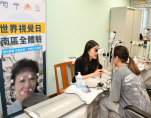
Photo 3 (Free Specialist Eye Screening): HKOS specialist ophthalmologists provide free comprehensive consultations and OCT scan evaluations for underprivileged seniors in Wah Kwai Estate.

Photo 4 (Sight Ambassador Experience): Orbis “Sight Ambassador” Ms. HUI undergoes a professional eye checkup on-site and shares her story of overcoming cataracts to encourage seniors not to endure eye issues silently.

Photo 5 (Community Eye Care Booths and Seminars): The event featured AR eye disease simulation booths and medical seminars to help residents experience patient perspectives and deepen community eye health education.

Hashtag: #Orbis

The issuer is solely responsible for the content of this announcement.

Initiative offers 1,000 free paediatric eye examinations, 1,000 free adult myopia screenings and a planned three-year myopia-control trial

HONG KONG SAR – Media OutReach Newswire – 20 October 2026 – As part of its mission to eliminate avoidable vision loss, Orbis and the LKS Faculty of Medicine of the University of Hong Kong (HKUMed), partnered to tackle the growing, lifelong burden of short-sightedness (myopia) across Hong Kong. The joint initiative highlights how myopia takes root early in primary school and, if left unmanaged, poses a severe, sight-threatening risk in later life.

Protecting Sight from Childhood to Adulthood: Orbis and HKUMed Tackle Hong Kong Myopia Crisis

Rather than a minor inconvenience corrected by stronger glasses, unmanaged high myopia physically alters the structure of the eye, drastically increasing the lifetime risk of irreversible blindness. Drawing on insights from HKUMed’s academic research and data from the joint Orbis x HKUMed Vision Matters community screening project, this partnership provides a crucial wake-up call on how lifelong visual health is determined during childhood.

In direct response to this public health challenge, Orbis and the Department of Ophthalmology, School of Clinical Medicine, HKUMed, are taking immediate action by offering 1,000 free comprehensive eye examinations for local children. This initiative gives families immediate access to expert care, early detection, and evidence-based guidance to safeguard their children’s sight before permanent damage occurs. In parallel, free eye screening will be provided to 1,000 adults aged over 50 years with known myopia. The 1,000 paediatric eye examinations and 1,000 adult eye screenings are all part of the HKUMed 140 for the Community Campaign.

A Lifelong Threat: From Classroom to Later Life

The joint effort establishes a clear, connected narrative across two generations:

  • Myopia Starts Early: A 2025 HKUMed study conducted at the HKU Eye Centre examined 501 children aged 5–12 and found that nearly 40% suffered from myopia. These findings reinforce the urgent need for regular professional eye examinations, even when a child has not reported any vision problems.
  • Consequences Last a Lifetime: To evaluate the long-term impact, HKUMed researchers analysed 4,217 adults aged 50 and older through the Orbis x HKUMed Vision Matters: Glaucoma AI-ROTA Screening Project. The analysis revealed that 44.5% of older adults suffer from myopia, with 6.7% suffering from high myopia. Given the historical lack of recent large-scale Hong Kong data based on objective eye measurements in this demographic, these findings represent an important public health update.
  • Clear Vision Does Not Remove Risk: Myopia develops when the eye grows excessively long, causing distant objects to appear blurred. While glasses can correct distance vision, they do not shorten an elongated eye or eliminate the long-term risks associated with high myopia, including retinal disease, glaucoma, cataracts, and permanent sight loss.

In the adult analysis, visual impairment or blindness was roughly twice as common among individuals with myopia and more than four times (6.3% vs. 1.5%) as common among those with high myopia, compared to those without myopia. Glaucoma—the leading cause of irreversible blindness—was also nearly twice as prevalent among people with high myopia compared to those without (13.1% vs. 6.8%). Together, these findings highlight the critical importance of identifying and managing myopia early, before it progresses into high myopia.

Practical Action: Free Screenings and Clinical Solutions

To bridge medical evidence with practical community action, Orbis and the Department of Ophthalmology, School of Clinical Medicine, HKUMed are rolling out complementary initiatives. The 1,000 paediatric examinations and 1,000 adult screenings are all part of the HKUMed 140 for the Community Campaign:

  • 1,000 Free Paediatric Examinations: Providing local families with comprehensive eye checks to help identify eye problems early and obtain professional advice on appropriate follow-up care and myopia management.
  • Free Eye Screening for 1,000 Adults with Myopia: Providing free eye screening to 1,000 adults aged over 50 years with known myopia.
  • Landmark “2027 Children Myopia Control Study”: Supporting a three-year HKUMed clinical trial to evaluate three advanced intervention strategies among children aged 5–12: 0.05% atropine eye drops, optical defocus spectacle lenses, and a combination of both therapies.

AT A GLANCE

  • Children: 39.7% of 501 children aged 5–12 screened had myopia.
  • Adults: 44.5% of 4,217 participants aged 50+ had myopia; 6.7% had high myopia.
  • Impact: Visual impairment or blindness affected 6.3% of adults with high myopia, versus 1.5% without myopia.
  • Action: 1,000 child exams; 1,000 screenings for myopic adults over 50. All are free under the HKUMed 140 for the Community Campaign.
  • Next step: Three-year trial of 0.05% atropine, defocus spectacle lenses, and combined therapy.

Leadership Quotes:

Professor Chak-sing Lau, Vice-President and Pro-Vice-Chancellor (Health) and Deanof Medicine, HKU:

“Myopia is an increasingly important public health challenge that places a substantial lifelong burden on individuals and society. Through the HKUMed 140 for the Community Campaign, these initiatives reflect our longstanding commitment to translating academic excellence into meaningful benefits for the community. HKUMed is dedicated to transforming pioneering research into real-world health benefits. Through our partnership with Orbis, we seek to integrate clinical excellence, technological innovation, and population health research to lessen the impact of myopia and its complications in Hong Kong, while providing robust scientific evidence to guide eye health policy and clinical practice in the region. Together, we are working to safeguard the long-term visual health of schoolchildren and the wider population.”

Kathleen Sherwin, President and CEO of Orbis International:

“This partnership connects community service directly with research. The adult screening programme gives us a clearer view of the long-term burden of myopia, while the children’s examinations and planned trial focus on acting earlier. Together, Orbis and HKUMed are turning evidence into practical steps to protect sight.”

Mary Lau, Director of Orbis Hong Kong:

“Parents should see myopia as a condition that needs active management, not simply stronger glasses. By offering 1,000 child exams; 1,000 screenings for myopic adults over 50, we want to help more families identify problems early, obtain professional advice and take action to protect their different generation’s sight.”

Professor Christopher Leung Kai-shun, Albert Bing-Ching Young Professor in Ophthalmology, Chairperson and Clinical Professor, Department of Ophthalmology, School of Clinical Medicine, HKUMed:

“Vision Matters is showing us that myopia is an important part of the eye-health burden among Hong Kong’s over-50s. Glasses can correct blurred vision, but they cannot reverse the excessive growth of the eye or eliminate the risk of permanent sight loss associated with high myopia. The earlier we act, the greater the opportunity to protect sight over a lifetime.”

Dr Helen Zhang, Principal Investigator of the 2027 Children Myopia Control Study; and Clinical Assistant Professor, Department of Ophthalmology, School of Clinical Medicine, HKUMed

“This trial will compare eye drops, myopia-control lenses and both treatments combined. We aim to provide clearer evidence to help families choose the right approach for their children.”

Dr Kendrick Shih, Investigator of the 2027 Children Myopia Control Study; and Clinical Associate Professor of Practice, Department of Ophthalmology, School of Clinical Medicine, HKUMed:

“Myopia can worsen without obvious warning signs. Regular monitoring and timely treatment can help protect a child’s vision for the future.”

What Parents Can Do

  • Prioritize Annual Checks: Arrange regular professional eye examinations rather than waiting for visual symptoms to appear.
  • Explore Clinical Control Options: Seek advice from a qualified eye-care professional if myopia is detected.
  • Look Beyond Standard Glasses: Discuss evidence-based myopia-control options instead of relying only on stronger prescriptions.
  • Encourage Healthy Visual Habits: Encourage outdoor time, regular breaks from close work, and maintain a comfortable reading distance.

Public Registration & Participation

Registration will open in phases:
Phase 1 (Now Open): Free eye screenings for children aged 5–12 (limited quotas, first-come, first-served).
Online Registration: https://forms.cloud.microsoft/r/CzitVUBgJQ

Phase 2 (Coming Soon): Free eye screenings for myopic adults aged 50 or above. Details will be announced on the HKU portal and official Orbis channels.

Hashtag: #Orbis #HKUMed #Myopia

The issuer is solely responsible for the content of this announcement.

In Singapore, global leaders in ocean science, exploration and conservation examine how evidence, storytelling and education can help shape the ocean’s future

SINGAPORE – Media OutReach Newswire – 19 October 2026 – What does it take to turn ocean discovery into lasting change? That question connected three days of conversations at the OceanX Summit 2026, where leaders from ocean science, government, exploration, education and conservation considered how evidence can inform protection, how immersive learning can engage the next generation, and how local leadership can shape solutions.

The Summit brought together oceanographer Sylvia Earle; filmmaker and deep-sea explorer James Cameron; Jill Tiefenthaler, CEO of the National Geographic Society; Takashi Kudo of international art collective teamLab; Benoît Dageville, Co-Founder and President of Products at Snowflake; Rizza Sacra-Dejucos, Asia Regional Coordinator of the High Seas Alliance; Professor Peter Ng of NUS; and conservation leaders Titouan Bernicot of Coral Gardeners and Rili Joani-Mohamed of the Coral Triangle Centre. Singapore Deputy Prime Minister and Minister for Energy, Trade and Industry (Trade) Gan Kim Yong opened the Summit, with Minister for Education Desmond Lee later addressing the role of ocean exploration in student learning.

A clear message emerged: ocean knowledge has its greatest value when it can be shared, understood and used. Discussions on artificial intelligence highlighted both its potential to connect fragmented datasets and its dependence on high-quality information from regions that remain underrepresented. Sessions on finance and marine protected areas explored how public policy, private-sector expertise and philanthropic support can work together, with the needs of coastal communities in view.

“The Summit brought the ocean into the room in a way people could experience. Immersive education can turn curiosity into a personal connection, and help students see how their skills can contribute to ocean science and its future. We need to open those experiences and career pathways to more young people,” said Mark Dalio.

Science that can inform action

The programme connected scientific discovery with the international effort to conserve marine biodiversity beyond national jurisdiction. The Into the Deep: Monsoon Rise expedition, jointly led by OceanX and NUS, mapped more than 8,300 square kilometres of seafloor in the eastern Indian Ocean. Scientists from Southeast Asia and the Pacific worked alongside Singapore researchers, with approximately 2,000 specimens now contributing to continuing biodiversity research.

The Summit also explored the wider challenge of making ocean data useful across disciplines and regions, as countries implement the BBNJ Agreement. OceanX has committed a significant share of its 2027 expedition time to high seas research.

“The Summit made clear that there is a need to collect much more ocean data which is necessary to make informed decisions around ocean stewardship. We need to connect information across disciplines, close gaps in what is known, and make evidence accessible to people working on decision making. Science must work in collaboration with all stakeholders to move together if knowledge is to support lasting ocean protection,” said Vincent Pieribone.

Education and storytelling bring the ocean closer

Singapore’s partnership with OceanX through the Ministry of Education and Science Centre Board has enabled more than 570 students and educators to visit OceanXplorer since 2024, while hundreds more have joined ship-to-shore expedition livestreams. At the Summit, Desmond Lee spoke about how experiences like these help students connect classroom learning to real research and see how skills in engineering, data science and communications contribute to scientific discovery.

The Summit also featured more than 20 immersive installations developed by OceanX Education and its Changemaker community. These experiences put audiences inside ocean stories and research, demonstrating how art, media and technology can build understanding and invite people into the work.

A discussion between Mark Dalio and Anderson Tanoto of Tanoto Foundation highlighted education pathways across Southeast Asia. Nine Tanoto Foundation scholars have participated in OceanX’s Young Explorers programme, while the partnership continues to develop opportunities through fellowships, hackathons and other immersive learning experiences.

Local leadership turns ambition into practice

Speakers from across the conservation community showed how ocean protection is already being advanced by local leaders. Coral Gardeners founder Titouan Bernicot described an island-led movement that has grown to 97 full-time employees and planted more than 250,000 corals across French Polynesia, Fiji and Thailand. Other changemakers presented projects using AI for reef monitoring and immersive media to connect audiences with marine ecosystems.

These examples brought the Summit’s discussions back to people and places: local knowledge must shape conservation, and communities need a meaningful voice in decisions affecting their ocean. The Summit convened more than 750+ participants, including 223 students and educators, around the relationships and ideas that can carry this work forward.

Watch OceanX Summit 2026 highlights.
Hashtag: #OceanX

The issuer is solely responsible for the content of this announcement.

About OceanX

OceanX is a nonprofit working to unlock the ocean’s sustainable potential. Through a dual focus on science and education, we’re building a new paradigm where humanity and the ocean mutually thrive. Our approach is fueled by exploration, leveraging advanced research, multimedia educational programs, cross-sector partnerships, and advanced technology to transform how people understand and value the ocean. Our work strives to fortify biodiversity and increase the sustainable use of ocean resources to help ensure the ocean remains a foundation for human wellbeing and future potential. OceanX is a nonprofit operating program of Dalio Philanthropies. For more information, visit and follow OceanX on , , , and .

OpenAI chief executive Sam Altman expects the company to demonstrate a humanoid robot in 2027, confirming an expansion into machines that could eventually compete with products developed by robotics businesses it previously supported. Altman outlined the timetable in a September interview, describing an impressive demonstration next year while cautioning that robots operating routinely in public spaces would take several more years. His remarks establish a development target […]

India’s space economy could expand fivefold to $45 billion within eight years as the government seeks more private investment, quicker regulatory clearances and stronger commercial demand, Space Minister Jitendra Singh has said.

Singh estimated the sector’s current value at approximately $9 billion and projected it could reach $40 billion to $45 billion over seven to eight years. Speaking at a New Delhi roundtable on Saturday, he said the next priority was building internationally competitive businesses rather than simply demonstrating technological capabilities.

The minister identified predictable customer demand, domestic and overseas capital, efficient approvals and sustainable business models as essential conditions for expansion. His remarks at the Bloomberg New Economy Forum placed commercial viability at the centre of the government’s efforts to enlarge the role of private companies in space activities.

Government departments could become anchor customers for emerging enterprises, Singh said, providing contracts that enable businesses to test technology and develop products for wider markets. Support for proof-of-concept projects would also help companies demonstrate practical applications before committing to larger production programmes.

Such arrangements could address a central challenge for space ventures: securing reliable revenue while facing substantial development costs and lengthy periods before projects generate returns. Singh argued that an identifiable customer base would encourage manufacturing investment and allow companies to establish more durable commercial operations.

He also called for defined timeframes for installation and export licences, alongside lower operating costs and better integration of supply chains. Regulatory improvements, he said, must produce practical results for companies seeking to enter the market or expand their activities.

Singh referred to goods and services tax measures affecting space products, saying policy changes should deliver tangible benefits to industry. He did not announce a fresh tax package or specify new deadlines for regulatory decisions during the discussion.

The forecast broadly matches the longer-term ambition set out by the Indian National Space Promotion and Authorisation Centre, or IN-SPACe, which has outlined a $44 billion space economy by 2033. Its strategy envisages $11 billion in exports, with opportunities spanning satellite communications, navigation, Earth observation, manufacturing and launch services.

That target remains an aspiration rather than an assured outcome. Delivering it would require sustained growth across multiple segments, with private operators securing customers and financing while navigating technical, regulatory and commercial risks.

Figures disclosed to Parliament in July illustrate both the expansion of private participation and the distance still to travel. Singh said cumulative private investment had reached $618.5 million by March 31, 2026, while $187 million had been reported during 2026. The government had granted 105 authorisations to non-government entities as of July 14.

Those authorisations are subject to national security and strategic considerations under IN-SPACe procedures. The government has said it is developing dedicated safety and security guidelines as commercial activity expands, reflecting the need to balance market access with oversight of sensitive technologies.

Singh said international partnerships could bring investment, technological expertise and access to overseas customers, while domestic capabilities remained important for strategic autonomy. He advocated closer cooperation among government agencies, private enterprises and foreign partners, particularly where collaboration could strengthen manufacturing networks and market access.

He pointed to satellite communications, geospatial services and Earth observation as areas where space technology already supports economic activity. Applications include infrastructure monitoring, agriculture, disaster management and defence, alongside services built around satellite data.

The minister highlighted government use of geotagging to monitor development projects, track implementation schedules and assist administrative clearances. He also cited space-based disaster information supplied to neighbouring countries, including Myanmar, Bangladesh and Sri Lanka.

The commercialisation programme follows the opening of space activities to private participation in 2019 and 2020, a change that enabled enterprises to work alongside public institutions. Singh said that cooperation had yielded results but that technical achievement alone would not guarantee commercial success. The distinction is significant for companies developing satellite hardware, data services and launch technologies: demonstrating that a system works is different from securing repeat orders at prices sufficient to sustain operations. Public procurement and export access could therefore influence investment decisions.

The roundtable, titled Space, Sovereignty and New Economy, included IN-SPACe promotion director Vinod Kumar and Aisha Bowe, founder and chief executive of STEMBoard and LINGO, a former NASA engineer who has flown with Blue Origin. Participants discussed investment, international cooperation and the challenge of converting national space capabilities into commercially viable enterprises.

VISHNU RAJA
RYO YAMADA
HITORI GOTOH
IKUYO KITA