News related to
next

Largest Ecosystem Lineup at LEAP East 2026 Achieves Over 1,500 Business Matching Sessions

  • MEINONG ROBOT, a company within HKSTP ecosystem, stood out among more than 500 competing startups to win the 2nd Runner-Up in the Rocket Fuel East Startup Competition, securing a US$10,000 equity-free award; another park company, GenEditBio, also advanced to the Top 6 finalists.
  • HKSTP joined hands with more than 30 park companies to take the global stage of LEAP East as the event’s exclusive Tech Ecosystem Partner, facilitating over 1,500 business discussions and meetings.
  • Under the theme “Gateway to the NEXT”, the HKSTP Pavilion featured innovations from 23 park companies, attracting more than 3,000 visits.

HONG KONG SAR – Media OutReach Newswire – 14 July 2026 – MEINONG ROBOT, a company from the Hong Kong Science and Technology Parks Corporation (HKSTP) ecosystem, won the 2nd Runner-Up in the Rocket Fuel East Startup Competition at LEAP East 2026, secured a US$10,000 equity-free award and gained exposure to global investors to accelerate its business expansion. Another park company, GenEditBio, also outperformed more than 500 competing startups and made it to the Top 6 Finalists.

HKSTP presented a strong innovation line up at LEAP East 2026, with over 30 park companies showcasing innovations across Life and Health Tech, GreenTech & Sustainability, Smart Cities & Urban Tech, and AI, Data & Robotics. (Pictured: Cordelia Chung, Chairman of HKSTP (front row, 8th from left); Terry Wong, CEO of HKSTP (front row, 7th from left); Eric Or, Chief Ecosystem Development Officer (5th from left); Hilda Chan, Chief Marketing Officer of HKSTP (front row, 6th from left); Filla Mak, Chief Property and Asset Officer (front row, 9th from left).)

Making its debut in the Asia-Pacific region, LEAP East chose Hong Kong as its host city, bringing together technology leaders, investors, policymakers and tech ventures. As the event’s exclusive Tech Ecosystem Partner, HKSTP participated alongside more than 30 park companies, facilitating over 1,500 business discussions and meetings from 8 to 10 July.

Under the theme “Gateway to the NEXT”, the HKSTP Pavilion featured innovations from 23 park companies across four key sectors: Life and Health Tech, GreenTech & Sustainability, Smart Cities & Urban Tech, and AI, Data & Robotics, attracting more than 3,000 visits.

Terry Wong, CEO of HKSTP, said: “LEAP East’s decision to land its first overseas edition in Hong Kong delivers three important messages to the I&T community. First, Hong Kong has become tech companies’ gateway into the global markets, which reflects the development and achievements of Hong Kong’s I&T ecosystem over the years and demonstrates the city’s unique ability to connect Middle Eastern capital, Asia-Pacific markets and supply chains in the Chinese Mainland, positioning Hong Kong as a true I&T hub. Second, the Middle East and other emerging markets represent the next strategic destination for tech companies. Driven by numerous application scenarios in smart cities, green energy and AI infrastructure, together with the ambitious transformation agenda under Saudi Vision 2030, these markets offer unprecedented growth opportunities for Hong Kong tech companies. Third, Hong Kong’s I&T community is demonstrating a growing global impact. From HKSTP executives and park companies contributing to international forums and thought leadership discussions, to HKSTP serving as the exclusive Tech Ecosystem Partner, and two park companies reaching the Top 6 of the Rocket Fuel East Startup Competition, with one securing the 2nd Runner-Up, all of these achievements underscore Hong Kong’s increasingly prominent position on the global I&T stage.”

In addition, Terry Wong, CEO, Eric Or, Chief Ecosystem Development Officer, Filla Mak, Chief Property and Asset Officer, and Dr Charleston Sin, Head of AI & Data, took part in keynote sessions and panel discussions throughout the event. They shared strategic insights on HKSTP’s I&T ecosystem, biotech, smart cities, and AI, fostering international dialogue, inspiring new breakthroughs and collaborations, and further strengthening HKSTP’s influence within the global I&T ecosystem.

To strengthen connections between park companies and the international innovation community, HKSTP co-organised “Build East: Agentic AI Demo Day and Tour” with Minds by Animoca Brands one day before LEAP East 2026, inviting global investors and startups to gain first-hand insights into Hong Kong’s largest I&T ecosystem and explore cross-border collaboration and investment opportunities.

Hashtag: #HKSTP

The issuer is solely responsible for the content of this announcement.

Hong Kong Science and Technology Parks Corporation

Hong Kong Science and Technology Parks Corporation (HKSTP) was established in 2001 to create a thriving I&T ecosystem grooming 13 unicorns, more than 16,000 research professionals and over 2,400 technology companies from 26 countries and regions focused on developing healthtech, AI and robotics, fintech and smart city technologies, etc.

Our growing innovation ecosystem offers comprehensive support to attract and nurture talent, accelerate and commercialise innovation for technology ventures, with the I&T journey built around our key locations of Hong Kong Science Park in Pak Shek Kok, InnoCentre in Kowloon Tong and three modern InnoParks in Tai Po, Tseung Kwan O and Yuen Long realising a vision of new industrialisation for Hong Kong, where sectors including advanced manufacturing, micro-electronics and biotechnology are being reimagined.

Hong Kong Science Park Shenzhen Branch in Futian, Shenzhen plays positive roles in connecting the world and the mainland with our proximity, strengthening cross-border exchange to bring advantages in attracting global talent and allowing possibilities for the development of technology companies in seven key areas: Medtech, big data and AI, robotics, new materials, microelectronics, fintech and sustainability, with both dry and wet laboratories, co-working space, conference and exhibition facilities, and more.

Through our R&D infrastructure, startup support and enterprise services, commercialisation and investment expertise, partnership networks and talent traction, HKSTP continues to contribute in establishing I&T as a pillar of growth for Hong Kong.

More information about HKSTP is available at .

  • Supporting Asia‑Pacific’s transition from BS 476 to the more comprehensive EN 13501‑1 fire‑classification framework
  • ArmaPrene™‑based insulation, including ArmaFlex® Ultima, achieves significantly lower smoke emissions to support safer evacuation and fire‑engineering compliance
  • ArmaLive Experience Centre builds industry capability through product insights, demonstrations, audits and hands‑on installation training
  • Active collaborations with industry partners and relevant public-sector bodies to help shape safer built environments
  • Long‑term commitment to safer, more energy‑efficient buildings through technical guidance, training and regional knowledge‑sharing

SINGAPORE – Media OutReach Newswire – 14 July 2026 – Armacell, a global leader in flexible equipment insulation and engineered foams, deepens its collaboration with industry stakeholders across Asia‑Pacific to enhance energy efficiency, sustainability and fire‑safety standards in the built environment.

Central to this expanded engagement is the ArmaLive Experience Centre, which serves as a regional hub for training, technical insight and hands-on demonstrations. The centre is designed to support engineers, consultants, installers and regulatory professionals as they respond to increasingly performance‑based compliance requirements—particularly in the areas of sustainability, energy efficiency and fire safety.

Supporting Asia‑Pacific’s transition to modern fire‑safety standards

Across Asia-Pacific, regulators and industry professionals are steadily moving from legacy BS 476 classifications to the more comprehensive EN 13501‑1 fire-performance framework. This shift reflects a growing focus on smoke‑performance—an essential advancement, as smoke inhalation remains one of the leading causes of fatalities in building fires.

To support this transition, Armacell provides data‑driven guidance, technical resources and targeted training that help stakeholders interpret performance criteria, understand material behaviour and assess system-level implications under the newer standard. These efforts are designed to enable informed specification decisions and support safer fire-engineering outcomes across a wide range of building applications.

A prime example of Armacell’s material innovation is ArmaFlex Ultima, developed using the company’s patented ArmaPrene technology. Generating about ten times less smoke than conventional elastomeric insulation, ArmaFlex Ultima achieves Euroclass B‑s1,d0 performance, enabling specifiers and fire engineers to significantly enhance safety in critical areas such as escape routes, mechanical services and other high-risk building zones.

ArmaLive Experience Centre: Strengthening regional technical capability

Located in Singapore, the ArmaLive Experience Centre delivers an expanded programme of learning and engagement designed to strengthen technical capability across the Asia-Pacific region and raise material and installation standards. The Centre offers a range of practical and knowledge-based initiatives, including:

  • Product insight sessions showcasing compliance performance, system reliability and application-specific considerations.
  • Energy and acoustic audits to support sustainable mechanical design and operational optimisation.
  • Hands‑on installation training to help installers improve workmanship quality, reduce system losses and meet fire-safety and performance requirements.
  • Live demonstrations and scenario‑based workshops focused on insulation selection, fire‑performance criteria and correct installation techniques.

Together, these programmes foster closer collaboration among developers, engineers, consultants, contractors and regulators, deepening their understanding of how insulation solutions contribute to energy efficiency, acoustic performance and fire safety.

Driving industry standards through technical partnerships

Armacell works closely with professional associations, technical bodies and relevant public-sector organisations across Asia‑Pacific to help advance technical standards and support a safer, more sustainable built environment.

Through seminars, joint technical exchanges and shared learning initiatives, the company shares expertise in insulation selection, performance benchmarks and comparative material behaviour—strengthening compliance awareness and improving the quality of building design and system specification.

By combining advanced materials knowledge with sustained industry engagement, particularly through the ArmaLive Experience Centre, Armacell supports informed specification practices, builds regional capability and reinforces its long‑term commitment to safer, sustainable and more resilient buildings across Asia-Pacific.
Hashtag: #Armacell

The issuer is solely responsible for the content of this announcement.

About Armacell

As the inventor of flexible foam for equipment insulation and a leading provider of engineered foams, Armacell develops innovative and safe thermal and mechanical insulation solutions that create sustainable value for its customers. Armacell’s products significantly contribute to driving energy efficiency worldwide.

With more than 3,100 employees and 26 production plants in 20 countries, Armacell operates two main businesses, Advanced Insulation and Engineered Foams. Armacell focuses on insulation materials for technical equipment, high-performance foams for acoustic and lightweight applications, recycled PET products, next-generation aerogel technology and passive fire protection systems.

For more information, please visit:

A new artificial intelligence system has autonomously identified and exploited security weaknesses in laboratory-based Internet of Things environments, completing 95% of 260 attempted attacks. The framework, named VEXAIoT, uses cooperating AI agents to scan networks, identify vulnerable services, devise attack plans and execute exploits with limited human involvement. Researchers tested it against IoTGoat and Metasploitable2, two deliberately vulnerable platforms used for cybersecurity training and controlled experimentation. VEXAIoT […]

Arabian Post Staff -Dubai ADNOC Logistics and Services has ordered four next-generation liquefied natural gas carriers for about $900 million, expanding its shipping capacity as Abu Dhabi seeks a larger role in global gas supply and trading. The vessels, each capable of carrying 175,000 cubic metres of LNG, will be built at Jiangnan Shipyard in Shanghai and delivered in 2029. The contract raises the company’s LNG newbuild […]

Infoblox has agreed to acquire network observability specialist Kentik, bringing together core internet infrastructure data and real-time traffic intelligence as enterprises seek greater control over increasingly complex digital operations. The companies announced a definitive agreement on July 8, with completion subject to regulatory approvals and customary closing conditions. Financial terms were not disclosed. Kentik will continue operating under its existing contracts, pricing, account teams and support arrangements […]

HO CHI MINH CITY, VIETNAM – Media OutReach Newswire – 11 July 2026 – As global urban challenges evolve, Vietnamese Developers offer valuable insights into alternative development models.

Vinhomes' strategic response is crystallized in its ESG
Vinhomes’ strategic response is crystallized in its ESG

For much of the past century, urban development followed a relatively straightforward equation: build housing, expand infrastructure and accommodate population growth. This formula is now showing its limitations. As climate risk intensifies, biodiversity declines and cities compete not only for investment but also for talent, developers around the world are now forced to redefine the very nature and purpose of what they build.

From the Gulf to Singapore, and from Scandinavia to Southeast Asia, large-scale urban projects are evolving into integrated ecosystems where mobility, green infrastructure, education, healthcare, digital services and environmental restoration are planned together. The industry paradigm has shifted from constructing buildings to designing places capable of sustaining both economic growth and quality of life over generations.

Vinhomes has initiated a comprehensive repositioning to navigate this global transition.

Known as Vietnam’s largest residential developer, the company is increasingly recognized not merely as a builder of housing projects, but as a creator of large-scale lifestyle ecosystems, communities where urban planning, technology, ecology and public services are conceived as parts of the same system.

When Nature Becomes Urban Infrastructure

For decades, environmental considerations were often introduced after a city’s masterplan had already been completed.

The emerging model reverses that sequence. Across many of its recent developments, Vinhomes operates on the principle that natural systems should become the starting point of planning. Hydrology, coastal conditions, biodiversity and existing vegetation are treated as design inputs that shape the urban layout from the earliest stages.

This philosophy marks a notable departure from conventional large-scale development, particularly in rapidly urbanising markets where natural landscapes have frequently given way to intensive construction.

With more than 30 developments across Vietnam and a land bank equivalent to roughly two-thirds the size of Singapore, Vinhomes has the unusual opportunity to test this planning approach at a metropolitan scale.

Rather than replicating identical urban formulas, each project is designed around the ecological characteristics of its location.

The company maintains that the long-term success of a city should ultimately be measured not by how much has been built, but by whether natural ecosystems continue to thrive decades after residents have moved in. That perspective aligns with an increasingly influential school of urban planning in which green infrastructure is viewed as essential public infrastructure.

Factors Compelling Cities Toward Regeneration

Environmental, Social and Governance (ESG) frameworks have become standard across global investment. Urban planners, however, are beginning to question whether sustainability alone is sufficient.

Maintaining today’s environmental conditions may no longer be enough if tomorrow’s cities must also respond to rising temperatures, sea-level change and growing demographic pressures.

Vinhomes’ strategic response is crystallized in its ESG++, a framework that extends beyond conventional ESG principles by introducing two additional objectives: Regeneration and resilience.

The distinction is subtle but important.

Regeneration implies restoring ecological systems rather than simply reducing environmental impact. Resilience focuses on designing cities capable of adapting to changing climatic, technological and social conditions over many decades.

Projects such as Vinhomes Green Paradise Can Gio and Vinhomes Global Gates Ha Long are intended to demonstrate how these concepts can be incorporated into large-scale urban planning, combining renewable energy, smart infrastructure and ecological restoration within a single development model.

This shift highlights a growing global consensus: the success of next-generation cities will ultimately be measured by their ability to adapt to increasingly complex environmental challenges.

Vietnam’s Urban Story Is Becoming Part of a Global Conversation

For many international audiences, Vietnam remains associated primarily with its cultural heritage and natural landscapes. Urban development may become an equally important part of that story.

Rapid urbanisation, expanding infrastructure investment and a national commitment to achieve net-zero emissions by 2050 have created conditions in which entirely new urban models can be planned without many of the legacy constraints facing older cities.

This developmental opportunity is capturing increasing global interest.

Commenting on Vinhomes Green Paradise’s participation in the global 7 Wonders of Future Cities initiative, Jean-Paul de la Fuente, Director of the New7Wonders Organisation, described Vietnam as undergoing a “transformative step change” in its national identity and global positioning. He pointed to the country’s progress in reducing the carbon footprint of urban mobility as an example of coordinated action between government and the private sector that offers valuable insights extending beyond Southeast Asia.

For Vinhomes, participation in international platforms such as 7 Wonders of Future Cities is therefore less about showcasing a single project than about contributing to a broader discussion on how rapidly developing economies might approach urban growth differently. The company’s evolution mirrors a wider shift taking place across the global property sector.

Increasingly, the core value proposition for developers is no longer anchored in how many buildings they can deliver. Instead, it centers on whether they can create cities that remain economically competitive, environmentally resilient and socially relevant long after construction has ended.

Hashtag: #Vinhomes

The issuer is solely responsible for the content of this announcement.

HONG KONG SAR – Media OutReach Newswire – 13 July 2026 – The Chinese University of Hong Kong (CUHK) has climbed 14 places in the latest Quacquarelli Symonds (QS) World University Rankings 2027 to rank 18th globally, entering the global top 20 for the first time. This milestone reflects significant improvements across key indicators, including employer reputation, international research network, and international student ratio, while retaining a full score in international faculty ratio.

CUHK climbs 14 places to enter the global top 20 for the first time.

CUHK’s Academic Excellence and Global Research Impact

CUHK’s academic rigour is further recognised in the 2026–27 Best Global Universities Rankings by U.S. News & World Report, where it ranks 28th globally and 5th in Asia, remaining Hong Kong’s top university for the fourth consecutive year. The University features 15 subjects in the global top 50, including five in the top 10, such as Education and Educational Research (#1), Gastroenterology and Hepatology (#2), Computer Science (#7), and Arts and Humanities and Artificial Intelligence (both ranked #9).

CUHK: Where Bold Ideas Become Impactful Research

CUHK provides an exceptional environment for impactful research, supported by approximately 300 research institutes and centres, alongside four state key laboratories approved by the Ministry of Science and Technology of China. Reflecting on the academic environment, Zhamilya Zhirenova, a PhD student in Biomedical Science from Kazakhstan, has deepened her expertise through her involvement with the Centre for Neuromusculoskeletal Restorative Medicine (CNRM), an InnoHK research centre CUHK established with Sweden’s Karolinska Institutet.

Unlike traditional research pathways, where students are often confined to a single university laboratory, Zhamilya gained extensive experience at Hong Kong Science Park, a dynamic setting that closely resembles industry. “It feels more like an industrial company,” she reflected, “and that experience has been invaluable.” For researchers with ambitions beyond academia, such early exposure to the pace and expectations of the biotech industry provides a distinct advantage.

Nurturing the Next Generation of Scientific Innovators

Many of CUHK’s scholars are globally renowned experts who have made significant breakthroughs in their respective fields. These experts provide valuable mentorship, cultivating an intellectually stimulating environment for innovative research.

At the Centre for Novostics, an InnoHK research centre dedicated to advancing molecular diagnostics, Yasine Malki, a Chemical Pathology PhD student from Hong Kong, highlighted mentorship as a defining aspect of his experience at CUHK. Benefiting from the mentorship of Professor Dennis Lo, CUHK’s Vice-Chancellor and President, and a pioneer in molecular diagnostics, Yasine collaborates with specialists in molecular technologies, bioinformatics, and clinician-scientists, exemplifying CUHK’s dynamic, multidisciplinary approach to medical science.

Through the latest global rankings, CUHK continues to demonstrate the impact of its research and scholarship. The University offers robust financial support to attract top-tier global talent, such as the Hong Kong PhD Fellowship Scheme (HKPFS) for the 2027–28 intake, which provides over HK$1.81 million (approximately US$232,420) in funding. Applications open on 1 September 2026.

Hashtag: #CUHK

The issuer is solely responsible for the content of this announcement.

About CUHK

Founded in 1963, The Chinese University of Hong Kong (CUHK) is a leading comprehensive research university with a global reputation and world-leading rankings. Located in the heart of Asia, CUHK has a vision and a mission to combine tradition with modernity, and to bring together China and the West. The University has eight faculties: Arts, Business Administration, Education, Engineering, Law, Medicine, Science, and Social Science. Together with the Graduate School, the University offers over 300 undergraduate and postgraduate programmes. All faculties are actively engaged in research in a wide range of disciplines, with an array of research institutes and research centres specialising in interdisciplinary research of the highest quality.

Advertisements

Space42 and Skylo Technologies have successfully tested two-way satellite text messaging and emergency alerts on standard Android devices in the UAE, moving direct-to-device connectivity through the Thuraya-4 satellite closer to commercial launch. The test linked an ordinary Android smartphone with a satellite messaging device, allowing SMS and SOS communications to travel in both directions through Space42’s next-generation mobile communications satellite. The companies said the connection required no […]

By Paul Murray, CEO Life & Health Reinsurance, Swiss Re

SINGAPORE – Media OutReach Newswire – 9 July 2026 – Op-ed by Paul Murray, CEO Life & Health Reinsurance, Swiss Re.

Ten years.

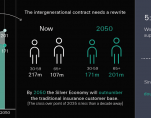
That is roughly how long we have before many societies reach one of the most defining demographic tipping points of our era: the point at which the “new” silver economy (over 65’s) outnumber people aged 30-59 who have traditionally been the bedrock of the life and pensions system.

The intergenerational contract needs a re-write

The significance of this shift goes far beyond demographics.

It represents a symbolic moment that forces us to rethink the intergenerational contract: how we provide care and financial security for people as they move into later life – and how we finance a new set of needs.

The demographic evidence is already visible across major economies. In the US, adults aged 65 and over already outnumber children in 11 states. Singapore’s over-65 population has nearly doubled in a decade to 21%. Japan is approaching 30%. The UK, France and Germany are not far behind

These numbers are well-known. But their meaning is not yet fully reflected in our industry’s existing product strategy.

The tipping point is also more than a statistical curiosity. We will experience it through the decisions we make coming into retirement and to secure the future of the generation coming after us. We will need to make new choices on how we fund care. We will need to make new assumptions about when to retire. And we will face a new reality around how much of the financial burden falls on the state, families or the individual.

Families have always carried the weight of old age, even as pensions, healthcare systems and social care programmes have broadened that responsibility across society.

But the arithmetic underpinning the system is breaking. Globally, the ratio of working-age people financially supporting each person over 65 is projected to fall from around five-to-one in 2021 to three-to-one by 2050. Across developed markets, debates about pension reform, healthcare funding and retirement ages reflect the same underlying question: how do we maintain security and dignity later in life when there are fewer hands to carry the weight?

It’s not a crisis of demographics. It’s a crisis of design – our systems were built for shorter lives and larger workforces, and they haven’t been rebuilt for the world we are actually entering.

That insight matters because it challenges how we think about insurance’s role. I believe we have less than a decade to develop the products that the older consumers who make up the Silver Economy – and their families – will need.

There will be no silver bullet. We cannot return to a single solution based around family care versus public provision. The individual retiree will be the focus, but our thinking will need to be based on a more collaborative model in which families, governments, communities and the private sector work together.

Recent Swiss Re consumer research in France and Germany revealed something striking. People don’t think about later life in terms of pensions or insurance policies. They think about practical outcomes: staying independent, being resilient when health shocks hit, not becoming a burden to their children.

Our industry has spent decades optimising for wealth accumulation and income protection during working years. Ageing societies demand we apply the same rigour to what happens after.

That does not mean the intergenerational contract has failed. It means it is evolving.

We are already seeing what that evolution looks like in practice.

  • Senior health products in Asia are closing a real gap —The median age of cancer diagnosis is 67, yet many critical illness policies expire before retirement even begins. The result is high out-of-pocket expenses, stressed public healthcare, and increased burden on families. With dedicated products to cover later life illnesses, such as senior cancer products we are effectively closing a protection gap.
  • Long term care in France has had some success with private solutions alongside public provision. With over 1.4 million people covered by private long term care insurance, France has built a strong risk pool that directly addresses one of the strongest concerns expressed by consumers: not becoming a burden on the next generation.
  • Deferred annuities offer a third path beyond the binary “draw-down versus annuity” thinking. By combining flexibility today with guaranteed income later, they help transform longevity from an individual financial risk into one that can be shared more broadly.

At first glance these solutions appear very different. In reality, they are pieces of the same puzzle. Each expands the circle of support around the individual. They help families carry less of the burden alone, and they complement the work of state safety nets.

That is what the next evolution of the intergenerational contract looks like in practice.

Ageing societies are one of humanity’s great achievements. But if our products and institutions stay built for a demographic reality that no longer exists, achievement curdles into liability.

We have a decade to close that gap. Let’s treat it as a product-development window, not a deadline.

Disclaimer
Certain statements and illustrations contained herein are forward-looking and are made for informational purposes only. These statements (including as to plans, objectives, targets, and trends) and illustrations provide current expectations of future events based on certain assumptions and include any statement that does not directly relate to a historical fact or current fact. Readers are cautioned not to place undue reliance on forward-looking statements. Swiss Re undertakes no obligation to publicly revise or update any forward-looking statements, whether as a result of new information, future events or otherwise. Further information on forward looking statements and the use of information contained in this publication can be found in the Legal Notice section on Swiss Re’s website.

Hashtag: #SwissRe #lifeinsurance #reinsurance


The issuer is solely responsible for the content of this announcement.

About Swiss Re

The Swiss Re Group is one of the world’s leading providers of reinsurance, insurance and other forms of insurance-based risk transfer, working to make the world more resilient. It anticipates and manages risk – from natural catastrophes to climate change, from ageing populations to cyber crime. The aim of the Swiss Re Group is to enable society to thrive and progress, creating new opportunities and solutions for its clients. Headquartered in Zurich, Switzerland, where it was founded in 1863, the Swiss Re Group operates through a network of around 70 offices globally.

Belgium became the European Union’s third-largest air freight market in 2025 as cargo volumes at its airports climbed by almost 13%, strengthening the country’s role as a gateway for e-commerce, pharmaceuticals, express parcels and time-sensitive industrial shipments. More than two million tonnes of freight and mail passed through Belgian airports during the year, placing the country behind only Germany and France among the EU’s 27 member states. […]

  • Exclusive Co-Development: The partnership covers the exclusive supply and co-engineering of the IVECO URANIA and IVECO TUTELA ranges – the only fluids officially recommended by IVECO
  • Network Support: PLI will strengthen support for IVECO’s European dealer network, driving customer value, reliability, and total cost-of-ownership (TCO) optimisation

TURIN, ITALY – Media OutReach Newswire – 9 July 2026 – IVECO, one of Europe’s leading commercial vehicle manufacturers, and PETRONAS Lubricants International (PLI) have officially renewed their long-standing strategic partnership for an additional five years. The agreement extends the partnership through 2032, reinforcing a collaboration that has driven innovation, performance, and sustainability in the commercial transport sector for more than 50 years.

PETRONAS Lubricants International and IVECO renew their strategic partnership through 2032, marking over 50 years of collaboration

The renewal ensures the continued supply and joint engineering of a comprehensive range of lubricants designed for commercial vehicles. From advanced engine oils to transmission fluids, brake fluids and coolants, PLI and IVECO will continue to formulate solutions specifically engineered to meet the demanding operational requirements of IVECO’s commercial vehicle portfolio across Europe.

A Legacy of Technical Excellence

This milestone reflects the sustained success of the co-branded IVECO URANIA engine oils and IVECO TUTELA technical fluids, developed through decades of joint R&D and a shared commitment to delivering high-performance, energy-efficient solutions that maximise vehicle uptime and extend component life. The ranges are also the only fluids recommended by IVECO.

The partnership’s rapid pace of innovation was recently highlighted by the launch of Urania Next 0W-16. This breakthrough –the first SAE 0W-16 engine oil developed specifically for heavy-duty applications – delivers exceptional fuel efficiency, reduced CO₂ emissions, and extended oil drain intervals. Furthermore, the formulation is Euro 7 ready, supporting improved efficiency and emissions performance for IVECO’s latest generation of engines.

Domenico Nucera, Chief Quality & Operations Officer, Iveco Group, commented, “The renewal of the agreement with PETRONAS Lubricants International confirms the strength of a long-standing collaboration built on shared technical expertise and a common ambition to continuously improve performance, efficiency, and sustainability across our vehicle and powertrain portfolio. Through the co-engineering of our IVECO URANIA and IVECO TUTELA ranges, we are able to deliver solutions that maximise vehicle uptime, optimise total cost of ownership, and support our customers and dealer network with the highest standards of quality and reliability.”

Driving Dealer and Customer Value

The renewed agreement also places a strategic focus on the IVECO dealer network. Beyond providing cutting-edge products, PLI will implement targeted initiatives aimed at strengthening dealer engagement and reinforcing customer awareness of IVECO’s officially approved lubricants. These initiatives are expected to support dealer business growth across European markets, while helping customers benefit from enhanced vehicle reliability and optimised total cost-of-ownership.

Domenico Ciaglia, Group Chief Strategy & Transformation Officer of PETRONAS Lubricants International (PLI), said: “This partnership renewal demonstrates what can be achieved through a long-term forward-thinking collaboration, with consistency, and a shared commitment to excellence. Through continuous product innovation, we have been able to co-develop market-leading solutions such as the Urania Next 0W-16 engine oil formulation, seamlessly integrated into IVECO’s ecosystem. This collaboration enables us to deliver greater value to the industry by combining our expertise and driving innovation together.

Looking ahead, PETRONAS Lubricants International remains fully committed to supporting the IVECO Group with forward integrated reliable, high-performance products and solutions that create lasting value for its network and customers.

This renewed collaboration further reinforces the foundation of PLI’s broader strategic roadmap, demonstrating how technical excellence and trusted partnerships can drive sustainable, long-term value internationally.”
Hashtag: #PETRONASLubricantsInternational #PLI #IVECO #industrial #lubricants #technology

The issuer is solely responsible for the content of this announcement.

PETRONAS Lubricants International (PLI)

PETRONAS Lubricants International (PLI) is the global lubricants manufacturing and marketing arm of PETRONAS, Malaysia’s dynamic global energy group. Established in 2008, PLI manufactures and markets a full range of high-quality automotive and industrial lubricant products in over 100 markets internationally. Headquartered in Kuala Lumpur, PLI also has offices around the world including Turin, Belo Horizonte, Beijing, and Chicago. PLI is the technical resource behind PETRONAS’ partnership with the Mercedes-AMG PETRONAS Formula One Team, responsible for the design, development and delivery of the Fluid Technology Solutions™, which includes customised lubricants, fuels and transmission fluids to power the Silver Arrows.

We are a progressive energy and solutions partner, enriching lives for a sustainable future. Our commitment remains to conduct and grow our business in ways that contribute positively to society and the environment.

PLI is driving an aggressive business growth agenda as one of the leading global lubricants companies at the forefront of the industry, providing custom-made solutions for every need. For more information, please visit .

President Trump’s declaration on Wednesday that the ceasefire with Iran is over immediately pushed oil prices higher, lifted Treasury yields and revived concerns about the security of the Strait of Hormuz. Markets responded in familiar fashion, with traders reassessing energy supplies, inflation expectations and monetary policy. Another consequence deserves equal attention. Higher oil prices strengthen the fiscal position of the Gulf’s major energy exporters. Over time, stronger […]

Eli Lilly’s once-daily weight-loss pill orforglipron has strengthened its case as a potential mass-market challenger to oral semaglutide after a large head-to-head trial showed stronger reductions in body weight and blood sugar among adults with type 2 diabetes. The late-stage ACHIEVE-3 study compared two doses of orforglipron with Novo Nordisk’s oral semaglutide, sold for diabetes as Rybelsus, over 52 weeks. At the highest tested dose, orforglipron cut […]

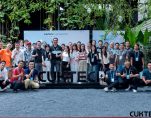
HO CHI MINH CITY, VIETNAM – Media OutReach Newswire – 8 July 2026 – Technology brand CUKTECH successfully hosted its first “Charge & Connect” event at The VIBES Events & Dining, officially introducing its next-generation charging ecosystem to the Vietnamese market. The event brought together company representatives, media professionals, technology reviewers, and industry partners, marking an important milestone in CUKTECH’s expansion strategy in Vietnam.

1

A Vision Built on Innovation

The event opened with a keynote by Eric Wang, Chief Marketing Officer (CMO) of CUKTECH, who shared the brand’s global vision and product roadmap for Southeast Asia, with Vietnam identified as one of its key strategic markets.

Eric Wang highlighted CUKTECH’s continuous investment in research and development (R&D) to solve the everyday challenges faced by modern consumers, including slow charging speeds, limited product innovation, and the increasing need for reliable, high-performance charging solutions that support multiple devices simultaneously. By combining advanced charging technologies with user-focused design, CUKTECH aims to deliver a faster, safer, and more intelligent charging experience.

Real-World Experience from Technology Reviewer Hung Khuc

One of the event’s highlights was a sharing session by Hung Khuc, one of Vietnam’s leading technology reviewers, who discussed his hands-on experience using CUKTECH products in his daily work.

“As a content creator who frequently shoots outdoors, I need charging devices that are both powerful and reliable. What impressed me most about CUKTECH’s power banks and chargers is their real-world performance. They can simultaneously fast charge my MacBook Pro, smartphone, and camera at full speed without power drops or interruptions.”

To promote transparency and foster closer engagement with the local technology community, the event concluded with an extensive media Q&A session. Eric Wang, together with CUKTECH’s product research and quality management teams, addressed questions on product localization, international safety standards, the brand’s one-for-one warranty policy, and future product development plans.

More than a product launch, Charge & Connect represents CUKTECH’s official step toward establishing a lasting presence in Vietnam. By combining cutting-edge charging technology, award-winning design, and a strong focus on user experience, CUKTECH is committed to delivering premium charging solutions that meet the evolving needs of modern consumers.

As the brand continues to expand its product ecosystem, CUKTECH aims to become a trusted technology partner for Vietnamese users while helping shape the future of premium charging accessories in the market.

Hashtag: #CUKTECH

The issuer is solely responsible for the content of this announcement.

Samsung Group and SK hynix have laid out investment plans worth about $174 billion for South Korea’s Chungcheong region, expanding the country’s drive to secure a stronger position in artificial intelligence chips, advanced packaging, displays and next-generation battery materials.

The commitments, unveiled at a government-backed industrial development event in Asan, place Chungcheong at the centre of a broader strategy to spread high-technology manufacturing beyond the Seoul metropolitan area and existing semiconductor clusters. President Lee Jae Myung praised the companies’ “bold decision” and called for faster execution of major industrial projects, warning that global competition in semiconductors and artificial intelligence will reward countries that move with speed on permits, power, water and land.

Samsung plans to invest 140 trillion won, or about $90 billion, across the central region. The programme covers display panels, high-bandwidth memory-related capacity, semiconductor packaging substrates, batteries and other core materials. The group’s plan is expected to reinforce manufacturing links between Samsung Electronics, Samsung Display, Samsung SDI and Samsung Electro-Mechanics, whose operations span chips, OLED screens, batteries and electronic components.

SK hynix said it would invest 100 trillion won, or about $64 billion to $72 billion depending on exchange-rate calculations, in Cheongju, North Chungcheong Province. The plan includes the M17 NAND flash memory fabrication plant and P&T7, an advanced packaging and test facility. M17 is scheduled to break ground in 2026 and begin operations in the first half of 2029, while P&T7 is targeted for completion by the end of 2027.

The Cheongju expansion is intended to strengthen SK hynix’s NAND business and add back-end capacity at a time when artificial intelligence systems are raising demand for both high-performance memory and storage. While high-bandwidth memory has received the strongest investor attention because of its role in AI accelerators, large-scale data centres also require more NAND-based storage as models, user data and enterprise workloads expand.

The Chungcheong plan follows a wider national push in which Samsung Electronics and SK hynix are expected to invest hundreds of billions of dollars in new chipmaking hubs over the next decade. The government has framed the initiative as a “triple axis” strategy built around semiconductors, physical AI and data centres, with the aim of building industrial strength outside the traditional capital-area manufacturing corridor.

For Samsung, the Chungcheong investment gives the group a regional base for several linked supply chains. OLED production in Asan and surrounding areas can support premium smartphones, tablets, monitors and automotive displays. Battery investment strengthens Samsung SDI’s role in electric mobility and energy storage, while semiconductor materials and packaging substrates address one of the key bottlenecks in AI hardware production.

For SK hynix, Cheongju already has semiconductor infrastructure, making it a faster route for expansion than a greenfield project. The company has been one of the largest beneficiaries of the AI memory boom, helped by demand for high-bandwidth memory used with Nvidia graphics processors. Its latest investment signals that the company is also preparing for broader memory demand, including NAND and advanced packaging.

The scale of the commitments underlines the strategic importance of memory chips to South Korea’s economy. Samsung Electronics and SK hynix are the world’s two largest memory chipmakers, with dominant positions in DRAM and a major presence in NAND. Their investment decisions affect global supply, pricing expectations and the pace at which cloud companies can build AI infrastructure.

The programme also carries risks. Semiconductor investment cycles have often produced periods of oversupply after large capacity expansions. Investors have shown caution over whether the current AI-driven boom can absorb the output planned by the industry, especially if data-centre spending slows or if memory pricing weakens before new factories reach full capacity.

Infrastructure remains another challenge. Advanced chip plants require stable electricity, ultra-pure water, skilled engineers and rapid permitting. Lee’s comments on execution reflect concern that delays could undermine the industrial strategy. Local governments are expected to face pressure to accelerate utility connections, transport links and land-use approvals while managing environmental and community concerns.

Regional development is a central political theme of the initiative. By placing more advanced manufacturing in Chungcheong and other areas outside Seoul’s orbit, the administration is seeking to reduce economic concentration and create high-value jobs in provincial cities. That ambition will depend on whether new factories attract suppliers, research teams and service industries rather than functioning as isolated production sites.

Emergency crews began stabilising a structurally compromised Midtown Manhattan high-rise after buckled columns, cracked floors and visible deflection forced evacuations around a major office-to-residential conversion site near Grand Central Terminal. The 37-storey building at 235 East 42nd Street, formerly part of Pfizer’s global headquarters, was declared unstable after workers reported structural distress on Tuesday morning. By evening, engineers had entered the affected area, installed jacks and started […]

Temasek’s portfolio value climbed to a record S$518 billion, or about $400 billion, as the Singapore state investment company sharpened its push into artificial intelligence and reported stronger returns after two years of portfolio recalibration.

The latest figure, based on a mark-to-market valuation of listed and unlisted holdings, showed a S$49 billion rise for the financial year ended 31 March 2026. The increase reflected stronger performance from Singapore-based portfolio companies, gains from divestments and a broader recovery in public market valuations. The portfolio has doubled over the past decade, underlining the scale of Temasek’s role as one of Asia’s most influential investment groups.

Temasek invested S$51 billion during the year and divested S$31 billion, resulting in a net investment of S$20 billion. Its one-year shareholder return stood at 10.5 per cent in Singapore dollar terms, while its 10-year return was 7.1 per cent. The 20-year return was 6.8 per cent, a measure closely watched because Temasek is designed to generate long-term returns for Singapore rather than chase short-term market gains.

Artificial intelligence has become a central plank of the company’s next phase of growth. AI-related investments now account for about 6 per cent of its portfolio, with plans to raise that exposure to 10-15 per cent by 31 March 2031. Temasek has already taken positions linked to leading AI companies including OpenAI and Anthropic, while also targeting the wider infrastructure needed to support the technology.

The strategy is not limited to model developers. Temasek is looking across the AI value chain, including semiconductors, cloud service providers, data centres, energy systems, foundation models and software infrastructure. That wider approach reflects a belief that the economics of AI will not be captured only by consumer-facing platforms, but also by companies supplying chips, computing power, storage, power capacity and enterprise software.

Chief executive Dilhan Pillay has described AI adoption as a pivotal phase in the digitisation trend that Temasek has followed for more than a decade. The company’s approach is expected to combine direct investments, listed equities and private market exposure, with a preference for flexibility at a time when valuations across parts of the AI sector remain elevated.

The stronger annual performance also comes after Temasek moved to sharpen accountability within its investment structure. From April 2026, its portfolio has been organised into three broad segments: Singapore-based portfolio companies, global direct investments, and partnerships and funds. The change is intended to improve execution and give clearer visibility on how different parts of the portfolio contribute to returns.

Singapore-based companies remain an anchor of Temasek’s holdings. These include major stakes in groups tied to finance, telecommunications, transport, logistics, infrastructure and real estate. Their performance helped lift the portfolio during the year, even as Temasek continued to diversify beyond its home market.

The company has also increased attention on private credit, an asset class that has expanded as banks have retreated from some forms of lending and institutional investors have sought higher-yielding alternatives. Private credit currently accounts for about 2 per cent of Temasek’s portfolio, with a target of 5 per cent by 2031. The allocation is expected to provide recurring cash yield and a different risk profile from the predominantly equity-heavy portfolio.

Sustainable living remains another major investment theme. Temasek’s sustainable living portfolio rose to S$49 billion as of 31 March 2026, supported by commitments in renewable energy, power grids and transition technologies. Its portfolio emissions remained at about 21 million tonnes of carbon dioxide equivalent, around 30 per cent below 2020 levels, though the company has signalled that rising electricity demand, higher capital costs and exposure to emissions-intensive businesses may complicate its 2030 reduction target.

Temasek’s global exposure continues to reflect a balance between Asia and developed markets. Its earlier vulnerability to China-linked volatility had weighed on returns, prompting a more disciplined approach to capital allocation and risk management. The latest numbers suggest that portfolio adjustments, divestments and stronger listed-market performance have helped restore momentum.

CHANG ZHOU, CHINA – Media OutReach Newswire – 7 July 2026 – The global new energy vehicle market has seen rapid growth in recent years. With continued strong expectations for new energy vehicle exports, the global electric vehicle (EV) charging market is entering a new stage of rapid expansion. Recently, StarCharge, the global leading brand of EV Charging equipment and smart energy systems, held a major industry seminar in Hong Kong and released two new white papers at the event, exploring two major transformative trends in the industry that are worth paying attention to.

7c9329ee95c1e5aa7c6fcc27fedf37a2.jpg

Charging stations are becoming a key connection of smart energy systems

According to the ‘Technical White Paper’ by StarCharge, for years, EV charging infrastructure has mainly been seen as support for vehicle sales expansion: building more chargers, expanding coverage, and speeding up charging.

However, this role is starting to change.

As electrification scales up, charging networks are becoming a part of the energy system itself. They are no longer just places for vehicles to top up; they are evolving into smart energy nodes connecting vehicles, the grid, distributed energy, storage, and digital management.

This shift from charging infrastructure to charging network systems shows that the industry is moving from basic access to integrated value: from charging services to energy services, from standalone stations to PV-storage-charging systems, from equipment deployment to scenario-based infrastructure.

StarCharge believes that the future charging network ecosystem will go through four major turning points.

Four Key Points Reshaping the Ecosystem

1. Charging Networks Are Becoming Energy Infrastructure

Charging infrastructure is going beyond its original role as just a support for EVs. As EV adoption grows, charging networks are becoming strategic energy infrastructure: they connect mobility demand with the grid, distributed energy, storage, digital platforms, and future energy services.

2. Defining the Scenarios for the Network

The future charging network won’t be shaped by hardware alone. Policies determine whether infrastructure should be built, technology determines the speed of construction, but real-world scenarios determine what the charging network actually needs to look like.

Urban commuting, highway trips, ride-hailing, logistics fleets, county and rural coverage, holiday peak demand, heavy trucks, mining areas, ports, airports, and autonomous driving all create different charging needs. Therefore, a mature charging network can’t be ‘one-size-fits-all’; it has to be designed around different vehicle types, operating hours, power requirements, reliability needs, and grid conditions.

3. Digital platforms turn charging networks into operable assets

A large charging network only truly has value when it can be scaled, optimized, and managed. This is exactly the core role of cloud platforms. They turn millions of charging points, users, stations, transactions, and energy flows into a measurable, controllable, and continuously optimized operating system.

StarCharge’s platform capabilities cover site selection, pricing, marketing, station operations, smart maintenance, charging safety, station robots, AI-based smart charging, fleet management, energy optimization, and ESG reporting. In other words, digital platforms are the key to transforming charging infrastructure from a heavy-asset network into smart, operable, and scalable assets.

4. Charging stations are becoming grid-friendly energy resources

The next-generation charging infrastructure won’t be defined by any single technology. It will be built on a complete tech stack, combining high-power charging, liquid cooling, integrated PV-storage-charging, DC bus architecture, V2G, automated charging, and AI-driven operations. In other words, future charging stations shouldn’t just be passive electricity consumers that add stress to the grid. Through energy storage, renewable energy integration, V2G, smart scheduling, and AI-based energy optimization, charging stations can become grid-friendly energy resources.

This means that aside from charging vehicles, a charging station can absorb renewable energy, buffer peak loads, respond to demand-side signals, support peak shaving and valley filling, regulate frequency, and provide carbon-neutral ESG data for fleet operators. Its business model will also go beyond charging fees, creating new value through energy services, data services, carbon-related benefits, and grid interaction capabilities.

Microgrids Have Emerged at the Right Time

At the same time, with the continuous development of distributed energy and photovoltaic energy, microgrids have emerged at the right time. They are not just a product, but a local energy system built around real-world scenarios.

In the latest “White Paper” on scenario-based microgrid technology, StarCharge points out that microgrids are moving from customized engineering projects toward scalable, replicable energy systems.

ccbf02df9240f8cc4939b451e3f48568.jpg

A microgrid is a scenario-based local energy system

According to StarCharge, a microgrid is not a single device, nor is it just an energy storage product. It’s a local energy system designed around the needs of a specific scenario, coordinating local generation, loads, storage, control, and operational strategies within a defined electrical boundary.

Moreover, depending on the scenario—such as data centers, individual charging stations, zero-carbon industrial parks, or green mines—the energy challenges are completely different. The right microgrid is defined by the scenario it serves.

The white paper also highlights four high-value paths: electricity-computing synergy, independent power supply, zero-carbon parks, and green mines. In areas with weak grids or limited grid access, microgrids ensure the operation of critical loads. In emerging load scenarios like data centers and industrial parks, microgrids support renewable energy integration, energy resilience, and cost optimization. In high-tech-demand scenarios like mines, microgrids become the foundation for ensuring production continuity, energy transition, and ESG competitiveness.

The three-stage evolution of microgrids

As power sources and loads become increasingly DC, microgrid architectures are evolving from AC-dominated systems to AC-DC hybrid systems, and eventually toward microgrids with a higher proportion of DC.

Microgrid 1.0 — dominated by AC architecture. It integrates renewable energy into the existing AC grid framework, but its control heavily relies on grid-following management and support from the external grid.

Microgrid 2.0 — the AC-DC hybrid stage. AC and DC buses coexist, allowing PV, storage, and DC loads to connect more directly. Bidirectional power hubs, solid-state transformers (SST), and energy routers become important bridges between AC and DC systems. This stage balances strong AC compatibility with higher DC efficiency and is expected to remain mainstream in the next 10-15 years.

Microgrid 3.0—it’s the era of DC microgrids. As solar PV, wind power, battery storage, data centers, LED lighting, and EV charging increasingly move toward DC, DC microgrids can reduce repeated AC-DC conversion losses, simplify control, and support millisecond-level responses.

This evolution is closely linked to the mission of microgrids: breaking through energy access bottlenecks, enabling sustainable development, connecting technology, industry, policy, market, and community needs, and unlocking the integrated value of local energy systems.

In the future, StarCharge will steadily expand into the growing global markets for new EVs and renewable energy, building on its smart energy systems that have been widely validated in the Chinese market.

Hashtag: #StarCharge

The issuer is solely responsible for the content of this announcement.

FIFA’s decision to suspend Folarin Balogun’s automatic one-match ban has cleared the United States forward to face Belgium in Monday’s World Cup last-16 tie in Seattle, triggering a sharp protest from the Royal Belgian Football Association and fresh scrutiny of football’s disciplinary system. Balogun had been expected to miss the knockout match after being sent off during the United States’ 2-0 victory over Bosnia and Herzegovina on […]

Arabian Post Staff -Dubai DMCC has launched a dedicated cybersecurity vertical as part of a wider restructuring of its technology ecosystem, bringing more than 4,000 technology companies under the newly formalised DMCC Tech platform. The new unit, DMCC Cyber, is designed to support businesses working across cyber resilience, digital trust, data protection, identity management, and governance, risk and compliance. It will sit alongside the DMCC AI Centre, […]

The UAE’s first Etihad Rail passenger service has begun carrying travellers between Fujairah and Abu Dhabi, opening a new phase in the country’s transport infrastructure and giving residents a rail alternative to long inter-emirate road journeys. The inaugural service left Fujairah’s Al Hilal City station at 5.34am on June 30 and arrived at Mohamed bin Zayed City station in Abu Dhabi at 7am, ahead of its scheduled […]

ANNECY, FRANCE – Media OutReach Newswire – 5 July 2026 – XPPen, a global leading brand in digital art innovation, continues its support for the Annecy International Animation Film Festival in 2026 through its partnership with the Annecy Festival Residency, while showcasing its latest product lineup at MIFA 2026. Together, these initiatives reflect XPPen’s long-term commitment to empowering animation creators, from nurturing emerging talent to equipping professionals with tools for evolving production workflows.

Image credit: Emmanuel Nguyen

Supporting the Next Generation of Animation Storytellers

Building on its support for emerging animation talent through the inaugural XPPen Award for Graduation Films at the Annecy International Animation Film Festival in 2025, XPPen deepens its commitment to the animation community through the 2026 Annecy Festival Residency. The initiative provides selected animation feature film projects with studio space, tailor-made professional mentorship and opportunities to engage with the global animation community.

This year’s residency selected three animation projects from 52 submissions across 29 countries: All the Heaven’s Doors, Condenaditos, and Todo viene del agua. These projects boldly reflect on social issues, refuse fatalism, and revisit fragments of life and history with exceptional artistic courage and creative vision. As the residency’s official partner, XPPen provides its flagship Artist Pro 27 (Gen 2) drawing displays to support artists throughout the creative development process, from concept sketching and storyboarding to visual refinement.

“We contribute more than hardware, but also our deep respect for artistic souls who refuse to follow the crowd—those committed to using animation to probe the depths of human nature,” said Brian Huang, Marketing Director at XPPen. “We admire creators who challenge the world through storytelling, and we’re honored to walk alongside such creative spirits with tools they can trust throughout their journey.”

Featuring professional-grade color performance, a 27-inch 4K 120Hz display, and X-Touch technology, the Artist Pro 27 (Gen 2) enables artists to remain fully immersed in art creation. By seamlessly supporting technical demands, the tool fades into the background and becomes an extension of the creator, freeing artists to focus on what matters most: telling compelling stories.

Showcasing Professional Innovation at MIFA 2026

At MIFA 2026, the world’s leading animation industry marketplace held alongside the Annecy International Animation Film Festival, XPPen presented its latest creative product lineup, demonstrating how its expanding ecosystem supports creators at every stage of their creative journey.

The lineup spans entry-level standalone tablets for aspiring artists, the Magic Drawing Pad for everyday digital creation, the Artist 16 3rd portable pen display for professional creators, the flagship Artist Pro 27 (Gen 2) for high-end creative production, and the newly launched Pilot Pro, a productivity-focused editing console designed to streamline editing workflows, marking XPPen’s first foray into the professional editing console category.

Image credit: Quentin Le Page

Beyond product demonstrations, XPPen invited artists to share their creative process on site. Illustrator and animator Julie Roulet demonstrated how professional pen displays can support efficient animation workflows, while 2D/3D artist Benjamin Cerbai explored hybrid digital creation using the Magic Drawing Pad, giving visitors first-hand insight into how the device supports diverse creative scenarios.

By continuing its presence at the Annecy International Animation Film Festival and MIFA, XPPen reaffirms its long-term commitment to supporting creators through both technological innovation and meaningful engagement with the animation industry. Guided by its belief in empowering bold self-expression, XPPen is dedicated to developing tools that enable creators to turn ideas into reality. The company continues to build a creative ecosystem that supports artists at every stage of their journey, growing alongside them from their first ideas to professional creative production.

The issuer is solely responsible for the content of this announcement.

Bitcoin, Ether and other large crypto tokens are moving in unusually tight formation as a market worth more than $2.2 trillion tries to recover from a bruising correction, raising fresh questions over whether investors are gaining diversification or merely holding different versions of the same risk trade. Live market data showed Bitcoin, Ethereum, XRP, BNB, Solana, Dogecoin, Tron and Hyperliquid’s HYPE controlling roughly $1.74 trillion in combined […]

Cape Verde’s breakthrough World Cup campaign ended in Miami Gardens after the Blue Sharks pushed defending champions Argentina to extra time before falling 3-2 in a round-of-32 match that turned one of the tournament’s smallest teams into one of its defining stories. Argentina advanced to a round-of-16 meeting with Egypt, but the night belonged almost as much to Cape Verde, whose players twice came from behind and […]

VISHNU RAJA
RYO YAMADA
HITORI GOTOH
IKUYO KITA