News related to
stake

Qatar is reportedly in advanced discussions to acquire a significant stake in a German refinery currently owned by Russia’s state-controlled oil company, Rosneft. This deal, if finalized, could see the Qatar Investment Authority (QIA) strengthen its already substantial investment portfolio, which includes a nearly 19% stake in Rosneft.

The negotiations involve Qatar being the last remaining bidder for the refinery assets, which were seized by the German government following the fallout from Russia’s military actions in Ukraine. The Qatari delegation has been actively engaged in high-level talks with German officials, with the potential acquisition seen as a strategic move to secure long-term energy interests in Europe.

Germany’s government, which previously took control of Rosneft’s operations in the country, is expected to support the transaction, given the geopolitical implications and the need to stabilize energy supplies in the region. This aligns with Germany’s broader strategy to reduce dependency on Russian energy while ensuring operational continuity at critical infrastructure sites.

Rosneft’s German assets have been under scrutiny as Europe seeks to disentangle itself from Russian energy influence, making Qatar’s interest particularly timely. The Qatari government’s deep ties with Russia and its financial muscle could provide the necessary leverage to close the deal.

Qatar’s pursuit of these assets underscores the Gulf nation’s ambition to expand its energy footprint in Europe, leveraging its vast wealth to gain strategic assets in key markets. The move also reflects the growing importance of energy security in a rapidly changing geopolitical landscape.

The ongoing negotiations are being closely watched by industry analysts, who see this potential acquisition as a significant development in the global energy sector, particularly in light of shifting alliances and the evolving dynamics of energy supply chains.

The deal, if completed, would further cement Qatar’s role as a critical player in the global energy market, positioning it alongside other major energy-exporting nations that are capitalizing on the changing geopolitical environment. The outcome of these negotiations could have far-reaching implications for the future of energy security in Europe and beyond.

Further updates on this evolving story are expected as the negotiations progress.

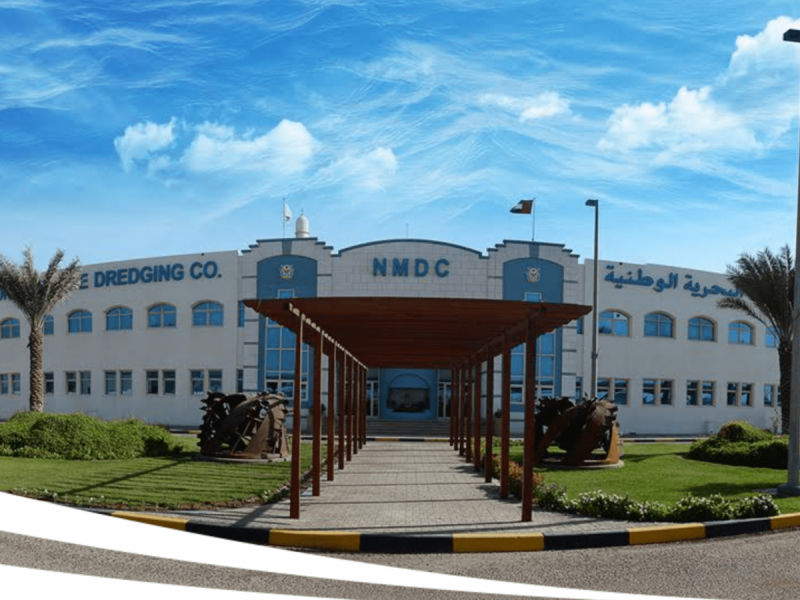
The UAE-based NMDC Group is preparing for what is set to be the country’s largest initial public offering (IPO) of the year. The firm, which was established as a subsidiary of the Abu Dhabi National Oil Company (ADNOC), aims to raise up to $2 billion through the listing. The company is now majority-owned by Alpha Dhabi Holding.

NMDC provides integrated drilling services across the Middle East, has announced plans to float around 7.5% of its shares on the Abu Dhabi Securities Exchange (ADX). The IPO will offer approximately 1.5 billion shares to institutional and retail investors, marking a significant milestone in the UAE’s financial markets.

The NMDC IPO comes at a time of fluctuating oil prices and global economic uncertainties. NMDC has reported substantial revenue growth over the past few years, driven by increasing demand for its drilling services and an expanding portfolio of projects across the region.

Abu Dhabi National Oil Company (Adnoc) has received multiple bids for its initiative to develop sustainable aviation fuel (SAF). This significant move marks a step forward in Adnoc’s strategy to meet growing demands for environmentally friendly aviation solutions. The bids, submitted by leading energy and technology companies, aim to advance SAF production capabilities and foster a reduction in carbon emissions associated with air travel. The SAF package […]

Adani Power, the energy arm of the Indian conglomerate Adani Group, has launched a new subsidiary in Abu Dhabi, marking a significant expansion into the Middle Eastern market. This strategic move highlights the company’s commitment to broadening its international footprint and tapping into the lucrative energy sector of the UAE. The newly established subsidiary, Adani Power Middle East, aims to leverage Abu Dhabi’s strategic location and growing […]

Arabian Post Staff -Dubai Saudi Arabia’s Public Investment Fund (PIF) is among the investors that have encountered financial setbacks due to Vista Equity Partners’ acquisition of Pluralsight Inc., according to sources familiar with the situation. The investment, which was part of PIF’s broader strategy to diversify and expand its global footprint, did not yield the anticipated returns, leading to significant losses. Vista Equity Partners, a private equity […]

Players from 9 different regions will compete in VALORANT matches in AOC Masters’ 5th year, starting with local qualifiers held in each region before the top players advance to the main event in Thailand. SINGAPORE – Media OutReach Newswire – 28 August 2024 – AOC, a global leader in gaming monitors and IT accessories and the #1 Gaming Monitor brand for three consecutive years from 2021 to […]

Amid a backdrop of rising tensions and shifting political landscapes, Israel faces a critical juncture in its ongoing struggle with Iran. As support for Prime Minister Benjamin Netanyahu continues to grow, the question of whether Israel should intensify its confrontation with Iran is gaining prominence. While the prospect of such a move may appeal to some as a demonstration of strength and resolve, the unpredictable nature of warfare poses significant risks that must be carefully considered.

Netanyahu has long positioned himself as a staunch defender of Israel’s security, particularly in relation to the perceived threat from Iran. His rhetoric and actions have consistently underscored the view that Iran’s nuclear ambitions and regional influence constitute an existential danger to Israel. Over the years, Netanyahu has been vocal about the need to curb Iran’s power, and his administration has supported a range of strategies, including military strikes, covert operations, and diplomatic pressure, to achieve this goal.

Recent developments have only heightened the stakes. Iran’s nuclear program appears to be advancing at a rapid pace, with reports suggesting that it may soon reach a critical threshold. Additionally, Iran’s influence in the region, through its support for proxy groups such as Hezbollah and its involvement in conflicts in Syria and Yemen, remains a significant concern for Israel. The strategic calculus for Israel is therefore becoming increasingly complex, as it weighs the potential benefits and costs of escalating the conflict with Iran.

Support for Netanyahu’s hardline approach has been bolstered by several factors. Domestically, his political standing has improved, partly due to his handling of security issues and his ability to present himself as a strong leader in times of crisis. The recent normalization agreements between Israel and several Arab states have also enhanced his reputation, suggesting that Israel’s regional position is stronger than ever. These developments may lead some to believe that now is the opportune moment to confront Iran more directly, capitalizing on Netanyahu’s political momentum and the perceived alignment of regional interests.

However, the decision to escalate the conflict with Iran is fraught with peril. Wars, by their very nature, are unpredictable and can spiral out of control in ways that are difficult to foresee. Even with superior military capabilities, Israel cannot guarantee a quick and decisive victory. Iran is a formidable adversary with a well-established military and a network of regional allies that could respond to Israeli aggression in ways that might destabilize the entire Middle East.

One of the key risks associated with a larger war is the potential for it to draw in other regional and global powers. The Middle East is a complex web of alliances and enmities, and any significant escalation by Israel could provoke responses from other countries, including Russia, Turkey, and the United States. Each of these actors has its own interests and objectives in the region, and their involvement could complicate Israel’s strategic objectives, leading to a protracted and costly conflict.

Moreover, there is the question of public opinion, both domestically and internationally. While Netanyahu may enjoy growing support within Israel, particularly among those who prioritize security concerns, there is also a segment of the population that is wary of the consequences of another major war. The memory of past conflicts, such as the 2006 Lebanon War and the ongoing tensions in Gaza, serves as a reminder of the human and economic toll that war can exact. Internationally, Israel could face increased scrutiny and criticism, particularly if civilian casualties were to mount, which could undermine its diplomatic standing and erode the support it currently enjoys from key allies.

The economic implications of a larger conflict should not be overlooked either. Israel’s economy, while robust, is not immune to the shocks that accompany military conflicts. Prolonged warfare could disrupt trade, deter investment, and strain public finances, leading to long-term economic challenges. The costs of rebuilding and addressing the humanitarian fallout of war could be substantial, diverting resources away from other critical areas such as education, healthcare, and infrastructure.

Given these considerations, the argument against escalating the conflict with Iran gains considerable weight. While the desire to neutralize a perceived threat is understandable, the risks associated with a larger war are significant. Netanyahu’s leadership has been characterized by a willingness to take bold actions, but in this case, caution may be the more prudent course.

Israel’s security concerns are legitimate, and the threat posed by Iran is real. However, history has shown that wars often produce unintended consequences. The 2003 invasion of Iraq by the United States serves as a cautionary tale of how even well-intentioned military interventions can lead to long-term instability and suffering. Israel must weigh the potential short-term gains of weakening Iran against the long-term risks of igniting a broader regional conflict.

Diplomatic efforts, while challenging, offer an alternative path. The international community, including Israel’s allies, has a vested interest in preventing a larger war in the Middle East. Diplomatic channels, including negotiations and multilateral efforts to curb Iran’s nuclear ambitions, should be pursued with renewed vigor. While diplomacy may not provide immediate results, it offers the possibility of a more sustainable and less costly resolution to the ongoing tensions.

The decision to escalate or avoid a larger conflict with Iran is one that will define Netanyahu’s legacy and Israel’s future. It is a decision that requires careful consideration of the potential consequences, both known and unknown. The support for Netanyahu’s approach is undeniable, but the wisdom of pursuing a path of greater confrontation remains questionable. Wars are rarely as simple as they appear at the outset, and the costs of miscalculation can be immense.

As Israel navigates this complex and dangerous terrain, the choice it makes will have profound implications for its security, its economy, and its standing in the world. The allure of a decisive victory over a formidable adversary is strong, but the risks of a broader conflict may ultimately outweigh the potential rewards. Israel must tread carefully, recognizing that while strength is essential, so too is the wisdom to avoid unnecessary and potentially catastrophic conflict.


Advertisements

Private equity giant Blackstone Inc. is actively negotiating a substantial loan of approximately A$5.5 billion (US$3.7 billion) with a consortium of banks to support its bid for Australian data center operator AirTrunk. The loan, expected to have a tenure of five years, is a key component of Blackstone’s strategy to expand its presence in the rapidly growing data center sector, reflecting a broader trend of increasing investor interest in digital infrastructure.

AirTrunk, founded in 2015 by industry veteran Robin Khuda, has emerged as a leading player in the Asia-Pacific data center market. The company operates large-scale, hyperscale data centers across Australia, Japan, and Singapore, serving major technology companies, cloud service providers, and enterprises. With the demand for cloud computing and digital services surging, AirTrunk’s facilities have become critical infrastructure, attracting interest from global investors.

Blackstone’s pursuit of AirTrunk comes at a time when the data center industry is experiencing unprecedented growth. The ongoing digital transformation, accelerated by the COVID-19 pandemic, has driven companies and governments to enhance their digital capabilities. This shift has led to increased demand for data storage, processing, and management solutions, with data centers at the core of these developments.

The loan negotiations highlight Blackstone’s commitment to securing a significant stake in the data center market, which is expected to continue its expansion in the coming years. The private equity firm has a history of investing in infrastructure assets, and its interest in AirTrunk aligns with its broader investment strategy. By acquiring AirTrunk, Blackstone aims to capitalize on the growth potential of the data center sector in the Asia-Pacific region, where digital economies are booming.

AirTrunk’s valuation, which could reach as high as A$10 billion (US$6.7 billion), reflects the strategic importance of data centers in the modern economy. Investors are increasingly viewing these facilities as essential infrastructure, akin to utilities such as electricity and water. The trend is driven by the critical role data centers play in supporting digital services, e-commerce, and cloud computing, which have become integral to the global economy.

The potential acquisition would also mark one of the largest deals in the data center industry, underscoring the scale of investment required to operate and expand these facilities. For Blackstone, securing the A$5.5 billion loan is crucial to funding the acquisition and ensuring that it can outbid other interested parties. The firm is reportedly in talks with multiple lenders, including international and Australian banks, to finalize the financing.

As the data center sector continues to attract significant capital, competition among investors is intensifying. Blackstone’s bid for AirTrunk reflects the broader trend of private equity firms and institutional investors seeking to gain exposure to digital infrastructure. The growth of cloud computing, artificial intelligence, and the Internet of Things (IoT) is expected to further drive demand for data centers, making them a highly attractive asset class.

The outcome of Blackstone’s loan negotiations and its bid for AirTrunk will be closely watched by industry analysts and investors. A successful acquisition would position Blackstone as a major player in the Asia-Pacific data center market, enabling it to leverage AirTrunk’s existing operations and expand its footprint in the region.

As the deal progresses, Blackstone’s ability to secure financing and execute the acquisition will be key factors determining the success of its strategy. The firm is likely to face competition from other potential buyers, highlighting the high stakes involved in the data center market. The deal’s outcome could set a precedent for future investments in the sector, as investors continue to seek opportunities in digital infrastructure.

Abu Dhabi’s Mubadala Investment Company, in partnership with Singapore-based CBC Group, has finalized a $680 million acquisition of the Chinese neurology and allergy business of Belgian pharmaceutical giant UCB. This strategic move strengthens Mubadala’s presence in the Chinese healthcare sector, a market with significant growth potential.

The deal encompasses UCB’s neurology products, including Keppra, Vimpat, and Neupro, along with its allergy medications, Zyrtec and Xyzal, in mainland China. Additionally, it includes UCB’s manufacturing facility in Zhuhai, a key asset for local production. Together, these products generated approximately €131 million ($146.5 million) in sales within China in 2023.

Mubadala’s head of China, Mohamed Albadr, emphasized that this acquisition aligns with the company’s long-term strategy to expand its healthcare investments in Asia, particularly in sectors with robust growth potential. The investment is expected to enhance UCB’s capacity to deliver innovative treatments in the region, benefiting from Mubadala’s financial backing and strategic expertise.

The transaction, currently awaiting regulatory approvals, is anticipated to be finalized by the fourth quarter of 2024. PJT Partners served as the financial advisor to Mubadala and CBC Group, while Clifford Chance provided legal counsel.

This move is part of Mubadala’s broader strategy to diversify its portfolio, particularly in the biotechnology and pharmaceutical sectors, where it has been increasingly active. The company has shown a strong commitment to expanding its influence in global healthcare, with recent investments spanning biotechnology firms and other healthcare-related ventures. The collaboration with CBC Group underscores the strategic importance of the Chinese market and highlights Mubadala’s continued focus on sectors poised for substantial growth.

As the deal progresses, it will likely influence the dynamics of the Chinese pharmaceutical industry, particularly in neurology and allergy treatments, where UCB’s products have already established a strong foothold. The integration of these assets into Mubadala’s portfolio could pave the way for future expansions and partnerships in the region, further solidifying its position as a key player in the global healthcare market.

Investors are often spooked by market volatility, with recent events like the 1,000-point drop in the Dow Jones Industrial Average on August 5, serving as a stark reminder of the stock market’s inherent unpredictability. When headlines are filled with dramatic losses and tales of impending market crashes, it’s easy to see why some investors might feel the urge to flee to safer ground. But savvy investors, especially […]

SINGAPORE – Media OutReach Newswire – 27 August 2024 – To further enhance the accountancy talent pipeline in Singapore and abroad, the Institute of Singapore Chartered Accountants (ISCA) has signed Memorandums of Understanding (MOUs) with SIM Global Education, one of the core entities of the Singapore Institute of Management (SIM), and PSB Academy. Under these agreements, undergraduates pursuing accountancy at SIM Global Education and PSB Academy will […]

By Nantoo Banerjee Union Finance Minister Nirmala Sitharaman’s advice to government-controlled banks to launch special drives to step up deposit mobilization to catch up with the demand for loans may give a wrong impression that the public sector bank (PSB) management does not know the basic principles of banking. How can a PSB mobilise enough […]


Lionel Messi will not participate in Argentina’s forthcoming 2026 World Cup qualifiers against Chile and Colombia due to an injury, according to the Argentine Football Association. Coach Lionel Scaloni has made the decision to call up Paulo Dybala as Messi’s replacement. Messi’s absence marks a significant setback for Argentina, who will face crucial matches in their bid to secure a spot in the next World Cup. The […]

SmythOS, a new business software suite, is revolutionizing how companies integrate their operations across diverse global environments. The innovative platform promises to harmonize various business functions, transcending barriers of distance, language, and cultural differences. SmythOS integrates enterprise resource planning (ERP), customer relationship management (CRM), and project management into a single, cohesive system. The platform’s adaptive algorithms facilitate seamless communication and data sharing among international teams. This comprehensive […]

The UAE is carefully observing the legal proceedings involving Pavel Durov, the founder of Telegram, as the case unfolds in multiple jurisdictions. This heightened interest is driven by Durov’s influential role in the tech industry and Telegram’s significant presence in the UAE’s digital landscape. Durov, a prominent entrepreneur known for his stance on privacy and digital freedom, faces legal challenges concerning the operations of Telegram. The scrutiny […]

Donald Trump’s foray into cryptocurrency has made headlines with the launch of his new venture, but the excitement has been tempered by a significant drop in Toncoin’s value and the sentencing of a bank CEO in a major scam case.

The launch of Trump’s new cryptocurrency project, the “DeFiant Ones,” marks a bold entry into the crypto market by the former President. This venture aims to offer decentralized financial solutions and attract investors with its promises of innovation and security. The project has garnered considerable attention, reflecting Trump’s continued influence and interest in emerging technologies. Despite this, the timing of the launch coincides with troubling news from the crypto world.

Toncoin, a prominent digital currency linked with the Telegram Open Network, has experienced a steep decline in value. The coin’s fall is attributed to a combination of regulatory concerns and market volatility, which have unsettled investors. The cryptocurrency’s drop has raised questions about the stability of newer digital assets and their susceptibility to market fluctuations. Analysts are closely monitoring the situation to gauge the long-term impact on Toncoin and similar projects.

Adding to the financial turbulence is the sentencing of a high-profile bank CEO involved in a cryptocurrency-related scam. The executive, who led a major banking institution, was sentenced to 24 years in prison for orchestrating a fraudulent scheme that deceived investors and embezzled millions. This case highlights the growing risks associated with cryptocurrency investments and the importance of regulatory oversight in the financial sector.

The convergence of these events underscores the volatility and complexity of the cryptocurrency market. Trump’s new project seeks to capitalize on the growing interest in decentralized finance, but it faces an environment marked by uncertainty and skepticism. Meanwhile, the Toncoin crash and the CEO’s sentencing illustrate the broader challenges facing the crypto industry, from regulatory pressures to fraudulent activities.

Investors and stakeholders are left navigating a landscape fraught with both opportunities and risks. As the crypto world evolves, the impact of these developments will likely shape future trends and regulatory approaches.

Isbank CEO, Hakan Aran, acknowledged significant hurdles for the bank as it navigates the complex economic landscape of Turkey. The country’s soaring inflation and fluctuating interest rates have cast a long shadow over the financial sector. In a notable development, Aran outlined plans for a strategic rate cut in November, a move anticipated to affect both the bank’s operations and the broader Turkish economy.

Aran’s statement came on the heels of Isbank’s centennial celebrations, marking 100 years of operation. This milestone underscores the institution’s long-standing presence in the Turkish financial market, which is currently under intense scrutiny due to the nation’s economic volatility. Despite Isbank’s historic achievements, the challenges posed by Turkey’s economic conditions are expected to shape its future strategies.

Inflation in Turkey has surged to unprecedented levels, driven by a combination of global economic pressures and domestic factors. The Central Bank of Turkey has responded with high interest rates, aiming to curb inflation and stabilize the currency. However, this policy has led to a constrained lending environment, impacting banks’ profitability and operational flexibility.

Isbank’s upcoming rate cut is a strategic response to these economic pressures. By lowering its rates, Isbank aims to stimulate lending and support economic growth amidst a challenging environment. The decision aligns with broader efforts by Turkish authorities to balance inflation control with economic growth stimulation. Aran emphasized that the rate cut is designed to enhance the bank’s competitiveness and support its clients during these turbulent times.

As Isbank celebrates its 100th anniversary, the institution reflects on a century of navigating Turkey’s economic ups and downs. The anniversary provides an opportunity for introspection and reassessment of the bank’s strategies in the face of evolving economic conditions. Aran highlighted that while the historical legacy of Isbank is a source of pride, the focus must remain on adapting to contemporary challenges.

The Turkish financial sector, including Isbank, is grappling with a tight economic environment marked by high inflation rates and fluctuating currency values. The Central Bank’s high interest rate policy, while aimed at stabilizing the economy, has created a complex landscape for financial institutions. Banks are required to balance the need for competitive interest rates with the necessity of maintaining financial stability and profitability.

Aran’s approach involves a nuanced understanding of these economic dynamics. The planned rate cut is seen as a proactive measure to mitigate some of the adverse effects of the high-interest environment. By adjusting its rates, Isbank aims to enhance its lending capabilities and provide better support to its clients, particularly businesses and individuals affected by the current economic pressures.

The broader context of Turkey’s economic challenges includes global factors such as energy price fluctuations and supply chain disruptions, which have exacerbated inflationary pressures. Domestic economic policies and geopolitical factors also play a crucial role in shaping the financial environment.

Isbank’s response to these challenges reflects a broader trend among Turkish banks to adapt their strategies in response to changing economic conditions. As the financial sector continues to evolve, the ability to navigate these challenges effectively will be crucial for maintaining stability and fostering growth.

The strategic decisions made by Isbank, including the anticipated rate cut, will be closely watched by analysts and stakeholders within the financial sector. These decisions will not only impact the bank’s operations but also have broader implications for Turkey’s economic landscape.

Mubadala Investment Company, the sovereign wealth fund of Abu Dhabi, has finalized a significant investment in UCB Pharma’s assets in China. This strategic move underscores Mubadala’s growing commitment to the global healthcare sector and its expanding presence in the Chinese market. The deal involves Mubadala acquiring a substantial stake in UCB Pharma’s business operations in China, which encompasses a range of pharmaceuticals and biotechnological products. The transaction […]

Emirates Global Aluminium (EGA), one of the world’s largest aluminium producers, has announced plans to acquire an 80% stake in the American aluminium recycling company, Spectro Alloys Corporation. This strategic move, subject to regulatory approval, marks a significant step in EGA’s global expansion, particularly in the aluminium recycling sector. The deal, which is expected to close during the third quarter of 2024, underscores EGA’s commitment to growing […]

Telegram has firmly rebutted claims suggesting that its founder, Pavel Durov, is concealing information regarding the platform’s operations and his personal dealings. The company’s statement comes amid increasing scrutiny and allegations from various quarters questioning the transparency and governance of the popular messaging app. In a detailed response, Telegram emphasized that Durov’s activities and the platform’s operational practices are fully compliant with international standards and regulations. The […]

A coalition of major construction firms has announced a groundbreaking joint venture to develop the UAE’s ambitious high-speed rail network. This collaboration, involving several leading companies, aims to construct a state-of-the-art rail system that will enhance connectivity across the region.

The project, spearheaded by a consortium of international and local contractors, represents a significant investment in the UAE’s infrastructure. It is expected to revolutionize travel within the country, providing a high-speed link between major cities and boosting economic activity.

The UAE government has prioritized this rail initiative as part of its broader strategy to modernize transportation and support sustainable development. The high-speed rail network is designed to address the increasing demand for efficient and eco-friendly travel options while promoting regional integration.

The joint venture includes renowned global engineering firms and regional construction giants, each bringing their expertise to ensure the project’s success. The consortium is tasked with the design, construction, and operation of the rail system, which will feature advanced technology to provide a seamless travel experience.

This high-speed rail project is anticipated to significantly reduce travel times between key urban centers, potentially transforming the daily commute for thousands of residents and improving logistical efficiencies for businesses. The network will also serve as a model for future transportation projects in the region.

The UAE’s commitment to infrastructure development is further underscored by this initiative, reflecting its strategic focus on enhancing connectivity and supporting economic growth. The joint venture’s work will not only modernize the country’s transport sector but also set a new benchmark for high-speed rail projects globally.

As the consortium moves forward with planning and construction, stakeholders are closely monitoring the project’s progress and impact. The development is seen as a pivotal step in the UAE’s broader vision to position itself as a leader in innovative transportation solutions and sustainable development.

Burgan Bank has received the green light from the Central Bank of Kuwait to proceed with its plans for the full acquisition of Bahrain’s United Gulf Bank (UGB). This pivotal development marks a significant step forward for Burgan Bank, as it aims to consolidate its position in the region through this strategic acquisition. Both institutions are owned by Kuwait Projects Co (KIPCO), a leading investment firm in the region.

The acquisition is set to undergo further evaluation and requires final approvals from the relevant authorities in both Kuwait and Bahrain. The Central Bank of Bahrain is expected to play a crucial role in the final stages of this transaction, ensuring that all regulatory requirements are met.

Burgan Bank’s acquisition of UGB is part of a broader strategy to strengthen its financial portfolio and expand its influence in the Gulf Cooperation Council (GCC) region. The bank has been focusing on enhancing its operational efficiency and expanding its market presence, and this acquisition is seen as a critical component of that strategy.

UGB, headquartered in Bahrain, has a well-established presence in the financial markets, providing a range of investment services. Its integration into Burgan Bank is expected to bring synergies that will benefit both entities, particularly in terms of shared expertise and resources.

This acquisition comes at a time when regional banks are increasingly looking to consolidate and strengthen their positions in the face of economic challenges and changing market dynamics. Burgan Bank’s move reflects a broader trend in the banking sector, where mergers and acquisitions are being used as tools to achieve greater stability and growth.

The market will be closely monitoring the next steps in this acquisition, especially regarding the regulatory approvals and the eventual integration process between the two banks. If successful, this move will significantly bolster Burgan Bank’s footprint in the GCC financial landscape.

The outcome of this acquisition could set a precedent for future deals in the region, as banks continue to navigate the complexities of the current economic environment. With the backing of KIPCO, Burgan Bank is well-positioned to leverage this acquisition to enhance its competitive edge and deliver value to its stakeholders.

As the situation develops, further details will emerge, particularly concerning the impact on both banks’ operations and the potential benefits for their customers and shareholders. The financial community will be watching closely as Burgan Bank takes the necessary steps to finalize this significant acquisition.

MOSCOW, RUSSIA – Media OutReach Newswire – 23 August 2024 – The National Rating Agency (NRA) has awarded its highest ESG rating, AAA.esg, to SIBUR, Russia’s largest producer of polymers and rubber, making it the first company in the country, including non-industrial companies, to earn this distinction. The AAA.esg rating indicates that SIBUR has fully integrated sustainability into its operations and excels in terms of its compliance […]

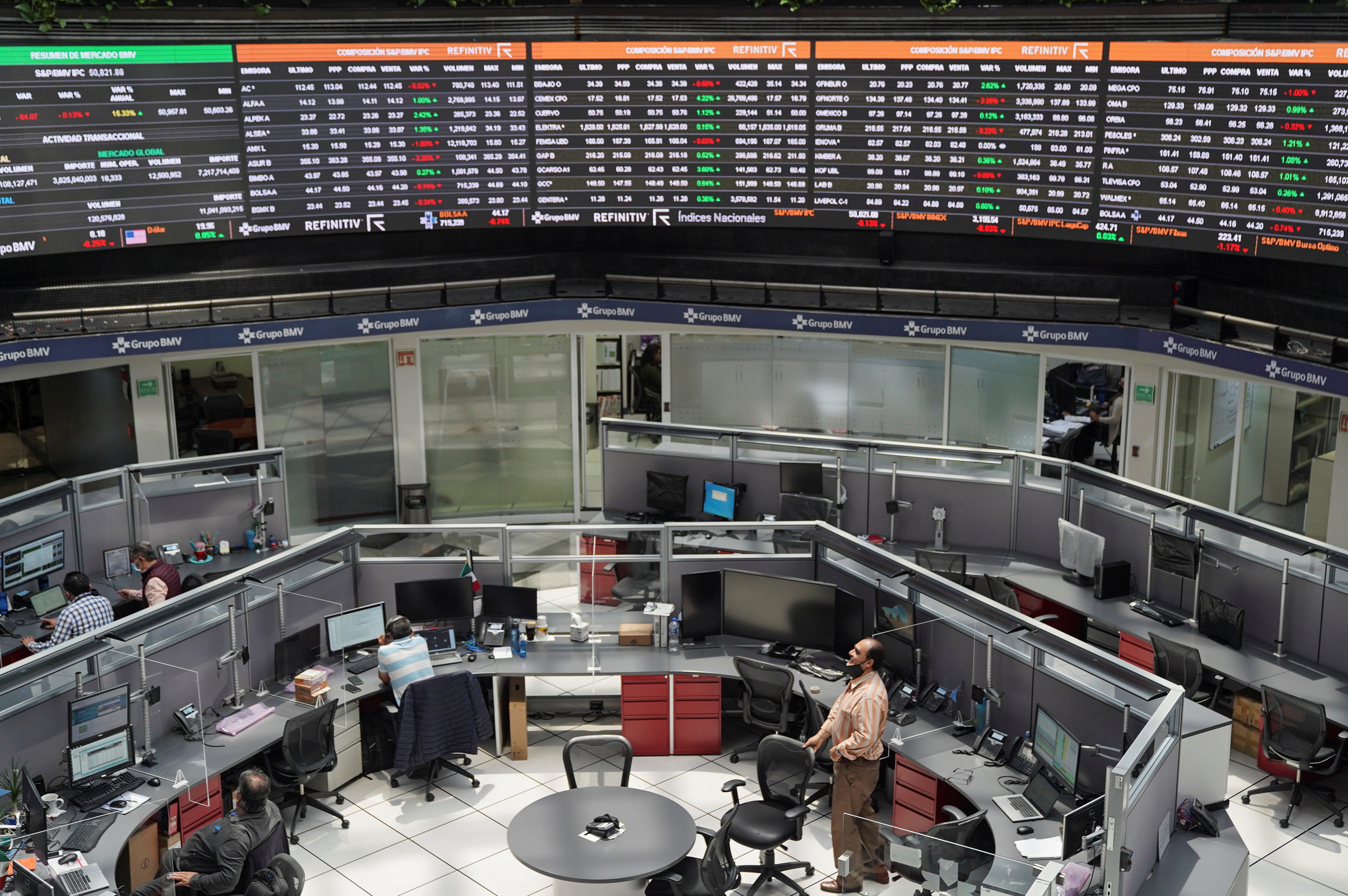
Andrés Manuel López Obrador’s push for a sweeping judicial reform is stirring unease among investors and political analysts alike. The outgoing Mexican President’s proposed changes aim to significantly alter the structure and operation of the country’s judiciary, raising concerns about potential disruptions to Mexico’s legal and economic stability.

López Obrador’s reform proposal includes restructuring the judiciary to increase government oversight and streamline judicial processes. His administration argues that these changes are necessary to combat corruption and inefficiency within the judicial system. However, critics view the reforms as a consolidation of power that could undermine judicial independence and the rule of law.

Investors are particularly concerned about how these changes might affect the stability of Mexico’s legal environment. The proposed reforms could lead to uncertainties in the enforcement of contracts and property rights, which are crucial for business operations and foreign investment. This has resulted in a cautious approach by both domestic and international investors, who are wary of potential shifts in the legal landscape that could impact their investments.

The reform plan has sparked significant debate among Mexican lawmakers and the public. Supporters argue that the changes are a necessary step to modernize the judiciary and address long-standing issues of corruption and inefficiency. They believe that a more streamlined and accountable judiciary will ultimately benefit the country’s democratic institutions and economic development.

Opponents, however, fear that the reforms could erode the separation of powers and lead to increased political interference in the judiciary. They argue that this could result in a less impartial judicial system, which might not be conducive to fostering a stable business environment. Concerns have been raised about the potential for the executive branch to exert undue influence over judicial decisions, which could undermine investor confidence.

The backlash against the proposed reforms has been notable among business leaders and economic analysts. Some have called for a reevaluation of the reform’s implications for Mexico’s investment climate, emphasizing the need for a balance between necessary judicial improvements and the preservation of judicial independence.

As López Obrador prepares to hand over the presidency, the fate of the judicial reform remains uncertain. The incoming administration will have to navigate the complex political and economic implications of the proposed changes. The new leadership’s stance on the reform will likely be closely watched by investors and political observers, who will be keen to assess how the transition might impact Mexico’s legal and business environments.

The broader implications of the judicial reform are also a topic of significant concern. Analysts are examining how similar reforms in other countries have affected their judicial systems and investor confidence. These comparisons could provide insights into the potential outcomes of López Obrador’s proposal and guide stakeholders in their assessment of Mexico’s evolving political and economic landscape.

As the situation develops, it will be crucial for all parties involved to carefully consider the potential impact of the judicial reforms on Mexico’s legal and economic stability. The interplay between the proposed changes and the broader political and economic environment will likely shape the future trajectory of Mexico’s investment climate and legal system.

VISHNU RAJA
RYO YAMADA
HITORI GOTOH
IKUYO KITA