News related to
stake

Meteora’s co-founder, Ben Chow, has stepped down from his position following mounting pressure over his involvement in the $LIBRA rug pull controversy. The announcement comes as a third-party law firm has been hired to investigate the complex situation surrounding the digital currency project.

Chow’s resignation marks a significant development in the rapidly unfolding drama surrounding the $LIBRA token, which has drawn sharp scrutiny from investors, regulators, and the cryptocurrency community. The token, launched by Meteora last year, had promised to offer an innovative solution in the decentralised finance space but has since become embroiled in accusations of fraudulent activity and mismanagement.

The controversy first gained traction when a substantial amount of $LIBRA tokens was mysteriously withdrawn from the project’s liquidity pools, leading to widespread allegations of a rug pull. In a rug pull scenario, the project’s developers or key figures deliberately drain the liquidity pool, leaving investors with worthless assets. The sudden and dramatic loss of funds has sparked an outcry from investors who claim they were misled about the token’s stability and future potential.

Chow’s resignation comes after calls from both investors and key stakeholders within the cryptocurrency industry for a more transparent approach to the crisis. Despite his departure, the fallout continues to affect the reputation of Meteora, a company that was once considered a rising star in the DeFi space. The scandal has also led to increased scrutiny of similar projects, with regulators now closely examining the regulatory frameworks surrounding DeFi ventures and the accountability of their creators.

According to sources close to the matter, Meteora has engaged a third-party law firm to investigate the allegations surrounding $LIBRA. The firm is expected to conduct a thorough review of the company’s operations and the actions leading up to the alleged rug pull. While the investigation is ongoing, industry experts have raised concerns about the lack of accountability and oversight in the rapidly expanding DeFi space, which has long been criticised for its lack of regulation.

Meteora, which initially gained recognition for its innovative approach to blockchain technology, is now facing a crisis of confidence. The company’s leadership is under pressure to restore trust with its investors and the broader cryptocurrency community. Despite Chow’s resignation, many within the industry believe that the full extent of the scandal is yet to be revealed, with some speculating that more individuals within the company may be implicated in the ongoing investigation.

The fall of $LIBRA is not an isolated incident within the DeFi ecosystem. As more projects in the space struggle with transparency and governance issues, the call for greater regulatory oversight has intensified. However, regulators face a delicate balancing act between fostering innovation and ensuring consumer protection in an industry that remains largely unregulated.

Ben Chow, who was previously seen as a visionary leader in the cryptocurrency space, now finds himself at the centre of one of the most significant scandals to hit the DeFi sector. His resignation has only added fuel to the fire, as both the public and investors demand answers about what went wrong and who is ultimately responsible for the collapse of $LIBRA. While the investigation continues, the fallout is expected to have far-reaching implications for the future of DeFi projects and the regulatory landscape that governs them.

As the investigation into $LIBRA progresses, all eyes remain on Meteora and its handling of the crisis. Investors are anxious for transparency and accountability, while the broader crypto community watches closely to see how the company will respond to the allegations. The outcome of the third-party law firm’s investigation could have a lasting impact on the future of the DeFi sector and may set a precedent for how similar cases are handled in the future.

Ducab Group has joined forces with the Mohammed Bin Rashid Housing Establishment in a strategic partnership aimed at enhancing Dubai’s large-scale residential developments with advanced cable solutions. This collaboration marks a significant step in promoting sustainability and advancing infrastructure within the emirate, as Ducab provides an array of high-quality products, including low-voltage power cables, wires, flexible cables, and Flam BICC2 fire-resistant cables.

The partnership comes in response to the UAE’s ambitious push for sustainable development, aligning with the country’s wider vision of creating environmentally responsible and energy-efficient housing. MBRHE, tasked with providing affordable homes to UAE nationals, is focused on modernising its housing projects, making this collaboration a key element in ensuring that their new developments adhere to the highest standards of safety, energy efficiency, and environmental sustainability.

The low-voltage power cables, central to the collaboration, are designed to meet the growing demand for reliable energy supply in urban areas. These cables are essential for transmitting electricity efficiently across residential complexes, enabling the seamless operation of essential services such as lighting, heating, and air conditioning. Flexible cables, which allow for easy installation in a variety of configurations, will also play a vital role in maintaining the safety and durability of the electrical systems within these residential areas.

The incorporation of Flam BICC2 fire-resistant cables adds an extra layer of safety, protecting the residents and properties from potential electrical fires. These fire-resistant cables, which meet stringent international standards, provide superior protection by preventing the spread of fire through the electrical infrastructure, crucial in high-rise buildings and densely populated areas. With fire safety becoming an increasing concern in residential construction, these cables will play an important role in mitigating risks and ensuring the well-being of Dubai’s growing population.

Ducab, a prominent manufacturer of cables and electrical products in the UAE, has a long-standing reputation for providing innovative and reliable solutions for various sectors, including construction, energy, and infrastructure. Its involvement in this partnership strengthens its position as a leading provider of electrical solutions for the UAE’s residential and commercial sectors. The company’s commitment to sustainable practices is evident in its product offerings, which not only meet international quality standards but also incorporate eco-friendly manufacturing processes.

The collaboration with MBRHE also signals Ducab’s continued efforts to support the UAE’s ambitious sustainability goals, including its drive to reduce carbon emissions and promote energy efficiency across all industries. By providing cutting-edge cable technology that adheres to the highest safety standards, Ducab is contributing to the UAE’s goal of building smart, sustainable cities that can meet the challenges of the future.

MBRHE’s role in the partnership is pivotal, as it oversees the construction and delivery of homes for UAE nationals. The establishment is responsible for implementing Dubai’s housing strategy, ensuring that projects are not only cost-effective but also meet the sustainability standards required for long-term success. The inclusion of Ducab’s advanced cable solutions is part of a broader initiative to elevate the quality of these homes, ensuring they are equipped with the latest technology and built to withstand the demands of modern living.

Dubai’s housing sector has seen significant transformation over the past few years, with an increasing focus on green building practices and energy-efficient solutions. This partnership between Ducab and MBRHE is a direct response to this shift, as developers and stakeholders strive to meet the growing demand for sustainable housing options. The project aligns with Dubai’s broader goals outlined in its Vision 2021 and other long-term urban planning strategies, which focus on sustainable development, energy efficiency, and the creation of smart cities.

As part of the collaboration, Ducab’s role extends beyond the supply of cables and wires. The company is also involved in providing technical support and expertise, ensuring that the installation and maintenance of these systems meet the highest standards of quality and safety. Ducab’s commitment to research and development ensures that its products continue to evolve in line with technological advancements and the shifting demands of the construction and energy sectors.

The move to integrate advanced cable solutions into Dubai’s residential projects also comes as the emirate ramps up efforts to bolster its position as a global hub for innovation and sustainability. With growing pressure on governments and industries to adopt more environmentally conscious practices, collaborations like the one between Ducab and MBRHE are essential in driving the change needed to support sustainable urban development.

Mubadala Investment Company has secured a deal to acquire a minority stake in Apleona, one of Europe’s top integrated facility management providers. This move forms part of a broader investment effort led by Bain Capital’s Private Equity team in Europe, which aims to bolster Apleona’s growth trajectory, further establishing it as a dominant player in the European facility management sector. Headquartered in Neu-Isenburg, Germany, Apleona delivers a […]

The U.S. Securities and Exchange Commission is encountering mounting challenges in its oversight of cryptocurrency exchanges, with key cases involving Binance and Coinbase experiencing temporary halts. These legal pauses have raised questions about the agency’s ability to regulate the burgeoning crypto industry effectively. Now, the potential for similar delays in the high-profile case against Ripple further complicates the SEC’s crypto enforcement strategy.

The SEC’s legal actions against Binance and Coinbase, two of the largest cryptocurrency exchanges in the world, have been central to its efforts to impose stricter controls on the sector. However, court decisions have led to delays in these proceedings, with both companies seeing temporary relief from their legal battles. These pauses have intensified the debate on whether the SEC is losing its grip on cryptocurrency regulation and whether its approach is becoming increasingly ineffective in the face of mounting industry resistance.

The SEC’s lawsuits against Binance and Coinbase have attracted significant attention due to their implications for the broader cryptocurrency market. Binance, which operates globally, has been accused of violating U.S. securities laws by facilitating the trading of unregistered securities. Meanwhile, Coinbase, based in the U.S., has faced similar allegations, drawing the SEC’s scrutiny for listing tokens deemed to be securities under federal law. Both exchanges have denied the allegations, with Binance calling the SEC’s charges “unfounded” and Coinbase asserting that it complies with all relevant regulations.

John Reed Stark, a former SEC official, has played a significant role in commenting on the ongoing legal landscape surrounding cryptocurrency. Stark, who served as Chief of the SEC’s Office of Internet Enforcement, recently speculated that the Ripple case could follow a similar path. He suggested that the outcome of the case, which involves accusations that Ripple’s XRP token constitutes an unregistered security, could determine the future direction of the SEC’s crypto-related litigation. Stark’s remarks highlight growing concerns that the SEC’s attempts to regulate the crypto space might face significant setbacks if its cases continue to stall.

As the legal battles continue, the broader cryptocurrency market is watching closely. Industry advocates and experts argue that regulatory clarity is essential for the sector’s long-term growth. The volatility surrounding these high-profile lawsuits underscores the challenge of applying traditional securities laws to a rapidly evolving technological field. The crypto community remains divided on the effectiveness of the SEC’s approach, with some advocating for a more tailored regulatory framework that considers the unique nature of digital assets.

The delays in the cases against Binance and Coinbase have also brought renewed attention to the SEC’s overall strategy. Some analysts believe that the agency’s aggressive stance may be backfiring, with legal challenges creating uncertainty for both investors and businesses within the crypto space. The possibility that the SEC’s approach may not result in swift, clear decisions has prompted calls for a more measured approach, one that balances enforcement with the need for regulatory clarity and innovation.

Ripple, which has been embroiled in its own legal battle with the SEC for several years, has been another focal point in this ongoing debate. The case hinges on whether XRP, Ripple’s native cryptocurrency, should be classified as a security under U.S. law. If the court rules in favour of Ripple, it could set a significant precedent that limits the SEC’s power to regulate other cryptocurrencies in the same way. However, if the SEC prevails, it could cement its authority over digital assets, further consolidating its control over the market.

Despite the uncertainty, the SEC’s enforcement actions have had tangible effects on the cryptocurrency industry. Many smaller exchanges and crypto firms have taken precautionary measures to ensure they comply with U.S. regulations, fearing similar legal repercussions. Additionally, some companies have begun to relocate their operations overseas to avoid the SEC’s jurisdiction, further complicating the regulatory landscape.

As the lawsuits progress, the SEC faces increasing pressure to demonstrate the effectiveness of its regulatory actions. Industry stakeholders are pushing for a more coherent framework that can accommodate the complexities of blockchain technology while ensuring investor protection. The pause in the cases against Binance and Coinbase, coupled with the ongoing uncertainty surrounding Ripple, leaves the SEC’s crypto enforcement strategy in a state of flux.

A staggering 500 ETH, valued at around $1.3 million, has been sent to Ethereum’s zero address in what has become one of the most cryptic blockchain events in recent memory. The transaction, which has captured the attention of the cryptocurrency community, was accompanied by an enigmatic message referencing a Chinese-grade brain-computer interface, claiming its mass implantation in the military and workforce. The unusual act has sparked widespread speculation about its meaning, implications, and the individual or group behind the act.

Ethereum’s zero address, often referred to as the “black hole” of the network, is a location where cryptocurrency sent to it becomes irretrievable, effectively removing the tokens from circulation. While blockchain transactions are typically transparent, the anonymity of the sender and the content of the message have raised more questions than answers.

The cryptic note that accompanied the burn transaction alluded to a highly advanced brain-computer interface, purportedly similar to Neuralink, the much-publicised project from Elon Musk’s company. The message hinted that this technology, often regarded as a cutting-edge innovation in both neuroscience and artificial intelligence, has already been implemented on a massive scale. The sender claimed that this brain-computer technology was not just in experimental stages but was being actively used by a military force and across civilian workforces, implying a potential shift in global power dynamics or technological supremacy.

The mention of a “Chinese-grade” brain-computer interface adds another layer of intrigue, as it alludes to the potential advancements in China’s technological sector. Over the past decade, China has increasingly focused on research in artificial intelligence, neural interfaces, and brain-computer technology, signalling its ambition to dominate these fields. While Neuralink has garnered significant media attention, there are growing concerns about the competition in the race to develop sophisticated mind-computer interfaces.

Blockchain enthusiasts and experts are scrambling to decipher the meaning of the act. The burner of the ETH has remained anonymous, with no clear link to any prominent individual or group. It is unclear whether this is the work of a rogue individual, a collective of hackers, or a state actor trying to communicate a geopolitical message. However, many in the blockchain community are starting to hypothesize that this could be a form of “digital protest” or a warning related to the growing reliance on artificial intelligence and neural interfaces in various sectors, including defence.

Such a bold move has placed the spotlight back on Ethereum, a blockchain renowned not only for its cryptocurrency but also for its smart contract capabilities, which enable the execution of decentralized applications . Ethereum’s open-source nature has allowed the technology to foster innovation across multiple industries, and while this particular act seems to be a disruption, it is also a reflection of the growing complexity of the Ethereum ecosystem. The zero address has previously been used for symbolic acts of defiance or statements, but this particular incident is unlike anything seen before in scale or content.

There has been no official statement or credible confirmation that the message is anything more than a hoax or a coordinated stunt. However, the possibility that the message is legitimate has prompted discussions around the potential consequences of such a technological leap. If brain-computer interfaces are being used to the extent suggested in the message, it could reshape global economies, militaries, and workforces in profound ways. The implications for personal privacy, ethics in warfare, and even human cognition are far-reaching.

The role of blockchain in this incident cannot be overstated. Blockchain’s fundamental promise of transparency, security, and decentralisation offers a stark contrast to the centralised control often associated with the technology giants and governments behind brain-computer projects. Some analysts are suggesting that this incident could be a symbolic confrontation between the world of decentralised technologies and the increasing centralisation of technological advancements by state actors or large corporations.

The fact that this burn occurred on the Ethereum network adds an additional layer of complexity. Ethereum, which has transitioned from proof-of-work to proof-of-stake, is viewed by some as the “world computer,” offering the infrastructure to decentralise everything from finance to data storage. Its use in this context seems particularly fitting, as the blockchain’s pseudonymity allows for anonymity in such a high-stakes act. While blockchain’s public ledger ensures transparency, it simultaneously offers the opportunity to mask the identity of those behind its most mysterious actions.

Argentine President Javier Milei is under judicial investigation following his endorsement of the cryptocurrency $LIBRA, which experienced a dramatic collapse shortly after his promotion. Federal Judge María Servini de Cubría has initiated a probe into allegations of fraud and misconduct associated with the digital currency’s rapid devaluation.

The controversy erupted when President Milei shared a post on social media platform X, highlighting $LIBRA as a promising investment opportunity. The cryptocurrency’s value surged to nearly $5 per token, attracting a substantial number of investors. However, within hours, the token’s price plummeted below $1, leading to significant financial losses for many. In response to the backlash, Milei deleted his original post and has since denied any wrongdoing. He stated, “I did not promote that. What I did, I spread the word.” He emphasized that his intention was to inform the public about potential financial tools, not to endorse them.

The fallout from the $LIBRA incident has been extensive. The Argentine fintech chamber described the situation as a potential “rug pull,” a term used to denote a fraudulent scheme where developers abandon a project and abscond with investors’ funds. The opposition, particularly the Peronist bloc, has seized upon the scandal, with some legislators calling for impeachment proceedings against President Milei. They accuse him of leveraging his position to promote a volatile financial product without adequate oversight.

Financial markets have also reacted negatively to the turmoil. The S&P Merval index experienced a decline of nearly 4.7%, and government bonds saw a decrease of approximately 0.5%. Economists attribute this downturn to the political instability spurred by the cryptocurrency debacle. Despite these challenges, ongoing negotiations with the International Monetary Fund for a new credit agreement remain active. Economy Minister Luis Caputo has reassured stakeholders that the $LIBRA controversy will not impede discussions with the IMF.

Further complicating matters, one of $LIBRA’s creators, American entrepreneur Hayden Mark Davis, characterized the cryptocurrency as an “experiment” that did not yield the desired results. Davis’s admission has intensified scrutiny of the project’s legitimacy and the due diligence conducted prior to its promotion. Legal experts suggest that if the investigation reveals intentional deception, both civil and criminal charges could be pursued against those involved.

In a strategic move to enhance sustainable energy access, Masdar, TotalEnergies, and EPointZero have entered into a framework agreement aimed at delivering clean energy solutions across Africa and Asia. This collaboration seeks to address energy deficits in underserved communities by leveraging the combined expertise of the three companies in renewable energy development. The partnership focuses on deploying secure and sustainable electricity to local neighborhoods in Africa, with […]

Advertisements

Cryptocurrency giant Tether has embarked on an ambitious venture beyond digital finance, investing $200 million to acquire a majority stake in Blackrock Neurotech, a leading brain-computer interface company. This strategic move, executed through Tether’s venture division, Tether Evo, signifies the company’s commitment to advancing neurotechnology and making it accessible to a broader audience.

Blackrock Neurotech, based in the United States, specializes in developing neural implants that enable direct communication between the human brain and computers. These devices have the potential to revolutionize the lives of individuals with neurological disorders by restoring motor functions and facilitating control over digital interfaces. Notably, Blackrock Neurotech has achieved significant milestones, including restoring speech for an ALS patient through a BCI implant, enabling communication at a rate of 62 words per minute.

Paolo Ardoino, Tether’s Chief Technology Officer, emphasized the importance of democratizing access to such transformative technologies. He stated that Tether is committed to developing BrainOS as an open-source platform, collaborating with universities worldwide to ensure the technology remains in the public domain. This approach aims to prevent monopolization by a few entities and promote widespread adoption and innovation in the BCI field.

The development of BrainOS is poised to position Tether as a significant player in the neurotechnology sector, directly competing with companies like Neuralink. Founded by Elon Musk, Neuralink has been at the forefront of BCI innovation, recently implanting its device in a third human patient. This patient, paralyzed from the neck down, has been able to control digital devices through thought, marking a significant advancement in the practical application of BCI technology.

Coldware has rapidly emerged as a formidable contender in the blockchain arena, introducing a mobile-first decentralized Layer-1 network that is redefining industry standards. This innovative approach has intensified competition with established platforms like Solana , which is concurrently enhancing its Web3 infrastructure to maintain its leading position.

In early 2025, Coldware unveiled its mobile-first blockchain network, aiming to seamlessly integrate decentralized finance and decentralized applications directly into users’ mobile devices. This strategic move addresses the growing demand for accessible and user-friendly blockchain solutions, positioning Coldware as a pioneer in mobile blockchain technology. The network’s Proof-of-Stake consensus mechanism is designed to operate efficiently on Web3-enabled smartphones, reducing energy consumption and enhancing security. By eliminating reliance on centralized infrastructure, Coldware aspires to revolutionize mobile crypto payments, DeFi interactions, and non-fungible token transactions.

In parallel, Solana has been reinforcing its position as a leading Layer-1 blockchain by focusing on scalability and speed. The network is capable of processing over 65,000 transactions per second with minimal latency and transaction fees averaging less than $0.01. This performance has attracted a vibrant community of developers and users, fostering a diverse ecosystem of applications spanning DeFi, NFTs, gaming, and Web3 services. To further solidify its infrastructure, Solana has been organizing a series of global events throughout 2025, including the Solana DeFi Summit in Miami, the Solana Gaming & NFT Expo in Singapore, and the Solana Asia Web3 Conference in Hong Kong. These conferences aim to engage developers, investors, and enthusiasts, promoting innovation and adoption within the Solana ecosystem.

The rivalry between Coldware and Solana has intensified, particularly as Coldware’s mobile-centric approach gains traction among users seeking on-the-go blockchain solutions. This competition has prompted Solana to accelerate its efforts in enhancing mobile compatibility and expanding its Web3 offerings. Industry analysts observe that this dynamic is fostering a healthy competition that could lead to significant technological advancements and a broader adoption of decentralized applications.

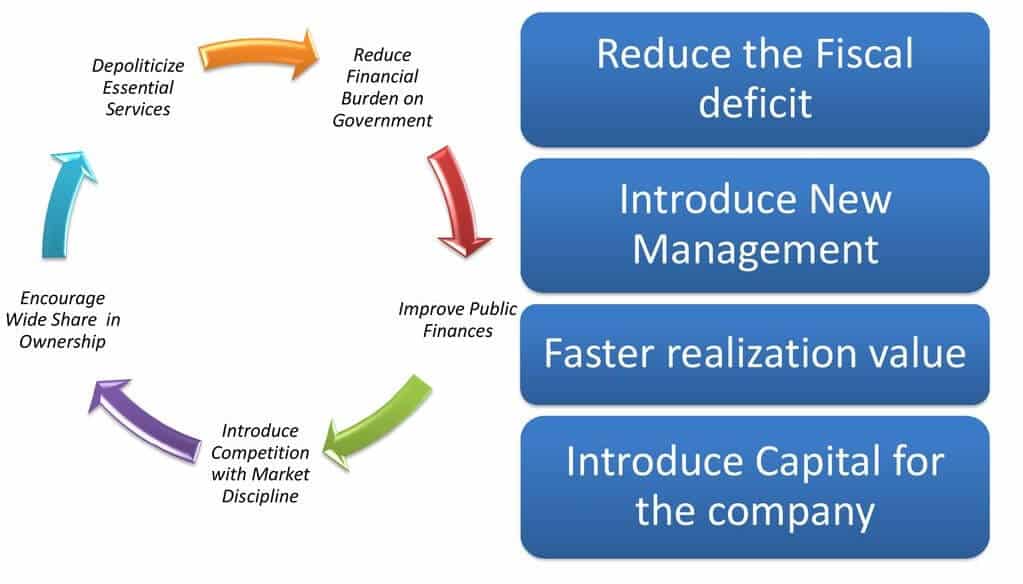
By Nantoo Banerjee The government disinvestment in India’s state-controlled enterprises is always welcome if it is aimed to make them professionally managed entities for faster growth. Unfortunately, the haphazard disinvestments in public sector enterprises (PSE) by the government seem to have only a single purpose — financing part of the annual union budget deficit. The […]

Argentina’s political landscape has been rocked by calls for the impeachment of President Javier Milei after he expressed support for the controversial LIBRA cryptocurrency token, only to retract his endorsement days later. This move has sparked a fierce backlash from opposition lawmakers, who are now seeking to hold the president accountable for what they term as a breach of trust and mismanagement.

The LIBRA token, which gained prominence in the crypto market as part of a broader financial experiment, was initially praised by Milei, who viewed it as an innovative tool to fight Argentina’s persistent inflation. However, his swift reversal, just days after his public endorsement, has left both the public and political figures questioning his leadership and decision-making capabilities.

Milei’s initial tweet in support of the token was widely perceived as a signal of confidence in Argentina’s ability to embrace innovative financial solutions. This endorsement came amidst the country’s ongoing battle with inflation and economic instability, which has led to widespread dissatisfaction with traditional economic policies. The president, a self-proclaimed libertarian, has often sought to align himself with new, unorthodox approaches to reform Argentina’s financial sector, and the LIBRA token seemed to fit into that narrative.

However, the situation took a dramatic turn when Milei retracted his support for the token after intense scrutiny from both domestic and international financial experts. Critics argued that the token lacked sufficient backing and posed a threat to Argentina’s already fragile economy. The withdrawal of support from the president came as a result of mounting pressure from conservative factions within his own party, as well as concerns raised by influential economists and banking associations.

The opposition, led by figures such as Uxió Sanz, a prominent member of the Argentine Socialist Party, swiftly condemned the president’s actions, calling it a display of inconsistency and recklessness. Sanz went as far as to accuse Milei of “playing games with the nation’s economy” and stated that such actions undermined the credibility of his administration. According to Sanz, the president’s erratic behaviour on such an important issue warranted a formal investigation and impeachment proceedings.

The impeachment push has been supported by several political parties, including the Kirchnerist faction, which has long been at odds with Milei’s free-market policies. They argue that the president’s flip-flopping on financial matters demonstrates a lack of leadership and disregard for the country’s economic stability. The debate surrounding the LIBRA token is now at the forefront of Argentina’s political discourse, with protests and heated discussions dominating the media.

The withdrawal of support for LIBRA has also raised questions about the transparency and accountability of Milei’s administration. Critics argue that the decision to promote and then abandon the token so abruptly reflects poorly on the president’s judgment. Financial analysts have warned that such erratic moves could further destabilise Argentina’s already precarious economic situation, particularly as the country grapples with high inflation rates, soaring debt, and a shrinking currency.

Milei, for his part, has defended his actions, claiming that the decision to withdraw support for LIBRA was made after careful consideration and in consultation with his economic advisers. He stressed that his government’s priority remained addressing Argentina’s inflationary crisis and improving the nation’s financial resilience. While he acknowledged the controversial nature of his tweet, he asserted that his government would continue to explore innovative solutions for Argentina’s economic challenges.

The controversy has also drawn attention to the broader issue of cryptocurrency regulation in Argentina. The country, which has become a hotspot for crypto trading in Latin America, has seen rapid growth in digital currency adoption, driven by a lack of confidence in traditional financial institutions. However, the government’s inconsistent stance on cryptocurrencies has left many investors uncertain about the regulatory framework moving forward. Critics argue that the LIBRA incident highlights the need for clearer policies and more careful consideration before making public statements on such volatile markets.

Despite Milei’s efforts to stabilise the political situation, the LIBRA token debacle has undoubtedly dented his image. The president, who took office with promises of drastic economic reform, is now facing intense scrutiny from both his political adversaries and the public. The ongoing impeachment discussions are likely to dominate the political agenda in the coming weeks, with many questioning whether Milei can retain the support of key allies and stakeholders within his own government.

Volatility in the cryptocurrency market has triggered a reassessment of investment strategies, as many high-cap digital assets have faced significant price drops. While the broader crypto market has experienced notable growth in the past year, recent corrections have caused some of the most established tokens to witness double-digit percentage declines. This has led to a contraction in the overall market capitalization, falling from roughly $1.3 trillion to about $1.15 trillion.

Despite the challenging conditions, one lesser-known cryptocurrency, Propichain , is emerging as a promising contender for investors seeking value in a recovering market. Propichain, which focuses on blockchain interoperability and decentralized finance , has seen a notable rise in interest amid the market’s turbulence. Analysts predict that the token could experience a significant surge, with some forecasting an astonishing 44,000% growth potential.

Propichain’s appeal lies in its unique approach to solving issues within the blockchain space, particularly its focus on enabling seamless communication between different blockchains. This feature positions Propichain as a solution to one of the key challenges facing the crypto industry today – fragmentation. While blockchain technology has made great strides in recent years, the lack of interoperability between networks has hindered its potential for widespread adoption.

By allowing different blockchains to interact with one another, Propichain offers a new layer of flexibility that could drive the next wave of blockchain innovation. This could prove to be particularly beneficial for decentralized finance projects, which require robust infrastructure for cross-chain transactions. As the DeFi space continues to expand, the ability for various blockchain systems to communicate effectively with one another becomes increasingly important.

Another factor driving Propichain’s potential for massive growth is its development team. The team has a strong track record in blockchain development and has demonstrated an ability to execute complex projects. Propichain’s partnership with established players in the DeFi space, along with its commitment to continuous innovation, further solidifies its position in the market.

With blockchain interoperability becoming more critical, Propichain is positioning itself as a key player in the ecosystem. While other projects are focused on scaling their own networks, Propichain is building a solution that could help other projects scale by connecting them to a larger network of blockchains. This approach could enable Propichain to tap into a wide array of use cases and applications, expanding its reach across industries and potentially leading to widespread adoption.

In addition to its technical capabilities, Propichain has a growing community of supporters and developers who are actively involved in the project’s ecosystem. This community-driven approach is crucial for the long-term success of any blockchain project, as it ensures that the platform remains responsive to the needs of its users and can adapt to changing market conditions.

The tokenomics behind Propichain are also worth noting. The platform uses a unique consensus mechanism that not only enhances security but also incentivizes participation from a wide range of stakeholders. This decentralized approach helps to maintain the integrity of the network while ensuring that it remains accessible to a broad base of users. As demand for blockchain interoperability continues to rise, Propichain’s value proposition could become increasingly attractive to investors looking for opportunities in a market that is still finding its footing after the recent correction.

While the broader cryptocurrency market continues to face volatility, Propichain’s prospects are attracting attention from both retail investors and institutional players. Several industry experts believe that the coin’s market potential could be unlocked as blockchain interoperability becomes a critical factor in the future development of the sector. These factors combined position Propichain as a cryptocurrency that may be poised for a major breakout.

However, as with any investment in the crypto space, there are risks associated with investing in Propichain. The volatility that has shaken the crypto market in recent months serves as a reminder that even the most promising projects can be affected by market forces. Therefore, while the potential for growth is significant, investors must also weigh the risks carefully.

A high-level delegation from the UAE will soon engage with European Union officials as part of an effort to combat financial crime through enhanced cooperation on anti-money laundering measures. The meeting, set to take place later this month, is seen as a significant step towards reinforcing the UAE’s commitment to global efforts in fighting illicit financial activities. The UAE has been steadily improving its AML framework, with […]

Abu Dhabi Commercial Bank Egypt is strategically aligning its operations with sustainability and green finance initiatives, reflecting the growing emphasis on environmentally responsible banking practices within the financial sector. The CEO of ADCB Egypt highlighted that the bank is committed to advancing sustainability as a key part of its broader corporate strategy, which mirrors the UAE-based parent group’s efforts to support eco-friendly projects and initiatives. Under the […]

A looming tariff threat from the United States is casting a shadow over multiple sectors in India, including automobiles, textiles, and footwear, with analysts warning that potential hikes in import duties could disrupt trade and economic growth. This growing concern comes amid rising trade tensions between the two countries, which have led to a heightened focus on the viability of Indian exports in the face of stricter US trade policies.

The US administration has indicated that it might impose higher tariffs on goods from India, a move that could significantly affect industries critical to the Indian economy. With the US being one of India’s largest trading partners, the prospect of tariffs on goods such as cars, clothing, and shoes is troubling for manufacturers and exporters alike. According to recent reports, India’s automotive and textile sectors have been identified as particularly vulnerable due to their significant export volumes to the US market.

The automotive sector, which includes both luxury cars and compact vehicles, stands to lose billions of dollars in export revenue should tariffs increase. India is home to several global automotive manufacturers, including Maruti Suzuki, Tata Motors, and Mahindra & Mahindra, which export a substantial number of vehicles to the US. A tariff hike could render these products less competitive, pushing US-based consumers towards locally manufactured or cheaper imported alternatives from other countries. In 2023, India exported nearly $2 billion worth of cars to the US, a figure that could shrink under new tariffs.

Similarly, the textiles industry, another key player in India’s export economy, faces a turbulent future if tariffs are raised. India is the world’s second-largest producer of textiles, with a significant portion of its products headed to the US market. The US is a vital customer for Indian textiles, including apparel, fabrics, and home furnishings. Analysts argue that any increase in tariffs could lead to a decline in demand, as US buyers might seek more affordable alternatives from other suppliers, particularly from countries that currently benefit from lower trade barriers.

The footwear sector is also at risk, with India exporting a wide range of footwear items to the US. Footwear exports have been a growing part of India’s manufacturing output, with the US accounting for a major portion of this trade. A tariff increase could significantly affect manufacturers, especially small and medium enterprises , which depend heavily on the US market for revenue. These companies may struggle to absorb the additional costs imposed by tariffs, leading to potential price hikes or a reduction in exports.

The looming tariff threat is not just about trade barriers; it also reflects broader geopolitical concerns. Trade relations between the US and India have been increasingly strained due to disagreements over various trade practices, including market access, intellectual property rights, and agricultural policies. The US has expressed dissatisfaction with India’s protectionist policies, and this discontent has translated into the threat of tariffs. However, the issue is not only about trade; it also touches on political relations, with both countries vying for greater economic influence in the region.

Trade experts suggest that India could be facing a period of heightened vulnerability, especially as the US underlines its “America First” policy, prioritising domestic industries and reducing reliance on imports. While India has sought to diversify its trade partnerships and strengthen ties with other countries, including the European Union and Japan, the US remains a key economic player. This makes the potential for increased tariffs particularly damaging for India, especially in light of its ambition to boost exports and achieve a higher growth trajectory.

In response to the threat of higher tariffs, the Indian government has ramped up efforts to protect its domestic industries by exploring alternative markets and seeking to negotiate more favourable trade terms with the US. The government has also engaged in diplomatic efforts to reduce trade tensions, hoping to find common ground on issues that could benefit both nations. However, some experts are sceptical about the immediate impact of these negotiations, given the political climate and the US’s growing tendency to assert its economic interests.

The potential consequences of these tariffs extend beyond individual industries. Analysts caution that a tariff hike could lead to inflationary pressures within India, as businesses may pass on the additional costs to consumers. This, in turn, could affect consumer spending and dampen overall economic activity. Moreover, sectors like automotive manufacturing and textiles are major sources of employment, and any disruption in these industries could result in significant job losses, further straining India’s labour market.

For now, industry stakeholders are watching closely as developments unfold. The automotive sector is exploring strategies to mitigate the impact of potential tariffs, including shifting production to other countries or adjusting product lines to cater to the changing demands of US consumers. Similarly, the textiles industry is focusing on increasing its competitive edge by diversifying its offerings and tapping into non-US markets. However, these measures may not be enough to offset the damage caused by a sharp rise in tariffs, which could push both sectors to reconsider their overall export strategies.

German asset management firm Patrizia has secured a licence to open its inaugural office in the Abu Dhabi Global Market , marking a strategic expansion into the Middle Eastern market. This move highlights the firm’s growing interest in tapping into the region’s expanding real estate and investment landscape.

Patrizia’s decision to establish a presence in ADGM, a global financial centre based on the Abu Dhabi island, comes as the firm looks to enhance its footprint in key international markets. The company’s new office in Abu Dhabi will focus on expanding its investor base, strengthening relationships with local partners, and identifying new opportunities in real estate investment management. This initiative aligns with the firm’s broader strategy to diversify its portfolio and engage in markets with strong growth prospects.

The ADGM has emerged as a major hub for international firms looking to capitalise on the Gulf region’s real estate potential. By offering a robust regulatory framework, tax incentives, and a conducive environment for global financial operations, ADGM has become an attractive destination for international businesses. Patrizia’s entry into the market reflects a growing trend of global firms seeking to establish a foothold in the UAE, particularly in Abu Dhabi, which continues to position itself as a critical player in the global financial sector.

In line with this strategic expansion, Patrizia intends to leverage its experience in managing both private and institutional capital, bringing its expertise to the Middle East’s dynamic real estate sector. The firm’s portfolio, which spans residential, office, and retail properties, is well-positioned to cater to the evolving demands of the regional market. By establishing a local office, Patrizia will be able to offer more personalised services to investors, enhancing its ability to respond to the specific needs of clients in the region.

With a presence in key European cities and a strong global network, Patrizia has been at the forefront of sustainable real estate investment. The firm has committed itself to integrating environmental, social, and governance principles into its investment strategies. The Middle East office is expected to serve as a hub for these initiatives, allowing Patrizia to collaborate with local stakeholders on projects that align with the region’s growing focus on sustainable development. Abu Dhabi’s Vision 2030, which promotes sustainable economic growth and diversification, offers a solid foundation for such efforts.

The UAE’s commitment to fostering innovation and sustainability makes it an attractive market for real estate investment. Patrizia’s move to open an office in Abu Dhabi demonstrates its readiness to engage with local government initiatives and contribute to the region’s ambitious development goals. This expansion also comes amid increased interest from international investors in the UAE’s property market, which has seen resilience in recent years despite global economic challenges.

The licensing of Patrizia’s office further cements ADGM’s reputation as a preferred destination for global asset managers and investment firms. The jurisdiction’s legal infrastructure, coupled with its strategic location, has made it an ideal base for businesses targeting the Middle East and beyond. Abu Dhabi, as the capital of the UAE, continues to be a pivotal location for regional financial activities, drawing attention from multinational companies looking to establish or expand their presence in the Middle East.

Patrizia’s office is expected to enhance the company’s capability to manage real estate assets for both institutional investors and private clients in the region. This includes expanding its reach to investors interested in long-term, sustainable investments across asset classes. The firm’s ability to offer tailored solutions for clients, combined with its broad experience in managing diverse portfolios, positions it well to cater to the needs of investors in Abu Dhabi and the broader Middle Eastern market.

Patrizia’s expansion into Abu Dhabi also reflects a broader shift in the financial sector, where firms are increasingly seeking to capitalise on the opportunities presented by emerging markets. The UAE, and specifically Abu Dhabi, has become a vital nexus for investment activity, attracting capital from around the world. With its strong infrastructure and commitment to enhancing its financial services industry, the UAE is positioning itself as a key financial centre for global asset management firms.

Ethereum , the world’s second-largest cryptocurrency by market capitalization, has experienced a notable price decline, trading at $2,668.58 USD. This downturn has prompted market analysts to project a potential surge, with forecasts suggesting a rise to between $4,000 and $8,000 in the coming months.

The current price reflects a decrease of $25.71 from the previous close, with intraday highs reaching $2,717.51 and lows of $2,656.81. Despite this downward trend, experts remain optimistic about Ethereum’s future performance.

Several factors contribute to this positive outlook. The ongoing development and anticipated upgrades to the Ethereum network, particularly the transition to a proof-of-stake consensus mechanism, are expected to enhance scalability and energy efficiency. These improvements could bolster investor confidence and drive demand.

The increasing adoption of decentralized finance platforms and non-fungible tokens , which predominantly operate on the Ethereum blockchain, underscores the network’s integral role in the evolving digital economy. This growing utilization may further influence ETH’s value positively.

Saudi Arabia’s Public Investment Fund is intensifying its efforts to diversify the nation’s economy by expanding tourism investments beyond the capital city, Riyadh. This strategic move aligns with the Kingdom’s Vision 2030 objectives, aiming to transform Saudi Arabia into a global tourism hub. In July 2023, PIF established the Saudi Tourism Investment Company, known as Asfar, to spearhead the development of new tourism projects across various cities. […]

Matein Khalid SpaceX is up 7X since my post in 2020, when we invested at $46 billion pre-money and it is now $350 billion. I do not recommend anybody put new money in this or any of the big AI plays. There are 300 AI startups that were rejected by two Palo Alto brand name VC partners I respect in the past year and this sector will […]

The artificial intelligence sector is currently navigating a period of volatility, with stock performances reflecting a mix of investor optimism and emerging challenges. Major tech companies, including Microsoft, Alphabet, and Nvidia, have seen fluctuations in their stock prices, influenced by both advancements in AI technology and competitive pressures from global players.

Microsoft Corporation’s stock is trading at $408.43, experiencing a slight decrease of 0.53% from the previous close. Alphabet Inc. stands at $185.23, down by 0.52%, while Nvidia Corporation has seen a modest increase of 2.59%, bringing its share price to $138.85. These movements come in the wake of significant developments in the AI landscape, notably the emergence of China’s DeepSeek-R1, which has introduced new dynamics into the market.

DeepSeek-R1’s introduction has prompted a reevaluation among investors, leading to a selloff in certain AI stocks. Nvidia, for instance, experienced a notable decline, with shares dropping $24.20 to $118.42, marking an 11.8% decrease for the year to date. This downturn is attributed to concerns over DeepSeek-R1’s potential to disrupt established AI market leaders.

Despite these challenges, the AI sector’s growth trajectory remains robust. The global AI market is projected to expand from $214.6 billion in 2024 to $1.34 trillion by 2030, reflecting a compound annual growth rate of 35.7%. This surge is driven by continuous advancements in AI technologies and their increasing integration across various industries.

In the software domain, companies are capitalizing on AI’s momentum. The iShares Expanded Tech-Software Sector ETF has risen by 27% over the past six months, outpacing the iShares Semiconductor ETF, which saw less than a 1% increase in the same period. This trend indicates a growing investor preference for software firms that offer stable growth and are less susceptible to manufacturing disruptions.

Companies like Monday.com and Confluent have reported significant revenue growth, with their stock prices reflecting this positive trajectory. The adoption of AI technologies has bolstered demand for software solutions, leading to more lucrative consumption-based pricing models and attracting institutional investors seeking consistent returns.

However, the AI sector is not without its debates. A discernible divide is emerging between two schools of thought: the ‘AI Cavaliers,’ who are pursuing the ambitious goal of achieving artificial general intelligence , and the ‘AI Roundheads,’ who advocate for a more targeted approach, focusing on solving specific problems efficiently. This discourse is shaping investment strategies and influencing the direction of AI research and development.

The competitive landscape is further intensified by substantial investments from tech giants. Companies such as Microsoft, Alphabet, Amazon, and Meta are allocating extensive resources toward AI advancements, driven by both the fear of missing out and the potential advantages of pioneering AGI. This aggressive investment strategy underscores the high stakes involved in AI development and the race for market dominance.

In the medical imaging sector, AI’s impact is becoming increasingly pronounced. The global AI in medical imaging market was valued at $1.28 billion in 2024 and is projected to reach approximately $14.46 billion by 2034, growing at a CAGR of 27.10%. This growth is attributed to AI’s ability to enhance diagnostic accuracy and efficiency, leading to improved patient outcomes and streamlined healthcare processes.

The New York Stock Exchange’s electronic trading platform, NYSE Arca, has formally requested approval from the U.S. Securities and Exchange Commission to permit Ethereum staking within Grayscale’s Ethereum exchange-traded funds . This proposal, submitted on February 14, 2025, aims to amend the operational framework of the Grayscale Ethereum Trust ETF and the Grayscale Ethereum Mini Trust ETF, enabling these funds to participate in Ethereum’s staking mechanism.

Ethereum staking involves validators locking up a certain amount of Ether to support network operations such as block validation and security. In return, stakers receive rewards proportional to their staked amount. By integrating staking into its ETFs, Grayscale intends to enhance investor returns by generating additional income through these rewards.

The official filing outlines that, if approved, the Trusts will stake Ether through reputable staking service providers. This approach is designed to benefit fund shareholders directly, ensuring that the staked assets remain under the custody of the Trusts’ current custodian. Grayscale emphasizes that this method differs from other staking-as-a-service models previously scrutinized by the SEC, as it does not involve pooling assets with third parties.

Grayscale has clarified that while staking is intended to generate additional income, the firm will not guarantee or promote any specific level of returns to investors. This cautious stance likely reflects an awareness of regulatory concerns and market volatility associated with cryptocurrency investments.

The move to incorporate staking comes at a time when Ethereum’s role in the cryptocurrency ecosystem is expanding, particularly after its transition to a proof-of-stake consensus mechanism. This shift allows Ether holders to participate in network validation and earn rewards, making staking an attractive feature for investment funds aiming to maximize returns.

The proposal also highlights that the Trusts’ participation in staking is designed to comply with existing regulatory frameworks. By keeping staked assets under the Trusts’ custody and avoiding third-party pooling, Grayscale aims to mitigate potential risks and align with SEC guidelines.

The SEC’s decision on this proposal could set a significant precedent for the integration of staking features into cryptocurrency investment products. A favorable ruling may encourage other asset managers to explore similar enhancements, potentially leading to a broader acceptance of staking within traditional financial products.

However, the regulatory environment surrounding cryptocurrency staking remains complex. The SEC has previously taken action against certain staking programs it deemed as unregistered securities offerings. Grayscale’s proposal seeks to differentiate its approach by emphasizing direct benefits to fund shareholders and adherence to regulatory standards.

Market analysts suggest that if the proposal is approved, it could enhance the appeal of Grayscale’s Ethereum ETFs by offering investors additional income streams through staking rewards. This development may also influence the competitive landscape of cryptocurrency ETFs, prompting other issuers to consider similar features to attract investors.

As of now, the SEC has not provided a timeline for its decision on the proposal. Stakeholders within the cryptocurrency and financial sectors are closely monitoring the situation, recognizing its potential implications for the future of crypto-based investment products.

In the broader context, this initiative reflects the ongoing efforts by financial institutions to integrate innovative blockchain features into traditional investment vehicles. The outcome of this proposal may serve as a benchmark for future endeavors aiming to bridge the gap between decentralized finance and mainstream financial markets.

Investors are advised to stay informed about the SEC’s forthcoming decisions and to consider the potential risks and benefits associated with staking-enabled investment products. As the regulatory landscape continues to evolve, due diligence and a thorough understanding of the mechanisms involved remain essential for making informed investment choices.

Sony Group Corporation has reported a significant surge in PlayStation 5 sales during the holiday quarter, contributing to a notable increase in the company’s overall financial performance. Between October and December 2024, Sony shipped 9.5 million PS5 units, surpassing the 8.2 million units sold in the same period the previous year. This achievement brings the total PS5 shipments to over 75 million units since its launch.

The gaming division’s success has been a pivotal factor in Sony’s financial growth. For the nine months ending December 31, 2024, the company reported an 8.2% year-on-year increase in sales, amounting to ¥10.33 trillion. Operating income during this period rose by 22.9%, reaching ¥1.2 trillion. The third quarter alone saw a 3% increase in quarterly profit, totaling ¥373.7 billion, with sales climbing 18% to ¥4.4 trillion.

In response to these robust figures, Sony has revised its annual profit forecast upward to ¥1.08 trillion, citing favorable currency exchange rates and increased sales in network services as contributing factors. The company’s gaming unit experienced a 37% rise in quarterly profit, driven by strong PS5 sales and higher revenue from network services. Additionally, the music segment reported a 28% increase in operating profit, largely due to streaming services.

The impressive performance of the PS5, now in its fifth year, has solidified Sony’s dominant position in the console gaming market. Analysts have noted the potential for higher game margins and anticipate continued growth with upcoming game releases. The introduction of the PlayStation Pro in November 2024 has also contributed to the surge in console sales.

Sony’s strategic acquisitions, including Bungie and Crunchyroll, along with an increased stake in Kadokawa, have expanded its content library and market presence. These moves align with the company’s focus on enhancing its entertainment sectors under the leadership of President Hiroki Totoki, who is set to assume the role of CEO in April. Totoki has emphasized the need for Sony to bolster its global competitiveness, particularly in its entertainment divisions.

The United Arab Emirates has initiated a groundbreaking project to map air corridors and establish regulatory frameworks for piloted and autonomous air taxis and cargo drones. This ambitious endeavour aims to integrate advanced air mobility solutions into the nation’s urban infrastructure, enhancing transportation efficiency and connectivity.

The General Civil Aviation Authority , in collaboration with the Advanced Technology Research Council’s entities—Technology Innovation Institute and ASPIRE—announced the initiative during the World Government Summit 2025. The project is slated for completion within the next 20 months, during which aerial corridors and comprehensive regulations will be defined.

These designated routes are planned to link major international airports with prominent urban landmarks, facilitating the seamless operation of air taxis and cargo drones across the UAE’s cities. This development is poised to alleviate traffic congestion, promote sustainable urban growth, and position the UAE as a leader in advanced air mobility.

Saif Mohammed Al Suwaidi, Director General of the GCAA, highlighted the significance of this milestone: “Air corridor mapping for piloted and autonomous air taxis and drones is a crucial milestone that will enable the seamless implementation of advanced air mobility into the UAE’s infrastructure.” He emphasized that this initiative ensures the safe and efficient adoption of air mobility, paving the way for a smarter, more connected future.

The UAE’s commitment to innovative transportation solutions is further exemplified by its history of embracing cutting-edge technologies. In 2017, Dubai commenced testing two-seater, propeller-driven flying taxis developed by Germany’s Volocopter, marking an early foray into autonomous aerial transport. Building on this foundation, the current project seeks to operationalize such technologies on a broader scale.

In September 2024, U.S.-based air-taxi manufacturer Joby Aviation applied for certification to operate commercial air transport services in the UAE. This move signifies growing international interest in the UAE’s burgeoning advanced air mobility sector. The certification process involves developing operational manuals, facility inspections, and comprehensive training programs for pilots and maintenance personnel, underscoring the rigorous standards set by the GCAA.

Dr. Najwa Aaraj, CEO of TII, underscored the transformative potential of this collaboration: “By advancing airspace management and integrating piloted and autonomous air taxis and cargo drones, we are not only enhancing urban connectivity but also driving sustainable and accessible mobility solutions that will benefit future generations.” TII’s role focuses on developing advanced airspace management systems to ensure the safe integration of these new aerial vehicles into existing urban environments.

ASPIRE, tasked with coordinating among regulators, industry stakeholders, and researchers, aims to create a flexible and diverse transportation system. Stephane Timpano from ASPIRE noted: “Addressing real-time urban mobility challenges through innovative solutions like air taxis and drones is a major step forward.” This initiative is expected to ease pressure on traditional road networks and foster the development of smarter, more resilient cities.

The UAE’s strategic vision encompasses the integration of artificial intelligence and smart automation to manage and optimize these air corridors. This approach ensures predictive maintenance, efficient traffic management, and robust safety protocols, aligning with global trends in smart city development.

Aston Martin Aramco Formula One Team has entered into a groundbreaking multi-year sponsorship agreement with cryptocurrency exchange platform Coinbase, marking a significant milestone in the integration of digital finance within elite motorsport. This partnership is distinguished by its financial arrangement: the entire sponsorship fee will be transacted in USD Coin , a stablecoin pegged 1:1 to the U.S. dollar.

This collaboration represents the first instance of a Formula One team publicly announcing the full payment of a partnership using a stablecoin. By embracing USDC for this transaction, Aston Martin signals a forward-thinking approach to financial operations, highlighting the efficiency and global reach of cryptocurrency in high-stakes industries.

Jefferson Slack, Managing Director of Commercial at Aston Martin Aramco, expressed confidence in the alliance, stating, “This partnership shows the trust and confidence we place in Coinbase’s expertise as a leader in digital finance. By transacting this deal fully in USDC, we’re signaling our commitment to innovation, building a sustainable, forward-thinking relationship with Coinbase.”

Coinbase’s branding will feature prominently on Aston Martin’s AMR25 race cars, specifically on the halo and rear-wing end plates, as well as on the racing suits of drivers Fernando Alonso and Lance Stroll throughout the upcoming Formula One season. This visibility aligns with Coinbase’s strategy to expand its global presence and promote the adoption of digital currencies across diverse audiences.

Gary Sun, Vice President of Marketing at Coinbase, highlighted the significance of this venture: “This is a huge moment for Coinbase, marking the first time we’ve invested in a sports partnership entirely in cryptocurrency. It’s also our debut in Formula One, and we’re thrilled to align with a sport that values pushing boundaries with transformative ideas and technology.”

The decision to utilize USDC for the sponsorship underscores the practical benefits of stablecoins in large-scale transactions, offering stability, reduced transaction costs, and seamless cross-border payments. While Coinbase remains open to transacting in various cryptocurrencies based on partner preferences, the selection of USDC for this deal reflects its suitability for substantial financial agreements.

This partnership emerges amidst a growing trend of cryptocurrency integration within Formula One. In June 2021, Crypto.com secured a multi-year deal with Formula One, later expanding its involvement with a significant nine-year, $100 million agreement in 2022, which included naming rights to the Miami Grand Prix. Individual teams have also embraced the crypto movement; for instance, Red Bull Racing has collaborated with platforms like Bybit and Mysten Labs to enhance fan engagement through blockchain technology.

Aston Martin’s alliance with Coinbase not only enhances the team’s financial portfolio but also paves the way for innovative, blockchain-based fan engagement initiatives. As the season progresses, supporters can anticipate unique on-chain experiences designed to deepen their connection with the team and the sport.

VISHNU RAJA
RYO YAMADA
HITORI GOTOH
IKUYO KITA