News related to
stake

The Dubai government has approved an ambitious succession planning framework, focusing on securing continuity and resilience in public sector leadership. The newly introduced system, announced by Dubai’s Executive Council, aims to cultivate a pool of capable Emirati leaders across various government departments, ensuring that vital functions within the emirate are sustained without disruption.

Developed as part of a broader strategy to enhance corporate risk management, this framework is designed to support smooth leadership transitions and maintain operational consistency. With an emphasis on leadership training and skill-building for younger Emirati professionals, the initiative aims to create a structured approach to identifying and preparing potential successors for senior roles. This structured model is a key step forward, addressing risks tied to unforeseen vacancies and fostering stability across critical sectors.

Dubai’s succession plan aligns with the emirate’s vision of building a competitive and sustainable government workforce. This move also dovetails with Dubai’s larger strategic goals under the Dubai Plan 2021, which seeks to foster an innovative and adaptive public sector while reducing reliance on expatriate expertise in high-stakes roles. By focusing on developing a robust pipeline of national leaders, the government aspires to elevate Emirati talent within its civil service, ensuring a stronger, locally-led workforce.

Several departments, including the Dubai Chamber of Commerce and the Department of Economic Development, have already set up pilot programs to assess the new model’s effectiveness. These early trials have showcased positive outcomes in fostering Emirati leadership across finance, trade, and economic regulation roles. The Dubai Chamber has also emphasized that by formalizing succession planning processes, it aims to enhance efficiency, bring fresh perspectives to strategic decision-making, and address long-term staffing needs.

REACH, Singapore and Reggio Children, Italy present Mosaic of Marks, Words, Material SINGAPORE – Media OutReach Newswire – 8 November 2024 – In a groundbreaking event for early childhood education, Singapore will host the first-ever Reggio Children Mosaic of Marks, Words, Material Exhibition and Conference from Italy this November. Organised by Reggio Emilia in Asia for Children (REACH) and Reggio Children, together with municipal preschools and infant-toddler […]

SINGAPORE – Media OutReach Newswire – 8 November 2024 – The 2024 Singapore FinTech Festival took place from November 6 to 8 at the Singapore Expo, gathering central banks, regulatory authorities, industry leaders, entrepreneurs, investors, and innovators from around the world to discuss how to shape the future of the global financial ecosystem through coordinated regulation, innovation, and technology, with a focus on the potential of artificial […]

New ERP Solutions Help Construction Companies Meet Budgets, Deadlines, and Resource Demands As the construction industry faces increasingly complex projects and tighter profit margins, a growing number of companies are turning to ERP software for construction to improve efficiency. ERP software tailored for construction is transforming how these companies manage everything from budgeting to scheduling, aiming to reduce costs and streamline operations. ERP Software Helps Address Industry […]

Acquisition Expands TBS’ Regional Waste Management Platform in Indonesia and Singapore, aligning with its TBS2030 target. TBS is committed to ensuring SembEnviro’s high standards of service. JAKARTA, INDONESIA – Media OutReach Newswire – 8 November 2024 – PT TBS Energi Utama Tbk. (“TBS”), through its subsidiary, SBT Investment 2 Pte. Ltd. (“SBT Investment”), is pleased to announce the signing of Share Purchase Agreement with Sembcorp Industries Ltd. […]

A second term for Donald Trump could usher in significant changes for investors in the Middle East, with the potential for both increased economic opportunities and geopolitical instability. Trump’s return to the presidency would likely revive his administration’s assertive economic policies, reshaping U.S. foreign relations, particularly toward China, Europe, and Middle Eastern nations, while possibly impacting global market dynamics in ways that will directly affect Gulf economies.

Trump’s “America First” approach, previously marked by attempts to realign American foreign policy priorities, could lead to heightened trade tensions with major global economies, including the European Union and China. During his previous term, the Trump administration imposed steep tariffs on Chinese goods and withdrew from the Trans-Pacific Partnership, signaling a shift from multilateral agreements to bilateral deals with clear U.S. advantages. These policies could place Middle Eastern investors in a challenging position, especially those with extensive ties to both Western and Asian markets. His re-election could rekindle these policies, affecting key industries and the economic strategies of regional stakeholders, who may need to reassess their portfolios to navigate potential trade disruptions.

One area of likely change would be Trump’s approach to the U.S.-China trade war, which saw tariffs as high as 25% imposed on hundreds of billions in imports. The escalating tariffs strained trade flows globally, and with Trump’s potential return, the continuation or expansion of such tariffs could push China to deepen its ties with Gulf nations as it seeks alternative partners. The Middle East, particularly Saudi Arabia and the UAE, has already seen increased investment from China under the Belt and Road Initiative, and a further intensification of U.S.-China rivalry could strengthen these relations. Additionally, Gulf economies that depend heavily on oil exports may find opportunities as China looks for secure energy suppliers outside of the American sphere.

Simultaneously, Trump’s proposed policies are expected to drive further U.S. disengagement from traditional allies in Europe, compelling these countries to secure alternative economic partnerships. This shift could create an environment where European countries turn to the Middle East to establish closer trade relations, viewing Gulf states as critical energy providers and investment hubs. Regional investors could benefit from an increased inflow of European capital seeking to mitigate the effects of U.S. tariffs.

In terms of defense, Trump has consistently voiced support for reducing U.S. military commitments abroad, urging allies in Europe and the Middle East to shoulder more responsibility for their own defense. This could result in reduced U.S. military presence in Gulf nations, which may encourage these states to expand defense partnerships within the region and seek additional security alliances beyond the U.S. This shift could spur an increase in local defense spending and the development of domestic defense industries, presenting investment opportunities in these sectors. However, it may also bring heightened insecurity, which could lead to market instability, especially in oil-dependent economies that rely on stable energy production and export environments.

The Middle East’s energy sector might experience new pressures and opportunities under a Trump administration focused on American energy independence. Trump has previously supported policies that increase domestic oil and gas production in the U.S., which could lead to a drop in oil prices globally, impacting the revenue of oil-exporting countries in the Gulf. To counter this, Gulf economies may be motivated to diversify and boost non-oil sectors such as technology, real estate, and tourism, creating new avenues for regional and international investors.

Trump’s stance on Iran could also lead to renewed tensions in the region. During his first term, the administration’s “maximum pressure” campaign aimed at curbing Iran’s nuclear ambitions led to economic sanctions and heightened regional conflicts. If reinstated, such policies could escalate instability in areas around the Strait of Hormuz, a key chokepoint for global oil exports. Middle Eastern markets might face disruptions if these tensions spill over, particularly for industries dependent on steady energy flows and safe trading routes. Yet, defense and energy infrastructure investments may see a boost in response to these renewed geopolitical challenges.

Trump’s previous involvement in brokering the Abraham Accords set a precedent for Arab-Israeli normalization. A return to power could see a renewed push for expanded economic ties between Israel and more Arab states, following the precedent of UAE, Bahrain, Morocco, and Sudan establishing official relations with Israel. Investors across the Gulf could benefit from these expanded commercial ties through greater market access, technology transfers, and joint ventures, particularly in high-growth sectors like technology, renewable energy, and tourism. The prospect of regional integration holds promise for attracting further foreign direct investment (FDI) and bolstering Middle Eastern economies.

Middle Eastern investors, therefore, may need to prepare for a mixed impact, balancing potential market volatility with strategic opportunities. Gulf Cooperation Council (GCC) countries, particularly the UAE and Saudi Arabia, may find themselves in a pivotal position, with increased leverage in securing favorable trade agreements as both Western and Eastern economies seek partnerships in response to Trump’s policies. Yet, they may also have to contend with the risks of being on the frontline of fluctuating U.S. policies toward the region, especially regarding defense and energy.


HONG KONG SAR – Media OutReach Newswire – 8 November 2024 – Hong Kong Design Centre (HKDC) is thrilled to reveal the winners of DFA Hong Kong Young Design Talent Award (DFA HKYDTA) 2024. A total of 17 young and exceptional designers from Hong Kong have been selected by a panel of distinguished judges. Among them, 13 winners will receive financial sponsorships to pursue education or work […]

Advertisements

KUALA LUMPUR, MALAYSIA – Media OutReach Newswire – 8 November 2024 – Trading offers a pathway to financial growth, yet for many beginners, fear of loss, mistakes, and market unpredictability can create mental blocks. Octa, a broker with globally recognised licences, explores common trading fears, breaks down their causes, and presents practical methods to manage them. These insights will help traders build management and confidence-boosting strategies, creating […]

KUALA LUMPUR, MALAYSIA – Media OutReach Newswire – 6 November 2024 – Asian financial markets are experiencing increased interest from novice traders. In Southeast Asia, online trading has expanded rapidly, driven by growing internet access and an increasingly digital-savvy population. In Indonesia, active online traders grew by 18%, supported by a thriving e-commerce sector and rising financial literacy. Across Southeast Asia, the digital economy is projected to […]

HONG KONG SAR – Media OutReach Newswire – 6 November 2024 – The first baijiu company listed on the Hong Kong Stock Exchange, ZJLD Group Inc. (“ZJLD” or the “Company”, SEHK stock code: 06979. HK), is pleased to announce that the Group has been awarded the Excellence Award for First-Year Listed Companies and the Best New Entry in “General” Category at the 2024 Best Annual Reports Awards […]

Bitcoin’s market capitalization surged, positioning it as the 10th most valuable asset globally, overtaking Meta’s market cap in a significant milestone for digital currency. Valued at $1.469 trillion, Bitcoin now stands among a roster of prominent corporations and precious metals, reflecting a growing mainstream acceptance of cryptocurrency as a valuable financial asset. As it edges past Meta’s $1.415 trillion, this advancement underscores Bitcoin’s emerging stability and appeal, bridging the gap between traditional finance and digital assets.

The rise in Bitcoin’s market value comes amidst a period of renewed interest in cryptocurrency assets as broader economic concerns drive investors toward alternative assets. Bitcoin, often viewed as “digital gold,” has sustained a strong appeal among investors seeking a hedge against inflation and financial uncertainty. This achievement follows years of volatility within the cryptocurrency market, highlighting Bitcoin’s shift from a niche digital asset to one recognized within established financial circles as a potentially viable store of value.

Bitcoin’s rise to this financial echelon highlights its unique qualities, particularly as a decentralized asset unaffected by conventional monetary policies. With a limited supply capped at 21 million coins, Bitcoin’s scarcity plays a crucial role in its valuation, differentiating it from traditional currencies that can be influenced by central banks. Analysts point to Bitcoin’s fixed supply as one reason for its attractiveness in times of inflation, with many investors considering it a secure store of value akin to gold. Unlike fiat currencies, Bitcoin operates on a decentralized network, offering users autonomy and a form of financial independence that centralized assets cannot match.

Some financial experts interpret Bitcoin’s advancement in market valuation as indicative of a shifting perception among institutional investors, who increasingly view digital assets as part of a balanced investment portfolio. High-profile financial firms, including Fidelity, BlackRock, and others, have shown interest in cryptocurrency by developing infrastructure for institutional clients, fueling the belief that Bitcoin and similar assets are becoming indispensable in modern financial strategy. Bitcoin’s integration into mainstream finance continues, with exchange-traded funds (ETFs) and other investment products creating access points for investors previously hesitant to engage in digital currency markets directly.

Notwithstanding this impressive ascent, Bitcoin’s market performance has been marked by fluctuations. In 2021, Bitcoin’s value experienced a meteoric rise, crossing the $60,000 threshold before undergoing a sharp decline during 2022’s “crypto winter,” which saw significant losses in the broader digital asset space. This volatility has led to caution among traditional investors, yet the asset’s resilience in rebounding from lows strengthens the case for Bitcoin’s potential long-term viability. While its trajectory has not been linear, Bitcoin’s consistent recovery and growth reflect a degree of maturity in the market, contrasting with its early years characterized by extreme swings.

Bitcoin’s surpassing of Meta by market capitalization also draws attention to the contrasting models and trajectories of the two assets. While Meta represents a centralized technology behemoth navigating privacy concerns and regulatory scrutiny, Bitcoin offers a decentralized, transparent financial option free from central governance. Bitcoin’s public blockchain allows participants to verify transactions without a central authority, ensuring transparency and security. As technology giants like Meta face ongoing scrutiny over data privacy, Bitcoin’s appeal as an open and censorship-resistant currency is amplified, making it particularly attractive to a generation attuned to digital privacy issues.

Despite Bitcoin’s growth, regulatory challenges remain. The cryptocurrency sector faces varied regulatory approaches worldwide, with some countries such as the United States and China imposing restrictions or outright bans, while others, including El Salvador and Switzerland, embrace digital currencies through legislative frameworks. Regulatory ambiguity has prompted industry stakeholders to advocate for clearer policies that protect consumers while fostering innovation. Regulatory stability, proponents argue, is essential to ensure long-term confidence in digital assets among institutional and retail investors alike.

Bitcoin’s evolving role also underscores potential shifts in the global financial ecosystem, with digital assets increasingly positioned as integral to the future of finance. Central banks globally have observed Bitcoin’s growth with a mixture of apprehension and intrigue, with many exploring the idea of central bank digital currencies (CBDCs) to create government-backed digital equivalents. These digital currencies could enhance payment efficiencies and reduce transaction costs, although they differ fundamentally from decentralized cryptocurrencies like Bitcoin. In exploring CBDCs, governments aim to modernize financial infrastructure, yet many remain cautious of the unregulated nature of Bitcoin, which operates beyond central control and oversight.

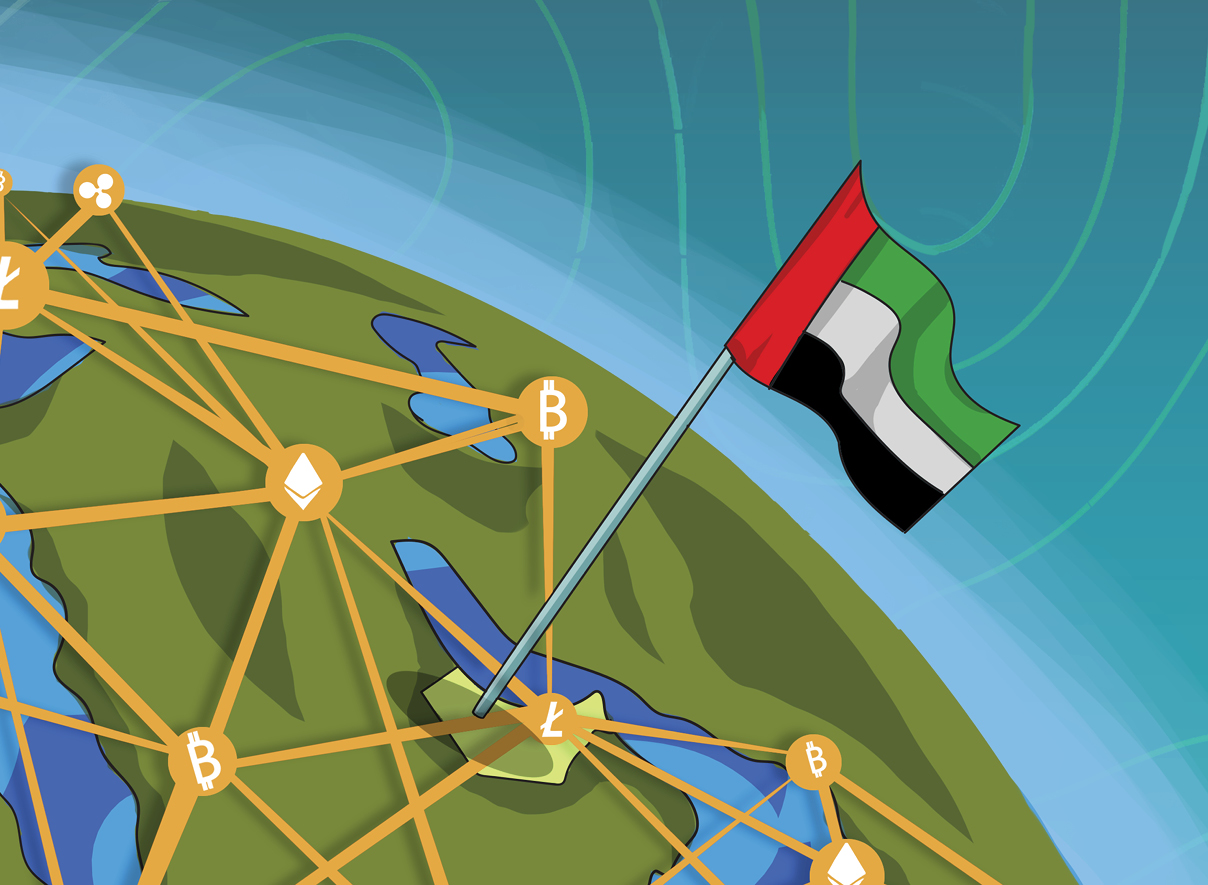
The adoption of Central Bank Digital Currencies (CBDCs) in the UAE is fostering closer collaboration between financial institutions and FinTech companies, marking a transformative shift in the country’s financial landscape. In response to the rapid advancement of digital currencies, the UAE government and its financial regulators have emphasized the importance of integrating CBDCs into the nation’s economy. This development is shaping the future of financial transactions and reshaping the relationship between traditional banks and emerging FinTech players.

The UAE’s Central Bank has been at the forefront of digital currency discussions, focusing on exploring a digital dirham, which could enhance the country’s financial infrastructure. The initiative, as part of a broader effort to modernize the financial system, is seen as a strategic move to diversify the nation’s economy, reduce its reliance on oil, and boost its global competitiveness. Banks are now working closely with FinTech firms to understand and integrate CBDCs, aligning with the government’s vision of becoming a hub for digital finance innovation.

One of the driving forces behind this collaboration is the need to create a more efficient and secure payment system. CBDCs, unlike cryptocurrencies, are state-backed and carry the guarantee of the central bank. This makes them an attractive proposition for banks, which are seeking to improve their payment systems while staying ahead of the competition in a rapidly digitizing market. For FinTech companies, the introduction of CBDCs offers a unique opportunity to expand their services, leveraging blockchain technology and other digital tools to enhance financial inclusion and streamline transactions.

Among the key players in this space are traditional banks such as Emirates NBD, First Abu Dhabi Bank (FAB), and Mashreq Bank, which are increasingly working with technology providers and startups to develop CBDC solutions. These banks are testing various use cases for digital currencies, including faster cross-border payments, improved customer experiences, and more secure digital wallets. By collaborating with FinTech firms, these banks aim to bridge the gap between traditional banking services and the fast-evolving digital economy.

FinTech companies, on the other hand, are seizing this moment to expand their footprint in the UAE’s financial sector. Many have already established partnerships with banks to develop CBDC platforms that are more agile and adaptable to user needs. These firms are leveraging their expertise in areas like digital payments, cybersecurity, and blockchain to build innovative solutions that can seamlessly integrate with the UAE’s financial ecosystem. As digital currencies become more mainstream, these partnerships between banks and FinTech firms are expected to accelerate, leading to the rapid development of CBDC infrastructures.

One notable collaboration between traditional banks and FinTech firms is the establishment of new payment systems, which will enable faster, more secure transactions. For instance, several financial institutions are exploring the use of blockchain technology to create a more efficient digital payment infrastructure. Blockchain’s decentralized nature offers enhanced security, transparency, and reduced transaction fees—features that are appealing to both banks and consumers.

The UAE’s regulatory environment plays a crucial role in facilitating these partnerships. The Central Bank has been proactive in introducing regulations that support the development of digital currencies while ensuring financial stability. In 2024, the Central Bank announced that it would begin testing a digital dirham, focusing on its integration with existing financial systems. The success of these trials could lead to the widespread adoption of CBDCs, which could further enhance the UAE’s position as a regional leader in digital finance.

The UAE’s ongoing push towards financial innovation is supported by the Dubai International Financial Centre (DIFC), which serves as a hub for global FinTech companies. The DIFC has established itself as a key player in attracting investment in digital finance and supporting the development of blockchain-based solutions. The centre’s efforts are complemented by the UAE’s broader ambition to integrate artificial intelligence (AI) and blockchain into financial services, further driving the collaboration between banks and FinTech firms.

Despite the promise that CBDCs hold, there are still challenges to overcome. Security concerns, the risk of cyber-attacks, and regulatory uncertainties remain top of mind for both banks and FinTech companies. To address these issues, collaboration between financial institutions, technology providers, and regulators will be critical. As these stakeholders continue to work together, they will need to develop robust cybersecurity frameworks and ensure that the legal and regulatory frameworks are agile enough to accommodate the rapid pace of digital innovation.

Another challenge is the need for public awareness and education. While the benefits of CBDCs are widely recognized within the financial industry, consumer adoption remains a key hurdle. Banks and FinTech companies are tasked with educating their customers about the advantages of digital currencies, including faster transaction times, lower fees, and greater financial inclusion. The success of CBDC integration depends not only on the technological and regulatory landscape but also on how well these digital currencies are received by the public.

Lulu Retail Holdings, the prominent Middle Eastern retail chain, expanded its IPO on the Abu Dhabi Securities Exchange (ADX) from 25% to 30% due to substantial investor interest. This adjustment potentially positions Lulu to raise AED 6.32 billion (approximately $1.72 billion) based on the revised stake size, highlighting the Gulf region’s ongoing appeal for significant IPO activity and interest in consumer-driven sectors.

Setting an initial price range between AED 1.94 and AED 2.04 per share, Lulu’s IPO reflects an alignment with regional valuation norms, expected to yield a market capitalization between AED 20.04 billion and AED 21.07 billion. The subscription window, open until November 5, 2024, aims to attract a diverse mix of retail and institutional investors, both regional and international. With these developments, Lulu’s expected proceeds could make this one of the most notable IPOs in Abu Dhabi this year.

This expansion in IPO size reflects broader Gulf trends, where IPOs in sectors ranging from energy to retail have gained traction, driven by favorable macroeconomic conditions and rising consumer spending across GCC countries. Lulu, which operates over 240 stores across the region and holds a dominant market share in countries such as Qatar and Oman, is well-positioned to capitalize on these trends. In the UAE, the retail chain ranks as the second-largest grocery retailer by market share, supporting its robust financial standing and growth potential.

The regional economic environment, marked by population growth and increasing consumer demand, has fortified Lulu’s market footprint, with a 5.6% rise in revenue reported for the first half of 2024, reaching $3.9 billion. Earnings before interest, taxes, depreciation, and amortization (EBITDA) also rose to $391 million, reflecting Lulu’s steady revenue trajectory and focus on operational efficiencies, especially in logistics and e-commerce channels.

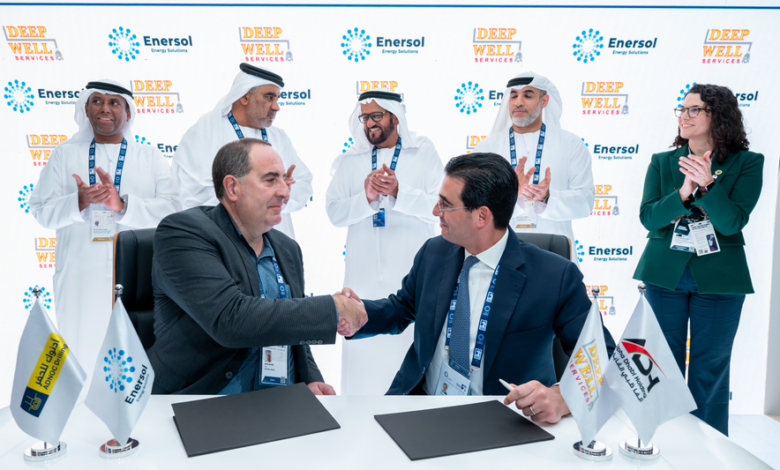
ADNOC Drilling, a subsidiary of Abu Dhabi National Oil Company, has finalized the acquisition of a 95% stake in the U.S.-based Deep Well Services (DWS) through its specialized investments arm, Enersol. This strategic move, valued at approximately $223 million, represents a significant step in ADNOC’s long-term strategy to expand its technological capabilities and strengthen its global footprint, particularly within the U.S. market. The acquisition aligns closely with ADNOC’s broader commitment to enhancing production efficiency and sustainability in drilling operations.

DWS, headquartered in the U.S., specializes in complex well interventions and completions, offering cutting-edge snubbing and well intervention technologies essential for operating in unconventional fields. Known for its advanced methodologies and patented technology portfolio, DWS has established itself as a leader in the U.S., working with major exploration and production (E&P) companies across shale and other high-demand oil and gas fields. By acquiring a significant share in DWS, ADNOC Drilling aims to leverage this technology within the Middle East and North Africa (MENA) region, strengthening its position in unconventional gas and oil extraction—a crucial step as ADNOC targets production increases while lowering carbon intensity across its operations.

BANGKOK, THAILAND – Media OutReach Newswire – 5 November 2024 – Indorama Ventures Public Company Limited, a global sustainable chemicals company, celebrated the success of the Waste Fiction Challenge, a pioneering initiative that rallied young people from over 90 countries to envision zero-waste schools by 2030. Mrs. Suchitra Lohia The Waste Fiction Challenge is a global competition designed to engage youth in crafting imaginative stories of a […]

Strategic alliance poised to create new growth avenues in Thailand, Japan, and beyond. BANGKOK, THAILAND – Media OutReach Newswire – 5 November 2024 – Dusit Foods, a subsidiary of Dusit International, one of Thailand’s leading hotel and property development companies, has signed a strategic partnership agreement with Green House Co., Ltd, a prominent player in Japan’s food industry, to accelerate the growth of Epicure Catering Co., Ltd., […]

The world’s most successful investor, Warren Buffett, is making headlines again by significantly reducing his stake in Apple, selling approximately 100 million shares—about 25% of his company’s holdings. This move, which brought Berkshire Hathaway’s holdings of Apple shares down to roughly 300 million, is emblematic of Buffett’s long-standing philosophy of risk management and prudent investing. As of now, Berkshire’s remaining stake in Apple is valued at $69.9 […]

International Forum for sustainable development gathered political and commercial leaders HONG KONG SAR – Media OutReach Newswire – 4 November 2024 – To celebrate its 35th Anniversary, Hong Kong Quality Assurance Agency (HKQAA) held the 35th Anniversary Forum cum Celebration Ceremony at Ballroom, Level 3, JW Marriott Hotel Hong Kong. The Forum in the morning session was officiated by Mr Christopher Hui, GBS, JP, Secretary for Financial […]

Concerns over potential conflicts of interest have prompted Ethereum researchers Justin Drake and Drankrad Feist to resign from their roles at EigenLayer, a decentralized protocol that facilitates the building of new applications on the Ethereum blockchain. This decision comes in the wake of their disclosure regarding substantial token payouts they received from EigenLayer, raising eyebrows within the cryptocurrency community and igniting debates over transparency and governance in […]

Unity Technologies, the well-known platform for creating and operating interactive, real-time 3D content, has appointed Alex Blum as its new Chief Operating Officer. This strategic move aims to bolster Unity’s operational capabilities and enhance its leadership in the competitive landscape of gaming and augmented reality development. Blum joins Unity following a successful tenure as the Chief Financial Officer at DigitalOcean, where he was instrumental in guiding the […]

The ongoing geopolitical tensions, particularly related to the Russia-Ukraine conflict, have started to seep into the development of open-source software, notably the Linux kernel. A significant decision by prominent developers to exclude contributions from Russian individuals has sparked debate about the implications of political affiliations in software development. Following the onset of the conflict in Ukraine, the open-source community has grappled with ethical considerations regarding the involvement […]

The Monetary Authority of Singapore (MAS) is set to launch a new wholesale Central Bank Digital Currency (CBDC) testnet, named the SGD Testnet, which aims to facilitate the commercialization of tokenization in the financial sector. This initiative is designed to enhance digital financial transactions, allowing various financial institutions to explore innovative applications of digital currencies in their operations. Notable participants include major banks such as Standard Chartered, DBS, Citi, and HSBC, indicating strong industry interest and potential collaboration.

Tokenization has garnered significant attention in Singapore’s financial landscape, particularly within the fixed income, foreign exchange (FX), and asset management sectors. MAS has actively promoted this technology as a means to improve efficiency and security in financial transactions, aiming to leverage blockchain technology for better transparency and trust. The regulator envisions that the SGD Testnet will enable financial institutions to experiment with digital assets and tokenized forms of traditional securities, thereby reducing settlement times and enhancing overall liquidity in the market.

The push for tokenization aligns with global trends as financial institutions and regulators explore ways to modernize the financial system. Tokenized assets, which represent ownership of real-world assets on the blockchain, can provide enhanced accessibility and liquidity, transforming how investors engage with financial products. By establishing the SGD Testnet, MAS seeks to position Singapore as a leader in the tokenization movement and attract more participants to its burgeoning fintech ecosystem.

Initial trials on the SGD Testnet will focus on specific use cases, including tokenizing fixed-income securities and facilitating cross-border transactions. This will provide participating banks with the opportunity to assess the operational capabilities of a wholesale CBDC and how it can integrate with existing systems. The testnet will also serve as a sandbox for innovation, allowing institutions to experiment with new business models and services that could emerge from widespread tokenization.

MAS has already indicated strong interest from various financial sectors, particularly in how tokenization can streamline processes. The regulator aims to gather feedback and insights from participating institutions during the testing phase to refine the framework and regulations surrounding CBDCs and tokenized assets. This iterative approach not only enhances the regulatory environment but also fosters collaboration among banks, technology providers, and other stakeholders in the financial ecosystem.

As the demand for tokenization grows, global financial markets are increasingly recognizing its potential benefits. The integration of tokenized assets into traditional financial systems could enable greater access for retail investors, democratizing investment opportunities and improving market efficiency. Moreover, tokenization can enhance the transparency of transactions, allowing for real-time tracking and reporting, which could be particularly beneficial for compliance and regulatory oversight.

In addition to improving transaction speed and reducing costs, the development of a wholesale CBDC could also enhance the resilience of Singapore’s financial system. By providing a secure and stable digital currency alternative, MAS aims to mitigate risks associated with traditional banking systems and increase the overall robustness of the financial infrastructure. The SGD Testnet represents a crucial step toward achieving these objectives and ensuring that Singapore remains at the forefront of global financial innovation.

As part of the initiative, MAS has highlighted the importance of collaboration with the private sector to ensure the successful deployment of the testnet. By engaging with major banks and fintech firms, MAS hopes to harness a diverse range of expertise and insights that will contribute to the ongoing development of tokenization technologies. This collaborative approach is expected to accelerate the adoption of digital currencies and tokenized assets, allowing Singapore to capitalize on emerging trends in the global financial landscape.

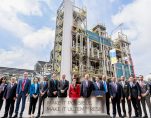
Baker Hughes has inaugurated its latest state-of-the-art facility dedicated to surface pressure control (SPC) solutions in Abu Dhabi. This new headquarters and manufacturing center is poised to serve as a pivotal hub for the company, enhancing its operational capabilities within the region and beyond.

Covering an expansive area of 46,000 square meters, the Abu Dhabi SPC facility will specialize in providing a comprehensive range of wellhead and subsea tree equipment and services. This strategic investment underscores Baker Hughes’ commitment to meeting the growing demand for energy solutions in the Middle East, a region increasingly recognized for its vital role in the global energy landscape.

The new center will not only cater to local markets but will also support international clients seeking advanced SPC technology. It is designed to facilitate enhanced production and operational efficiency, aligning with the industry’s shift towards digitalization and sustainable practices. With a focus on innovation, the facility will leverage cutting-edge technology to develop and deliver robust solutions tailored to the unique challenges of the energy sector.

In a statement during the inauguration, the company’s executives emphasized that this investment is a testament to Baker Hughes’ long-term strategy to strengthen its presence in key markets. The facility will incorporate advanced manufacturing techniques and is equipped with high-tech machinery to enhance productivity and streamline operations. This move aligns with broader industry trends where companies are increasingly prioritizing automation and efficiency to remain competitive.

Baker Hughes has established itself as a leader in energy technology, serving a diverse clientele that includes oil and gas operators, renewable energy firms, and industrial companies. The new Abu Dhabi center will be pivotal in extending its service offerings across various energy sectors, reflecting the company’s dedication to providing comprehensive support for its customers’ evolving needs.

The location of the facility in Abu Dhabi is strategically significant, given the emirate’s position as a major hub for energy production and innovation in the Middle East. Abu Dhabi continues to attract substantial foreign investment in the energy sector, making it an ideal site for Baker Hughes to amplify its operations. The company aims to enhance its collaboration with local stakeholders and contribute to the emirate’s vision of sustainable development in energy.

In addition to meeting regional demands, the Abu Dhabi SPC solutions unit is set to play a vital role in the company’s global supply chain. The facility is expected to streamline the production of critical components, reduce lead times, and improve service delivery. By localizing manufacturing capabilities, Baker Hughes can respond more swiftly to the needs of its clients, ensuring that they receive high-quality equipment and services without unnecessary delays.

Baker Hughes has also expressed a strong commitment to sustainability. The new facility is designed with environmental considerations in mind, incorporating energy-efficient technologies and processes to minimize its carbon footprint. As the global energy landscape shifts toward greener alternatives, the company’s efforts to integrate sustainability into its operations are expected to resonate well with stakeholders who prioritize environmentally responsible practices.

The inauguration ceremony highlighted Baker Hughes’ role in advancing the energy transition. Executives noted the importance of investing in new technologies and solutions that can help the industry meet its decarbonization goals. This aligns with the broader agenda of governments and organizations around the world to pursue cleaner energy sources and reduce greenhouse gas emissions.

The facility is anticipated to create numerous job opportunities for local talent, supporting the development of skills in advanced manufacturing and energy technologies. Baker Hughes is committed to fostering a diverse and inclusive workforce that reflects the communities it serves. By investing in local talent, the company not only enhances its operational capabilities but also contributes to the socioeconomic development of the region.

Industry analysts view this expansion as a strategic move that positions Baker Hughes favorably amid an evolving energy market characterized by increasing demand for innovative solutions. As the company continues to invest in technology and infrastructure, it reinforces its commitment to providing exceptional service and maintaining a competitive edge in the energy sector.

Verax AI has successfully completed a seed funding round, amassing $7.6 million to enhance its enterprise AI solutions aimed at promoting transparency and control. This funding round, which has attracted significant attention in the tech industry, was spearheaded by TQ Ventures, with participation from Concept Ventures, Cardumen Capital, Seedcamp, InMotion Ventures, and XTX Ventures. The investment reflects the growing demand for reliable and transparent AI technologies as […]

VISHNU RAJA
RYO YAMADA
HITORI GOTOH
IKUYO KITA