News related to
stake

Jollibee Group’s flagship brand solidifies position as one of the top restaurant chains in Vietnam HO CHI MINH CITY, VIETNAM – Media OutReach Newswire – 17 December 2024 – The Jollibee Group, one of the largest and fastest-growing restaurant companies in the world, marks a significant milestone with the grand opening of its 200th Jollibee store in Vietnam. This achievement underscores the company’s success in market penetration […]

Vantage Data Centers, a leading global provider of hyperscale data center campuses, has secured a €1.4 billion ($1.5 billion) investment to bolster its operations across Europe, the Middle East, and Africa (EMEA). This substantial capital infusion comes from GIC, a prominent global investor, and MEAG, the asset manager for Munich Re Group. The transaction marks GIC’s inaugural investment in Vantage’s EMEA platform and signifies an expansion of […]

By Nantoo Banerjee China’s sudden change of mind to uphold peace and tranquility with India at the Line of Actual Control (LAC) and work for early resolution of outstanding issues should not be read beyond these words as framed at the joint declaration at the end of the 30th meeting of the Working Mechanism for […]

The Roads and Transport Authority (RTA) of Dubai has officially launched the ‘Logisty’ platform, a major technological initiative aimed at enhancing the efficiency of freight transport across the region. The platform, designed to streamline logistics operations, will serve as a pivotal tool for both local businesses and international traders, helping to optimize the movement of goods in and out of Dubai. With logistics playing a key role […]

MicroStrategy, the business intelligence firm that has increasingly positioned itself as a major player in the Bitcoin space, is set to join the Nasdaq 100 index, a milestone that will further integrate Bitcoin-linked assets into mainstream financial markets. The decision underscores the growing intersection between traditional technology firms and cryptocurrency exposure, signaling to investors a new wave of passive investment flows.

This move places MicroStrategy among the 75 largest non-financial companies in the Nasdaq, a list traditionally populated by household names such as Apple, Microsoft, and Amazon. For the firm, it represents the culmination of a year marked by aggressive Bitcoin acquisitions, which have significantly boosted its market value. The firm’s stock has seen explosive growth as it has leaned heavily into Bitcoin, becoming one of the largest institutional holders of the digital asset.

Founded in 1989, MicroStrategy initially built its reputation as a provider of analytics software, helping companies harness data for decision-making. However, in recent years, under the leadership of CEO Michael Saylor, the company has transformed into a prominent Bitcoin advocate. MicroStrategy’s strategic pivot to Bitcoin began in 2020 when it made its first purchase of the cryptocurrency, and since then, it has continued to acquire more, amassing over 150,000 Bitcoin.

The company’s decision to enter the Nasdaq 100 has profound implications for investors. The inclusion not only boosts its visibility but also opens the door for passive investments from exchange-traded funds (ETFs) and mutual funds that track the Nasdaq 100. These funds, many of which are structured to automatically buy and sell stocks in the index, will now include MicroStrategy in their portfolios. As a result, Bitcoin-linked stocks could see billions of dollars in new investment inflows.

For passive investors who may have no direct interest in cryptocurrency but are focused on broad market exposure, MicroStrategy’s entry into the Nasdaq 100 offers a means to indirectly engage with Bitcoin’s price movements. While the firm’s stock has been volatile due to its dependence on the cryptocurrency market, this volatility may be tempered by its larger footprint in the tech sector, which has seen massive gains over the last decade.

MicroStrategy’s inclusion also reinforces the idea that Bitcoin is becoming entrenched in the financial ecosystem. Previously seen as an alternative investment for a select group of enthusiasts, the cryptocurrency is increasingly being integrated into corporate balance sheets and financial products. As traditional investors gain exposure to Bitcoin indirectly through stocks like MicroStrategy, it adds a layer of legitimacy to the cryptocurrency in the eyes of institutional investors and retirement funds.

While the move is seen as a victory for Bitcoin proponents, it has raised concerns among some analysts about the risks of such exposure. Bitcoin’s price fluctuations are well-known, and the cryptocurrency’s history of volatility could potentially affect MicroStrategy’s stock performance. For instance, as Bitcoin’s price rose, so too did MicroStrategy’s stock, but should Bitcoin experience a downturn, the company could face significant losses, which could then ripple through the broader Nasdaq 100 index.

Despite these risks, analysts view the inclusion of MicroStrategy in the Nasdaq 100 as a validation of the growing acceptance of Bitcoin by mainstream markets. The company’s transformation from a traditional business analytics firm to a Bitcoin-centric institution mirrors the broader trend of tech firms increasingly integrating digital assets into their business strategies. Companies like Tesla, Square, and Galaxy Digital have made similar moves, signaling a growing belief in Bitcoin as a store of value and hedge against inflation.

MicroStrategy’s financial standing has been propelled by Bitcoin’s rise. The firm’s market cap has swelled as its Bitcoin holdings have appreciated in value. Since its first purchase, Bitcoin’s price has experienced explosive growth, reaching over $60,000 per coin at its peak, although it has fluctuated significantly since then. Nevertheless, MicroStrategy’s heavy investment in Bitcoin continues to give it a major stake in the digital currency’s success.

One significant consequence of this shift is the potential impact on traditional investors who may not fully understand the cryptocurrency space. Many of these investors may now find themselves exposed to Bitcoin’s price swings through their broader equity holdings, even if they are not directly investing in cryptocurrency. This introduces a level of risk that was not present before, but also reflects the deepening ties between cryptocurrency and mainstream financial markets.

The inclusion of MicroStrategy in the Nasdaq 100 highlights a broader shift in how tech companies and institutional investors are incorporating cryptocurrency into their portfolios. The rise of Bitcoin-focused companies is part of a larger trend that is reshaping the landscape of global finance. As Bitcoin becomes more embedded in corporate strategies, its influence on traditional stock markets is likely to grow.

Start of an all-new crime saga for the acclaimed Mafia franchise coming Summer 2025, available to wishlist now HONG KONG SAR – Media OutReach Newswire – 13 December 2024 – Today, 2K and Hangar 13 released a new trailer for Mafia: The Old Country, introducing the brutal criminal underworld of 1900s Sicily at The Game Awards. Marking the start of a new crime saga for the acclaimed […]

Unveiling Next Year’s Theme – Education: A Shared Future for All HONG KONG SAR – Media OutReach Newswire – 13 December 2024 – The 14th Learning & Teaching Expo 2024 successfully concludes today. This year’s theme, Shaping Education for a World of Change, marks the largest edition in the event’s history. The Expo united government officials, education experts, industry leaders, exhibitors, and educators from across the globe, […]

Advertisements

ADNH Catering, a prominent UAE-based catering services provider, has announced plans to raise its ownership stake in its Saudi joint venture, Compass Arabia, to 50%. This move is expected to strengthen ADNH’s foothold in the Middle East, particularly in the growing food services sector of Saudi Arabia. By doubling its share in the venture, ADNH is positioning itself to capitalize on the Kingdom’s expanding hospitality and catering […]

Saudi Arabia’s Public Investment Fund (PIF) has acquired a 15% stake in the holding company of Heathrow Airport, marking a significant step in the sovereign wealth fund’s expansion into global infrastructure. The transaction, valued at approximately £1.3 billion, is part of a broader agreement where Paris-based private equity firm Ardian also purchased a 22.6% stake in FGP Topco, Heathrow’s parent company, from the Spanish infrastructure firm Ferrovial. Together, the deals represent a combined investment of £3.3 billion, valuing Heathrow at £8.7 billion, slightly lower than its previous valuation of £9.5 billion.

Ferrovial, which held a substantial interest in Heathrow since 2006, has been gradually divesting its stake. This sale is part of its strategy to refocus its portfolio while retaining a 5.25% minority interest in the airport. Qatar Investment Authority remains one of Heathrow’s major shareholders with a 20% stake, alongside other institutional investors like Singapore’s GIC and Canada’s Caisse de dépôt et placement du Québec, each holding smaller shares.

The move underscores PIF’s commitment to diversifying its investments and aligning with Saudi Arabia’s Vision 2030, which emphasizes economic diversification beyond oil revenues. Heathrow Airport, one of the busiest global travel hubs, handled over 80 million passengers annually before the pandemic and remains a critical node for international connectivity.

Forecast Projected Growth of Chinese Luxury Market in 2025: A Shift Towards Experience, Innovation, Chinese Brands and Sustainability HONG KONG SAR – Media OutReach Newswire – 13 December 2024 – MDRi, a leading provider of business insights, today released its China Luxury Consumer Forecast 2025, presenting an in-depth analysis of luxury consumption trends in Mainland China and Hong Kong. The report highlights a market in transition, where […]

uBroker Spa has acquired a significant 49% share in the Italian independent game development studio, Memorable Games, marking a strategic move to broaden its presence in the burgeoning gaming industry. This partnership is poised to bolster the creative ambitions of Memorable Games, known for its innovative titles, while offering uBroker a stronger foothold in the gaming sector, which continues to grow rapidly worldwide. Memorable Games, founded in […]

ADNOC Distribution has unveiled ARIF, an AI-driven chatbot designed to enhance investor relations, during the Abu Dhabi Finance Week. This advanced technology aims to provide a seamless platform for current and prospective investors to access vital financial insights, performance updates, and strategic information, underscoring the company’s commitment to technological innovation and transparency. The launch of ARIF marks a significant step in ADNOC Distribution’s effort to utilize artificial […]

Dubai Electricity and Water Authority (DEWA) has forged a strategic partnership with the Electric Power Research Institute (EPRI), aiming to accelerate the shift towards renewable energy. This collaboration aligns with DEWA’s long-term goal to enhance energy sustainability and address the evolving global energy challenges. By joining forces, both organizations seek to leverage cutting-edge technologies and drive forward Dubai’s ambitious clean energy agenda.

The agreement between DEWA and EPRI will focus on various aspects of the energy transition, including grid modernization, renewable energy adoption, and advanced energy storage solutions. With EPRI’s extensive research capabilities and DEWA’s robust infrastructure, the two entities plan to create a framework for knowledge exchange, joint projects, and innovation. The partnership is poised to play a pivotal role in the development and implementation of modern energy technologies, helping to shape the future of energy in Dubai and beyond.

As part of the collaboration, the two organizations will engage in training and development programs aimed at equipping professionals with the skills needed to navigate the challenges of the energy sector. These training initiatives will cover a range of topics, including energy efficiency, clean power generation, and grid resilience. This aspect of the partnership underscores the importance of developing human capital to support the energy transformation process.

DEWA has made significant strides in transitioning towards a more sustainable energy mix, with projects such as the Mohammed bin Rashid Al Maktoum Solar Park serving as flagship examples. The solar park, which is one of the largest in the world, has been a critical part of Dubai’s strategy to reduce carbon emissions and meet its renewable energy targets. By expanding its renewable energy portfolio and collaborating with global leaders like EPRI, DEWA is reinforcing its position as a leader in the Middle East’s energy sector.

EPRI, a US-based non-profit organization, brings decades of expertise in power systems, energy generation, and environmental sustainability. The institute works with utilities, governments, and other stakeholders worldwide to research and develop solutions for the energy industry. EPRI’s contribution to the collaboration with DEWA will be instrumental in driving innovations in smart grid technologies, energy storage systems, and the integration of renewable energy sources into the existing power infrastructure.

The collaboration is timely, as global energy systems are undergoing profound changes. Governments and organizations worldwide are facing the dual challenge of increasing energy demand while reducing environmental impact. In Dubai, DEWA’s leadership in renewable energy is essential for meeting the emirate’s energy goals, which include generating 50% of its power from clean sources by 2050. To achieve these targets, the emirate is focusing on solar, wind, and other renewable technologies, alongside improvements in energy efficiency and grid management.

Energy storage is one area that will benefit from the DEWA-EPRI collaboration. As renewable energy sources like solar and wind are intermittent, energy storage solutions are crucial for ensuring a stable and reliable power supply. The partnership will explore innovative energy storage technologies to better manage fluctuations in energy generation, enabling DEWA to enhance grid stability and reduce reliance on fossil fuels.

The focus on grid modernization will be vital as Dubai looks to incorporate a larger share of renewable energy into its power mix. Modernizing the grid involves upgrading infrastructure to handle decentralized and variable energy sources. This is particularly important as more renewable energy is generated locally through distributed systems, such as solar panels on buildings. Advanced grid technologies, such as smart meters and automation, will help integrate renewable energy more effectively while maintaining reliability and minimizing energy losses.

DEWA’s collaboration with EPRI also underscores the growing importance of international partnerships in addressing global energy challenges. As nations worldwide aim to meet climate goals set under international agreements such as the Paris Agreement, sharing knowledge and expertise becomes crucial. By working with EPRI, DEWA taps into a global network of energy innovators, ensuring that its energy transition strategies are informed by the latest research and best practices.

Dubai’s clean energy push is part of a broader trend across the region, where energy producers are increasingly embracing sustainable practices. The UAE has made significant investments in renewable energy projects, such as the Barakah nuclear power plant and the Noor Abu Dhabi solar plant. These efforts are not only aimed at reducing the country’s carbon footprint but also at diversifying its energy sources and enhancing energy security.

The DEWA-EPRI partnership also highlights the critical role of technological innovation in the energy sector. The growing adoption of digital tools and advanced analytics is transforming how utilities manage energy systems. Artificial intelligence, big data, and machine learning are becoming essential in optimizing grid performance and predicting energy demand patterns. These technologies will play a central role in the collaboration, helping to improve the efficiency and flexibility of Dubai’s energy infrastructure.

Another key area of focus for DEWA is enhancing energy efficiency across various sectors, including transportation and buildings. The collaboration with EPRI will explore how advanced technologies can be applied to optimize energy use in these areas, helping to reduce consumption and lower costs. Additionally, the partnership aims to promote the integration of electric vehicles (EVs) into Dubai’s transport network, providing a sustainable alternative to traditional fuel-powered vehicles.


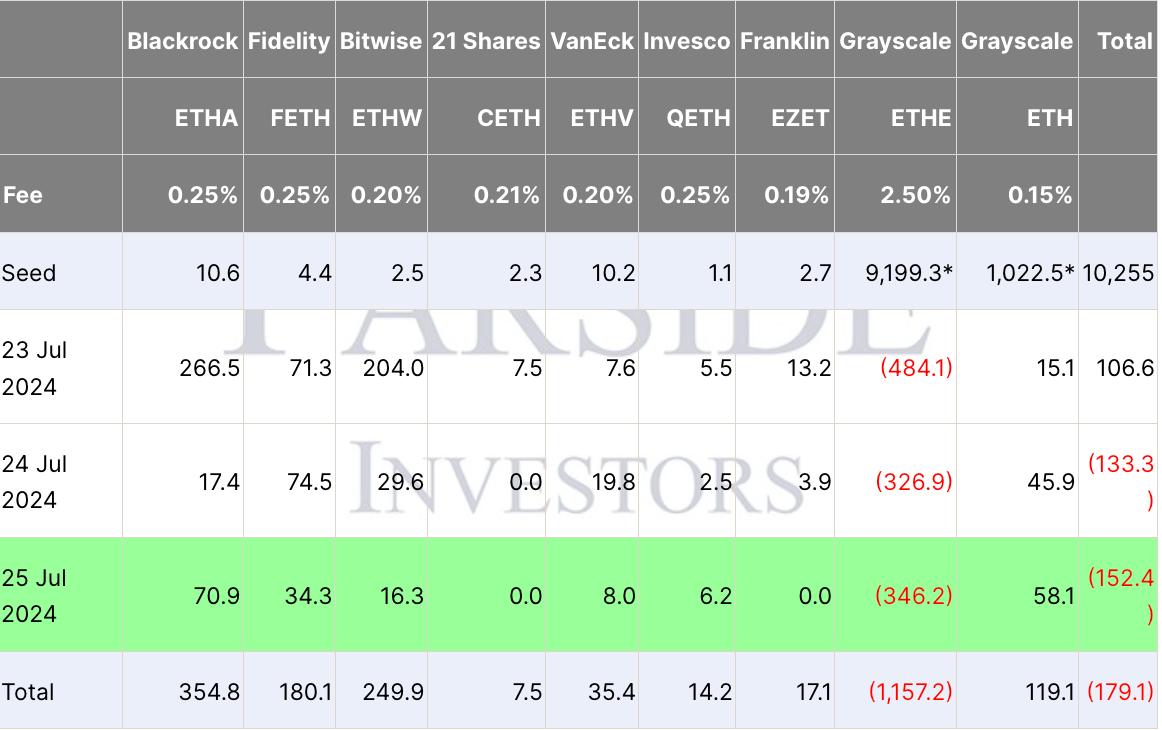
Base, a layer-2 blockchain solution built atop Ethereum, has garnered significant attention due to its robust growth in 2024, securing $2.7 billion in net inflows year-to-date. The surge marks a pivotal moment for the project, reflecting strong investor confidence and the growing appeal of scaling solutions within the crypto ecosystem. In stark contrast, Ethereum itself, despite its dominance in the space, experienced a record $7.4 billion in net outflows over the same period, signaling a shift in investor sentiment away from the original Ethereum blockchain toward alternative platforms like Base.

The disparity in inflows and outflows has drawn attention from market analysts, particularly because both assets are intrinsically linked. Base’s success hinges on the Ethereum blockchain for security, but its tailored scalability and lower transaction costs have attracted considerable investment. Ethereum’s outflows are largely attributed to concerns over its scalability issues, particularly its high transaction fees and network congestion that have persisted despite ongoing updates.

The ongoing battle between layer-1 and layer-2 solutions illustrates a broader trend in blockchain development. Layer-2 solutions like Base aim to alleviate the scalability challenges faced by Ethereum by processing transactions off-chain while leveraging Ethereum’s security. This model has proven to be appealing to decentralized application developers and users who seek lower fees and faster transactions. Investors are increasingly recognizing these advantages, which has driven the substantial inflows into Base.

One of the key factors driving Base’s success has been its integration with Optimism, a layer-2 network that employs Optimistic Rollups. This technology allows transactions to be processed in batches, enhancing speed and efficiency while reducing costs. Optimism’s established track record, combined with the robust infrastructure of Base, has resulted in a growing number of decentralized finance (DeFi) protocols migrating to this ecosystem. These protocols are increasingly shifting their focus to Base, buoyed by its ability to scale and manage higher transaction volumes more effectively than Ethereum.

Ethereum’s struggle to retain investor confidence, on the other hand, can be traced to its long-standing scalability limitations. The Ethereum network, often hailed as the backbone of decentralized finance, has been plagued by network congestion, especially during periods of high transaction demand. While Ethereum’s transition to Ethereum 2.0, which aims to implement a Proof of Stake consensus mechanism, is intended to address some of these issues, many investors remain skeptical of its long-term viability in its current form. High transaction fees continue to plague the network, pushing investors and developers to seek alternatives that offer better scalability.

Despite Ethereum’s ongoing development efforts, including the introduction of sharding and other upgrades to enhance throughput, the market sentiment has leaned toward blockchain solutions that can offer immediate relief. Layer-2 solutions like Base, Arbitrum, and Polygon have benefitted from this shift, offering near-instant transaction finality and negligible fees. These benefits have not only attracted developers but also institutional investors who are looking to capitalize on the emerging layer-2 ecosystem, further driving the inflow into these platforms.

The contrast between Ethereum’s challenges and Base’s growth is particularly notable given the overlap in their underlying technologies. While Base runs on Ethereum’s base layer for security and consensus, its innovative scaling model has managed to sidestep many of the bottlenecks that continue to hinder Ethereum itself. This dynamic has led to the rapid rise of Base in the market, with many speculating that this trend could continue as more applications and investors shift their focus to layer-2 solutions.

A key consideration in the ongoing evolution of blockchain technology is the role of decentralization. Ethereum has long been the poster child for decentralization, emphasizing the importance of a trustless and distributed network. However, as scalability and efficiency have become more pressing issues, layer-2 solutions like Base are offering a middle ground—leveraging Ethereum’s security without burdening its mainnet with excessive transactions. This hybrid approach is increasingly gaining favor among users who value both decentralization and efficiency.

The entry of institutional investors into the blockchain space has played a critical role in shaping the landscape. Many institutional players have expressed interest in blockchain technologies that provide high throughput and minimal latency, qualities that are often found in layer-2 solutions. The inflows into Base reflect this shift, as institutions seek to diversify their portfolios in the rapidly evolving digital asset space. The growing adoption of decentralized finance, non-fungible tokens (NFTs), and other blockchain-based innovations has further cemented Base’s position as a platform that can support these applications with lower costs and faster speeds.

The contrasting trends in Ethereum’s outflows and Base’s inflows have sparked debate about the future of Ethereum’s role in the broader blockchain ecosystem. While Ethereum remains the dominant layer-1 blockchain, its scalability issues have led to increased competition from a range of layer-2 solutions. These developments highlight the evolving dynamics within the blockchain space, where scalability, speed, and cost-efficiency are becoming the key determinants of success.

Carlyle Group’s AlpInvest Partners has entered into a strategic partnership with Mubadala Investment Company, marking a significant development in the private equity and alternative investment landscape. The two entities are set to pool their expertise to create a new financing initiative, which is expected to reshape investment strategies in the coming years.

AlpInvest Partners, a leading global private equity firm, and Mubadala, a sovereign wealth fund based in Abu Dhabi, have long been prominent players in the investment world. Together, they are now focusing on expanding their reach across sectors such as technology, healthcare, and energy. The collaboration aims to tap into emerging investment opportunities, leveraging the expertise of both firms to provide flexible financing solutions to companies in need of capital.

The new partnership is expected to create a platform that offers both direct investments and secondary market opportunities, targeting firms across the growth and buyout spectrum. Experts highlight the synergies between Mubadala’s long-term investment approach and AlpInvest’s deep knowledge of the private equity landscape, which could prove to be a winning combination for identifying and nurturing high-growth ventures.

This initiative comes at a time when the global investment market is undergoing significant shifts. The private equity space, especially, has been growing at a rapid pace as more institutional investors look to diversify their portfolios. Analysts point out that this collaboration allows both firms to capitalize on a range of opportunities, from early-stage funding to large-scale buyouts, with a particular emphasis on sectors that are poised for transformative growth.

Mubadala’s significant capital base, bolstered by its vast portfolio of assets, gives the partnership a solid foundation to pursue deals that may otherwise be out of reach for smaller players. The sovereign wealth fund’s diverse holdings in global markets, particularly in sectors such as aerospace, technology, and healthcare, will complement AlpInvest’s extensive network of private equity investments. Together, they aim to target both established companies and innovative startups with high potential for growth.

One key aspect of the partnership is its potential impact on the Middle East and North Africa (MENA) region, where both Mubadala and AlpInvest have been steadily increasing their footprint. The region has seen a surge in private equity activity in recent years, driven by economic diversification initiatives and the growth of regional industries. Experts believe that the collaboration could further strengthen the MENA region’s position as a leading hub for private equity investments, drawing attention from both local and international investors.

The partnership’s approach to financing is seen as a significant shift in how private equity deals are structured. Unlike traditional private equity funds that typically focus on buyouts or growth equity, this collaboration is expected to provide more flexible financing solutions, including debt, equity, and hybrid structures. This flexibility could be a game-changer for companies looking for capital but unwilling to give up full control or ownership stakes.

For AlpInvest, this partnership adds to its growing portfolio of alliances with other institutional investors and private equity firms around the world. As part of the Carlyle Group, AlpInvest has access to a global platform that enables it to tap into high-value deals across North America, Europe, and Asia. This new venture with Mubadala allows AlpInvest to further solidify its position as a key player in the global alternative investments space.

Mubadala’s involvement in the partnership underscores its ongoing strategy to diversify its investments globally. As part of its broader investment strategy, Mubadala has been focusing on both growth and impact, directing funds towards industries that promise long-term value and societal benefits. The new financing venture with AlpInvest is expected to align with these goals, particularly in the fields of sustainable energy and technology, which are central to the UAE’s Vision 2030 and Mubadala’s broader strategic objectives.

The financial terms of the partnership have not been disclosed, but market analysts anticipate that the new venture will unlock a wave of new opportunities for investors and businesses alike. As the demand for alternative financing models continues to rise, the Carlyle-AlpInvest and Mubadala collaboration is poised to take advantage of the growing need for capital across a variety of industries, with a special emphasis on innovation-driven sectors.

The West Africa Energy Cooperation Summit (WA-ECS), held in Lomé, Togo, from December 3-5, brought together governments and international energy leaders for three days of discussions and debate, addressing project development challenges in the ECOWAS region, promoting sustainable energy growth across West Africa, with two projects already signed. LOMÉ, TOGO – EQS Newswire – 11 December 2024 – On Tuesday 3 December, after welcome remarks from Abdoulaye […]

On November 10, 2024, Dubai hosted the second Russian Design Forum, a key event for design and architecture professionals organized by Olga Melnikova. The Forum, which gathered more than 250 Russian-speaking professionals, became an important platform for sharing experience and establishing contacts in the international design environment. Special attention was paid to the development of design in the Emirates, where Russian designers are confidently asserting themselves, setting […]

Understood, I’ll craft the report now. Nintendo, expanding its influence within the gaming industry, has finalized the acquisition of the remaining shares of Monolith Soft, the acclaimed developers behind the *Xenoblade Chronicles* series. The completion of this acquisition grants Nintendo full ownership of Monolith Soft, solidifying its position as a key player in the gaming landscape. Monolith Soft, known for its innovative storytelling and open-world design, has […]

A cryptocurrency trader leveraged an audacious high-risk position to turn an initial investment of $2,500 into an impressive $200,000 by trading XRP with a staggering 500x leverage. The bold maneuver capitalized on XRP’s upward price movement following developments in its ongoing legal case with the U.S. Securities and Exchange Commission (SEC).

The trader’s position, which teetered near liquidation at one point, highlights the volatile nature of high-leverage trading. Leveraging 500x means a minor price fluctuation can significantly amplify gains—or wipe out investments. XRP’s sharp price increase, fueled by optimism over favorable judicial rulings, provided a critical lifeline for this strategy to succeed.

This dramatic transformation of funds underscores the high-reward potential of crypto derivatives trading but also serves as a cautionary tale about its risks. With leverage of this magnitude, traders face amplified exposure to market swings, emphasizing the importance of careful market analysis and risk management. XRP, buoyed by increased trading volumes and speculation about the SEC ruling, became the backdrop for this extraordinary financial feat.

The case surrounding Ripple Labs, the company behind XRP, has long been a focal point of crypto markets. Ripple’s partial victories in court have bolstered confidence among traders and investors, lifting XRP prices. Market sentiment, compounded by Ripple’s legal clarity in its battle over XRP’s classification as a security, catalyzed significant price action. Experts emphasize that while the trader’s success is remarkable, it is not representative of typical outcomes in high-leverage trading scenarios, where the odds heavily favor losses.

Cryptocurrency analysts point out that this incident reflects the unpredictable yet enticing nature of crypto markets. As digital assets become more integrated into mainstream financial systems, volatility remains a defining characteristic, particularly for leveraged products. Observers note that such stories can inspire further speculative activity, potentially fueling market bubbles and increasing the inherent risks of trading these assets.

HANOI, VIETNAM – Media OutReach Newswire – 11 December 2024 – V-GREEN and Prime Group, a diversified conglomerate, through its UAE subsidiary, have signed a Memorandum of Understanding (MoU) to develop a network of charging stations for VinFast electric vehicles in Indonesia. This MoU does not only signify a major step forward for V-GREEN in its global mission to expand the VinFast EV charging infrastructure, but also […]

BlackRock, one of the world’s largest asset management firms, has expressed a strong interest in taking cornerstone investment roles in upcoming initial public offerings (IPOs) across the Middle East. The company’s move signals growing confidence in the region’s capital markets and a deepening commitment to its investment strategies in emerging markets.

Over the past few years, the Middle East has seen a substantial uptick in IPO activity, particularly in Saudi Arabia and the United Arab Emirates. Following the historic listing of Saudi Aramco in 2019, which set a new benchmark for the global IPO market, more companies in the region are exploring public offerings. With the backing of major sovereign wealth funds and private investors, these IPOs are seen as an attractive investment opportunity for global firms like BlackRock. The asset manager has previously been involved in such offerings, but now seeks a more pronounced stake by becoming cornerstone investors—those who commit to buying a significant portion of shares before the IPO is publicly launched.

A cornerstone investment carries considerable weight. It not only provides financial support to the issuing company but also bolsters the IPO’s credibility, often leading to greater investor confidence and successful market debuts. This dynamic is particularly critical in the Middle East, where many companies are looking to leverage their IPOs as a way to fund expansion and diversification. BlackRock’s potential involvement signals the growing maturity of the regional market, which has shifted from a reliance on local and regional investors to attracting global players.

The Middle East, particularly the Gulf Cooperation Council (GCC) countries, has become a major hub for investment in infrastructure, technology, and finance. Countries like Saudi Arabia, the UAE, and Qatar have been at the forefront of this transformation. Saudi Arabia’s Vision 2030 plan, which aims to diversify the kingdom’s economy away from oil dependency, has created an environment ripe for privatizations and IPOs in industries ranging from entertainment to healthcare and technology. Similarly, the UAE continues to open up its financial markets with initiatives like the Dubai Financial Market’s efforts to attract more international listings.

In parallel, BlackRock’s increased interest aligns with its broader strategic focus on emerging markets. The firm, which manages trillions of dollars in assets globally, has been expanding its footprint in the Middle East as part of its efforts to tap into the region’s growing wealth and investment opportunities. As the region’s financial ecosystem matures, global investors are keen to get a slice of what could be the next big opportunity.

For BlackRock, entering the IPO scene in the Middle East is not just about expanding its market share but also diversifying its portfolio with high-growth potential investments. The firm has made substantial efforts to ensure its involvement in emerging markets, viewing the Middle East as a key component of its global strategy. The region’s infrastructure development, economic reforms, and push towards diversification make it an attractive place for long-term investments. A cornerstone investment in an IPO could thus offer BlackRock the dual benefit of aligning with local growth ambitions while also capitalizing on new investment opportunities.

Saudi Arabia’s recent IPOs of major companies like the National Energy Services Company and Saudi Telecom have been highly anticipated. Both offerings demonstrated the kingdom’s ability to attract international investors, despite fluctuating oil prices and global economic uncertainty. BlackRock’s potential involvement in such high-profile deals would likely bring credibility to the process, further positioning the country as a growing investment hub. Moreover, it could drive further interest from other institutional investors looking to enter the Middle Eastern market.

The UAE’s stock exchange, the Dubai Financial Market (DFM), and the Abu Dhabi Securities Exchange (ADX) are also key players in the region. As the country looks to increase privatizations and diversify its economy, large-scale IPOs are expected in sectors such as real estate, energy, and technology. BlackRock’s interest in taking up cornerstone stakes reflects its belief in the resilience and expansion potential of the UAE’s market, particularly as it strengthens its status as a regional financial center.

The involvement of global asset managers in Middle Eastern IPOs not only signals the growing internationalization of the region’s capital markets but also highlights the increasing confidence in its long-term economic stability. While geopolitical risks and the ongoing volatility of global oil prices remain factors that could impact these markets, the resilience shown by the Middle East in navigating past crises and diversifying its economy makes it an attractive destination for investors.

Investors from the West have been particularly drawn to the region’s rapidly expanding consumer market and digital transformation initiatives. BlackRock’s strategy of anchoring cornerstone investments in this landscape reflects its commitment to these evolving markets. As companies continue to seek funds through public offerings, the expertise and financial muscle of major players like BlackRock are likely to influence the direction of the region’s IPOs.

Mohammed Bin Rashid Aerospace Hub (MBRAH) has inaugurated a new hangar facility at Dubai World Central (DWC), marking a significant milestone for both the aviation industry in the UAE and global business aviation. The event, which took place recently, was attended by key figures including Khalifa Al Zaffin, Executive Chairman of Dubai Aviation City Corporation, alongside senior executives from MBRAH and Comlux, a prominent name in business aviation, known for its specialized services in aircraft transactions, completions, and maintenance.

The new hangar facility is part of MBRAH’s broader vision to strengthen Dubai’s position as a global aviation hub. The expansion of aviation infrastructure at DWC further supports Dubai’s goal to become a world-leading center for aviation excellence. Comlux’s investment in this new facility reflects the growing demand for business aviation services and underscores the strong partnership between the private sector and governmental initiatives aimed at enhancing the aviation ecosystem.

Comlux, headquartered in Switzerland, provides services including aircraft management, charter, completions, and maintenance. The company’s decision to establish a new base at DWC not only reinforces the UAE’s role in global aviation but also emphasizes Dubai’s strategic location as a prime hub for business aviation in the Middle East. With its newly inaugurated hangar, Comlux aims to enhance its operational capacity and cater to a wider range of clients across the region.

DWC has been positioning itself as a key player in the global aviation sector, offering world-class facilities for both commercial and private aviation. The MBRAH hub, in particular, serves as a dynamic platform for companies in the aerospace industry, providing tailored services and state-of-the-art infrastructure. This includes specialized hangars for the maintenance and repair of aircraft, as well as facilities designed to support business aviation operations.

The inauguration ceremony highlighted the growing importance of private and business aviation services within the UAE. With Dubai’s aviation sector continuing to thrive, the demand for high-end services such as those provided by Comlux has surged, prompting further investments in infrastructure to meet these needs. This new hangar is expected to serve a range of aircraft, from smaller jets to large, long-range models, with maintenance and servicing capabilities designed to handle diverse client requirements.

The development of the Comlux facility is expected to provide a significant boost to Dubai’s aviation ecosystem by fostering increased collaboration between local and international stakeholders. It also presents new opportunities for job creation within the sector, offering a variety of roles in aircraft management, engineering, and logistics. By strengthening its infrastructure, Dubai aims to not only meet the needs of the growing business aviation market but also drive further economic growth in the aviation and aerospace industries.

Abu Dhabi Investment Office (ADIO) has entered into a strategic collaboration with PGIM, the global asset management division of Prudential Financial Inc., to establish the RealAssetX Innovation Center in Abu Dhabi. The initiative, unveiled at the Abu Dhabi Finance Week (ADFW), aims to create an innovative ecosystem for real asset technology and solutions, which will bolster the emirate’s position as a leader in financial and technological advancements.

This partnership, solidified by key figures such as Badr Al-Olama, Director General of ADIO, and Raimondo Amabile, Co-CEO and Global Chief Investment Officer of PGIM, is set to tap into the growing global demand for digital transformation in real assets. The center will provide a platform for developing and testing cutting-edge solutions in sectors such as infrastructure, real estate, and energy.

RealAssetX will serve as a collaborative space where global investors, technology innovators, and market experts can partner to address the challenges facing real estate and infrastructure sectors. It is designed to foster the exchange of ideas, accelerate the commercialization of new technologies, and help participants navigate the complexities of digital transformation. The center is also expected to contribute to the UAE’s wider economic goals, supporting its diversification strategy away from oil dependency and enhancing its financial services sector.

The collaboration between ADIO and PGIM underscores Abu Dhabi’s growing role as a hub for innovation, particularly in the realm of financial technologies and asset management. The new center is strategically aligned with the UAE’s ongoing push to attract international investments and create a conducive environment for innovation and entrepreneurship. Moreover, it highlights the emirate’s commitment to sustainability and its role in advancing global efforts to meet the challenges of climate change.

ADIO’s involvement in this partnership reflects its broader objectives of fostering economic diversification and positioning Abu Dhabi as a leader in high-tech, future-focused sectors. Under Badr Al-Olama’s leadership, ADIO has been actively pursuing initiatives to strengthen the emirate’s investment climate, promoting sectors such as technology, manufacturing, and financial serviceslAssetX Innovation Center is expected to drive these efforts by offering a unique space for collaboration between various stakeholders, from tech startups to global enterprises.

For PGIM, this partnership marks a significant step in further expanding its footprint in the Middle East. The firm’s involvement is part of its wider strategy to increase its presence in high-growth markets. PGIM’s commitment to the initiative will also bring a wealth of expertise in asset management, supporting the center’s goal of integrating technology into the real assets sector.

The blockchain landscape is on the cusp of a transformative shift as new contenders challenge the dominance of established platforms like Ethereum and Solana. While Ethereum and Solana have carved out prominent positions with their focus on scalability, smart contracts, and decentralized applications, emerging blockchain networks are beginning to capture the attention of investors, developers, and enthusiasts alike.

Ethereum, long regarded as the king of smart contracts, has faced challenges in scaling its network to handle growing demand. Solana, with its high-speed transactions and low fees, quickly gained popularity but has encountered its own set of technical issues. In response to these pain points, several new blockchain projects are positioning themselves as solutions that could disrupt the current hierarchy and change the way blockchain technology is used.

At the forefront of this potential revolution is the development of layer-2 solutions, next-generation consensus mechanisms, and other blockchain innovations designed to address the scalability issues that have hindered Ethereum’s progress and Solana’s network stability. These new technologies promise to enhance transaction speed, reduce fees, and improve overall network performance.

The race is on to build a blockchain that not only scales efficiently but also remains decentralized and secure. New protocols are leveraging cutting-edge cryptographic techniques and modular designs to allow for greater flexibility in handling various types of blockchain applications, from decentralized finance (DeFi) to non-fungible tokens (NFTs). These protocols promise to deliver faster transaction times without sacrificing the security and decentralization that blockchain users expect.

One of the most talked-about developments in this space is the rise of *modular blockchains*. These blockchains, in contrast to the monolithic models used by Ethereum and Solana, separate the execution layer from the consensus layer, creating a more flexible, scalable architecture. This modular approach allows for tailored solutions that can better accommodate specific use cases, whether it be for enterprise adoption, decentralized finance, or other blockchain-based innovations. Projects like Celestia and Polkadot are leading the charge in this area, drawing significant interest from both developers and investors.

Modular blockchains allow for enhanced interoperability between different blockchains, a crucial factor in ensuring that the blockchain ecosystem remains open and accessible. Unlike the more isolated ecosystems of Ethereum or Solana, modular solutions enable smoother communication and asset transfers between multiple blockchain networks. This approach has the potential to address some of the interoperability issues that have plagued the space, making cross-chain transactions more seamless and efficient.

In addition to modular blockchains, the rise of *zero-knowledge proofs* (ZKPs) is also gaining momentum. ZKPs are cryptographic tools that allow one party to prove to another that a statement is true without revealing any underlying information. These proofs can be used to significantly improve privacy and scalability in blockchain systems. ZKPs are already being integrated into several promising blockchain platforms, with zk-SNARKs (a specific type of zero-knowledge proof) playing a pivotal role in projects like zkSync and StarkNet.

As these technological advancements continue to take shape, the conversation around blockchain’s future has become even more nuanced. Traditional giants like Ethereum and Solana are not standing still in response to these challenges. Ethereum is moving towards Ethereum 2.0, a major upgrade designed to improve scalability, security, and sustainability through a shift from proof-of-work (PoW) to proof-of-stake (PoS). While this transition has been slow, it is expected to significantly reduce Ethereum’s energy consumption and increase its overall capacity.

Solana, too, is doubling down on its efforts to solidify its position as a leading blockchain for decentralized applications. Despite its technical setbacks, the network’s lightning-fast transaction speeds and low fees continue to attract developers, especially those building decentralized finance (DeFi) applications and non-fungible tokens (NFTs). However, Solana’s ability to maintain network stability amid high transaction volumes will be crucial to its long-term success in the space.

The evolving blockchain ecosystem has brought with it the rise of decentralized autonomous organizations (DAOs), community-driven governance models that give token holders a voice in decision-making. These decentralized governance models, in which users have a say in protocol updates and network upgrades, are becoming more popular as users seek more control over the platforms they use. As DAOs continue to gain traction, the shift towards decentralized governance is poised to challenge traditional models of centralized control in blockchain development.

VISHNU RAJA
RYO YAMADA
HITORI GOTOH
IKUYO KITA