Just in:
Beyond the exhibition floor: How robots, AI and networks are moving into the real world // Oil advances towards $100 as tanker attacks persist // Ousted top Kochi cop gets IG post // CM disputes Vijayan’s claims // Democrats Gearing Up For 2028 Presidential Elections To Gain Full Power // ADIA subsidiary seeks $7.5 billion private investment financing // Excise chief shunted out in bar licence dispute // Ningbo Consensus on Collaborative Development released at 2026 Global Mayors Dialogue · Ningbo // HKUST President Prof. Nancy IP Receives UNESCO–Equatorial Guinea International Prize for Research in Life Sciences // OpenAI introduces GPT-6 Cyber with restricted security access // Miss Universe Hong Kong Jen Zhou Departs for Puerto Rico to Compete in the 75th Miss Universe World Final // Dubai details five-year visa benefits for returning visitors // India Under Pressure To Join RCEP On The Eve Of ASEAN Summit In Manila On Nov 15-17 // Geely’s i-HEV Intelligent Hybrid Technology Offers a New Direction Vision for Gasoline-Powered Vehicles // OpenAI abandons secrecy agreements for future data centres // Geely’s i-HEV Intelligent Hybrid Technology Offers a New Direction for Gasoline-Powered Vehicles // TVM –Mangaluru Vande Bharat claims top spot // Dubai Future District Fund and Buimerc formalise cooperation // Elephant calf on death line airlifted for treatment in Gujarat // HKUST President and Chinese Academy of Sciences Academician Prof. Nancy Ip Receives UNESCO Honor for a Second Time //

News related to
stake

At GITEX Global 2024, Huawei showcased an extensive array of industrial digital and intelligent transformation solutions, emphasizing its commitment to driving technological advancements across multiple sectors. The company hosted the Industrial Digital and Intelligent Transformation Summit, bringing together industry leaders and partners to discuss the future of digital solutions in various fields. Huawei’s strategy focuses on empowering industries through cutting-edge technology, with an emphasis on collaboration and […]

A groundbreaking artificial intelligence engine is set to transform urban mobility in Abu Dhabi. This initiative, led by Abu Dhabi Mobility, aims to enhance traffic management and improve the overall quality of life for residents. Leveraging advanced data analytics, the AI system will monitor various aspects of city movement, including traffic congestion, accident occurrences, and even apartment occupancy levels. The AI engine operates by analyzing real-time data […]

By Nitya Chakraborty Bangladesh is the diplomatic battleground of two super powers USA and China since the interim Government took over power on August 9 this year following the ouster of the Sheikh Hasina led Awami League regime on August 5 last. In the last five weeks of the new government led by Chief Adviser […]

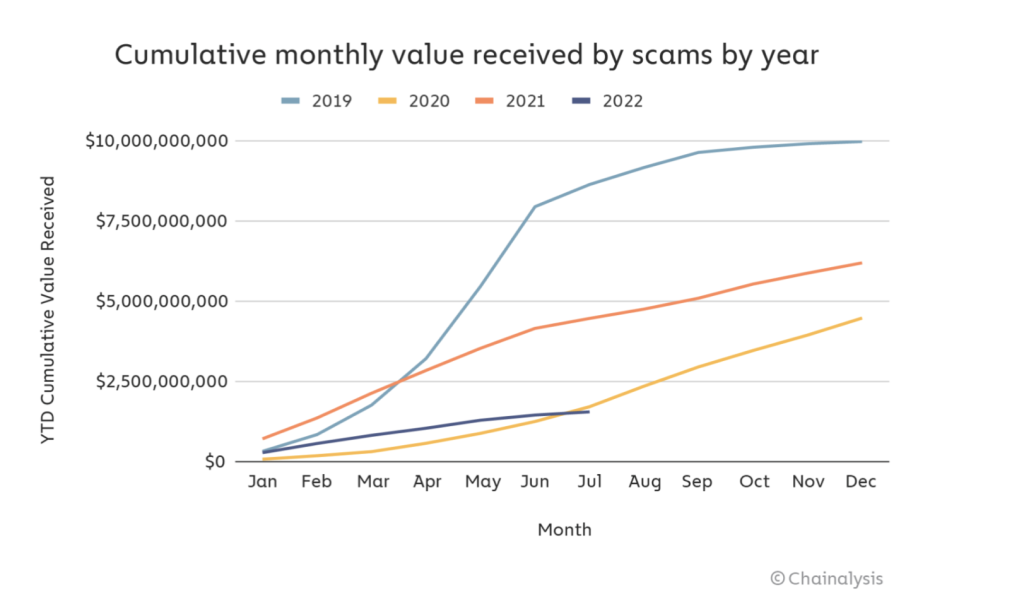
A significant legal battle looms as Chainalysis prepares for court regarding a $650 million defamation lawsuit initiated by the creators of YieldNodes. This case, which emerged from allegations that Chainalysis branded YieldNodes as an “investment scam,” has captured attention in the cryptocurrency and financial sectors. The lawsuit, filed in January, asserts that Chainalysis’s statements severely damaged the reputation and operations of YieldNodes.

YieldNodes, a platform that allows users to generate passive income through cryptocurrency investments, claims that Chainalysis’s assertions have negatively impacted their business model and investor confidence. The plaintiffs contend that the accusations have led to substantial financial losses and undermined their efforts to establish YieldNodes as a legitimate enterprise within the cryptocurrency ecosystem. The creators of YieldNodes argue that Chainalysis’s labeling of their operations as fraudulent constitutes defamation, and they seek reparations for the damages incurred.

Chainalysis has responded robustly to these allegations, denying any wrongdoing and asserting that their analyses are based on evidence gathered during their investigations into cryptocurrency operations. The analytics firm, known for its role in tracking blockchain transactions and providing insights into potential illicit activities, contends that its statements were grounded in factual observations related to suspicious activities tied to YieldNodes. Chainalysis has also filed motions to dismiss the lawsuit, arguing that the plaintiffs have failed to substantiate their claims with concrete evidence.

The lawsuit raises critical questions about the boundaries of free speech and responsible reporting in the rapidly evolving world of cryptocurrency. Chainalysis, as a prominent player in the blockchain analytics space, has a vested interest in maintaining its reputation as a credible source of information for regulators, law enforcement agencies, and the cryptocurrency community. As such, the firm defends its analysis as essential to combating fraud and ensuring the integrity of the market.

Legal experts suggest that the outcome of this case could set important precedents regarding defamation claims in the cryptocurrency sector. As the industry continues to mature, the lines between legitimate investment opportunities and fraudulent schemes are becoming increasingly blurred. This case could influence how companies navigate their public relations and disclosure strategies in an environment fraught with regulatory uncertainty and reputational risk.

The court proceedings will involve examining the standards for defamation, including whether Chainalysis acted with actual malice or if the statements were made in good faith based on the information available at the time. The distinction between subjective opinion and actionable statements of fact will also be pivotal in determining the case’s outcome. As both parties prepare for the courtroom, the stakes are high for both YieldNodes and Chainalysis, as the decision will likely impact the future of defamation law within the cryptocurrency context.

The case highlights the increasing tensions between companies operating in the cryptocurrency space and those tasked with monitoring and regulating it. YieldNodes represents a growing trend of companies attempting to legitimize their offerings amid rampant speculation and potential fraud in the market. At the same time, firms like Chainalysis emphasize their role as watchdogs, attempting to safeguard investors by providing transparency and analysis.

As the cryptocurrency market continues to evolve, this legal battle underscores the ongoing challenges companies face in balancing innovation with the scrutiny of regulatory authorities and public perception. The outcome of the lawsuit may influence how firms communicate about potential risks and allegations in the future, potentially leading to more stringent standards for public disclosures.

The court date is anticipated to be closely watched by industry stakeholders and legal analysts alike, as it may illuminate the complex interplay between defamation claims, freedom of speech, and the cryptocurrency landscape. This case serves as a reminder of the legal implications that arise as the cryptocurrency market becomes more mainstream and subject to scrutiny.

YieldNodes and Chainalysis’s confrontation illustrates the broader challenges faced by the cryptocurrency industry. As companies strive to build credibility and trust among investors, they must also navigate a minefield of potential allegations and reputational risks. The unfolding legal drama may also encourage companies to adopt clearer communication strategies and engage with legal counsel to mitigate risks associated with public statements.

Emirates Transport is set to embark on a pioneering initiative to pilot test hydrogen and electric vehicles as part of its strategy to transition toward sustainable transportation. This ambitious project aligns with the UAE’s broader commitment to reducing carbon emissions and advancing environmental sustainability within the transportation sector. The initiative represents a significant step toward achieving the goals outlined in the UAE’s Vision 2021 and the National […]

Abu Dhabi National Hotels (ADNH) Catering has set the final price for its Initial Public Offering (IPO) at AED 1.18 per share. This decision comes as the company prepares to list its shares on the Abu Dhabi Securities Exchange, with trading expected to commence on October 23. The pricing reflects a market capitalization of approximately AED 1.79 billion ($487 million) and follows a successful offering process that garnered strong interest from both institutional and retail investors.

The IPO represents a significant opportunity for ADNH Catering to enhance its capital structure and expand its operations. The company plans to utilize the proceeds from the IPO to support its growth strategy, which includes diversifying its services and improving operational efficiencies. This strategic move aligns with the broader goals of the Abu Dhabi government to bolster the local economy and increase the participation of private sector entities in the market.

ADNH Catering has been a key player in the hospitality and catering sectors in the UAE, offering a range of services including catering solutions for events, institutional catering, and food services for hotels and restaurants. The company’s strong market position is underpinned by its extensive experience and reputation for quality, making it a preferred partner for various clients in the region.

Market analysts view the IPO as a positive development for both ADNH Catering and the broader UAE market. The successful pricing indicates robust investor confidence in the company’s future prospects. The IPO follows a growing trend of public offerings in the Gulf Cooperation Council (GCC) region, which has seen increased activity in the capital markets as companies seek to capitalize on favorable economic conditions and investor appetite.

Investors’ interest in the ADNH Catering IPO has been driven by several factors, including the company’s track record of profitability and its plans for future expansion. According to reports, the IPO attracted significant attention from institutional investors, with the offering being oversubscribed multiple times. This enthusiasm reflects a broader trend of investor confidence in the UAE market, driven by various economic reforms and a commitment to diversifying the economy.

The UAE’s hospitality sector has shown resilience and adaptability in the face of global challenges, such as the COVID-19 pandemic. As travel restrictions have eased, there has been a notable resurgence in tourism, leading to increased demand for catering services. ADNH Catering aims to leverage this recovery by enhancing its service offerings and expanding its market reach both domestically and internationally.

The IPO is expected to contribute to the UAE’s goal of attracting foreign direct investment. By providing a platform for local companies to access capital, the IPO aligns with the UAE’s Vision 2030 initiative, which seeks to transform the economy by fostering innovation and increasing private sector participation. This initiative is vital for maintaining the UAE’s competitive edge in the global market.

As the date for the start of trading approaches, ADNH Catering has focused on ensuring a smooth transition to the public market. The company has engaged with stakeholders, including investors, financial advisors, and regulatory bodies, to prepare for its debut on the Abu Dhabi Securities Exchange. This proactive approach is designed to instill confidence among potential investors and promote transparency in the company’s operations.

The finalization of the IPO price marks a critical milestone for ADNH Catering, which has undergone significant transformations in recent years. The company has invested in modernizing its infrastructure and enhancing its service capabilities to meet the evolving needs of its clients. This commitment to innovation positions ADNH Catering well for future growth in a competitive market.

The success of the IPO is also likely to inspire other companies in the region to consider going public. As more firms seek to tap into the capital markets, the UAE could see a surge in IPO activity, further solidifying its status as a financial hub in the Middle East. This trend could lead to increased liquidity in the market and offer investors more opportunities to diversify their portfolios.

Analysts are closely monitoring the developments surrounding ADNH Catering’s IPO, recognizing its potential implications for the broader market. The company’s listing is expected to attract considerable attention from both domestic and international investors, adding to the vibrancy of the Abu Dhabi Securities Exchange. The interest generated by the offering underscores the confidence investors have in the company’s growth trajectory and the overall health of the UAE economy.

United Development Company (UDC), a prominent real estate and investment firm in Qatar, has finalized an agreement to divest a 40% stake in Qatar Cool, the leading district cooling service provider in the region. This strategic move is poised to bolster UDC’s financial position while allowing Qatar Cool to enhance its operational capabilities and expand its service offerings. The deal underscores the growing importance of sustainable energy solutions in Qatar’s rapidly developing economy.

Qatar Cool, which was established in 2003, has been instrumental in providing efficient cooling solutions to various sectors, including residential, commercial, and industrial clients. The company has a significant footprint in Qatar, servicing landmark projects such as The Pearl-Qatar, Lusail City, and various governmental facilities. The district cooling model has gained traction in the Gulf region, particularly in Qatar, where high temperatures necessitate energy-efficient cooling solutions.

The decision by UDC to divest a portion of its stake comes at a time when the demand for district cooling services continues to rise, driven by increasing urbanization and the ongoing development of large-scale infrastructure projects. Industry analysts view this divestment as a move that will allow UDC to unlock capital for reinvestment into its core real estate ventures while also enabling Qatar Cool to leverage the new partnership for growth opportunities. The transaction is expected to close within the coming months, pending regulatory approvals.

As the largest shareholder in Qatar Cool, UDC’s divestment will not significantly alter the company’s strategic direction. However, the introduction of new partners could provide fresh perspectives and innovative approaches to expand Qatar Cool’s operations. Analysts are optimistic that this partnership will enable the company to enhance its technology and service delivery, aligning with Qatar’s Vision 2030 objectives focused on sustainable development.

The Qatar district cooling market has seen a substantial increase in investment over the past few years, with several new projects coming online to meet the burgeoning demand. According to industry reports, the district cooling market in Qatar is projected to grow at a compound annual growth rate (CAGR) of approximately 7.5% between 2024 and 2030. This growth is largely attributed to the government’s push for energy-efficient solutions that reduce carbon emissions and support sustainable urban development.

Qatar’s commitment to hosting global events such as the FIFA World Cup 2022 has accelerated infrastructure development across the country. The event has not only raised the profile of Qatar on the world stage but has also catalyzed significant investments in various sectors, including energy, real estate, and utilities. This investment climate is favorable for companies like Qatar Cool, as they can capitalize on the infrastructure development boom to expand their customer base.

Key players in the district cooling industry are increasingly adopting advanced technologies, such as smart cooling systems and IoT-enabled monitoring solutions, to improve energy efficiency and operational performance. Qatar Cool, in particular, has been at the forefront of this trend, leveraging innovative technologies to enhance its service offerings. The company has implemented state-of-the-art infrastructure that allows for real-time monitoring and management of its cooling systems, leading to improved efficiency and cost savings for customers.

UDC’s move to divest a portion of its stake aligns with a broader trend among corporations in the Middle East, where companies are re-evaluating their asset portfolios to focus on core competencies and maximize shareholder value. This strategic realignment is becoming increasingly important as the region navigates economic challenges and seeks to diversify its economies away from oil dependency. The sale of the stake is seen as a prudent financial strategy, positioning UDC to better invest in its real estate projects that are vital to Qatar’s ongoing development.

Industry experts anticipate that this divestment could pave the way for further consolidation in the district cooling sector, as companies seek to enhance their operational capabilities and market reach. The entrance of new stakeholders could bring additional investment, expertise, and innovation to Qatar Cool, ultimately benefiting its customers and contributing to the country’s sustainability goals.

Advertisements

Concerns over increasing precious metal exports from the United Arab Emirates to India have sparked discussions between officials from both nations. As the UAE has emerged as a crucial hub for gold trading, India’s government is seeking measures to regulate the flow of these metals, which have seen a substantial rise in volume and value. The issue gained traction following the report that India had imposed a […]

Yas Island and Saadiyat Island in Abu Dhabi have experienced a remarkable surge in visitor numbers and hotel occupancy this summer, reflecting the resilience and appeal of the emirate’s tourism sector. Various factors, including the easing of pandemic restrictions, a growing array of entertainment options, and strategic marketing campaigns, have collectively contributed to this impressive trend. Yas Island, renowned for its diverse attractions, has reported hotel occupancy […]

Abu Dhabi National Oil Company (ADNOC) has enhanced its ownership in Fertiglobe, a leading producer of nitrogen fertilizers, with an aim to advance the development of low-carbon ammonia. This strategic move signals ADNOC’s commitment to reinforcing its position within the global fertilizer market and addressing the increasing demand for sustainable agricultural solutions. By increasing its stake from 67% to 80% in Fertiglobe, ADNOC is poised to play […]

SINGAPORE – Media OutReach Newswire – 16 October 2024 – Homegrown air conditioning specialists, Newway SG, demonstrates a strong commitment to managing the impacts of indoor air quality (IAQ) on health and productivity, with the launch of a new environmental research and testing facility under the brand “Newway Laboratories”. Newway SG New Indoor Environmental Quality (IEQ) Laboratory Addressing Critical Air Quality Concerns The initiative aims to provide […]

Abu Dhabi-based artificial intelligence (AI) firm, Presight, continues its expansion into global markets, solidifying an agreement with a major US video surveillance company. The deal marks a significant step in Presight’s global AI strategy, positioning it as a leader in integrating cutting-edge technology into security infrastructure. This development comes as the global demand for AI-enhanced surveillance systems grows, driven by both public and private sector needs.

Presight’s partnership focuses on leveraging its AI-driven analytics capabilities, aiming to enhance the performance of video surveillance systems in diverse applications ranging from urban security to critical infrastructure protection. By embedding AI into these systems, the collaboration promises more accurate detection, efficient monitoring, and predictive capabilities, offering clients solutions to respond to security threats swiftly.

The move comes at a time when the market for AI-driven security solutions is experiencing exponential growth, spurred by increasing concerns over crime, terrorism, and urban safety. Major cities across the world have been adopting AI-enhanced surveillance technologies, particularly those powered by machine learning algorithms capable of real-time video analysis and predictive analytics.

Presight’s agreement with the US firm not only underscores its growing influence in the global AI sector but also reflects the company’s ambitions to expand beyond its home base in the UAE. The firm’s unique positioning, backed by both private investors and government initiatives, has enabled it to make significant inroads in international markets, despite geopolitical challenges that often accompany collaborations in sensitive tech sectors.

This expansion comes against the backdrop of rising scrutiny over the use of AI in surveillance, particularly concerning data privacy and the potential for misuse. Governments and regulatory bodies are closely monitoring AI deployments in public safety domains, ensuring that they comply with strict ethical guidelines and do not infringe on citizens’ rights. Both companies involved in the partnership have assured stakeholders that they remain committed to maintaining transparency and adhering to all local and international data protection laws.

The AI-powered surveillance market is projected to reach unprecedented heights in the next decade, with firms like Presight playing pivotal roles. Presight’s track record in developing AI solutions tailored for complex operational environments has been key to its success, with its tools being utilized not only for surveillance but also in fields like healthcare, finance, and energy.

Beyond the immediate scope of enhancing video surveillance systems, the partnership holds potential for further technological advancements. The integration of AI into security systems opens doors to new features such as automatic license plate recognition, crowd analysis, and even facial recognition—technologies that could transform public safety and law enforcement strategies worldwide.

However, this collaboration comes at a delicate time for the AI sector, particularly for UAE-based firms entering the US market. Global concerns regarding data security, particularly over AI technologies with links to China, have created an environment of heightened scrutiny for international tech partnerships. Although Presight has no direct ties to the Chinese tech sector, it is navigating a market wary of foreign AI influences due to broader geopolitical tensions.

This partnership exemplifies the UAE’s push to become a hub for advanced technologies. Government-backed initiatives and massive investments in AI have accelerated the country’s position as a leader in AI innovation, with companies like Presight spearheading these efforts. The UAE has set ambitious goals to integrate AI across its public and private sectors, aiming to leverage the technology for everything from national security to economic diversification.

In addition to its global aspirations, Presight’s parent organization, G42, has also been in the spotlight, particularly for its involvement in various high-profile AI projects. These include collaborations with other major tech players and ventures in healthcare AI, further cementing its reputation as a prominent player in the rapidly evolving AI landscape.

As global demand for AI in security continues to rise, Presight is likely to see further opportunities emerge. Its expanding network of international partnerships, coupled with its expertise in leveraging AI for complex environments, will be crucial in shaping its growth trajectory. The firm’s focus on innovation, ethical standards, and strategic alliances positions it well to lead the future of AI-enhanced surveillance.


Authorities are investigating former mayor Alice Guo for her alleged connections to a cryptocurrency platform implicated in substantial customer asset theft and money laundering. Guo’s name has emerged in relation to the Atom Asset Exchange (AAX), which, during its operations in 2022, reportedly defrauded customers of millions of dollars, leaving many individuals financially devastated. The case has raised significant concerns about governance and regulatory oversight in the cryptocurrency sector in the Philippines.

Evidence suggests that Guo was more than just a figurehead in this scandal. She is believed to have been a key player in operations linked to AAX, which claimed to be a legitimate digital asset exchange. Investigators have uncovered documents that reveal significant irregularities in AAX’s dealings, prompting questions about Guo’s role in orchestrating fraudulent schemes designed to siphon off investor funds. Testimonies from affected customers have painted a grim picture, alleging that Guo and her associates operated with impunity while misleading users about the safety and liquidity of their investments.

The allegations extend beyond financial crimes, implicating Guo in the management of illegal gambling operations. Reports indicate that she was involved in orchestrating gambling activities that drew in nearly 1,000 workers. Disturbingly, many of these individuals were victims of human trafficking, coerced into work under dire circumstances. Guo reportedly owned a significant portion of the compound where these illicit activities occurred, with tunnels connecting her property to the gambling operations. This connection has led investigators to delve deeper into her potential complicity in facilitating these crimes, as well as her role in a network that allegedly exploits vulnerable populations.

Further complicating the investigation is speculation about Guo’s identity. While she has claimed to be a local resident, her fingerprints have reportedly matched those of Guo Hua Ping, a Chinese national known for connections to organized crime syndicates operating in Asia. Additionally, witnesses have pointed out her struggles with the local dialect, fueling doubts about her claimed identity. This raises significant implications about her background and whether her operations in the Philippines are part of a broader scheme linked to transnational crime.

If the charges against Guo are substantiated, she and any accomplices could face severe legal consequences, with potential sentences amounting to as much as 1,218 years in prison. Legal experts indicate that the severity of the charges reflects the gravity of the offenses, particularly given the scale of the operations and the number of victims involved. Prosecutors are expected to pursue a strong case, arguing that Guo’s actions not only harmed individual investors but also undermined trust in the financial system at large.

The fallout from these allegations has sparked a broader discussion about regulatory practices within the cryptocurrency industry in the Philippines. Advocates for reform are calling for stricter oversight and more robust consumer protections to prevent such occurrences in the future. The Philippine Securities and Exchange Commission (SEC) is reportedly reviewing its regulatory framework in light of these events, recognizing the urgent need for measures that can safeguard investors from fraudulent schemes.

Public response to Guo’s situation has been mixed, with many expressing outrage over her alleged actions while others are wary of jumping to conclusions before a formal judicial process unfolds. Advocates for victims of financial fraud have demanded accountability and transparency from both the regulatory authorities and the judicial system to ensure justice is served.

As the investigation progresses, it remains to be seen how these developments will affect the broader landscape of cryptocurrency regulation in the Philippines. Stakeholders are increasingly aware that the issues surrounding AAX and Guo are symptomatic of larger systemic problems within the industry, highlighting the need for comprehensive reforms that address the vulnerabilities exposed by this scandal.

Executives in the Middle East are increasingly viewing climate change as a top priority, as highlighted by a comprehensive study examining corporate attitudes towards environmental sustainability. This shift is driven by the recognition that climate change poses significant risks to both the economy and the overall well-being of the region’s populations. The study indicates that an overwhelming majority of executives believe that addressing climate issues is not […]

Wynn Resorts has announced the size of its highly anticipated gaming area in Ras Al Khaimah, marking a significant development in the UAE’s burgeoning gaming and entertainment landscape. The new facility is set to span approximately 75,000 square feet, showcasing a range of gaming options, including table games and slot machines, that cater to both international tourists and local patrons. This venture signals a strategic move by the company to establish a foothold in the Middle East, tapping into the region’s growing appetite for luxury entertainment experiences.

The announcement comes as part of a broader initiative to enhance the tourism sector in Ras Al Khaimah, a popular destination known for its scenic landscapes and rich cultural heritage. The gaming area is expected to be a key component of the Wynn property’s larger resort complex, which will include hotels, restaurants, and entertainment venues. This integrated approach aims to attract a diverse range of visitors, boosting both the local economy and the UAE’s position as a premier tourism hub.

The Ras Al Khaimah project is particularly notable in the context of the UAE’s evolving regulatory environment concerning gaming. The UAE government has been progressively liberalizing its policies to attract foreign investment and diversify its economy away from oil dependence. The introduction of casinos and gaming facilities represents a significant shift in the region’s tourism strategy, aligning with global trends where gaming is increasingly integrated into resort experiences. The local government anticipates that this new attraction will draw in millions of tourists, enhancing the emirate’s status as a destination for luxury travel.

Wynn’s investment in Ras Al Khaimah is also reflective of a broader trend among international gaming operators seeking opportunities in emerging markets. With a rising number of affluent travelers looking for unique experiences, the potential for significant returns on investment is compelling. Wynn Resorts, known for its opulent properties in Las Vegas and Macau, aims to replicate its success by offering a similar level of luxury and service in Ras Al Khaimah.

Industry analysts view this development as part of a competitive push among various emirates in the UAE, each striving to carve out a niche in the lucrative tourism sector. Dubai has long been a leader in attracting global tourists, but Ras Al Khaimah’s unique offerings, combined with the Wynn property, could shift some focus towards the northern emirate. The region’s emphasis on family-friendly attractions, adventure tourism, and natural beauty positions it well to attract a diverse array of visitors.

The Wynn project’s ambitious scale is also indicative of the company’s confidence in the UAE’s economic resilience and long-term growth potential. Despite global economic uncertainties, the UAE continues to demonstrate robust growth, particularly in the tourism and hospitality sectors. The government’s proactive measures to stimulate economic activity and enhance visitor experiences have been instrumental in maintaining investor confidence.

Key stakeholders in the gaming and hospitality sectors are closely monitoring Wynn’s progress in Ras Al Khaimah. Local businesses anticipate a positive ripple effect from the casino’s opening, predicting increased foot traffic and customer spending in surrounding areas. The addition of a major gaming destination is expected to create jobs and boost the hospitality sector, further solidifying Ras Al Khaimah’s reputation as a multifaceted travel destination.

Wynn’s expansion into the UAE comes at a time when the global gaming industry is experiencing transformative changes. With technological advancements and shifting consumer preferences, operators are rethinking traditional gaming models. The focus is increasingly on creating immersive experiences that blend gaming with entertainment, dining, and leisure activities. Wynn’s plans in Ras Al Khaimah appear to align with this trend, as the resort is designed to offer a holistic experience rather than merely a gaming-focused environment.

Wynn’s foray into the UAE aligns with the growing trend of luxury tourism, where high-end travelers seek exclusive experiences that go beyond conventional offerings. This strategy may position Wynn as a leader in the luxury gaming sector within the region, appealing to both international tourists and residents alike. The emphasis on creating a world-class resort experience may also influence other operators to enhance their offerings, leading to a broader transformation within the regional gaming landscape.

A significant shift in global oil prices has occurred, triggered by reports that Israel will not target Iranian energy facilities during its ongoing military operations. The announcement has contributed to a notable decrease in crude oil prices, with Brent crude futures falling to approximately $83.50 per barrel, a drop of nearly 5%. West Texas Intermediate (WTI) also experienced a decline, trading around $78.50 per barrel. The news of a potential de-escalation of tensions has sparked optimism among traders and analysts, prompting discussions about the implications for oil supply and regional stability.

This development follows heightened concerns about the geopolitical landscape in the Middle East, particularly since the onset of hostilities involving Israel and Hamas. Market observers had speculated that any escalation involving Iran could disrupt oil supply chains, especially given Iran’s substantial role in the global oil market. The country, a member of the Organization of the Petroleum Exporting Countries (OPEC), has consistently been a significant player in oil production, with its output averaging around 3 million barrels per day prior to the imposition of sanctions.

Analysts have noted that the decision to refrain from targeting Iranian facilities could stabilize oil prices in the short term. Such stability is crucial, as fluctuations in oil prices often reflect broader economic sentiments and can influence inflation rates worldwide. The International Energy Agency (IEA) had previously warned that any conflict in the region could lead to a supply shock, resulting in further price surges. However, the latest assurances have alleviated some of these fears, allowing for a moment of respite in oil markets.

The interplay between Israel and Iran extends beyond military engagements, encompassing significant economic implications as well. Iran’s oil exports have faced restrictions due to sanctions imposed by Western nations, limiting its ability to engage in international trade. Despite these challenges, Iran has sought to bolster its oil exports through partnerships with countries such as China, which has emerged as a primary importer of Iranian crude.

This latest news has prompted reactions from various stakeholders in the oil market. Major oil companies are closely monitoring the situation, as any potential escalation could alter their operational strategies and long-term investment plans in the region. Executives from companies like BP and Shell have expressed cautious optimism, reiterating their commitment to maintaining stable supply chains while navigating geopolitical uncertainties.

While the immediate outlook appears more favorable for oil prices, analysts caution that the situation remains fluid. The potential for conflict in the Middle East has not dissipated, and other geopolitical factors could still influence market dynamics. For instance, the ongoing conflict in Ukraine and its ramifications for global energy supply also weigh heavily on market sentiment. European countries continue to seek alternatives to Russian gas, further complicating the energy landscape and contributing to price volatility.

Market analysts are keeping a close eye on OPEC’s strategies in response to shifting demand dynamics. The organization has historically played a critical role in managing oil supply to influence prices. The group is likely to convene in the coming weeks to assess the current situation and consider adjustments to their production quotas. OPEC’s decisions are crucial for maintaining market equilibrium, especially during times of uncertainty.

In the context of these developments, there has been a renewed focus on the importance of diversifying energy sources and enhancing energy security. Nations worldwide are increasingly exploring renewable energy options as part of their long-term strategies to reduce dependence on fossil fuels. This transition has been accelerated by rising global temperatures and the urgent need to address climate change, prompting many governments to invest in sustainable energy infrastructure.

As tensions escalate between Israel and Iran, the world is watching with bated breath, and financial markets are bracing for a potential economic shock. The deployment of additional US troops and advanced anti-missile systems to Israel highlights how serious the situation has become. Recent unprecedented attacks from Iran and Israel’s potential countermeasures, particularly targeting Iran’s vital oil or nuclear facilities, could set the stage for a global […]

Hong Kong’s premier electronics showcase has drawn significant attention to the future of mobility this year. The Hong Kong Applied Science and Technology Research Institute (ASTRI) presented its latest advancements in smart mobility, a key highlight of the 44th HKTDC Hong Kong Electronics Fair (Autumn Edition). From October 13 to 16, 2024, the event at the Hong Kong Convention and Exhibition Centre (HKCEC) provided ASTRI with a prominent platform to demonstrate innovations aimed at transforming transportation systems.

At the core of ASTRI’s presentation is Cellular Vehicle-to-Everything (C-V2X) technology, which plays a pivotal role in enhancing the safety and efficiency of autonomous vehicles. C-V2X enables direct communication between vehicles, infrastructure, and other road users, fostering a safer driving environment and contributing to the development of fully autonomous transportation. This technology is seen as a critical enabler for the future of smart cities, where connected and autonomous vehicles (CAVs) will play an integral role.

ASTRI’s showcase focused on how C-V2X can reshape urban mobility by enhancing vehicle communication, reducing traffic congestion, and minimizing accidents. The technology also has potential implications for fleet management and logistics, making it a versatile tool for various sectors. Attendees at the fair had the opportunity to experience live demonstrations of these capabilities, which underscored the institute’s commitment to developing solutions that align with the global shift towards smart city infrastructure.

ASTRI’s participation at the fair extended beyond its exhibits. The institute also hosted a seminar titled “Navigating Tomorrow: How Connected Autonomous Vehicles Reshape Industries.” The session explored the broader implications of CAV technology, emphasizing its potential to revolutionize industries such as transportation, logistics, and even consumer behavior. ASTRI’s experts discussed the potential of C-V2X to improve traffic flow, enhance public transportation systems, and promote greener urban environments by reducing emissions through optimized driving patterns.

The Hong Kong Electronics Fair is one of the largest gatherings of tech innovators and industry leaders, providing an ideal venue for ASTRI to connect with stakeholders across the technology and automotive sectors. This year’s edition featured a broad spectrum of technologies, from consumer electronics to industrial solutions, highlighting the growing importance of smart mobility solutions in the broader technology landscape. ASTRI’s display, positioned at booth CH-J04 in the Convention Hall, attracted significant attention from both local and international attendees, including representatives from the automotive and telecommunications industries, government bodies, and academic institutions.

ASTRI’s commitment to fostering innovation in smart mobility is part of a larger strategy to position Hong Kong as a leader in smart city development. The institute has been actively collaborating with local and international partners to advance research in autonomous driving, intelligent transportation systems, and vehicle communication technologies. Its C-V2X solutions are part of a broader portfolio of technologies that aim to make urban environments more sustainable and livable.

As the demand for smart city technologies continues to grow, ASTRI’s contributions to the development of C-V2X and other smart mobility solutions are likely to play a critical role in shaping the future of transportation in Hong Kong and beyond. The institute’s focus on practical, scalable solutions ensures that its innovations are well-positioned to meet the needs of cities looking to integrate autonomous vehicles into their transportation networks.

HONG KONG SAR – Media OutReach Newswire – 14 October 2024 – Henderson Sunlight Asset Management Limited (the “Manager“) is pleased to announce that Sunlight REIT has achieved a four-star rating in the 2024 GRESB Real Estate Assessment (“GRESB Assessment“), the leading global environmental, social and governance (“ESG“) benchmark in the real estate sector. Mr. Wu Shiu Kee, Keith, Chief Executive Officer of the Manager, said, “We […]

The cryptocurrency market opened the week on a buoyant note, with Bitcoin soaring above $64,000, reflecting a robust demand from investors. This bullish sentiment extends beyond Bitcoin, with several major cryptocurrencies experiencing notable gains. In particular, memecoins captured significant attention over the weekend, driving trading volumes and investor interest.

Bitcoin’s recent ascent is attributed to various factors, including a wave of institutional investments and ongoing enthusiasm around cryptocurrency adoption. Many analysts highlight the role of exchange-traded funds (ETFs) in boosting market confidence, as institutional players increasingly seek exposure to digital assets. Bitcoin’s price spike comes amid a broader narrative of technological advancements within the blockchain ecosystem, which continues to capture the imagination of retail and institutional investors alike.

Ethereum, the second-largest cryptocurrency by market capitalization, also benefited from Bitcoin’s rally, rising over 5% in value. The upward momentum is attributed to several developments, including the upcoming Ethereum upgrade, which aims to improve network scalability and reduce gas fees. As Ethereum transitions to a proof-of-stake model, many analysts anticipate further institutional interest, given the platform’s essential role in decentralized finance (DeFi) and non-fungible tokens (NFTs).

Meanwhile, the excitement surrounding memecoins—typically inspired by internet memes and social media trends—has significantly influenced market dynamics. Tokens like Dogecoin and Shiba Inu witnessed substantial trading volumes as retail investors flocked to these assets, drawn by their perceived potential for high returns. Social media platforms played a pivotal role in amplifying this trend, with influencers and dedicated communities rallying support for these tokens. The continued engagement of these communities indicates a shift in trading patterns, where retail sentiment increasingly shapes market movements.

China’s latest stimulus announcements, while generating initial optimism, fell short of expectations, impacting broader market sentiments. The country’s efforts to stabilize its economy amid challenges posed by global supply chain disruptions and regulatory crackdowns have elicited mixed reactions from traders. Despite the lackluster stimulus measures, market participants remain hopeful, buoyed by Bitcoin’s upward trajectory and the resilience demonstrated by major cryptocurrencies.

Investors are closely monitoring regulatory developments in various jurisdictions as they navigate the evolving landscape of digital assets. The introduction of clearer regulations in regions such as Europe and the United States has fostered a more secure environment for institutional investments. However, uncertainty remains, particularly in regions where regulatory frameworks are still taking shape.

The recent performance of cryptocurrencies is also influenced by macroeconomic factors, including inflation concerns and shifts in monetary policy. Central banks’ responses to inflationary pressures may significantly impact investor sentiment, with many viewing cryptocurrencies as a hedge against traditional market volatility. As Bitcoin approaches all-time highs, discussions around its role as a digital store of value continue to gain traction among institutional investors.

Emerging trends within the cryptocurrency space, such as the growing popularity of decentralized finance applications, are further contributing to Bitcoin’s appeal. DeFi platforms have gained substantial traction, offering innovative financial services outside traditional banking systems. This trend aligns with a broader movement towards financial inclusivity, where individuals seek alternatives to conventional finance.

As Bitcoin maintains its upward momentum, analysts are keenly observing key price levels that may serve as psychological barriers. The $70,000 mark has become a focal point, with investors speculating on whether Bitcoin can sustain its rally and surpass this threshold. Historical price action suggests that breaking through significant resistance levels often leads to further price discovery, a phenomenon that many traders are keen to capitalize on.

Market sentiment remains a crucial driver of cryptocurrency prices, with investor behavior often influenced by social media trends and news cycles. The ability of key influencers to sway market dynamics underscores the importance of community engagement within the cryptocurrency ecosystem. This trend has been particularly evident with memecoins, where social media platforms act as catalysts for rapid price fluctuations.

The interplay between technological advancements and regulatory developments will continue to shape the cryptocurrency landscape as investors seek to navigate the complexities of digital assets. Institutions are increasingly recognizing the importance of blockchain technology, leading to heightened investment in research and development. This recognition of the underlying technology’s potential may spur further innovation and drive the next wave of adoption across various industries.

Ethena Labs has put forward a proposal to include Solana (SOL) in the collateral pool for its stablecoin, USDe. If approved, this move would position SOL alongside Bitcoin (BTC) and Ethereum (ETH) as part of Ethena’s diversified collateral strategy. The incorporation of SOL aims to enhance the stability and utility of USDe while tapping into the growing Solana ecosystem.

The proposal reflects Ethena Labs’ ongoing efforts to strengthen its product offerings and enhance the robustness of its stablecoin. Currently, USDe is backed by BTC and ETH, both of which have established themselves as reliable digital assets within the cryptocurrency market. By adding SOL, Ethena Labs hopes to leverage the asset’s increasing popularity and the broader developments in the Solana network.

Solana has garnered significant attention in recent years for its high throughput and low transaction costs. As the demand for efficient blockchain solutions grows, Solana has positioned itself as a leading contender. This is particularly relevant as various decentralized finance (DeFi) projects increasingly look for scalable solutions. Ethena Labs’ move to integrate SOL into USDe’s collateral mix could also signal a growing acceptance of diverse assets within the stablecoin market.

The proposal has sparked discussions among stakeholders within the cryptocurrency community, with many viewing it as a strategic alignment with current market trends. Several analysts believe that including SOL could help stabilize USDe by providing an additional layer of security and liquidity. Solana’s unique consensus mechanism, which allows for faster transaction speeds, could contribute positively to the stability of USDe, particularly during times of market volatility.

Industry experts point out that the successful integration of SOL will depend on regulatory compliance and market acceptance. Ethena Labs has emphasized its commitment to maintaining high standards of compliance and risk management as it navigates the complexities of including a new asset in its collateral pool. The company has also sought feedback from its community to ensure that all perspectives are considered before moving forward with the proposal.

The growing interest in Solana has not only been driven by its technological capabilities but also by its expanding ecosystem of projects and partnerships. As more developers build on Solana, its utility and value proposition are expected to increase, making it an attractive asset for collateralization. Ethena Labs’ strategic move could also encourage other stablecoin issuers to consider similar integrations, reflecting a broader trend of diversification in the stablecoin market.

Competitors in the space are also monitoring Ethena Labs’ proposal closely, as it may set a precedent for how stablecoins can adapt to the evolving cryptocurrency landscape. With the market continually shifting, the addition of diverse assets to stablecoin collateral pools could become increasingly common. This could help to further legitimize various cryptocurrencies as viable options for collateralization, enhancing their overall market presence.

The proposal for SOL’s inclusion in USDe collateral comes at a time when the stablecoin market is experiencing significant growth. With various stablecoins gaining traction among investors and users, the demand for innovative collateral strategies is paramount. By diversifying its collateral mix, Ethena Labs aims to enhance the resilience of USDe, providing greater confidence for users seeking stability in their digital assets.

Solana’s reputation as a scalable and efficient blockchain solution aligns with Ethena Labs’ objectives of improving the performance of its stablecoin. With SOL’s potential to contribute to faster transactions and lower fees, Ethena Labs is positioning itself to capture a segment of the market that values efficiency and innovation.

As discussions surrounding the proposal unfold, Ethena Labs has reaffirmed its commitment to transparency and stakeholder engagement. The company plans to conduct a thorough analysis of community feedback and regulatory implications before finalizing its decision on including SOL in USDe’s collateral framework. This approach underscores the importance of aligning business strategies with the expectations of users and regulators in the rapidly evolving cryptocurrency ecosystem.

The addition of SOL to Ethena Labs’ collateral mix would not only signify a strategic move for USDe but could also influence broader market dynamics. As stablecoins continue to gain popularity among traders and investors, the integration of diverse assets could reshape the landscape of digital currencies. Ethena Labs’ proactive approach reflects a growing recognition of the need for stablecoins to adapt to market changes while maintaining their core functions.

A businessman and a casino employee have been charged with defrauding a company out of 12 million pesos in Quezon City. Lavish Mohan Paryani, the businessman, and Reigna Reyes, who works as a cashier at a local casino, are accused of falsifying documents and manipulating financial transactions to execute the scheme. The charges stem from a complaint filed by the firm, which alleged that the duo used deceitful practices to secure funds under false pretenses.

According to the complaint, Paryani and Reyes colluded to create fraudulent invoices and documents to mislead the firm into releasing payments. The operation reportedly lasted several months, during which they managed to divert substantial funds to their accounts. Investigators revealed that the two individuals orchestrated the scheme by exploiting their positions, with Paryani allegedly using his business connections to facilitate the deception while Reyes provided the necessary operational support from within the casino.

The investigation into the fraudulent activities began when the firm noticed discrepancies in its financial records. A routine audit revealed that several invoices were associated with services that were never rendered. Alarmed by the findings, the company’s management initiated a deeper investigation, which eventually led to the identification of Paryani and Reyes as the key suspects in the fraud.

Law enforcement agencies swiftly responded to the investigation, gathering evidence that included transaction records, witness testimonies, and surveillance footage from the casino. The evidence presented showed that Reyes had processed several transactions without following proper protocols, raising red flags that prompted further scrutiny.

Both Paryani and Reyes were taken into custody after warrants were issued for their arrest. They are facing charges of fraud, forgery, and conspiracy to commit fraud. The authorities are also looking into whether more individuals were involved in the scheme, as the investigation continues to unfold.

In the aftermath of the charges, Paryani’s business operations are under scrutiny, with the potential for further investigations into his dealings. Regulatory bodies are examining the casino’s internal controls to determine if there were lapses in oversight that allowed such fraudulent activities to occur. The case has drawn attention not only for the substantial amount of money involved but also for the implications it has on the casino industry’s integrity.

Industry experts have noted that fraud in casinos can have far-reaching consequences, affecting not only the businesses involved but also the overall reputation of the sector. The Quezon City case serves as a stark reminder of the importance of implementing rigorous financial controls and conducting regular audits to prevent fraudulent activities. As the investigation progresses, stakeholders are keenly observing the responses from both the authorities and the casino management.

Legal experts suggest that the outcome of this case could set a precedent for how similar cases are handled in the future. The penalties for such fraudulent activities can be severe, potentially leading to lengthy prison sentences for those found guilty. Moreover, the case raises critical questions about corporate governance and the measures that can be taken to safeguard against fraud in various industries.

As this situation develops, the local business community is on alert, closely monitoring how the legal proceedings will unfold. Both Paryani and Reyes are expected to appear in court, where their defense will be presented. Their legal representatives have stated that they intend to contest the charges, asserting that the evidence against them is circumstantial and that they have been wrongly accused.

Minister of Investment Khalid Al-Falih revealed plans for the management of four Saudi airports by the private sector starting in 2025. Speaking at the inaugural Global Logistics Forum held at the King Abdullah Financial Center in Riyadh, Al-Falih emphasized the initiative’s potential to enhance operational efficiency and boost the nation’s logistics and transport sectors. This announcement is part of a broader strategy aimed at transforming Saudi Arabia […]

EDGNEX, a prominent technology and data center service provider based in the UAE, has announced an ambitious investment exceeding $1 billion to establish data centers in Thailand. This significant financial commitment marks a strategic move into the Southeast Asian market, underlining Thailand’s growing importance as a hub for digital infrastructure. The initiative is anticipated to enhance the country’s capabilities in data management, cloud computing, and overall digital […]

VISHNU RAJA
RYO YAMADA
HITORI GOTOH
IKUYO KITA