News related to
stake

Mubadala Energy has secured a major step forward in its Andaman exploration endeavors by obtaining the Central Andaman block exploration license. This milestone, achieved in collaboration with Harbour Energy, marks a significant development in the company’s expansion within the Southeast Asian energy sector.

The Central Andaman license, granted by MIGAS, Indonesia’s oil and gas regulatory authority, assigns Harbour Energy a 60 percent operated interest while Mubadala Energy holds a 40 percent stake. This acquisition underscores Mubadala’s strategic push into promising new territories and enhances its portfolio in the region.

The Central Andaman block, located in the Andaman Sea, is viewed as a highly prospective area due to its potential for hydrocarbon resources. The license award follows a competitive bidding process and is part of Indonesia’s broader efforts to attract foreign investment into its oil and gas sector. The block’s exploration will be pivotal in evaluating its commercial viability, with significant implications for the regional energy market.

Mubadala Energy’s entry into the Central Andaman block aligns with its broader strategy to diversify its energy assets and increase its footprint in high-growth regions. The company has been actively expanding its operations across various geographies, focusing on regions with substantial untapped potential. The Andaman Sea’s geology and exploration data suggest promising opportunities, making it an attractive investment for Mubadala and its partners.

The collaboration between Mubadala Energy and Harbour Energy is expected to leverage both companies’ expertise and resources. Harbour Energy, known for its operational experience and technical capabilities, will lead the exploration activities, while Mubadala Energy will contribute its financial strength and strategic oversight. This partnership is set to optimize the exploration process and enhance the chances of discovering commercially viable hydrocarbon reserves.

Indonesia’s oil and gas sector has been increasingly open to foreign partnerships as it seeks to boost its exploration and production capabilities. The Central Andaman license is one of several new exploration opportunities being offered to international investors, reflecting Indonesia’s commitment to developing its energy resources and attracting global investment.

This development comes at a time when the global energy market is undergoing significant transformations. As countries and companies pivot towards more sustainable energy sources, traditional oil and gas exploration continues to play a critical role in meeting global energy demands. For Mubadala Energy, the Central Andaman block represents not just an expansion of its portfolio but also a strategic investment in a region with promising prospects for future growth.

The award of the Central Andaman exploration license is a testament to Mubadala Energy’s proactive approach in identifying and capitalizing on new opportunities in the energy sector. The company’s focus on strategic partnerships and investments in emerging markets reflects its broader vision of becoming a leading player in the global energy landscape.

As exploration activities commence, the focus will be on assessing the block’s potential through detailed geological surveys and drilling programs. The results of these activities will be crucial in determining the block’s commercial viability and in shaping future investment decisions. The outcomes will likely have broader implications for Mubadala Energy’s strategic direction and its role in the Southeast Asian energy market.

This license award highlights Indonesia’s ongoing efforts to foster a favorable environment for foreign investment in its oil and gas sector. By attracting reputable international companies like Mubadala Energy and Harbour Energy, Indonesia aims to enhance its exploration and production capabilities while boosting economic growth through increased foreign investment.


A fascinating experiment conducted at the Massachusetts Institute of Technology (MIT) has sparked an important discussion in educational and technical circles about the role of artificial intelligence (AI) in coding. In this study, three student teams were tasked with writing software code in Fortran, a language none of them had any prior experience with. The experiment, set up to examine how different tools impact learning and problem-solving, […]

Coinbase’s recent lobbying efforts have intensified, reflecting a broader strategy to sway U.S. regulatory landscapes in favor of the cryptocurrency sector. Over the past two years, the cryptocurrency exchange has channeled a significant portion of its lobbying budget, with 74% of its total spending during this period aimed at influencing policy and legislative outcomes. Despite these efforts, the exchange’s attempts to elevate cryptocurrency issues during high-profile political […]

Huda Beauty, a prominent player in the global cosmetics market, is exploring the sale of its rapidly growing perfume division, Kayali, according to sources familiar with the matter. The Dubai-based beauty company has engaged Goldman Sachs Group Inc. as an advisor for this potential transaction. The move signifies a strategic shift aimed at enabling both the fragrance and cosmetics segments of the business to pursue independent growth trajectories.

The Kayali perfume line, known for its distinctive fragrances, has significantly contributed to Huda Beauty’s success. The brand, which boasts a substantial social media presence surpassing that of Kylie Jenner and Selena Gomez’s beauty brands combined, has been a focal point of Huda Beauty’s product diversification. Given the division’s performance and growth, the potential sale could attract considerable interest from buyers seeking to capitalize on the burgeoning fragrance market.

Sources indicate that the decision to consider a sale comes as part of Huda Beauty’s broader strategic review. By potentially divesting the Kayali perfume line, the company aims to streamline its operations and sharpen its focus on its core cosmetics business, which includes popular products like foundations and eyeshadows. The separation of Kayali could allow the fragrance brand to operate more flexibly and innovate within its sector without the constraints of being part of a larger conglomerate.

The involvement of Goldman Sachs underscores the seriousness of the undertaking. The investment bank is known for its expertise in handling high-profile transactions and could facilitate the process by identifying potential buyers and structuring the deal. The potential sale of Kayali reflects broader trends within the industry where companies are increasingly looking to spin off or sell non-core assets to concentrate on their primary business areas.

Kayali, which was launched by Huda Beauty’s founder, Huda Kattan, has garnered a loyal following for its luxurious scents and innovative product offerings. The brand’s growth trajectory has positioned it as a strong contender in the competitive fragrance market. A sale could provide the necessary capital to fuel further expansion and development, potentially enhancing Kayali’s market presence.

The perfume industry itself is experiencing a resurgence, with consumers increasingly seeking unique and high-quality fragrances. This trend could make Kayali an attractive acquisition target for larger fragrance houses or private equity firms looking to enter or expand their footprint in the premium fragrance sector.

The discussions around the potential sale come at a time when Huda Beauty is also navigating other aspects of its business strategy. The company, founded by Kattan in 2013, has rapidly scaled its operations, building a strong brand presence and a robust product portfolio. The potential sale of Kayali is part of a strategic effort to refine its focus and drive long-term value for shareholders and stakeholders.

While details of the potential transaction remain under wraps, industry experts anticipate that any deal would be significant given Kayali’s growth and the strategic implications for Huda Beauty. The perfume market’s competitive landscape, coupled with the brand’s reputation, could make for an intriguing negotiation process.

Abu Dhabi’s RedBird IMI has offloaded its ownership of The Spectator to British financier Crispin Odey. This sale marks a significant shift in the media landscape, with The Spectator, a renowned British magazine known for its conservative commentary, transitioning from the influence of Middle Eastern investment to British hedge fund management. RedBird IMI, a key player in Abu Dhabi’s investment sector, acquired The Spectator in 2021, aiming […]

A pioneering electric vessel has achieved a milestone by successfully crossing the Baltic Sea, marking a significant advance in maritime sustainability. The boat, developed by Swedish startup Xshore, is the first of its kind to make this journey, demonstrating the potential of electric-powered maritime transportation. The electric boat, named “Eelex 8000,” completed the crossing without any major issues, highlighting the feasibility of using electric propulsion in long-distance […]

Bapco Energies has completed a landmark transaction by selling a minority stake in its pipeline assets to BlackRock. This deal marks the first significant asset monetization by the Bahraini state oil company, reflecting a strategic shift toward attracting global investment while enhancing operational efficiency. The sale, announced in early September, involves a substantial investment from BlackRock, which has been increasing its footprint in the energy sector. This […]

Advertisements

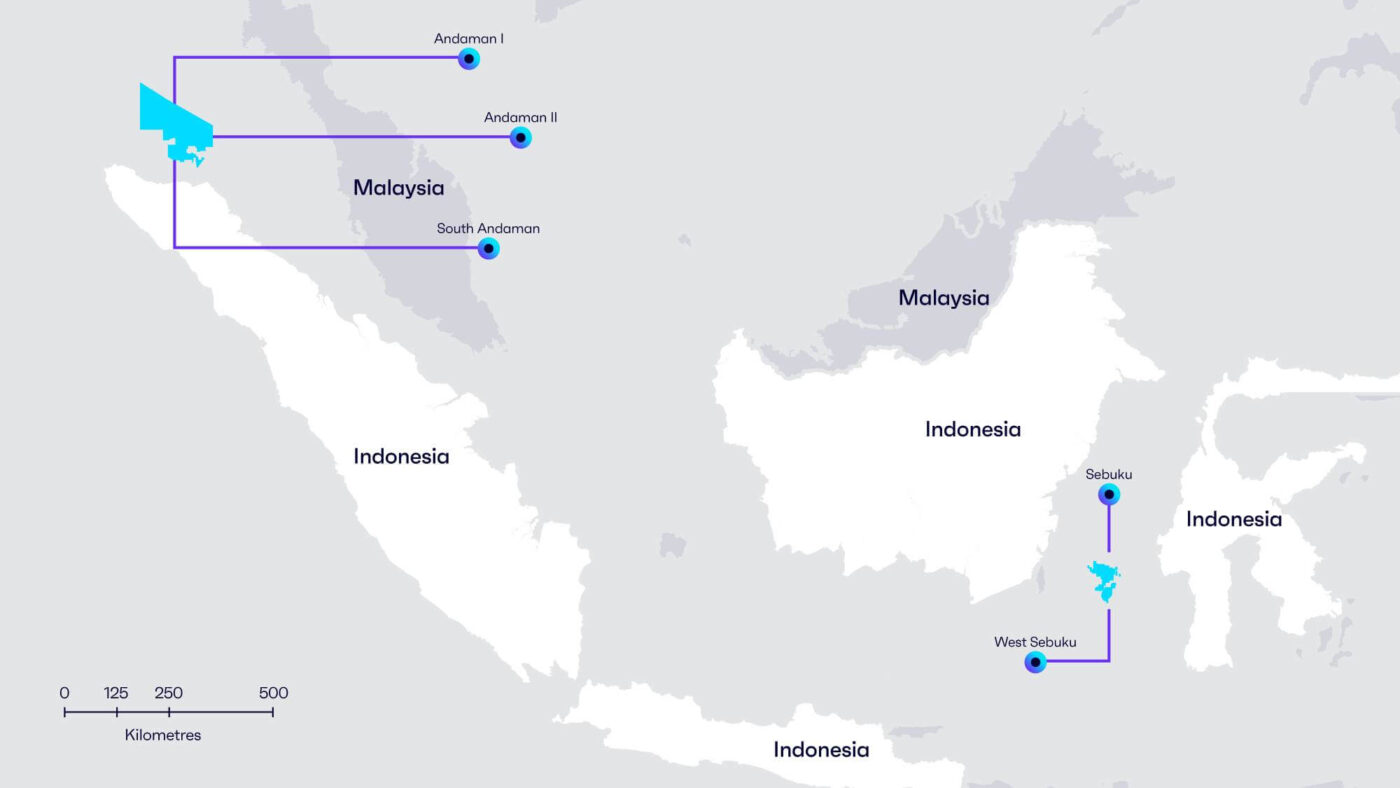
Mubadala Energy, the Abu Dhabi-based international oil and gas firm, has expanded its activities in the Andaman Sea, securing a significant foothold in Indonesia’s energy landscape. The company, alongside its partner Harbour Energy, was awarded the Central Andaman licence by Indonesia’s oil and gas regulator, MIGAS. This move marks a strategic boost for Mubadala, as it increases its influence in one of Southeast Asia’s most promising offshore basins.

Mubadala now holds a 40% stake in the Central Andaman block, with Harbour Energy leading operations with a 60% interest. The award followed the Indonesian government’s recent licensing round, where international energy firms competed for access to the region’s untapped potential. The Andaman Sea, known for its deep-water prospects, has attracted increased interest due to its significant reserves of hydrocarbons.

Building on this momentum, Mubadala has also completed an extensive drilling campaign in the South Andaman area. The campaign appraised multiple wells, including the successful Layaran and Tangkulo discoveries. These results highlight the Andaman Sea’s potential, with estimates suggesting multi-trillion cubic feet (TCF) of gas in place. The appraisal, which involved advanced deep-water drilling technologies, was seen as a major win for the company, further strengthening its long-term energy strategy in Southeast Asia.

Adnan Bu Fateem, Mubadala Energy’s Chief Operating Officer, emphasized the significance of the Central Andaman block, noting that the successful bid will open further opportunities in the region. Bu Fateem underscored the company’s operational expertise and familiarity with the basin as key factors that will enable Mubadala to maximize the area’s energy potential. As Indonesia continues to focus on energy security and the transition to cleaner energy sources, this development could play a vital role in meeting the country’s growing energy demands.

In addition to resource extraction, Mubadala Energy is poised to contribute to Indonesia’s broader energy strategy, which includes a push for gas as a transitional fuel. Gas, seen as a cleaner alternative to coal, remains central to Indonesia’s energy mix, and developments in the Andaman Sea could become crucial to maintaining supply.

Abdulla Bu Ali, President Director for Indonesia at Mubadala Energy, highlighted the success of the South Andaman drilling campaign, stressing that the safe and efficient completion of the operation was an important milestone. He reiterated that Mubadala’s findings would play a pivotal role in supporting both Indonesia’s energy needs and its transition to cleaner sources. Bu Ali added that the resources discovered during the campaign could become a cornerstone of Southeast Asia’s gas supply.

Looking forward, Mubadala is already planning its next steps in turning the South and Central Andaman blocks into production hubs. The company is formulating strategies to expedite the development of these fields, with a focus on delivering gas to regional markets. If fully developed, these assets could significantly alter the energy map of Southeast Asia, with implications for both domestic consumption and export to neighboring countries.

PayPal and Venmo are set to incorporate Ethereum Name Service (ENS) blockchain names into their platforms, a move announced by ENS Labs on Tuesday. This integration will initially roll out to users in the United States and is expected to enhance the ease of cryptocurrency transactions by allowing users to utilize human-readable names rather than lengthy alphanumeric addresses.

ENS Labs, the company behind the Ethereum Name Service, has pioneered a method for converting complex blockchain addresses into more user-friendly names. This development aims to reduce the likelihood of errors when transferring cryptocurrencies. Previously, users had to deal with long and complex blockchain addresses, which can be prone to mistakes. By using ENS names, such as “xyz.eth,” users can ensure greater accuracy in their transactions.

The adoption of ENS names by major payment platforms like PayPal and Venmo highlights a growing interest among traditional financial services in cryptocurrency and blockchain technology. This shift could mark a significant turning point in the acceptance and mainstreaming of digital assets, bridging the gap between traditional finance and the evolving crypto space.

ENS is designed to simplify the process of sending and receiving digital currencies by providing a more intuitive naming system. Instead of copying and pasting long strings of characters, users can now use easily memorable names. This change is expected to streamline transactions and reduce errors, which is particularly beneficial for users who are new to the cryptocurrency space.

The decision by PayPal and Venmo to integrate ENS names into their systems could also indicate a broader trend of financial institutions exploring blockchain technology. As these platforms continue to evolve, the integration of digital asset management features becomes increasingly relevant. The move may encourage other financial entities to adopt similar technologies, fostering greater innovation within the financial sector.

The integration process will initially be available to users in the United States. This phased rollout allows for the testing and adjustment of the system to ensure a smooth transition. Users will be able to link their ENS names with their PayPal and Venmo accounts, making transactions more straightforward and reducing the potential for costly mistakes.

The move to incorporate ENS names is part of a broader trend of financial institutions and tech companies experimenting with blockchain technology. As the technology matures, it is expected that more companies will look to integrate blockchain solutions into their offerings. This growing interest could lead to wider adoption of cryptocurrencies and digital assets across various industries.

ENS Labs has been at the forefront of developing technologies that bridge the gap between traditional systems and blockchain networks. By making blockchain addresses more user-friendly, ENS aims to enhance the overall experience for cryptocurrency users and promote broader acceptance of digital currencies.

India continues to hold its position as the world leader in cryptocurrency adoption, according to the 2024 Chainalysis Global Crypto Adoption Index. The country’s dominance in this space persists despite a challenging regulatory environment that includes stringent tax policies and bans on foreign crypto platforms. This latest report reflects India’s ability to stay at the forefront of crypto trading and investment, showcasing the nation’s growing influence in […]

The gaming industry is undergoing a seismic shift as Web3 technology propels a new era of decentralized gaming. In a bold move that promises to redefine the future of the gaming world, two of the largest tech giants, traditionally fierce competitors, have now entered the Web3 gaming ecosystem, signaling a convergence of blockchain, cryptos, and gaming. This collaboration, which would have been unthinkable a few years ago, highlights the growing influence of Web3 in mainstream gaming.

Web3 gaming has captured the attention of major players across the tech and gaming industries. Leading the charge are three significant companies—two well-known gaming behemoths and a surprise third contender that has taken the gaming and tech community by surprise. While the first two companies have long been associated with the gaming industry, the third entity is a global tech powerhouse, known for selling hundreds of millions of gaming devices and software, but until now, had not made its stance on Web3 clear.

This transformation comes at a time when companies from various sectors are exploring partnerships with blockchain platforms and Web3 startups. The momentum toward decentralization and the integration of blockchain into everyday applications is reshaping business strategies, especially in industries like gaming where decentralized ownership, play-to-earn models, and enhanced user control are gaining traction.

The partnership between these two tech giants, with a combined annual revenue exceeding $400 billion, marks a historic moment in the gaming industry. This alliance was made possible through blockchain technology, which provides a neutral and decentralized platform for collaboration. The decision to integrate Web3 gaming solutions into their business models has opened new avenues for revenue generation, as well as new experiences for users, creating a dynamic ecosystem where players can own, trade, and monetize in-game assets in unprecedented ways.

Web3’s foundational principles of decentralization, transparency, and ownership align with the demands of today’s gaming community, where players are increasingly seeking greater control over their digital assets and in-game economies. As traditional gaming platforms faced challenges with centralized systems and rigid control over content, Web3 offers a flexible, user-driven alternative that empowers gamers and developers alike.

The gaming industry is no stranger to disruption. From the rise of mobile gaming to the explosion of cloud gaming, each innovation has brought with it new opportunities and challenges. But Web3 gaming represents something far more transformative. By leveraging blockchain technology, developers can create games with integrated token economies, allowing players to earn, trade, and sell digital assets in ways that were previously impossible. This has given rise to the “play-to-earn” model, where players are not just participants in the game but also stakeholders in its economy.

The two tech giants making headlines with their foray into Web3 gaming have long been at the forefront of technological innovation. One is renowned for its gaming consoles, which have sold hundreds of millions of units worldwide, while the other has established itself as a leader in cloud computing, software, and entertainment. Both companies have recognized the potential of Web3 gaming, not just as a technological novelty but as a fundamental shift in how games are developed, distributed, and played.

This partnership also underscores the growing significance of blockchain-based platforms in the gaming industry. As more traditional companies explore the possibilities of Web3, they are increasingly turning to blockchain protocols to facilitate secure, decentralized transactions and to ensure transparency in gaming ecosystems. By embracing blockchain, these companies can provide their users with a level of ownership and control that is unparalleled in traditional gaming environments.

The third player in this Web3 revolution is a tech company that has been quietly but steadily increasing its presence in the gaming sector. Known primarily for its dominance in the tech industry, this company’s decision to dive into Web3 gaming has been a surprise to many, given its previous reluctance to publicly endorse blockchain technology. However, its vast resources and extensive user base make it a formidable force in the space, and its entry into the Web3 gaming market has the potential to accelerate the adoption of blockchain-powered gaming on a global scale.

Web3 gaming is rapidly gaining popularity due to its emphasis on decentralization and player empowerment. Traditional gaming platforms, which often limit players’ ability to control and monetize their in-game assets, are being challenged by Web3 games that enable users to own, trade, and sell their digital items. This paradigm shift is leading to a new wave of innovation in game design and development, as developers create games that offer players a direct stake in the virtual worlds they inhabit.

As Web3 gaming continues to evolve, more and more traditional companies are seeking partnerships with blockchain-based platforms and Web3 startups. These partnerships are critical to the growth of the ecosystem, as they provide the necessary infrastructure and expertise to support large-scale gaming operations on the blockchain. Moreover, they help bridge the gap between traditional gaming companies and the Web3 community, fostering collaboration and innovation across both sectors.

The implications of Web3 gaming extend beyond the gaming industry. As blockchain technology becomes more integrated into gaming platforms, it has the potential to influence other industries as well. For example, the tokenization of digital assets, which is a core feature of Web3 games, could revolutionize industries such as finance, real estate, and entertainment by enabling the secure and transparent transfer of ownership.

Kia and The Ocean Cleanup have marked a significant milestone in their partnership aimed at tackling the Great Pacific Garbage Patch. This collaboration, which began in 2021, has reached a pivotal point as both entities announce their joint achievements and outline ambitious plans for future environmental efforts. Since the initiation of their partnership, Kia has leveraged its global platform to amplify The Ocean Cleanup’s mission. Through various […]

HONG KONG SAR – Media OutReach Newswire – 11 September 2024 – The Hong Kong Jockey Club wrapped up its fourth and largest Philanthropy for Better Cities (PBC) Forum at West Kowloon Cultural District today (10 September). Nearly 100 eminent speakers and more than 2,000 delegates from 40 countries and regions joined the two-day event, including representatives of over 200 local, regional and global foundations. The PBC […]

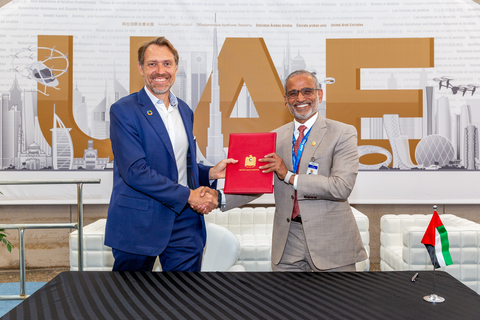
Joby Aviation, the electric vertical takeoff and landing (eVTOL) aircraft manufacturer, has formally applied for aircraft certification in the United Arab Emirates. This strategic move marks a significant step in the company’s expansion plans, aiming to establish a presence in the Middle Eastern market for its innovative flying taxis.

The application, submitted to the General Civil Aviation Authority (GCAA) of the UAE, represents a crucial milestone for Joby Aviation, which has been at the forefront of developing urban air mobility solutions. The certification process will involve rigorous testing and compliance with the UAE’s stringent aviation regulations, designed to ensure safety and operational standards for new aircraft technologies.

Joby Aviation’s eVTOL aircraft, characterized by its all-electric propulsion and vertical takeoff capabilities, is positioned to revolutionize urban transportation by reducing travel time and congestion. The company’s push into the UAE market is part of a broader strategy to tap into emerging global markets where infrastructure and regulatory frameworks are increasingly supportive of advanced aviation technologies.

The UAE has been actively working to become a hub for cutting-edge technologies, including advancements in aviation and transportation. The government’s initiatives to support smart city projects and sustainable transport align with Joby Aviation’s mission to provide efficient and eco-friendly transport solutions. As part of its expansion strategy, Joby has engaged in discussions with various stakeholders in the UAE to explore potential partnerships and operational frameworks that would facilitate the integration of its aircraft into the local transportation network.

The certification process will require Joby Aviation to demonstrate the safety, reliability, and efficiency of its aircraft under the UAE’s aviation standards. This involves a comprehensive evaluation of the aircraft’s performance, maintenance procedures, and safety features. The GCAA will oversee this process to ensure that the aircraft meets all necessary criteria before it is allowed to operate commercially in UAE airspace.

Joby’s entry into the UAE market comes at a time when there is growing interest in urban air mobility solutions globally. Several countries and cities are exploring similar technologies, driven by the need to address urban congestion and environmental concerns. By seeking certification in the UAE, Joby is positioning itself to capitalize on the increasing demand for innovative transportation solutions in a region known for its rapid development and technological adoption.

The company has already made significant strides in its home market of the United States, where it has received substantial investment and support from various stakeholders, including government agencies and private investors. The UAE certification is seen as a key step in Joby Aviation’s international growth strategy, which aims to bring its flying taxi services to major cities around the world.

As Joby Aviation progresses through the certification process, it will likely face several challenges, including navigating the regulatory landscape and establishing operational infrastructure in a new market. However, the company’s commitment to advancing urban air mobility and its track record of innovation position it well for success in the UAE.

The outcome of this certification process will not only impact Joby Aviation but also influence the broader landscape of urban air mobility. If successful, it could pave the way for other companies in the sector to enter the UAE market and contribute to the development of a new dimension in urban transportation.

The UAE’s proactive approach to integrating advanced technologies and supporting sustainable initiatives provides a promising environment for Joby Aviation’s ambitions. The company’s application for certification is a clear indication of the growing global interest in eVTOL aircraft and the potential for such technologies to transform urban travel.

As the aviation industry continues to evolve, the introduction of eVTOL aircraft represents a significant leap forward in the quest for more efficient and environmentally friendly transportation solutions. Joby Aviation’s efforts to gain certification in the UAE underscore the importance of regulatory support and innovation in shaping the future of urban mobility.

The UAE’s ambitious high-speed rail initiative has officially entered its prequalification stage, marking a significant step toward transforming the country’s transport infrastructure. This development follows the recent unveiling of a strategic plan to revolutionize rail travel across the United Arab Emirates.

Etihad Rail, the state-owned company spearheading the project, is inviting companies to submit their qualifications to participate in the development of the rail network. This marks a pivotal moment as the UAE aims to introduce a high-speed rail system that will significantly enhance connectivity between key cities and economic hubs.

The high-speed rail project is part of a broader vision to modernize the UAE’s transportation infrastructure, reduce road congestion, and promote sustainable travel options. When completed, it is expected to link major cities including Abu Dhabi, Dubai, and Sharjah, and extend to other Gulf Cooperation Council (GCC) countries, enhancing regional connectivity.

This initiative is not just about speed but also about efficiency and sustainability. The planned rail network will feature state-of-the-art technology aimed at providing a reliable and eco-friendly alternative to conventional transportation methods. The project underscores the UAE’s commitment to sustainable development and its ambition to become a leading player in global transport innovation.

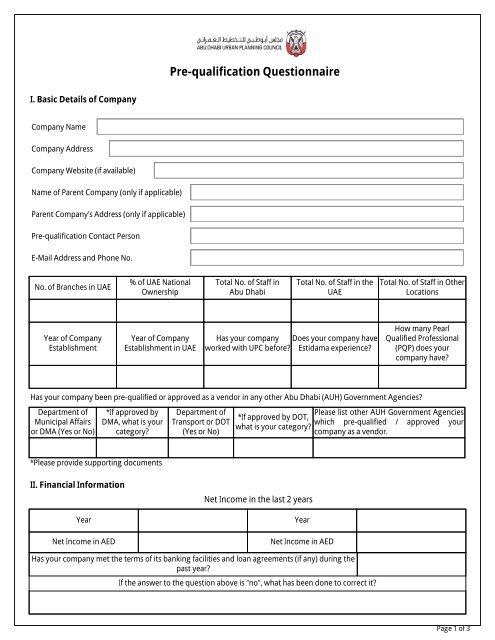
The prequalification process is crucial for ensuring that only the most capable and experienced companies are involved in the project. Etihad Rail is seeking firms with proven expertise in high-speed rail systems, construction, and project management. This phase will help identify and shortlist potential partners who can contribute to the successful delivery of the rail network.

The high-speed rail system is expected to have a transformative impact on the UAE’s economy. By improving transportation efficiency, it will facilitate better movement of goods and people, potentially boosting economic activities and reducing travel time significantly. This aligns with the UAE’s broader economic diversification strategy, which aims to reduce reliance on oil revenues and foster growth in other sectors.

Key players in the global rail industry are closely watching the progress of this project. Companies from Europe, Asia, and the Americas are anticipated to show interest, bringing a wealth of international experience and technological advancements to the table. This influx of expertise will be crucial for the successful implementation of such an ambitious undertaking.

The UAE’s commitment to high-speed rail reflects a broader trend in the region towards investing in advanced infrastructure projects. Similar initiatives are underway in neighboring countries, with the aim of creating a cohesive and integrated transport network across the GCC. The UAE’s project is poised to set a benchmark for other nations in the region and beyond.

As the prequalification phase progresses, it will be essential for Etihad Rail to ensure transparency and fairness in the selection process. This will help build trust among potential partners and stakeholders and pave the way for a successful collaboration. The project’s success will not only enhance the UAE’s transportation infrastructure but also contribute to its economic and environmental goals.

A rare Bitcoin mining event has recently made headlines as a solo miner successfully processed a block, earning approximately $180,000. The achievement, marked by Block 860749 on September 10, underscores the intense competition and difficulty involved in Bitcoin mining. Block 860749, which was verified and added to the Bitcoin blockchain on the specified date, included 5,935 transactions. The reward for this block amounted to 3.169 Bitcoin, translating […]

KUALA LUMPUR, MALAYSIA – Media OutReach Newswire – 11 September 2024 – Since the first days of Artificial Intelligence’s rapid expansion into various industries, the financial sector has been one of the leading adopters of these technologies. In this field, AI-driven algorithms are seeing an ever-widening variety of applications, including risk management, predictive analytics, and customer service automation. For example, according to recent research, algorithmic trading in […]

National Holding has achieved a significant milestone by earning the Green Certificate from Moro Hub, a recognition awarded for outstanding sustainability practices. The UAE-based investment company has been actively involved in promoting green initiatives, aligning itself with the national agenda on environmental sustainability. The certification comes as an acknowledgment of its commitment to reducing environmental impact and adopting energy-efficient solutions across its portfolio of companies. The certification […]

The U.S. Securities and Exchange Commission (SEC) has recorded an extraordinary rise in enforcement actions against crypto firms in 2024, hitting an all-time high of $4.7 billion. This marks a remarkable 3,000% increase from the $150.3 million imposed in 2023. The dramatic surge stems primarily from the record-setting settlement of $4.47 billion with Terraform Labs and its co-founder Do Kwon in June 2024, a key factor that has positioned this as a landmark year for regulatory actions in the cryptocurrency sector.

The SEC’s latest move has underscored its increasingly aggressive stance on the cryptocurrency industry, as regulators seek to rein in unlawful practices that have characterized parts of the market. Terraform Labs and Kwon were at the center of one of the biggest collapses in crypto history, when their TerraUSD (UST) stablecoin, designed to maintain parity with the U.S. dollar, dramatically lost its peg in May 2022. The crash of UST led to a massive fallout, wiping out the value of its sister token, Luna, and causing billions in investor losses, leading to the ongoing “crypto winter” that has gripped the market.

The Terraform Labs case has been particularly high-profile due to the scale of the alleged fraud and the SEC’s claim that Kwon and his company misled investors through deceptive marketing about UST’s stability. The regulatory body’s settlement with Terraform Labs requires the firm to pay $4.05 billion in disgorgement and penalties, while Kwon personally faces an additional $80 million penalty. Both parties have also been permanently barred from offering or selling crypto assets in the future, a significant blow to Kwon’s standing in the industry.

Terraform Labs’ downfall has been closely followed by multiple legal battles and ongoing bankruptcy proceedings since January 2024, which complicates the company’s ability to fulfill the financial penalties imposed by the SEC. Kwon, who has also been facing criminal charges and extradition requests from several countries, is currently in legal limbo. His situation adds another layer of complexity to the enforcement of the settlement, although the SEC has emphasized the importance of holding key actors in the crypto space accountable.

While Terraform Labs’ collapse and its legal ramifications have dominated headlines, the SEC’s crackdown on crypto firms goes far beyond this case. Throughout 2024, the SEC has ramped up investigations and enforcement measures against several other digital asset companies. Many firms have faced fines for a wide range of violations, including unregistered securities offerings, fraud, and failure to comply with anti-money laundering regulations. The sharp rise in enforcement actions reflects the SEC’s broader push to impose greater regulatory scrutiny on the nascent industry, aiming to protect investors and foster greater transparency.

The substantial penalties meted out this year stand in stark contrast to previous years, signaling a paradigm shift in the SEC’s approach toward digital assets. Enforcement actions against cryptocurrency companies, particularly those involved in dubious or illegal operations, have been increasingly severe, sending a clear message to the industry about the regulator’s willingness to act decisively. This escalation has been further driven by SEC Chair Gary Gensler’s firm belief that most crypto assets fall under the category of securities, making them subject to the same laws as traditional financial instruments.

Crypto industry players have responded to the SEC’s assertive posture with a mixture of compliance, resistance, and uncertainty. Some companies are working to align their practices with regulatory expectations, while others have mounted legal challenges to argue that the SEC’s approach to defining and regulating digital assets is overly broad. This ongoing tension between regulators and industry stakeholders has raised important questions about the future of cryptocurrency regulation in the U.S. and beyond.

Looking ahead, the SEC is expected to continue targeting crypto firms that are found to be operating outside legal bounds. The regulator has been increasingly collaborating with other federal agencies and international regulators to address cross-border issues in the crypto space. With the global nature of digital assets, enforcement actions are likely to extend beyond U.S. borders, particularly in cases involving companies like Terraform Labs, whose operations spanned multiple countries and jurisdictions.

The Ohio Child Care Resource and Referral Association (OCCRRA) has appointed Dr. Christopher Angellatta as its new Chief Executive Officer, marking a significant leadership change for the nonprofit organization. Angellatta, who brings extensive experience in early childhood education and organizational management, will assume his role effective immediately.

Dr. Angellatta’s appointment follows an extensive search process aimed at finding a leader who can drive OCCRRA’s mission to support child care professionals and improve early childhood education throughout Ohio. His background includes a robust academic and professional track record, having previously served as a senior consultant for child development programs and holding a position as an associate professor in early childhood education.

OCCRRA, known for its commitment to enhancing child care quality through training, resources, and support services, anticipates that Angellatta will play a pivotal role in advancing its strategic goals. The organization offers a range of services including professional development for child care providers, technical assistance, and statewide programs aimed at improving educational outcomes for young children.

Angellatta’s appointment is expected to usher in a new era of growth and innovation for OCCRRA. His leadership will focus on expanding existing programs, enhancing collaboration with local child care providers, and exploring new initiatives to address the evolving needs of the child care sector in Ohio.

During his career, Angellatta has been instrumental in developing and implementing evidence-based practices that promote high-quality early childhood education. His expertise includes strategic planning, stakeholder engagement, and program evaluation—skills that align with OCCRRA’s objectives to foster a supportive and effective child care environment.

The transition to Angellatta’s leadership comes at a time when the early childhood education landscape is facing increasing demands for quality improvement and accessibility. OCCRRA has been at the forefront of addressing these challenges, and Angellatta’s appointment is seen as a strategic move to strengthen the organization’s impact and outreach.

In his new role, Angellatta will be tasked with leading OCCRRA through a period of transformation, focusing on expanding partnerships with community organizations and enhancing the association’s visibility and influence in the field. His approach will involve leveraging data-driven strategies and fostering collaborative efforts to address key issues in early childhood education.

As part of his initial priorities, Angellatta plans to engage with stakeholders across Ohio to gain insights into the current challenges and opportunities within the child care sector. This approach is intended to ensure that OCCRRA’s programs and services are effectively aligned with the needs of child care providers and the families they serve.

Angellatta’s leadership is expected to bring a fresh perspective to OCCRRA’s strategic initiatives, particularly in areas related to professional development and quality enhancement. His background in research and practice will be crucial in advancing the organization’s mission and achieving its long-term goals.

DBS Group Holdings Ltd. is actively seeking insurance partners in India and Taiwan as part of its strategy to broaden its financial services portfolio in the region. This move is driven by a growing demand for diversified financial products and an expanding market potential in both countries.

The Singapore-based bank, which has been consolidating its presence in Asia, is now looking to collaborate with established insurance firms to leverage their local expertise and distribution networks. The focus on India and Taiwan underscores DBS’s commitment to strengthening its foothold in key Asian markets where insurance penetration remains relatively low compared to other regions.

In India, where the insurance market has seen significant growth over the past decade, DBS aims to tap into the sector’s potential by forming alliances with local players. The Indian insurance industry, valued at approximately $80 billion, is poised for further expansion driven by increasing awareness and regulatory support. By partnering with established insurers, DBS seeks to capitalize on this growth trajectory and offer a comprehensive range of insurance products to its customers.

Similarly, Taiwan presents an attractive opportunity for DBS. The island nation boasts a well-developed insurance market with a high insurance penetration rate, making it a strategic location for DBS’s expansion. Taiwan’s mature financial services sector provides a solid foundation for DBS to introduce innovative insurance solutions and enhance its market share.

DBS’s strategy aligns with a broader trend among global banks seeking to diversify their services and capture growth in emerging markets. As financial institutions adapt to changing consumer preferences and regulatory landscapes, strategic partnerships become crucial for accessing new revenue streams and enhancing their competitive edge.

The move is also reflective of a wider trend in the financial sector, where banks are increasingly forming partnerships with insurance companies to offer integrated financial solutions. This approach not only provides customers with a one-stop shop for their financial needs but also helps banks to cross-sell products and increase customer loyalty.

While the specifics of the partnerships are still being negotiated, DBS’s focus on India and Taiwan highlights its strategic intent to build a more robust and diversified service offering in key Asian markets. The bank’s approach involves leveraging local expertise and market knowledge, which is essential for navigating the complex regulatory environments and competitive landscapes in these regions.

For India, the collaboration could involve partnerships with both private and public sector insurance companies. The country’s insurance sector has been undergoing significant reforms aimed at enhancing transparency and customer protection, creating a conducive environment for new entrants and partnerships. DBS’s entry into this market would likely involve a blend of joint ventures and strategic alliances designed to capture a share of the expanding market.

In Taiwan, DBS’s strategy may include forming joint ventures or acquiring stakes in local insurance companies. The Taiwanese insurance market is known for its high regulatory standards and competitive landscape, which requires a nuanced approach to market entry. By partnering with local firms, DBS can navigate these challenges more effectively and leverage existing market infrastructure.

The bank’s exploration of insurance partnerships reflects a broader industry trend where financial institutions are increasingly recognizing the value of integrating insurance products into their service offerings. This integration allows banks to provide comprehensive financial solutions that address a wide range of customer needs, from wealth management to risk protection.

By Kalyani Shankar Who will emerge victorious in Haryana’s upcoming assembly polls? Will the ruling BJP retain the state, or will the resurgent Congress seize the opportunity to win? The nation is watching as the results of the impending polls in Maharashtra, Jharkhand, Jammu, and Kashmir will shape these states’ future and significantly impact the […]


Oman is set to make waves in the Gulf region’s financial markets with the largest initial public offering (IPO) in the country’s history. Oman’s state energy company OQ SAOC has announced plans to raise approximately $2 billion by selling a 25% stake in its exploration and production unit, OQ Exploration & Production SAOG (OQEP). The valuation of the entire OQEP business could reach around $8 billion, based […]

Alpha Dhabi Group, an investment conglomerate listed on the Abu Dhabi Securities Exchange, has announced its intention to divest its 11% stake in OCI’s methanol division. This strategic move is connected to OCI’s acquisition by Methanex Corporation, a major player in the global methanol industry. The transaction, which will see Methanex take control of OCI’s methanol operations, is anticipated to be completed by 2025. Alpha Dhabi’s decision […]

VISHNU RAJA
RYO YAMADA
HITORI GOTOH
IKUYO KITA