News related to
stake

The TON DLT Foundation has officially announced its incorporation under the Abu Dhabi Global Market’s (ADGM) Distributed Ledger Technology (DLT) Foundations Framework. This strategic move marks a pivotal step in advancing blockchain innovation and regulation within a globally recognized hub for financial and technological development.

As part of its ambitious plan to facilitate widespread adoption of the TON Blockchain, the foundation has set a clear target to empower 500 million users by 2028. To achieve this, it will focus on accelerating core technological advancements and expanding the blockchain’s footprint across the Middle East, North Africa (MENA), and Asia-Pacific (APAC) regions. The foundation’s operations will emphasize enhancing TON’s scalability, usability, and developer ecosystem.

ADGM has emerged as a leading jurisdiction for DLT entities, fostering an ecosystem that combines progressive regulatory measures with robust compliance standards. Its DLT Foundations Framework has been instrumental in attracting innovative blockchain projects, positioning Abu Dhabi as a key player in global blockchain adoption. The TON DLT Foundation’s decision to establish itself within ADGM underscores the market’s reputation as a conducive environment for growth and innovation in the blockchain sector.

The foundation’s presence in the MENA and APAC regions aims to capitalize on the rapid digital transformation underway in these areas. By focusing on these markets, TON seeks to tap into the burgeoning interest in blockchain technology, driven by both public and private sector initiatives. The foundation is expected to work closely with regional stakeholders to promote blockchain adoption, highlighting its potential to streamline financial services, enhance transparency, and foster innovation.

By Dr. Gyan Pathak The current week is crucial for the Chief Justice of India Justice Sanjiv Khanna. He has a new task in hand –making judiciary above suspicion. The task has come on his way through two sets of petitions – the first was relating to the Places of Worship Act, and the second […]

Dubai-based fintech platform Stake has officially launched its operations in Saudi Arabia, marking a significant step in its expansion strategy across the Middle East. This move is set to bolster the company’s position in the region’s growing digital financial landscape, which has seen rapid growth amid Saudi Arabia’s push to diversify its economy under the Vision 2030 framework. Stake, which has established itself as a leading player […]

Partnership launched to transition Nguyen Gia Livestock Production Cooperative’s 50,000 hens to 100% certified cage-free production systems, providing solutions for Vietnamese companies to meet their cage-free commitments. HANOI, VIETNAM – Media OutReach Newswire – 10 December 2024 – Global Food Partners (GFP) has partnered with Nguyen Gia Livestock Production Cooperative, led by Mr. Nguyen Huu Tue, one of North Vietnam’s largest egg producers, to spearhead the country’s […]

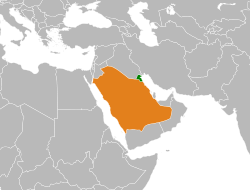
Saudi Arabia and Kuwait have concluded a significant agreement aimed at eliminating double taxation on income, marking a notable advancement in bilateral economic cooperation between the two Gulf nations. This treaty, announced after extensive negotiations, underscores a mutual commitment to fostering trade, investment, and economic collaboration in the region.

The agreement, officially signed in Riyadh, addresses taxation challenges for individuals and entities operating in both countries. It is structured to provide relief by preventing dual taxation and establishing clear tax allocation rules. Key provisions include reduced tax rates on cross-border dividends, interest, and royalties, and streamlined tax compliance mechanisms to encourage smoother business operations. The pact aligns with international standards, including guidelines from the Organisation for Economic Co-operation and Development (OECD), ensuring robust adherence to global tax practices.

This treaty also incorporates measures to prevent tax evasion, a critical concern for governments globally. Transparency and information exchange mechanisms are included to curb potential misuse, reflecting a shared dedication to fiscal accountability. The Saudi Ministry of Finance noted that the agreement would improve the ease of doing business while reinforcing investor confidence in the region.

Economic analysts view the deal as a strategic initiative to attract foreign investment. By mitigating the financial burdens of double taxation, it provides incentives for businesses to establish or expand operations in both Saudi Arabia and Kuwait. Observers also highlighted its potential to bolster intra-GCC (Gulf Cooperation Council) economic integration, a cornerstone of regional policy objectives.

The Kuwaiti government expressed optimism regarding the agreement, emphasizing its alignment with national economic reform goals. This move complements Kuwait’s strategy of diversifying its economy and strengthening its non-oil sectors. The agreement reflects a broader regional trend of adapting fiscal policies to enhance global competitiveness.

This taxation treaty comes amid a period of intensified economic diplomacy within the GCC. Saudi Arabia has been actively pursuing similar agreements with other nations as part of its Vision 2030 reforms. These efforts aim to position the kingdom as a leading hub for global business, promoting a diversified and resilient economy. Similarly, Kuwait has prioritized economic agreements to expand its international partnerships, reflecting a pragmatic approach to sustaining growth in the evolving global market.

The treaty’s implementation will involve detailed frameworks to ensure compliance and efficiency. Tax authorities in both countries are expected to establish bilateral mechanisms to facilitate smooth application, including dispute resolution protocols for any arising conflicts. Experts believe these operational guidelines will be crucial in realizing the full benefits of the agreement.

Economic ties between Saudi Arabia and Kuwait have been historically strong, driven by shared cultural and economic values. This latest agreement further solidifies their partnership, creating a model for regional cooperation that other GCC members may consider replicating. Analysts suggest it could pave the way for broader multilateral tax agreements within the GCC, fostering a more cohesive economic bloc.

As businesses and stakeholders prepare to navigate the new regulatory landscape, the focus remains on how effectively the agreement’s provisions are enacted. Both governments are expected to launch awareness campaigns to educate taxpayers on the treaty’s specifics, ensuring widespread understanding and compliance.

This treaty is set to take effect following ratification by both countries’ legislative bodies, a standard protocol for international agreements. Its ratification process is anticipated to progress swiftly, given the mutual benefits and strong political will driving the initiative.

The United States government has approved the export of cutting-edge artificial intelligence (AI) chips to the United Arab Emirates (UAE) under a deal involving Microsoft and the Emirati technology firm G42. This decision comes after a prolonged review, and the deal underscores growing interest in enhancing the UAE’s AI capabilities. Microsoft has invested heavily in G42, forming a partnership to push forward the development of AI technologies in the UAE, but the approval has sparked debates over security risks and potential misuse of the technology.

Microsoft’s $1.5 billion investment in G42 this year not only includes a minority stake but also a strategic partnership that integrates Microsoft’s cloud services with G42’s AI applications. This collaboration is expected to enhance the UAE’s role as a leading player in AI development, especially in areas such as healthcare, government services, and autonomous systems.

However, the deal has faced scrutiny from U.S. lawmakers, who expressed concerns over G42’s potential links to China. The fears center on the possibility of U.S. technology being leveraged by adversarial nations, particularly given G42’s connections to powerful players in the Middle East. U.S. officials have raised alarms about the company’s ties to the Chinese government and its military, fearing that advanced AI systems could inadvertently benefit Beijing or other entities of strategic concern to the U.S.

To mitigate these concerns, the U.S. government imposed strict conditions on the export. Among the most notable restrictions, personnel from countries subject to U.S. arms embargoes, including China, are prohibited from accessing the Microsoft-operated facility in the UAE. Additionally, the deal specifically blocks individuals linked to the Chinese government or organizations based in China from using the technology. These safeguards are designed to ensure that sensitive U.S. technology is not misappropriated by entities that could pose a threat to national security.

Despite these precautions, the deal has ignited a broader conversation about the global race to develop and deploy AI technologies. U.S. officials have repeatedly warned that AI advancements, particularly in fields like military applications and weapons technology, could have significant national security implications. In light of this, the Biden administration has taken steps to bolster oversight of AI development, with mandatory disclosures required from developers of large-scale AI systems regarding the potential security risks of their technologies.

G42, which is partially owned by Abu Dhabi’s sovereign wealth fund and chaired by Sheikh Tahnoon bin Zayed Al Nahyan, has tried to reassure critics by emphasizing its compliance with international standards on AI and its commitment to transparency. However, the company’s efforts have not fully alleviated concerns, with many observers questioning whether the restrictions will be sufficient to prevent sensitive technology from falling into the wrong hands.

The partnership with Microsoft is seen as a major boost for the UAE’s ambitions to position itself at the forefront of AI research and development. The country has long sought to diversify its economy beyond oil, and AI is seen as a key pillar of this transformation. Yet, as this deal shows, the international implications of such partnerships are complex and multifaceted. While the UAE stands to benefit from access to some of the world’s most advanced AI technologies, the potential security risks associated with the transfer of such capabilities remain a point of contention.

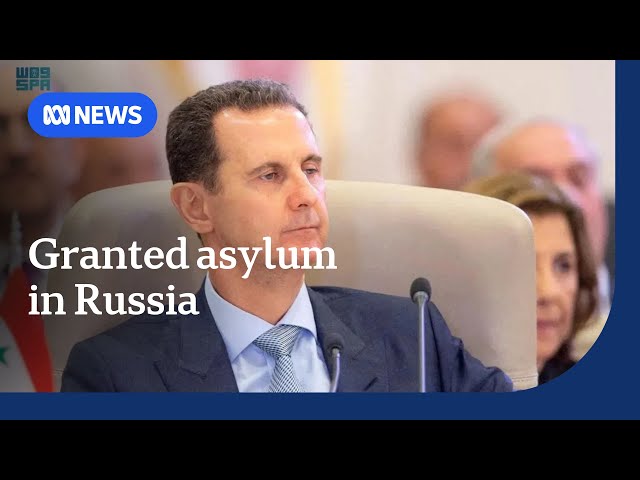
By Nitya Chakraborty The already war ravaged West Asian region has entered into a new phase of geo political turmoil with the ouster of the Syrian President Bashar-al Assad Government and the President fleeing from Damascus on Sunday to Moscow and granted asylum there by the Russian Government. The defeat of the Syrian Bath Party […]
Advertisements

Hanwha Life, a leading South Korean financial powerhouse managing assets worth over $300 billion, has announced a strategic investment in Abu Dhabi-based Shorooq Partners. The announcement was made during the Abu Dhabi Finance Week, underlining Hanwha’s ambitions to expand its influence in the Gulf region and strengthen its foothold in alternative investments globally. Shorooq Partners, an eminent venture capital firm in the Middle East, North Africa, and […]

The Caribbean and the United States are now seamlessly connected through the newly unveiled Caribbean Elite Alliance (CELIA) undersea cable, marking a transformative leap in digital infrastructure for both regions. This high-capacity cable, which spans more than 5,000 kilometers, promises to revolutionize data transfer and telecommunications, providing faster, more reliable internet access for millions of people in the Caribbean and on the U.S. East Coast. CELIA, which […]

Mubadala Investment Company’s assets have reached a staggering $330 billion, CEO Khaldoon Al Mubarak confirmed during the Milken Institute Middle East and Africa Summit. This significant figure underscores the firm’s growing influence in the global investment landscape, highlighting its strategic expansion into various sectors worldwide.

As one of the largest sovereign wealth funds globally, Mubadala’s diversified portfolio spans sectors such as technology, healthcare, energy, and infrastructure. Al Mubarak emphasized that the company’s investment approach remains focused on long-term growth, with an emphasis on innovation and sustainability. He also noted that Mubadala’s asset management strategy has evolved to meet the challenges and opportunities of an increasingly complex global economy.

Mubadala’s portfolio is a mix of direct investments, joint ventures, and partnerships, which are spread across different geographies. In recent years, it has made substantial investments in sectors poised for significant growth, particularly in technology and renewable energy. Its recent acquisitions include stakes in prominent companies such as Uber, Advanced Micro Devices (AMD), and the Abu Dhabi National Oil Company (ADNOC) group. These investments align with Mubadala’s broader strategy of backing high-potential firms that lead in their respective fields.

Al Mubarak also discussed the company’s commitment to sustainability, a key theme in many of its investment strategies. With increasing global awareness of climate change and the need for a sustainable future, Mubadala has increased its focus on clean energy projects, electric vehicles, and other environmentally friendly technologies. As part of its long-term strategy, the company aims to foster innovation in sectors that can drive the global transition toward a low-carbon economy.

The company’s involvement in renewable energy is also growing rapidly. Mubadala has made substantial investments in both renewable energy infrastructure and companies focused on decarbonization. One of its most significant ventures in this area is its involvement with Masdar, a global leader in renewable energy solutions, based in Abu Dhabi. This initiative is just one example of how Mubadala is aligning its portfolio with the global shift toward sustainability.

Mubadala’s $330 billion in assets also reflect its position as a key player in the global investment community. Over the past few years, it has increasingly positioned itself as a catalyst for innovation in the Middle East, while maintaining a strong international footprint. With its investments ranging from Silicon Valley startups to energy giants, Mubadala continues to assert its role as a crucial component in the diversification and modernization of the UAE’s economy.

Al Mubarak’s comments also highlighted the role that the company plays in supporting economic development in the UAE and beyond. Mubadala’s investments are not only aimed at generating returns but also at fostering innovation, creating jobs, and supporting the development of new industries. By supporting companies that can drive economic growth, Mubadala is helping to shape the future of the global economy in ways that benefit both the UAE and the wider international community.

In addition to its financial strategy, Al Mubarak also addressed the evolving challenges in global markets, particularly as geopolitical risks continue to rise and inflationary pressures remain a concern. He acknowledged the importance of adaptability, particularly as market conditions shift in unpredictable ways. According to Al Mubarak, Mubadala’s ability to swiftly adjust to changing market dynamics has been key to its success and resilience.

The CEO also touched upon the company’s deepening ties with other major global investors and sovereign wealth funds, particularly those in Europe and Asia. Mubadala’s focus on building strategic partnerships and alliances is a key part of its strategy to diversify its portfolio and tap into new growth areas. These collaborations allow Mubadala to access cutting-edge technologies and new markets that will be critical for long-term growth.

With over $330 billion in assets under management, Mubadala’s role in the global investment ecosystem continues to expand. Its focus on sustainable investments and innovative partnerships positions the firm as a leader in both the financial and technological sectors. As the company continues to grow and adapt to the evolving needs of the global market, its influence is likely to extend even further, providing both financial returns and long-term value to the UAE and its international partners.

VYTAL Global acquires certain assets and team members from TURN to drive tech-enabled reuse solutions VYTAL Global expands to the U.S. with the launch of VYTAL US Inc. Germany-based digital reuse platform that continues global growth by acquiring certain key assets and team members from TURN, the leading U.S.-based reuse company, providing tech-enabled reuse solutions to events and venue customers. COLOGNE, GERMANY – Newsaktuell – 5 December […]

Starting a business in Dubai, one of the world’s most dynamic business hubs, can be an exciting but complex journey. With its strategic location, tax benefits, and a diverse economy, Dubai offers unparalleled opportunities for entrepreneurs. However, navigating legal requirements, licenses, and market intricacies demands expertise. That’s where professional Business Setup Consultants in Dubai come into play. Why Dubai is a Preferred Business Destination Dubai has established […]

Professional-Quality Camera System and Advanced Features Redefine the Mobile Photography Experience, arriving in Singapore on 6 December 2024 SINGAPORE – Media OutReach Newswire – 6 December 2024 – SHARP, the renowned leader in consumer technology, will officially launch its latest flagship smartphone, AQUOS R9 pro, tomorrow (6 December 2024). With professional-grade camera capabilities, immersive visuals, and robust performance, this new release is a dream come true for […]

KUALA LUMPUR, MALAYSIA – Media OutReach Newswire – 7 December 2024 – Artificial intelligence is transforming trading, delivering unprecedented power in data analysis, pattern recognition, and decision-making. However, around 40% of traders hesitate to fully trust AI-driven decisions as they fear losing control over critical trading outcomes. Kar Yong Ang, financial markets analyst at Octa Broker, explores how traders can harness the power of AI while maintaining […]

Dnata Logistics has launched a $27 million facility in Dubai South to strengthen its supply chain services in the region. This development aligns with the growing demand for advanced logistics and supply chain solutions in the UAE, particularly in the aviation and cargo sectors. The facility, spanning 20,000 square meters, is equipped with cutting-edge technology, including automated storage and retrieval systems and advanced temperature-controlled zones, catering to diverse industries such as pharmaceuticals, perishables, and e-commerce.

The new hub integrates dnata’s commitment to innovation, efficiency, and sustainability. It features solar panels and energy-efficient designs, reinforcing the company’s environmental objectives. Strategically located near Al Maktoum International Airport, the facility enhances the company’s operational capabilities, facilitating seamless import, export, and transit cargo handling. Guillaume Crozier, Senior Vice President of UAE Cargo at dnata, highlighted that the facility represents a significant step in delivering value-added solutions to customers and partners, emphasizing digital transformation and sustainability.

This expansion comes as part of dnata’s broader efforts to bolster the UAE’s position as a global logistics hub. The company’s collaboration with Dubai South aims to enhance efficiency and connectivity within the logistics corridor, integrating its systems with Dubai South’s smart gate mechanisms to streamline cargo processing. The partnership is expected to provide faster turnaround times, reduced costs, and increased transparency for stakeholders.

Dubai South, known for its extensive free zones and logistics infrastructure, continues to attract investments that align with the UAE’s ambitions of becoming a global leader in logistics and trade. Mohsen Ahmad, CEO of Dubai South Logistics Zone, emphasized that such initiatives enable the development of a robust, technology-driven ecosystem catering to the needs of global trade.

Mubadala Investment Company has entered into an agreement to acquire a minority stake in Zelis, a prominent US-based health technology firm. This deal, valued at approximately $1.7 billion, is poised to enhance the UAE-based investment firm’s health sector portfolio. The strategic move aligns with Mubadala’s long-term goal of expanding its footprint in high-growth markets, especially within health tech, and signals its continued interest in driving international expansion, […]

The Dubai International Financial Centre (DIFC) has unveiled its ambitious decarbonisation strategy, aiming to achieve Net Zero emissions by 2045. The strategy aligns with the UAE’s national goals to reduce carbon emissions and foster sustainability within the financial sector, emphasizing the critical role of financial institutions in shaping a low-carbon future. As part of its roadmap, DIFC is prioritizing sustainability through various initiatives, including increasing energy efficiency, […]

The GameFi sector, which combines gaming and decentralized finance, has emerged as one of the most volatile areas within the blockchain industry. A new report by ChainPlay reveals staggering statistics, including the failure of 93% of GameFi projects, marking it as the sector with the highest rate of collapse. These findings underscore the significant risks investors and developers face when venturing into this rapidly evolving space.

GameFi projects, on average, last only four months, according to the ChainPlay analysis. The short lifespan of these initiatives suggests that many are struggling to gain traction or sustain long-term interest. This trend reflects broader challenges within the blockchain and cryptocurrency industries, where volatility and high turnover rates are not uncommon. GameFi’s focus on integrating traditional gaming elements with decentralized finance has led to a surge in interest but also to an overwhelming number of unsustainable projects.

The report also highlighted the impact of these failures on investors. Around 58% of venture capitalists (VCs) who invested in GameFi initiatives have experienced substantial losses, with some reporting a loss between 2.5% and as much as 99% of their investments. This staggering range of losses points to the unpredictability and speculative nature of investing in the GameFi market. For VCs, the combination of high-risk projects and a lack of long-term viability has led to significant financial setbacks, causing many to reassess their strategies within this niche sector.

The performance of GameFi projects has been disappointing in terms of price sustainability. On average, these projects have seen a drastic 95% decline from their all-time high prices. This sharp drop in value has affected not only investors but also the development teams, gaming communities, and stakeholders who were optimistic about the potential of combining gaming with blockchain technology. The lack of sustained growth and the overwhelming number of failures in this space have contributed to the disillusionment among many participants, causing them to question the long-term viability of GameFi.

Despite these challenges, a small number of successful GameFi projects have managed to maintain their presence in the market, showing that there is still potential for innovation in the sector. However, the data highlights a broader trend of overhyped projects that fail to deliver on their promises. The combination of a highly competitive environment, speculative investing, and a lack of regulation has made it difficult for many GameFi projects to thrive.

The failure of GameFi projects is part of a larger pattern of struggles within the broader cryptocurrency and blockchain industries. The market has faced significant hurdles, from regulatory challenges to the volatility of digital currencies. GameFi, which attempts to blend gaming with decentralized finance, finds itself at the intersection of two sectors already marked by uncertainty. While there is potential for growth in blockchain-based gaming, the overwhelming majority of projects have not been able to capitalize on this opportunity.

Several factors have contributed to the high failure rate in GameFi, including inadequate funding, lack of clear use cases, and poor execution. Many projects have failed to capture the attention of mainstream gamers or failed to create a compelling gaming experience that integrates well with decentralized finance. This has led to a lack of sustained user engagement, which is essential for the long-term success of any gaming project. Moreover, the speculative nature of the market, where some projects are launched more for investment purposes than for genuine gaming experiences, has created an unstable foundation for growth.

Another challenge facing GameFi is the high level of competition within the space. As new blockchain-based games are launched at a rapid pace, it becomes increasingly difficult for any single project to stand out and maintain long-term relevance. Many of these projects face challenges in attracting and retaining a dedicated user base, with some failing to differentiate themselves from one another. The lack of differentiation between GameFi projects contributes to their short lifespans, as gamers and investors alike move on to the next big opportunity.

GameFi’s integration with decentralized finance has raised concerns about its sustainability. While the concept of combining gaming and finance holds appeal, the lack of regulation in both industries has led to a volatile market where fraud, scams, and market manipulation can thrive. In many cases, GameFi projects have faced criticism for lacking transparency and failing to deliver on promises made to investors and users. This lack of accountability has been a key factor in the high failure rate, as many projects have been abandoned or left incomplete, leaving investors with little recourse for recovery.

Despite the overwhelming number of failures, there is still a glimmer of hope for the GameFi sector. Some developers are focusing on creating projects that offer genuine value to users, such as offering in-game assets that can be traded or creating games that appeal to mainstream gamers. Additionally, blockchain-based gaming offers the potential for new business models and revenue streams that traditional gaming cannot provide. However, for these innovations to succeed, the GameFi sector will need to overcome its current challenges and create a more sustainable ecosystem.


DHL’s GoHelp program equips local employees with critical disaster response skills to enhance resilience 20 years after the 2004 Indian Ocean tsunami devastated Sri Lanka COLOMBO, SRI LANKA – Media OutReach Newswire – 6 December 2024 – DHL Group has expanded its GoHelp Disaster Response Team (DRT) training to Sri Lanka, strengthening resilience and preparedness against disasters in the Asia Pacific region. DHL Group’s first GoHelp Disaster […]

Consumer banking presents “Christmas Festival” to thank customers’ support HONG KONG SAR – Media OutReach Newswire – 5 December 2024 – OCBC Bank (Hong Kong) Limited (“OCBC Hong Kong”) is celebrating the festive season with customers and the community with the popular homegrown heritage pandan cake from Singapore as a special gift to thank customers and the community for their continued trust and support. In this “Christmas […]

Professional-Quality Camera System and Advanced Features Redefine the Mobile Photography Experience, arriving in Singapore on 6 December 2024 SINGAPORE – Media OutReach Newswire – 5 December 2024 – SHARP, the renowned leader in consumer technology, will officially launch its latest flagship smartphone, AQUOS R9 pro, tomorrow (6 December 2024). With professional-grade camera capabilities, immersive visuals, and robust performance, this new release is a dream come true for […]

SPIMACO, one of Saudi Arabia’s prominent pharmaceutical companies, has decided to cancel its agreement to acquire a majority stake in the pharmaceutical manufacturer Osmopharm. The move comes after a series of strategic shifts in both companies’ corporate plans, signaling a pause in the anticipated merger that was initially expected to expand SPIMACO’s footprint in the healthcare sector.

The agreement, which was first announced earlier this year, outlined SPIMACO’s purchase of a 68% stake in Osmopharm, an acquisition that was set to position SPIMACO as a more dominant player in the region’s pharmaceutical market. The deal had been under negotiation for several months and represented a significant step for SPIMACO to strengthen its portfolio in a market that is becoming increasingly competitive.

Sources familiar with the decision revealed that the cancelation stems from a combination of factors, including shifting market conditions and adjustments to corporate strategies. These reasons were not immediately disclosed, but industry experts note that SPIMACO may have reconsidered its investment in Osmopharm amidst changing regulatory landscapes and economic uncertainty in the region.

The Saudi pharmaceutical industry has been undergoing significant transformations, with both local and international companies seeking to capitalize on the region’s expanding healthcare needs. Saudi Arabia’s Vision 2030, which includes an emphasis on privatization and healthcare sector reform, has made the pharmaceutical industry a focal point of investment. However, the cancellation of the SPIMACO-Osmopharm deal highlights the volatility and risks that even established firms face in navigating these shifts.

Osmopharm, which has a growing presence in the manufacturing of a variety of medical products, was expected to benefit from the infusion of capital and resources that SPIMACO would have provided. The company’s expansion plans are now uncertain as it seeks alternative avenues for growth. Both companies had previously expressed their enthusiasm for the merger, with Osmopharm eager to take advantage of SPIMACO’s strong distribution network across the Middle East.

The deal had garnered attention due to its potential to create one of the largest pharmaceutical entities in the region. SPIMACO’s acquisition of a majority stake in Osmopharm would have placed it in a position to compete more aggressively with global players operating in the Saudi market. However, with the cancellation, both companies must now recalibrate their future strategies in order to sustain growth in a market that continues to evolve at a rapid pace.

The decision has raised questions among investors and analysts who were closely monitoring the deal, particularly those who saw the merger as a key factor in SPIMACO’s long-term growth trajectory. In response to the change, SPIMACO’s board has reassured stakeholders that the company remains committed to expanding its footprint in the regional pharmaceutical industry through other avenues, including organic growth and potential future acquisitions that align with its revised strategic goals.

The uncertainty surrounding the deal has also had a ripple effect in the market, with stock analysts revisiting their forecasts for both companies. While SPIMACO’s decision to pull back from the acquisition has led to a temporary dip in investor confidence, market observers suggest that the company’s solid financial base and ongoing projects will allow it to weather the short-term impact.

Meanwhile, Osmopharm’s future remains uncertain as it navigates this setback. The company has yet to comment publicly on the scrapped deal, but sources close to the firm suggest it will explore new opportunities for collaboration or acquisition. The pharmaceutical sector, which is expected to continue growing in the coming years, will likely see other players attempting similar mergers and acquisitions as they strive to expand their reach and capitalize on the region’s burgeoning healthcare needs.

Saudi Aramco, the world’s leading energy firm, has unveiled plans to establish one of the largest carbon capture and storage (CCS) hubs in Jubail. The project is part of the company’s ambitious initiative to tackle carbon emissions and advance global decarbonization efforts. By collaborating with two major industry players, Linde and SLB, Aramco aims to position Saudi Arabia at the forefront of technological solutions addressing climate change. […]

Efforts to mitigate the escalating impact of drought across the globe received a significant boost as the Global Drought Resilience Partnership announced a substantial funding commitment of $12 billion. The initiative aims to address water scarcity and bolster the resilience of vulnerable communities, focusing on sustainable solutions and enhanced international cooperation. The partnership, a coalition of nations, environmental organizations, and private entities, has prioritized creating adaptive strategies […]

VISHNU RAJA
RYO YAMADA
HITORI GOTOH
IKUYO KITA